


shutterstock

Top 49 South American Street Food

Last updated on May 15, 2026
01

Anticuchos de corazon

4.5 ·

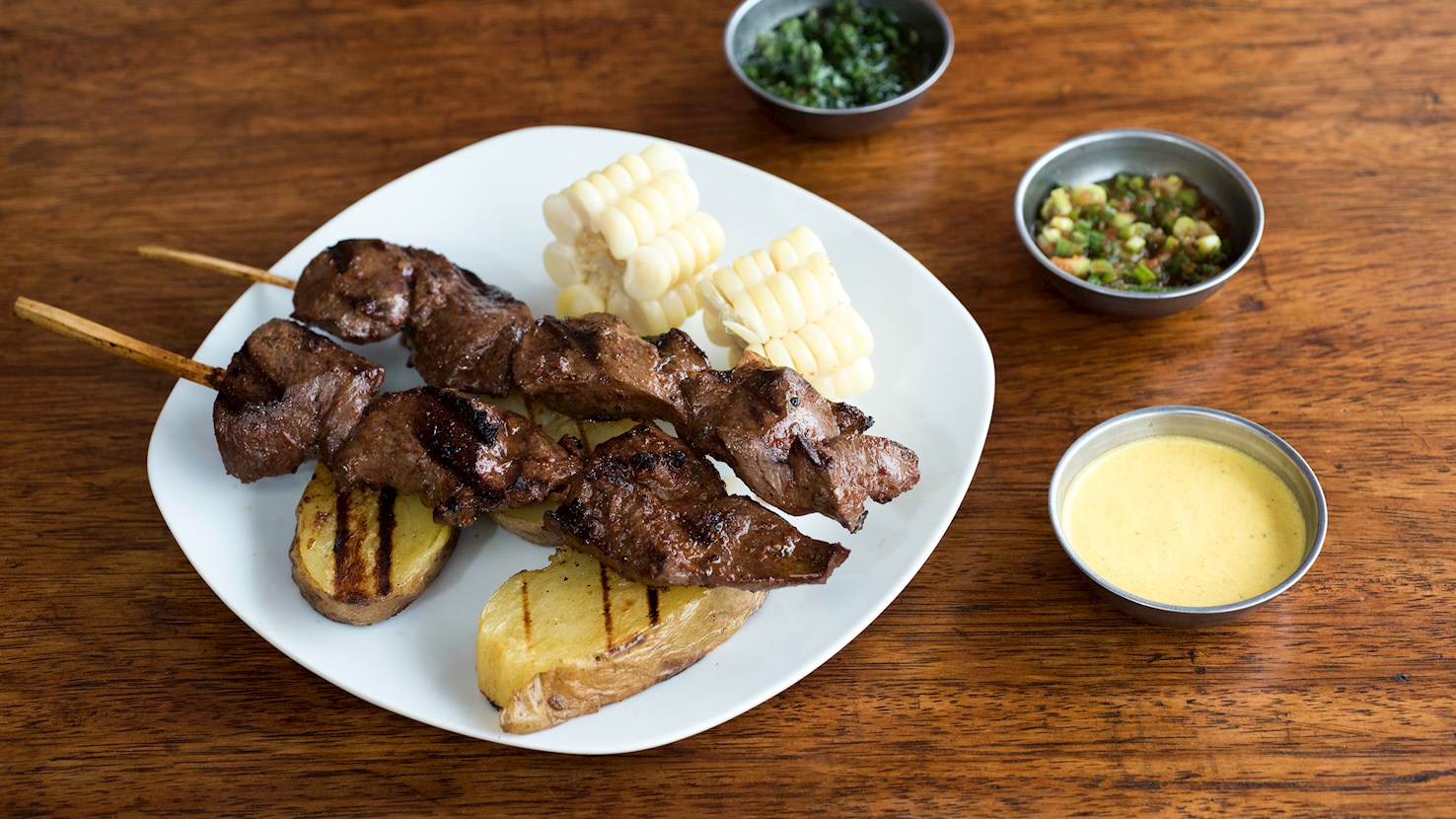
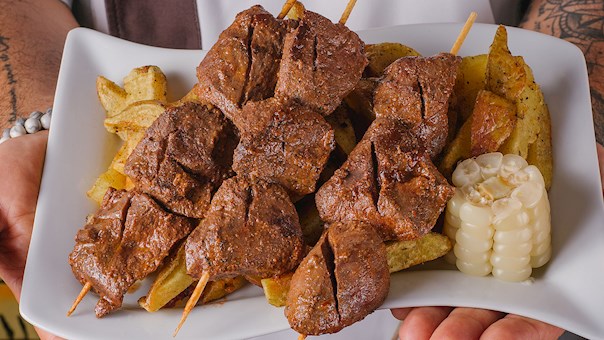
Anticucho de corazon is a traditional dish originating from Peru, consisting of beef heart skewers. The dish is made with a combination of beef heart, oil, red wine vinegar, garlic, oregano, cumin, salt, and aji panca hot pepper paste. The beef heart is cut into cubes and marinated in a combination of all other ingredients. The cubes are then skewered and grilled until fully cooked and slightly charred. These beef heart skewers are traditionally served with accompaniments such as thick slices of boiled potatoes, corn, and aji amarillo sauce on the side as a dip. It's recommended to enjoy anticucho de corazon with a bottle of ice-cold beer.

02

Empanadas Tucumanas

4.4 ·

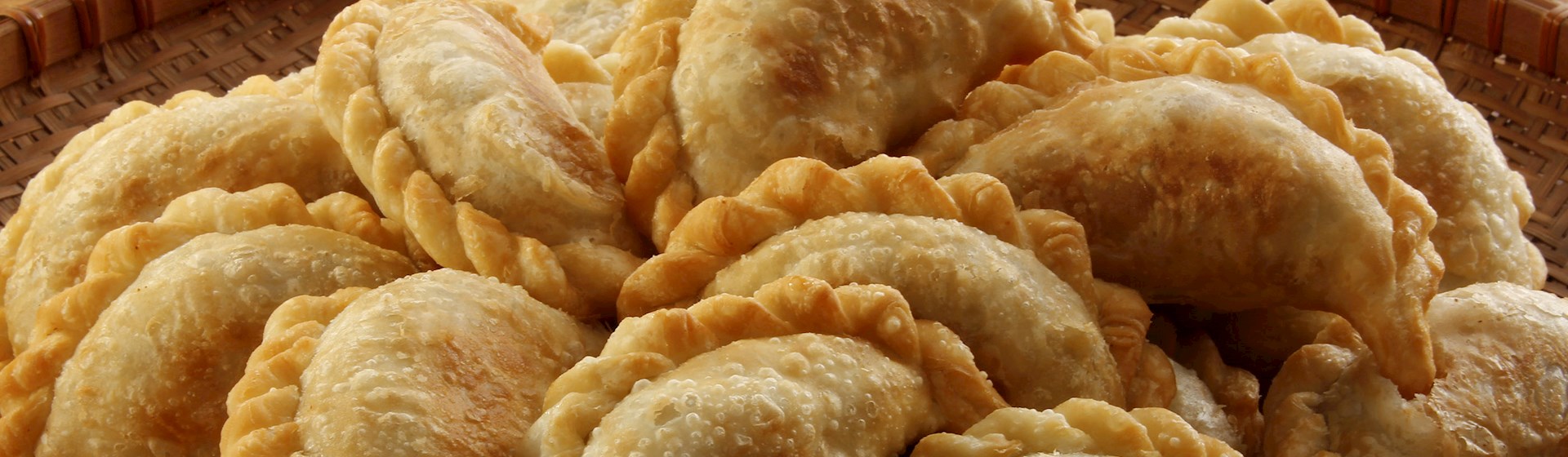
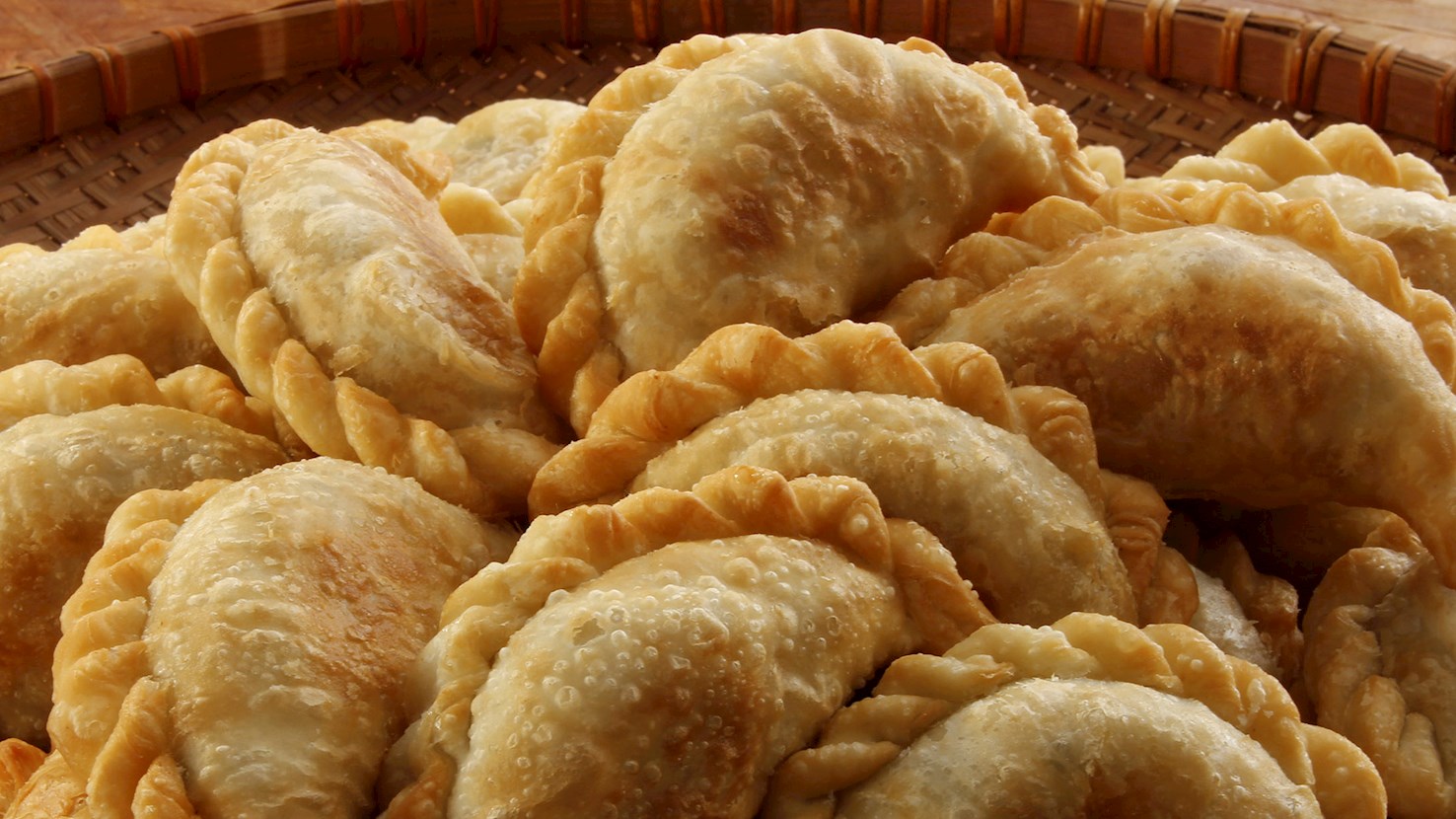
These empanadas are a specialty of the region of Tucumán, and they are quite different than numerous empanadas found in Buenos Aires. Tucumanas are typically handmade according to old, traditional recipes, and are characterized by a crispy dough and ideal proportions of dough and fillings. The dough is made with wheat flour and beef fat, and it is then usually filled with beef, chicken, or tripe, along with other ingredients such as onions, hard-boiled eggs, paprika, and cumin. Authentic Tucumanas should be baked in a clay oven, and it is best to enjoy them with a glass of local wine on the side.

03

Empanadas Argentinas (Argentinian Empanadas)

4.4 ·

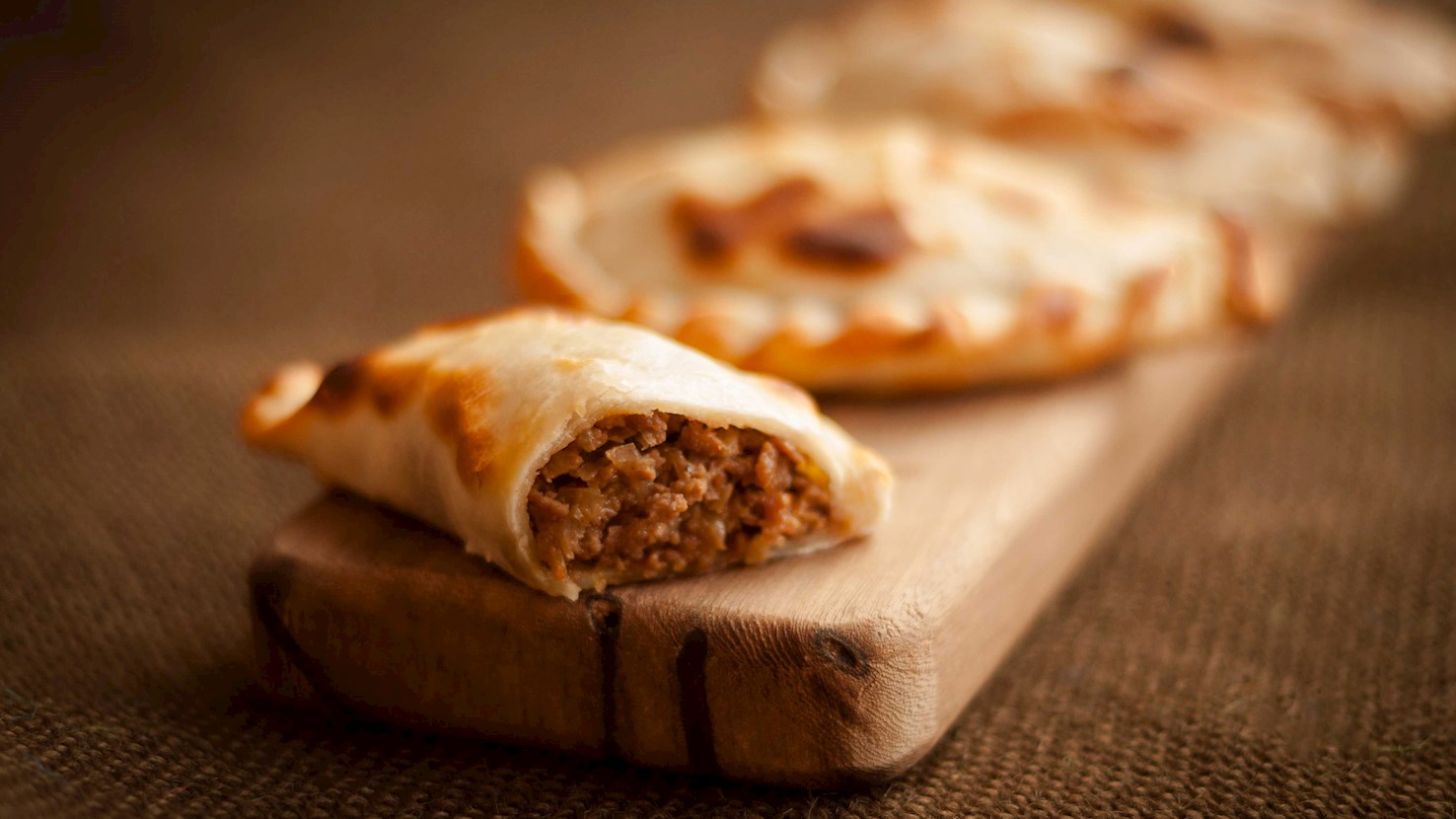
Empanadas argentinas, or Argentinian empanadas, make up a group of traditional Argentinian pastries filled with a variety of ingredients, from meat to cheese and vegetables. Although they are mostly enjoyed in their savory form, there are sweet dessert varieties filled with ingredients such as dulce de leche and quince. The dough, typically made with wheat flour, is rolled thin and folded over a filling, and the resulting parcel is then baked or fried to golden perfection. Traditional empanadas often feature ingredients such as ground beef, onions, and spices, giving them a robust and savory flavor. Still, each region of Argentina boasts its own unique style and flavor profiles - small and spicy from Salta, large Mendoza-style ones with garlic and olives, ones from Cordillera with lamb, and so on. Empanadas argentinas are not just a culinary delight; they are also a cultural symbol (empanadas criollas have even been declared a Cultural Heritage of Food and Gastronomy by the Argentine Ministry of Culture). They are enjoyed as a quick snack, a light lunch, or a hearty dinner and are often served during parties and various festivities.

04

Anticuchos de pescado

4.4 ·

Anticucho de pescado is a traditional dish originating from Peru, consisting of fish on skewers. The dish is prepared by marinating firm white fish in a combination of garlic, paprika, salt, vinegar, lime juice, oil, cumin, and black pepper. The fish is then cut into cubes, placed on skewers and grilled until fully cooked. Once done, the fish skewers are served on a platter and the dish is traditionally accompanied by thick sliced of boiled potatoes, lettuce, corn, and aji amarillo sauce on the side for dipping. It's recommended to garnish anticucho de pescado with lemon wedges.

05

Choclo con queso

4.3 ·

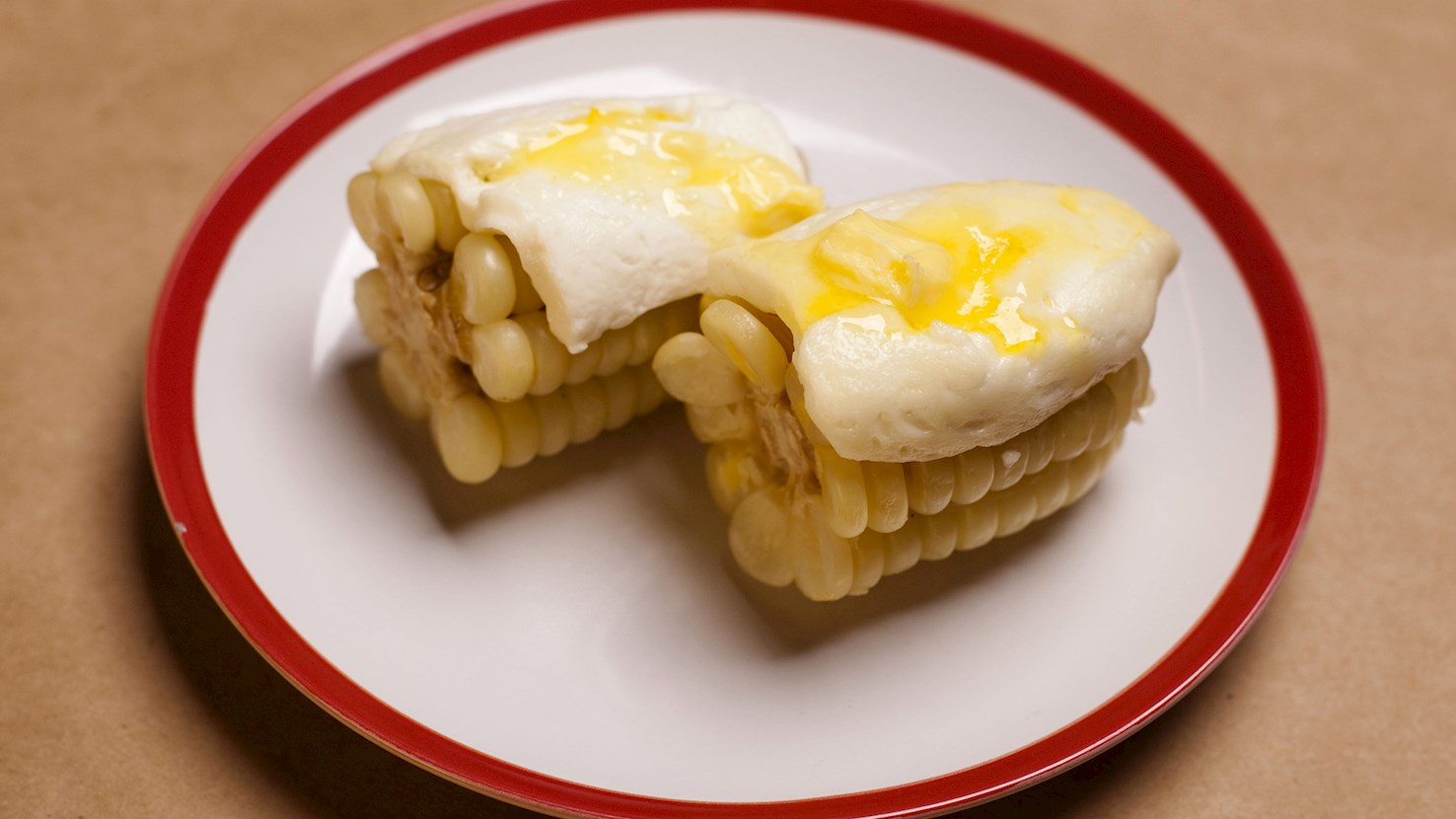
Choclo con queso is a Peruvian meal that is often consumed as a snack, an appetizer, or a side dish. Peruvian choclo is a type of corn with large kernels, nutty flavor, and chewy texture. When paired with creamy and salty cheese and a dab of butter on top, it results in choclo con queso (lit. corn with cheese). Although it can be found in restaurants, this delicious snack is most commonly bought from street vendors. In some modern interpretations, the dish can also be made into a baked casserole with added onions, cumin, flour, and milk.

06

Sandwich de lomo

4.3 ·

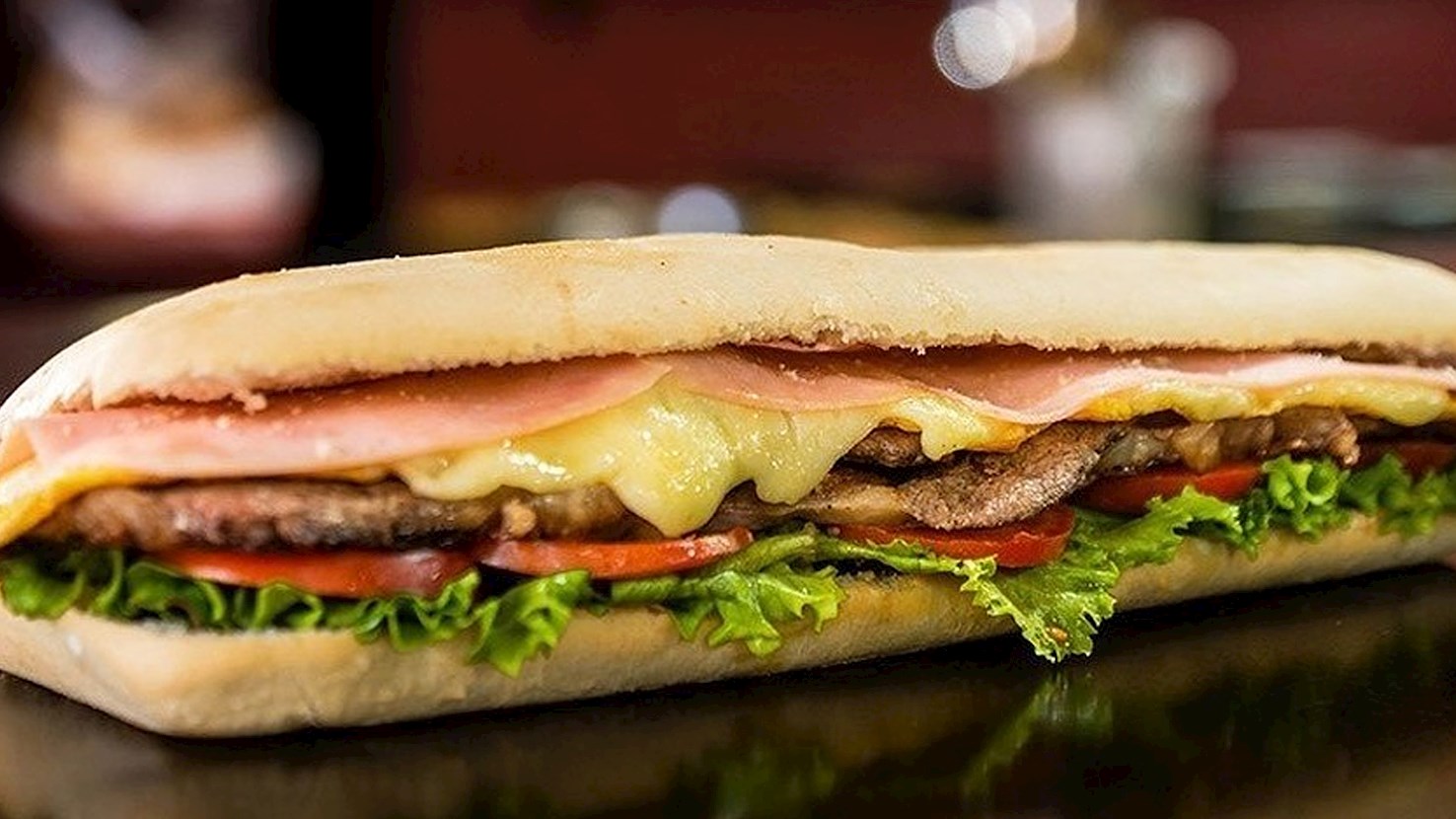
This is an extreme version of a steak sandwich – filled with thinly sliced lomo steak, tomatoes, onions, lettuce, mayonnaise, chimichurri sauce, ham, cheese, and a fried egg, sandwich de lomo or lomito is a behemoth of a sandwich that is sure to satiate even the hungriest consumers. However, this delicious sandwich is open to innovation – some might substitute the steak with pork, or put aubergine slices into it, along with any other ingredient that comes to mind. Popular both in Argentina and Uruguay, it can easily be found at numerous street carts dispersed throughout the metropolitan areas of both countries.

07

Coxinha

4.3 ·

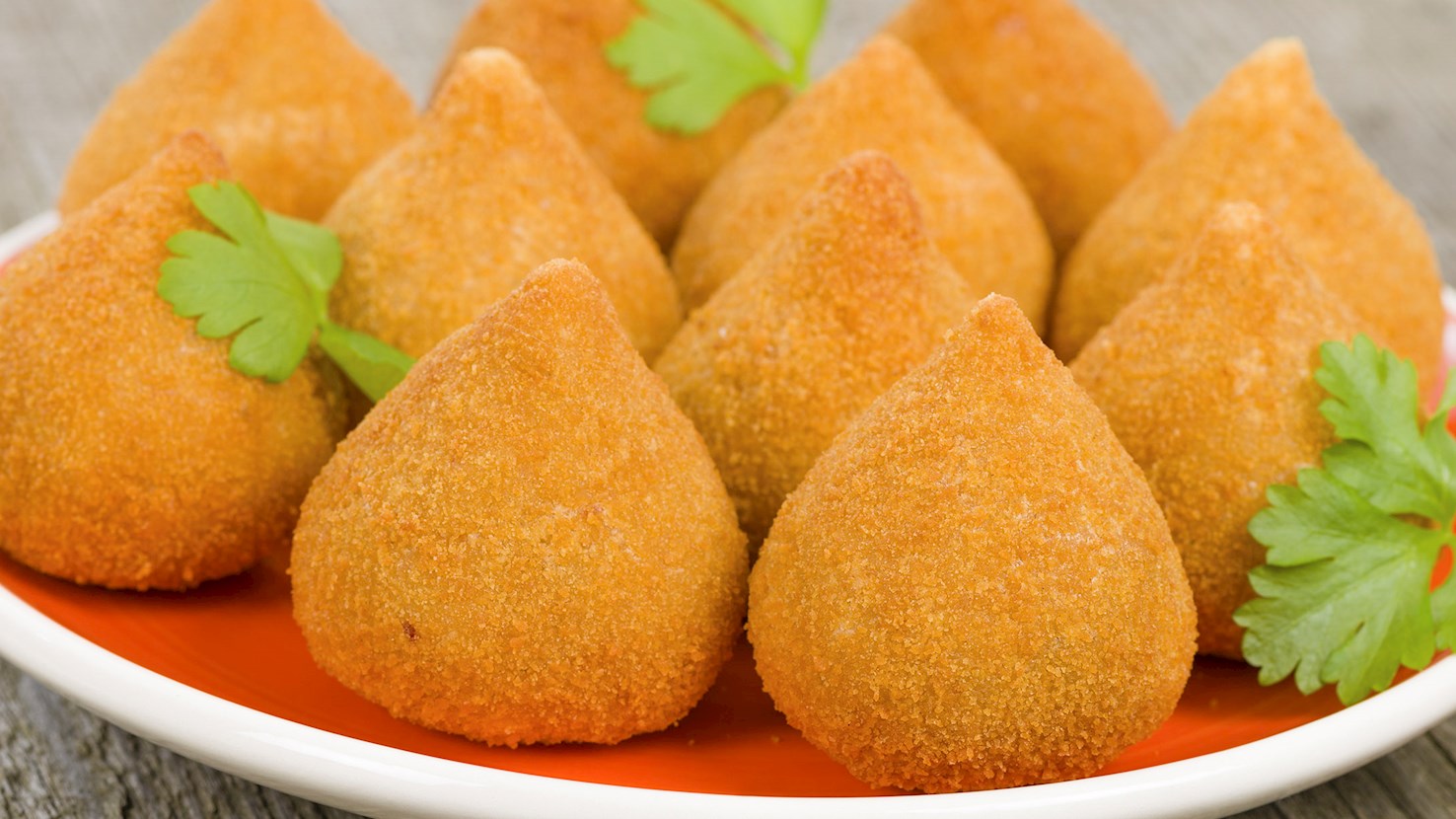
One of Brazil's favorite street foods, coxinha (lit. little thigh) is a crispy croquette filled with chicken meat and cream cheese that is cleverly shaped into a chicken drumstick, then breaded and deep-fried. Coxinha originated around São Paulo in the 19th century, and by the 1950s it spread to Rio de Janeiro and Paraná, having now become one of the most popular salgados (savory appetizers) across the country. Legend has it that coxinha was first made for the Brazilian princess Isabel's son who only liked chicken thigh meat. However, according to food historians, it was probably invented during the industrialization of São Paulo to be marketed as a cheaper and more durable substitute to traditional chicken cuts that were sold at the gates of local factories as snacks for the workers. Nowadays, coxinhas can be found anywhere from Brazilian snack bars called lanchonetes, cafés, buffets and even bakeries to numerous stand-up lunch counters and street food stalls. The perfect coxinha has a golden, crunchy crust which envelopes the chicken stock and flour dough and breaks away into its creamy interior made with shredded chicken breast and Catupiry requeijão cremoso cheese. It is typically flavored with onion, garlic, cilantro, and lime. For a well-rounded snack, these delicious Brazilian chicken-filled nibbles are usually served with hot chili sauce, vinaigrette or garlic mayonnaise, and best enjoyed with a glass of cold beer.

08

Papa rellena

4.2 ·

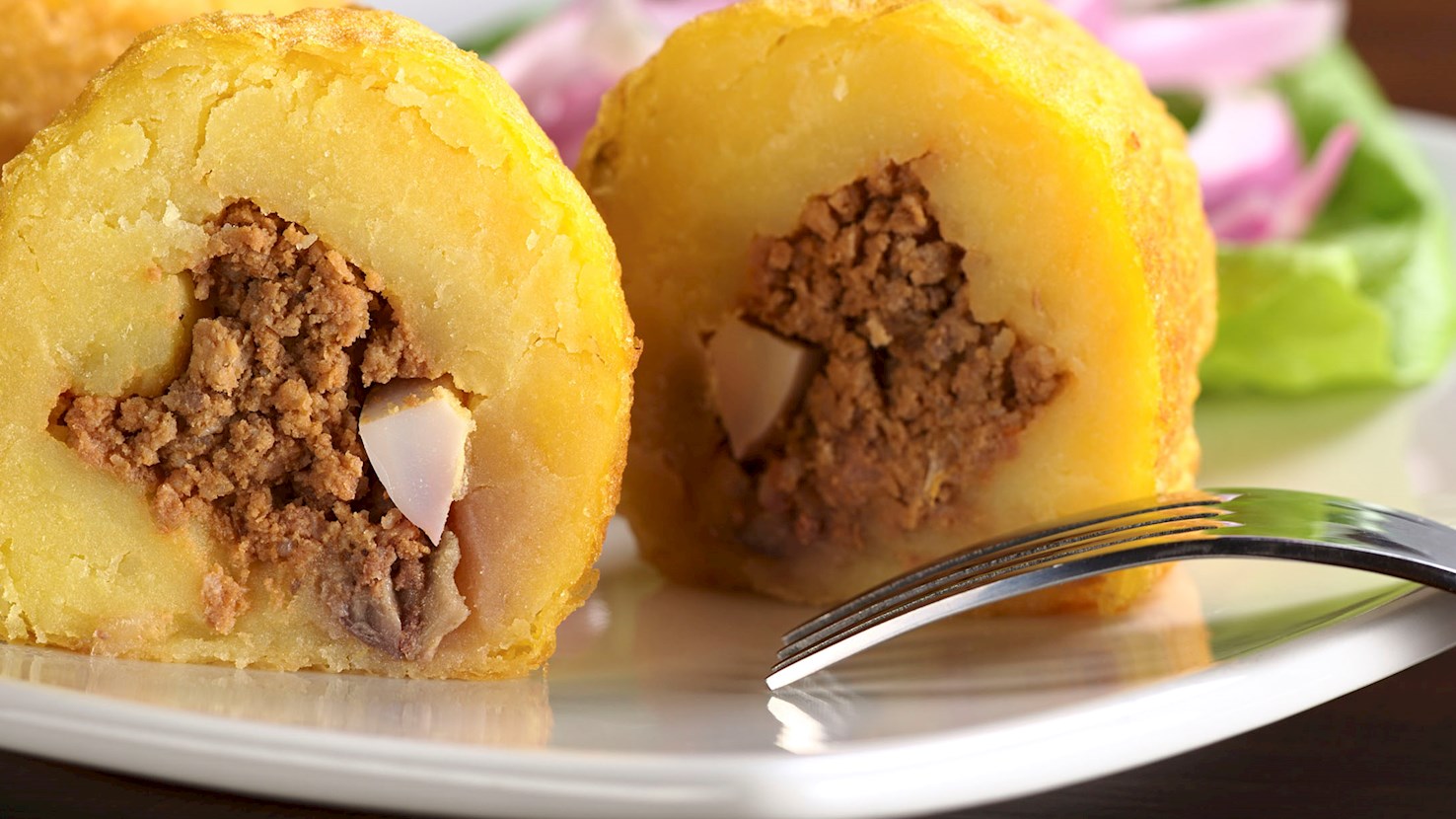
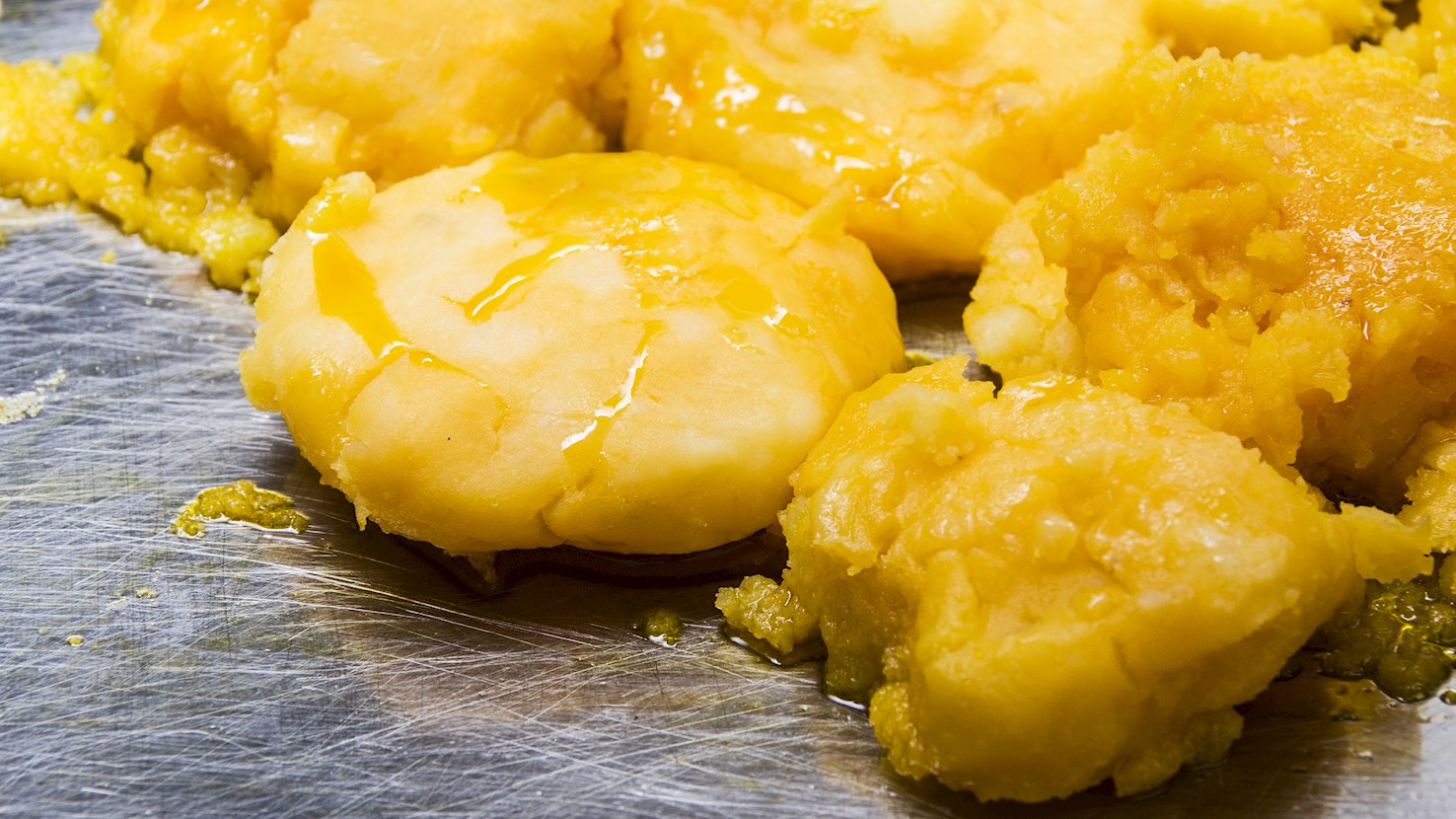
Golden, tender, and warm papa rellenas are traditional Peruvian stuffed potatoes, a type of croquette consisting of fried mashed potatoes with a meat filling on the interior. The filling usually consists of chopped beef that is mixed with onions and cumin. In Peru, the typical accompaniment to papa rellena is salsa Criolla (hot Creole sauce). The dish is popular as a street food, but it is also served at restaurants and prepared at home. A popular theory suggests that the dish was invented in 1879, in the height of the War of the Pacific by Peruvian soldiers who needed durable, pre-made food, so they would cook the meat, season it, and place it into the hollowed potatoes, which were later fried and wrapped in cloths. As the soldiers returned home, the dish was popularized by their families who would add their own touch to the basic recipe. Today, the dish is no longer reserved for Peruvians, ever since the biggest chefs of Peru have promoted it throughout the world.

09

Choripán

4.2 ·

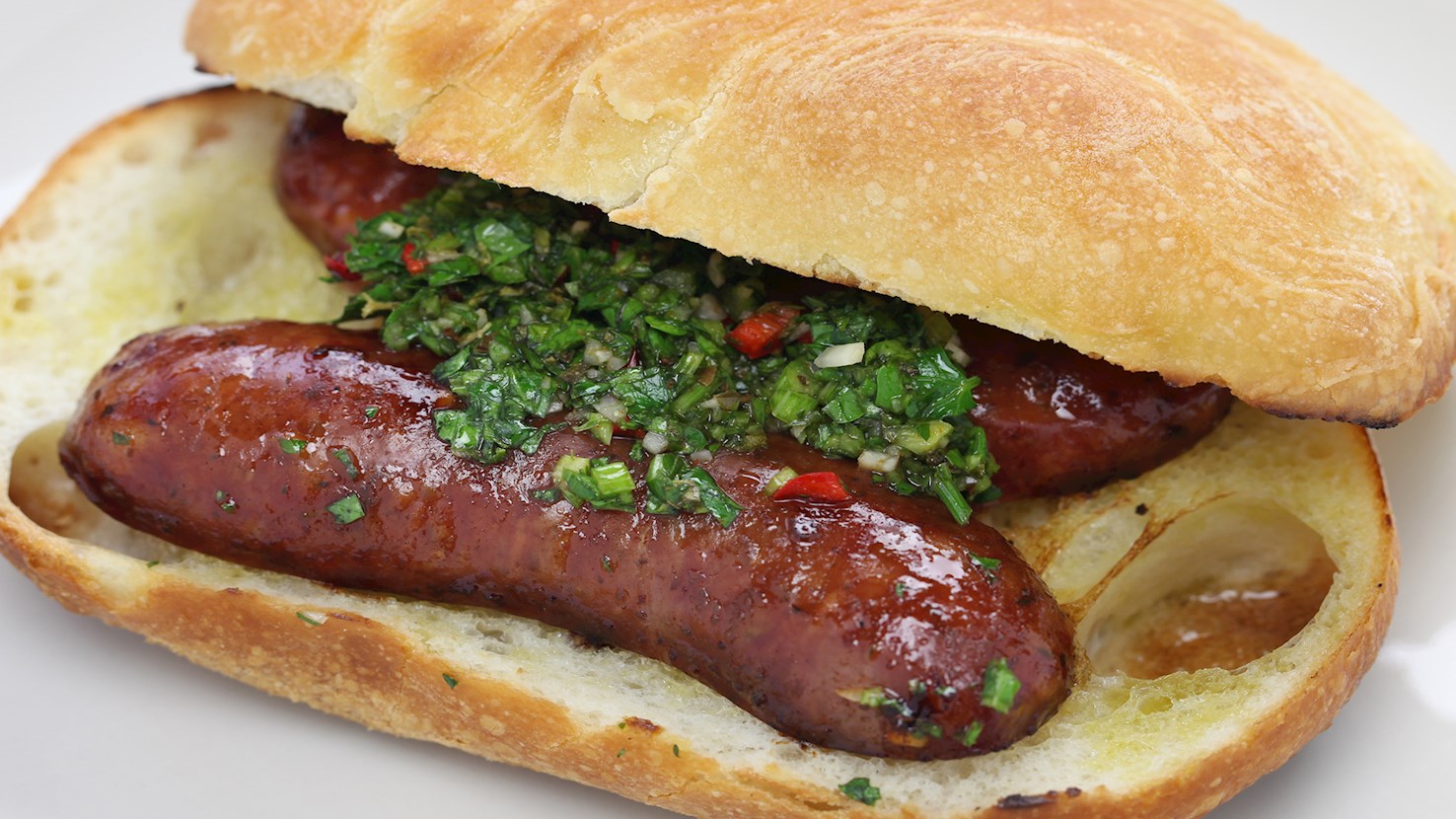
Choripán is the ultimate in Argentine street food, a sandwich consisting of a chorizo sausage and a variety of condiments in a crusty bun. It is usually consumed on the go, since it is mostly sold at street stands throughout Latin America. The name choripán is derived from two words: chorizo, referring to the sausage, and pan, meaning bread.

10

Picada Colombiana

4.2 ·

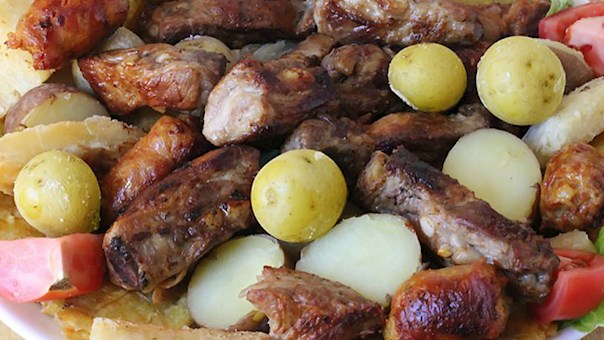
Picada Colombiana is a traditional dish where a variety of grilled or fried meat and vegetables are served on a large platter. The dish is usually prepared on Sundays for family and friends or at various special occasions and celebrations, but it can also be found served as street food. Picada Colombiana typically includes papa criolla potatoes, pork, chicken, beef, morcilla blood sausages, longaniza, arepas, guacamole, sweet plantains, chunchullo (fried intestines), and envuelto (corn in husks). It is recommended to season this hearty dish with a squeeze of lime juice, as they usually do in Colombia.

12

Anticuchos

4.2 ·
13

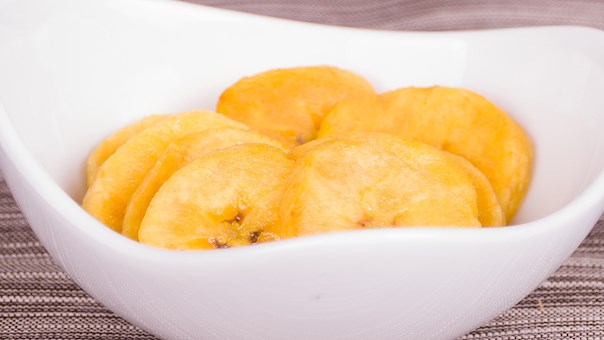
Chifle

4.2 ·
14

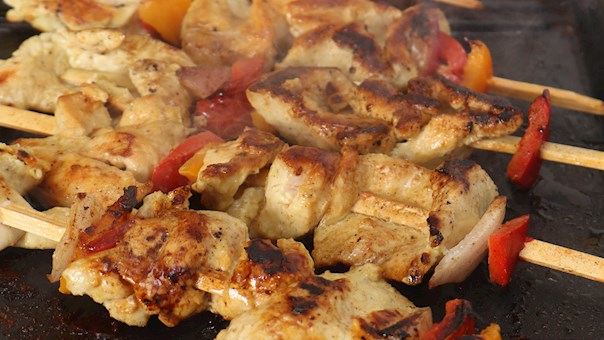
Anticucho de pollo

4.2 ·
15

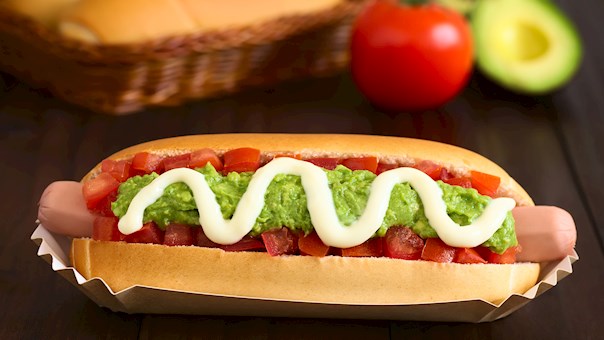
Completo

4.2 ·
16

Arepa de huevo

4.1 ·
17

Chipa

4.1 ·
18

Acarajé

4.1 ·
19

Arepa de choclo

4.1 ·
20

Pastel mandi'o

4.1 ·
Read more
View all
View map
About this ranking

TasteAtlas food rankings are based on the ratings of the TasteAtlas audience, with a series of mechanisms that recognize real users and that ignore bot, nationalist or local patriotic ratings, and give additional value to the ratings of users that the system recognizes as knowledgeable. For the “Top 49 South American Street Food” list until May 15, 2026, 8,358 ratings were recorded, of which 3,759 were recognized by the system as legitimate. TasteAtlas Rankings should not be seen as the final global conclusion about food. Their purpose is to promote excellent local foods, instill pride in traditional dishes, and arouse curiosity about dishes you haven’t tried.

Similar lists