El Navarrico is a Spanish family-owned company specializing in high-quality vegetable preserves, based in San Adrián in the Navarra region of northern Spain. Founded in 1960 by José Salcedo and Amalia Herce, the company began as a small family initiative focused on preserving local vegetables such as asparagus and piquillo peppers. Over time it developed into a recognized producer of gourmet canned vegetables, legumes, sauces and prepared dishes while maintaining a close connection with regional agriculture. Navarra’s fertile soils and favorable climate provide ideal conditions for cultivating products like white asparagus, artichokes and piquillo peppers, which form the core of the company’s production. El Navarrico emphasizes the use of fresh, carefully selected ingredients and processing methods designed to preserve the natural flavor and texture of the vegetables. The company combines traditional preserving techniques with modern production technology to ensure quality and consistency. Today its portfolio includes a wide range of vegetable preserves and other pantry products distributed in many international markets. Through its focus on regional ingredients and careful preparation, El Navarrico reflects the long culinary tradition of vegetable preservation in Navarra.
La Catedral de Navarra is a Spanish company specializing in premium vegetable preserves, based in Mendavia in the Navarra region of northern Spain. The origins of the brand date back to the early 20th century, when Petra López began preserving locally grown vegetables in small glass jars using traditional methods. Over time, this family initiative developed into a company dedicated to producing high-quality preserves that reflect the agricultural heritage of the fertile Ebro valley. The company focuses on vegetables such as white asparagus, piquillo peppers, artichokes and other seasonal crops cultivated in Navarra. These products benefit from the region’s fertile soils and favorable climate, which contribute to their distinctive flavor and quality. La Catedral de Navarra works closely with local farmers and processes the vegetables shortly after harvest to maintain freshness and natural taste. Several of its products are linked to protected quality schemes such as Espárrago de Navarra PGI, Pimiento del Piquillo de Lodosa DO and Alcachofa de Tudela PGI. By combining traditional preserving techniques with modern quality control, the company has become recognized for producing gourmet vegetable preserves rooted in the culinary traditions of Navarra.
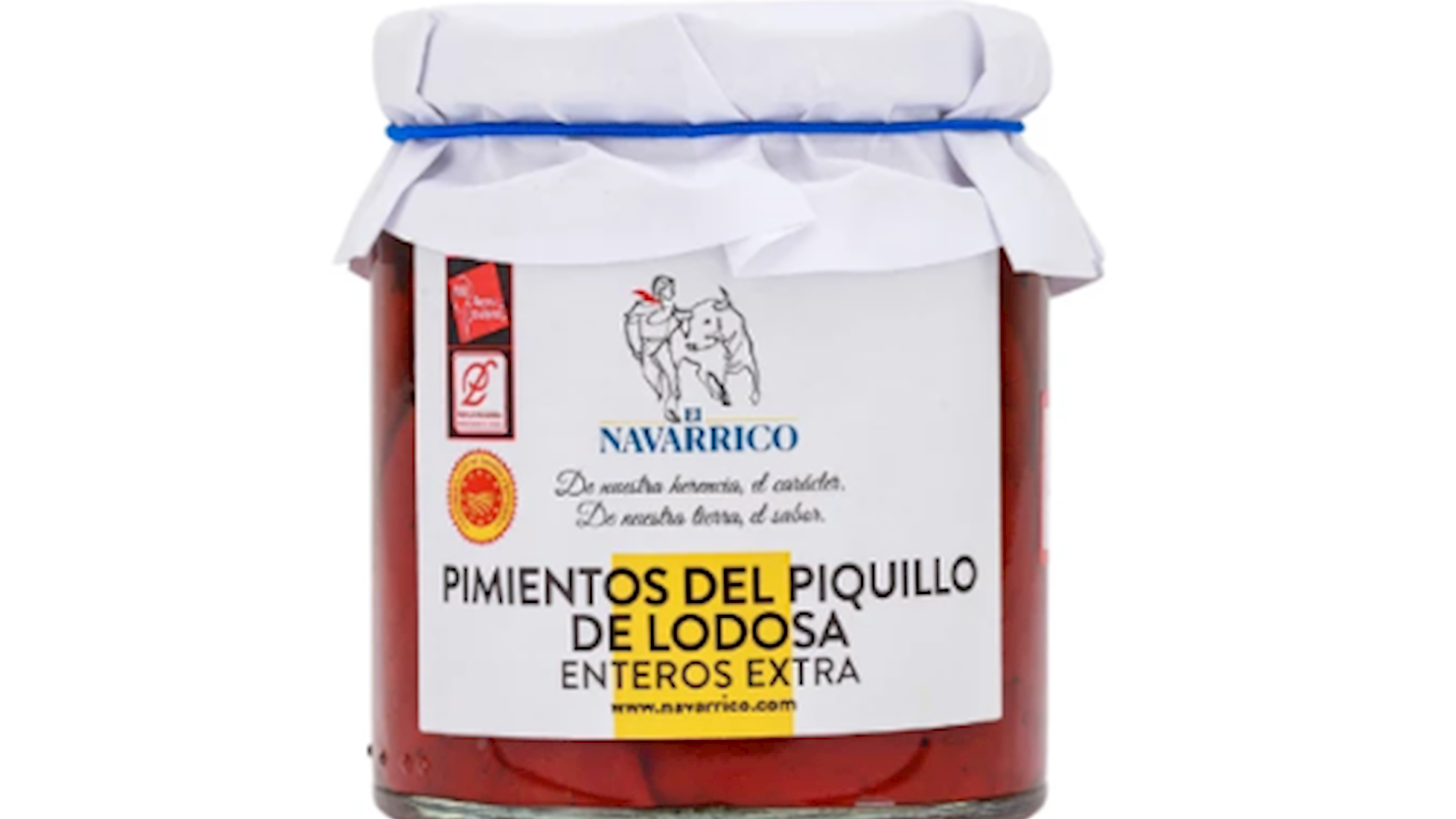
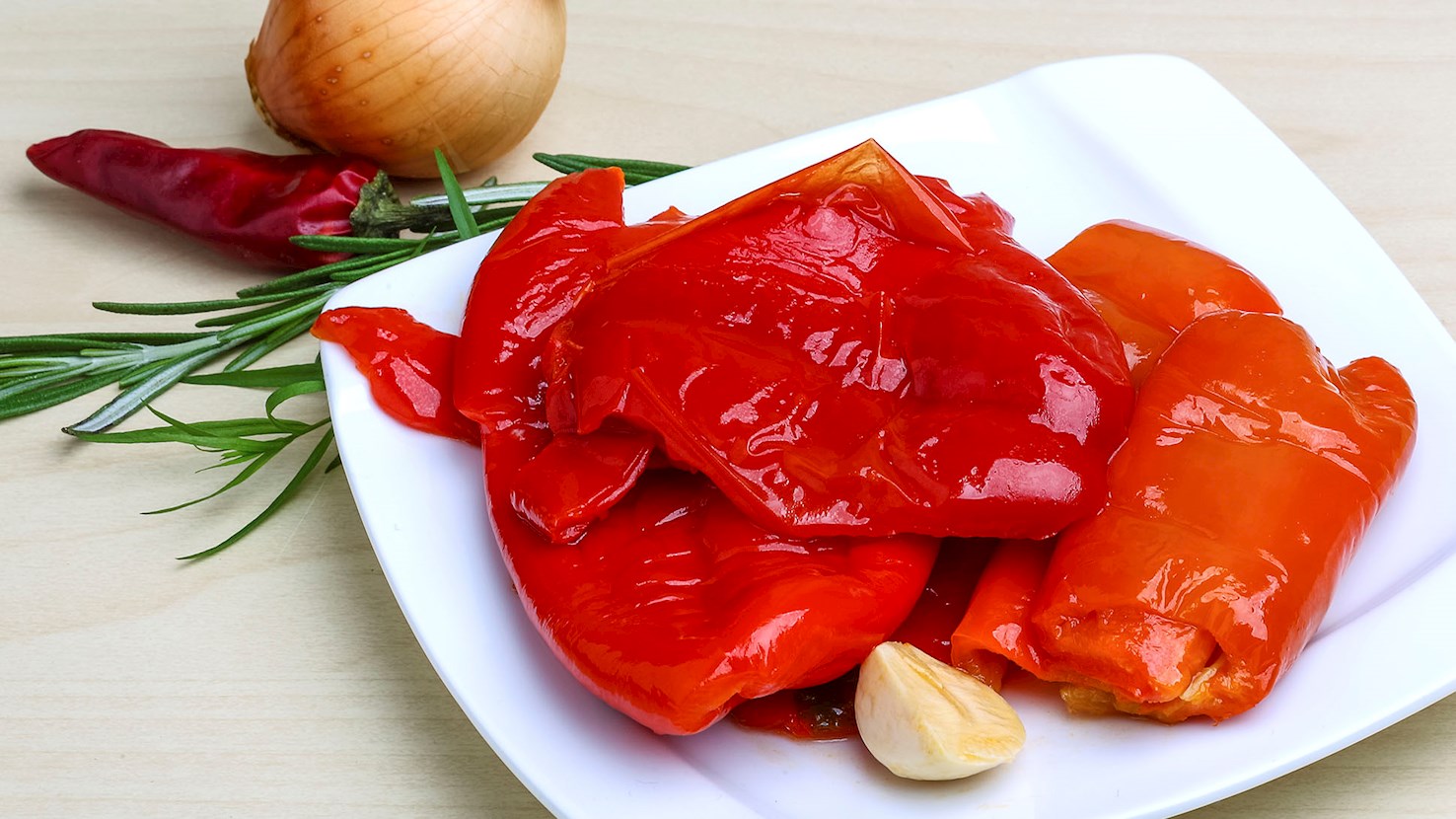
Pimientos del Piquillo de Lodosa are roasted Piquillo variety peppers produced in the autonomous community of Navarre. The area of production has a Mediterranean climate with relatively high levels of precipitation, which is essential for the optimal development of these pepper. They are grilled or roasted (to bring out their sweetness), hand-peeled, marinated in olive oil with herbs, then jarred. The flavor of Pimientos del Piquillo de Lodosa is pleasantly bitter, with a sweet and slightly spicy aftertaste.
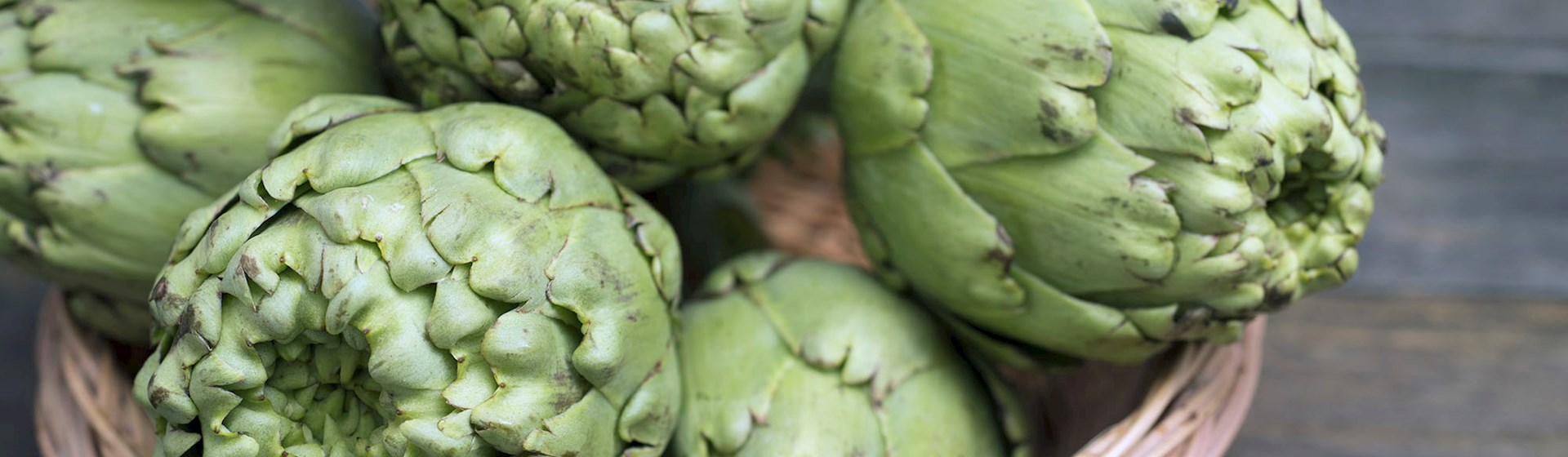
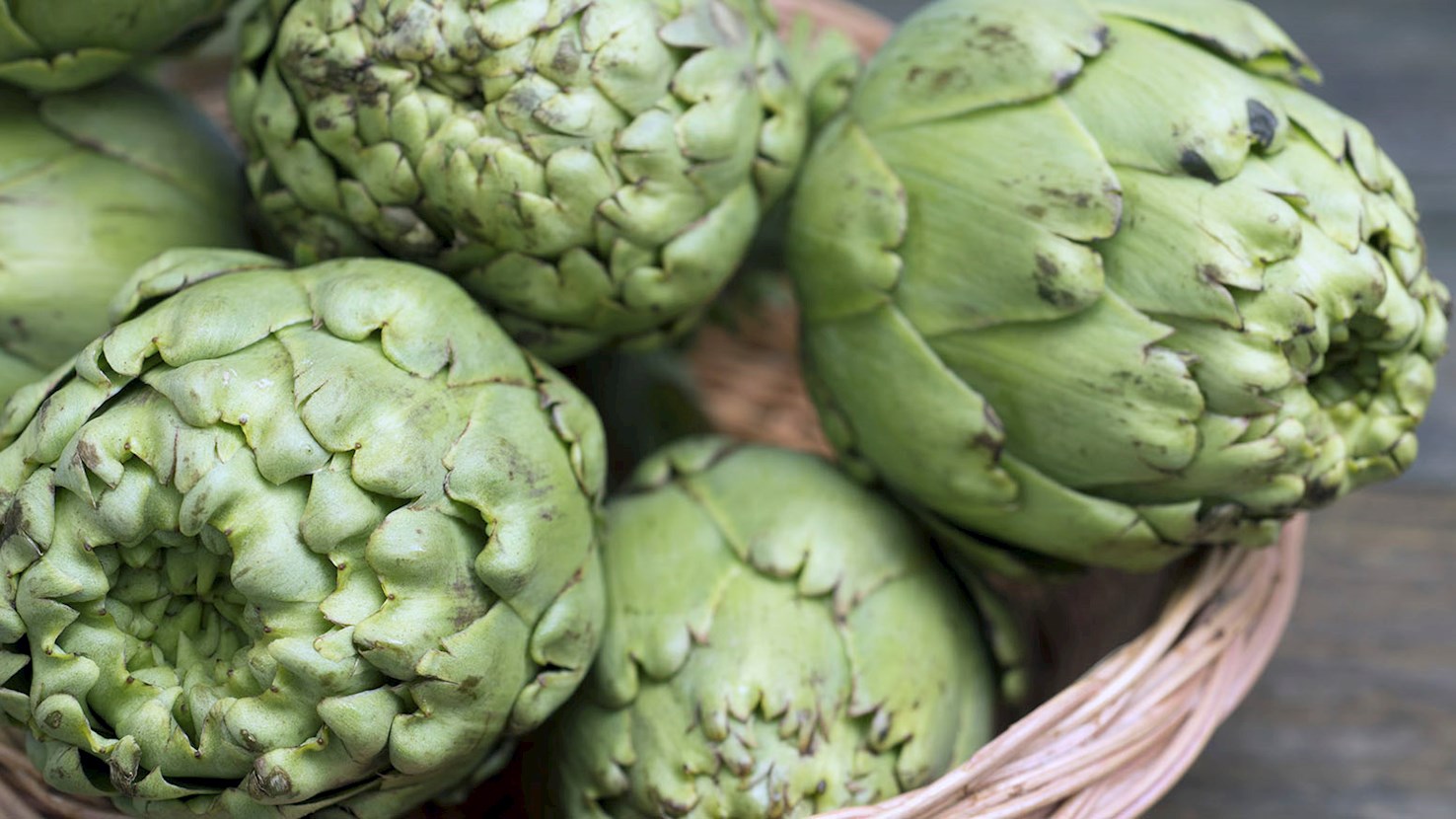
Alcachofa de Tudela are flower buds of the Blanca de Tudela artichoke variety, grown mostly in the district of Ribera, in the Spanish Navarre region. Artichokes have been cultivated in this region since medieval times and they are Navarre’s best-known vegetable produce, alongside asparagus. Rigorously screened and graded before being packaged and shipped, Tudela artichokes are usually marketed fresh, stemless and in bunches of a -dozen, or canned. Their most distinctive feature is their resistance to blackening after harvesting. To ensure the premium quality of buds, artichokes of this variety are carefully harvested from August to July using only labour-intensive manual methods.
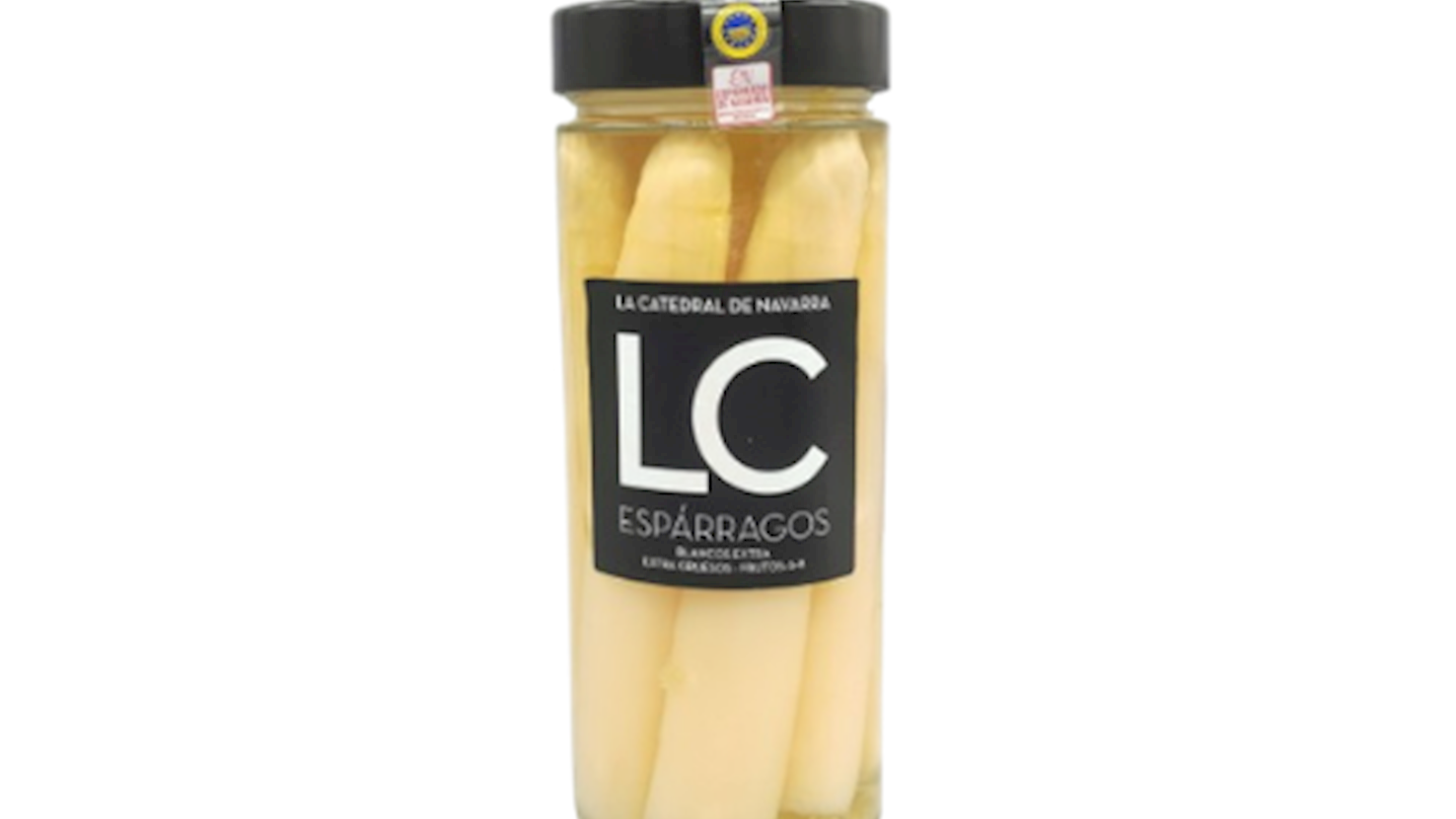
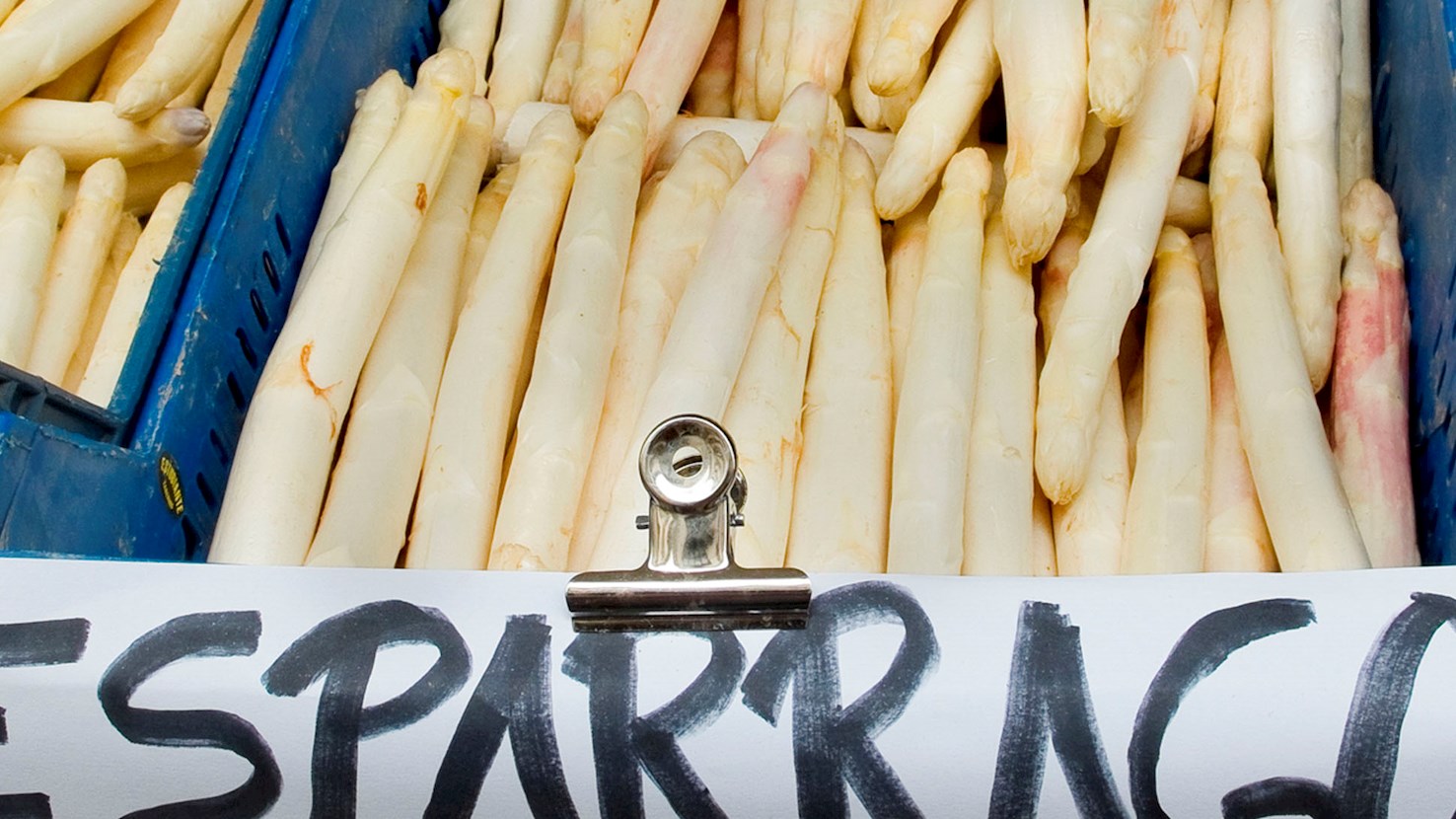
Espárrago de Navarra is a white asparagus grown in the regions of Navarre, Rioja, and Aragon. It can be sold fresh or canned, whole or cut. This asparagus has a thick white stalk that is tender and crunchy. The taste of Espárrago de Navarra is mellow and buttery with little or no bitter aftertaste. It is grown in the area known as 'valle medio del Ebro', which consists of 263 municipalities in Navarre, Rioja, and Aragon. Espárrago de Navarra is a seasonal product and is only harvested from March to June. Nutritionally, the asparagus have low fat and carbohydrate content and are rich in vitamins B and E.
Choricero pepper is a long red pepper, typically dried, from northern Spain, especially associated with the Basque Country and parts of La Rioja and Navarre, where it plays an essential role in local cooking. It is used not as a fresh vegetable but as a dried seasoning ingredient that imparts sweetness, depth, and a characteristic red color to stews, sauces, sausages, and meat dishes. Although mild in flavor and low in heat, its concentrated taste and aromatic qualities make it indispensable in many regional recipes, particularly those involving meat and fish. The pepper’s origin is closely linked to the introduction of capsicum varieties from the Americas to the Iberian Peninsula in the 16th century. Farmers in northern Spain gradually adapted these plants to their climate and soil, selecting varieties that developed thick flesh, mild flavor, and the ability to dry well without losing their aromatic qualities. Over time, the choricero became a fixture of local agriculture and a cornerstone of the region’s cooking. It is especially valued in Basque cuisine, where it became a key ingredient in sauces like salsa vizcaína and in stews such as bacalao a la vizcaínaor meat dishes like carne guisada. Choricero peppers are typically sun-dried after harvest, which enhances their flavor and allows them to be stored for months. Before cooking, the dried peppers are soaked in warm water until softened. The skin is then slit open, and the inner flesh is scraped out with a spoon or knife. This pulp is what is used in cooking, added directly to sauces, stews, and sautés, where it melts into the dish and contributes a sweet, slightly smoky flavor and vibrant color. Because of its richness, only a small amount is needed to transform the taste and texture of a sauce or broth.
What distinguishes the choricero from other peppers is its ability to enrich dishes without adding heat. Its deep, sweet flavor and thick, meaty flesh give sauces a velvety texture and an earthy complexity that pairs well with slow-cooked preparations. It also blends seamlessly with other Spanish staples like garlic, onions, olive oil, and tomatoes, forming the base of many regional dishes. Choricero peppers are most commonly used in Basque and northern Spanish cooking, where they appear in stews, braises, and sauces served with cod, lamb, beef, and other hearty ingredients. They are a key component of salsa vizcaína, the tomato-free sauce that defines many Basque dishes, and they also enhance vegetable preparations such as menestra and bean stews. They pair well with robust red wines from Rioja or Navarra, which complement their sweetness and depth.
TasteAtlas food rankings are based on the ratings of the TasteAtlas audience, with a series of mechanisms that recognize real users and that ignore bot,
nationalist or local patriotic ratings, and give additional value to the ratings of users that the system recognizes as knowledgeable.
For the “Top 4 Navarrese Vegetables” list until June 01, 2026, 53 ratings were recorded, of which 44 were recognized by the system as legitimate.
TasteAtlas Rankings should not be seen as the final global conclusion about food. Their purpose is to promote excellent local foods,
instill pride in traditional dishes, and arouse curiosity about dishes you haven’t tried.
The initial list of top producers was compiled based on available reviews, awards, local recommendations, media and blog coverage, and consumer reviews.
The list will be updated with ratings from TasteAtlas local ambassadors and TasteAtlas users.