shutterstock

Top 100 Western European Vegetables

Last updated on June 15, 2026

Best Western European Vegetable Types

01

Pomodoro S. Marzano dell'Agro Sarnese-Nocerino

4.6 ·

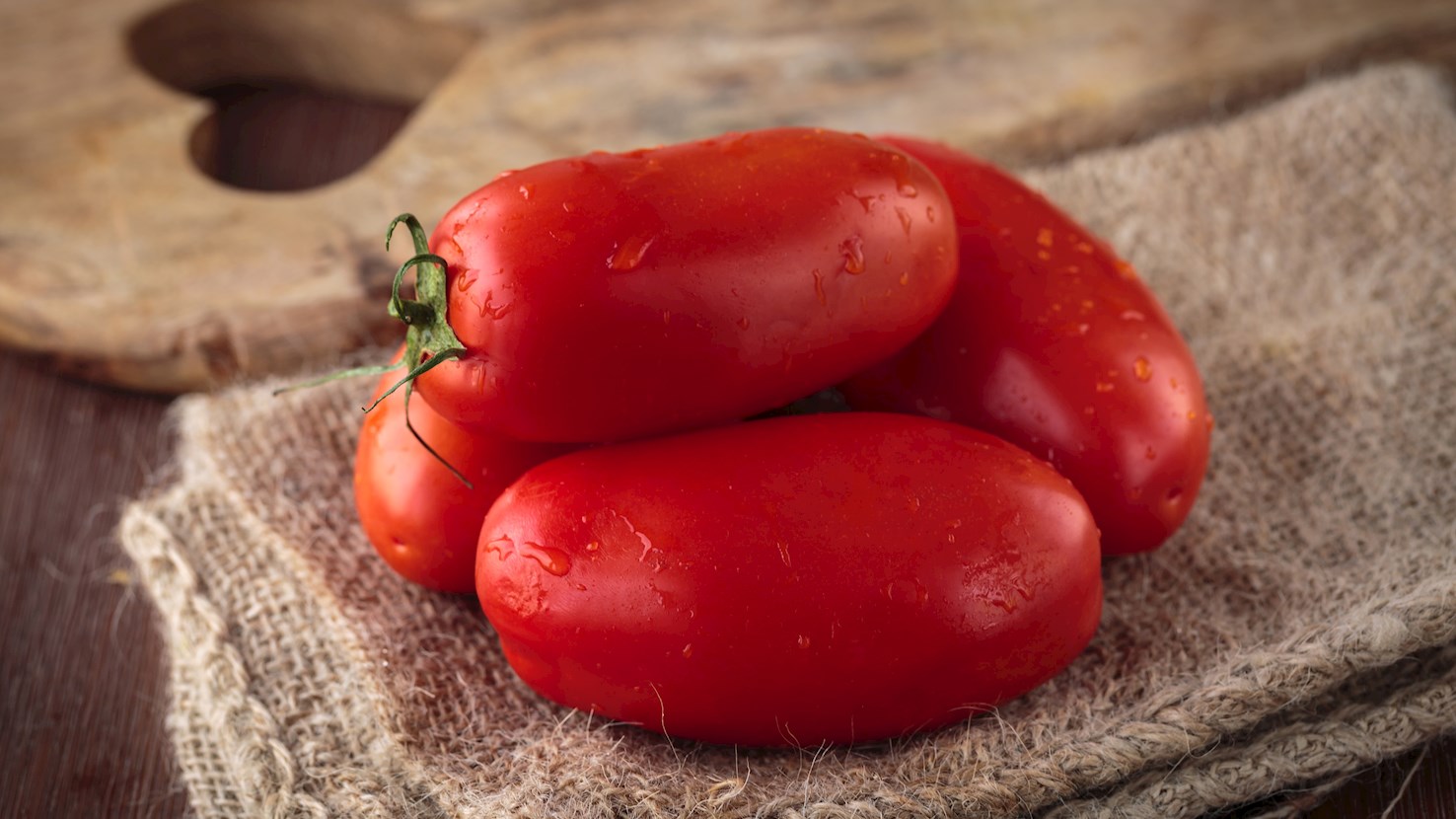
Prized by many chefs as the best of its kind, Pomodoro S. Marzano dell’Agro Sarnese-Nocerino is a variety of plum tomato grown along the banks of Sarno River in the fertile volcanic plains south of Mount Vesuvius, namely within the provinces of Naples, Salerno and Avellino. Locally known as 'the king of tomatoes', San Marzano peels quite easily and is characterized by an almost seedless flesh, bright red color and a delicate, bittersweet flavor. Even though San Marzano tomatoes are commonly used in a wide variety of Italian dishes, they have been designated as the only tomato variety that can be used for Vera Pizza Napoletana, the genuine Neapolitan pizza.

02

Cipolla Rossa di Tropea Calabria

4.5 ·

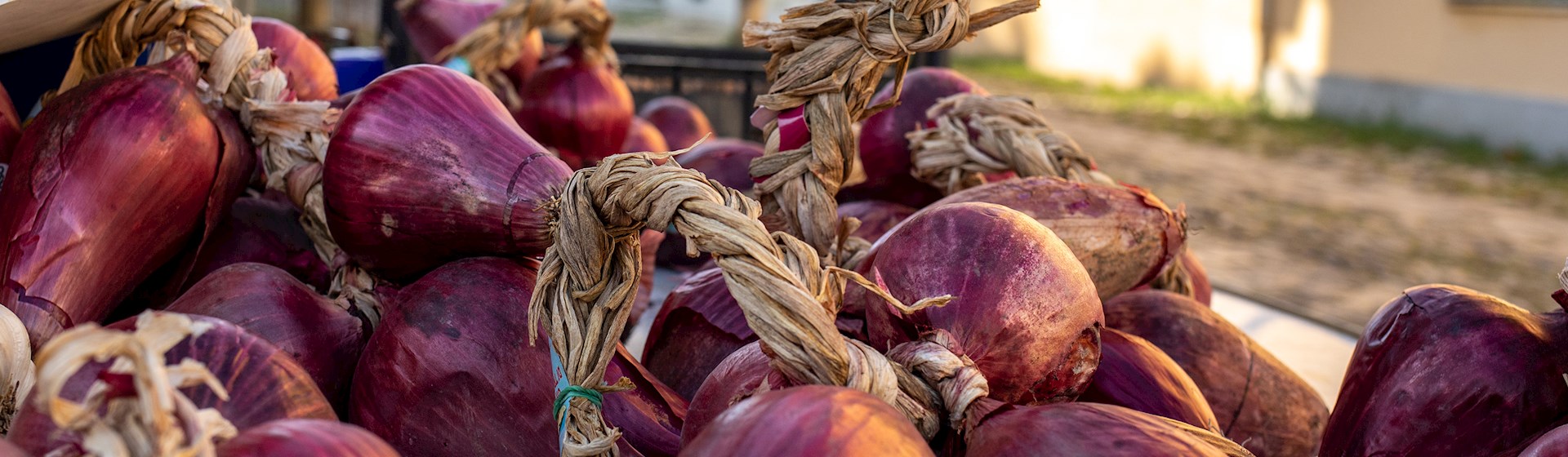
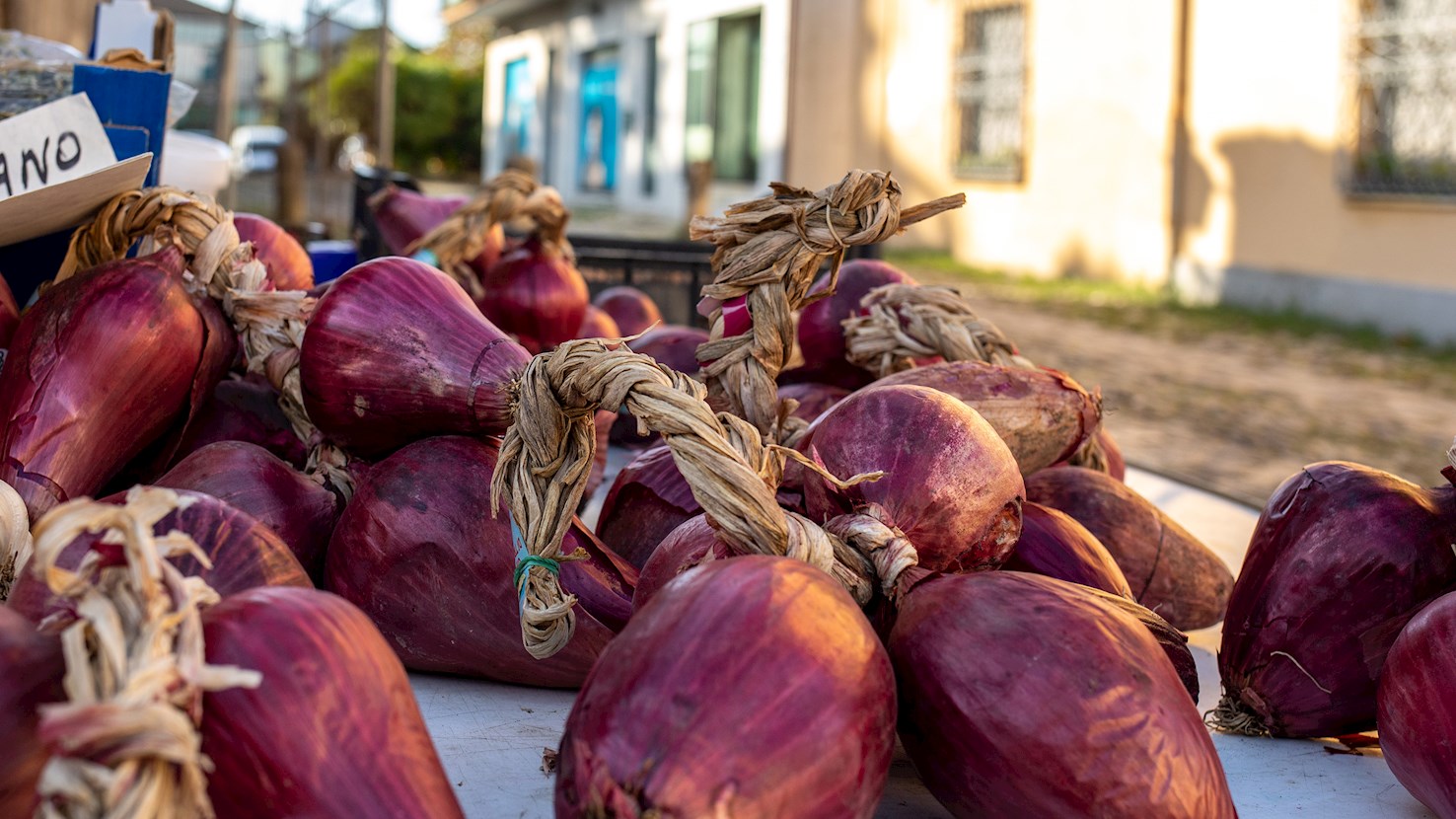
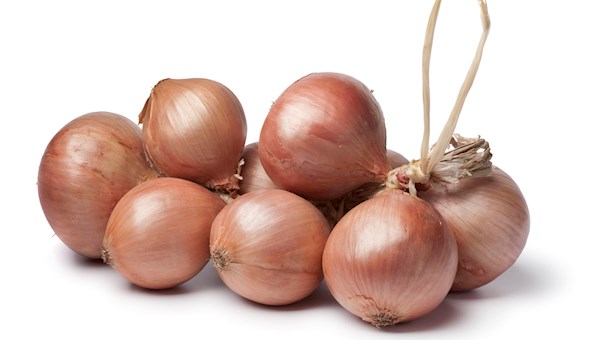
Named after the Calabrian town of Tropea settled along the Tyrrhenian coast in the province of Vibo Valentia, Cipolla Rossa di Tropea Calabria refers to the red onions of the following cultivars: Tondo Piatta (early ripening), Mezza Campana (mid-season) and Allungata (late ripening). They are further categorized into three types: Cipollotto (scallion), Cipolla da Consumo Fresco (fresh onion) and Cipolla da Serbo (preserved onion). Fully ripe Tropea onions are either round or slightly elongated, succulent and particularly sweet. Due to their pleasant flavor, these onions are most often used for sautéeing, added to salads, paired with various vegetables and cheeses, and the smallest bulbs are excellent for pickling. Also, Tropea onions are great for making marmalades, mousses or local dishes such as Tropeana onion soup and Omelette alla Contadina.

03

Pomodoro di Pachino

4.5 ·

Named after its town of origin, pomodoro di Pachino refers to various varieties of fresh tomatoes grown within the Sicilian province of Syracuse. The sweet flavored Pachino tomatoes are characterized by a particularly succulent flesh and prized for their long shelf life. They are best enjoyed fresh, and typically used as an ingredient for mixed salads, cold pasta dishes or for pizza toppings. Also, according to old Sicilian culinary traditions, Pachino tomatoes are often sun-dried and preserved in olive oil in which way they can be used for making pâtés and tapenades, various flans and a seemingly limitless number of pasta dishes.

04

Datterino

4.4 ·

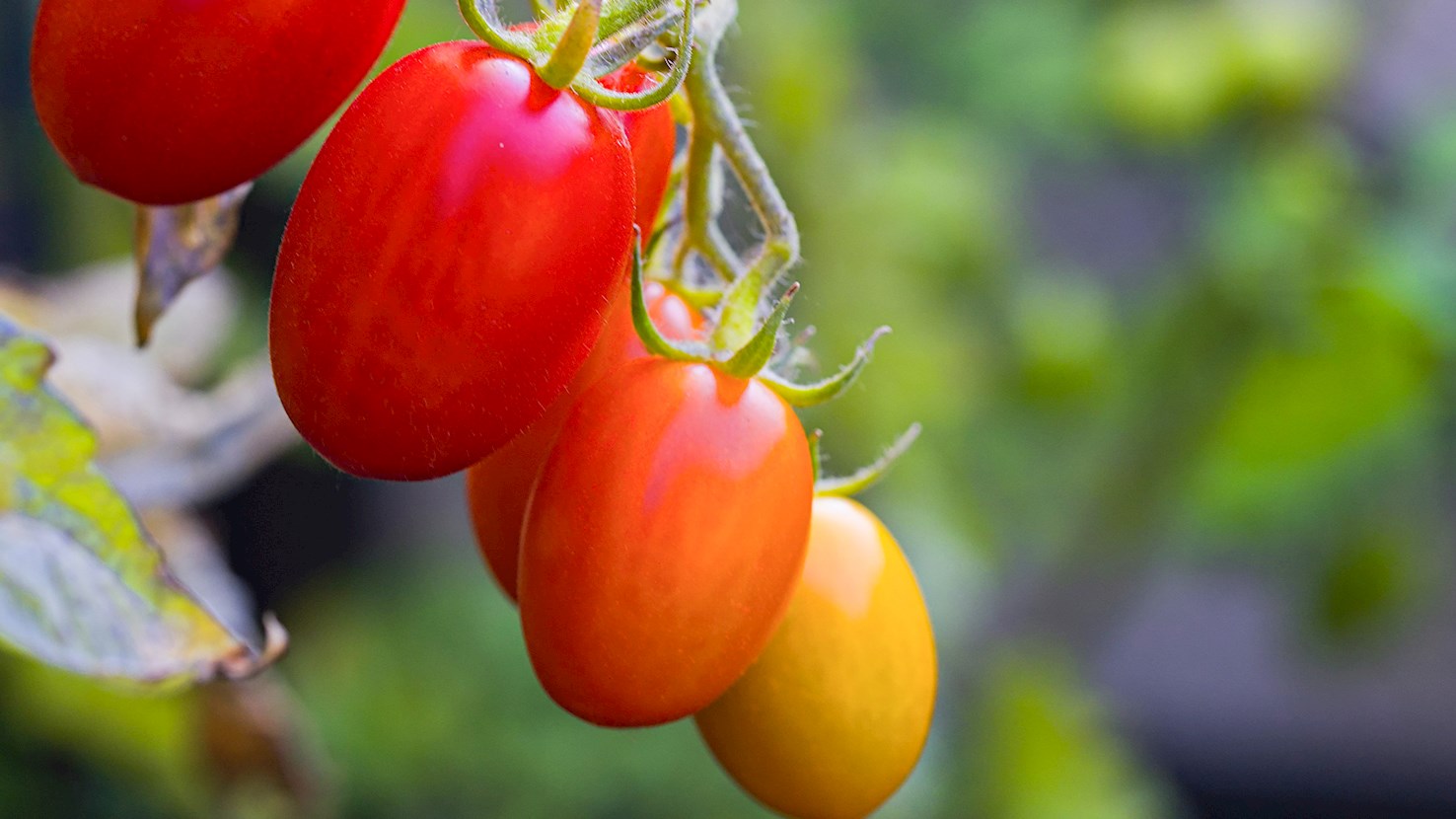
Datterino is a variety of tomato originating from Sicily, known for its sweet and intense flavor. It is small and oval-shaped, resembling a date, with a weight ranging from 15 to 40 grams (0.5 - 1.3 oz). The pulp is firm with low water content, a thin skin, and few seeds, making it ideal for fresh consumption in salads or for preparing sauces and preserves. The plant is vigorous, producing abundant clusters of tomatoes that have a long shelf life after harvesting.

05

Pementos de Padrón

4.2 ·

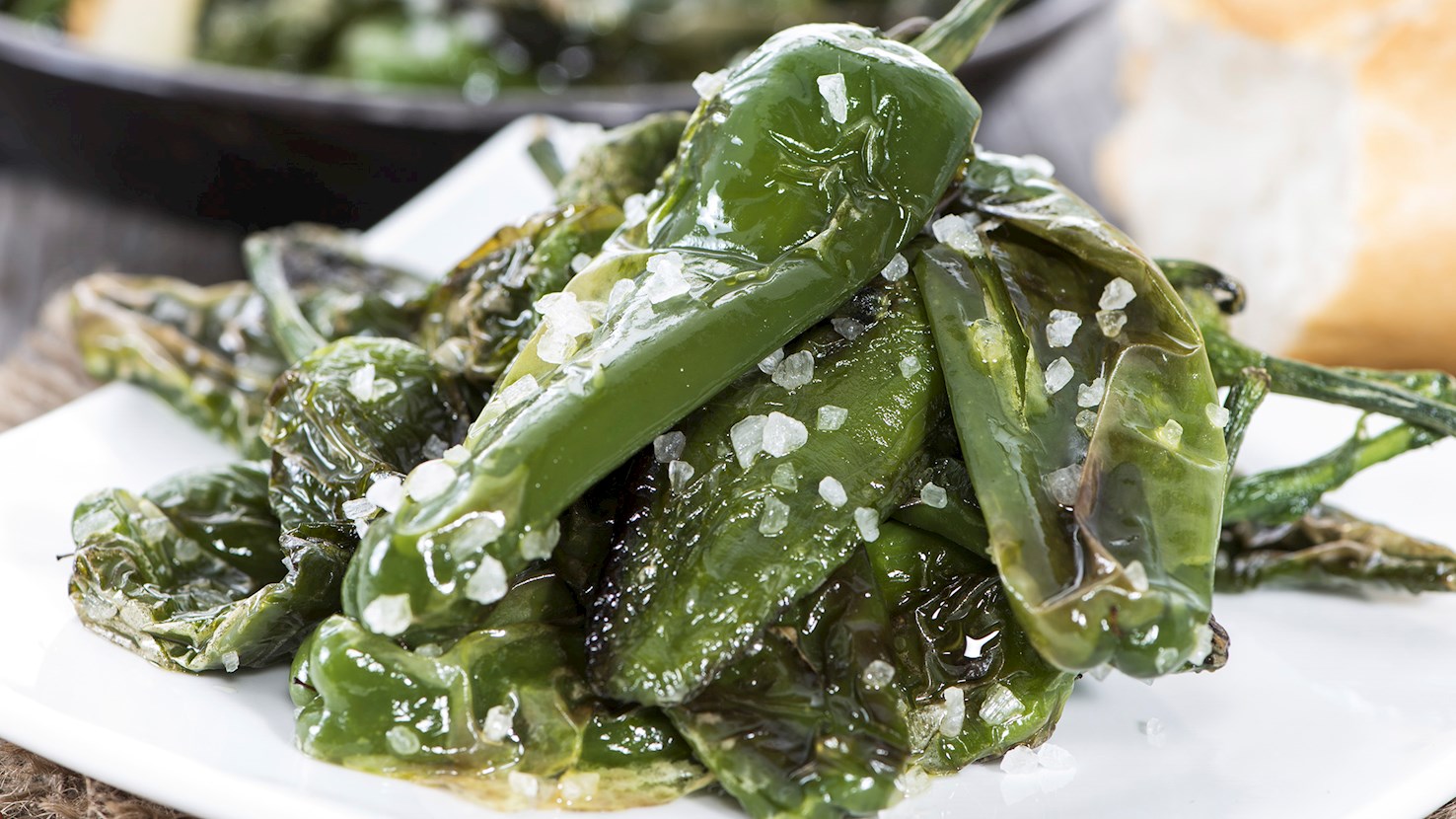
Padrón pepper is a Galician pepper originating from the Padrón municipality. The peppers range in color from bright green to yellowish green. Although they are usually mild in flavor, about one in ten of these peppers is spicy as hell, but it's almost impossible to tell them apart until you taste them, which is like playing Russian roulette with peppers. Padrón peppers are traditionally fried in olive oil and seasoned with coarse sea salt. They are served in most tapa bars and restaurants in the region, and it's recommended to have a glass of beer, wine, or cider nearby - in case you eat a few of the spicy ones. The official and protected name of these peppers is pementos de Herbón.

06

Batata Doce de Aljezur

4.2 ·

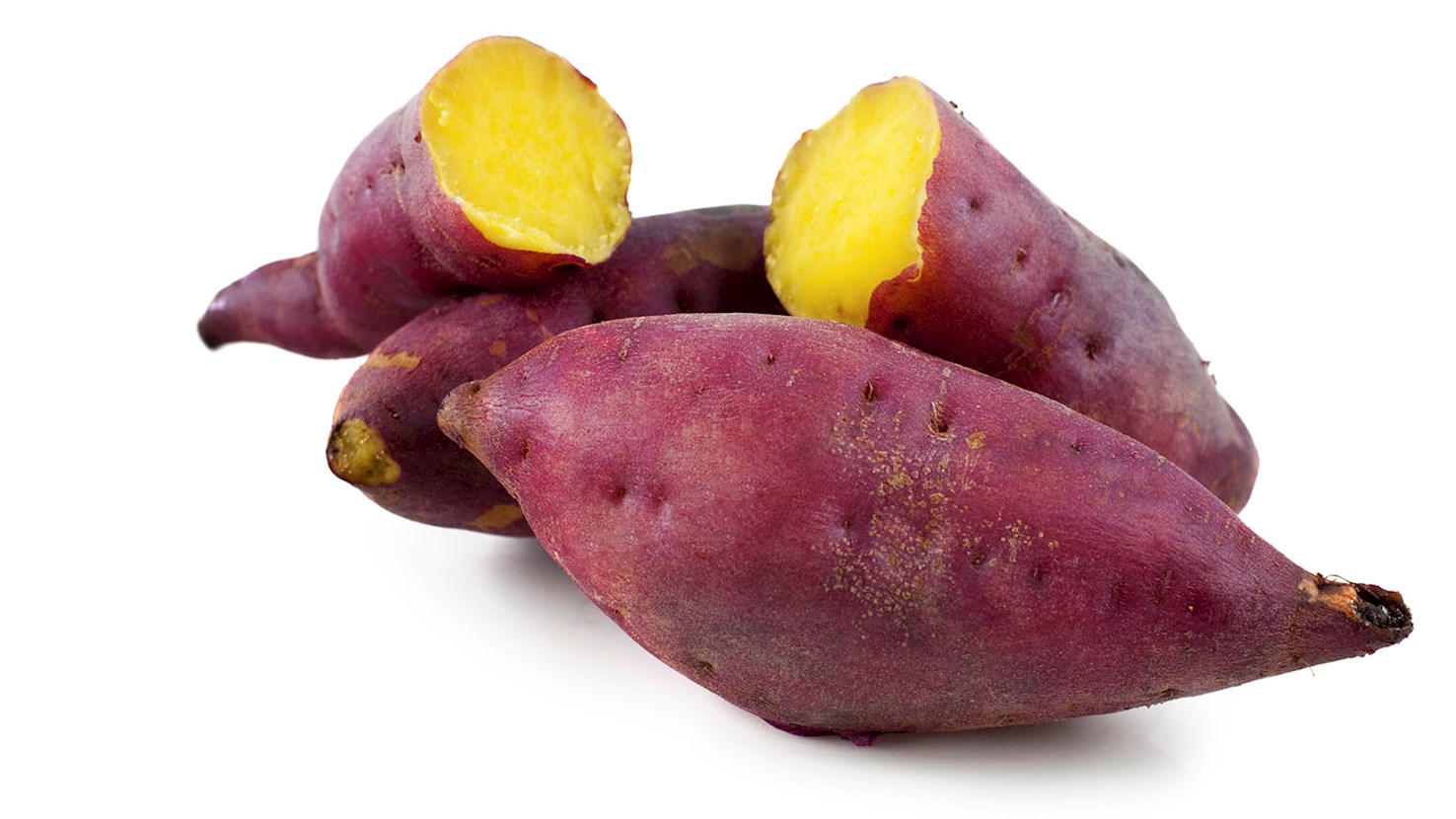
Sweet potato cultivation in Portugal has a long tradition. This particular variety came about in the region of Aljezur, where sweet potatoes have been raised for centuries. The soil of the Aljezur region is sandy, and the oceanic climate and the proximity of the river Mira contribute to the quality of the local sweet potato. The pear-shaped Aljezur potato has purple or yellow-brown skin and bright yellow flesh. Its sweet flavor is reminiscent of chestnuts, and its texture is quite smooth. It is used in a wide range of recipes and products from soups and salads to traditional cakes and sweets.

07

Costoluto fiorentino

4.1 ·

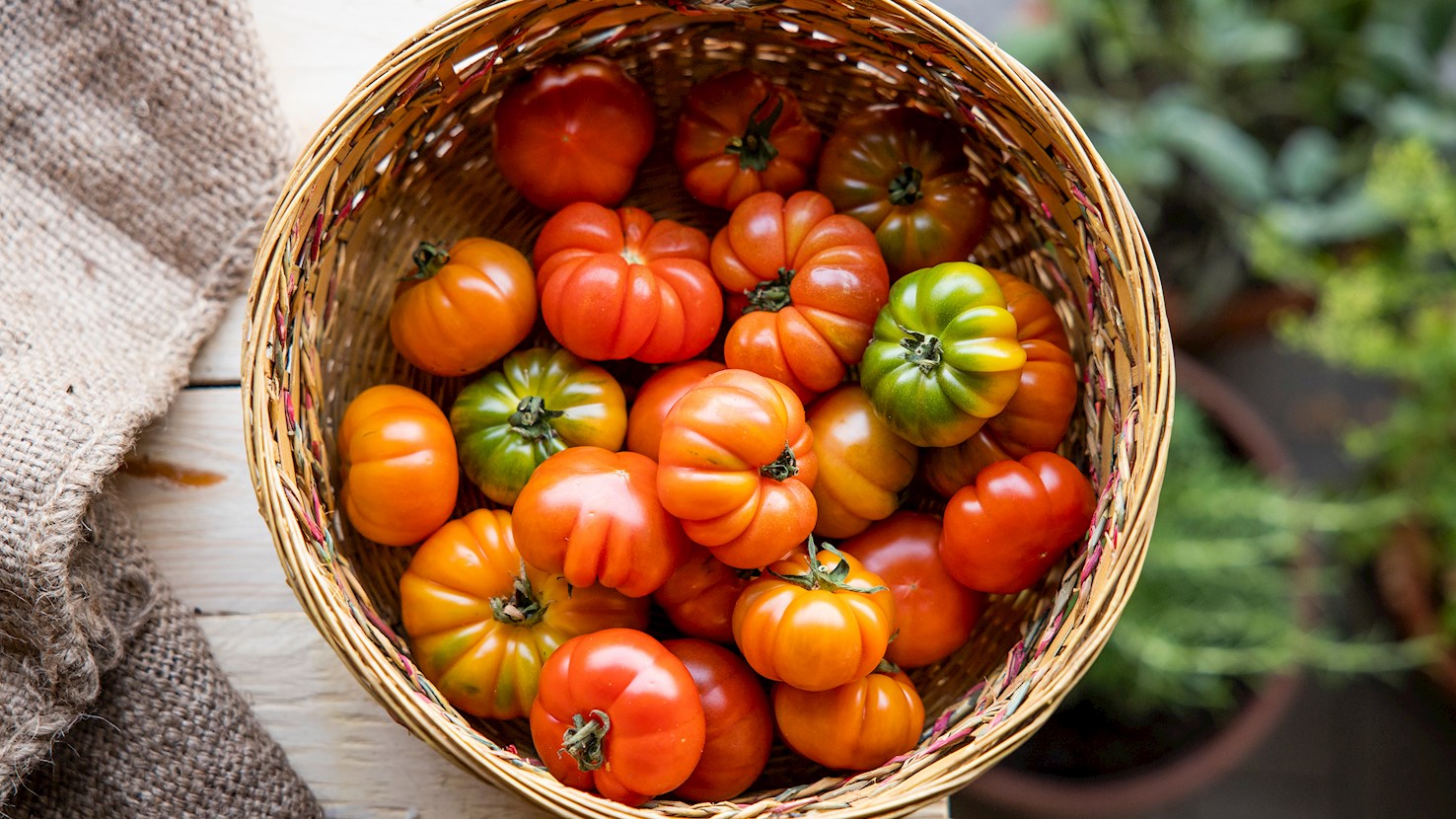
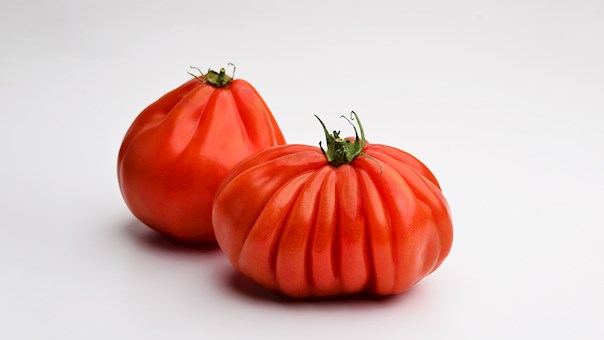
Costoluto fiorentino is a tomato variety originating from Florence. This heirloom has a distinct flattened and heavily ribbed shape. When mature, the color of the tomato is a brilliant deep red. These tomatoes have a meaty and juicy texture that is high in sugar and acid, making them one of the best varieties for cooking and making rich sauces or soups such as pappa al pomodoro. They are also used fresh, sliced and added to sandwiches or salads.

08

Pomodorino del Piennolo del Vesuvio

4.1 ·

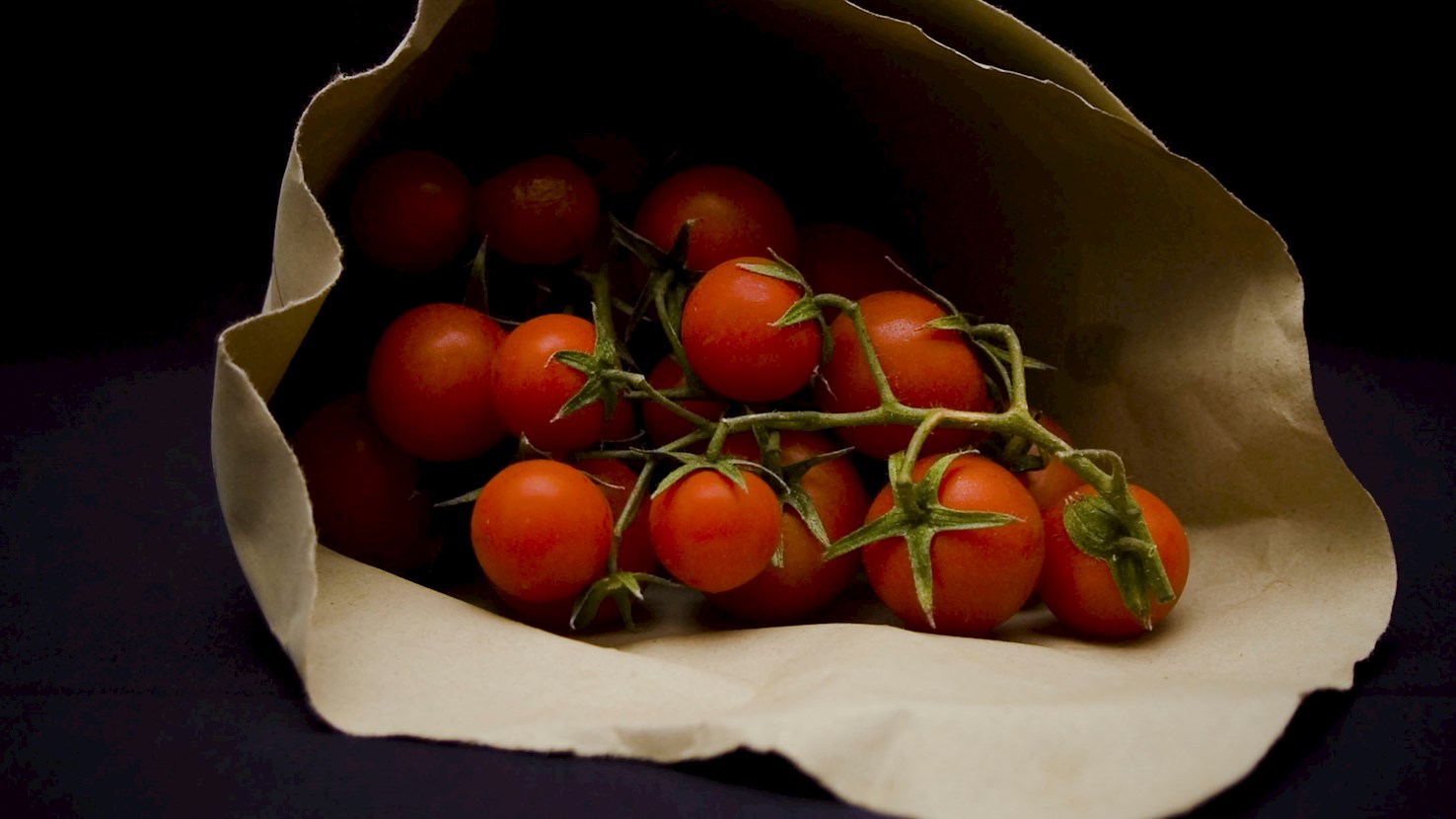
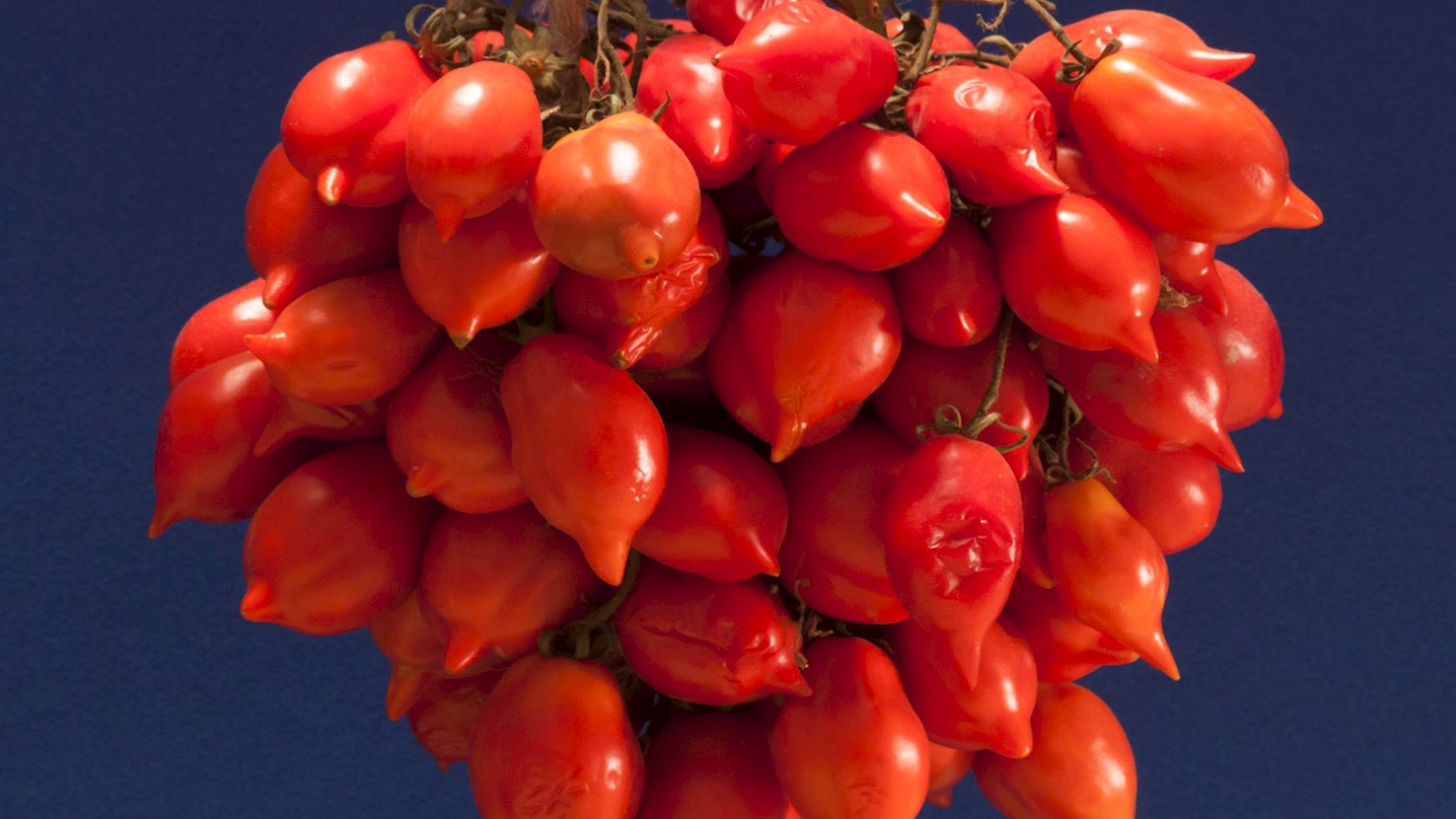
Grown and produced in the province of Naples, namely within the Vesuvio National Park, Pomodorino del Piennolo del Vesuvio refers to cherry tomatoes which are marketed al piennolo, braided in bunches and sun-dried. As the tomatoes slowly dry out, their sweet flavor and aroma become more intense and concentrated. Thanks to this old Vesuvian method of preserving, these fragrant cherry tomatoes can be enjoyed year round. Piennolo tomatoes are amazingly versatile and typically used as pizza topping or for preparing a wide variety of traditional Neapolitan pasta dishes like Scialatielli con salsiccia and Tagliatelle alle vongole or even desserts such as Millefoglie del Vesuvio.

09

Pataca de Galicia

4 ·

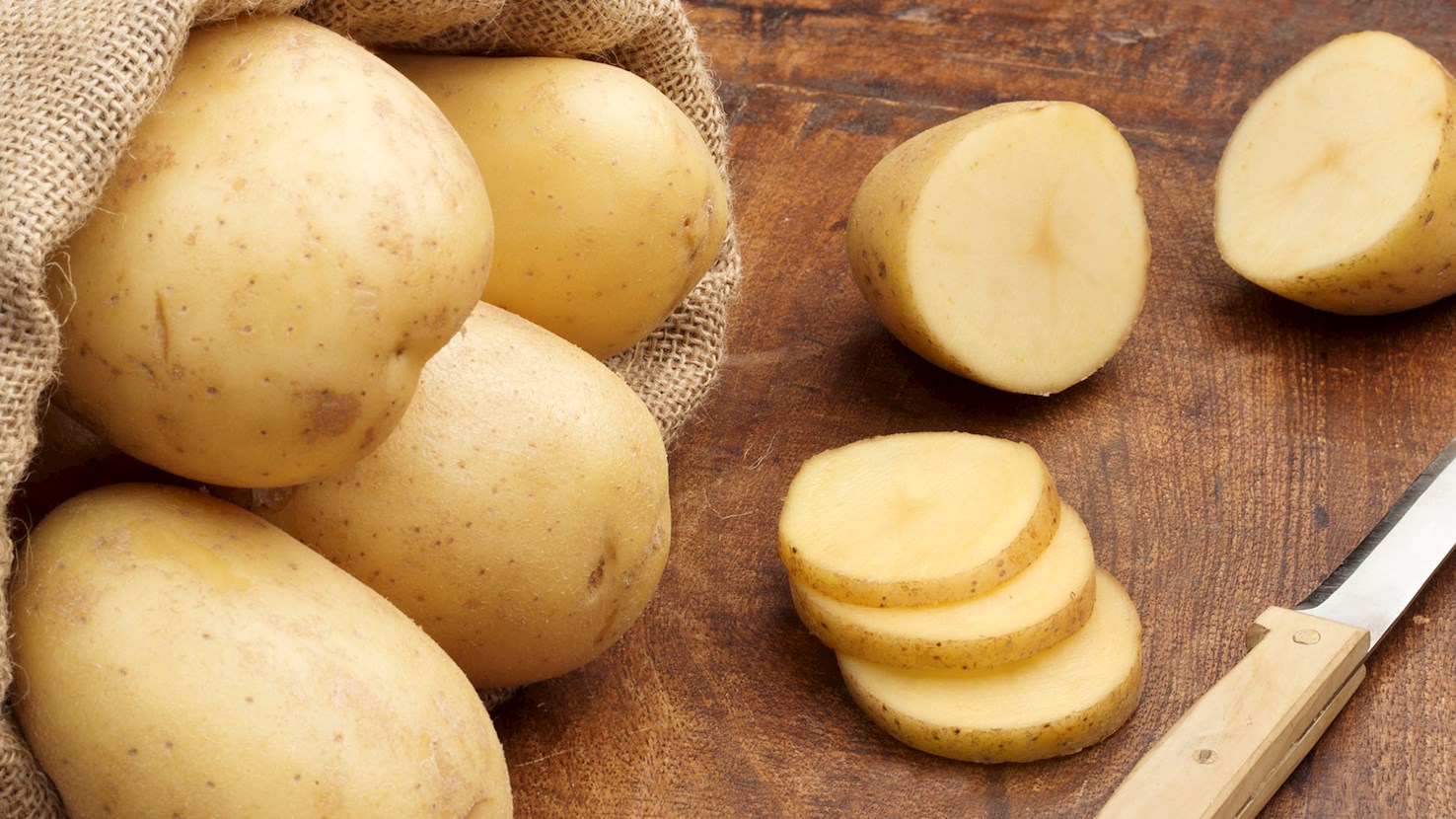
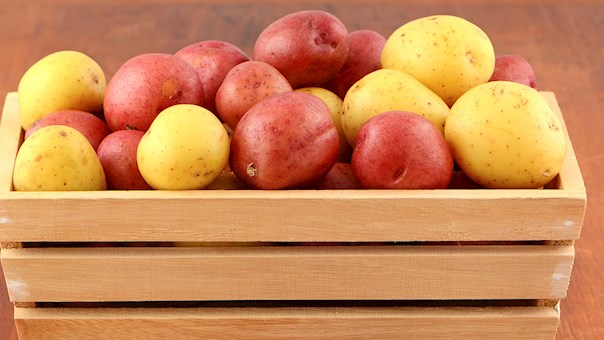
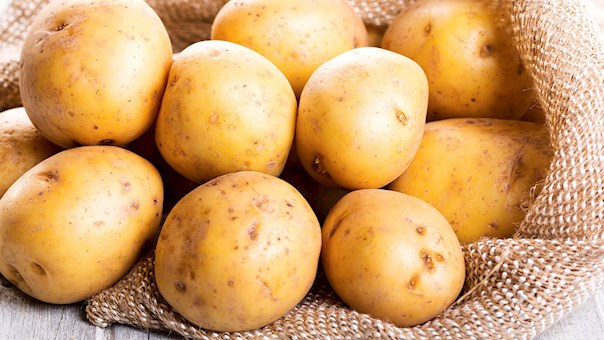
Patata de Galicia is a potato of the Solanum tuberosum L. cv. Kennebec variety grown in the Autonomous Community of Galicia. This location offers optimal soil and climatic conditions which ensure the proper development and superior characteristics of these potatoes. This potato is round or oval in shape with smooth, light yellow skin and white flesh. It is creamy in texture after cooking and very flavorful. Patata de Galicia is a staple ingredient in local cuisine and plays a significant role in many traditional dishes, from different stews and soups to roasts.

10

Rucola della Piana del Sele

4 ·

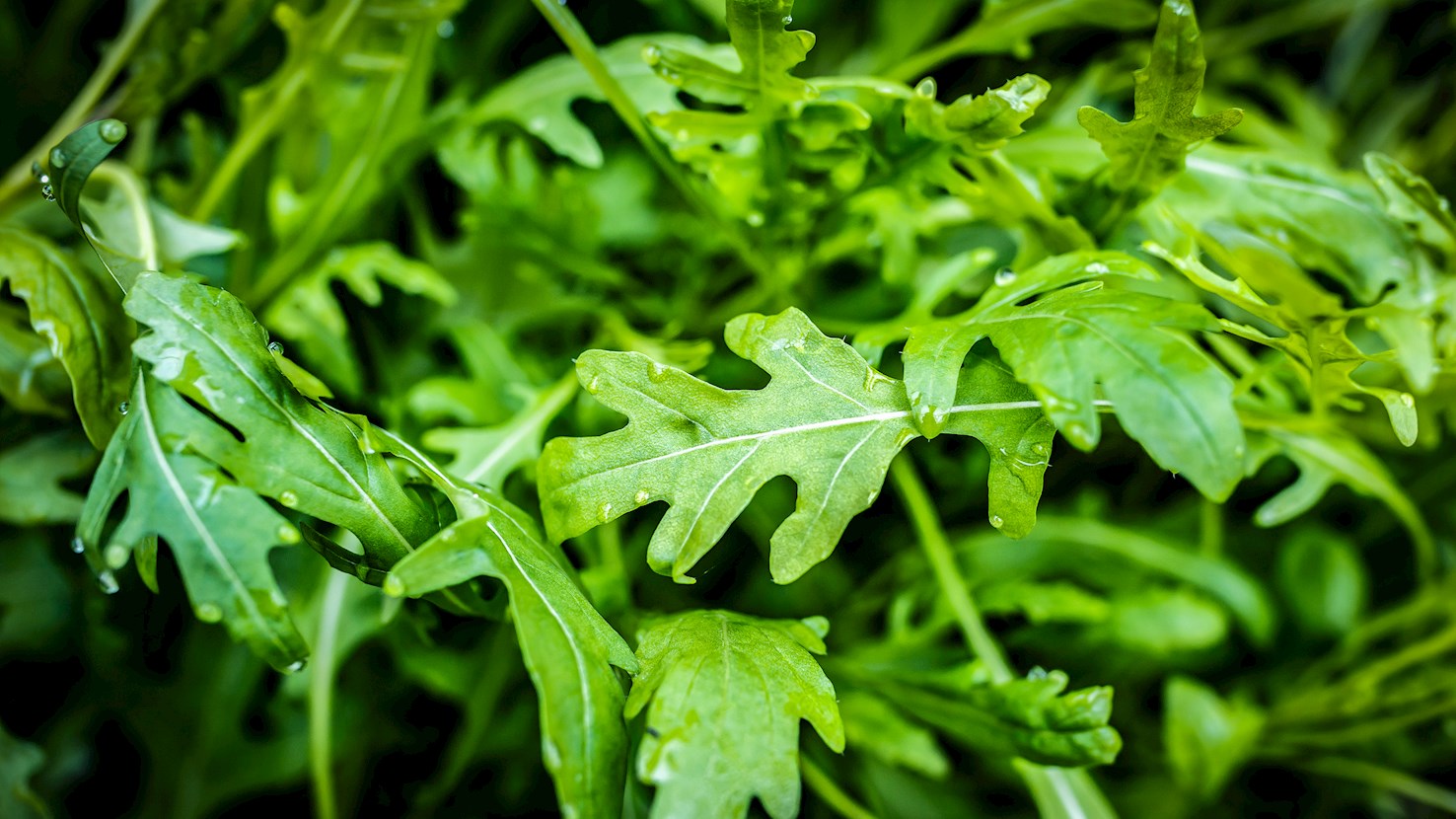
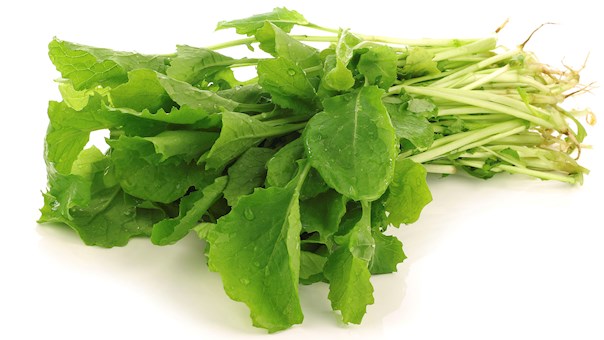
Rucola della Piana del Sele is an Italian rocket (arugula) variety that's grown in the province of Salerno. The leaves have a crispy texture, an intense, sharp, and spicy aroma, and a strong, distinctive flavor, which means that it can be enjoyed without any salt. When sold on the market, the product is fresh or ready to eat. The rocket is packaged in crates, trays, tubs, packets, or mesh bags. The characteristics of rucola della Piana del Sele are a result of the environment in which it is grown and the distinctive soil (volcanic and alluvial) and climate.

Best Western European Vegetables
01

El Navarrico

4.7 ·
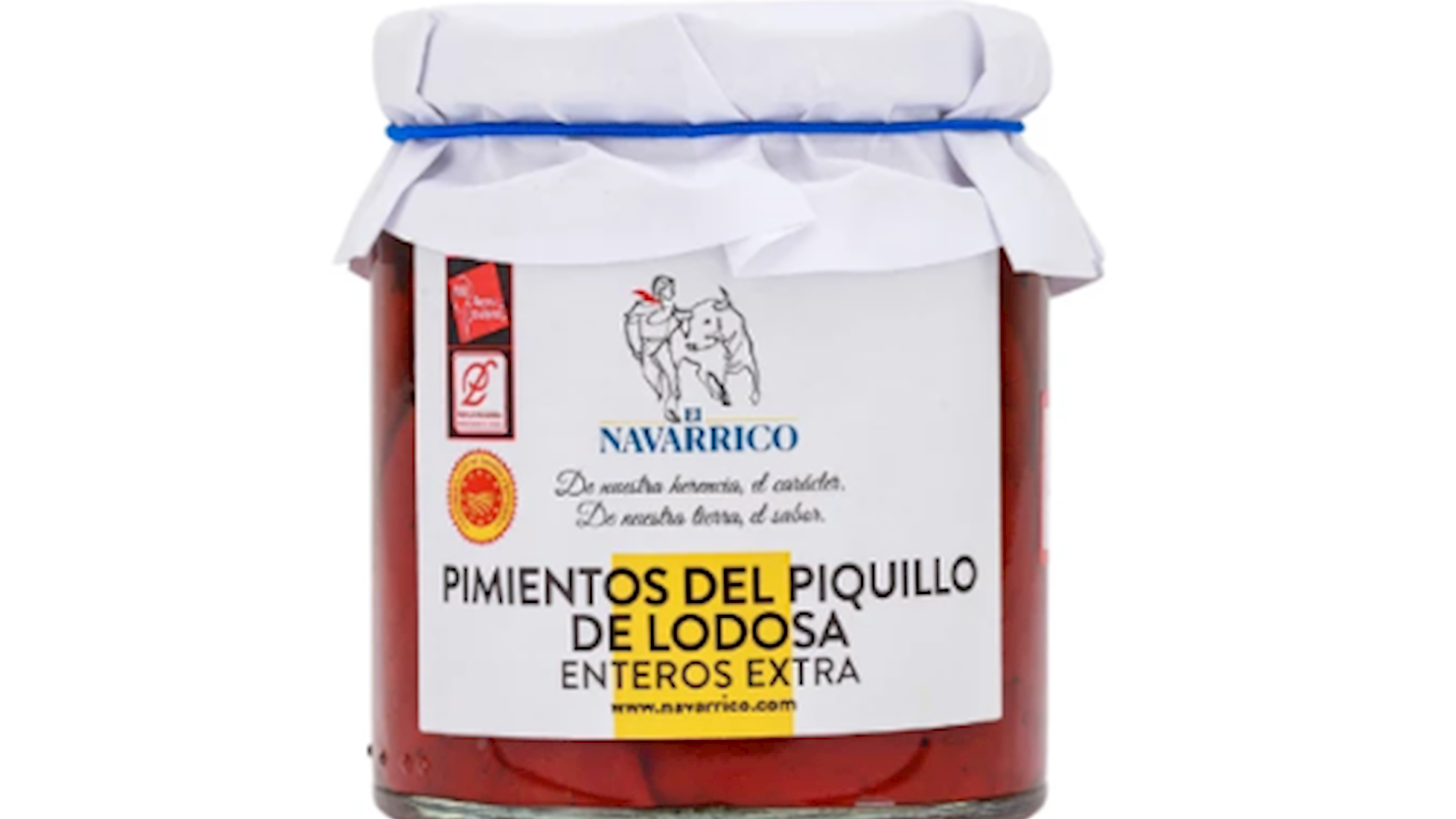
El Navarrico is a Spanish family-owned company specializing in high-quality vegetable preserves, based in San Adrián in the Navarra region of northern Spain. Founded in 1960 by José Salcedo and Amalia Herce, the company began as a small family initiative focused on preserving local vegetables such as asparagus and piquillo peppers. Over time it developed into a recognized producer of gourmet canned vegetables, legumes, sauces and prepared dishes while maintaining a close connection with regional agriculture. Navarra’s fertile soils and favorable climate provide ideal conditions for cultivating products like white asparagus, artichokes and piquillo peppers, which form the core of the company’s production. El Navarrico emphasizes the use of fresh, carefully selected ingredients and processing methods designed to preserve the natural flavor and texture of the vegetables. The company combines traditional preserving techniques with modern production technology to ensure quality and consistency. Today its portfolio includes a wide range of vegetable preserves and other pantry products distributed in many international markets. Through its focus on regional ingredients and careful preparation, El Navarrico reflects the long culinary tradition of vegetable preservation in Navarra.
02

La Catedral de Navarra

4.7 ·
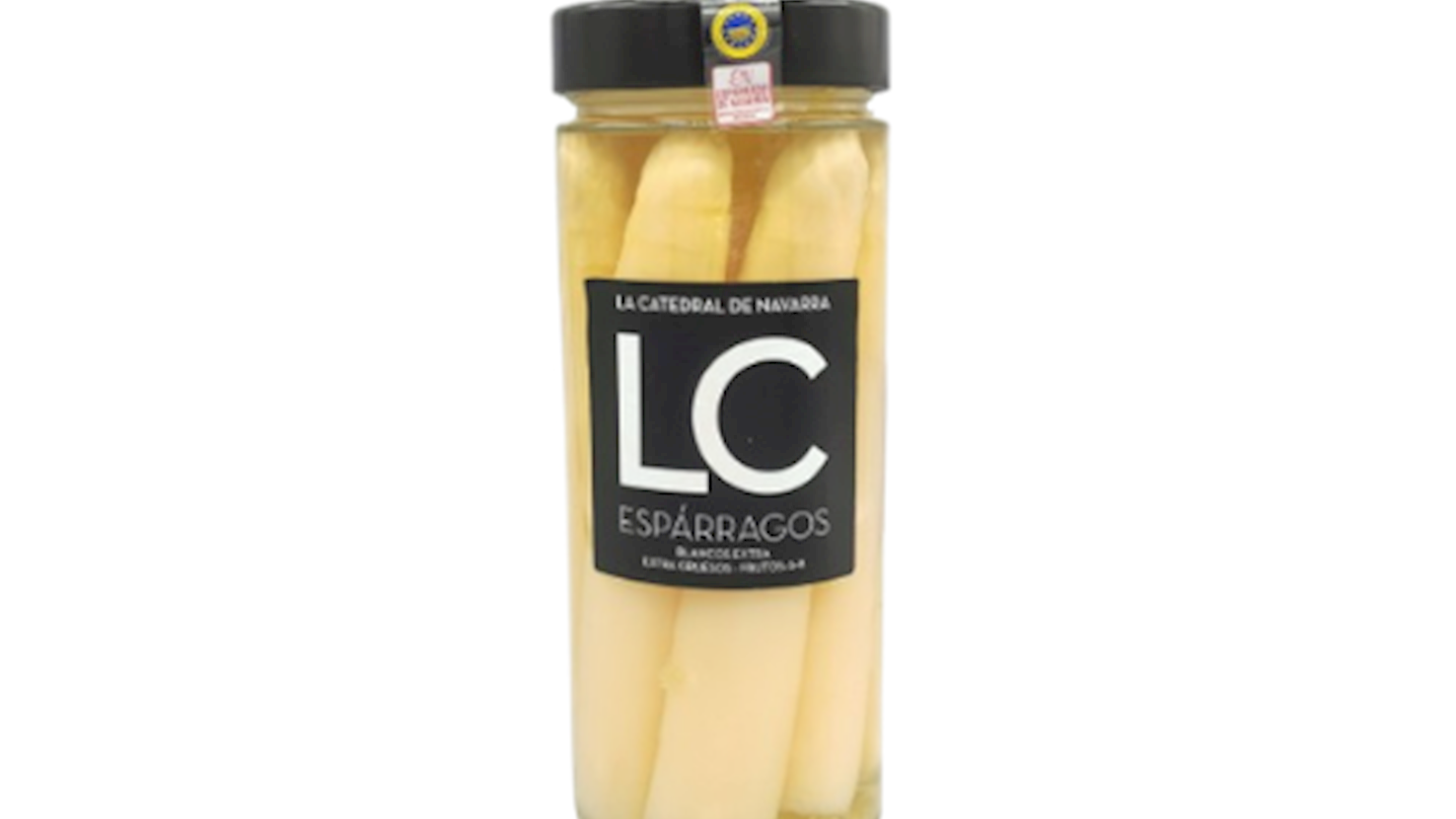
La Catedral de Navarra is a Spanish company specializing in premium vegetable preserves, based in Mendavia in the Navarra region of northern Spain. The origins of the brand date back to the early 20th century, when Petra López began preserving locally grown vegetables in small glass jars using traditional methods. Over time, this family initiative developed into a company dedicated to producing high-quality preserves that reflect the agricultural heritage of the fertile Ebro valley. The company focuses on vegetables such as white asparagus, piquillo peppers, artichokes and other seasonal crops cultivated in Navarra. These products benefit from the region’s fertile soils and favorable climate, which contribute to their distinctive flavor and quality. La Catedral de Navarra works closely with local farmers and processes the vegetables shortly after harvest to maintain freshness and natural taste. Several of its products are linked to protected quality schemes such as Espárrago de Navarra PGI, Pimiento del Piquillo de Lodosa DO and Alcachofa de Tudela PGI. By combining traditional preserving techniques with modern quality control, the company has become recognized for producing gourmet vegetable preserves rooted in the culinary traditions of Navarra.
03

Prada a Tope

4.5 ·
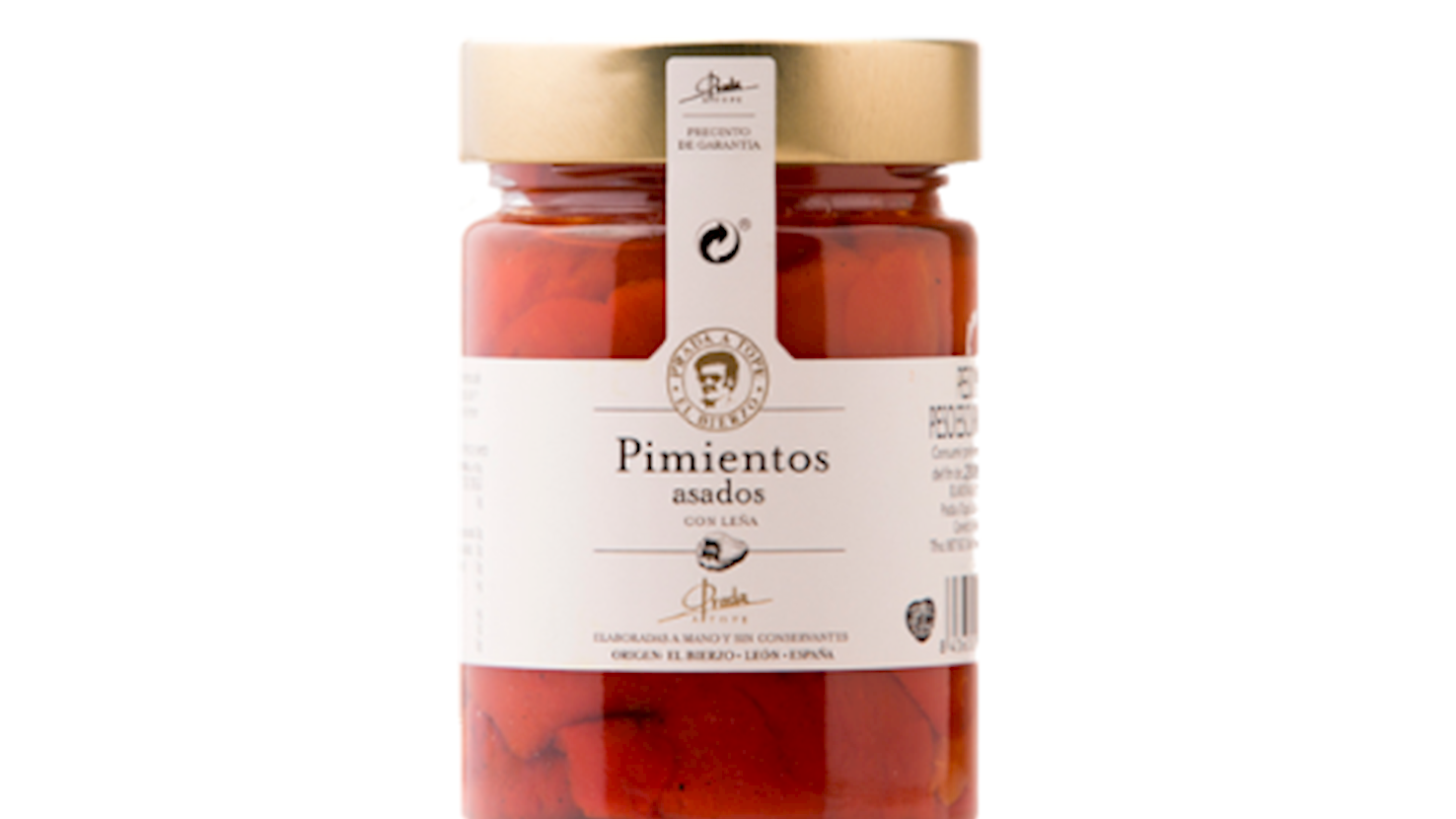
Prada a Tope is a Spanish enogastronomic brand from the El Bierzo region, founded in the 1970s by José Luis Prada, combining wine production, traditional food processing, and hospitality within a single concept. Its operations are centered around Palacio de Canedo, a restored estate that integrates a winery, restaurant, hotel, and production facilities, linking products directly to their place of origin. The winery focuses on native grape varieties such as mencía and godello, cultivated with organic practices and minimal intervention to preserve terroir expression. In parallel, the brand produces a wide range of gourmet products - such as roasted peppers, chestnuts, and fruit preserves - using traditional, slow-processing methods. Prada a Tope emphasizes local sourcing and collaboration with small producers, reinforcing regional identity while maintaining control over distribution through its own retail channels.
Read more
View all
View map
About this ranking

TasteAtlas food rankings are based on the ratings of the TasteAtlas audience, with a series of mechanisms that recognize real users and that ignore bot, nationalist or local patriotic ratings, and give additional value to the ratings of users that the system recognizes as knowledgeable. For the “Top 100 Western European Vegetables” list until June 15, 2026, 1,486 ratings were recorded, of which 1,059 were recognized by the system as legitimate. TasteAtlas Rankings should not be seen as the final global conclusion about food. Their purpose is to promote excellent local foods, instill pride in traditional dishes, and arouse curiosity about dishes you haven’t tried.

The initial list of top producers was compiled based on available reviews, awards, local recommendations, media and blog coverage, and consumer reviews. The list will be updated with ratings from TasteAtlas local ambassadors and TasteAtlas users.

Similar lists