



Top 15 Southeastern European White Grapes

Last updated on June 03, 2026
01

Malagousia

4.2 ·

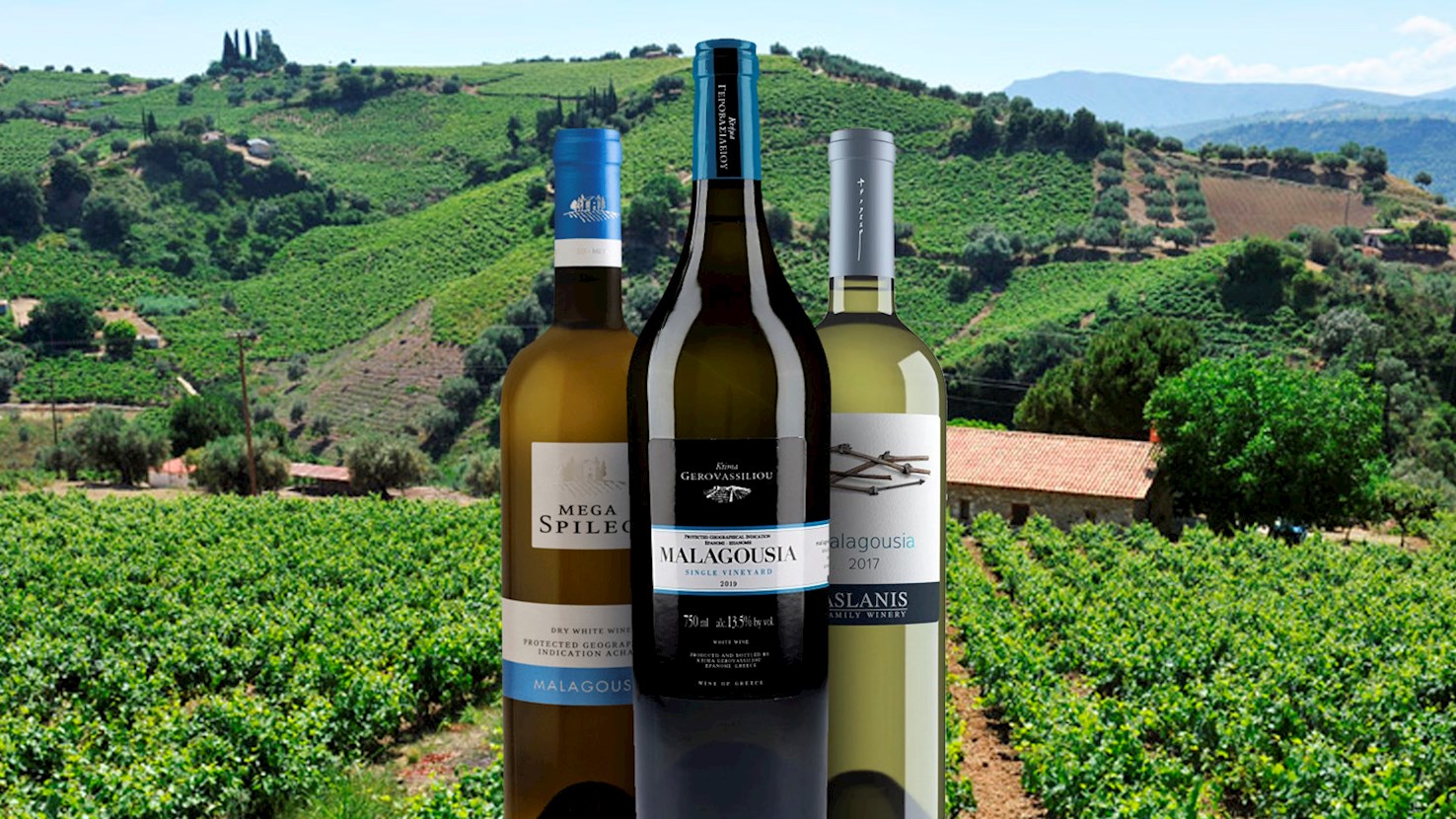
Malagousia is an ancient, white-skinned Greek grape that was saved from extinction by Vangelis Gerovassiliou, who brought it back from obscurity in the 1970s. The grape produces aromatic dry wines, which are usually of excellent quality. It is also used to make dense and perfumed dessert styles. On the nose, the wines display intense aromas often reminiscent of peaches, pears, and tropical fruit, usually with citrusy, herbal, and subtle floral notes. On the palate, they are full-bodied, rich, and round, and the best examples manage to remain lively and fresh. Malagousia can be enjoyed young, but it is also aged, both in steel and oak. Dry wines would pair well with Mediterranean and Asian fare, especially seafood, poultry, pasta dishes, salads, and vegetables. Sweet versions can be a good match with fruit desserts.

02

Moschofilero

4.2 ·

Moschofilero is a Greek grape that hails from Peloponnese. It is an aromatic and late-ripening variety that delivers high yields, but it is sometimes sensitive and finicky to grow. Despite its common presence, Moschofilero was only popularized in the 1970s and ’80s, primarily by the producers from PDO Mantinia, the most important wine region for Moschofilero. Varietal Moschofilero wines can be incredibly versatile. They will usually have bright and crisp acidity, which highlights their clean and fresh character. The wines from lower altitudes will usually have more freshness, and those from higher vineyards tend to have a more prominent floral character. Typical aromas are reminiscent of peaches, jasmine, orange blossom, roses, and citrus fruit. Moschofilero is usually enjoyed young, but the best examples sometimes show aging potential. These wines would pair nicely with fish and seafood, poultry, light snacks, spicy dishes, Asian fare, and salads.

03

Assyrtiko

4.1 ·

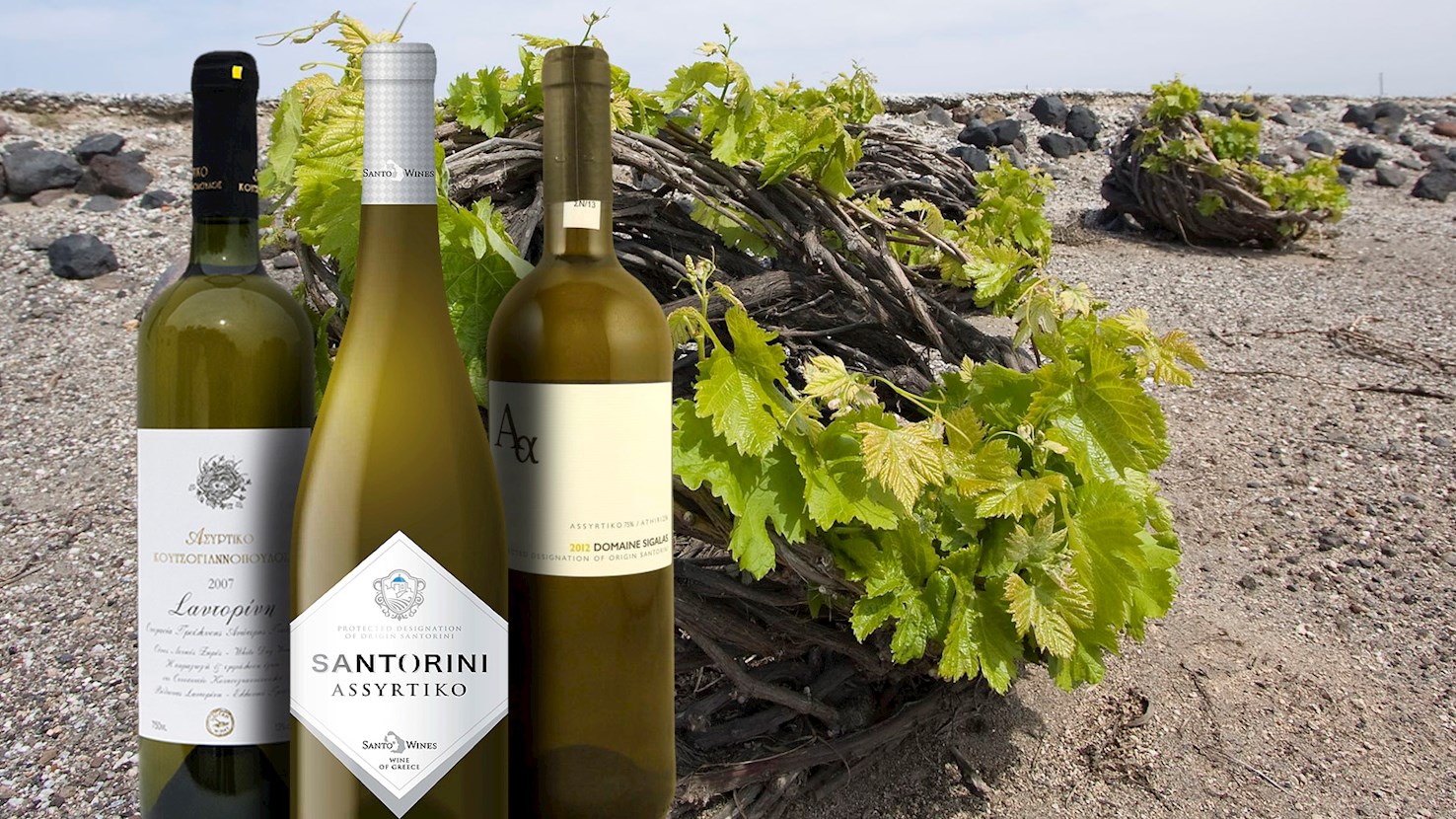
This Greek white grape variety is indigenous to the island of Santorini, but it can also be found on other Aegean island such as Paros. The soil of the island, which is rich in volcanic ash, seems to enable the grapes to retain their acidity regardless of how long they ripen, which gives these wines a long aging potential. Its popularity has grown recently due to its unusual character, which does not reflect the hot climate it comes from. Assyrtiko wines are dry, full-bodied white wines with citrus aromas and a pleasant minerality. This wine can also be blended with two other local varieties, Aidani and Athiri, during the production of the sweet wine Vinsanto. The dry version makes a great complement to fish, seafood, and anything salty or briny.

04

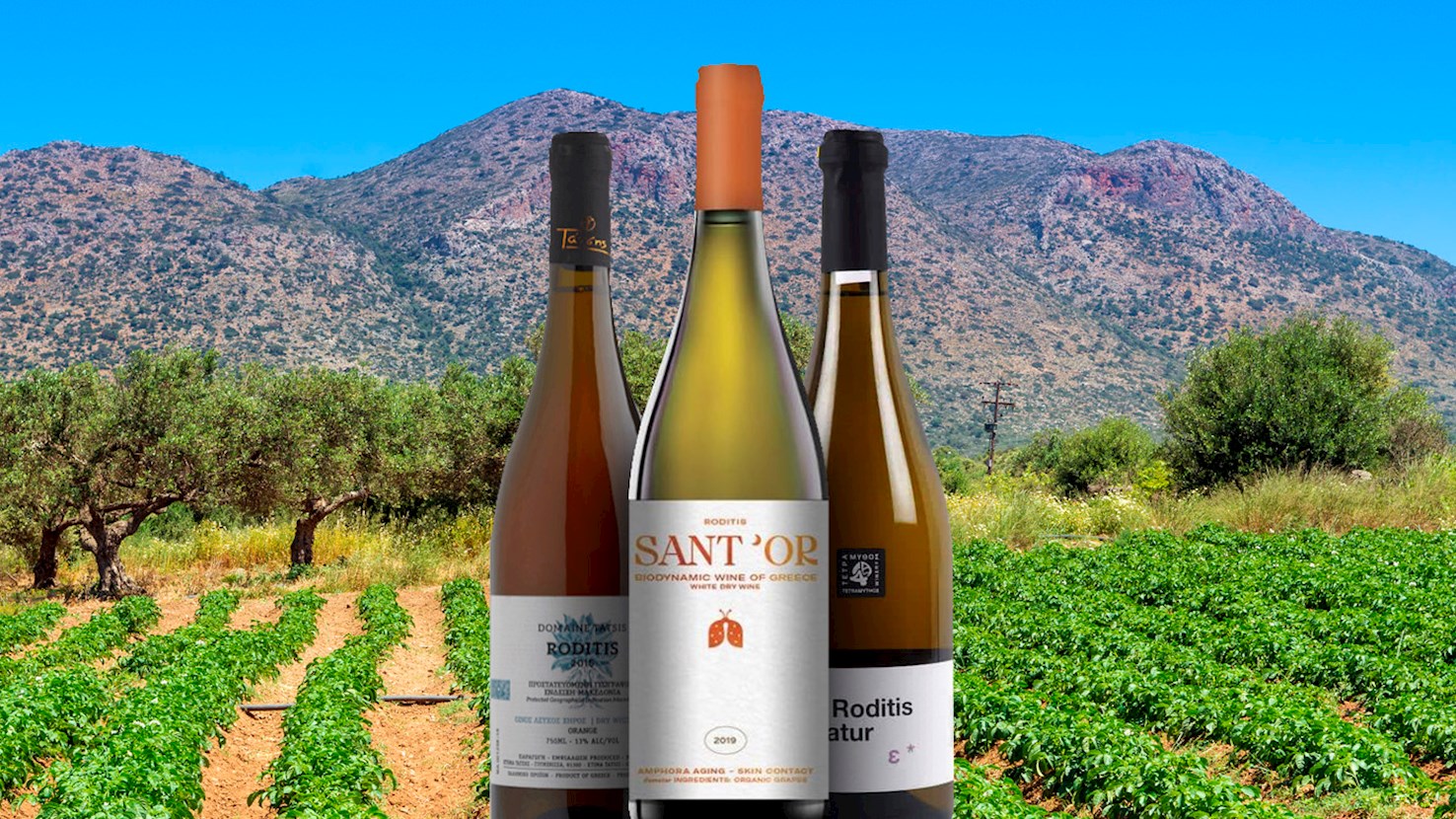
Roditis

4 ·

Roditis is a pink-skinned variety from Greece that is cultivated throughout the mainland. It is the second most planted grape in Greece, used both in varietals and blends. The grape was mostly used for bland, inexpensive bulk wines, but the recent shift to quality has slightly improved its reputation. Roditis is terroir-driven, and the grape is multi-clonal (at least three confirmed clones), creating wines with somewhat different characters and features. The best expressions come from old vines and high altitudes, resulting in subtly aromatic wines with a medium body and high acidity, such as those from Aigialia Slopes in the Peloponnese. Typical aromas in these wines are reminiscent of apple, pear, and melon, often with a bit of tart and hints of citrus. Roditis-based wines are not built to age, and most should be enjoyed young. These wines are food-friendly and can pair well with traditional Greek dishes. They would go especially well with appetizers, fish, and lighter Greek dishes.

05

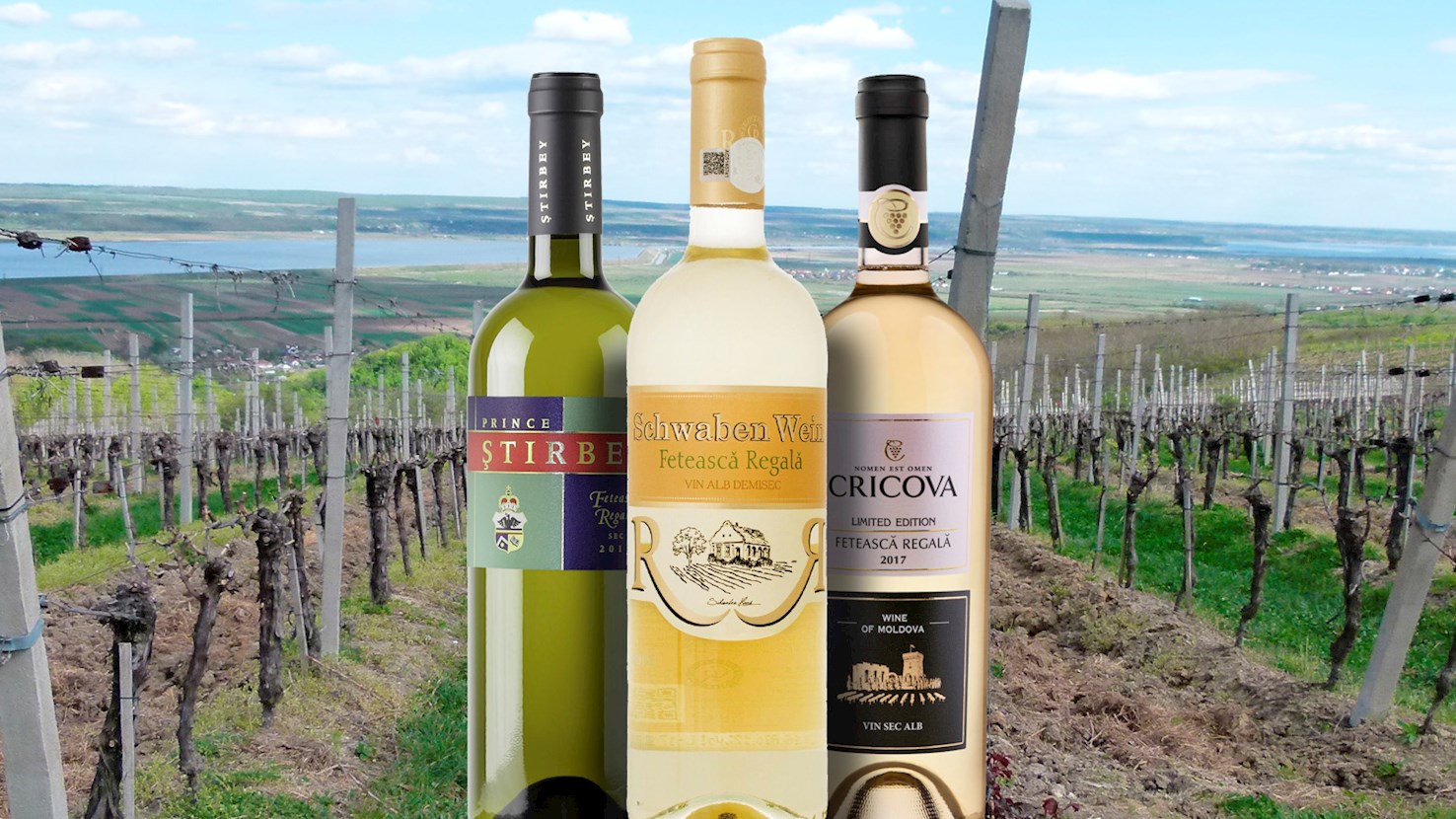
Fetească Regală

3.9 ·

Fetească Regală is a native Romanian white grape variety that first appeared in the 1920s in Transylvania. For a long time, it was believed that Regală was a hybrid between Koverszolo (Grasa de Cotnari) and Fetească Alba, but recent findings show no specific parent-offspring relationship. During the communist regime, the grape was especially favored because it was suitable for mass production. Nowadays, Regală is used for dry and sparkling wines, and it is the most planted grape in Romania. The best expressions of dry Regală are fresh and aromatic with typical aromas of white fruit, roses, and white flowers. Young varieties are usually light-bodied, but the grape has excellent aging potential, and when aged in oak, the wines tend to be full-bodied and more intense, sometimes with almond notes. Regală wines pair well with fish and white meat, as well as with some classic Romanian dishes.

Best producers
06

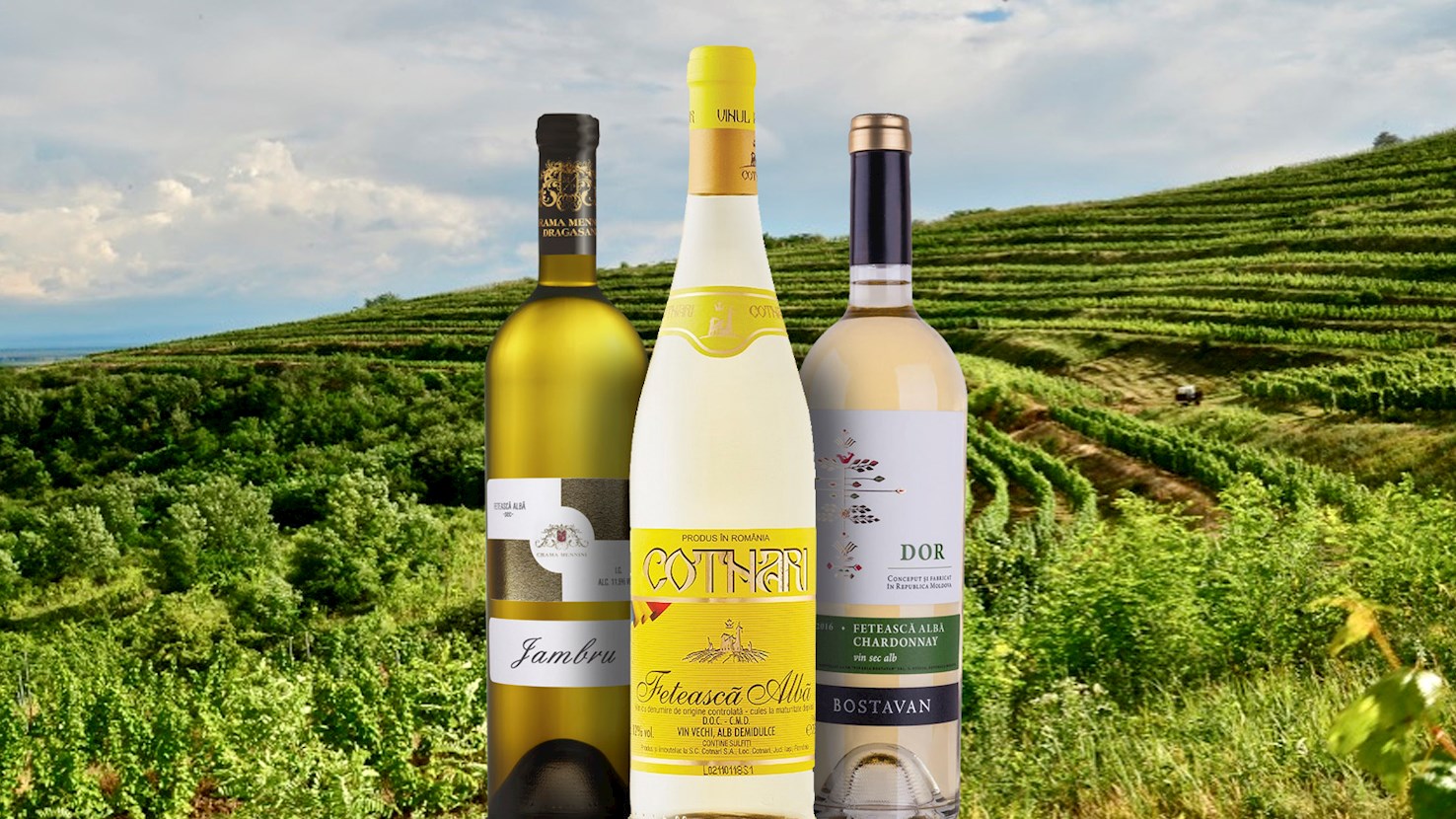
Fetească Alba

3.8 ·

Fetească Alba (White Maiden) is a Romanian white grape variety that is closely related to Fetească Regală variety and the red-skinned Fetească Neagră. It is cultivated in various Romanian regions as well as Moldova and Hungary—though it was often mistaken with Hungarian Leanyka variety. Fetească Alba is mostly used in dry varietal wines, but some blends, sparkling and sweet styles may be available on the market. Dry varietal wines are typically fragrant with medium acidity and citrus and floral aromas, which may be accompanied by nuances of stone fruit such as peach or apricots. These wines pair well with light dishes, including poultry, fish, and salads. They are mostly enjoyed young, but some of the best examples can be aged for several years.

Best producers
07

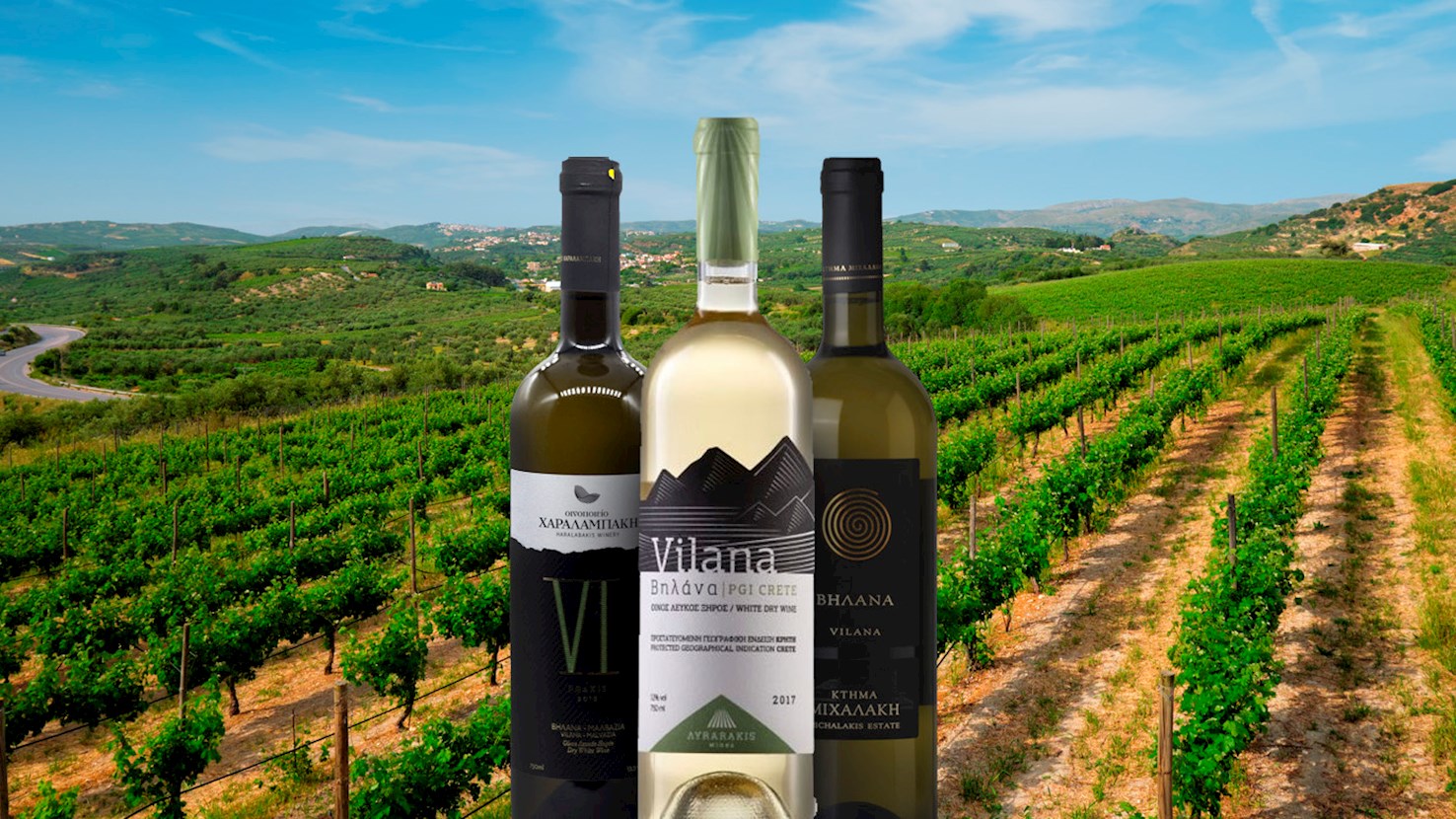
Vilana

3.6 ·

Vilana is a white grape variety native to Crete that produces fresh and light white wines. It is a very productive and resistant grape that was mainly used as a workhorse variety that often created unimpressive bland wines. However, it was proven that with a careful approach, good terroir, and controlled yields, Vilana can make exciting and aromatic wines.

Vilana-based wines will usually have a refreshing character with citrus and green apple aroma and some floral nuances. The wines will sometimes have subtle spice-like notes. The grape is used in varietals (Peza appellation) and blends, and though it is rarely aged, some producers experiment with oak aging, creating more complex Vilana examples. The approachable and easy-drinking Vilana wines would pair well with lighter local dishes.

08

Robola

3.6 ·

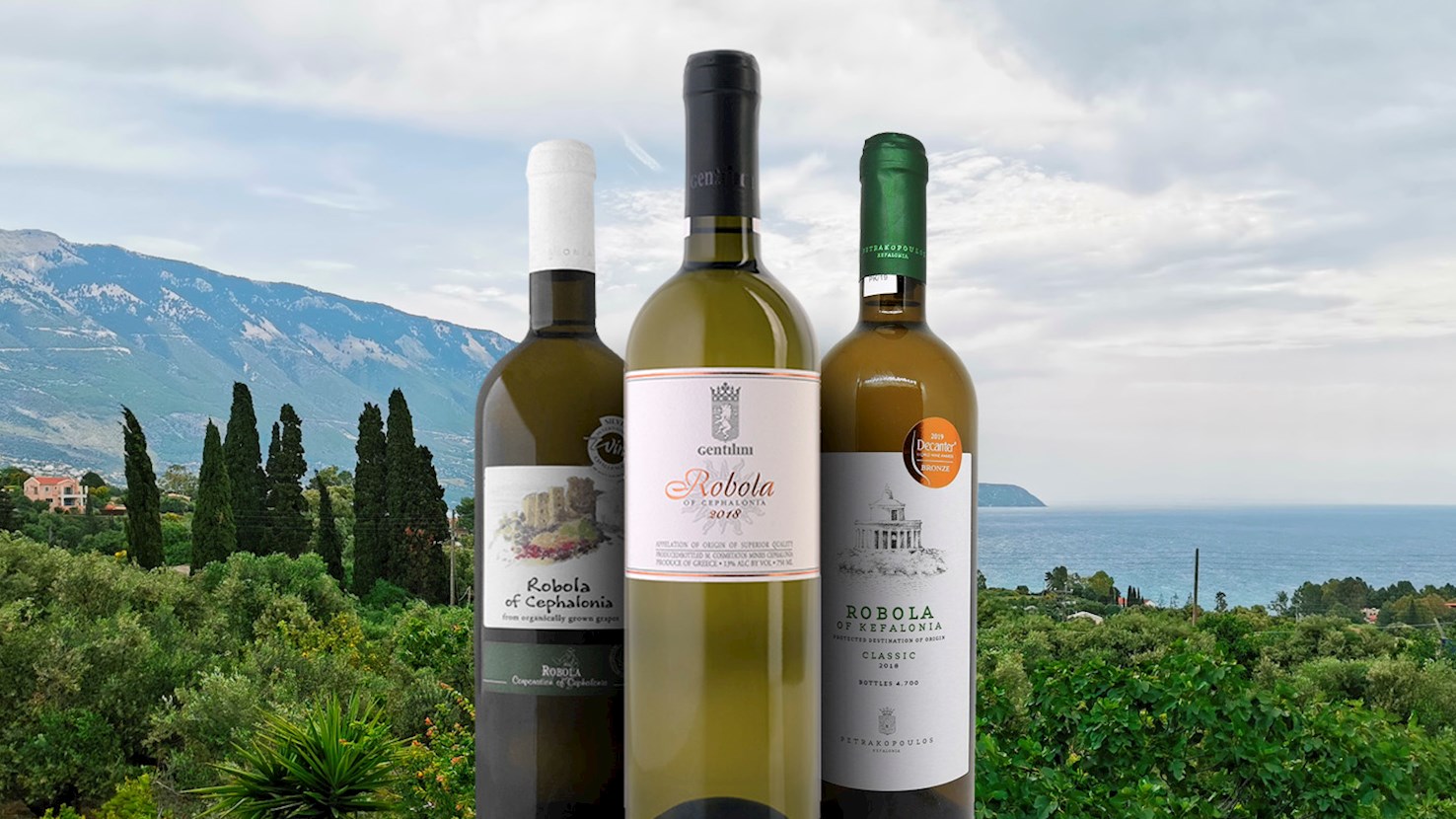
Robola is a white-skinned Greek grape that is grown in central Greece and the Ionian islands, but it is mainly associated with Cephalonia (Kefalonia), which is the home of the only Robola appellation. In the past, Robola was often mistakenly related to Ribolla Gialla, but research has shown no correlation between the two varieties. Robola wines are usually of excellent quality. The grape produces wines with a bright and refreshing character, good acidity, and medium body. The aromas are reminiscent of citrus fruit, white flowers, and white-fleshed fruit. The best examples, typically coming from higher altitudes, will have a mineral, flinty note. Robola wines are usually enjoyed young, but some examples can benefit from aging. They pair well with fish, poultry, salads, and cheese.

09

Vidiano

3.4 ·

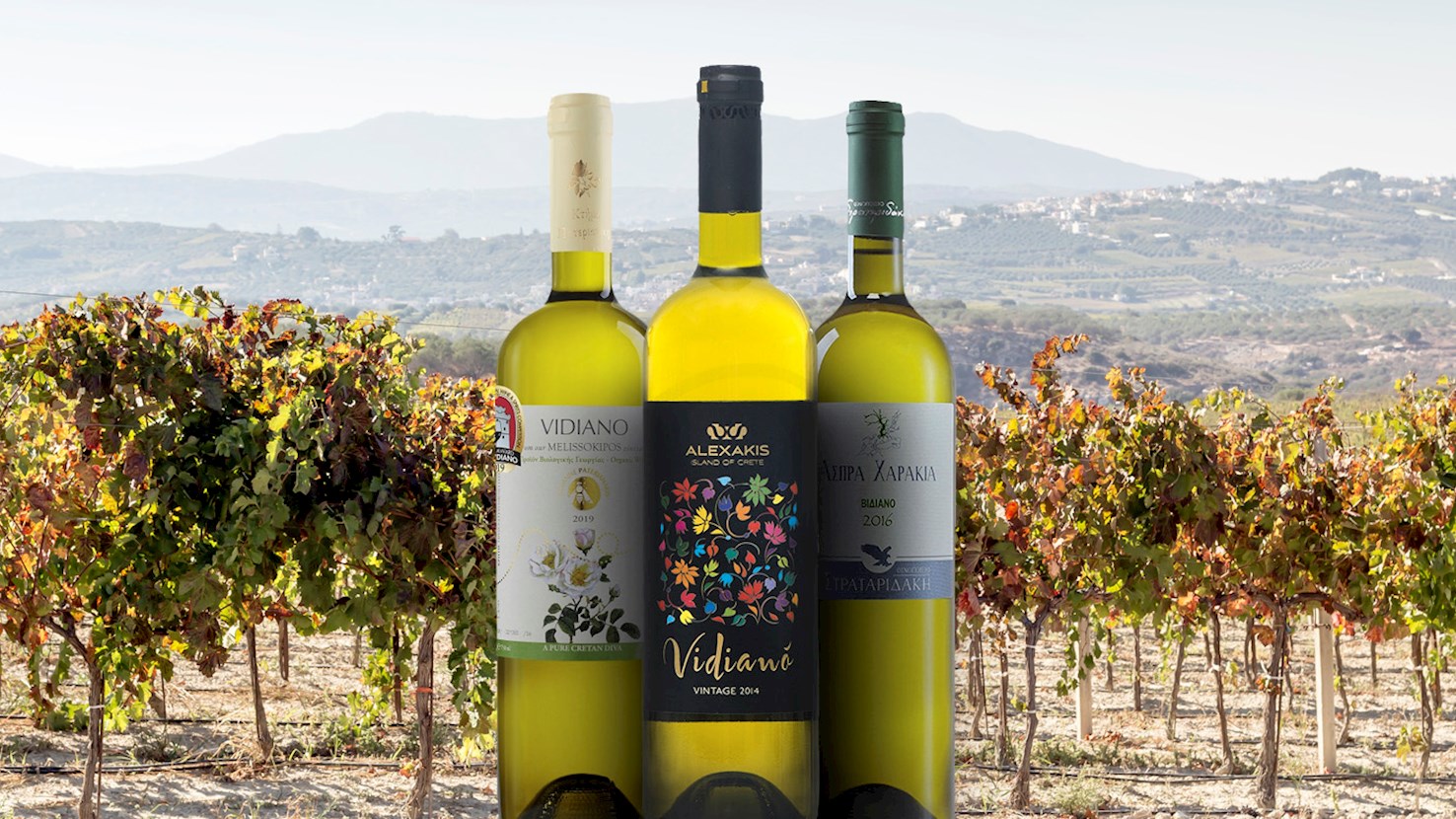
Vidiano is a native white grape from Crete that is mostly cultivated around Rethymnon. The grape is not widely known, but it has seen an upsurge in popularity in the last decade. It is usually used in varietal examples that are typically high in alcohol and acidity. The wines are usually straw-colored and tend to turn darker with age. They have a rich and creamy texture, while the aroma is reminiscent of melon, apricot, and quince, sometimes with subtle floral notes.They will often have hints of spice and minerality. Vidiano is an ancient grape that has been cultivated since the 13th century. Despite the long presence, the variety gradually disappeared from Cretan vineyards. When it was reintroduced, winemakers focused on quality, showing that the grape has excellent potential to produce excellent white wines. Vidiano wines are best paired with fish or vegetable dishes. It can be served with simple, grilled fish dishes, but it has enough character to work well with fattier fish or creamy sauces.

10

Kidonitsa

3.4 ·

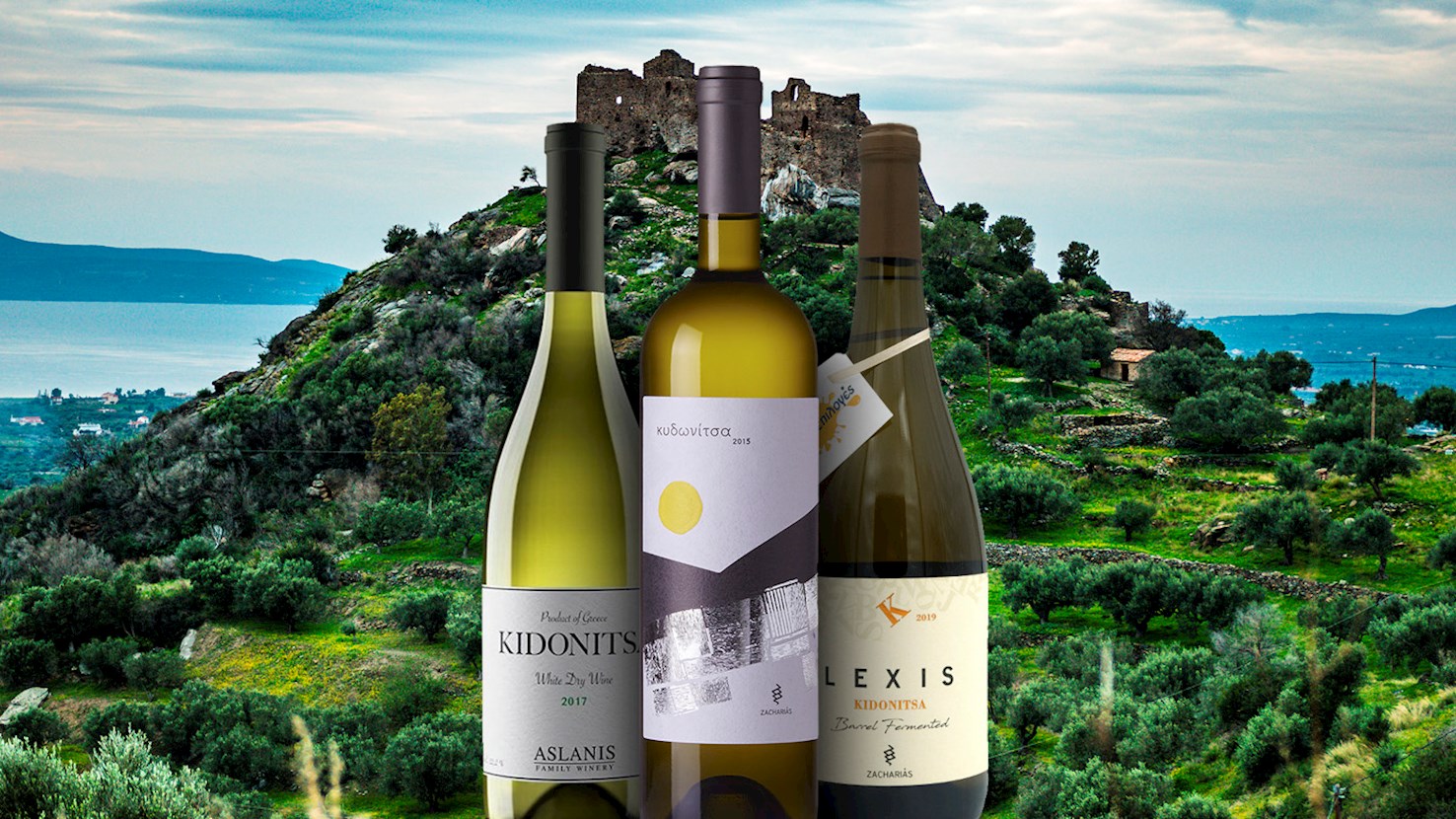
Kidonitsa is a rare and ancient Greek grape that was once nearly extinct. It was saved by several producers from the Peloponnese region who realized that the grape has an excellent potential to produce aromatic white wines with a unique character. The wines are still rare, and most of them come from Laconia. Dry white wines made from Kidonitsa usually have an approachable character. They are bright yellow and aromatic with crisp acidity and a round, medium body. Most examples have a quince-like note—unsurprisingly, the name of the grape derives from the Greek name for quince (kydoni)—along with some floral and citrus notes. These wines would pair well with seafood, salads, pasta, and light poultry dishes. They can also be a good match with cheese. Apart from dry wines, the grape is used in the production of the historically significant dessert style that is now included in the official appellation PDO Monemvassia-Malvasia.

11

Savatiano

3.2 ·
12

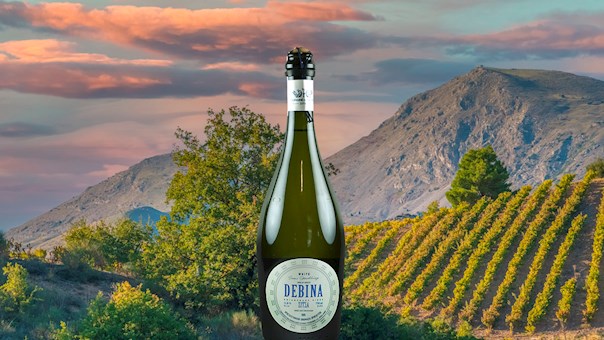
Debina

n/a ·
14

Athiri

n/a ·
15

Aidini

n/a ·
Read more
View all
View map
About this ranking

TasteAtlas food rankings are based on the ratings of the TasteAtlas audience, with a series of mechanisms that recognize real users and that ignore bot, nationalist or local patriotic ratings, and give additional value to the ratings of users that the system recognizes as knowledgeable. For the “Top 15 Southeastern European White Grapes” list until June 03, 2026, 453 ratings were recorded, of which 199 were recognized by the system as legitimate. TasteAtlas Rankings should not be seen as the final global conclusion about food. Their purpose is to promote excellent local foods, instill pride in traditional dishes, and arouse curiosity about dishes you haven’t tried.

Similar lists