Top 16 Local White Wines
in Côte-d'Or

Last updated on September 23, 2026

Best Côte-d'Or White Wines
01

Domaine Leflaive

5.0 ·

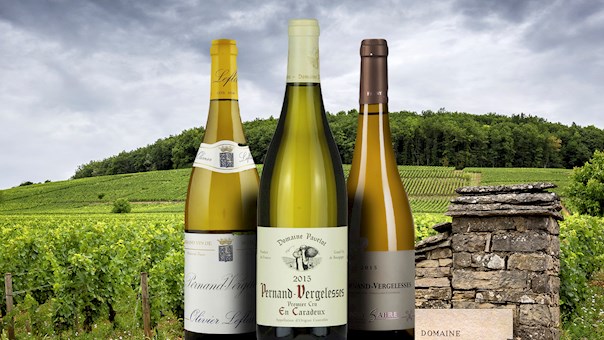
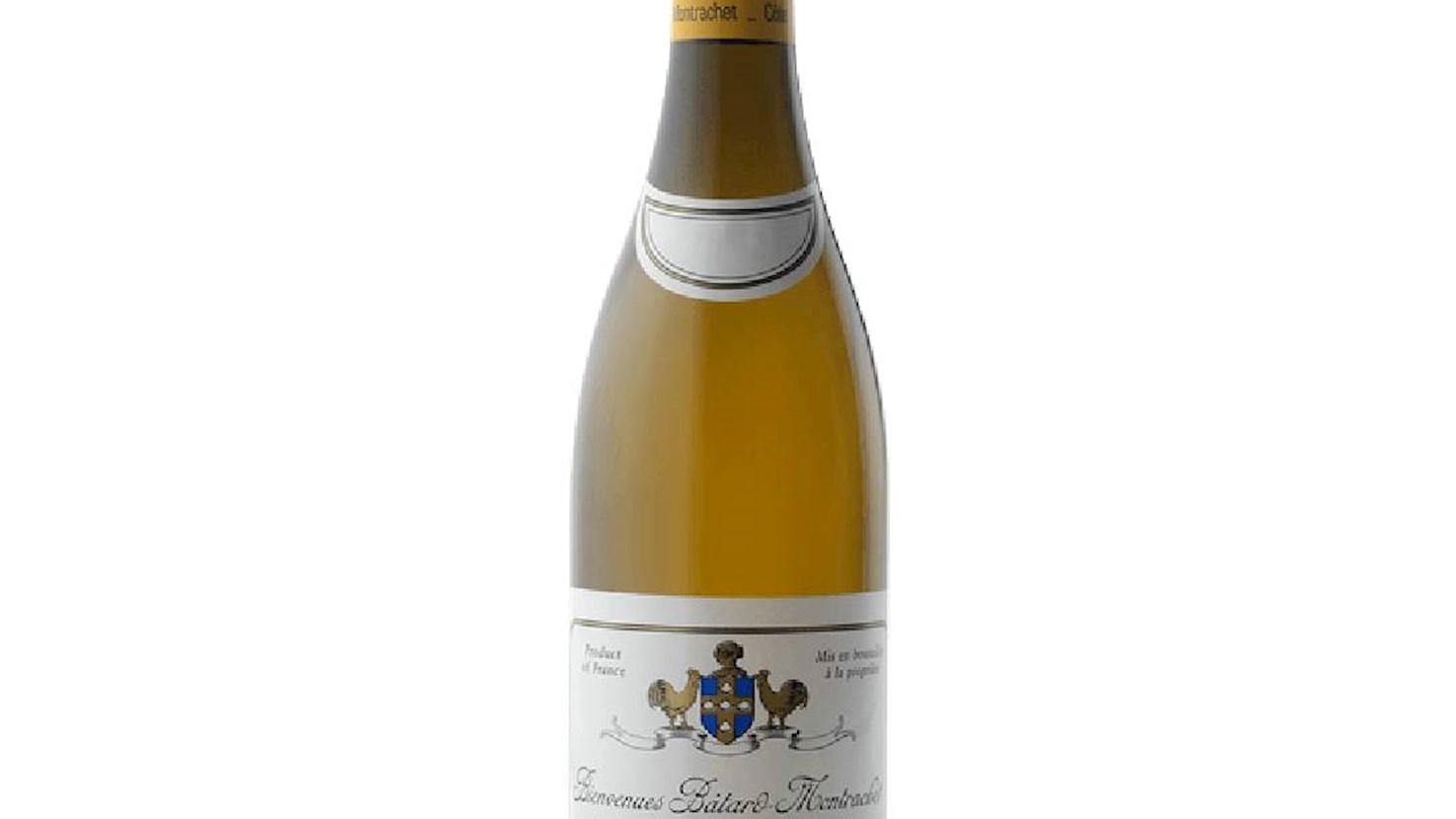
Domaine Leflaive stands as a symbol of elegance and deep respect for the Burgundian terroir. Located in the heart of Puligny-Montrachet, this historic estate has cultivated its legacy for over three centuries, shaped by generations committed to refining a distinctive style and philosophy. Chardonnay is at the core of the domaine’s identity, and from it, Domaine Leflaive produces some of the most graceful and age-worthy white wines in the world.

The vineyards include prestigious Grand Cru and Premier Cru parcels, all farmed using biodynamic principles. Since the 1990s, the estate has been a pioneer of biodynamics in Burgundy, guided by the belief that a healthy vineyard yields truly expressive wines. Vinification follows a minimalist approach, with a focus on balance and purity, allowing the unique character of each site to emerge.

The resulting wines are defined by their precision, minerality, and refined texture, evolving beautifully with time in the bottle. Domaine Leflaive never compromises—each wine reflects a commitment to excellence, a profound connection to nature, and a continual pursuit of harmony between man, earth, and wine. It is a place where tradition and modern vision coexist in perfect balance.

Awards
Vivino - 4.6
Vivino - 4.7
02

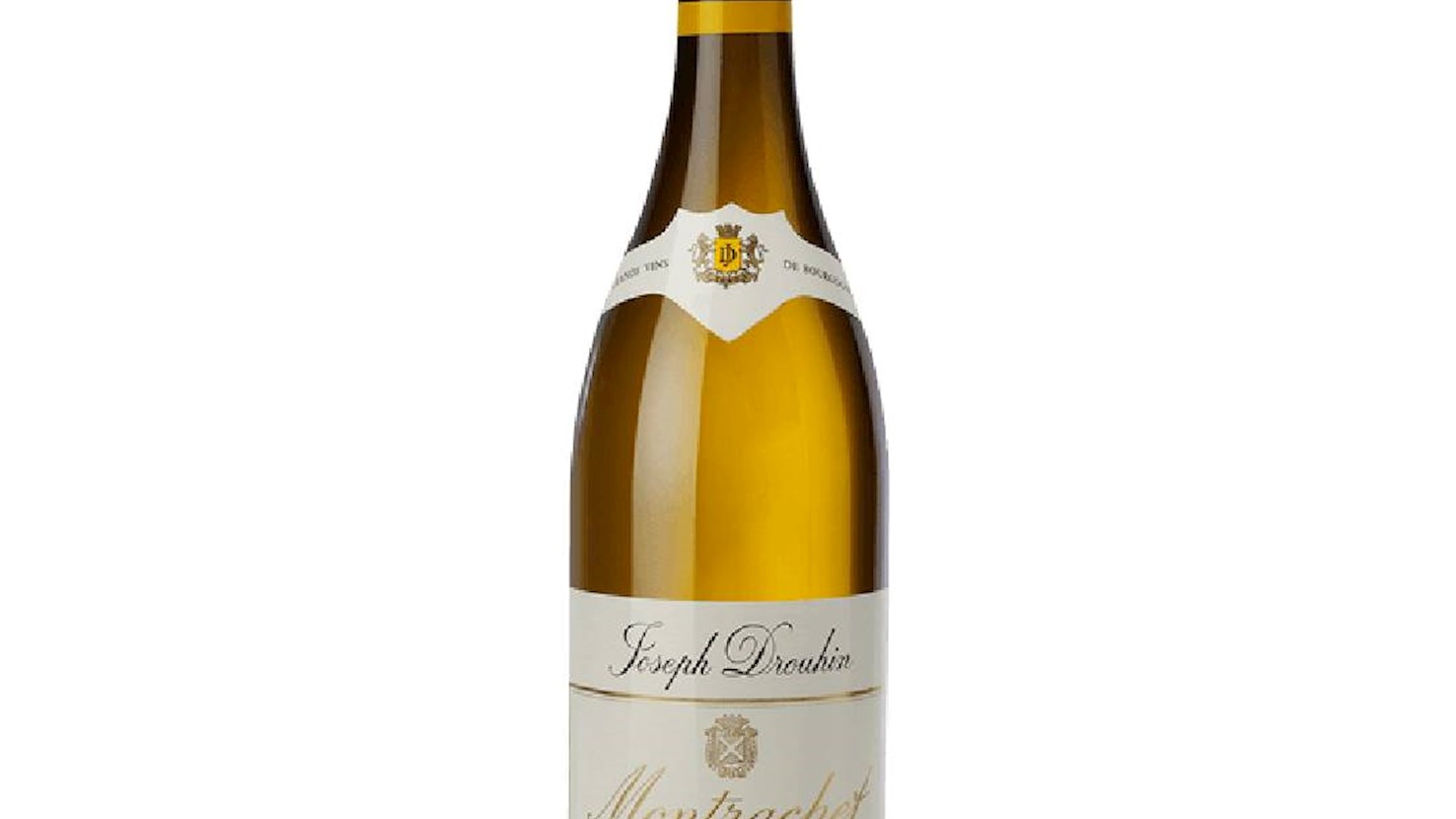
Joseph Drouhin

5.0 ·

Maison Joseph Drouhin is a family-owned estate founded in 1880 in the heart of Burgundy. For more than a century it has built a reputation rooted in elegance, consistency, and respect for tradition.

The vineyards are cultivated with great care, following practices that preserve the authenticity of the soils and the natural harmony of the vines. The wines reflect the finesse and clarity of the Burgundian terroir, with distinctive fruit, minerality, and refined structure. Each label carries the spirit of its origin and the signature of a family that has upheld the same vision for generations. Joseph Drouhin today stands as one of Burgundy’s most important names and a symbol of wine culture that bridges history with a modern approach.

Their wines are crafted for those who seek purity of expression and a sophisticated pleasure in every glass.

Awards
Vivino - 4.6
Vivino - 4.3
03

Domaine Coche-Dury

5.0 ·

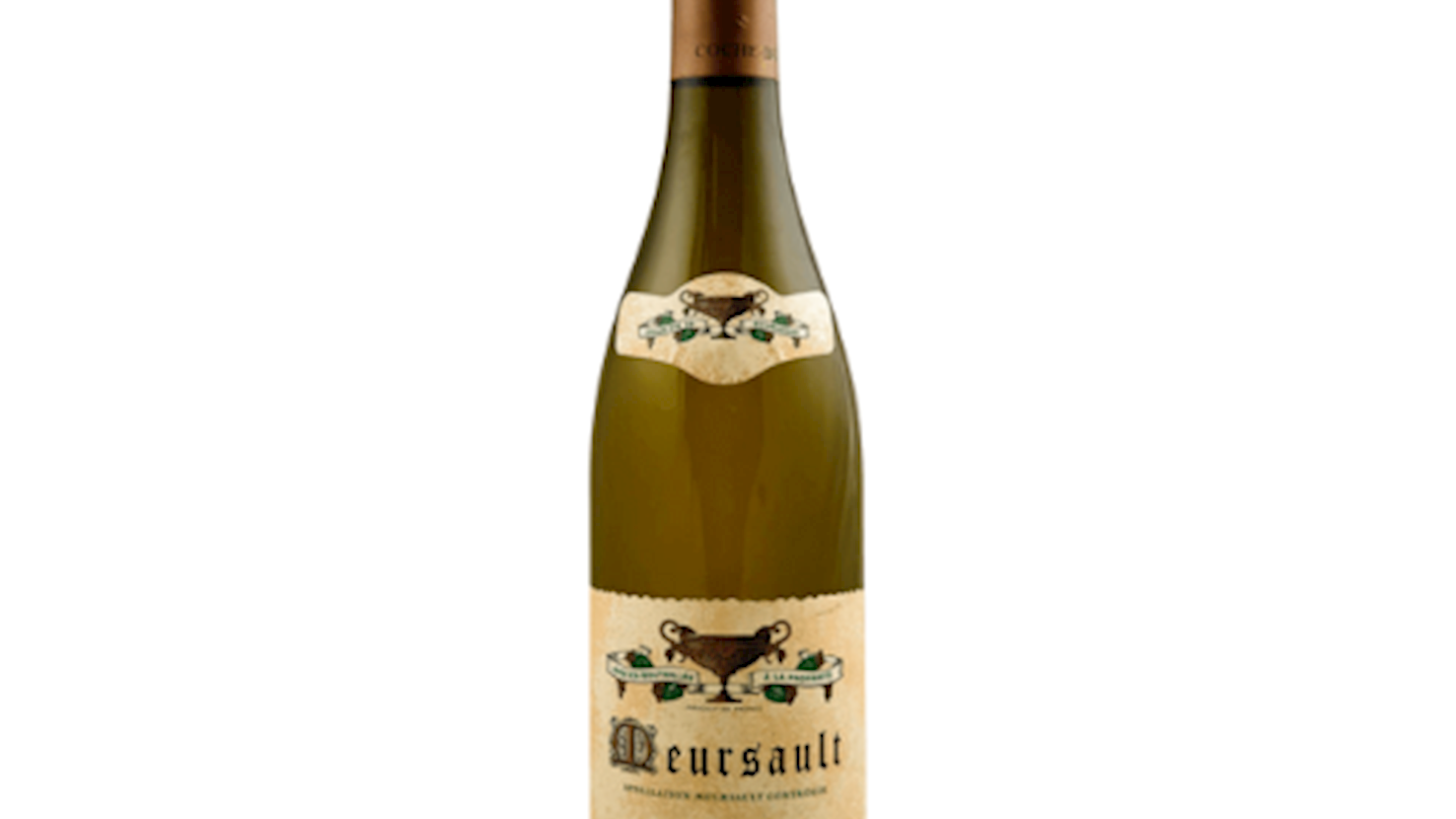
Domaine Coche-Dury is a legendary family estate from Meursault in Burgundy, renowned for producing some of the most distinctive and sought-after expressions of Chardonnay in the world. Founded by Georges Coche, the domaine achieved cult status under the meticulous stewardship of Jean-François Coche, whose signature style is rooted in extreme vineyard precision and exceptionally careful vinification.

Their parcels - including Meursault village sites, Premier Crus such as Les Charmes and Les Perrières, and the iconic Corton-Charlemagne - lie on limestone- and clay-rich soils that provide tension, vibrant acidity, and deep minerality. In the cellar, the team practices gentle, slow pressing, spontaneous fermentation in small oak barrels, and extended aging on fine lees.

The domaine’s recognizable notes of toast and subtle smokiness come from their highly specific approach to barrel selection and use. The resulting wines combine concentration with crystalline purity, showing aromas of lemon, white peach, hazelnut, chalk, and a delicate smoky touch.

Production is extremely limited, which, together with exceptional quality, makes Coche-Dury one of the most coveted producers in Burgundy. Their wines have remarkable aging potential, developing complexity and finesse over several decades.

Awards
Vivino - 4.6
Vivino - 4.7
04

Château de Meursault

4.9 ·

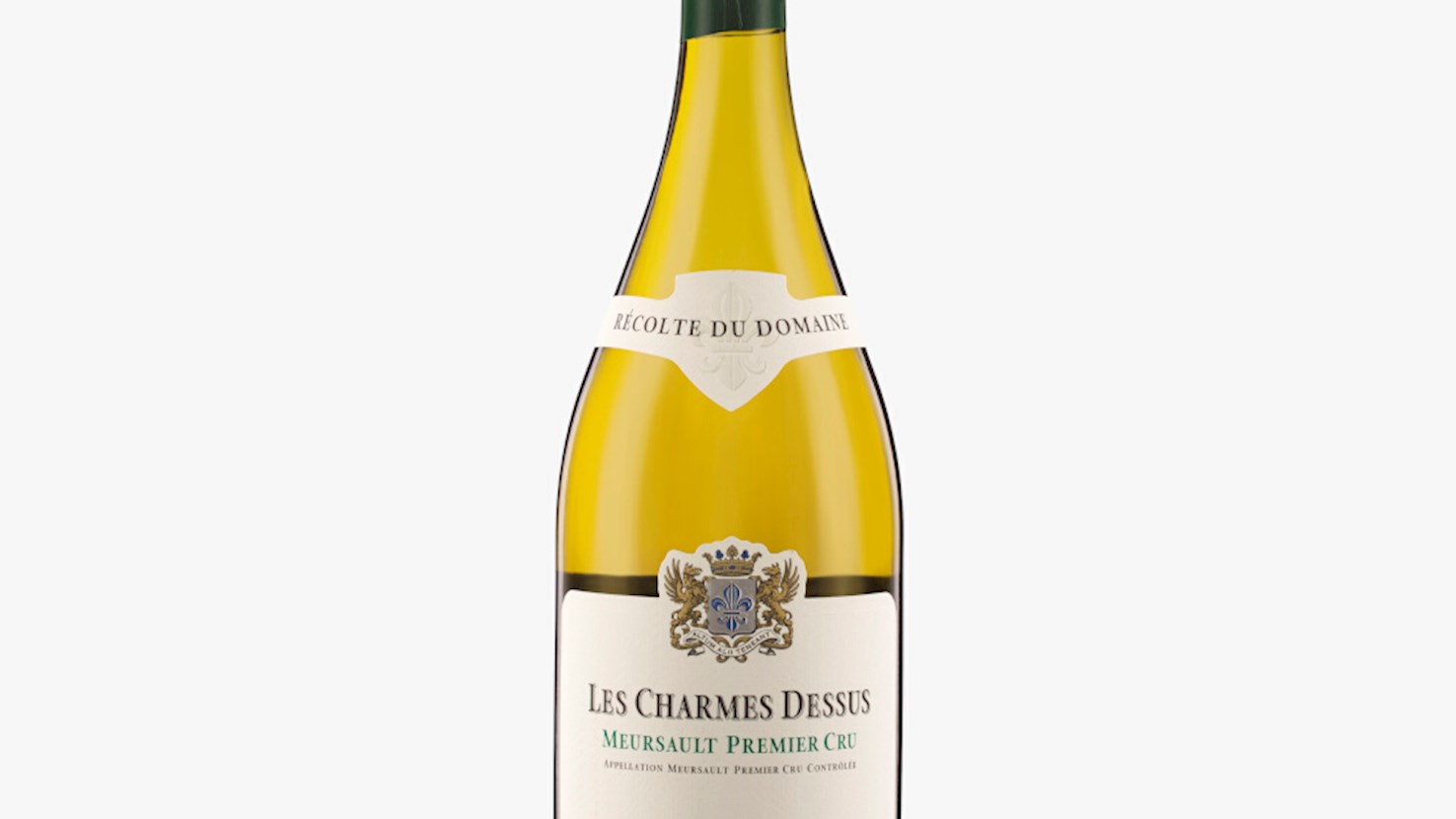
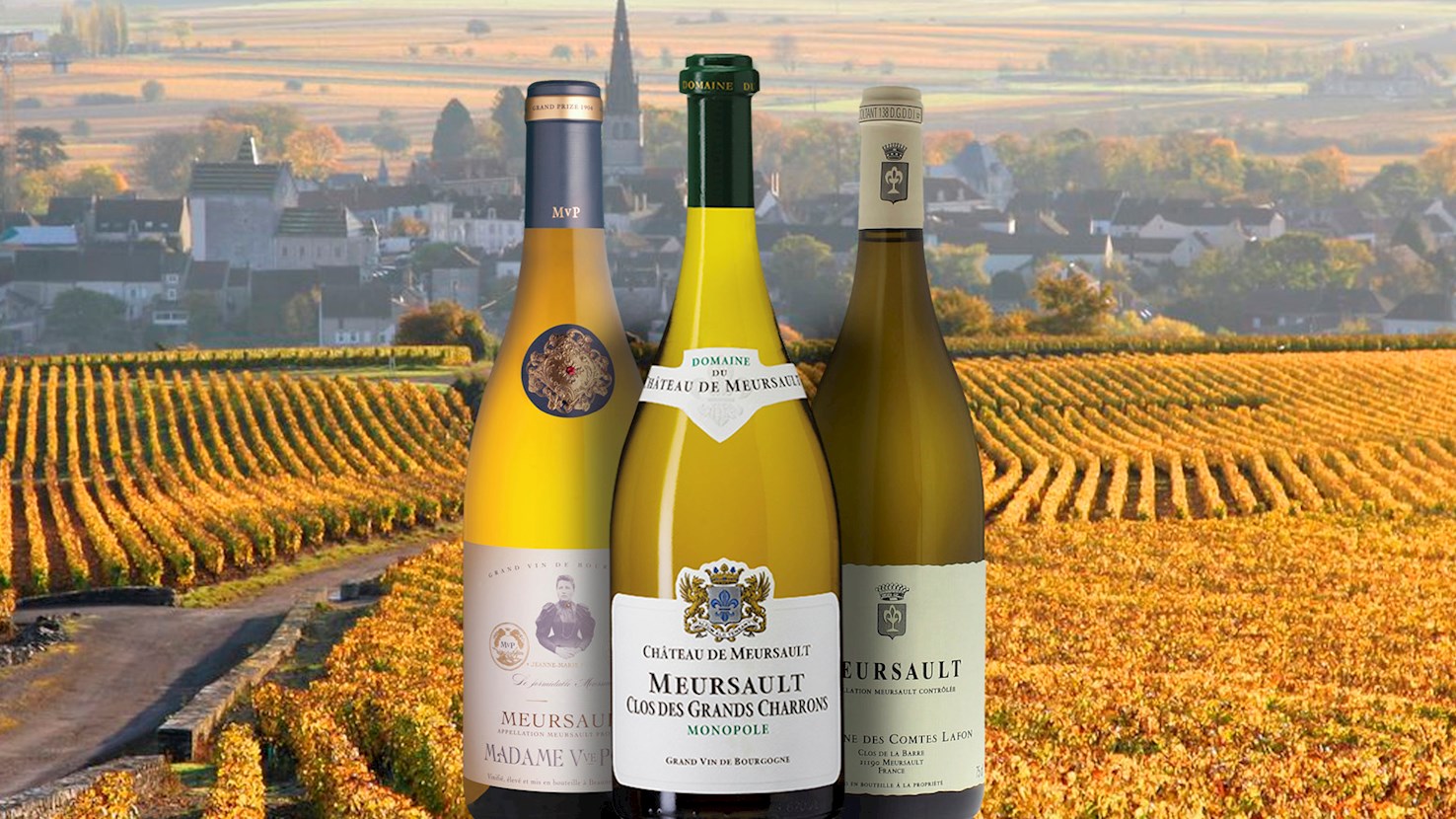
With over 1000 years of history, Château de Meursault follows an approach of excellence in respect of nature, the environment and the climates. With the 2022 vintage, the entire vineyard of Château de Meursault is conducted in organic farming.

Awards
Decanter World Wine Awards - Best in Show (2023, 2021, 2019)
Decanter World Wine Awards - Platinum (2020, 2019)
05

Maison Albert Bichot

4.9 ·

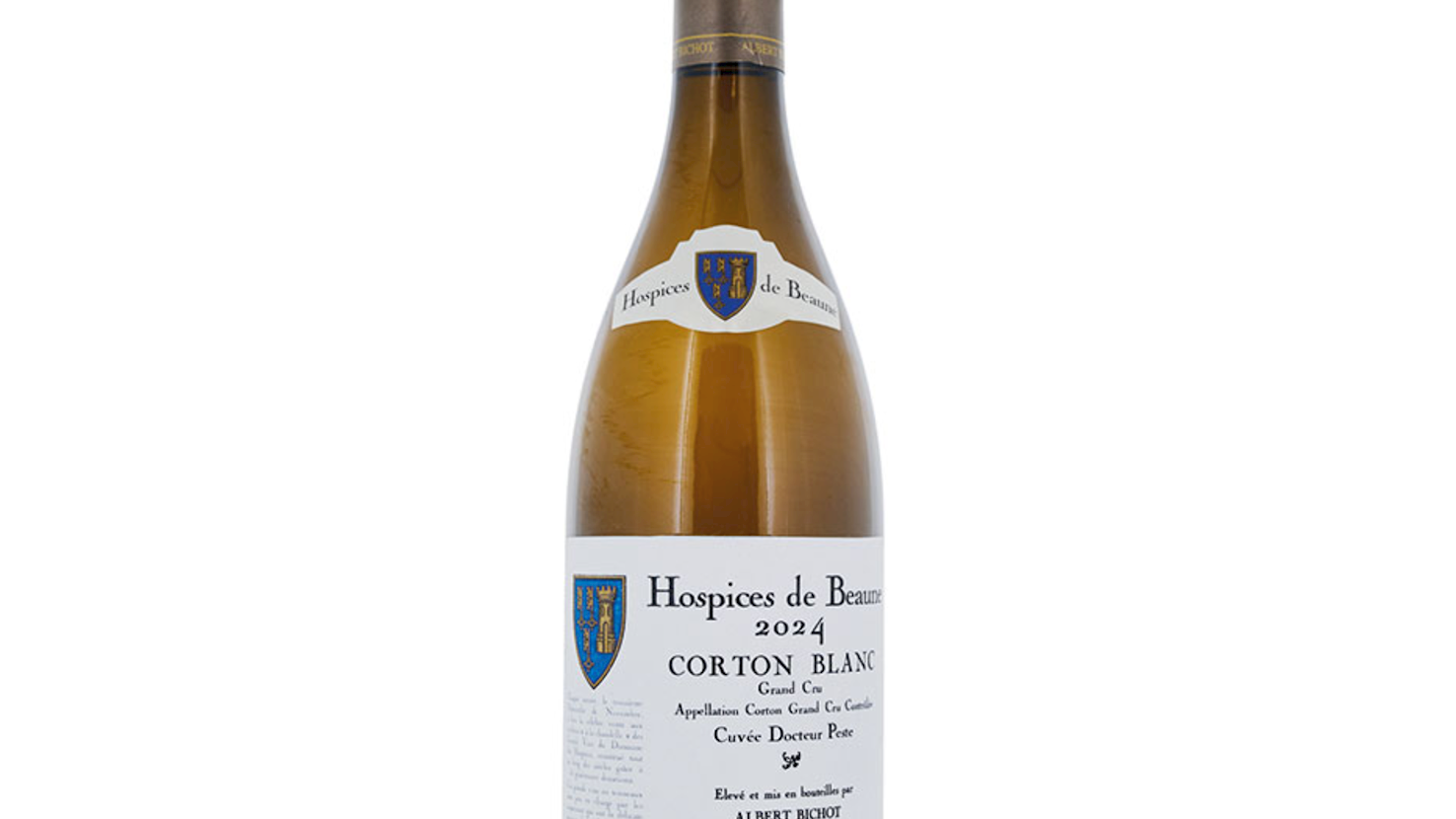
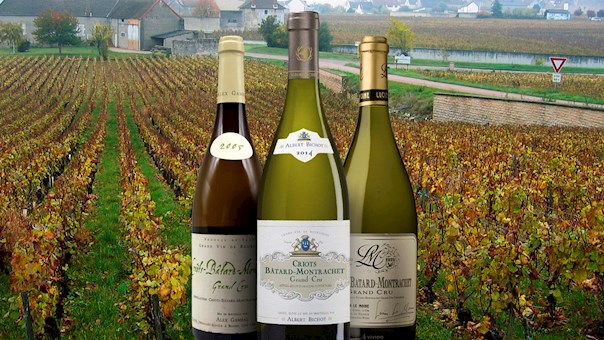
Maison Albert Bichot is a historic Burgundy wine house founded in 1831 and based in Beaune, at the heart of the region. Still family-owned, it has evolved from a traditional négociant into a major vineyard owner, managing over 100 hectares across six estates in key areas such as Chablis, Côte de Nuits, Côte de Beaune, and Beaujolais.

The house combines estate-grown fruit with grapes sourced from long-term partner growers, all vinified under strict quality control to ensure consistency and authenticity. Its philosophy centers on expressing Burgundy’s “climats,” emphasizing the unique identity of each vineyard through minimal intervention and precise winemaking.

The portfolio focuses mainly on Pinot Noir and Chardonnay, ranging from regional appellations to Premier Cru and Grand Cru wines. Sustainability is a core principle, with most estates farmed organically and a strong commitment to environmentally responsible practices.

The wines are known for their balance, purity, and clear sense of origin. Over time, Maison Albert Bichot has built a strong international reputation, supported by numerous awards and consistent critical recognition.

Awards
Decanter World Wine Awards - Best in Show (2026, 2021, 2020)
Decanter World Wine Awards - Platinum (2024, 2023, 2022, 2021, 2020)
06

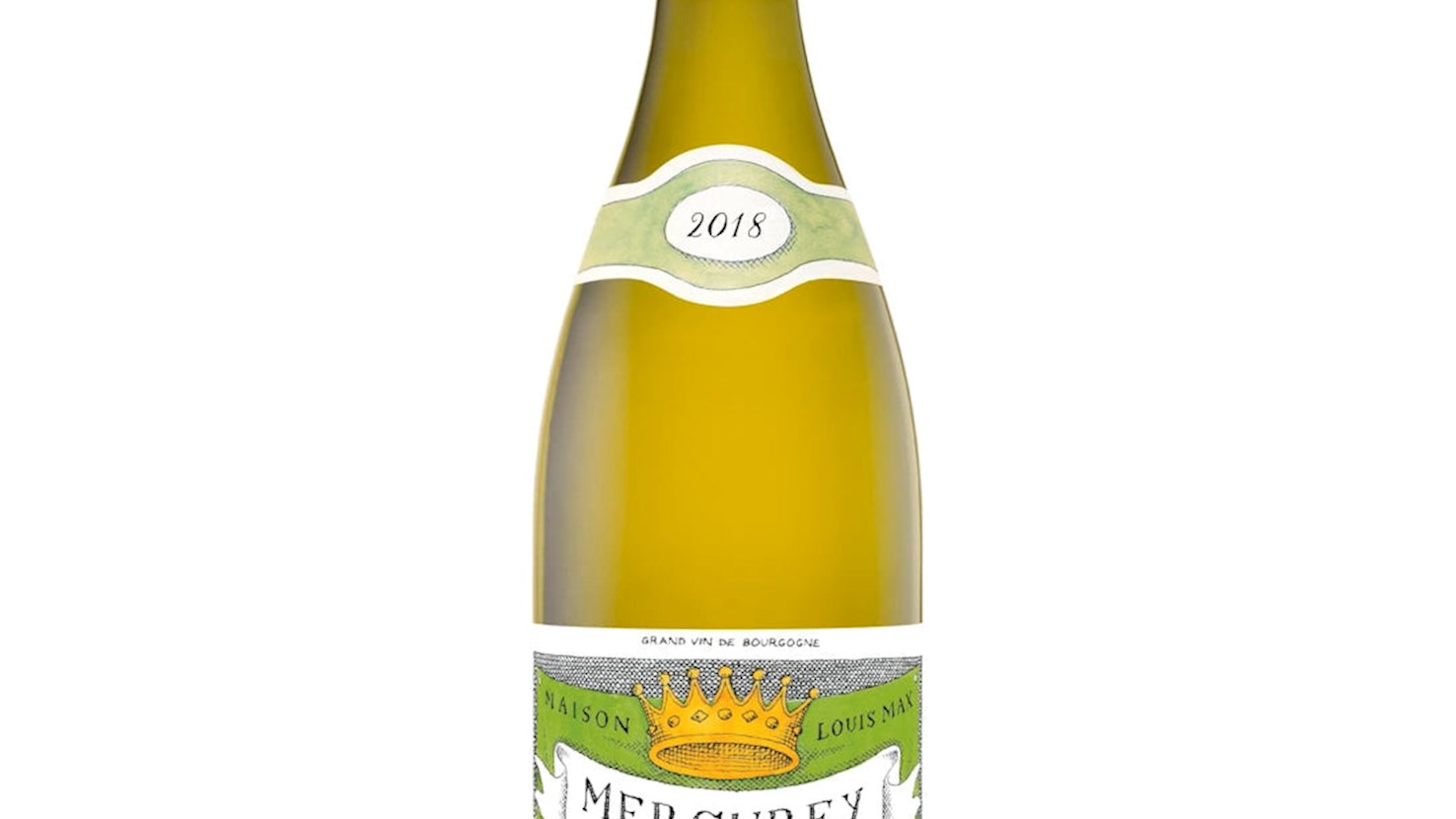
Domaine Louis Max

4.9 ·
Awards
Decanter World Wine Awards - Platinum (2019)
07

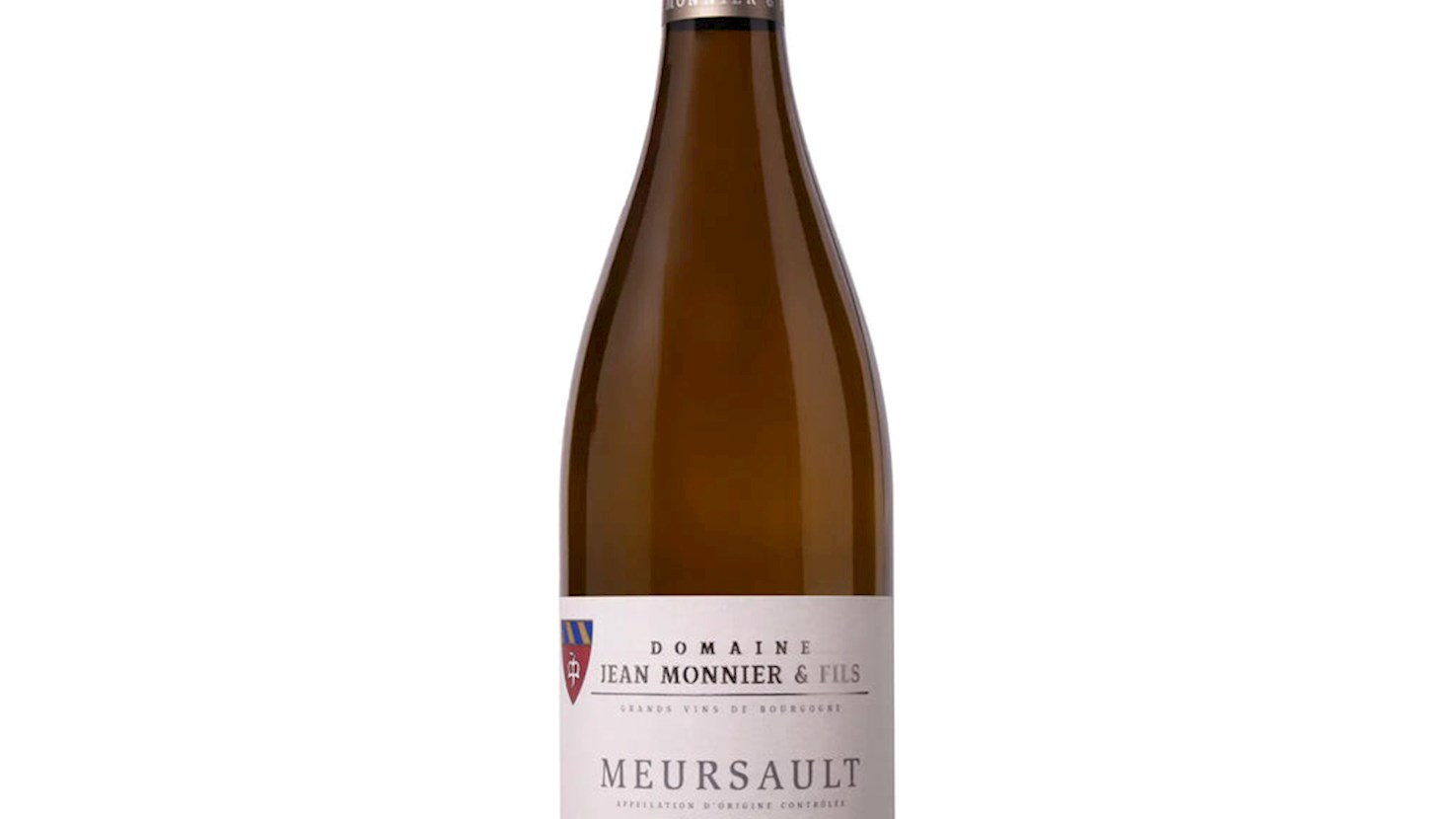
Domaine Jean Monnier & Fils

4.9 ·
Awards
Decanter World Wine Awards - Platinum (2023)
08

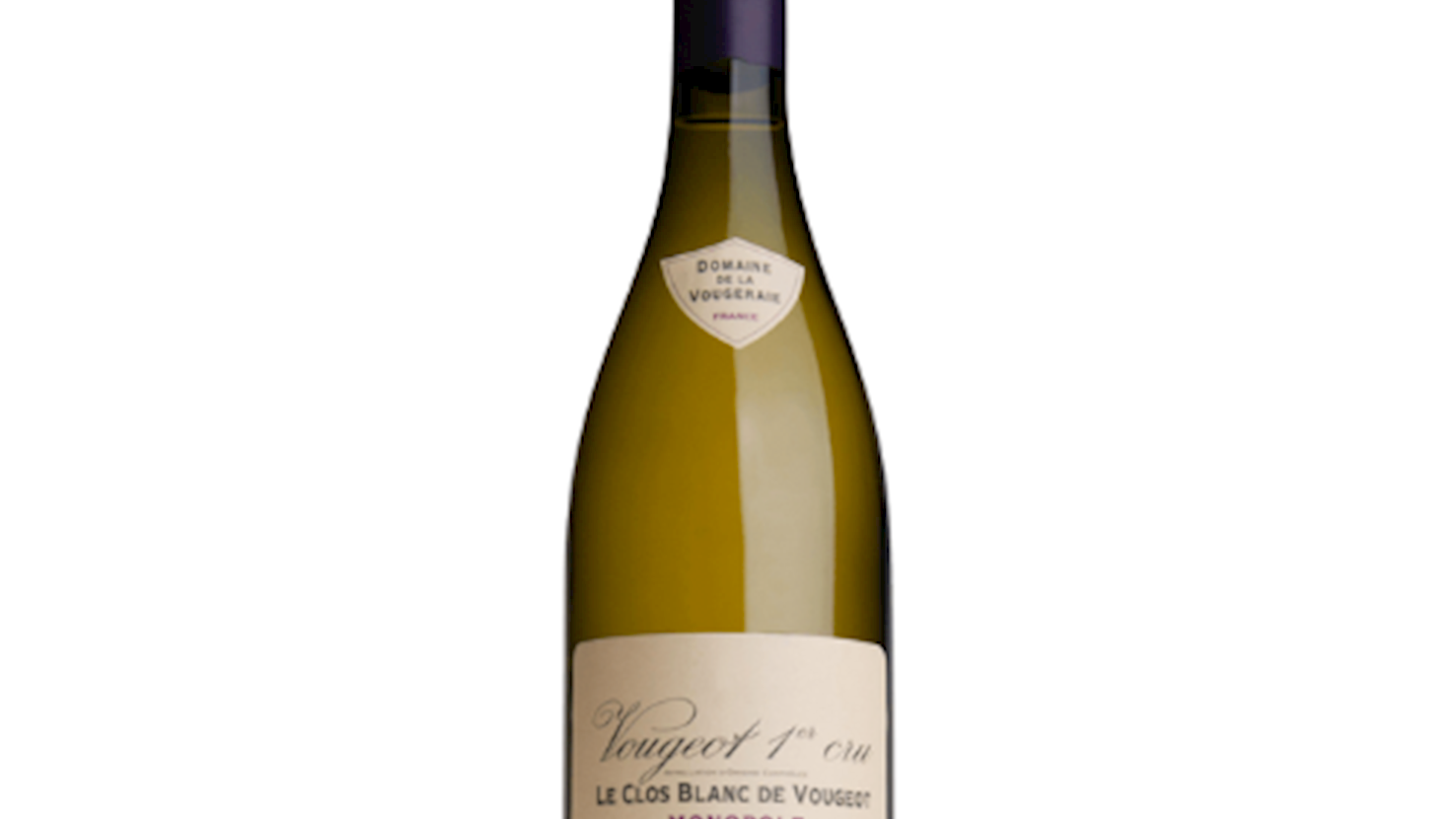
Domaine de la Vougeraie

4.8 ·

Domaine de la Vougeraie is a highly regarded Burgundy estate known for its meticulous, terroir-focused approach and strong commitment to biodynamic viticulture. The domaine was established in the late 1990s and is owned by the Boisset family, with vineyards spread across some of the most prestigious appellations of the Côte d’Or, including Vougeot, Gevrey-Chambertin, Chambolle-Musigny, Nuits-Saint-Georges, Beaune, and Corton.

Its holdings include an exceptional portion of Clos de Vougeot Grand Cru, farmed biodynamically and vinified with great precision. Pinot Noir forms the backbone of the red wines, while Chardonnay is used for the whites, both cultivated with strict attention to soil health, vine balance, and low yields.

Winemaking is gentle and non-interventionist, relying on natural fermentations, careful extraction, and restrained use of oak to preserve purity and site expression. The wines are known for their finesse, aromatic clarity, and mineral tension, offering depth without heaviness and strong potential for aging.

Domaine de la Vougeraie is widely considered a reference point for biodynamic Burgundy, combining classical structure with a refined, contemporary sensibility.

Awards
Decanter World Wine Awards - Platinum (2019, 2017)
Decanter World Wine Awards - Best in Show (2018)
10

Château de Pommard

4.6 ·
Awards
IWSC- International wine & spirit competition - Gold (2023, 2022, 2021, 2019)

Best Côte-d'Or White Wine Types
01

Meursault Blanc

4.0 ·

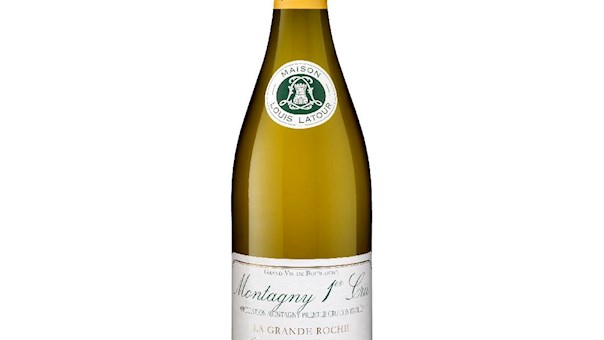
Meursault is a French appellation located around the namesake village in Côte de Beaune (Côte-d’Or) region of Burgundy. The appellation consists of nineteen premier cru vineyards that produce some of the best expressions of Chardonnay grapes. Although there are subtle differences in style, depending on the location, Meursault wines are typically rich, buttery, and creamy, while remaining fresh. They can usually age well, and they often display nutty flavors and aromas of toasted almonds and hazelnuts, as well as citrus, floral and mineral nuances. These balanced and well-structured wines pair well with fish and seafood dishes, as well as foie gras, blue cheese, or veal and poultry served in creamy sauces.

02

Chassagne-Montrachet Blanc

3.5 ·

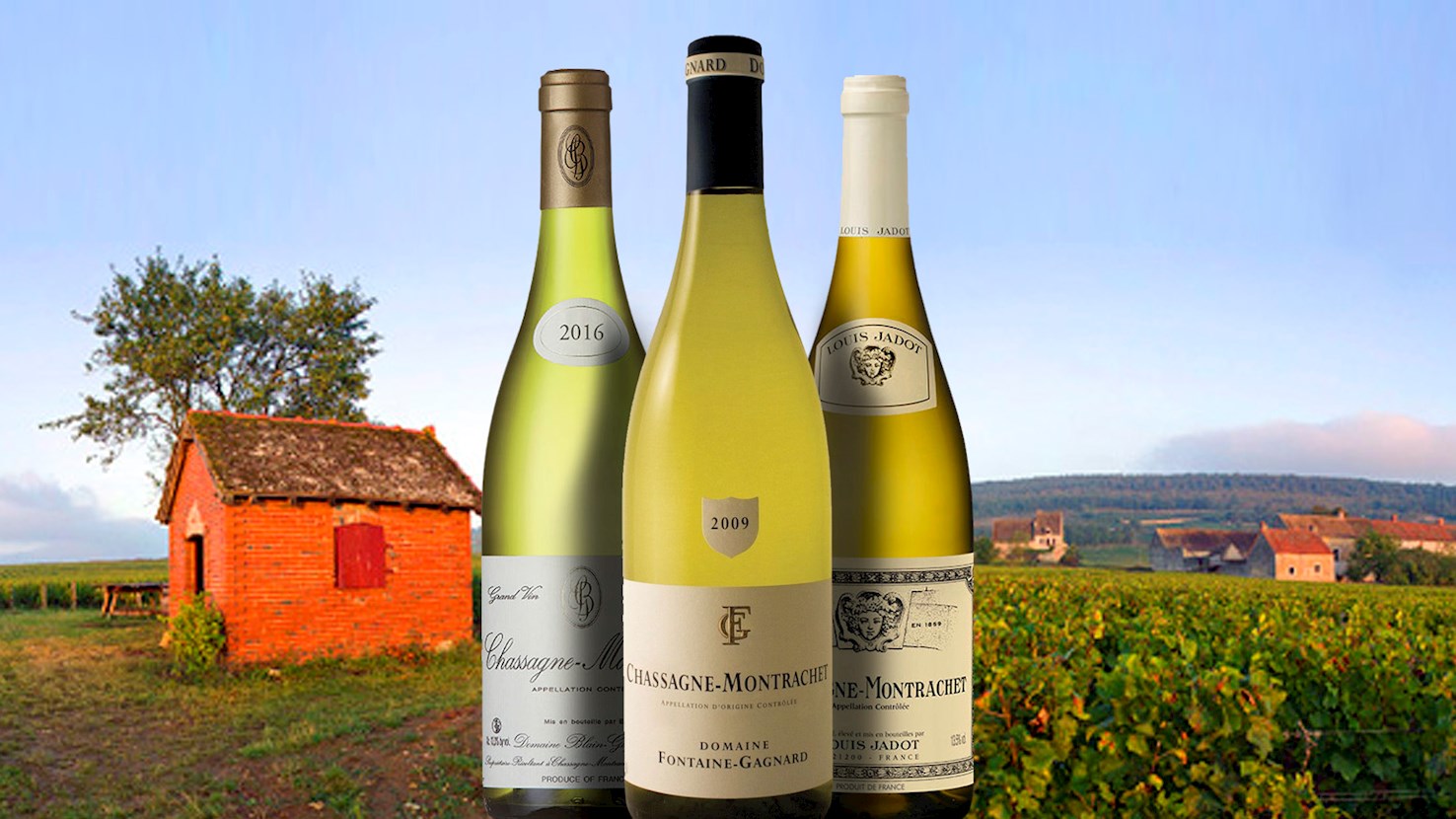
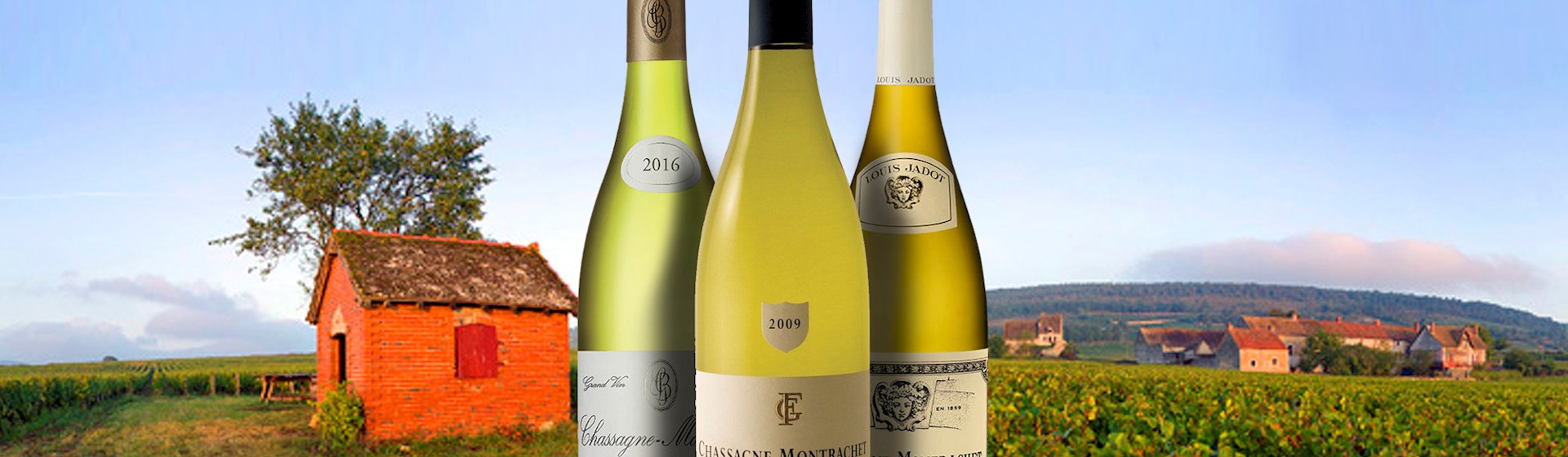
Chassagne-Montrachet is a French appellation for white and red wines which is located in Côte de Beaune (Côte-d’Or) region of Burgundy. The region is best known for its exceptional white wine that is produced from Chardonnay grapes. These powerful and opulent wines tend to display complex and harmonious aromas of white flowers, acacia, honeysuckle, and hazelnuts. Buttery aromas of honey, pear, and toast are also occasionally present, as well as the typical mineral character (flint). These rounded and full-bodied wines are best matched with white meat such as poultry or veal served in creamy sauces. They can also work well with fish and crustaceans, foie gras, and cheese.

03

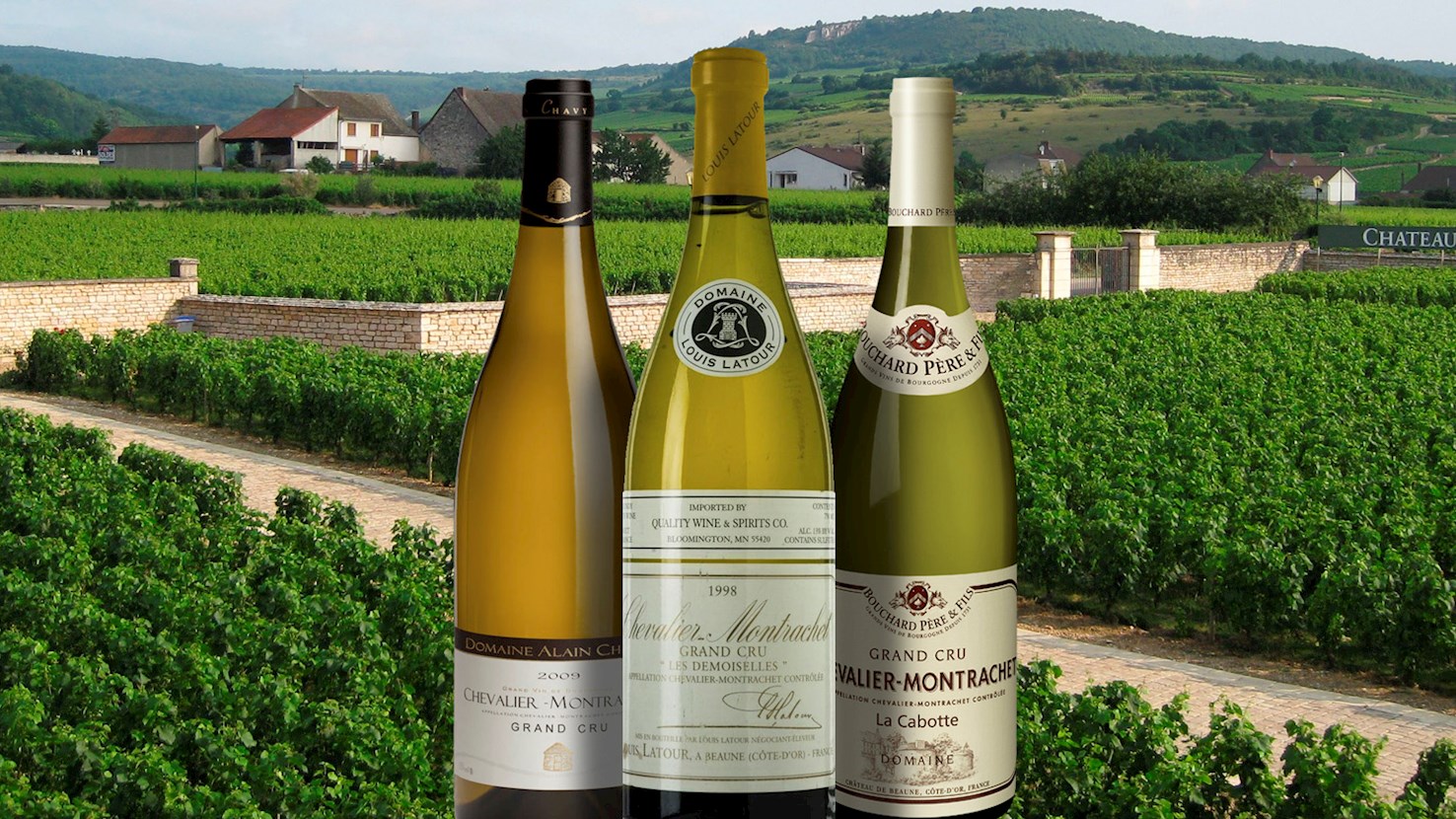
Chevalier-Montrachet

n/a ·

Chevalier-Montrachet is French appellation and a grand cru vineyard located in Côte de Beaune (Côte-d’Or) wine region of Burgundy. These white Chardonnay-based wines are complex, concentrated, well-structured, and elegant, with a smooth texture and a great aging potential. They typically display aromas of apple, yellow and exotic fruit, as well as almonds and cinnamon. Because of their mineral quality, Chevalier wines go exceptionally well with creamy sauces and fish or seafood such as lobster, crayfish, or scallops. It can also be a match to foie gras, poultry, and mushrooms.

04

Bâtard-Montrachet

n/a ·

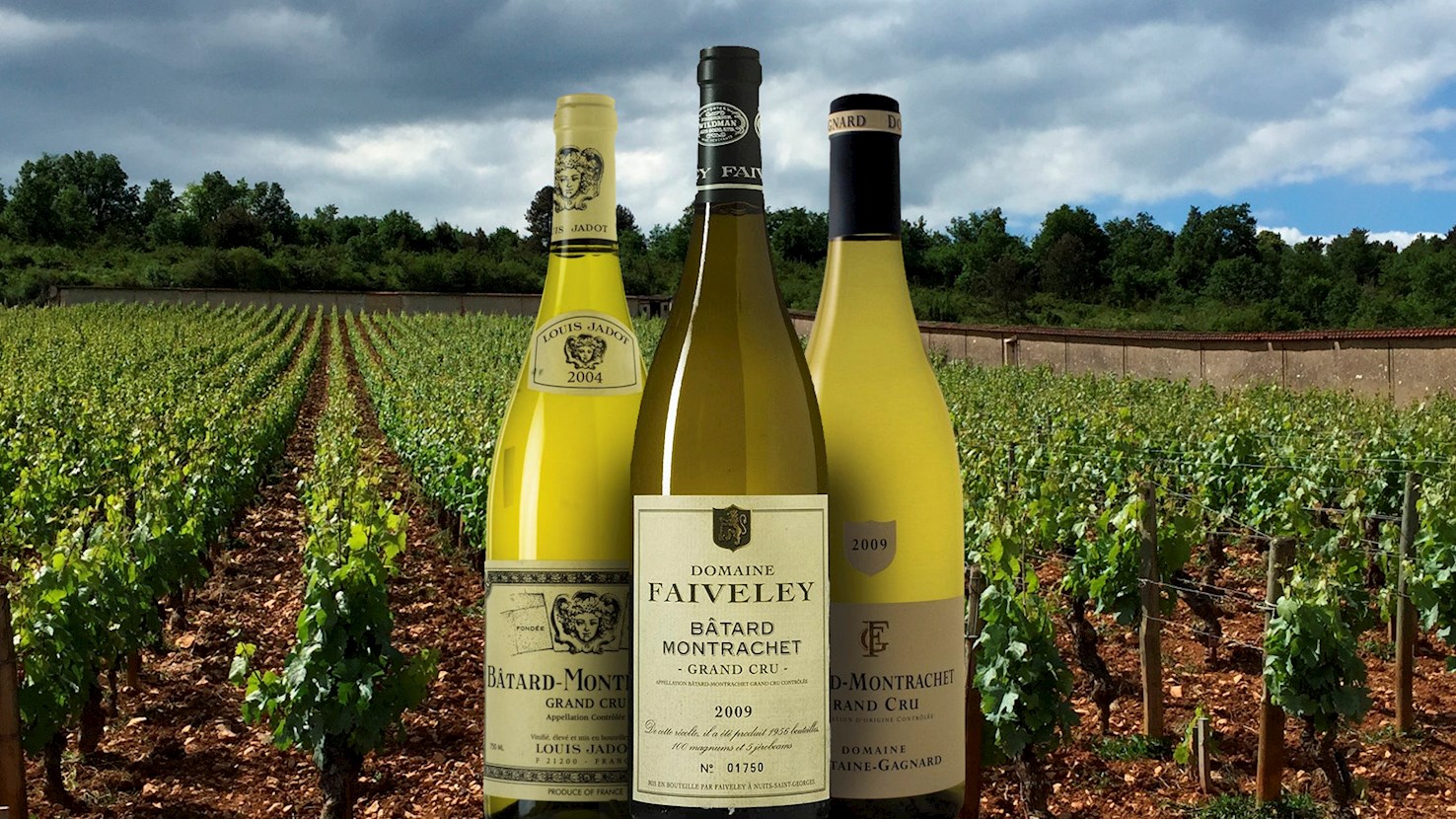
Bâtard-Montrachet is a grand cru vineyard in the department of Côte de Beaune (Côte-d’Or). The region produces white wines that are exclusively made from Chardonnay grapes. The wines are full-bodied, rich, and aromatic with the typical notes of dried fruit, spices, white fruits, and honey. Considered to be the best expressions of Chardonnay grapes, they are praised for their strong mineral notes and a long finish. Bâtard-Montrachet wines pair well with creamy, butter-based sauces, crustaceans, fish, or foie gras.

05

Corton-Charlemagne

n/a ·

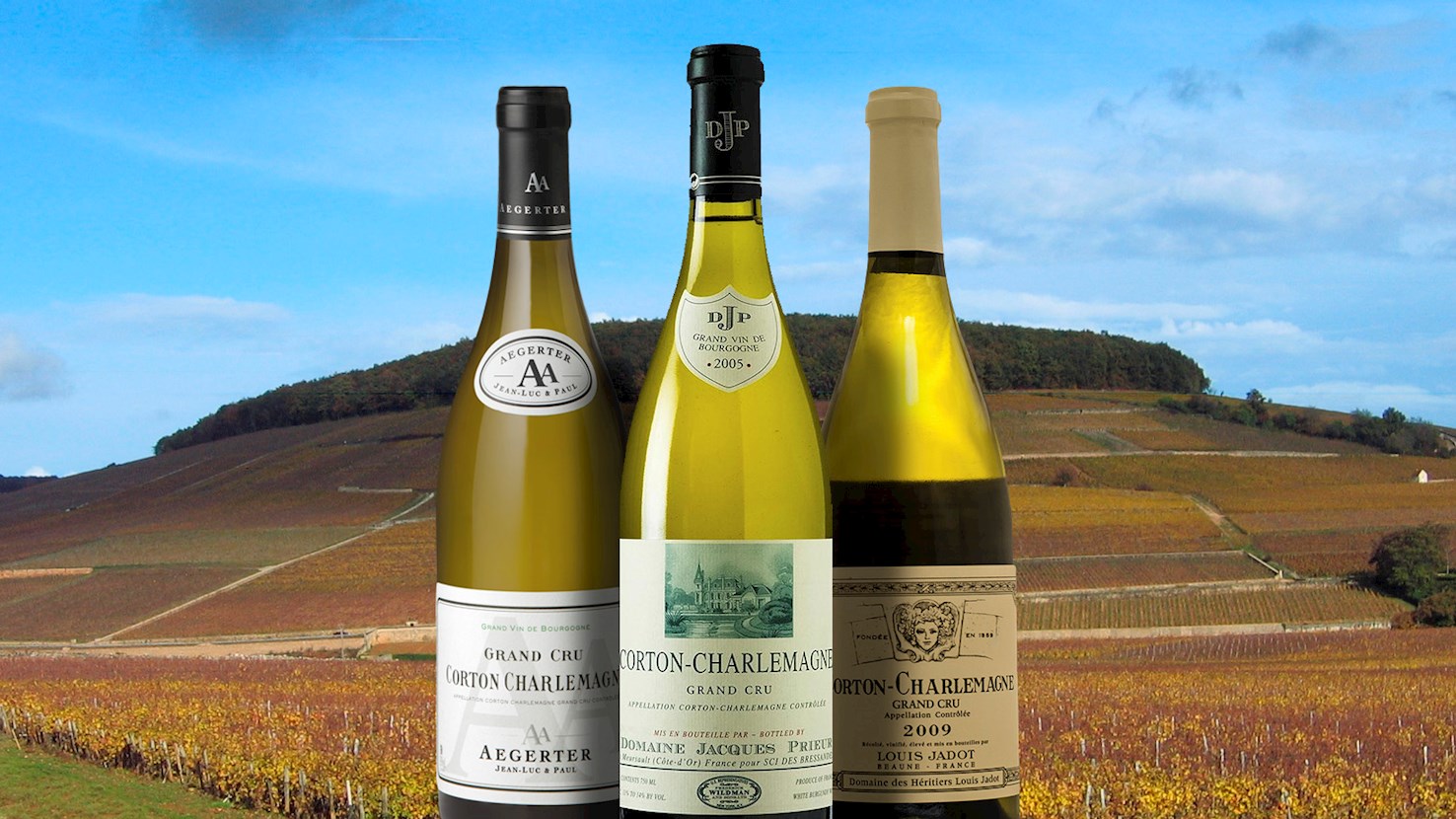
Corton-Charlemagne is a grand cru vineyard located in Côte de Beaune (Côte-d’Or) wine region of Burgundy. The region produced Chardonnay-based white wines that are characterized by their pale gold to amber color and an aromatic combination of fruit and herbal aromas such as buttery baked apples or pears, pineapple, cinnamon, flint, citrus, bracken, juniper, or lime. With age, the wines tend to display more complex nuances of truffles, pepper, leather, and exotic fruit. Because of their well-structured minerality, these prized wines are an excellent match to crustaceans, foie gras, fish or white meat served in creamy sauces, mushrooms, scallops, and soft-centered cheese varieties.

06

Maranges

n/a ·

Maranges wine is an Appellation d'Origine Contrôlée (AOC) designation for red and white wines produced at the southern terminus of the Côte de Beaune sub-region of Burgundy, France, encompassing the viticultural soils of three adjacent communes named Cheilly-lès-Maranges, Dezize-lès-Maranges, and Sampigny-lès-Maranges within the Saône-et-Loire department. Organized viticulture in this specific hilly landscape dates back to the Roman colonization of Gaul, expanding under medieval ecclesiastical landownership and becoming legally formalized on May 23, 1988, when the Institut National de l'Origine et de la Qualité (INAO) established the unified Maranges AOC, which replaced the previous system where local growers labeled their output under the broader Côte de Beaune-Villages appellation, thereby establishing a distinct identity for the area's 170 hectares of grapevines, including seven designated Premier Cru climates. Preparation of the red wines, which constitute approximately ninety-five percent of the total regional output, relies almost exclusively on the Pinot Noir grape variety, with hand-harvested fruit undergoing sorting, optional stem removal, cold pre-fermentation maceration, and fermentation in open-top wood or concrete vats, followed by twelve to eighteen months of aging in French oak barrels of varying age to integrate wood tannins before filtration and bottling, whereas the rare white wines are produced from Chardonnay grapes fermented and aged on their lees in neutral oak barrels to build texture. Maranges wine is served at a regulated temperature of fifteen to sixteen degrees Celsius for the red bottles and eleven to twelve degrees Celsius for the whites, using wide-bowled Burgundy glasses to facilitate the evaporation of volatile aromatic compounds and soften the firm tannin structure, with older vintages benefiting from decanting shortly before consumption. It is consumed in private residences, bistro-style dining establishments, and dedicated wine bars across France and global export markets. For food and beverage pairings, the pronounced tannic structure, earthiness, and dark fruit acidity of red Maranges wines are suited to cut through dense fats and proteins, making it highly compatible with slow-cooked beef bourguignon, roasted duck breast, grilled pork loin, braised venison, and washed-rind cheeses like Époisses or Cîteaux, while the textured white wines are consumed alongside baked freshwater fish, cream-based chicken fricassee, or vegetable terrines.

07

Morey-Saint-Denis Blanc

n/a ·

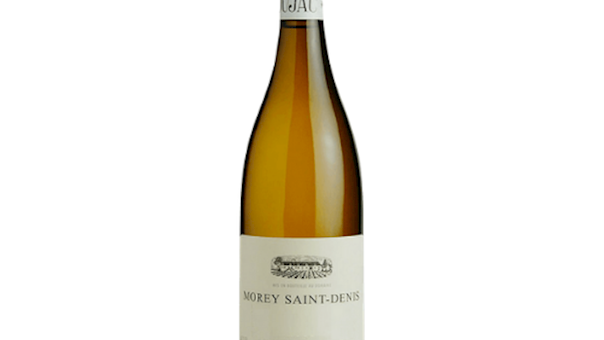
Morey-Saint-Denis Blanc is a rare dry white wine produced within the legally protected Morey-Saint-Denis Appellation d'Origine Contrôlée (AOC), situated in the northern sector of the Côte de Nuits sub-region within the Côte d'Or of Burgundy, occupying small, specific parcel allocations amidst a landscape dominated almost exclusively by red viticulture. The development of viticultural space within this commune dates back to the twelfth century under the administration of Cistercian monks from the Abbey of Cîteaux, with white grape variations specifically noted in historical parish records as valuable blending agents and singular vineyard outputs that were legally preserved when the overarching appellation boundaries were codified by national presidential decree on December 8, 1936, providing formal state protection to the limited plots capable of generating these pale gold liquids. The preparation of Morey-Saint-Denis Blanc relies primarily on the Chardonnay grape variety, though regional wine laws allow the incorporation of Pinot Blanc, and a few specific producers maintain historical holdings of Aligoté or small components of Pinot Gris. The grapes are entirely hand-harvested from targeted limestone-heavy parcels, underwent strict sorting, and are pressed gently via pneumatic machinery to isolate high-quality free-run juice, which undergoes static settling before being transferred into French oak barrels for alcoholic and subsequent malolactic fermentation at controlled temperatures, followed by a maturation period lasting twelve to eighteen months in oak casks, of which generally less than twenty-five percent are new to prevent the wood tannins from overwhelming the natural fruit profile. A specific physical attribute unique to Morey-Saint-Denis Blanc is its scarcity within the Côte de Nuits, a sub-region where white wine constitutes less than five percent of total production, with the specific vine roots pulling nutrients from the upper slopes of the escarpment where the Bajocian limestone layer contains a prominent mixture of white oolite, scree, and porous marl that alters the grape composition to yield a distinct analytical profile featuring higher dry extract levels and firmer mineral structures than typical southern Burgundy whites, displaying notable aromatics of almond, white flowers, flint, and fresh butter balanced by a taut organic acidity. The wine is allocated in restricted quantities to international fine-wine distributors, specialized sommelier programs, and private collectors, served at an operational cellar temperature of 11 to 13 degrees Celsius in classic Burgundy-shaped white wine glasses with a wide bowl to allow the tightly wound mineral layers and nutty secondary notes to volatilize completely. For food and beverage pairings, the pronounced structure and balanced acidity of Morey-Saint-Denis Blanc allow it to cut through rich sauces and complement firm proteins, meaning it is eaten alongside pan-seared veal chops in cream sauce, roasted farm poultry with wild mushrooms, freshwater fish like pike or trout prepared in meunière style, grilled lobster with herb butter, savory vegetable terrines, and semi-hard or soft cow milk cheeses from the region such as young Comté or Cîteaux.

08

Morey-Saint-Denis

n/a ·

The Morey-Saint-Denis is a legally protected geographic designation for structured, medium-to-full-bodied red or highly localized dry white wines cultivated within a narrow, mid-slope viticultural sector of the Côte de Nuits sub-region in the northern Côte d'Or of Burgundy, bordered directly by the Gevrey-Chambertin commune to the north and Chambolle-Musigny to the south. The organization of the local vine-growing landscape dates back to the medieval era, beginning significantly with land clearing and agricultural mapping by the monks of the Cistercian Abbey of Cîteaux who established the walled Clos de Tart vineyard in 1141, alongside subsequent land acquisitions by the Abbey of Vergy through the founding of Clos des Lambrays in 1365, which introduced a rigorous, block-by-block selection of soil parcels that eventually culminated in formal codification under French state agricultural laws via the presidential decree of December 8, 1936, establishing the official geographic boundaries and the five Grand Cru designations of the commune. The preparation of Morey-Saint-Denis wine relies almost entirely on the Pinot Noir grape variety for reds, which account for roughly ninety-five percent of total production, and Chardonnay or Pinot Blanc for whites. The grapes are entirely hand-harvested along the steep slopes and subjected to rigorous sorting tables to remove under-ripe or damaged fruit before processing. For red vinification, the clusters are either completely de-stemmed or selectively fermented as whole bunches in open-top wooden or stainless steel vats, undergoing cold pre-fermentation maceration for several days to extract water-soluble pigments, followed by alcoholic fermentation at twenty-eight to thirty-two degrees Celsius with periodic punch-downs or pump-overs to manage phenolic extraction, and a subsequent maturation period lasting sixteen to eighteen months in French oak barrels, of which twenty to fifty percent are new depending on whether the juice originates from village, Premier Cru, or Grand Cru vineyard classifications. The wine is allocated globally across specialized fine-wine trade channels, collectors' cellars, and high-end gastronomic establishments, served at an operational temperature of 15 to 17 degrees Celsius in wide, spherical Burgundy-style glasses to accelerate the volatilization of complex esters and soften the dense tannic spine, while the rare white wines are poured at 11 to 13 degrees Celsius. For food and beverage pairings, the pronounced acidity and firm, well-integrated tannin architecture of Morey-Saint-Denis wines efficiently cut through dense animal fats and match gamey proteins, meaning it is eaten alongside pan-roasted duck breast (magret de canard), slow-braised beef burgundy (boeuf bourguignon), roasted venison loin served with reduction sauces, grilled lamb chops, roasted wild pheasant, and pungent, washed-rind cow milk cheeses native to the region such as Époisses de Bourgogne or Cîteaux.

09

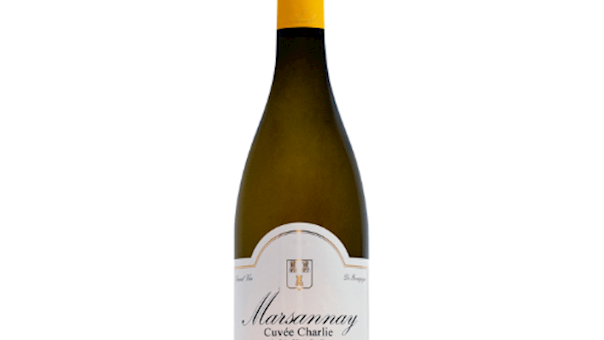
Marsannay

n/a ·

Marsannay is a French wine appellation located in eastern France, at the northern edge of the Burgundy region within the Côte de Nuits, covering vineyards in the communes of Marsannay-la-Côte, Couchey, and Chenôve just south of Dijon. Its development is linked to the long-standing cultivation of vines on these limestone and marl slopes, where proximity to Dijon encouraged early viticultural activity and steady local consumption, and where formal recognition as a village-level appellation came later than many neighboring areas despite the site’s continuous use for wine production. Wines from this appellation are produced mainly from Pinot Noir for reds and rosés and from Chardonnay for whites, with small historical allowances for Gamay, and vineyard work follows Burgundian practices of low yields, careful canopy management, and harvesting at full ripeness. Vinification for reds typically involves destemming or partial whole-cluster fermentation followed by aging in neutral or lightly toasted oak barrels, whites are pressed gently and fermented to preserve acidity and clarity, and rosé wines are made either by short maceration or direct pressing, a feature that distinguishes this appellation within the Côte de Nuits. Wines are served at moderate cellar temperature, with reds often benefiting from brief aeration, whites served cool but not cold, and rosés consumed fresh. They are most often enjoyed at the table, pairing well with roasted poultry, grilled meats, charcuterie, mushroom-based dishes, soft to semi-hard cheeses, and lighter fare such as salads or fish in the case of the white and rosé wines, making them adaptable to everyday meals as well as more structured dining.

10

Musigny

n/a ·

Musigny is a Grand Cru wine from the Côte de Nuits in Burgundy, France, produced within the commune of Chambolle-Musigny and known for coming exclusively from the Musigny vineyard, which covers roughly ten hectares divided between a small area planted to Chardonnay and a larger portion planted to Pinot Noir. Written references to the vineyard appear as early as the fourteenth century in land documents from the Côte d’Or, and by the seventeenth and eighteenth centuries its parcels were consistently noted in regional records as among the most valued sites in Chambolle-Musigny due to their placement on a southeast-facing slope with limestone-rich soils and moderate elevation. Over time, the vineyard boundaries were formally defined, and the site was granted Grand Cru status in the 1930s when France codified its appellation system, affirming its identity as a single, legally protected source of wine. Musigny wines are produced using low-yielding vines harvested by hand, followed by sorting of the grapes to remove damaged fruit. Pinot Noir from the vineyard is fermented in small vats where temperature and extraction can be closely controlled, while the small amount of Chardonnay is vinified in a manner similar to other Grand Cru whites of the Côte de Beaune, relying on barrel fermentation and aging. Both red and white versions are aged in French oak barrels, with producers choosing the proportion of new oak according to their style. One specific aspect of the vineyard is that Musigny is one of the few Grand Cru sites in the Côte de Nuits permitted to produce both red and white wines, a designation acknowledged by the appellation rules and reflected in the small but consistent annual output of the white version. Musigny is served at cellar temperature for the red and slightly cooler for the white, usually after several years of bottle aging to allow its structure to settle. It is consumed in formal dining settings, private collections, and professional tastings, and its rarity often limits it to special occasions or dedicated wine-focused meals. The red pairs well with dishes such as duck, pigeon, veal, lamb, earthy vegetables, and mild cheeses, while the white is suited to poultry in light sauces, shellfish, and delicately seasoned fish, all of which complement the wine’s acidity and texture without overshadowing its character.

About this Ranking

TasteAtlas food rankings are based on the ratings of the TasteAtlas audience, with a series of mechanisms that recognize real users and that ignore bot, nationalist or local patriotic ratings, and give additional value to the ratings of users that the system recognizes as knowledgeable.

TasteAtlas Rankings should not be seen as the final global conclusion about food. Their purpose is to promote excellent local foods, instill pride in traditional dishes, and arouse curiosity about dishes you haven’t tried.

The initial list of top producers was compiled based on available reviews, awards, local recommendations, media and blog coverage, and consumer reviews. The list will be updated with ratings from TasteAtlas local ambassadors and TasteAtlas users.

What People Say

Similar Lists