Top 80 Spanish White Wines

Last updated on June 24, 2026

Best Spanish White Wine Types
01

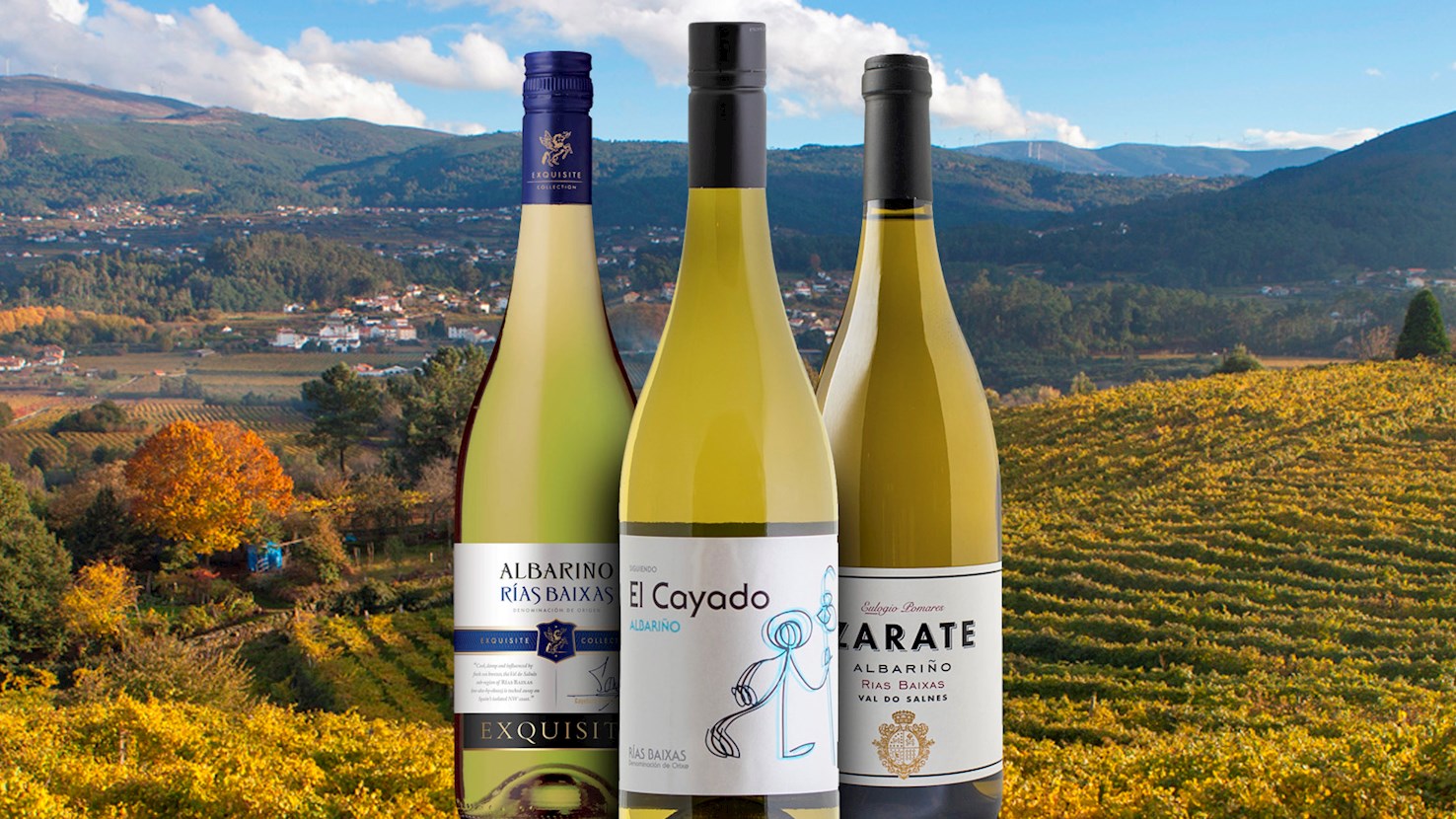
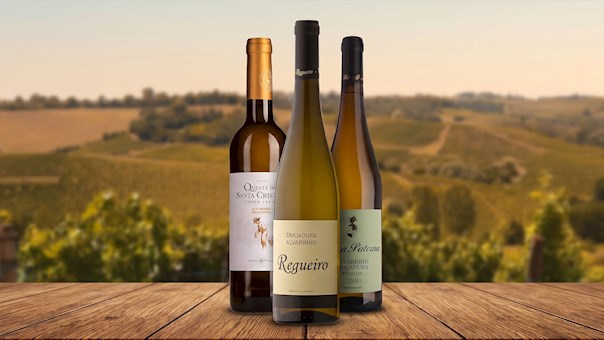
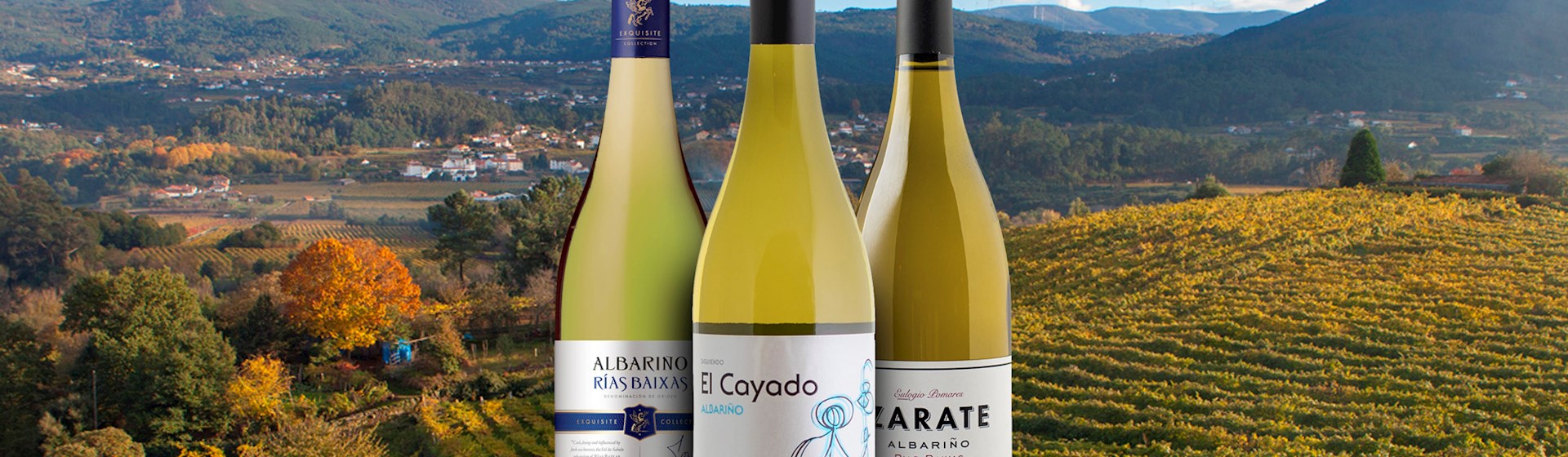
Albariño

4.3 ·

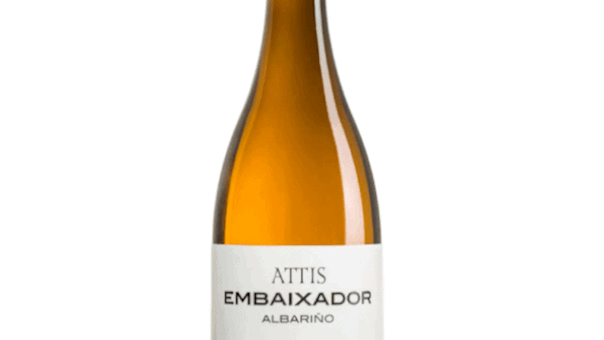
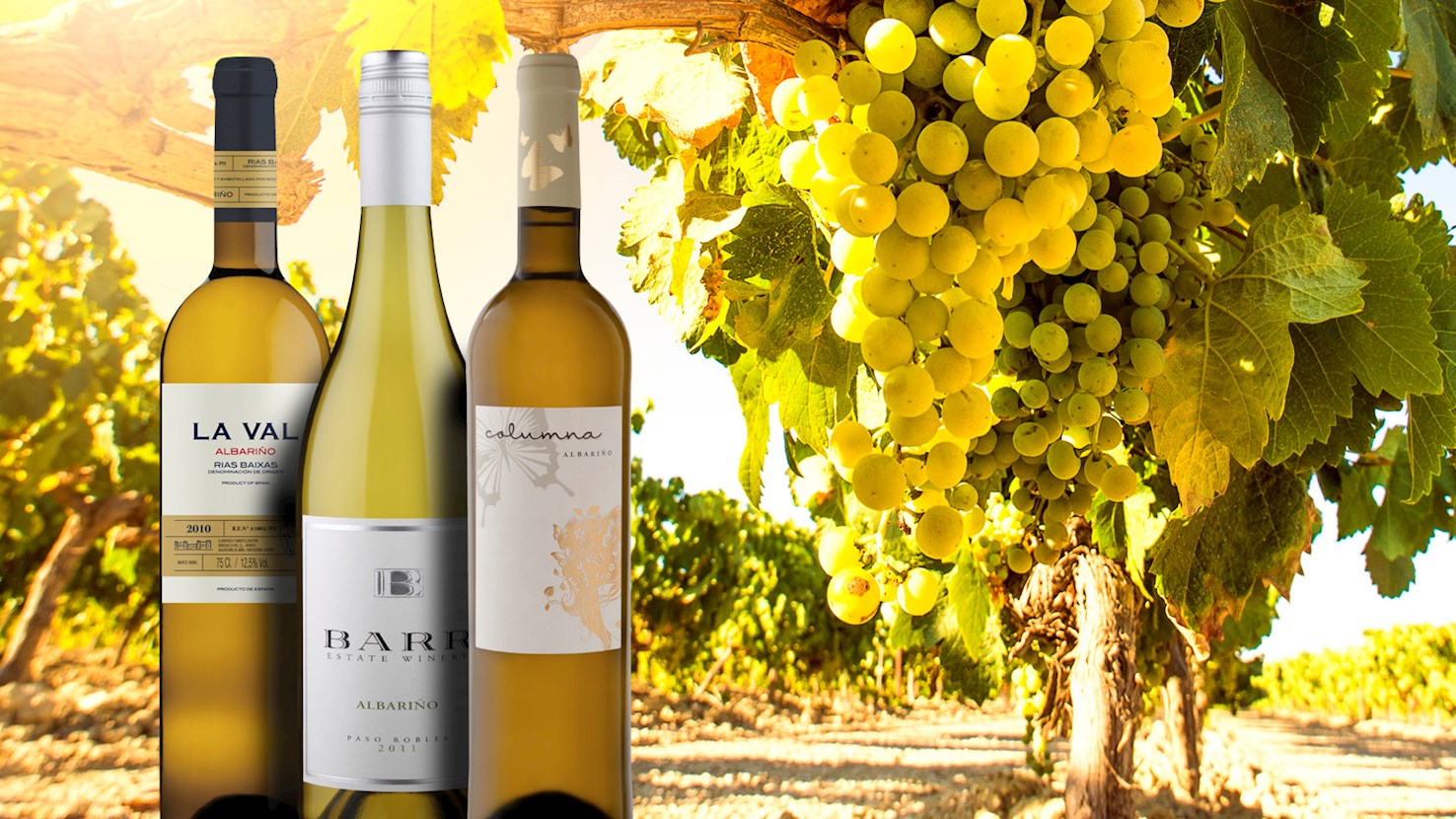
Albariño is a white grape variety grown in northwest Spain (Galicia) and northwest Portugal (Monção and Melgaço) where it is used to make varietal white wines. Albariño wines are very light, fresh, crisp, with high acids and of a rich, floral, and aromatic character. Its specific aromas often include white peach, apricot, melon, pineapple, mango, and honeysuckle with an underlying minerality. Albariño wines are very versatile when it comes to food pairing, with seafood being the most obvious choice, along with a variety of dishes from Chinese, Indian, and Thai cuisine.

02

Rías Baixas

4.2 ·

Rías Baixas is a Spanish appellation located along the Atlantic coast in Galicia. The entire region is divided into five subregions: Salnes Valley, O Rosal, Soutomaior, Ribeira do Ulla, and Condado do Tea. There are several permitted grape varieties, but Albariño prospers and dominates in the entire region. Other permitted grapes that are sometimes used include Treixadura, Loureiro, Caiño Blanco, Torrontes, and Godello. The styles slightly differ depending on the subregion and the production, but most of the wines hail from the region are pale golden, fresh, and aromatic. Typical aromas and flavors include citrus, peach, and apricot notes, and some styles may have mineral overtones and hints of salinity. These Albariño-based wines might vary from bright and crisp wines with melon-like flavors to richer and softer styles with honeysuckle nuances. Most examples share a common characteristic of firm natural acidity. Some producers decide to use skin contact, oak, or lees to produce more elaborate expressions, and the best labels will usually prosper and improve with age. The ideal pairing with these wines is seafood.

03

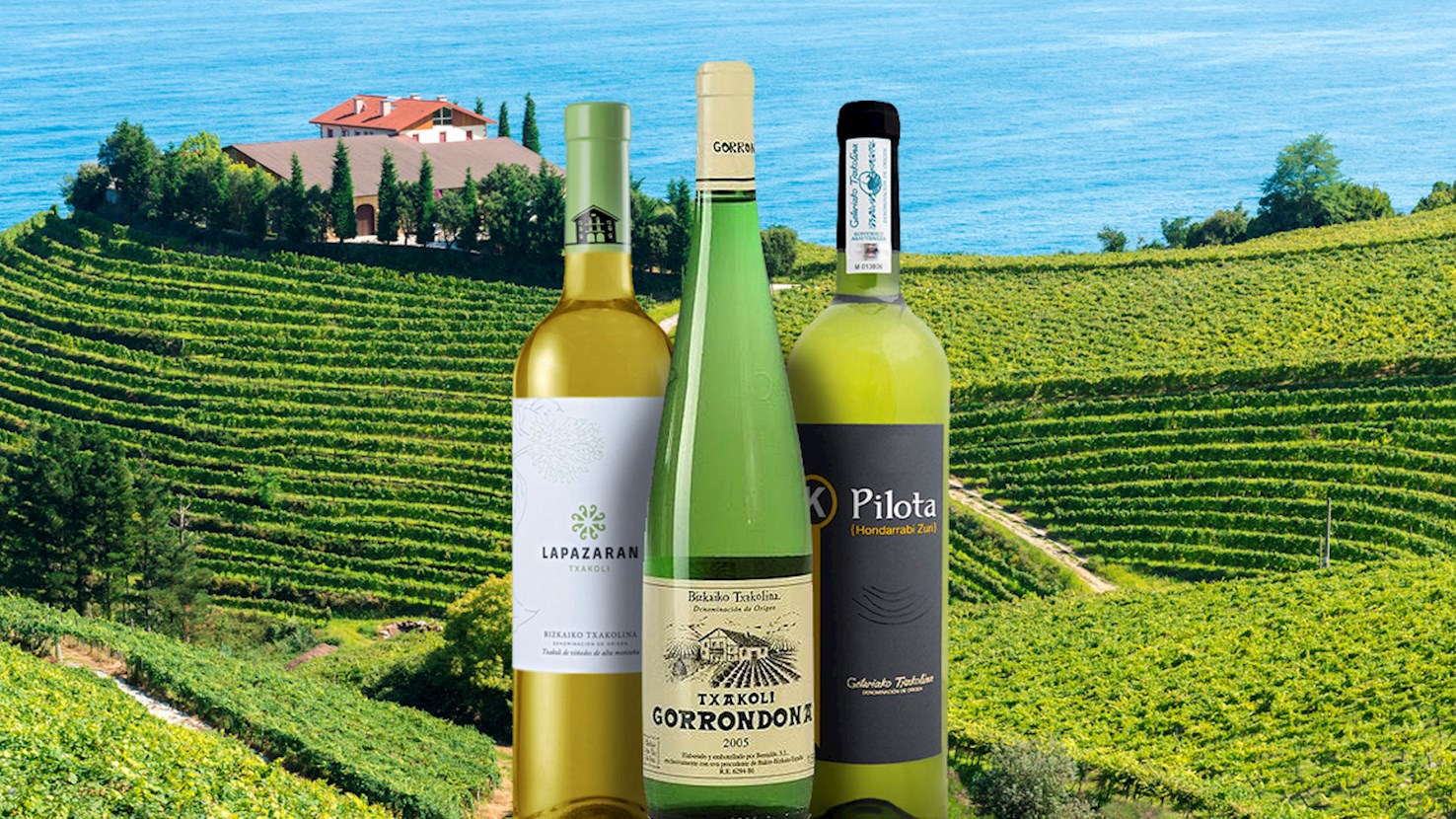
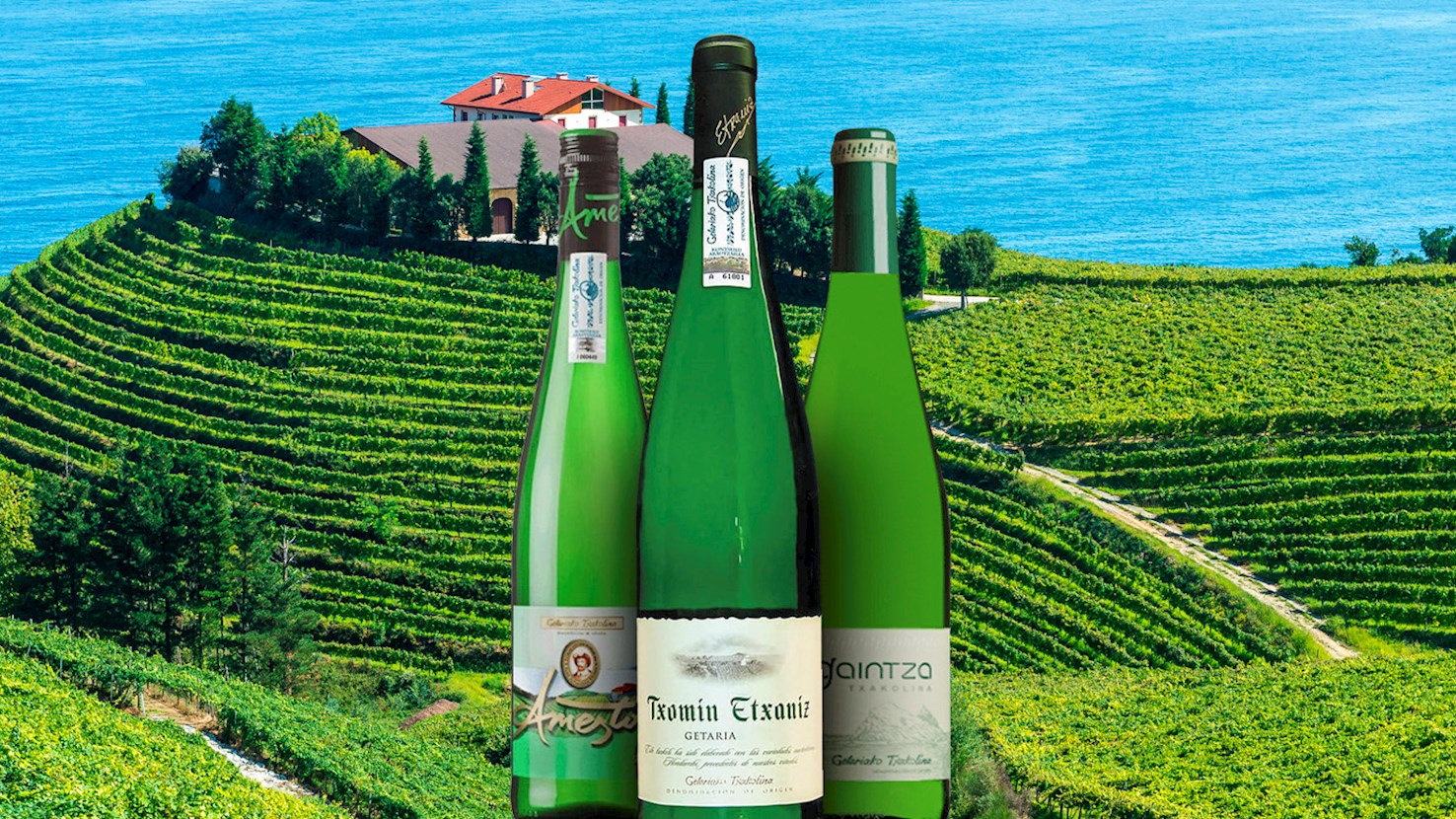
Txakoli

3.9 ·

Txakoli is a light and fresh, clean-tasting, slightly sparkling, and usually white Spanish wine that is mainly produced in the Basque Country, more precisely in the wine regions Getariako, Bizkaiko, and Alava. The wines are typically made from Hondarrabi Zuri grapes, and although regional expressions may slightly differ, Txakoli wines are low in alcohol and high in acidity, while they usually display crisp fruity notes reminiscent of apples and citrus. The wines are best enjoyed chilled, and they are traditionally poured from a height, either from the bottle or the pitcher known as porrón, to leave the tiny bubbles intact. Because they are a perfect match to cured meat, seafood, olives, and local cheese, Txakoli wines are a staple at pintxos (tapas) bars throughout Basque.

04

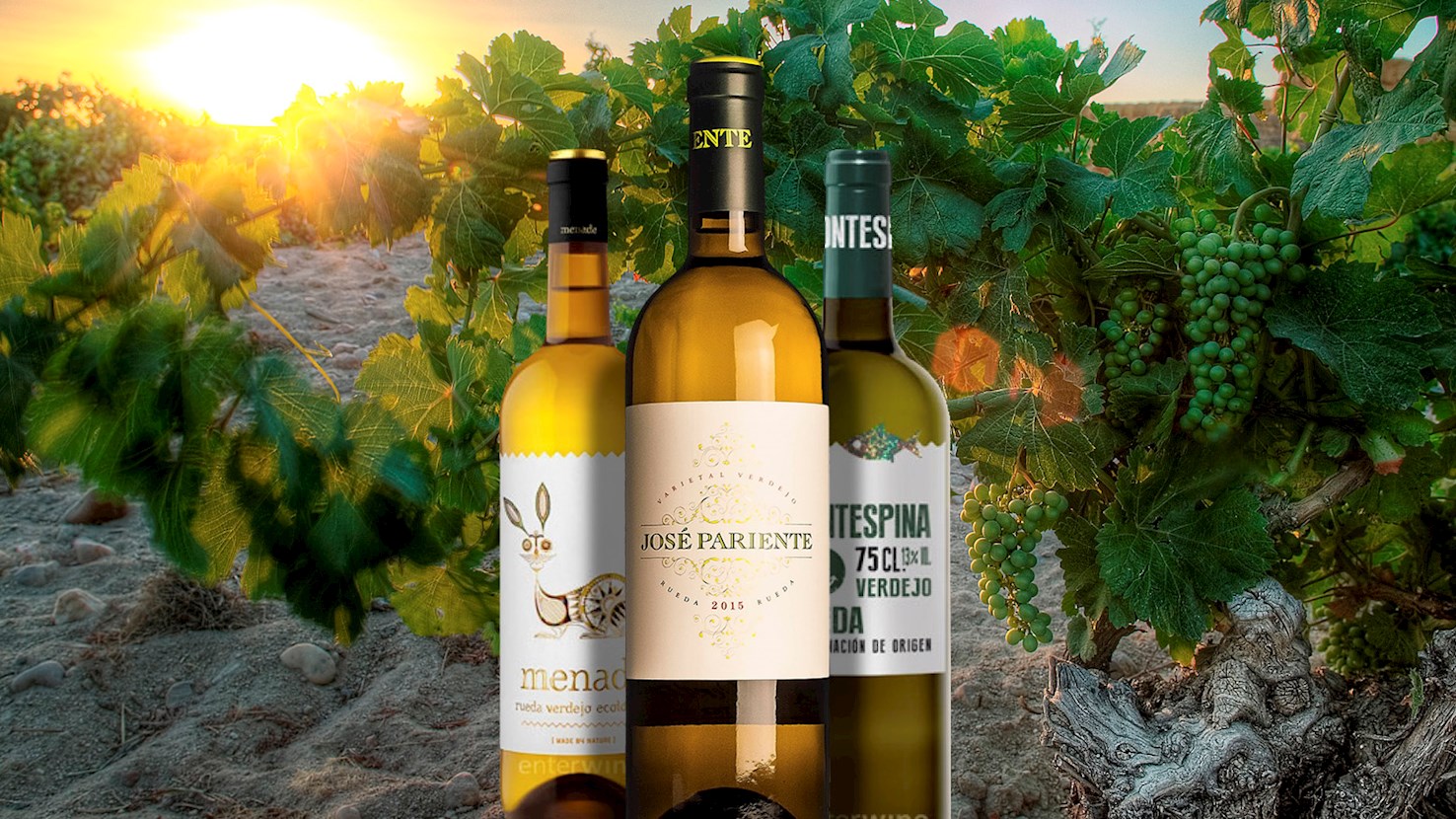
Verdejo

3.9 ·

This white grape variety probably originated in North Africa from where it was imported to the Iberian Peninsula, and today it is mainly known as the principal grape used in Rueda (DO), both in blends and as a varietal wine. The wines produced from Verdejo are typically light-bodied, fruit-forward, fresh, and lively, with well-balanced acidity that is accompanied by bright and herbaceous flavors of citrus, fruit, and fennel. With age, some varieties may develop nutty almond flavors. Because of its character, Verdejo is great enjoyed on its own, but it is also a food-friendly wine, and while young Verdejo is an excellent accompaniment to grilled and fried seafood, vegetables, salads, and fresh cheese, aged varieties may match paella and heartier fish or meat dishes.

05

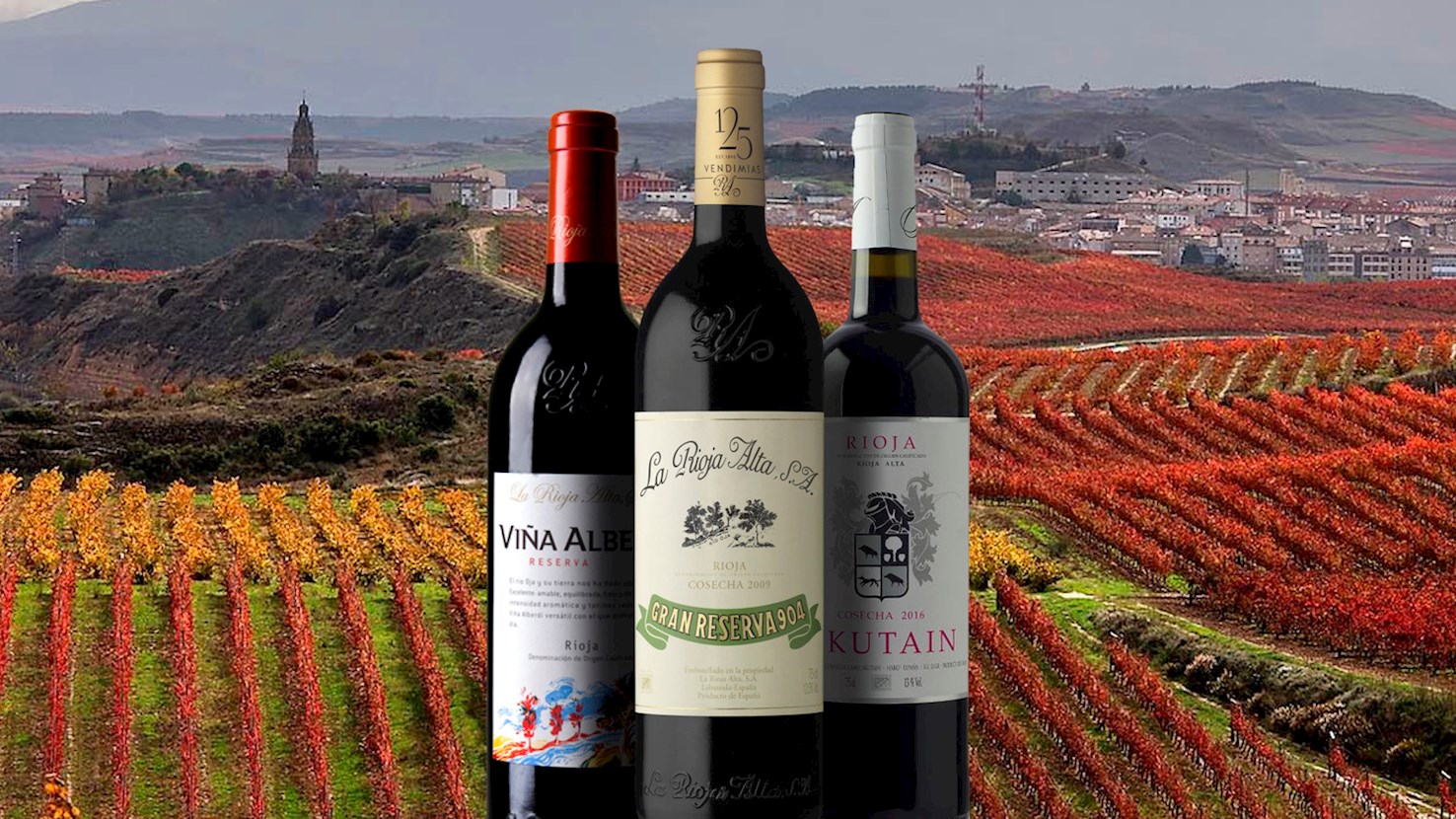
Rioja Alta

3.8 ·

Rioja Alta is a Spanish designation located in the west of the renowned Rioja wine region, with a center of production in the city of Haro. Tempranillo and Mazuelo (Carignan) are the two most prominent grapes that are used in Rioja Alta. The region is praised for their age-worthy red wines (and very small percengate of white wines) that are the best examples of traditional Rioja. They are typically fruit-forward and lighter on the palate, though age can significantly influence the final structure as well as the taste profile. Officially, Rioja is classified under Crianza (aged for two years), Reserva (at least three years of age), Gran Reserva (five years of age and a minimum of two years in a barrel). Just like other Rioja designations, Alta wines are incredibly food-friendly and can match lamb, pork, charcuterie, tajines and paella, spicy pepper-based dishes, and aged cheese.

06

Getariako Txakolina

3.8 ·

Getariako Txakolina is a Spanish appellation from Basque Country (Gipuzkoa) that produces white Txakoli wines—crisp white wines that the entire Basque region is famous for. The wines are low in alcohol and typically lightly bubbly. Most are made from the native Hondarrabi Zuri grapes. Getariako Txakolina is one of the three Txakoli appellations. The examples coming from this region usually have brighter acidity. They will also mostly have a mineral, saline note, because of the vicinity to the Cantabrian sea (Bay of Biscay). These wines have low alcohol content, around 10%. The best food pairing for Getariako Txakolina wines are pintxos, especially seafood-based bites.

Best producers
07

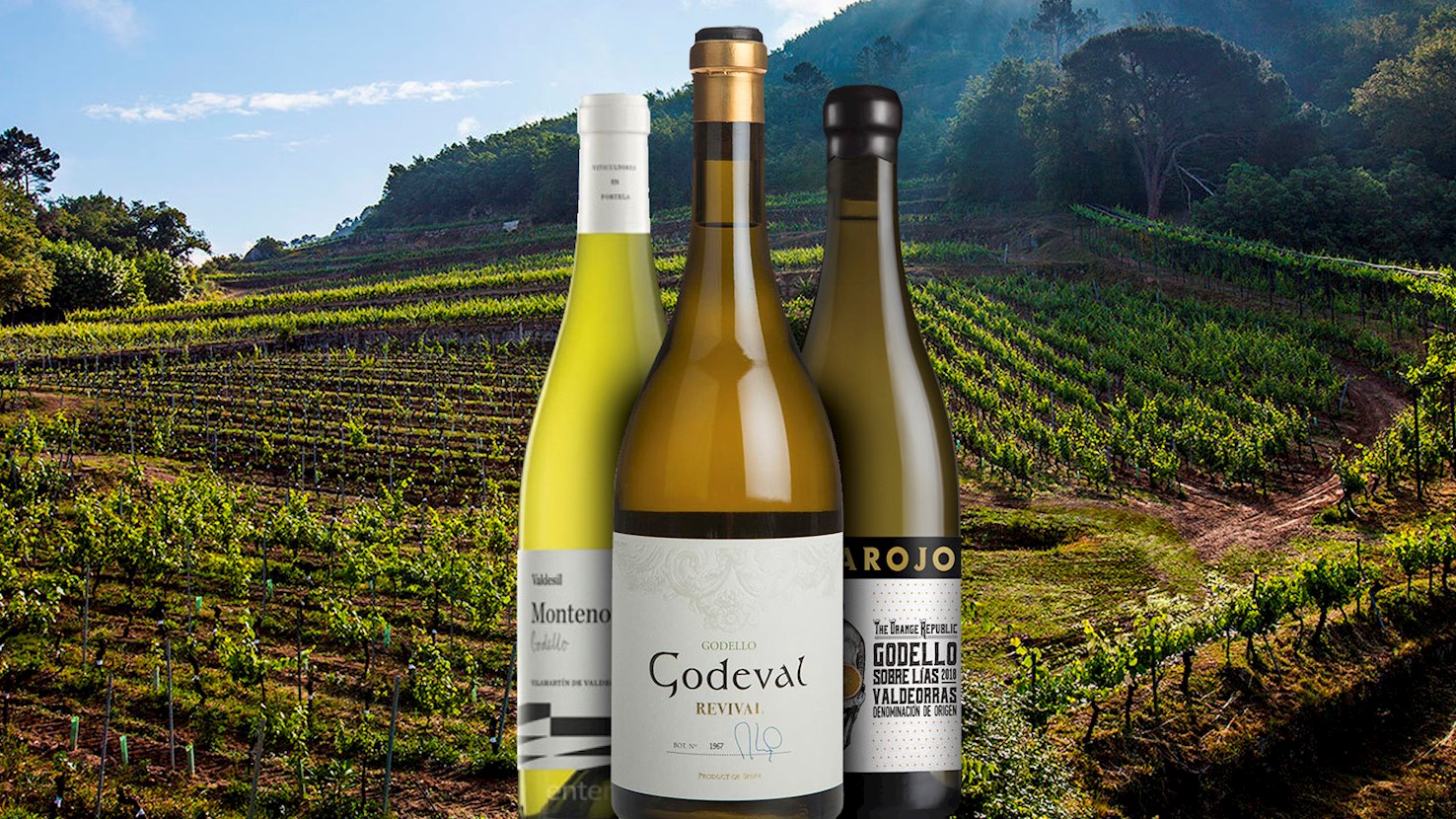
Godello

3.4 ·

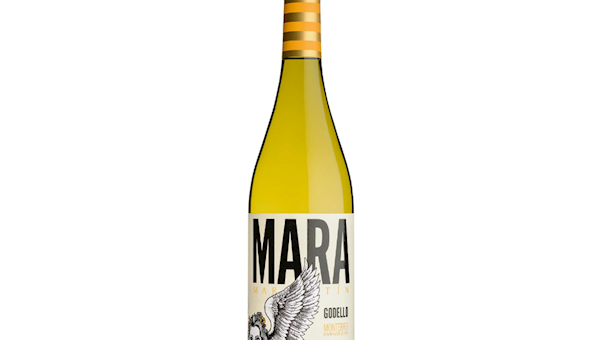
Godello is a Spanish grape variety that has recently risen in popularity after it had nearly gone extinct after the 1970s. The grape shows the best results in Valdeorras in Galicia, though it is planted in other Spanish regions, as well as Portugal. The wines made from Godello are usually full-bodied and dense but remain bright and mineral. Their character may vary, and while those aged in steel tanks tend to be lighter and fruiter, oak-aged styles are more creamy and rich. Godello wines will typically include notes of citrus and white fruit, with accompanying nuances of honeysuckle and chamomile. These wines are an excellent match to rich seafood dishes, especially lobster or scallops. They can also pair well with poultry.

08

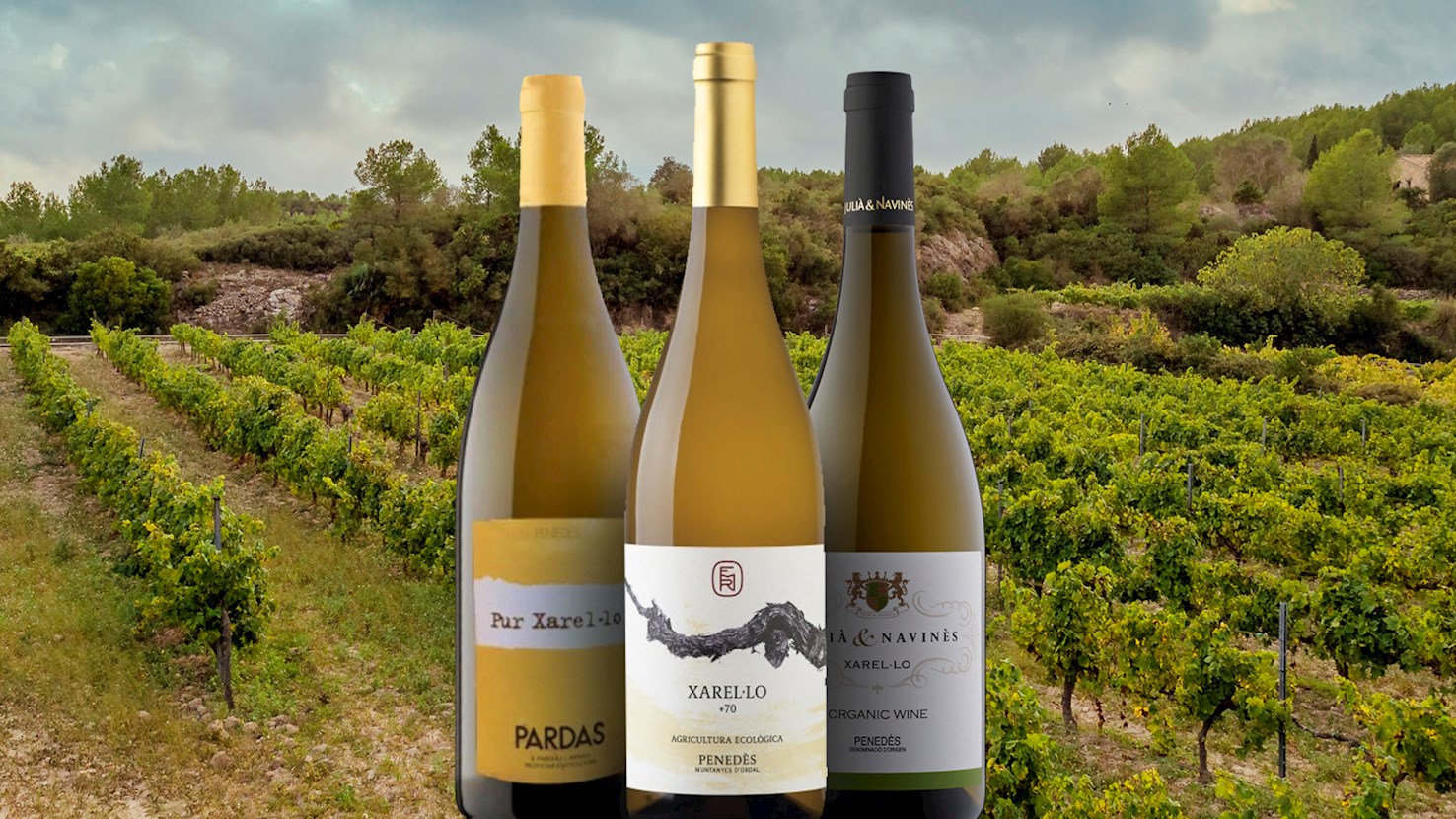
Xarel·lo

3.2 ·

Xarel·lo is a Spanish grape variety best known for its use in sparkling Cava, where it is used along with Macabeo and Parellada. It is a high-quality grape that provides power, body, and structure in Cava wines. It is the most planted variety in DO Penedès. Apart from sparkling wines, the grape is used for dry white wines, both varietals and blends. Wines made from Xarel·lo are medium-bodied and aromatic, with good acidity and alcohol content. The aromas are reminiscent of citrus and stone fruit, and the wines will typically have herbal and mineral character. The grape is quite versatile and suitable for various vinification methods. Xarel·lo wines pair well with lighter fare. They go incredibly well with fish and oysters and make an excellent aperitif.

09

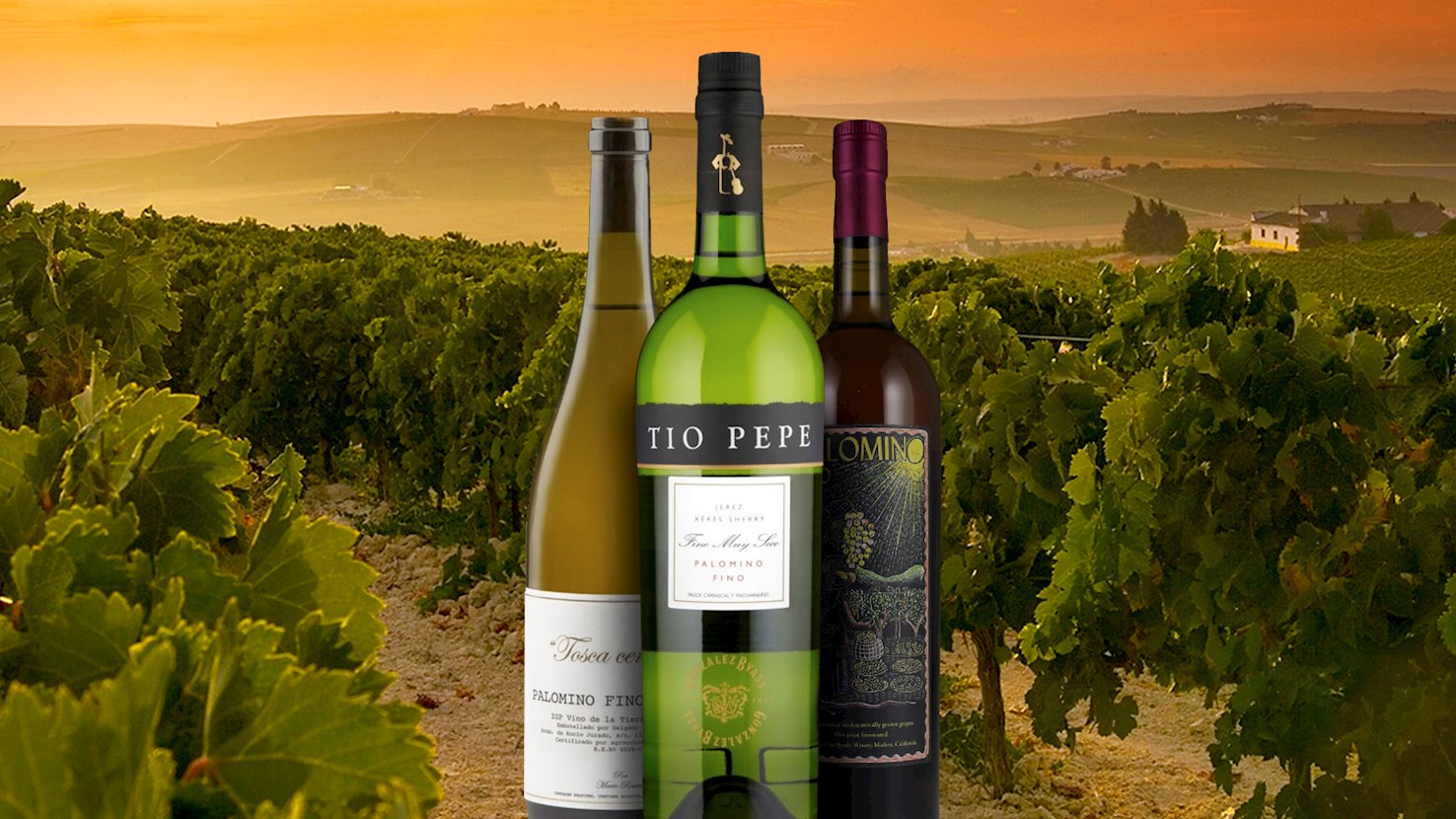
Palomino Fino

2.6 ·

Palomino Fino is a Spanish grape variety that is mostly used in the production of sherry. Known as a high-yielding grape that produces mainly bland white wines that are low in acidity and sugar, the must from Palomino can oxidize quickly, which makes it ideal for the production of sherry—fortified and oxidized wines that hail from Jerez. The grape is used in the production of various sherry styles, and it accounts for approximately 90% of sherry production. The first must is mostly used in the production of dry white wines such as Fino and Manzanilla, while the second pressing is usually made into darker and richer Oloroso. Outside of Spain, Palomino Fino is also grown in France, South Africa, California, and Australia. Apart from Fino, Palomino has two more sub-varieties: Palomino de Jerez and Palomino Basto. Food pairing for Palomino wines mainly depends on the style of sherry. While Fino and Manzanilla pair well with lighter dishes, Oloroso is mostly a good match with heavier and heartier dishes.

10

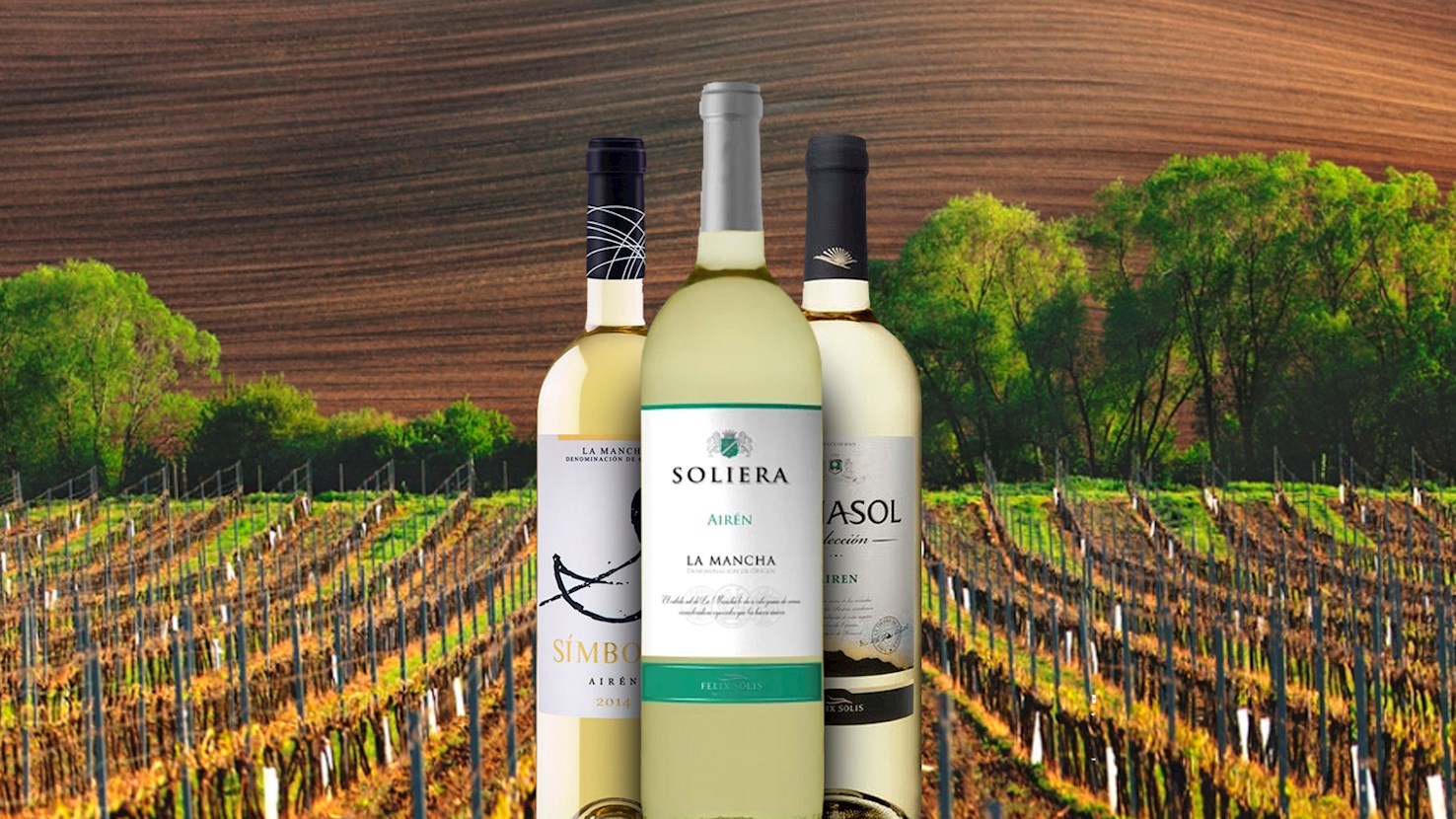
Airén

2.5 ·

Airén is the most widely planted grape variety in Spain. This white-skinned grape is better known for its sturdiness, and though it was mainly used as a blending grape or in production of brandy and table wines, some winemakers have seen its potential in the production of crisp, good-quality varietals. Wines made from Airén grapes are light and typically low in acidity, with fruity aromas reminiscent of green apples, pineapple, and citrus fruit, while the best examples will usually also display rose nuances. These easy-drinking wines usually have moderate acidity and perfectly pair with white fish and seafood. The grape is mostly grown in La Mancha.

Best Spanish White Wines
01

Marqués de Murrieta

5 ·
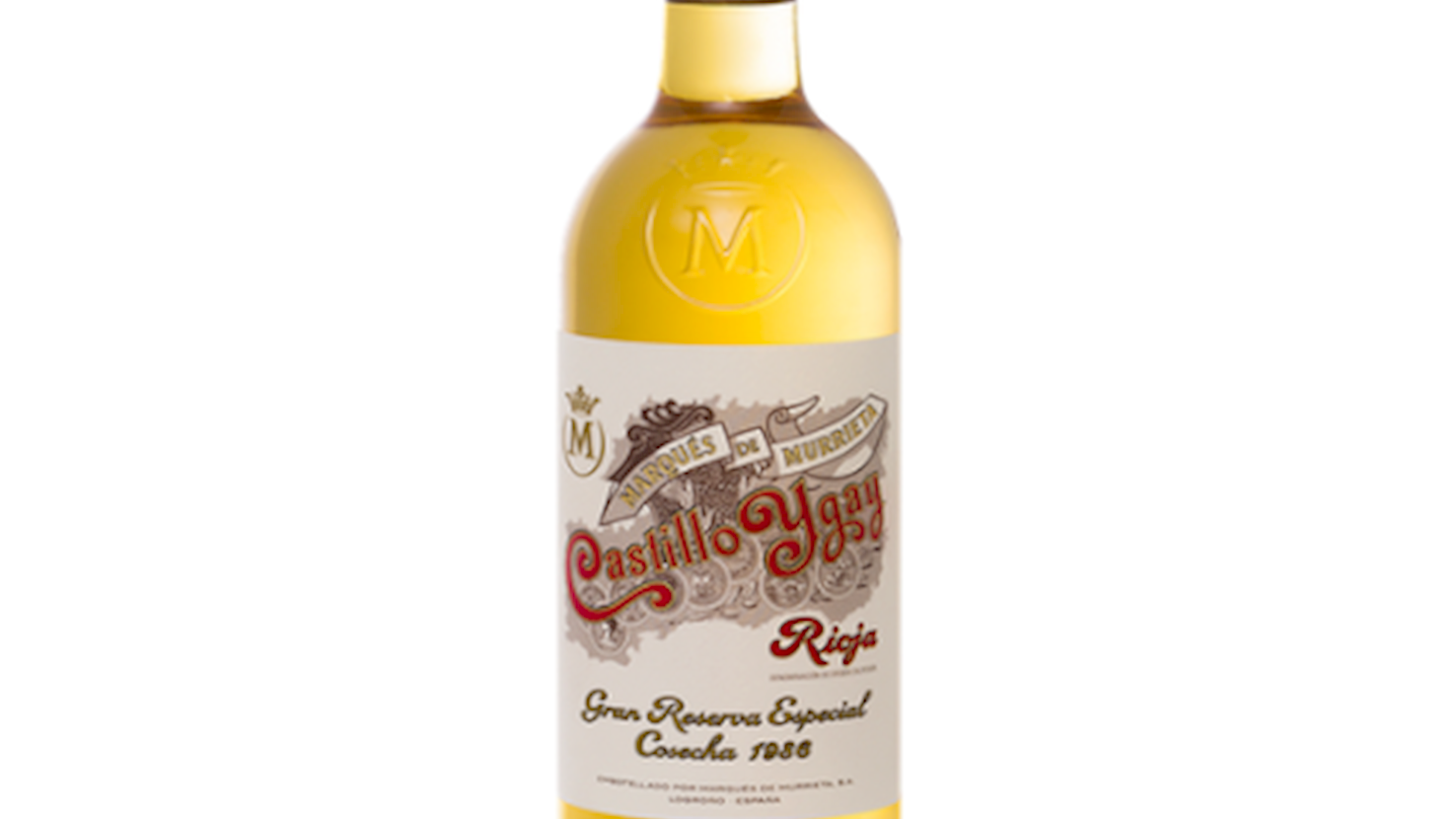
Marqués de Murrieta is one of Spain’s most iconic wineries, with a legacy that dates back to 1852. As a pioneer of modern winemaking in Rioja, the estate introduced Bordeaux-inspired techniques while preserving the unique character of the local terroir, laying the groundwork for what would become a benchmark in Spanish viticulture. Located on the historic Ygay Estate near Logroño, the winery combines over 300 hectares of vineyards with a state-of-the-art winemaking facility and the magnificent Castillo de Ygay, a 19th-century château that serves as the heart of the estate. The castle also houses a wine museum, offering visitors a glimpse into the rich cultural and historical heritage of Marqués de Murrieta and Spanish wine. Led by the Cebrián-Sagarriga family and renowned winemaker María Vargas, the estate produces wines of great elegance, structure, and longevity. Among them, the celebrated Castillo Ygay Gran Reserva Especial stands out as a true expression of Rioja’s aging potential and depth. Marqués de Murrieta is more than a winery - it is a symbol of tradition, excellence, and innovation, where history and modernity coexist to create wines of timeless character and international acclaim.
Awards
Falstaff - 100
Vivino - 4.6
02

Pazo Señorans

5 ·
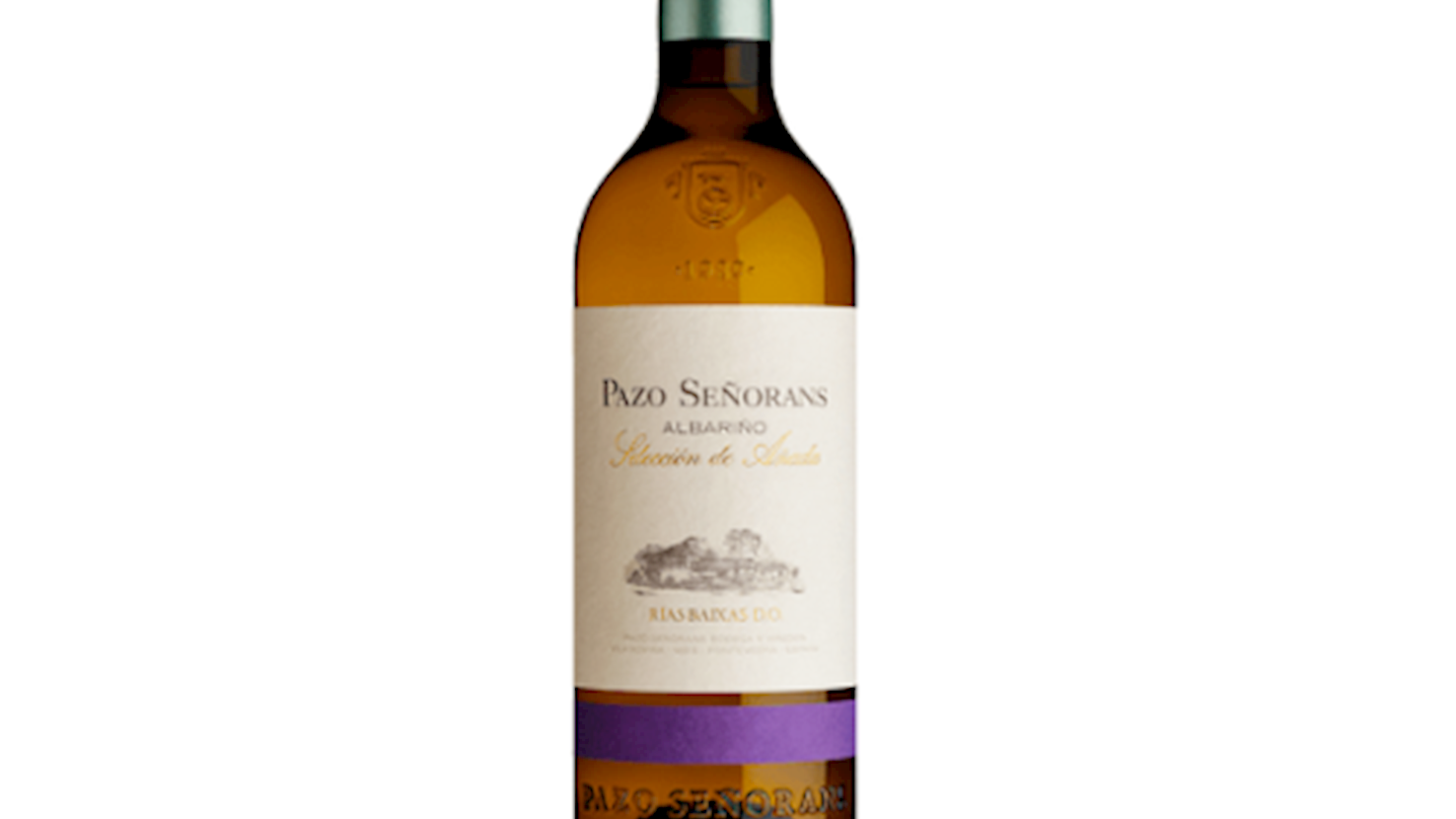
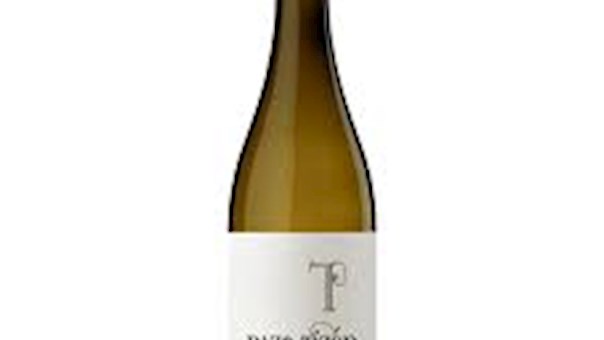
Pazo Señorans is a historic family-owned winery from the Rías Baixas region in Galicia, widely regarded as one of the key reference points for the quality and identity of Albariño. It was founded in 1989 by Marisol Bueno and Javier Mareque, who launched the project on their estate in the Salnés Valley near the village of Meis, set in a traditional Galician pazo - a 16th-century manor house that gives the winery its distinctive character. From the very beginning, the estate has focused exclusively on Albariño, with vineyards located close to the Atlantic Ocean on soils combining slate, sand, and gravel, which lend the wines pronounced minerality and natural freshness. Over the decades, Pazo Señorans has built a reputation for showing that Albariño can be both elegant and approachable, yet also serious and complex with real aging potential. The winery is particularly known for wines that spend extended time aging on fine lees, gaining additional texture and aromatic depth. Their style is defined by pure fruit expression, precise acidity, and a clear sense of place. Today, Pazo Señorans stands as a benchmark producer for authentic Galician white wines and a symbol of the modern success of the Rías Baixas appellation.
Awards
Decanter World Wine Awards - Platinum (2020, 2018, 2016)
Vivino - 4.3
03

Ramón do Casar

4.9 ·
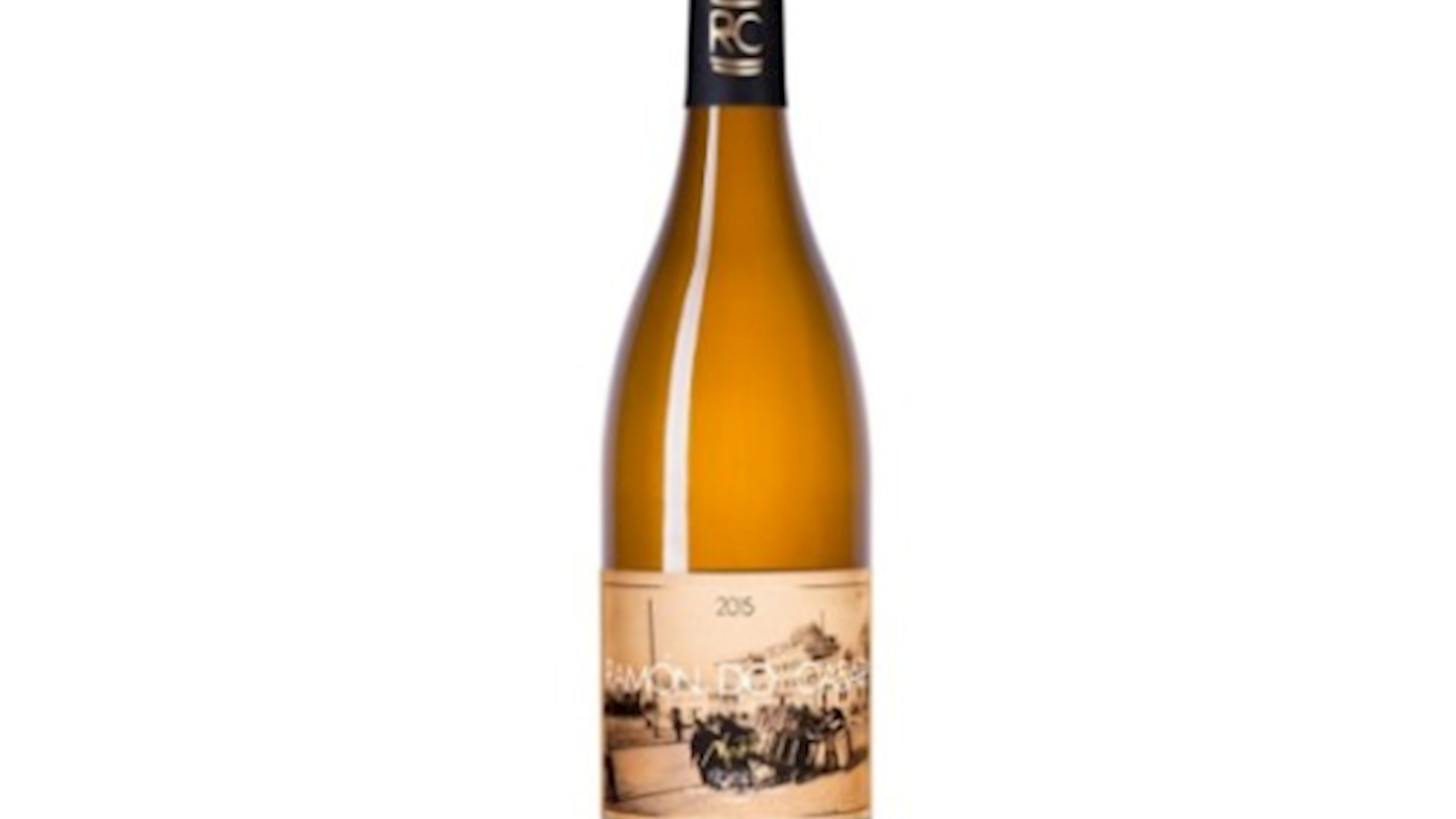
Ramón do Casar is a family-owned winery located in the Ribeiro appellation in Galicia, a historic wine region influenced by both Atlantic and continental climates. Its origins date back to the mid-20th century, when founder Ramón González emigrated to Venezuela and later invested in vineyards in his native region, a project that was ultimately realized by his sons with the official establishment of the winery in 2013. The estate covers around 25 hectares of vineyards along the Miño River, where granite soils and a distinctive microclimate contribute to wines with freshness, minerality, and aromatic precision. Production is focused on white wines made from indigenous Galician varieties, particularly Treixadura, alongside Albariño and Godello. The winemaking approach combines modern techniques with a careful, low-intervention philosophy aimed at preserving varietal purity and site expression. Significant day–night temperature variations allow for slow ripening, enhancing both aromatic complexity and natural acidity. Under the direction of winemaker Pablo Estévez, the winery has gained increasing recognition on both domestic and international markets. Ramón do Casar wines are typically defined by clarity, balance, and a strong sense of origin, reflecting the identity of the Ribeiro region.
Awards
Decanter World Wine Awards - Best in Show (2023, 2019)
Decanter World Wine Awards - Platinum (2023)
04

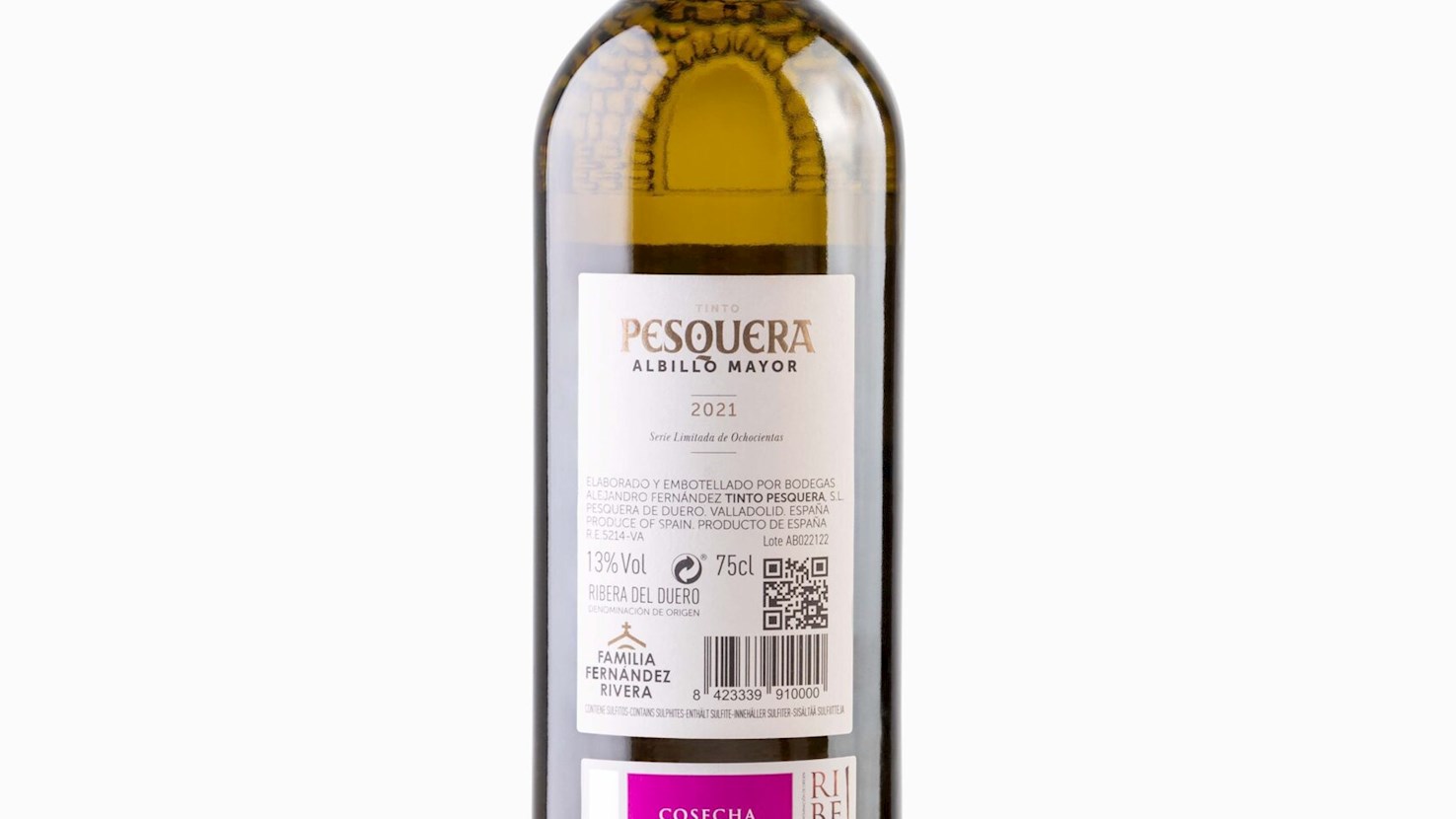
Alejandro Fernandez

4.9 ·
Awards
Decanter World Wine Awards - Platinum (2024)
05

Armán

4.9 ·
Awards
Decanter World Wine Awards - Platinum (2017)
06

Quinta Couselo

4.9 ·
Awards
Decanter World Wine Awards - Platinum (2018)
International Wine Challenge - International Albarino Trophy (2018)
07

Adega A Coroa

4.9 ·
Awards
Decanter World Wine Awards - Platinum (2019)
08

Bodegas Fundador

4.9 ·
Awards
IWSC- International wine & spirit competition - Gold (2024, 2023, 2019)
09

Bodegas Franco Españolas

4.9 ·
Bodegas Franco-Españolas, located on the banks of the Ebro River in Logroño, Spain, is a historic winery founded in 1890 as a collaboration between French and Spanish winemakers during the phylloxera crisis in France. Its iconic wines, such as Diamante and Bordón (originally Estilo Burgundy), have been key representatives of the Rioja wine tradition. Over the years, the winery has hosted notable figures like King Alfonso XIII and Ernest Hemingway.
Awards
Decanter World Wine Awards - Platinum (2016)
Concours Mondial de Bruxelles - Grande Médaille d'or (2023, 2020)
10

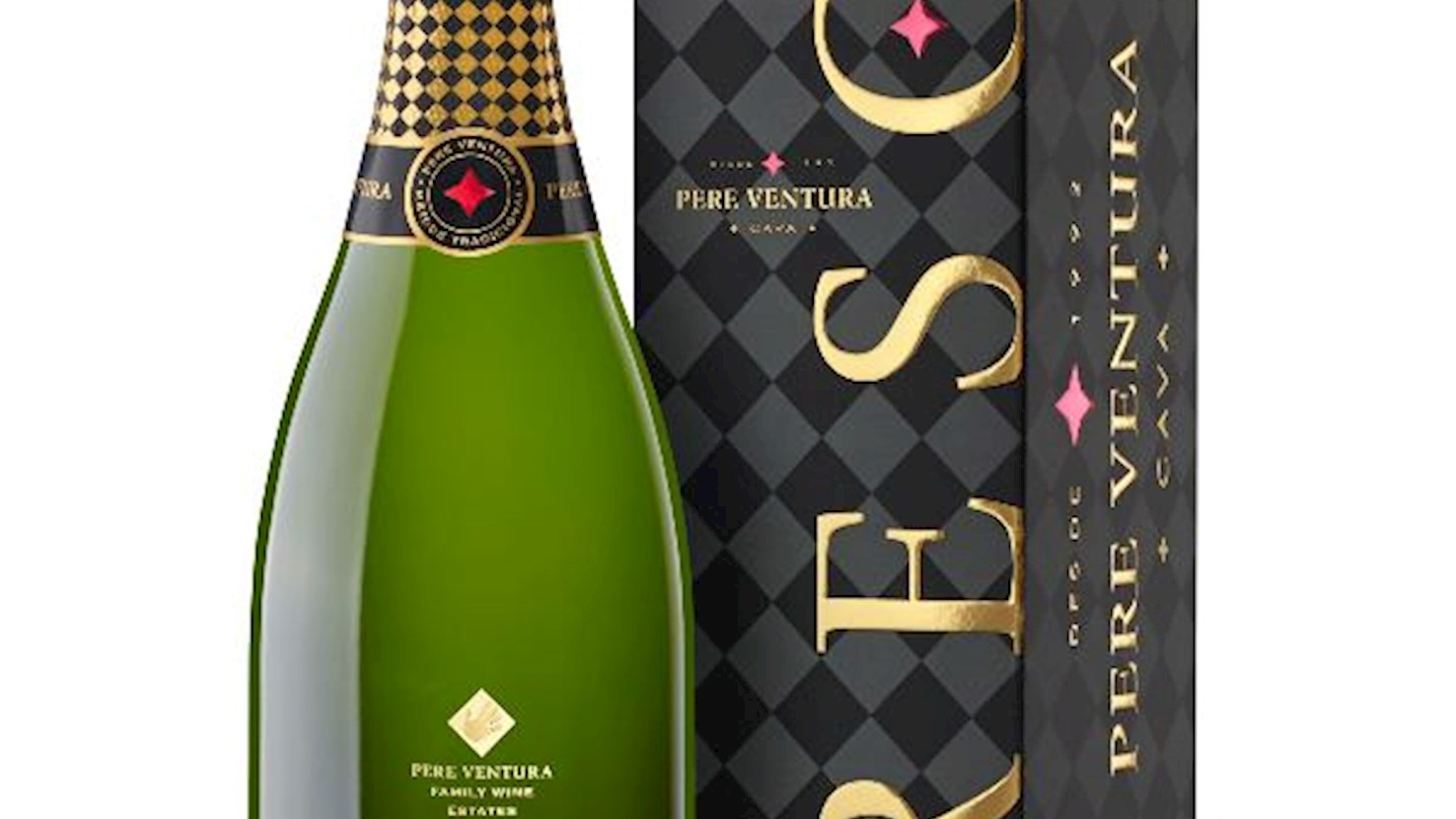
Pere Ventura

4.9 ·
Awards
Decanter World Wine Awards - Platinum (2019)
Concours Mondial de Bruxelles - Grande Médaille d'or (2023)
Read more
View all
View map
About this ranking

TasteAtlas food rankings are based on the ratings of the TasteAtlas audience, with a series of mechanisms that recognize real users and that ignore bot, nationalist or local patriotic ratings, and give additional value to the ratings of users that the system recognizes as knowledgeable. For the “Top 80 Spanish White Wines” list until June 24, 2026, 325 ratings were recorded, of which 246 were recognized by the system as legitimate. TasteAtlas Rankings should not be seen as the final global conclusion about food. Their purpose is to promote excellent local foods, instill pride in traditional dishes, and arouse curiosity about dishes you haven’t tried.

The initial list of top producers was compiled based on available reviews, awards, local recommendations, media and blog coverage, and consumer reviews. The list will be updated with ratings from TasteAtlas local ambassadors and TasteAtlas users.

Similar lists