Top 100 White Wines
in the World

Last updated on June 24, 2026

Best White Wine Types in the World

01

Gewurztraminer d'Alsace

4.3 ·

Gewurztraminer is a pink-skinned grape that produces some of the most aromatic and complex white wines in the world. The exact origin of Gewurztraminer is hard to trace, but the grape is related to Traminer family that is cultivated across Europe, and although Gewurztraminer has shown success in Germany, Austria, Australia, Washington and California, the French Alsace region remains its foreground. Alsace produces varietals that are rich and typically deeply colored, often low in acidity and high in alcohol with exotic aromas of lychee and rose petals. Their character and the body heavily depends on the terroir and ripeness of the grapes, and they may range from dry to off-dry and sweet styles. Dry Gewurztraminer from Alsace is a perfect match to cheese and savory, preferably spicy or creamy dishes, while sweeter styles may match fruit or spiced desserts.

02

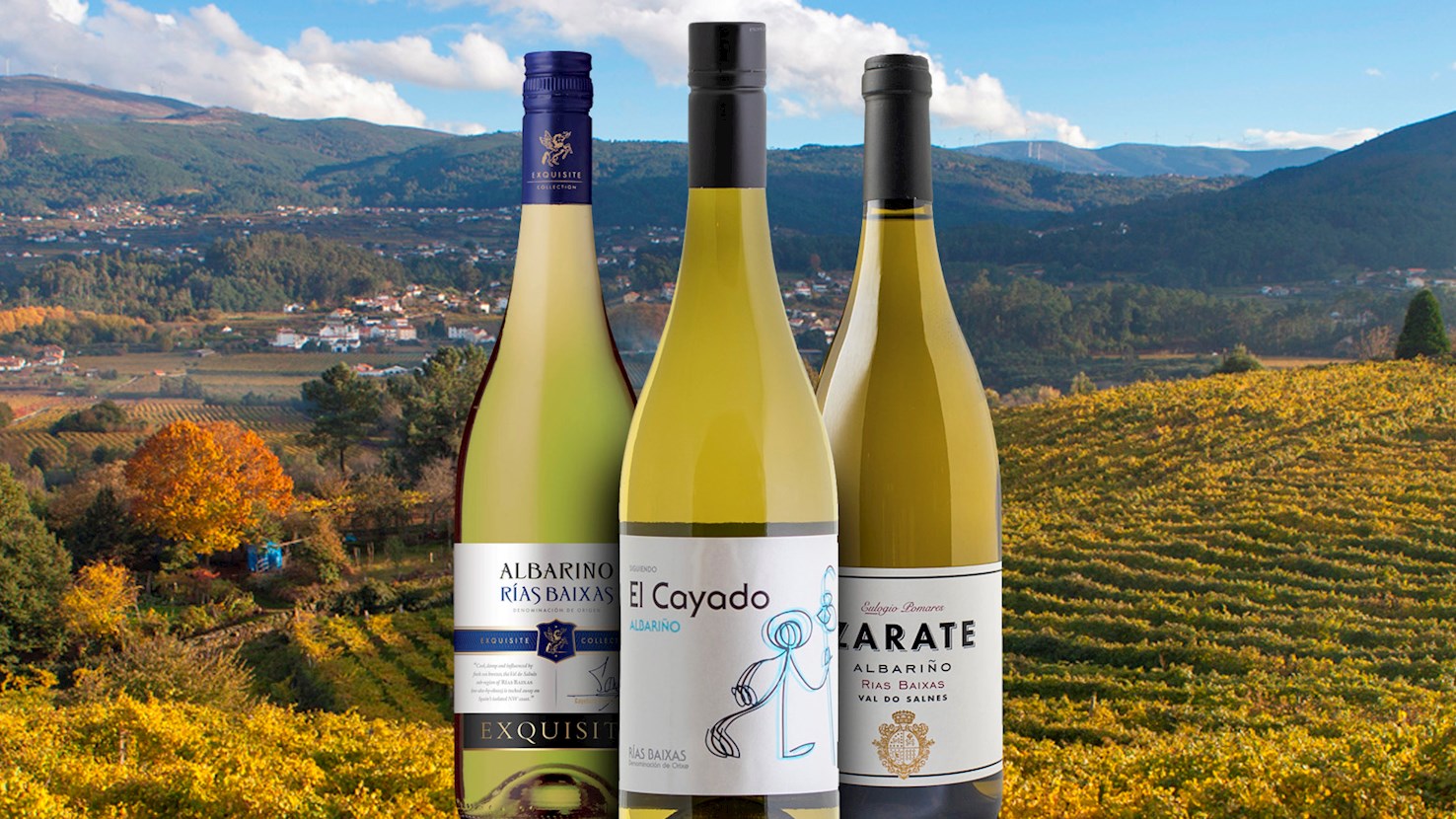
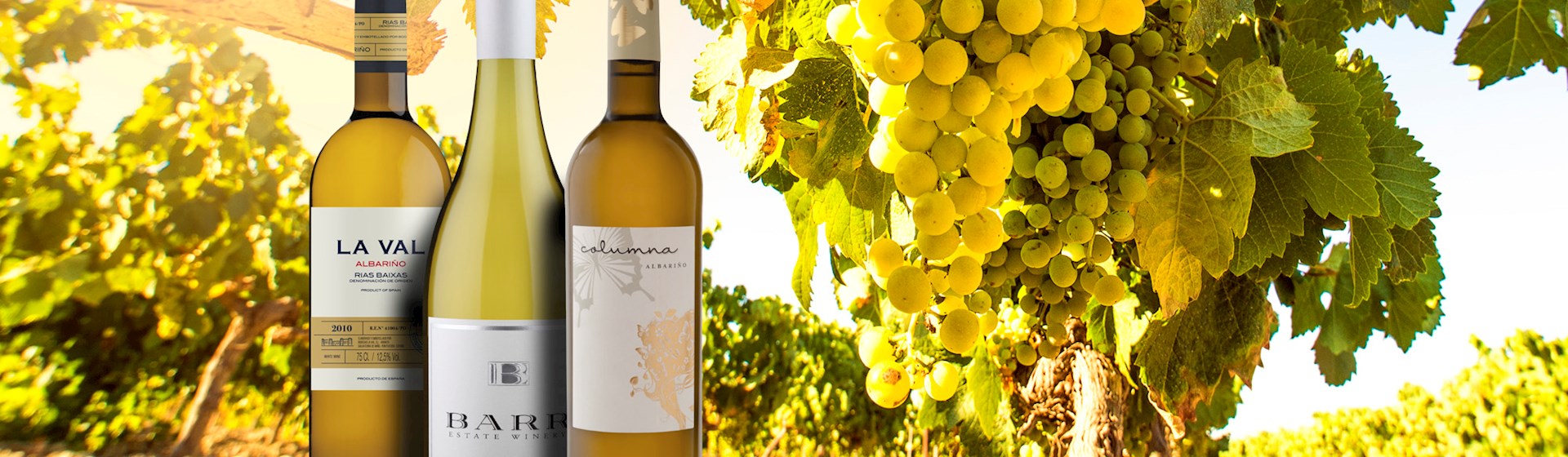
Albariño

4.3 ·

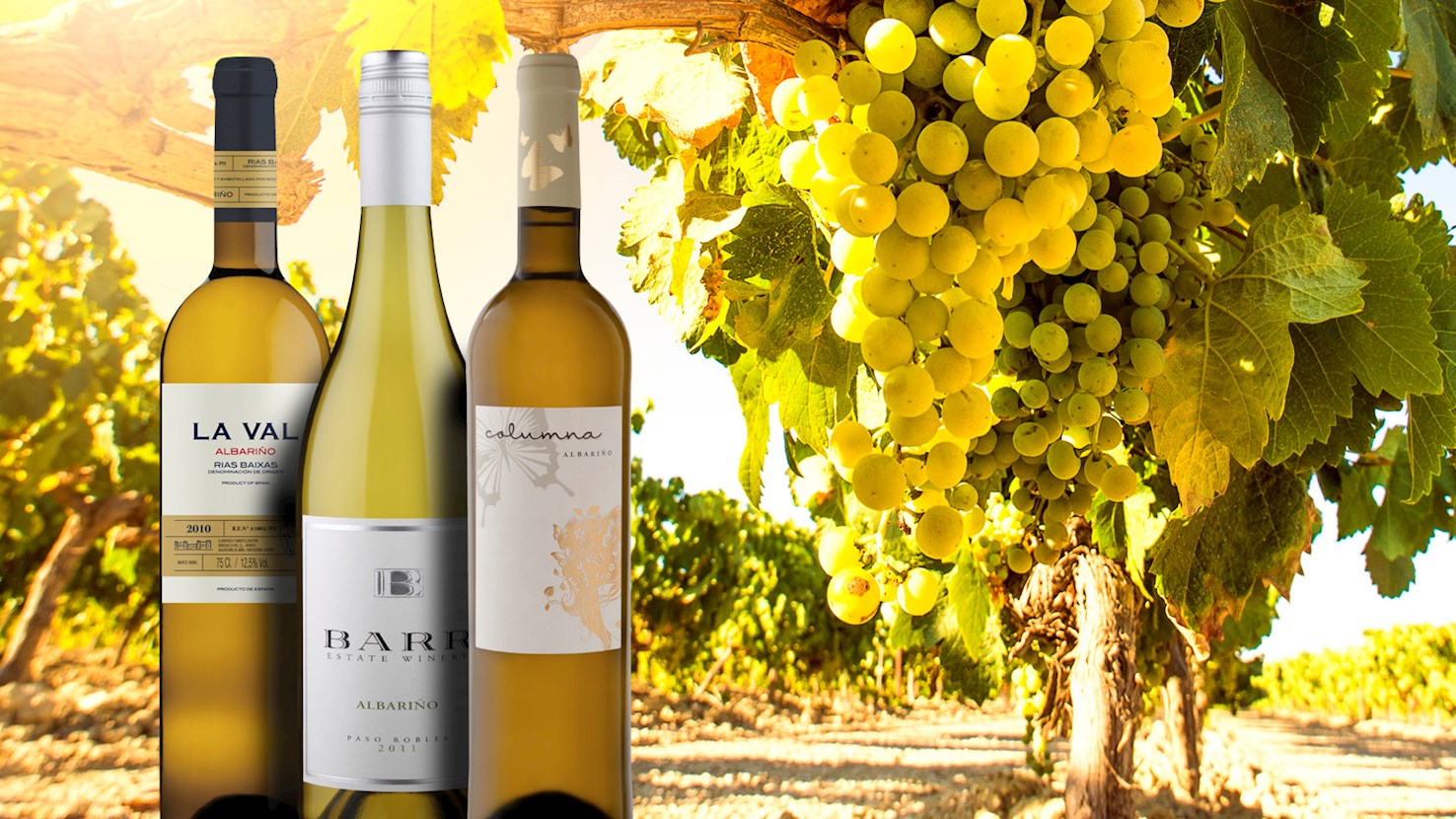
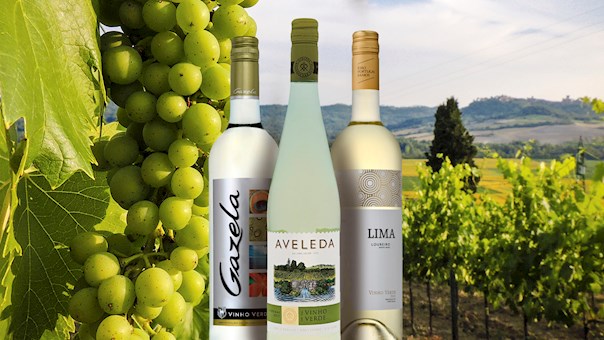
Albariño is a white grape variety grown in northwest Spain (Galicia) and northwest Portugal (Monção and Melgaço) where it is used to make varietal white wines. Albariño wines are very light, fresh, crisp, with high acids and of a rich, floral, and aromatic character. Its specific aromas often include white peach, apricot, melon, pineapple, mango, and honeysuckle with an underlying minerality. Albariño wines are very versatile when it comes to food pairing, with seafood being the most obvious choice, along with a variety of dishes from Chinese, Indian, and Thai cuisine.

03

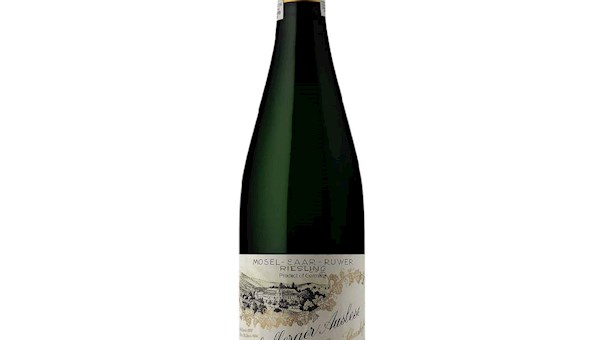
Alsace Riesling

4.3 ·

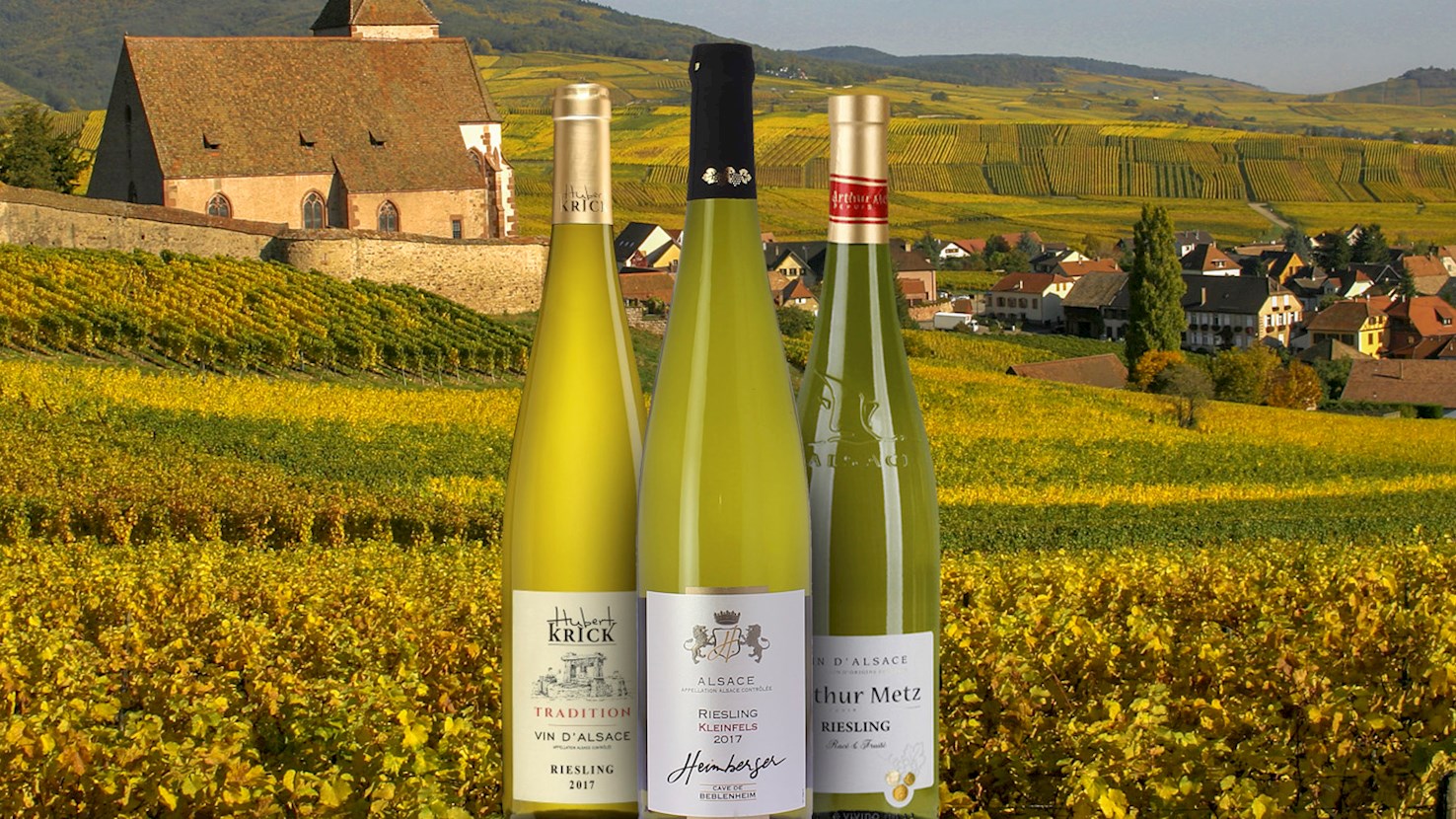
Riesling is an aromatic white grape native to Germany. It is a terroir-driven wine known for its versatile character and intense aroma, usually reminiscent of citrus, petroleum, and white flowers. In Alsace, Riesling is one of the main varieties. Although the grape is often associated with sweeter styles, most of the examples coming from Alsace are bone dry. Riesling from Alsace can slightly vary in character, from leaner to more opulent, flavor-packed expressions, but it is generally complex, richly flavored, and high in acidity. It has intense citrus, stone fruit, and floral aromas. Usually, these wines will have steel-like mineral notes. They are typically full-bodied and have good aging potential, with the best vintages reaching up to 15 years. Most Rieslings are excellent with food. Lighter Alsace styles should be paired with lighter dishes, primarily seafood, including fish, shellfish, and crustaceans, but they could also work with salads and poultry. More complex and concentrated examples can be paired with Asian fare, and late harvest styles (Vendange Tardive) are best paired with desserts. Alsace Riesling will usually have higher alcohol content than their German counterparts.

04

Rías Baixas

4.2 ·

Rías Baixas is a Spanish appellation located along the Atlantic coast in Galicia. The entire region is divided into five subregions: Salnes Valley, O Rosal, Soutomaior, Ribeira do Ulla, and Condado do Tea. There are several permitted grape varieties, but Albariño prospers and dominates in the entire region. Other permitted grapes that are sometimes used include Treixadura, Loureiro, Caiño Blanco, Torrontes, and Godello. The styles slightly differ depending on the subregion and the production, but most of the wines hail from the region are pale golden, fresh, and aromatic. Typical aromas and flavors include citrus, peach, and apricot notes, and some styles may have mineral overtones and hints of salinity. These Albariño-based wines might vary from bright and crisp wines with melon-like flavors to richer and softer styles with honeysuckle nuances. Most examples share a common characteristic of firm natural acidity. Some producers decide to use skin contact, oak, or lees to produce more elaborate expressions, and the best labels will usually prosper and improve with age. The ideal pairing with these wines is seafood.

05

Sauternes

4.2 ·

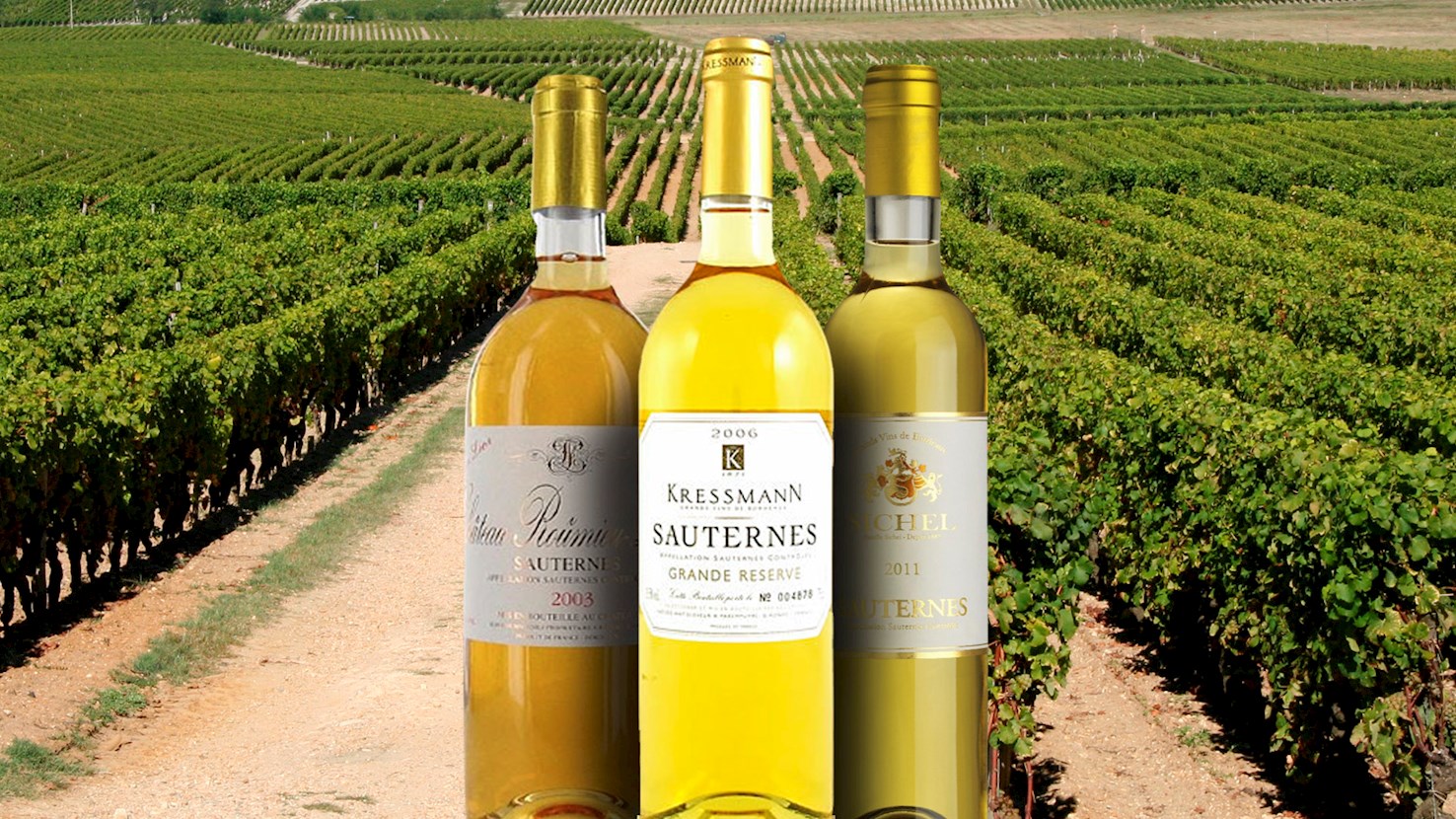
This late-harvest dessert wine of Bordeaux is predominantly made with Sémillon, the region's rare golden-skinned white grapes affected by noble rot, though the blends often include Sauvignon Blanc and Muscadelle. The appellations may include Sauternes, Barsac, Cérons, Sainte-Croix-du-Mont, Cadillac, Loupiac, Premières Côtes de Bordeaux, and Côtes de Bordeaux Saint-Macaire. In general, Sauternes wines exhibit pronounced notes of fruit, butterscotch, caramel, and spices, along with floral notes coming from the Muscadelle grapes. Noted for their full body and freshness, Sauternes wines pair nicely with soft cheeses, blue cheeses, washed rind cheeses, terrines, foie gras, and various fruit-based desserts.

06

Pinot Gris d'Alsace

4.2 ·

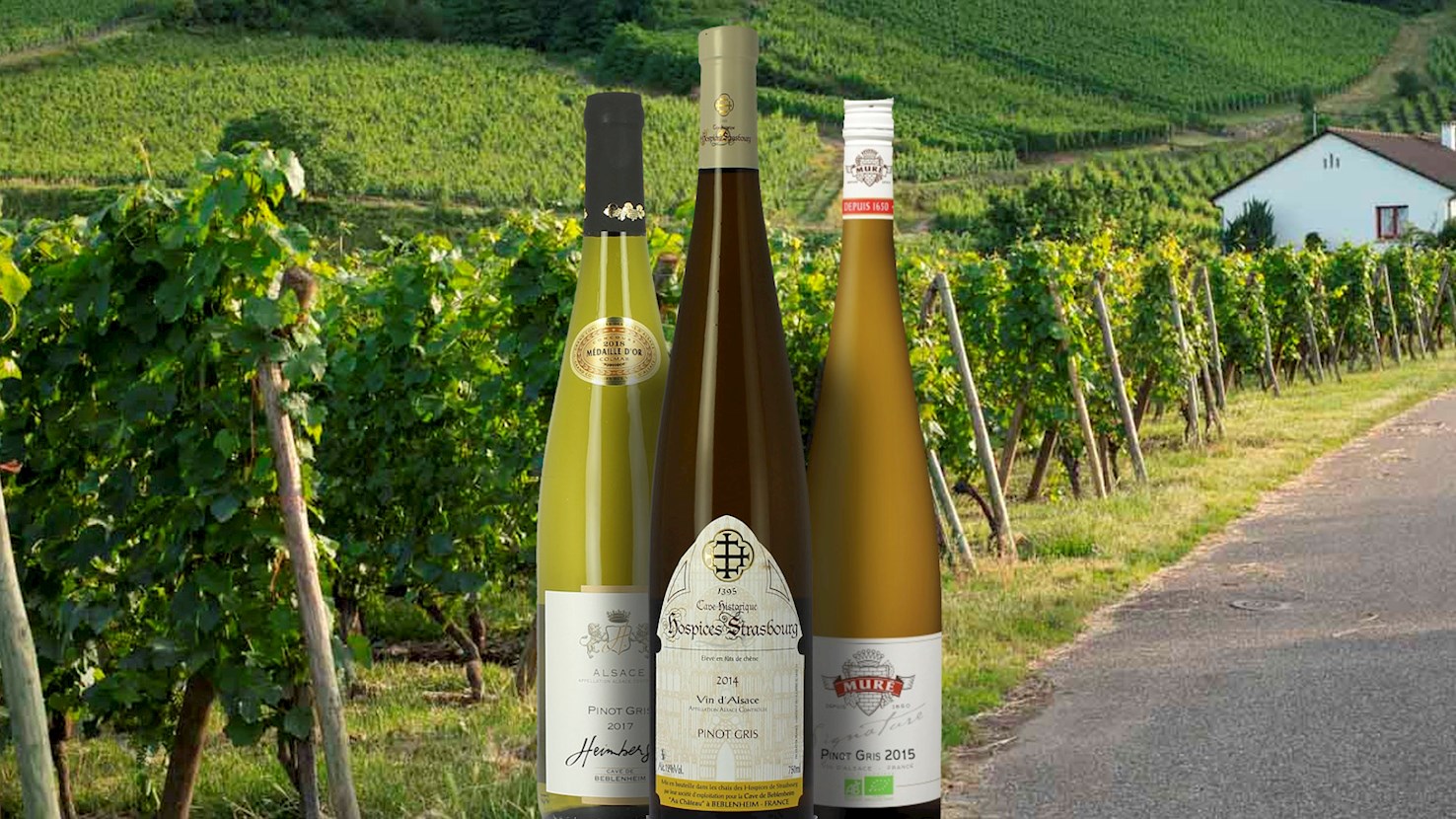
Pinot Gris, also known as Pinot Grigio and Grauburgunder, is a white grape variety whose origins are believed to be in Burgundy, but the grape has shown amazing potential in Alsace—the region with which it is mostly associated nowadays. In Alsace, Pinot Gris is considered a noble grape. In the past, it was mistakenly related with Hungarian Tokaj, and it was often called Tokaj d'Alsace. The wines made from Pinot Gris considerably differ in character than those found in other wine-growing regions. They are dense and concentrated, with typical notes of white flowers, honey, ginger, apricot, lemons, spices, and dry fruit. The wines are typically dry with some off-dry varieties. They are usually full-bodied and pair well with poultry, feathered game, and pork.

07

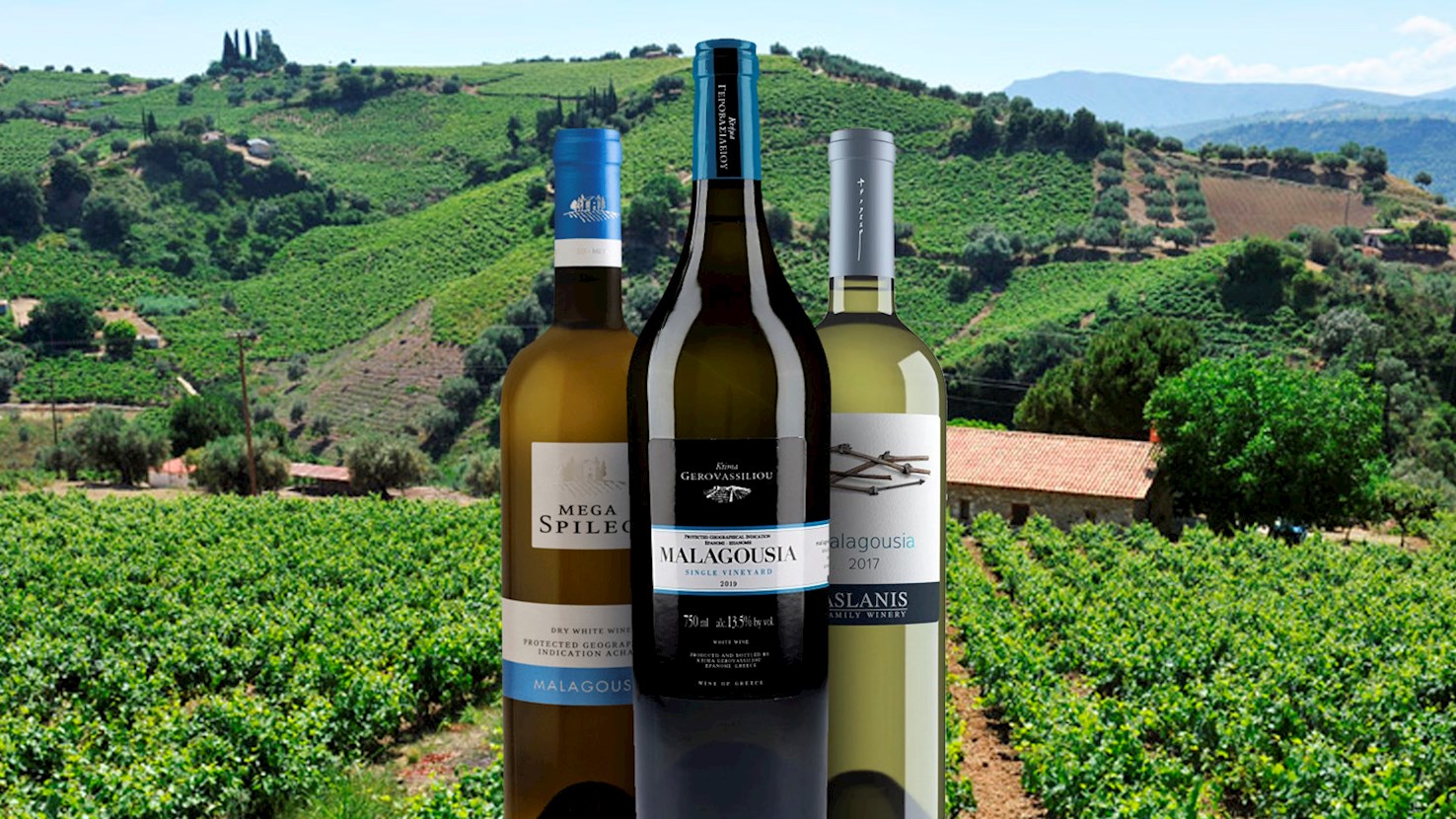
Malagousia

4.2 ·

Malagousia is an ancient, white-skinned Greek grape that was saved from extinction by Vangelis Gerovassiliou, who brought it back from obscurity in the 1970s. The grape produces aromatic dry wines, which are usually of excellent quality. It is also used to make dense and perfumed dessert styles. On the nose, the wines display intense aromas often reminiscent of peaches, pears, and tropical fruit, usually with citrusy, herbal, and subtle floral notes. On the palate, they are full-bodied, rich, and round, and the best examples manage to remain lively and fresh. Malagousia can be enjoyed young, but it is also aged, both in steel and oak. Dry wines would pair well with Mediterranean and Asian fare, especially seafood, poultry, pasta dishes, salads, and vegetables. Sweet versions can be a good match with fruit desserts.

08

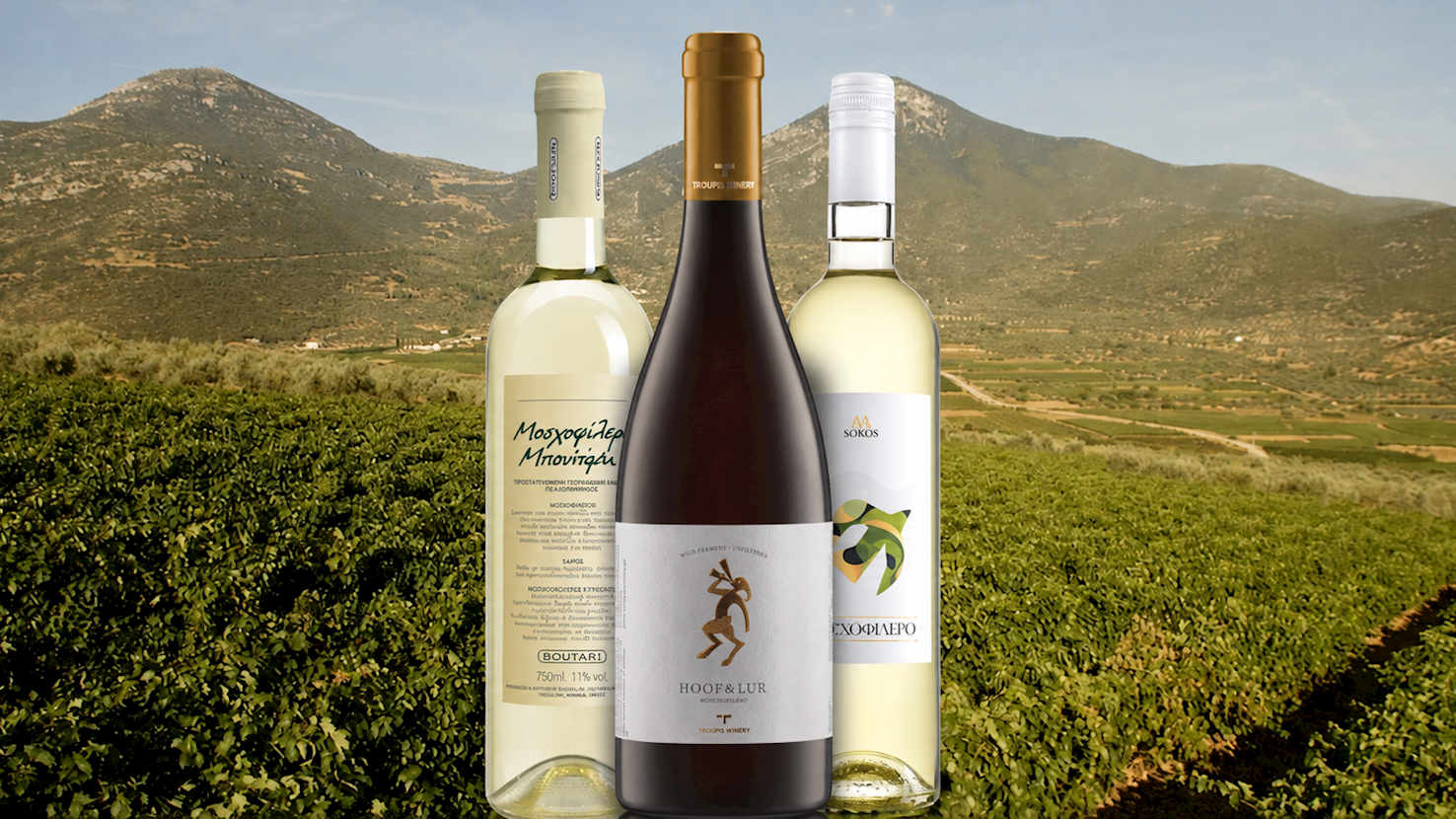
Moschofilero

4.2 ·

Moschofilero is a Greek grape that hails from Peloponnese. It is an aromatic and late-ripening variety that delivers high yields, but it is sometimes sensitive and finicky to grow. Despite its common presence, Moschofilero was only popularized in the 1970s and ’80s, primarily by the producers from PDO Mantinia, the most important wine region for Moschofilero. Varietal Moschofilero wines can be incredibly versatile. They will usually have bright and crisp acidity, which highlights their clean and fresh character. The wines from lower altitudes will usually have more freshness, and those from higher vineyards tend to have a more prominent floral character. Typical aromas are reminiscent of peaches, jasmine, orange blossom, roses, and citrus fruit. Moschofilero is usually enjoyed young, but the best examples sometimes show aging potential. These wines would pair nicely with fish and seafood, poultry, light snacks, spicy dishes, Asian fare, and salads.

09

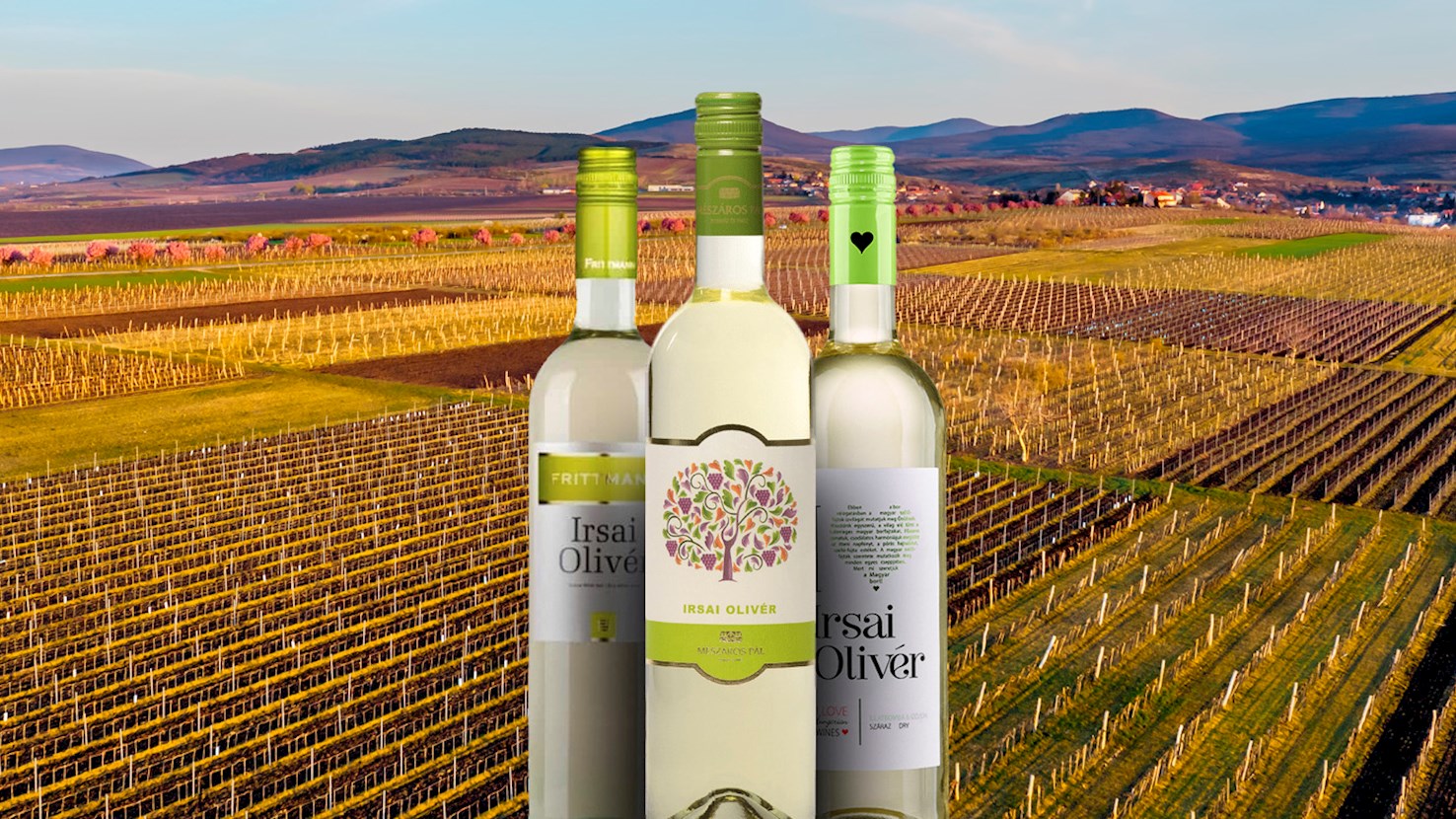
Irsai Olivér

4.2 ·

Irsai Olivér is a Hungarian white grape created in 1930 by Pál Kocsis as a cross between Pozsonyi and Pearl of Csaba. The grape is used in varietals and blends and is cultivated in several Hungarian wine regions. It is best suited for cooler areas, and the best expressions generally come from Mátra, where the grape prospers on volcanic soils. Irsai Olivér is an early-ripening grape. It was initially used as a table grape, but since the 1980s, it has been promoted as an excellent wine grape that can produce aromatic and fresh white wines. The grape is sometimes compared with Muscat because of its subtle acidity and citrusy, tropical, and floral aromas. These wines are best enjoyed young, and they should be paired with appetizers, vegetable dishes, and light fish-based main courses. There are many legends about the origin of the grape's name, but Kocsis most likely named it after his friend's son.

10

Chablis

4.1 ·

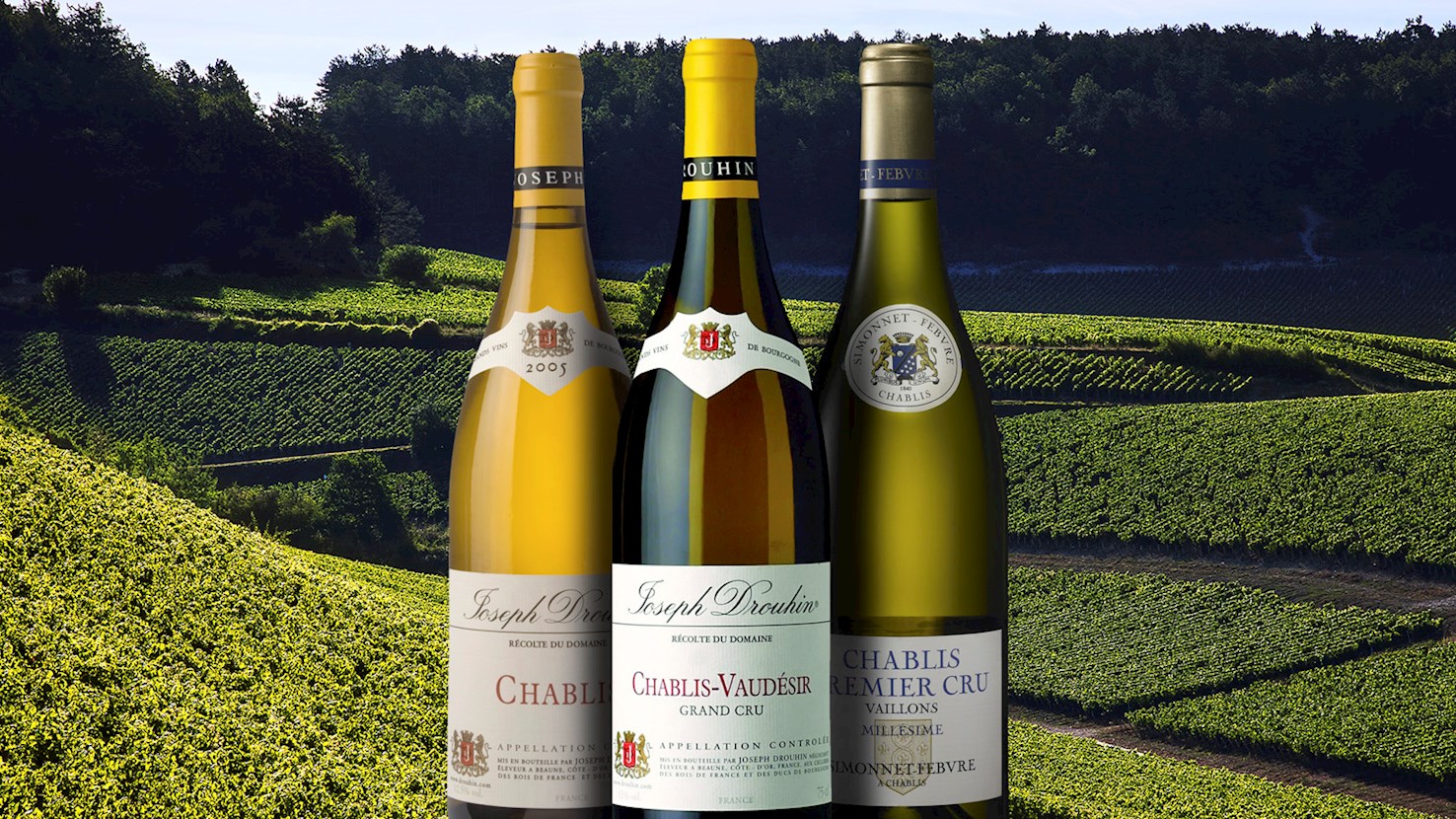
Chablis is the name of the wine region in northern Burgundy, but it is also the name of a white wine coming from this very region. Chablis is made with 100% Chardonnay, but unlike other Chardonnay wines, it rarely utilizes oak-aging, resulting in different taste profile and style. It has white flower and citrus aromas with light-bodied and dry flavors of pear, salinity, and minerality. Among the most desirable traits of Chablis is a long finish of flint-like minerality and high acidity, which makes the wine exceptionally well for pairing with creamy sauces, chicken, trout, bass, quail, clams, cod, halibut, or scallops.

Best White Wines in the World
01

Estate Argyros

5 ·
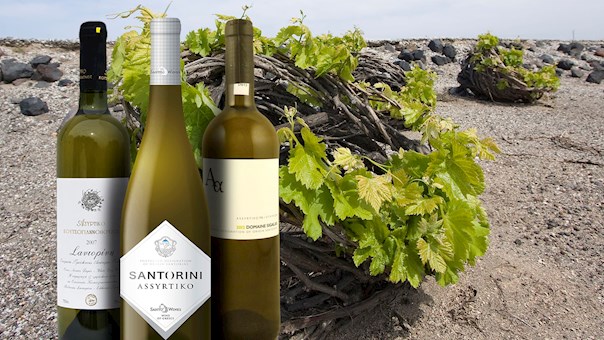
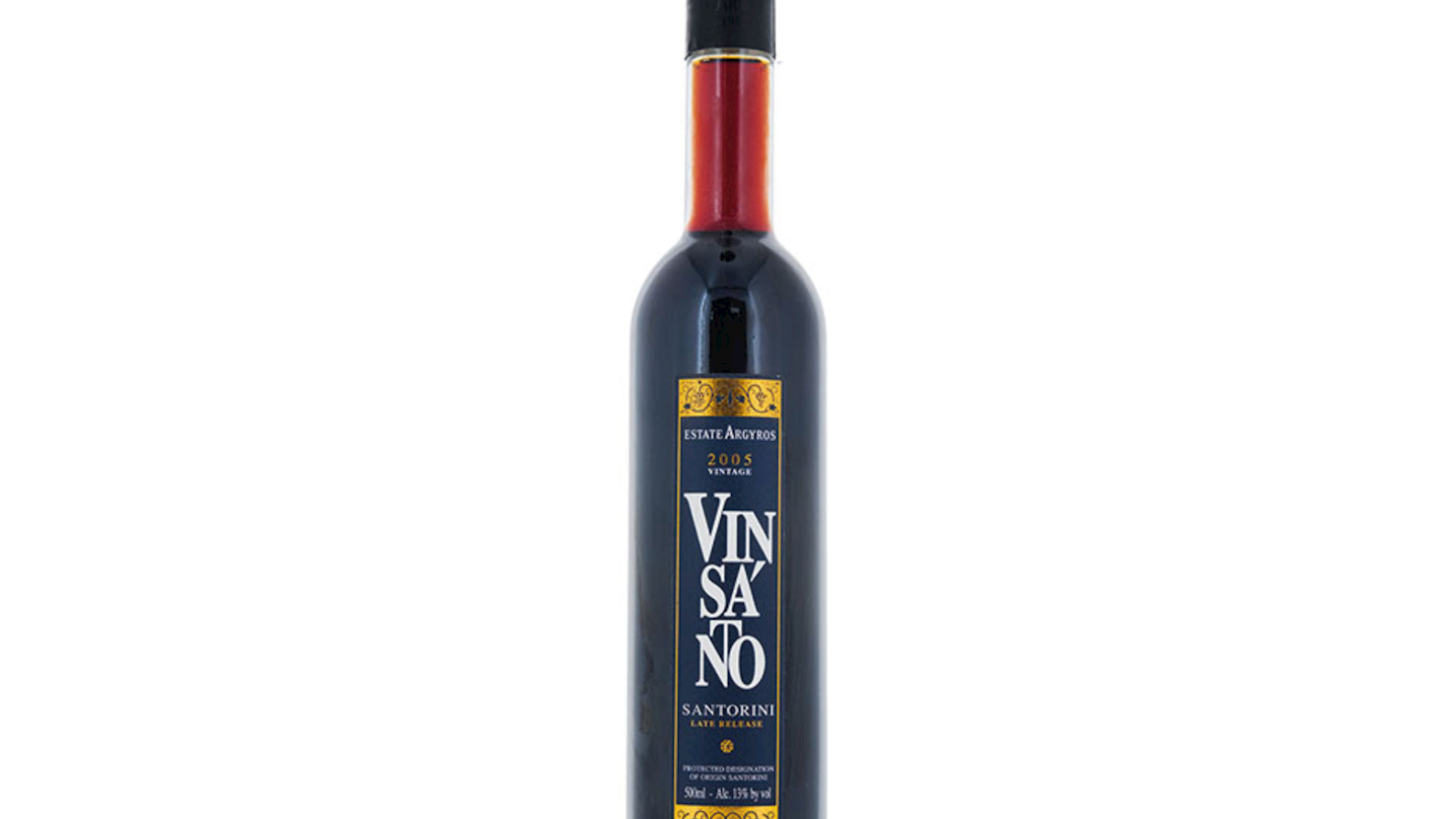
Estate Argyros is a family-owned winery on the island of Santorini, founded in 1903 in the village of Episkopi Gonia, in the heart of the island’s volcanic wine-growing zone. The estate covers more than 120 hectares of vineyards, making Argyros one of the largest private vineyard owners on Santorini. Most vines are 70-100 years old, while some parcels of Assyrtiko exceed 150-200 years, resulting in extremely low yields but grapes of remarkable concentration and purity. The terroir is harsh and distinctive - volcanic, rocky and sandy soil with almost no organic material, naturally protecting the vines from disease and allowing them to remain ungrafted on their original rootstock. The traditional training method known as kouloura, where the vine is shaped into a basket, protects the grapes from strong winds and intense sun. The winery is especially devoted to the native variety Assyrtiko, which here expresses a unique combination of salinity, minerality and sharp linear structure. Argyros combines minimal intervention in the vineyard with precise winemaking, preserving both varietal character and terroir expression. Their dry Assyrtiko wines are known for high acidity, tension and exceptional aging potential. The estate also produces other indigenous varieties such as Aidani and Mavrotragano. A signature of the winery is Vinsanto, a traditional dessert wine made from sun-dried grapes and aged for years in oak barrels, resulting in deep complexity and richness.
Awards
Decanter World Wine Awards - Best in Show (2023, 2020)
Decanter World Wine Awards - Platinum (2022, 2021, 2020, 2017, 2016)
02

Weingut Dr. Loosen

5 ·
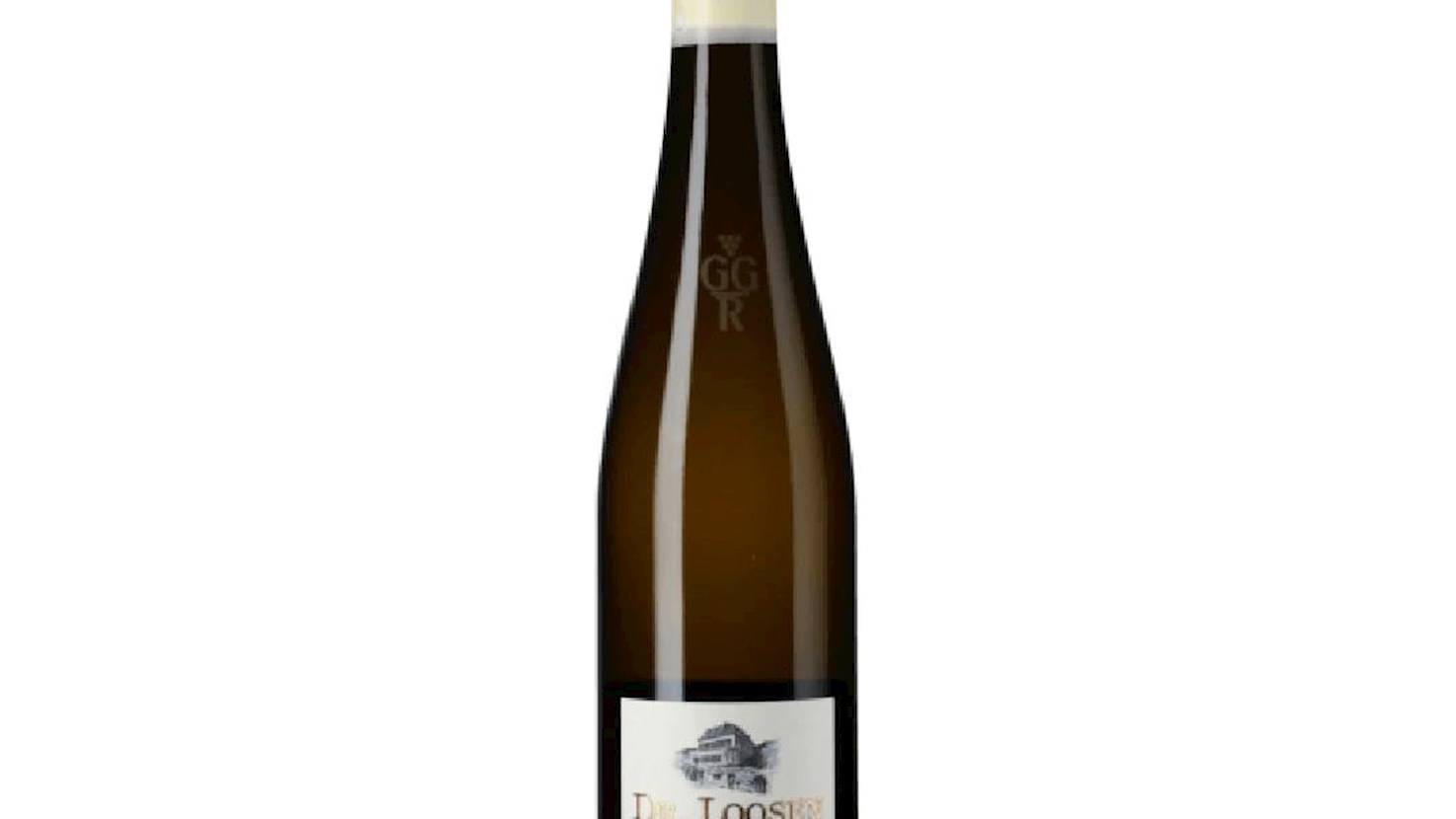
Weingut Dr. Loosen is a family-owned winery located in the Mosel wine region. The estate has been in the Loosen family for over 200 years, specializing in Riesling wines. Under the leadership of Ernst "Erni" Loosen since 1988, the winery has gained international acclaim for producing high-quality Rieslings that reflect the unique characteristics of their vineyards. The estate's vineyards are situated on the steep slopes of the Middle Mosel, featuring various soil types, including red slate, blue slate, and red volcanic conglomerate. Some of the vines are up to 140 years old and ungrafted, contributing to the distinctiveness of their wines. Dr. Loosen produces a full range of Riesling styles, following family traditions: dry wines inspired by the paternal Loosen side and Prädikat wines influenced by the maternal Prüm family branch.
Awards
James Suckling - 97 points (2023)
Decanter World Wine Awards - Best in Show (2024)
03

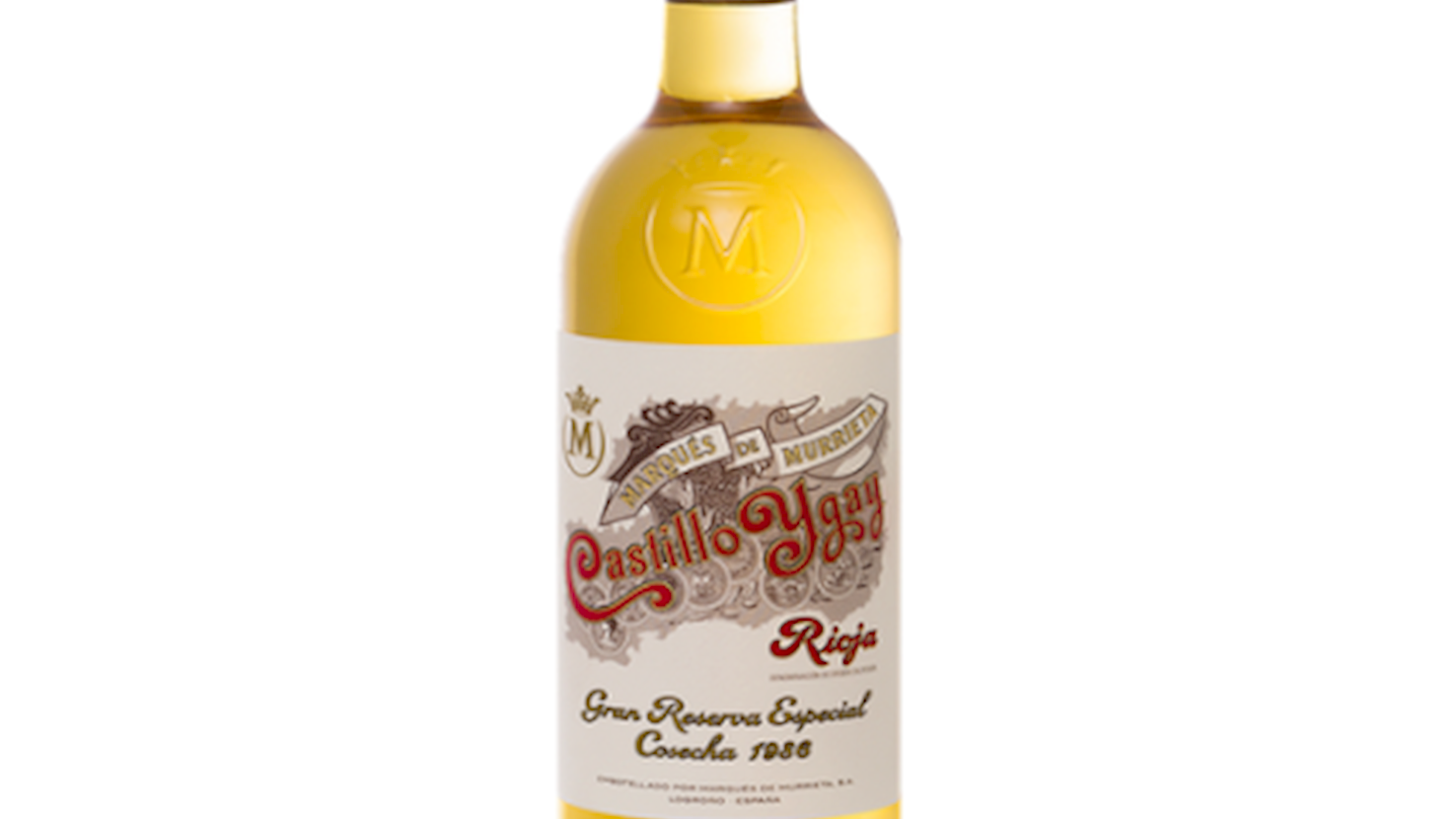
Marqués de Murrieta

5 ·
Marqués de Murrieta is one of Spain’s most iconic wineries, with a legacy that dates back to 1852. As a pioneer of modern winemaking in Rioja, the estate introduced Bordeaux-inspired techniques while preserving the unique character of the local terroir, laying the groundwork for what would become a benchmark in Spanish viticulture. Located on the historic Ygay Estate near Logroño, the winery combines over 300 hectares of vineyards with a state-of-the-art winemaking facility and the magnificent Castillo de Ygay, a 19th-century château that serves as the heart of the estate. The castle also houses a wine museum, offering visitors a glimpse into the rich cultural and historical heritage of Marqués de Murrieta and Spanish wine. Led by the Cebrián-Sagarriga family and renowned winemaker María Vargas, the estate produces wines of great elegance, structure, and longevity. Among them, the celebrated Castillo Ygay Gran Reserva Especial stands out as a true expression of Rioja’s aging potential and depth. Marqués de Murrieta is more than a winery - it is a symbol of tradition, excellence, and innovation, where history and modernity coexist to create wines of timeless character and international acclaim.
Awards
Falstaff - 100
Vivino - 4.6
04

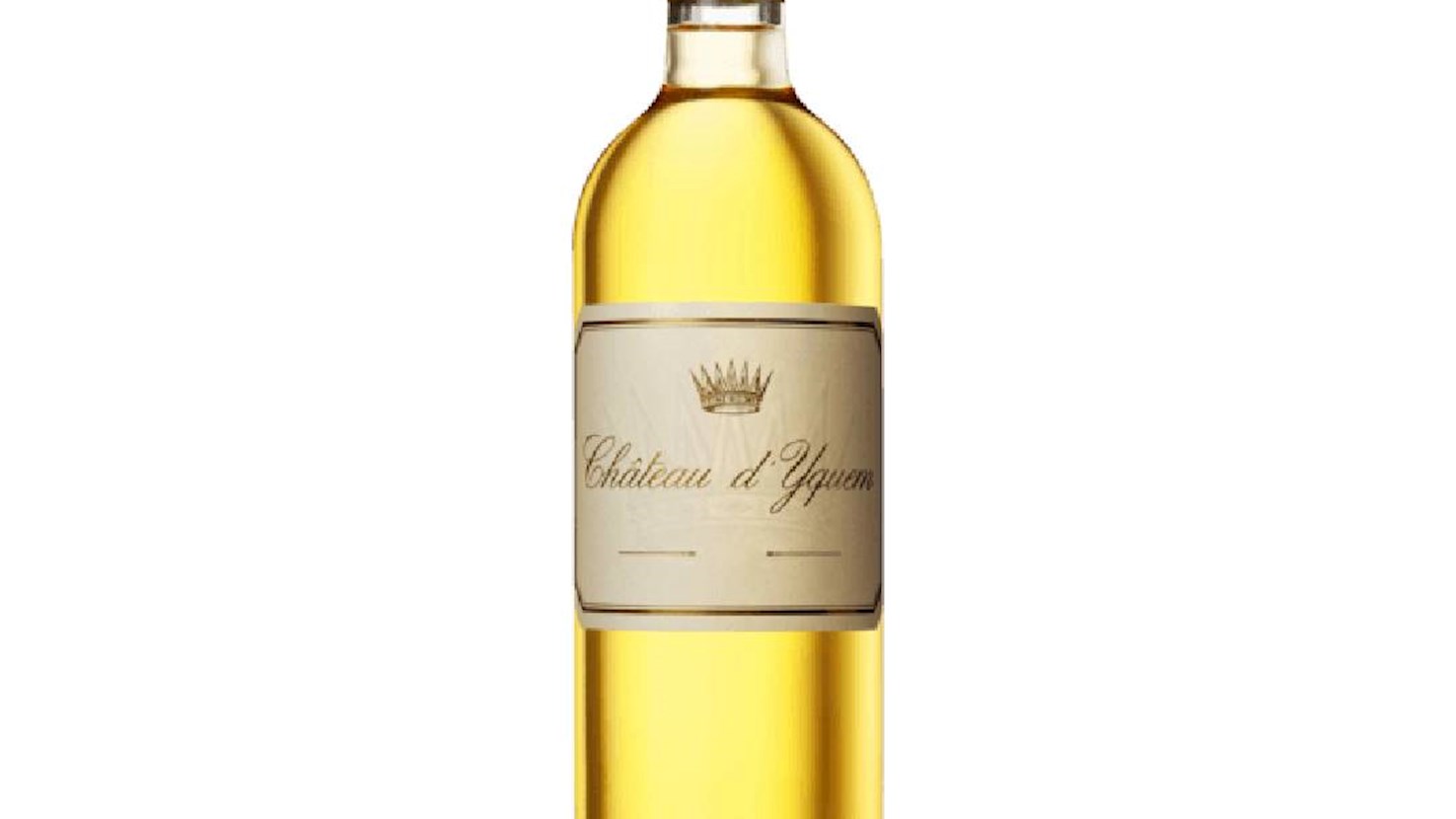
Château d'Yquem

5 ·
Château d’Yquem stands as one of the most revered names in the world of wine - a symbol of timeless dedication, patience, and craftsmanship passed down through generations. Its wines are not simply made; they are created through a meticulous process where nature and human expertise work in perfect harmony. Each harvest begins with careful observation of the vineyards, where grapes are handpicked over several passes, selecting only the finest berries touched by noble rot. This rigorous selection results in extremely low yields, yet every drop of wine carries an extraordinary concentration of flavor and aroma. In the glass, Yquem captivates with remarkable depth and complexity: layers of honey, dried fruits, and exotic spices intertwine with a fresh, vibrant acidity that grants it exceptional longevity. Its ability to evolve and shine for decades - sometimes even centuries - makes it a wine like no other. What truly sets Château d’Yquem apart is its uncompromising pursuit of perfection. In years when the grapes do not meet the highest standards, the wine simply isn’t produced. This rare dedication to excellence turns each bottle into more than a wine - it is an experience, a memory, and a masterpiece in liquid form.
Awards
James Suckling - 100 points (2024)
Falstaff - 100
05

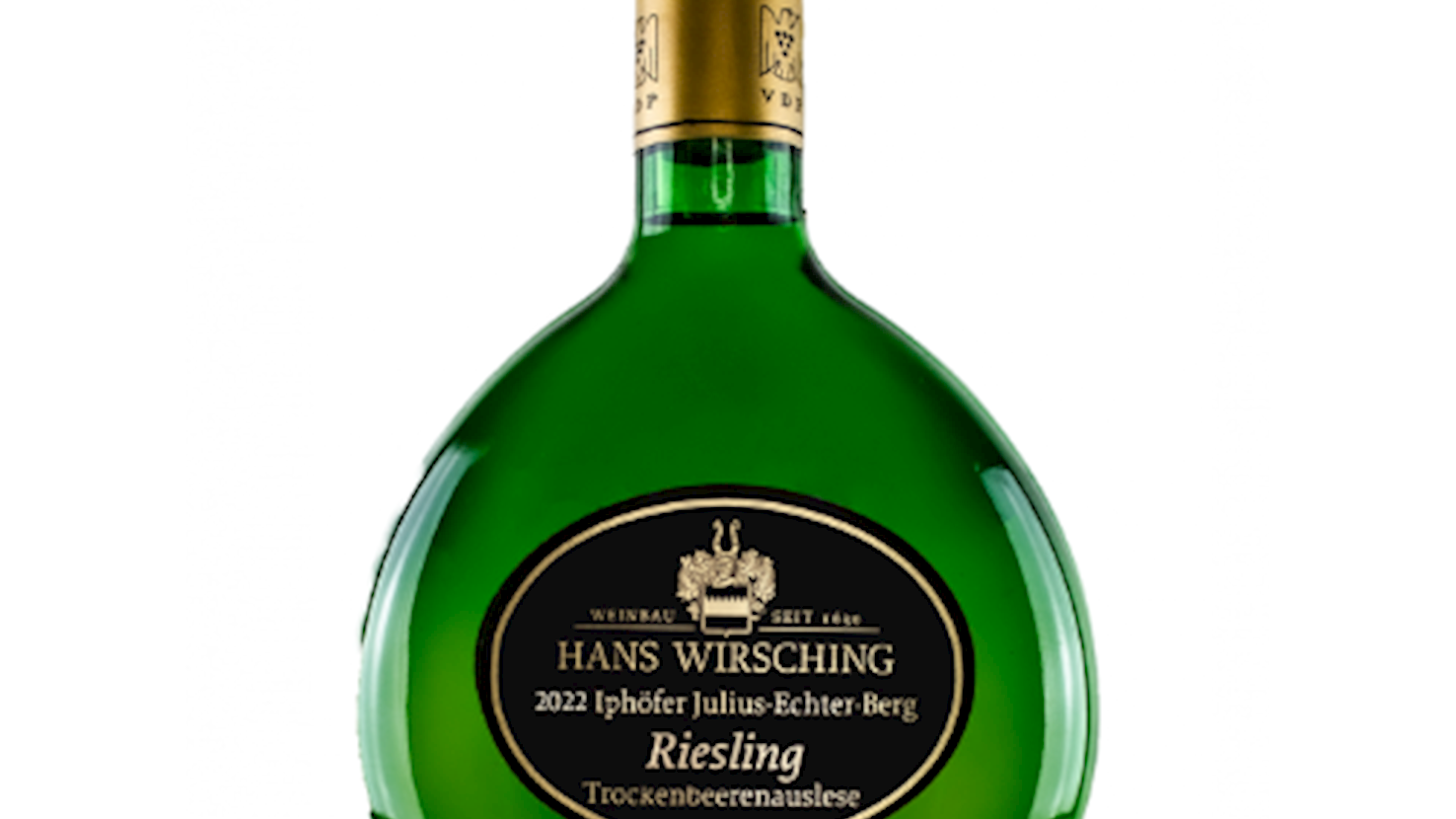
Weingut Hans Wirsching

5 ·
The Hans Wirsching wine estate is one of the most traditional and renowned estates in Franconia. Our family has been growing grapes for several centuries. Currently, Andrea Wirsching manages the estate. On 90 hectares in and around Iphofen, we produce mainly dry white wines – that is our specialty. The most important grape varieties are Silvaner, Riesling, Scheurebe, and white Pinot varieties (Pinot Blanc, Chardonnay, and Pinot Gris).
Awards
Decanter World Wine Awards - Platinum (2023, 2022, 2021, 2020, 2016)
Falstaff - 100
06

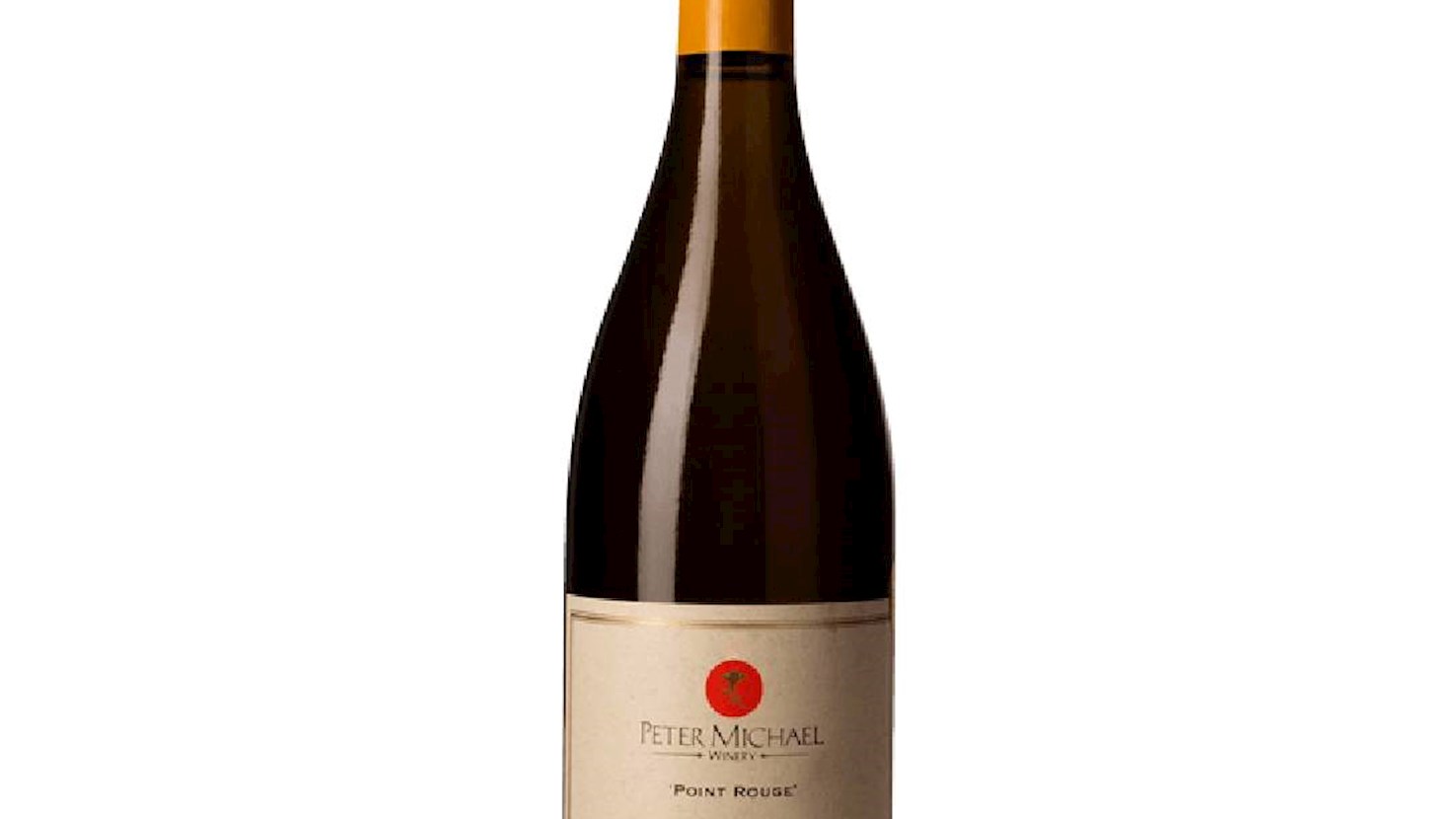
Peter Michael Winery

5 ·
Peter Michael Winery is a family-owned winery established in 1982 by Sir Peter Michael. It is located in the northeastern part of Sonoma County, California, on the slopes of Mount St. Helena. Peter Michael Winery produces wines from varieties such as Chardonnay, Pinot Noir, Cabernet Sauvignon, and Sauvignon Blanc, employing traditional winemaking methods including hand-sorting of grapes, fermentation with indigenous yeasts, and aging in French oak barrels. The Michael family has a long-term vision to keep the winery family-owned for at least 100 years, with a strong commitment to preserving the natural environment and wildlife surrounding the vineyards.
Awards
James Suckling - 99 points (2024)
Vivino - 4.6
07

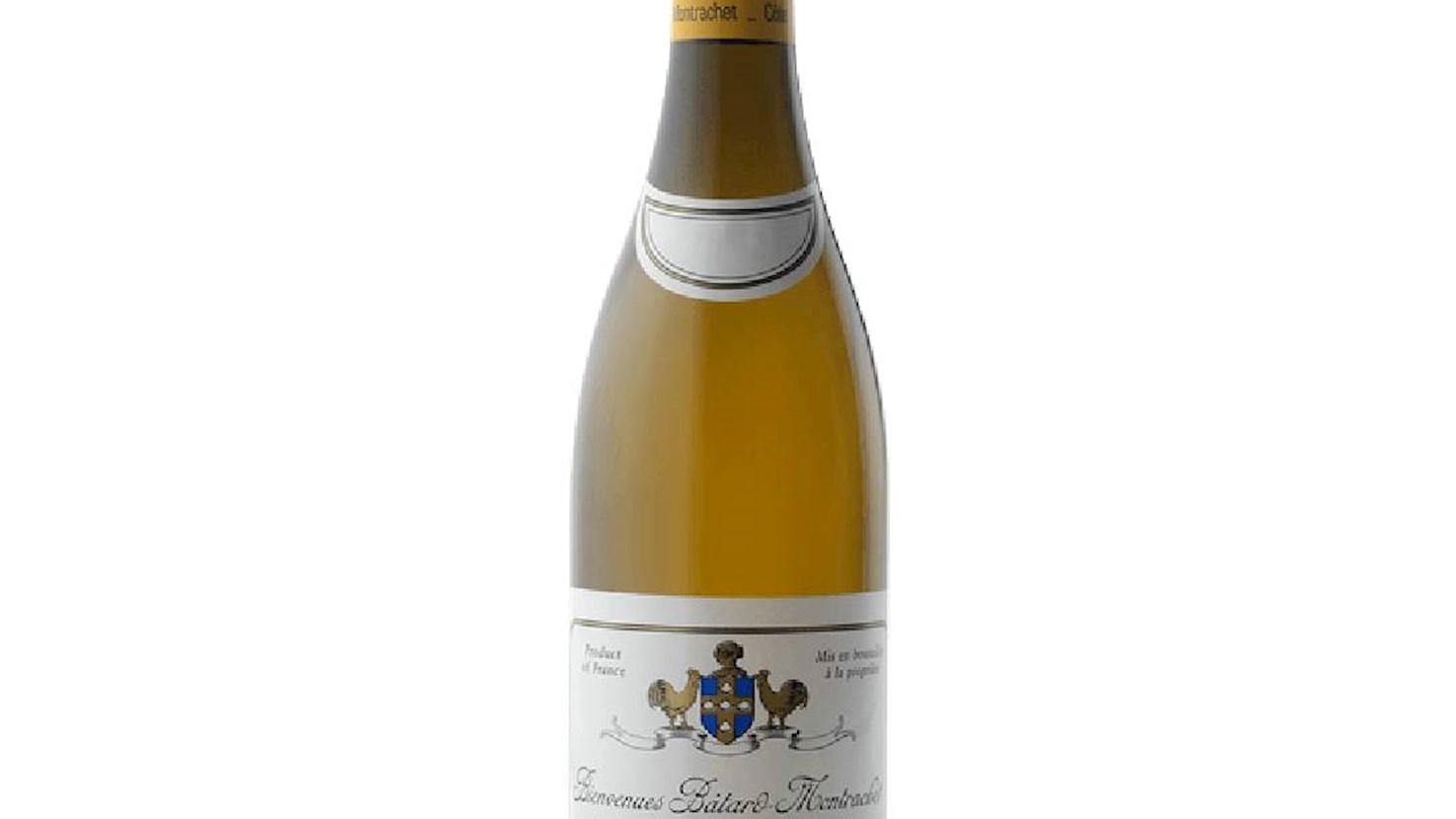
Domaine Leflaive

5 ·
Domaine Leflaive stands as a symbol of elegance and deep respect for the Burgundian terroir. Located in the heart of Puligny-Montrachet, this historic estate has cultivated its legacy for over three centuries, shaped by generations committed to refining a distinctive style and philosophy. Chardonnay is at the core of the domaine’s identity, and from it, Domaine Leflaive produces some of the most graceful and age-worthy white wines in the world. The vineyards include prestigious Grand Cru and Premier Cru parcels, all farmed using biodynamic principles. Since the 1990s, the estate has been a pioneer of biodynamics in Burgundy, guided by the belief that a healthy vineyard yields truly expressive wines. Vinification follows a minimalist approach, with a focus on balance and purity, allowing the unique character of each site to emerge. The resulting wines are defined by their precision, minerality, and refined texture, evolving beautifully with time in the bottle. Domaine Leflaive never compromises—each wine reflects a commitment to excellence, a profound connection to nature, and a continual pursuit of harmony between man, earth, and wine. It is a place where tradition and modern vision coexist in perfect balance.
Awards
Vivino - 4.6
Vivino - 4.7
08

Klein Constantia

5 ·
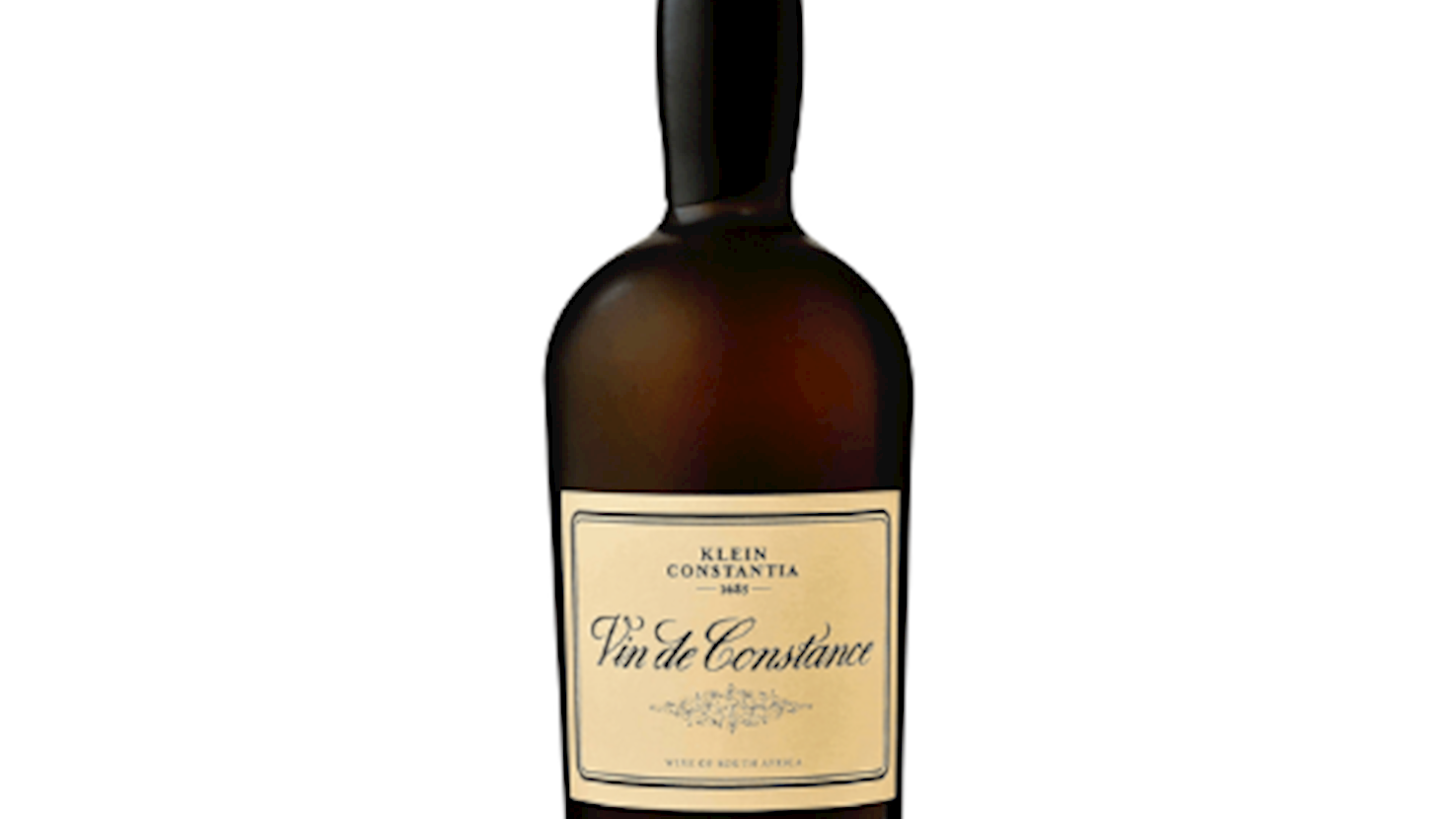
Klein Constantia Estate is one of South Africa’s most historic and influential wineries, with origins dating back to 1685 when it was established by Simon van der Stel in the Constantia Valley near Cape Town. Located on the slopes of the Constantiaberg mountain range, the estate benefits from decomposed granite soils and a cool maritime climate influenced by False Bay, conditions that contribute to wines of freshness, precision, and longevity. During the 18th and 19th centuries, wines from Constantia - particularly the renowned sweet wine Vin de Constance - were among the most sought-after in the world, enjoyed by European royalty and referenced in classical literature. After a period of decline, Klein Constantia played a key role in reviving this historic wine in the late 20th century, restoring its global reputation. Today, the estate combines heritage with a modern, sustainability-driven approach to viticulture and winemaking, focusing on expressing site-specific characteristics. In addition to Vin de Constance, the portfolio includes high-quality Sauvignon Blanc, Riesling, and single-vineyard wines that highlight the diversity of the terroir. The wines are defined by aromatic clarity, vibrant acidity, and a refined mineral structure, positioning Klein Constantia as one of the leading producers in South Africa, where tradition and innovation are closely intertwined.
Awards
Decanter World Wine Awards - Platinum (2020)
Decanter World Wine Awards - Best in Show (2018, 2017)
09

Château de Fuissé

5 ·
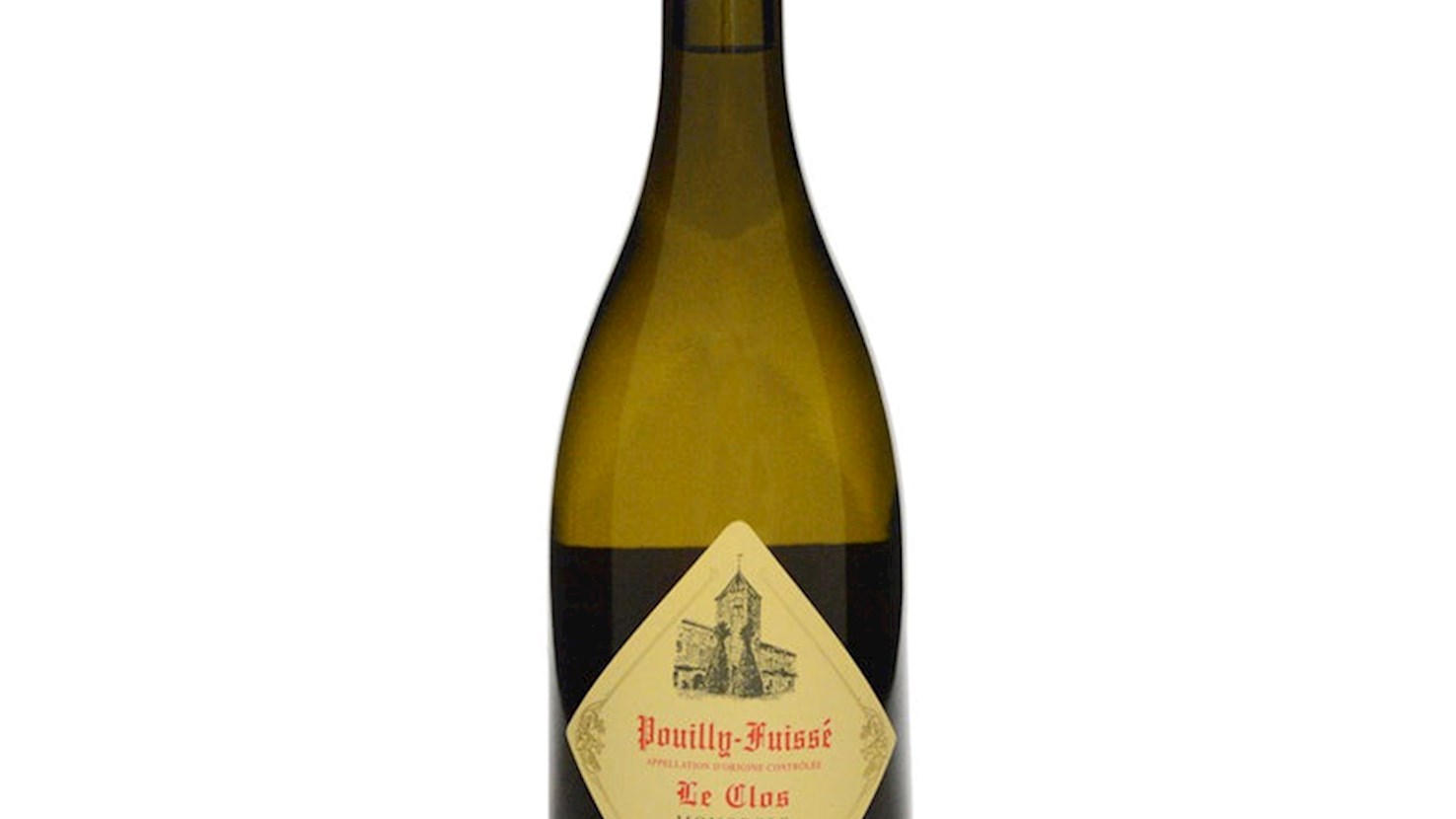
Château de Fuissé is a historic family-owned estate located in the village of Fuissé in southern Burgundy, within the Mâconnais, and is widely regarded as one of the benchmark producers of Pouilly-Fuissé. Owned by the Vincent family since 1862 and now run by the fifth generation, the estate combines long-standing tradition with a precise, terroir-focused approach. Its vineyards span around 40 hectares across multiple parcels, allowing for detailed site expression and careful selection in winemaking, with Chardonnay as the dominant grape variety. The soils - primarily limestone and clay with some granitic influence - contribute to wines that balance richness with freshness and a distinct mineral character. The style is defined by clarity and structure, with aromas of citrus, apple, and stone fruit layered with subtle notes of hazelnut and light toast from measured oak aging. On the palate, the wines are rounded yet focused, supported by vibrant acidity and a persistent mineral backbone. Château de Fuissé’s approach results in wines that are both approachable and age-worthy, offering a refined interpretation of modern Pouilly-Fuissé while remaining deeply rooted in Burgundian tradition.
Awards
Decanter World Wine Awards - Best in Show (2024)
Decanter World Wine Awards - Platinum (2020, 2019)
10

Gizella Winery

5 ·
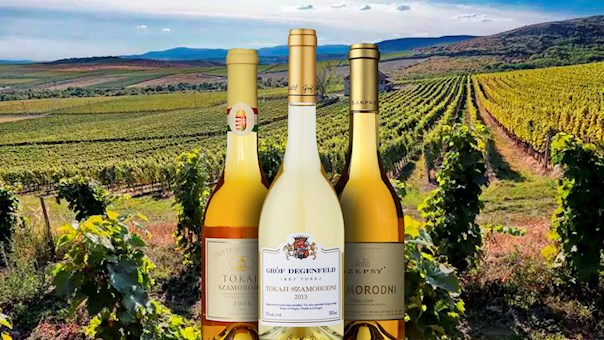
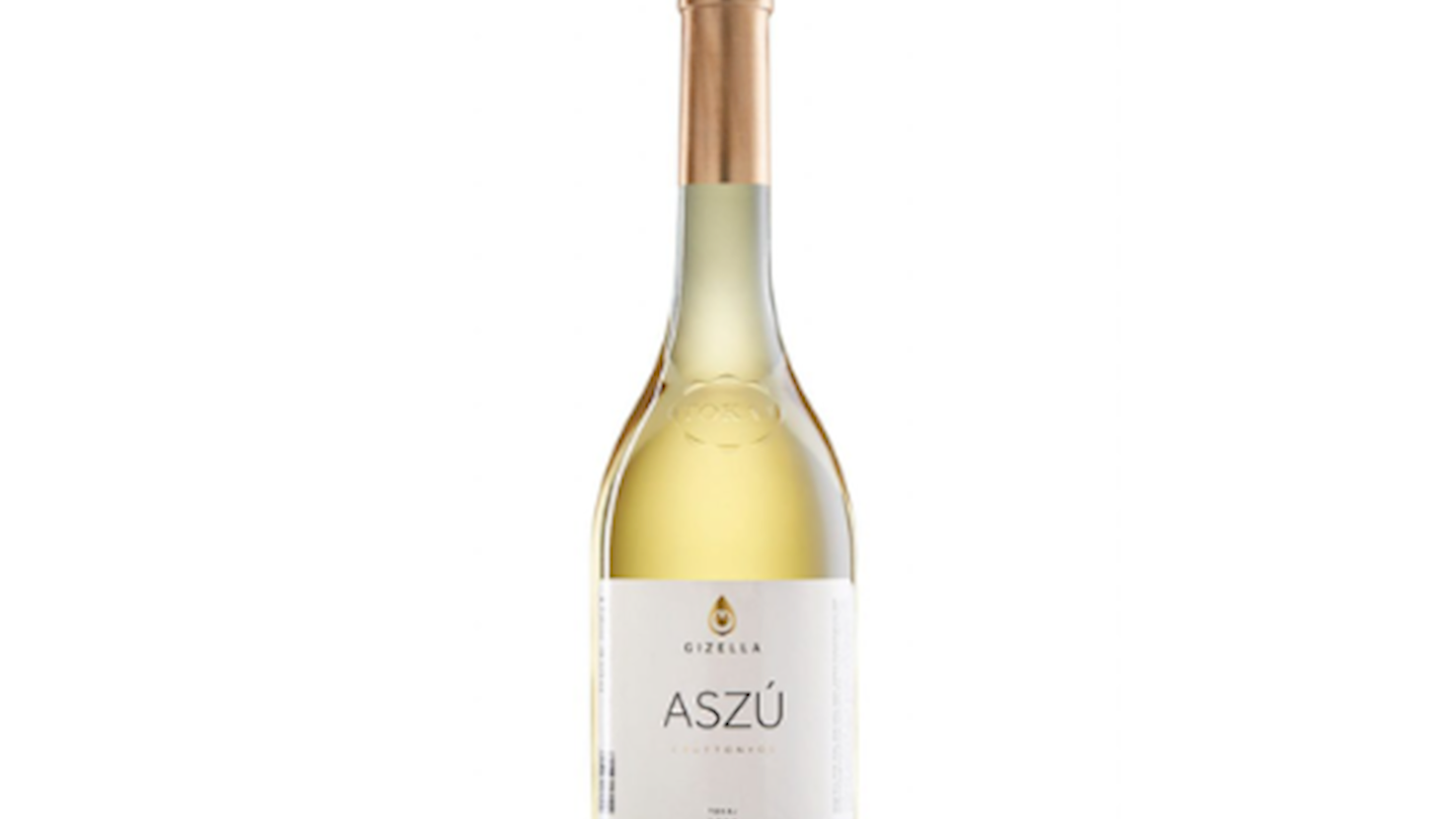
Gizella Winery is a family-run estate located in the renowned Tokaj region of Hungary, known for both its historic sweet wines and increasingly refined dry styles. The winery is led by László Szilágyi, who took over the estate in 2005 and developed it into a terroir-focused operation with vineyards spread across several key sites. The soils are predominantly volcanic - ter and structural depth. Gizella produces both dry and sweet wines, including traditional styles such as Szamorodni and Aszú, often made from botrytized grapes. The main varieties include Furmint, Hárslevelű, and Sárgamuskotály, each contributing to the winery’s diverse portfolio. The wines are typically defined by purity, vibrant acidity, and a clear expression of fruit, whether in fresh, mineral-driven dry wines or concentrated, long-lived sweet cuvées. Winemaking combines traditional methods, such as aging in historic volcanic cellars, with modern precision and a sustainable approach in the vineyards. Overall, Gizella Winery offers a contemporary interpretation of Tokaj, balancing heritage with clarity and finesse.
Awards
Decanter World Wine Awards - Best in Show (2024)
Decanter World Wine Awards - Platinum (2023)
About this ranking

TasteAtlas food rankings are based on the ratings of the TasteAtlas audience, with a series of mechanisms that recognize real users and that ignore bot, nationalist or local patriotic ratings, and give additional value to the ratings of users that the system recognizes as knowledgeable. For the “Top 100 White Wines in the World” list until June 24, 2026, 4,017 ratings were recorded, of which 2,748 were recognized by the system as legitimate. TasteAtlas Rankings should not be seen as the final global conclusion about food. Their purpose is to promote excellent local foods, instill pride in traditional dishes, and arouse curiosity about dishes you haven’t tried.

The initial list of top producers was compiled based on available reviews, awards, local recommendations, media and blog coverage, and consumer reviews. The list will be updated with ratings from TasteAtlas local ambassadors and TasteAtlas users.

Similar lists