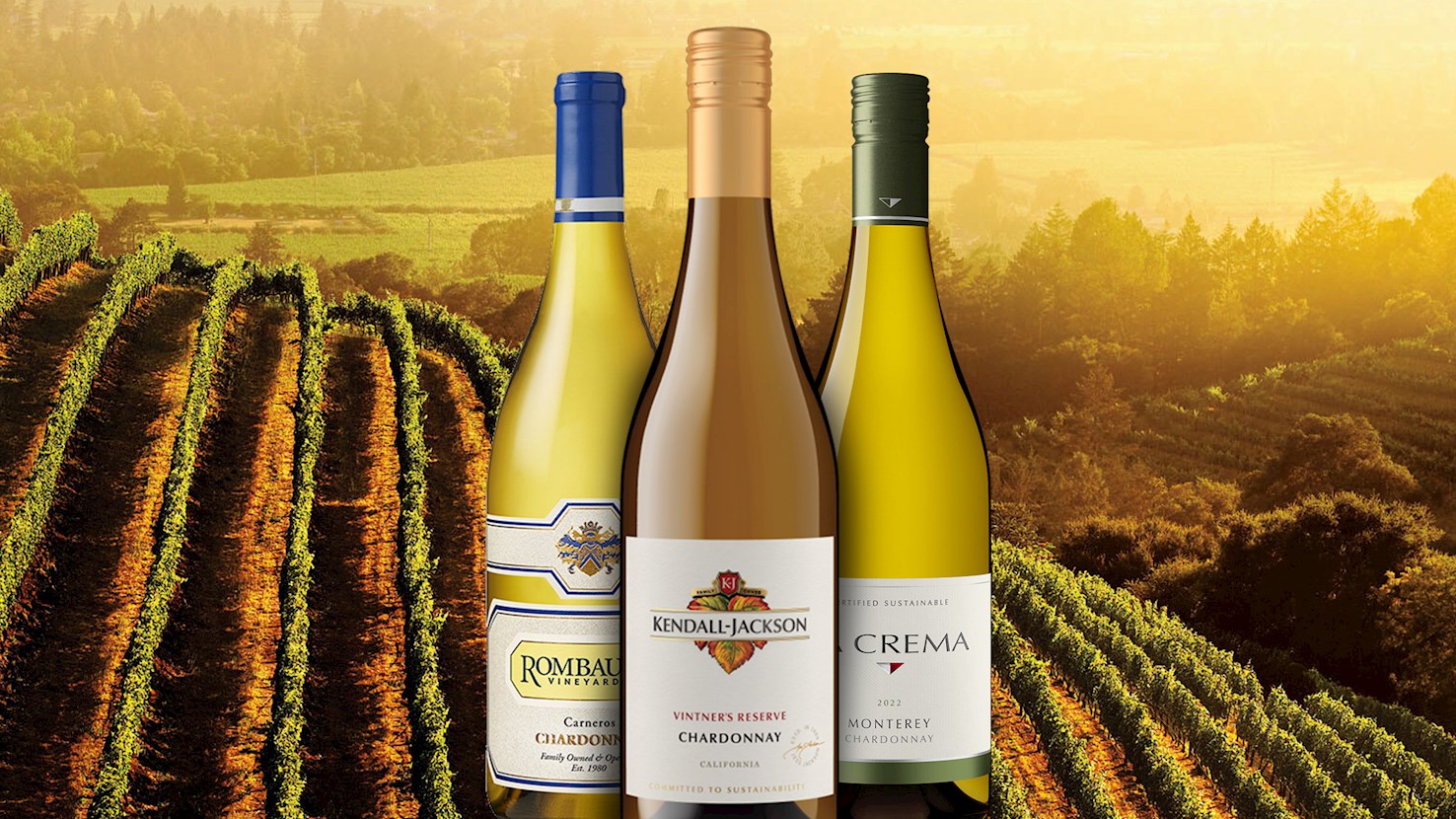
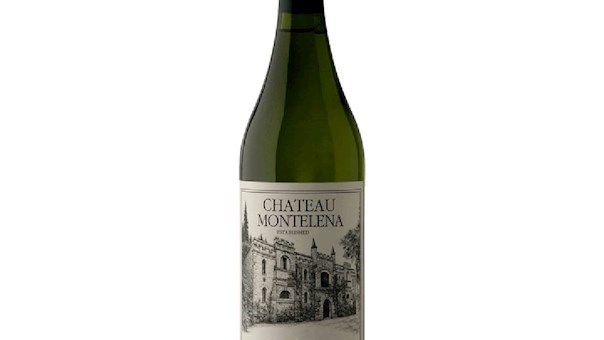
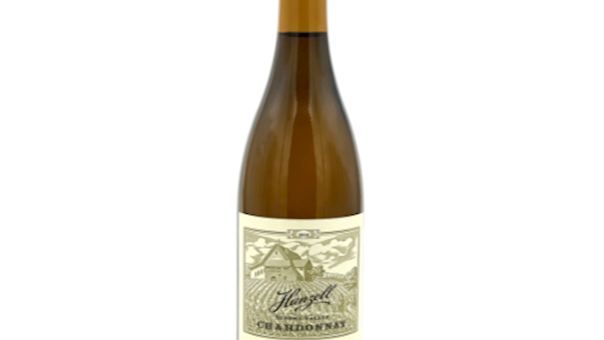
California Chardonnay is one of the most recognizable white wines produced in the United States, made from the Chardonnay grape variety that originally comes from Burgundy in France. It is grown across many Californian wine regions, but areas such as Napa Valley, Sonoma County, Santa Barbara, and Monterey are especially known for producing highly regarded examples. The grape adapts well to different climates, which is why California has been able to create a wide range of Chardonnay styles, from crisp and mineral-driven wines in cooler coastal areas to fuller, richer versions from warmer inland vineyards. Chardonnay plantings began to increase in California during the mid-20th century, as winemakers and consumers shifted toward white wines with international recognition. The turning point for its reputation came in 1976 at the Judgment of Paris tasting, where a California Chardonnay from Chateau Montelena outperformed top Burgundian wines, drawing worldwide attention to the region. This event gave California credibility on the global wine stage and fueled further investment in Chardonnay production. Over the decades, styles evolved in response to changing consumer tastes, with oaky and buttery wines dominating the 1980s and 1990s before a movement toward fresher, leaner styles gained momentum in the 21st century. The preparation of California Chardonnay depends heavily on the winemaker’s intent and the vineyard’s climate. Grapes are harvested and fermented either in stainless steel tanks to preserve freshness or in oak barrels to develop roundness and depth. Malolactic fermentation, a process that softens acidity and creates buttery notes, is sometimes encouraged, while sur lie aging (resting the wine on its lees) adds texture and complexity. Cooler regions, influenced by Pacific breezes and fog, produce wines with higher acidity, citrus flavors, and mineral tones, while warmer regions yield riper fruit flavors of peach, tropical fruit, and melon. The balance of oak use, fermentation style, and vineyard character gives California Chardonnay its wide spectrum of expressions. One feature that distinguishes California Chardonnay is its versatility. Unlike many wines that remain tied to a narrow style, it can range from light, crisp, and unoaked to full-bodied, creamy, and heavily oaked. This adaptability has made it both a winemaker’s canvas and a consumer favorite, ensuring it remains one of the most planted and purchased varietals in the state. While some wine enthusiasts associate it strongly with rich, buttery versions, others celebrate the rise of more restrained expressions from cooler appellations like Sonoma Coast or Santa Rita Hills. This diversity means that California Chardonnay cannot be pinned down to a single flavor profile, reflecting both regional variation and winemaking philosophy. Today, California Chardonnay is enjoyed worldwide, poured in wine bars, restaurants, and private homes across the United States and abroad. It pairs well with a wide range of foods, from seafood and roast chicken to creamy pastas and cheeses, adapting easily to both casual meals and fine dining.
California Sauvignon Blanc is a white wine made from the Sauvignon Blanc grape variety, which originates from the Loire Valley and Bordeaux in France but has found a strong home in many Californian wine regions. Napa Valley, Sonoma County, Lake County, and the Central Coast are particularly known for their high-quality expressions, each producing wines that reflect their microclimates and soils. In California, the grape adapts to both cooler coastal areas and warmer inland valleys, resulting in a spectrum of styles ranging from crisp and zesty to round and fruit-forward. The story of Sauvignon Blanc in California began in the 19th century with early plantings brought over from Europe, but the grape gained significant recognition in the 20th century as American wine production expanded. A turning point came in the 1960s when Robert Mondavi rebranded the varietal under the name “Fumé Blanc” to encourage greater consumer interest, particularly for wines aged in oak that took on a smoky character. This innovation helped establish Sauvignon Blanc as a prominent white grape in California, ensuring its place alongside Chardonnay in both vineyards and wine lists. Since then, the wine has diversified into multiple styles, with many producers embracing fresher, stainless-steel-fermented versions that highlight the grape’s natural acidity and herbaceous notes, while others continue to use oak aging for more layered expressions. The winemaking process varies widely, as Sauvignon Blanc is highly responsive to vinification techniques. In cooler regions, winemakers often ferment in stainless steel to preserve bright citrus, green apple, and grassy flavors, while in warmer areas, the fruit tends toward melon, peach, and tropical notes. Some producers incorporate barrel fermentation and aging, which adds roundness, spice, and texture, creating wines that can be more complex and fuller-bodied. Winemakers may also experiment with lees contact to bring additional depth. This flexibility has made the grape a favorite among both producers and consumers, as it can appeal to those who enjoy sharp, mineral-driven wines as well as those who prefer softer, more fruit-focused profiles. A distinguishing aspect of California Sauvignon Blanc is the influence of terroir on its expression. Wines from Napa often show ripe fruit balanced by crisp acidity, while Sonoma examples lean more toward citrus and herbal qualities. Lake County, with its higher altitude vineyards, produces particularly vibrant wines with pronounced aromatics and acidity, which have gained increasing attention. The use of the term “Fumé Blanc” remains unique to California and continues to be used by some wineries as a stylistic indicator for oak-aged versions, setting them apart in the global market. Today, California Sauvignon Blanc is enjoyed widely in the United States and abroad, present in restaurants, wine bars, and private cellars. It pairs naturally with seafood, salads, and goat cheese, but also works well with more complex dishes like roasted poultry and Asian-inspired cuisine thanks to its balance of acidity and fruit.
nderson Valley is an American Viticultural Area situated in the coastal region of Mendocino County, California, extending approximately 15 miles along the Navarro River. The region was officially designated as an AVA in 1983, following the identification of its unique maritime-influenced climate, which is categorized as a Region I or II on the Winkler scale for viticultural heat summation. The development of the valley into a wine-producing zone began in the late 19th century with orchard farming, but shifted toward cool-climate viticulture in the 1960s and 1970s as growers recognized the cooling effect of the Pacific Ocean fog that enters through the Navarro River's northwestern opening. The geological profile of the valley consists of alluvial soils on the floor and fractured sandstone and shale on the surrounding ridges, which provide the drainage necessary for the cultivation of Vitis vinifera. Preparation of the wine focuses on varieties that require a long, slow ripening period, specifically Pinot Noir, Chardonnay, and Alsatian-style whites such as Gewürztraminer, Riesling, and Pinot Gris. The winemaking process for the region's prominent sparkling wines involves the méthode traditionnelle, though denoted here as the classic secondary fermentation in the bottle, relying on the high natural acidity retained by the grapes due to the significant diurnal temperature variation. A specific property of this AVA is the "Deep End," the northwesternmost section closest to the ocean, where the temperatures remain consistently lower, producing wines with lower alcohol levels and higher phenolic acidity. Anderson Valley wines are served at temperatures relative to their style, with sparkling wines and Alsatian whites served at 6°C to 9°C, and Pinot Noir served at 14°C to 16°C. The region has also maintained a linguistic isolate known as Boontling, which originated among the local residents and includes specific terms for viticultural and agricultural practices unique to the valley. These wines are distributed globally and are commonly featured in culinary contexts that prioritize balance over power. The high acidity and bright fruit profiles of Anderson Valley Pinot Noir make it a functional pairing for roasted poultry, wild mushrooms, or the Haitian boudin créole, while the aromatic Gewürztraminer is often paired with spicy Asian cuisines or the salted profile of Pallone di Gravina cheese to provide a counterpoint to the salt and fat content.
Yorkville Highlands is an American Viticultural Area located in southern Mendocino County, situated along Highway 128 between the Anderson Valley and the Alexander Valley. The region was officially granted AVA status by the Alcohol and Tobacco Tax and Trade Bureau in 1998, following the recognition of its distinct geological and climatic boundaries that separate it from neighboring viticultural zones. The development of the area as a wine-producing region accelerated in the late 20th century as growers identified the specific utility of its high-elevation benches and ridge tops, which range from 800 to 2,500 feet above sea level. The soil composition is primarily composed of brittle Yorkville-series rocky loam and gravelly soils formed from disintegrated shale and sandstone, which provide high levels of drainage and stress the vines to limit yield and concentrate flavor. Preparation of the wine involves the cultivation of late-ripening varieties, specifically Syrah and Cabernet Sauvignon, though the region is also significant for its production of Sauvignon Blanc and Semillon. The climate is characterized by a significant diurnal temperature swing; while daytime temperatures are high, the elevation allows for cool air drainage and coastal breezes from the Pacific Ocean to lower temperatures at night, preserving the titulatable acidity within the grapes. A specific property of the red wines from this AVA is the presence of high tannin density and a distinct mineral edge attributed to the fractured rock content of the soil. The winemaking process often utilizes small-lot fermentation and aging in French oak barrels to manage these tannins and integrate the fruit profiles. The wines are served at 16°C to 18°C for reds and 8°C to 10°C for whites in appropriate stemware to facilitate aeration. These wines are consumed globally but are most prominently featured in regional California tasting rooms and specialized wine retail outlets. The robust structure of the Syrah and Cabernet Sauvignon from this region makes them compatible with high-protein pairings such as grilled venison, herb-crusted lamb, or aged hard cheeses like cheddar or the aforementioned Pallone di Gravina, while the Sauvignon Blanc is frequently paired with local goat cheese or seafood dishes featuring citrus-based reductions.
St. Helena is a federally recognized American Viticultural Area (AVA) situated in the narrowest central corridor of the Napa Valle, encompassing approximately 9,000 acres of vineyard land surrounding the municipality of St. Helena. The development of viticulture in this specific region began in the mid-nineteenth century, following the establishment of the first commercial winery by Charles Krug in 1861 and the subsequent founding of the Beringer estate in 1876. These early agricultural efforts utilized the specific geological positioning of the district, which sits on an hourglass-shaped narrowing of the valley floor where the Vaca and Mayacamas mountain ranges converge. This geographic configuration results in intensified heat retention and reduced maritime influence compared to the southern regions of the valley, creating a climate categorized by higher daytime temperatures. The soil composition is primarily a result of thousands of years of erosion from the surrounding peaks, forming a complex mosaic of Bale clay loam and gravelly volcanic fans that provide rapid drainage for deep-rooted vines. Preparation of the wine involves a harvest that typically occurs earlier than in cooler districts due to the rapid accumulation of sugars facilitated by the intense solar radiation of the central valley. The primary variety produced is Cabernet Sauvignon, which undergoes fermentation in stainless steel tanks followed by extended maceration to extract phenolic compounds before aging in French oak barrels for durations often exceeding eighteen months. A specific technical aspect of the St. Helena AVA is the "Bernice" or "St. Helena effect," where the narrowness of the valley traps warm air, leading to some of the highest recorded peak temperatures in the region, which results in red wines with significant physiological ripeness and high alcohol by volume. These red wines are served at a temperature of 18°C in wide-bowled glassware to facilitate the aeration of dense tannins. The wines are consumed globally in professional culinary settings and are most frequently paired with high-fat, protein-rich dishes that can withstand the structural intensity of the wine. Common pairings include dry-aged ribeye steak, braised short ribs, and hard, aged cheeses like gouda or pecorino, which utilize the wine’s tannin structure to cleanse the palate.
The Oak Knoll District is a federally designated American Viticultural Area (AVA) situated at the southern tip of the Napa Valley floor in California, encompassing approximately 8,300 acres of land between the City of Napa and the town of Yountville. Viticultural activity in this specific geographic zone began in the mid-nineteenth century, following the 1850 land grant to Joseph Osborne, who established the Eshcol estate and planted some of the valley’s earliest premium wine grapes. The development of the district was shaped by its position on the southern alluvial fan of the Dry Creek watershed, which deposited a diverse mix of gravelly loam and silt soils over thousands of years. Unlike the warmer northern reaches of the valley, this area is defined by its proximity to the San Pablo Bay, which creates a maritime influence characterized by persistent morning fog and cool afternoon breezes that regulate the ripening process. The preparation of wines from this district involves the management of a long growing season that accommodates both cool-climate varieties like Chardonnay and Riesling, as well as Bordeaux varieties such as Cabernet Sauvignon and Merlot. Vineyard managers utilize specific trellis systems to maximize solar intercept while protecting fruit from occasional heat spikes, and fermentation typically occurs in small-lot stainless steel or French oak barrels to preserve the distinct acidity provided by the moderate temperatures. A unique characteristic of the Oak Knoll District is its status as the "sweet spot" of the valley, where the maritime cooling effect overlaps with enough heat summation to allow for the simultaneous successful cultivation of both white and red varietals within a single square mile. The resulting wines are characterized by structural elegance and higher natural acidity rather than the high alcohol and over-extracted fruit profiles found in hotter regions. These wines are served in high-end restaurants and tasting rooms across the United States and are frequently evaluated for their aging potential. The red wines from the district, particularly the Merlot and Cabernet Sauvignon, are served at 16°C to 18°C and are paired with lean proteins such as roasted duck, veal, or herb-crusted lamb. The white wines are served chilled at 10°C and function effectively as accompaniments to West Coast oysters, grilled poultry, or creamy vegetable risottos.
Wahluke Slope is an American Viticultural Area (AVA) located in Grant County within the south-central region of Washington State. It is situated on a large, south-facing alluvial fan that encompasses approximately 81,000 acres, with nearly 9,000 acres currently planted to vineyards. The region is bordered by the Columbia River to the west and south, the Saddle Mountains to the north, and the Hanford Reach National Monument to the east. It is one of the warmest and driest viticultural regions in Washington, receiving fewer than six inches of annual rainfall. The geological formation of the slope was primarily shaped by the Missoula Floods, a series of cataclysmic events during the last ice age that deposited deep layers of gravel and sand over a basalt foundation. These flood deposits were subsequently covered by wind-blown silt known as loess. Viticulture in this area was initially explored in the 1970s, but large-scale commercial planting began in the 1980s as irrigation infrastructure became more accessible. The region achieved its own AVA status in 2006. Because the landscape is exceptionally level with a gentle southward grade of about 1%, it lacks the microclimate variations found in more rugged terrain, which leads to highly uniform ripening across large vineyard blocks. Preparation of the wine focuses on red Bordeaux and Rhône varieties, which account for roughly 75% of the total production. The high heat units and intensive solar radiation produce grapes with thick skins and high sugar concentrations. Cabernet Sauvignon, Merlot, and Syrah are the dominant types produced. Due to the arid conditions, viticulturists utilize drip irrigation to precisely manage vine stress and canopy growth. In the winery, these grapes often require techniques to manage high alcohol levels and soften the dense tannins that result from the intense heat. Red wines are typically served at 18°C, while the smaller percentage of white wines, such as Riesling or Chardonnay, are served at 10°C. The uniform geography and consistent heat result in wines that are reliably full-bodied and intense. The wines are consumed globally, often serving as a primary component in many of Washington’s high-volume, premium blends due to their consistency. Pairings for Wahluke Slope red wines include heavy, protein-rich dishes such as smoked brisket, grilled steaks, or lamb shank to balance the structural tannins. The white wines pair with spicy cuisine or roasted poultry. The beverage is often served with room-temperature water to accommodate the higher alcohol percentages common to this warm-climate region.
Sonoma Mountain is an American Viticultural Area (AVA) situated in southern Sonoma County, centered on the northeastern slopes of the 2,463-foot Sonoma Mountain landform. Established as a federally recognized appellation in 1985, it is a sub-appellation of the larger Sonoma Valley AVA. The region is defined by its specific elevation, encompassing approximately 5,000 acres of land, of which roughly 800 acres are planted with vineyards. These sites are located between 400 and 1,200 feet above sea level, a range chosen because it aligns with a "thermal belt" where air temperatures remain more stable than on the valley floor or at the extreme peaks. Viticulture on the mountain began in the 19th century, with significant plantings recorded by the 1870s. Early settlers were attracted to the well-drained, iron-rich volcanic soils and gravelly red loams that distinguish this terrain from the surrounding flatlands. Notable early viticulturalists included David Steiner, who later led the petition for AVA status, and the Benziger family, who established biodynamic farming practices on the mountain in the late 20th century. Unlike neighboring regions that may be dominated by a single variety, the complex folds and crevices of Sonoma Mountain allow for the coexistence of both cool-climate and warm-climate grapes. Preparation of the wine involves managing the high acidity and concentrated tannins that result from long hours of direct morning sunlight followed by rapid cooling. Cabernet Sauvignon is the most prominent variety, often prepared with significant oak aging to soften the firm structural tannins characteristic of hillside fruit. Pinot Noir and Chardonnay are also produced, primarily on the western-leaning slopes influenced by the cooling winds from the Petaluma Gap. Serving temperatures for the red wines, such as Cabernet Sauvignon and Syrah, are recommended at 18°C, while the white wines and sparkling varieties should be served between 10°C and 12°C. A unique physical aspect of this AVA is its exposure; because the vineyards face north and east, they receive the first rays of the sun, which burns off the coastal fog earlier than in the valley. This allows for a longer daily period of photosynthesis without the extreme peak afternoon heat found in inland basins. These wines are typically eaten as part of a multi-course meal or served in professional tasting environments. Cabernet Sauvignon from the mountain pairs with dense proteins such as grilled ribeye, venison, or braised lamb shanks. Chardonnay and Sauvignon Blanc from the higher elevations are paired with roasted poultry, halibut, or dishes containing wild mushrooms and herbs like thyme and rosemary.
Los Carneros is an American Viticultural Area (AVA) located at the northern edge of the San Pablo Bay, spanning the southern portions of both Napa and Sonoma counties in California. It encompasses approximately 37,000 acres, with roughly 8,000 to 10,000 acres currently under vine. Geographically, the region is characterized by low, rolling hills and a flat plain that sits just above sea level. It is distinguished from the warmer inland regions of Napa and Sonoma by its proximity to the bay, which subjects the area to persistent marine fog and high-velocity winds. Viticultural development in the area began in the 1830s with Mexican land grants, specifically Rincon de los Carneros, which translates to "The Rams" in reference to the sheep ranching that preceded large-scale farming. The first vineyard plantings are credited to Agoston Haraszthy and the Stanly Ranch in the late 19th century. Following a period of decline caused by the phylloxera epidemic and Prohibition, a significant revival occurred in the 1940s when Louis M. Martini replanted vineyards to study cool-climate viticulture. The region's status as a premium source for fruit was solidified in the late 1960s and 1970s through the establishment of the Winery Lake vineyard and the arrival of several French sparkling wine houses. Los Carneros was officially designated as an AVA in 1983, becoming the first in California to be defined primarily by its climatic characteristics. Preparation of Los Carneros wine is dictated by shallow, clay-heavy loam soils and a "Region 1" cool-climate classification. The heavy clay subsoil restricts root penetration and retains moisture, often allowing for dry farming but requiring careful management of vine vigor. Pinot Noir and Chardonnay are the primary varieties, frequently harvested at night to preserve natural acidity and fruit freshness. In the winery, these grapes are utilized for both still and sparkling wines. Sparkling wines are prepared using a second fermentation in the bottle, while still wines are typically fermented in stainless steel or French oak. Serving temperatures for the sparkling wines should be 7°C to 10°C, while the still Chardonnay is served at 10°C to 12°C and Pinot Noir at 14°C to 16°C. A specific feature of Los Carneros is the diurnal temperature variation and the strong afternoon winds that blow through the Petaluma Gap. This wind thickens the skins of the grapes, contributing to the structural tannins found in the Pinot Noir and the aromatic intensity of the Chardonnay. The wines are consumed in a wide range of culinary settings, from tasting rooms to international fine dining. Pairing for the sparkling wines includes oysters, fried chicken, or salty appetizers like Marcona almonds. Still Chardonnay is paired with Dungeness crab, halibut, or creamy pasta dishes. Pinot Noir from the region is served with roasted duck, grilled salmon, or lamb, as the wine's acidity balances the fat content of the proteins. The beverage is often accompanied by carbonated water to refresh the palate between different wine flights.
The Chehalem Mountains is an American Viticultural Area located approximately 20 miles southwest of Portland in the northern Willamette Valley of Oregon. It is a single uplifted landmass that extends 20 miles in length and 5 miles in width, spanning across portions of Yamhill, Washington, and Multnomah counties. The region encompasses a series of hilltops, ridges, and spurs, with elevations ranging from 200 feet to 1,633 feet at Bald Peak, which is the highest point in the Willamette Valley. The formation of the mountains began 5 to 15 million years ago with the Columbia River basalt flows, which created a foundation of volcanic rock. Between 20 and 40 million years ago, marine sedimentary layers were deposited in ancient seabeds and subsequently uplifted to form parts of the northwestern flank. More recently, during the last Ice Age approximately 12,000 to 200,000 years ago, powerful winds deposited silty lakebed sediments known as loess on the north- and east-facing slopes. Viticulture in this district commenced in 1968 when Dick Erath planted the first vineyards on Dopp Road. This was followed by foundational plantings from other growers in the 1970s. The area was officially recognized as an independent viticultural area in 2006. Preparation of the wine involves managing fruit from these three distinct soil types. Pinot Noir is the dominant variety, accounting for nearly 70% of production, followed by Pinot Gris and Chardonnay. Because of the extreme variation in elevation and soil, ripening times can differ by as much as three weeks across the landmass. Red wines are typically fermented to emphasize the structural complexity derived from the site, with volcanic soils yielding red fruit flavors and elegant tannins, while sedimentary soils produce darker fruit profiles and firmer tannins. Loess-grown fruit often results in bright red fruit and white pepper notes. Serving temperatures are recommended at 16°C to 18°C for red wines and 10°C to 12°C for white wines. A unique feature of the Chehalem Mountains is the presence of all three major soil types of the Willamette Valley within a single landmass, which allows for significant stylistic diversity within the same appellation. The wines are consumed in diverse settings, from casual meals to formal service. Pinot Noir from the region is paired with roasted salmon, duck, or wild mushrooms, which complement the earthy and savory components of the wine. White wines such as Chardonnay and Pinot Gris are served with shellfish, poultry in light sauces, or seasonal vegetable tarts. Sparkling wines produced in the area are often served as palate cleansers or paired with salty appetizers and hard cheeses.
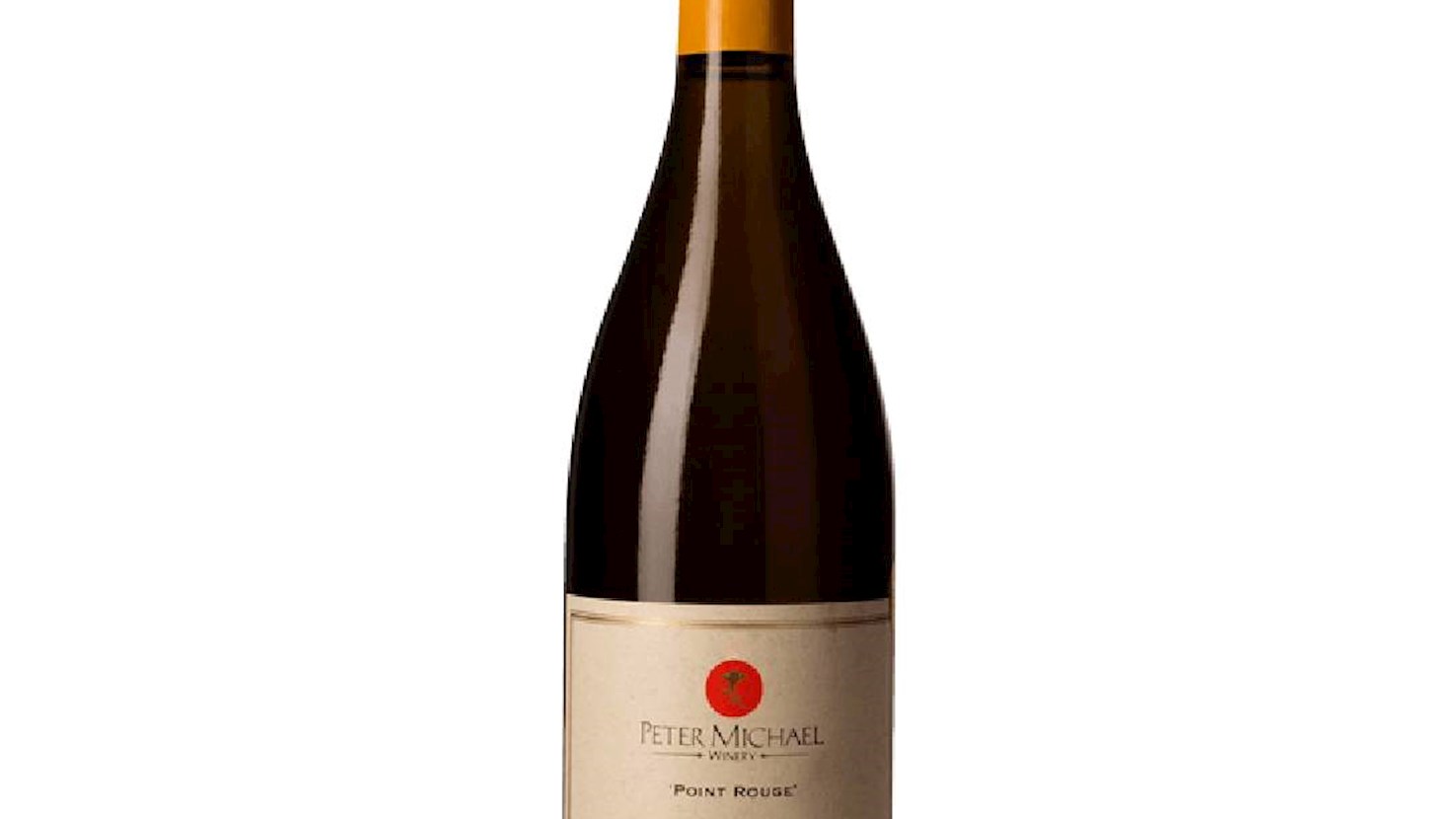
Peter Michael Winery is a family-owned winery established in 1982 by Sir Peter Michael. It is located in the northeastern part of Sonoma County, California, on the slopes of Mount St. Helena.
Peter Michael Winery produces wines from varieties such as Chardonnay, Pinot Noir, Cabernet Sauvignon, and Sauvignon Blanc, employing traditional winemaking methods including hand-sorting of grapes, fermentation with indigenous yeasts, and aging in French oak barrels. The Michael family has a long-term vision to keep the winery family-owned for at least 100 years, with a strong commitment to preserving the natural environment and wildlife surrounding the vineyards.
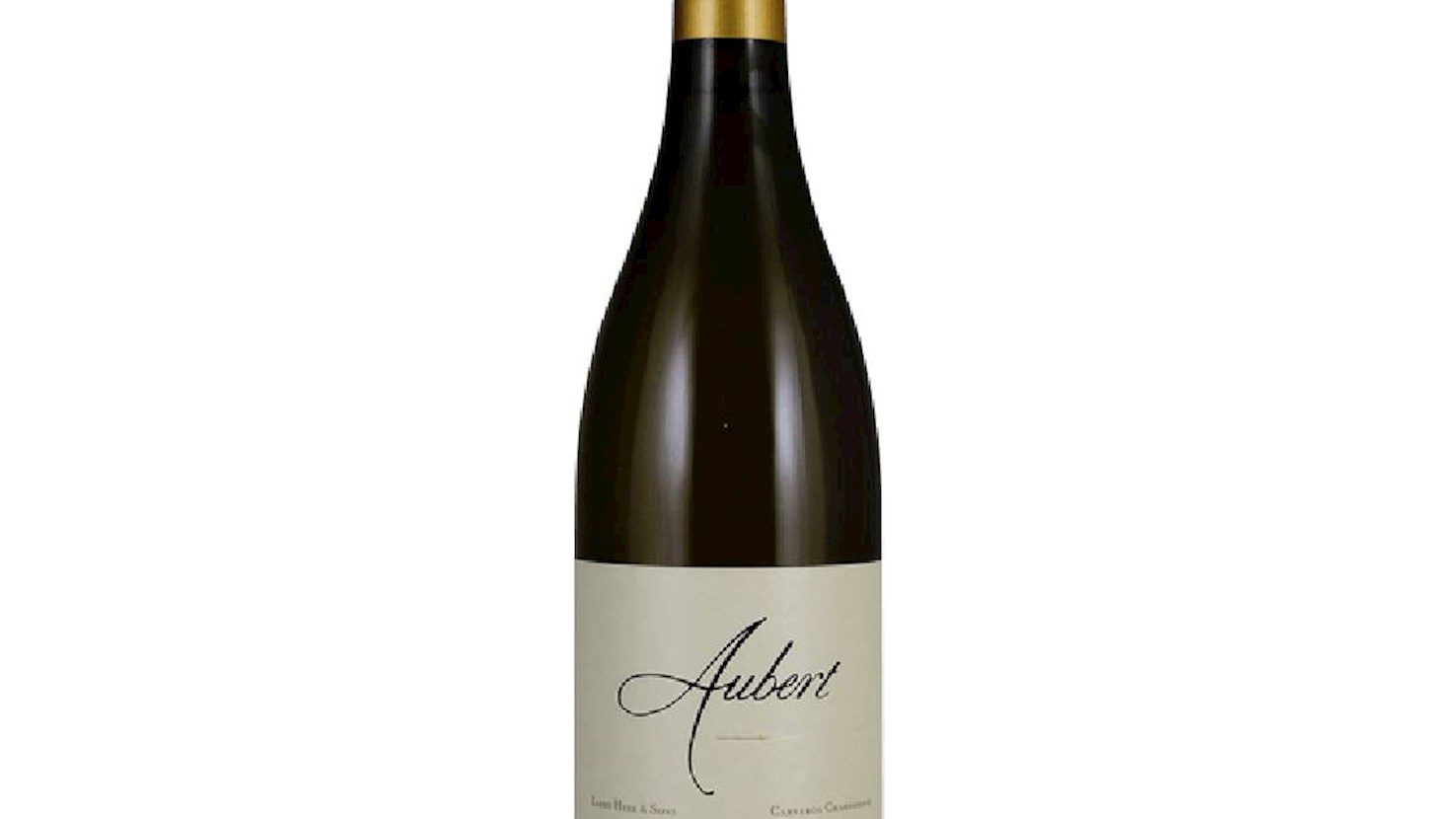
Aubert Wines is a prestigious winery from California, specializing in the production of premium Chardonnay and Pinot Noir wines. Founded in the late 1990s by Mark and Teresa Aubert, the winery has earned a reputation as one of the most sought-after producers in the region.
Wines from Aubert Wines are renowned for their pronounced terroir expression and elegance. The Chardonnay wines are rich and complex, with notes of tropical fruit and subtle influences of French oak, while the Pinot Noir wines are celebrated for their depth of flavor and exceptional structure.
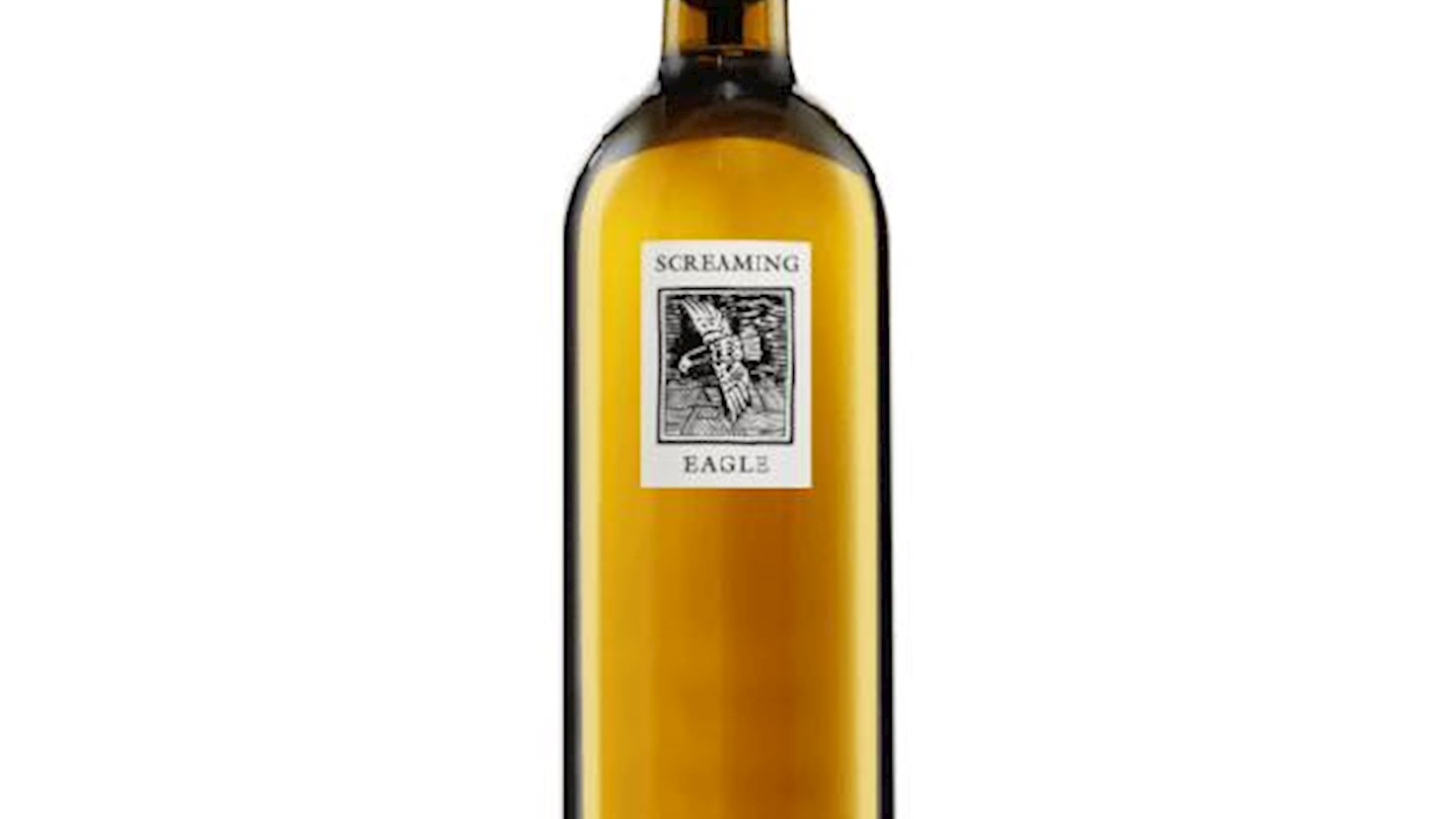
Screaming Eagle is one of the most exclusive and revered wine producers in the world, located in the heart of California’s Napa Valley. Founded in the late 1980s, this small, legendary winery quickly achieved cult status among collectors and wine enthusiasts for its uncompromising dedication to quality, extremely limited production, and consistently outstanding wines that receive top scores from critics year after year.
Situated in the prestigious Oakville appellation, Screaming Eagle cultivates primarily Cabernet Sauvignon, along with smaller amounts of Merlot, Cabernet Franc, and Sauvignon Blanc.
The vineyards are meticulously managed, and winemaking is overseen by talented winemaker Nick Gislason, who brings a refined style to the wines - balancing richness and depth with elegance and finesse.
The estate’s flagship wine, Screaming Eagle Cabernet Sauvignon, is produced in very small quantities, making each bottle exceptionally rare. Known for its concentration, complexity, and age-worthy structure, it has become a benchmark for Napa Valley Cabernet and a symbol of elite winemaking.
More than just a winery, Screaming Eagle represents a pursuit of perfection.
Its wines are not only an expression of terroir and craftsmanship, but also of passion, precision, and a vision to create something truly extraordinary.
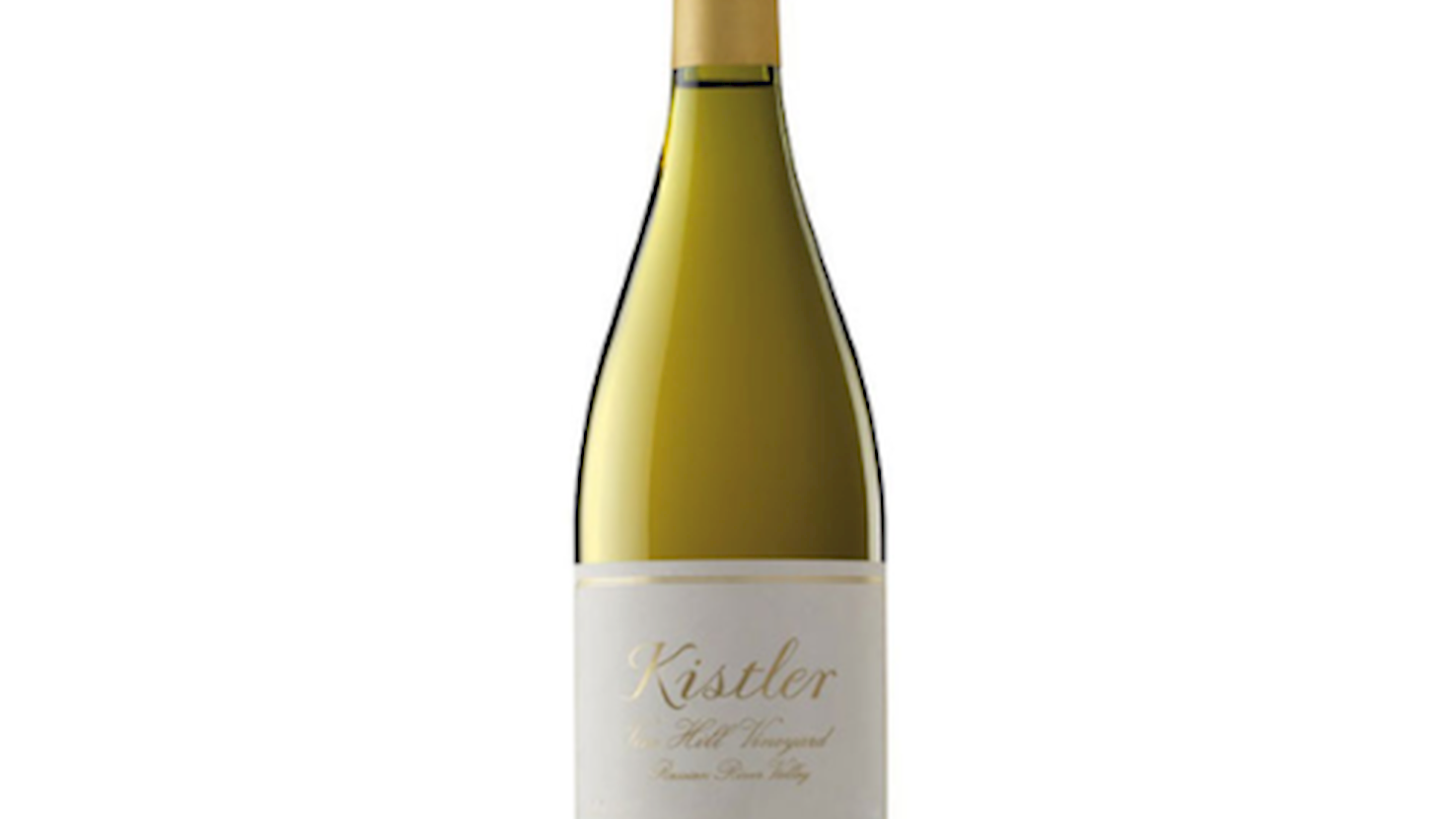
Kistler is a family-owned winery founded in 1978 in California, USA, dedicated to producing single-vineyard Chardonnay and Pinot Noir. From the outset, the estate has focused on precise site expression, drawing inspiration from Burgundy while maintaining a distinctly Northern California identity.
The winery works with carefully selected heritage clones and low-yielding vineyards to achieve concentration and structural depth. Fermentations are carried out with native yeasts, and the wines are aged in French oak barrels with minimal intervention and without aggressive fining or filtration.
Their single-vineyard Chardonnays are known for textural richness, mineral tension, and long finishes, while the Pinot Noirs display layered fruit, subtle spice, and refined tannin structure. Production volumes remain limited, with much of the allocation distributed directly through a mailing list.
Over time, Kistler has earned a reputation as one of the benchmark producers of California Chardonnay, consistently receiving high critical acclaim. The estate positions itself within the cult-winery segment, emphasizing origin, precision, and the aging potential of its wines.
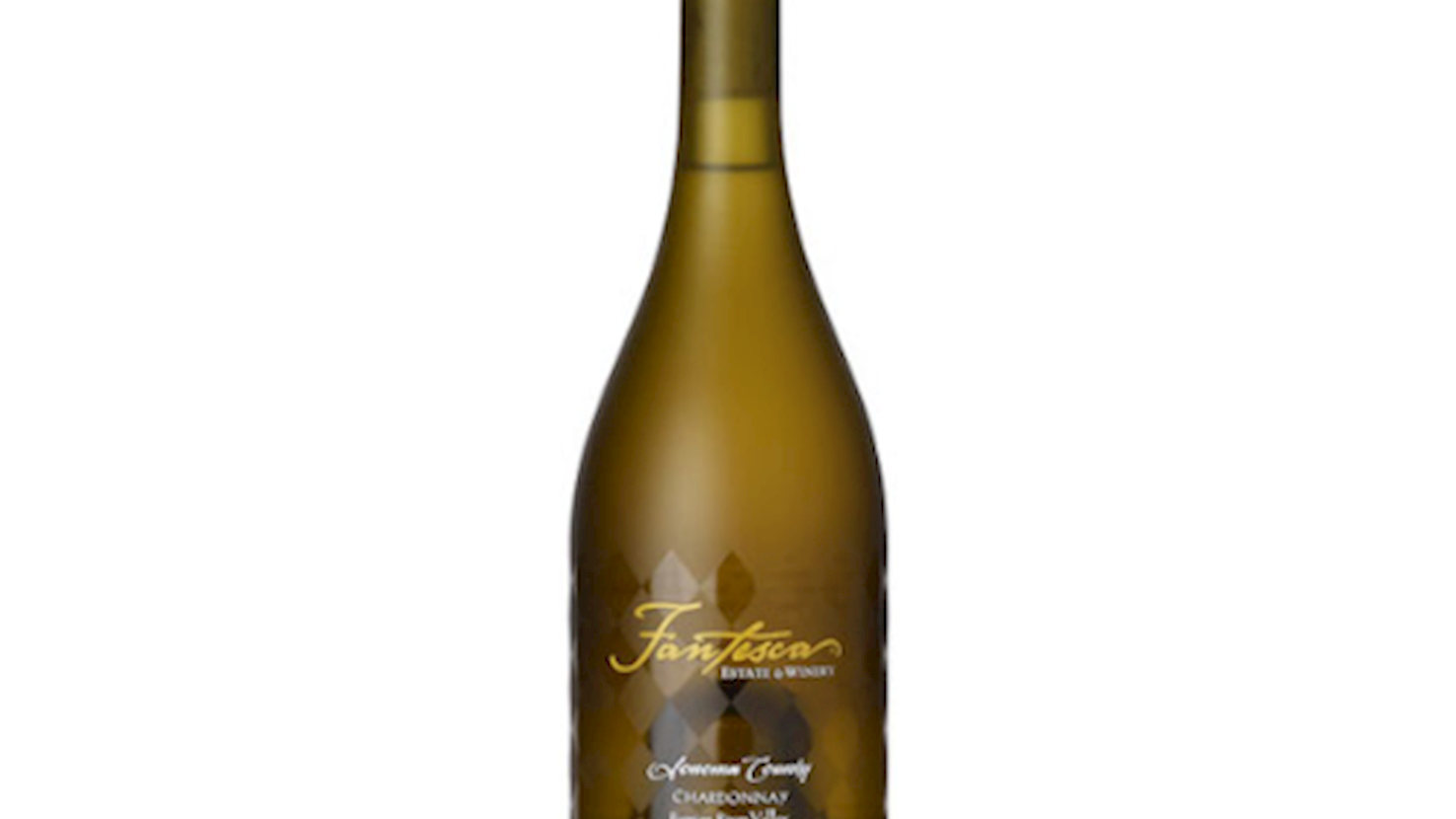
Fantesca Estate & Winery is a boutique, family-owned winery located on Spring Mountain, within Napa Valley AVA, known for its limited-production wines and strong sense of place. The estate’s history dates back to the 19th century, but its modern winegrowing chapter began in the late 1990s, with Cabernet Sauvignon and Petit Verdot planted on steep, well-drained mountain slopes.
The property was acquired by the Hoff family in 2004, who shaped Fantesca into a focused, quality-driven winery emphasizing sustainable viticulture and meticulous vineyard management. Production is intentionally small, allowing close attention to each parcel and vintage.
The core of the portfolio is Estate Cabernet Sauvignon and Bordeaux-style blends, which reflect the cooler mountain climate through firm structure, freshness, and layered complexity. The wines typically show dark berry fruit, graphite, herbal nuances, and finely integrated tannins, with oak used to enhance texture rather than dominate flavor.
Winemaking has been guided by highly regarded consultants, contributing to a polished yet site-transparent style. Tastings are offered exclusively by appointment, reinforcing the winery’s intimate, private approach.
Overall, Fantesca Estate & Winery represents a refined Spring Mountain expression, combining history, mountain terroir, and restrained Napa Valley elegance.
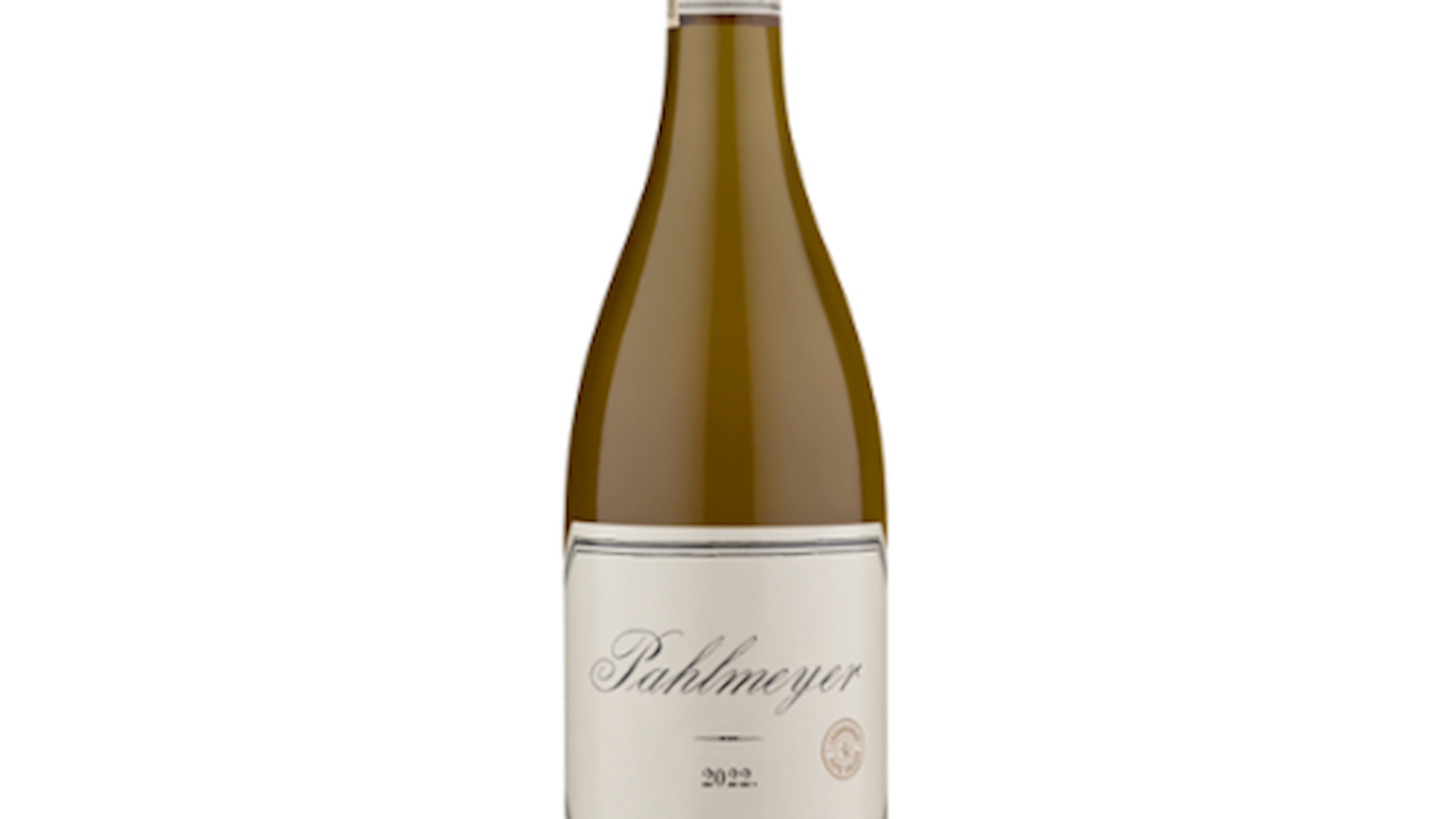
Pahlmeyer is a renowned Napa Valley winery founded in the early 1980s by Jayson Pahlmeyer, with a vision to create powerful, Bordeaux-inspired wines that reflect both intensity and balance. The winery focuses on sourcing fruit from high-elevation, mountain vineyards across Napa Valley, where low yields and challenging conditions contribute to concentration and structure.
Its portfolio is centered on Cabernet Sauvignon-based blends, alongside Chardonnay and other varietals, crafted with a strong emphasis on precision and site expression. Winemaking involves careful selection of fruit and aging in French oak, resulting in wines with depth, polish, and aging potential.
Aromatically, the wines typically show layers of dark fruit, such as blackberry and cassis, supported by notes of spice, cedar, and mineral undertones. On the palate, they are full-bodied and structured, yet balanced by freshness and refined tannins.
Over time, they develop additional complexity while maintaining their core intensity. Pahlmeyer has established itself as a benchmark producer of modern Napa Valley wines, known for combining richness with precision and long-term cellar potential.
TasteAtlas food rankings are based on the ratings of the TasteAtlas audience, with a series of mechanisms that recognize real users and that ignore bot,
nationalist or local patriotic ratings, and give additional value to the ratings of users that the system recognizes as knowledgeable.
TasteAtlas Rankings should not be seen as the final global conclusion about food. Their purpose is to promote excellent local foods,
instill pride in traditional dishes, and arouse curiosity about dishes you haven’t tried.
The initial list of top producers was compiled based on available reviews, awards, local recommendations, media and blog coverage, and consumer reviews.
The list will be updated with ratings from TasteAtlas local ambassadors and TasteAtlas users.









What People Say