Top 5 Languedoc-Roussillon Wine Varieties

Last updated on June 15, 2026

Best Languedoc-Roussillon Wine Varieties
01

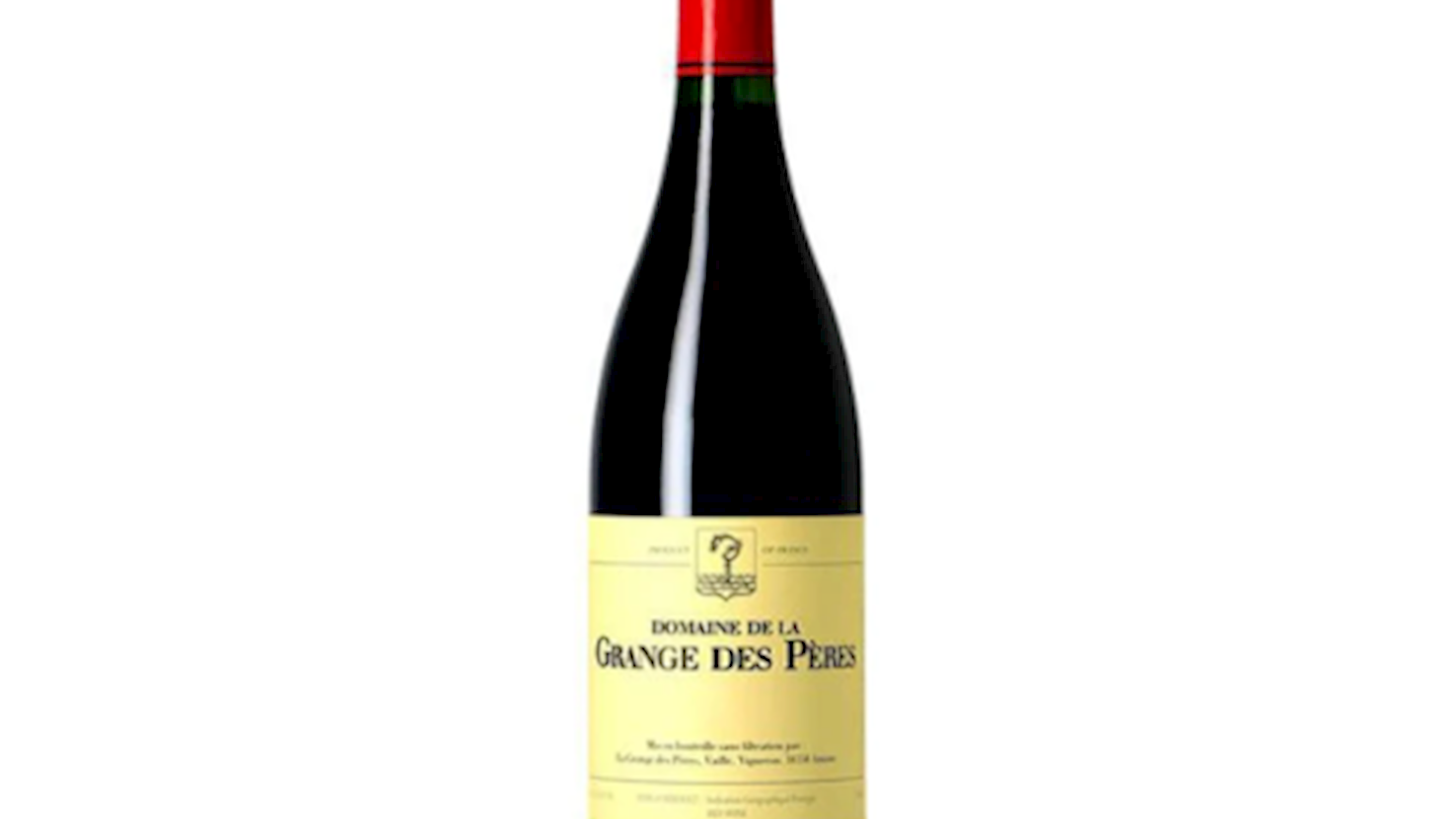
Domaine de la Grange des Pères

4.9 ·
Domaine de la Grange des Pères is one of the most influential and highly regarded estates in Languedoc, located in Aniane on parcels that Laurent Vaillé carefully selected for their stony, limestone-rich soils and naturally cooler conditions. Founded in the early 1990s, the estate has followed a philosophy of low yields, hand harvesting and minimal intervention in the cellar, placing full emphasis on terroir expression. The vineyards cover roughly 11 hectares and are planted with Syrah, Mourvèdre, Cabernet Sauvignon and Counoise for the red wine, while the white cuvée is built around Roussanne, Marsanne and Gros Manseng. The limestone-heavy soils enable slow, even ripening and pronounced minerality, while the site’s elevation and contours contribute to freshness and aromatic precision. Due to limited production and its cult reputation, the wines are allocated strictly and rarely reach the broader market. The estate has thus become a symbol of independent, highly ambitious winemaking that has elevated the standing of the entire region. Domaine de la Grange des Pères remains a rare combination of authenticity, vision and longevity - wines that make a lasting impression and continue to evolve gracefully over many years.
Awards
Vivino - 4.5
02

Domaine Peyre Rose

4.8 ·
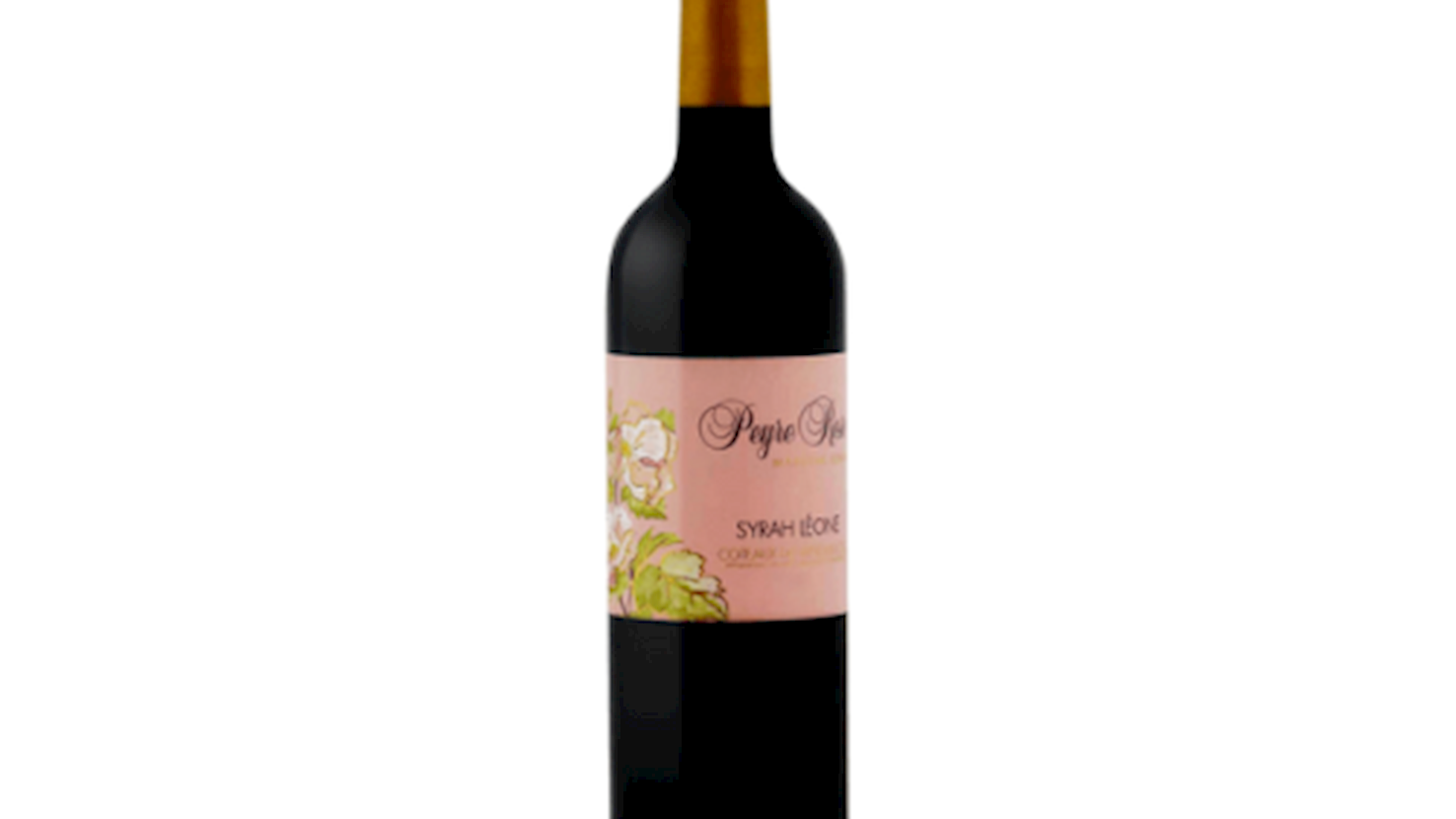
Domaine Peyre Rose is a cult, remarkably secluded estate in the Languedoc region, founded by Marlène Soria in the early 1990s after she left her real-estate career to devote herself to vineyards on isolated parcels around Saint-Pargoire. The vineyards lie on rocky, limestone-rich, arid soils at about 300 meters of elevation, conditions that encourage slow ripening and pronounced mineral expression. The estate covers roughly 20 hectares, yet production remains small because yields are intentionally kept extremely low, while vinification is slow and marked by long aging in stainless steel and oak. The red wines are built primarily on Syrah, Mourvèdre, and Grenache, while Viognier and Roussanne form the backbone of the white cuvées. Signature wines such as Clos des Cistes and Syrah Léone are known for their striking concentration, dark fruit, powerful structure, and long aging potential. Stylistically, Domaine Peyre Rose unites southern richness with surprising freshness and vibrant acidity, giving the wines a distinctive identity compared to the broader Languedoc profile. Marlène Soria insists on minimal intervention, hand harvesting, and slow, natural processes, with some wines released only after more than a decade of maturation. Because of this singular approach, the estate is considered one of the most unusual and authentic producers in southern France.
Awards
Vivino - 4.4
03

Château Puech-Haut

4.6 ·
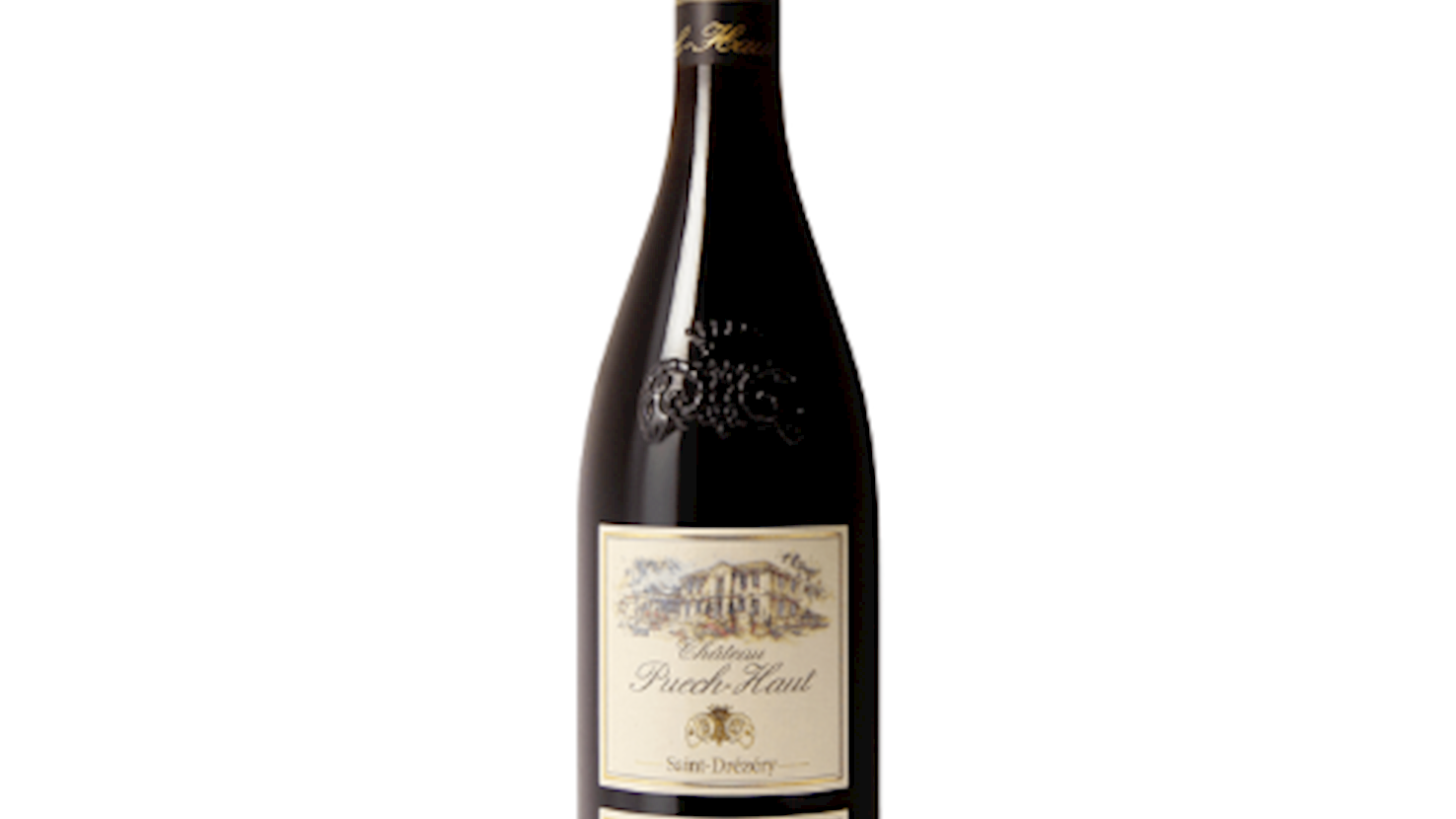
Château Puech-Haut is a prominent wine estate in southern France and is regarded as one of the key producers that have shaped the modern reputation of the region. The estate was founded in the early 1990s by Gérard Bru, with a clear vision of combining the power of Mediterranean terroirs with a precise, contemporary approach to winemaking. The vineyards are planted on limestone and clay soils strongly influenced by the Mediterranean climate, and are cultivated with varieties such as Syrah, Grenache, Mourvèdre, and Carignan, as well as white grapes including Roussanne and Marsanne. The winery is particularly known for its prestigious cuvées, such as Prestige Rouge and Tête de Bélier, which represent the most concentrated and expressive wines of the estate. The style is defined by depth, structure, and an intense aromatic profile of dark fruit, spice, and characteristic garrigue notes, while maintaining freshness and clarity. Vinification is carried out on a parcel-by-parcel basis, with carefully measured use of French oak to enhance complexity without allowing wood to dominate. Today, Château Puech-Haut is considered a benchmark estate of modern Languedoc, recognized for its strong identity and consistent quality.
Awards
Vivino - 4.2
Wine-Searcher - 91/100
04

Domaine Gauby

4.6 ·
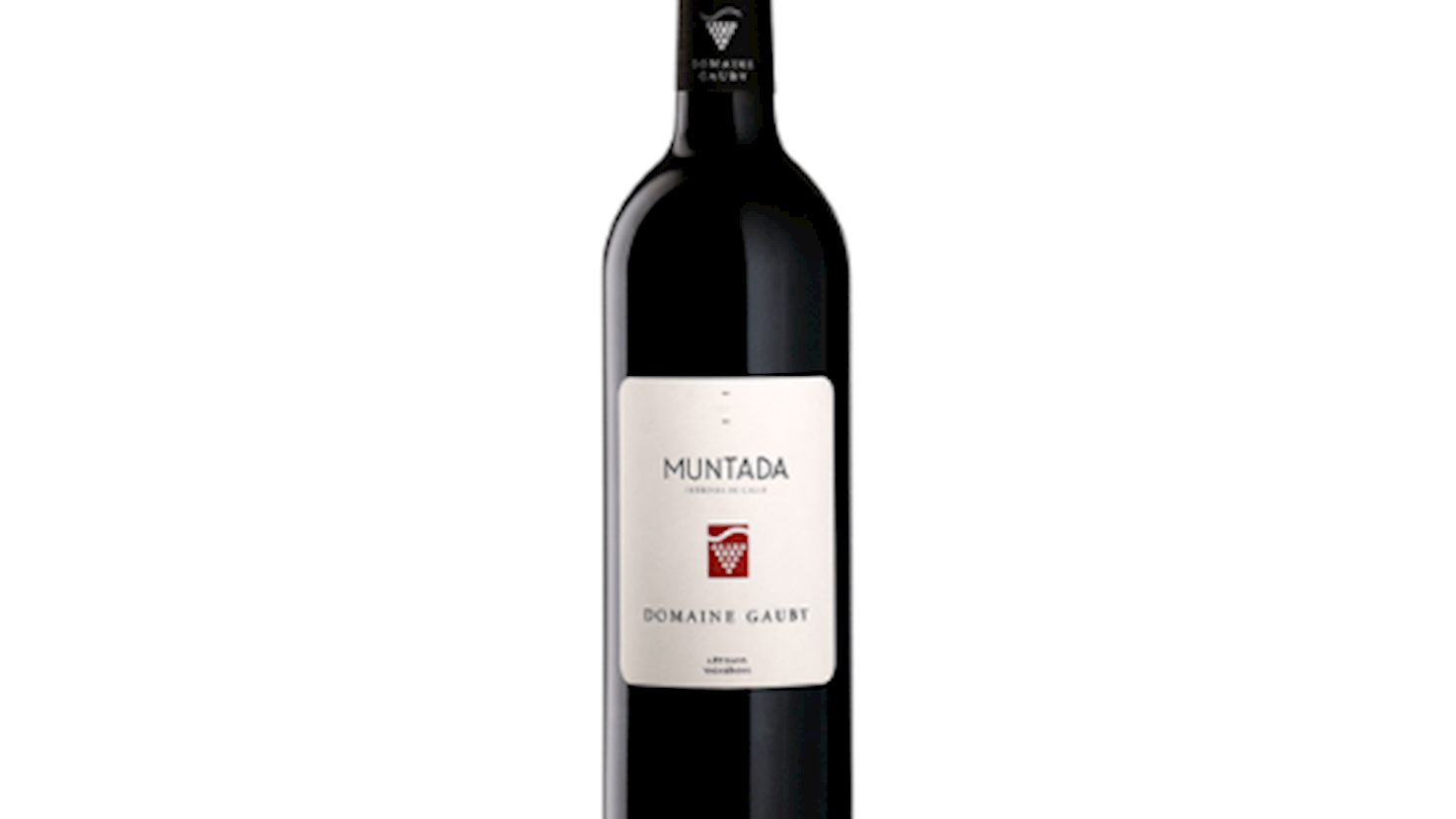
Domaine Gauby is one of the most influential estates in Roussillon, located in the village of Calce, an area shaped by strong winds, elevation, and a complex geological structure that creates a distinctive terroir. The estate is run by the Gauby family, known for transitioning to fully organic and biodynamic farming in the mid-1990s, eliminating all chemical treatments and focusing on restoring biodiversity in their vineyards. The vines include many old parcels, some over a century in age, planted on limestone, schist, clay, and marl soils that give the wines depth, layers, and pronounced minerality. Their cellar philosophy is built on minimal intervention: spontaneous fermentation, very low or no added sulphur, avoidance of filtration, and the use of cement tanks, large wooden foudres, and neutral barrels instead of new oak. The resulting style stands in complete contrast to the stereotype of “heavy southern wines” - Domaine Gauby produces bottles that are bright, precise, aromatically pure, and strikingly elegant. Today, the estate is a benchmark for authentic Roussillon wines and a key reason why Calce has become a symbol of the modern, terroir-driven approach to viticulture in southern France. These wines are long-lived, complex, and rewarding, ideal for those seeking depth, subtlety, and a clear sense of place in the glass.
Awards
Vivino - 4.2
Vivino - 4.1
05

Mas de Daumas Gassac

4.5 ·
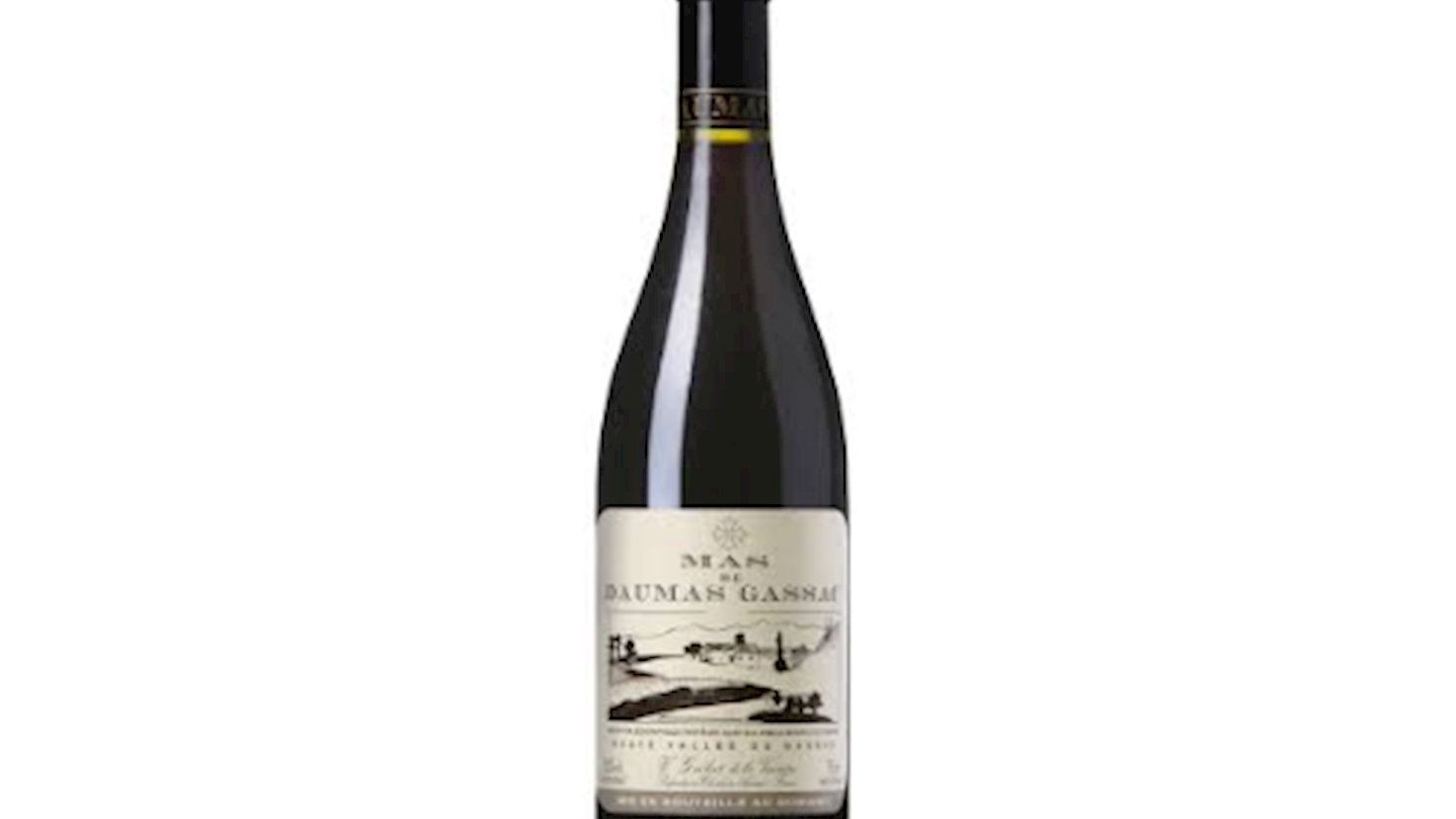
Mas de Daumas Gassac is one of the most influential estates in Languedoc, often described as the “Grand Cru of the Midi” thanks to its unique terroir and the visionary approach of Aimé and Véronique Guibert. The vineyards are located in a secluded valley of the Gassac River, surrounded by forests and fed by cold mountain springs, creating a microclimate with pronounced day-night temperature shifts that are unusual for southern France. The soil consists of glacial gravel and limestone formations reminiscent of Burgundy, allowing for slow ripening and a marked mineral character in the wines. Vinification follows a low-intervention philosophy, with spontaneous fermentations and careful cellar work to preserve the purity of the terroir. The estate’s red wines are known for their elegance, freshness and remarkable aging potential, often reaching their peak after more than a decade. The white wines, though less prominent, offer striking aromatics, mineral tension and a structure rarely seen in Languedoc. The estate remains family-run, with the Guibert children continuing the philosophy of respecting nature and minimizing intervention in the vineyard. Mas de Daumas Gassac stands as a symbol of a different, more ambitious Languedoc - wines that combine the warmth of the south with the finesse and longevity associated with Europe’s greatest terroirs.
Awards
Vivino - 4.1
Wine-Searcher - 91/100

Best Languedoc-Roussillon Wine Variety Types

01

Cinsault

n/a ·

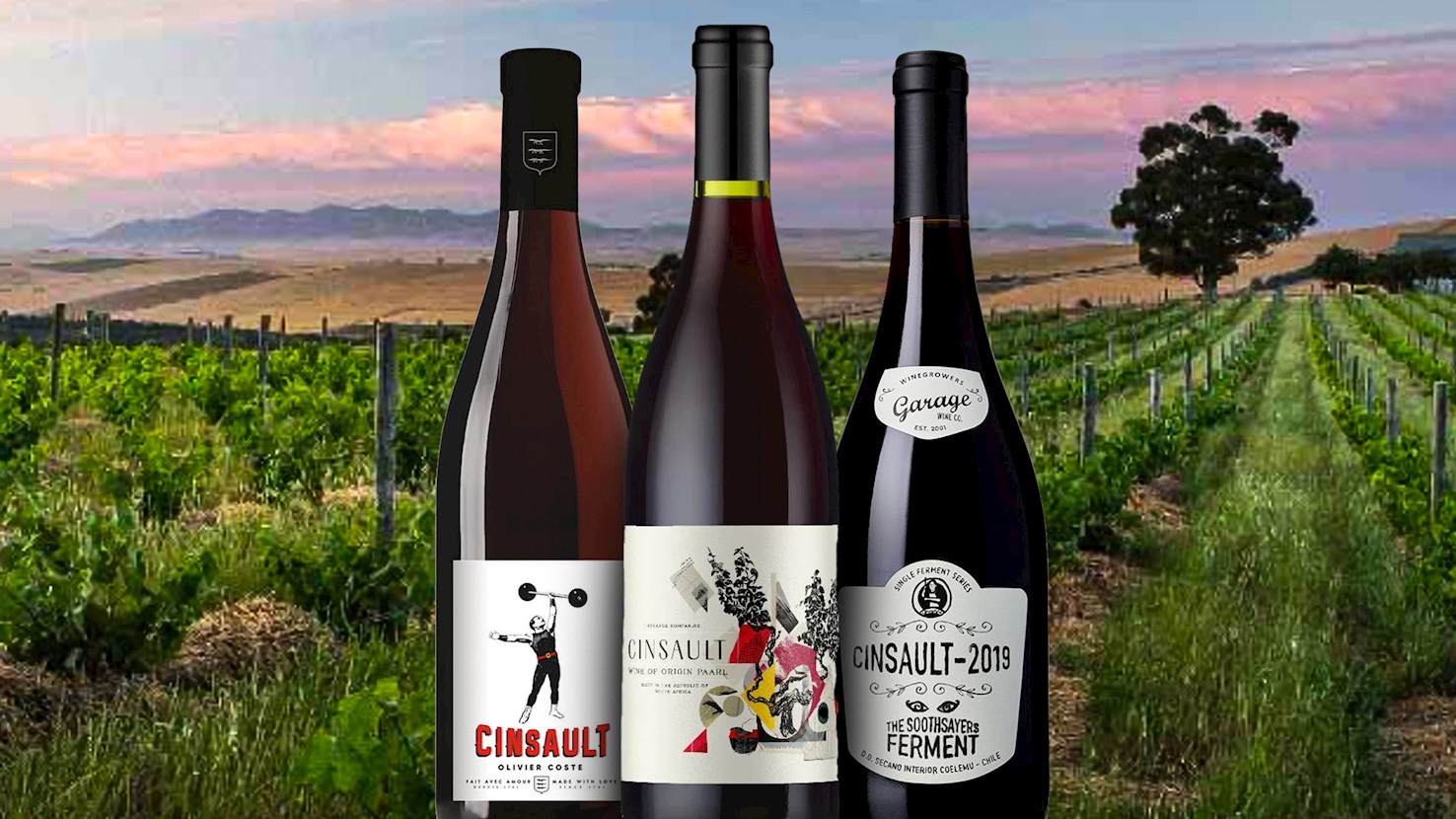
Cinsault, also known as Cinsaut, is a red wine grape variety primarily grown in the southern regions of France, particularly in the Languedoc-Roussillon and Provence areas. It is also widely cultivated in other wine regions around the world, including South Africa, where it has a significant presence, as well as in Algeria, Morocco, and Lebanon. Cinsault is known for producing wines that are light to medium-bodied with a soft, fruity character. The grape is often used as a blending partner due to its ability to add freshness and aromatic complexity to wines. In blends, it is commonly paired with varieties such as Grenache, Syrah, and Mourvèdre, contributing to the structure and aromatic profile of wines like those from the Southern Rhône, including Châteauneuf-du-Pape and various Côtes du Rhône wines. The flavor profile of Cinsault wines typically includes red fruit notes such as raspberry, cherry, and strawberry, along with floral hints like rose and violet. It can also exhibit a spicy, peppery quality and occasionally a subtle earthiness. These characteristics make Cinsault wines approachable and versatile, suitable for a wide range of occasions and food pairings. In addition to its role in red blends, Cinsault is also used to produce rosé wines, particularly in Provence and the Languedoc. Rosé wines made from Cinsault are typically fresh, aromatic, and light, with bright acidity and vibrant fruit flavors, making them ideal for warm weather and outdoor dining.

02

Caladoc

n/a ·

Caladoc is a red wine grape variety that is a cross between Grenache and Malbec. It was created in 1958 by French ampelographer Paul Truel as part of an effort to develop new grape varieties that could thrive in the southern French climate while offering desirable winemaking characteristics. Caladoc is primarily grown in the Languedoc-Roussillon region of France, but it can also be found in other parts of southern France and in some vineyards around the Mediterranean. Caladoc grapes produce wines that are deeply colored with medium to full body. The wines typically exhibit a flavor profile that includes ripe red and dark fruits such as cherries, raspberries, blackberries, and plums, along with spicy and herbal notes. The tannins in Caladoc wines are usually moderate, and they often have good acidity, which helps balance the richness of the fruit flavors and makes the wines refreshing and food-friendly. One of the main advantages of Caladoc is its resistance to certain vine diseases and its ability to adapt to different soil types and climatic conditions. This makes it a valuable grape for viticulturists looking to maintain healthy vineyards with consistent yields. Caladoc is often used in blends, where it can add color, fruitiness, and complexity to the wine. It is particularly well-suited to blending with other Mediterranean varieties such as Syrah, Grenache, and Carignan. However, it can also be vinified on its own to produce varietal wines that showcase its unique characteristics. Caladoc wines pair well with a variety of foods, including grilled meats, stews, pasta dishes, and Mediterranean cuisine. The fruit-forward nature and balanced acidity of the wines make them versatile and enjoyable with both casual and more sophisticated meals.

03

Bourboulenc

n/a ·

Bourboulenc is a white grape variety that is primarily grown in the southern regions of France, particularly in the Rhône Valley and Languedoc. It is known for producing fresh, aromatic wines with good acidity, which makes it an important component in various white wine blends in these regions. Bourboulenc grapes tend to produce wines that are light to medium-bodied with a bright, crisp character. The flavor profile of Bourboulenc wines often includes notes of citrus fruits like lemon and grapefruit, along with floral aromas such as white flowers and a touch of herbal or mineral nuances. These wines are appreciated for their freshness and ability to bring balance and lift to blends, especially in warmer climates where maintaining acidity can be challenging. In the Rhône Valley, Bourboulenc is commonly found in the white wines of Châteauneuf-du-Pape, Côtes du Rhône, and other appellations. It is often blended with other Rhône white varieties such as Grenache Blanc, Roussanne, Marsanne, and Viognier to add acidity and aromatic complexity. In Languedoc, it plays a similar role in blends, contributing to the region's diverse and vibrant white wines. Bourboulenc is also known for its resilience and ability to thrive in hot, dry conditions, making it well-suited to the Mediterranean climate of southern France. Its thick skin helps it resist disease and withstand the intense sunlight of the region. Although Bourboulenc is not as widely known as some other grape varieties, it is gaining recognition for its contribution to the quality and character of southern French white wines. Its versatility and ability to produce refreshing wines make it a valuable grape for winemakers seeking to craft balanced and expressive blends. Bourboulenc wines pair well with a variety of foods, particularly those that complement their fresh and vibrant nature. They are excellent with seafood, shellfish, salads, and light poultry dishes. The wines' acidity and citrus notes also make them a good match for Mediterranean cuisine, including dishes with olive oil, garlic, and fresh herbs.

04

Marselan

n/a ·

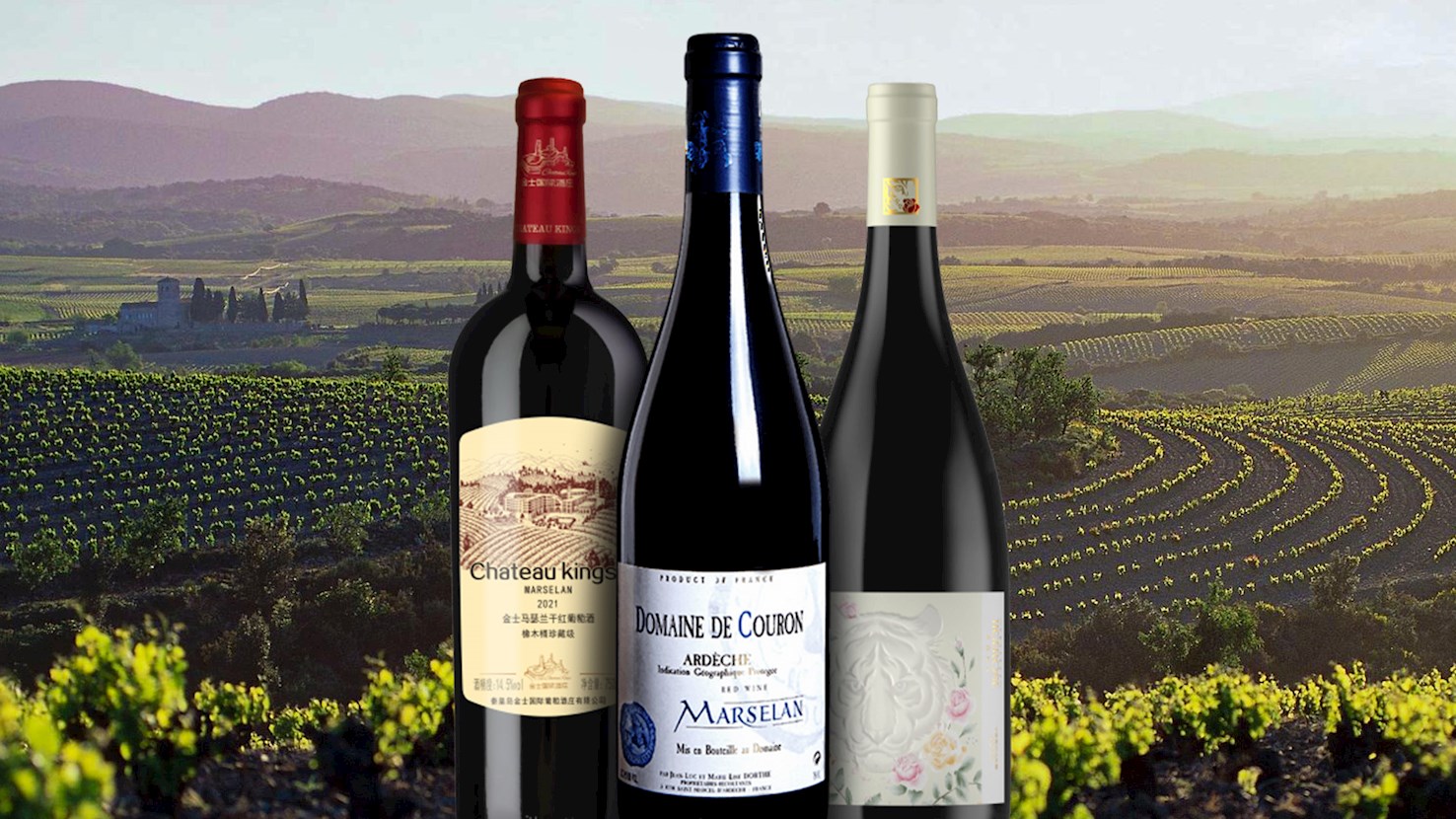
Marselan is a relatively recent red wine grape variety that is a cross between Cabernet Sauvignon and Grenache. It was created in 1961 by French viticulturist Paul Truel near the town of Marseillan in southern France, from which it derives its name. Initially, Marselan was not widely planted, but its popularity has grown over the years due to its potential to produce high-quality wines with unique characteristics. Marselan grapes produce wines that combine the best attributes of its parent varieties. The wines typically exhibit deep color, moderate tannins, and good acidity. The flavor profile often includes rich, ripe fruit notes such as blackberries, black cherries, and plums, along with spicy and earthy undertones. These wines can also display floral aromas, particularly violet, and sometimes hints of chocolate or tobacco. This grape variety is well-suited to warm climates and is primarily grown in the Languedoc-Roussillon region of southern France, though it is also increasingly cultivated in other parts of the world, including Spain, China, Brazil, and the United States. Marselan's resistance to diseases and its ability to produce consistent yields have contributed to its growing popularity among winemakers.

Read more
View all
View map
About this ranking

TasteAtlas food rankings are based on the ratings of the TasteAtlas audience, with a series of mechanisms that recognize real users and that ignore bot, nationalist or local patriotic ratings, and give additional value to the ratings of users that the system recognizes as knowledgeable. For the “Top 5 Languedoc-Roussillon Wine Varieties” list until June 15, 2026, 5 ratings were recorded, of which 5 were recognized by the system as legitimate. TasteAtlas Rankings should not be seen as the final global conclusion about food. Their purpose is to promote excellent local foods, instill pride in traditional dishes, and arouse curiosity about dishes you haven’t tried.

The initial list of top producers was compiled based on available reviews, awards, local recommendations, media and blog coverage, and consumer reviews. The list will be updated with ratings from TasteAtlas local ambassadors and TasteAtlas users.

Similar lists