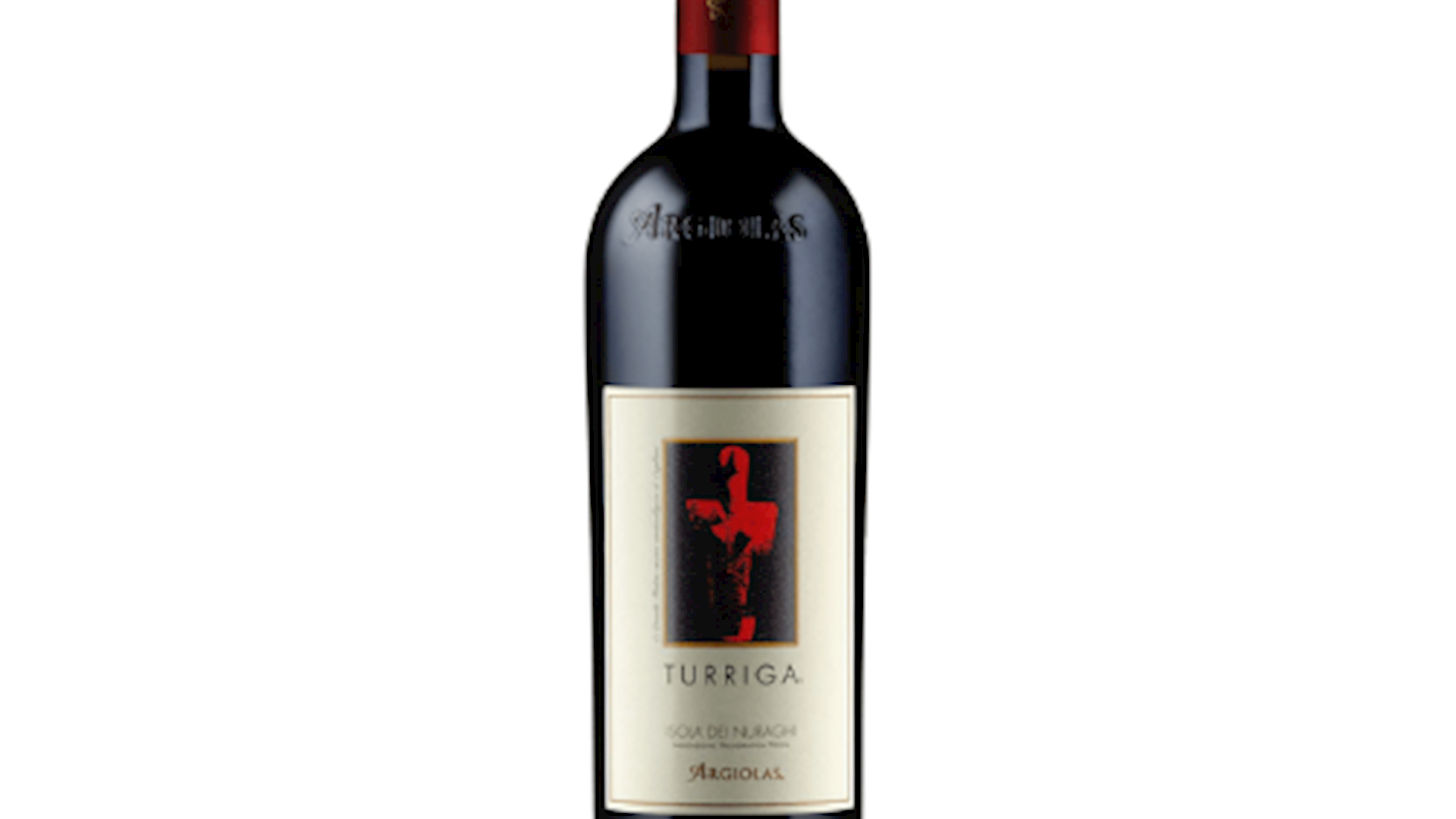
Argiolas is a family-owned winery from Sardinia, based in the village of Serdiana, and is regarded as one of the key producers behind the modern recognition of Sardinian wines. Founded in 1938, Argiolas has consistently focused on indigenous grape varieties such as Cannonau, Carignano, Monica, Nuragus, and Vermentino, using them to express the island’s Mediterranean character and diverse terroirs.
The vineyards span different altitudes and soil types, from limestone to sandy-clay formations, allowing for a broad range of styles and structures. Winemaking combines traditional knowledge with a contemporary enological approach, with strict control of yields and careful grape selection.
The house style is defined by balance, maturity, and clear structure, producing wines with expressive aromatics and the capacity to age. Argiolas places strong emphasis on terroir identity and sustainable vineyard practices.
Today, the winery is considered a reference point for understanding the true potential of Sardinian grape varieties and modern winemaking on the island.
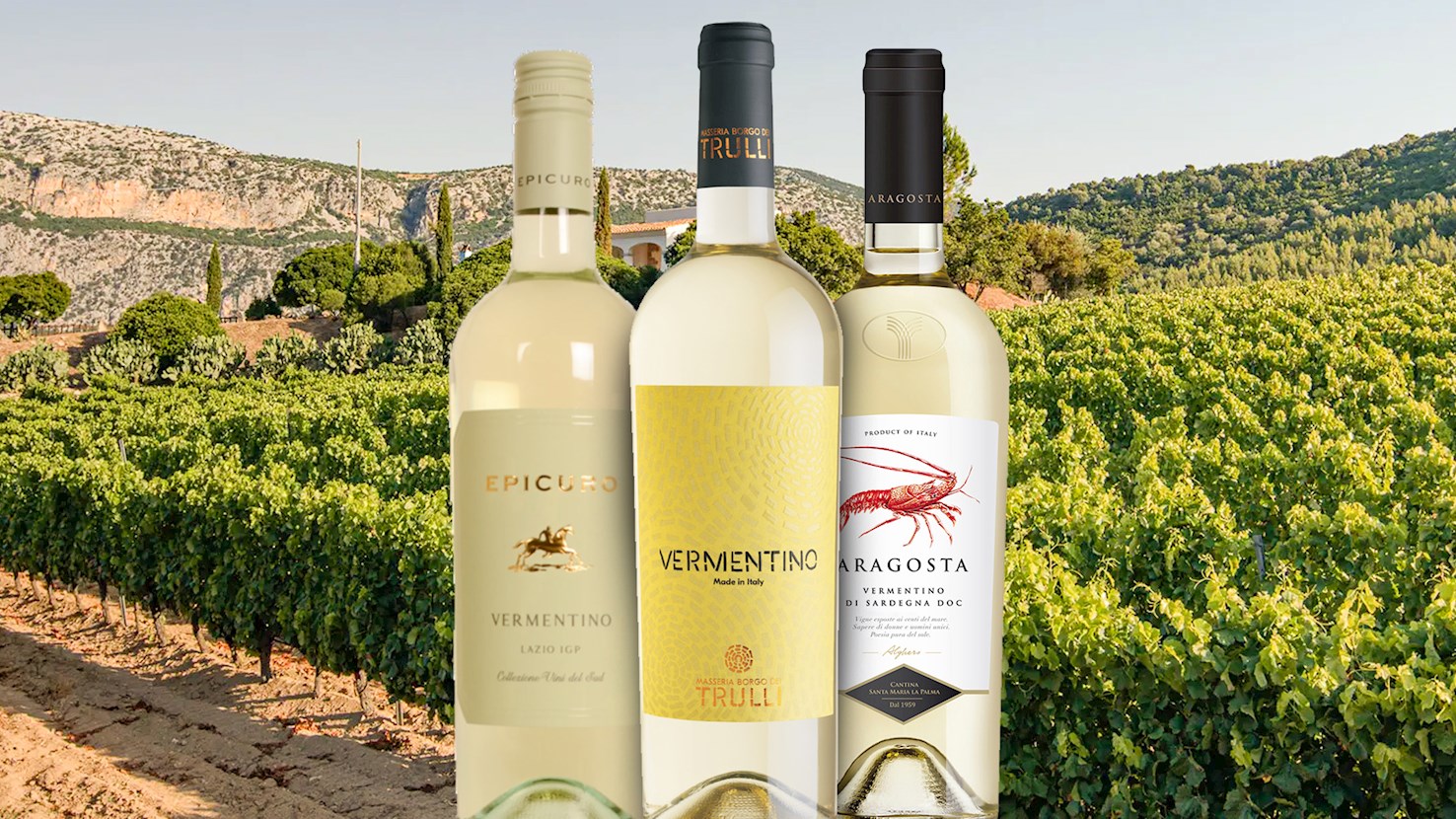
Vermentino is a white grape variety predominantly grown in several Mediterranean wine regions, especially in Northern Italy and Sardinia. It is particularly known for producing crisp, aromatic white wines. Vermentino wines are known for their vibrant acidity and crispness. They often exhibit aromatic notes of citrus (lemon, lime), green apple, pear, and stone fruits. Floral notes and hints of Mediterranean herbs are also common. The wines typically have a mineral character, sometimes with a saline quality reflecting the coastal vineyards where they are often grown. Vermentino is widely cultivated in Sardinia, Liguria, and Tuscany in Italy. In Sardinia, it is known as Vermentino di Sardegna and Vermentino di Gallura, the latter being a DOCG designation. In Liguria, it is referred to as Pigato, while in Tuscany, it is found in DOCs such as Bolgheri and Maremma Toscana. In France, it is known as Rolle and is used in both still and sparkling wines in Provence. Vermentino thrives in warm, maritime climates which help in developing its aromatic profile and maintaining good acidity levels. It is often grown in sandy, rocky, and granite soils, contributing to its minerality and complexity. The grape can be made in a variety of styles, from fresh and young wines meant to be consumed early to more complex and structured wines that can age for a few years. Some winemakers experiment with oak aging to add complexity, though this is less common. Vermentino's bright acidity and aromatic qualities make it versatile for food pairing. It pairs well with seafood dishes like grilled fish, shellfish, and seafood pasta, as well as salads, light appetizers, and Mediterranean cuisine. Its acidity can cut through richer dishes, making it a good match for creamy sauces and cheeses.
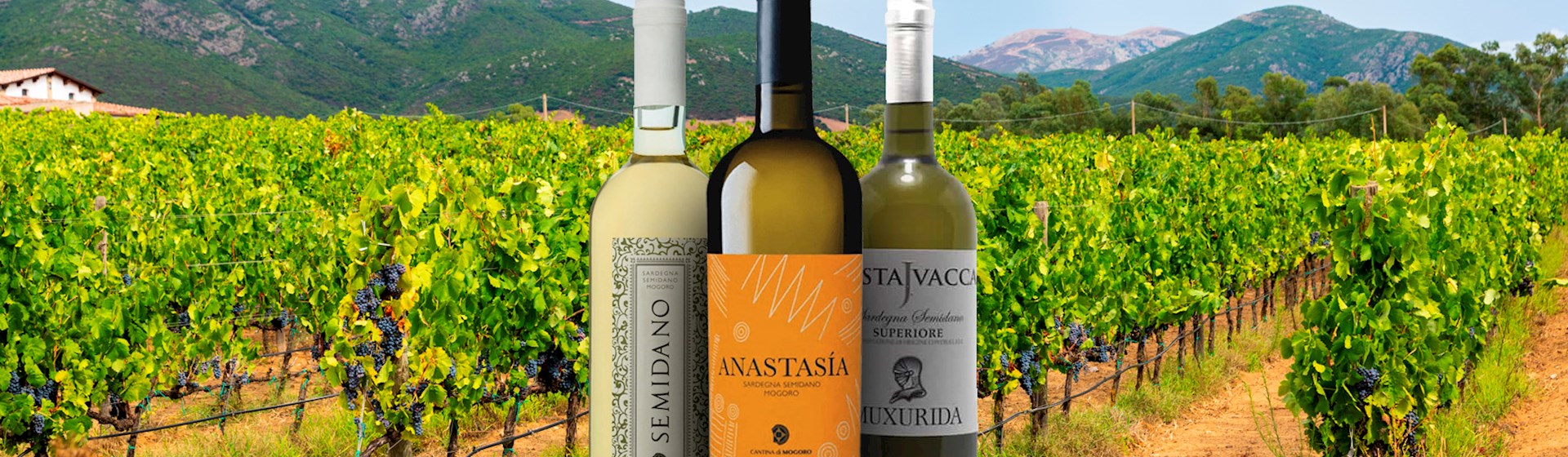
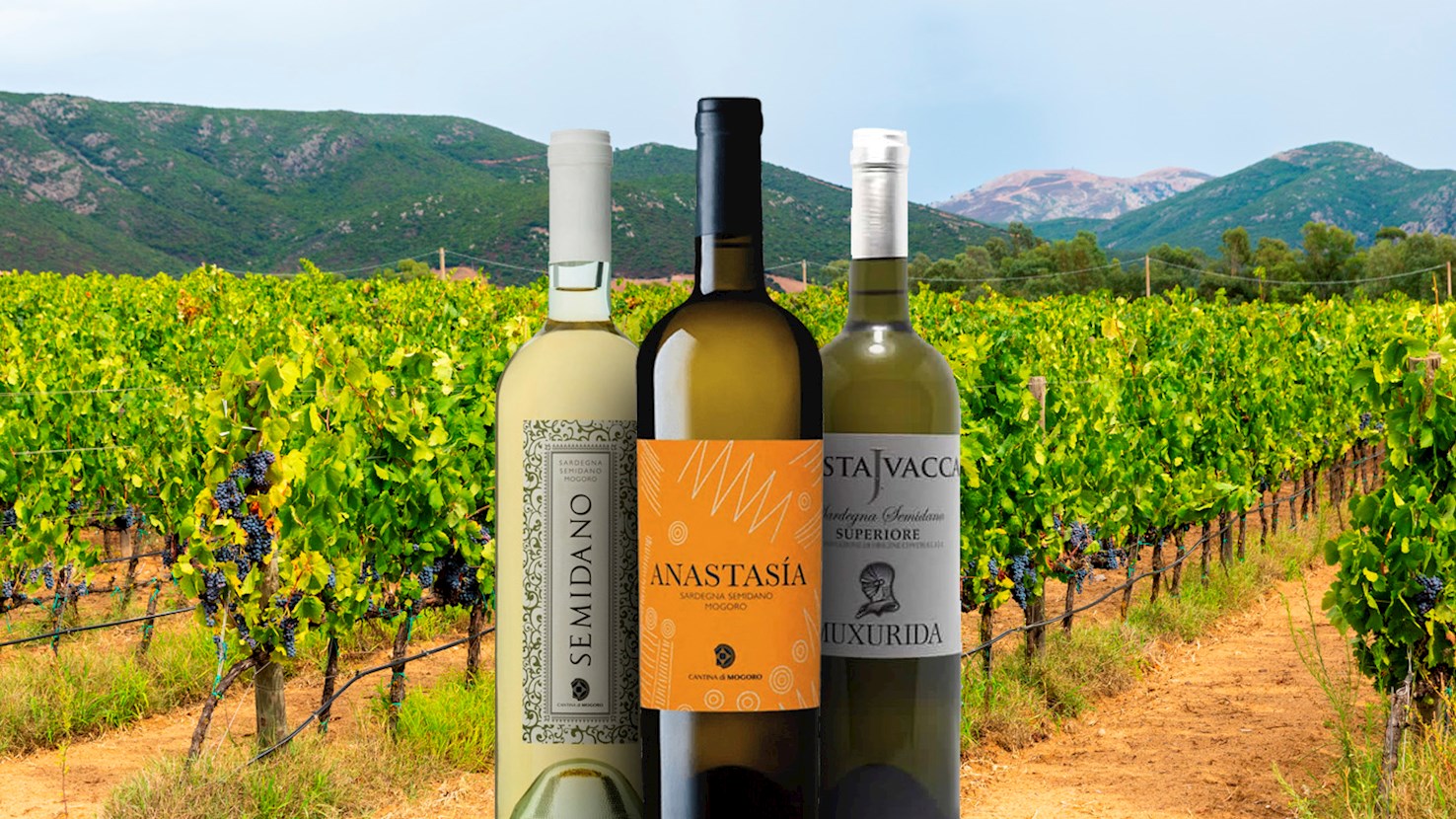
Semidano is a native Sardinian white grape variety. The grape has ancient origins, and though it was once quite common, it became a rarity after phylloxera destroyed most of its plantings. It was mostly replaced by more resistant and productive Nuragus. Semidano is now mostly planted around Oristano. The grape is a part of Sardegna Semidano DOC—which includes dry, sparkling, and sweet passito styles—with a subzone Mogoro, which is considered the best for this white grape. Semidano produces straw-colored white wines with a fresh character and good acidity. The aroma is floral and herbal, often with some fruity nuances. The wines have some aging potential. Dry wines are best paired with seafood, and the most complex examples can be served shellfish, lobster, or even white meat, while young and fresh styles go well with appetizers and simple fish dishes.
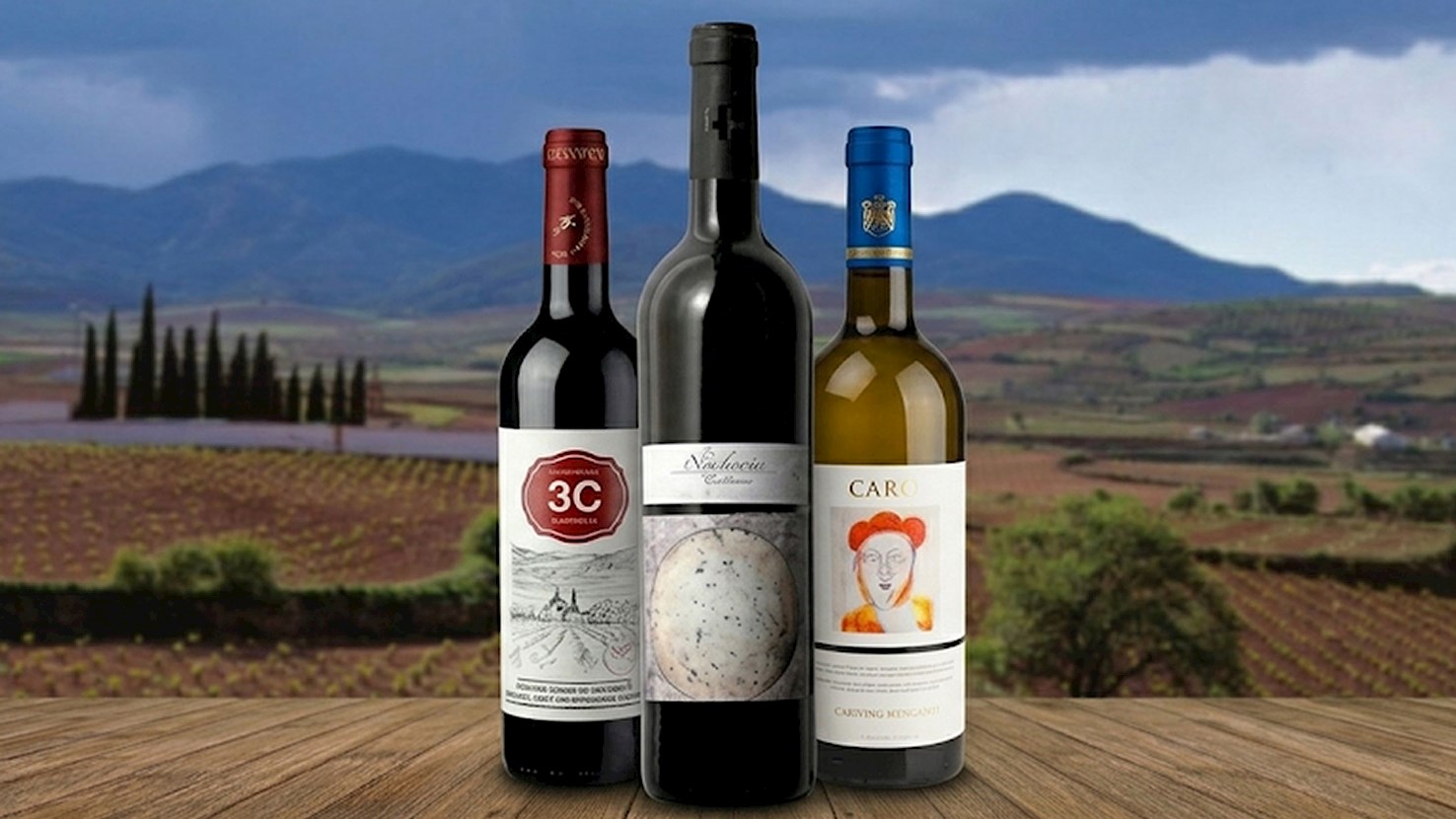
Cariñena is a black-skinned wine grape variety and a corresponding protected designation of origin in the Aragon region of northeastern Spain. The grape is characterized by its late budding and late ripening cycle, requiring high heat units and arid conditions to reach full maturity. Globally, it is one of the most widely planted red wine grapes, although it is frequently utilized as a blending component rather than a single-varietal wine. The vine is physically robust, featuring an upright growth habit that allows it to be grown without trellis systems in windy environments. The variety emerged in the Ebro River Valley, specifically around the town of Cariñena in the province of Zaragoza. From this central Spanish location, the vine was exported across the Mediterranean basin by various maritime powers, eventually becoming a staple in the Languedoc-Roussillon region of France, the island of Sardinia in Italy, and later in the New World regions of Chile and California. Its prevalence increased significantly following the phylloxera epidemic of the 19th century because the vine was highly productive and offered a reliable yield for large-scale wine production. In Spain, the grape is also referred to as Mazuelo in the Rioja region, while internationally it is most commonly known as Carignan. Preparation of the wine involves managing the naturally high concentrations of tannins, acidity, and color pigments. In younger vineyards, the grape can be astringent, leading many winemakers to employ carbonic maceration, where whole bunches are fermented in an anaerobic environment to emphasize fruit aromatics like cranberry and plum while minimizing harsh extraction. Conversely, wines produced from vines older than fifty years are typically fermented with standard skin contact and aged in oak barrels to stabilize the color and soften the phenolic structure. The wine should be served at 16°C to 18°C in a glass with a large bowl to allow for aeration. A specific attribute of Cariñena is its sensitivity to powdery mildew and grape moths, which necessitates dry, well-ventilated vineyard sites. When the vines reach a significant age, their yield naturally drops, which shifts the balance of the wine from simple acidity to a complex profile of dried herbs, leather, and dark fruit. Cariñena is typically consumed in conjunction with heavy, savory meals that can offset its tannic grip. It is served with roasted red meats, such as beef or lamb, and is a frequent accompaniment to Mediterranean stews and game birds. Food pairings also include roasted root vegetables, mushrooms, and aged hard cheeses, which complement the earthy and spicy notes inherent to the variety.
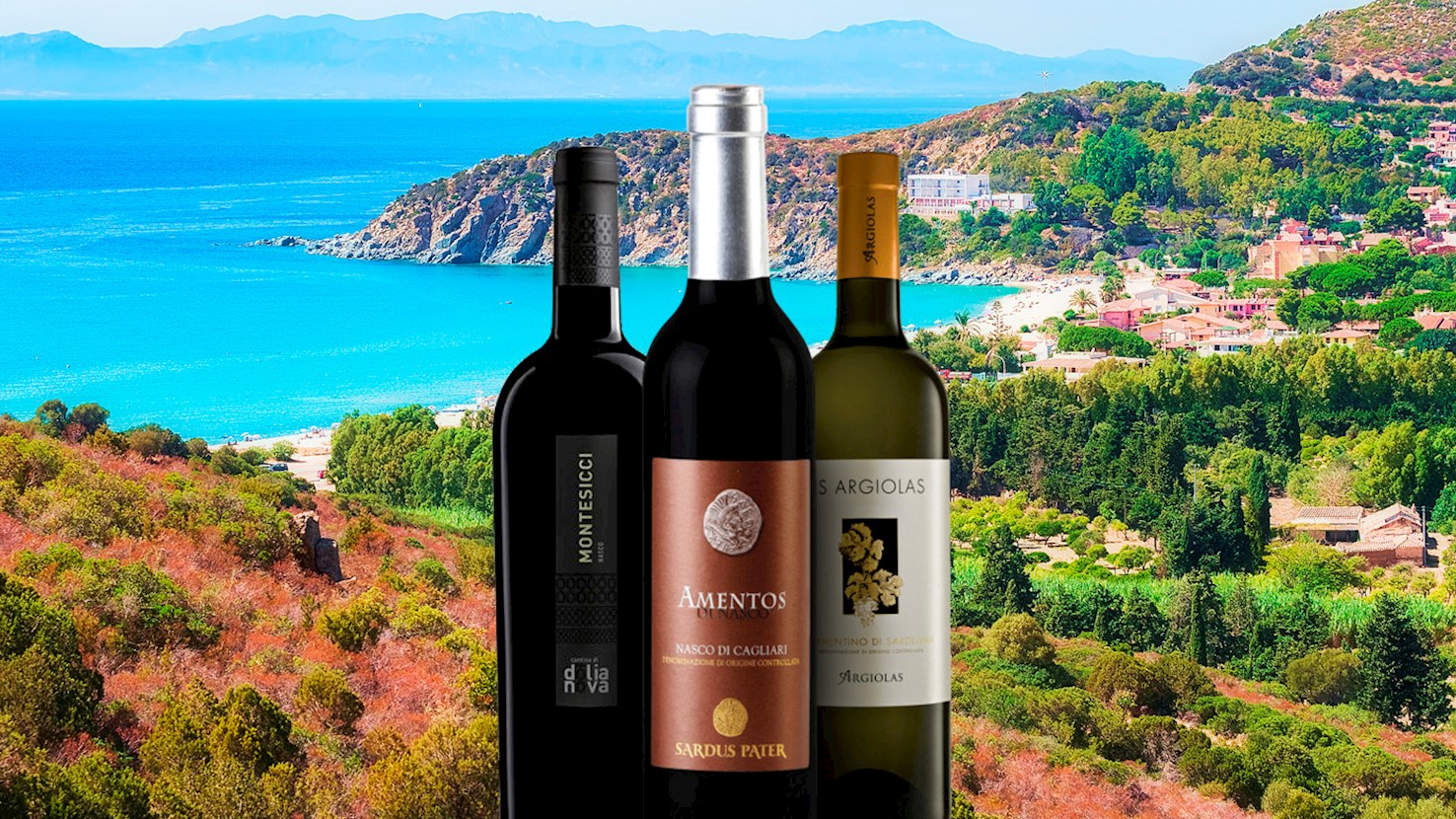
Nasco is one of the ancient Sardinian grapes believed to be native to the region. It is primarily grown in the south, around Cagliari. Varietal wines are mainly a part of Nasco di Cagliari DOC, which includes dry and fortified wines. Nasco is a very aromatic grape that gives some of its best results in dessert wines that usually have honey, apricot, and dry fruit aroma, often with a hint of spice, mineral character, and a good balance of acidity and sweetness. Dry wines are balanced, elegant, and mineral, combining floral, fruity, and herbaceous notes. Sweet styles are best served with pastries and cheese, and dry Nasco wines pair well with seafood, appetizers, and light main courses.
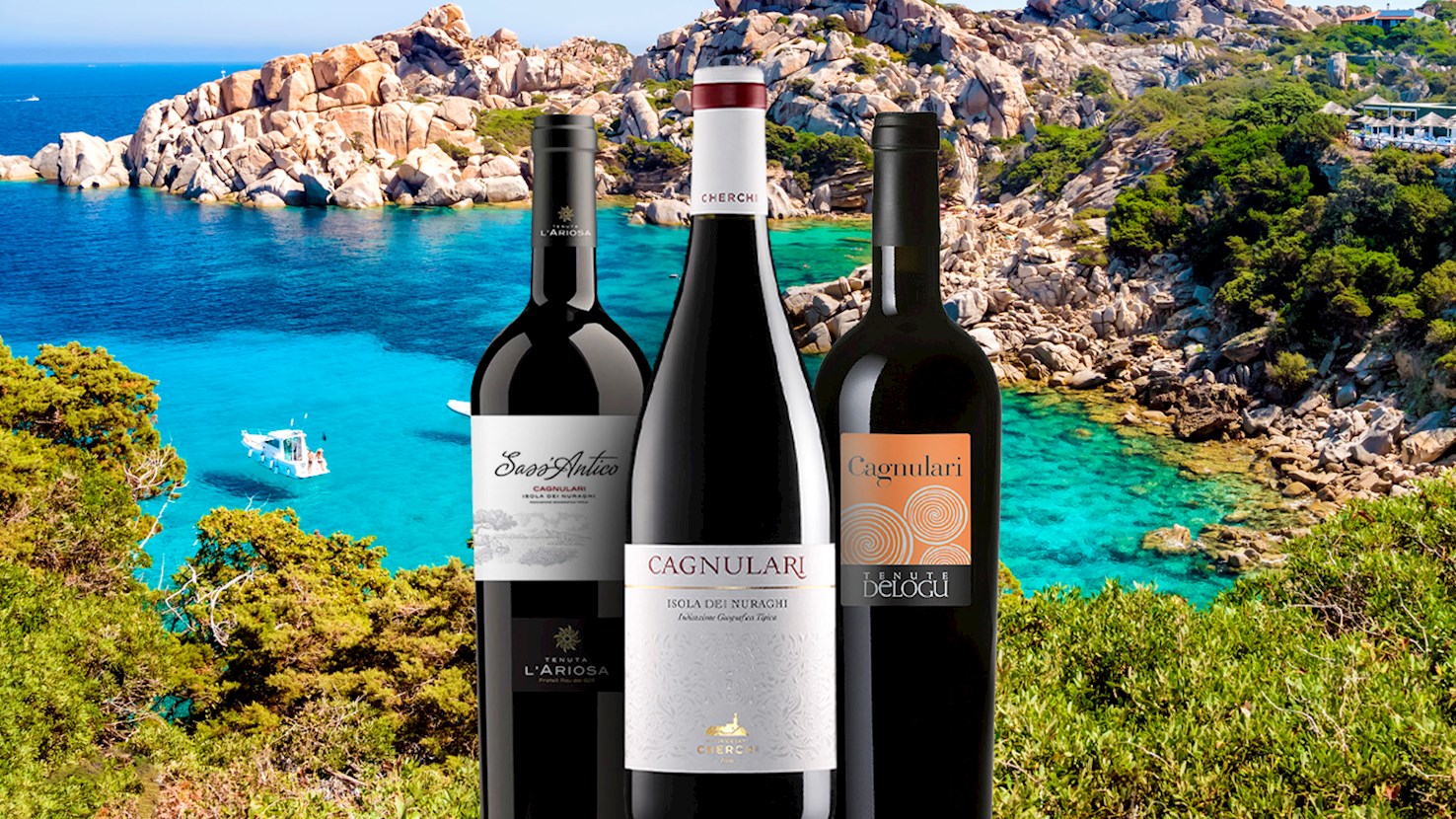
Cagnulari is a red grape variety from Sardinia. Although it has been suggested that the grape is identical to Bovale Sardo, it is possible that the two varieties are only closely related. This relationship also indicates that Cagnulari could have Spanish origins. In Sardinia, it is mostly cultivated around Sassari, and the area around Usini is its prime location. Cagnulari produces aromatic and well-structured red wines with a fruity aroma reminiscent of cherries, raspberries, and plums, often partnered with floral and herbal notes. The wines have good acidity, soft tannins, and some minerality. They are excellent with local specialties and can be paired with charcuterie, pasta dishes, ragù, lamb, and red meat. Although Cagnulari is not as common as it used to be, it is still an important Sardinian variety. The best known appellation for Cagnulari is Alghero DOC.
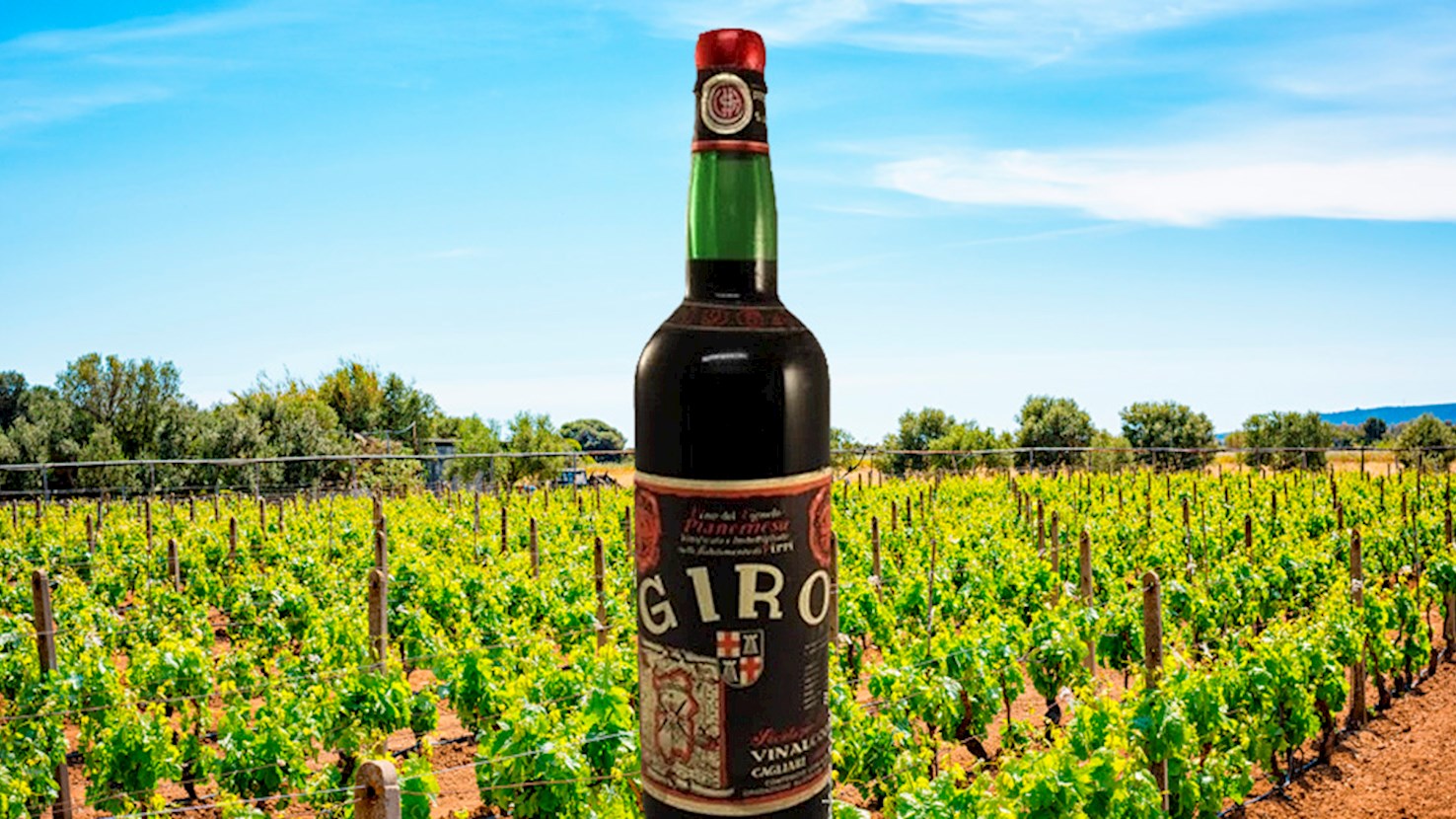
Girò is a red Italian variety from Sardinia used in local fortified wines and the appellation Girò di Cagliari DOC. It is believed that Girò originated in Spain and was later brought to Sardinia. The grape was once commonly planted, but it was rarely replanted after phylloxera. It is now mostly found in the south of Sardinia around Cagliari. Girò has a high sugar concentration, making it suitable for dessert and fortified styles. The wines have a cherry aroma and typically high alcohol content. They are usually soft, rounded, and tannic. Sweet Liquoroso styles are more intense than dry wines.
Pascale di Cagliari is a red grape variety from Italy with an uncertain origin. It is suggested that it might be native to Sardinia and that it could be related or identical to the Bonamico variety from central Italy. The grape can be used in varietals and blends, in which it adds color and body. It is now mainly cultivated around Sassari and Cagliari. Varietal examples are rare, but the grape can produce interesting fruity wines with delicate aromas reminiscent of ripe cherries and raspberries. The wines typically have a good tannic structure and some hints of spice on the palate. They are best paired with sausages and roasts.
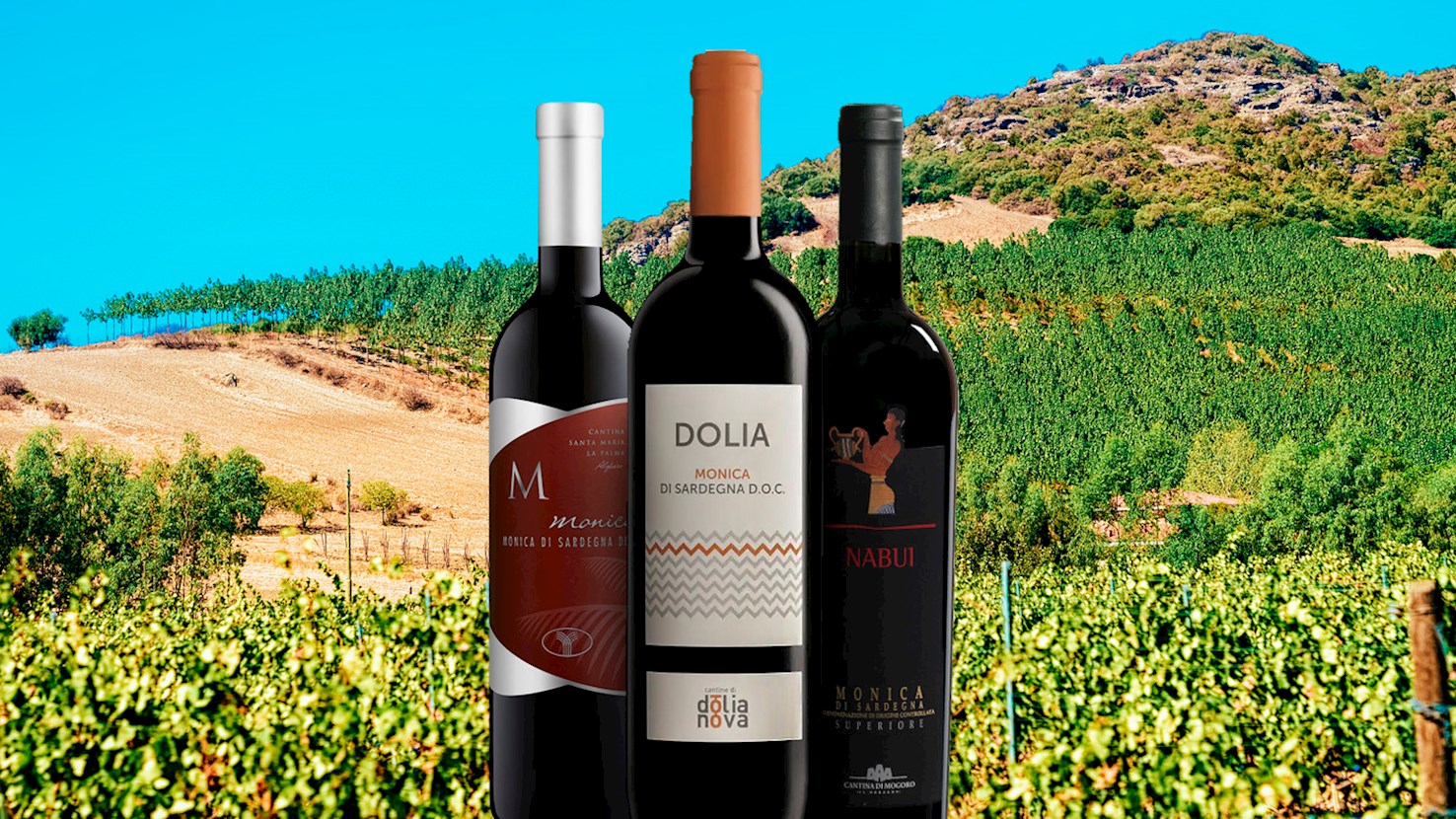
Monica is a red grape variety mainly cultivated on Sardinia. The grape has an unknown origin, but it is often suggested it was brought over from Spain. It is now found in Sardinia, where it is used in two regional appellations. Monica can be used for various styles, and though most wines are dry, sparkling (frizzante) and sweet versions are also available. This productive grape typically produces light and easy-drinking red wines with fruity flavors and aromas reminiscent of cherries and red berries. They usually have medium acidity and sometimes earthy and herbal nuances. Most examples are intended to be enjoyed young. Monica-based wines are best paired with simple, uncomplicated dishes. They would go well with appetizers, poultry, pork, and pasta dishes.
TasteAtlas food rankings are based on the ratings of the TasteAtlas audience, with a series of mechanisms that recognize real users and that ignore bot,
nationalist or local patriotic ratings, and give additional value to the ratings of users that the system recognizes as knowledgeable.
TasteAtlas Rankings should not be seen as the final global conclusion about food. Their purpose is to promote excellent local foods,
instill pride in traditional dishes, and arouse curiosity about dishes you haven’t tried.
The initial list of top producers was compiled based on available reviews, awards, local recommendations, media and blog coverage, and consumer reviews.
The list will be updated with ratings from TasteAtlas local ambassadors and TasteAtlas users.




What People Say