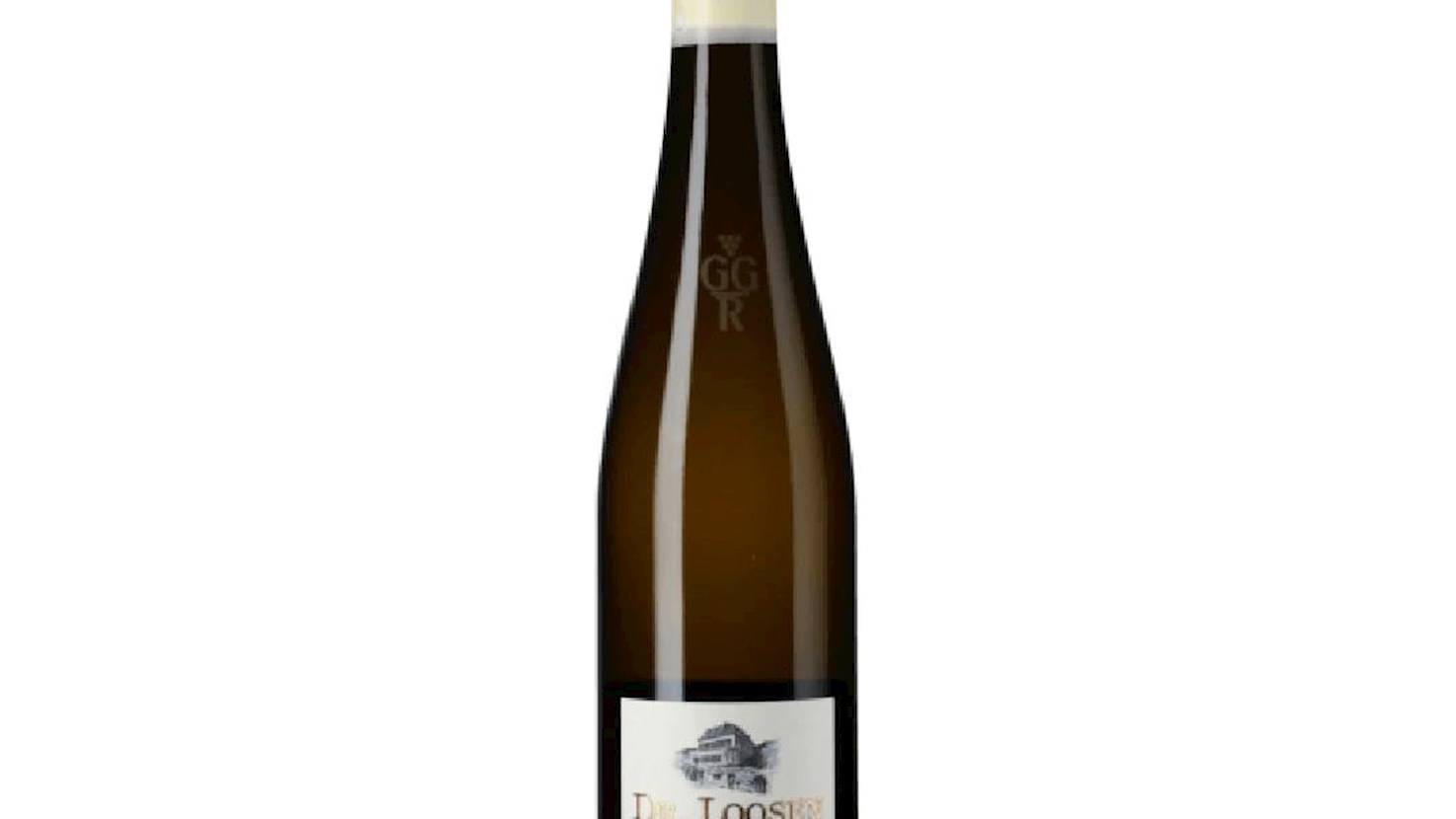
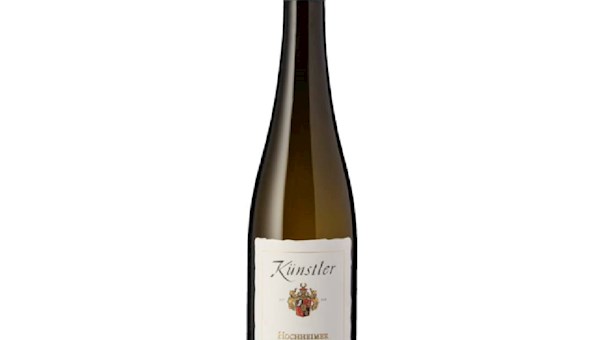
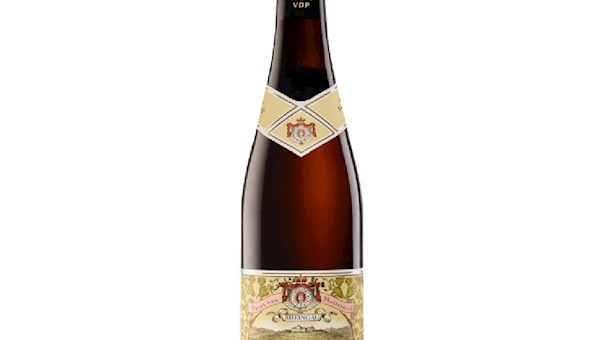
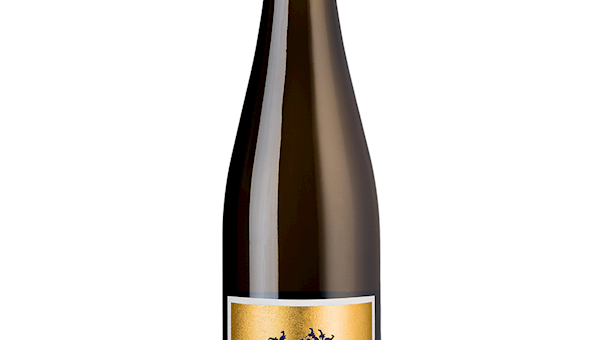
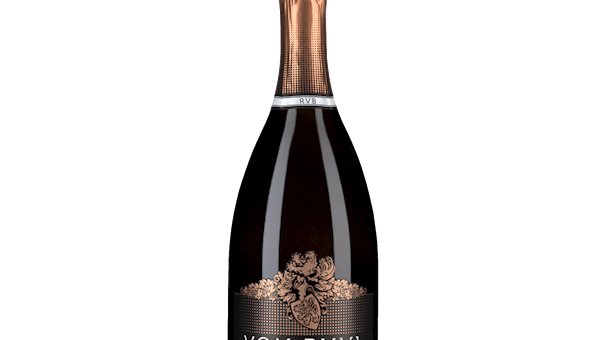
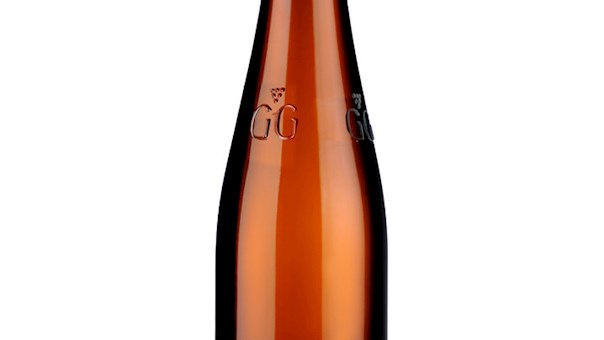
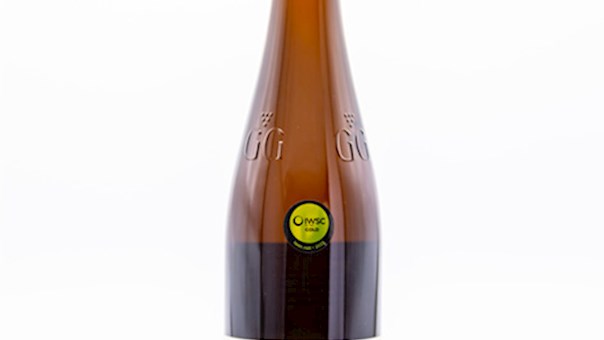
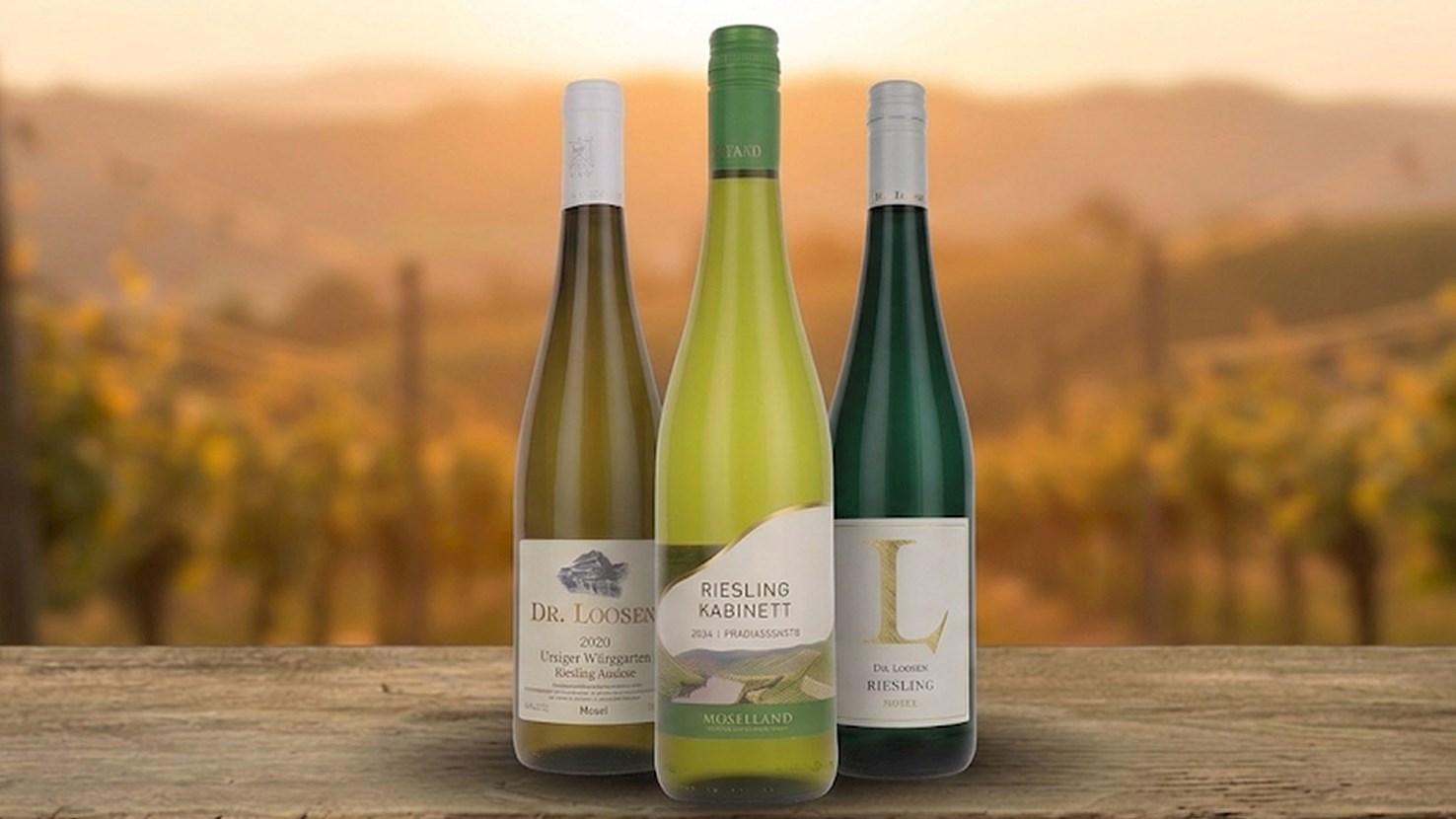
Weingut Dr. Loosen is a family-owned winery located in the Mosel wine region. The estate has been in the Loosen family for over 200 years, specializing in Riesling wines. Under the leadership of Ernst "Erni" Loosen since 1988, the winery has gained international acclaim for producing high-quality Rieslings that reflect the unique characteristics of their vineyards. The estate's vineyards are situated on the steep slopes of the Middle Mosel, featuring various soil types, including red slate, blue slate, and red volcanic conglomerate. Some of the vines are up to 140 years old and ungrafted, contributing to the distinctiveness of their wines. Dr. Loosen produces a full range of Riesling styles, following family traditions: dry wines inspired by the paternal Loosen side and Prädikat wines influenced by the maternal Prüm family branch.
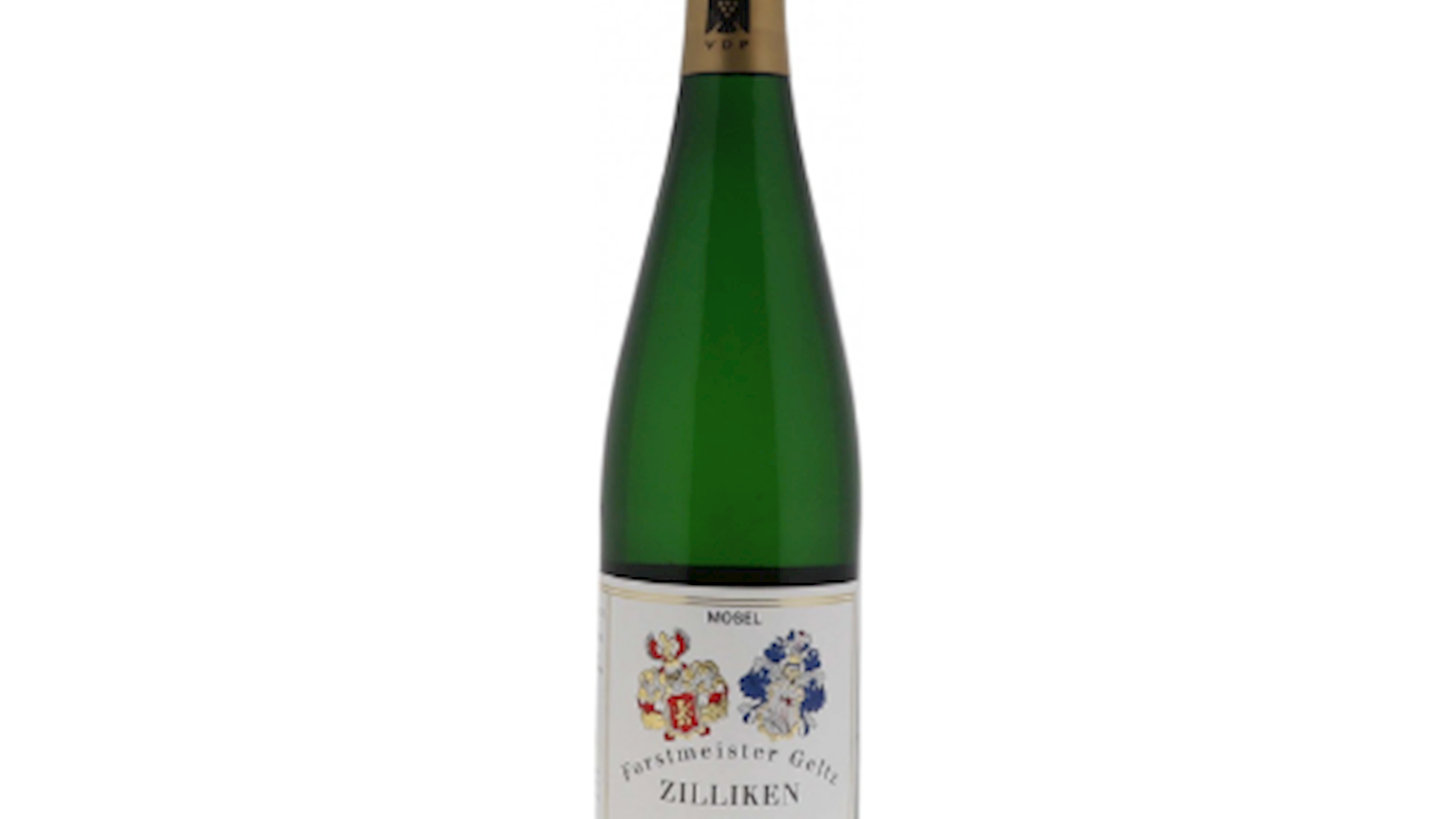
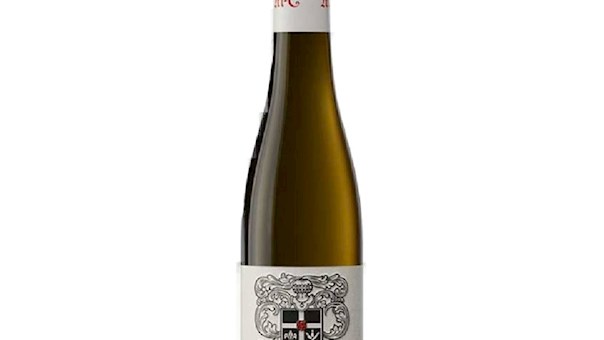
Weingut Forstmeister Geltz-Zilliken is a historic family-owned German winery with origins dating back to 1742, located in Saarburg in the Saar subregion of the Mosel. The estate is widely recognized for its Riesling wines, which are considered among the most precise and age-worthy expressions of the variety in Germany. A key vineyard is the renowned Saarburger Rausch, a steep, slate-rich site that produces wines with pronounced minerality, freshness, and finesse. The Zilliken family has maintained a traditional approach to viticulture and winemaking over generations, including spontaneous fermentation and a careful balance between natural sugar and acidity. Their style ranges from dry to Prädikat wines with residual sweetness, always marked by clarity and site expression. Aromatically, the wines show citrus, green apple, white flowers, and distinct mineral and saline notes. They are known for their longevity, developing complex tertiary characteristics over time. Today, Weingut Forstmeister Geltz-Zilliken stands as one of the benchmark producers in the Saar, with a strong international reputation for purity and terroir-driven wines.
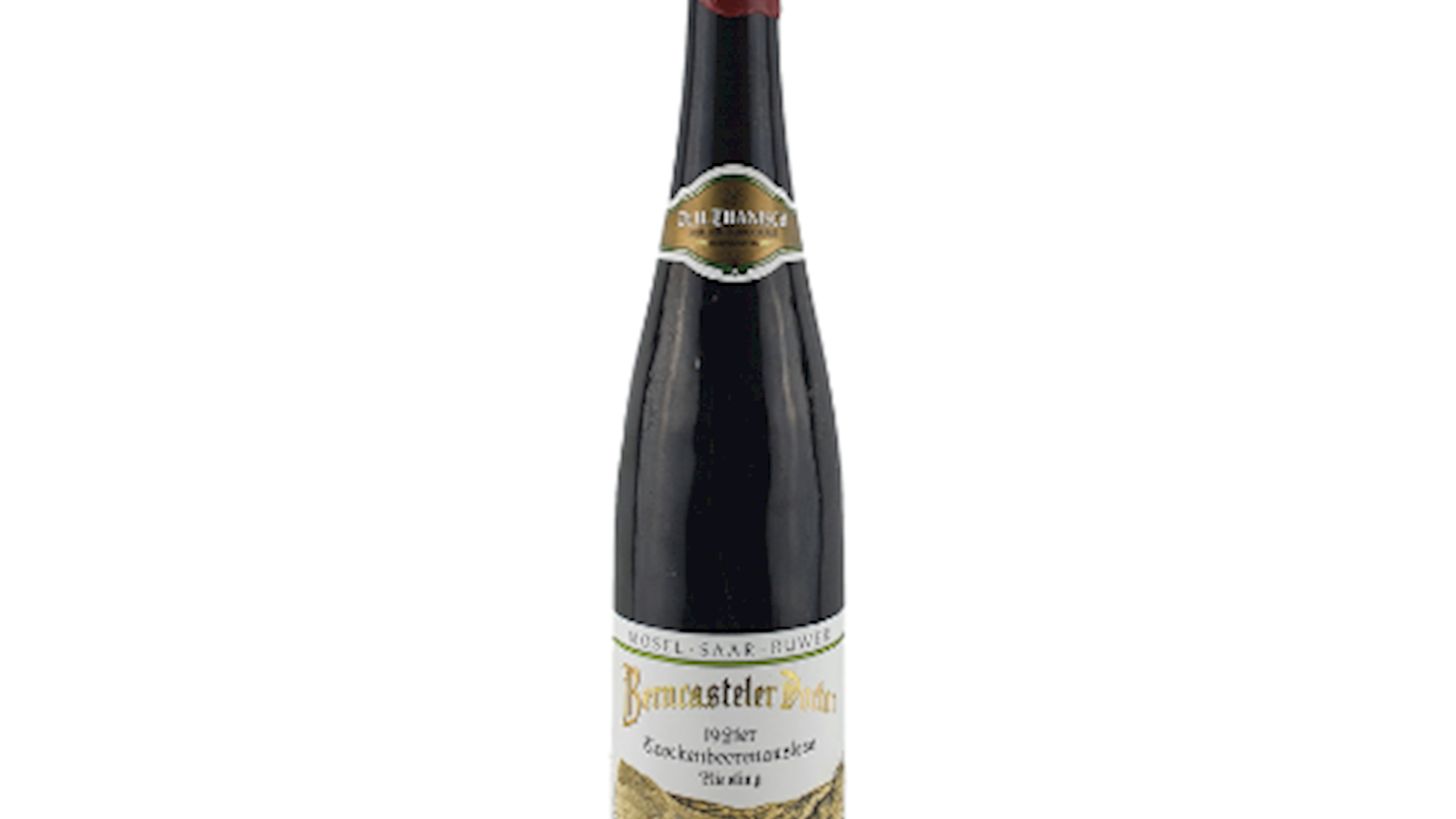
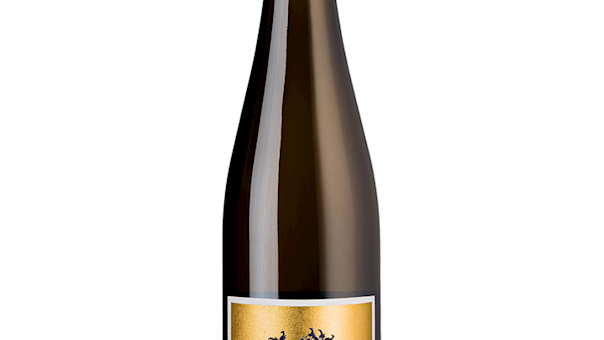
Weingut Wwe. Dr. H. Thanisch - Erben Thanisch is a historic family-owned winery based in Bernkastel-Kues in the Mosel, with a winemaking tradition spanning more than 385 years and 12 generations. The estate is notable for its long-standing continuity of female leadership, dating back to the late 19th century when Katharina Thanisch took over the winery and shaped its identity. Today, it is run by Sofia Thanisch, who continues this legacy with a clear focus on quality and origin. The winery is almost entirely dedicated to Riesling, sourced from steep, slate-rich vineyards that define the Mosel’s signature style. Its most famous site is the renowned Bernkasteler Doctor, one of Germany’s most prestigious vineyards, known for producing highly complex and age-worthy wines. The style is defined by precision, elegance, and a fine balance between fruit, acidity, and minerality. As a member of the Verband Deutscher Prädikatsweingüter (VDP), the estate adheres to strict standards of origin and quality. Weingut Wwe. Dr. H. Thanisch - Erben Thanisch represents a classic expression of Mosel Riesling, combining tradition, terroir, and long-term consistency.
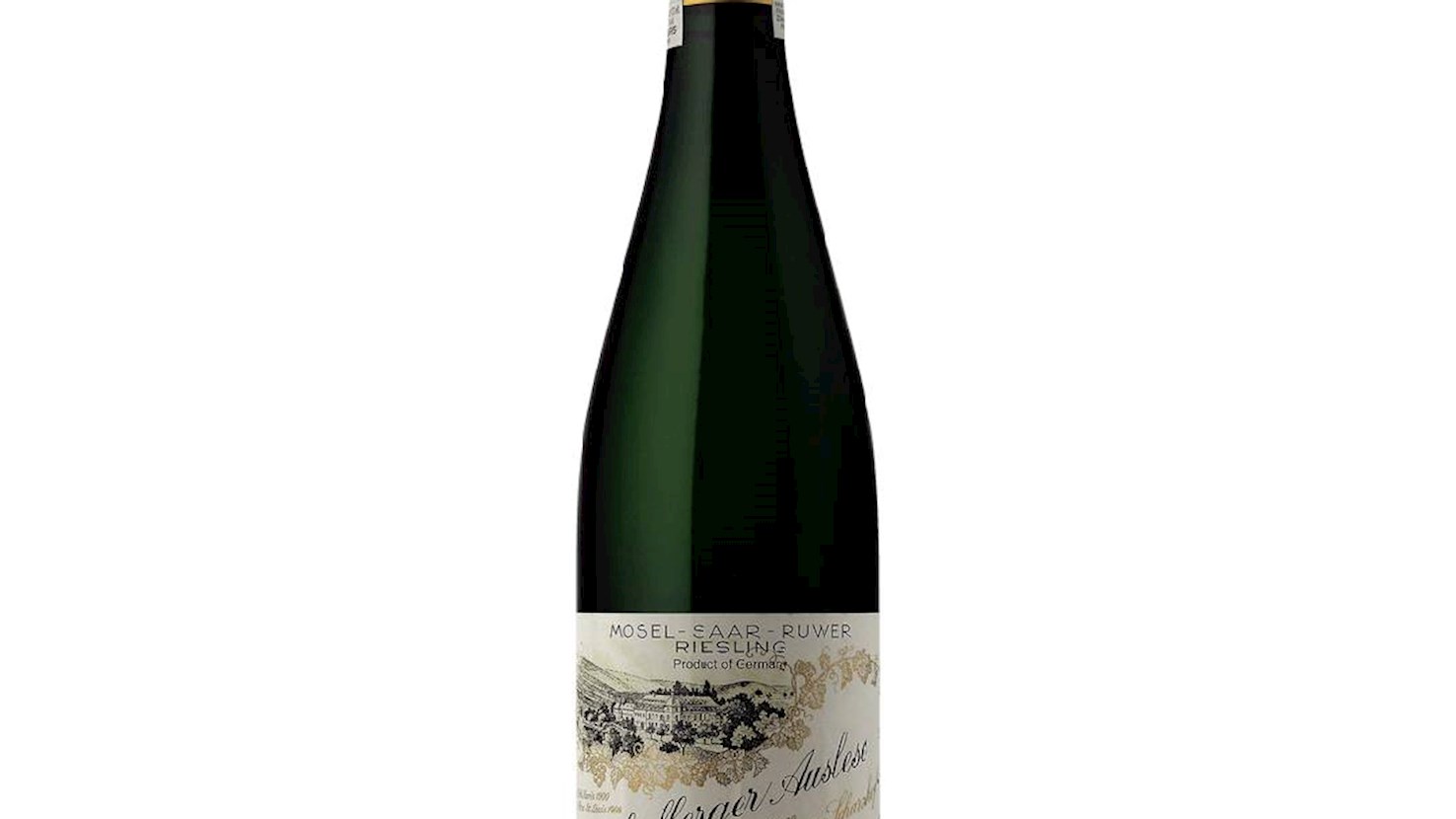
Egon Müller – Scharzhof is one of the most revered names in German winemaking and a true benchmark for world-class Riesling. With a family tradition dating back to the 18th century, the estate is today led by Egon Müller IV, a dedicated guardian of heritage, precision, and timeless quality.
Nestled on the steep slopes above the Saar River, the winery cultivates vines in the legendary Scharzhofberg vineyard — a site renowned for its slate soils and exceptional microclimate. Harvesting is done entirely by hand, with low yields and minimal intervention to preserve the purity and expression of the terroir.
The estate is devoted exclusively to Riesling, crafting wines that range from elegant Kabinett and Spätlese styles to rare and opulent Trockenbeerenauslese. These wines are known for their clarity, freshness, depth, and remarkable aging potential.
Respected worldwide for its unwavering commitment to excellence, Egon Müller – Scharzhof holds a prestigious position among the world’s greatest producers. Its membership in the renowned Primum Familiae Vini reflects a legacy built on tradition, authenticity, and exceptional craftsmanship.
Joh. Jos. Prüm (J.J. Prüm) is one of the most esteemed family-owned estates in Germany’s Mosel region, synonymous with exceptional Riesling. Founded in 1911 by Johann Josef Prüm, the estate builds on centuries of family winemaking tradition, with roots tracing back to the 12th century.
Today, it is led by Dr. Manfred Prüm and his daughter, Dr. Katharina Prüm, who uphold a philosophy of crafting wines of outstanding elegance, longevity, and precise expression. With around 22 hectares planted exclusively to Riesling, the estate encompasses some of the Mosel’s most prestigious sites, including Wehlener Sonnenuhr, Graacher Himmelreich, Bernkasteler Lay, Badstube, and Zeltinger Sonnenuhr. Many of the vines remain ungrafted, allowing for a pure and authentic expression of the terroir.
J.J. Prüm wines are celebrated for their finesse, harmonious balance, and remarkable aging potential—whether it’s a fresh Kabinett or an opulent Beerenauslese. Each bottle is a meeting of tradition, craftsmanship, and purity, evolving beautifully over the years to reveal ever-greater complexity and depth.
At its core, J.J. Prüm embodies the very soul of the Mosel—wines that are delicate yet full of character, crafted to captivate lovers of fine Riesling around the world.
Weingut Keller is a family-run winery from Flörsheim-Dalsheim in Rheinhessen and is regarded as one of Europe’s most influential producers of dry Riesling. Its history dates back to the late 18th century, while today’s quality is shaped by Klaus-Peter and Julia Keller, whose work is defined by deep respect for the vineyard and minimal intervention. Their most important sites, such as Hubacker, Kirchspiel, and Morstein, lie on limestone- and clay-rich soils that give the wines pronounced minerality and a clearly defined sense of terroir. Yields are intentionally kept low, and harvesting is done entirely by hand, often in several passes to select only perfectly ripe grapes. Fermentation occurs spontaneously with native yeasts, contributing to complexity and a refined textural depth. As one of Germany’s most respected producers, Weingut Keller holds a prominent place in the contemporary wine scene and remains a benchmark for top-quality, terroir-driven Riesling.
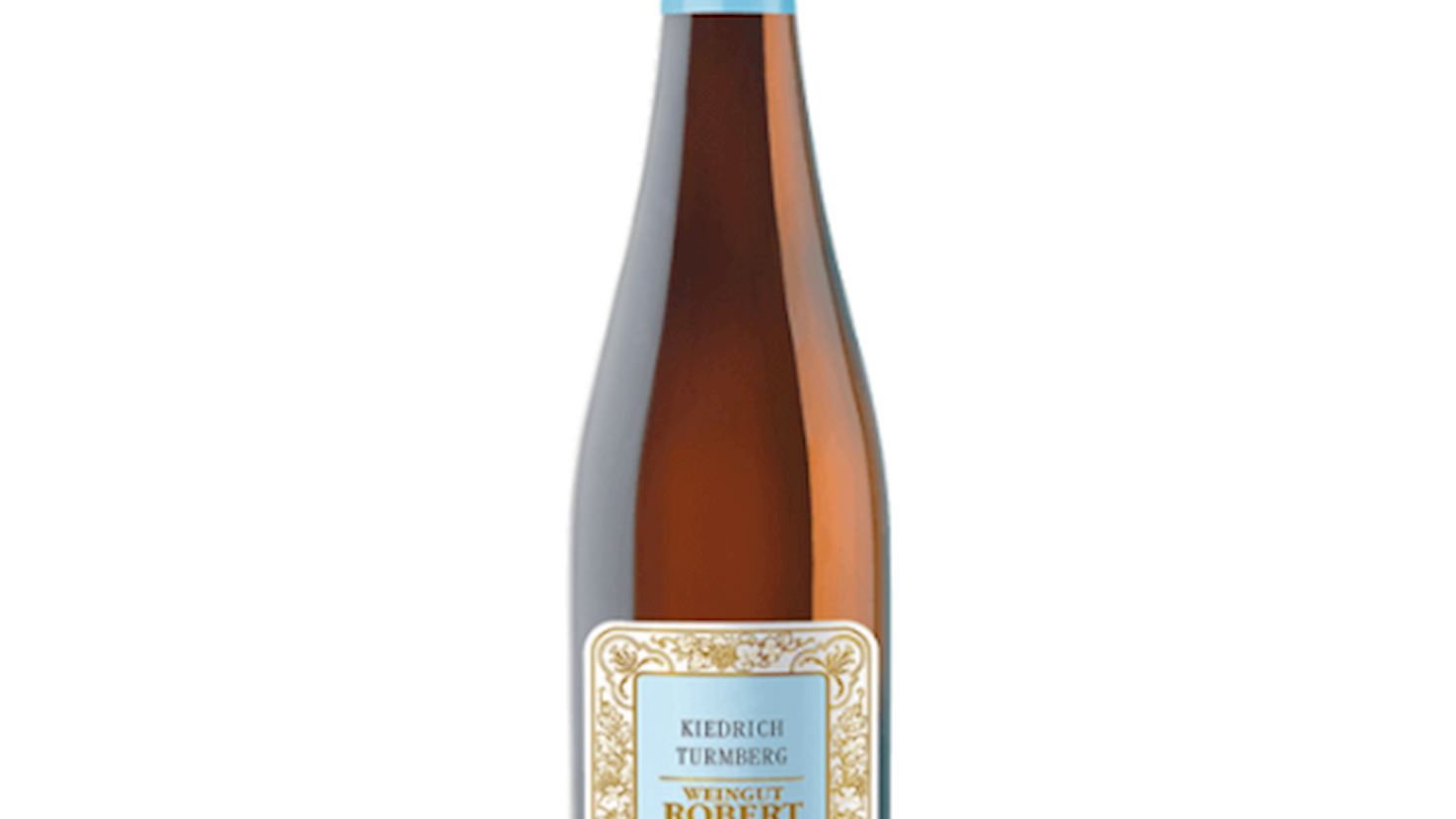
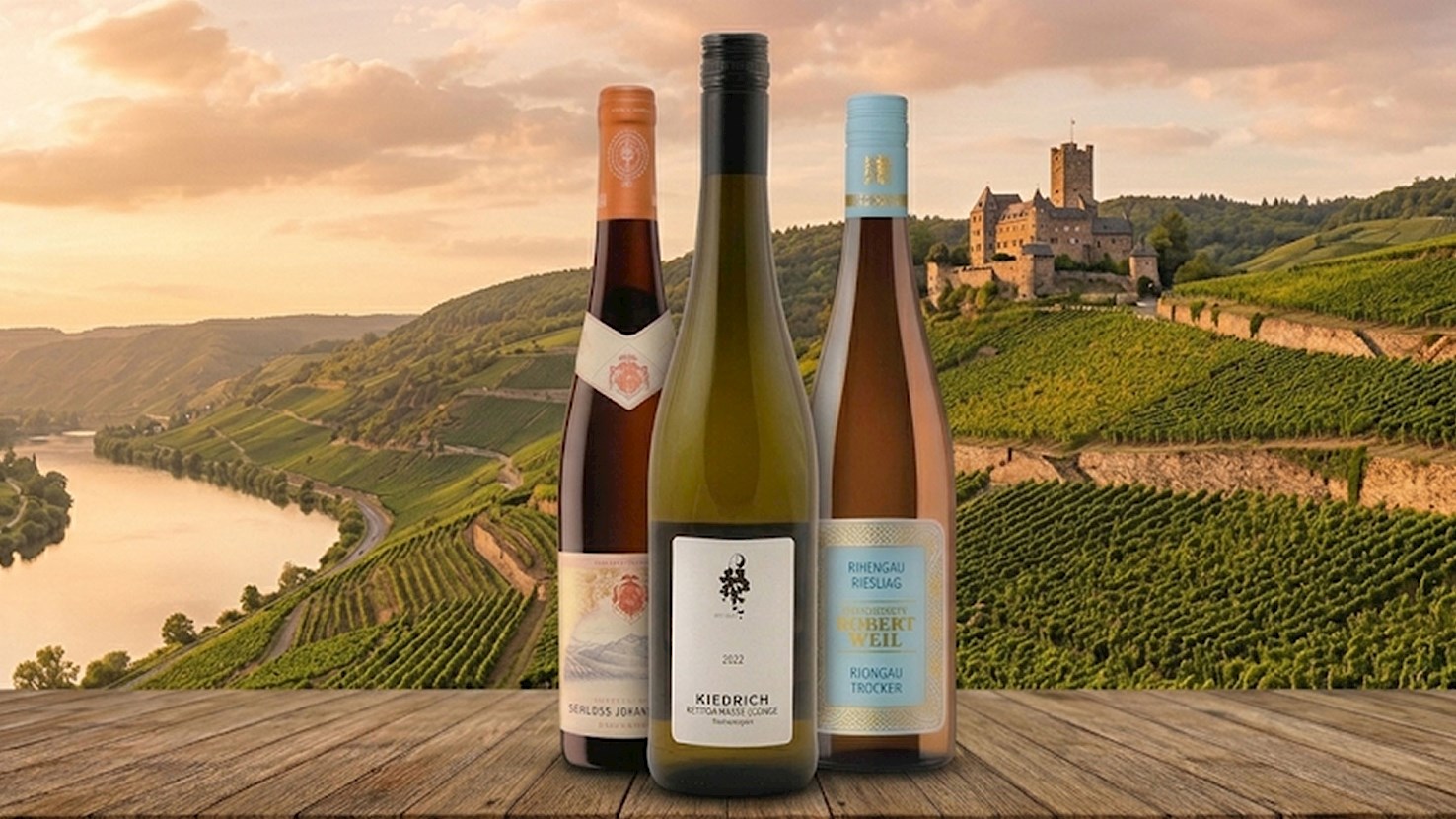
Weingut Robert Weil, located in Kiedrich, Germany, is one of the most renowned wineries in the Rheingau region, celebrated for its exceptional Riesling wines. Founded in 1875, the estate has built a reputation for quality and tradition, producing wines that express the unique terroir of the region. The vineyards, primarily planted with Riesling, benefit from the mineral-rich soils and a mild climate, ideal for cultivating grapes with vibrant acidity and complex flavors.
Riesling most likely hails from the Rhine region of Germany, but it has shown great success in other European wine regions, primary Austria and Alsace, as well as the United States and Australia. However, the best expressions of the grape are thought to be in Germany where Riesling remains the most planted grape variety. Always high in natural acidity, Riesling wines are incredibly versatile and may range from dry, medium dry or medium sweet to sweet styles. Their primary aromas include a complex combination of ripe peaches, nectarines, pears, apples, and citrus that are often accompanied by herbal, floral, mineral, and earthy nuances, while a distinctive element found in aged Riesling wines is the smoky aroma of petrol. Because of their versatile styles, German Riesling wines tend to be incredibly food-friendly. While dry styles perfectly match poultry, fish, pork, cream sauces, and especially fried and spicy food, sweeter styles can pair well with blue cheese, foie gras, and fruit-based desserts.
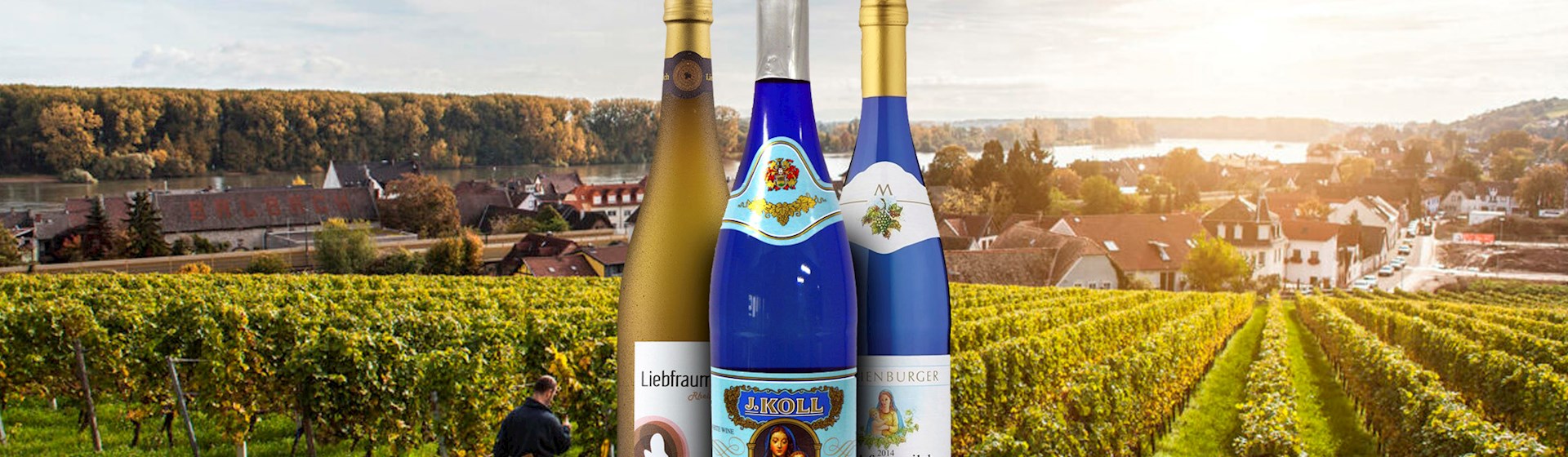
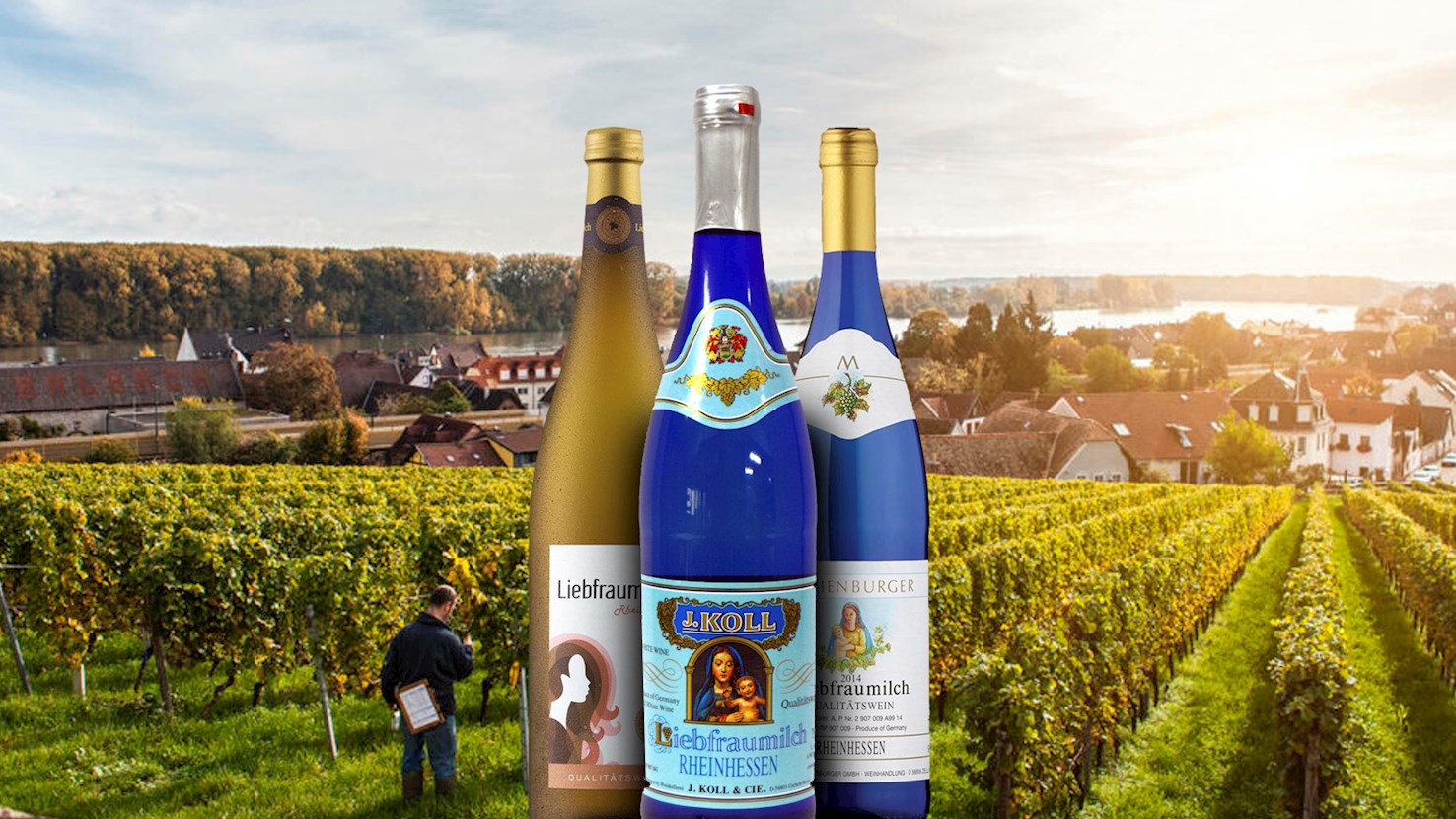
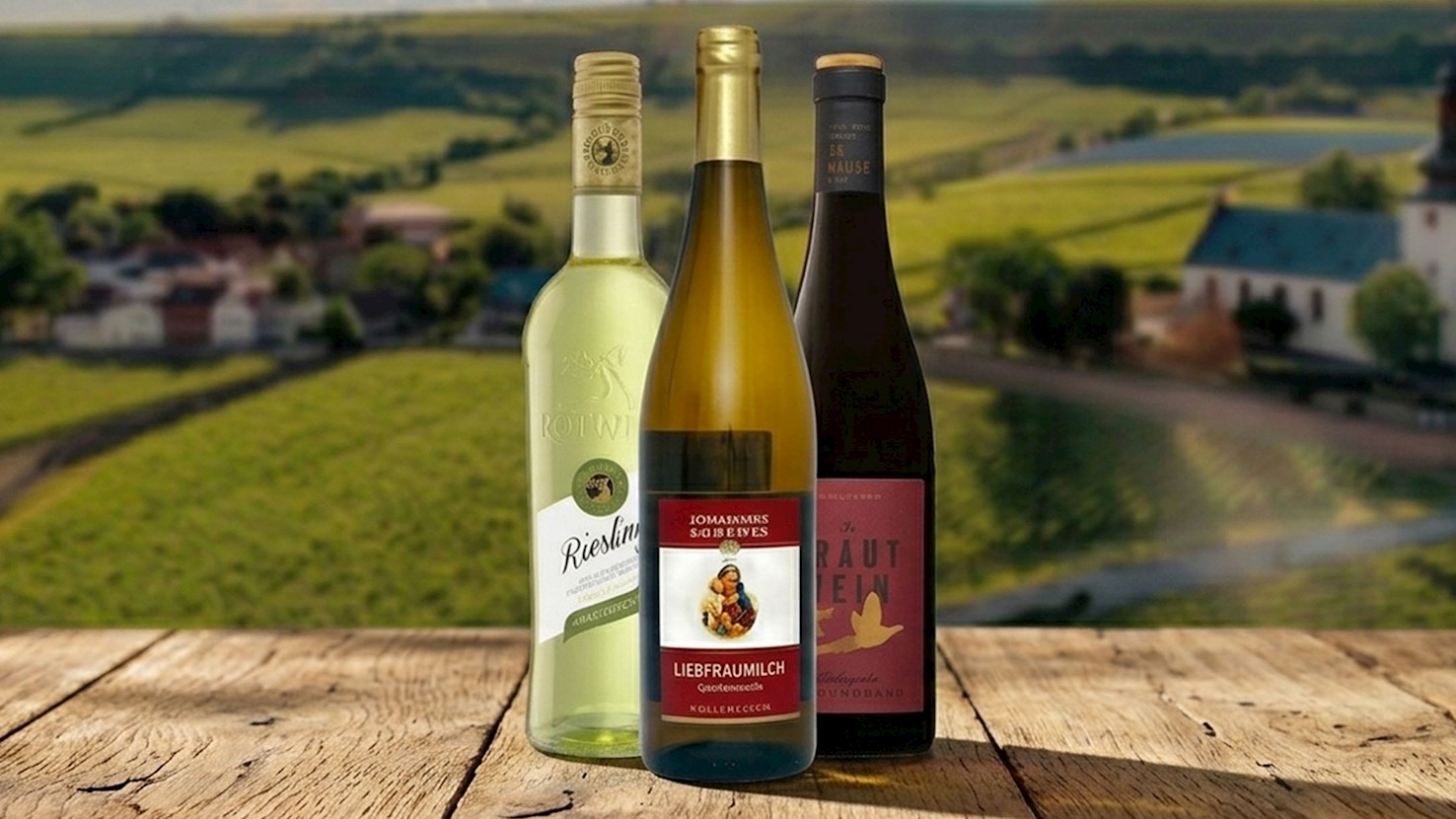
Liebfraumilch is a semi-sweet German wine style produced in Rheinhessen, Pfalz, Rheingau, and Nahe wine regions. Although official regulations stipulate that at least 70% of the blend has to include Müller-Thurgau, Bacchus, Silvaner, or Riesling, most producers opt for Müller-Thurgau. Liebfraumilch is mostly made for export. It enjoys a poor reputation, and it is often dubbed as a sweet and cheap supermarket wine. It was especially popular during the 1970s when it was usually regarded as a bulk wine intended for mass consumption. These wines first appeared in the 18th century. Original styles were mainly made with Riesling and were one of the best European wines at the time. The quality of the wines produced under the designation started to dwindle in the 20th century, but some producers have recently made an effort to bring the label its former fame by improving their quality and relying on Riesling grapes. Although their character can significantly vary, these wines are usually light-bodied and sweet, while the flavors are fruity and reminiscent of apples and citrus fruit.
Rieslaner is a white wine grape variety primarily grown in the German wine regions of Franconia and the Palatinate. It is a cross between the Silvaner and Riesling varieties, designed to combine the soil adaptability of the former with the high acidity and aromatic profile of the latter. The grape occupies a small vineyard area, totaling approximately 60 hectares across Germany, as it requires specific site conditions to ripen fully. The variety thrives in shell limestone and heavy clay soils, which are prevalent in the Main river valley. The crossbreed was developed in 1921 by August Ziegler at the Bavarian State Institute for Viticulture and Horticulture in Veitshöchheim. The objective of the breeding program was to create a grape that could reach high sugar concentrations while maintaining a robust acid structure, particularly for the production of sweet wines. Although initially intended for widespread use, the variety's susceptibility to botrytis and its late-ripening nature limited its cultivation to specialized producers. By the late 20th century, the grape found its primary niche in the Franken region, where the continental climate and limestone terroir prevented the acidity from dropping too quickly during the ripening phase. Preparation of Rieslaner wine focuses on its high extract and tartaric acid content. For dry versions, the grapes are fermented in stainless steel to maintain a clean profile of citrus and stone fruit flavors. However, the variety is most frequently used to produce noble sweet wines, including Beerenauslese and Trockenbeerenauslese styles. During the winemaking process, the intense acidity requires careful balance against residual sugar to prevent the wine from becoming cloying. Serving temperatures vary based on the style, with dry Rieslaner served at 8°C to 10°C and sweet versions served cooler, between 6°C and 8°C. A specific characteristic of the vine is its tendency to produce high yields if not strictly pruned, which can dilute the intense apricot and lemon aromas that characterize the variety. The variety possesses a unique chemical profile characterized by exceptionally high levels of acidity that remain stable even in very hot years. This allows it to achieve botrytis-affected sweetness while retaining a sharp, structural backbone that many other German crosses lack. Unlike its parent Riesling, Rieslaner often develops a distinct herbal or spicy note in its youth that evolves into complex honeyed flavors over decades of bottle aging. Rieslaner is consumed as an accompaniment to both savory and sweet dishes depending on its residual sugar level. Dry versions are paired with spicy regional dishes, pork, and sausages where the high acidity can cut through fat. The sweet variants are served alongside blue cheeses such as Roquefort or Stilton, as the saltiness of the cheese balances the sugar and acid of the wine. Additionally, it is paired with fruit-based desserts, particularly those featuring peach, apricot, or quince, and is often consumed as a digestif due to its concentrated flavor profile.
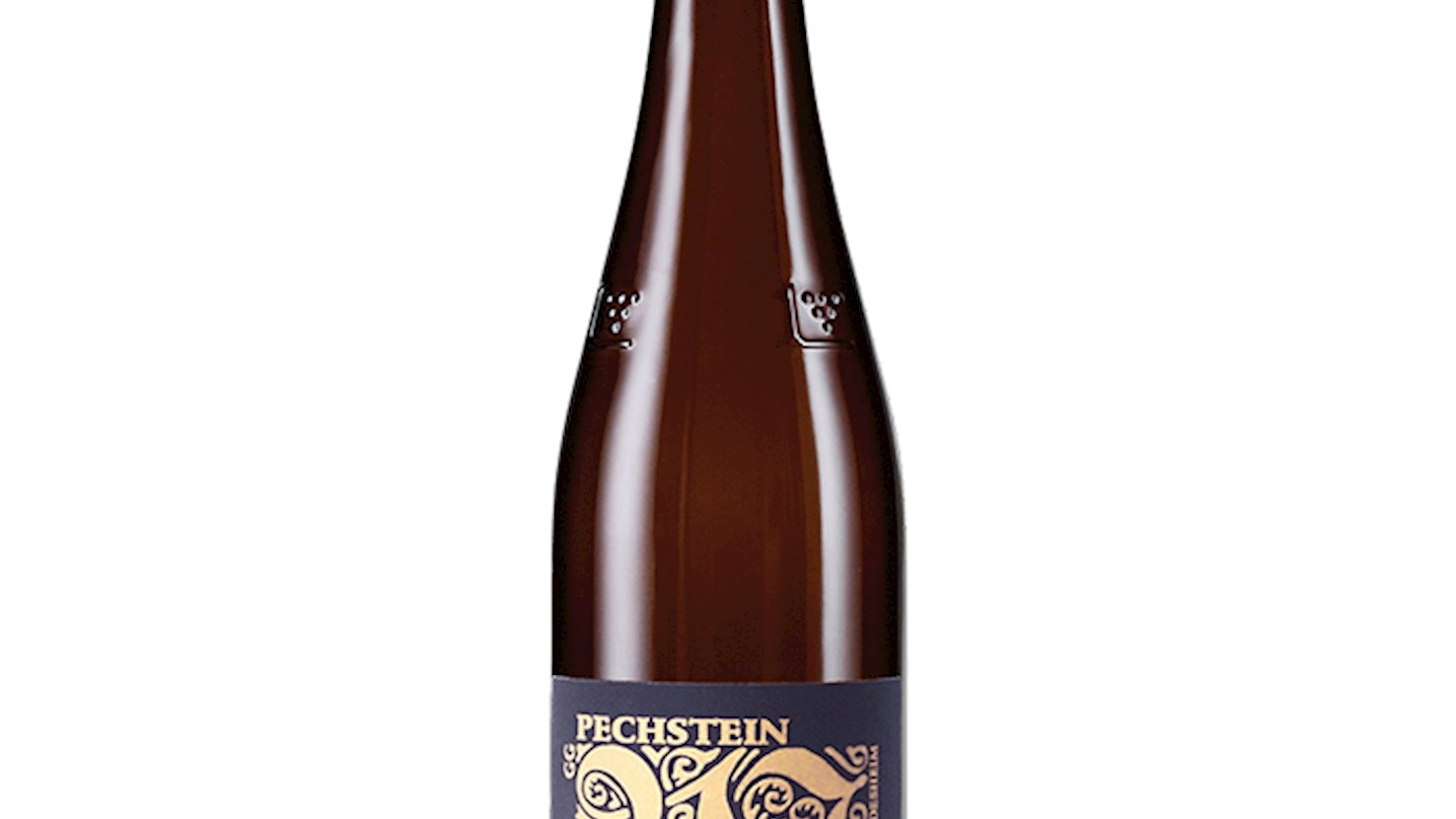
Pfalz is a wine-growing region located in the southwest of Germany, within the federal state of Rhineland-Palatinate. It occupies a strip of land approximately 85 kilometers long, bordered by the Haardt Mountains to the west and the Rhine River plain to the east. The region covers approximately 23,600 hectares of vineyards, making it the second-largest wine region in the country. The climate is characterized by high sunshine hours, averaging 1,800 per year, and low precipitation due to the rain shadow cast by the mountains. The geology is diverse, featuring a mosaic of limestone, Bunter sandstone, loess, loam, and isolated patches of volcanic basalt and red slate. Viticulture in this area was established during the Roman occupation in the 1st century. Archaeological excavations have uncovered several Roman villa rusticae, such as those in Wachenheim and Ungstein, which included sophisticated pressing facilities. After the decline of Roman administration, vineyard management continued under the supervision of various ecclesiastical estates and local nobility. In 1816, following the Napoleonic Wars and the Congress of Vienna, the region came under the administration of the Kingdom of Bavaria, a political status that lasted until 1946. During the 1930s, the Deutsche Weinstraße (German Wine Route) was officially established to unify the local wine commerce and promote tourism, marking the first such route in the world. Preparation involves the cultivation of 45 white and 22 red grape varieties. Riesling is the primary grape, covering nearly 6,000 hectares, but the region also produces significant volumes of Dornfelder, Grauburgunder (Pinot Gris), Weissburgunder (Pinot Blanc), and Spätburgunder (Pinot Noir). The winemaking process often utilizes large, neutral wooden barrels for fermentation and aging, which facilitates oxygen exchange without imparting strong oak flavors. Serving temperatures are typically 8°C to 12°C for white wines and 16°C to 18°C for reds. A specific vessel used in the region is the Dubbeglas, a 500-milliliter glass featuring circular indentations that provide a secure grip. A unique feature of Pfalz viticulture is the high proportion of red wine production compared to other German regions, accounting for nearly 40% of the total output. The region is also the only place in Germany where figs, lemons, and almonds grow in the open air due to the Mediterranean-like microclimate. Consumption often takes place in local wine taverns and at large-scale festivals, the most prominent being the Dürkheimer Wurstmarkt. The wine is frequently consumed as a Schorle, mixed with sparkling mineral water. Food pairings include the regional specialty Pfälzer Saumagen, a dish made of pig's stomach stuffed with pork, potatoes, and spices, which complements the structural acidity of a dry Riesling. White varieties are also paired with white asparagus, trout, and poultry. The fuller-bodied Spätburgunder is served with roasted meats, game, and earthy mushroom dishes.
Rüdesheim is a wine-growing town in the Rheingau region of the German state of Hesse. It is located at the southern gateway to the UNESCO World Heritage Upper Middle Rhine Valley, where the Rhine River turns north into a narrow gorge. The viticultural area is defined by south-facing slopes with gradients reaching 70%, specifically in the Rüdesheimer Berg sector. The geological composition consists of Taunus quartzite and Magdalene slate. These rocky soils function as thermal reservoirs, absorbing solar radiation during the day and releasing heat at night, which assists in ripening grapes in a cool-climate environment. Viticulture in this location dates to the Roman era, around 50 BCE, when settlers introduced vines to the riverbanks. Archaeological evidence of Roman walls and agricultural tools supports this early establishment. By the 11th century, the town had become a significant center for the wine trade, and in 1074, it received its first official written mention. During the 12th century, the archbishops of Mainz constructed the Brömserburg castle, which served as a fortified residence and a hub for monitoring river traffic and wine commerce. In the 19th century, following the re-establishment of the German Empire, the region's Rieslings gained international prominence, being served at state banquets and exported as high-value commodities. Preparation primarily involves the Riesling grape, which accounts for 80% of the vineyard area, along with Spätburgunder (Pinot Noir) in the Assmannshausen district. Because of the extreme incline of the terraced hillsides, mechanical harvesting is impossible in the best sites, necessitating manual labor. The grapes are gently pressed and fermented in temperature-controlled stainless steel tanks to preserve citrus and floral aromatics, or in large neutral oak barrels to add structural depth. Serving temperatures for the white wines are 8°C to 10°C, while the red Spätburgunder is served at 14°C to 16°C. A unique feature of the Rüdesheimer Berg is its proximity to the Rhine Gorge, where the river narrows and creates a "lake effect" that reflects additional sunlight onto the steep cliffs, significantly increasing the cumulative heat units for the vines compared to flatter inland areas. Consumption of Rüdesheim wine is integrated into regional and international culinary practices. Dry Rieslings from the steep slate slopes are characterized by high minerality and acidity, making them a pairing for freshwater fish, such as pike-perch or trout, and dishes containing white asparagus. The wine's structural intensity allows it to accompany roasted poultry and veal. Because of the distinct saline and mineral profile, it is also served with salty appetizers like charcuterie and hard cheeses. Sweet varieties, including Spätlese and Auslese, are paired with spicy Asian dishes or fruit-based desserts, where the residual sugar balances capsaicin heat or fruit acidity. Spätburgunder from the nearby slopes is commonly consumed with game meats, mushrooms, and earthy vegetable stews.
Kiedrich is a wine-growing village in the Rheingau region of Hesse, located on the southern slopes of the Taunus Mountains. The area covers 200 hectares, primarily planted with Riesling on high-elevation sites reaching 240 meters. The soil consists of phyllite slate, loess, and quartzite, providing high mineral content and drainage that forces roots to penetrate deep into the rock. Documented viticulture began here in the 12th century, coinciding with the construction of Burg Scharfenstein in 1160. The Cistercian monks of Eberbach Abbey developed the vineyard systems, with the Gräfenberg site first recorded in 1258. In the late 19th century, the expansion of the Robert Weil estate brought international attention to the village, as its high-grade Rieslings were sought by European royal courts. Production involves manual harvesting on inclines of up to 60%. The grapes undergo gentle pressing followed by fermentation in stainless steel or neutral oak barrels to define the wine's structure. Serving temperatures are 8°C to 10°C for dry styles and 6°C to 8°C for sweet varieties. Kiedrich is distinct for the Turmberg vineyard, a 3.8-hectare monopole on barren phyllite slate that produces wines with prominent salinity. The village is also recognized for its ability to produce every quality level, from dry to noble sweet, in nearly every vintage due to its consistent microclimate. Kiedrich Riesling is consumed alongside light proteins such as trout, poultry, and shellfish. Its acidity and mineral profile make it suitable for pairing with spicy Thai or Japanese cuisine. Dry, high-quality site wines accompany roasted vegetables or goat cheese, while sweet Auslese styles are served with fruit tarts or blue cheese.
Mosel is a German wine region situated along the valley of the Mosel River and its tributaries, the Saar and the Ruwer, in the state of Rhineland-Palatinate. It covers 8,800 hectares of vineyards, extending from the French and Luxembourg borders toward Koblenz. The geography is defined by narrow river bends and extreme slopes, including gradients of up to 65 degrees. The soil is predominantly Devonian slate, which absorbs solar heat during the day and radiates it to the vines at night. Viticulture was established here by the Romans in the 2nd century to supply the city of Trier. Following the collapse of the Roman Empire, monastic estates managed the land until the 18th century, when the Napoleonic Code led to the current system of fragmented family ownership. In the 19th century, the Prussian administration created a site classification system based on tax assessments that remains a reference for quality today. Preparation centers on the Riesling grape, which accounts for over 60% of the vineyard area. Due to the vertical terrain, half of the region’s harvest is performed manually. Fermentation occurs in stainless steel tanks or 1,000-liter neutral oak barrels called Fuder. Serving temperatures are maintained at 8°C to 10°C. The region is unique for its low-alcohol wines, often between 7% and 11% ABV, which is achieved by the cool climate and the interruption of fermentation to retain natural sugars. Another distinct feature is the single-pole training system, where individual vines are tied to wooden stakes on the steepest inclines to maximize light and airflow. Mosel wine is consumed in tapered glassware designed to highlight its high acidity and mineral characteristics. It is served locally with freshwater trout or Riesling-based cream soups. The balance of sugar and acid makes these wines a standard pairing for spicy Asian cuisines, as the sweetness counteracts heat. Dry styles are often served with poultry and goat cheese, while sweeter Auslese varieties are paired with blue cheeses or fruit-based desserts.
Rheingau wine is a viticultural product from the central German region of the same name, located primarily on the right bank of the Rhine River between the cities of Wiesbaden and Lorch. The development of viticulture in this area was significantly advanced during the twelfth century by Cistercian monks at Kloster Eberbach and Benedictine monks at Schloss Johannisberg, who utilized the unique southern orientation of the riverbanks. Because the Rhine flows westward for twenty-eight kilometers in this specific section, the vineyards face south, maximizing solar radiation and protection from cold northern winds provided by the Taunus Mountains. The soil composition consists of quartzite and slate on the upper slopes, while the lower elevations near the river contain layers of loess, clay, and gravel. Preparation of the wine centers on the Riesling grape, which accounts for approximately eighty percent of the vineyard area, along with Spätburgunder, also known as Pinot Noir. Winemaking processes include temperature-controlled fermentation in stainless steel or large neutral oak casks to maintain the natural acidity and aromatic profile of the fruit. Serving these wines involves chilling the white varieties to approximately eight to ten degrees Celsius, while the red varieties are best presented at sixteen degrees Celsius. In 1775, the late harvest category known as Spätlese was identified at Schloss Johannisberg after a messenger delivering the official harvest permit was delayed, resulting in the discovery that grapes affected by Botrytis cinerea, or noble rot, produced a concentrated sweet wine. The region also utilizes a specific classification for dry wines from superior sites. Dry Rieslings are frequently paired with freshwater fish such as trout or pike, as well as poultry and seasonal white asparagus. The Spätburgunder wines accompany roasted meats and game, while the sweeter Auslese and Beerenauslese bottlings are served with blue cheeses or fruit-based desserts to balance the sugar levels.
Rheinhessen is a wine-producing region located in a valley formed by the Rhine River to the north and east, and the Nahe and Alsenz rivers to the west, situated within the German state of Rhineland-Palatinate. Viticulture in this territory was established by Roman settlers, with the oldest documented vineyard site in Germany, the Niersteiner Glöck, being recorded in a deed from the year 742. The region is characterized by a diverse landscape of rolling hills protected from cold winds and heavy rainfall by the Odenwald, Taunus, Hunsrück, and Nordpfälzer Bergland mountains. This geography creates a warm, dry microclimate suitable for a wide variety of grapes grown on soils ranging from loess and marl to quartzite and the specific Rotliegend red slate found along the Rhine terrace. Preparation of these wines involves the cultivation of Riesling, Müller-Thurgau, and Silvaner, which was once the most prevalent grape in the area, alongside increasing amounts of Spätburgunder and Dornfelder. Modern cellar techniques focus on precision and temperature-controlled fermentation to produce styles that range from basic quality wines to high-end Grosses Gewächs bottlings. A notable shift in production occurred in the late 20th century as younger vintners moved away from mass-produced sweet blends like Liebfraumilch toward dry, site-specific wines that emphasize terroir. Serving Rheinhessen white wines typically requires a temperature between 8 and 12 degrees Celsius, while the reds are best presented at 16 to 18 degrees Celsius. These wines are consumed globally and are central to the local culinary culture in cities like Mainz and Worms. Dry Rieslings from the region are frequently paired with poultry, light pork dishes, and seasonal white asparagus, while the fuller-bodied Silvaner is a common accompaniment to regional specialties such as Weck, Worscht un Woi, or creamy soups. The red varieties like Spätburgunder are often served with roasted meats or local sausages, providing a structural balance to the fat and salt content of the food.
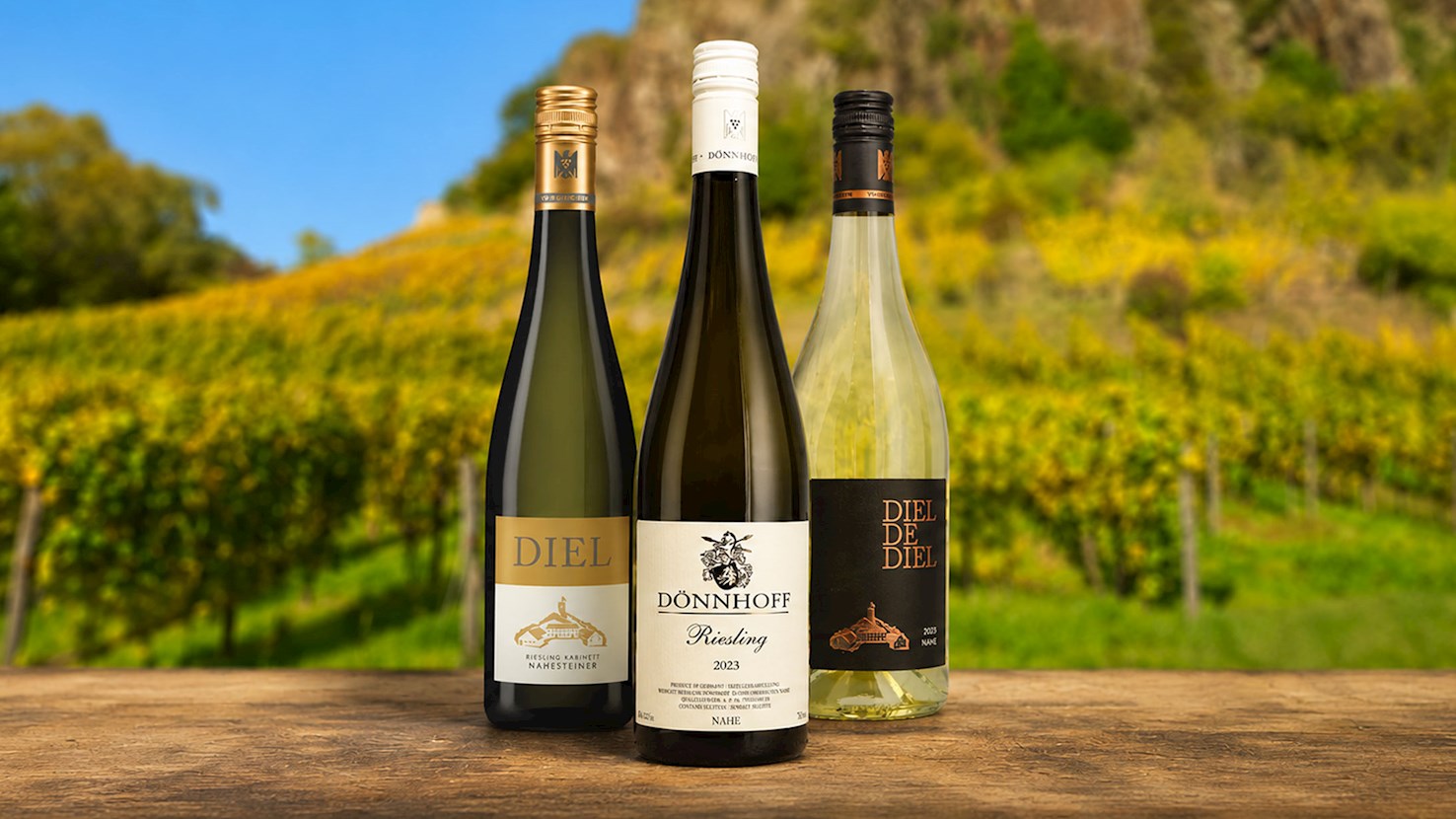
Nahe is a wine appellation in southwest Germany situated along the Nahe River, a tributary of the Rhine, between the Mosel and Rheinhessen regions. Viticulture in this valley was established during the Roman occupation, with documented evidence of vineyard expansion occurring under the influence of local monasteries and nobility throughout the Middle Ages. The region occupies a unique geological transition zone where over 180 different soil types have been identified within a relatively small area, including volcanic stone, slate, red sandstone, and limestone. This geological diversity is a result of intense tectonic activity and volcanic eruptions millions of years ago, which surfaced various rock layers that now influence the mineral profile of the grapes. Preparation of Nahe wine centers largely on the Riesling grape, which accounts for approximately one-quarter of the vineyard area, alongside significant plantings of Müller-Thurgau, Grauburgunder, and Weissburgunder. The winemaking process involves cool fermentation in stainless steel or large neutral oak casks to preserve the high natural acidity and site-specific characteristics. Due to the varied topography, vineyards on steep, south-facing volcanic slopes produce wines with high mineral concentration and smoke notes, while those on loess or clay soils result in broader, fruitier profiles. Serving these wines typically requires a temperature between 8 and 10 degrees Celsius for dry Rieslings, while sweeter Prädikat wines are often served slightly cooler to balance the sugar content. In Germany and international markets, Nahe wines are consumed as both aperitifs and accompaniments to structured meals. The dry Rieslings are frequently paired with freshwater fish like trout or pike-perch, which reflect the river-based geography of the region. The high acidity and medium body of Nahe whites also make them suitable for pairing with veal dishes, lightly spiced poultry, and various local cheeses such as Spundekäs. Because of the distinct mineral salinity found in wines from the volcanic soils of the lower Nahe, they are also commonly served with shellfish or mineral-rich vegetable dishes like white asparagus.
TasteAtlas food rankings are based on the ratings of the TasteAtlas audience, with a series of mechanisms that recognize real users and that ignore bot,
nationalist or local patriotic ratings, and give additional value to the ratings of users that the system recognizes as knowledgeable.
For the “Top 100 Western German Wines” list until June 10, 2026, 240 ratings were recorded, of which 221 were recognized by the system as legitimate.
TasteAtlas Rankings should not be seen as the final global conclusion about food. Their purpose is to promote excellent local foods,
instill pride in traditional dishes, and arouse curiosity about dishes you haven’t tried.
The initial list of top producers was compiled based on available reviews, awards, local recommendations, media and blog coverage, and consumer reviews.
The list will be updated with ratings from TasteAtlas local ambassadors and TasteAtlas users.