Top 91 Austrian Wines

Last updated on July 15, 2026

Best Austrian Wines

01

Weingut Scheiblhofer

5.0 ·

Weingut Scheiblhofer is a modern family-owned winery located in Andau, within the Burgenland, an area known for its warm climate and ideal conditions for producing rich, full-bodied wines. Founded by Johann Scheiblhofer in the 1980s, the estate gained international recognition under the leadership of his son, Erich Scheiblhofer, who took over in 2000.

The winery cultivates around 85–100 hectares of vineyards, focusing primarily on red varieties such as Zweigelt, Blaufränkisch, Cabernet Sauvignon, and Merlot. Its style is characterized by ripe fruit, concentration, and frequent oak aging, resulting in structured and approachable wines.

One of its most recognizable labels is “Big John,” which reflects the winery’s bold and modern identity. Scheiblhofer also stands out for its investment in innovation and sustainability, including energy-efficient production supported by solar power.

In addition to winemaking, the estate has developed a strong enotourism offering, combining wine experiences with hospitality and events. Overall, it represents a contemporary approach to Austrian winemaking, balancing scale, quality, and a clear market-oriented style.

Awards
Falstaff - 100
Falstaff - 99
02

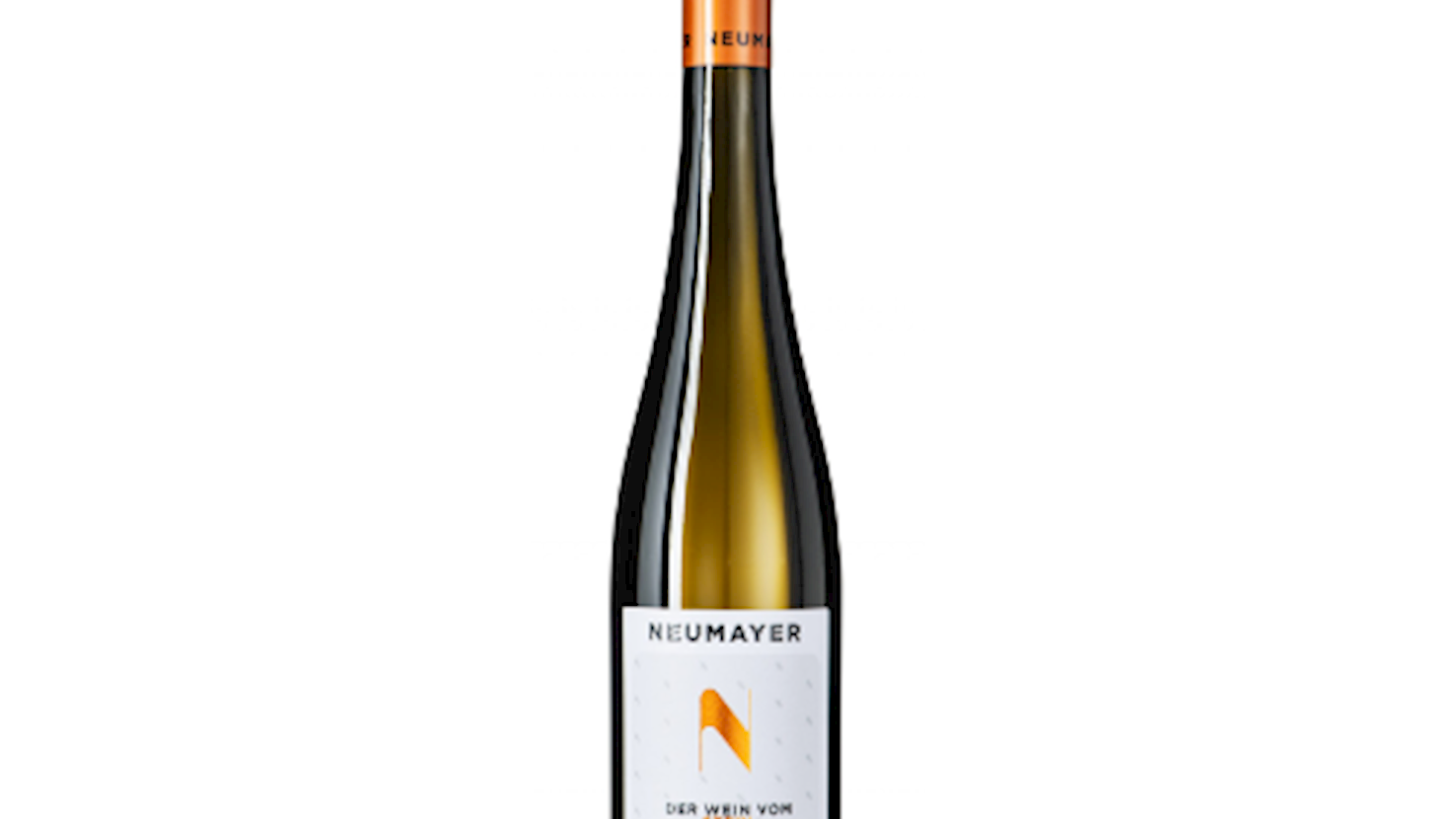
Weingut Ludwig Neumayer

5.0 ·

Weingut Ludwig Neumayer is a leading winery in the Traisental region of Lower Austria, known for its clear focus on terroir-driven white wines. Based in Inzersdorf ob der Traisen, the estate is defined by limestone-rich, stony soils that strongly influence the structure and minerality of its wines.

Ludwig Neumayer took over the family estate in the 1980s and transformed it into a quality-oriented winery, becoming one of the key figures in establishing Traisental as a respected wine region. The vineyards are planted exclusively with white grape varieties, primarily Grüner Veltliner and Riesling, alongside Weißburgunder and Sauvignon Blanc.

The poor, calcareous soils naturally limit yields and slow down ripening, resulting in wines with vibrant acidity, precision, and aging potential. The winemaking philosophy is centered on expressing the character of the “stone” terroir, emphasizing clarity, structure, and site-specific identity.

Signature lines such as “Der Wein vom Stein” reflect this concept, showcasing wines that are both concentrated and finely balanced. The overall style is marked by freshness, mineral tension, and restrained elegance rather than opulence.

Today, the winery is considered one of the benchmark producers of Traisental, consistently delivering wines that reflect both origin and meticulous vineyard work.

Awards
Falstaff - 99
03

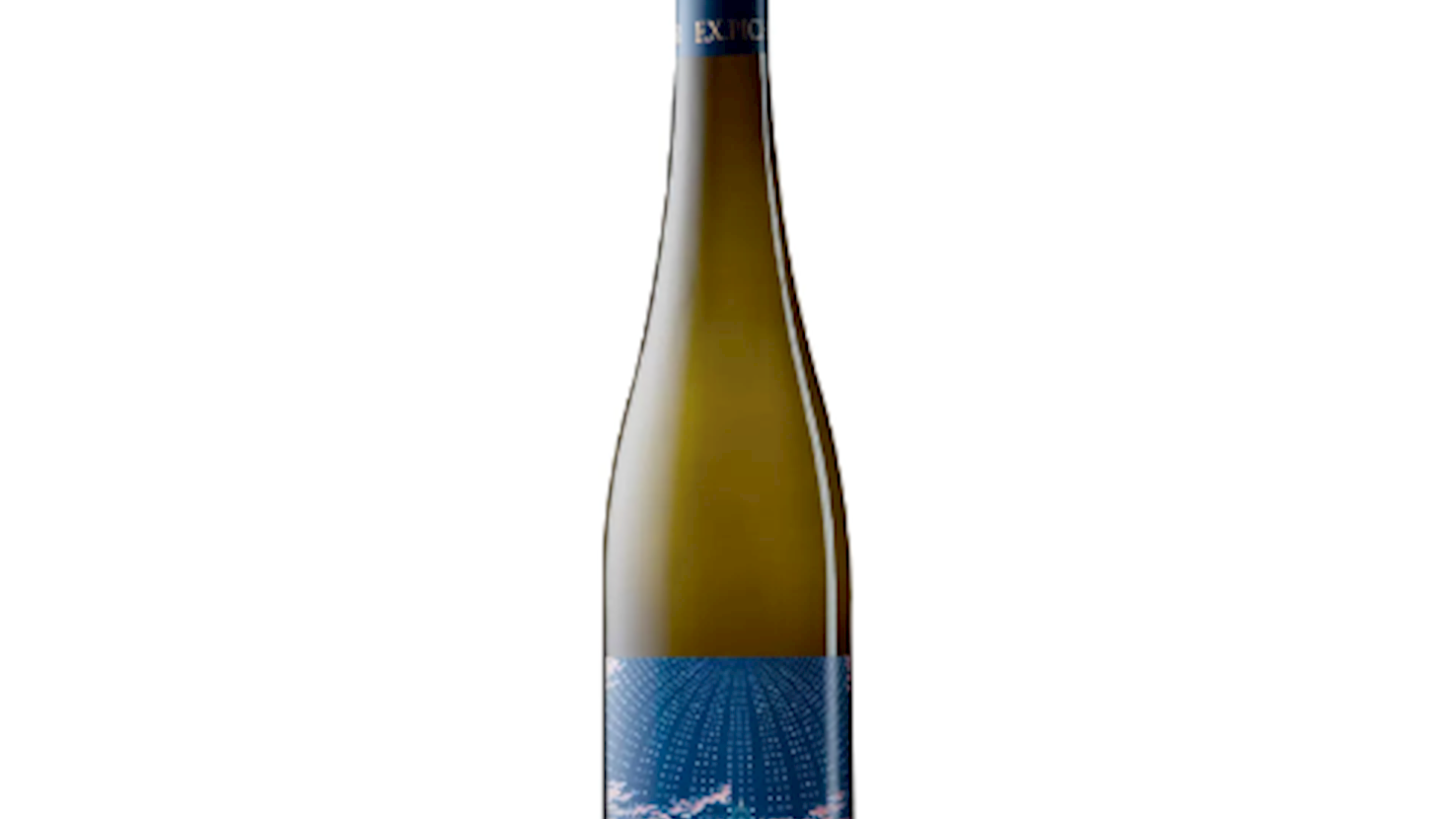
F.X. Pichler

5.0 ·

The F. X.

Pichler winery is located in Oberloiben, in the heart of Austria’s Wachau wine region, known for steep terraced vineyards above the Danube River. The estate has been family-run for more than six generations, with a production philosophy centered on manual work and strict grape selection.

The vineyards lie on quartz and gneiss soils, which contribute to the pronounced minerality of their wines. The winery focuses exclusively on white varieties, primarily Grüner Veltliner and Riesling, which make up almost the entire portfolio.

The wines are produced with minimal intervention, applying organic principles and allowing fermentation to preserve the pure varietal character. Their Grüner Veltliner often shows full body, complex spicy notes, and a subtle saline finish.

Riesling is defined by precise acidity, citrus freshness, and a clear expression of terroir. F.

X. Pichler wines are known for balance, concentration, and strong aging potential.

The winery’s style combines precision and elegance with depth and intensity of flavor. Their wines are sought after by collectors and featured in top restaurants and wine boutiques worldwide.

Thanks to consistent quality and distinctive expression, F. X.

Pichler represents one of the most authentic examples of Grüner Veltliner and Riesling from the Wachau region.

Awards
James Suckling - 100 points (2024)
Falstaff - 100
05

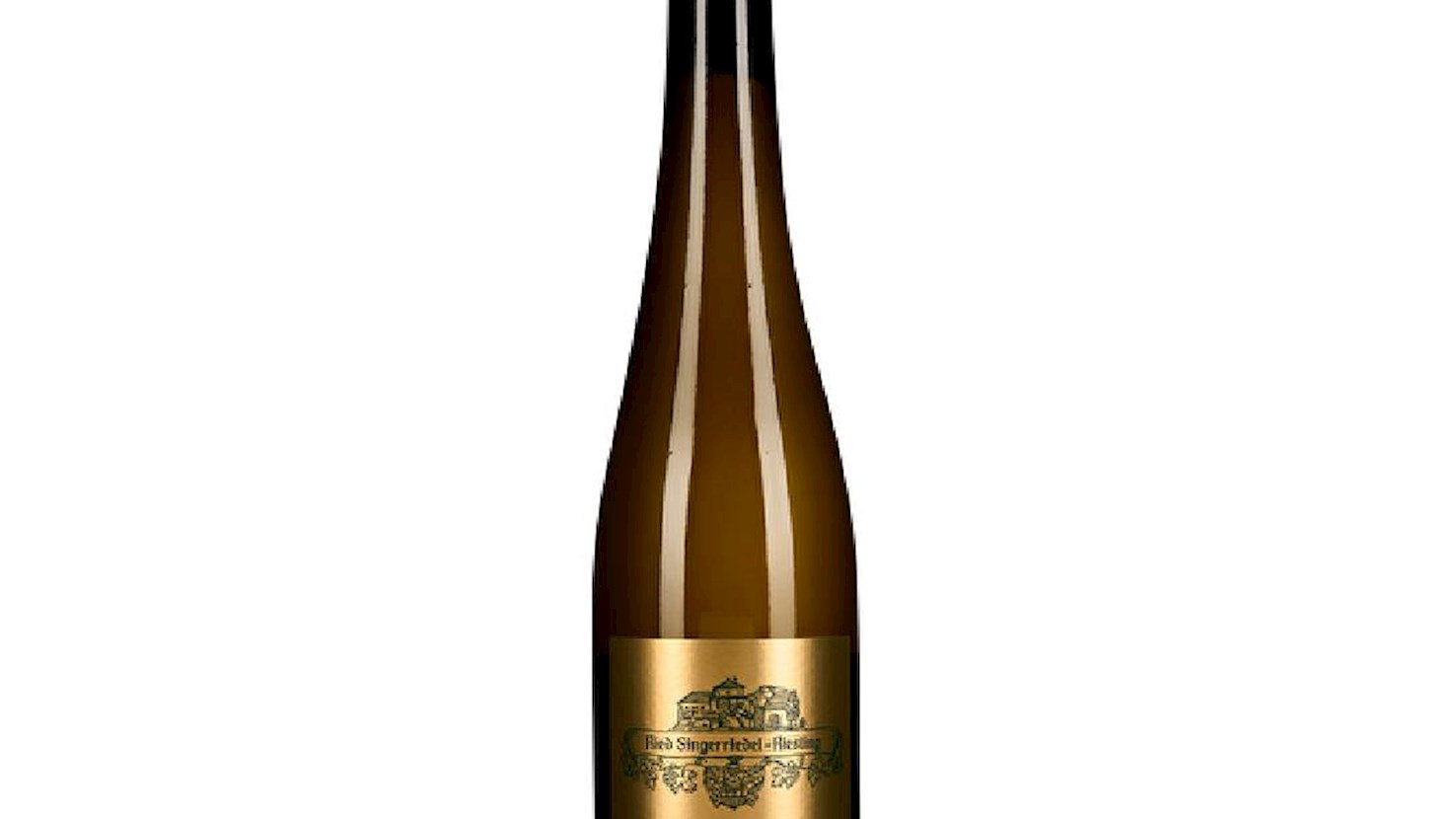
Weingut Franz Hirtzberger

4.9 ·

Weingut Franz Hirtzberger is one of Austria’s most respected wineries, rooted in a long family tradition in the village of Spitz, in the western part of the Wachau region. The estate’s vineyards, some of which date back centuries, are located on steep, terraced slopes along the Danube, where a combination of cool climate and rocky soils shapes wines of remarkable precision.

Since taking over in the 1980s, Franz Hirtzberger significantly elevated the estate’s reputation by focusing on top vineyard sites such as Singerriedel, Honivogl, and Hochrain. The winery primarily works with Grüner Veltliner and Riesling, producing wines that clearly reflect their origin.

Viticulture is carried out with strict yield control and careful hand selection, ensuring high-quality fruit. In the cellar, the approach is restrained, with fermentation and ageing designed to preserve purity and terroir expression.

The resulting wines are known for their structure, mineral character, and aging potential. Hirtzberger’s portfolio consistently ranks among the benchmark examples of Wachau, combining concentration with elegance.

Today, the winery is widely regarded as a reference point for Austrian white wines, especially in the premium category.

Awards
James Suckling - 100 points (2024)
Falstaff - 100
06

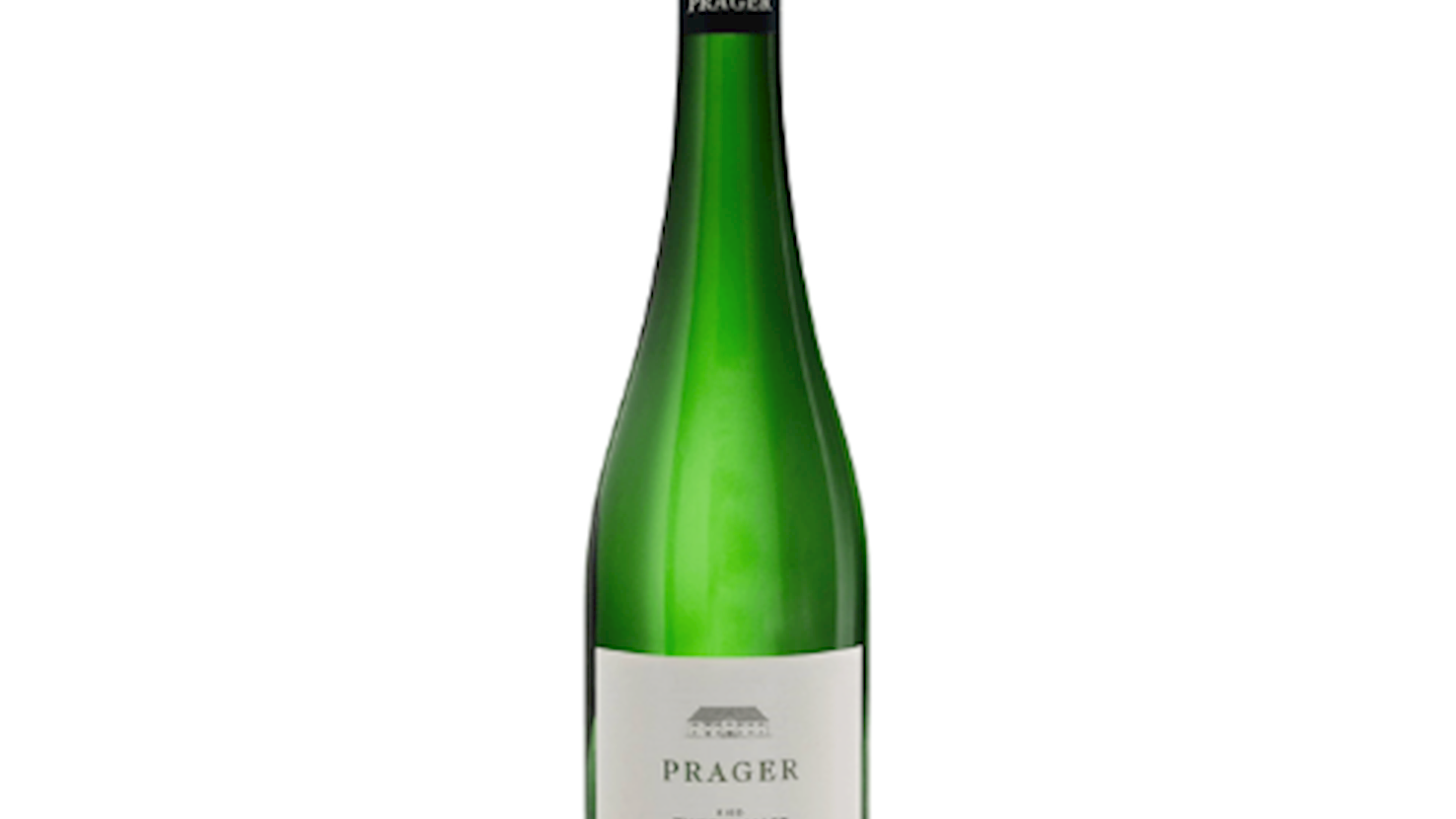
Weingut Prager

4.9 ·

Weingut Prager is one of the most respected family-owned wineries in the Wachau, located in Weißenkirchen along the Danube River. Viticulture on the estate dates back to 1302, while the Prager family has been associated with the property since 1715, with its modern identity shaped from the 1980s onward under the guidance of Franz Prager and later Toni Bodenstein.

The vineyards, covering around 17–18 hectares, are planted primarily with Riesling and Grüner Veltliner, varieties that best express the region’s steep, terraced sites and complex geology. The soils are poor and stony, and combined with strong diurnal temperature shifts, they enable slow ripening and the development of precise, mineral-driven wines.

Prager’s philosophy is rooted in minimal intervention and a deep respect for nature, aiming to capture the individuality of each vineyard site. Notable vineyards such as Achleiten, Klaus and Zwerithaler are known for producing wines of clarity, structure and pronounced minerality.

The style is typically linear, elegant and focused, prioritizing ageing potential and terroir expression over immediate approachability. The winery was also among the pioneers of the modern dry wine style in Wachau and played a key role in establishing the quality standards of the region through the Vinea Wachau association.

Today, Prager is regarded as a benchmark producer, particularly for its refined and long-lived Riesling and Grüner Veltliner wines.

Awards
Falstaff - 100
Falstaff - 99
07

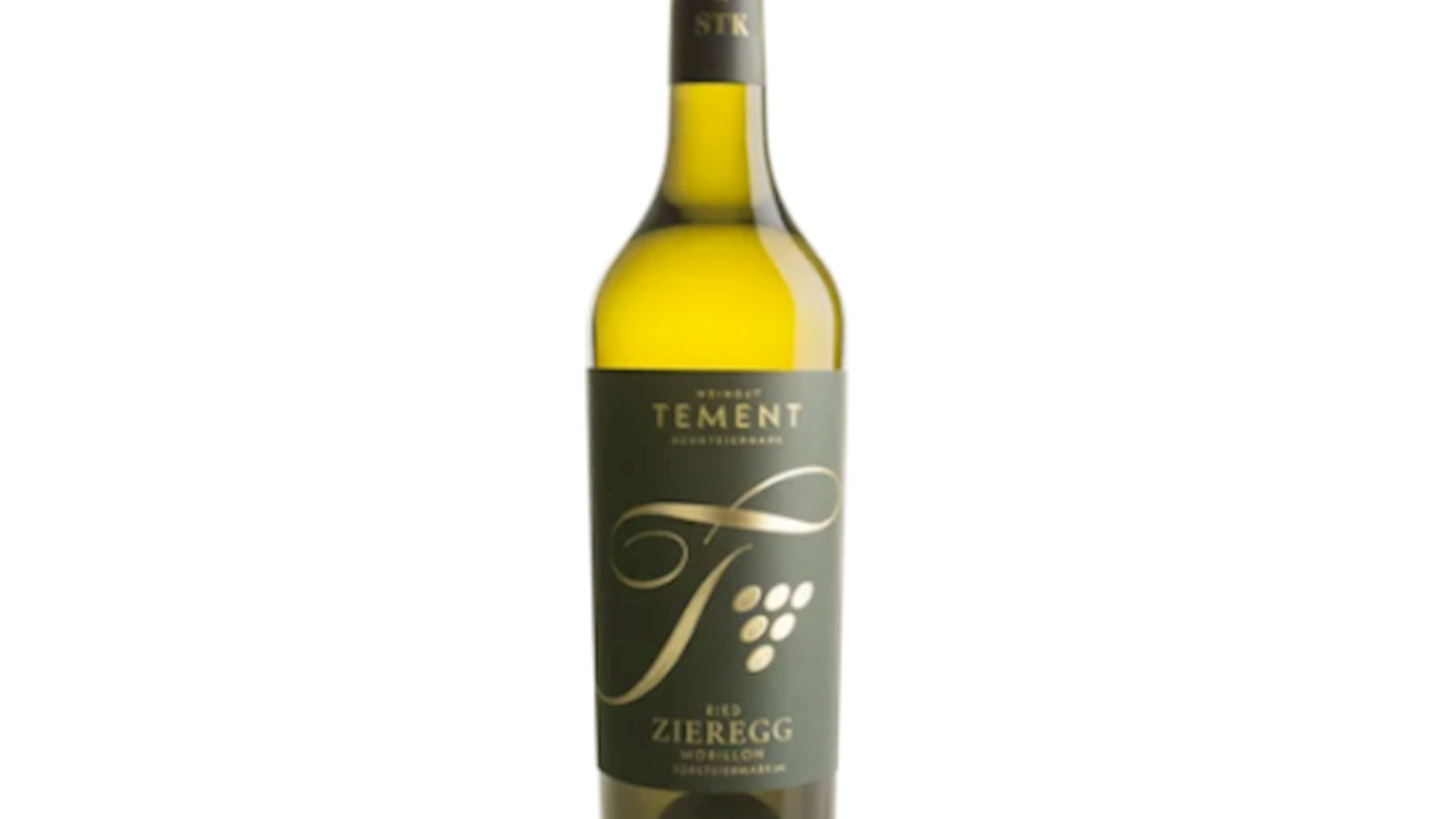
Weingut Tement

4.9 ·

Weingut Tement is one of the leading wineries in Austria’s Südsteiermark (South Styria), known for producing precise, mineral-driven, and age-worthy white wines. Founded in 1959, this family-owned estate is now run by Manfred Tement together with his sons Armin and Stefan, who continue to develop a strong focus on terroir and sustainable viticulture.

The vineyards are located on steep hills along the Slovenian border, where a cool climate and diverse soils - particularly marl and limestone - contribute to the wines’ aromatic intensity and freshness. Tement is especially recognized for its Sauvignon Blanc, considered among the finest in Austria, while also producing Chardonnay (Morillon), Weißburgunder, and other varieties. A key vineyard site is Zieregg, one of the most prestigious in the region, known for its complex microclimate and outstanding aging potential.

The estate follows organic practices in the vineyards, combined with a low-intervention approach in the cellar, including spontaneous fermentation and extended lees aging for higher-tier wines. The style is defined by purity, precision, and pronounced minerality, with a clear balance between ripeness and freshness.

Weingut Tement is widely regarded as a benchmark producer of South Styria, consistently emphasizing site expression and long-term sustainability.

Awards
Falstaff - 99
Vivino - 4.4
08

Weingut Alois Zimmermann
4.9 ·
Awards
Frankfurt International Trophy - Grand Gold (2024)
IWSC- International wine & spirit competition - Gold (2023)
09

Weingut Eichinger

4.9 ·
Awards
Decanter World Wine Awards - Platinum (2024)
10

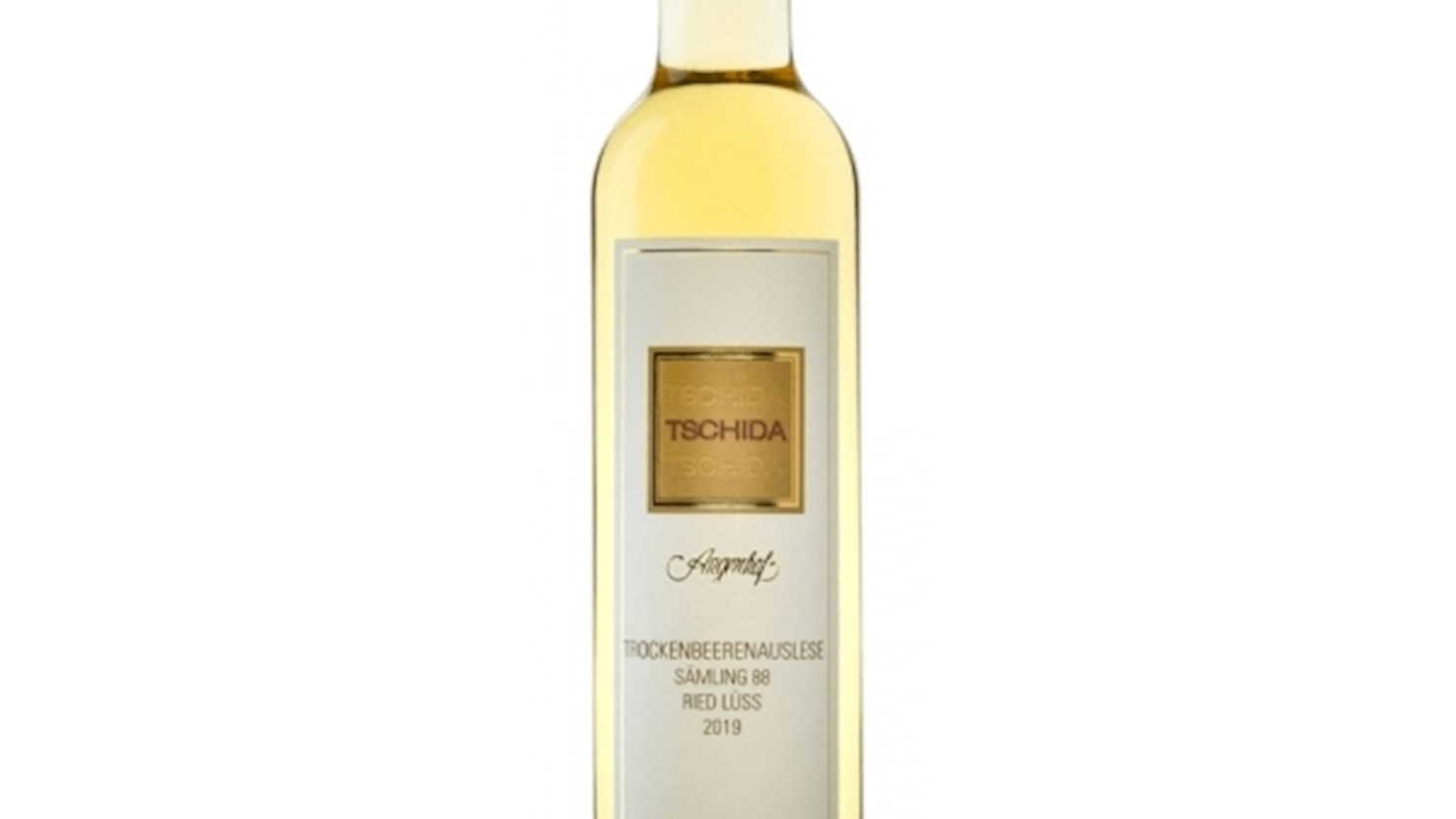
Hans Tschida

4.9 ·
Awards
IWSC- International wine & spirit competition - Gold (2023)

Best Austrian Wine Types
01

Grüner Veltliner

4.0 ·

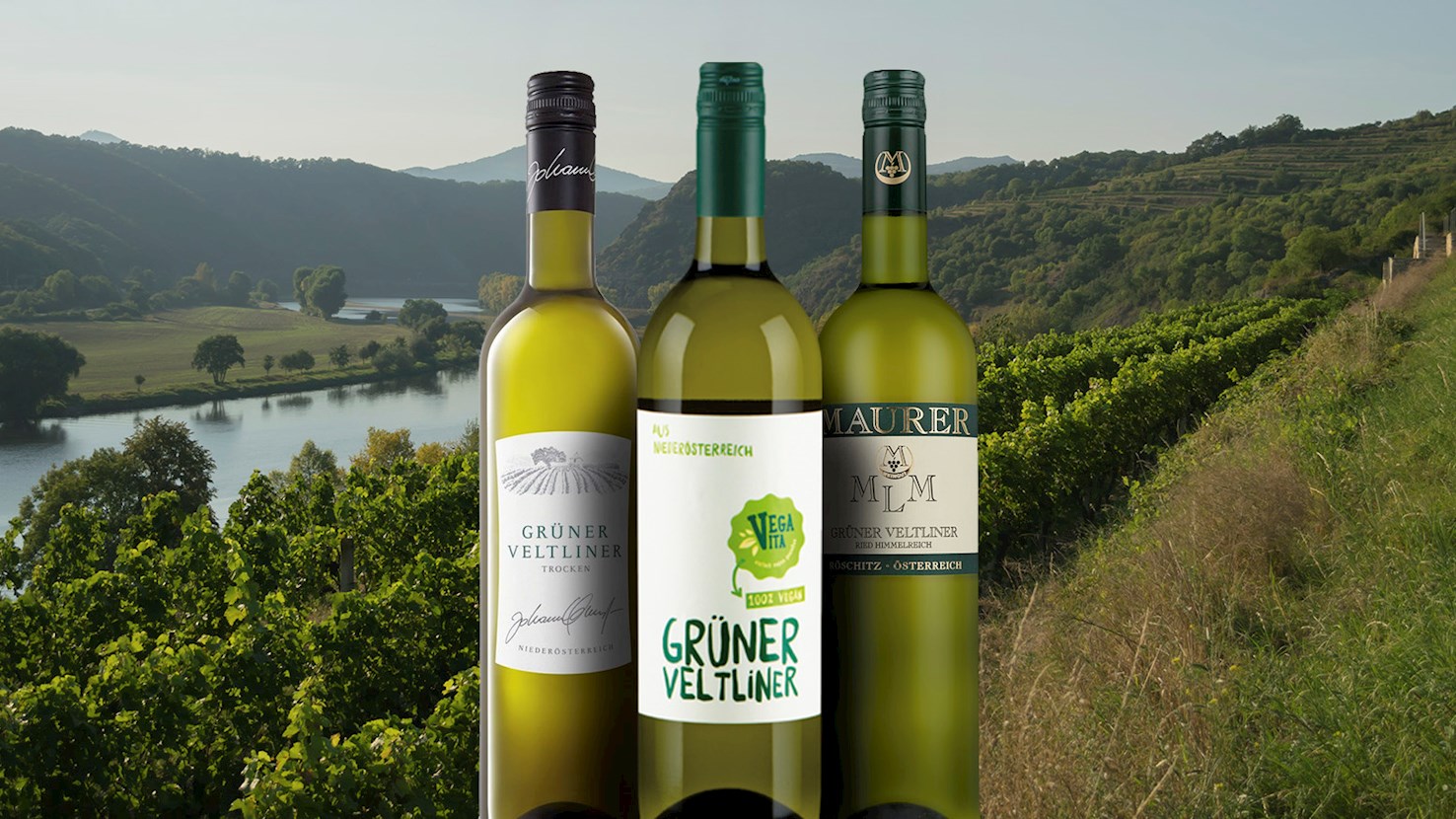
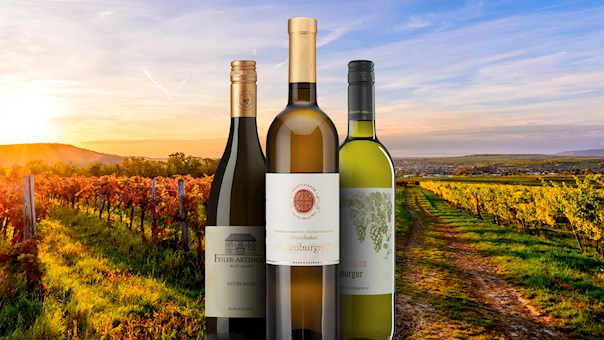
This famed dry white wine is produced mostly in Austria and, in a smaller part, Slovakia and the Czech Republic. It is believed to date back to Roman times while its name is derived from Veltlin—German for Valtellina valley in the north of Italy. Veltliner wines do not have a significant shelf life and are best enjoyed within two years of bottling. Dry and delicate, with flavors of green pepper and lime, Grüner Veltliner has a reputation of being a particularly food-friendly wine and is a popular offering on restaurant wine lists. It can be paired with practically anything, though it is mostly served with Austrian classics such as the Wienerschnitzel.

02

Zweigelt

3.8 ·

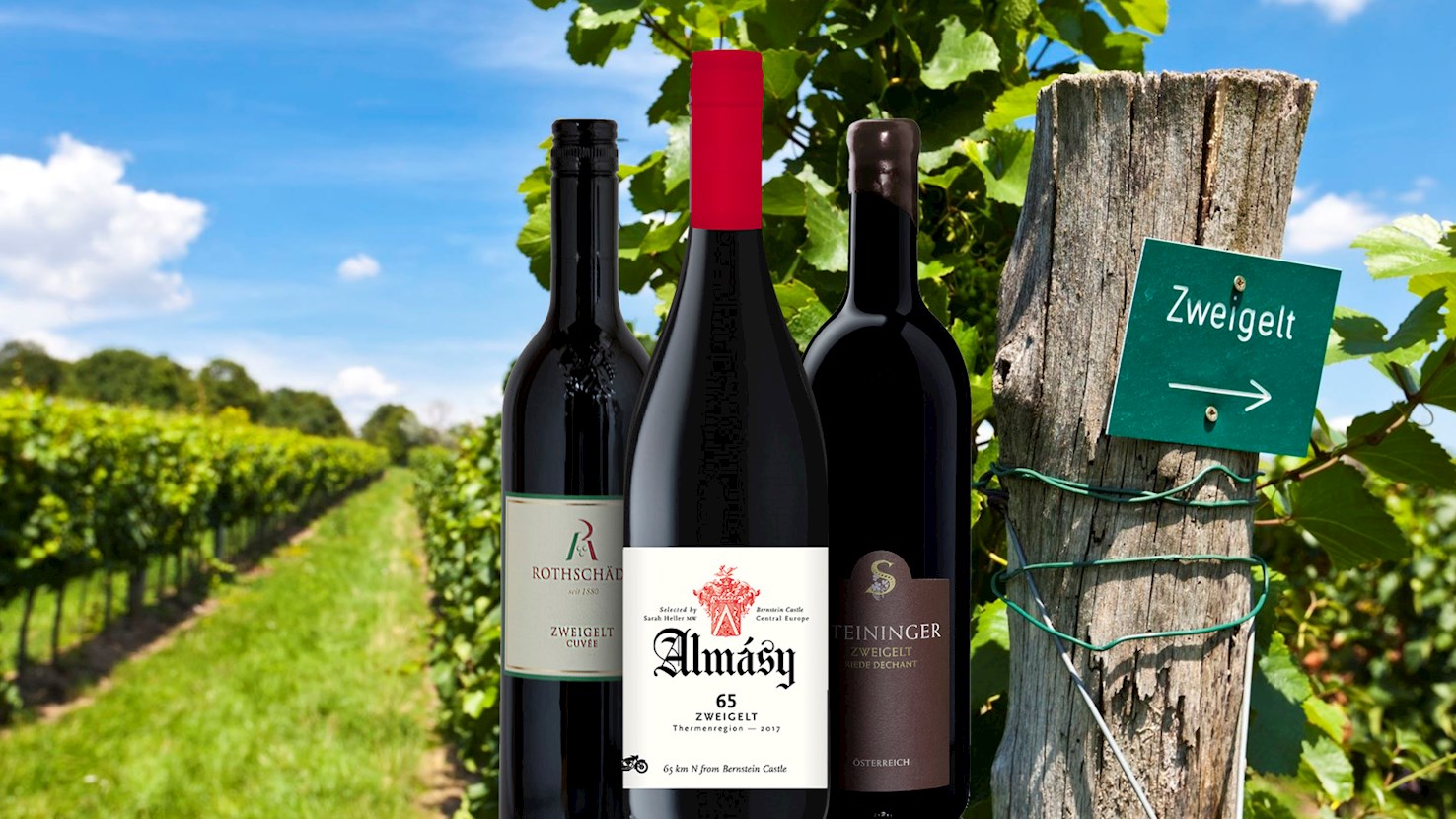
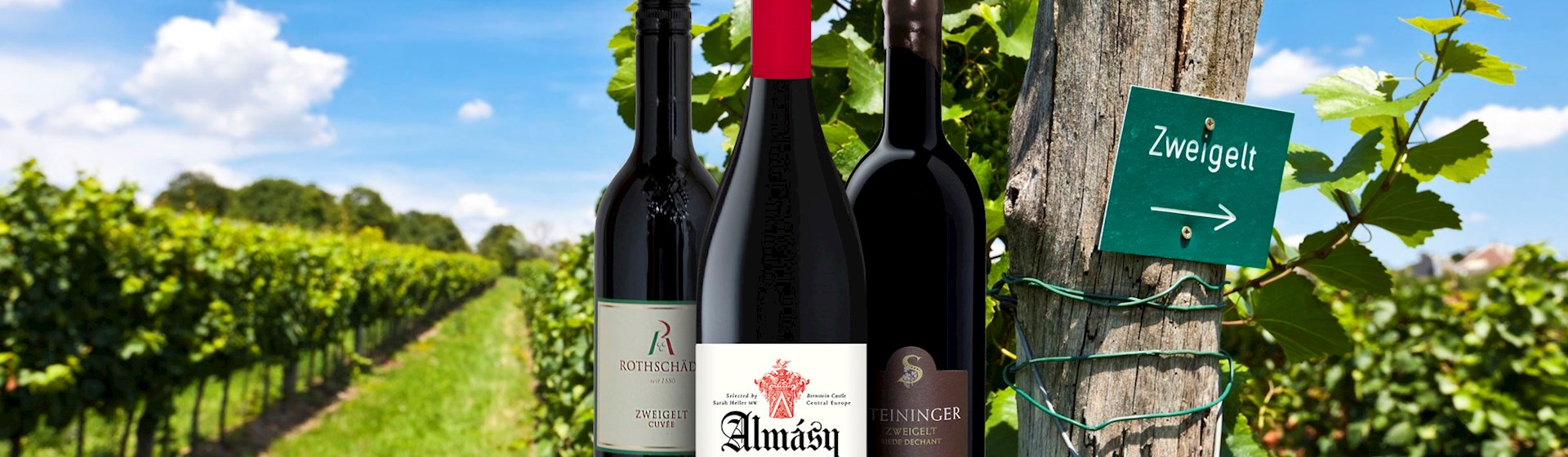
Zweigelt is the most planted red grape variety in Austria that can be incorporated into blends, but it is mostly used in the production of light and young or aged varietal wines. The grape was created in 1922 as a cross between Blaufränkisch and St. Laurent, and it was initially named Rotburger. The best expressions of varietal Zweigelt are fruity, lively, and aromatic. They will typically have bright acidity and aromas of red berries that are usually accompanied by spicy and peppery nuances. The wine is a perfect accompaniment to grilled meat and vegetables, white meat, and it may also be an excellent match to seafood, especially if made with a tomato sauce.

03

Welschriesling

3.6 ·

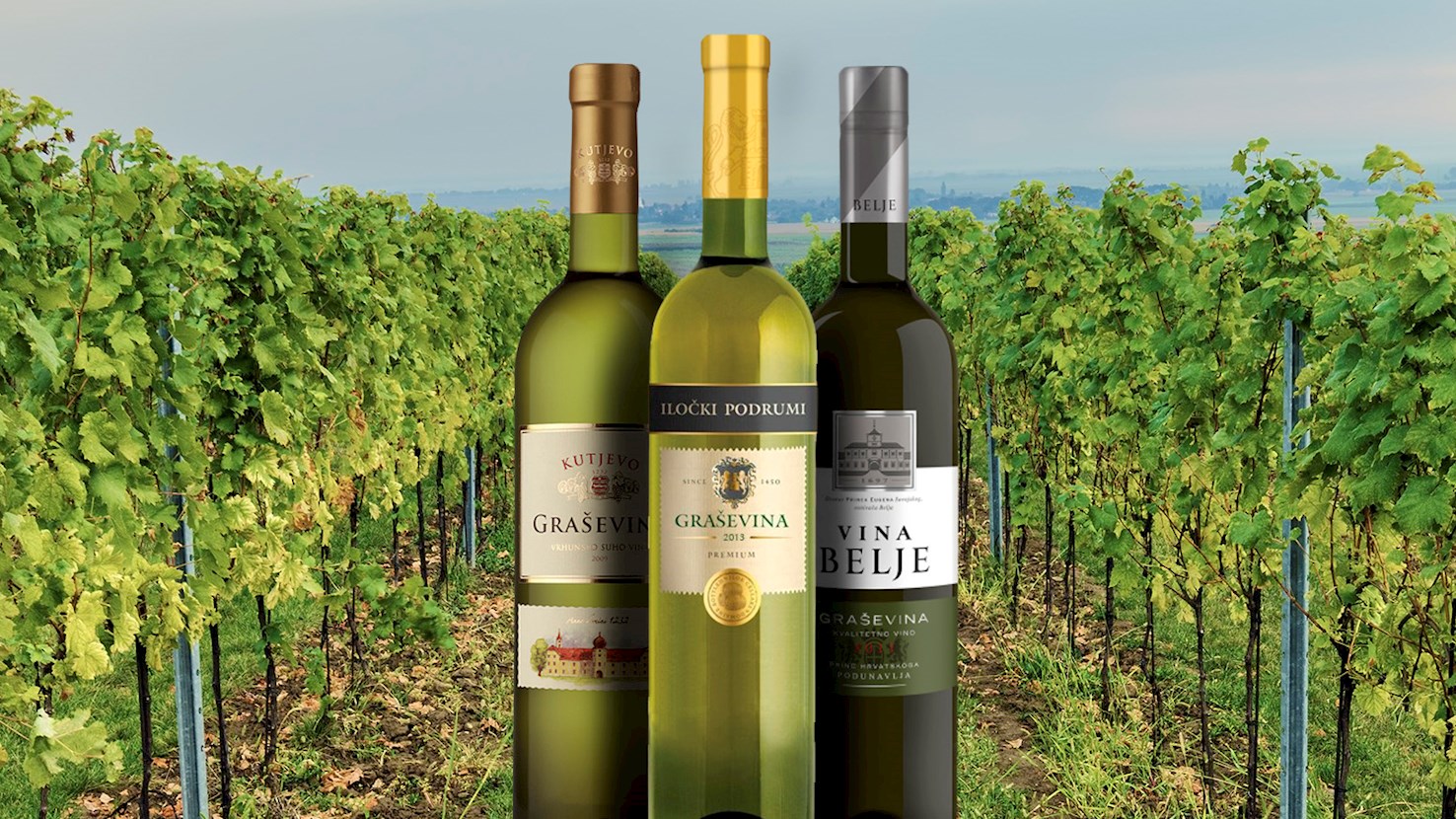
Welschriesling is a white grape variety cultivated widely across Central and Eastern Europe, particularly in Austria, Hungary, Croatia, and Slovenia, where it produces wines known for their crisp acidity, freshness, and subtle fruit character. Despite its name, it bears no genetic relation to Riesling; the term “Welsch” once meant “foreign,” reflecting the grape’s uncertain origin and introduction into German-speaking regions. It is believed to have been grown in the Danube basin and surrounding areas since at least the Middle Ages, spreading through trade and viticulture expansion within the Austro-Hungarian Empire. Its adaptability to a variety of climates and soils allowed it to become one of the most planted white grape varieties in Central Europe, valued for its ability to express local terroir and produce wines suited to a wide range of styles. The cultivation of Welschriesling typically focuses on preserving its natural acidity and aromatic delicacy. It ripens relatively late, and the timing of harvest significantly influences the style of wine produced. Early harvests yield light, zesty wines with high acidity and notes of green apple, citrus, and fresh herbs, ideal for everyday drinking. Grapes left on the vine longer can develop more richness and weight, and under the right conditions, they can be affected by noble rot, producing sweet dessert wines with complex honeyed flavors. Fermentation is usually carried out in stainless steel tanks at controlled temperatures to retain freshness and preserve the grape’s primary aromas, though some producers allow brief aging on lees to add texture and depth. The result is typically a pale, aromatic wine with a clean finish and a balance of fruit and acidity. In Austria’s Burgenland region, it is often used for sweet wines, while in Hungary it appears as Olaszrizling in both dry and dessert styles. In Croatia, where it is known as Graševina, it is the most widely planted grape and forms the backbone of the country’s white wine production. This adaptability reflects not only the grape’s viticultural resilience but also its cultural importance across different wine traditions. Welschriesling wines are typically served chilled and are most enjoyable within a few years of harvest, though the sweeter styles can develop additional complexity with age. Their bright acidity and delicate fruit profile make them excellent partners for a wide range of dishes. Lighter, dry versions pair well with salads, freshwater fish, shellfish, and soft cheeses, while richer examples complement roasted poultry or vegetable dishes. Sweet styles are best served with fruit-based desserts or creamy cheeses, and they also pair well with foie gras. In wine-producing regions where it is grown, Welschriesling is a staple at local taverns, festivals, and family meals, valued for its refreshing character and versatility at the table.

04

Blaufränkisch

3.6 ·

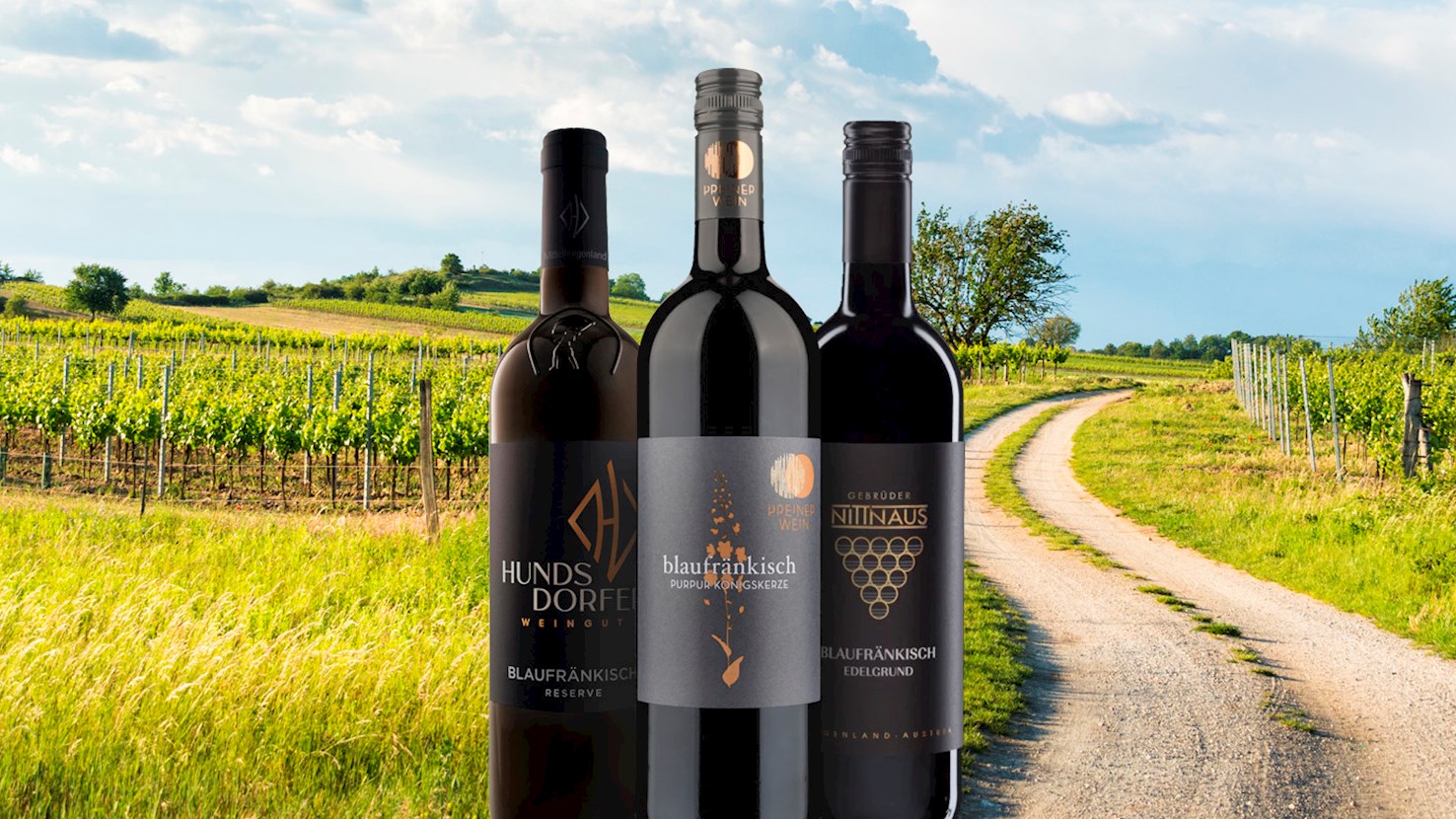
Blaufränkisch is an Austrian grape variety that is mostly used in the production of fruit-forward varietal wines. This late-ripening grape is cultivated in several wine regions, but Burgenland remains its stronghold. The best expressions of Austrian Blaufränkisch are medium-bodied wines with spicy notes of red and dark berries, refreshing acidity, and firm, but not overpowering tannins. These wines pair well with a variety of dishes such as roasted or grilled white meat, beef, game, mushrooms, tomato-based sauces, and various cheese varieties. Although it was first identified in Austria, the origin of Blaufränkisch has not yet been discovered. The grape most likely originated somewhere in the Pannonian Basin, while most suggest Lowery Styria (today part of Slovenia) as its place of origin. Apart from Austria, where it is the second most planted grape, Blaufränkisch is cultivated in several European countries under various synonyms. It is an important variety in Hungary (Kékfrankos), Croatia (Frankovka), Slovenia (Modra Frankinja), Germany (Lemberger), Czech Republic and Slovakia (Frankovka), Italy (Franconia), Romania (Burgund Mare), and Bulgaria (Gamé), but it is also cultivated in Romania, Moldavia, Serbia, and some plantings are also found in the United States and Australia.

05

Gemischter Satz

3.5 ·

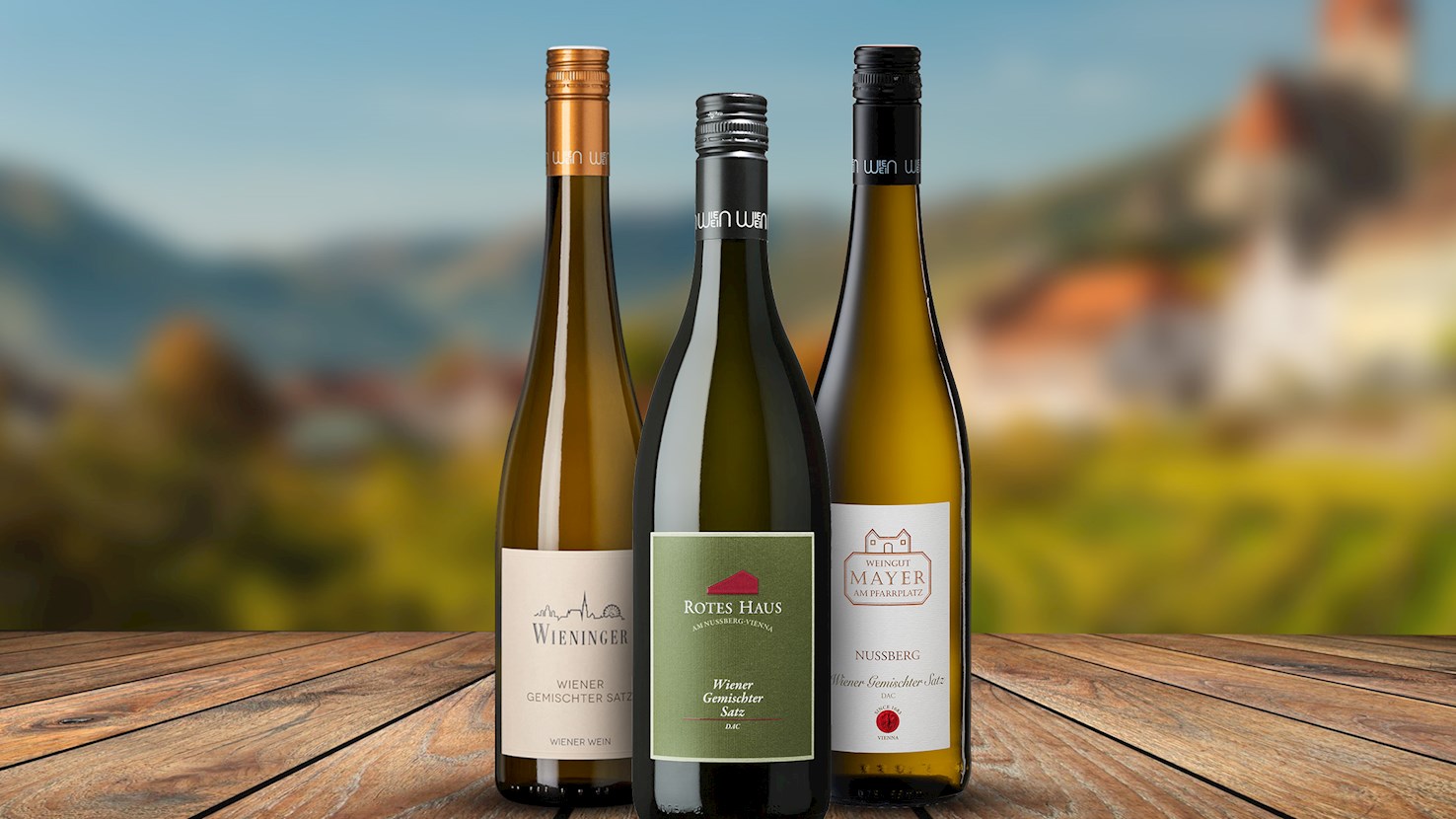
Gemischter Satz, rooted in Austrian viticulture (particularly within Vienna's wine region), is a distinctive wine defined by its blend of grape varieties. Unlike the modern trend of cultivating and producing single-varietal wines, this traditional approach intermingles different grape types in one vineyard. When the harvest season arrives, these varied grapes are plucked collectively and then co-fermented, leading to the creation of this multifaceted wine. The practice of growing multiple grape varieties together harks back to a time when diversifying crops was a hedge against potential loss. If one variety failed due to weather conditions or disease, the others might still thrive. The wine's character is shaped by the combination of grape varieties that go into its making. This interaction often leads to a wine with layered nuances and depth, a reflection of each contributing grape. The specific varieties can vary, but Grüner Veltliner, Riesling, Pinot Blanc, Traminer, Rotgipfler, and Zierfandler are some of the most common ones. The co-harvesting and co-fermentation processes are crucial. While blending different grape varieties post-fermentation can yield interesting results, Gemischter Satz's character emerges from fermenting these grapes together, intertwining their profiles from the very beginning. Understanding its unique contribution to the world of wines, Austria recognized Gemischter Satz with a DAC (Districtus Austriae Controllatus) designation in 2013. This label assures adherence to quality and origin standards, preserving the wine's legacy.

06

Uhudler

2.8 ·

Uhudler is a unique type of wine produced in the Burgenland region of Austria. It's made from hybrid grape varieties that are a cross between Vitis vinifera (the common European wine grape species) and American species of grapes. These grape types were originally introduced to Europe in an attempt to resist phylloxera, a pest that devastated European vineyards in the 19th century. Some of the varieties used include the grapes Concord, Delaware, Elvira, and Ripatella. Uhudler is distinctive for its powerful fruit flavors, often described as reminiscent of strawberries or blackberries, and its high acidity. The wine also has a unique aroma, sometimes described as "foxy", a characteristic of wines made from these hybrid grape varieties. Due to the use of these hybrid grapes, Uhudler has faced controversy and legal restrictions within Austria and the European Union. Some concerns were raised about the high levels of methanol in the wine, but tests have shown that the levels are within safe limits. Still, the cultivation and sale of Uhudler were regulated until the early 1990s. Nowadays, on the basis of the Austrian Wine Law, Uhudler can be marketed in 8 communities of Burgenland. Uhudler is typically enjoyed as a young wine, either red or white, and is often made into a rosé or a frizzante (lightly sparkling) wine. It's become something of a cult favorite for its unique qualities and the traditions and history associated with its production.

07

Roter Veltliner

n/a ·

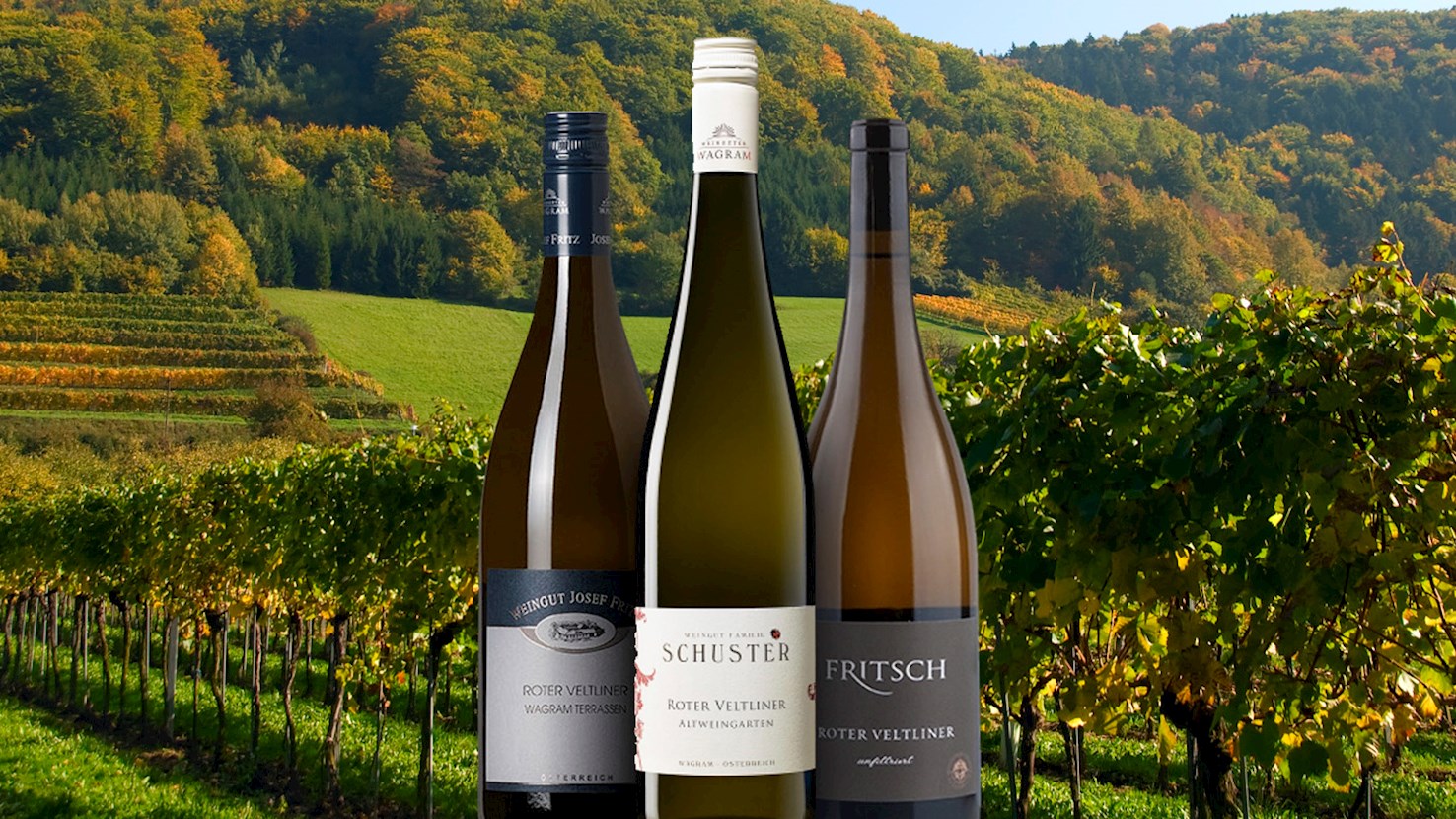
Roter Veltliner is an old Austrian grape that produces bright white wines with good acidity and exotic fruit notes. Although the name suggests otherwise—roter translates as red—the grape produces white wines, and its name was probably inspired by the pinkish color of their skin. Most plantings are found in Lower Austria (Niederösterreich), mainly in Wagram and Weinviertel. Roter Veltliner is a demanding, late-ripening grape that can produce lighter, medium-bodied wines, but it also has potential for full-bodied, rich, aromatic styles. The best examples will have stone fruit and citrus notes, with hints of tropical fruit and spice. Ripe wines will have good aging potential, and with age, they tend to develop nutty, almond-like notes. These wines would pair well with fish, including raw fish dishes, charcuterie, and simple pasta dishes. They can also be a good match with spicy Asian or North African fare. Interestingly, despite their names, Grüner Veltliner variety is not related to Roter Veltliner.

08

Rotgipfler

n/a ·

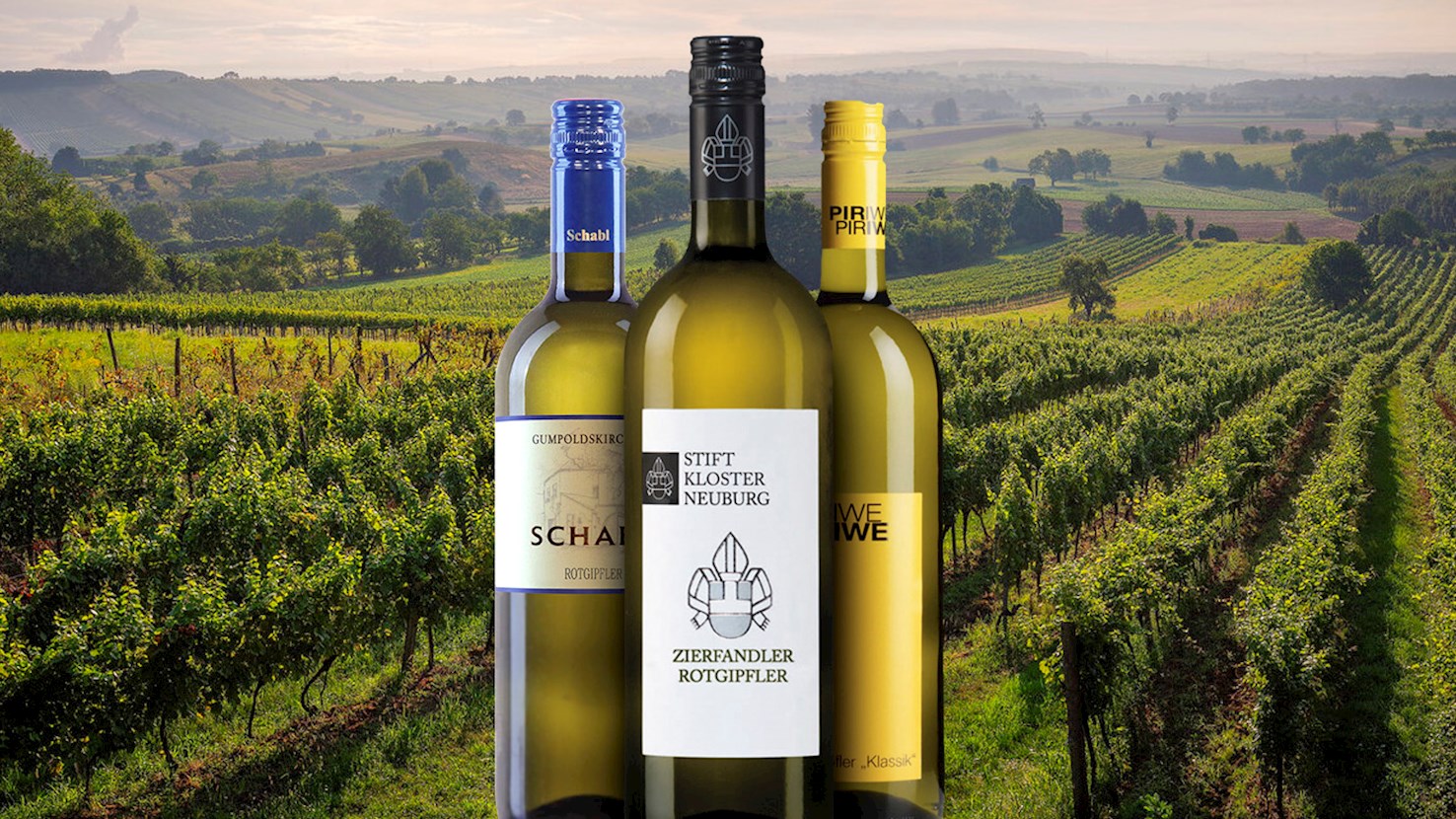
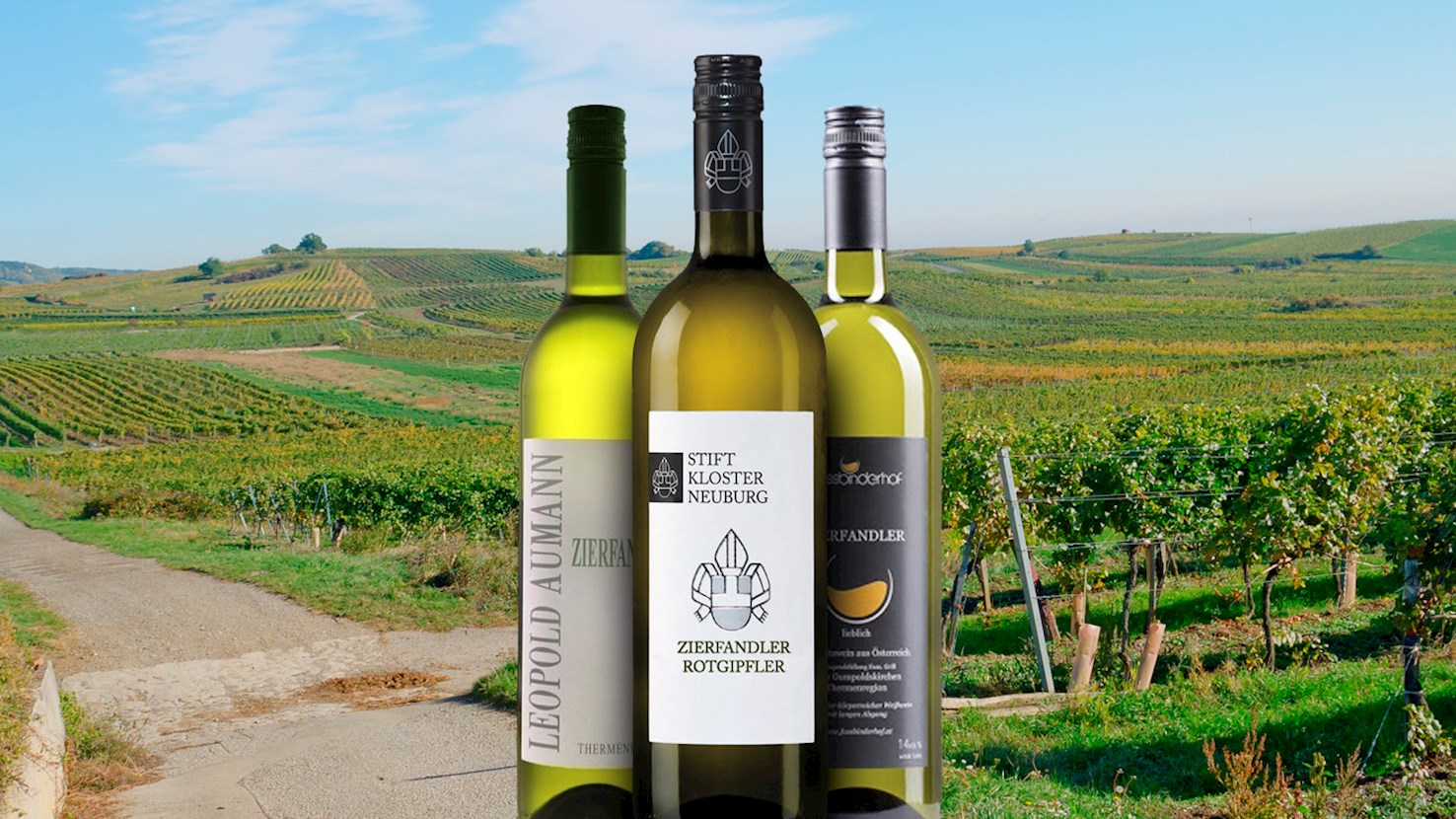
Rotgipfler is a native Austrian grape variety that is now mostly cultivated in Thermenregion. The grape was traditionally used in blends—most commonly with Zierfandler—but many producers now see its potential as an excellent varietal grape that can produce aromatic dry and off-dry wines. It is a pale-skinned grape with vibrant acidity and aromas reminiscent of yellow and tropical fruit, such as peach, pear, melon, and mango. The wines will often have subtle floral, spicy, and almond nuances. They usually have great aging potential. Rotgipfler is a natural cross between Traminer and Roter Veltliner. It was first documented in 1837, and many agree that it might be native to Thermenregion. Though the variety is not extensively planted and remains relatively rare, the regional terroir proved to be especially suitable for this late-ripening grape. The wines made from Rotgipfler tend to go well with food. They especially pair well with spicy Asian fare, creamy sauces, and elaborate fish dishes.

09

St. Laurent

n/a ·

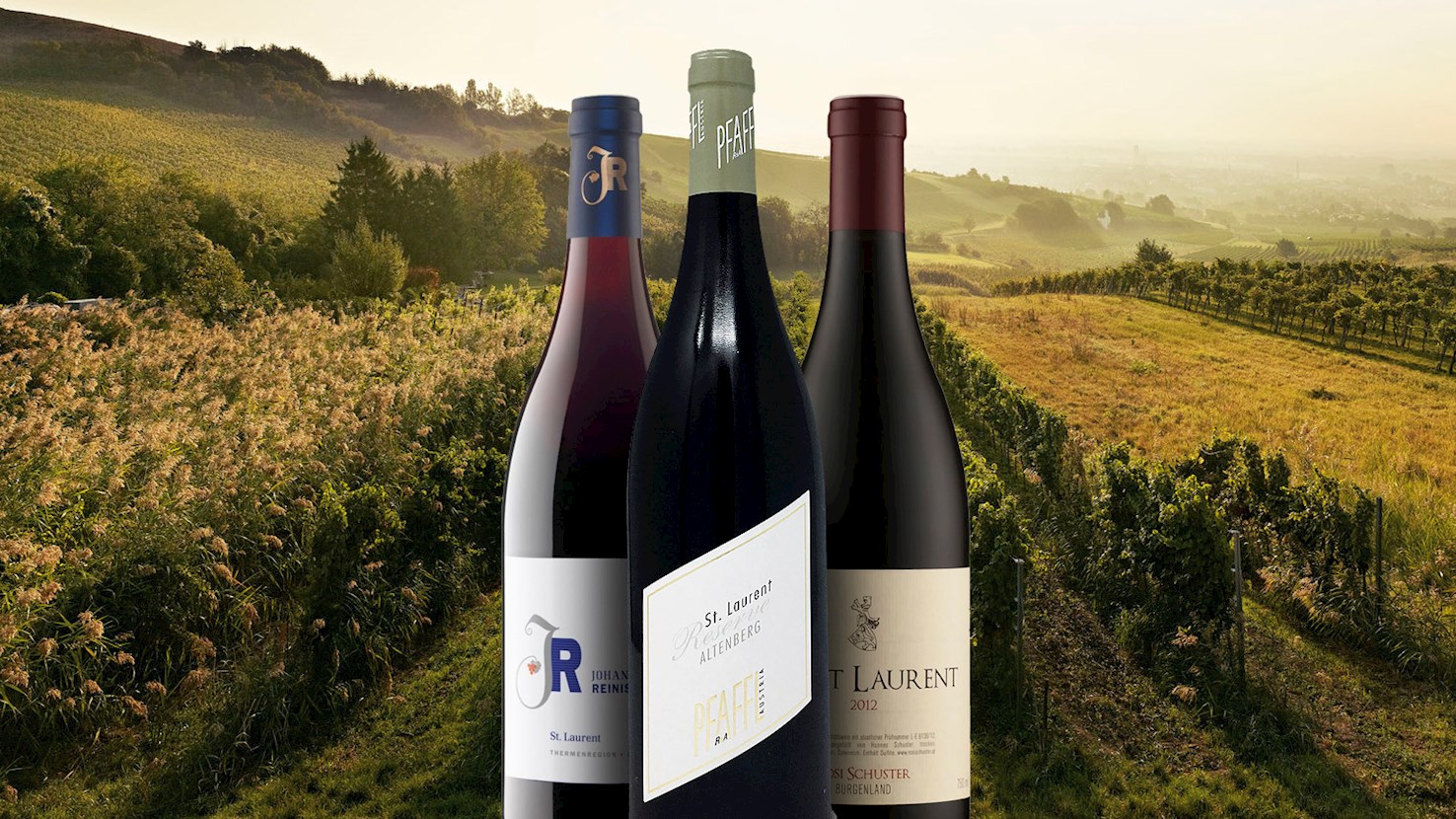
St. Laurent is a grape whose origin is highly disputed. It is often suggested that it might have originated in France and was brought from Bordeaux through Alsace to Central Europe. Although there are significant plantings in both Germany and the Czech Republic, St. Laurent is one of the key grape varieties in Austria, found mainly in Thermenregion (Lower Austria) and Burgenland. Austrian St. Laurent are usually age-worthy wines with typical floral, herbal, and cherry aromas. Believed to be a descendant of Pinot Noir, the wines made from St. Laurent grapes will also typically be medium-bodied with well-structured tannins. They are also food-friendly wines that would match dishes made with mushrooms, roasted game birds, primarily duck, or truffles. It is believed that the grape was named after Saint Lawrence's day, which is celebrated on August 10th—approximately when the grape starts to ripen. In the Czech Republic, the variety is known as Svatovavřinecké.

10

Zierfandler

n/a ·

Zierfandler is a native Austrian grape from Thermenregion that is used in varietals and blends. It is believed that this late-ripening grape is a cross between Roter Veltliner and an unidentified variety, which is possibly related to the Traminer family. The grape is thick-skinned, high in sugar, and sensitive to frost and botrytis. It is also known as Spätrot (translates as late red), a name that refers to the distinctive red hue the grapes attain before harvest. Zierfandler can produce excellent quality wines, including dry and off-dry styles. The wines have bright acidity and subtle mineral character, while the aromas are reminiscent of spices, almonds, and usually some exotic or tropical fruit notes. Sweet dessert styles often have a honey-like character. Zierfandler-based wines have good aging potential. They pair well with veal, pork, and seafood, especially crustaceans. They are also an excellent accompaniment to Asian fare and classic Austrian dishes.

Read more
View all
View map
About this ranking

TasteAtlas food rankings are based on the ratings of the TasteAtlas audience, with a series of mechanisms that recognize real users and that ignore bot, nationalist or local patriotic ratings, and give additional value to the ratings of users that the system recognizes as knowledgeable. For the “Top 91 Austrian Wines” list until July 15, 2026, 210 ratings were recorded, of which 174 were recognized by the system as legitimate. TasteAtlas Rankings should not be seen as the final global conclusion about food. Their purpose is to promote excellent local foods, instill pride in traditional dishes, and arouse curiosity about dishes you haven’t tried.

The initial list of top producers was compiled based on available reviews, awards, local recommendations, media and blog coverage, and consumer reviews. The list will be updated with ratings from TasteAtlas local ambassadors and TasteAtlas users.

Similar lists