Top 7 Local Wines
in the Province of Livorno

Last updated on June 15, 2026

Best Province of Livorno Wines
01

Masseto

5 ·
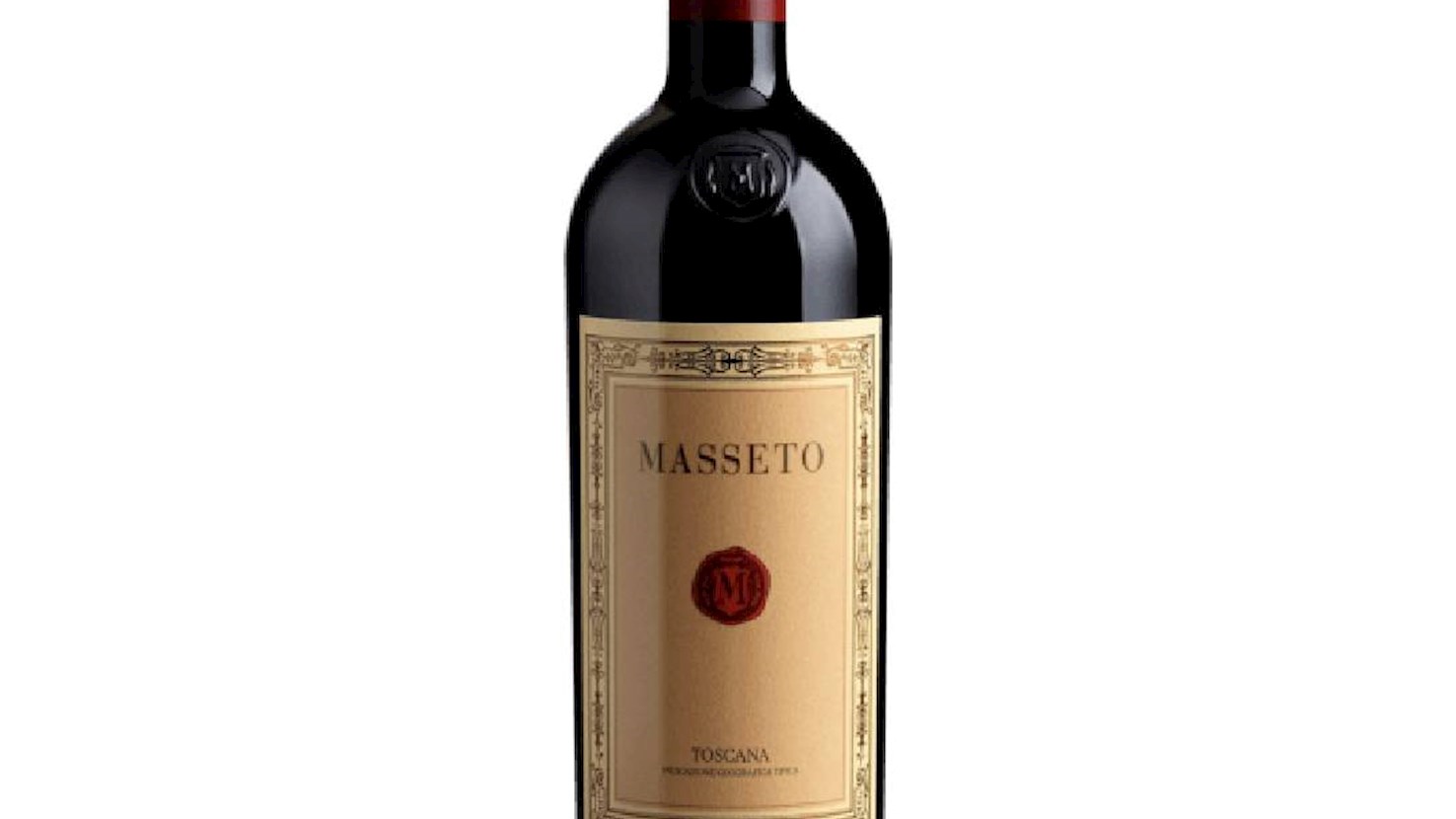
Masseto is a legendary Tuscan wine and one of the most esteemed Merlots in the world, celebrated for its exceptional elegance, depth, and refinement. It comes from a small vineyard in Bolgheri, where rare blue-gray clay soils give the wine its distinctive structure, minerality, and character. Each parcel is vinified separately before being carefully blended to achieve a perfect balance of power and finesse. In the glass, it reveals rich aromas of plum, blackberry, and blueberry, intertwined with notes of chocolate, coffee, and fine spices. On the palate, it is full and velvety, with silky tannins and a long, elegant finish that leaves a lasting impression. Produced in limited quantities, Masseto carries a sense of exclusivity, making it a true jewel for any collection.
Awards
Falstaff - 100
Falstaff - 99
02

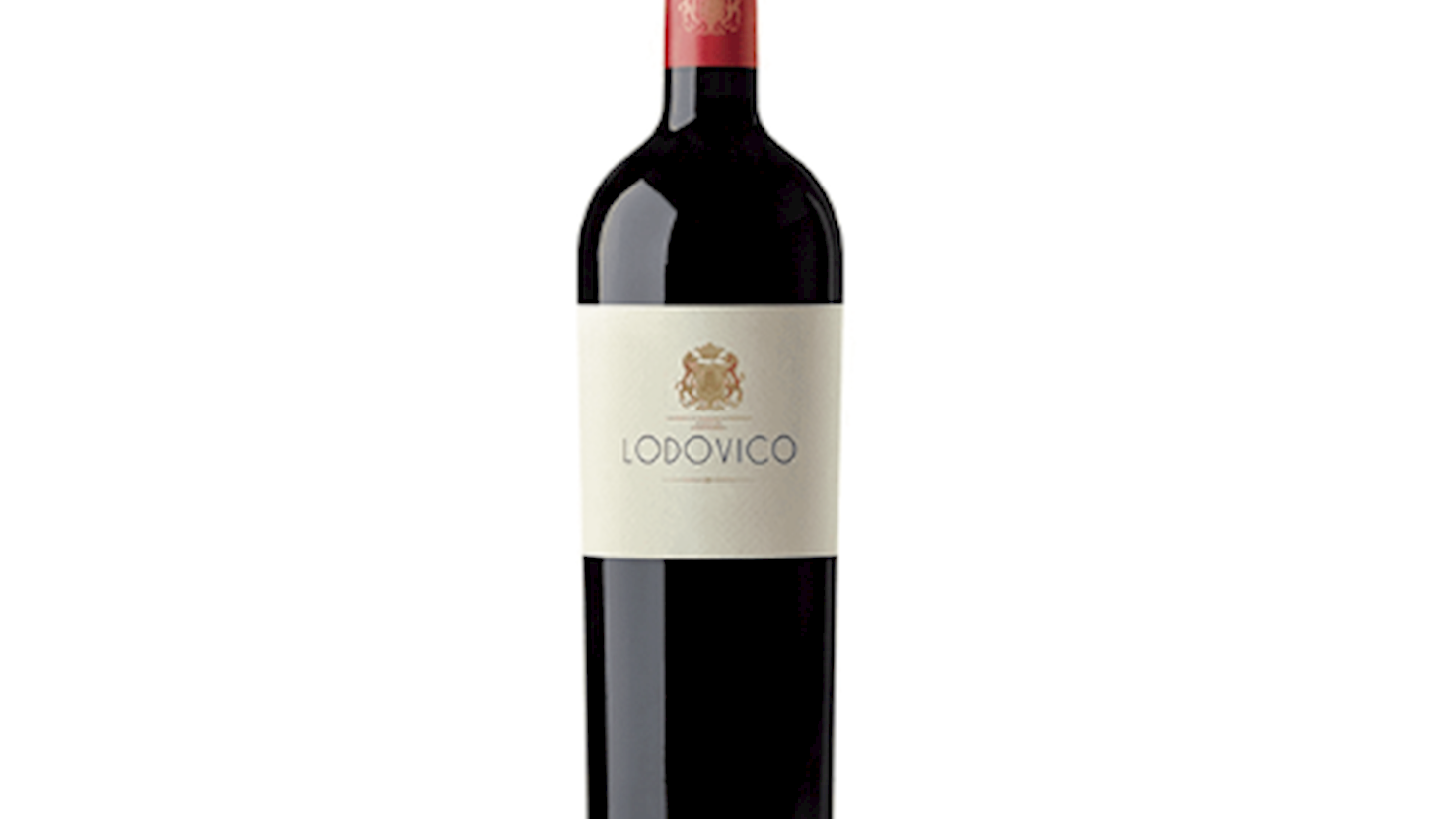
Tenuta di Biserno

5 ·
Tenuta di Biserno is a relatively modern Tuscan estate founded in 2001 by Lodovico Antinori, known for his earlier work in shaping the Super Tuscan movement. Located in Bibbona, along the Tuscan coast near Bolgheri, the estate benefits from a unique terroir characterized by varied soils, maritime influence, and favorable microclimates that support Bordeaux grape varieties. The vineyards are planted primarily with Cabernet Franc, Merlot, Cabernet Sauvignon, and Petit Verdot, with a strong emphasis on Cabernet Franc as a defining element of the estate’s identity. Winemaking combines precise vineyard management with careful selection and fermentation practices, followed by aging in French oak barrels, balancing structure with refinement. The flagship wine, Biserno, is a Bordeaux-style blend that reflects both concentration and elegance, with layered aromas of dark fruit, herbs, spice, and mineral undertones. Another key label, Il Pino di Biserno, offers a more approachable interpretation while maintaining the estate’s stylistic signature. The wines are typically structured yet polished, with fine tannins and a capacity for aging, though they are often more accessible in their youth compared to traditional inland Tuscan wines. The coastal location contributes to freshness and aromatic lift, distinguishing them from more continental expressions. Over time, Tenuta di Biserno has established itself as a notable producer within the Bolgheri area, combining modern winemaking precision with a clear focus on terroir expression.
Awards
Falstaff - 100
Falstaff - 99
03

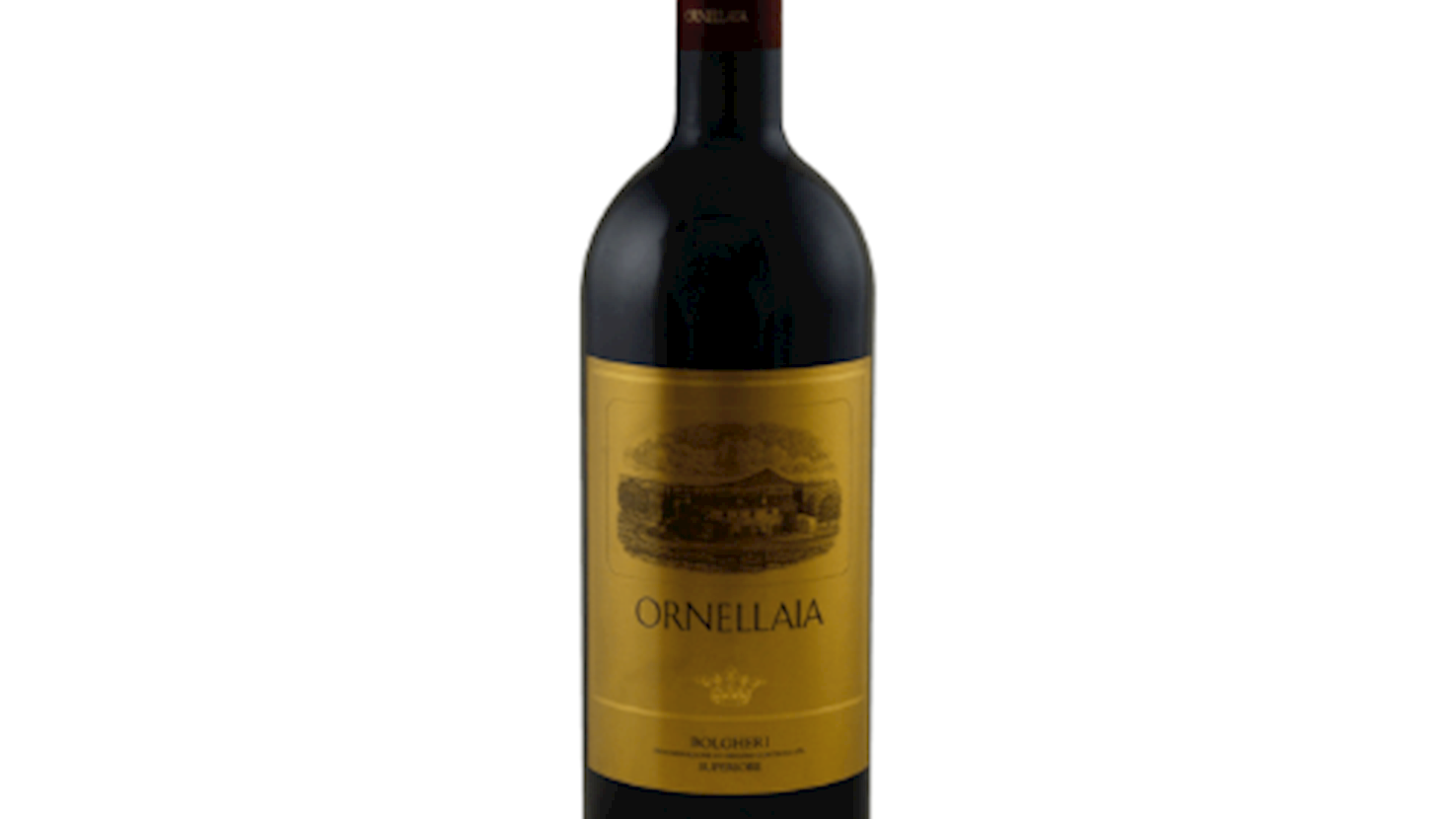
Tenuta dell'Ornellaia

5 ·
Tenuta dell'Ornellaia stands as a symbol of refinement and prestige in Tuscan winemaking. Nestled in the heart of Bolgheri on the Tyrrhenian coast, the estate benefits from a gentle Mediterranean climate and a mosaic of soils—clay, gravel, and slate—that provide the perfect foundation for cultivating Bordeaux grape varieties. This harmony of nature yields wines of remarkable depth, structure, and character. Founded in 1981 through the vision of Marchese Lodovico Antinori, Ornellaia released its first vintage in 1985, forever changing the landscape of Italian wine and becoming an icon of the “Super Tuscan” movement. Its flagship, Ornellaia Bolgheri Superiore, is celebrated worldwide for its refined blend of Cabernet Sauvignon, Merlot, Cabernet Franc, and Petit Verdot. The portfolio also features Le Serre Nuove, Le Volte, the white Ornellaia Bianco, and the legendary Masseto, a pure Merlot that now holds its own esteemed brand identity.
Awards
Vivino - 4.6
Vivino - 4.8
04

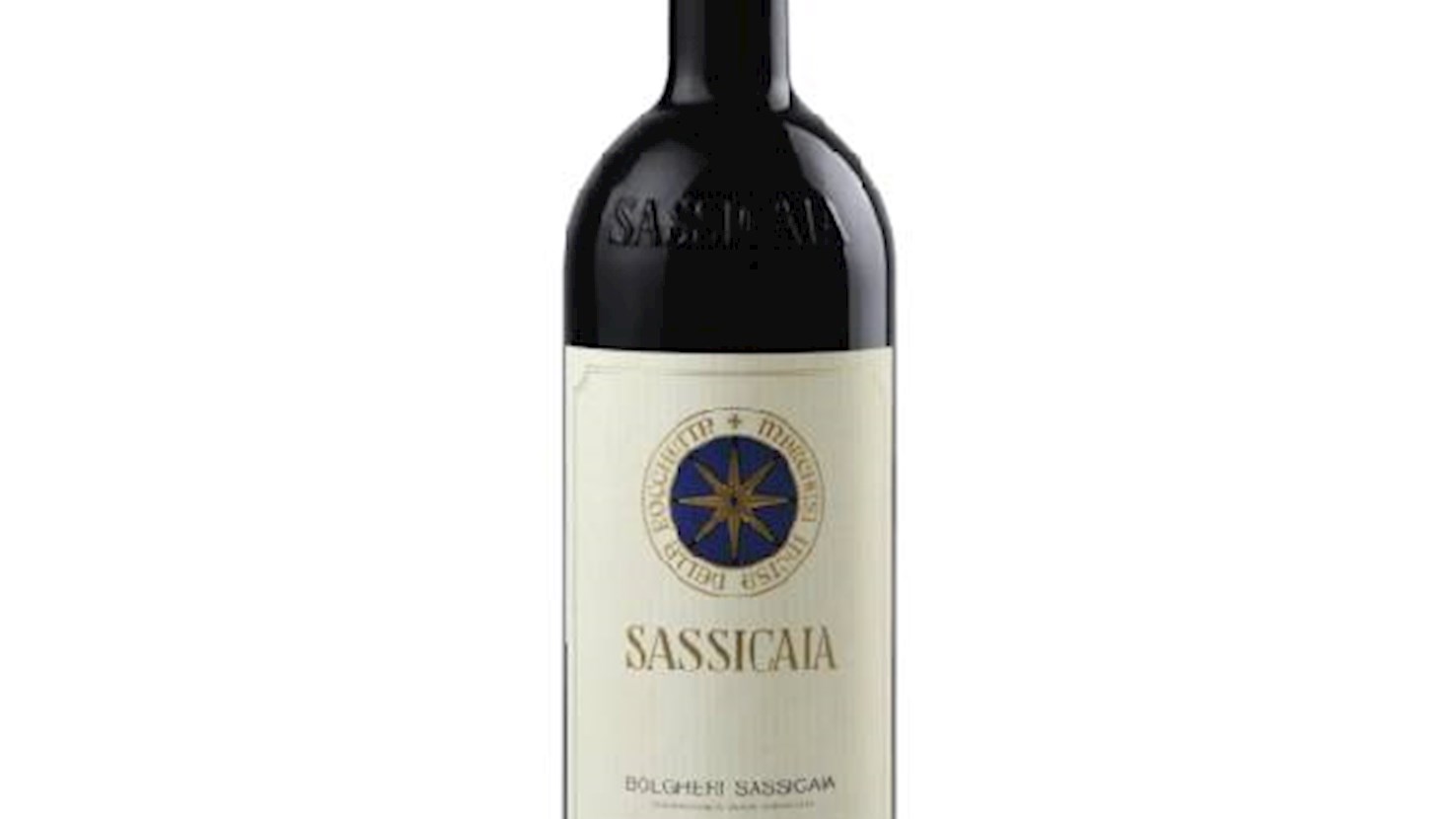
Tenuta San Guido

5 ·
Tenuta San Guido is one of the most prestigious names in the world of wine, a symbol of elegance, consistency, and a visionary spirit that has helped shape modern Italian winemaking. At the heart of its identity lies the renowned Sassicaia, a wine that has become a global icon of style, authenticity, and excellence. The range is complemented by Guidalberto and Le Difese, each with its own personality yet united by the same philosophy of precision and attention to detail. The vineyards are cultivated with the utmost care, respecting natural balance through minimal intervention, while the winemaking reflects a blend of technical expertise and deep understanding of the terroir. Every stage of production is designed to allow the full expression of the grapes and the elegance of the final wine. Tenuta San Guido maintains a seamless balance between tradition and contemporary expression, crafting wines that radiate quiet strength, refinement, and lasting presence. This is not a winery that follows trends - it is a house that defines them, unassumingly yet with unmistakable authority in every bottle.
Awards
James Suckling - 98 points (2024)
Falstaff - 100
05

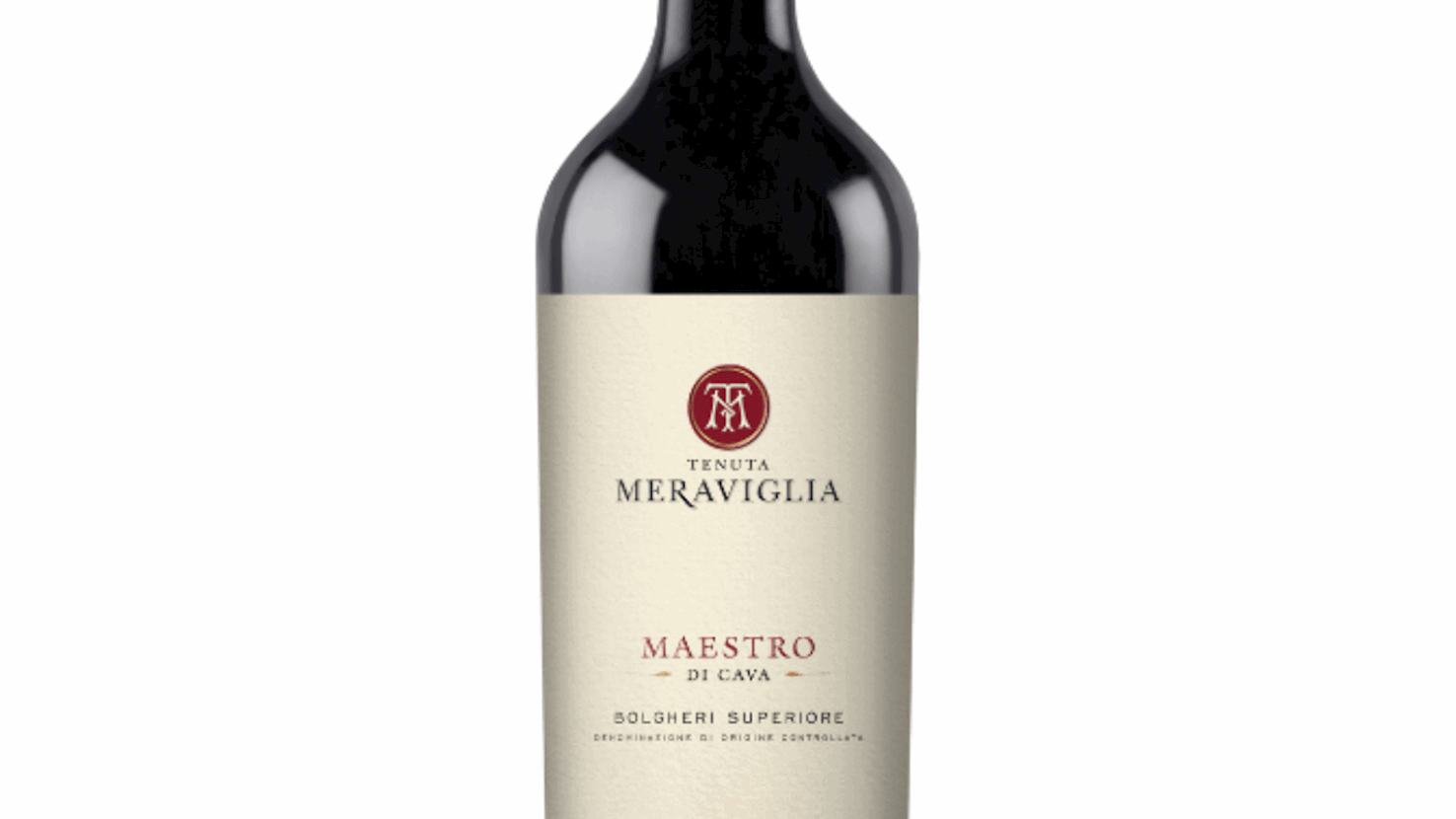
Tenuta Meraviglia

4.9 ·
Awards
Decanter World Wine Awards - Platinum (2024)
06

Tua Rita

4.8 ·
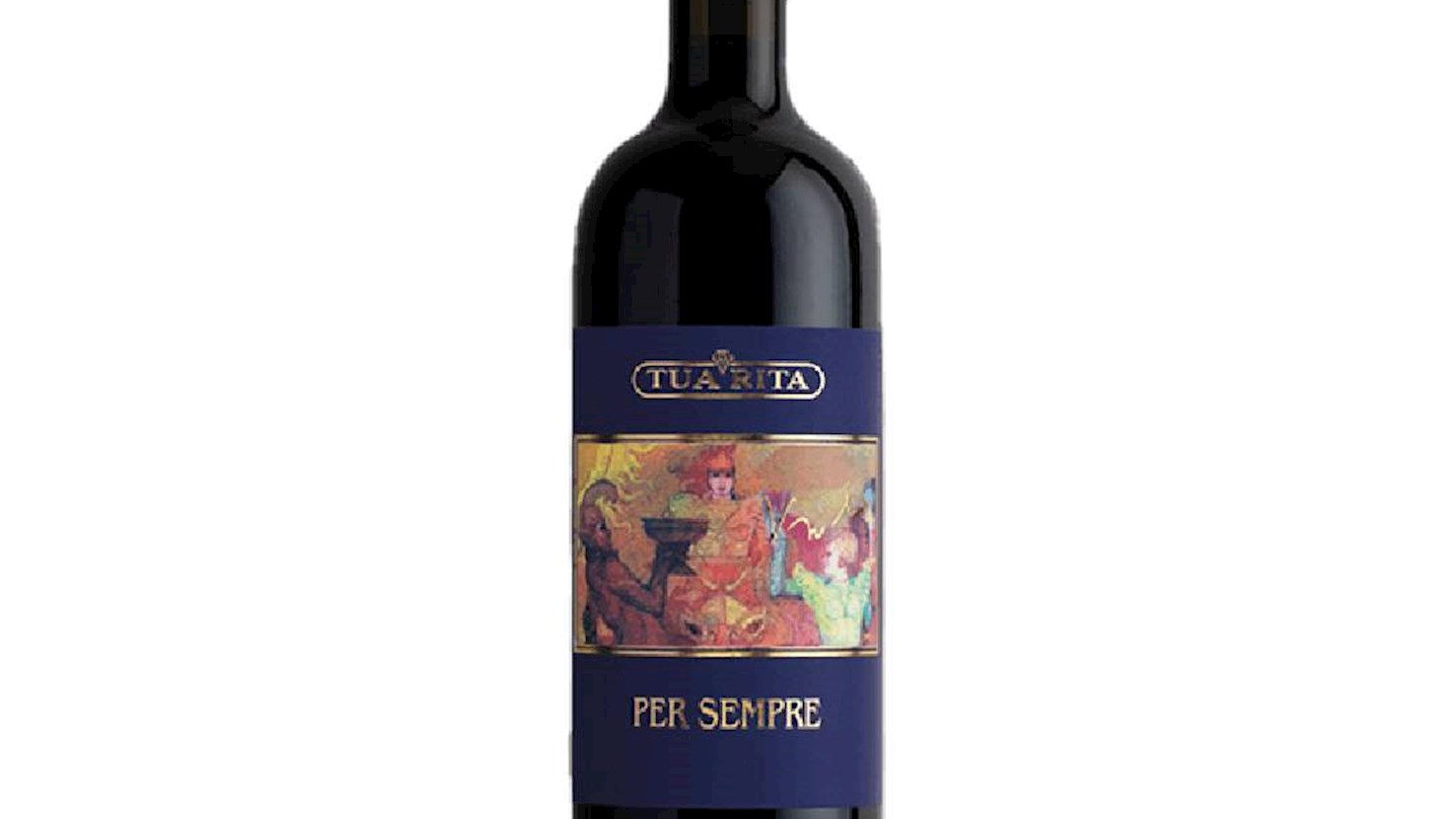
Tua Rita is a family-owned winery located in Suvereto, in the heart of the Tuscan hills, founded in 1984 by Rita Tua and Virgilio Bisti. Initially, they purchased the estate with the intention of living in harmony with nature, but their passion for wine shifted their plans, leading them to cultivate vineyards on the original 2 hectares of land. The winery is renowned for its "Super Tuscans," particularly its flagship wine Redigaffi, a 100% Merlot that received a perfect 100-point score from Robert Parker in 2000, marking the first such accolade for an Italian wine. Tua Rita remains a family-run estate, dedicated to producing high-quality wines that reflect the unique characteristics of their terroir.
Awards
James Suckling - 99 points (2024)
Falstaff - 99
07

Grattamacco

4.8 ·
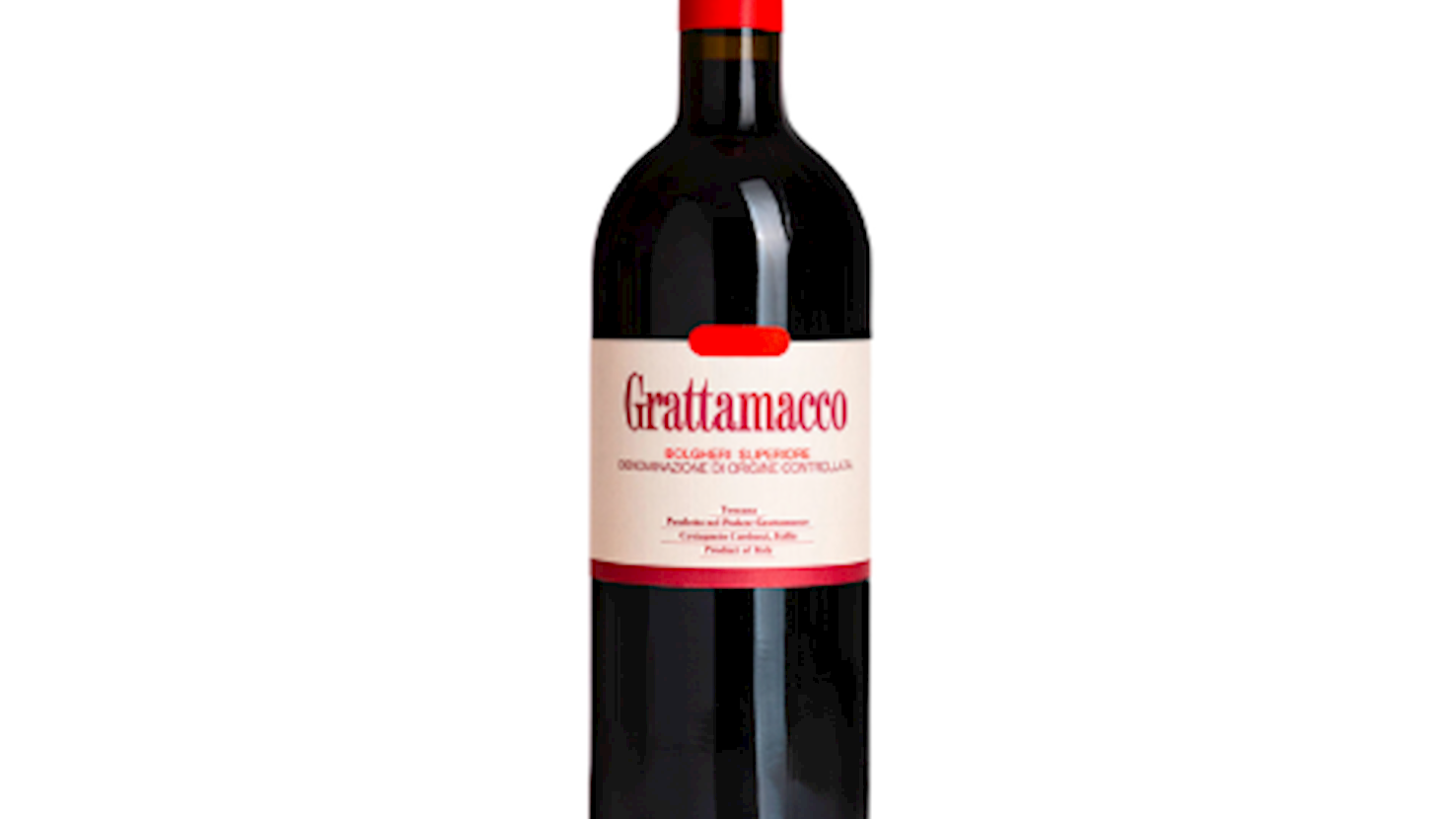
Grattamacco is one of the oldest and most respected wineries in Bolgheri, founded in 1977 along the Tuscan coast with a clear vision of producing elegant, terroir-driven wines. The vineyards are located on hillside sites overlooking the Tyrrhenian Sea, rooted in soils rich in limestone, slate, and gravel, which contribute structure and pronounced mineral character. From the beginning, Grattamacco adopted a style that favors balance, restraint, and longevity over extraction and power, positioning it among the pioneers of the Bolgheri appellation. Production focuses on classic Bordeaux varieties such as Cabernet Sauvignon, Cabernet Franc, and Merlot, while a smaller part of the portfolio is dedicated to white wines, primarily Vermentino. Winemaking is precise and understated, with careful use of oak intended to enhance rather than dominate the wines. The resulting wines are layered, finely structured, and distinctly Mediterranean in character. Today, Grattamacco is regarded as a benchmark producer in Bolgheri, valued for its consistency, elegance, and clearly defined sense of place.
Awards
Wine Spectator - 97 (2022)
Vivino - 4.3

Best Province of Livorno Wine Types
01

Bolgheri DOC

3.8 ·

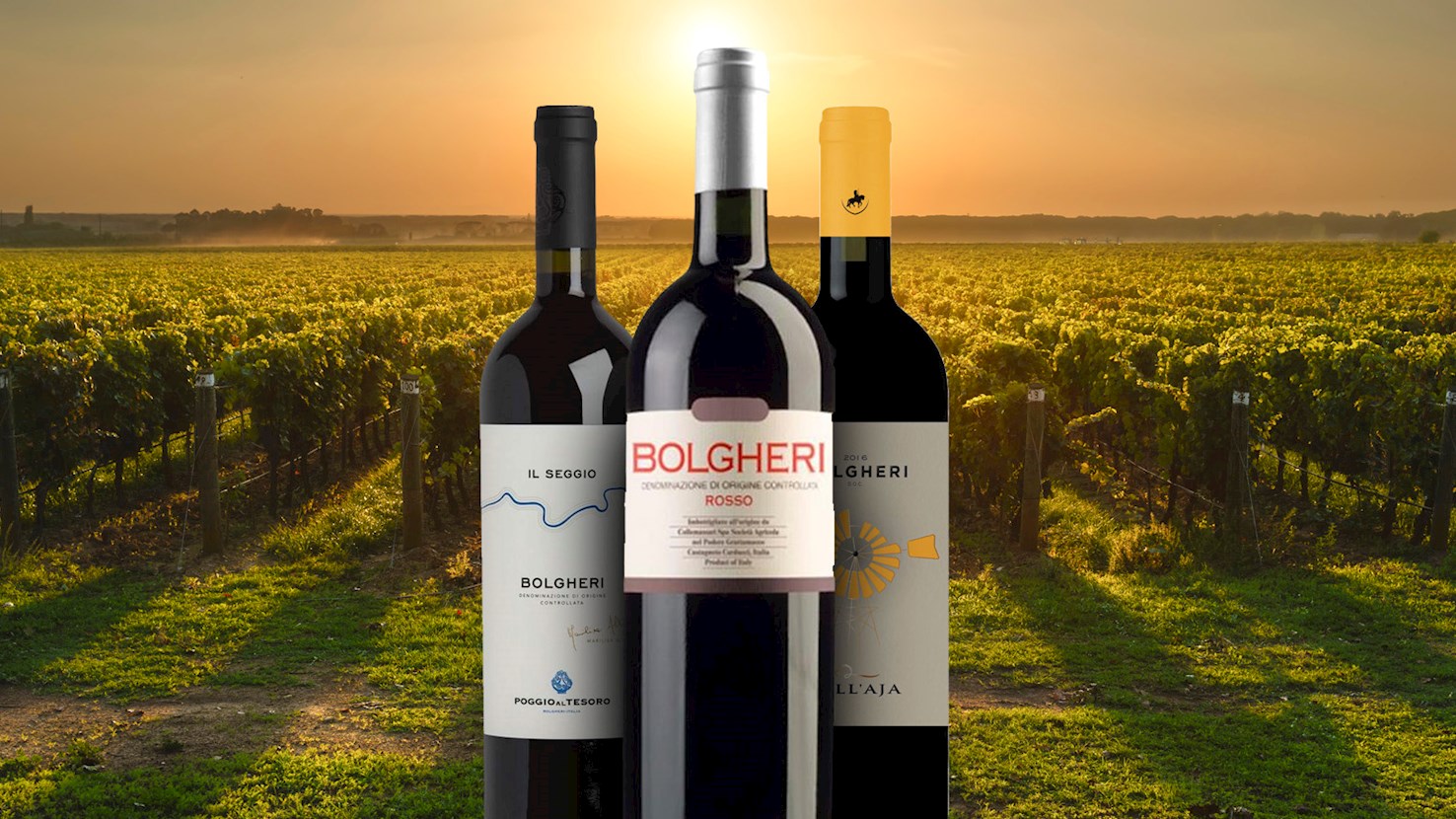
Bolgheri is an Italian appellation located in Tuscany that is best known for its tannic red wines made from classic Bordeaux grapes. These red wines can be made entirely from Cabernet Sauvignon, Cabernet Franc, or Merlot, or with a blend of these wines and up to 50 percent of Syrah or Sangiovese and up to 30 percent of Petit Verdot grapes. Although wine has been cultivated in the region since ancient times, the production was mainly focused on local grapes and rudimental table wines. The situation changed in the mid-20th century with the arrival of Mario Incisa Della Rocchetta, who moved to Bolgheri and started producing wine, mainly for personal needs. He introduced Cabernets, classic Bordeaux grapes, as he assumed that the grape might prosper on gravel soils, which were similar to those in Graves. The wine was named Sassicaia, and it was introduced in 1972 with the 1968 vintage. Despite its apparent quality, the wine did not enjoy much success. The twist came in 1978 when Sassicaia topped the list at a blind tasting organized by Decanter. The fantastic quality of the wine was verified when the legendary Robert Parker gave 1985 vintage Sassicaia 100 points—which was the first time in history for Italian wine. With this success, many realized the potential of the region. In 1983, the first set of regulations for white and rosé wines was introduced, and in 1994, a broader, less traditional version was created to include red wines made with grape varieties that were typically grown in the area. To this day, the appellation remains one of the most prestigious Italian terroirs. In 2013, Sassicaia was awarded a separate DOC status, and it remains the only single-estate appellation in Italy. Bolgheri appellation includes sub-regions for red (rosso), white (bianco), and rosé (rosato) wines.

02

Bolgheri Superiore

n/a ·

Bolgheri Superiore is a red wine produced in the Bolgheri area along the Tuscan coast in the province of Livorno, within the Tuscany region of Italy, and it represents the highest tier within the Bolgheri DOC framework, defined by stricter aging and structural requirements than standard Bolgheri Rosso. Its development is tied to the transformation of Bolgheri from an agricultural zone dominated by cereals and olives into a viticultural area focused on international grape varieties, a shift that accelerated in the second half of the twentieth century as producers identified the suitability of the coastal climate, alluvial and clay-rich soils, and moderated temperatures for Bordeaux varieties, leading to regulatory recognition that distinguished Superiore wines through longer maturation and higher minimum alcohol levels. Production centers on blends dominated by Cabernet Sauvignon, often combined with Merlot, Cabernet Franc, and occasionally Petit Verdot, with grapes harvested at full phenolic ripeness, fermented under controlled conditions, and aged for a minimum of two years including at least one year in oak, followed by bottle aging before release, a process designed to stabilize structure and integrate tannins rather than emphasize immediate approachability. A defining characteristic of Bolgheri Superiore is the balance between ripeness and restraint shaped by maritime influence, which tempers heat and preserves acidity, while the mandatory aging requirement differentiates it clearly from other wines in the same area by prioritizing longevity and compositional depth. It is consumed primarily at the table during formal meals and in restaurant settings, served at moderate cellar temperature and decanted when young, and it pairs well with grilled or roasted red meats, game, aged cheeses, and dishes based on long-cooked sauces, while it is most often enjoyed as an accompaniment to dinner rather than as an aperitif or standalone drink.

03

Suvereto

n/a ·

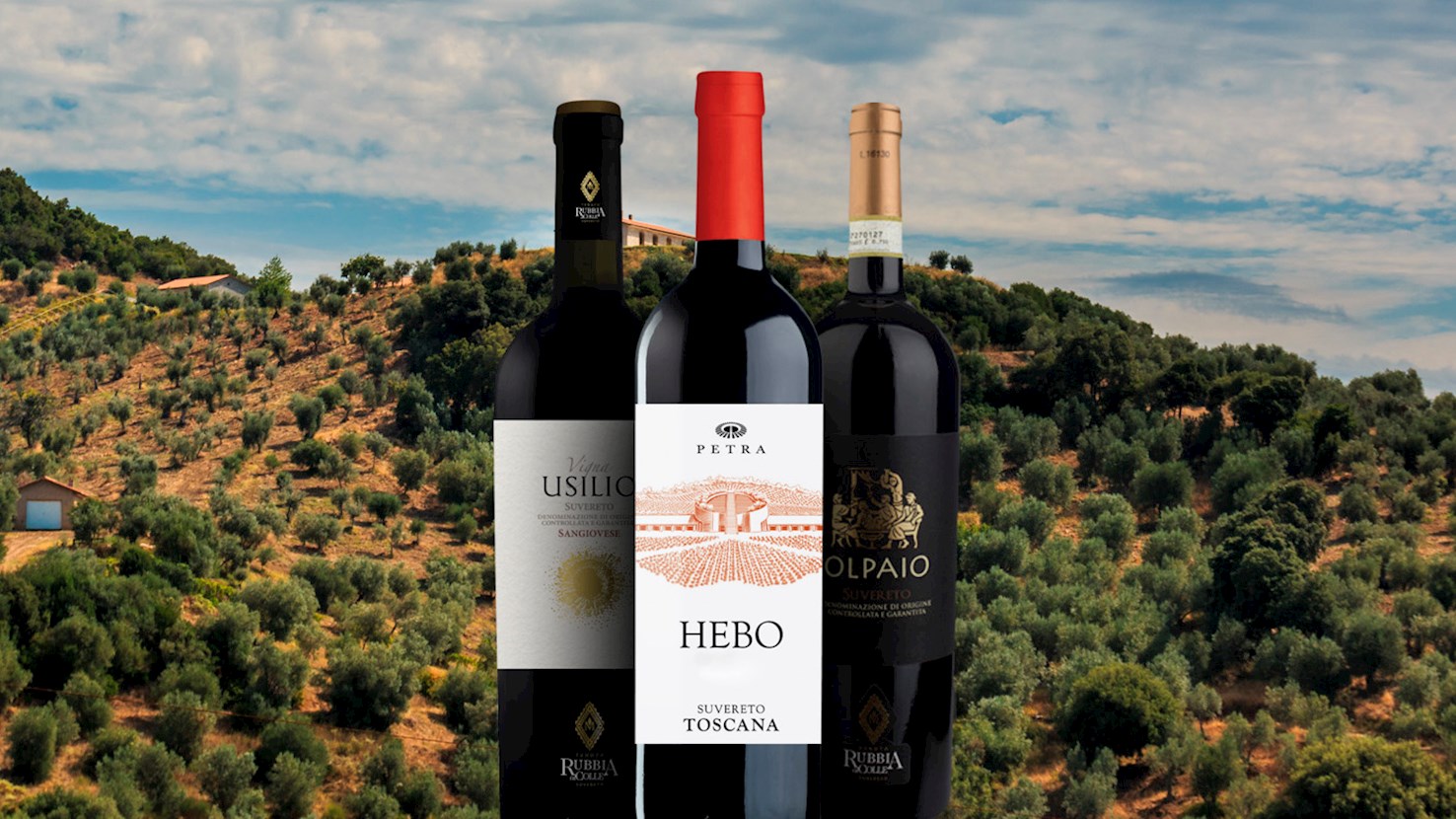
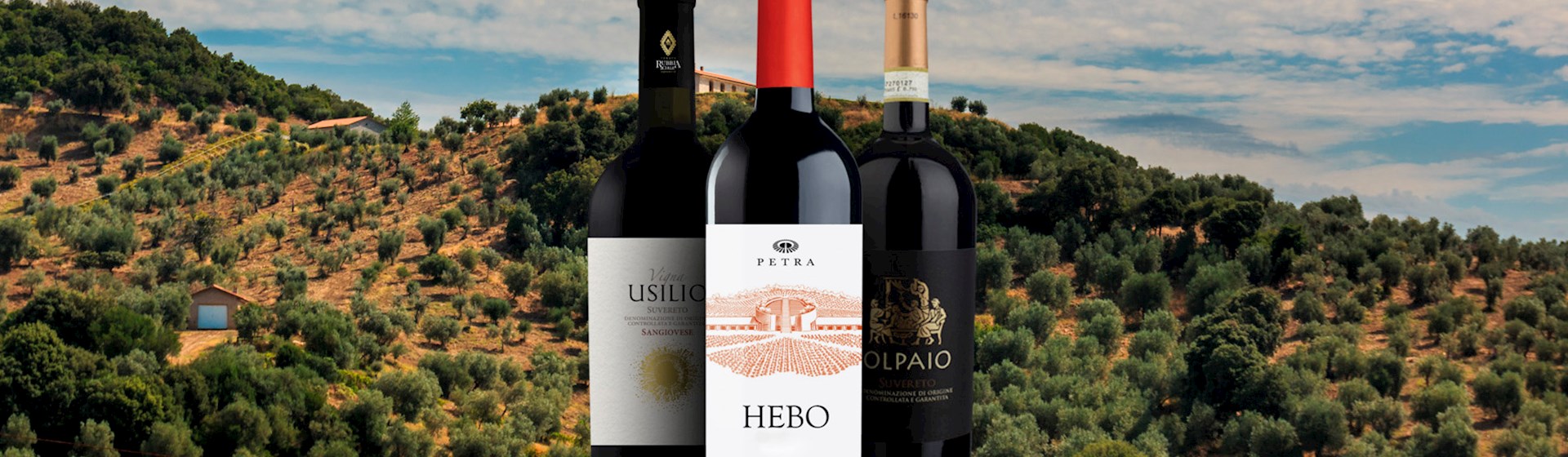
Suvereto is an Italian appellation located in Livorno that produces red blends from Sangiovese, Cabernet Sauvignon and Merlot. In practice, most examples are Bordeaux blends made from Merlot and Cabernet. If one of the varieties makes up 85% of the blend, the wines can have an additional label stating the name of the grape. Suvereto wines have to be aged for a minimum of 19 months, while the minimum for the Riserva label is 26 months. The wines have an attractive violet color with an aroma reminiscent of ripe fruit, plums, violets, and spices. Some herbal, cocoa and tobacco nuances are also present. These wines would pair well with red meat and game. Suvereto was once a sub-appellation of Val di Cornia.

04

Elba Aleatico Passito

n/a ·

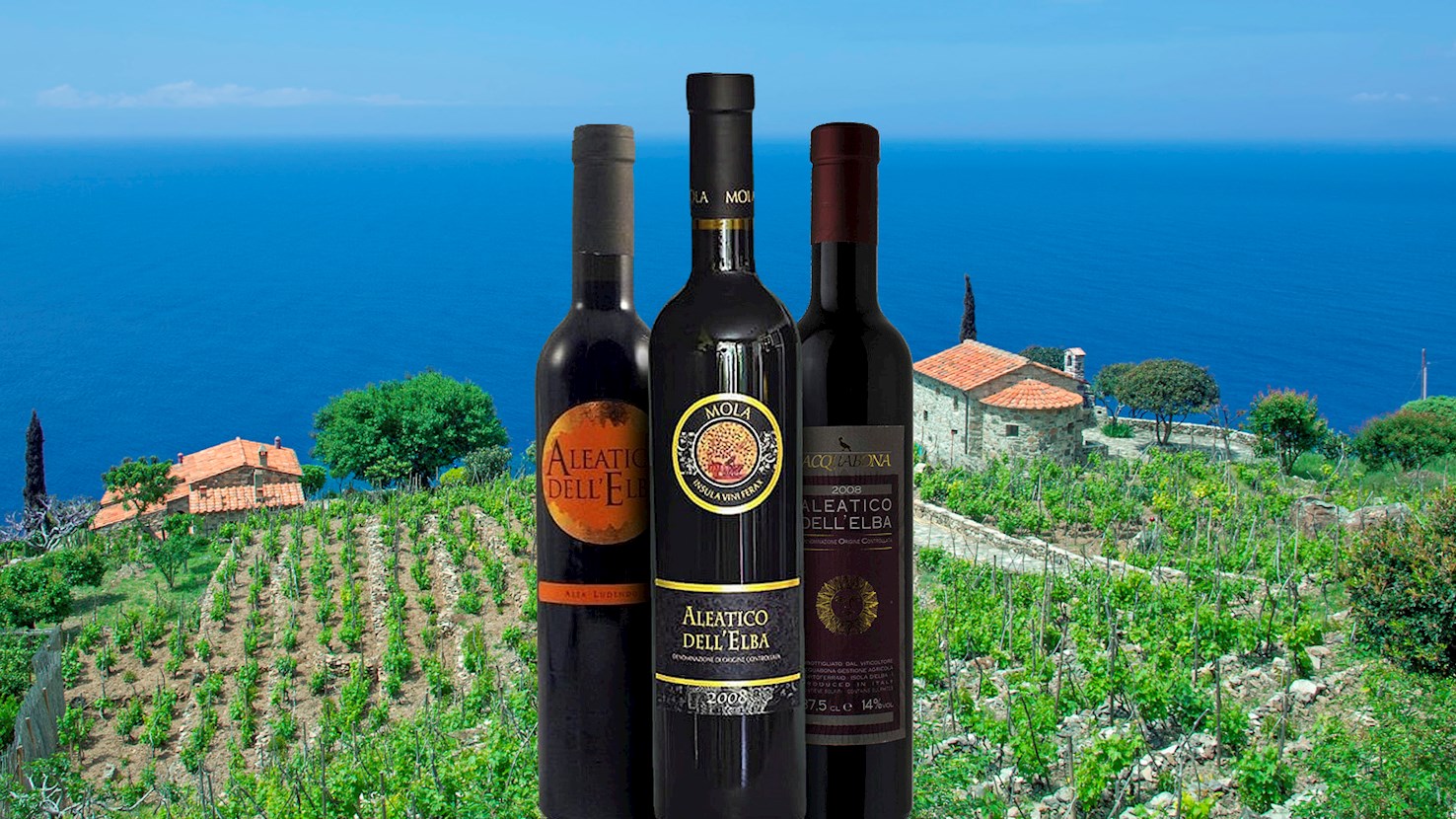
Elba Aleatico Passito is an Italian dessert wine from the island of Elba—the largest island of the Tuscan Archipelago. The wines are produced from Aleatico grapes that dried on wooden racks before they are processed into must. The final result is an intense, ruby-red wine that is full-bodied, aromatic, and sweet, but with a good balance of acidity and alcohol. Typical aromas and flavors include fruity and spicy nuances reminiscent of red fruits, cinnamon, cloves, dried fruit, and fruit jam. These age-worthy wines make an excellent digestif, but they also pair well with not overly sweet desserts, such as dry pastries and fruit tarts, as well as chocolate or blue cheese.

About this ranking

TasteAtlas food rankings are based on the ratings of the TasteAtlas audience, with a series of mechanisms that recognize real users and that ignore bot, nationalist or local patriotic ratings, and give additional value to the ratings of users that the system recognizes as knowledgeable. For the “Top 7 Local Wines in the Province of Livorno” list until June 15, 2026, 16 ratings were recorded, of which 7 were recognized by the system as legitimate. TasteAtlas Rankings should not be seen as the final global conclusion about food. Their purpose is to promote excellent local foods, instill pride in traditional dishes, and arouse curiosity about dishes you haven’t tried.

The initial list of top producers was compiled based on available reviews, awards, local recommendations, media and blog coverage, and consumer reviews. The list will be updated with ratings from TasteAtlas local ambassadors and TasteAtlas users.

Similar lists