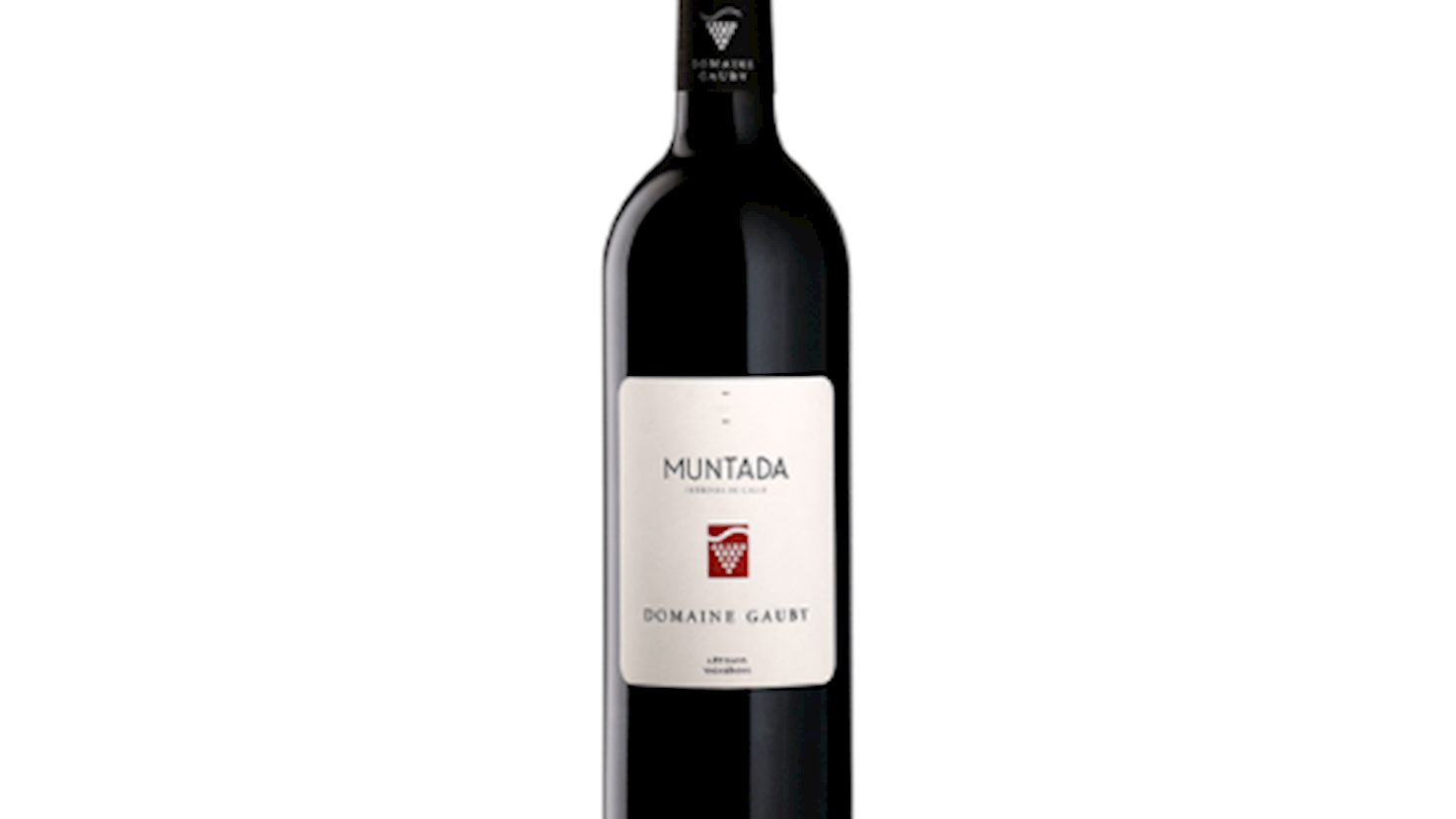
Domaine Gauby is one of the most influential estates in Roussillon, located in the village of Calce, an area shaped by strong winds, elevation, and a complex geological structure that creates a distinctive terroir. The estate is run by the Gauby family, known for transitioning to fully organic and biodynamic farming in the mid-1990s, eliminating all chemical treatments and focusing on restoring biodiversity in their vineyards. The vines include many old parcels, some over a century in age, planted on limestone, schist, clay, and marl soils that give the wines depth, layers, and pronounced minerality. Their cellar philosophy is built on minimal intervention: spontaneous fermentation, very low or no added sulphur, avoidance of filtration, and the use of cement tanks, large wooden foudres, and neutral barrels instead of new oak. The resulting style stands in complete contrast to the stereotype of “heavy southern wines” - Domaine Gauby produces bottles that are bright, precise, aromatically pure, and strikingly elegant. Today, the estate is a benchmark for authentic Roussillon wines and a key reason why Calce has become a symbol of the modern, terroir-driven approach to viticulture in southern France. These wines are long-lived, complex, and rewarding, ideal for those seeking depth, subtlety, and a clear sense of place in the glass.
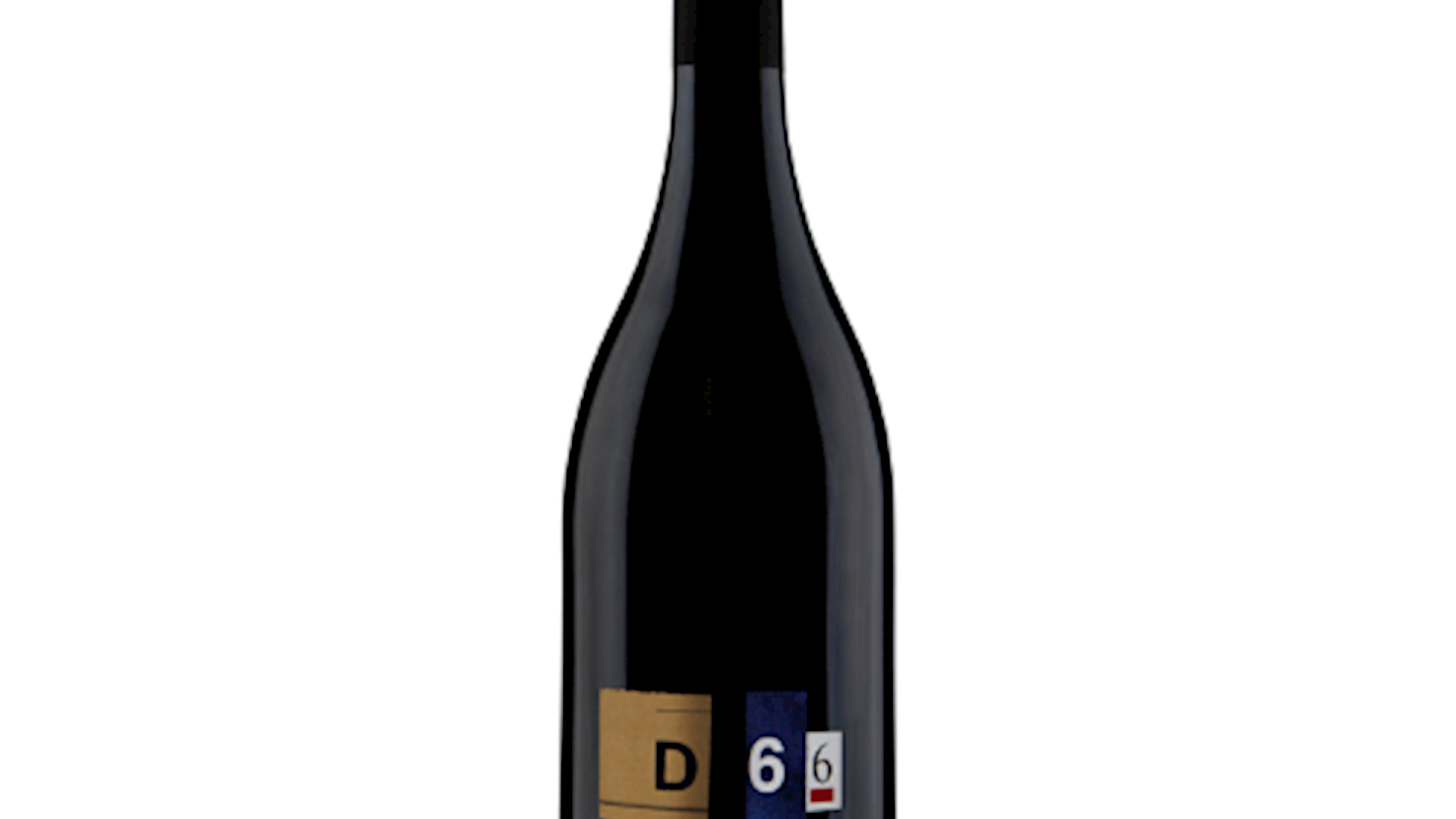
Department 66 is a contemporary wine project based in the Roussillon region of southern France, founded by Australian winemaker Mike Baker with the aim of showcasing the diversity and identity of individual terroirs rather than a single estate. Instead of owning vineyards, Department 66 works closely with a network of small growers across Roussillon, sourcing grapes from carefully selected parcels that reflect different soil types, altitudes, and microclimates. The project focuses on Mediterranean varieties such as Grenache, Carignan, Syrah, Macabeu, and Grenache Blanc, often from old vines cultivated on schist, limestone, or clay-limestone soils. Winemaking is deliberately minimal-intervention, emphasizing native fermentations, restrained use of oak, and clarity of fruit and site expression. The wines are typically labeled by cuvée name rather than appellation hierarchy, highlighting place and character over classification. Stylistically, Department 66 wines are known for their balance, freshness, and transparency, combining Mediterranean ripeness with tension and precision. The project has gained strong recognition for presenting a modern, terroir-driven interpretation of Roussillon that bridges artisanal tradition with an international, contemporary sensibility.
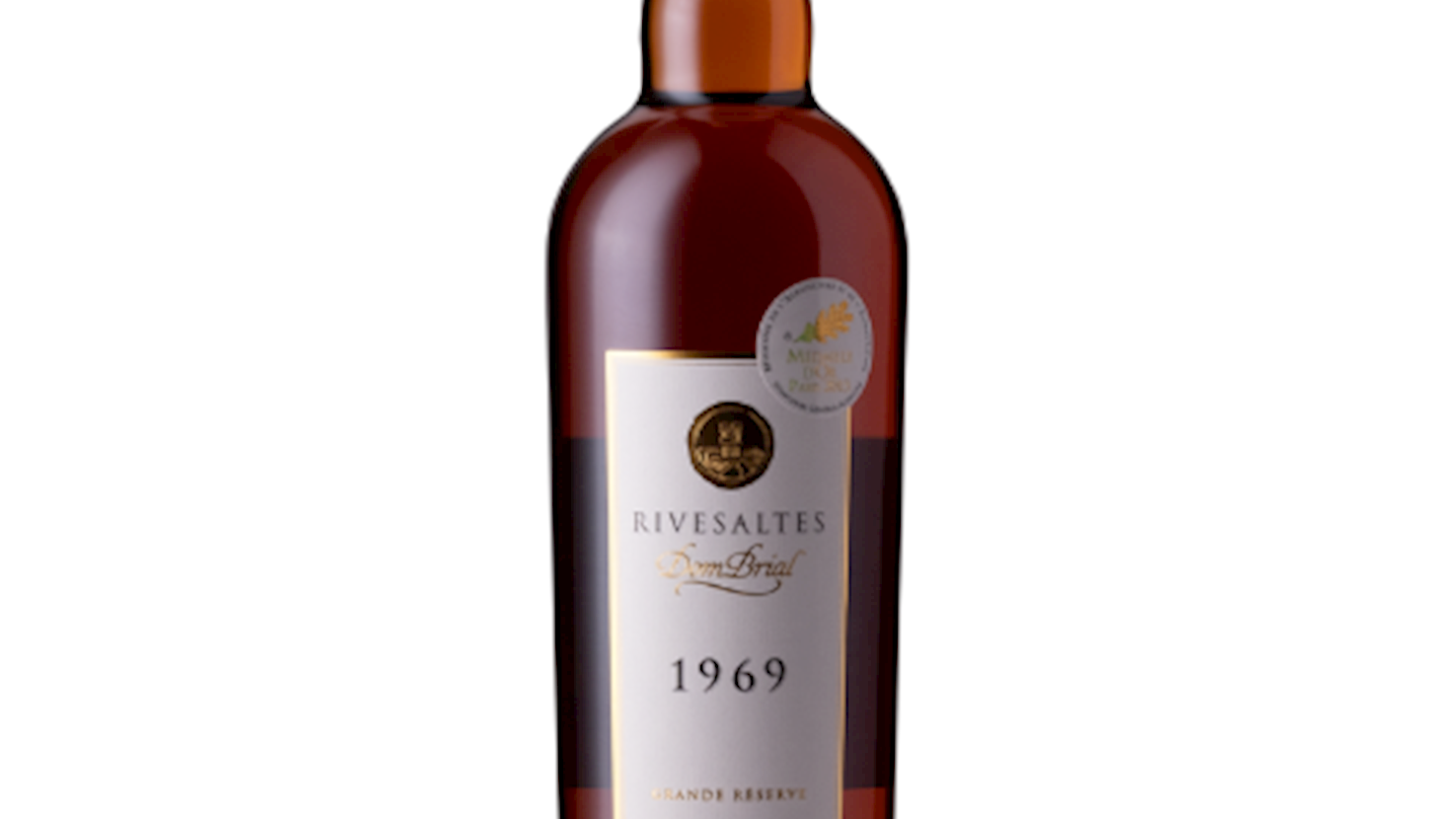
Vignobles Dom Brial is a prominent wine estate located in the Languedoc-Roussillon region of southern France. Known for producing a diverse range of wines, the estate spans several terroirs within the Roussillon and Languedoc regions, benefiting from the Mediterranean climate and rich soils. The winery produces both red and white wines, with a focus on Syrah, Grenache, and Mourvèdre for reds, and Chardonnay and Viognier for whites.
Awards
Berlin Wine Trophy - Grand Gold
(2021, 2020, 2019)
Les Vignobles du Rivesaltais is a cooperative of winemakers located in the Rivesaltes region, in the heart of Occitanie, southern France. Established to unite local winegrowers, the cooperative focuses on preserving traditional winemaking practices while enhancing the production of wines that showcase the region's unique character.
Awards
Berlin Wine Trophy - Grand Gold
(2023, 2022, 2018)
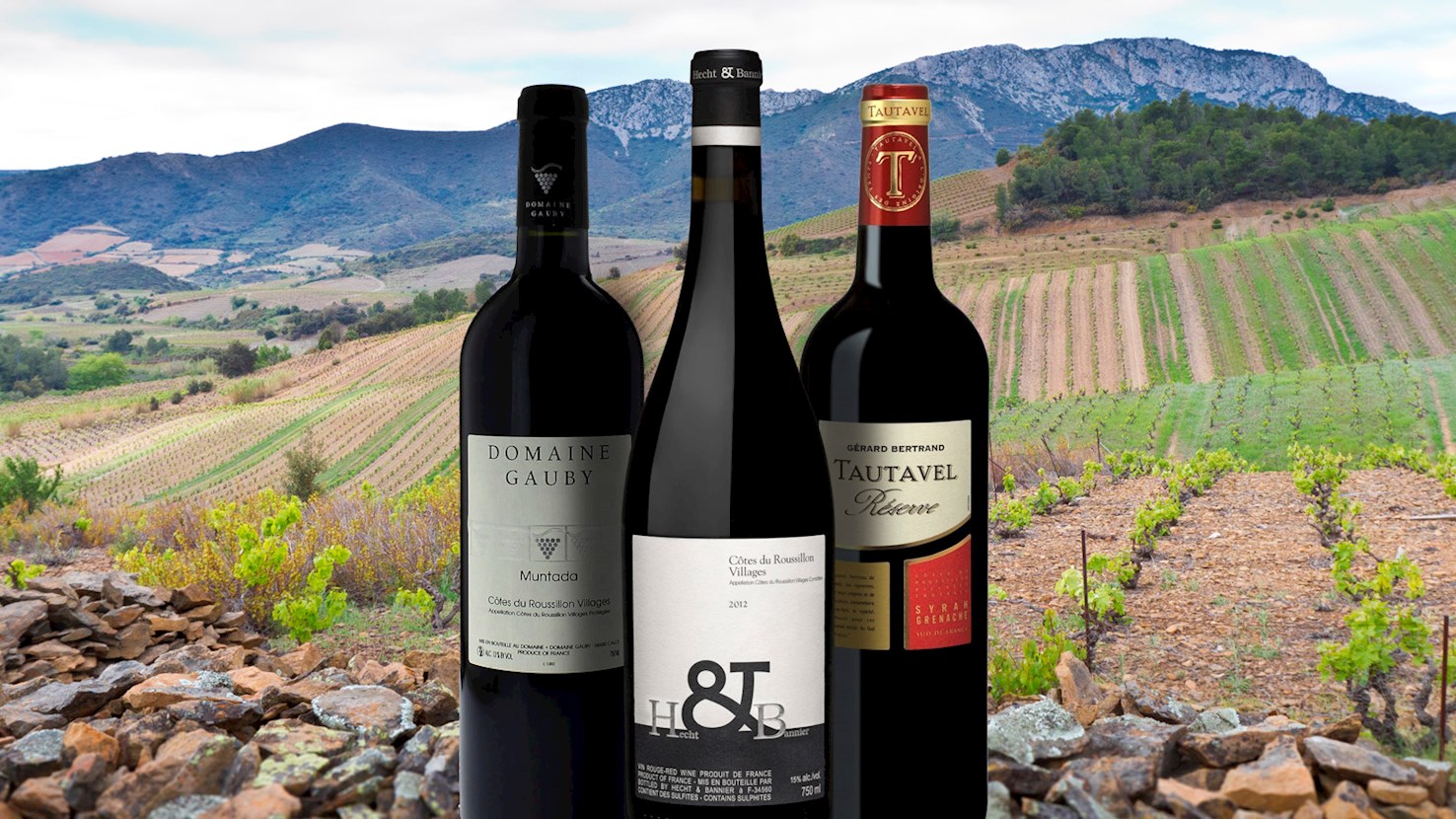
Côtes du Roussillon Villages is a French appellation located in the Roussillon wine region that includes the villages Caramany, Latour de France, Lesquerde, and Tautave, all surrounding the village of Maury. The appellation exclusively produces red blends that are based on Grenache, Carignan Noir, Lladoner Pelut, Syrah and Mourvèdre. Due to different soils and blends, the wines can slightly differ in character, but they are generally powerful and tannic with fruity notes that are complemented by herbal, spicy, mineral, and earthy nuances. The wines perfectly pair with game, white or red meat, and cheese.
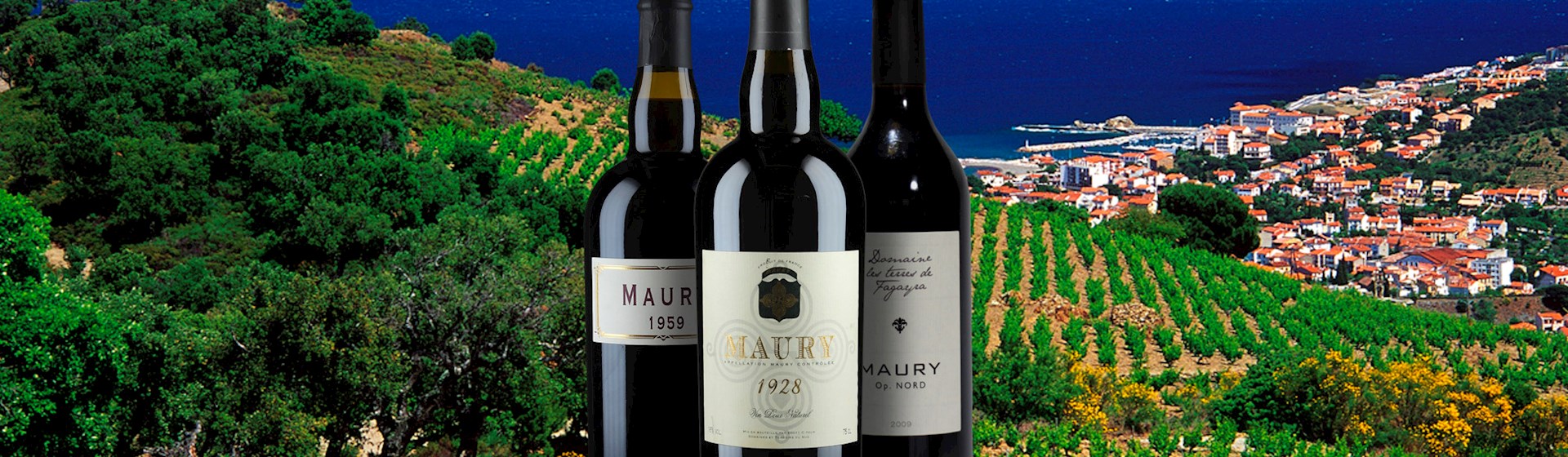
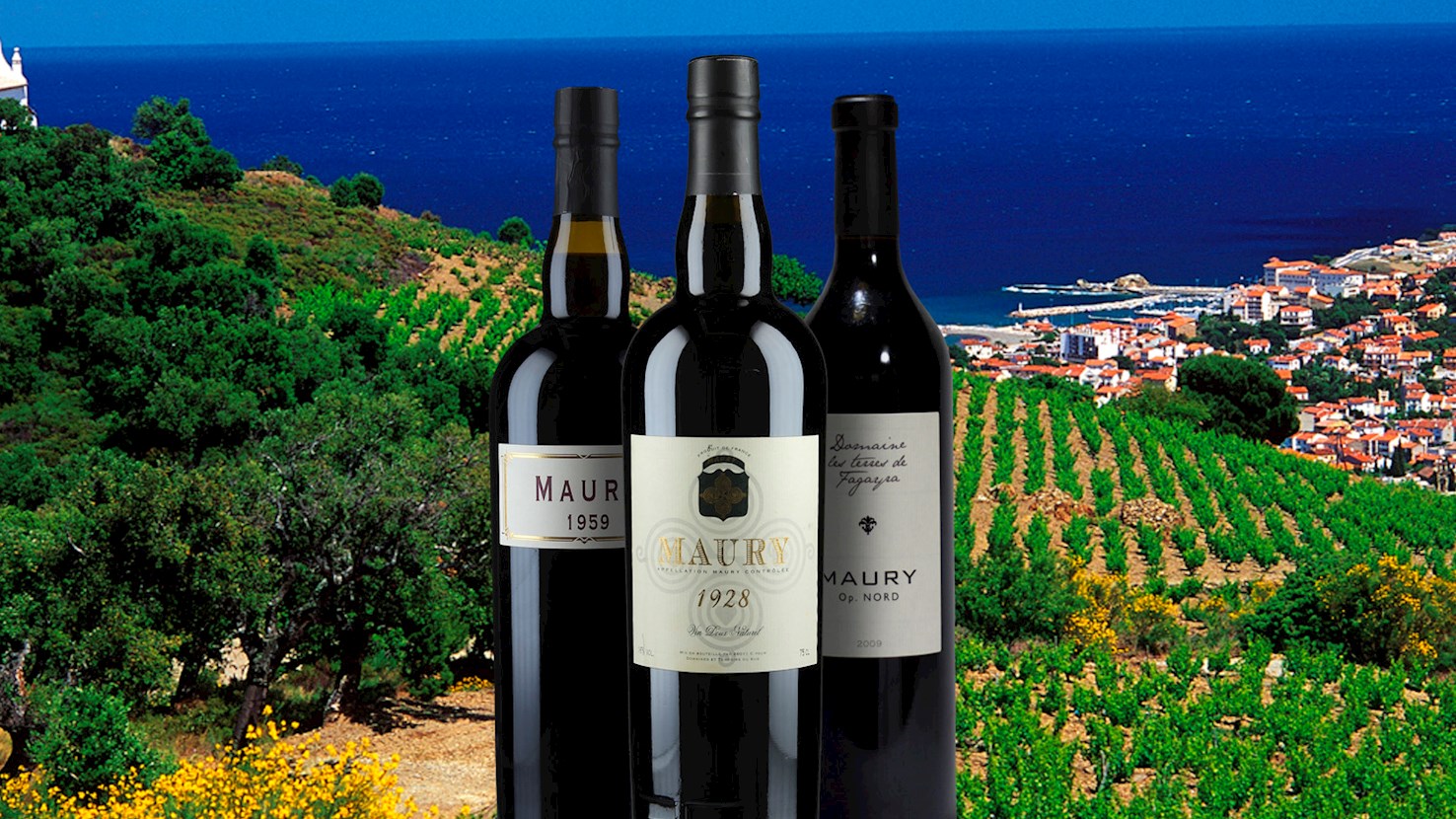
Maury is a French appellation located in Roussillon that produces vin doux naturel—fortified wine styles with a high quantity of natural sugars. The principal grape is Grenache (Noir, Blanc, and Gris), though small amounts of other grapes can be used as well. Most Maury wines are red and produced from Grenache Noir. These rich and smooth wines are often compared to Banyuls, another Grenache-based fortified wine, but Maury wines are typically more robust and tannic, though they can come in a variety of styles, including light and purple young versions to incredibly aromatic and refined aged styles. A separate label can also include Maury Rancio—wines that have matured in sun-exposed oak barrels. Maury wines are an excellent match to chocolate desserts, as well as fresh fruit, tarts, creamy desserts and cakes, foie gras, and blue cheese. They can also pair well with spicy or sweet and sour dishes. Maury wines should always be served slightly chilled.
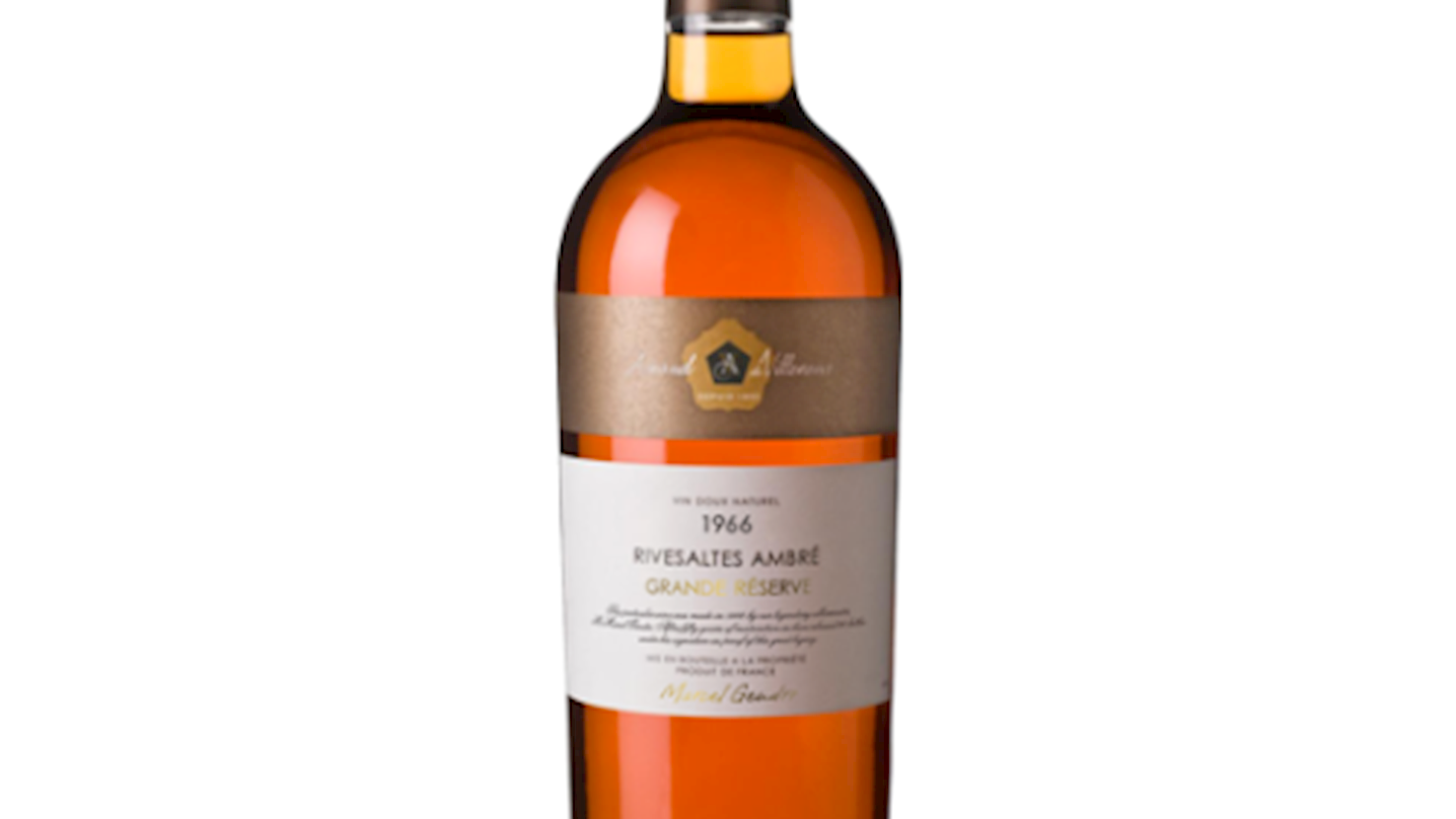
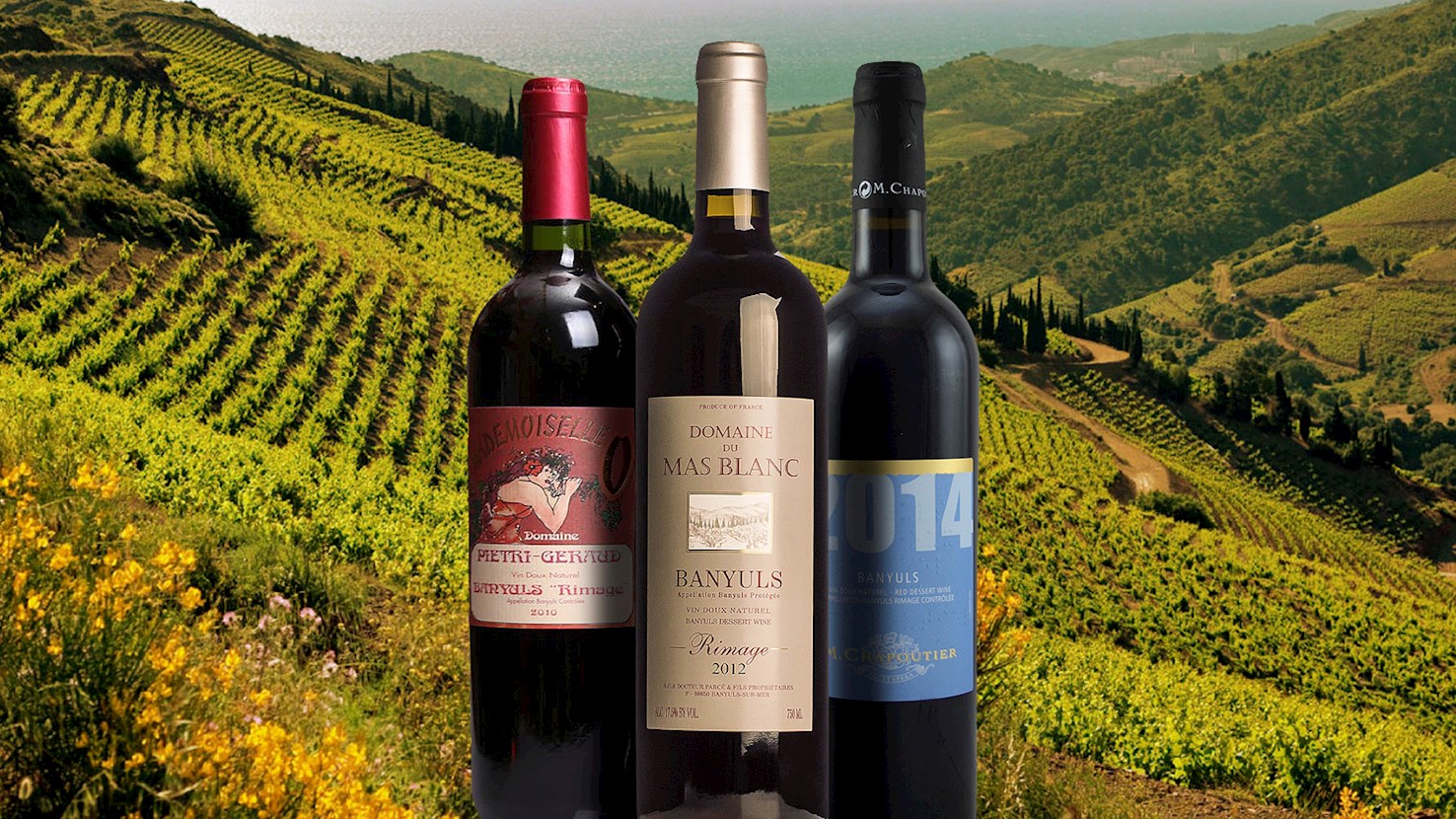
This fortified, dessert wine has been produced since the 13th century in the French region of Roussillon. Banyuls is predominantly made from different varieties of Grenache grapes, though Carignan, Muscat (only in small amounts), Macabeu, Mourvedre, and Tourbat can also be used. Although it is best known for full-bodied red wines that are characterized by exquisite aromas of cooked fruit, prunes, raisins, and cocoa, Banyuls also comes as a white wine that usually displays notes of pears, honey, and acacia. Classified as vin doux naturel, naturally sweet wine, Banyuls wines typically have a dense texture, complex aromatic profile, and well-balanced acidity and sweetness. They are best enjoyed as an aperitif, but they can also pair with desserts, semi-sweet or dark chocolate, or coffee, as well as dry fruits, foie gras, game, and cheese.
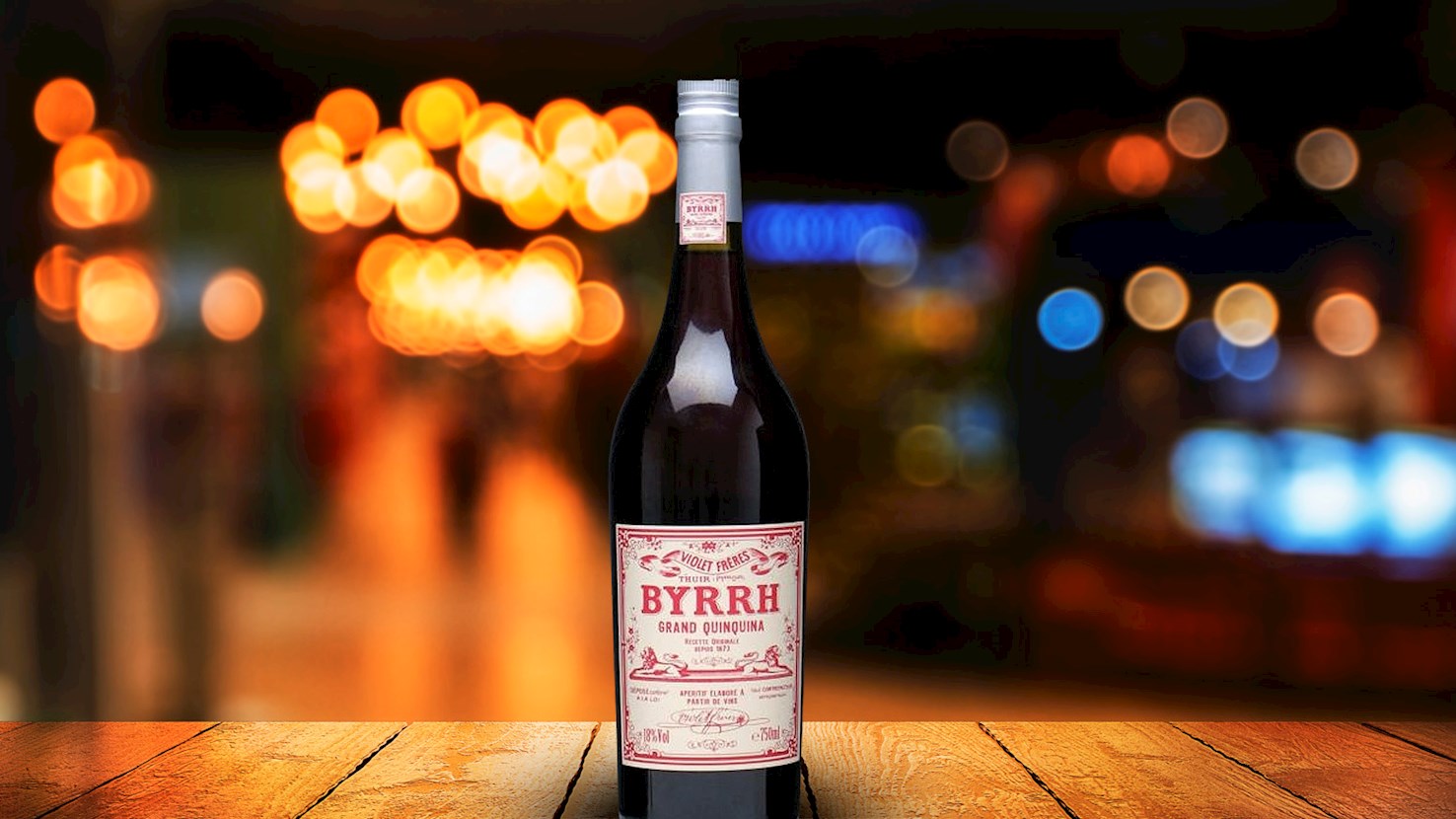
Byrrh is an aromatized wine that was first created in 1866 by the Violet brothers. Originally marketed as a health tonic, the base of the drink is made with a blend of red wine, mistelle, and various spices, but cinchona bark (quinine) provides for its distinctive, bitter character. It can be enjoyed on its own, preferably served on the rocks, but it also pairs well with tonic, and it works exceptionally well in cocktails. Byrrh gained its current name in 1876, but the origin of its unusual name is not entirely clear. Though there are several theories, the most common explanation is that it was a random creation that has no particular meaning.
Côtes Catalanes is an IGP wine designation from the Pyrénées-Orientales department in France, covering the eastern portion of French Catalonia near the border with Spain. It encompasses red, white, and rosé wines produced across coastal plains, inland valleys, and the lower foothills of the Pyrenees. The zone includes a wide set of permitted grape varieties such as Grenache, Syrah, Mourvèdre, Carignan, Merlot, Cabernet Sauvignon, Chardonnay, Macabeu, Grenache Blanc, Vermentino, and Muscat. The IGP was introduced in 2009 when France reorganized its wine classification system, replacing the former Vin de Pays des Côtes Catalanes designation that had been in use since the late twentieth century. It was created to provide a recognized geographic identity for wines produced outside the stricter AOC rules of the region, while still tying them to a specific area known for viticulture. The emergence of Côtes Catalanes reflects the winegrowing trajectory of the Pyrénées-Orientales, where records show continuous vine cultivation dating back to Roman settlement, expanding during medieval trade through the port of Collioure and later through fortified wine production under the Kingdom of Majorca and subsequent French administration. When the modern Vin de Pays category was established, producers in this part of Roussillon sought a designation that allowed for flexibility in grape choice and winemaking style while acknowledging the region’s geographic coherence. The adoption of the IGP framework in 2009 preserved this flexibility but placed it within the European protected-origin system. Wine production under Côtes Catalanes benefits from dry, windy conditions shaped by the Tramontane, a strong northern wind that reduces humidity and helps maintain healthy vineyard conditions. Soils include schist in the foothills, limestone and clay on inland terraces, and alluvial deposits along the Agly and Têt river basins. These differences permit a range of wine styles: reds may be structured and concentrated when sourced from older vines on poorer soils, or fruit-forward and approachable when produced from vineyards closer to the coast. Whites range from crisp and aromatic to fuller expressions using varieties such as Grenache Blanc or Macabeu. Rosés are typically fermented cool and bottled young to preserve freshness. The IGP’s broad rules allow producers to use stainless steel, concrete, or oak as they choose, and to work with single varietal wines or blends that would not fit into nearby AOCs such as Collioure, Rivesaltes, or Côtes du Roussillon. Côtes Catalanes wines are consumed locally in the Pyrénées-Orientales, throughout France, and abroad. Reds are served at moderate room temperature and pair with grilled meats, cured pork, lamb, and stews seasoned with Mediterranean herbs. Whites are served chilled and accompany seafood, shellfish, vegetable dishes, and mild cheeses. Rosés pair with lighter fare, charcuterie, and coastal dishes common to the region. In local restaurants and homes, these wines appear alongside Catalan-influenced preparations such as grilled sardines, pa amb tomàquet, anchoïade, and dishes featuring olives, peppers, and fresh herbs, reflecting the blend of Mediterranean and Pyrenean ingredients characteristic of the area.
TasteAtlas food rankings are based on the ratings of the TasteAtlas audience, with a series of mechanisms that recognize real users and that ignore bot,
nationalist or local patriotic ratings, and give additional value to the ratings of users that the system recognizes as knowledgeable.
For the “Top 6 Local Wines in Pyrénées-Orientales” list until June 15, 2026, 22 ratings were recorded, of which 17 were recognized by the system as legitimate.
TasteAtlas Rankings should not be seen as the final global conclusion about food. Their purpose is to promote excellent local foods,
instill pride in traditional dishes, and arouse curiosity about dishes you haven’t tried.
The initial list of top producers was compiled based on available reviews, awards, local recommendations, media and blog coverage, and consumer reviews.
The list will be updated with ratings from TasteAtlas local ambassadors and TasteAtlas users.