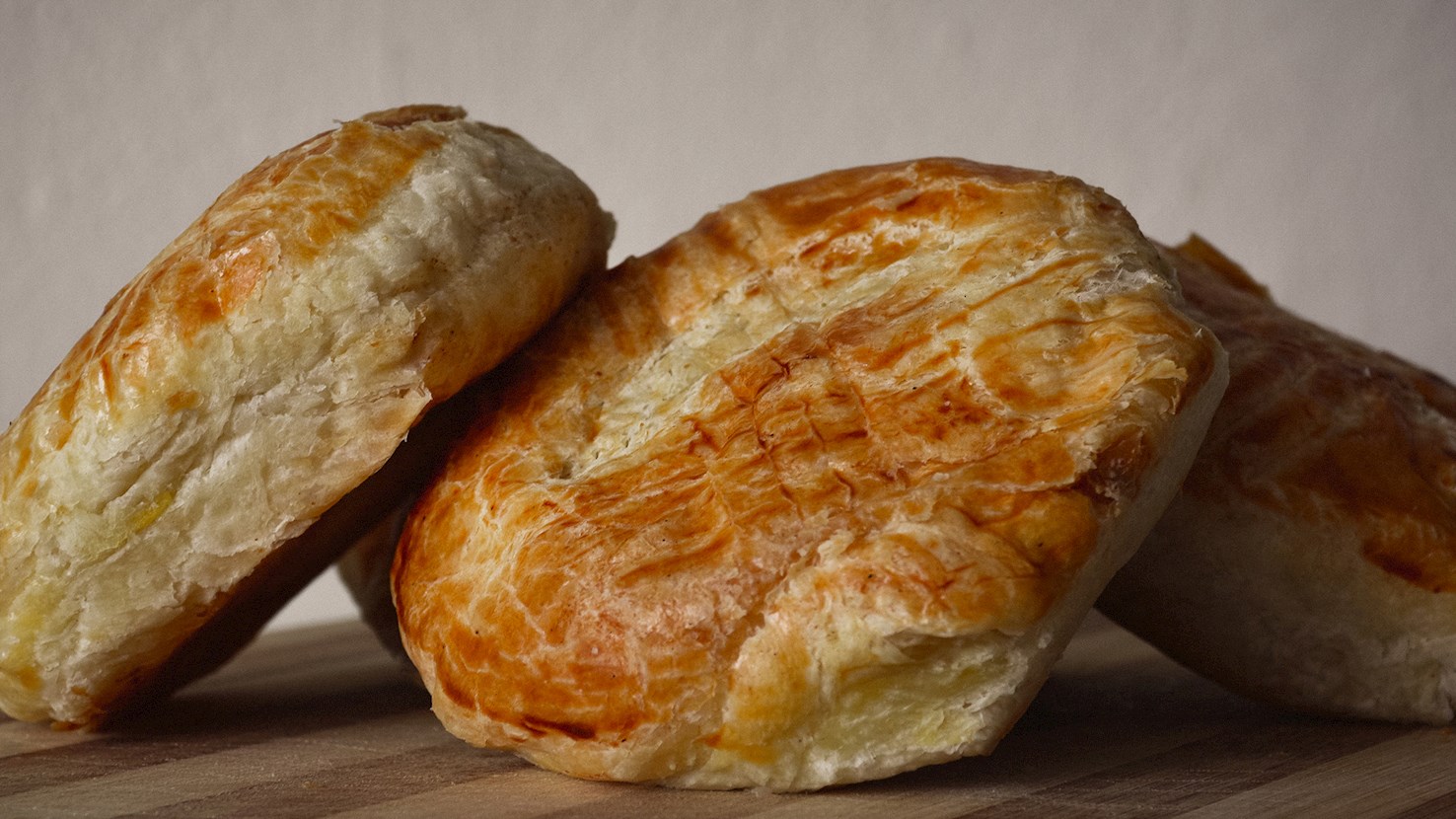
Boyoz is a Turkish pastry that was brought over to the country by Sephardic Jewish immigrants from Spain in the late 15th century. Nowadays, it is prepared exclusively in Izmir, following the original recipe. The pastry is made with flour, sunflower oil, and tahini. Tahini increases the nutrient value of boyoz, but it also makes the dough rise in layers. Boyoz is additionally filled with ingredients such as cheese, meat, olives, artichokes, or spinach. Traditionally, this flavorful pastry is served as an essential part of breakfast, when it is accompanied by hard-boiled eggs sprinkled with black pepper and a glass of Turkish tea.
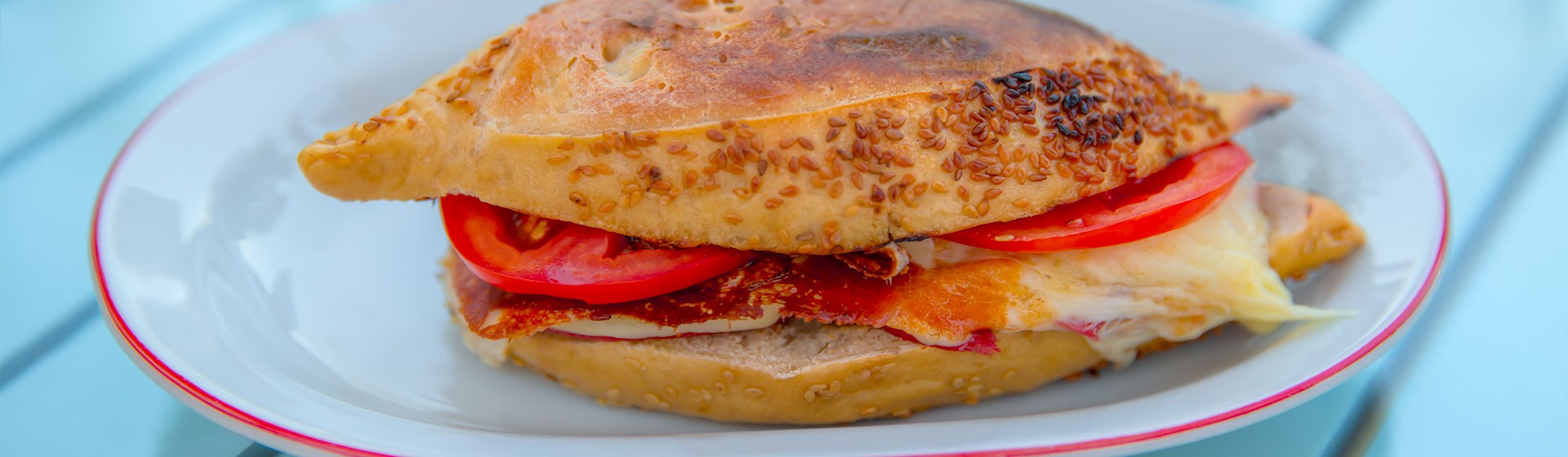
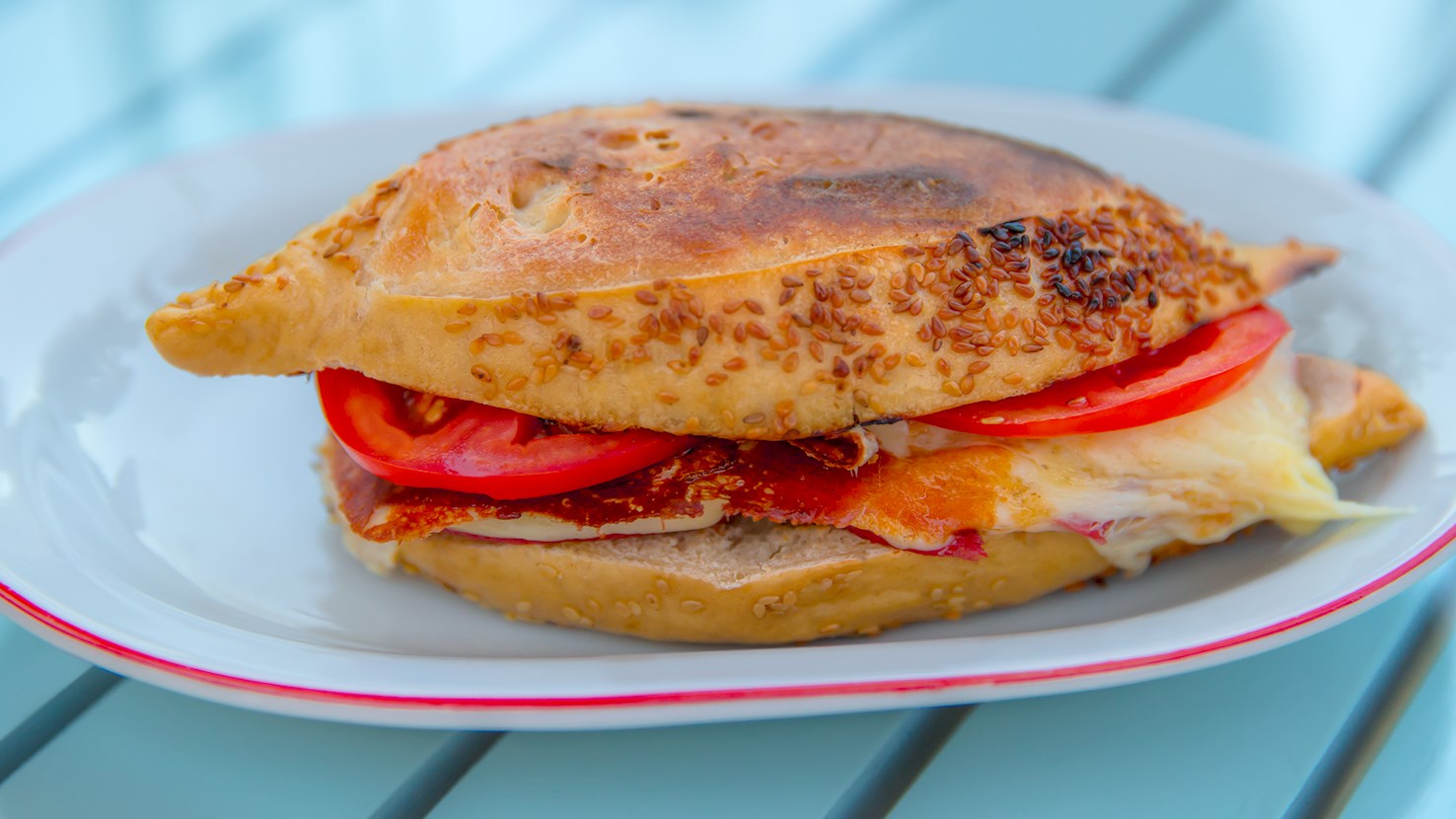
Typically associated with Çeşme, kumru is a toasted sandwich prepared with an artisanal bread that is typically enriched with chickpea flour. It was originally prepared with sinik, a circular bread that was sold by street vendors, but it achieved its current form in the 1950s when sandwiches became a popular option in Türkiye. Nowadays, it is typically filled with kaşar cheese (which is typically griddled before it’s placed on the bread), spicy sausage known as sujuk, and tomatoes, while modern variations may also include pickles, red pepper flakes, other types of cured meat, or even mayonnaise or ketchup, though the latter two are often frowned upon. This filling and affordable street food option is usually found at specialized kumru restaurants.
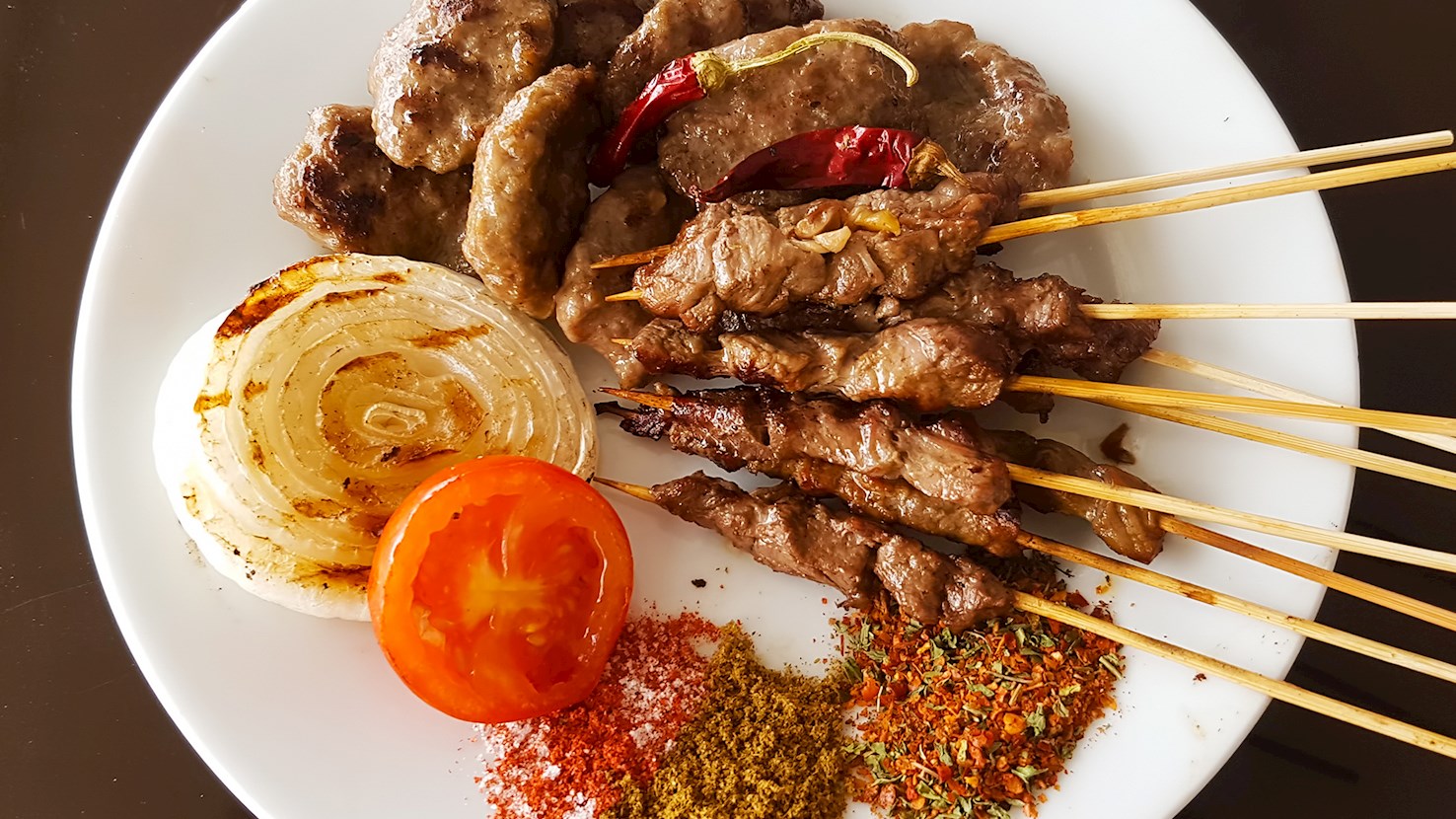
Originating from Türkiye’s Aegean region, çöp şis is a kebab variety which, in modern Turkish, could be translated as trash shish or garbage shish. Despite the indecent connotations, this delicious dish is made with roasted lamb scraps and fat, the leftovers from trimming the meat for the classic shish kebab. The meat is traditionally flavored with garlic and tomatoes, marinated in a combination of olive oil, oregano, and black pepper, then placed on split wood skewers and quickly roasted. And that translated name mentioned earlier, garbage shish, is believed to refer either to the small wooden skewers or the fact that the dish is made with scraps and leftovers. This kebab variety is typically served as an appetizer before the main meal, preferably with spicy green peppers on the side.
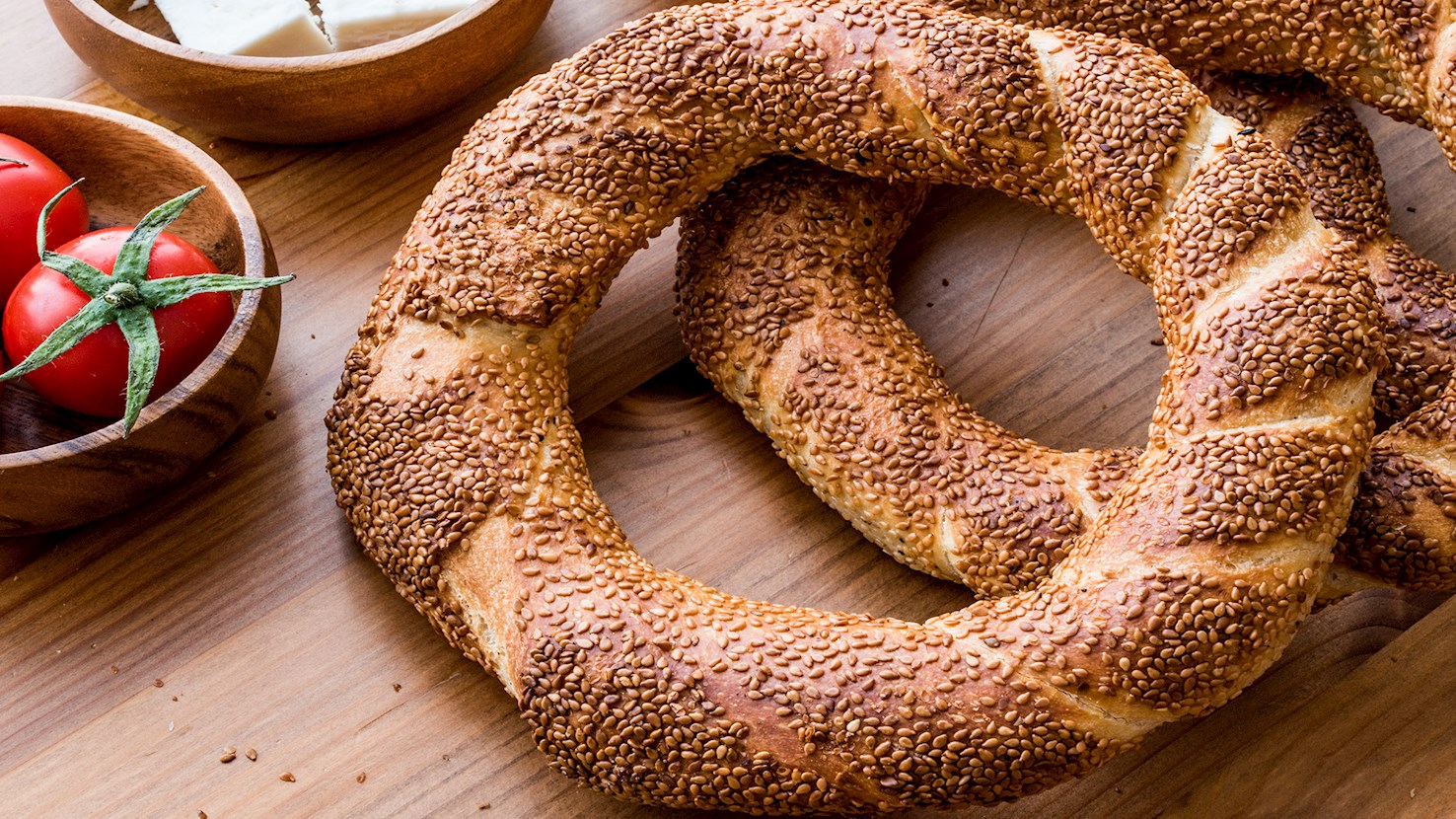
Turkish simit is a circular bread that's commonly accompanied by either tea or ayran (salted yogurt drink) and consumed for breakfast with fruit preserves or in savory combinations with cheese, pastırma (salt cured beef), and fresh vegetables. It is believed that simit has been baked in Istanbul since the 1500s, while the name hails from the Arabic word samīd, meaning white bread or fine flour. The dough itself is very similar to that of a bagel, except instead of boiling, the proofed dough is shaped and dipped into fruit molasses with water before being baked with a coating of toasted sesame seeds on top. In Türkiye, simits are sold by street vendors who walk around either pushing trolleys or carrying trays piled with these delicious, crunchy crusted bagels on their heads.
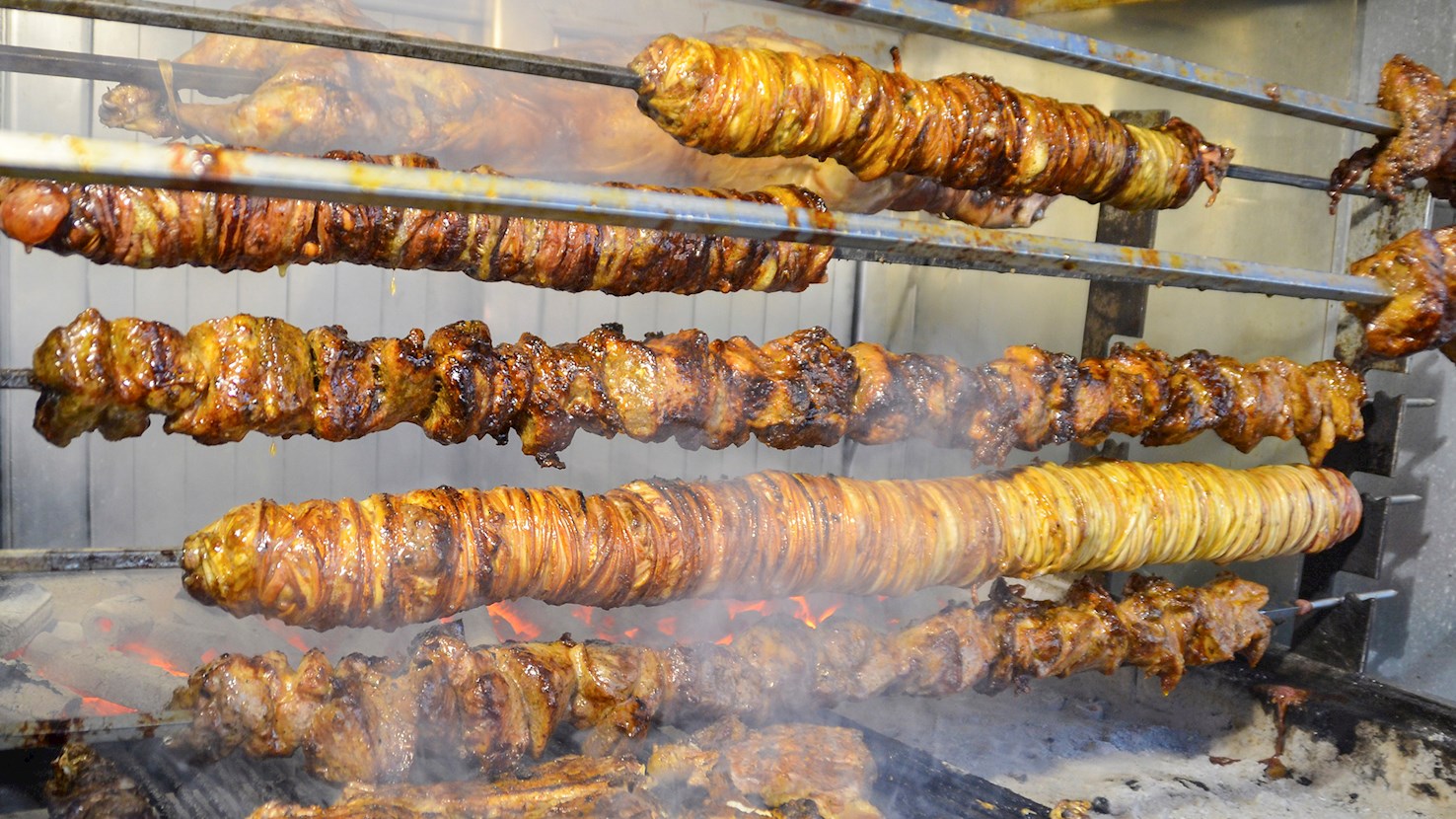
Kokoreç is a traditional dish that's also popular in other countries, especially in Greece, where it's known as kokoretsi. However, there are some differences between the Turkish and Greek versions. In Greek cuisine, people use lamb offal such as lungs, kidneys, hearts, and liver, and in Türkiye, they use small and large intestine and sweetbreads without any additional ingredients. For the Turkish version, kokoreç, the ingredients are rinsed and cleaned, then wrapped onto iron skewers to be grilled over charcoal. Once done, the dish is usually served with bread or tucked inside the bread with various spices such as oregano, cumin, and chili flakes. You can find this dish at street food vendors or in countless kokoreç restaurants.
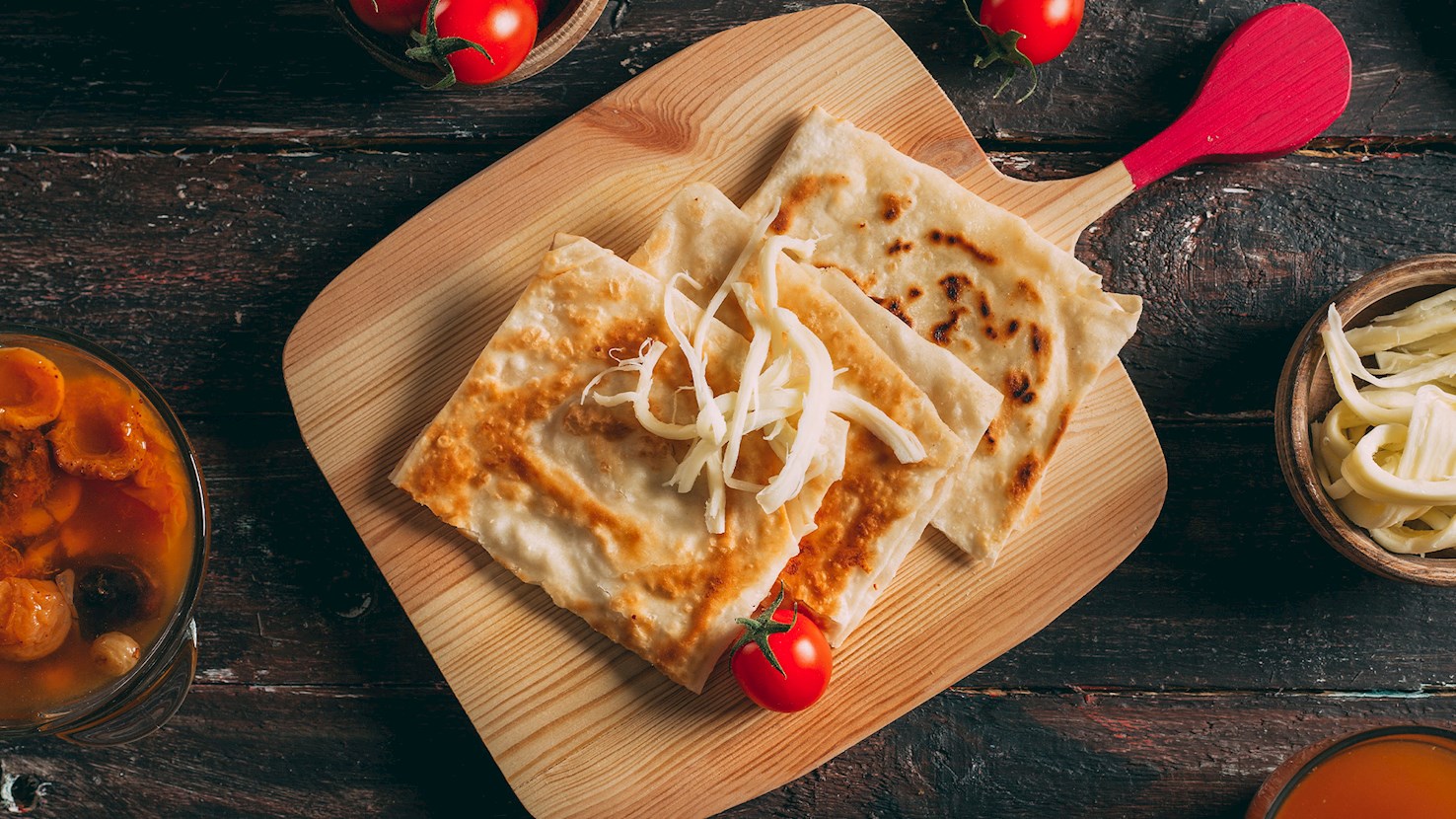
Gözleme is a savory stuffed flatbread made from hand-rolled, unleavened dough that is folded around a filling, sealed, and cooked on a hot, convex metal griddle. Its origins are tied to rural and nomadic communities of Anatolia during the early Ottoman period. The name comes from the word göz, meaning “eye,” referring to the dark blistered spots that appear on the dough when it touches the hot iron surface. Historical accounts trace the use of the convex metal griddle, known as a sac, back to the 11th century. This portable cooking surface provided a practical way for migratory tribes to prepare fast, filling food while on the move. Gözleme needs a simple dough made from wheat flour, warm water, and salt. The dough rests briefly, then is divided into small, even portions. Each piece is rolled out with a long, thin wooden rolling pin called an oklava until it becomes a large, paper-thin circle. A thin layer of filling is spread over exactly half of the dough. The empty half is folded over the filling to form a large semicircle, and the edges are pressed firmly to seal the ingredients inside. The stuffed dough is then placed directly on a blistering hot sac or heavy iron skillet. It cooks for only a few minutes on each side, until the exterior puffs slightly and develops its signature dark brown spots. As soon as it comes off the heat, the surface is brushed generously with melted butter or olive oil. This softens the crisp exterior and turns it into a pliable, rich crust. Changing the filling can dramatically alter the flavor. One of the most common versions uses crumbled white cheese mixed with raw spinach leaves and chopped parsley. Another typical filling is strongly spiced minced beef and diced white onions. Earthier variations use boiled, mashed potatoes seasoned with black pepper and red paprika. Sweet versions replace the vegetables and meat entirely with a thick layer of chocolate hazelnut spread or sweetened crushed nuts. Once cooked, the hot gözlemeis transferred straight to a wooden cutting board and quickly sliced into manageable rectangular strips. It is served while still hot, usually stacked high on a ceramic plate. A tall glass of cold salted yogurt drink or a small glass of strong black tea often accompanies it. Originally, gözleme was served for breakfast or as a light afternoon snack, but today it has a status of popular fast food that can be found throughout the country's restaurants, food carts, and cafés.
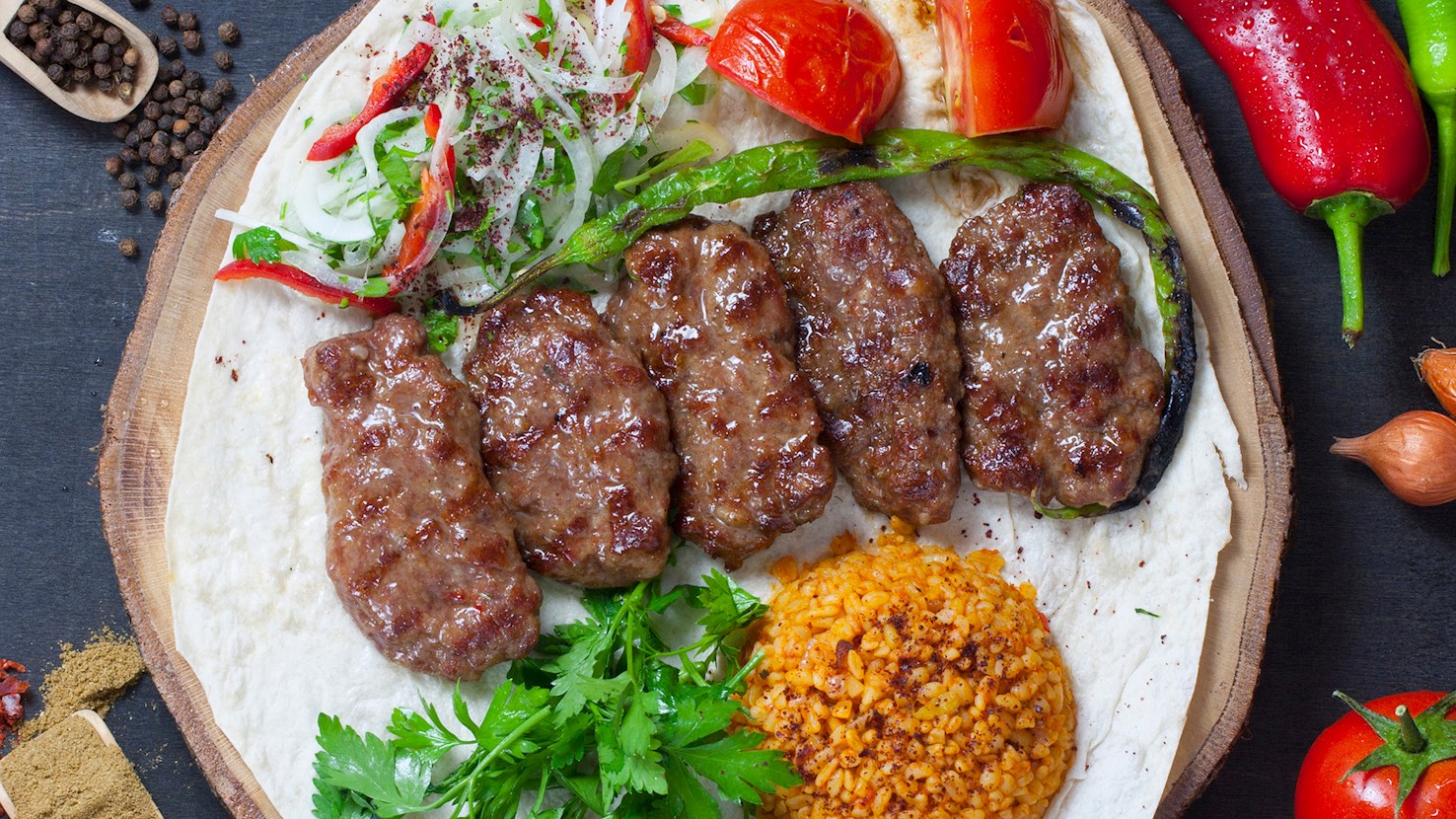
Kofta or köfte are walnut-sized fried meatballs, usually made from ground beef or lamb. It is a popular Turkish meze dish that is often prepared for special occasions and cocktail parties, since the meatballs are quite easy to prepare and can be easily consumed with a toothpick. Köfte come in various degrees of spiciness and in numerous forms - from egg-coated and fried kadin budu to Adana kofte from the south-east of Turkey. In eastern Turkey, the most popular variety is called içli köfte, full of flavor due to large amounts of butter in the filling. Another interesting variety is called cizbiz kofta, one of the most popular street food items in the country, its name coming from the sound which the thin meat patties make when placed on the grill. Whether fried, stewed, drenched in sauce, or grilled, the variations are virtually infinite and every kofta dish pairs well with a glass of turnip juice and fried potatoes on the side.
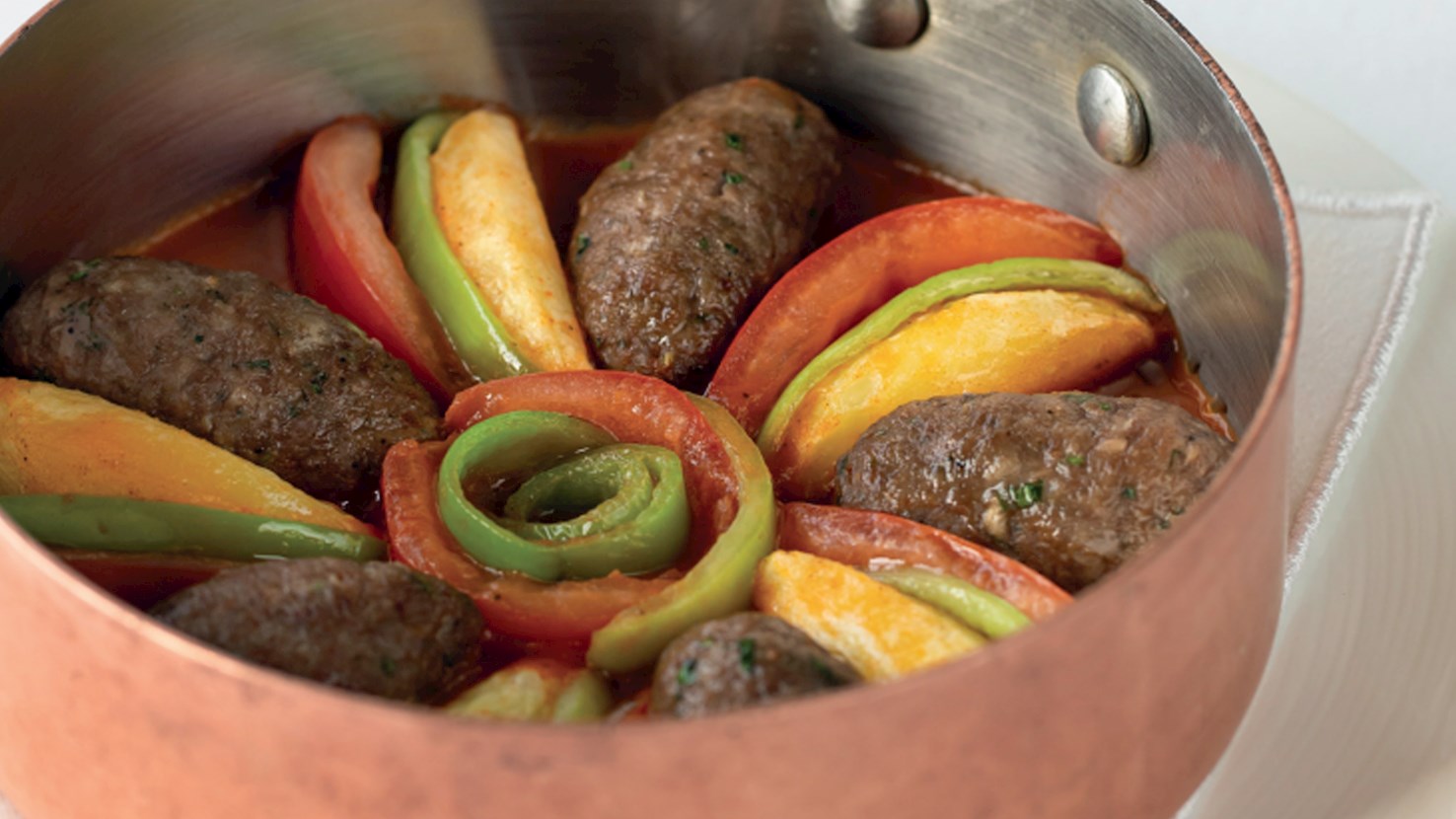
İzmir köfte is a Turkish comfort food dish consisting of köfte (meatballs), peppers, and potatoes in a simple tomato sauce. The dish can either be prepared on a stove or baked in the oven. Köfte are typically made with ground beef or lamb, onions, flour, stale bread, and eggs, flavored with a variety of spices such as red pepper flakes, cumin, black pepper, and mint. Before serving, İzmir köfte are traditionally garnished with chopped parsley on top. It is recommended to use plain rice or a slice of crusty bread as accompaniments. The dish originated and was named after Smyrni, or modern-day Izmir, where it was initially prepared by Greek citizens and was called soutzoukakia smyrneika. It is believed that the dish was brought to other areas in Greece in the 1920s, following the great migration after the Greco-Turkish War.
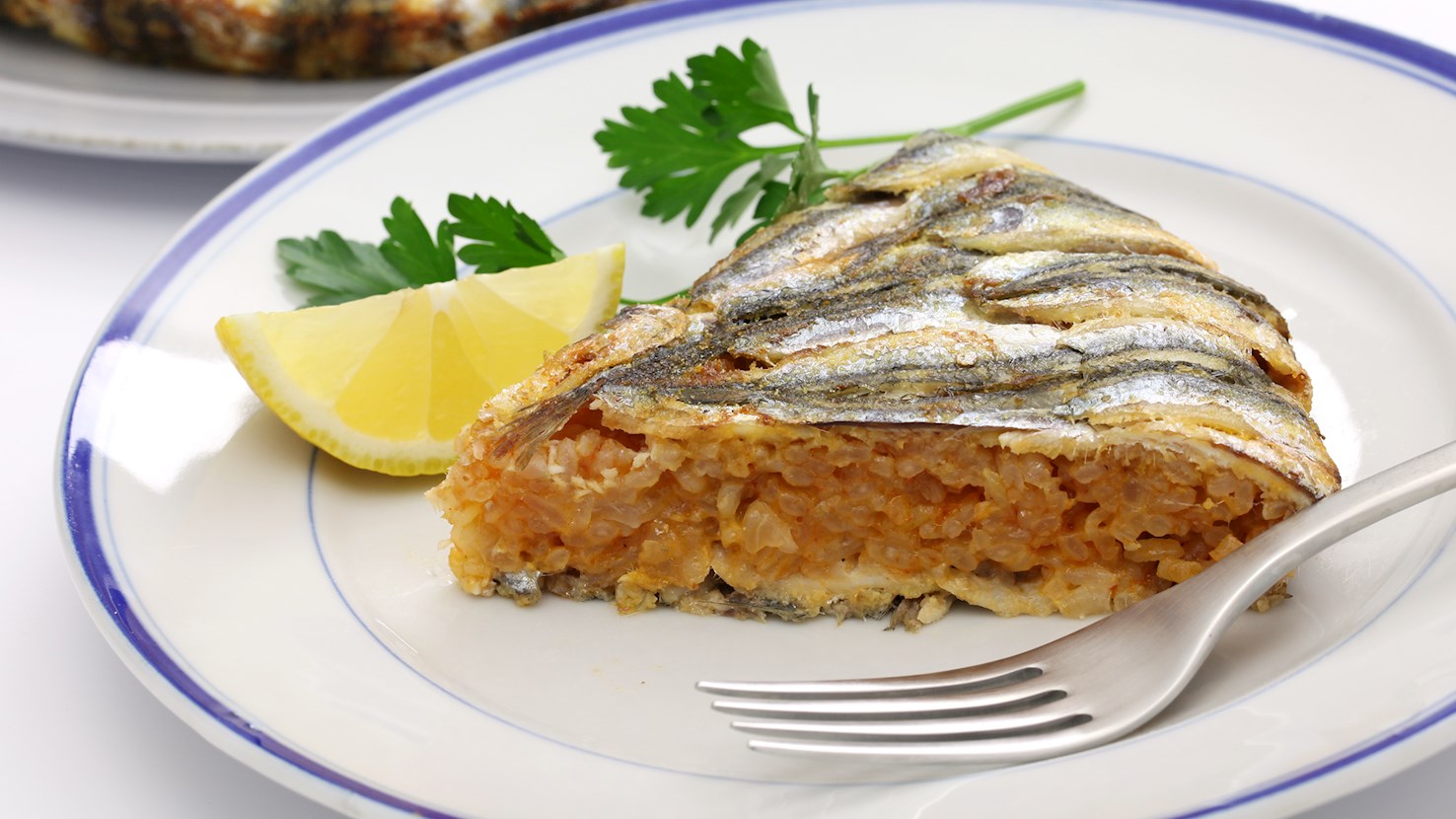
Hamsili pilav is a visually attractive Turkish dish of oven-baked pilaf that is encased in anchovies. The pilaf is usually prepared with long-grain rice, onions, raisins, pine nuts, mint, lemon juice, and spices. In order to prepare hamsili pilav, a baking dish is first brushed with butter, then layered with anchovies so that they fill the whole bowl. The rice pilaf is placed over the anchovies, and the ends of anchovies are then folded towards the center of the bowl so that the rice is completely encased. After the baking process, the dish is typically turned upside down and served garnished with dill sprigs and slices of lemon. It is believed that the original recipe originates from the Laz, an ethnic minority in northeastern Türkiye.
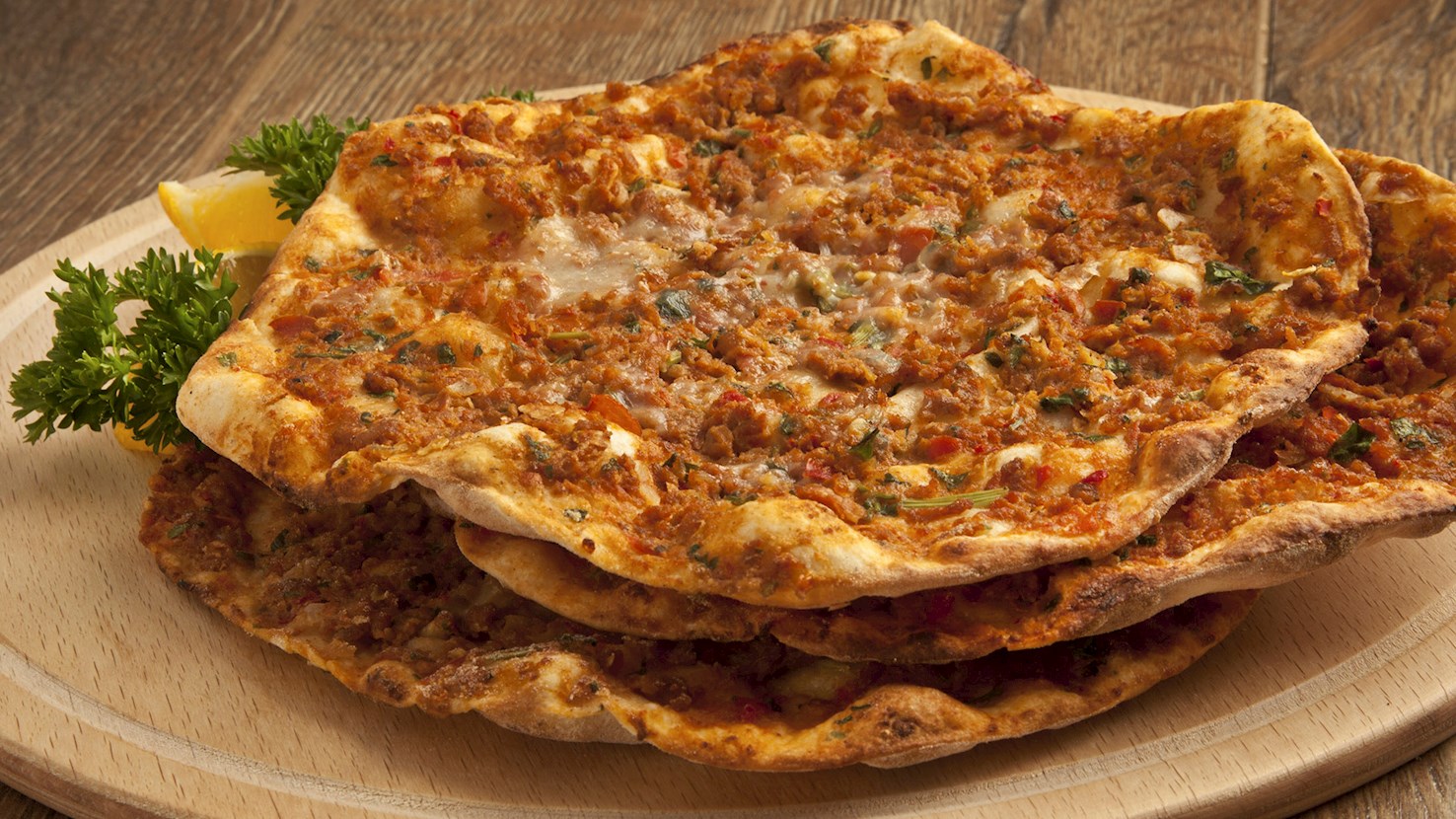
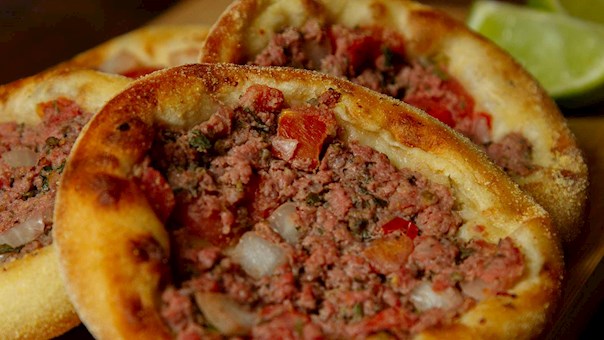
Even though lahmacun is popularly nicknamed Turkish pizza, it's origin is disputed and can be traced to Armenia, Syria, Lebanon, and Turkiye. It can be found at numerous street stalls as well as in virtually any traditional restaurant, but also in kebab eateries where they typically serve mini lahmacuns as appetizers. The perfect lahmacun is made by rolling a ball of sturdy semolina dough into a thin disc which is only lightly spread with meat - either lamb or beef, minced to a paste together with chili, onions, and other seasonings. The dish is then shortly baked in a super-hot (and preferably wood-fired) oven. Lahmacun is best served hot with a drizzle of lemon juice. It is traditionally enjoyed folded around the crispy onions and a parsley salad known as piyaz. It is recommended to pair lahmacun either with the salty, cold yogurt beverage called ayran, or şalgam suyu, the barrel-fermented juice of red carrot pickles, which is salted, spiced, and flavored with the aromatic turnip called çelem.
TasteAtlas food rankings are based on the ratings of the TasteAtlas audience, with a series of mechanisms that recognize real users and that ignore bot,
nationalist or local patriotic ratings, and give additional value to the ratings of users that the system recognizes as knowledgeable.
TasteAtlas Rankings should not be seen as the final global conclusion about food. Their purpose is to promote excellent local foods,
instill pride in traditional dishes, and arouse curiosity about dishes you haven’t tried.



What People Say