
Top 100 Alcoholic Beverages
in the World

Last updated on November 25, 2026

Best Alcoholic Beverage Types in the World
01

Brunello di Montalcino

4.5 ·

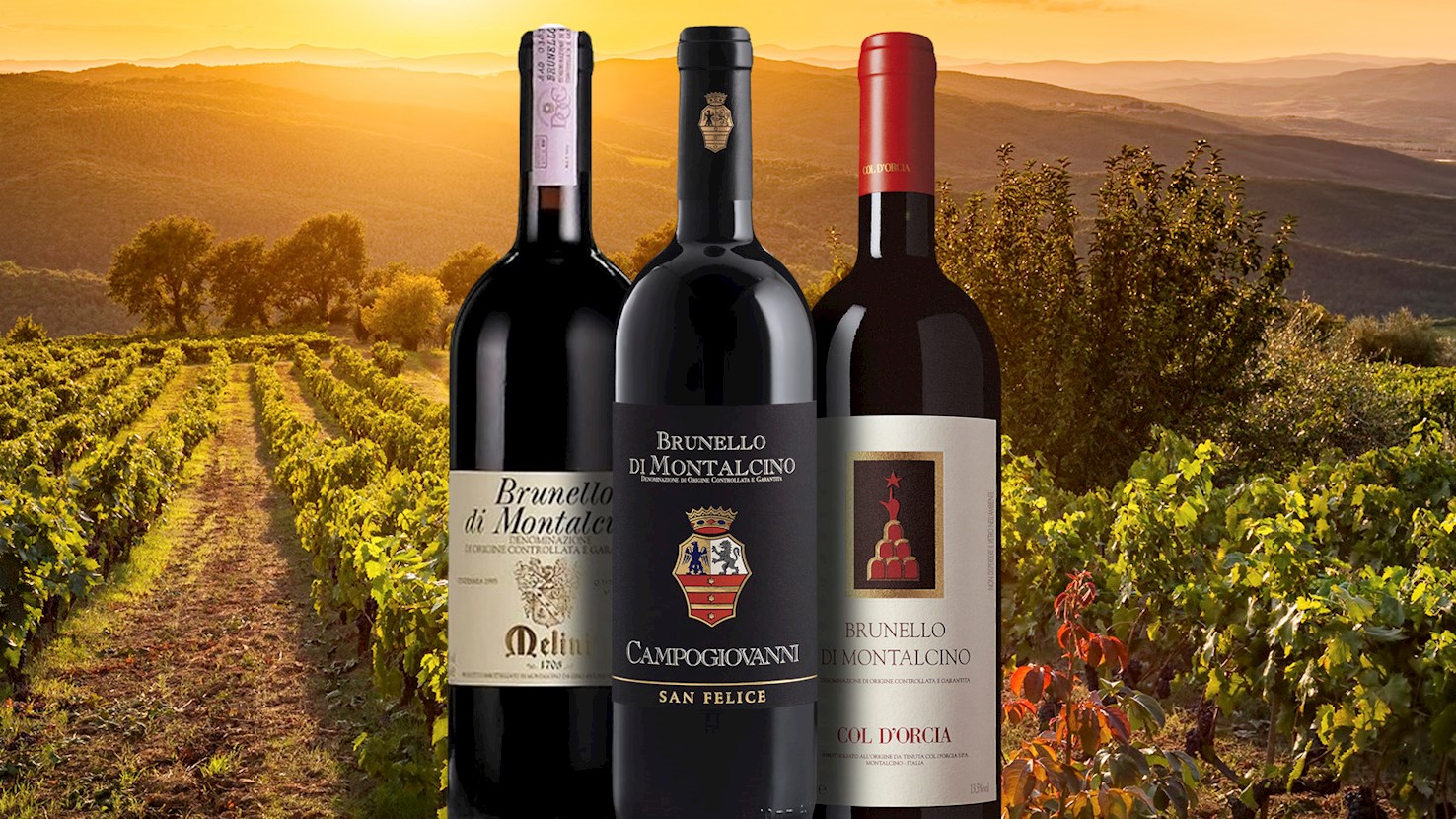
Brunello di Montalcino is a red Italian wine produced in the vineyards surrounding the town of Montalcino in the Tuscany wine region. Though it was initially considered to be made from a separate grape variety named Brunello, it was later discovered that the grape used in the production of the wine is in fact Sangiovese. Regarded as one of the most renowned Italian wines, Brunello di Montalcino was awarded the designation of origin (DOCG), and it is produced with 100% Sangiovese grapes. At first, it comes off as juicy and spicy, with notes of oregano and balsamic, and it may develop strong aromas of cherry and leather. The wine pairs well with red meat and rich, tomato-based dishes, and it usually sells at a lower price than the prestigious Barolo wines.

02

Vinsanto

4.5 ·

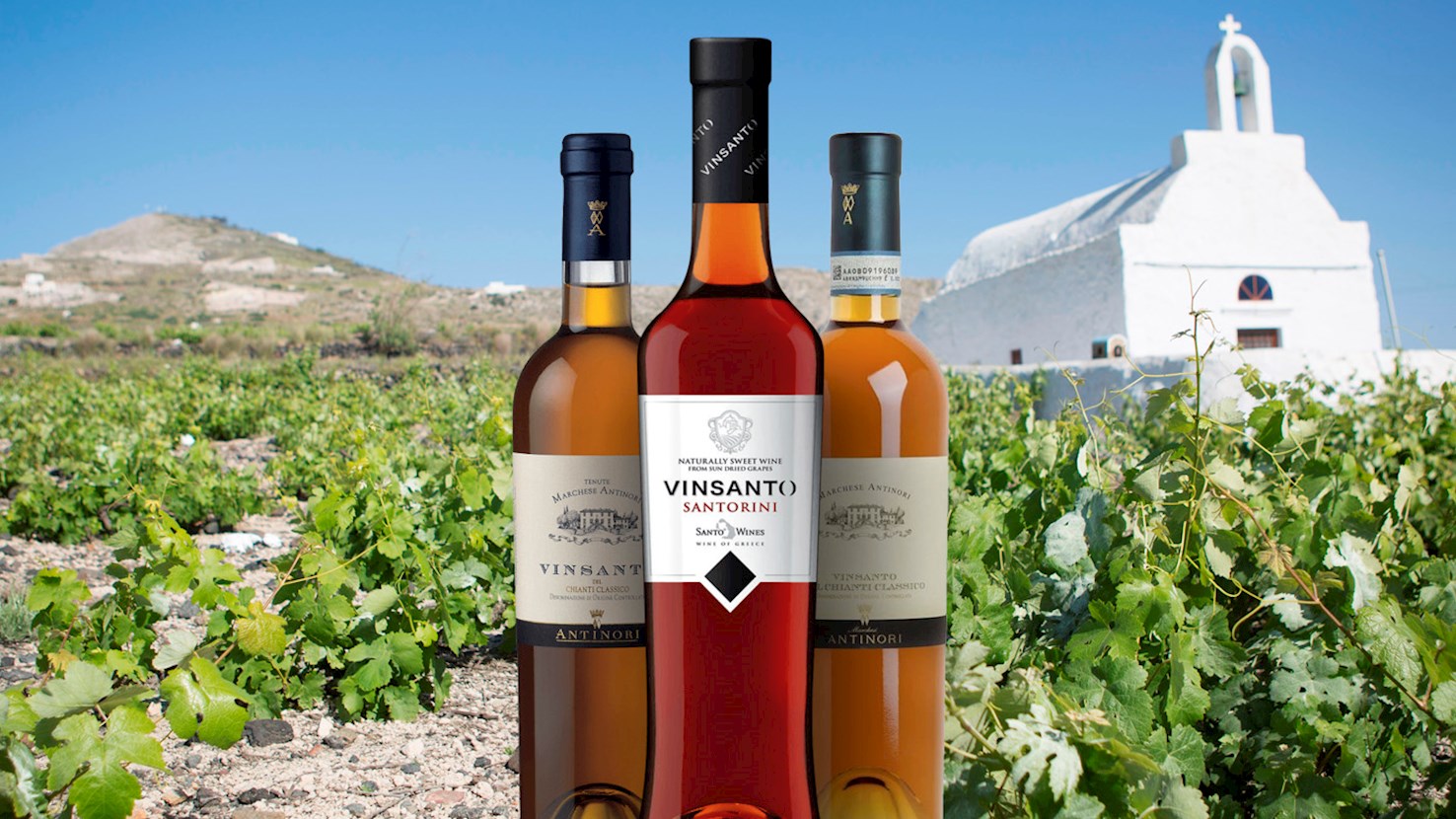
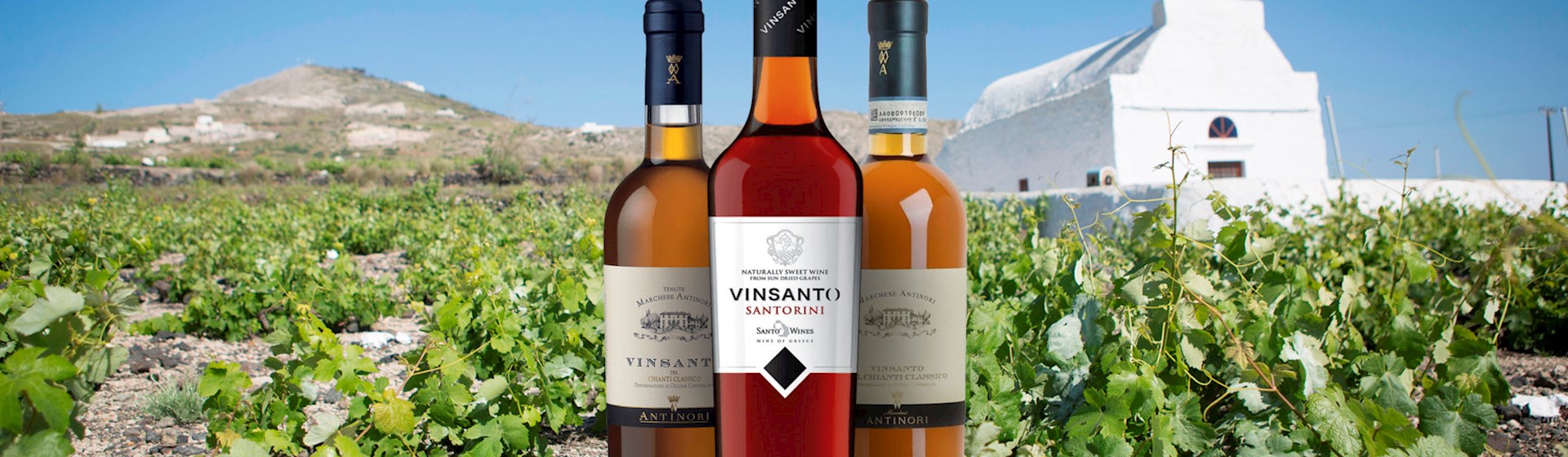
Vinsanto is a dessert wine hailing from Santorini. It is made with sun-dried Assyrtiko and Aidani grapes. Despite a surprisingly similar name, this Greek wine does not have much in common with the more famous Vin Santo from Tuscany. The grapes are sun-dried for approximately fourteen days and are then fermented and aged. This wine has to be oak-aged for a minimum of two years, but most producers opt for longer maturation. The result is a sweet and dense wine packed with flavor and rich in aromas. Although both grape varieties are white-skinned, Vinsanto will attain a luscious golden color that tends to turn into darker amber hues as the wine ages. On the palate, the wine is honeyed, sweet, and full-bodied, and the aromas are reminiscent of figs, raisins, apricots, caramel, nuts, and sweet spices. Despite concentrated flavors and dense texture, Vinsanto manages to remain balanced by retaining acidity and freshness. In the past, producers sometimes fortified the wines, but modern techniques mainly rely on adding yeast to prolong fermentation and increase the alcohol content. Vinsanto wines need to have a minimum of 9% ABV, but excellent examples usually reach 13% ABV. These wines should always be served chilled. They can be sipped on their own, but they also pair well with desserts and cheese. Young and lighter styles go well with sweet, caramel desserts, while older varieties work well with dark chocolate and nuts.

03

Barolo

4.4 ·

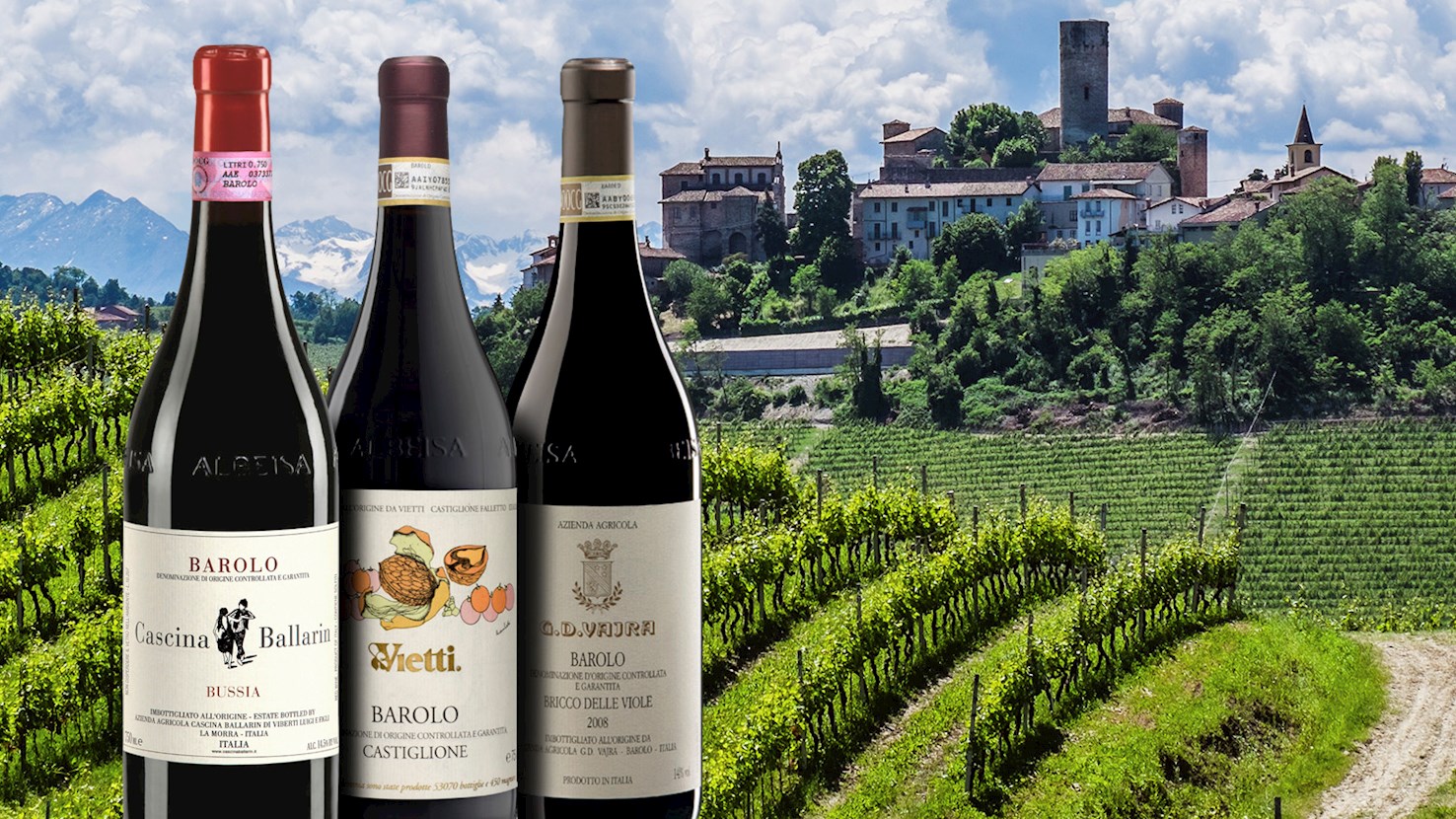
This full-bodied, red wine is made from Nebbiolo grapes in a small area in Piedmont with a unique soil and climate conditions. It has been produced since the 19th century, and soon after its invention, it became a favorite among the Italian and European nobility. According to Italian DOCG regulations, Barolo needs to matured for at least 36 months, while those aged for five years carry the prestigious Riserva label. It is a robust, but elegant wine, which is very high in tannins that soften with aging. Because of its distinctive notes of rose petals, dark fruit, tobacco, mocha, tar, and truffles, it pairs well with various dishes. Serve it with beef or game meat, aromatic tomato and truffle sauces, or aged and blue cheese varieties.

04

Saperavi

4.4 ·

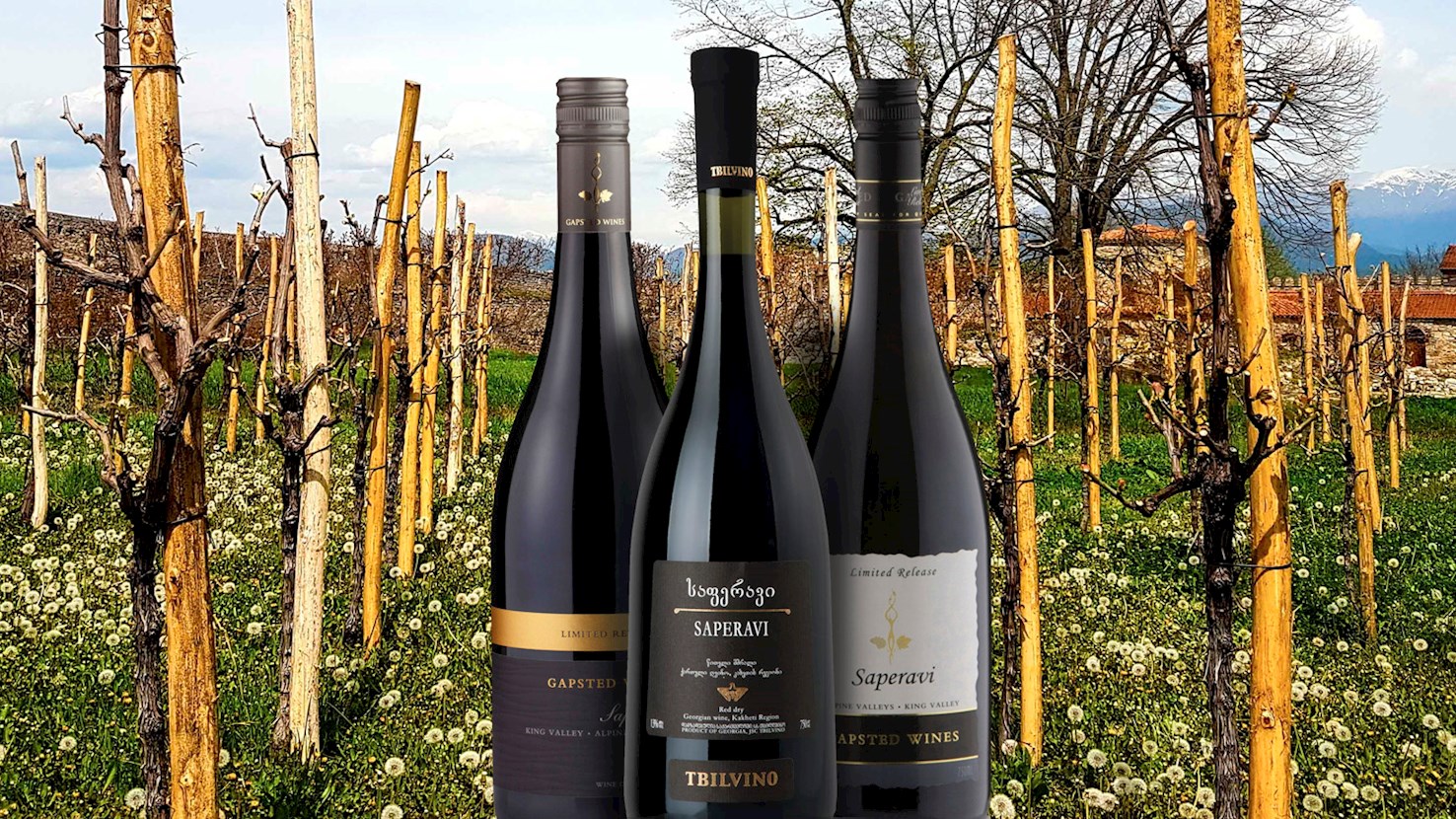
Saperavi is a resilient red Georgian grape that originated in the eastern region of Kakheti, and though it is still predominant in Georgia, small amounts are also grown in other Eastern European regions, Australia, and the United States. This teinturier grape that has dark skins and flesh produces full-bodied wines of a dark garnet color which are characterized by aromas of ripe red berries and pleasant acidity. Most wines produced from the Saperavi grapes are varietal and have a great tendency to age. Sapervai wines are incredibly versatile and can match a variety of dishes, including delicate fish dishes, stews, grilled meat, or game.

05

Georgian amphora wine

4.4 ·

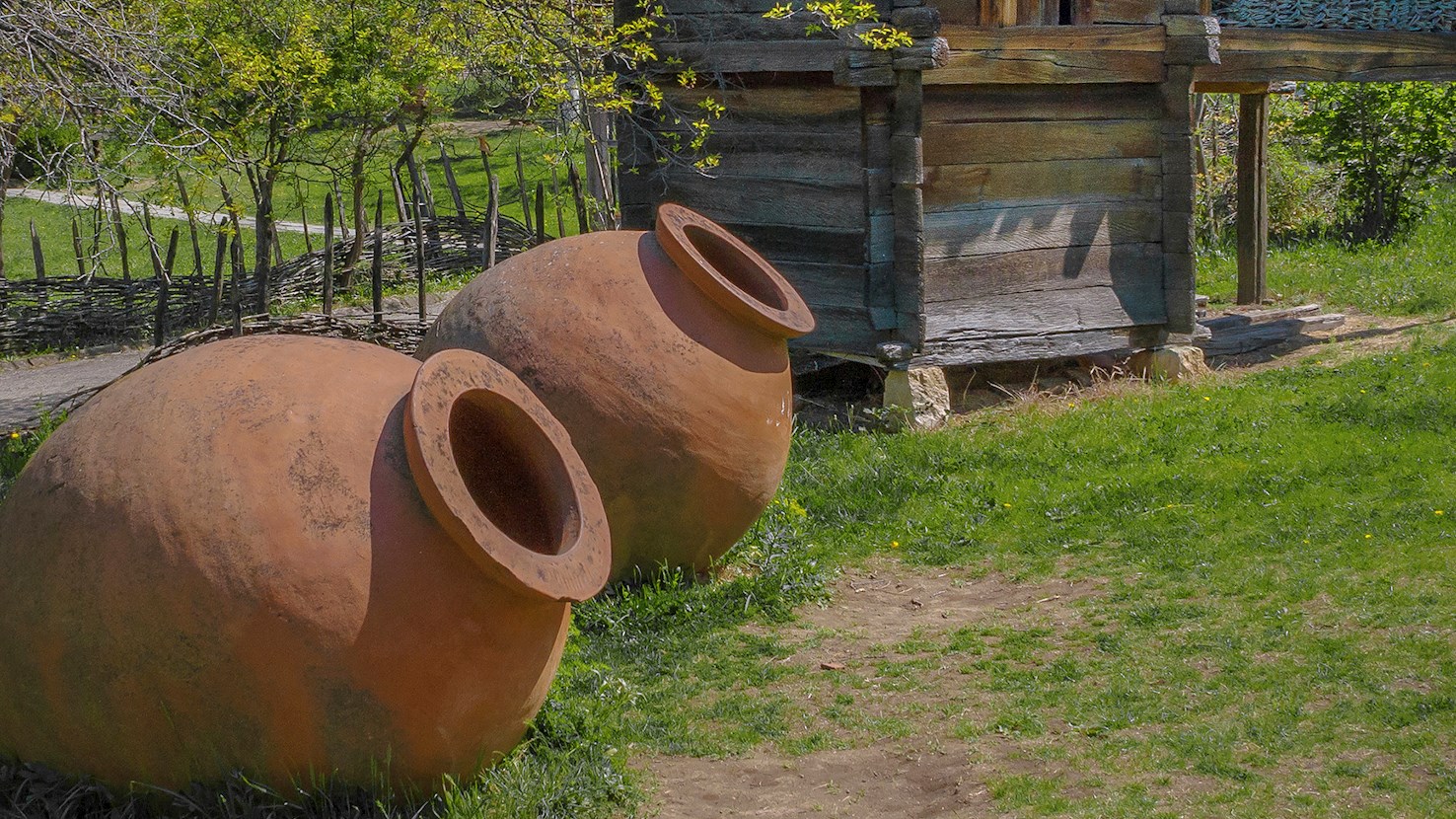
Georgian amphora wine is produced with an ancient wine-making method in which pressed grapes, including skins, juice (tkbili), stalks, and pips, are poured in traditional terracotta amphorae known as qvevri (kvevri). The amphorae are sealed and are then buried underground, or kept in Marani—underground cellars. Usually, the wine is left to ferment from five to six months. The method is used throughout the country, though the wines can slightly vary in styles depending on the region. In Kakheti, the wine is produced with whole chacha—pomace—while in Imereti approximately only a third is used. The method is used in the production of both red and skin-contact white wines. Although they can differ in character, red varieties are typically robust, while the whites tend to have a distinct dark color, complex aromatic profile, and well-structured tannins. This wine-making method, which has existed for over eight thousand years, has been recognized as an Intangible Cultural Heritage by the United Nations.

06

Nero d’Avola

4.4 ·

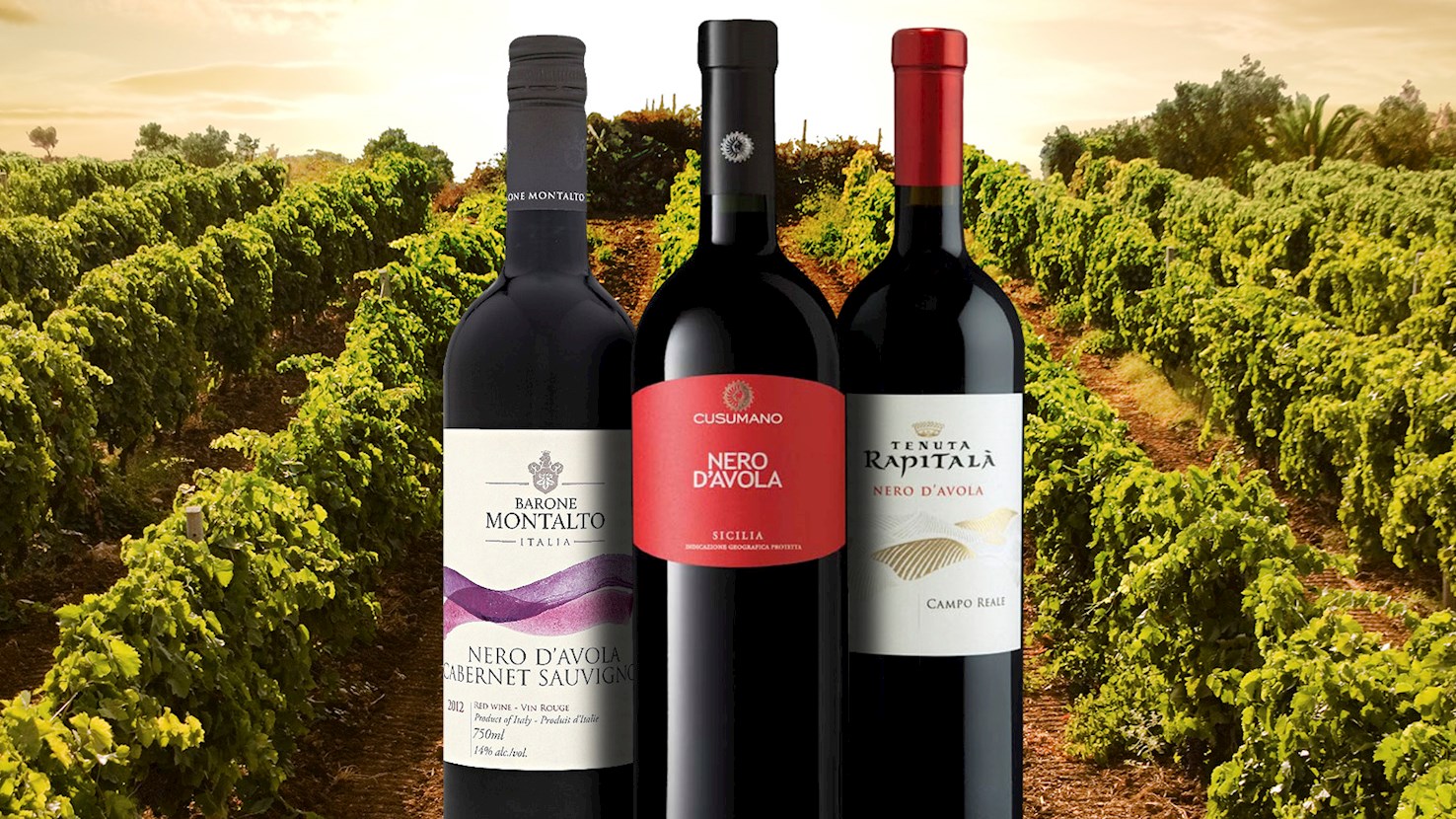
Nero d’Avola is an indigenous Sicilian red grape, whose name, meaning the black of Avola, refers to its distinctive dark color. For most of the 20th century, Nero d'Avola was used as a blending grape, but in the 1990s winemakers started making high-quality, bold varietal wines. Nero d’Avola wines are typically produced as dense and dark, with flavors reminiscent of black fruit and chocolate, or as young and fresh wines that are characterized by cherry and herbal notes. They are high in tannins and pair well with rich meat dishes, hearty stews, and barbecued meat.

Best producers
07

Póltorak Staropolski Tradycyjny

4.4 ·

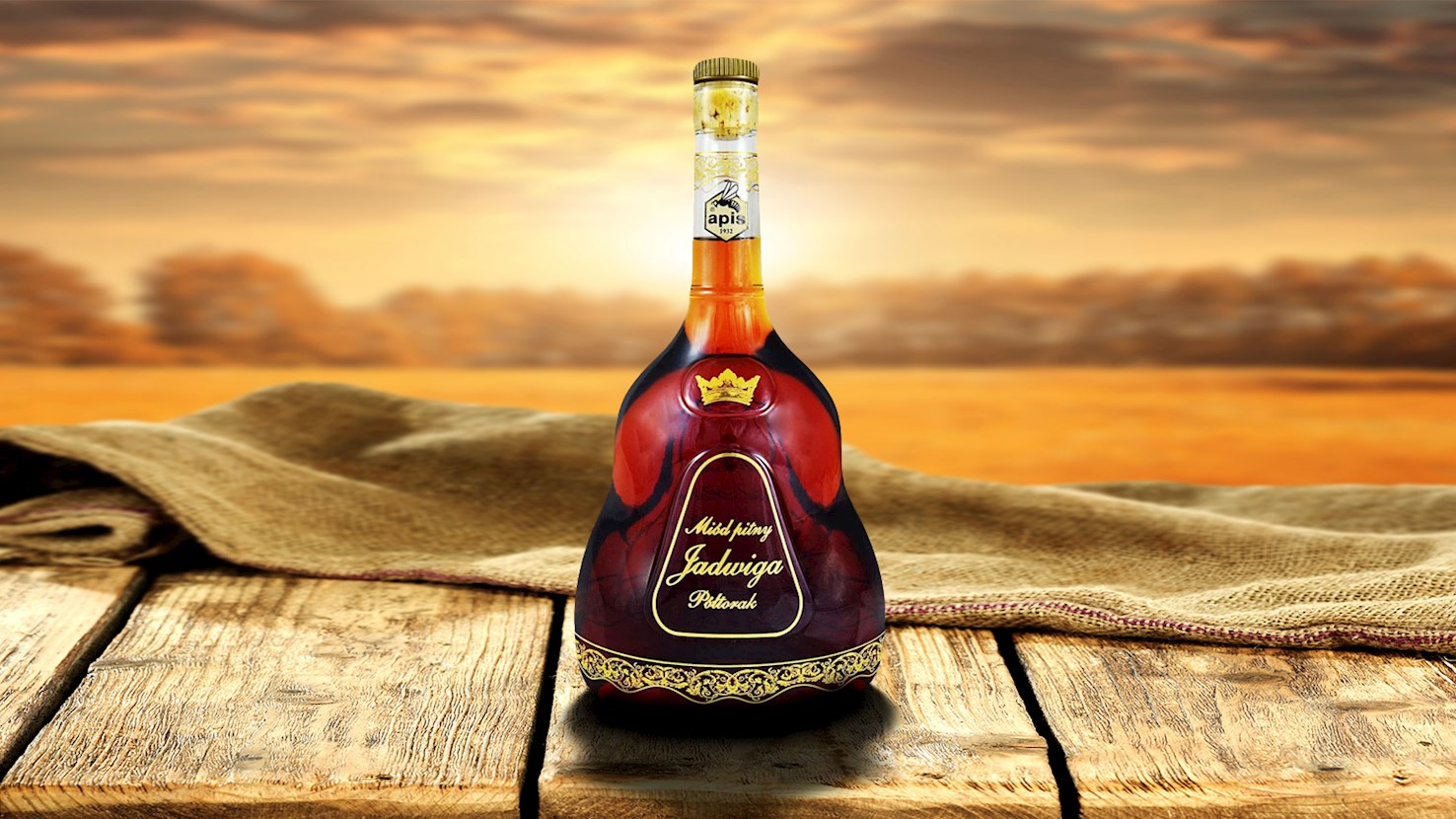
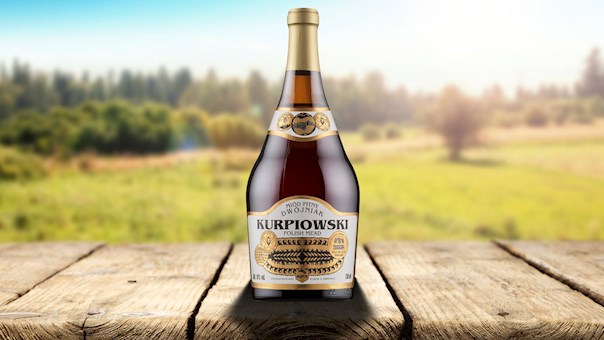
Póltorak is a mead produced in Poland in accordance with old Polish traditions that date back over a thousand years. Its alcohol content ranges from 15 to 18% vol. and it is fermented from mead wort. In order to be called Póltorak", the mead must be made in proportions of one part honey to 0,5 part water (alternatively, water mixed with fruit juice). It gets its name from the numeral '1,5' (póltora in Polish), referring to the ratio of honey and water. This alcoholic beverage is golden to dark amber, with a delicate aroma and flavor of honey, which may be enhanced with spices such as ginger, nutmeg, cinnamon or cloves. Póltorak is often sold in traditional packagings such as ceramic containers, oak barrels, and carboys. Due to the strict rules regarding maturing and mellowing of the mead, the final product is matured for at least 3 years and as such it is of the best quality.

Best producers
08

Châteauneuf-du-Pape

4.4 ·

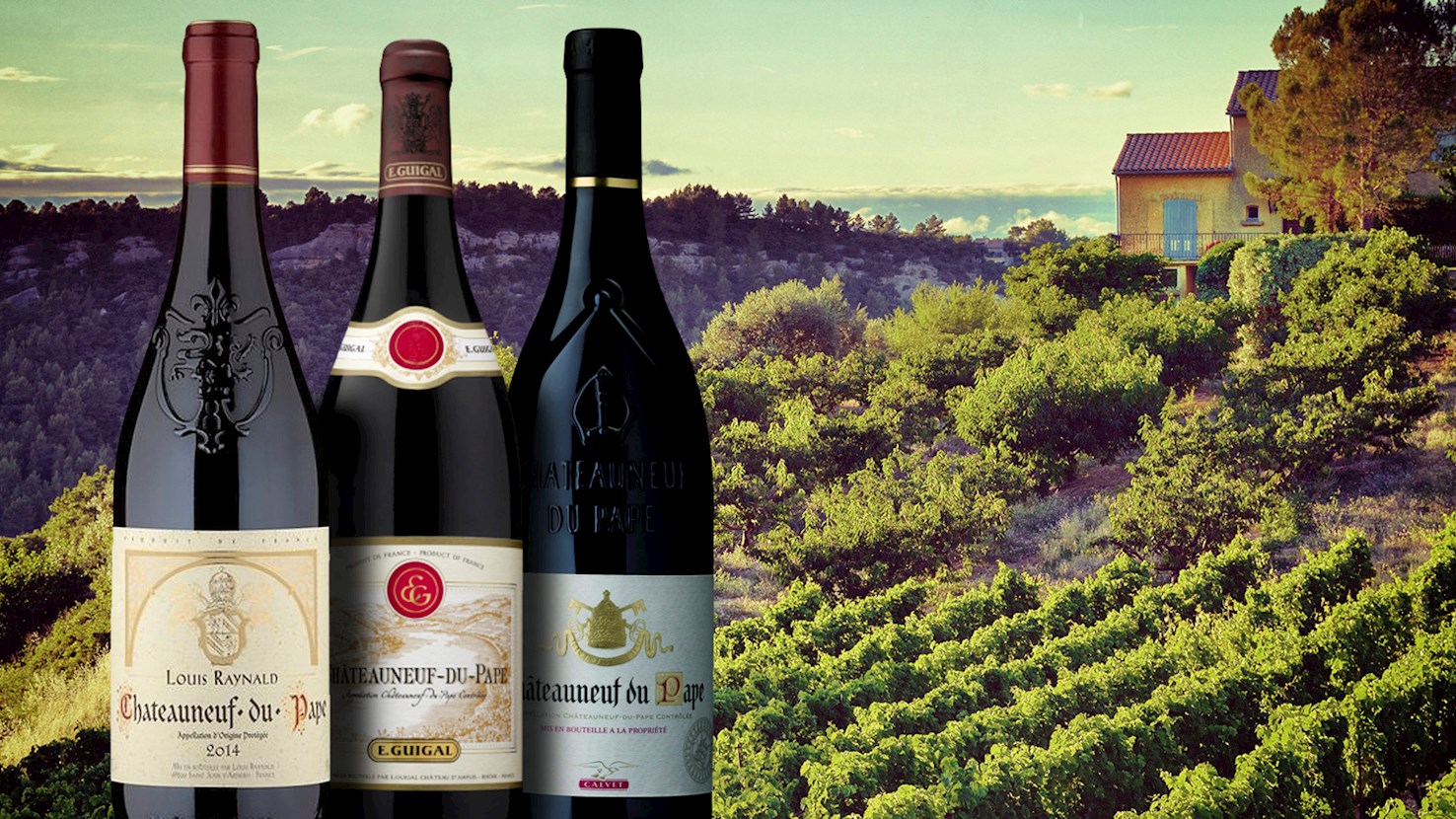
Châteauneuf-du-Pape is the largest and the most important appellation in the southern part of the Rhône Valley that comprises of five communes. Most Châteauneuf-du-Pape wines are predominantly red blends, with a small percentage of whites. Officially eighteen grape varieties are allowed, including different colors of the same grape variety. However, the most common are Grenache, Mourvèdre, Syrah, and Cinsault grapes. These rich wines can greatly differ in style, but they are mainly characterized by the spicy and earthy aromas of red berries, black pepper, tar, and leather. The lighter versions are suitable for relatively early drinking, while some age-worthy blends are cellared before they are enjoyed. Châteauneuf-du-Pape wines are perfect to serve alongside grilled beef, veal, pork, game, sausages, lamb, stews, braised dishes, cassoulets, and rich seafood dishes.

09

Trappist Beer

4.4 ·

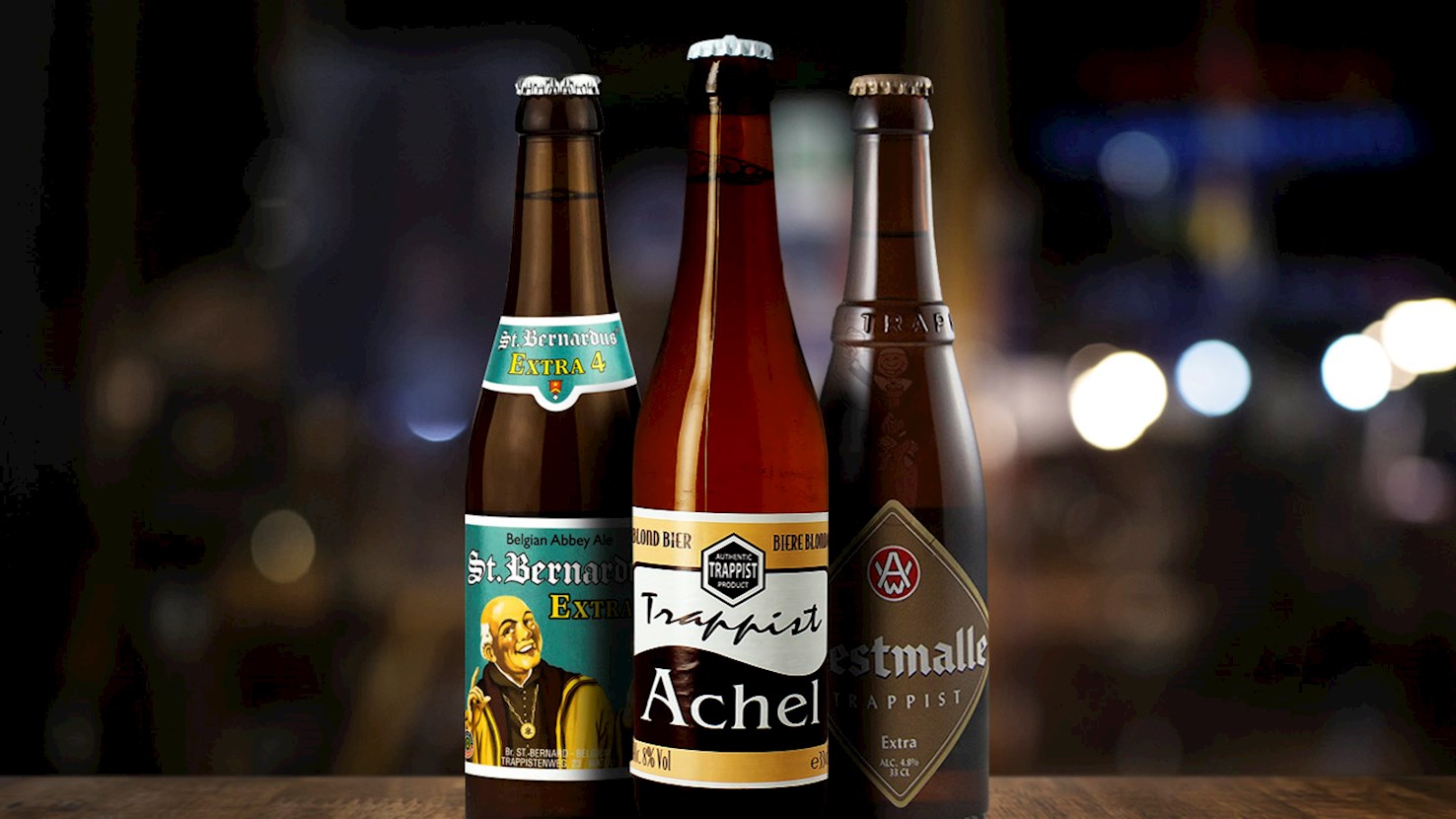
Trappist is a particular category of beers, or more precisely an indication of origin, which includes various styles that are brewed in Trappist monasteries. Trappist beers are internationally certified and can only be produced by Trappist abbeys—which include six located in Belgium and two in the Netherlands, while Italy, Austria, England, France, the United States, and Spain all have one certified Trappist brewery. All abbeys develop their yeast, and the regulations also stipulate that the beer must be brewed within the immediate surroundings of the abbey and that the entire production needs to be supervised by monks. Similar beer styles that are produced in non-Trappist monasteries are usually referred to as Abbey-style beers. Although they can significantly vary in style, Trappist beers are typically complex and rich in aromas, and they usually have high alcohol content. They are unpasteurized, have no chemical additives, and sugar is typically added to the wort (the liquid extracted from the mashing process). All Trappist beers are bottle-conditioned—meaning that the yeast is allowed to carbonate the beer after the fermentation is complete. Typical styles of Trappist beers include golden ale, dubbel (brown), tripel (strong pale ale), or amber. All certified Trappist beers must be labeled with the logo Authentic Trappist Product. Interestingly, all profits made from the sales of Trappist beers must be used for the needs of the monastic community or as a charitable donation.

10

Naousa

4.4 ·

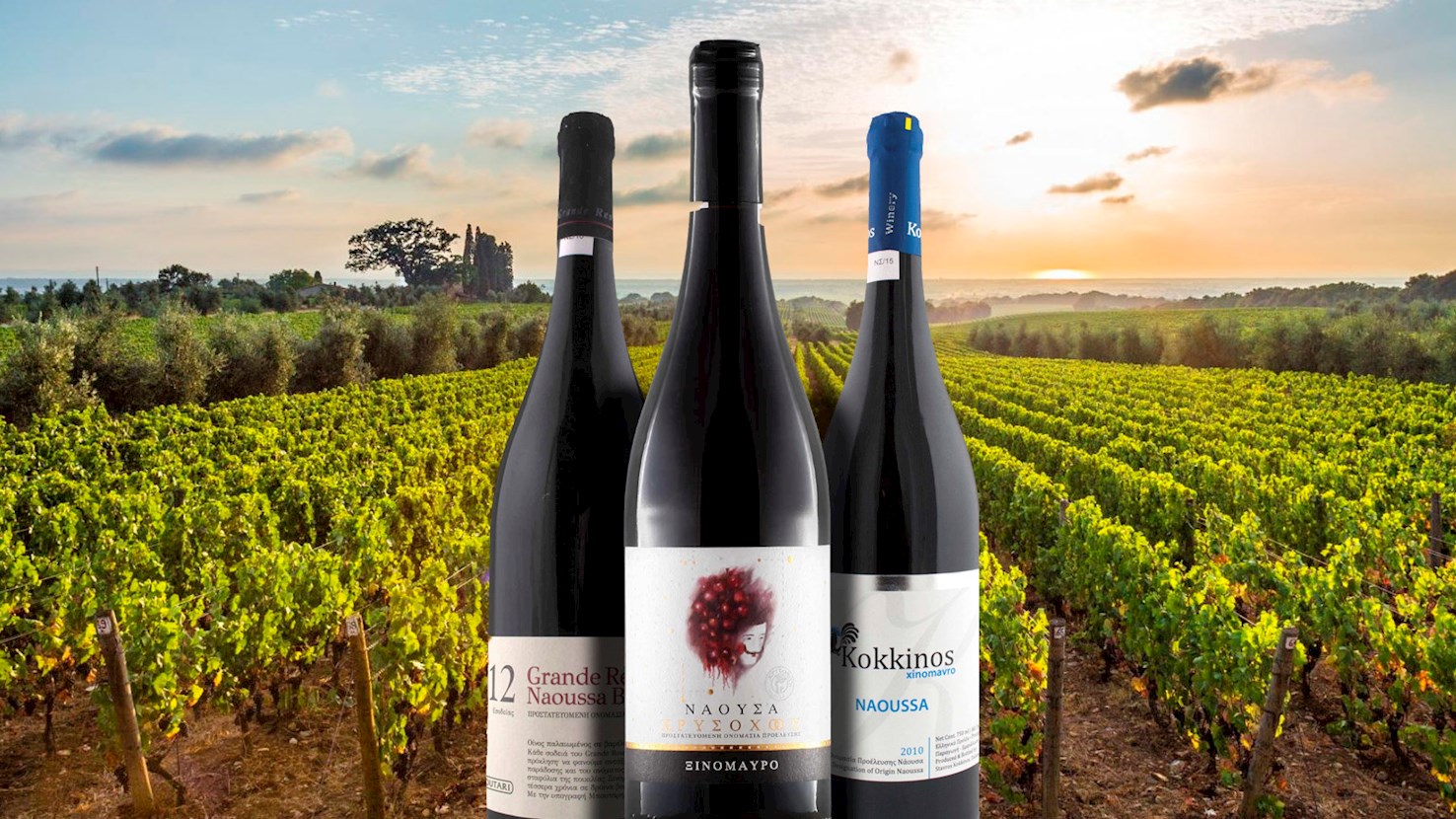
Naousa is a Greek appellation located in the region of Macedonia. The wines produced under the designation are made exclusively from Xynomavro—an indigenous Greek grape that is often compared to Pinot Noir and Nebbiolo. Naousa wines display the perfect balance of tannins, sugar, and acidity, while the typical aromas and flavors include a complex combination of savory notes that are often reminiscent of dark and red fruit, tomatoes, plums, earth, tobacco, herbs, and spices. Naousa ages exceptionally well and is rarely enjoyed young. Because of its complexity and finesse, it is often cited as one of the finest Greek wines. An ideal pairing for this tannic wine is game, lamb, tomato-based sauces, rich stews, sausages, mushrooms, and aged cheese.

Best Alcoholic Beverages in the World
01

Ayinger Privatbrauerei

5.0 ·

Ayinger Privatbrauerei is located in the idyllic Bavarian village of Aying, about 25 kilometers southeast of Munich, and has operated as a family-owned business since 1878. Over more than a century of brewing tradition, the brewery has built a reputation for producing authentic, high-quality beers crafted according to traditional methods and in strict adherence to the German Beer Purity Law - Reinheitsgebot.

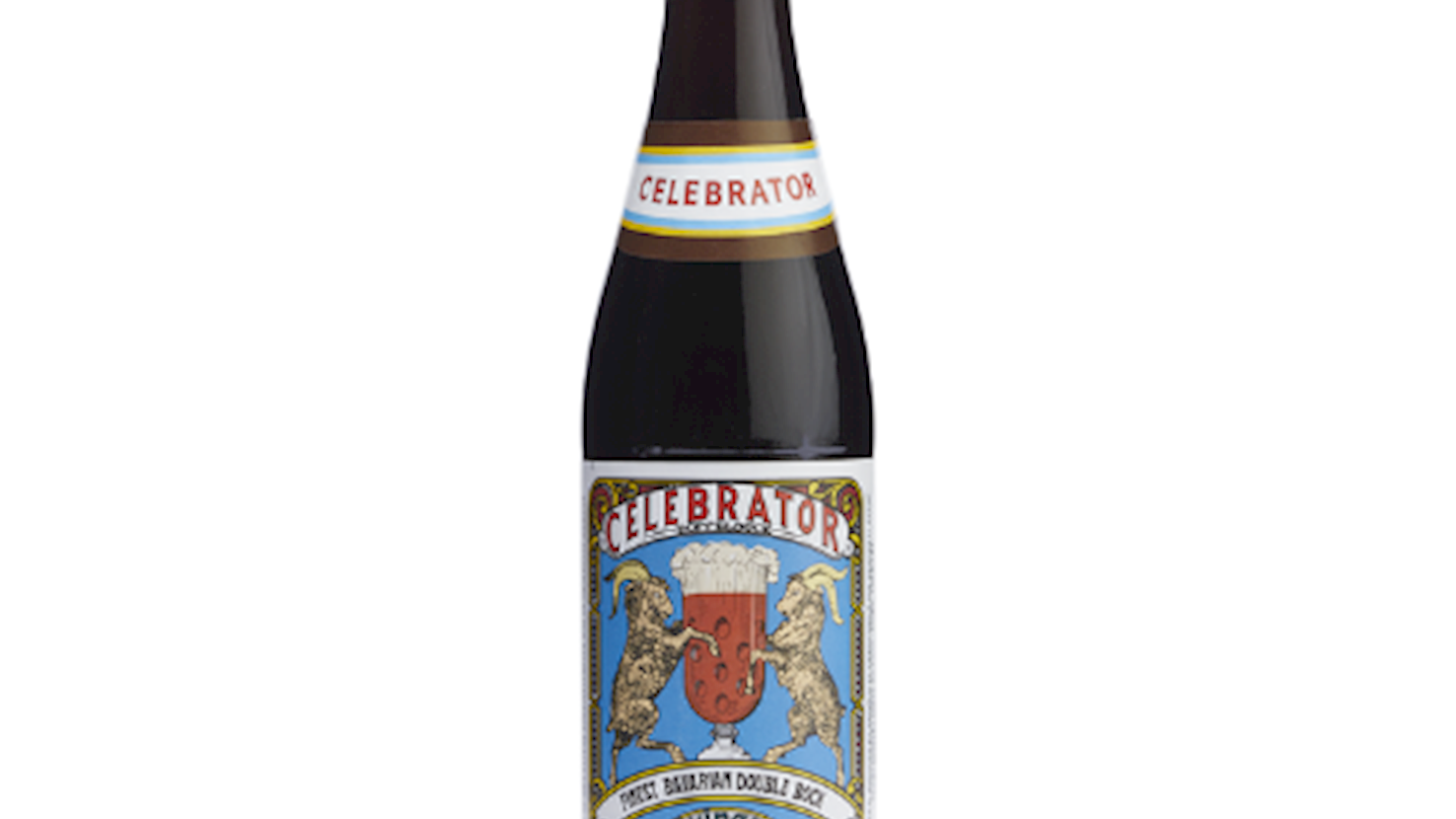
The key to its exceptional quality lies in the use of the purest local ingredients, including water from its own St. Andreas spring, carefully selected malt, and hops from the Hallertau region. Ayinger offers a wide range of beer styles - from classic helles and dunkles lagers, to wheat beers and seasonal brews, all the way to the legendary doppelbock “Celebrator”, which enjoys international acclaim.

By combining tradition with modern technology, the brewery achieves artisanal precision while maintaining high sustainability standards. In addition to brewing, Ayinger plays an important role in the local community - with its own tavern, hotel, and guided tours that celebrate Bavarian beer culture and hospitality.

Awards
Beer Advocate - 96 World-Class
World Beer Cup - Gold (2024)
02

Catena Zapata

5.0 ·

Catena Zapata is a renowned Argentinian winery located in the Mendoza region, celebrated for pioneering high-altitude viticulture and producing world-class Malbec wines. Founded in 1902, this family-owned winery is led by the Catena family, who have played a crucial role in elevating Argentina's wine reputation globally.

Catena Zapata focuses on sustainable practices and meticulous vineyard management, especially in the Andean foothills, where they grow their grapes at various altitudes to enhance complexity and character.

Awards
James Suckling - 100 points (2024)
Decanter World Wine Awards - Best in Show (2021)
03

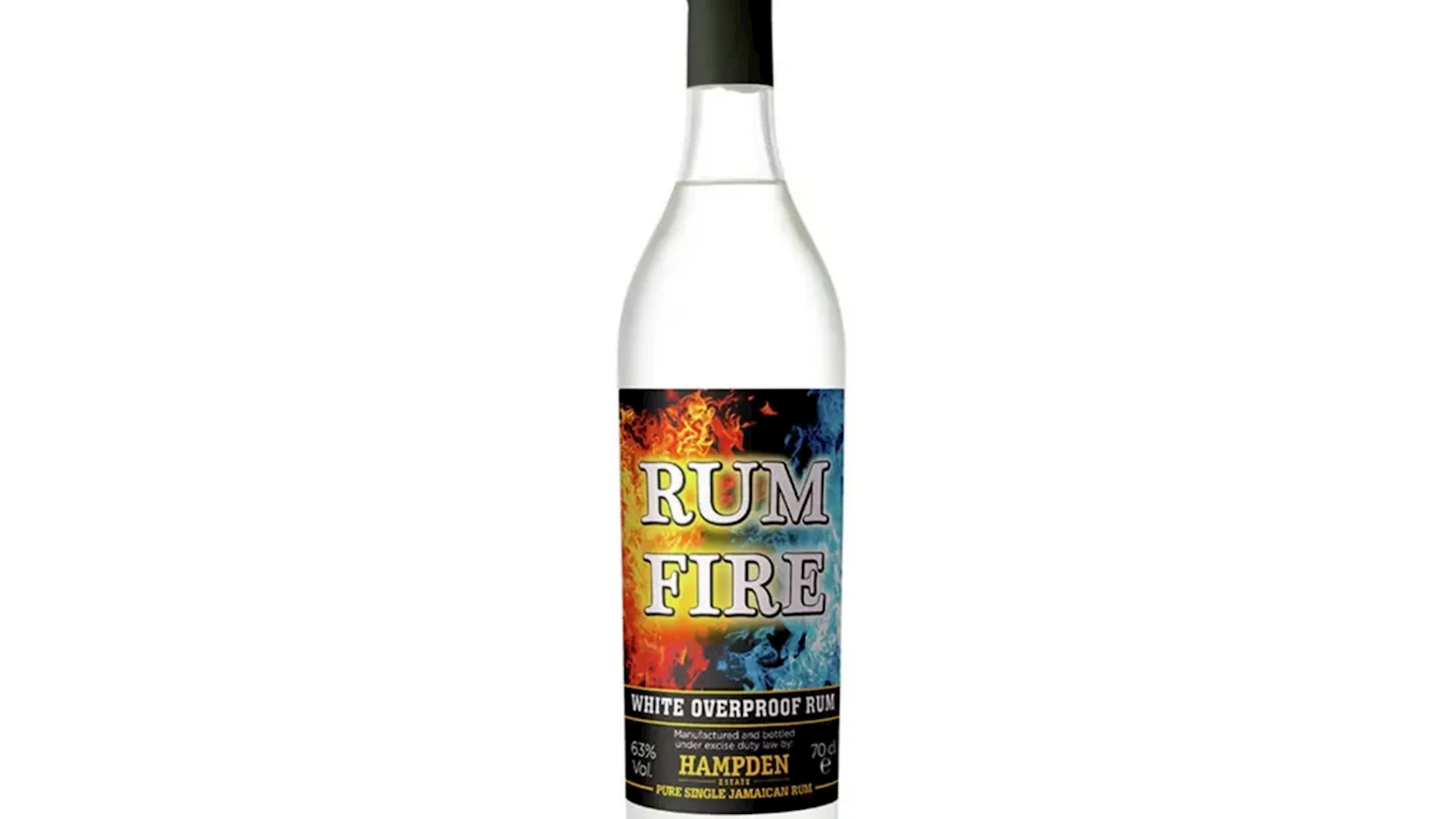
Hampden Estate

5.0 ·

Hampden Estate is a rum distillery in Trelawny Parish, northern Jamaica, with a history dating back to 1753. It is known for its high-ester, molasses-based rums, which have intense fruit aromas and a character typical of traditional Jamaican rum.

The Hussey family’s company, Everglades Farms, acquired the estate in 2009, and the first official Hampden Estate bottlings went on sale in 2018. The distillery uses spring water from Cockpit Country and relies on native yeasts for spontaneous fermentation, which takes 8 to 15 days in wooden vats. All of its rum is distilled in copper double-retort pot stills, and its aged releases mature on-site in Jamaica’s tropical climate.

Hampden Estate’s rums are sold in Europe and the United States. The distillery continues to expand its range through annual Great House releases and tasting sets such as the 8 Marks Collection, which includes an edition showcasing all eight distillate styles after one year in ex-bourbon casks.

Awards
IWSC- International wine & spirit competition - Spirit Gold (2022, 2021)
04

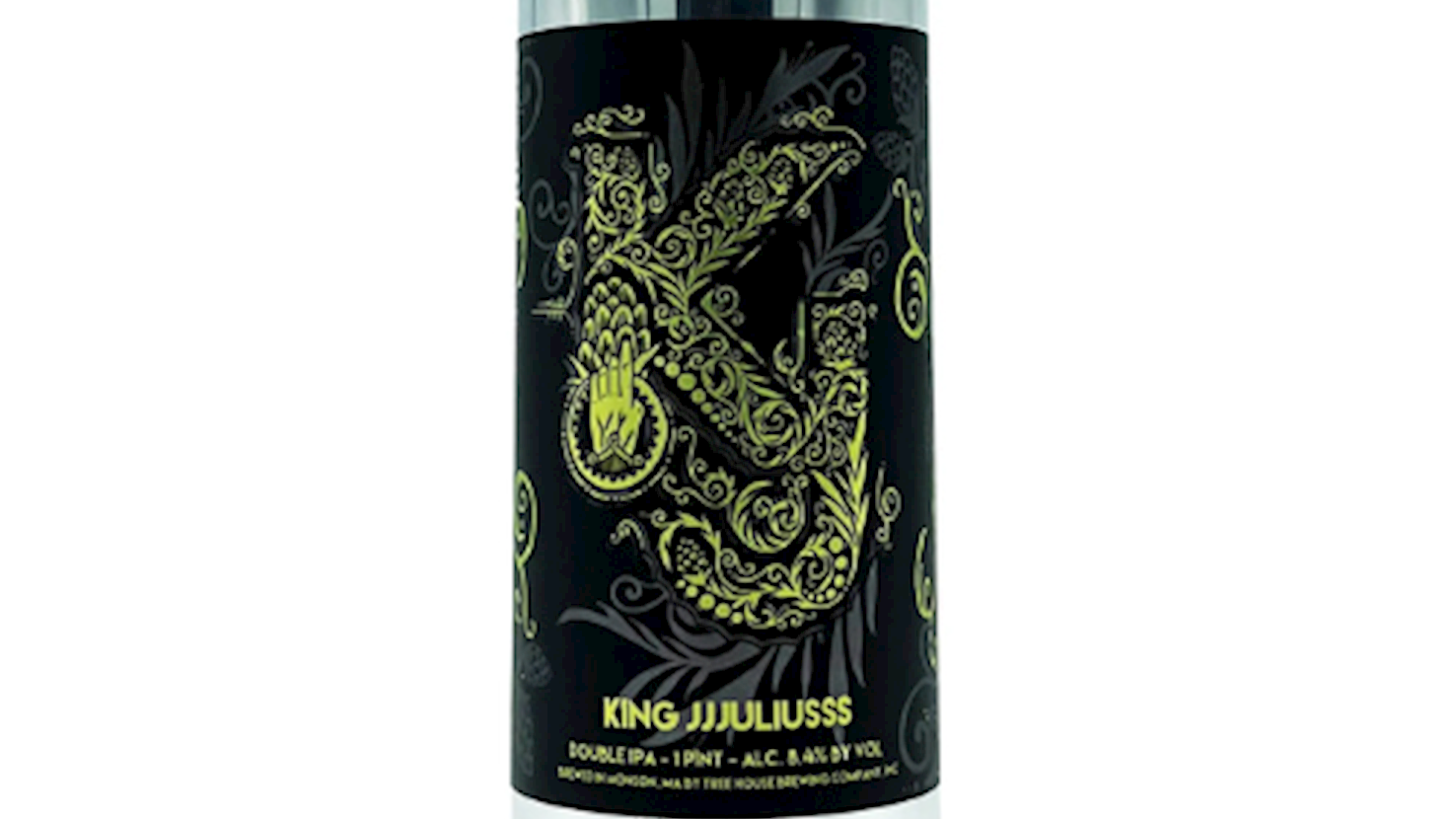
Tree House Brewing

5.0 ·

Tree House Brewing Company is one of the most highly regarded American craft breweries, known for its top-quality unfiltered IPAs and strong local presence. It was founded in 2011 in the state of Massachusetts by four friends as a small homebrewing project in Brimfield.

They are best known for their hazy and juicy IPA beers, especially Julius, which stands out with tropical aromas of mango, peach, and passionfruit, paired with gentle bitterness and a smooth, full-bodied taste. Their beers are not distributed - they are sold exclusively on-site at brewery locations, giving them an exclusive status and creating buzz and long lines with each new release.

Tree House combines innovation and high quality with a local, community-driven approach and a commitment to sustainable growth. Each location offers a warm, family-friendly atmosphere, often with pizza, music, and outdoor gathering spaces.

Awards
Beer Advocate - 100 World-Class
Untappd - 4.56 (0)
05

Hill Farmstead Brewery

5.0 ·

Hill Farmstead Brewery is a premier craft brewery located in Greensboro Bend, Vermont, founded around 2010 by Shaun Hill on his family’s ancestral farm, which has been in the Hill family for over two centuries. The brewery focuses on subtle complexity and elegance, producing small batches of exceptionally high-quality beers - including IPAs, saisons, porters, and others.

Sales take place exclusively on-site, often drawing long lines of visitors who travel from distant states to purchase beer directly from the source. The brewery features a beautifully designed taproom and a retail shop lined with growlers and bottles, while the setting of the family farm adds an authentic, serene backdrop to the full brewery experience.

Awards
Untappd - 4.7
Untappd - 4.8
06

Side Project Brewing

5.0 ·

Side Project Brewing is an American craft brewery based in Saint Louis (Maplewood, Missouri), run by Cory and Karen King. The brewery is renowned for its premium, complex beers fermented in oak barrels, using wild yeasts and spontaneous processes that give each release a rustic and unpredictable character.

Their philosophy relies heavily on local ingredients - such as fruit and native microorganisms - to create unique saison and wild ale styles with a strong sense of terroir. In addition, Side Project experiments with aging in bourbon and other spirit barrels, crafting intensely powerful stouts and barleywines that combine strength and depth with exceptional balance and elegance.

Their work is defined by technical precision, innovation, and dedication to artisanal principles, making them one of the most respected and influential breweries in the world of spontaneous and barrel-aged beers.

Awards
Untappd - 4.7
Untappd - 4.8
07

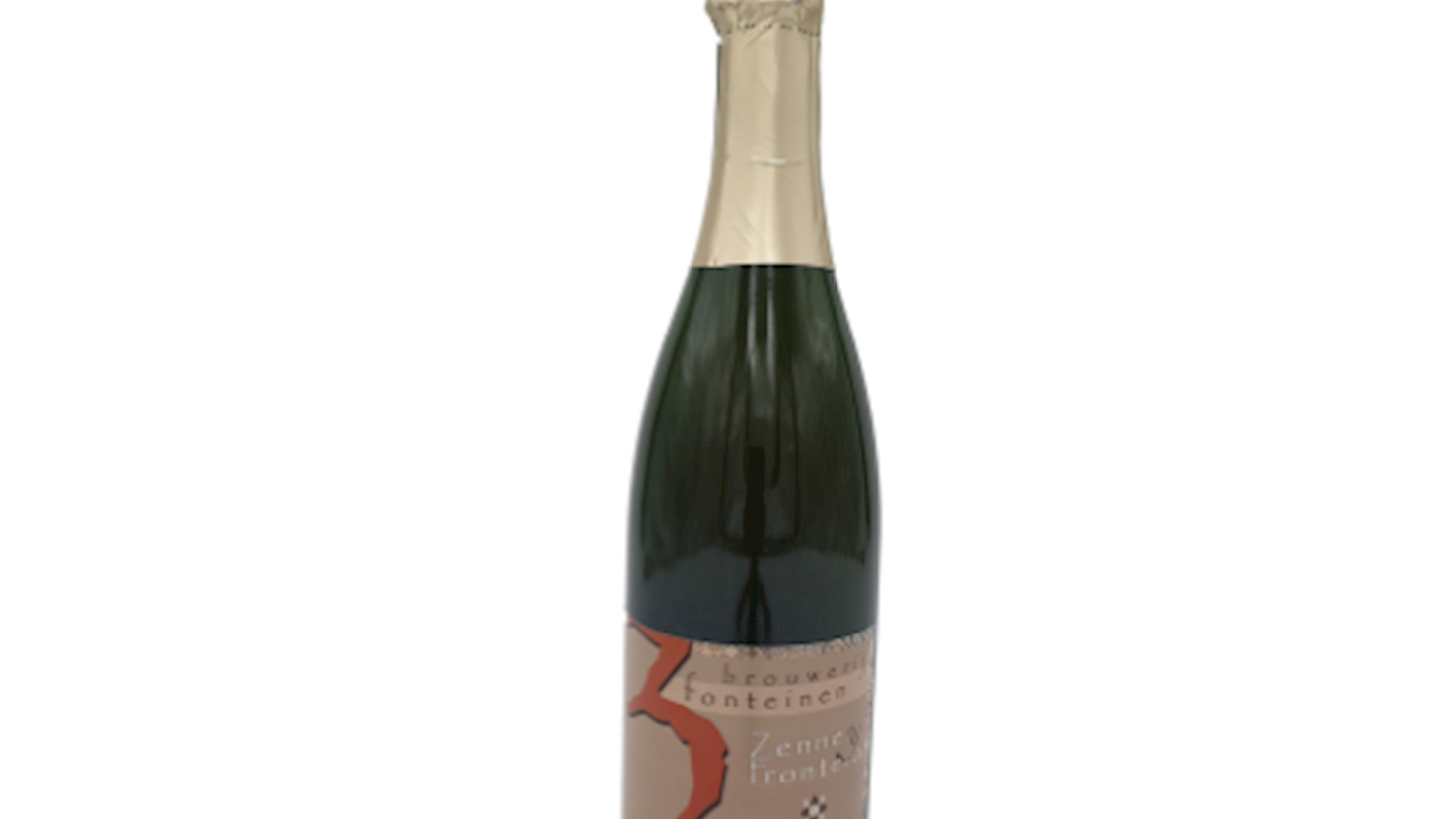
Brouwerij 3 Fonteinen
5.0 ·

Brouwerij 3 Fonteinen is one of the most respected and authentic Belgian breweries specializing in the production of lambic and geuze beers, located in Beersel, just outside Brussels. It was founded in 1883, originally as a tavern named after the “three fountains”, which later became the name of the brewery itself.
Over the decades, it evolved from a simple pub into a guardian of traditional Belgian brewing craftsmanship rooted in spontaneous fermentation. The production process remains faithful to centuries-old methods: after boiling, the wort is cooled in a large open vessel called a "coolship", where it is exposed to the natural microflora of the environment, allowing for spontaneous fermentation without the use of cultured yeast.

The beer then matures in large oak barrels and is carefully blended - often from different vintages - based not on strict recipes but on the experience, knowledge, and intuition of the master blenders. Brouwerij 3 Fonteinen does not filter or pasteurize its beers, keeping them alive and allowing them to evolve in the bottle.
Today, Brouwerij 3 Fonteinen stands as one of the world’s most esteemed producers of geuze and lambic, preserving tradition while continuously exploring new frontiers of flavor through innovation in fermentation, blending, and aging.
Awards
Beer Advocate - 100 World-Class
Beer Advocate - 95 World-Class
08

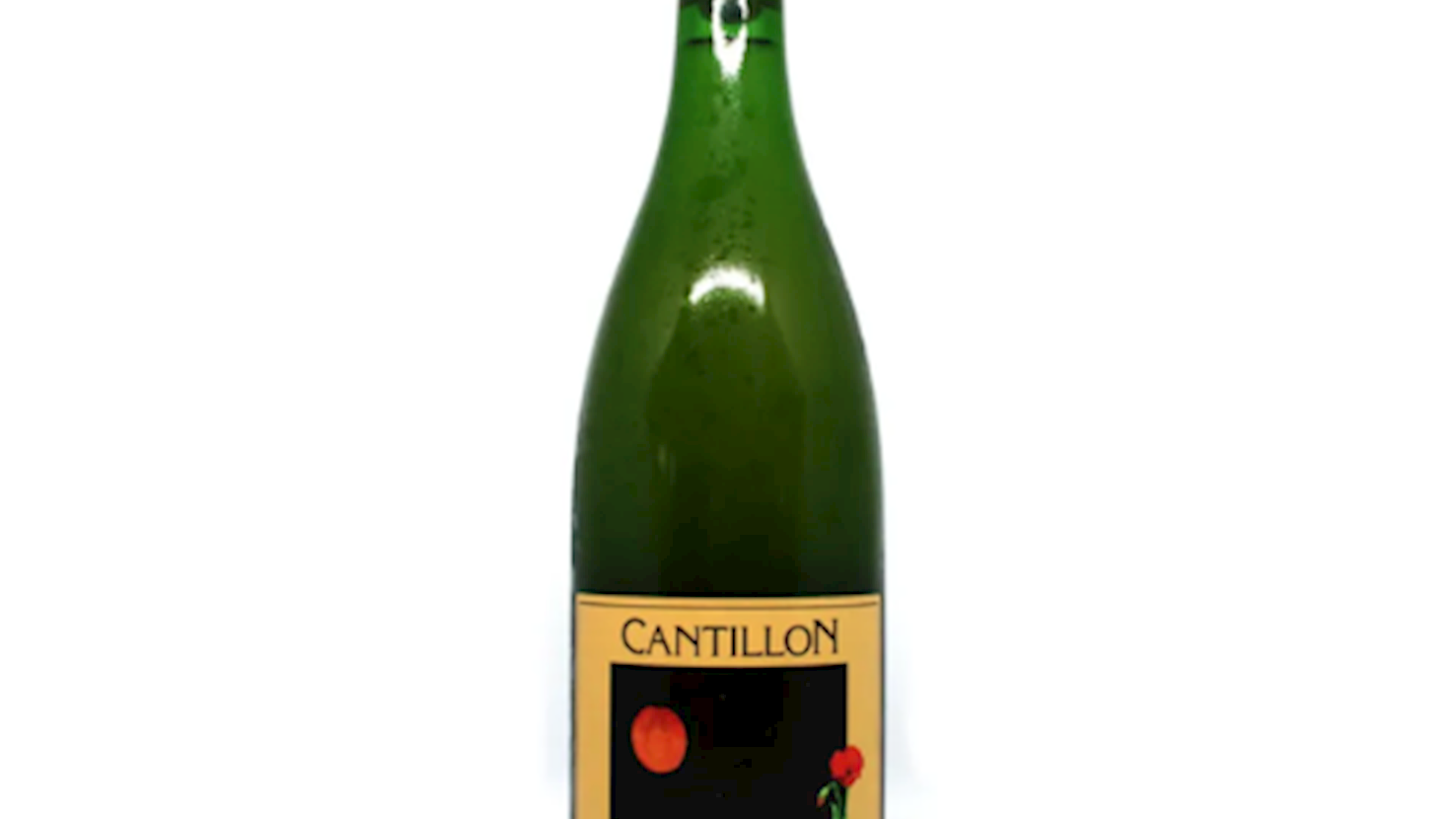
Brasserie Cantillon

5.0 ·

Brasserie Cantillon is a small, family-owned brewery founded in 1900 in Brussels, and today it stands as the only active brewery in the region that still produces lambic using traditional methods. This unique beer undergoes spontaneous fermentation, relying on wild yeasts and bacteria naturally present in the air.

The brewing base consists of two-thirds malted barley and one-third unmalted wheat, and after boiling, the wort is cooled in large, open vessels known as “coolships”. It then matures in oak or chestnut barrels of varying ages before being blended and refermented in the bottle.

Within the brewery is the Brussels Gueuze Museum, opened in 1978, offering visitors insight into the history and fermentation processes of this distinctive style. Cantillon is regarded as one of the most respected and authentic producers of Belgian sour beers, earning recognition among connoisseurs and as a cultural icon of brewing heritage.

Production continues using traditional equipment: centuries-old barrels, wooden kettles, and open fermenters - all preserved in their original, functional form. The brewery’s atmosphere, marked by age and history, evokes a near-museum-like setting that reflects continuity and deep respect for a craft passed down through generations.

Awards
Untappd - 4.7
Beer Advocate - 100 World-Class
09

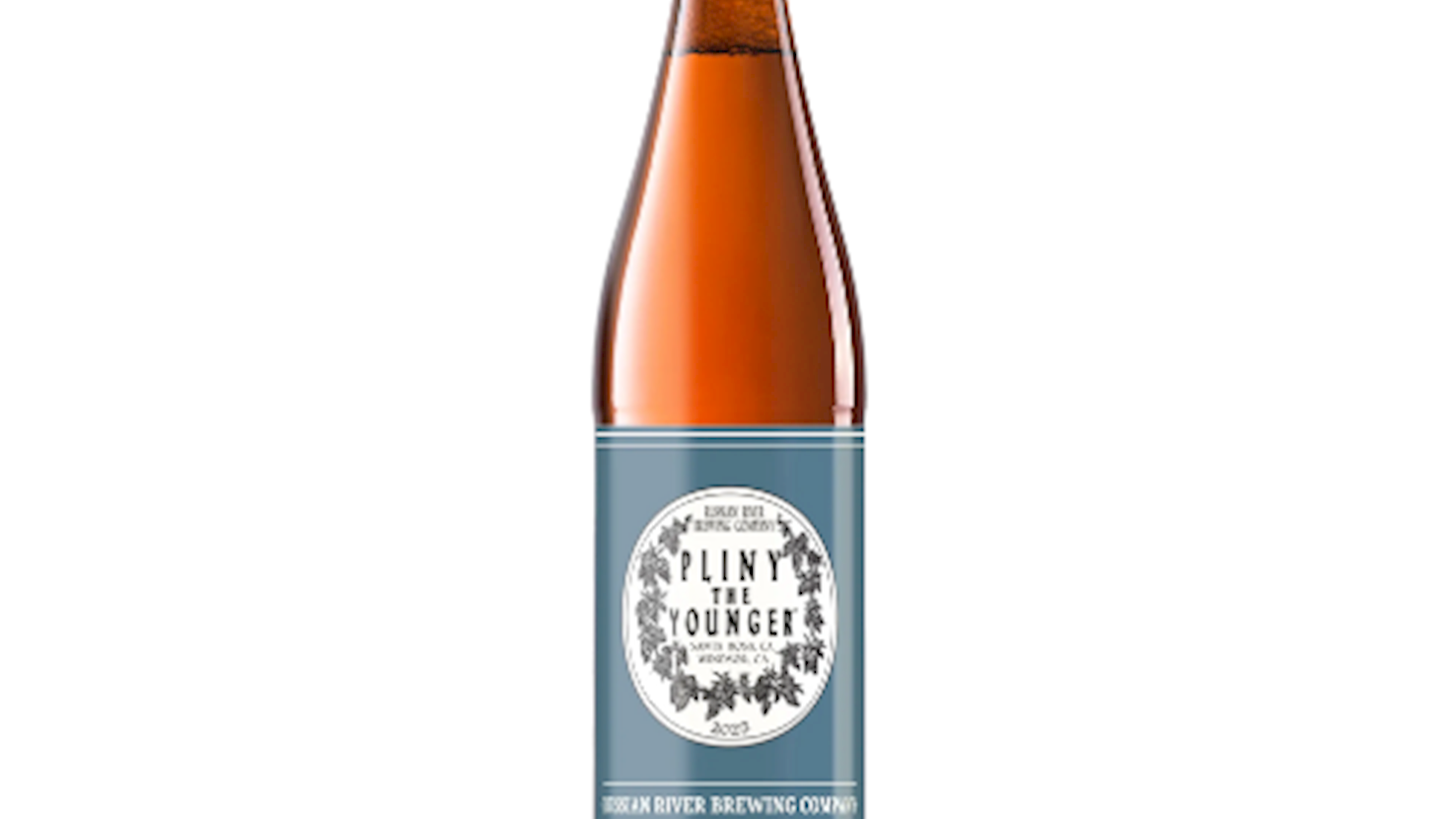
Russian River Brewing

5.0 ·

Russian River Brewing was founded in 1997, when Vinnie Cilurzo was hired as the head brewer. As early as 1999, Vinnie created one of the first commercially available Double IPAs - the renowned Pliny the Elder, which remains the brewery’s most famous and acclaimed beer to this day.

Their reputation is built primarily on outstanding IPA styles, with Pliny the Elder - Double IPA, and Pliny the Younger - Triple IPA standing out. The latter is brewed only once a year, during a two-week release in February or March, and is available exclusively at their locations -an event that attracts beer enthusiasts from around the world.

With the opening of their modern brewery in Windsor, they significantly expanded production capacity while also enhancing the visitor experience. Today, Russian River Brewing is considered one of the most influential and innovative American craft breweries, with its success rooted in a strong commitment to quality, continuous innovation, and deep connection with the community.

Awards
Beer Advocate - 100 World-Class
Untappd - 4.5
10

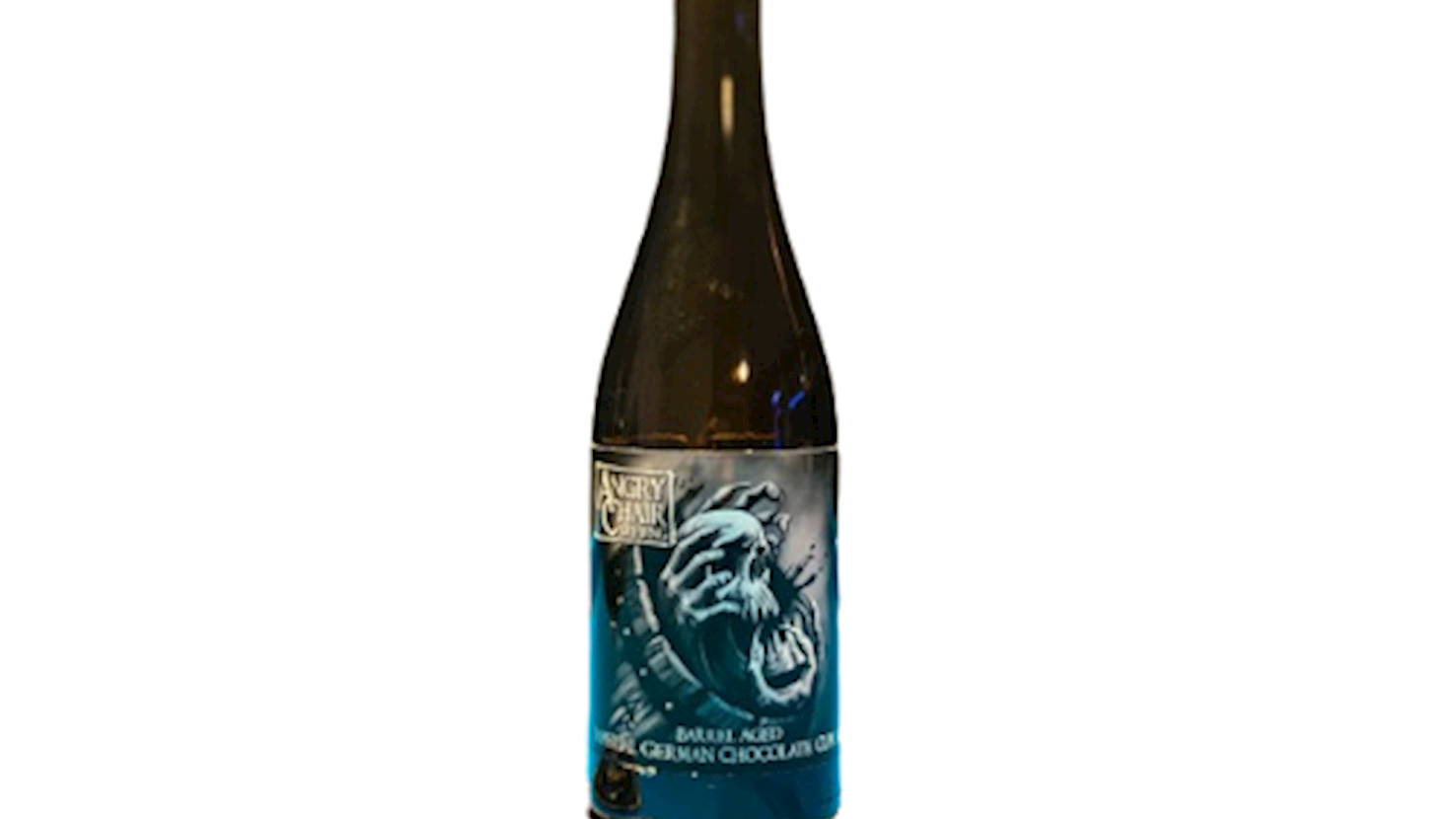
Angry Chair Brewing

5.0 ·

Angry Chair Brewing is a craft brewery located in the Seminole Heights neighborhood of Tampa, Florida, recognized for its unique blend of technical precision and an experimental approach to brewing. While best known for their rich, layered, and often decadent stouts, their lineup also includes IPAs, light and refreshing lagers, classic pilsners, porters, and thoughtfully crafted sour styles.

Their focus is on creating beers with distinct character and balanced flavor profiles, which has earned them a loyal following and recognition within the craft beer community. The taproom offers a relaxed, welcoming atmosphere where locals and visitors come together, while the constantly rotating draft list ensures that each visit brings a new experience.

Awards
Untappd - 4.7
Beer Advocate - 100 World-Class
About this Ranking

TasteAtlas food rankings are based on the ratings of the TasteAtlas audience, with a series of mechanisms that recognize real users and that ignore bot, nationalist or local patriotic ratings, and give additional value to the ratings of users that the system recognizes as knowledgeable. For the “Top 100 Alcoholic Beverages in the World” list until November 25, 2026, 53,587 ratings were recorded, of which 41,142 were recognized by the system as legitimate.

TasteAtlas Rankings should not be seen as the final global conclusion about food. Their purpose is to promote excellent local foods, instill pride in traditional dishes, and arouse curiosity about dishes you haven’t tried.

The initial list of top producers was compiled based on available reviews, awards, local recommendations, media and blog coverage, and consumer reviews. The list will be updated with ratings from TasteAtlas local ambassadors and TasteAtlas users.

What People Say

Similar Lists