Top 100 Japanese Alcoholic Beverages

Last updated on June 15, 2026

Best Japanese Alcoholic Beverage Types
01

Umeshu

4.3 ·

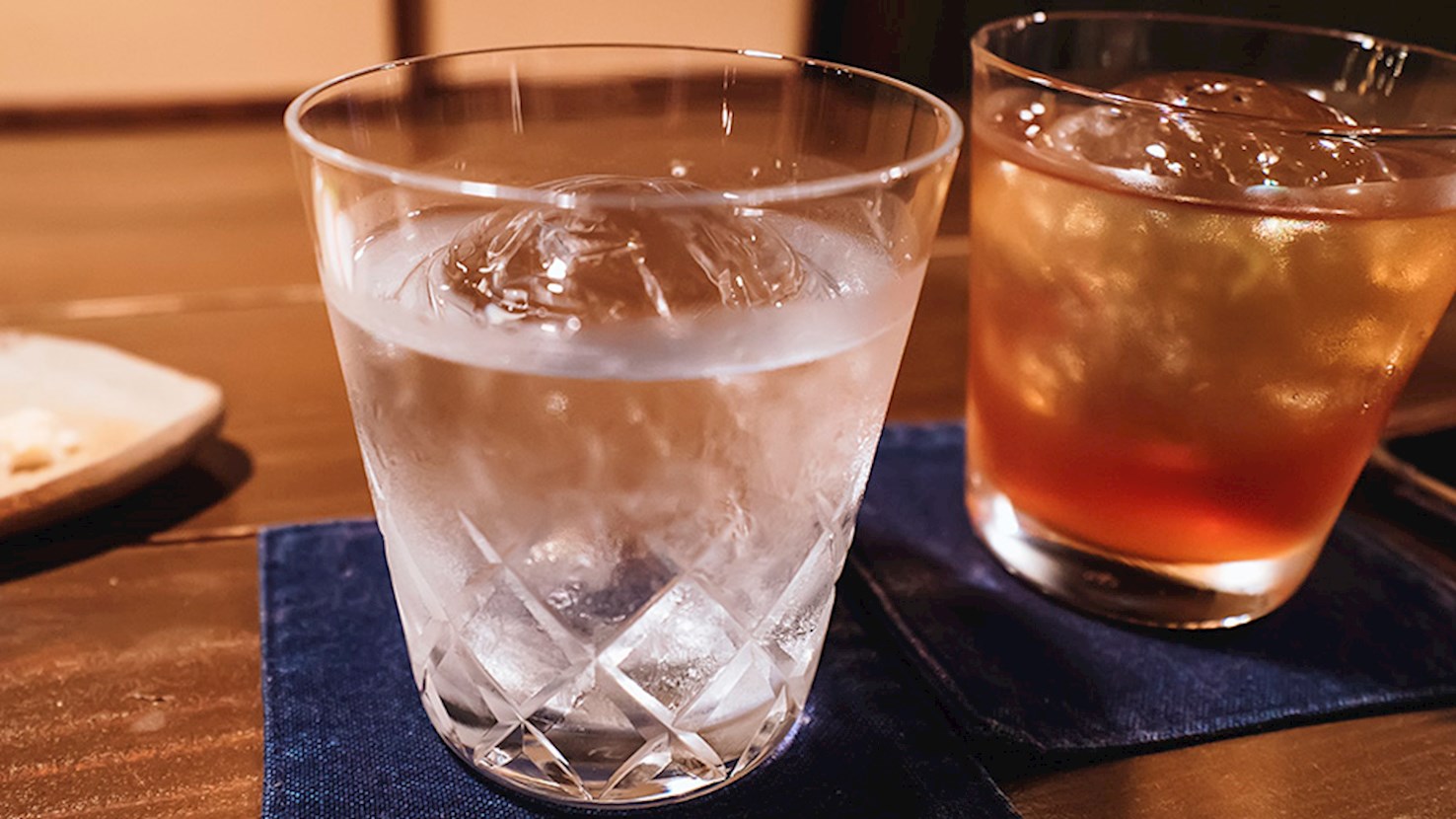
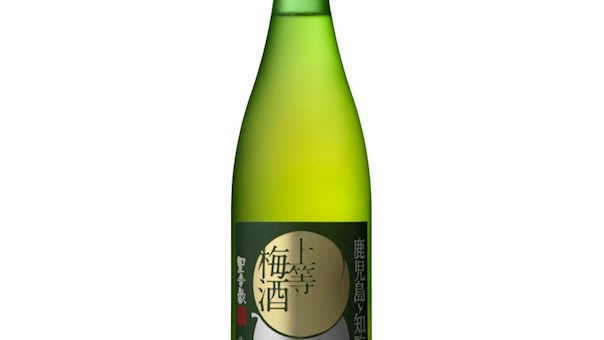
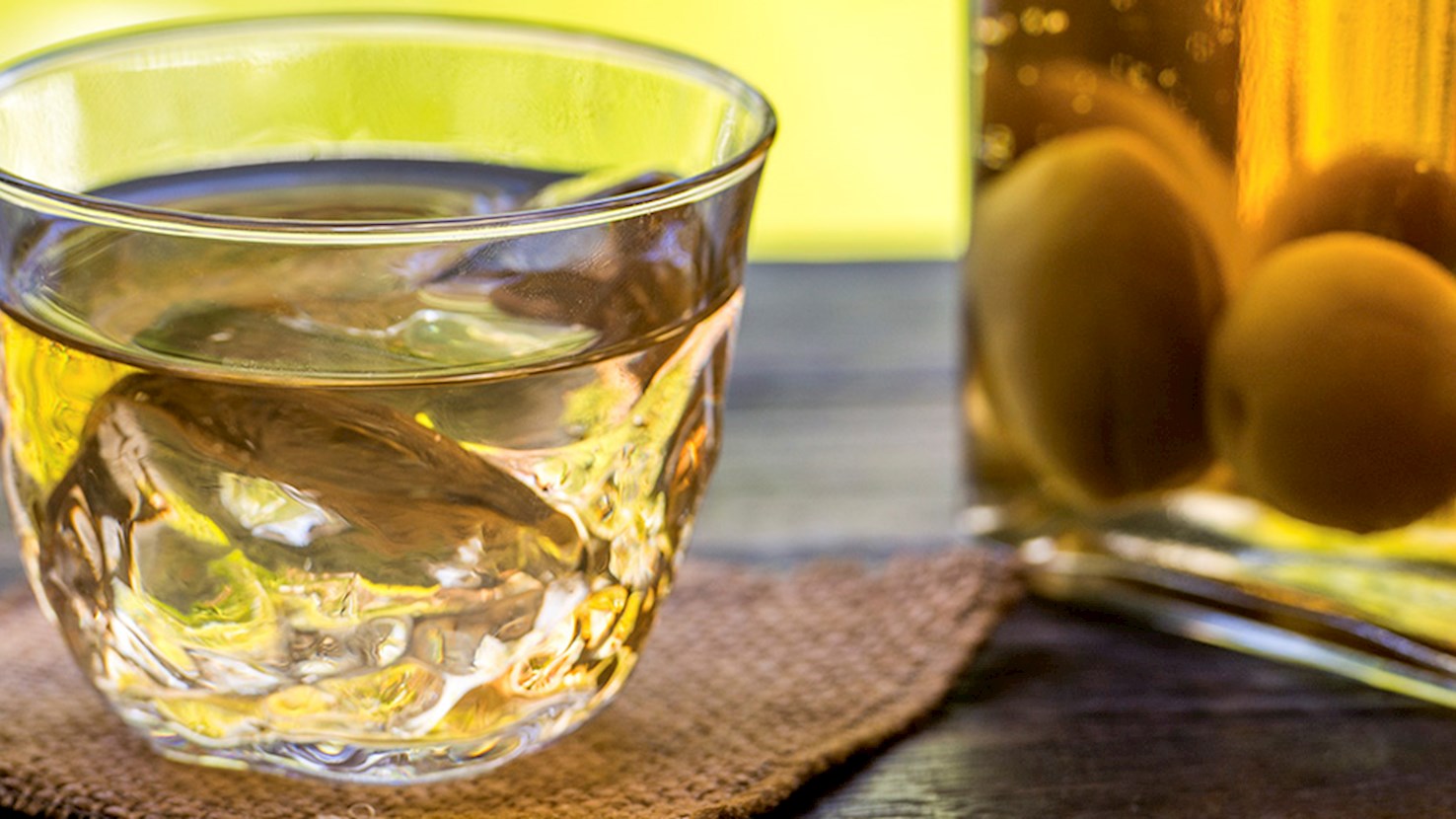
Umeshu is a Japanese liqueur made by macerating sugar and ume plums (Prunus mume) in alcohol. It is usually made with rock sugar and ripe or green ume plums, while the base is generally made with shōchū, though other neutral spirits can also be used. The result is a bittersweet liqueur with a fruity aroma. Apart from the classic version, umeshu comes in a variety of styles that may include other sweeteners such as honey or black sugar, while some add additional flavorings. Umeshu can be enjoyed straight, on the rocks, or diluted with water, tea, or soda. It also incorporates well in cocktails and typically has 10-15% ABV. Ume plums were brought to Japan from China and are botanically classified as Japanese apricot. Apart from umeshu, they are also pickled (umeboshi) and can be enjoyed as a condiment or a side dish. Umeshu is often homemade, but there are numerous commercially available labels.

02

Junmai

4 ·

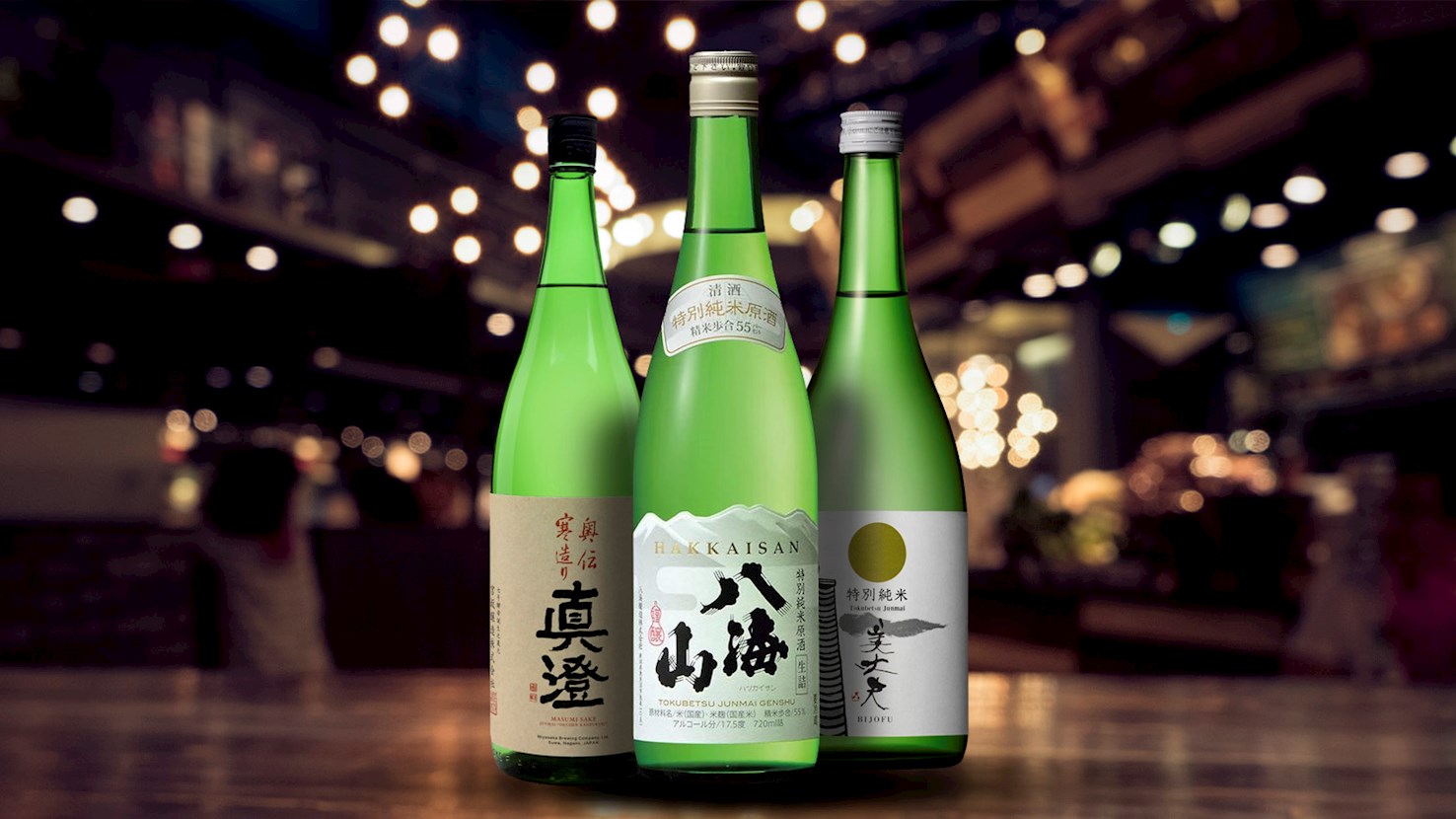
Junmai is a type of sake made with rice that is polished with 70% of the grain remaining. The requirements specify that the only ingredients used to produce junmai include rice, koji, yeast, and water, while no other additions, such as alcohol or sugar, are allowed. This sake is usually slightly heavier and full-bodied, with a more earthy character than its fruity and floral counterparts, but remaining light and refreshing. It is an easy-drinking sake that can be a good match to slightly heavier dishes. Junmai can be served chilled or warm.

Best producers
03

Japanese Whisky

4 ·

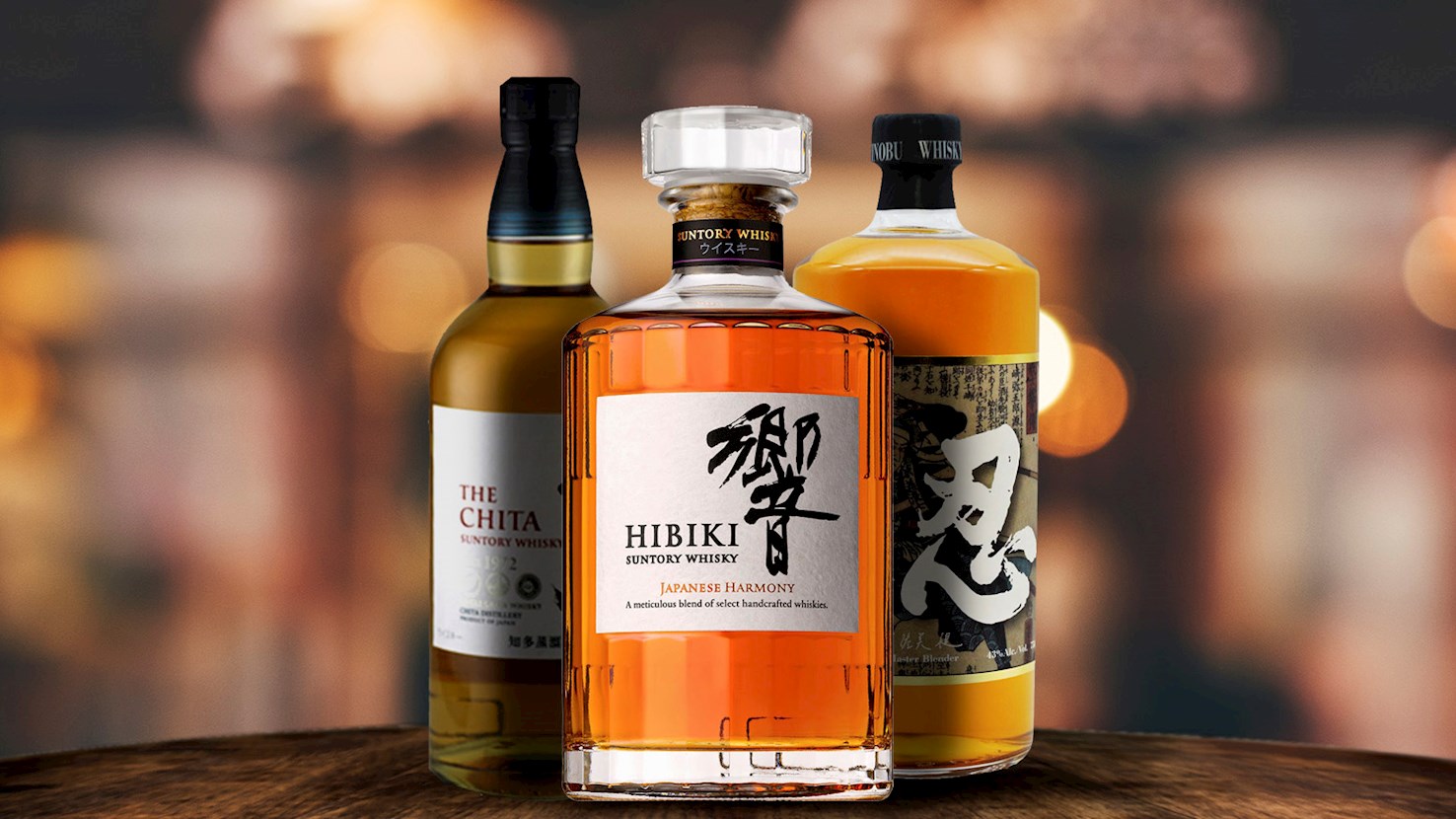
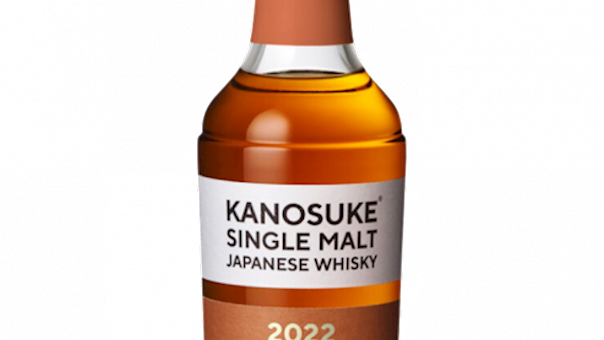
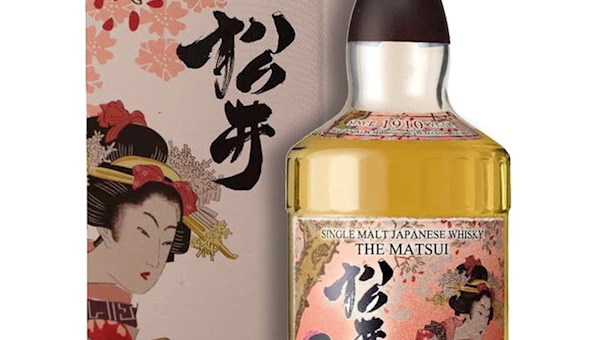
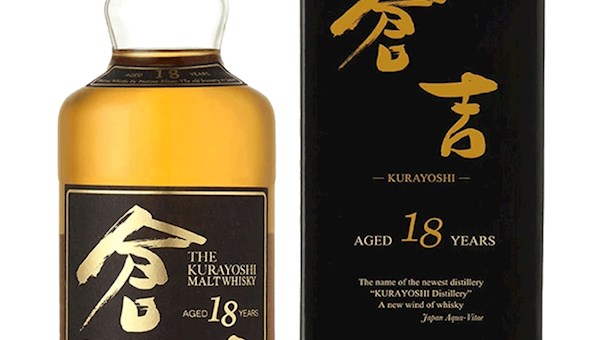
Japanese single malt, blended malt, and blended whiskies were inspired and modeled on Scottish tradition. They are double distilled from malted barley, which is occasionally peated (dried over smoked peat) and fermented grains. The spirit is then aged in oak casks, which may include American or Scottish oak, old Sherry casks, or Japanese Mizunara oak. The official production of Japanese whiskey started in 1923 when the first distillery was opened in Yamazaki (Kyoto). The distillery was a joint effort of Shinjiro Torii and Masataka Taketsuru, who eventually went to found his own Nikka distillery on Hokkaido. The two companies remain the biggest producers of Japanese whisky. Despite its fairly recent invention, Japanese whisky has been praised for its finesse and usually exceptional quality. Due to the recent upsurge in international popularity and the small scale of production, some distilleries even import foreign whisky and use it Japanese blends. Still, Japanese whisky holds its typical characteristic due to the specific climate, faster maturation, and water quality. Though the styles differ depending on the distillation procedure and the choice of grains, most varieties are powerful yet milder and more mellow that Scotch. They are balanced, complex, and aromatic with a wide range of flavors and aromas. Japanese prefer to enjoy it as a highball mixed with soda water, but it can be served neat, on the rocks, or mixed with water. It can also work well as a cocktail ingredient.

04

Chūhai

3.8 ·

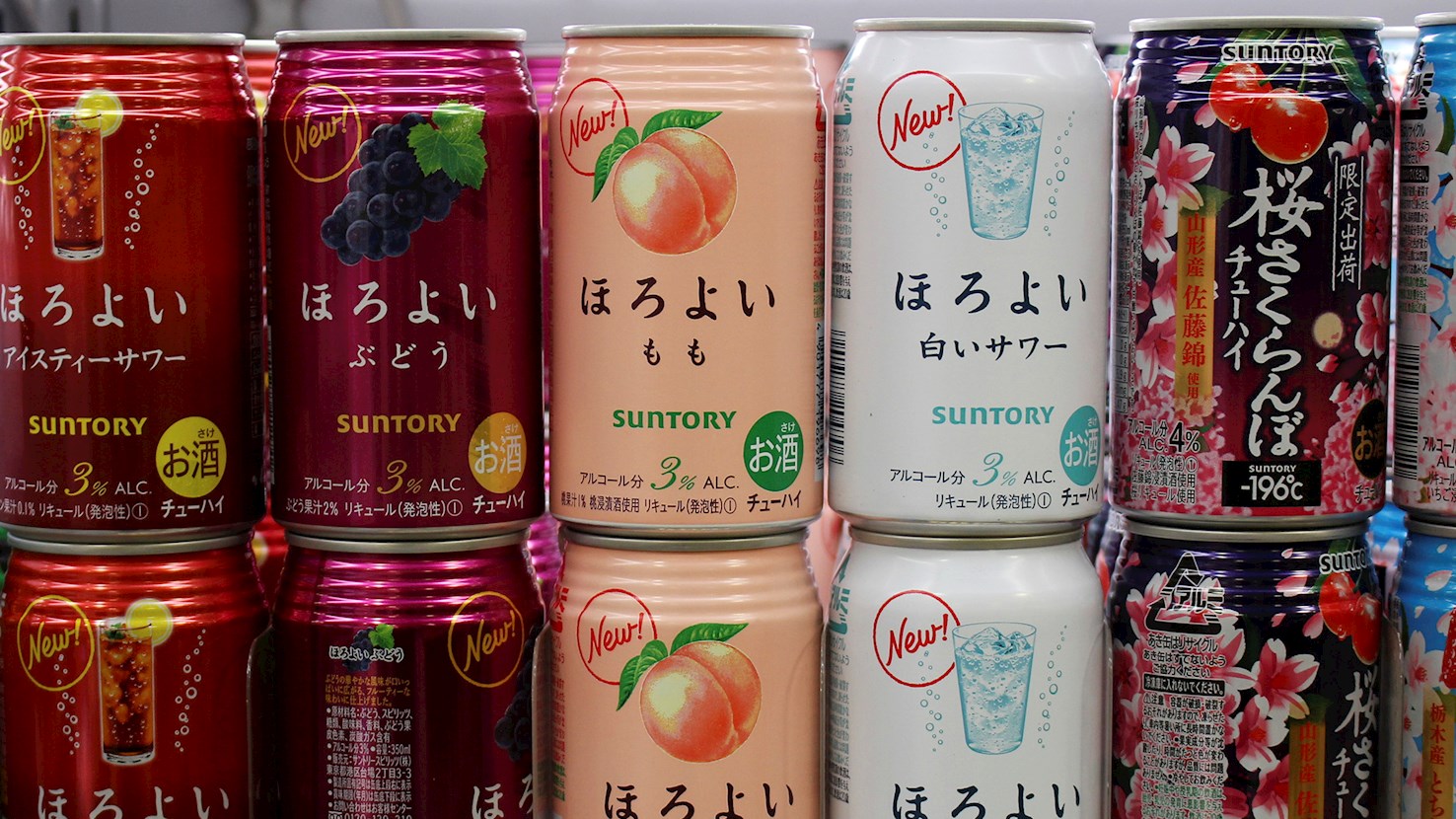
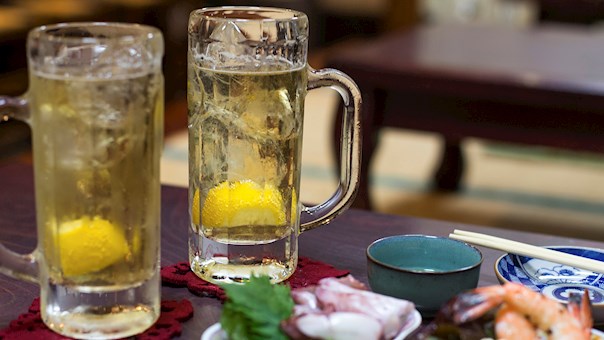
Chūhai is a mixed Japanese drink with fairly low alcohol content. In its original form, it was made with soda water and shōchū—Japanese spirit distilled from various ingredients such as barley, sweet potatoes, rice, or buckwheat. Nowadays, shōchū is sometimes replaced with vodka, and the combinations usually include various types of fruit-flavored soda water, fruit juices, or syrups. The name chūhai originated as a portmanteau of the words shōchū and highball, and it is believed that the drink first appeared in izakayas in Tokyo. Although it is still freshly prepared in bars, where it is served in high glasses or mugs, canned versions of the drink are also incredibly popular and widely available through the country. A version prepared with fresh juice typically goes under the name nama chūhai.

05

Nigori

3.7 ·

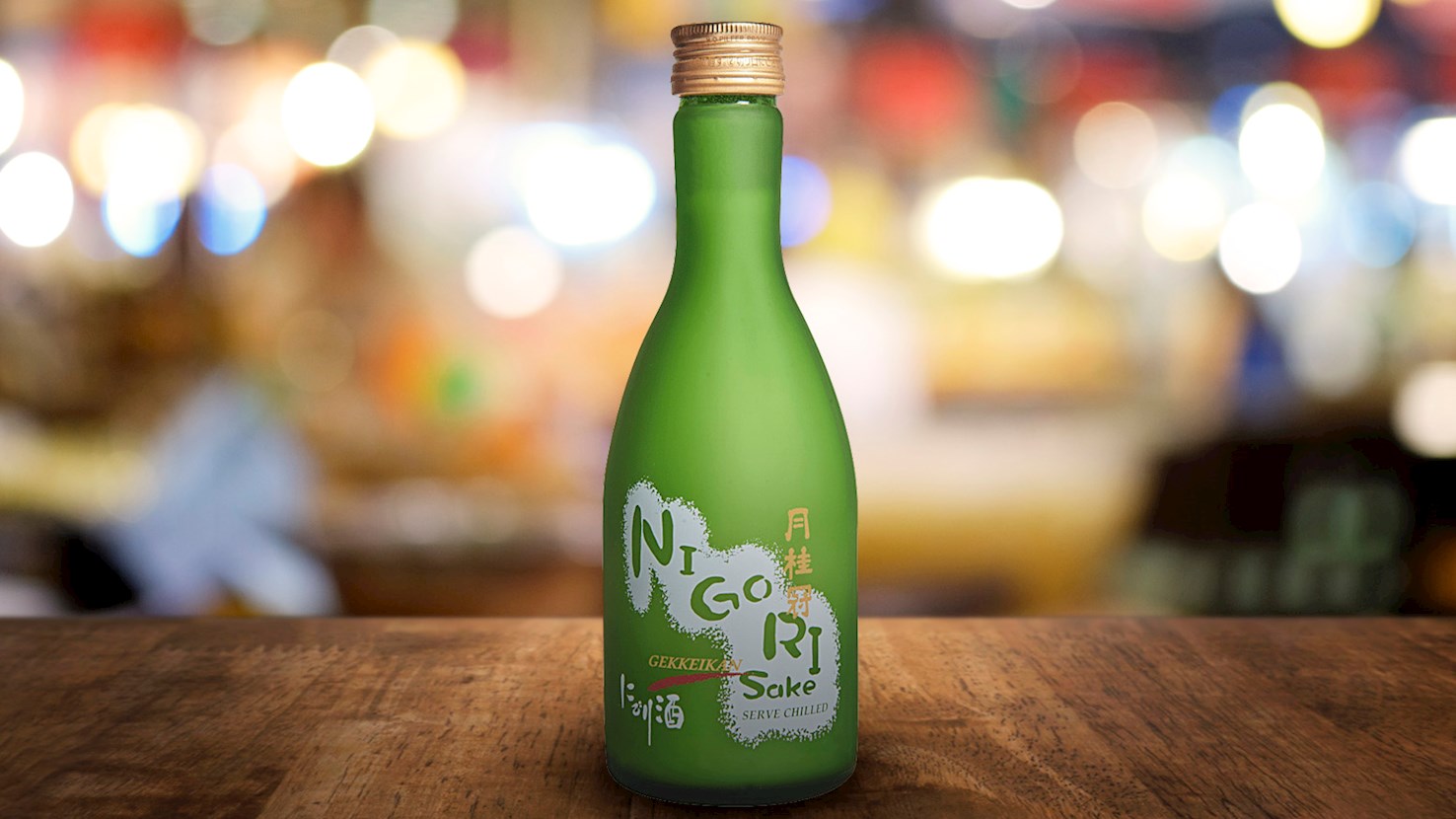
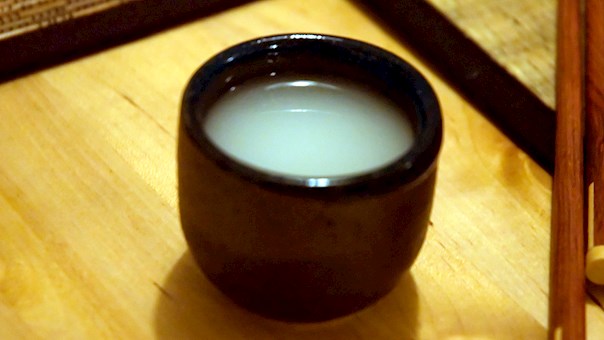
Nigori is a sake variety that is characterized by its cloudy appearance. Although it is often mistakenly translated as unfiltered sake, nigori is in fact filtered, but not finely as other varieties. The rough filtration leaves some rice solids inside the sake which influence the final taste profile and texture. Nigori is usually creamier, more fruity, sweeter, and milder than other varieties, and should be shaken before it is served. It is always enjoyed well-chilled and pairs exceptionally well with spicy Japanese or international dishes.

06

Daiginjo

3.6 ·

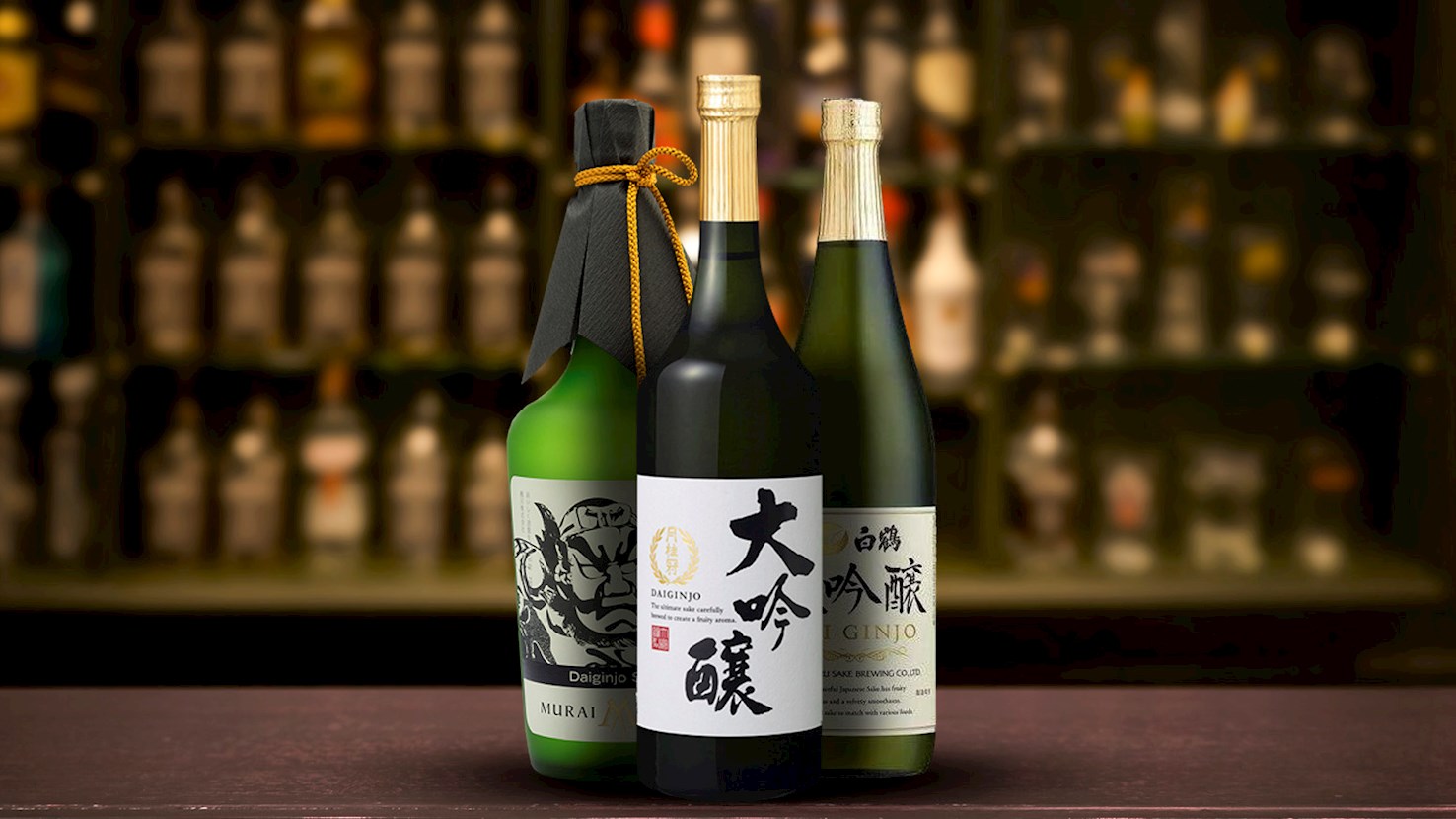
Daiginjo is a sake variety made with polished rice, water, koji mold, and yeast. It is one of the pure sake varieties in which the rice is polished until at least 50% of the outer layer of the grain is removed. This refined premium sake is typically light, smooth, and incredibly fragrant, and its finesse and mellow flavors are best appreciated when it is served chilled. It is typically paired with simple and light dishes, and it is often enjoyed as an aperitif or a digestif. Daiginjo sake can be adjusted with the addition of distilled brewer’s alcohol, while the category Junmai Daiginjo does not include any additives.

07

Awamori

3.5 ·

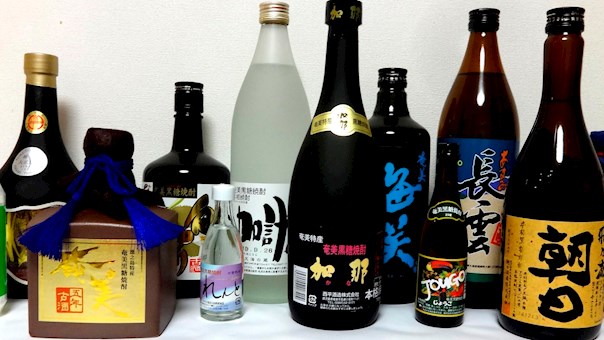
Believed to have been the first distilled beverage in Japan, awamori is almost exclusively associated with Okinawa. The drink is distilled from fermented long-grained rice and black koji mold, which is usually referenced as the key ingredient that gives awamori its distinctive flavor. The drink improves and mellows with age and is typically stored in clay pots and allowed to mature. It is the most common drink on Okinawa that is usually served alongside water and ice, allowing each person to mix and adjust it according to their taste. It can also be enjoyed neat, incorporated into cocktails or mixed with soda or sweet coffee-flavored milk.

08

Sake

3.5 ·

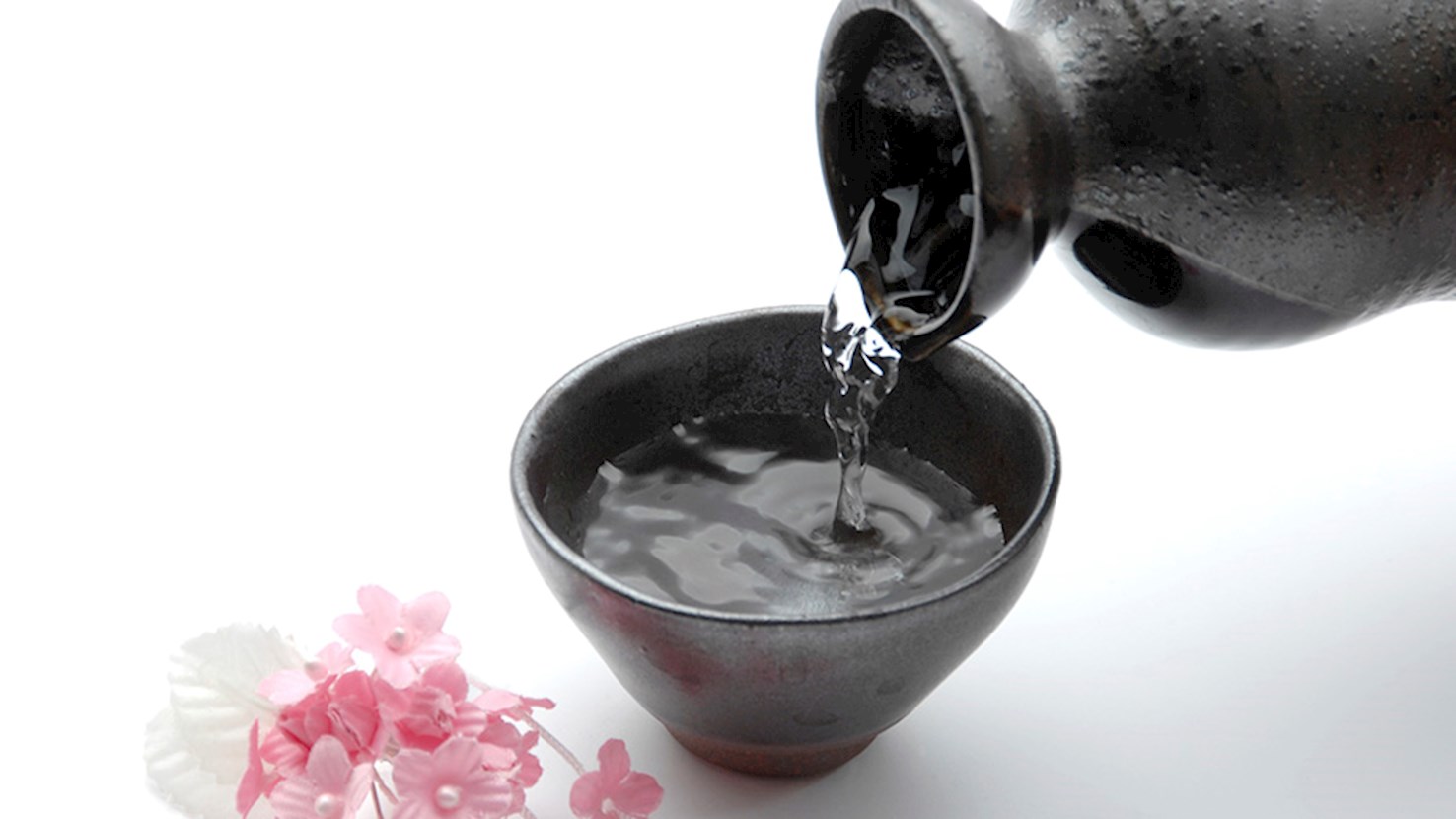
Sake is the most popular Japanese drink whose first written mention dates back to 3rd century. In its basic form, the drink is made by brewing yeast, koji mold, water and polished rice. All these elements influence the quality of sake, but the crucial part is polishing rice, since the outer layer of rice kernels may impart an undesirable flavor. Depending on pasteurization, age, filtration, and the addition of distilled alcohol, sake may come in a variety of styles that may differ in complexity and the final taste profile. Best quality sake is usually served chilled or at room temperature, and most styles pair exceptionally well with traditional Japanese dishes. It should be noted that the term sake is mostly used outside the country, while in Japan it usually goes as nihonshu (literally, Japanese liquor).

09

Kamikaze

3.5 ·

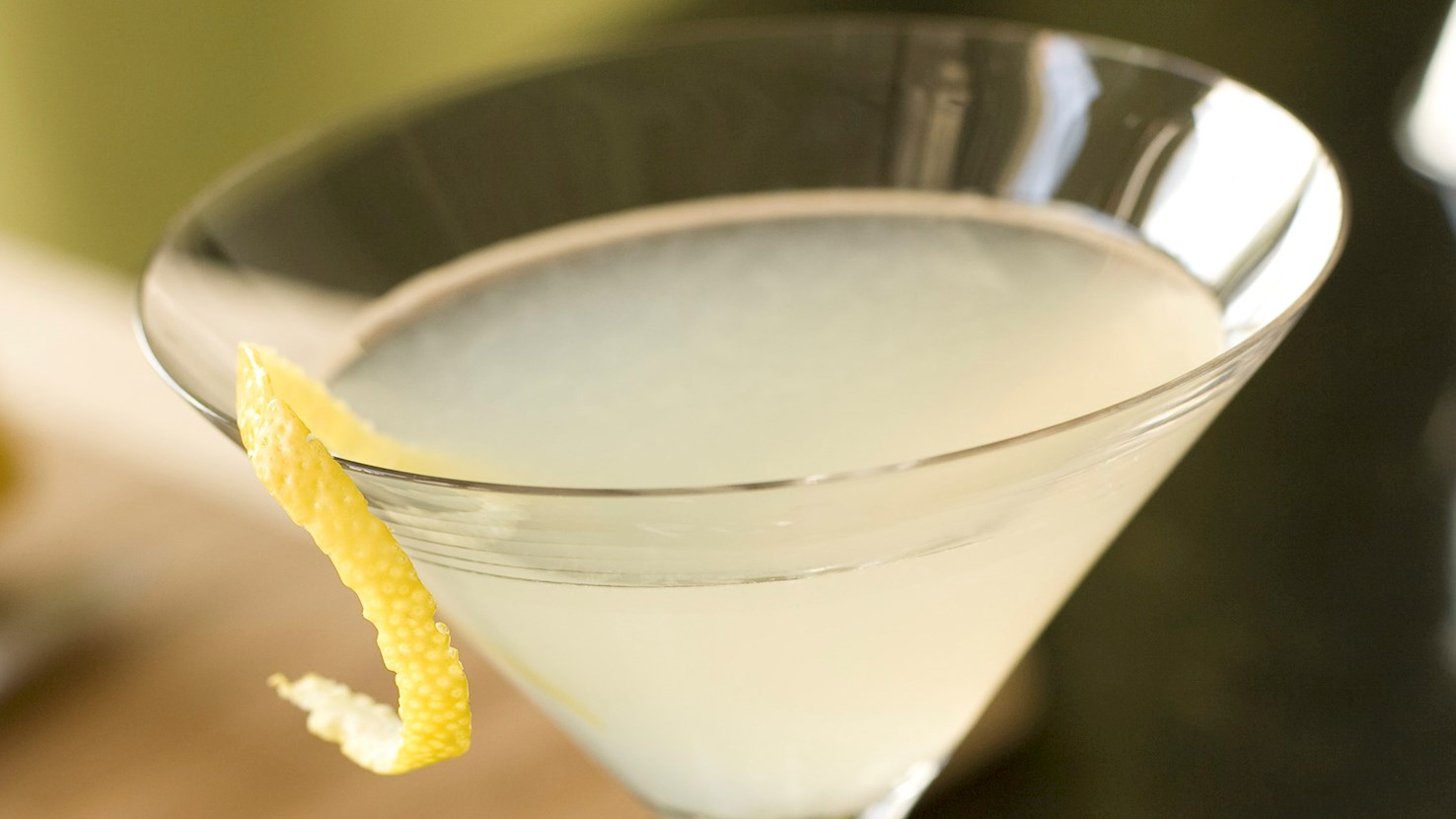
Although some claim that it originated during the 1970s as a classic disco cocktail, the elegant Kamikaze cocktail was probably invented in Tokyo after World War II, during the American occupation of Japan. Kamikaze, which means divine wind in Japanese, is made with equal parts vodka, triple sec (orange liqueur), and freshly squeezed lime or lemon juice. It is often served as an apéritif, straight up in a cocktail glass, typically with a lime or lemon twist. It is recommended to pair Kamikaze with pasta dishes or spicy chicken wings.

10

Japanese rice lager

3.4 ·

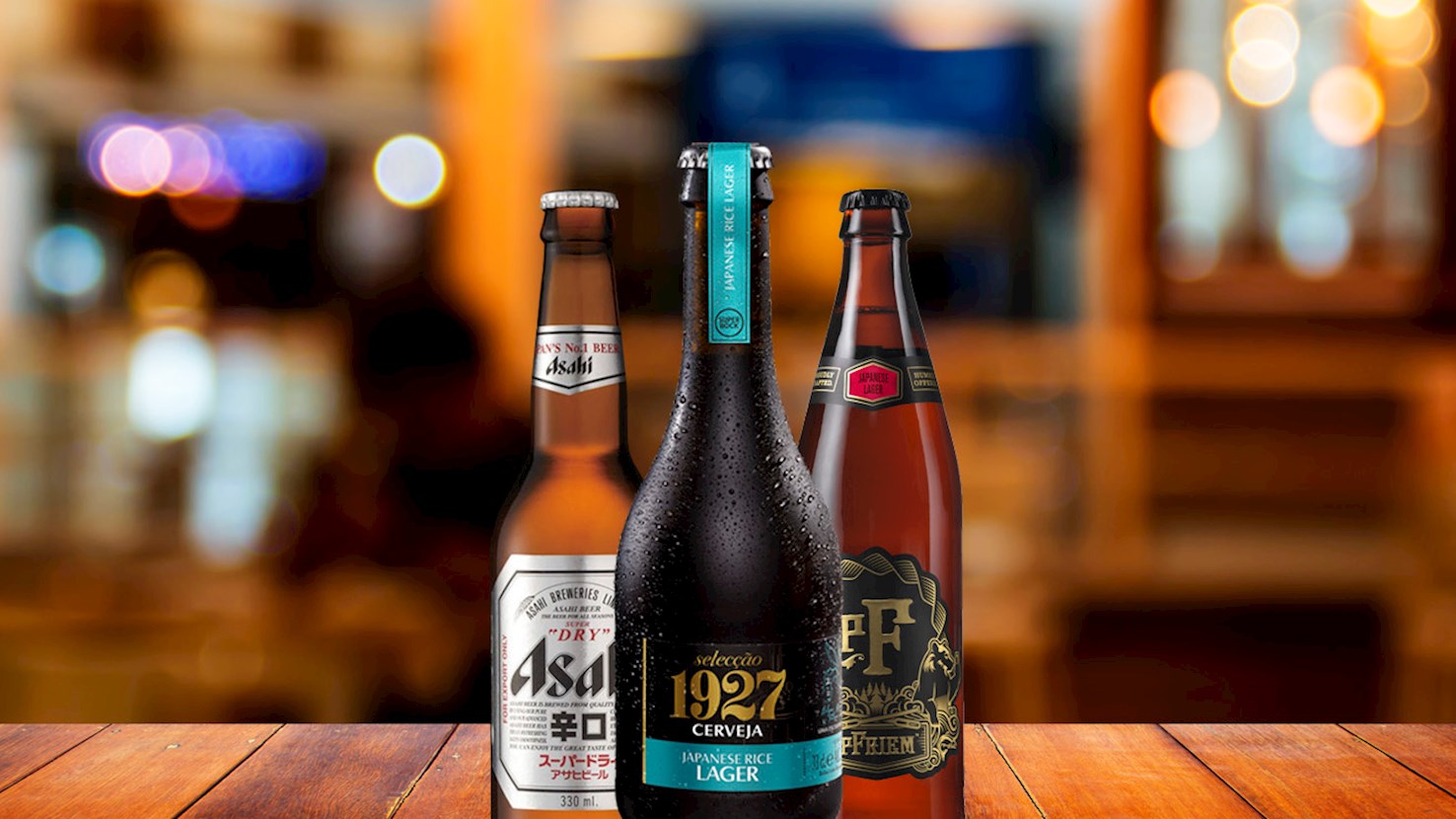
Japanese rice lager is a beer style that includes rice in the grain bill. Typically, rice will make one-third of the bill, while barley usually makes the rest. The style is traditionally associated with Japan, though some international brands and several craft breweries also include rice in their brews. Rice lagers are light and refreshing. They are clean and crisp, with a light color and body, a good balance of hops and malts, and a dry finish. Most are approachable and easy-drinking, with an alcohol content of around 5% ABV. Because of their light character, these beers are an excellent pairing with food. They work well with traditional Japanese dishes, but they can also match rich, fatty, and spicy fare.

11

Midori

3.4 ·
12

Highball (Japan)

3.4 ·
13

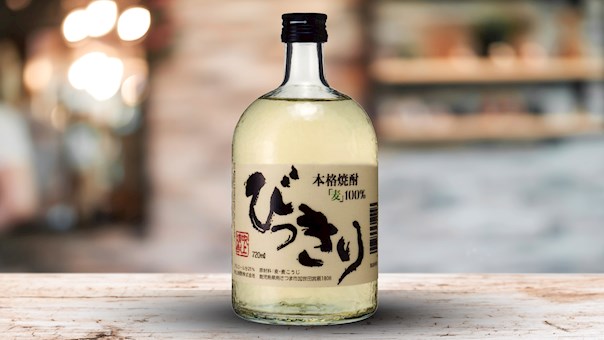
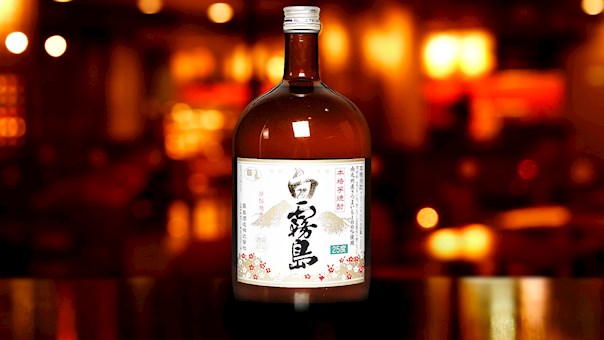
Shōchū

3.3 ·
14

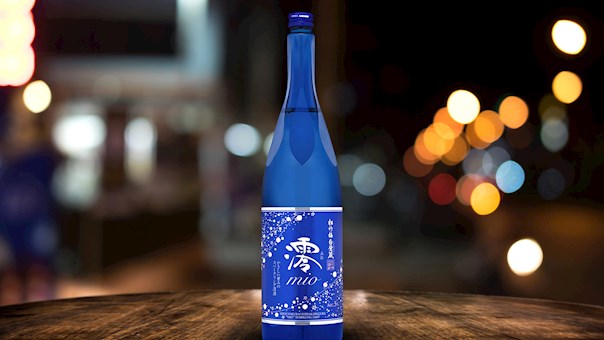
Sparkling Sake

3.3 ·
15

Mugi shōchū

3.2 ·
16

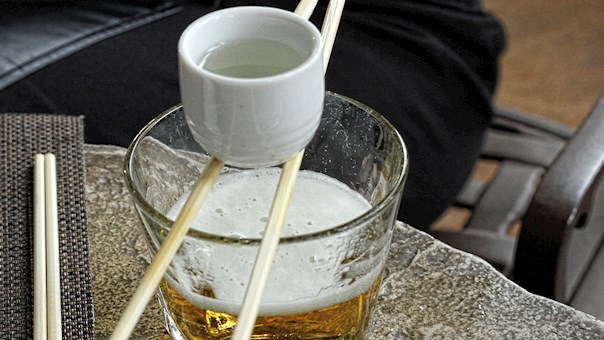
Sake Bomb

3.2 ·
17

Imo shōchū

3.2 ·
18

Honjozo

n/a ·
19

Doburoku

n/a ·
20

Taruzake

n/a ·

Best Japanese Alcoholic Beverages
01

Iichiko

5 ·
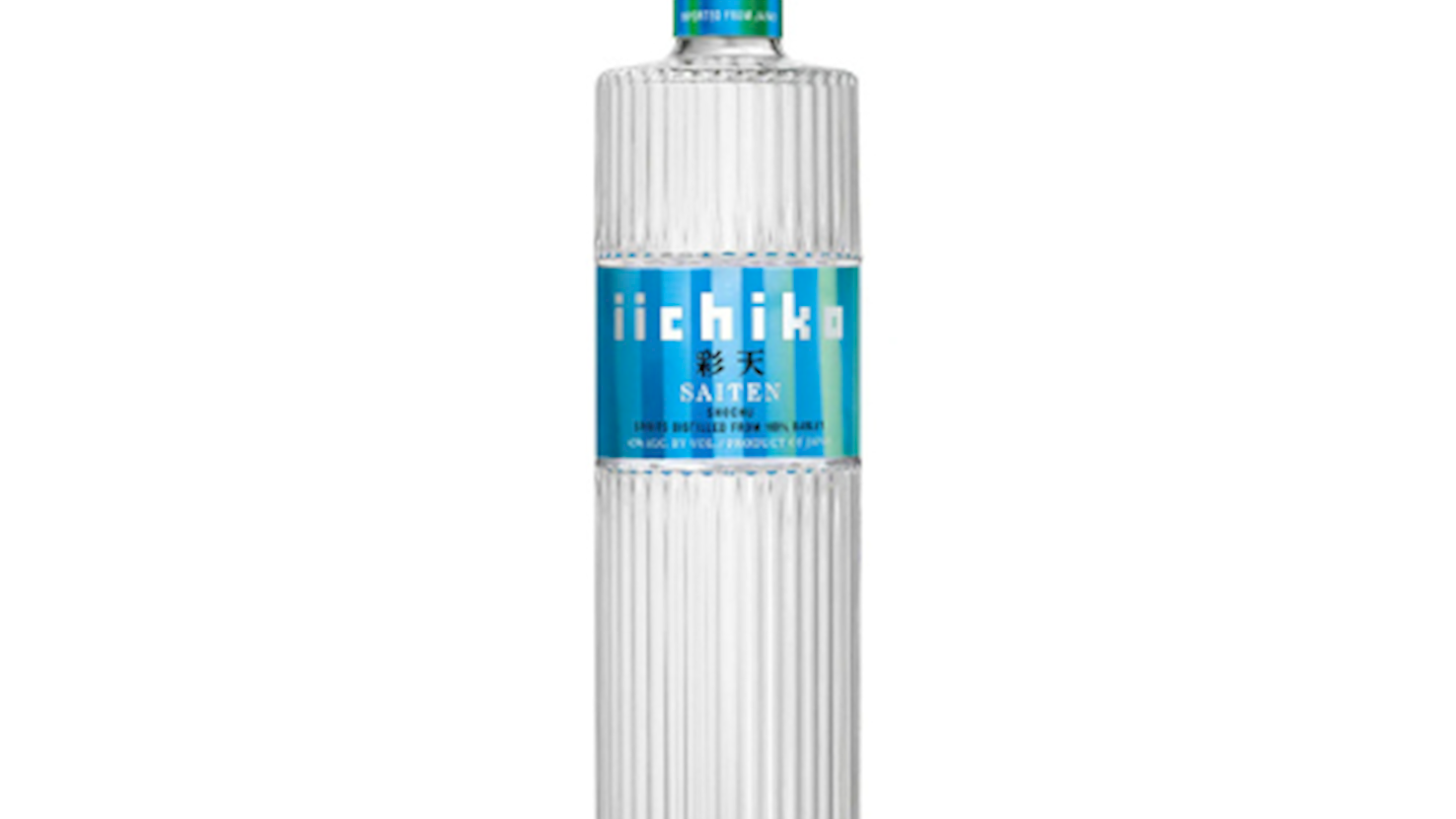
Iichiko is a renowned Japanese producer of shochu, a traditional Japanese spirit made from various ingredients like barley, sweet potatoes, and rice. Founded by Sanwa Shurui, Iichiko is famous for its commitment to high-quality production and innovation. Headquartered in the Oita Prefecture of Kyushu, Japan, an area known for its clean water and natural beauty, Iichiko has become a global leader in the shochu industry. Iichiko's most notable products include its flagship barley-based shochu, iichiko Saiten, which is crafted using unique methods such as the "all Koji" fermentation technique. This involves using barley Koji, a special mold that helps break down the starches in barley into sugars, enhancing the flavor profile of the spirit. The production also focuses on the single distillation process, preserving the delicate aromas and flavors of the barley.
Awards
SFWSC - San Francisco World Spirits Competition - Double Gold (2024, 2023)
ISC-International Spirits Challenge - Double Gold (2022)
02

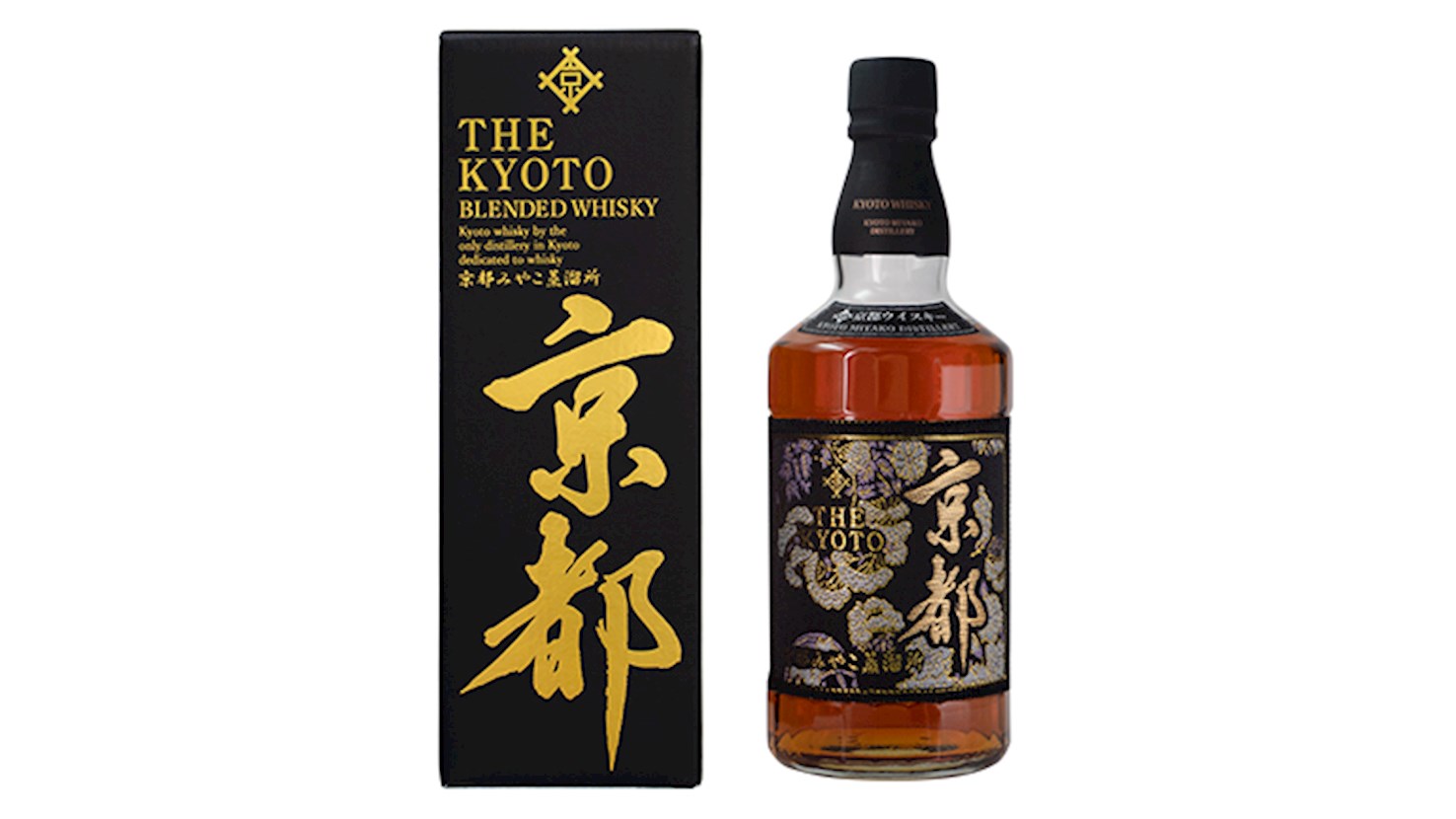
The Kyoto Distillery

5 ·
Awards
NYWSC - New York World Spirits Competition - Double Gold (2023)
SFWSC - San Francisco World Spirits Competition - Double Gold (2023)
03

Akkeshi

5 ·
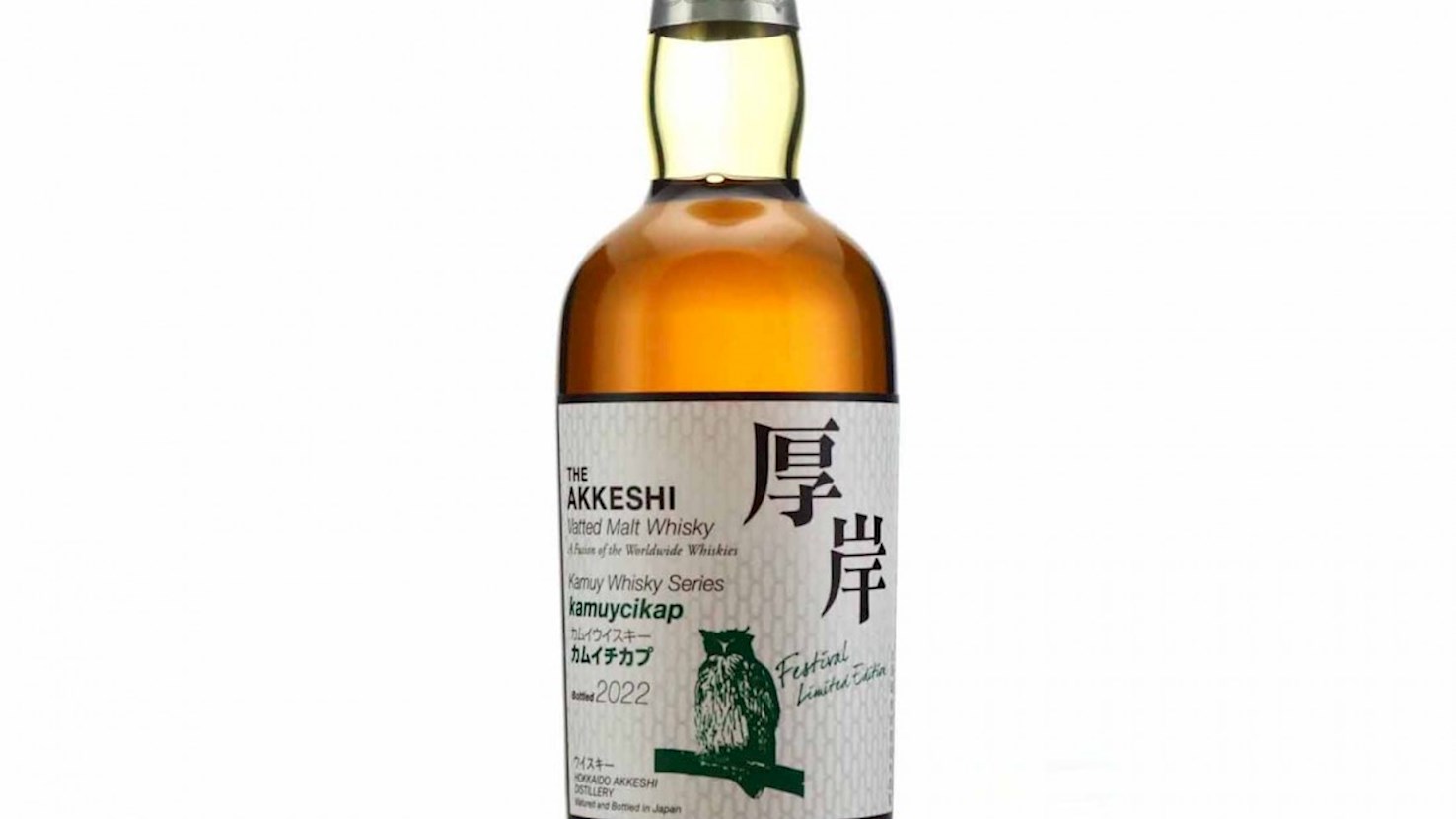
Located in Japan’s northern most island of Hokkaido and further east than any other distillery in the country, production at Akkeshi Distillery started in 2016. The goal of Akkeshi Distillery is to blend traditional Scottish methods with the unique flavors of Akkeshi, Japan. With extremely unique aromas and flavors unlike anything else these whiskies will be a delight to aficionados worldwide. Akkeshi Distillery is the true embodiment of craftsmanship and is on track to be a leader in the highest quality Japanese whisky world. ​
Awards
ISC-International Spirits Challenge - Gold (2024)
ISC-International Spirits Challenge - Gold (2023, 2022, 2021)
04

Kirin Brewery Company

5 ·
Awards
ISC-International Spirits Challenge - Double Gold (2020, 2019)
ISC-International Spirits Challenge - Gold (2024)
05

Nagahama Distillery

5 ·
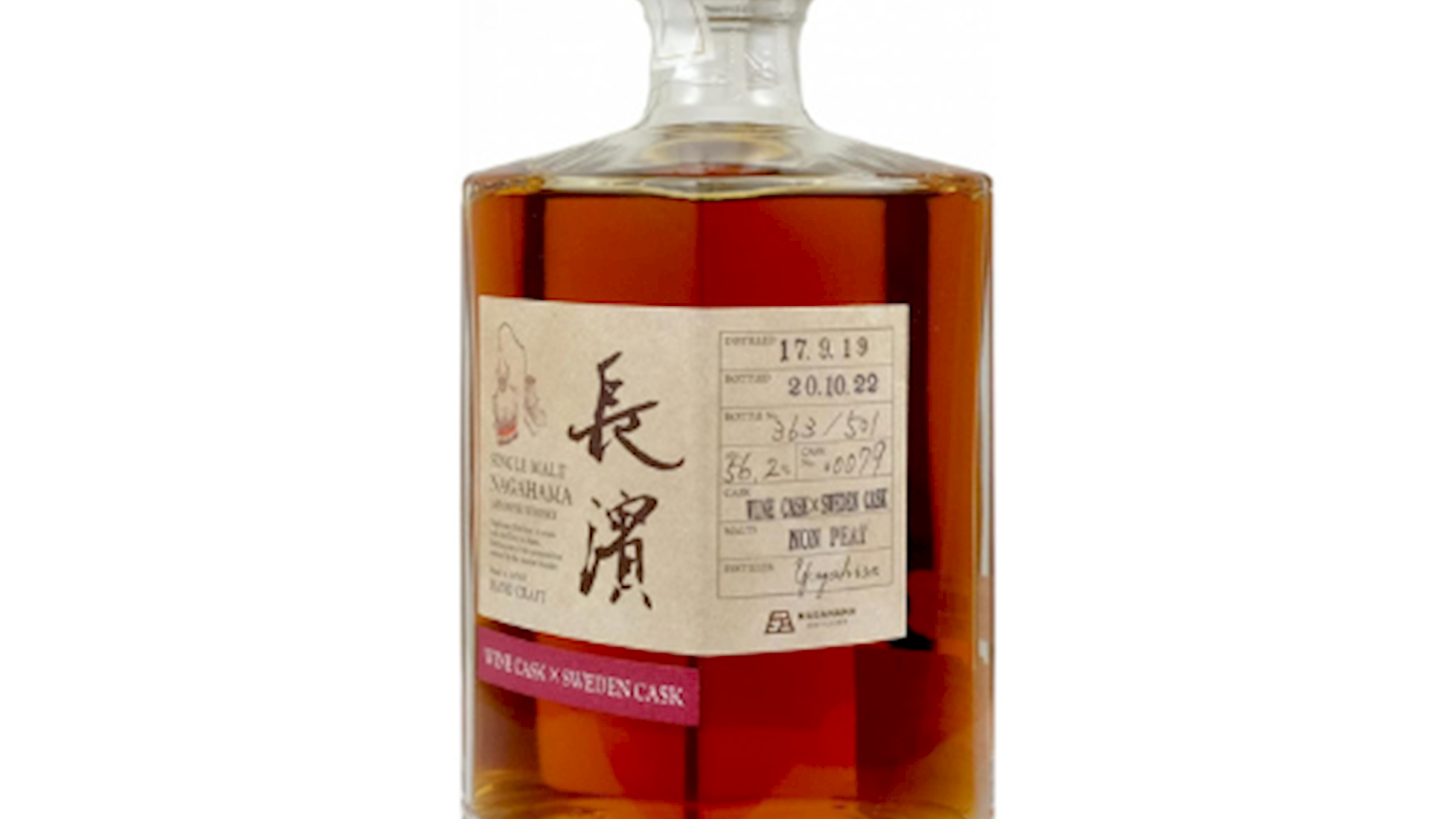
Nagahama Distillery is a Japanese distillery located in Nagahama, Shiga Prefecture. It is renowned for being Japan's smallest distillery, offering artisanal whiskies with unique and bold flavors. Nagahama Distillery uses traditional production methods, focusing on small-batch processes to ensure the highest quality and character in its whiskies. The distillery offers tours where visitors can learn about the whisky-making process, taste their products, and explore the charming surroundings of Nagahama.
Awards
ISC-International Spirits Challenge - Gold (2024)
IWSC- International wine & spirit competition - Spirit Gold (2023)
06

Sakurao Brewery and Distillery Co

5 ·
Awards
ISC-International Spirits Challenge - Gold (2024)
The Gin Masters – Second Tasting - Gold (2022)
07

VentureWhisky Ltd.

5 ·
Awards
ISC-International Spirits Challenge - Double Gold (2020)
ISC-International Spirits Challenge - Gold (2024)
08

AWAYUKI

5 ·
Awards
USC- Ultimate Spirits Challenge - Chairman's Trophy (2023)
USC- Ultimate Spirits Challenge - Top 100 (2023)
09

Takara Shuzo Co., Ltd

5 ·
Awards
ISC-International Spirits Challenge - Double Gold (2023)
IWSC- International wine & spirit competition - Spirit Gold (2024)
10

AKASHI

5 ·
Awards
SFWSC - San Francisco World Spirits Competition - Double Gold (2023)
Read more
View all
View map
About this ranking

TasteAtlas food rankings are based on the ratings of the TasteAtlas audience, with a series of mechanisms that recognize real users and that ignore bot, nationalist or local patriotic ratings, and give additional value to the ratings of users that the system recognizes as knowledgeable. For the “Top 100 Japanese Alcoholic Beverages” list until June 15, 2026, 807 ratings were recorded, of which 677 were recognized by the system as legitimate. TasteAtlas Rankings should not be seen as the final global conclusion about food. Their purpose is to promote excellent local foods, instill pride in traditional dishes, and arouse curiosity about dishes you haven’t tried.

The initial list of top producers was compiled based on available reviews, awards, local recommendations, media and blog coverage, and consumer reviews. The list will be updated with ratings from TasteAtlas local ambassadors and TasteAtlas users.

Similar lists