shutterstock

Top 31 Ligérien Alcoholic Beverages

Last updated on June 15, 2026

Best Ligérien Alcoholic Beverages
01

Distillerie Combier

5 ·
Awards
IWSC- International wine & spirit competition - Spirit Gold (2024)
IWSC- International wine & spirit competition - Spirit Gold Outstanding (2022)
02

Domaine FL

4.9 ·
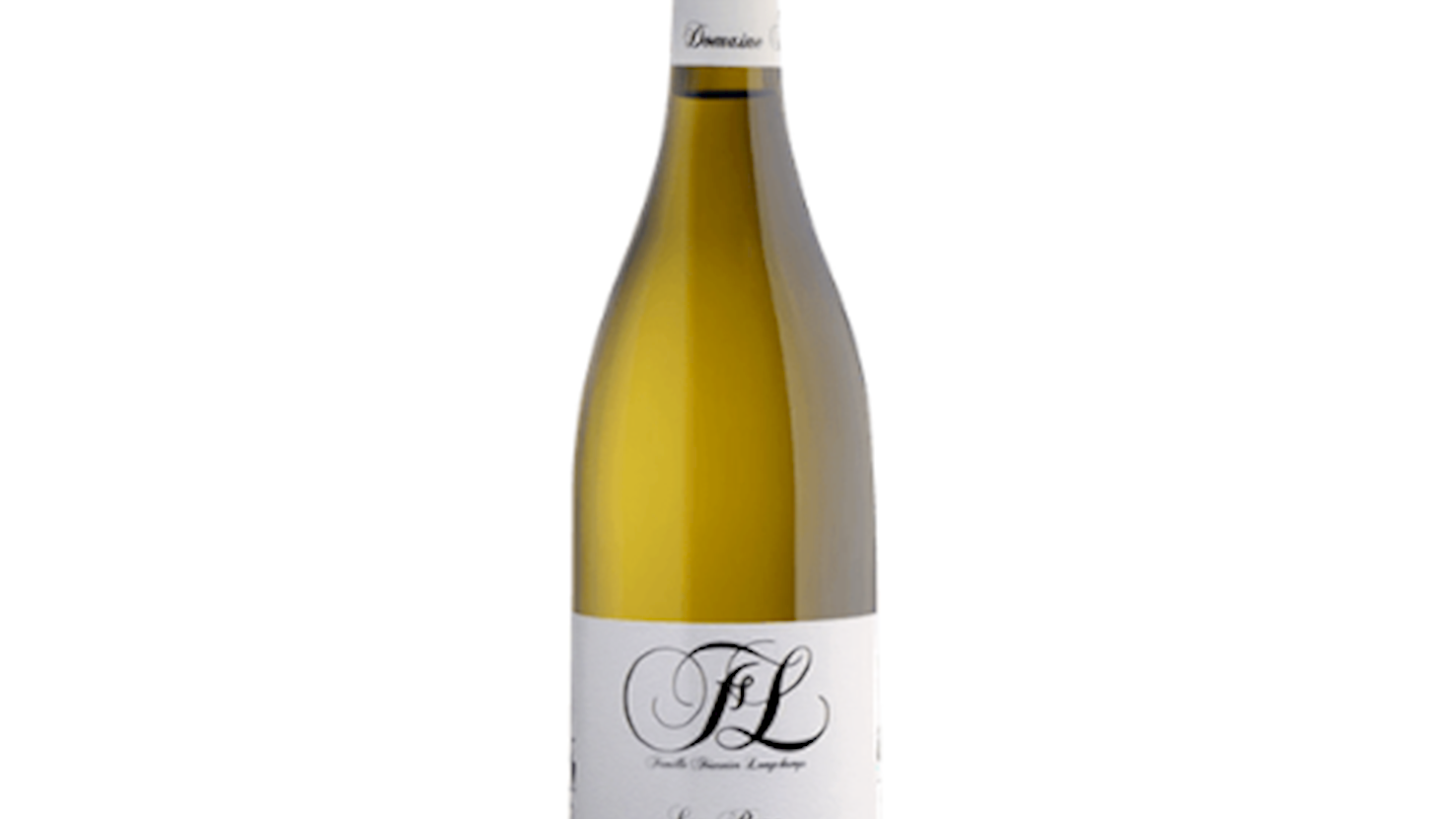
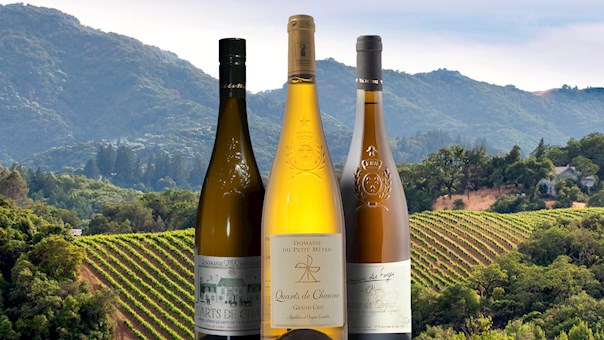
Domaine FL (Fournier Longchamps) is a family-owned winery based in Rochefort-sur-Loire in the Anjou region of the Loire Valley, France. The estate was established in the mid-2000s when Philippe Fournier Longchamps consolidated several historic vineyard parcels into a single domain focused on high-quality, terroir-driven wines. The vineyards extend across both banks of the Loire River, planted on diverse soils rich in schist, limestone, and volcanic elements, which contribute to the wines’ pronounced minerality. Production is centered primarily on Chenin Blanc, a variety that in this region delivers wines with strong structure, vibrant acidity, and excellent aging potential, alongside smaller quantities of Cabernet Franc for red wines. The style is precise and expressive, with typical notes of citrus, white flowers, honey, and mineral undertones. The estate is certified organic and follows biodynamic principles, emphasizing manual harvesting and minimal intervention in the cellar. Winemaking often avoids malolactic fermentation to preserve freshness and tension, while oak is used with restraint to maintain clarity of fruit and terroir. Domaine FL is recognized for its work in appellations such as Savennières, Coteaux du Layon, and Quarts de Chaume, producing wines that combine depth, balance, and long-term evolution potential.
Awards
James Suckling - 98 points (2023)
Decanter World Wine Awards - Platinum (2024, 2022)
03

Andre Davy

4.9 ·
Awards
Decanter World Wine Awards - Platinum (2016)
04

Le Lude

4.9 ·
Awards
Decanter World Wine Awards - Platinum (2019)
05

SCEA Domaine de la Motte

4.9 ·
Awards
IWSC- International wine & spirit competition - Gold (2019)
06

Clos Rougeard

4.9 ·
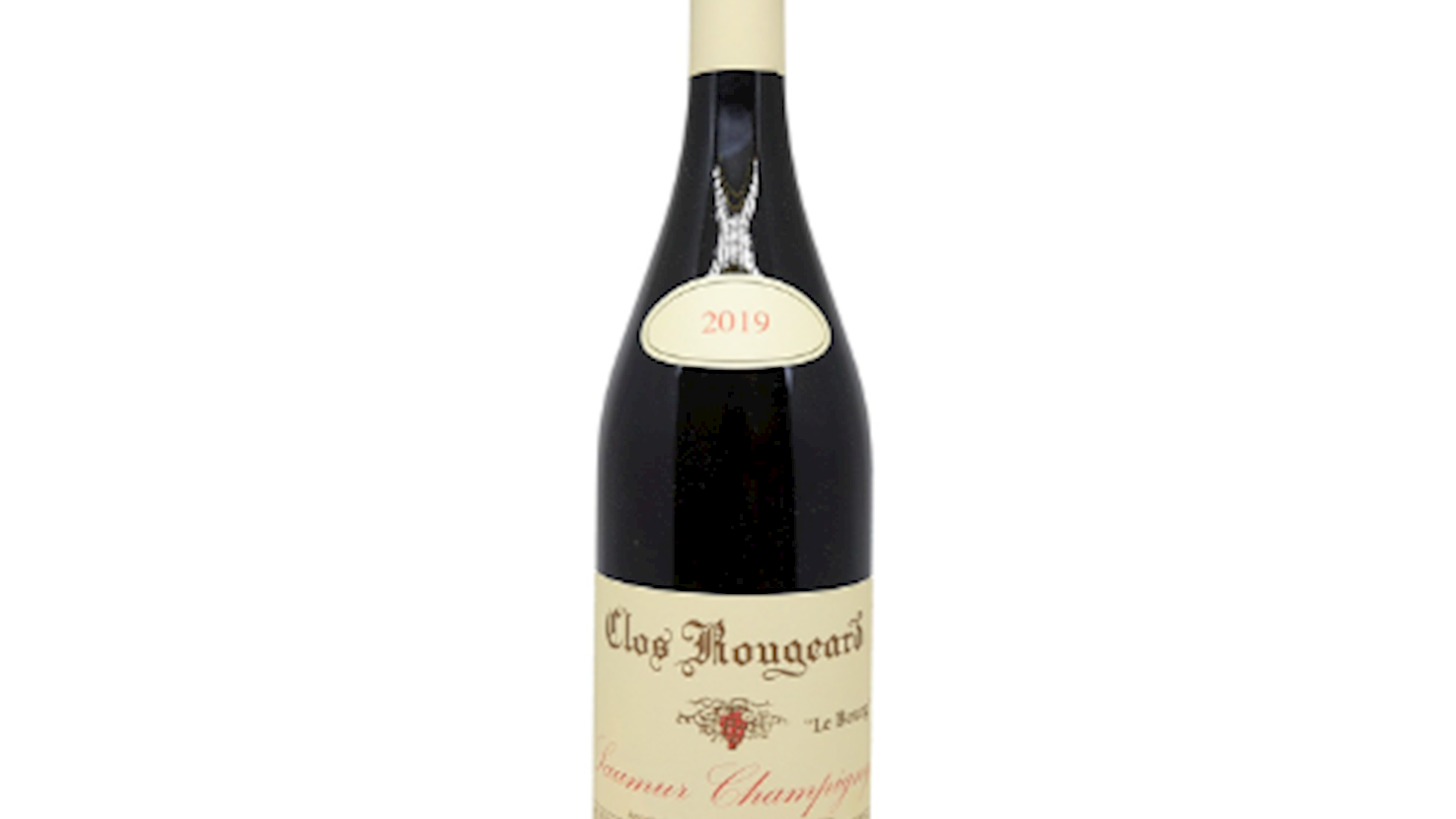
Clos Rougeard is one of the most revered names in the Loire Valley, particularly within the Saumur-Champigny appellation, known for exceptionally precise, long-lived, and authentic Cabernet Franc wines. The estate originates from the Foucault family, with brothers Charly and Nady having led it for decades under a philosophy of deep respect for the vineyard, minimal intervention, and extremely low yields. The vineyards lie on limestone-tuffeau soils that impart distinctive mineral freshness and structural finesse to the wines. In the cellar, everything is done slowly and traditionally: spontaneous fermentation, extended aging in older barrels, and careful monitoring of each stage without accelerating the natural processes. Clos Rougeard wines are renowned for their unique combination of depth and elegance, showing aromas of blackcurrant, plum, graphite, dry earth, and delicate spice. The palate is always taut, linear, and refined, with tannins that are firm yet remarkably subtle. The estate’s style emphasizes the purity of Cabernet Franc without excessive ripeness or dominant oak, resulting in wines that are at once profound and exceptionally stable. After the passing of the Foucault brothers, the property was acquired by the Bouygues family, though the core philosophy has remained unchanged. Today, Clos Rougeard is regarded as one of the most compelling examples of how Loire Cabernet Franc can express terroir, complexity, and longevity at the level of France’s most prestigious wines.
Awards
Vivino - 4.5
07

Bouvet Ladubay

4.9 ·
Awards
IWSC- International wine & spirit competition - Gold (2024, 2023)
08

Cointreau

4.8 ·
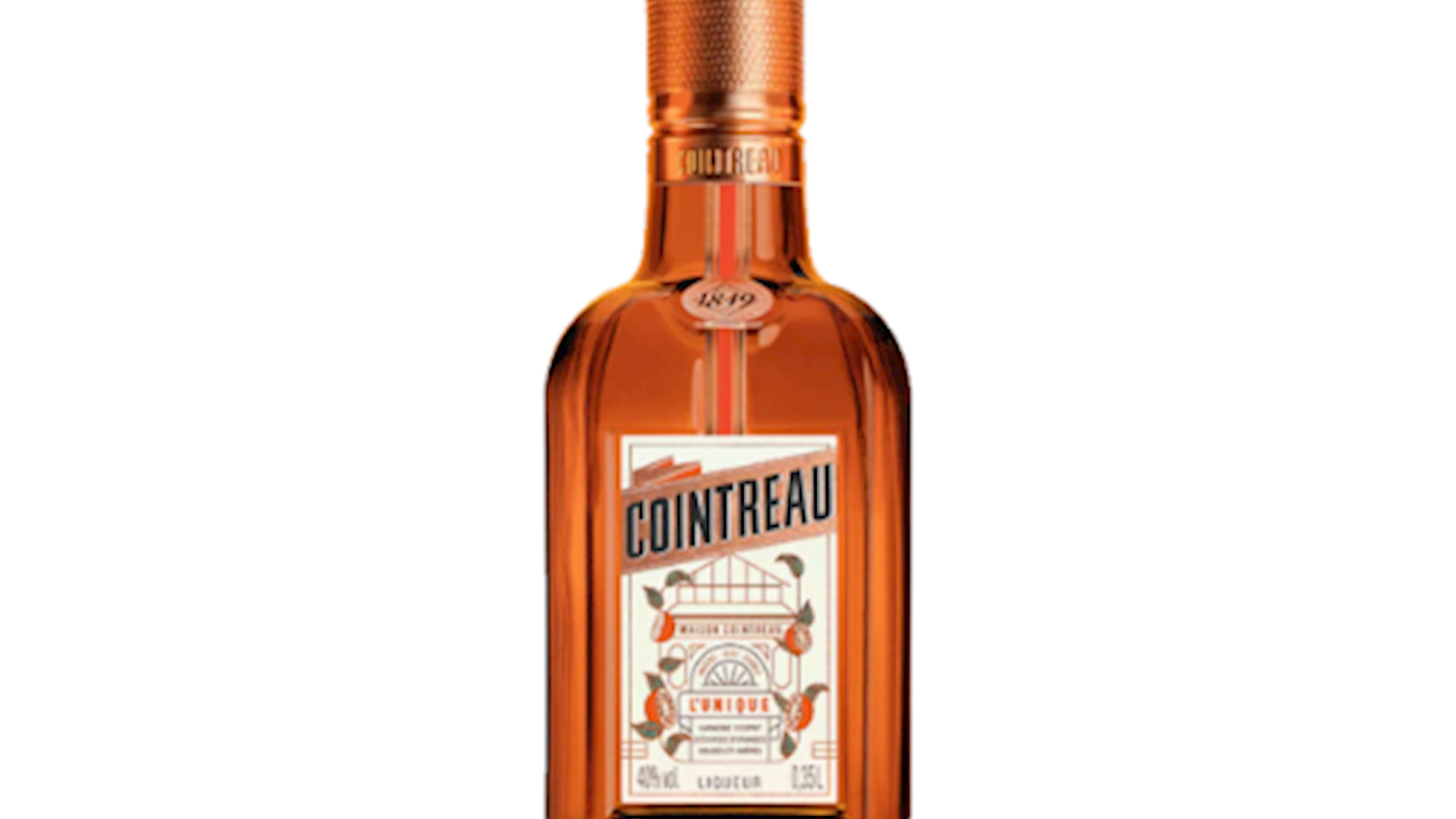
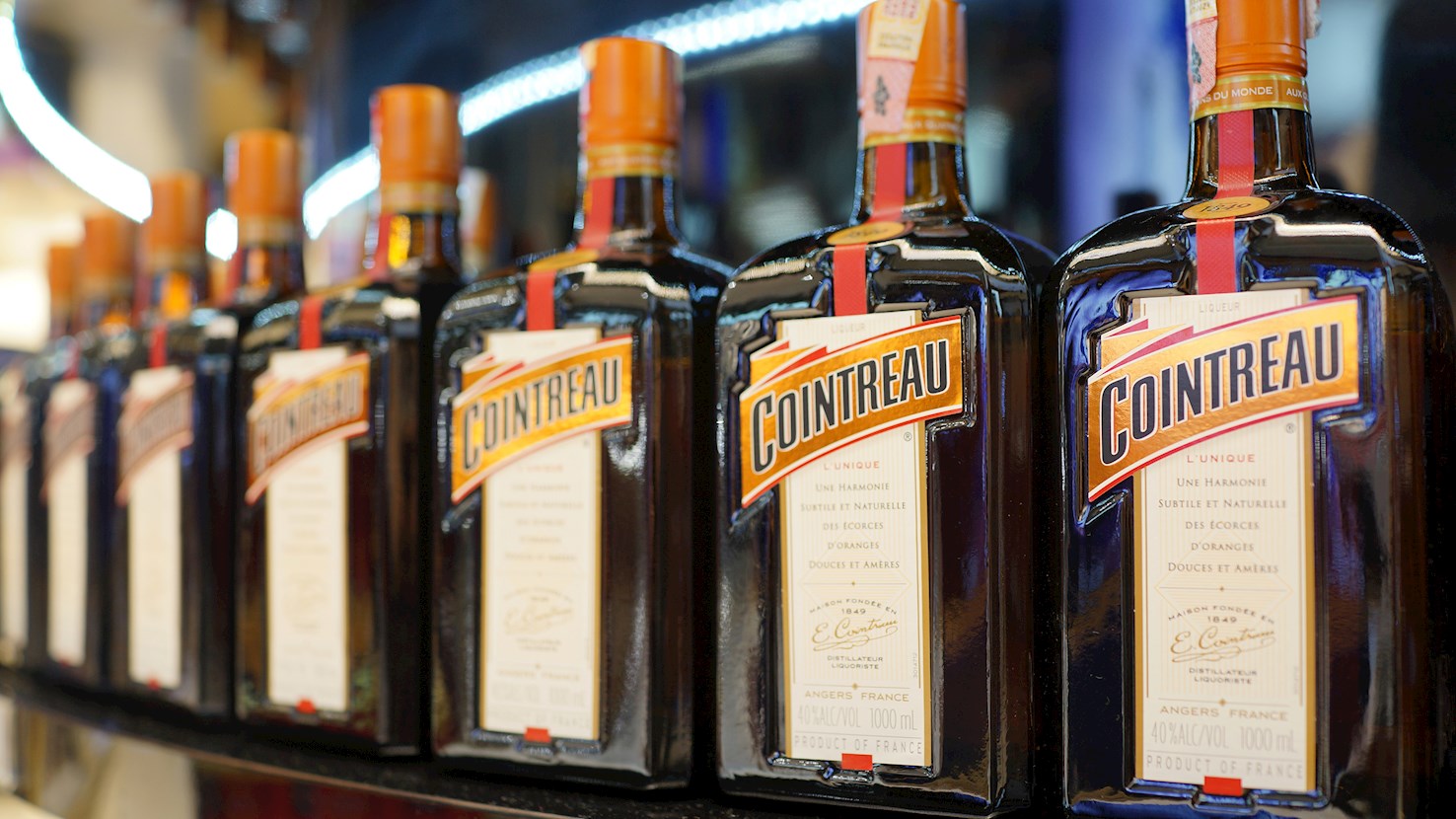
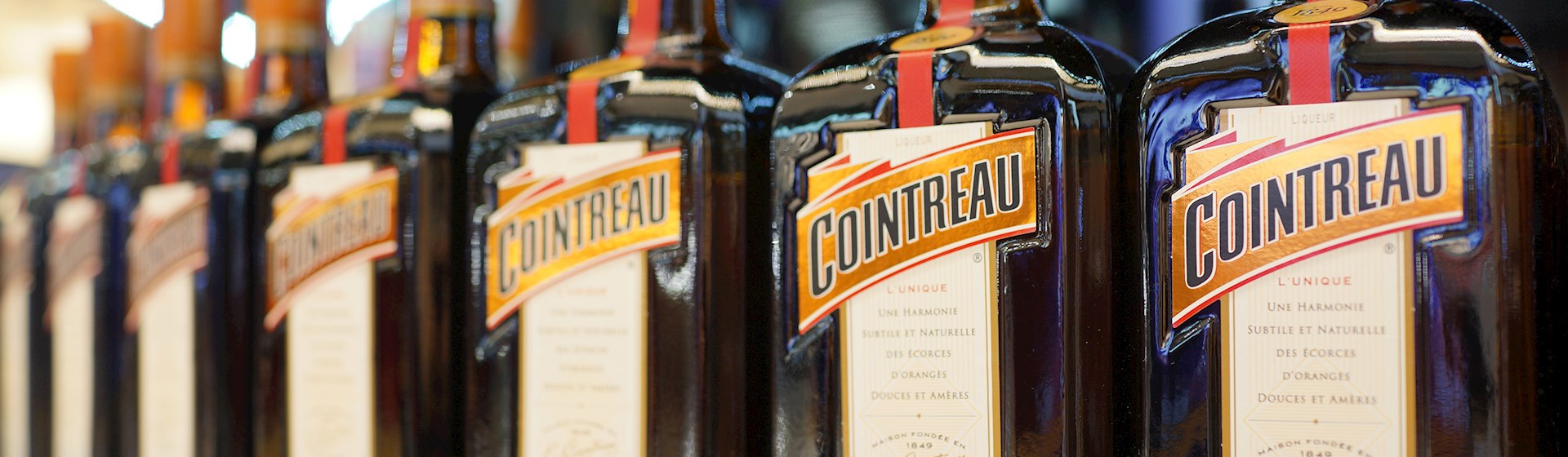
Cointreau is one of the most recognized names in the liqueur category, defined by its clear orange spirit known as triple sec. Founded in 1849 in Angers by Adolphe and Édouard-Jean Cointreau, the brand evolved from a family background in confectionery into a producer of fruit-based liqueurs, eventually refining a signature recipe that combines sweet and bitter orange peels with neutral alcohol. The result is a colorless liqueur with around 40% ABV, characterized by a precise balance of freshness, citrus intensity, and clean structure. Production relies on the careful selection and drying of orange peels followed by distillation in copper stills, using a method that has remained largely consistent over time. Cointreau has become a reference ingredient in cocktail culture, forming a core component in a wide range of classic recipes such as the Margarita and the Cosmopolitan, where it contributes both aromatic lift and structural balance. Its role is not limited to flavoring but extends to shaping the overall profile of mixed drinks through its clarity and intensity. As part of the Rémy Cointreau group, the brand maintains a strong identity built on consistency and technical precision. International recognition through numerous awards reinforces its long-standing position in the premium segment. Overall, Cointreau represents a focused approach to liqueur production, where a single formulation defines both heritage and global relevance.
Awards
USC- Ultimate Spirits Challenge - Chairman's Trophy (2022)
USC- Ultimate Spirits Challenge - Top 100 (2022)
09

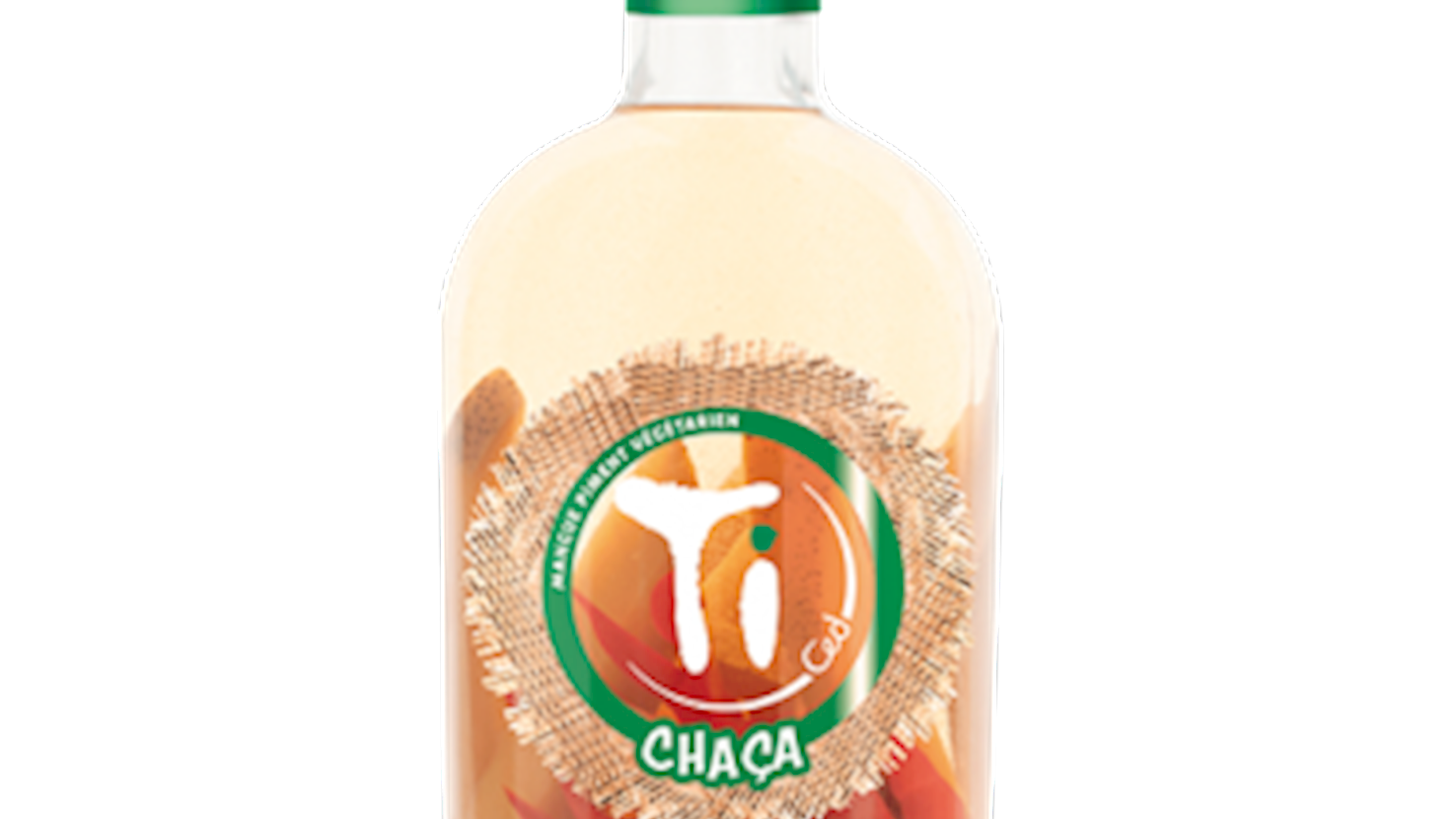
Les Rhums De Ced

4.8 ·
Awards
IWSC- International wine & spirit competition - Spirit Gold (2024)
The Rum & Cachaça Masters - Master (2022)
10

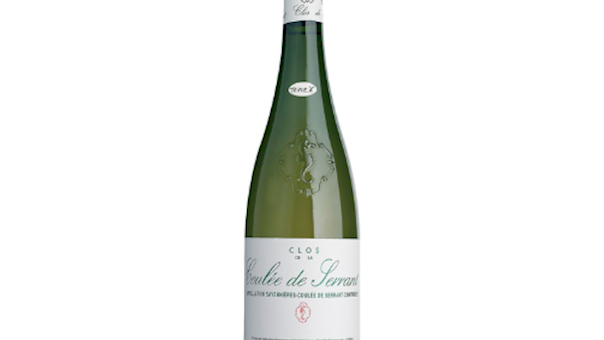
Coulée de Serrant

4.7 ·
Coulée de Serrant is one of the most distinctive wine estates in France, located in the Loire Valley within the Savennières appellation. The vineyard was planted in 1130 by Cistercian monks and has been cultivated continuously ever since, making it one of the oldest actively farmed vineyards in Europe. The entire Coulée de Serrant appellation consists of just 7 hectares and holds a monopole status, meaning the estate is the sole producer of wine from this appellation. It is owned and managed by the Joly family, with Nicolas Joly - one of the most influential advocates of biodynamic viticulture worldwide - leading the domaine. The vineyards lie on steep slopes overlooking the Loire River, with soils composed of schist and red rock, which give the wines remarkable depth and mineral tension. Winemaking is minimalist: spontaneous fermentation with native yeasts, little to no filtration, and very limited use of new oak, allowing the terroir to remain the dominant voice. Throughout the entire process, the focus is on respecting the soil, biodiversity and authenticity, which is why Coulée de Serrant has become a symbol of wine produced through an almost “direct dialogue” between nature and the vintner. The estate stands as a reference point for those seeking a truly natural approach to winemaking and as an example of how biodynamics can result in wines of exceptional energy, character and longevity.
Awards
Vivino - 4.3
Vivino - 4.1

Best Ligérien Alcoholic Beverage Types
01

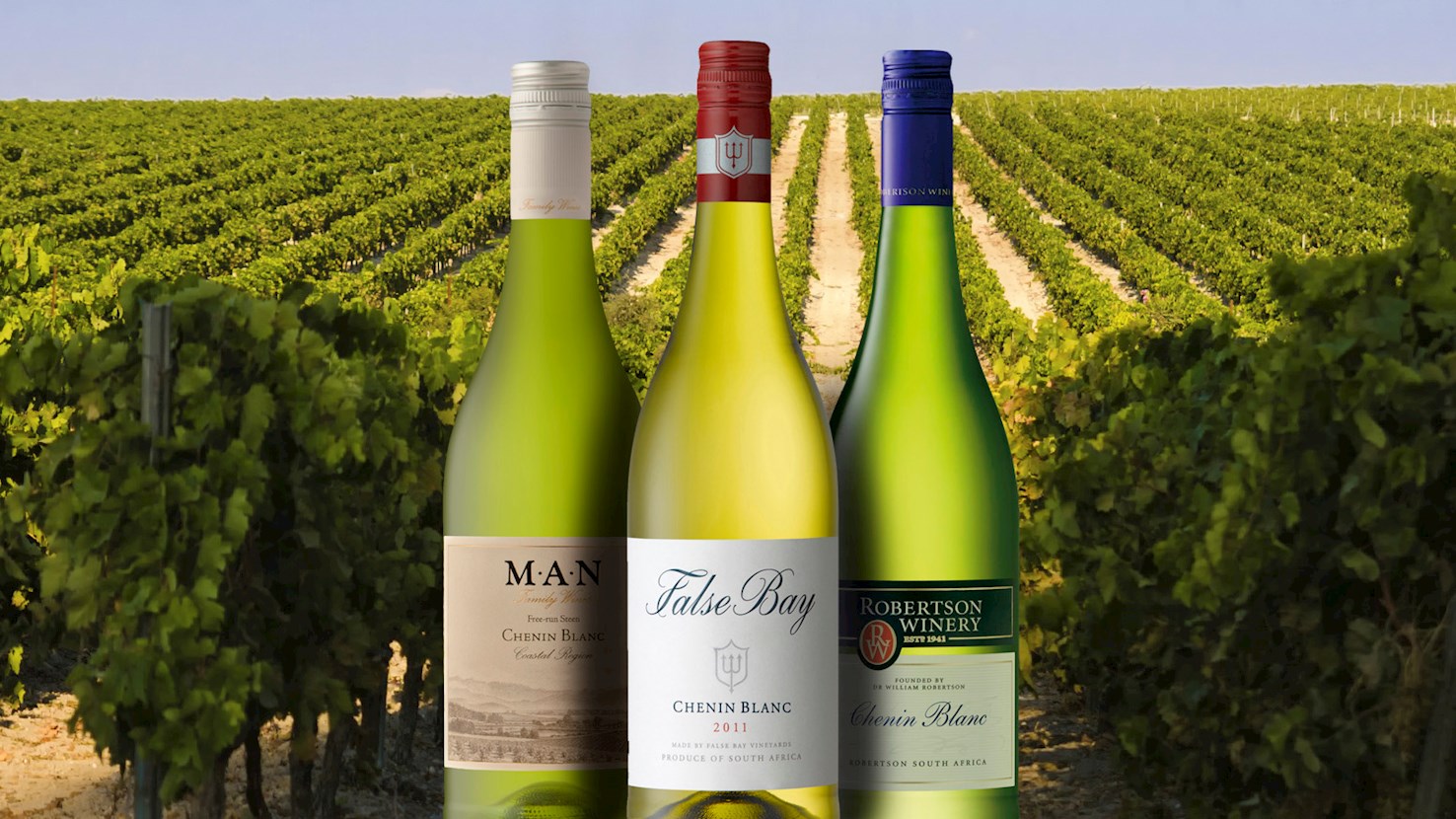
Chenin Blanc

3.8 ·

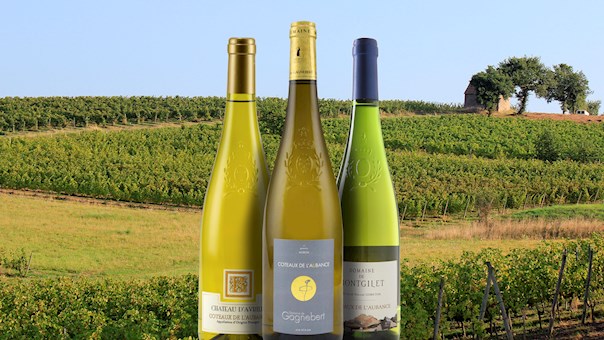
Chenin Blanc is a grape variety grown in the Loire valley of France, from where it spread to South Africa and became popular as Steen. Due to its versatility, it comes in a few varieties, such as bubbly, dry, or sweet. The dry version of Chenin Blanc from the Loire has a good aging potential with its assertive acids and typical honey, apple, pear, and quince aromas while the great Loire Chenins are the sweet wines of Vouvray, Bonnezeaux, Coteaux du Layon, and Quarts de Chaume. Depending on the style and character, Chenin Blanc wines can match a variety of dishes, while dry styles may accompany poultry, pork, fish, terrines or pâtes, sweeter versions would be a good match to desserts, Asian cuisine, cheese, and creamy sauces.

02

Cointreau

3.8 ·

This classic triple sec was created by the Cointreau brothers, who managed to distill sweet and bitter orange peels to create a slightly sweet, fresh liqueur with incredibly concentrated flavor. The brand was first registered as triple sec in 1885, and since then it has remained one of the best-selling, premium options. Cointreau is mainly used as the essential ingredient in various cocktails such as the classics Sidecar, Margarita, or Cosmopolitan.

03

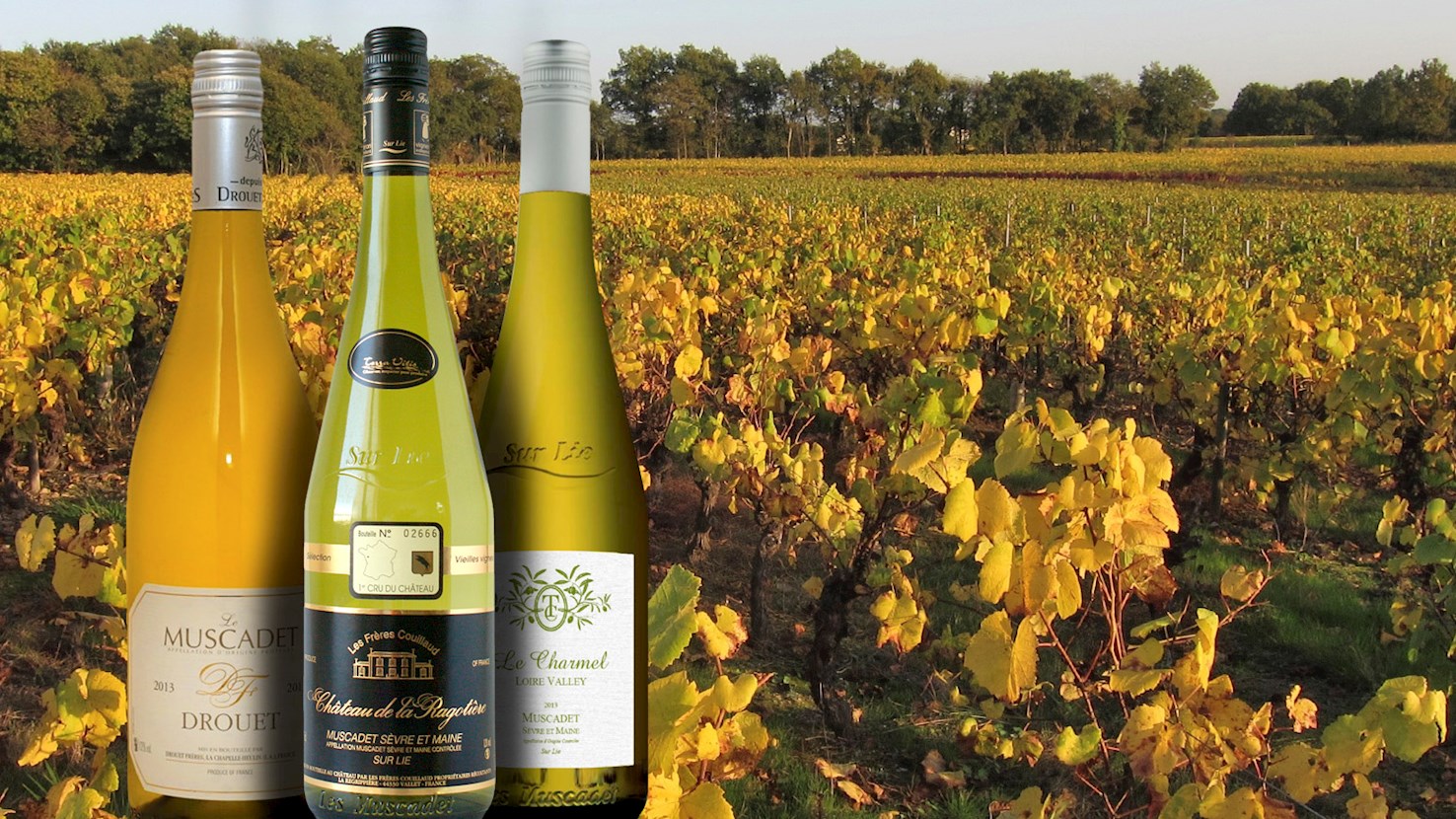
Muscadet Sèvre et Maine

3.7 ·

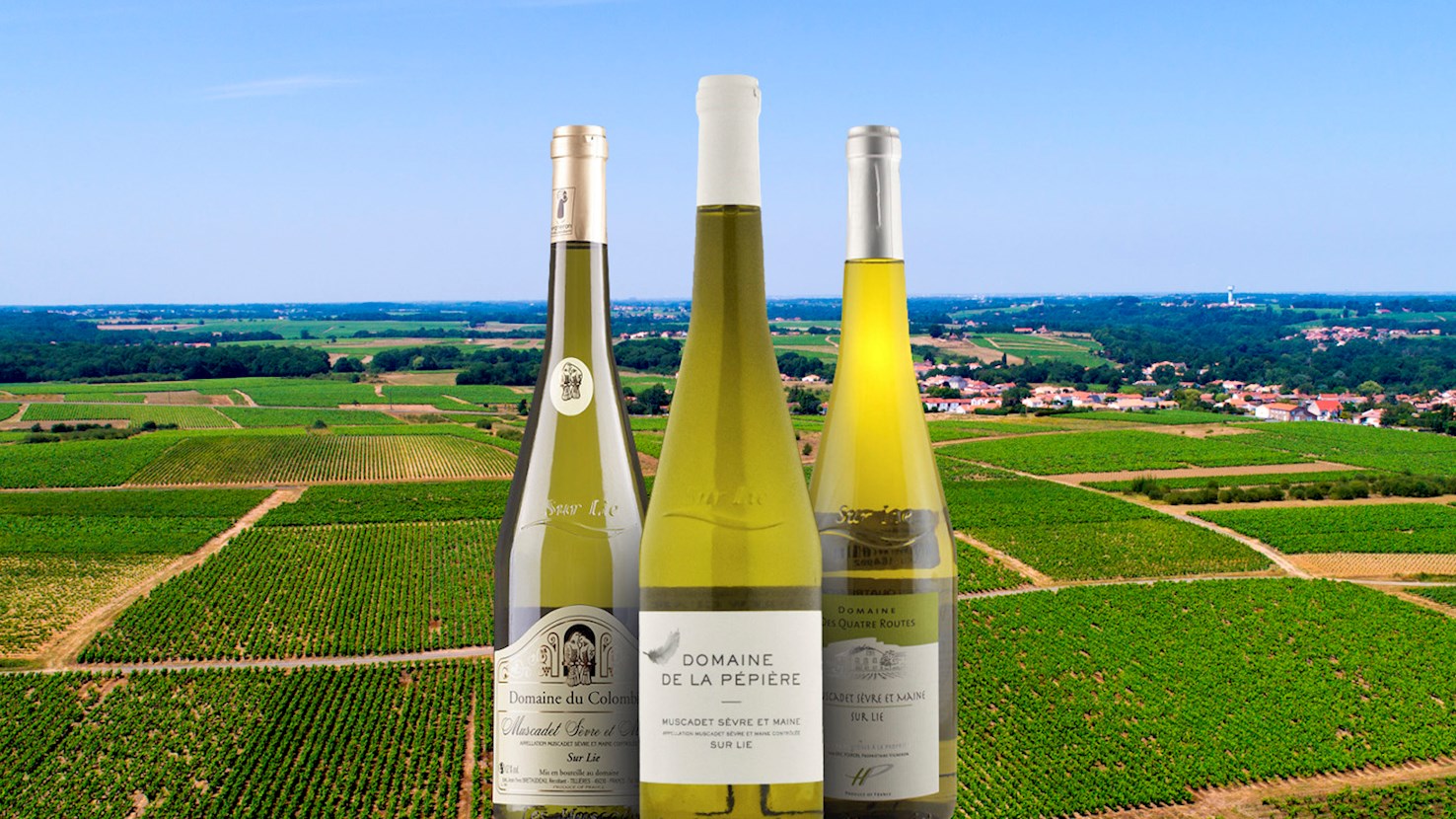
Muscadet Sèvre et Maine is the best-known region of the Muscadet appellation. The region is also one of the largest in terms of production and size. It spreads across twenty communes in the Loire-Atlantique department. The name is a reference to the two rivers that flow through the area, Sèvre Nantaise and Maine. All the wines are produced from Melon de Bourgogne variety. The entire region is focused on the production of dry white wines and sur lie (aged on lees) styles. The wines are quite versatile and terroir-driven. They include floral, fruity, and mineral examples. Most have an appealing golden color, and a rich, round, and well structured palate, while the aroma is reminiscent of citrus and dried fruit. These wines would nicely pair with appetizers or main courses. They are best paired with seafood, but poultry could also work.

04

Coteaux du Layon

3.7 ·

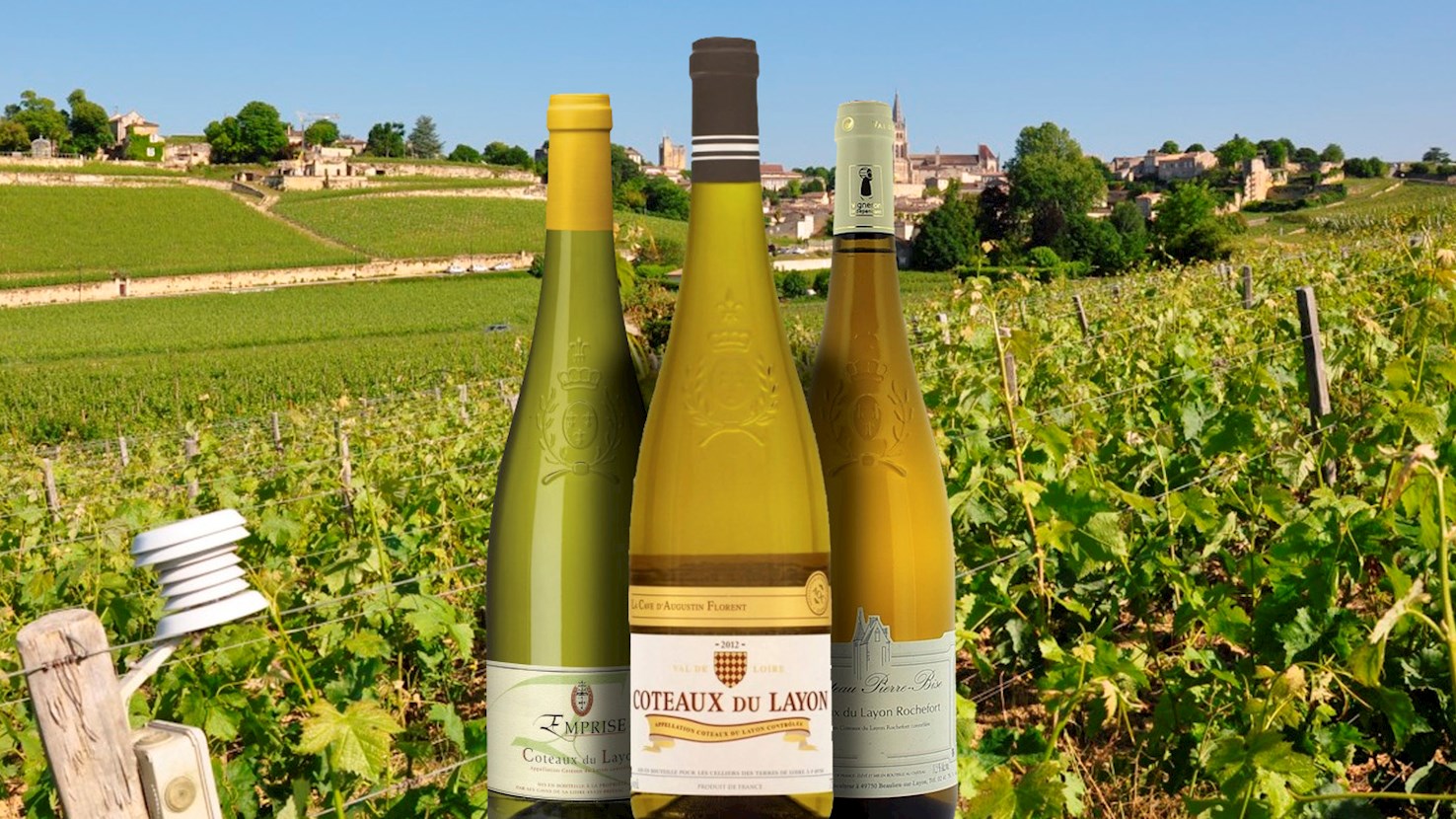
Coteaux du Layon is a French appellation located in the Loire wine region. It is known for their sweet Chenin Blanc (Pineau de Loire) wines that are produced from late harvested or noble rot grapes. Typical aromas found in these well-balanced wines include acacia flowers, honey, and yellow fruit such as apricot or quince. They can be enjoyed young, but the best examples can age quite well and develop a typical amber color and a more complex aromatic profile that displays aromas of candied fruit. Because of their creamy texture and fresh acidity, Coteaux du Layon are an excellent match to blue cheese, foie gras, and tangy frangipane or fruit-based desserts.

05

Calvados

3.6 ·

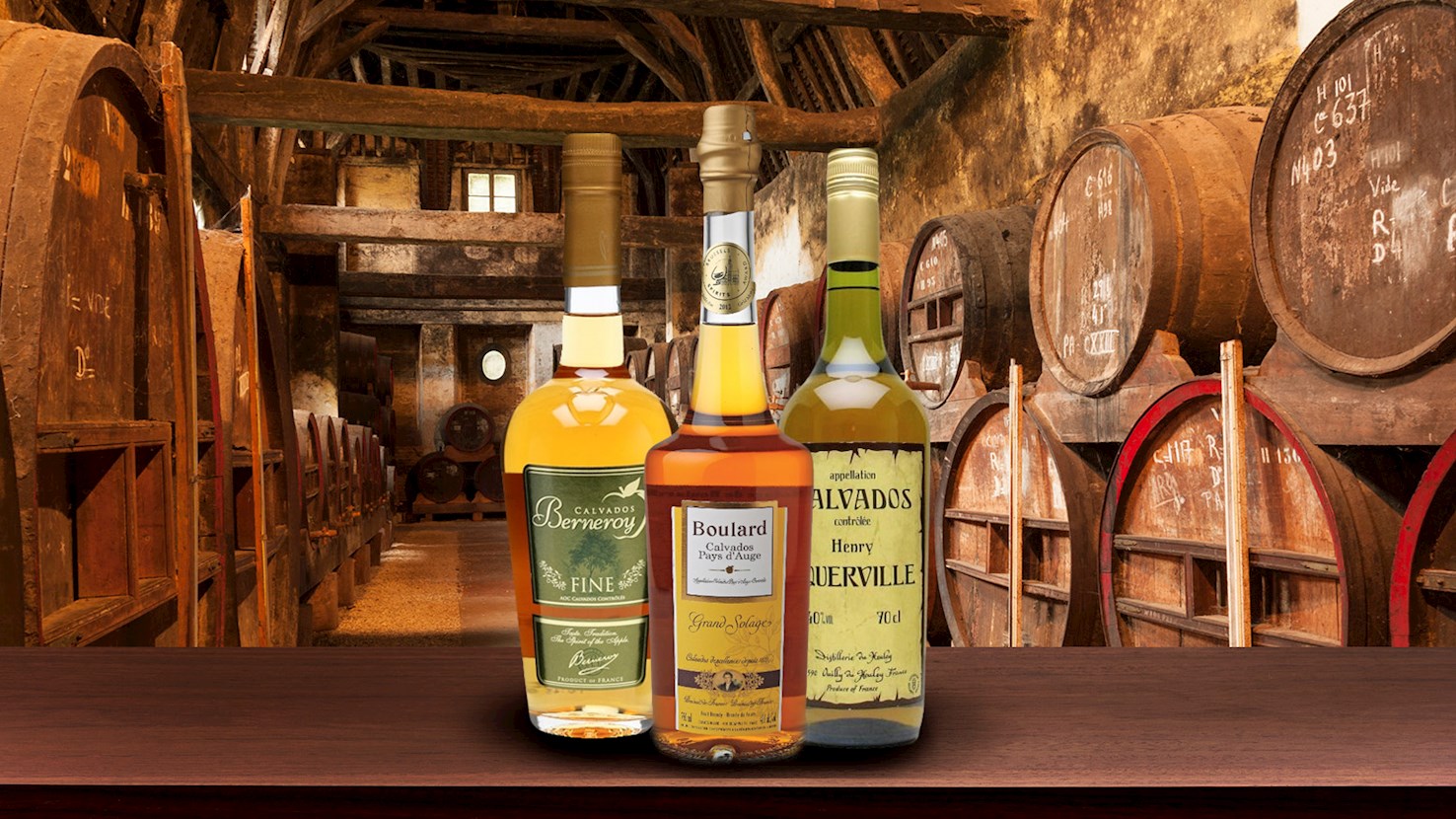
Calvados is a brandy distilled from apple cider or a combination of apples and pears. The fermented juice is usually double distilled to create the base of the brandy, which is then aged, and finally blended. The production of Calvados is strictly regulated, and final products are classified according to the length of maturation, with two years being the minimum aging period. The appellation Calvados is divided into three sub-regions that slightly differ in the base ingredient, terroir, and the distillation process. All these factors, including aging, influence the final character of Calvados. Young varieties typically display aromas and flavors of ripe fall fruit, cinnamon, mint, and citrus. With age, they tend to develop into heavier, more rustic aromas of nuts, chocolate, or butterscotch. Calvados is mainly enjoyed as a digestif, preferably served neat in a tulip glass, but its character can match a wide array of dishes, especially apple, chocolate, or caramel-based desserts. It is also used for flambéing or deglazing.

06

Crémant de Loire

3.6 ·

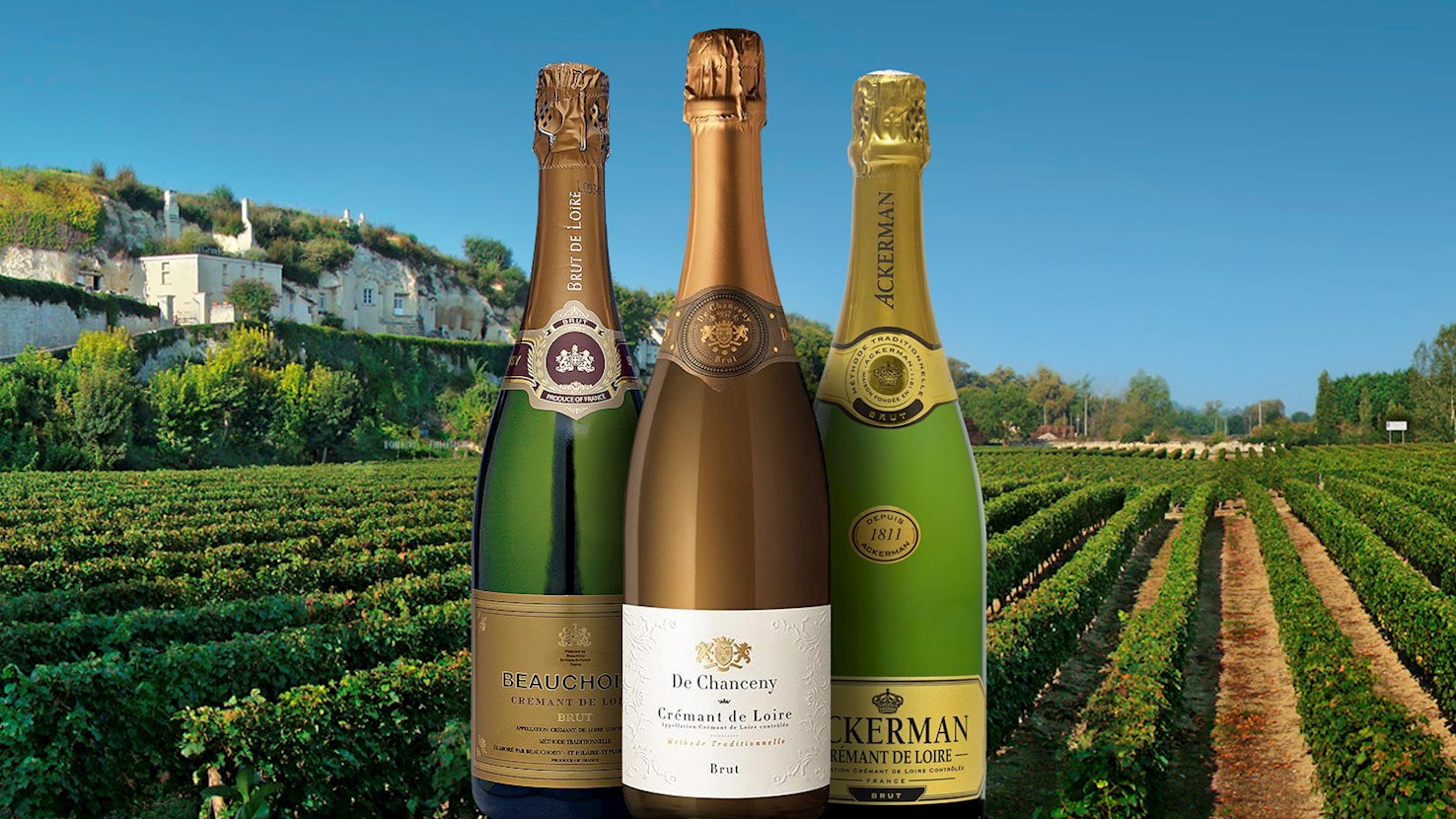
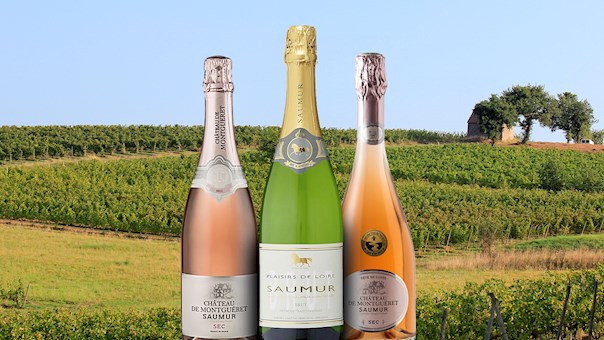
These white and rosé sparkling wines are produced in Anjou, Saumur, and Touraine wine regions located in Loire valley. The principal grape variety used in its production is Chenin Blanc, but the permitted varieties include Chardonnay, Cabernet Franc, Cabernet Sauvignon, and Pineau d’Aunis. White Crémant de Loire wines are fresh and crisp, with typical notes of white fruits, almond, and vanilla, while rosé varieties usually display notes of red berries. Both types can be enjoyed as an aperitif or an accompaniment to different appetizers, cheese, charcuterie, or desserts, but the white version can also be an excellent match to fish from the Loire river, seafood, and poultry.

07

Rosé d'Anjou

3.5 ·

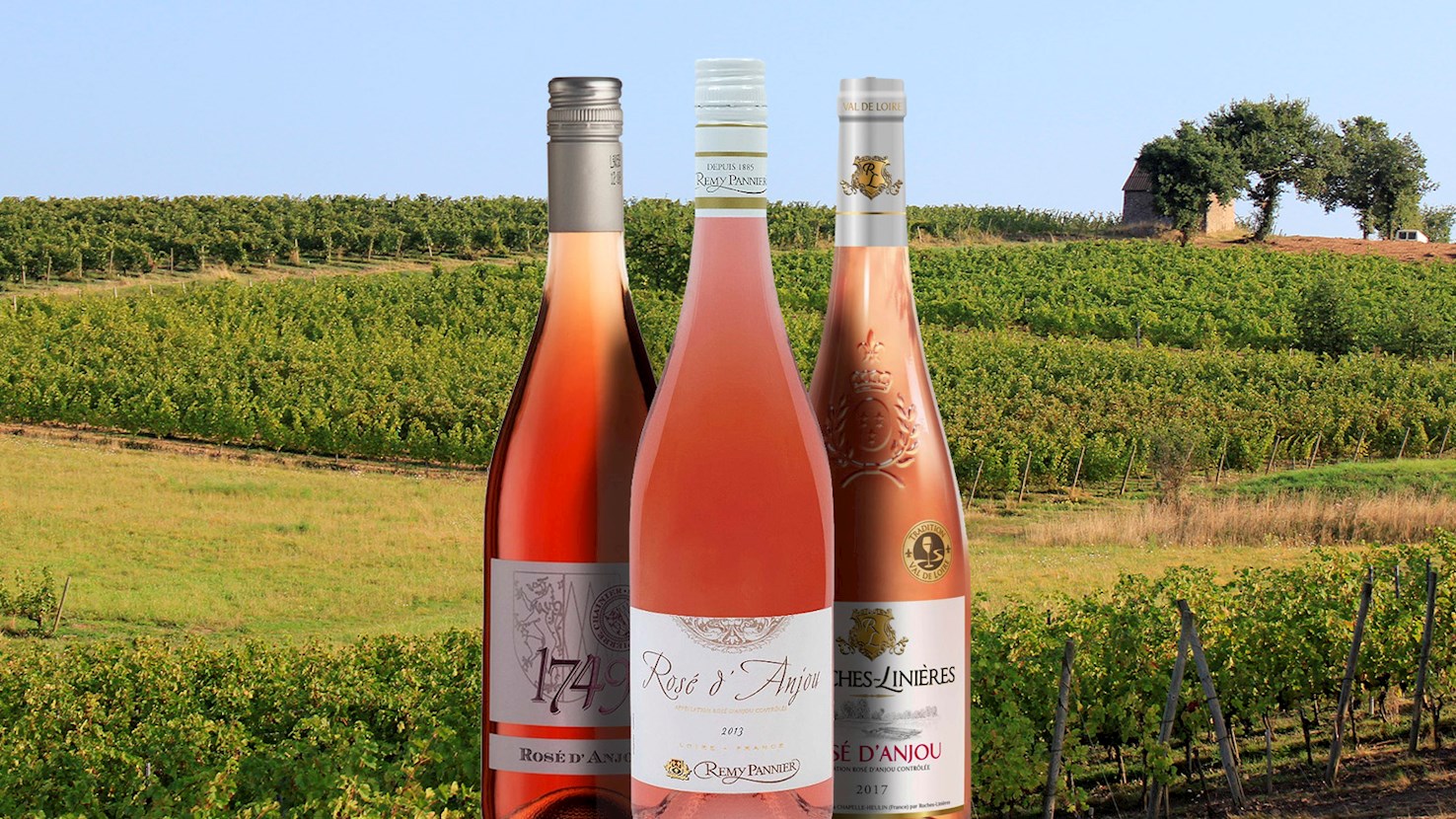
Rosé d'Anjou is a French appellation located in the Anjou district of the Loire Valley, more precisely in the departments Maine-et-Loire, Deux-Sèvres, and Vienne. The wines are predominantly made with native Grolleau grapes, while other permitted varieties include Cabernet Franc, Cabernet Sauvignon, Gamay, Malbec, and Pineau d'Aunis. These clear and bright wines are subtly sweet, without being cloying, and are often praised for their perfect balance of alcohol, acidity, and sugars. They can be pale to intensely pink, while the typical aromas include tangy red fruits, but notes of bananas, candy, and rose petals are also quite common. This rosé style is usually labeled as Primeur or a fruiter and fresher Nouveau. Both are approachable and easy-drinking, and though they make an excellent aperitif, they can also match creamy poultry or fish dishes and fruit-based desserts.

08

Muscadet

3.5 ·

Muscadet is a French white wine made in the valley of the Loire River, around the town of Nantes in the Pays de la Loire region, near the Atlantic Ocean. They are exclusively made with Melon de Bourgogne variety. Muscadet wines are fresh and crisp, often with a distinctive saline character. Fruit aromas are usually absent, although it sometimes has a touch of citrus or apples. In the past, they were often underestimated and mostly regarded as approachable, easy-drinking wines that are meant to be enjoyed young. However, some producers have slowly oriented towards smaller production and improvement in quality. New strategies tend to create wines with more complexity and finesse. The best examples follow traditional techniques. Most of them are aged on lees (sur lie label)—they mature on yeast particles left from the fermentation process. These examples will display the best of the region, wines with a creamy and rich texture that attain roundness and depth. It should be noted that some producers don’t use the designation, although the wines could qualify as sur lie. The region is divided into three sub appellations, Muscadet-Coteaux de la Loire, Muscadet-Côtes de Grandlieu, and as the most important Muscadet-Sèvre et Maine, which was established in 1936. It also includes ten cru locations, each having a distinctive terroir-driven character. Oysters are the most common pairing with Muscadet, but these intriguing Loire wines can pair with most seafood, snacks, and cheese.

09

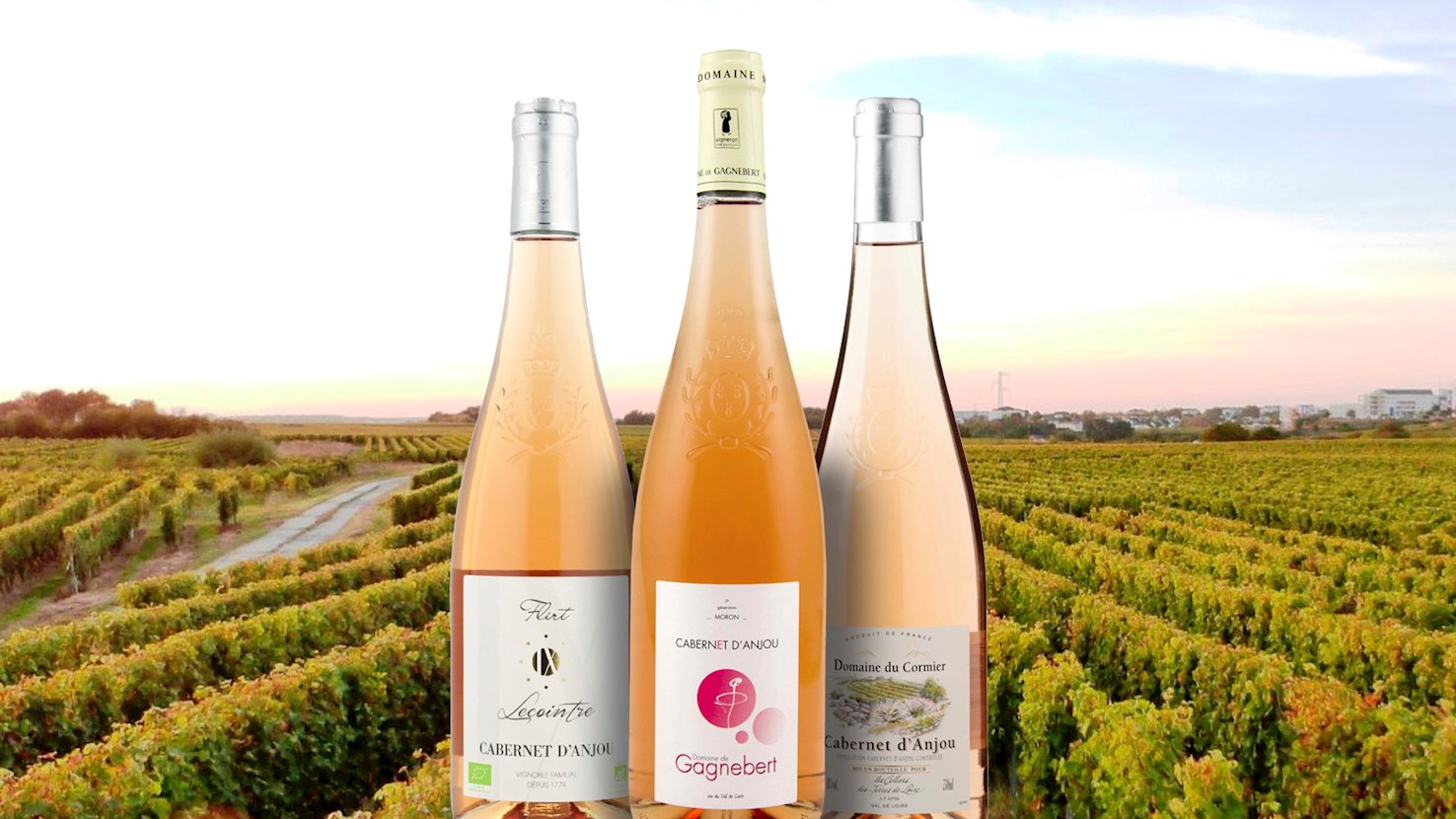
Cabernet d’Anjou

3.2 ·

Cabernet d'Anjou is a French appellation located in Anjou, mainly in Maine-et-Loire, which it is exclusively reserved for rosé wines made from Cabernet Sauvignon and Cabernet Franc. These bright and clear wines are typically deep pink with salmon hues. They are vibrant, dense, velvety, and smooth, while typical aromas include red fruit and roses. Cabernet d'Anjou wines are praised for their well-balanced acidity and tannic structure, and though they are usually enjoyed young, some examples can age well. These wines are a perfect accompaniment to appetizers, fusion cuisine, and fruit-based desserts.

10

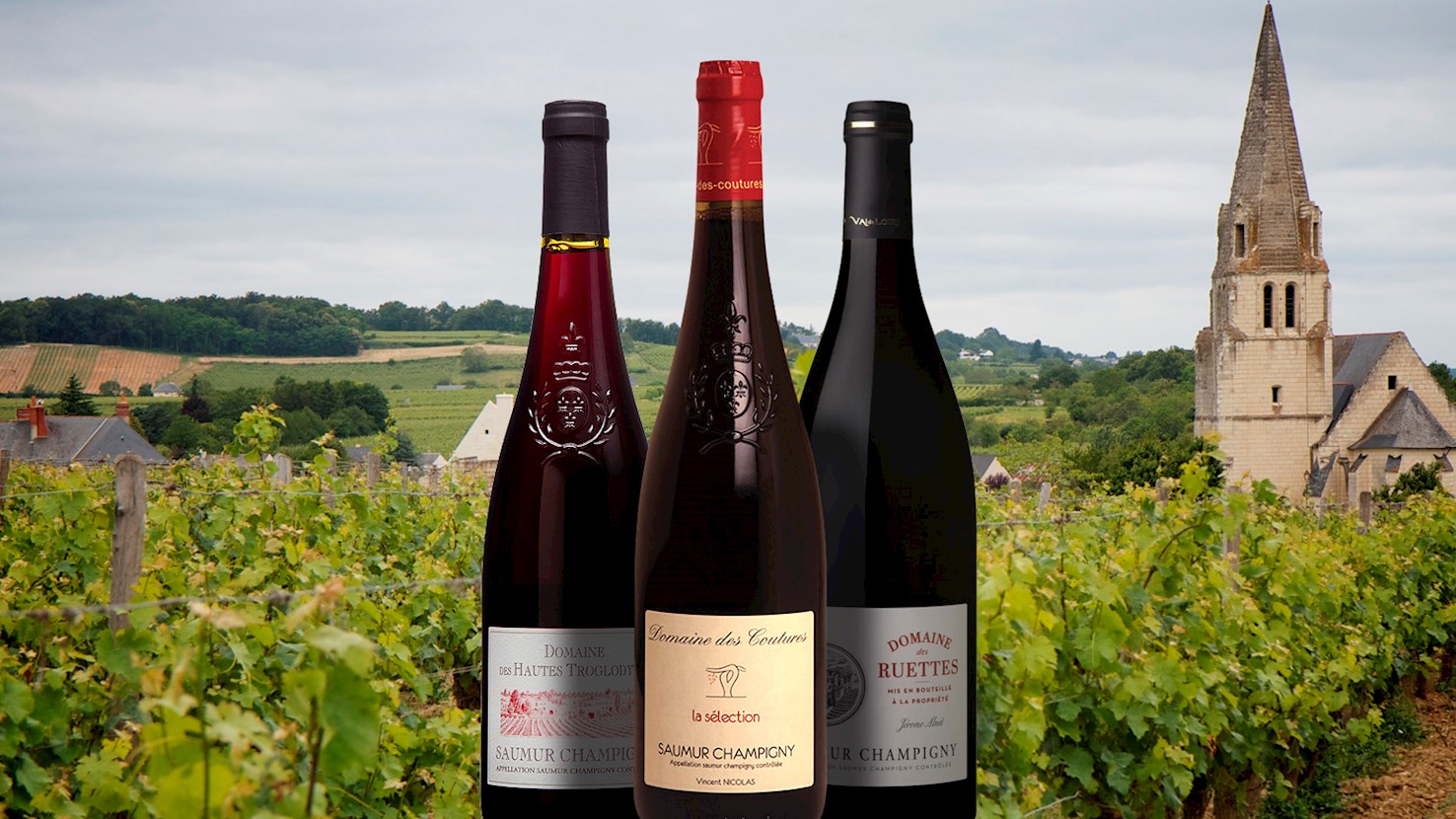
Saumur-Champigny

3.1 ·

Located in the Loire Valley, Saumur-Champigny is a French appellation and the sub-region of Samur. The name is used only for the finest Saumur wines that are mainly based on Cabernet Franc, while other permitted varieties include Cabernet Sauvignon and Pineau d'Aunis. The wines produced in the region are straightforward reds characterized by their intense ruby color and notes of red and dark berries that are complemented by nuances of violets, iris, undergrowth, and spices. These full-bodied wines have supple and well-structured tannins. They are best enjoyed between five to ten years of vintage, and they pair well with hearty stews, lamb, sausages, and soft or aged cheese varieties.

Read more
View all
View map
About this ranking

TasteAtlas food rankings are based on the ratings of the TasteAtlas audience, with a series of mechanisms that recognize real users and that ignore bot, nationalist or local patriotic ratings, and give additional value to the ratings of users that the system recognizes as knowledgeable. For the “Top 31 Ligérien Alcoholic Beverages” list until June 15, 2026, 307 ratings were recorded, of which 276 were recognized by the system as legitimate. TasteAtlas Rankings should not be seen as the final global conclusion about food. Their purpose is to promote excellent local foods, instill pride in traditional dishes, and arouse curiosity about dishes you haven’t tried.

The initial list of top producers was compiled based on available reviews, awards, local recommendations, media and blog coverage, and consumer reviews. The list will be updated with ratings from TasteAtlas local ambassadors and TasteAtlas users.

Similar lists