Top 13 Turkish Alcoholic Beverages

Last updated on August 19, 2026

Best Turkish Alcoholic Beverages
01

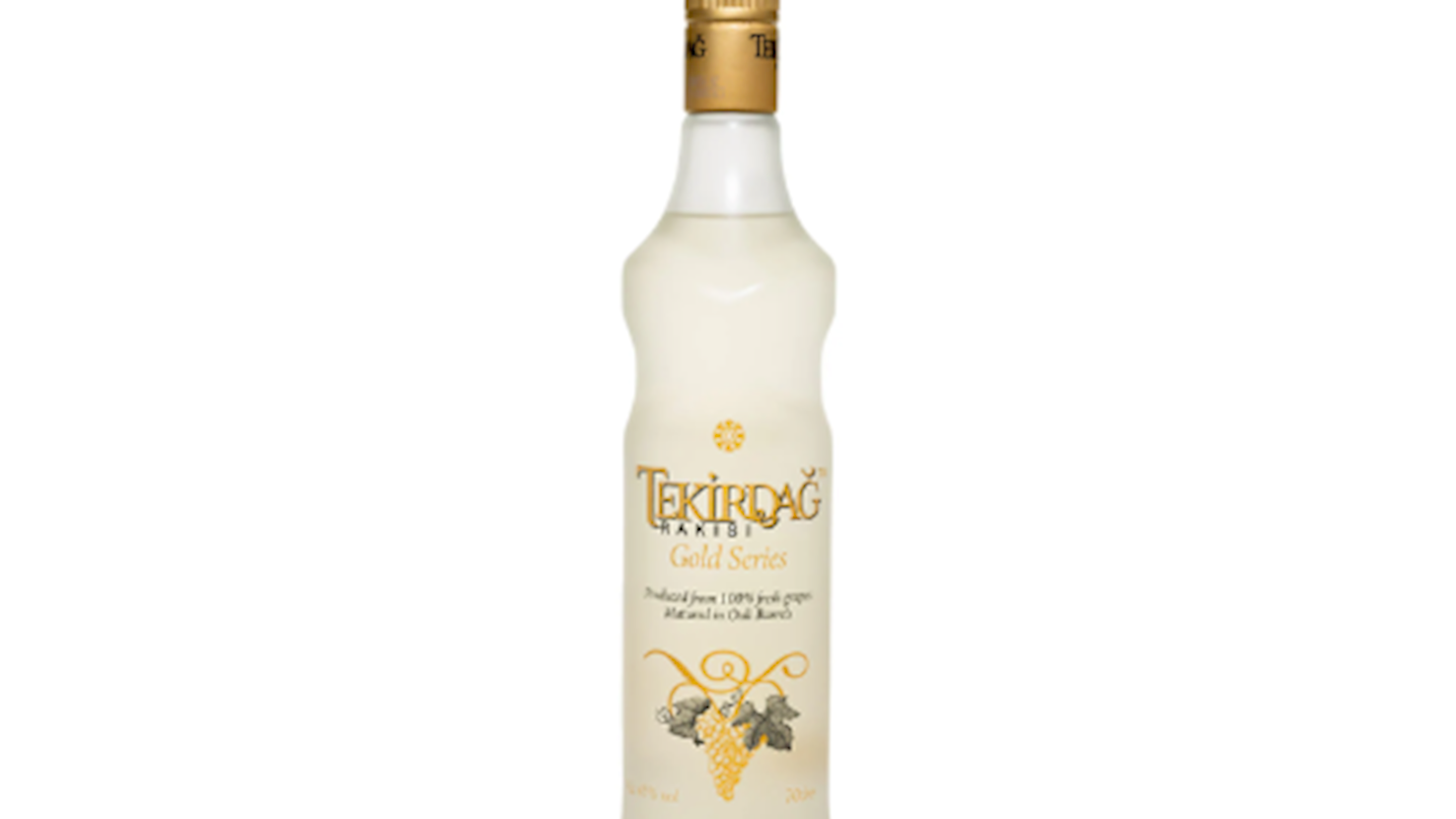
Tekirdağ Rakısı

5.0 ·

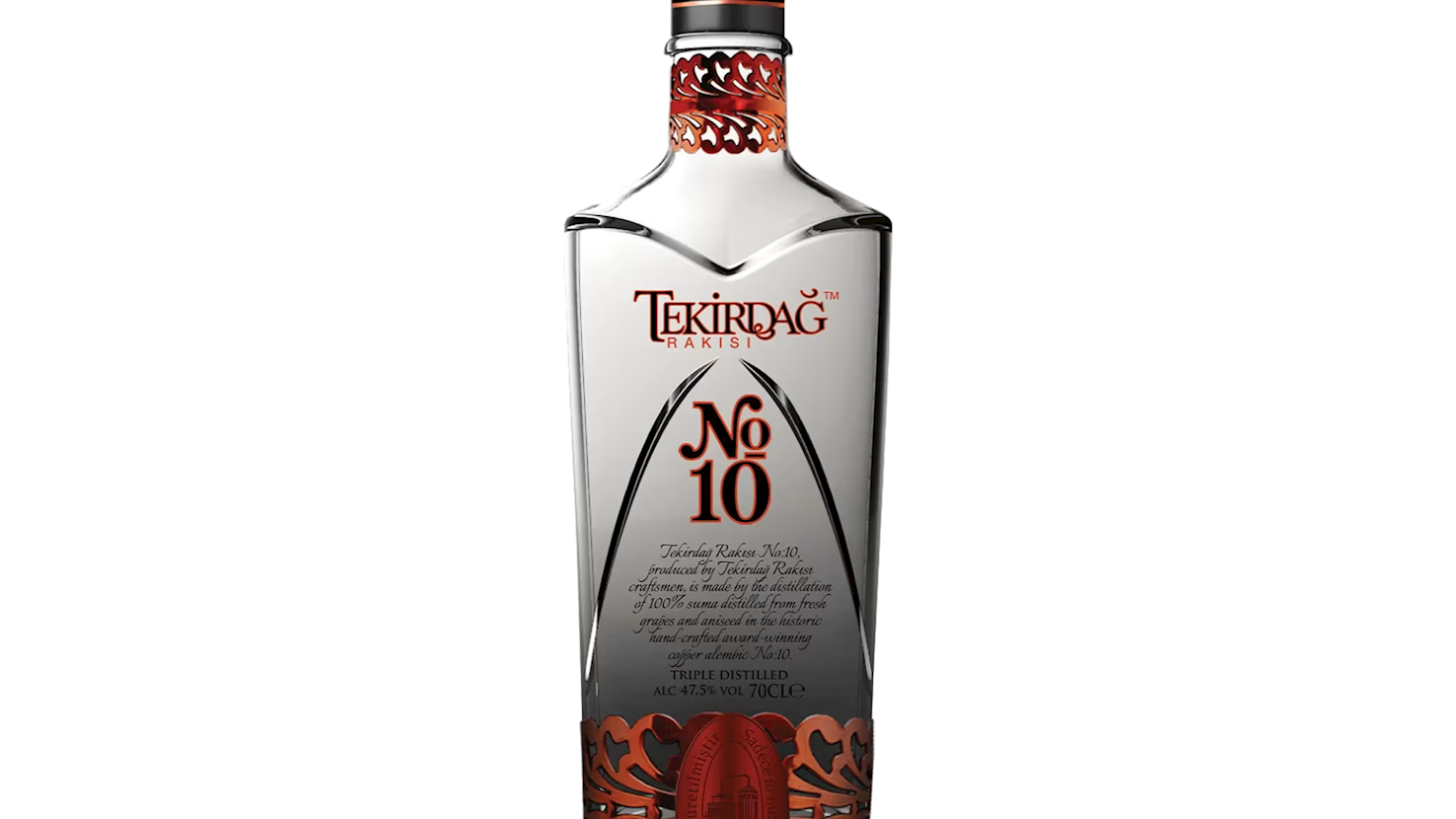
Tekirdağ Rakısı is a Turkish rakı brand produced by Mey İçki. The brand was officially introduced in 2000, although its origins are rooted in the long-standing rakı-making tradition of the city of Tekirdağ on the coast of the Sea of Marmara, one of the most important wine-growing regions in European Türkiye. The brand takes its name from this city, which has been associated with rakı production since the late 19th century. Tekirdağ Rakısı is produced from suma, a grape distillate made from fresh grapes, which is redistilled with aniseed in traditional copper alembic stills. Over the years, the portfolio has expanded to include several expressions, such as Tekirdağ Rakısı No. 10, Gold Series, and Reserve Series, which differ in their raw materials, production methods, and maturation processes.

02

Yeni Raki

5.0 ·

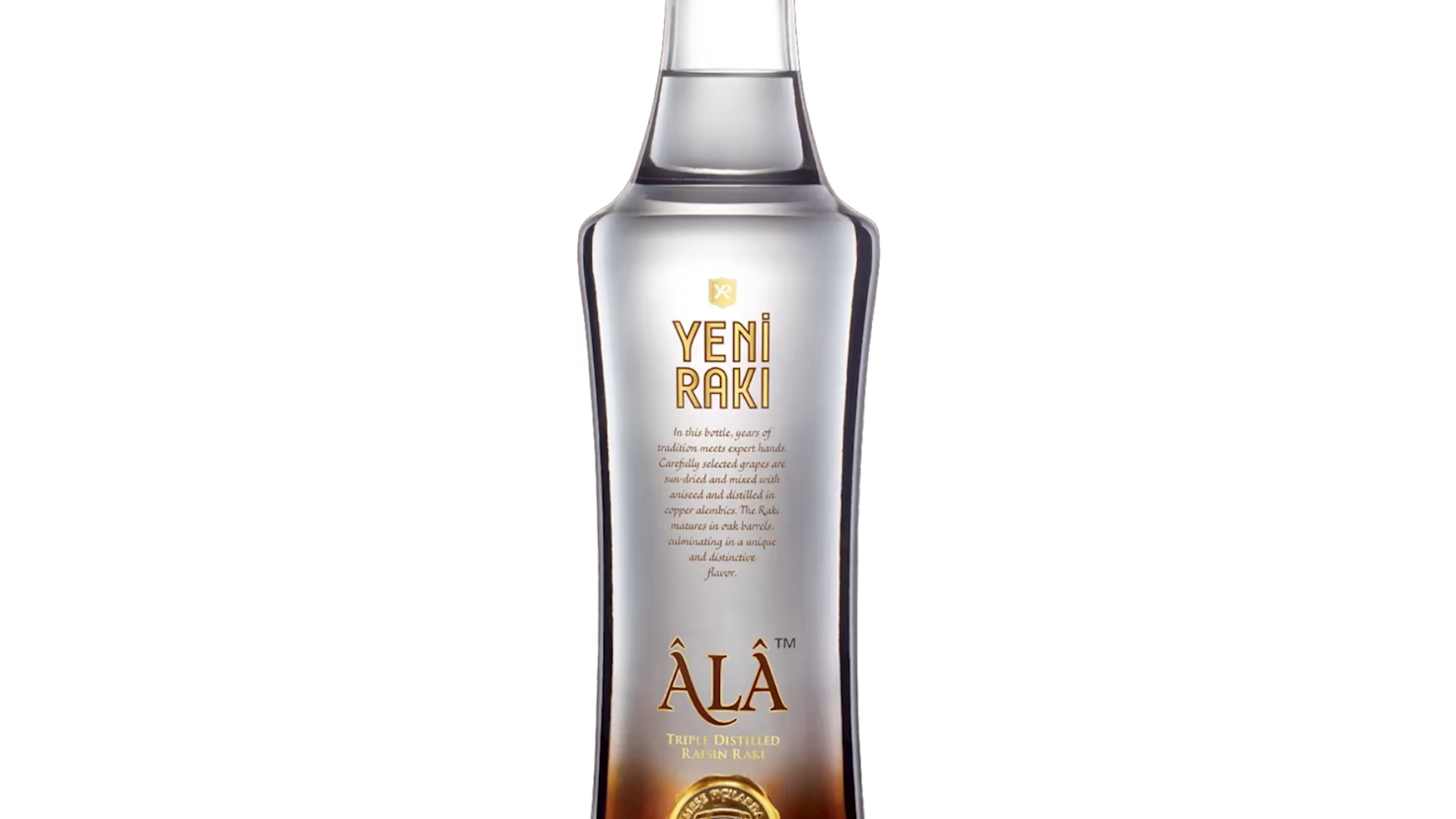
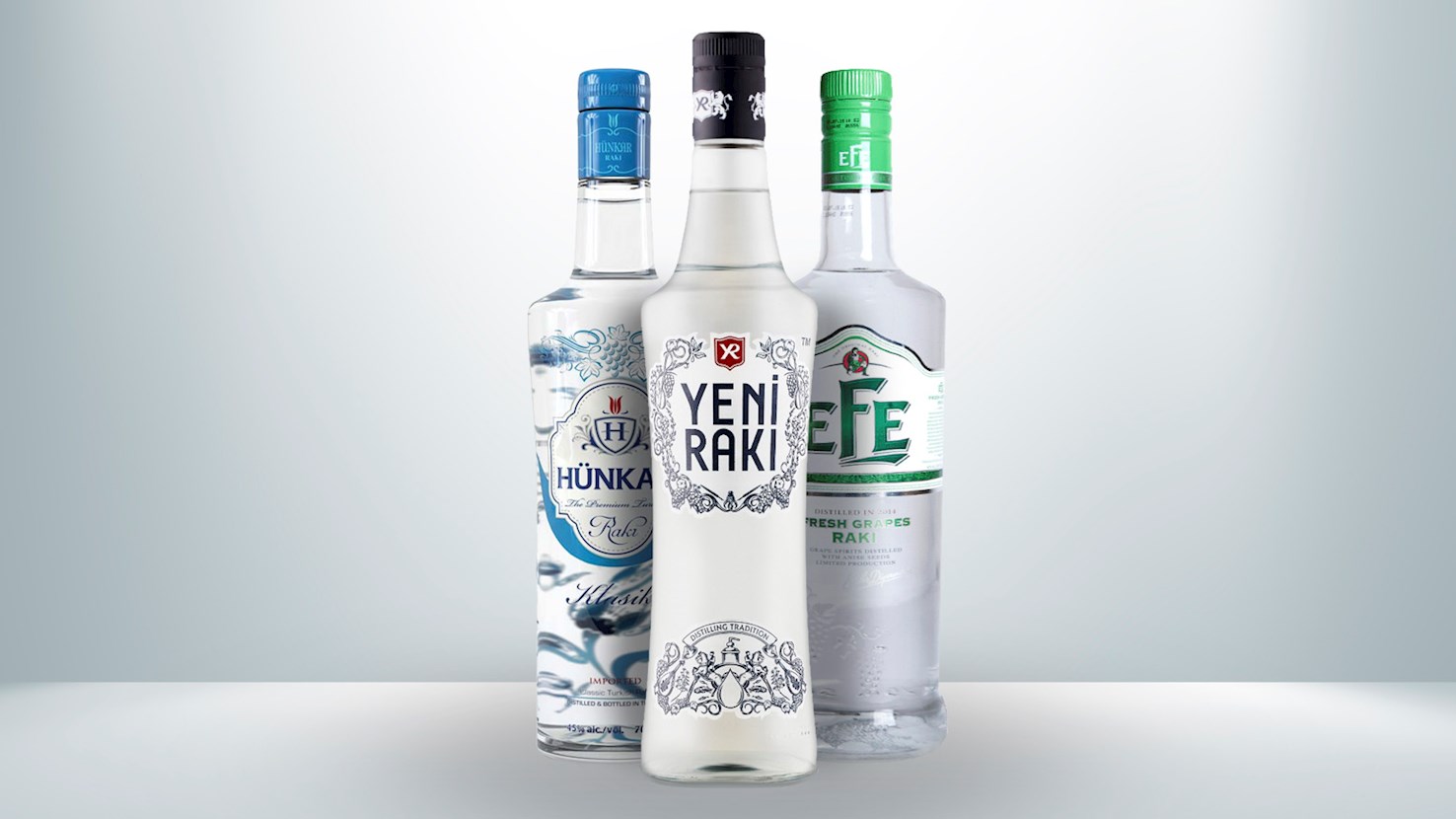
Yeni Rakı is a Turkish rakı brand that has held a prominent place in the country's drinking culture for decades. Over the years, the brand has developed a diverse portfolio that includes its classic expression as well as premium releases such as Yeni Rakı Âlâ, Yeni Rakı Uzun Demleme, and Yeni Rakı Giz, intended for consumers seeking more complex flavor profiles. Beyond the product itself, the brand is closely associated with the traditional rakı sofrası, a social dining custom in which rakı is enjoyed alongside meze, seafood, and other regional dishes. As a result, Yeni Rakı has become an integral part of Türkiye's contemporary gastronomic culture and one of the country's most recognizable spirits brands.

Awards
London Spirits Competition - Silver (2021)
03

Akberg Wines

4.9 ·
Awards
IWSC- International wine & spirit competition - Gold (2023)
04

Kalpak Tarim

4.9 ·
Awards
IWSC- International wine & spirit competition - Gold (2023)
05

Yedi Bilgeler Sarapcilik

4.9 ·
Awards
IWSC- International wine & spirit competition - Gold (2023)
06

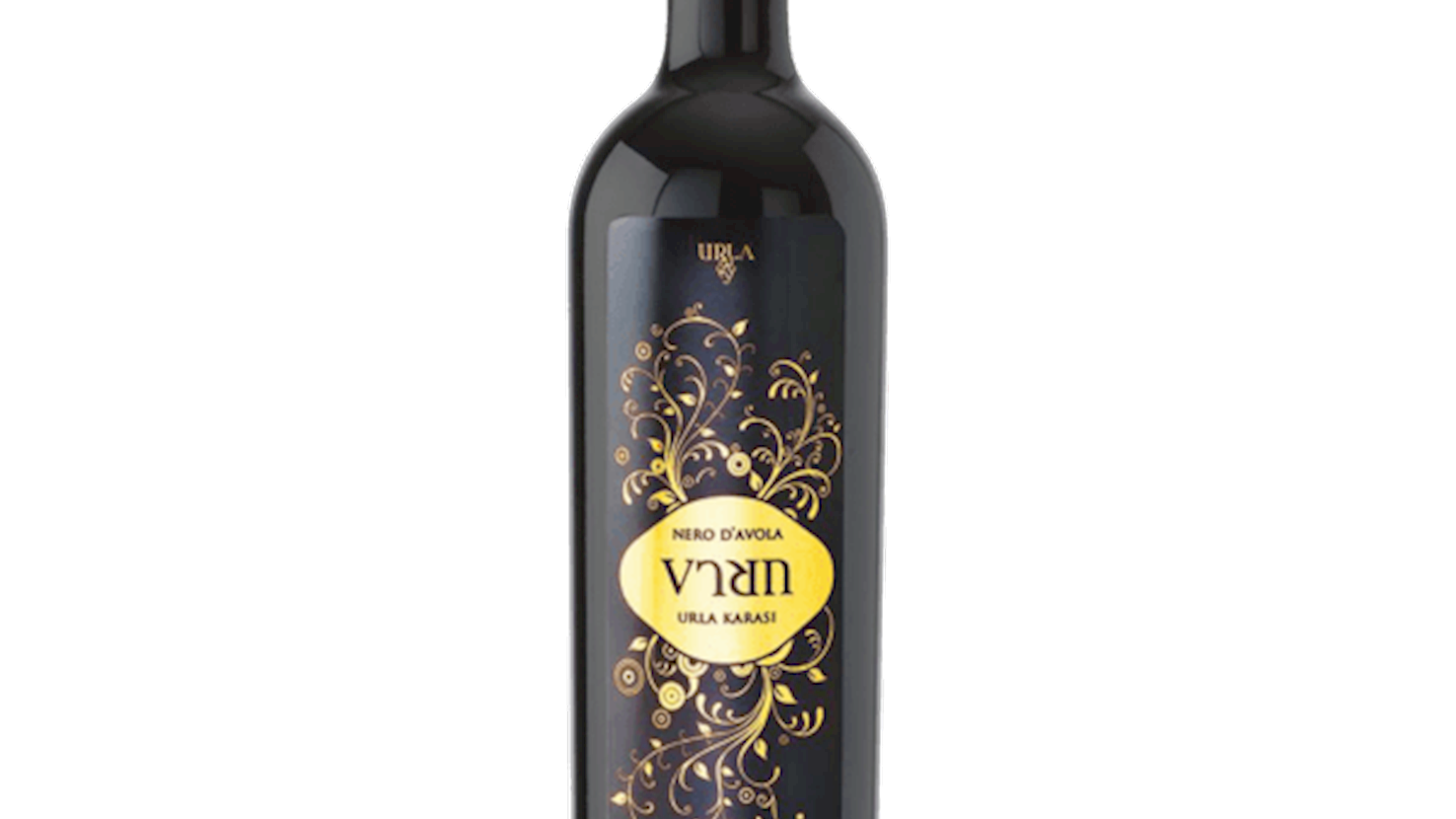
Urla Sarapcilik

4.9 ·
Awards
Decanter World Wine Awards - Platinum (2024, 2019, 2017, 2016)
07

Mey İçki

4.8 ·

Mey İçki is Turkey’s largest producer and distributor of alcoholic beverages, established in 2004 following the privatization of the former state monopoly Tekel, and operating since 2011 as part of the international Diageo group. The company has a broad portfolio that includes raki, vodka, gin, wine, and liqueurs, with its flagship raki brands widely regarded as cultural icons in Turkey.

Production and distribution are carried out through modern facilities and the country’s most extensive sales network, positioning Mey İçki as a key player in the domestic market. Under Diageo’s management, the company adheres to international standards of quality, food safety, and sustainability, while focusing on product development and strengthening export capabilities.

With strong brands, robust logistics, and a long-standing tradition, Mey İçki stands as Turkey’s central and most influential producer of alcoholic beverages.

Awards
IWSC- International wine & spirit competition - Gold (2023)
08

Kavaklidere Saraplari

4.6 ·
Awards
IWSC- International wine & spirit competition - Gold (2021, 2019)
09

Kocabag Bagcilik Ve Sarapcilik

4.6 ·
Awards
IWSC- International wine & spirit competition - Gold (2023)
10

Kayra

4.6 ·
Awards
Decanter World Wine Awards - Platinum (2024)

Best Turkish Alcoholic Beverage Types
01

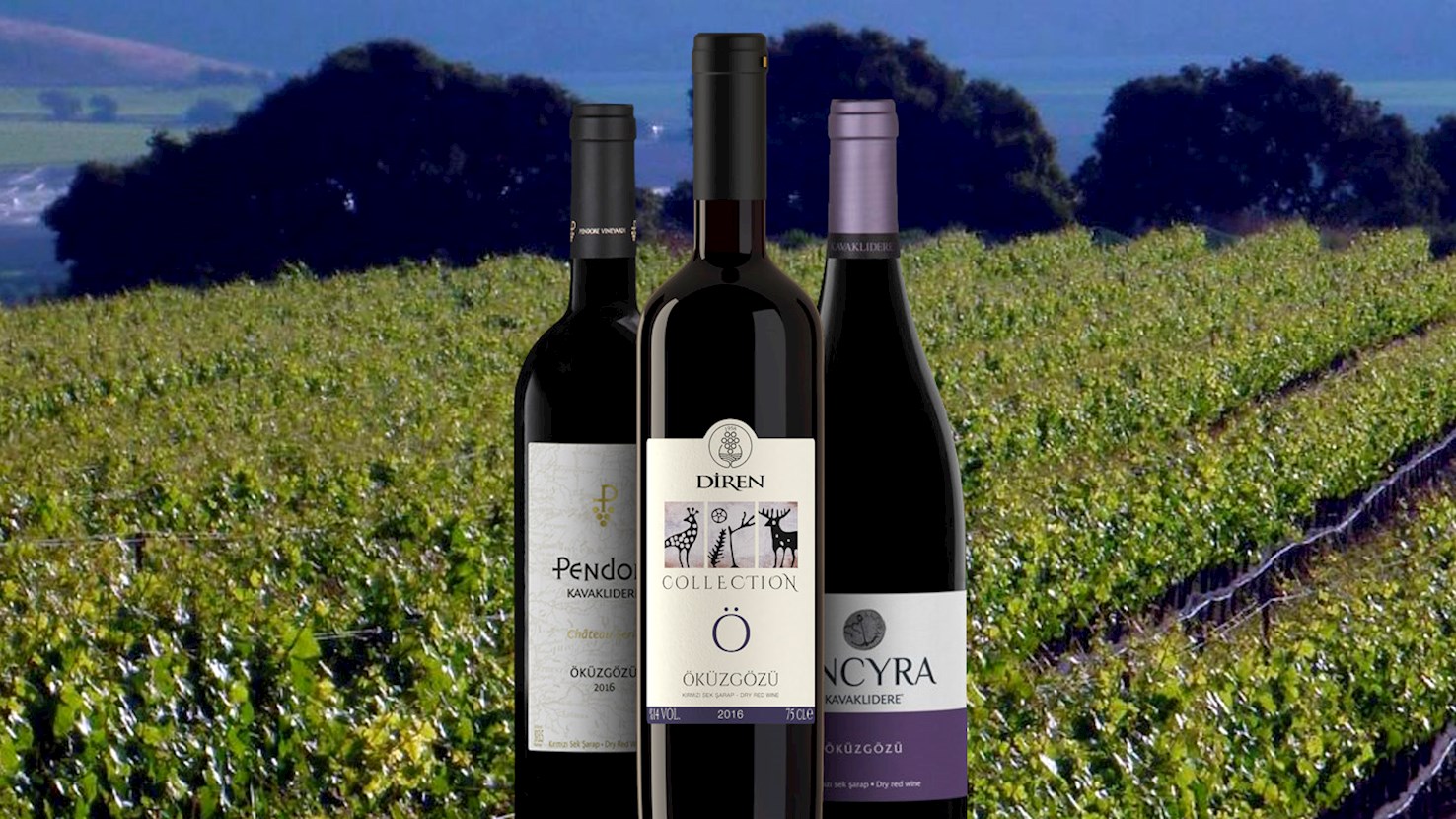
Öküzgözü

4.0 ·

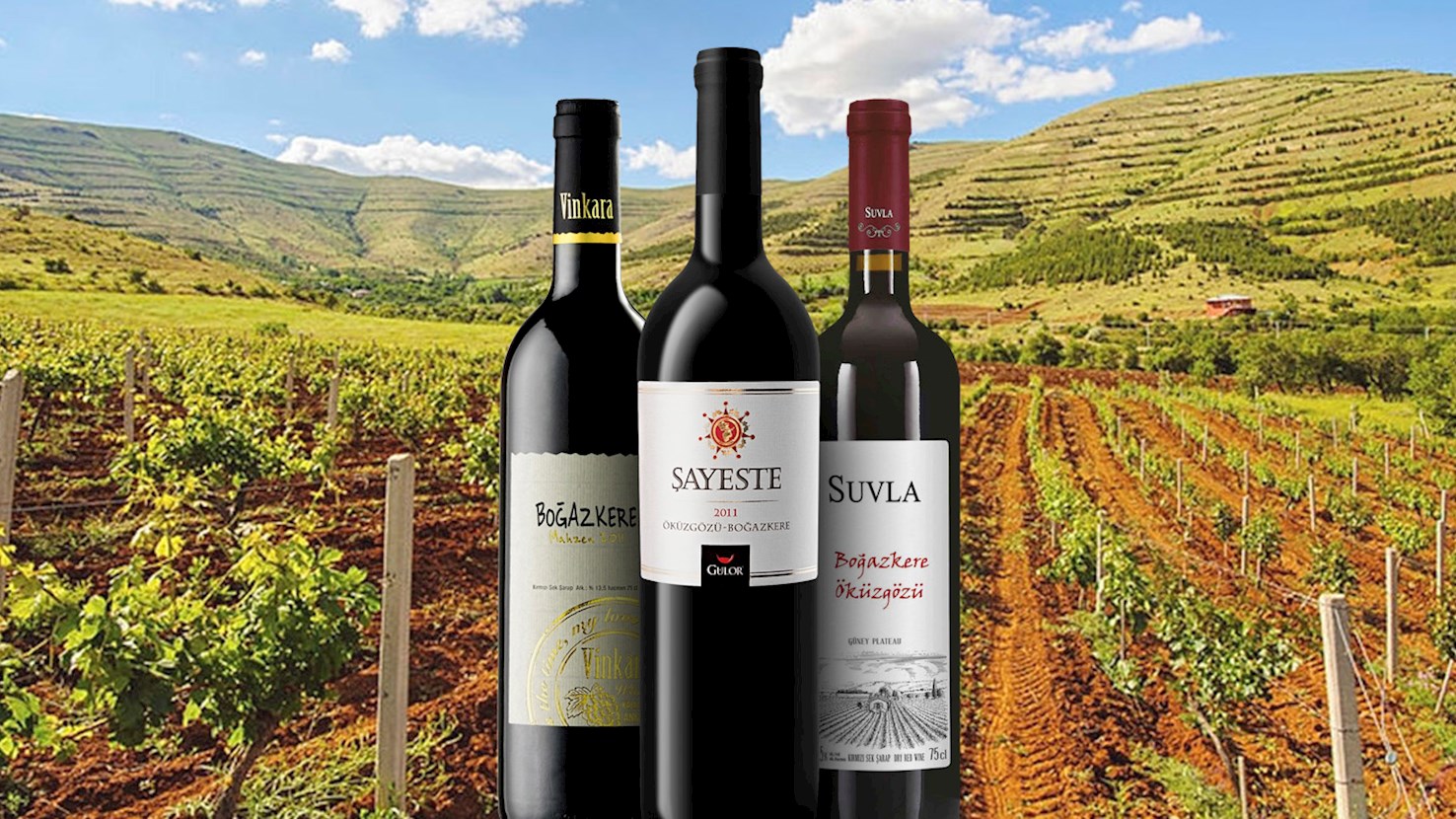
Öküzgözü is a native Turkish red grape with excellent potential. It hails from Elazığ province, though it is widely planted in other wine-growing regions. The grape is often made into a varietal, but it is also commonly blended with native Boğazkere. The latter will add more body and tannins to the blends. Öküzgözü produces ruby red wines with fruity aromas reminiscent of raspberries and cherries. They usually display some herbal nuances, and oak-aged styles will typically have jammy notes reminiscent of ripe fruit, leather, and spices. These medium-bodied wines have bright and lively acidity and moderate tannins. Öküzgözü wines would pair well with grilled meat and meat dishes doused in a richly flavored tomato sauce. Interestingly, öküzgözü translates as bull’s eye. The name is probably a reference to its large, dark grapes.

02

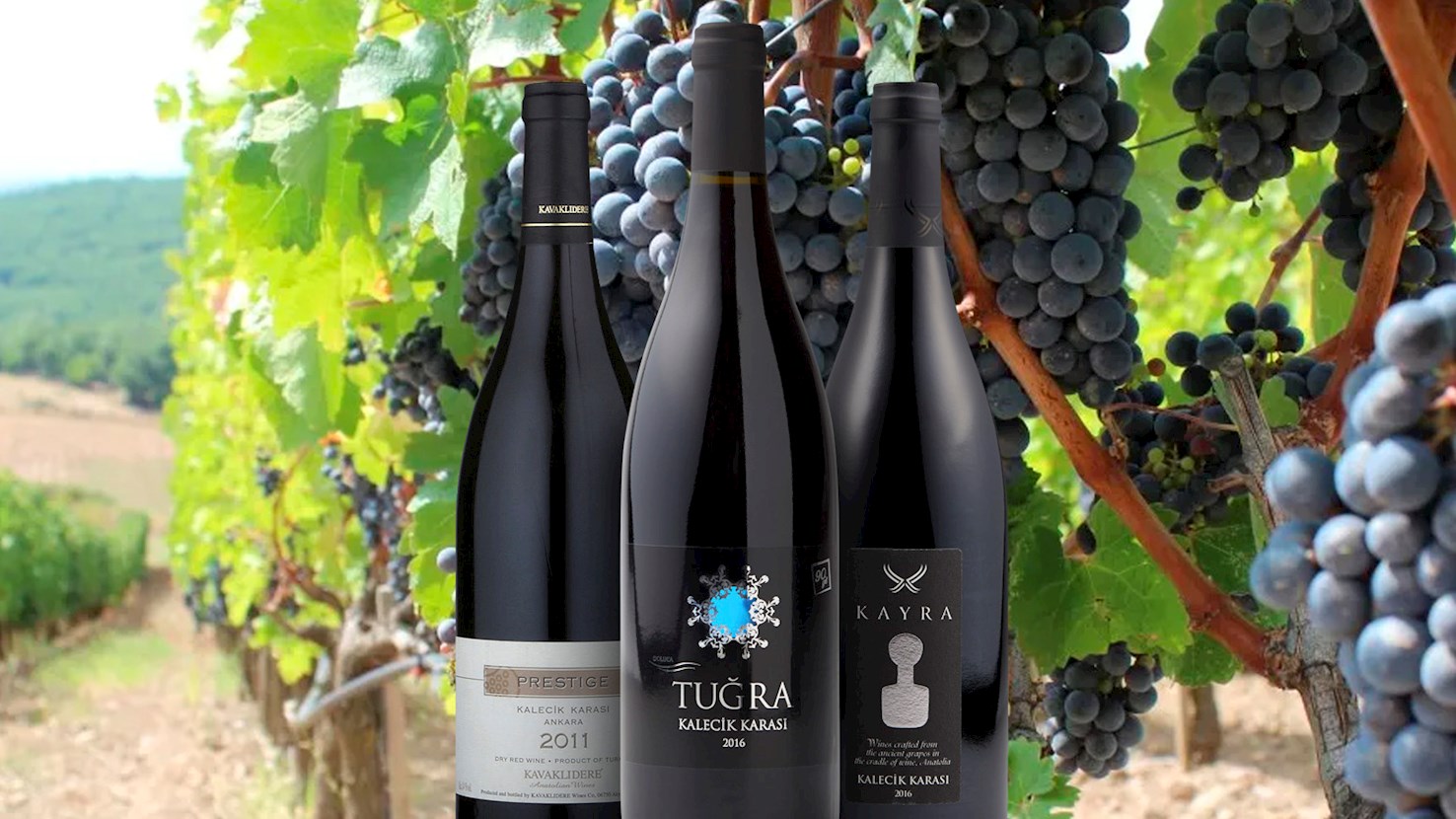
Kalecik Karası

3.8 ·

Kalecik Karası is a native Turkish grape that probably originated in Kalecik district of Central Anatolia. The grape is not well-known outside Turkey, but it is slowly gaining international recognition. It is considered one of the finest Turkish grapes. Kalecik Karası produces light to medium-bodied wines, often described as a cross between Pinot Noir and Gamay. They are typically cherry-colored with a fruity aroma reminiscent of red berries. On the palate, they are smooth and velvety, with good acidity and soft tannins. They often display earthy and herbal nuances, while those aged in oak have subtle vanilla, cocoa, or spicy aromas. This wine pairs nicely with local specialties and lighter dishes, especially those made with poultry, fish, or vegetables.

03

Boğazkere

3.8 ·

Boğazkere is a native Turkish grape originating from Diyarbakır, but it is now grown in other Turkish regions. The grape is best known for its ability to produce powerful, tannic wines. Because of its character, it is often used in blends to provide body and structure. It is mainly blended with the aromatic Öküzgözü. Boğazkere wines are full-bodied, with grippy tannins and good acidity. They are filled with a fruity aroma, typically reminiscent of cherries, raspberries, and blackberries, often accompanied by spicy, tobacco, leather-like, and cocoa notes. These richly-flavored wines can age well, and they tend to become softer with age. Boğazkere wines can pair with equally strong dishes. It would go well with red meat, game, lamb, stews, and hearty vegetable dishes.

04

Papazkarası

3.7 ·

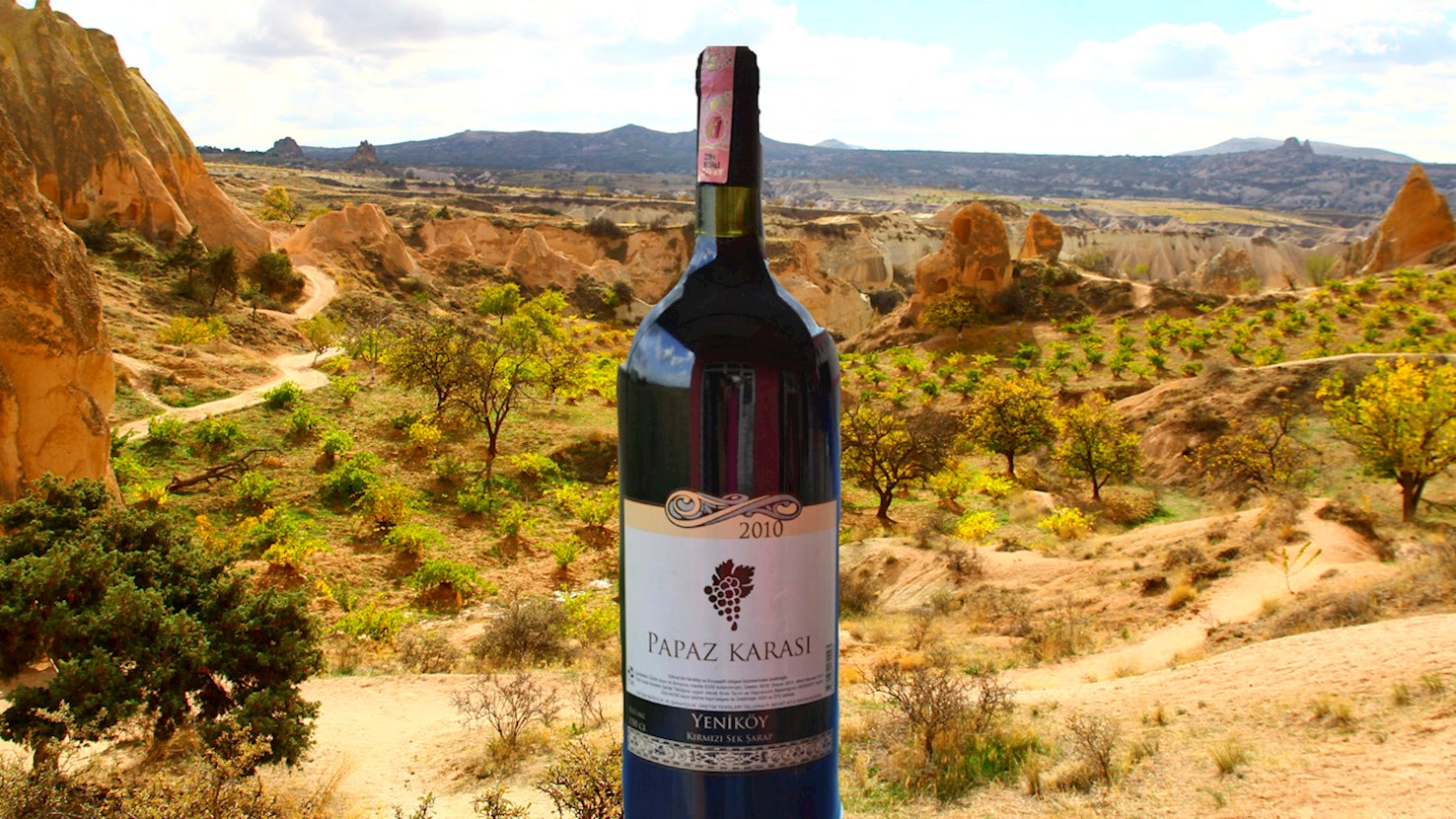
Papazkarası or Papaskara is a Turkish grape cultivated in Marmara and Central Anatolia regions. The grape produces juicy red wines that are intensely colored and usually have high alcohol content and good acidity. The aromas are subtle and reminiscent of red and dark berries, with hints of pepper and spices. The wines are versatile, and though they are commonly enjoyed young, some are also suitable for oak-aging. They are fruity and food-friendly, making excellent pairing with chicken, pork, lamb, and vegetables. It is suggested that the grape might have Greek origins, where it is still sometimes cultivated under the name Kara Papas. Research also showed that the grape's possible parents are white Romanian variety Alba Imputotato and Prokupac, a red variety commonly found in the Balkans.

05

Narince

3.7 ·

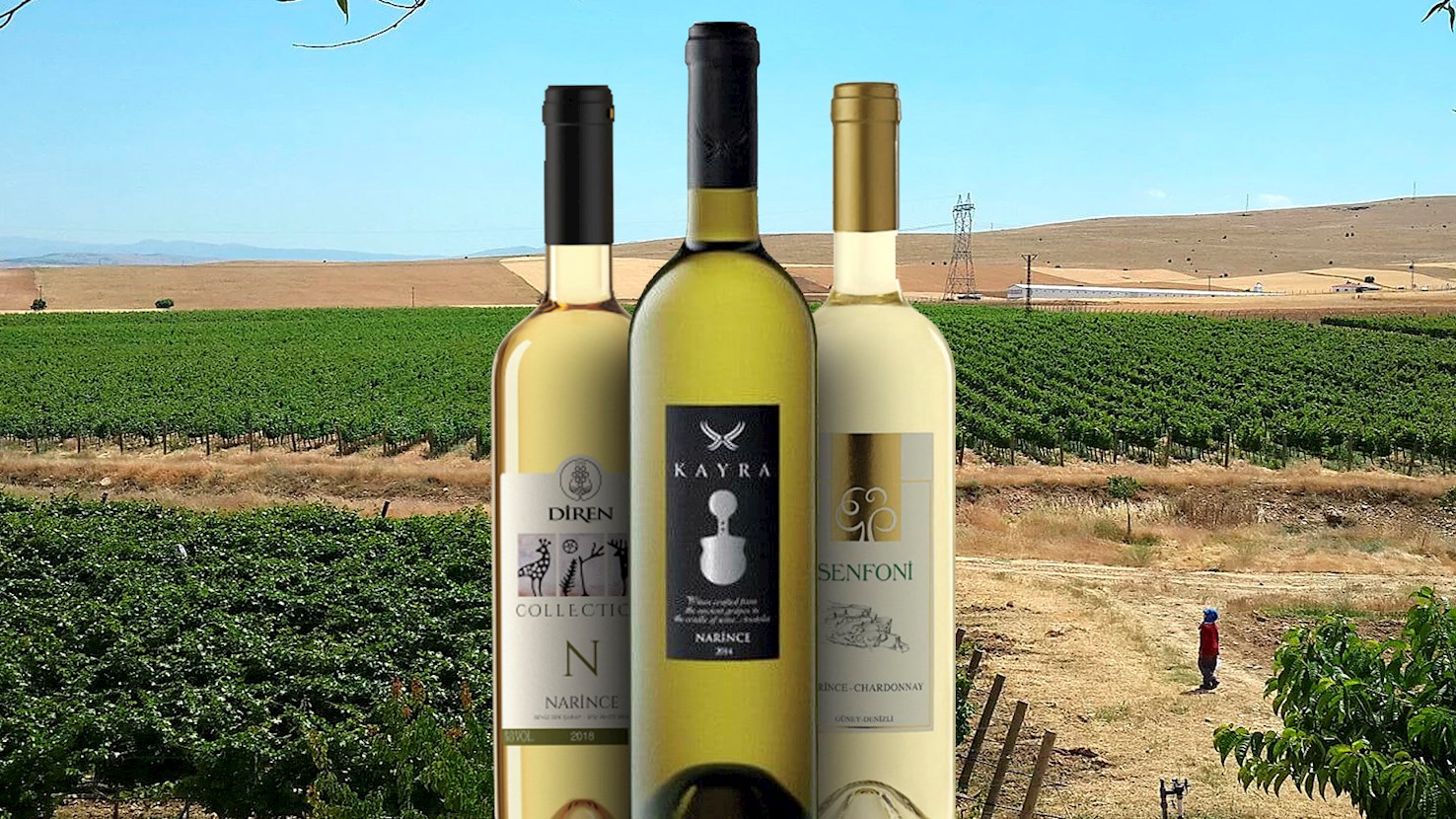
Narince is a native Turkish grape that is now cultivated in several regions, but its origin is mainly associated with Tokat, Anatolia. Narince is a versatile grape that is often terroir-driven, but it mainly produces medium to full-bodied wines with a fruity and floral character. These straw-colored wines will usually display floral and citrusy notes, often reminiscent of pear, quince, grapefruit, lime, and acacia. They are generally well-balanced with acidity and alcohol and will often benefit from aging. Oak-aged versions have more complexity and aromas that evolve into vanilla, caramel, and woody nuances. Narince wines can pair with various dishes, including vegetarian dishes, seafood, pork, chicken, and cheese. Some styles would also match spicy Indian or Mexican fare.

06

Çalkarasi

3.5 ·

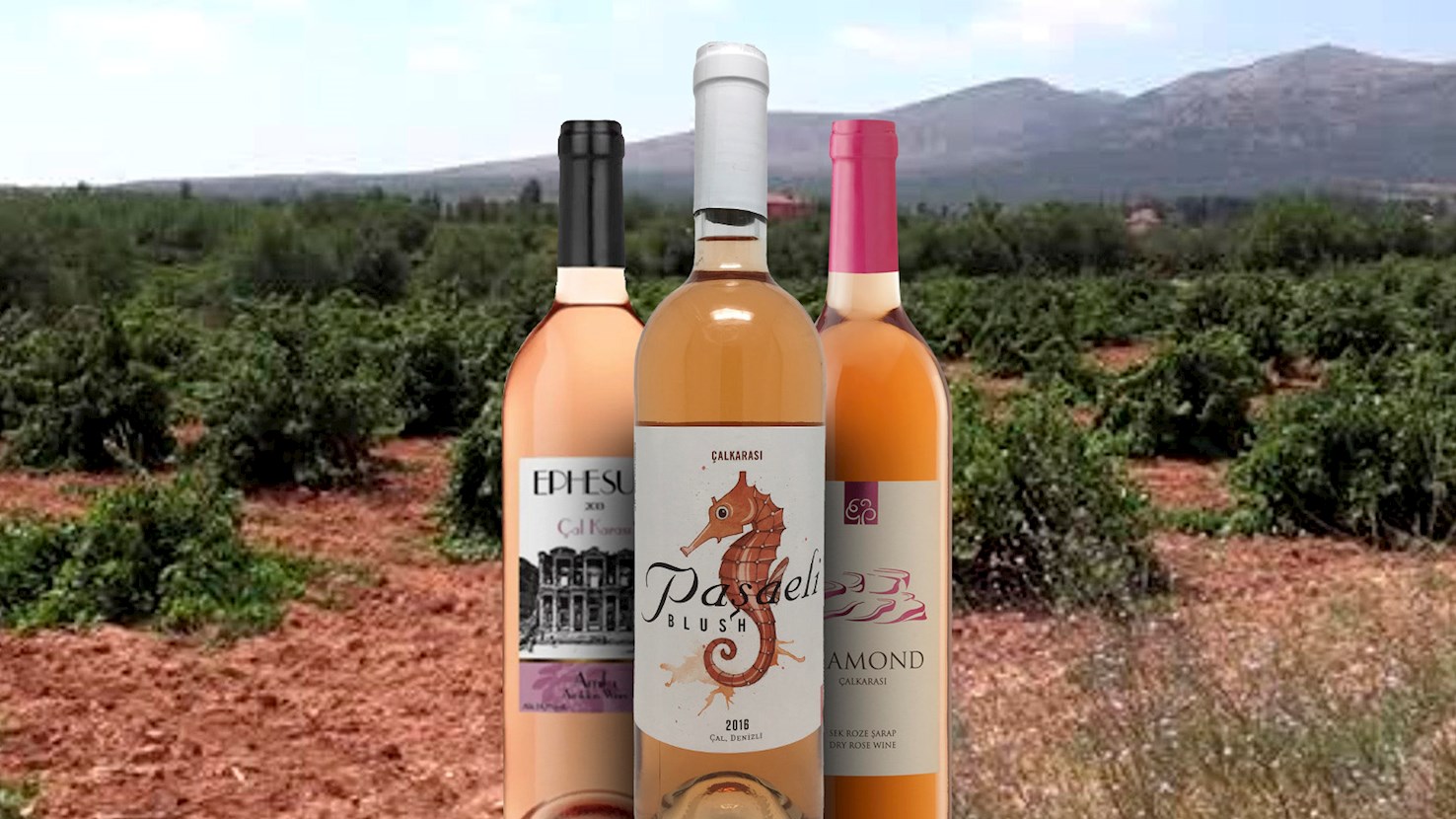
Çalkarasi is a red Turkish grape that originated in Çal, Denizli province. In the past, it was primarily used in blends, but several producers have proven that it has a versatile character and great potential as a varietal wine. It is mainly used in the production of fresh red wines and excellent rosés. Varietal Çalkarasi wines are typically light to medium-bodied. They are characterized by low tannins and crisp acidity. The flavor and the aroma are fruity, reminiscent of peaches, strawberries, and raspberries. Red styles can be a good match with poultry or pork, braised dishes, and local specials. Rosés would pair well with seafood or pasta. The name of the grape translates as the black of Çal.

07

Rakı

3.3 ·

It is said that Greek winemakers in Asia Minor were the first to produce rakı—the anise-flavored spirit distilled from fermented grape pomace. However, it was in Türkiye that raki was heavily popularized, which led to a monopolization of its production in 1923. Most modern-day rakı varieties are based on the use of fermented grapes, raisins, or dried figs, which are mashed, then fermented and distilled in copper columns. The drink is then diluted and combined with anise or optionally fennel seeds in a mixture that would later be distilled into rakı. In both Türkiye and Greece, rakı is a communal affair, traditionally enjoyed along small meze dishes. It is usually poured into kadeh glasses, with the optional addition of ice-cold water or ice. When mixed with water, rakı turns milky white, which led to a creation of its colloquial name, aslan sütü or lion’s milk.

08

Emir

2.8 ·

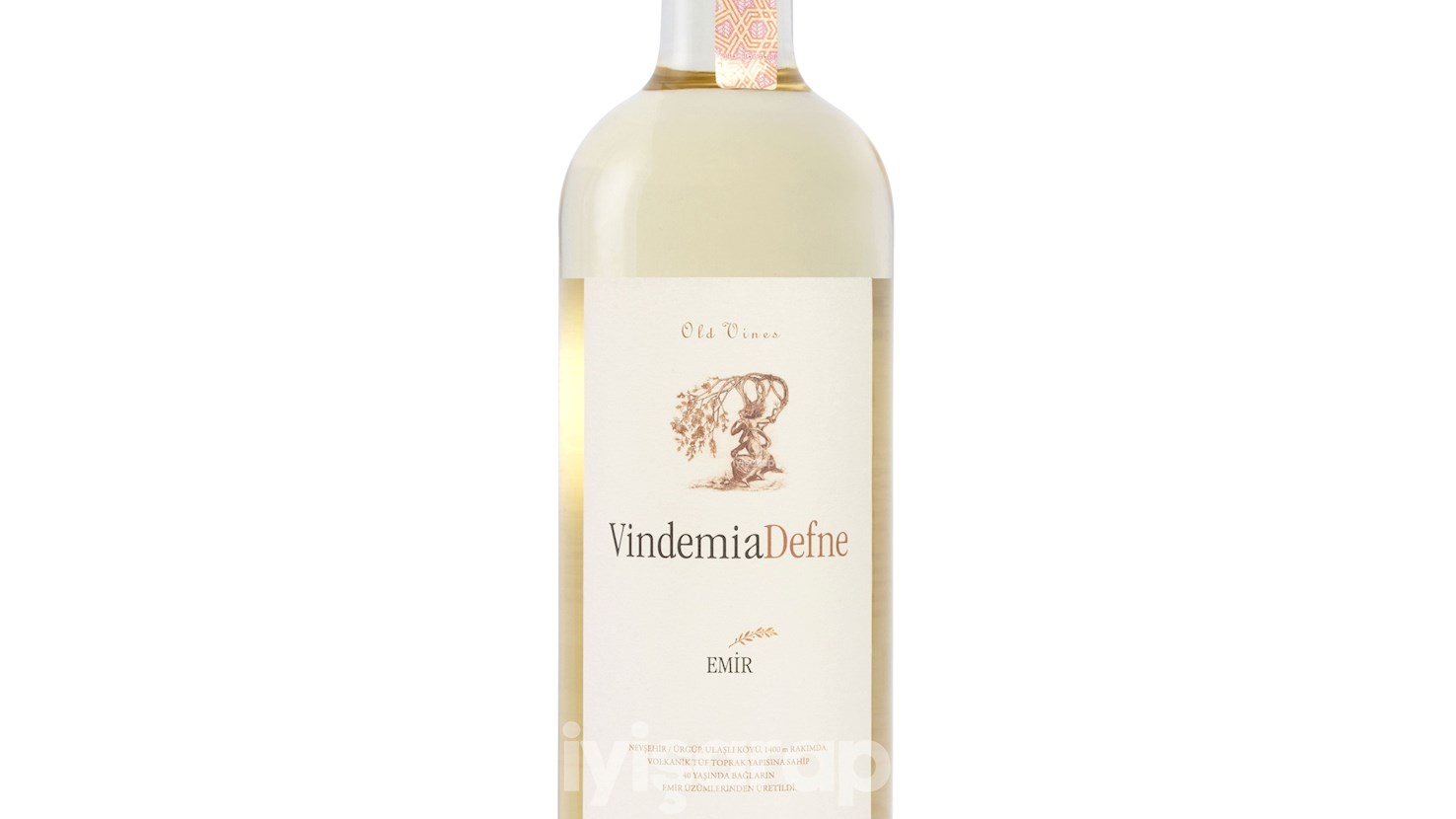
Emir is a white Turkish grape native to Cappadocia. It is used in varietals and blends, and it produces clean and crisp white wines. Emir is often lauded as a prime Turkish grape that can produce excellent quality wine. Apart from outstanding dry wines, it is also used in the production of sparkling wines. Wines made with Emir are typically well-balanced and lively, often with some mineral character. They are generally high in acidity, bright, and crisp. On the nose, they usually display a blend of apple, white fruit, citrus, and herbal nuances. Emir-based wines are mostly enjoyed young, and the grape is often blended with Narince, another important white variety from Turkey. These fresh wines are an excellent match with seafood, including fish and shellfish. They can also pair nicely with spicy Asian dishes.

About this Ranking

TasteAtlas food rankings are based on the ratings of the TasteAtlas audience, with a series of mechanisms that recognize real users and that ignore bot, nationalist or local patriotic ratings, and give additional value to the ratings of users that the system recognizes as knowledgeable.

TasteAtlas Rankings should not be seen as the final global conclusion about food. Their purpose is to promote excellent local foods, instill pride in traditional dishes, and arouse curiosity about dishes you haven’t tried.

The initial list of top producers was compiled based on available reviews, awards, local recommendations, media and blog coverage, and consumer reviews. The list will be updated with ratings from TasteAtlas local ambassadors and TasteAtlas users.

What People Say

Similar Lists