shutterstock

Top 80 French Appetizers

Last updated on June 15, 2026

Best French Appetizers
01

Galette de Bretagne

4.3 ·

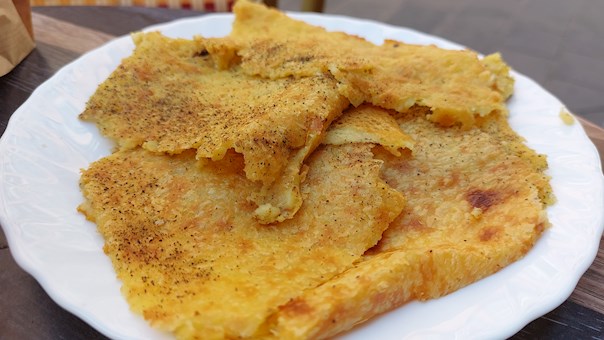
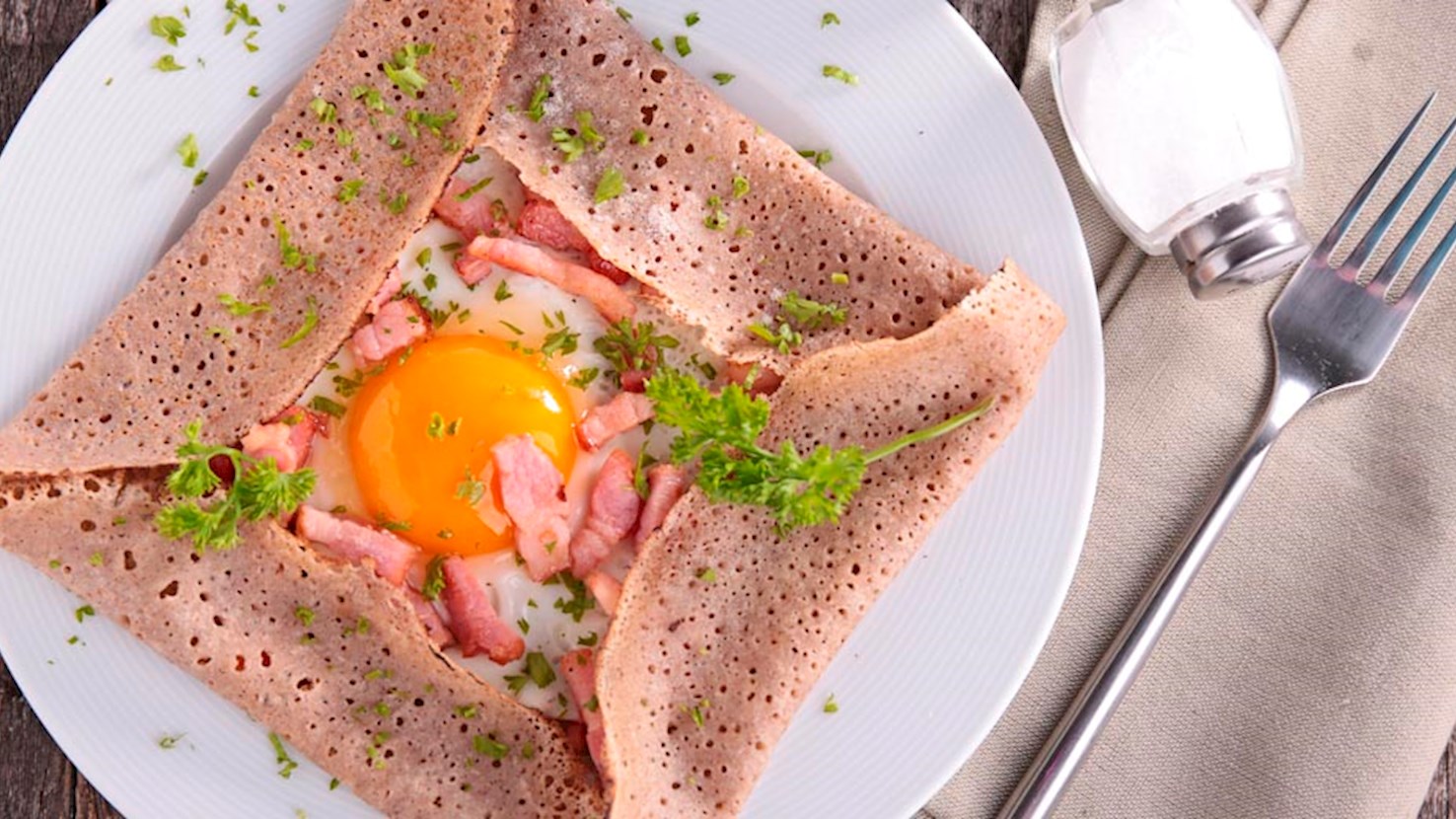
Galettes de Bretagne are generally known as thin buckwheat crépes from Brittany, often filled with ingredients such as eggs, ham, mushrooms, and bacon. However, galettes mean different things in different parts of Brittany. In Lower Brittany, a galette is a thicker crepe made with any kind of flour, while in Upper Brittany, it refers to a crépe made exclusively with buckwheat flour. Also, what is known as galette in Upper Brittany is known in Lower Brittany as crêpes de blé noir (sarrasin) or buckwheat crepes. In Brittany, créperies are so popular that they outnumber cafés, and people regularly use them to eat their galettes with a bit of salted butter. Traditionally, the pancakes are paired with a glass of local cider. According to legend, the Bretagne galette was invented by accident when a farmer spilled buckwheat porridge onto a hot surface. Although people usually associate buckwheat flour with a salty taste, buckwheat crépes are extremely nutritious and contain vitamins B1 and B2, as well as fiber that helps prevent high blood pressure. Buckwheat came to Brittany from the east in the 12th century, so thick, moist, and flavorful galletes were ready to win over even the pickiest palates.

02

Canapés au saumon fumé (Smoked salmon canapés)

4.2 ·

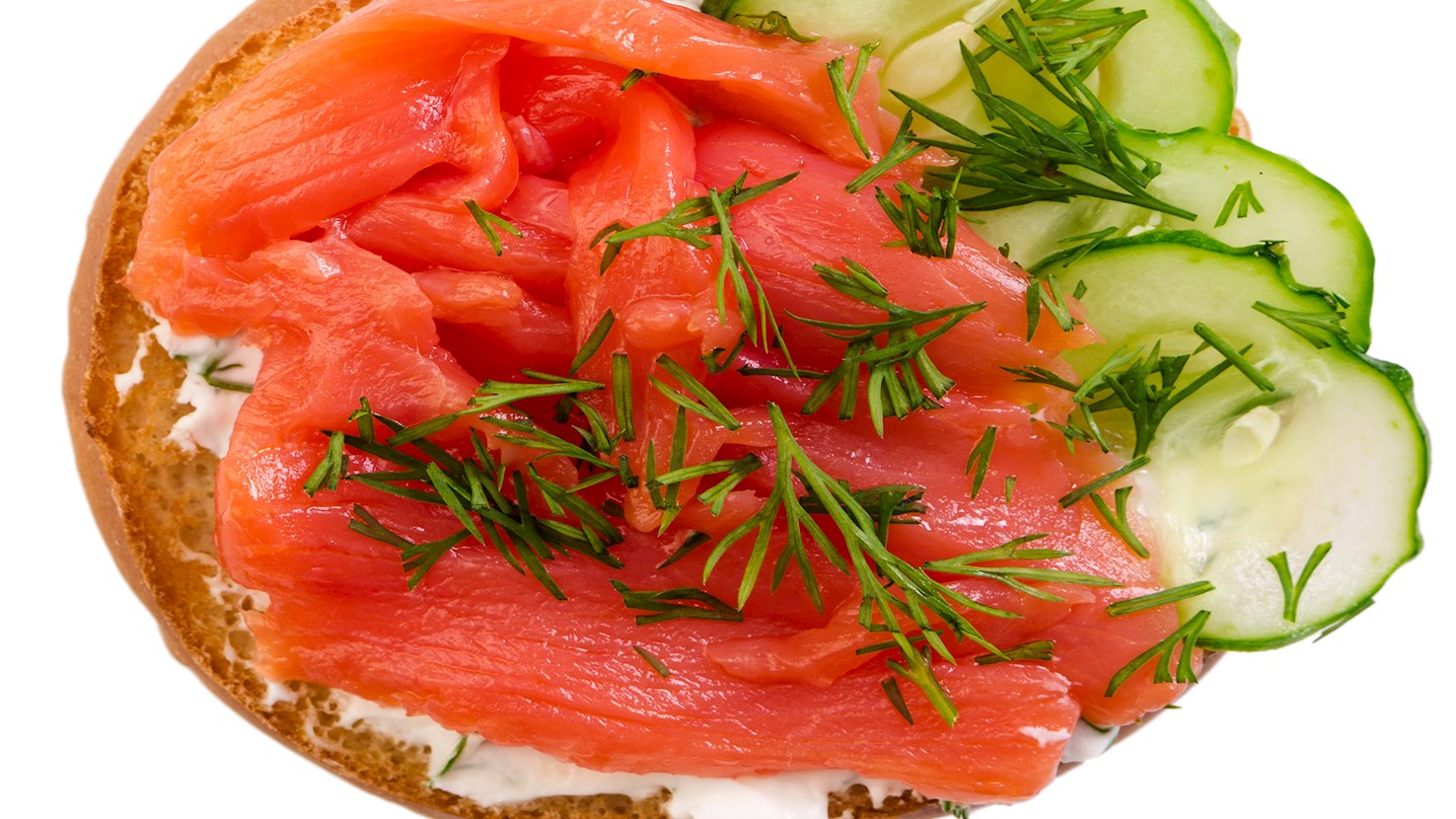
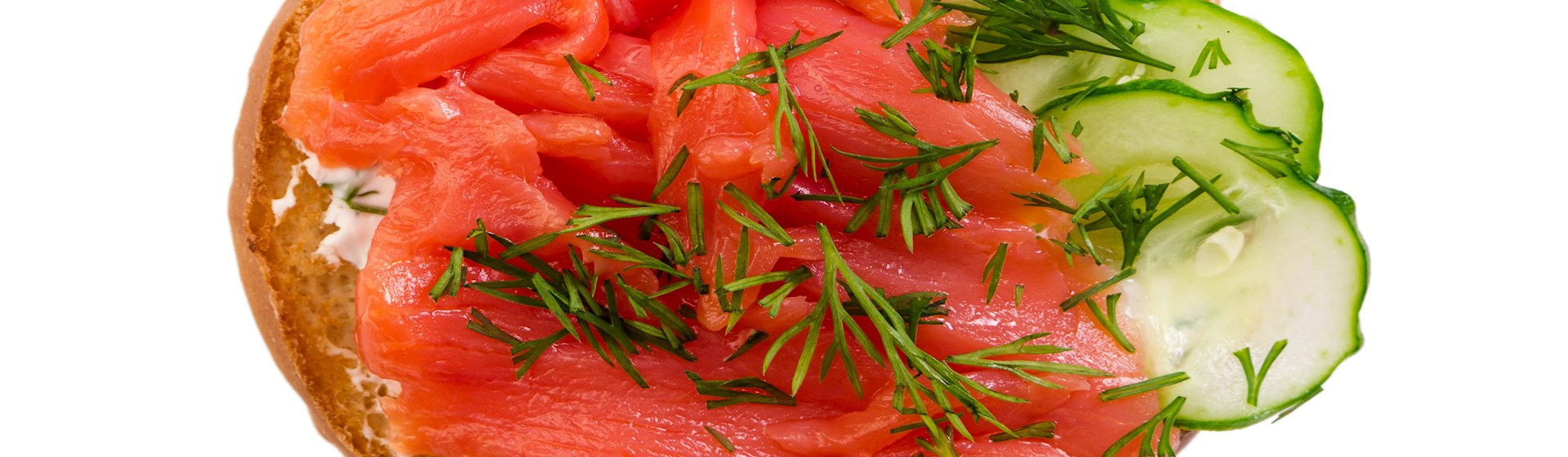
Smoked salmon canapés are considered a classic upscale choice in the finger food department and the ultimate party food. Simple toasted bread, blinis, cucumber slices, or pumpernickel bread are regularly used as a base that's spread with ingredients such as cheese, crème fraîche, or sour cream, while common flavorings include condiments and herbs such as lemon juice, lemon zest, horseradish, mustard, dill, and capers.

03

Pain et huile d’olive

4.2 ·

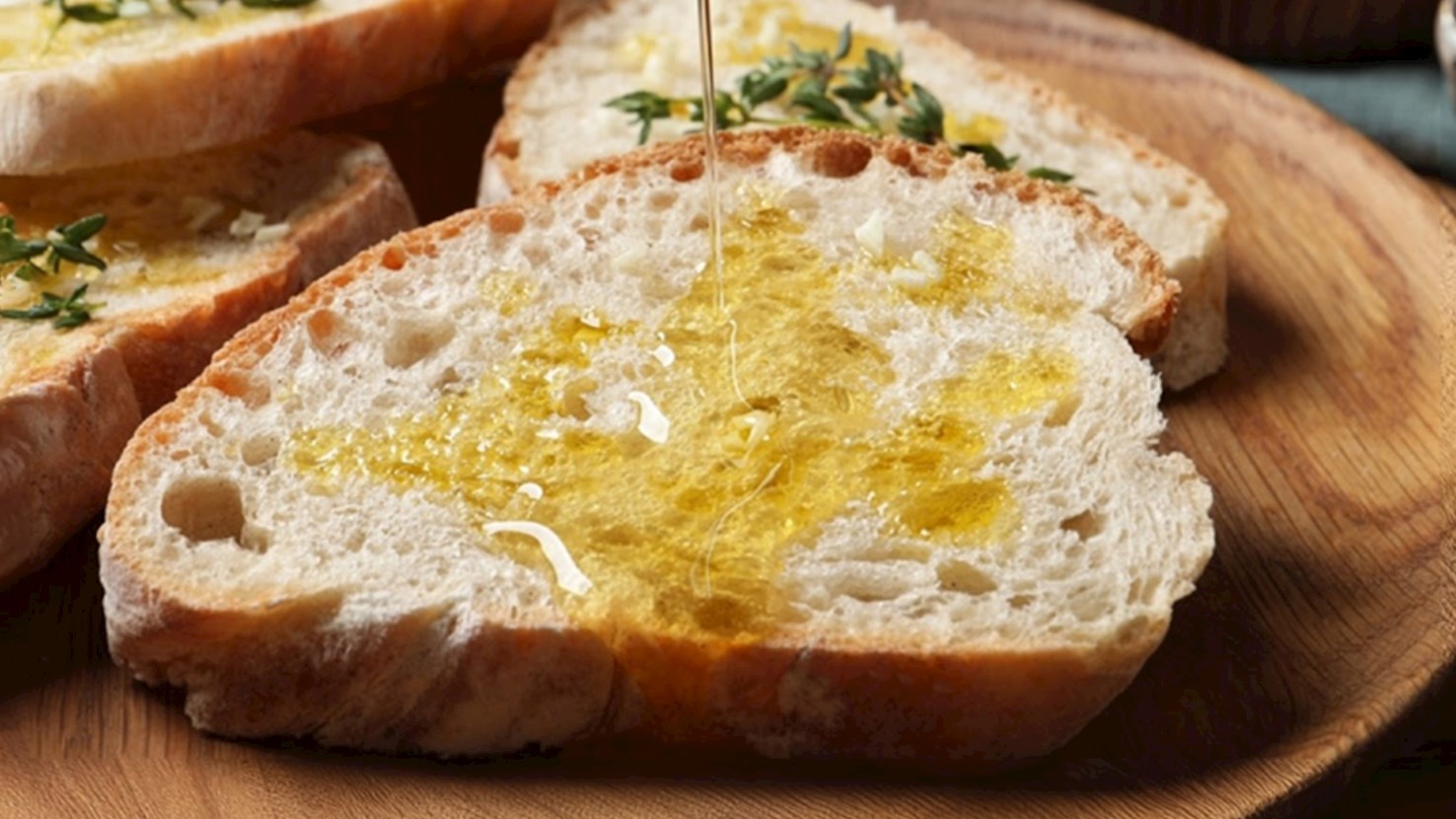
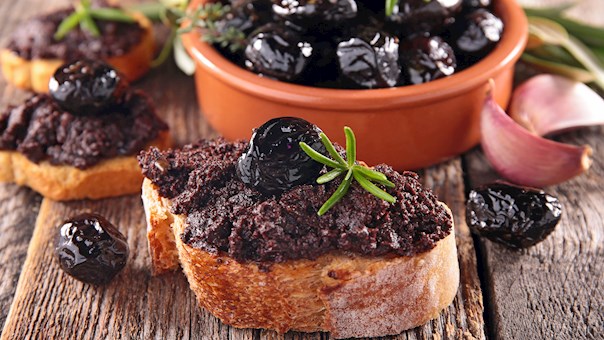
Pane e olio is an Italian phrase meaning bread and oil, referring to a simple yet classic Italian dish that highlights the quality of its basic ingredients: bread and olive oil. Traditional Italian bread such as ciabatta, focaccia, or a rustic country loaf is typically used, while extra virgin olive oil (EVOO) is the oil of choice due to its superior flavor and health benefits. High-quality, cold-pressed olive oil from regions like Tuscany or Puglia is ideal. The bread is usually sliced and may be served fresh or lightly toasted, with toasting enhancing its texture and providing a warm base for the olive oil. The olive oil is typically poured into a small dish or bowl for dipping, though some variations may include a drizzle of olive oil directly on the bread slices. The olive oil can be seasoned with a pinch of sea salt, freshly ground black pepper, or a dash of balsamic vinegar for added flavor, and some might add a sprinkle of dried or fresh herbs such as rosemary, thyme, or oregano. Rubbing a clove of garlic on the toasted bread before adding the olive oil can infuse the dish with a subtle garlic flavor, and additional toppings like sliced tomatoes, olives, or anchovies can be added for more complexity. Pane e olio is often served as an appetizer or a starter in Italian meals but can also be enjoyed as a light snack or part of an antipasto platter. This dish emphasizes the Italian culinary philosophy of using simple, high-quality ingredients to create delicious food and is a common practice in Italian households, showcasing the country's rich tradition of olive oil production and bread-making. But apart from Italy, the same dishes exist in other countries as well, such as Spain's pan con aceite, France's pain et huile d'olive, Lebanese khebez w zeit zaytoun, Turkish ekmek ve zeytinyağı, and many more.

04

Gougères

4.1 ·

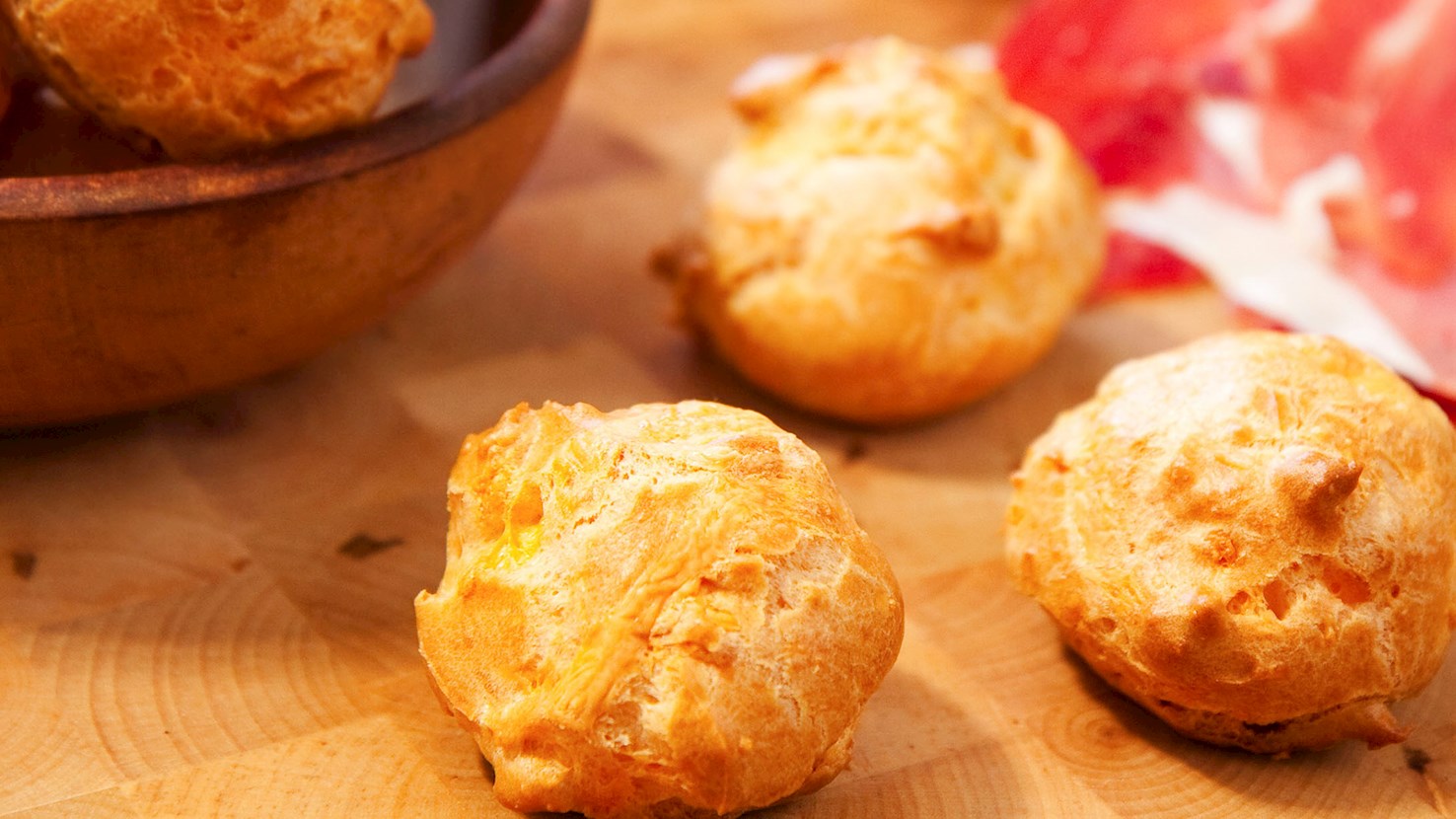
Gougères are tiny, hollow pastry puffs made from choux dough and cheese, most commonly grated Comté, Emmentaler, or Gruyère. These cheese puffs are often served cold or at room temperature as an accompaniment to beverages such as champagne or wine, but they can also be served warm as an appetizer. The snacks were invented in the 17th century, in a store called Le ramequin de Bourgogne, located in the Burgundy area. Gougères can also be served in a sweet version, accompanied by various fruit jams on the side.

05

Steak tartare

4 ·

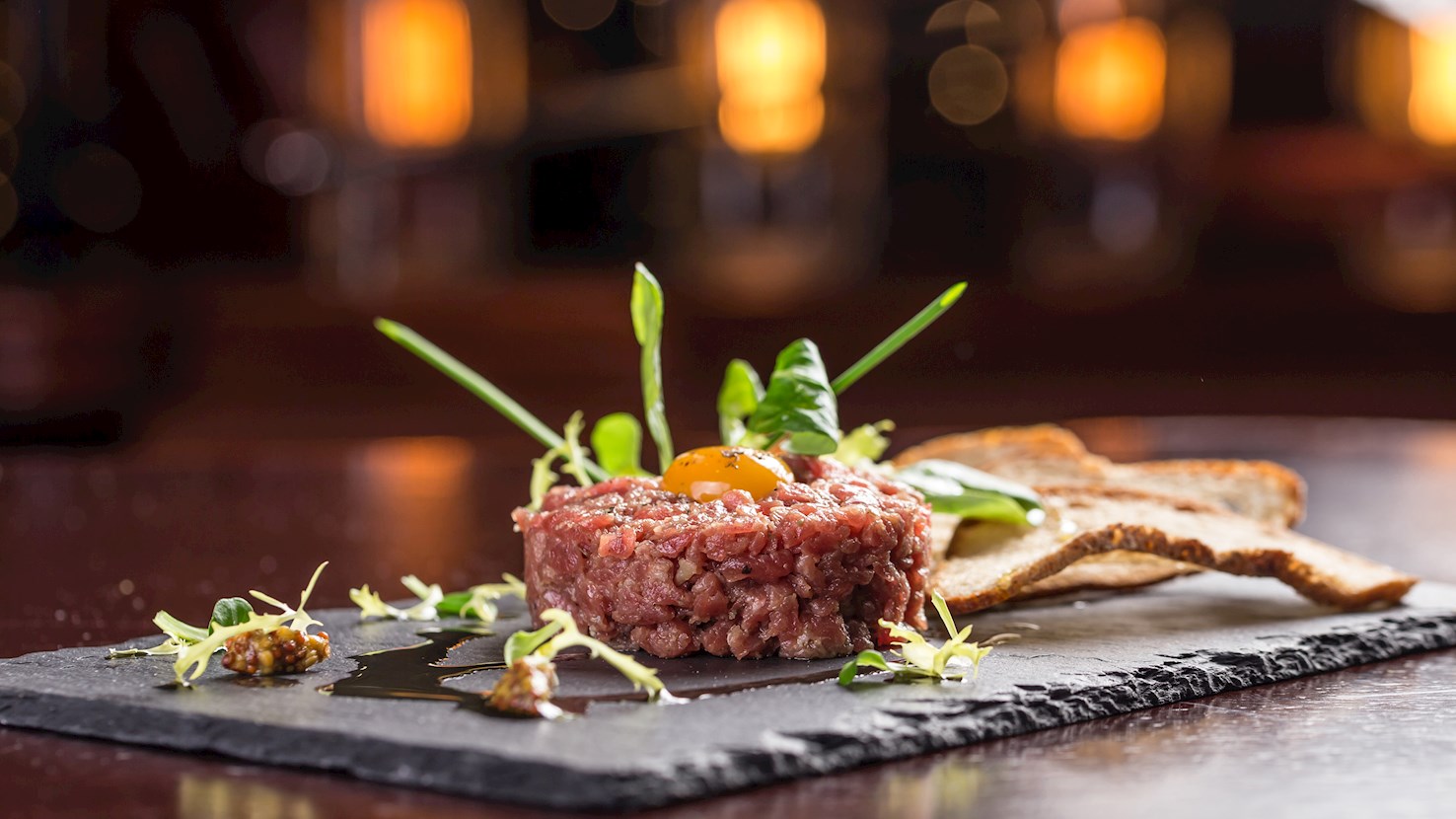
Steak tartare is an appetizer made with finely chopped raw beef or horse meat that is seasoned with salt, pepper, Worcestershire sauce, Tabasco, and mustard. The meat is combined with a raw egg yolk, capers, shallots, parsley, and (sometimes) chopped gherkins. When served, steak tartare is usually accompanied by toasted bread, rye bread, or french fries. It is believed that steak tartare was originally a variation on beefsteack à l'Américaine, a dish of raw chopped beefsteak that first appeared in France at the turn of the 20th century. This variation, steak tartare, was originally served with tartar sauce, and anything that was served with it was known as à la tartare, hence the name.

06

Soufflé au fromage (Cheese soufflé)

4 ·

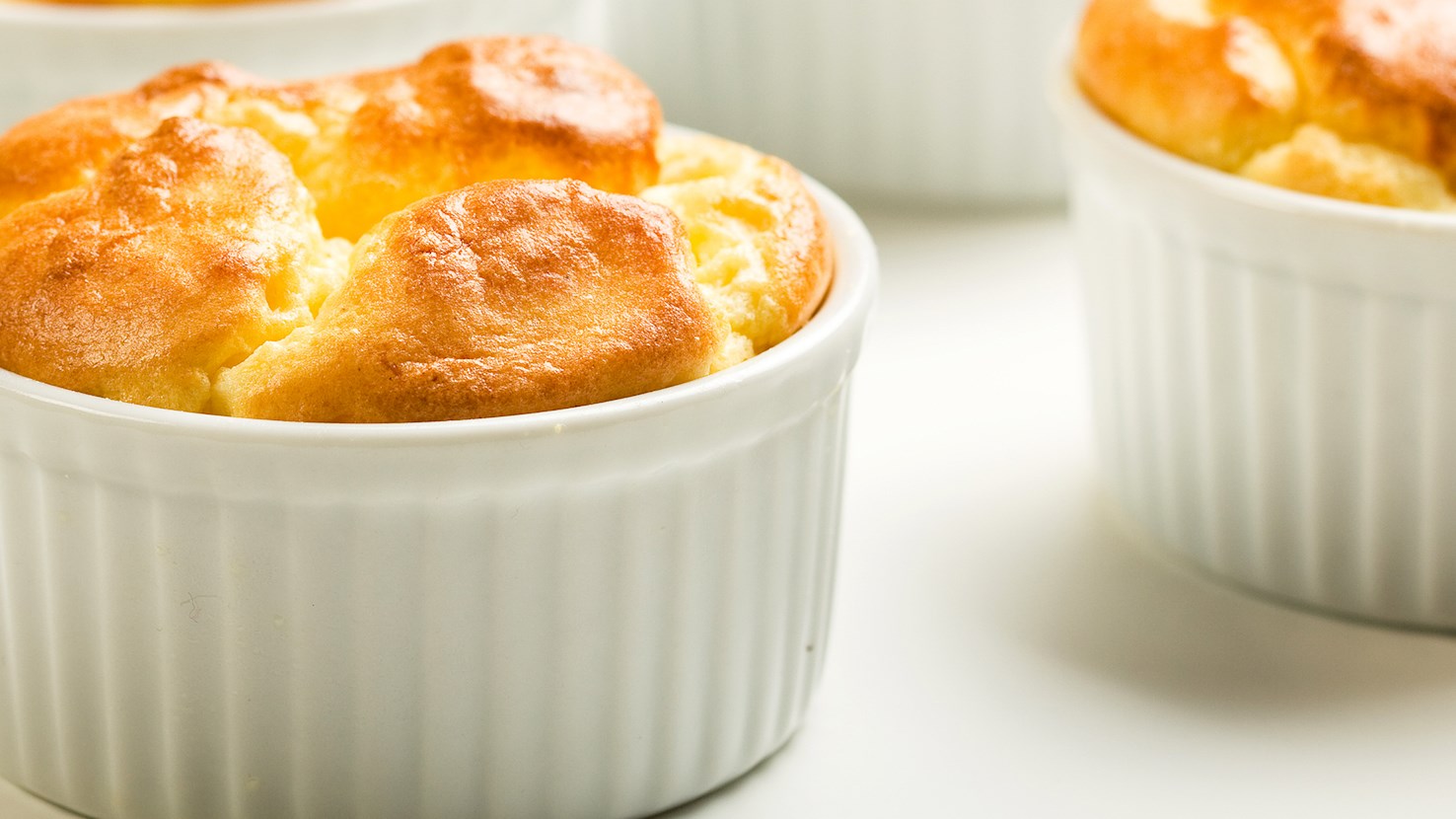
Airy and simple, this legendary French comfort food consists of a cheese base combined with whisked egg whites, butter, milk, and flour. The dish puffs up into a decadent, golden soufflé when baked. Cheese soufflé is believed to have been invented during the late 18th century. Today, it is typically served hot in small ramekins straight out of the oven.

07

Escargots à la Bourguignonne

4 ·

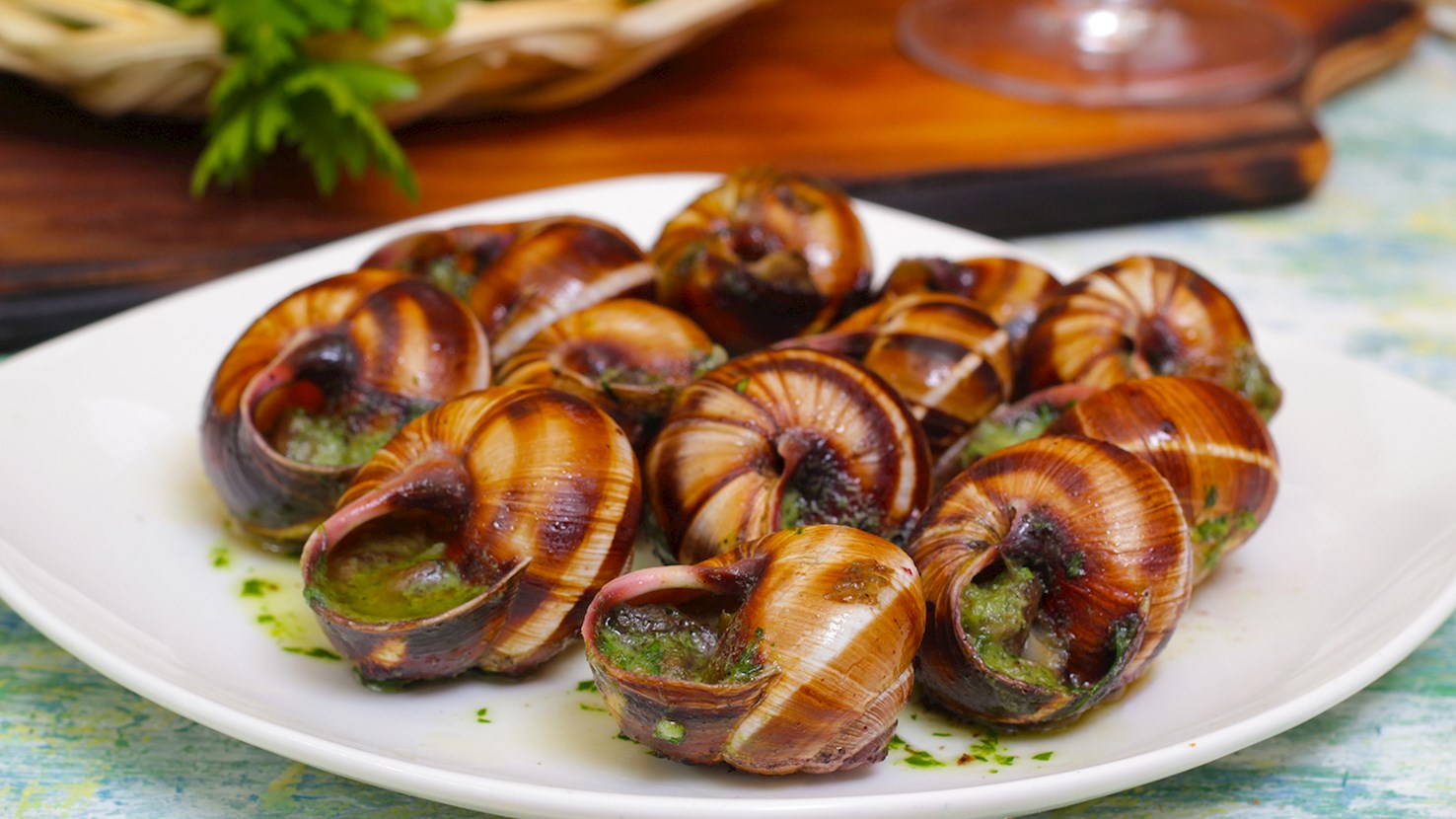
Escargots à la Bourguignonne is a traditional dish originating from Burgundy. The dish consists of snails that are baked with garlic and butter. If using fresh snails, they should be blanched in boiling water and rinsed in clear water. The snails are then cleaned with a small brush in a mixture of water and vinegar, and rinsed again. Many people buy canned cooked snails and then place them in empty snail shells, which can be found in most French supermarkets. They are covered with plenty of garlic butter enriched with shallots, parsley, salt, and pepper, then baked in the oven. Once done, the snails are served immediately. It's recommended to serve the dish with a crusty baguette for mopping up the juices.

08

Paillassons de courgettes

4 ·

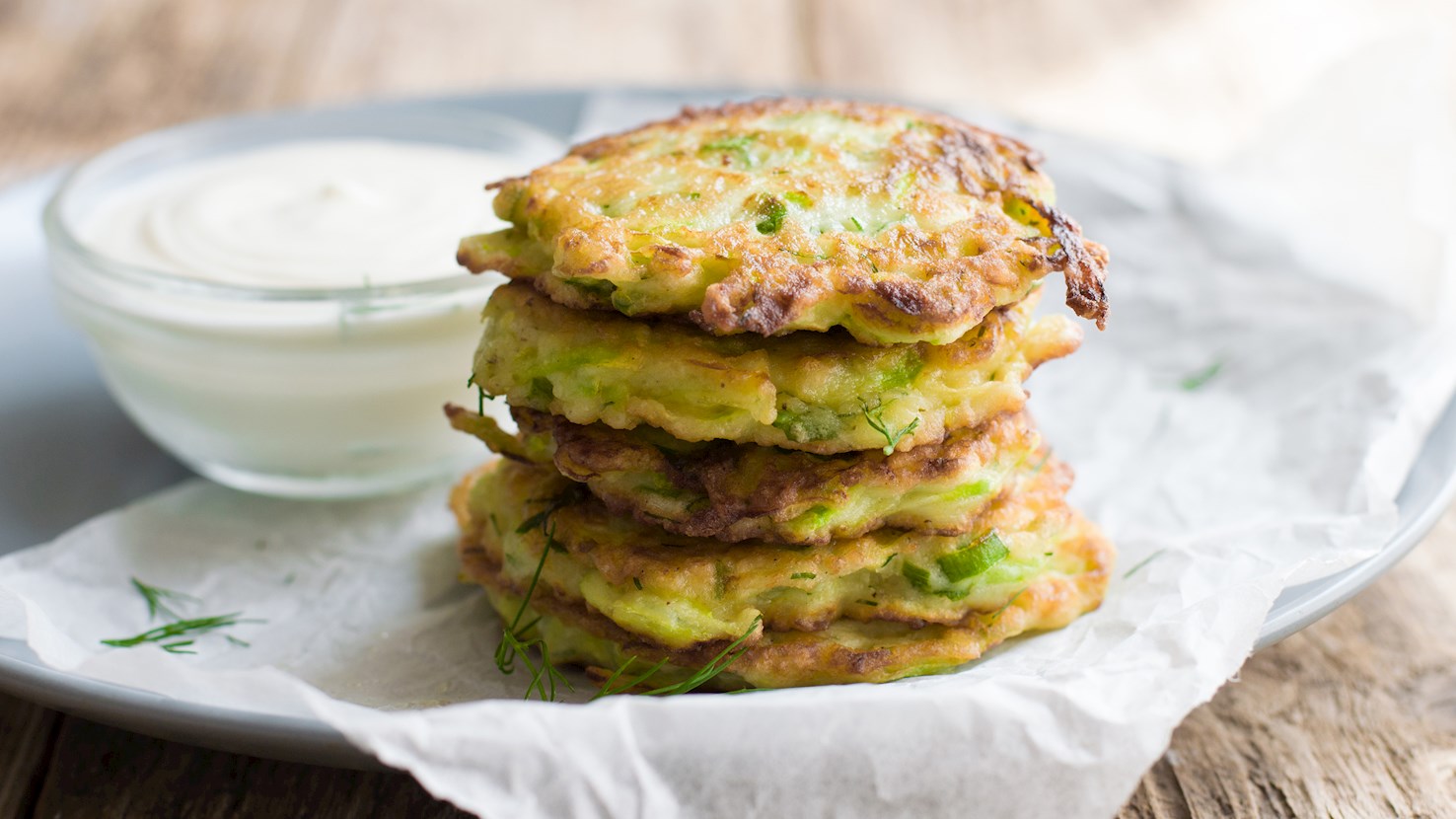
Paillassons de courgettes is a traditional pancake or fritter that's especially popular in the south of the country, especially in Languedoc. It's usually made with a combination of zucchini, onions, eggs, flour, oil, salt, and pepper. The zucchinis are grated, salted, drained, and rinsed, while the onions are sautéed in oil until tender, and then mixed with the zucchinis. A mixture of eggs, flour, salt, and black pepper is whisked into a batter that's mixed with the onions and zucchinis, and it's then dropped by spoonfuls into a large pan with heated oil in it. The pancakes are flattened with a spoon and fried over medium heat on both sides until golden, but not brown. It's recommended to serve paillassons de courgettes with lamb cutlets or on their own a fresh green salad on the side.

09

Petit four

4 ·

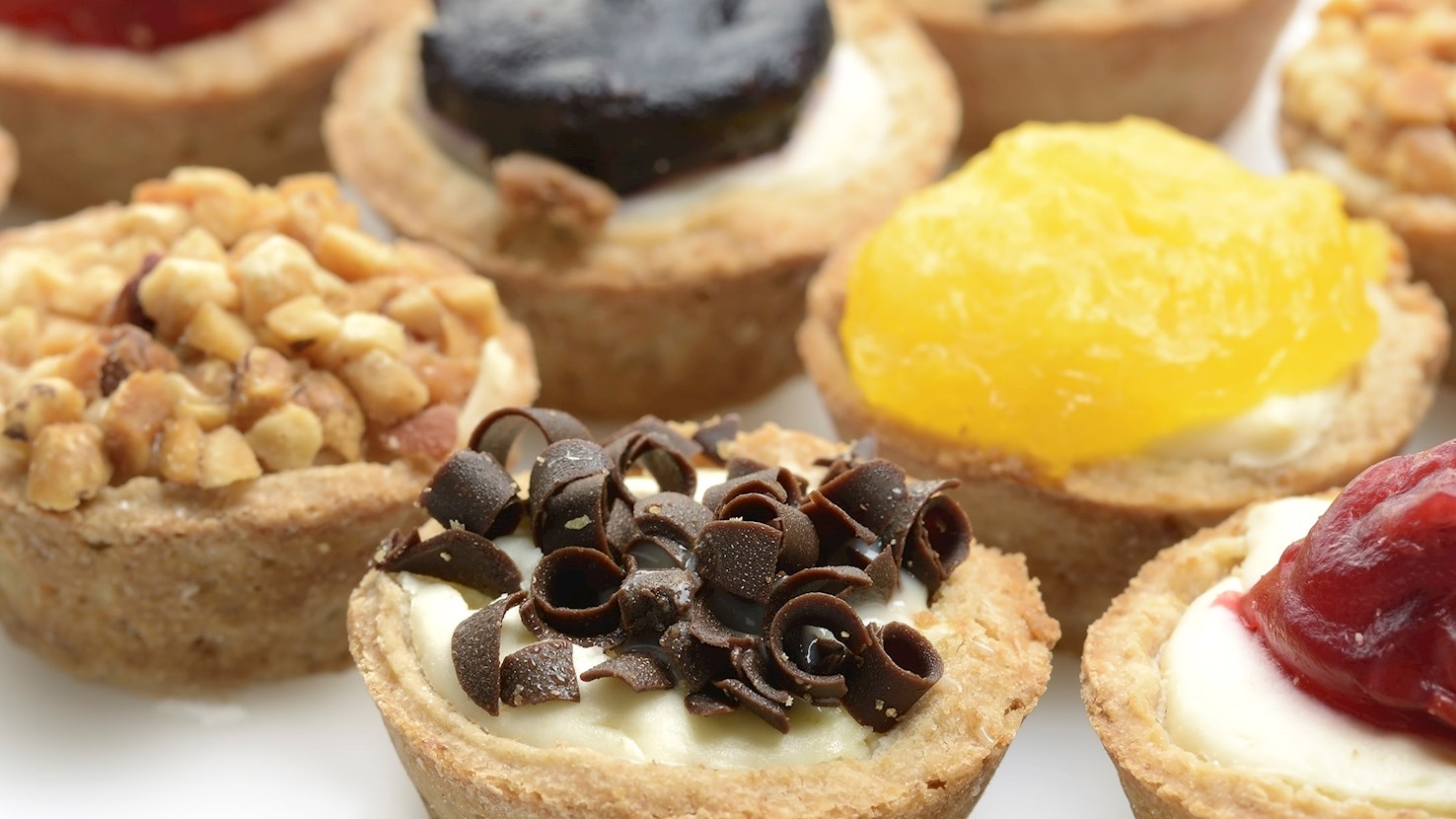
These tiny, delicate sweets are one of the most famous French delicacies. The name refers to any miniature, bite-sized baked items with a sophisticated and elegant appearance. They come in an endless variety of flavors, forms, and decorations. The most general division is made between petit fours glacés, the glazed variety, and petit fours sec, which include dry varieties such as meringues, cookies and puff pastries. Although not nearly as popular as the dessert kind, savory petit fours salés are also prepared and served as appetizers. Invented in 18th century France, they were primarily served during traditional afternoon tea ceremonies. Today, both savory and sweet petit fours are often served at formal gatherings and celebrations as appetizers or as a part of buffet meals.

10

Pissaladière

4 ·

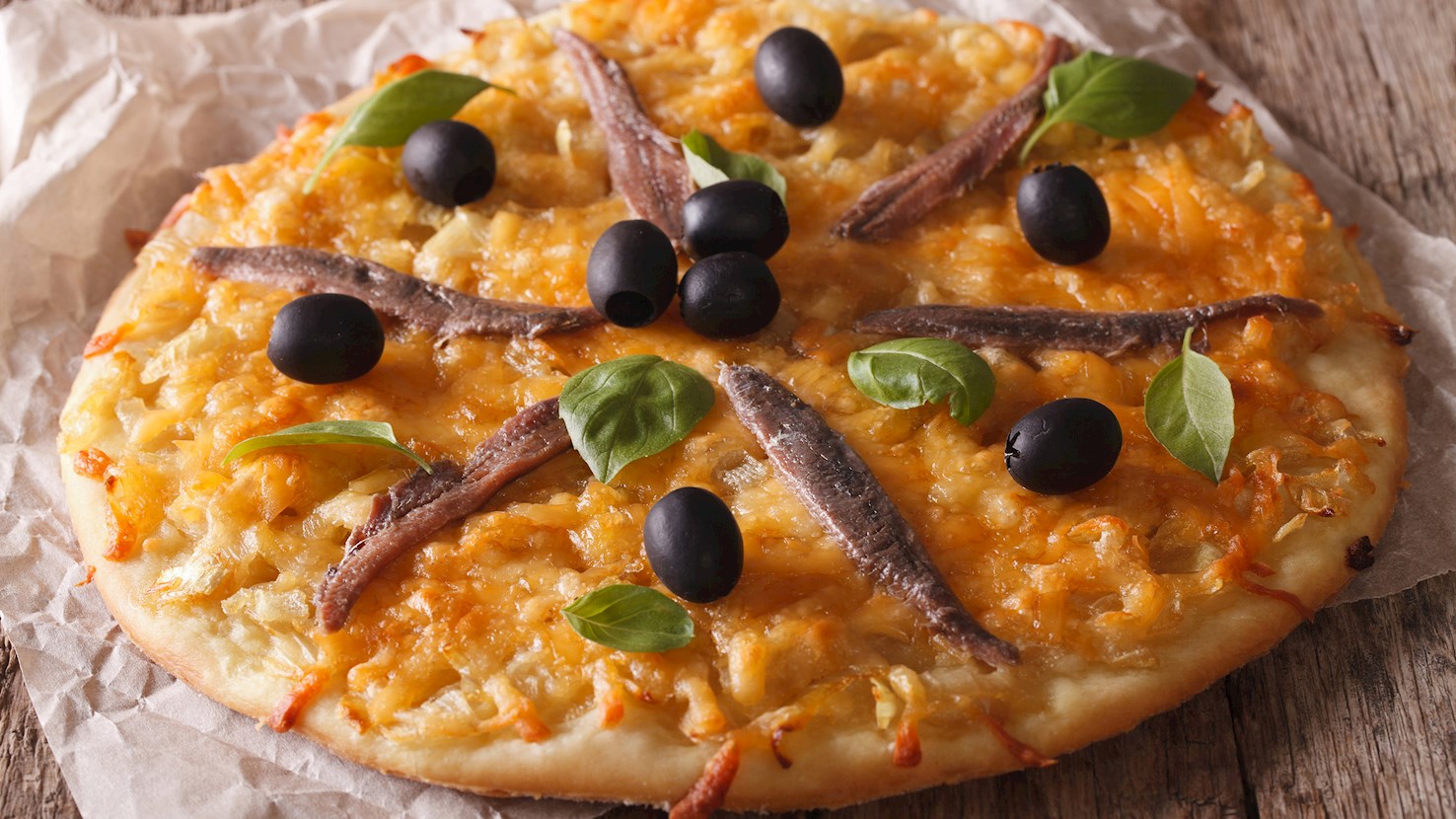
Originating from the French city of Nice, pissaladière is a baked tart that is similar to a pizza, but thicker. In the past, it was usually baked and sold each morning, but today it is traditionally served as an appetizer or a snack, consisting of a doughy base that is topped with anchovies, olives, caramelized onions, and fresh herbs. The name of the dish comes from the French phrase pèi salat, which translates to salted fish, one of the key ingredients used in the preparation of pissaladière. It is believed that the dish was invented between 1305 and 1377, during the Avignon Papacy. Pissaladière is best paired with a glass of chilled white wine.

Best French Appetizers

01

Maison Vérot

4.8 ·
Maison Vérot is a prestigious French butcher and delicatessen that has been preserving the tradition of fine charcuterie - the art of crafting cured and prepared meat products - for generations. Founded in the 1930s, it is now led by Gilles Vérot, a master charcutier known for his respectful fusion of artisanal techniques with contemporary flavors. Based in Paris, Maison Vérot's products can also be found in top restaurants and luxury food boutiques. The quality of the meat and the careful selection of ingredients lie at the heart of their philosophy, with a strong emphasis on French sourcing and sustainable production. The visual appeal of their creations, the balance of flavor and texture, and their attention to seasonality make their products truly distinctive. Maison Vérot is not only a symbol of authenticity and tradition, but also a shining example of how French culinary heritage can be carried forward and reimagined with taste and integrity. Their shops in Paris are places of both artisanal excellence and exceptional gastronomic experience.
02

Hénaff

4.5 ·
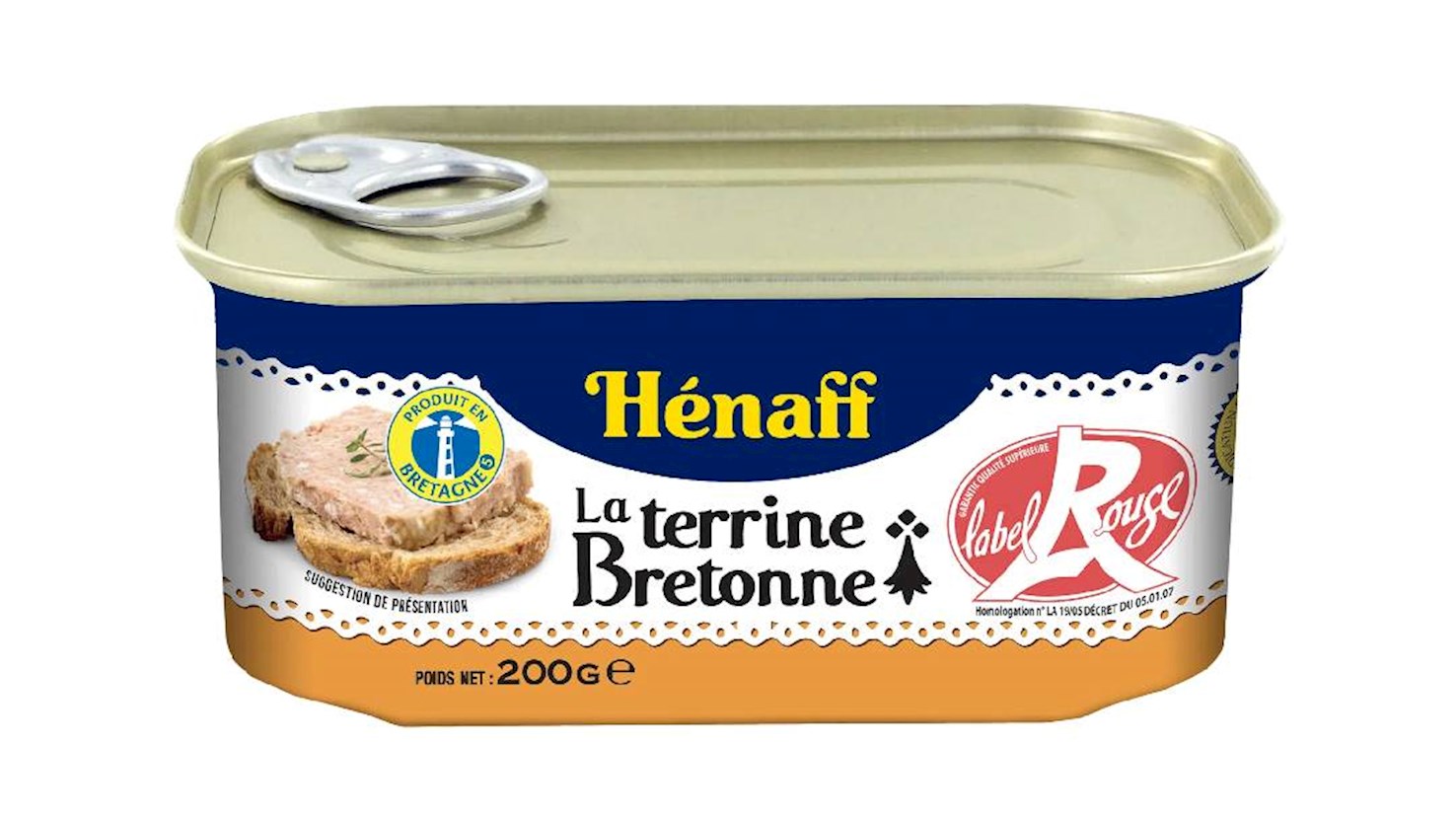
Hénaff is a renowned French producer of gourmet foods based in the town of Pouldreuzic, in the Brittany region. Founded in 1907 by Jean Hénaff, the company began as a vegetable cannery but quickly gained fame for its legendary Pâté Hénaff, first produced in 1915. This pâté, made from whole cuts of pork including premium parts like tenderloin and ham, has become a symbol of French gastronomy and a beloved staple in many households. Over more than a century of existence, Hénaff has remained a family-run business, now in its fourth generation, with Loïc Hénaff currently at the helm. The company has expanded its product range to include various meat specialties such as rillettes, sausages, and ready-made dishes, as well as seafood and seaweed-based products. Great emphasis is placed on the quality and origin of ingredients, with locally raised meat and minimal use of additives, a commitment that has earned Hénaff the prestigious “Entreprise du Patrimoine Vivant” (Living Heritage Company) designation from the French government.
Read more
View all
View map
About this ranking

TasteAtlas food rankings are based on the ratings of the TasteAtlas audience, with a series of mechanisms that recognize real users and that ignore bot, nationalist or local patriotic ratings, and give additional value to the ratings of users that the system recognizes as knowledgeable. For the “Top 80 French Appetizers” list until June 15, 2026, 4,230 ratings were recorded, of which 3,516 were recognized by the system as legitimate. TasteAtlas Rankings should not be seen as the final global conclusion about food. Their purpose is to promote excellent local foods, instill pride in traditional dishes, and arouse curiosity about dishes you haven’t tried.

The initial list of top producers was compiled based on available reviews, awards, local recommendations, media and blog coverage, and consumer reviews. The list will be updated with ratings from TasteAtlas local ambassadors and TasteAtlas users.

Similar lists