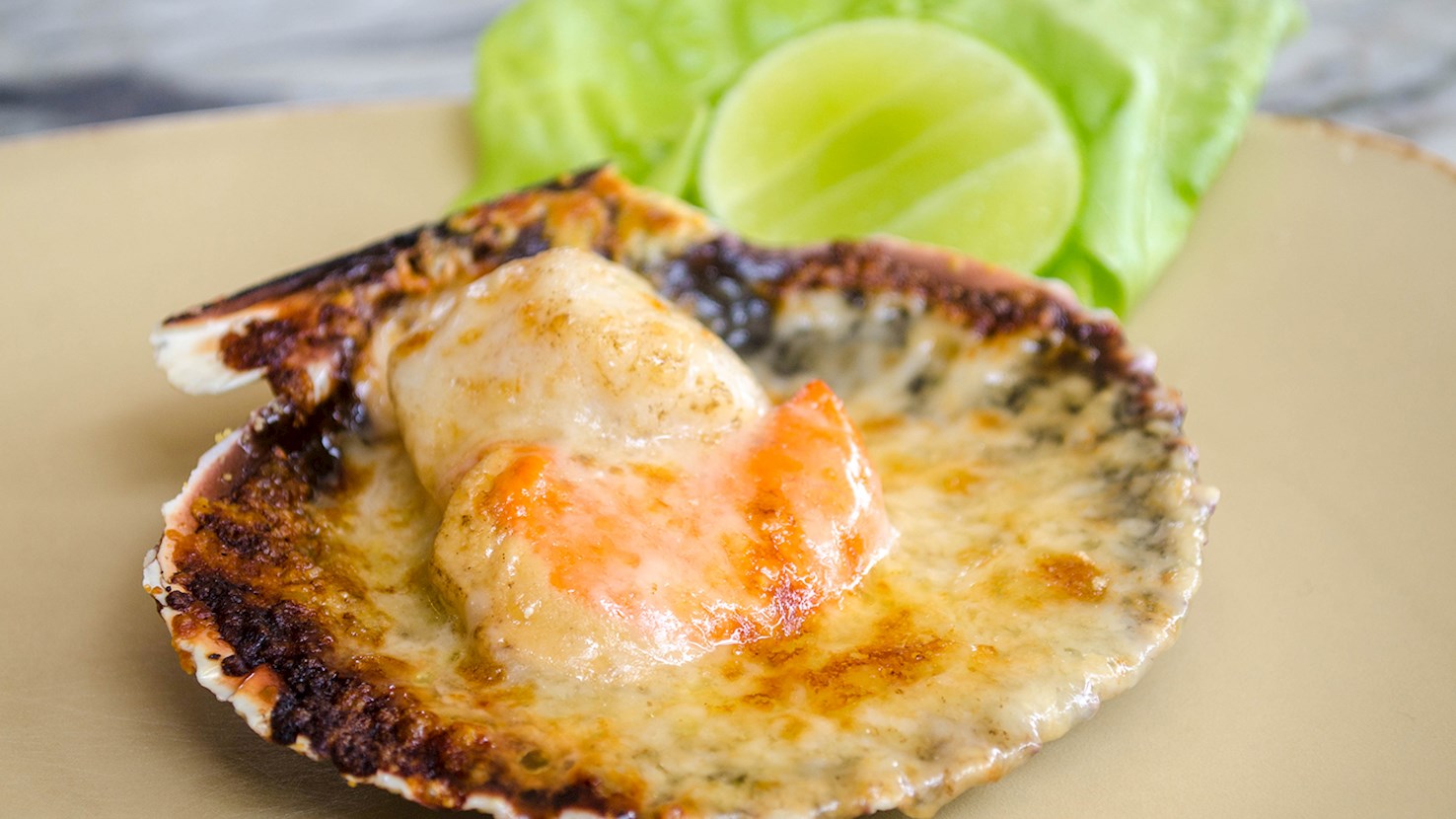
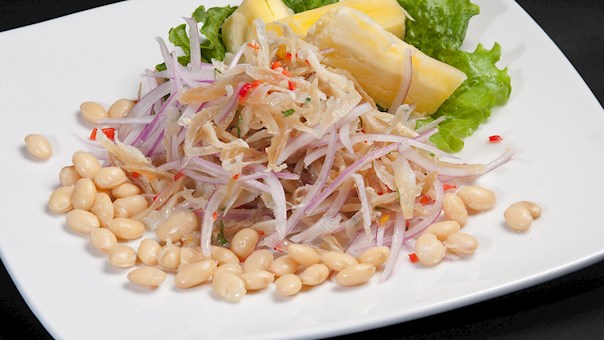
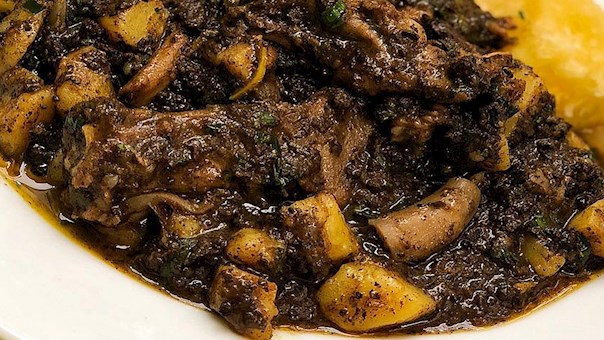
Conchitas a la parmesana is a traditional dish that's served as an appetizer. It consists of scallops that are topped with grated parmesan, then placed under the broiler for a few minutes. When served, the cheese should be bubbling, but the scallops will remain almost raw. The ingredients used for the dish include scallops, Worcestershire sauce, lime juice, butter, salt, pepper, and grated parmesan cheese. The dish is served immediately, while still piping hot, ideally with lime wedges on the side.
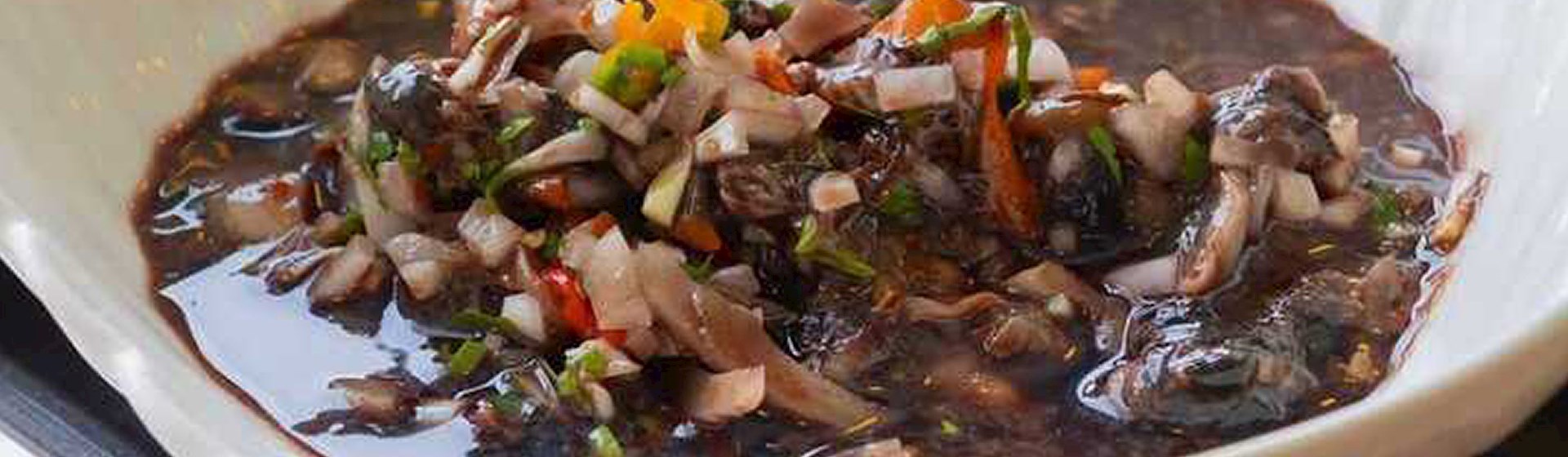
Peruvian ceviche de conchas negras is a type of ceviche made with black clams (concha negra) said to have aphrodisiac properties, traditionally sourced from the Tumbes region. The clam meat and its juices are meticulously cleaned, then seasoned with a vibrant mix of ají limo peppers, finely diced red onions, salt, pepper, and garlic paste. This concoction is allowed to marinate briefly in fresh lime juice, intensifying its flavors. It's traditionally served with choclo (Peruvian large-kernel corn) and a slice of sweet potato, adding a delightful contrast to the dish's spicy zest. Some other serving options include toasted corn nuts cancha and crispy chifle or fried plantain chips.
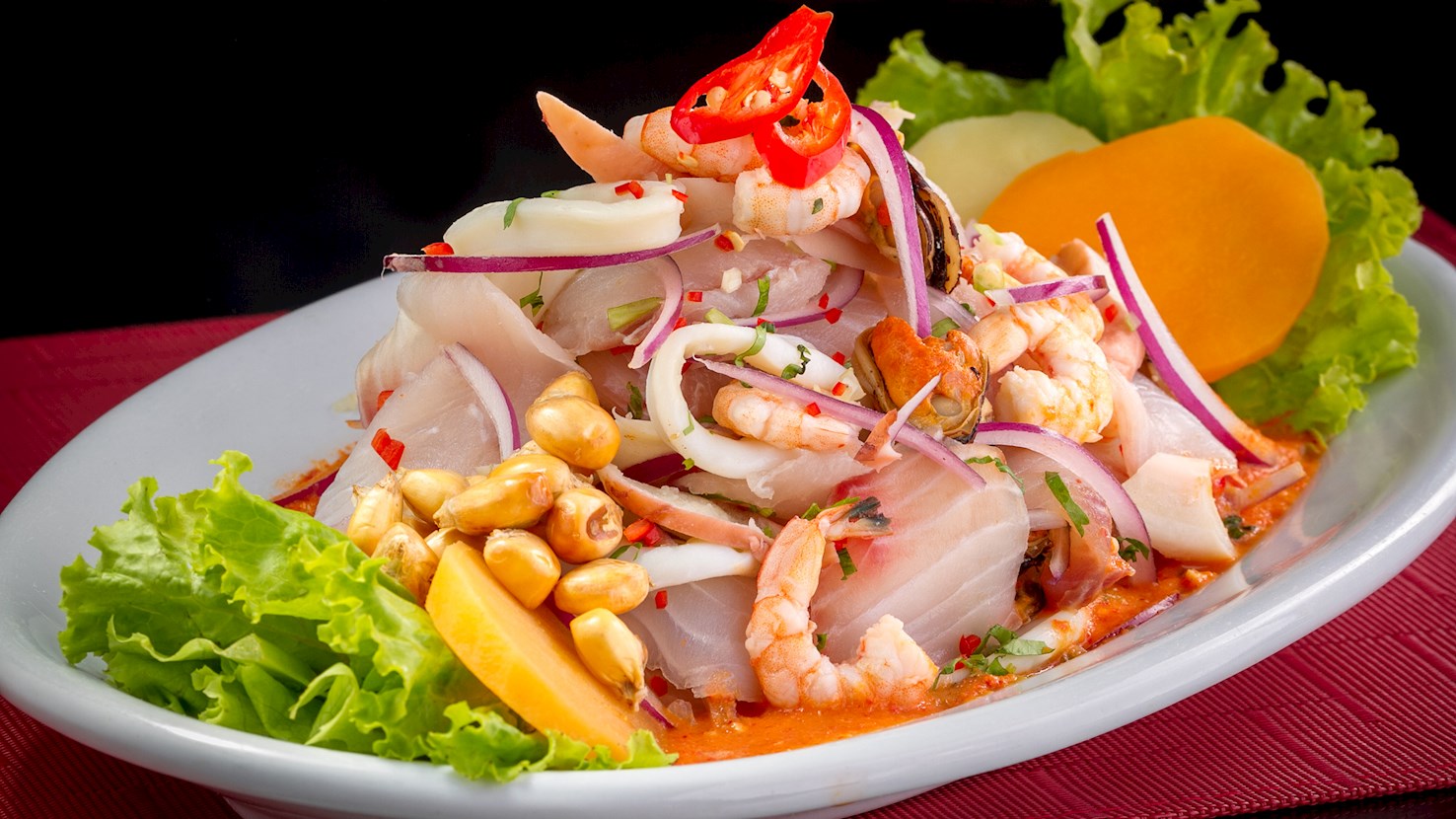
Ceviche mixto is a classic Peruvian appetizer that differentiates itself from other types of ceviche by the addition of various seafood ingredients to regularly used fish. Those include shrimp, squid, octopus, clams, or scallops. A few mussels or small crabs are sometimes also added to the dish. The seafood is typically marinated in lime juice, onions, garlic, celery, coriander, hot chili peppers, and salt. Ceviche mixto is often served with glazed sweet potatoes and Peruvian corn.
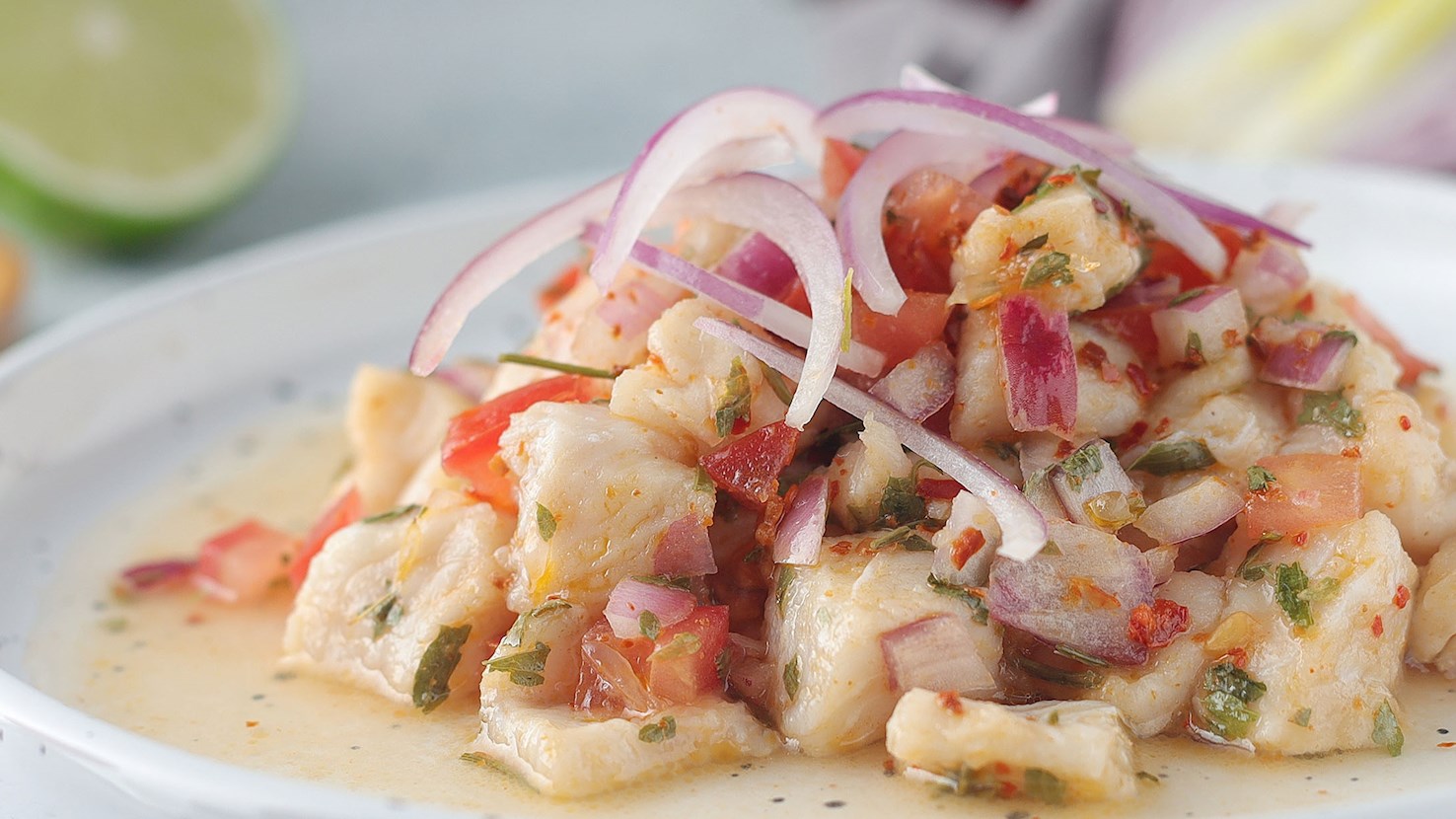
Ceviche is the national dish of Peru consisting of slices of raw fish or shellfish that is spiced with salt, onions, and chili peppers, then marinated in lime juice. Due to the acidity of lime juice, the texture of the fish changes, as does its color – from pink to white. The acidic marinade, also known as leche de tigre (lit. tiger's milk) "cooks" the meat without any heat involved in the process. For ceviche, fresh fish is an imperative, as fish and shellfish that are not fresh can cause food poisoning. Peruvians are used to fresh ingredients, so the fish will sometimes be prepared for ceviche less than an hour after being caught. Fish for ceviche can be divided into three categories: firm, medium, and soft. The dish was originally made by the natives who marinated fish and amarillo chiles in the juices of a native fruit called tumbo, which was replaced by lime juice when the Spanish brought limes and onions to the country. The flavors of ceviche are slightly acidic and spicy, with an intense aroma of the sea. Traditionally, it is served on a bed of lettuce with tiny pieces of corn, chunks of sweet potato, and boiled yuca. Cancha, a variety of popcorn made from large corn kernels toasted in salt and oil provides an ideal side dish. The dish is traditionally served at cevicherias, specialized ceviche restaurants that can be found all over the country, and it is so popular that it even has its day, known as National Ceviche Day.
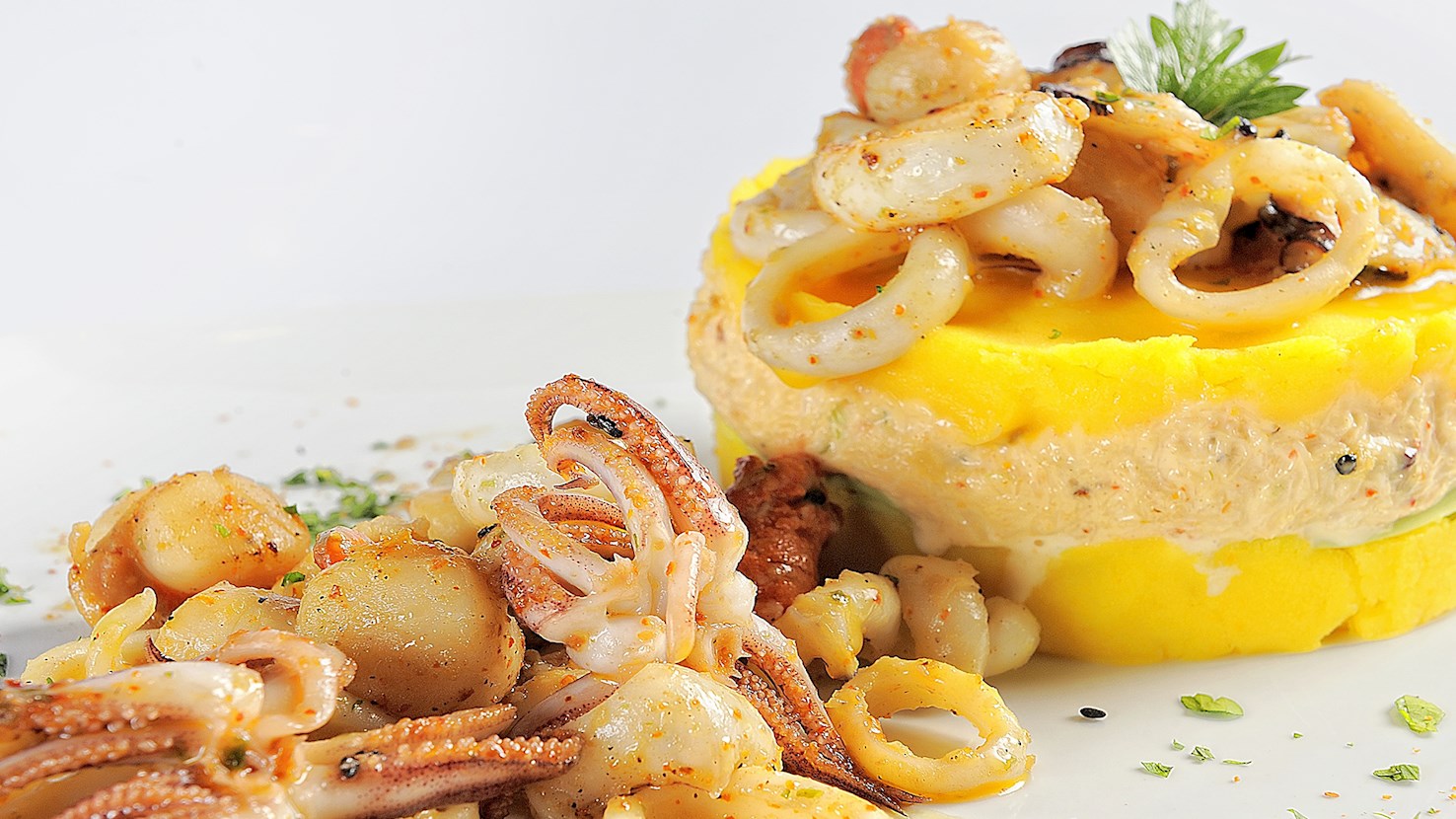
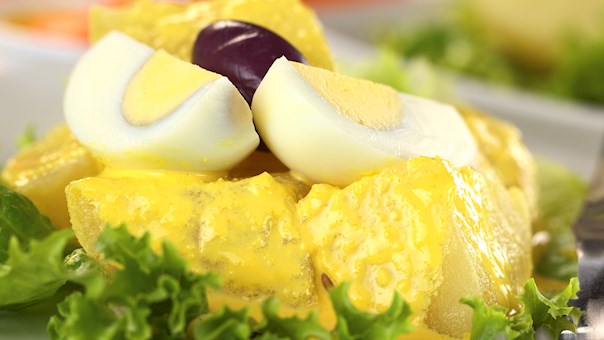
This traditional Peruvian delicacy is made with yellow potatoes and either tuna salad or chicken. Most often, the potatoes are molded or cut into circles, and the filling is sandwiched in between. The dish is flavored with mayonnaise, ají amarillo chilis, and lime or lemon juice. Causa rellena is typically served cold on a bed of lettuce, while the top is garnished with black olives, making it a perfect appetizer or a light meal on its own. It is believed that the dish was invented during the Pacific War. Food was scarce, and the Peruvian women started collecting potatoes and any other ingredients they could get their hands on. The women created causa rellena, then offered it to soldiers for the cause of defending their homes, hence the name of the dish.
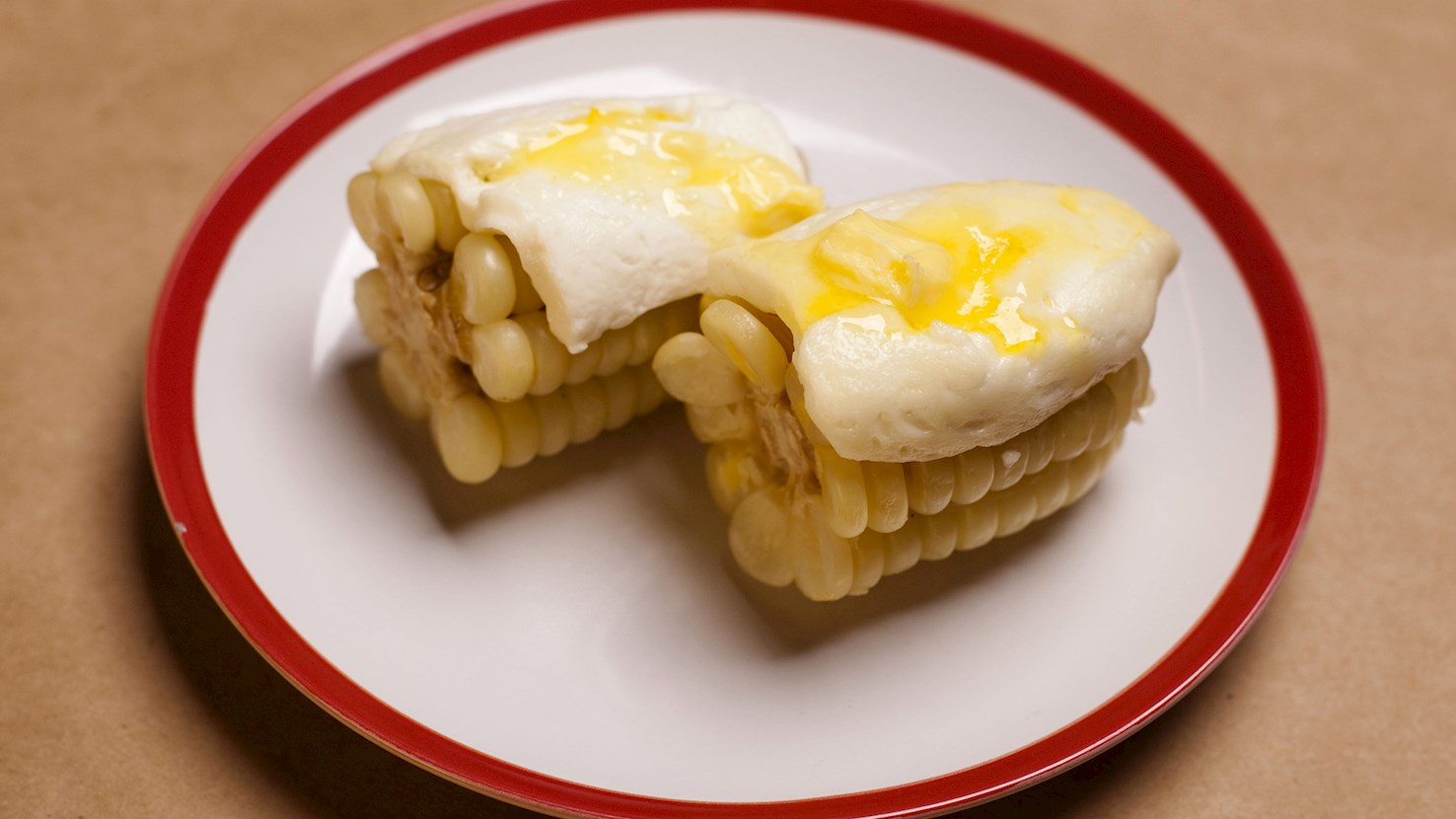
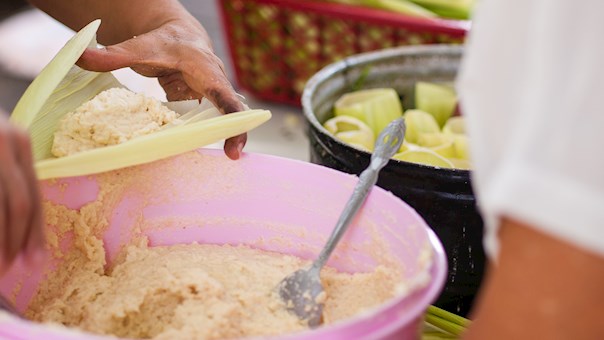
Choclo con queso is a Peruvian meal that is often consumed as a snack, an appetizer, or a side dish. Peruvian choclo is a type of corn with large kernels, nutty flavor, and chewy texture. When paired with creamy and salty cheese and a dab of butter on top, it results in choclo con queso (lit. corn with cheese). Although it can be found in restaurants, this delicious snack is most commonly bought from street vendors. In some modern interpretations, the dish can also be made into a baked casserole with added onions, cumin, flour, and milk.
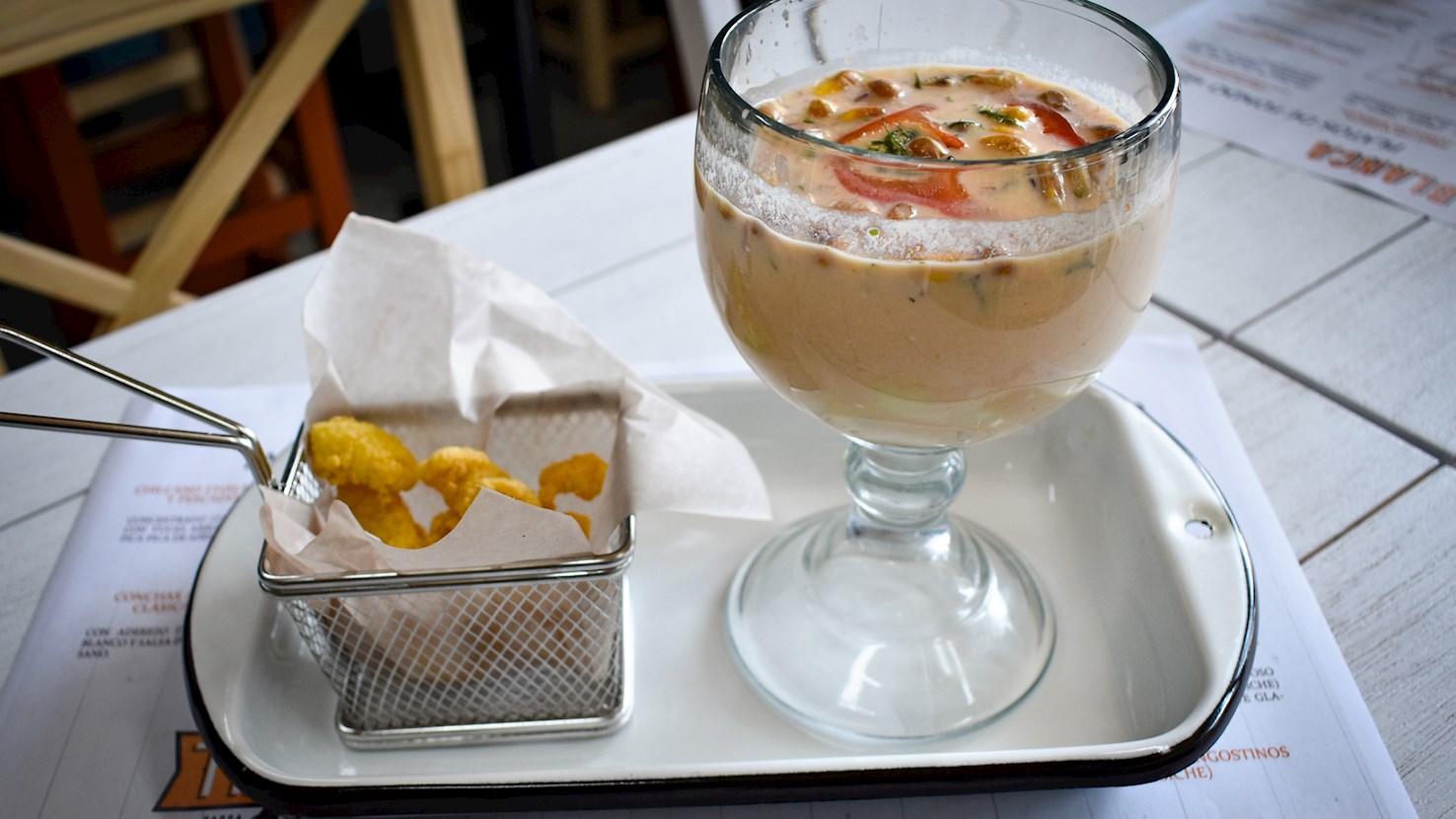
Leche de tigre is a Peruvian specialty consisting of ceviche juice that is left after the fish has been consumed. The milky liquid is sometimes made on its own with fish stock. There are numerous variations of leche de tigre, but each drink is characterized by its blend of numerous flavors: spicy, acidic, savory, creamy, and fresh. Some cooks like to make the drink more creamy by adding puréed fish into it, while others like to add milk in order to balance the acidity coming from the lime juice. Leche de tigre has a special place in most Peruvian households since it is considered an aphrodisiac and a great hangover cure. Sometimes, the drink is mixed with coconut milk, vodka, and white wine for the creation of a unique cocktail.
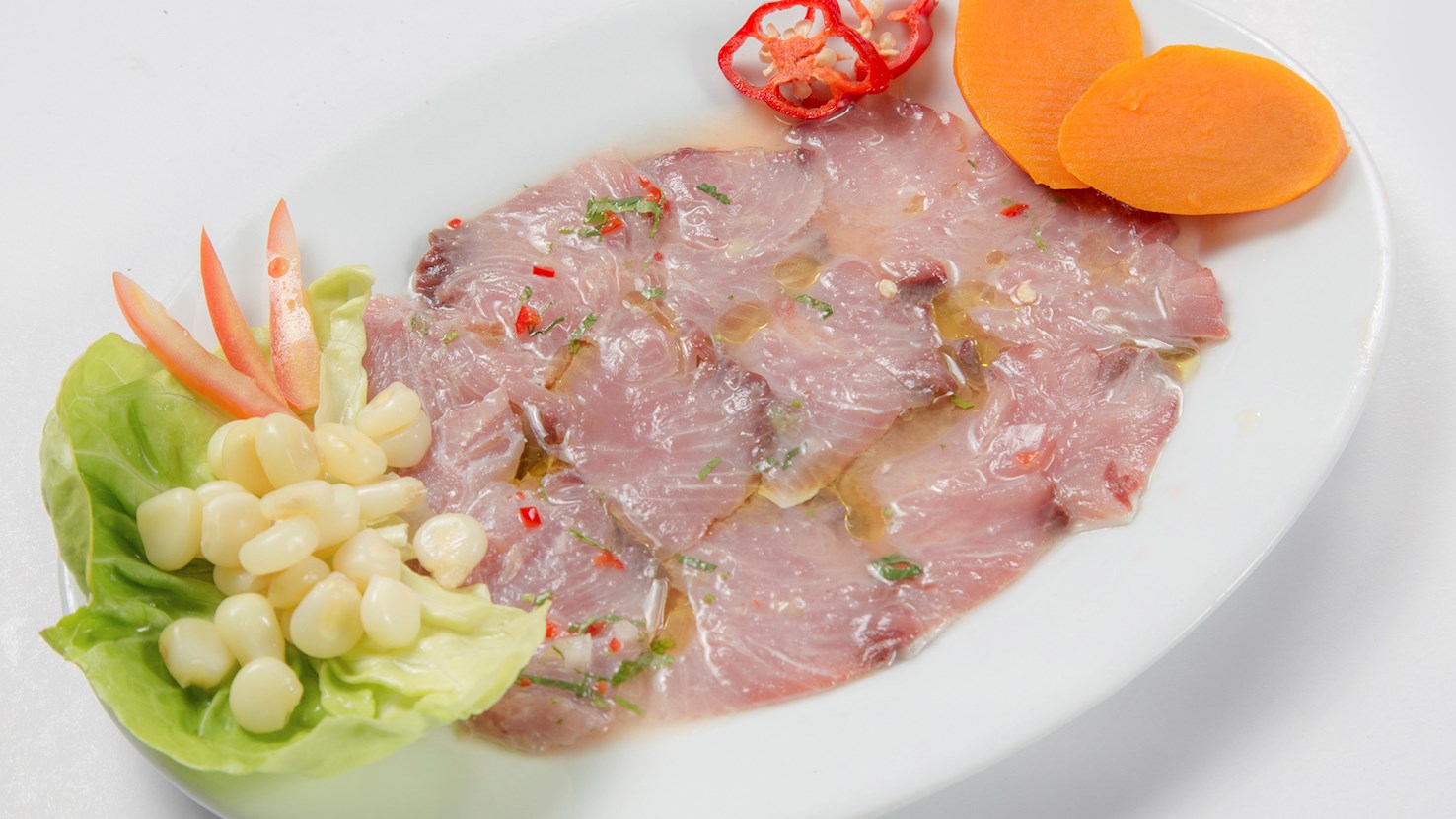
Tiradito is a traditional dish consisting of thinly sliced, well-chilled raw fish, chopped vegetables, and coriander, all drizzled with lime juice right before consumption, so the fish stays raw, unlike ceviche, where the fish is already cooked in citrus juices. The dish is most often served as an appetizer, and some cooks like to add their own touch – topping it with sliced onions, pickled jalapeños, boiled corn, and even crushed potato chips. It is believed that it takes a lot of skill and effort to make a perfect tiradito, but the most essential components while preparing it are a sharp knife and the freshest possible fish, which is the highlight of every tiradito.
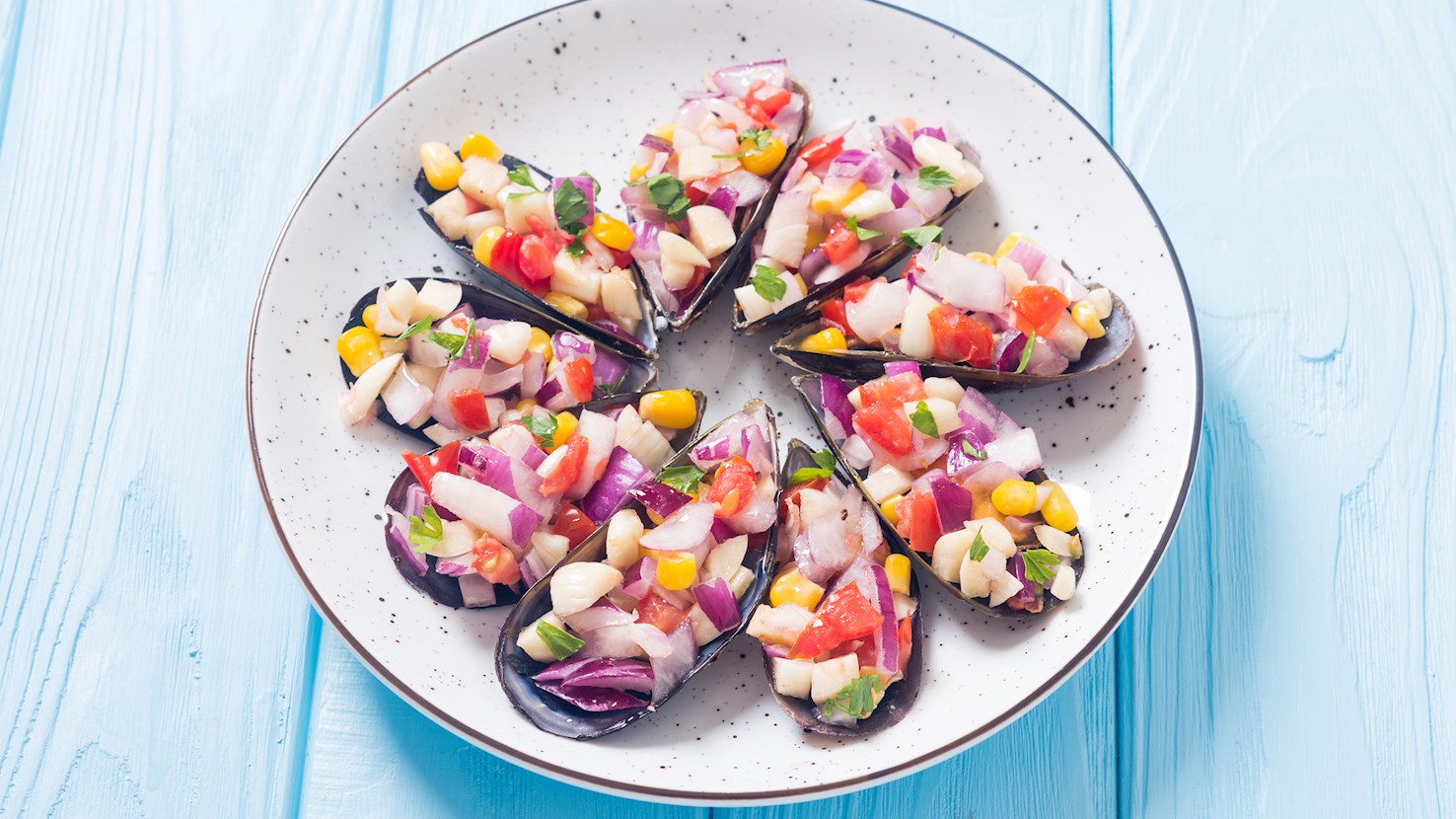
Choritos a la chalaca is a Peruvian dish originating from the port of Callao. The word "choritos" refers to mussels, while "a la chalaca" means Callao-style. The dish is made by steaming the mussels, then topping them with a spicy salsa featuring tomatoes, corn, rocoto peppers, onions, lime juice, olive oil, and parsley. Choritos a la chalaca is traditionally served as an appetizer with a glass of cold beer on the side.
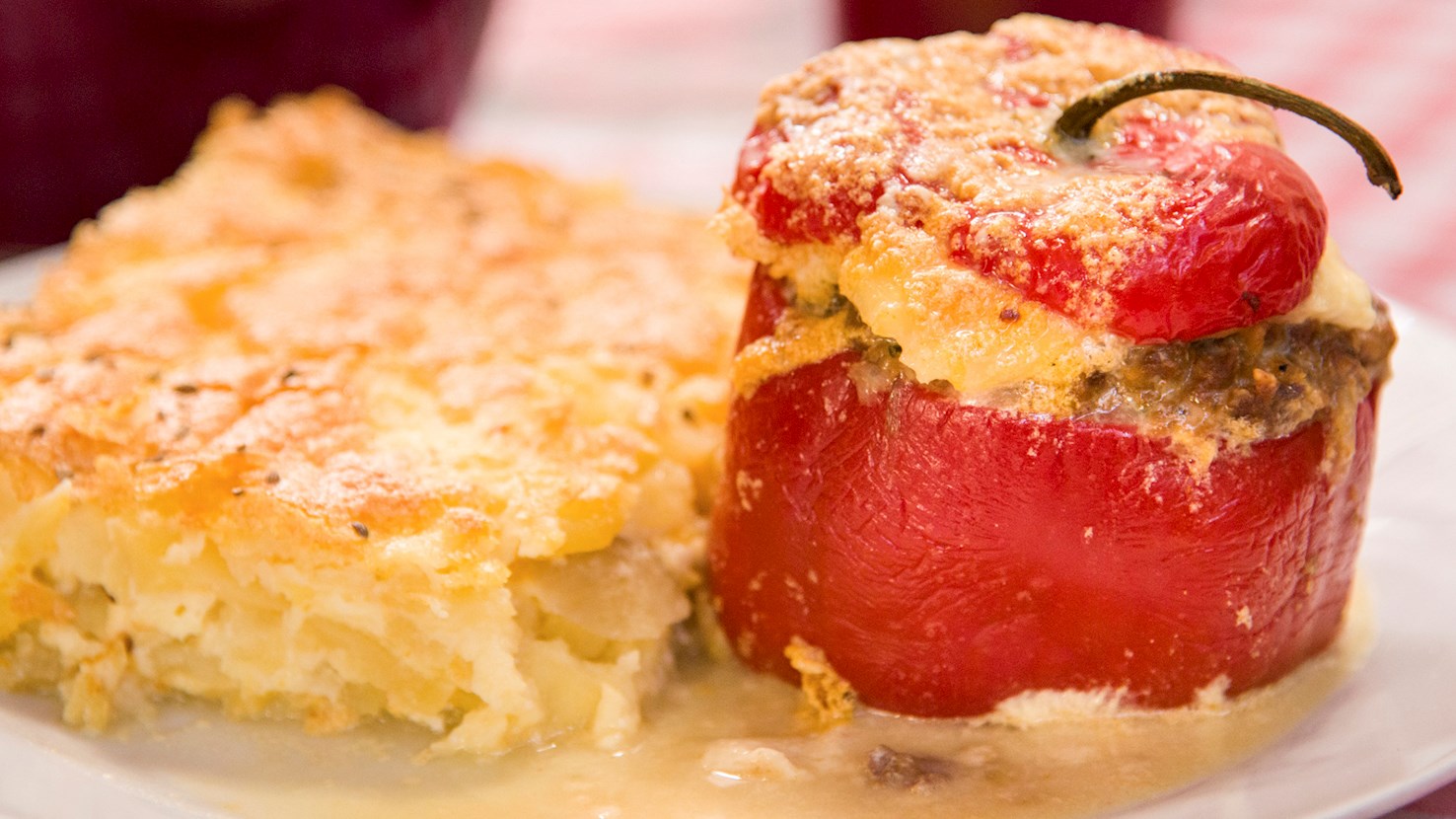
Rocoto relleno is the most famous appetizer from the Peruvian city of Arequipe, consisting of a spicy, oven-baked rocoto chili pepper stuffed with ground beef, onions, and pieces of hard-boiled eggs. The stuffing is traditionally seasoned with cumin, chili paste, salt, and ground pepper. Rocoto is often served with a slice of queso fresco cheese melted on top of the stuffing. This flavorful appetizer is often accompanied by baked potatoes or various salads on the side.
TasteAtlas food rankings are based on the ratings of the TasteAtlas audience, with a series of mechanisms that recognize real users and that ignore bot,
nationalist or local patriotic ratings, and give additional value to the ratings of users that the system recognizes as knowledgeable.
For the “Top 29 Peruvian Appetizers” list until June 15, 2026, 7,149 ratings were recorded, of which 2,053 were recognized by the system as legitimate.
TasteAtlas Rankings should not be seen as the final global conclusion about food. Their purpose is to promote excellent local foods,
instill pride in traditional dishes, and arouse curiosity about dishes you haven’t tried.