

shutterstock

Top 100 African Beverages

Last updated on June 10, 2026

Best African Beverage Types

01

Maghrebi mint tea

4.4 ·

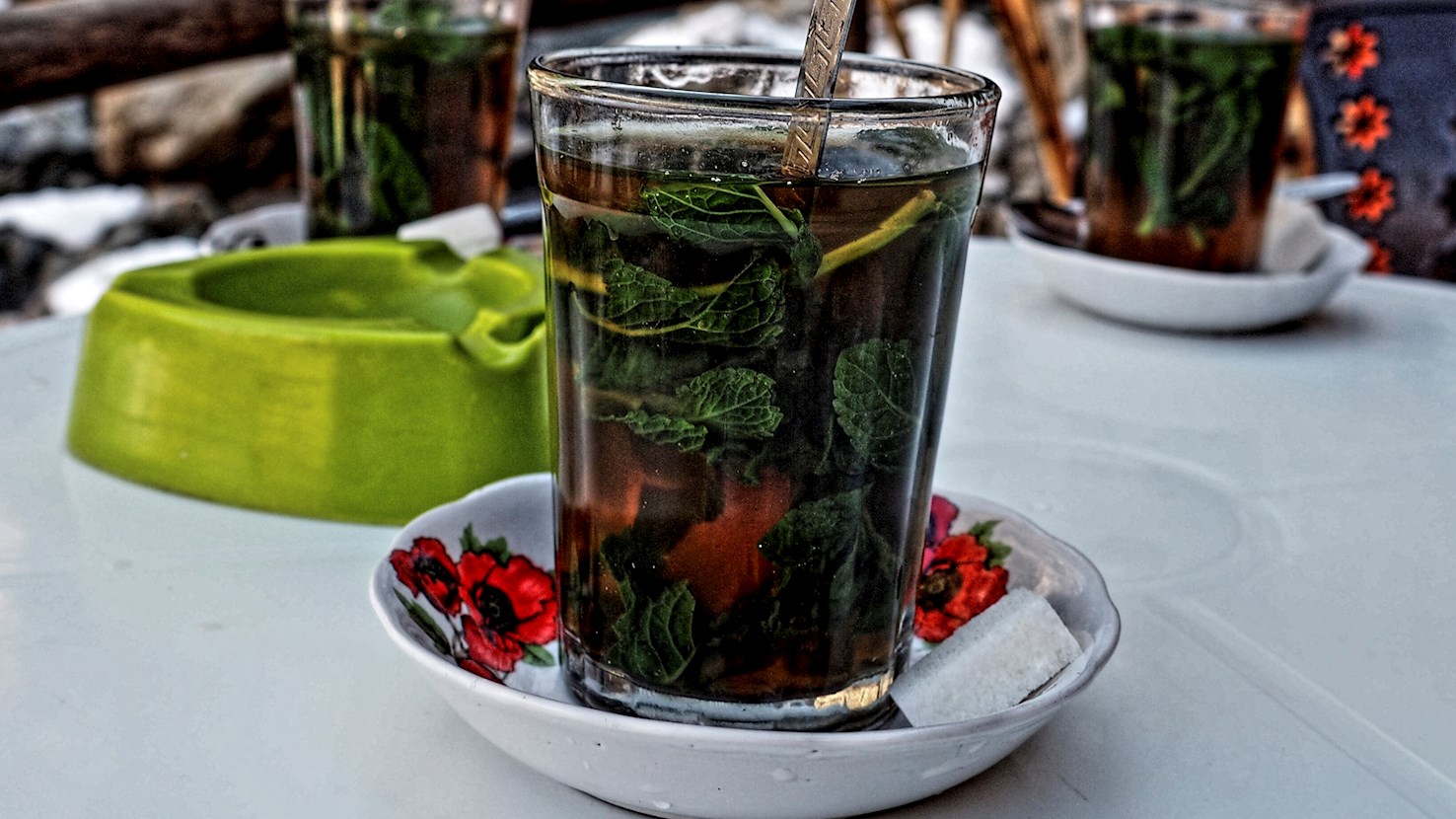
Maghrebi mint tea is the most common term used to denote the generously sweetened combination of green tea and fresh spearmint. The consummation of mint tea is common to the Maghrebi region of North Africa, but it is strongly associated with Morocco. It is traditionally prepared in berrad teapots, in which the tea is first steeped to produce the so-called spirit that is saved for later use. The leaves are washed and are then brewed with the addition of the tea spirit and water. Optionally, other types of herbs can be used instead of spearmint, and they can be put inside the teapot or directly into cups. In Morocco, Maghrebi tea is associated with social gatherings and is the ultimate sign of hospitality.

02

Amarula

4.2 ·

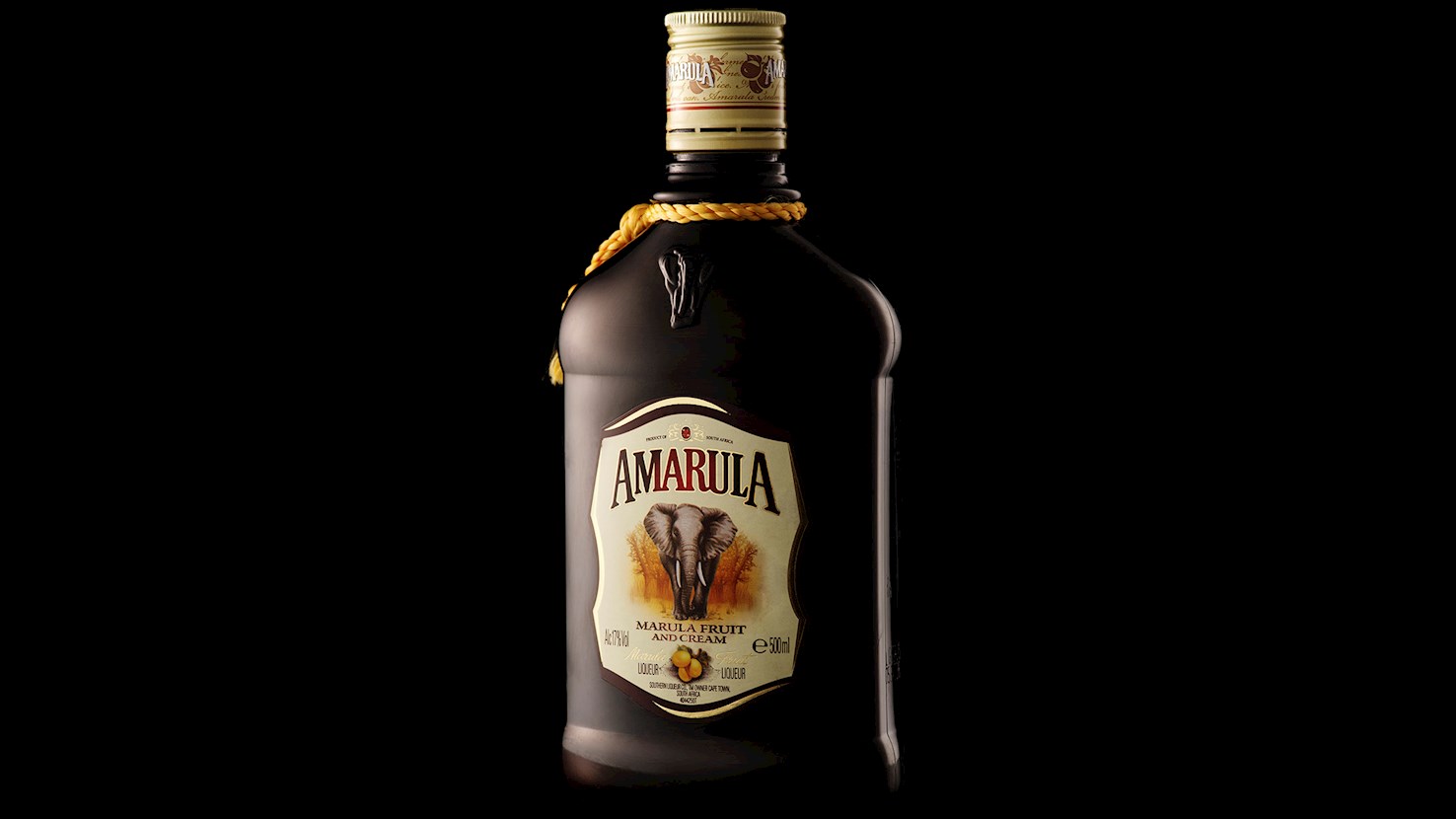
Hailing from South Africa, this cream liqueur is produced with a base spirit that is distilled from carefully selected and hand-picked fruits of African marula, which is also known as elephant tree. The base is aged and then combined with sugar and cream to create a rich liqueur that is characterized by its slight caramel flavor and underlying notes of vanilla and spices. Since marula fruit is a treat for elephants, the brand has turned them into a trademark, and actively work on their protection. Amarula is best served well-chilled, preferably over ice, but it also blends well into cocktails, especially those based on whiskey or vodka.

03

Jus de Bissap

4 ·

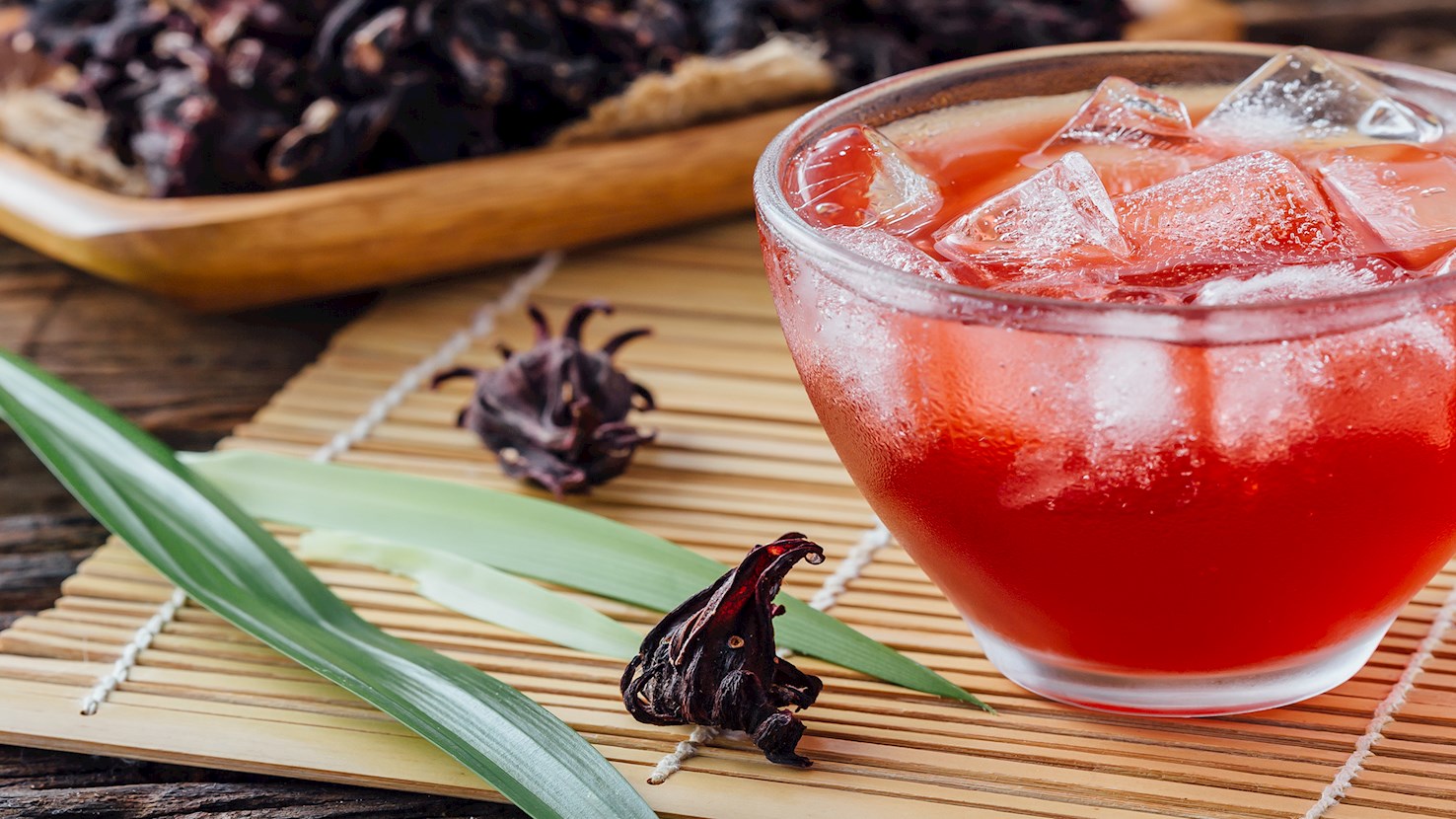
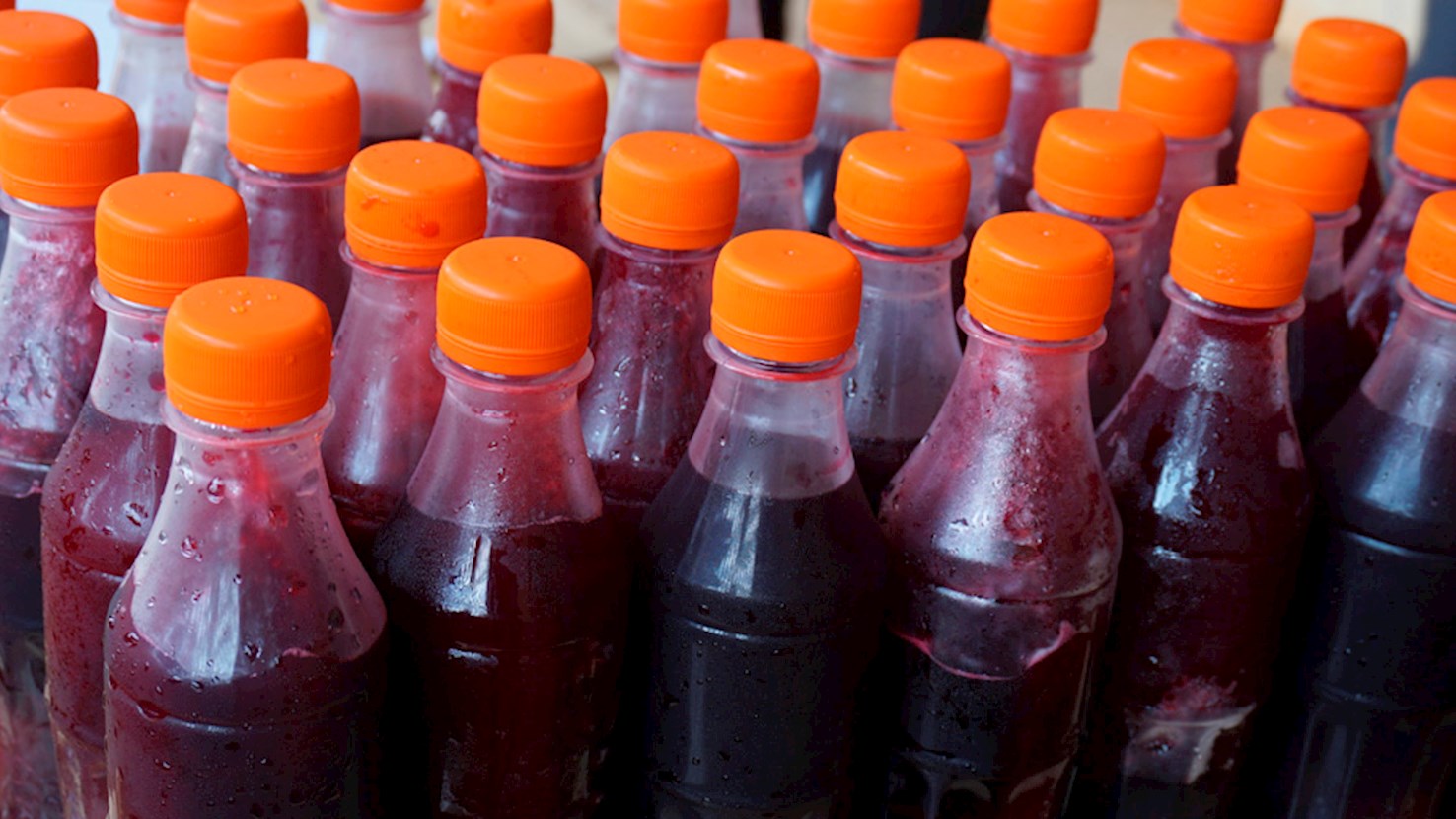
Jus de bissap is an aromatic, slightly sour beverage that is the national drink of Senegal. It is made from dried flowers of Hibiscus sabdariffa that are combined with hot water and flavorings (usually sugar). This refreshing beverage is typically served chilled, sometimes over ice. It is recommended to pair it with thieboudienne, the national dish of Senegal.

04

Pinotage

3.9 ·

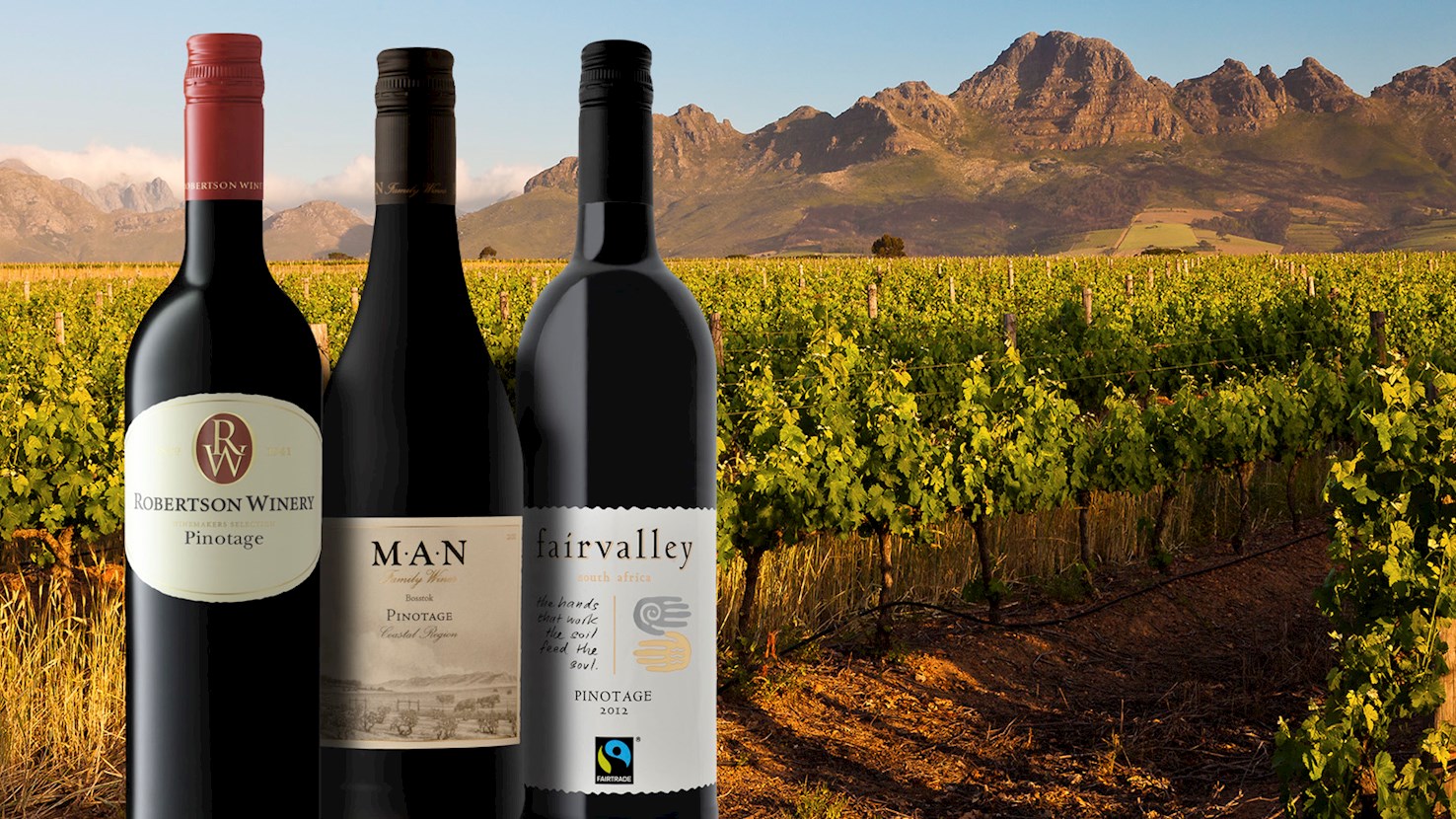
Pinotage is a red grape variety indigenous to South Africa. It was created in 1925 from Pinot Noir and Cinsault (also known as Hermitage), but it does not have much in common with its ancestors. These bold wines can be made in different styles, but they are typically dark-red with flavors of purple or red fruits, while aged varieties may have bold tannins, and strong, earthy aromas of tobacco, bacon, and rooibos. Full-bodied Pinotage pairs well with dark meat, game, charcuterie, and aged cheese.

05

Rooibos

3.9 ·

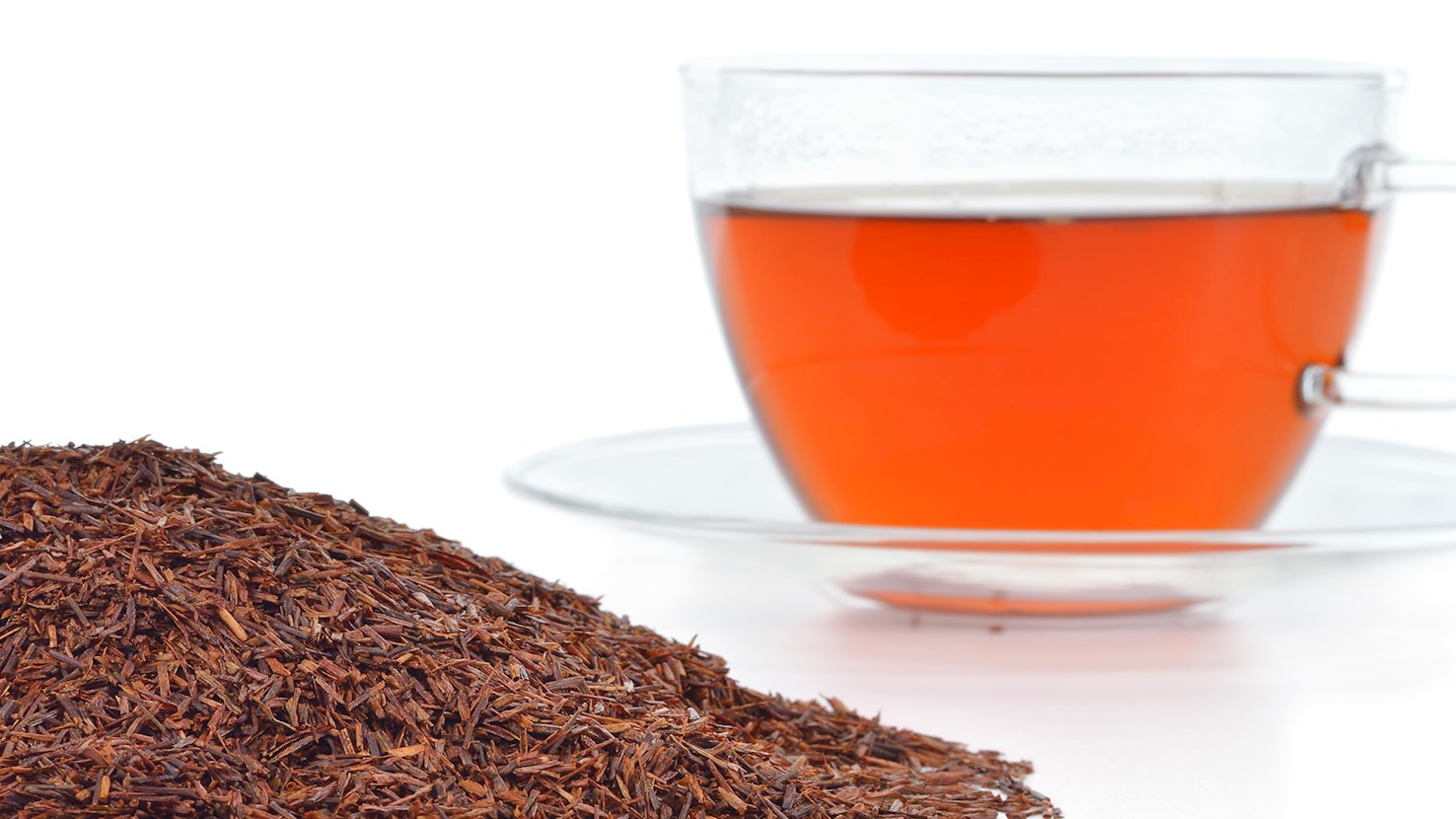
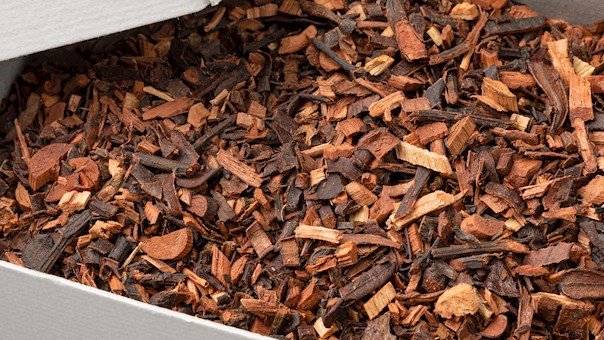
Rooibos is a South African plant whose leaves are commonly used for brewing tea. Originally, it was an inexpensive alternative to the European black tea. The name rooibos means red bush, referring to the plant's visual characteristics. Today, rooibos is mostly used for the preparation of tea, iced tea, and even red espresso, while its anti-aging and health benefits have been keeping the plant in the spotlight since the 18th century.

06

Khoudenjal

3.7 ·

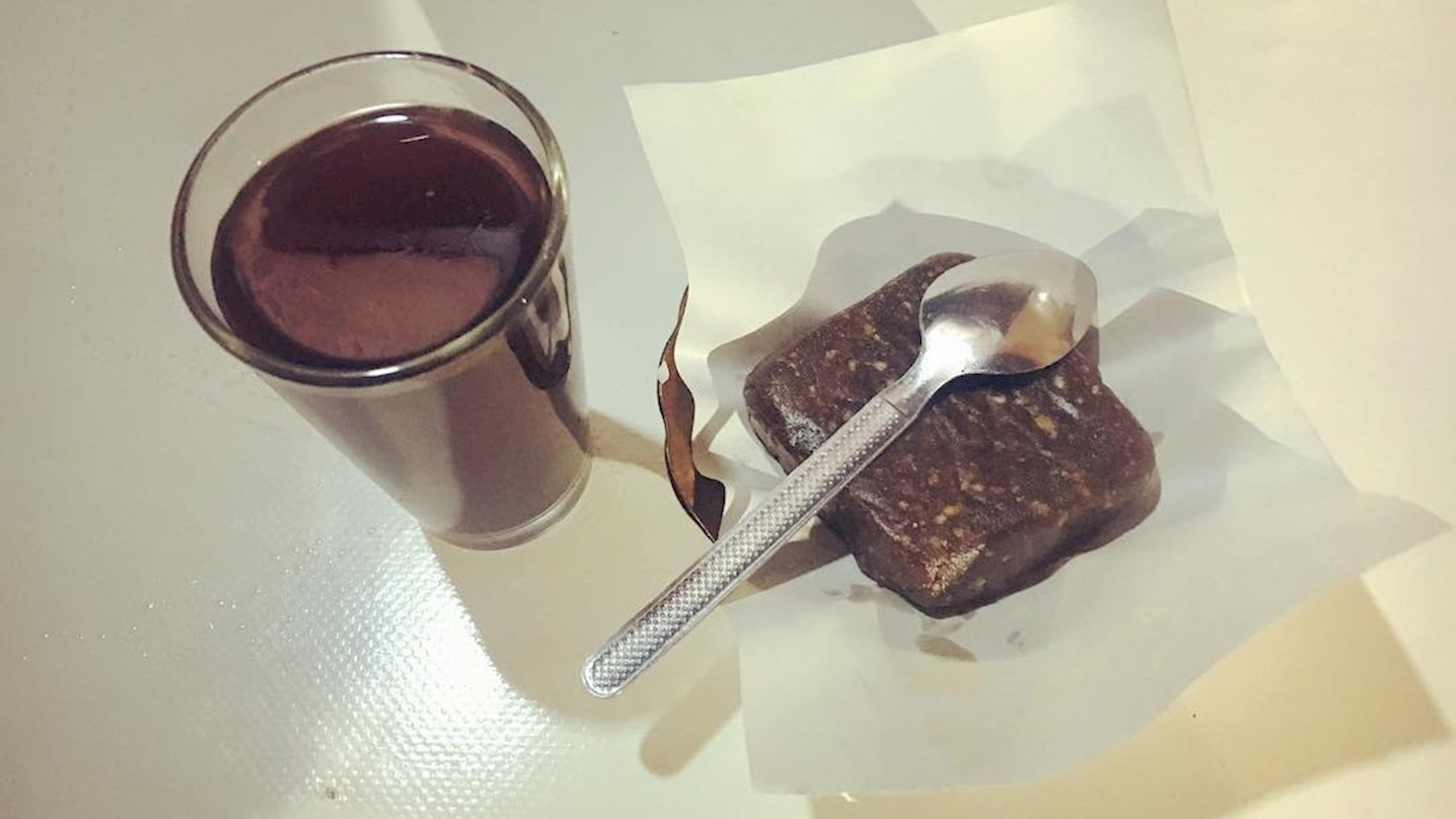
Khoudenjal is a spice infusion that is often dubbed as Morrocan spiced tea. The drink is made with a spice blend steeped in water. The most common spices in the mix include cinnamon, cardamom, cloves, galangal, pepper, madder root, and nutmeg, but the exact ingredients can vary and usually differ among the street vendors. The drink is aromatic and spicy, and it is generally enjoyed as a warming wintertime drink. It is mainly sold at street stalls, especially on the markets and other frequented locations.

07

Steen

3.7 ·

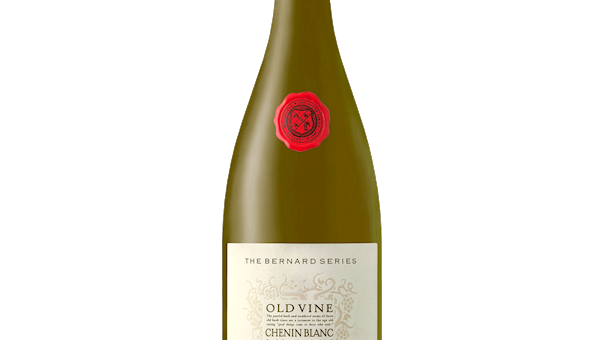
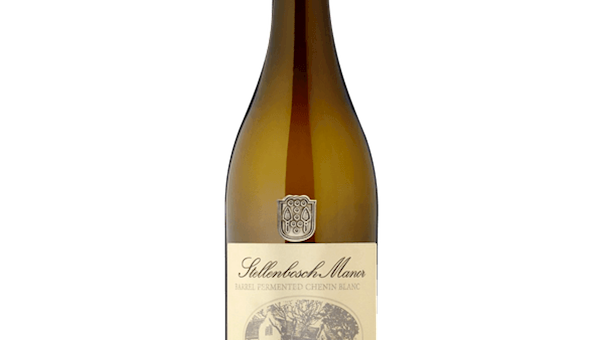
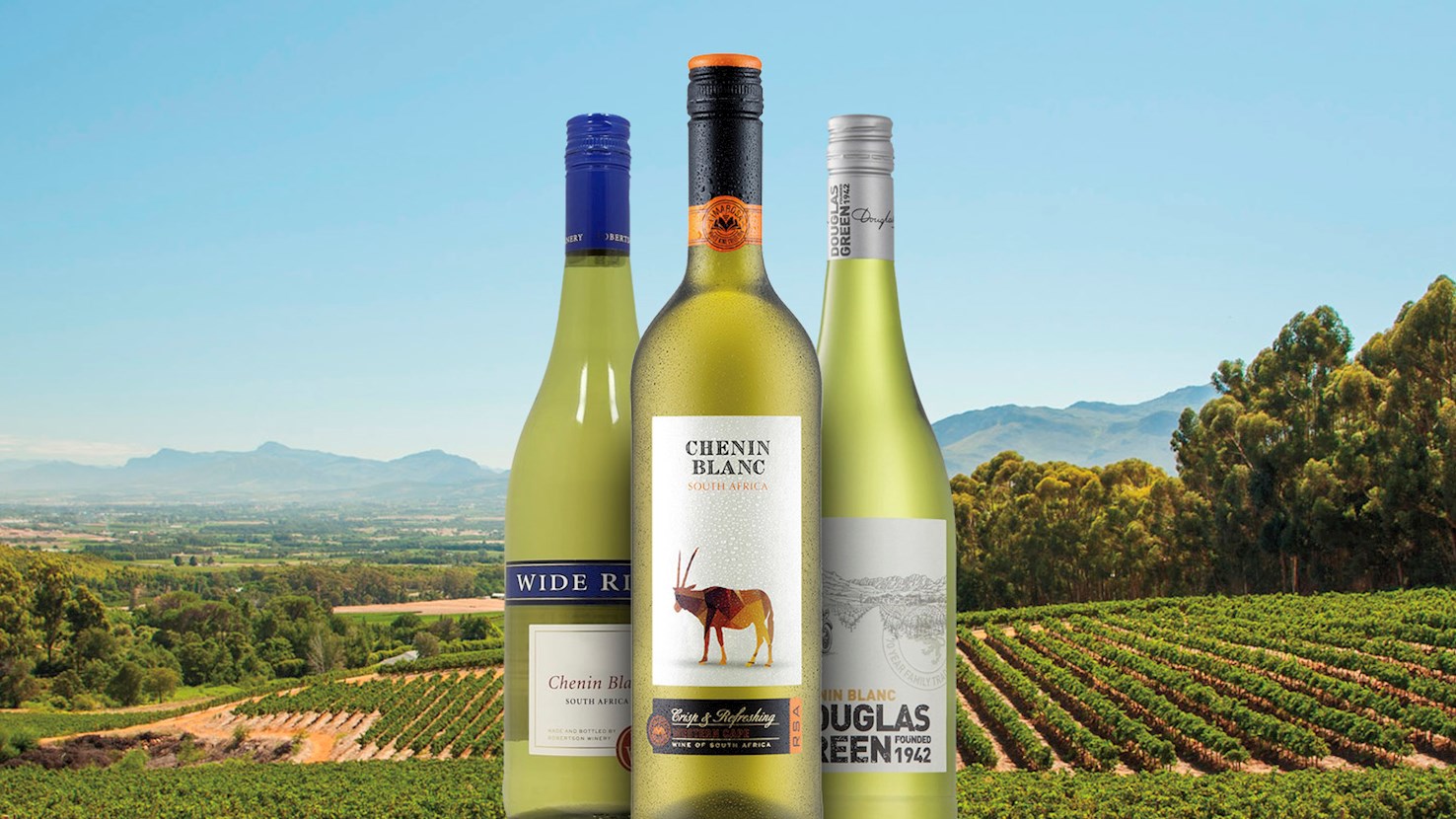
Although Chenin Blanc has its origins in the French Loire valley, it is often cultivated in other wine regions. It has shown great success in South Africa—where it remains the most planted variety and where it is known as Steen. Because it is planted in all wine regions of South Africa, the wines can slightly differ in character depending on the climate and soil composition. Cooler climates will typically result in fruity, citrusy, and light Chenin, while those from warmer areas tend to display notes of ripe tropical fruit, such as melon, mango, or pineapple. Food pairing depends on the style and sweetness, but Asian cuisine or seafood dishes would pair well with this wine.

08

Sobolo

3.6 ·

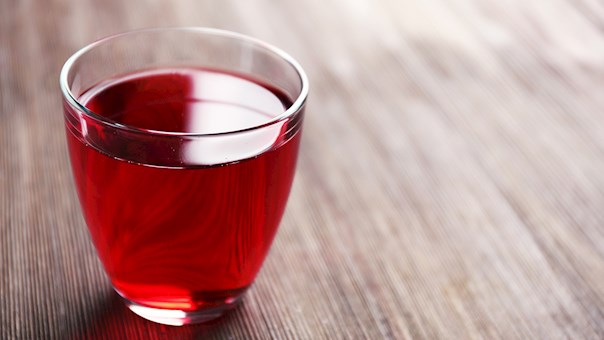
Sobolo (also known as hibiscus tea) is a refreshing drink native to Ghana. It can be made from either roselle leaves or flowers, a species of hibiscus that is native to West Africa. The leaves or flowers are steeped in hot water, and once the water has turned red, the water is strained, sweetened, and left to cool. Sobolo is typically dark purple-red in color, and the flavor can be described as something between grape and cranberry juice. It has numerous health benefits - it lowers blood pressure and cholesterol levels, but it also helps with weight loss.

09

Sobia

3.6 ·

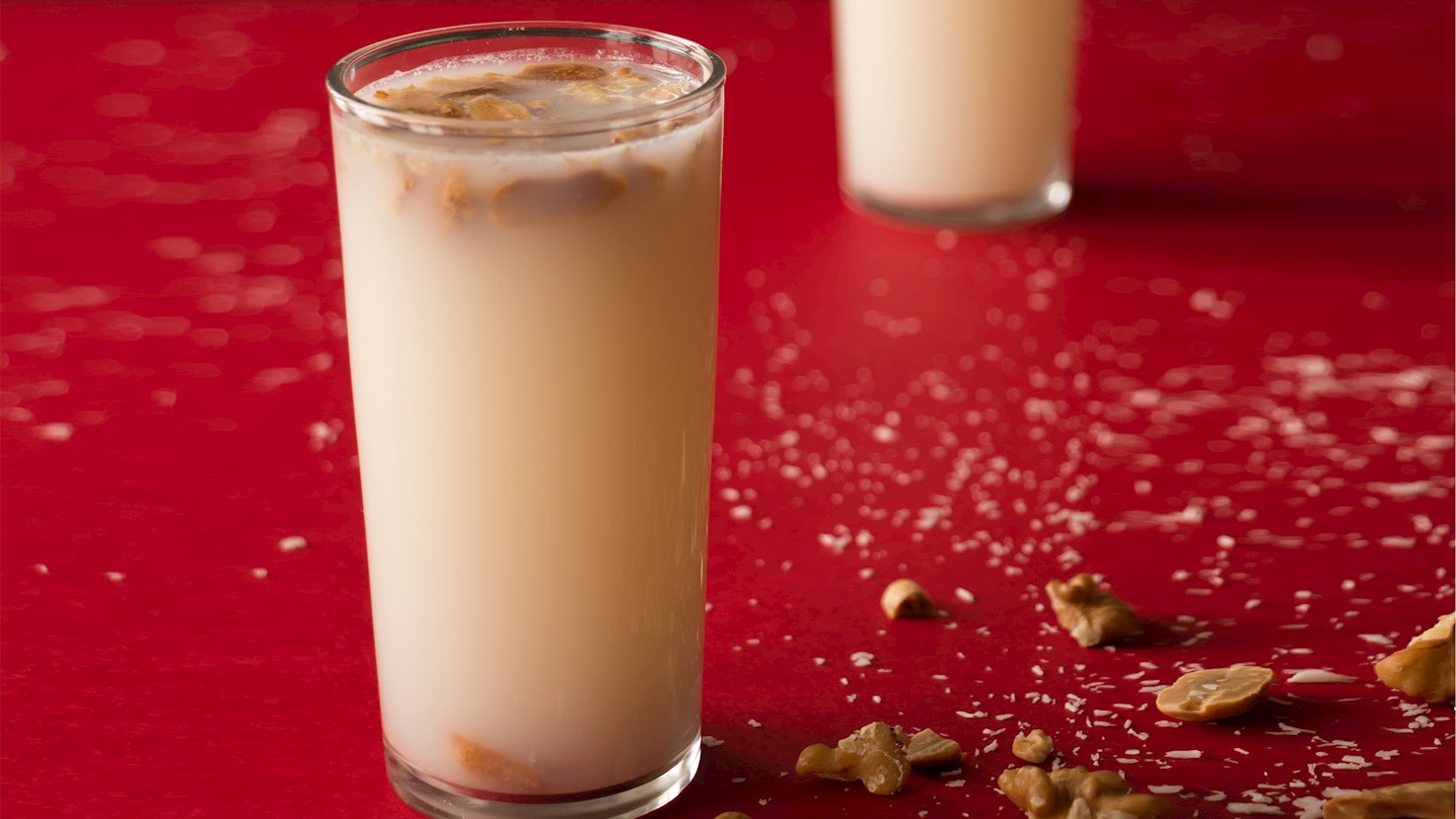
Hailing from Egypt, sobia is a refreshing rice-based drink that blends coconut milk, sugar, and ground rice. It is usually flavored with vanilla, and it can also be made with cooked rice. The ingredients are blended, and before serving, the drink is strained and should always be well chilled. Sobia is a sweet drink with a somewhat thick texture. The standard version has an off-white color, but some opt to add various food colorings to create brightly colored drinks. Sobia is enjoyed all year round, but it is traditionally prepared for Ramadan and served as a fast-breaking beverage. It is commonly made at home, sometimes with pre-mixed powders, but it is mostly sold by street vendors and comes packed in bottles or plastic bags. Saudi Arabian sobia does not have much in common with the Egyptian version—it is heavily spiced and based on cereals, but it is also commonly enjoyed for Ramadan.

10

Springbokkie

3.5 ·

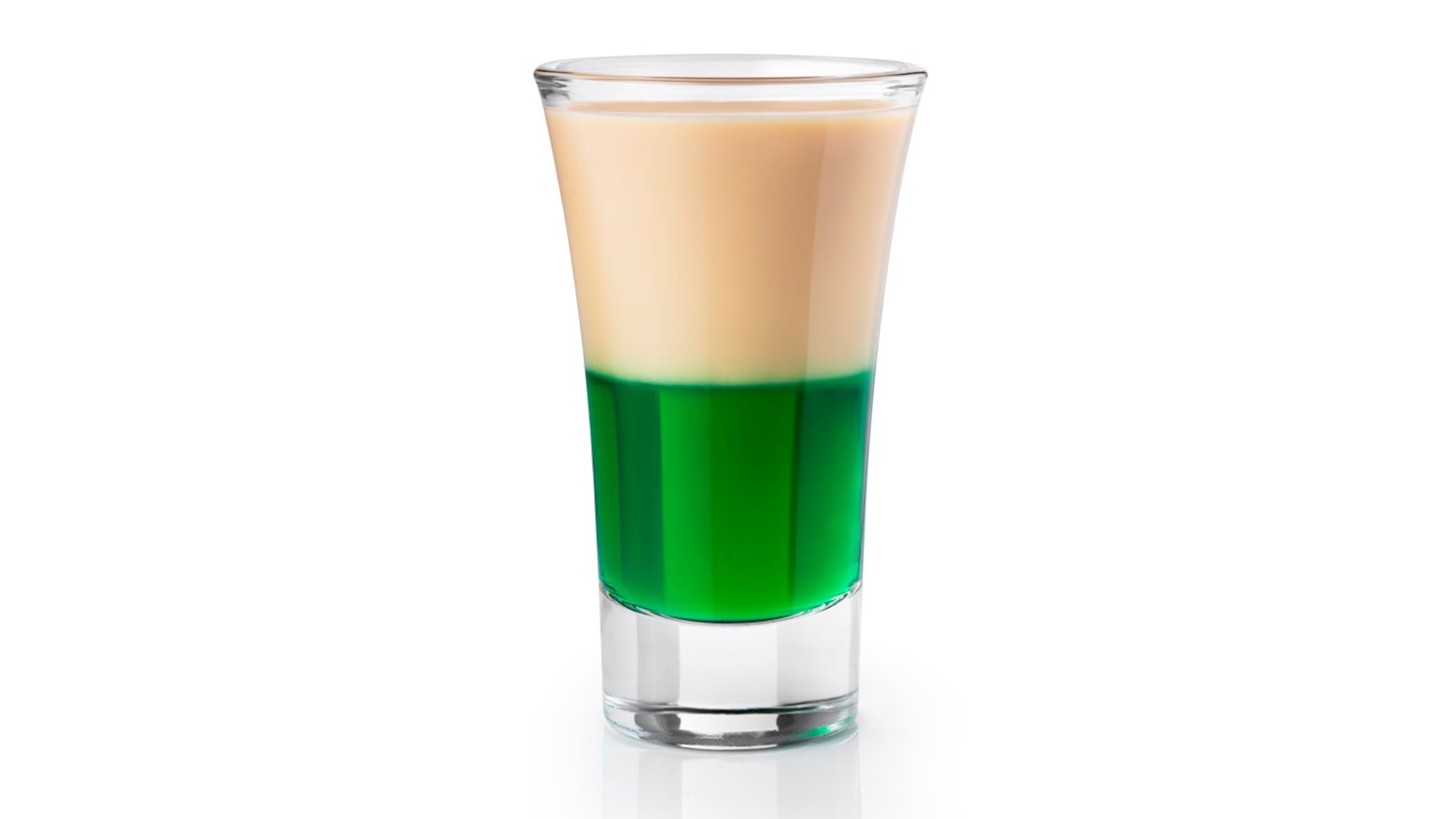
Springbokkie is a South African layered shooter consisting of equal parts crème de menthe and Amarula cream liqueur. In order to prepare it, Amarula should be poured into a shot glass first, followed by crème de menthe. The shooter is traditionally served without garnishes. It got its name after the green and gold jersey colors of the South Africa national rugby team, also known as The Springboks.

11

Tej

3.4 ·
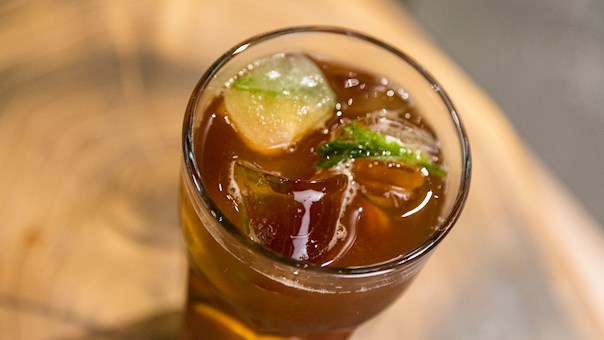
12

Mazagran

3.4 ·
13

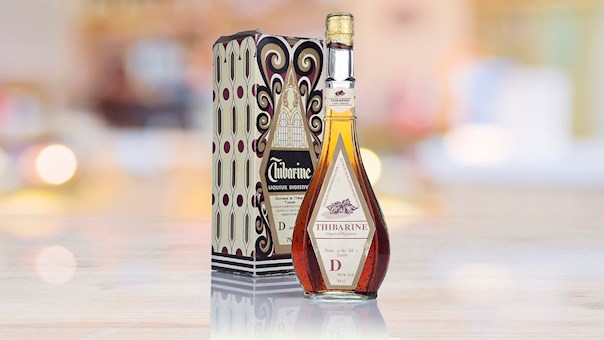
Thibarine

3.3 ·
14

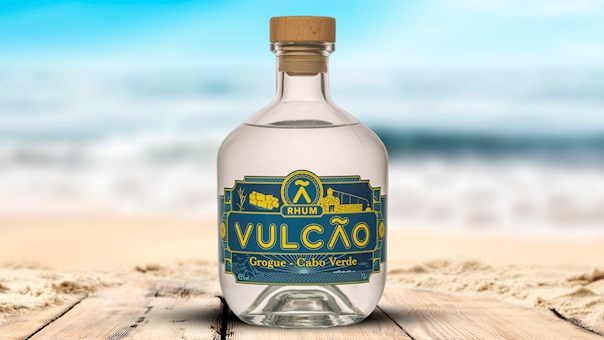
Grogue

3.2 ·
15

Boukha

2.4 ·
16

Amasi

n/a ·
17

Asaana

n/a ·
18

Zobo

n/a ·

Best African Beverages
01

Kakira Distillery

5 ·
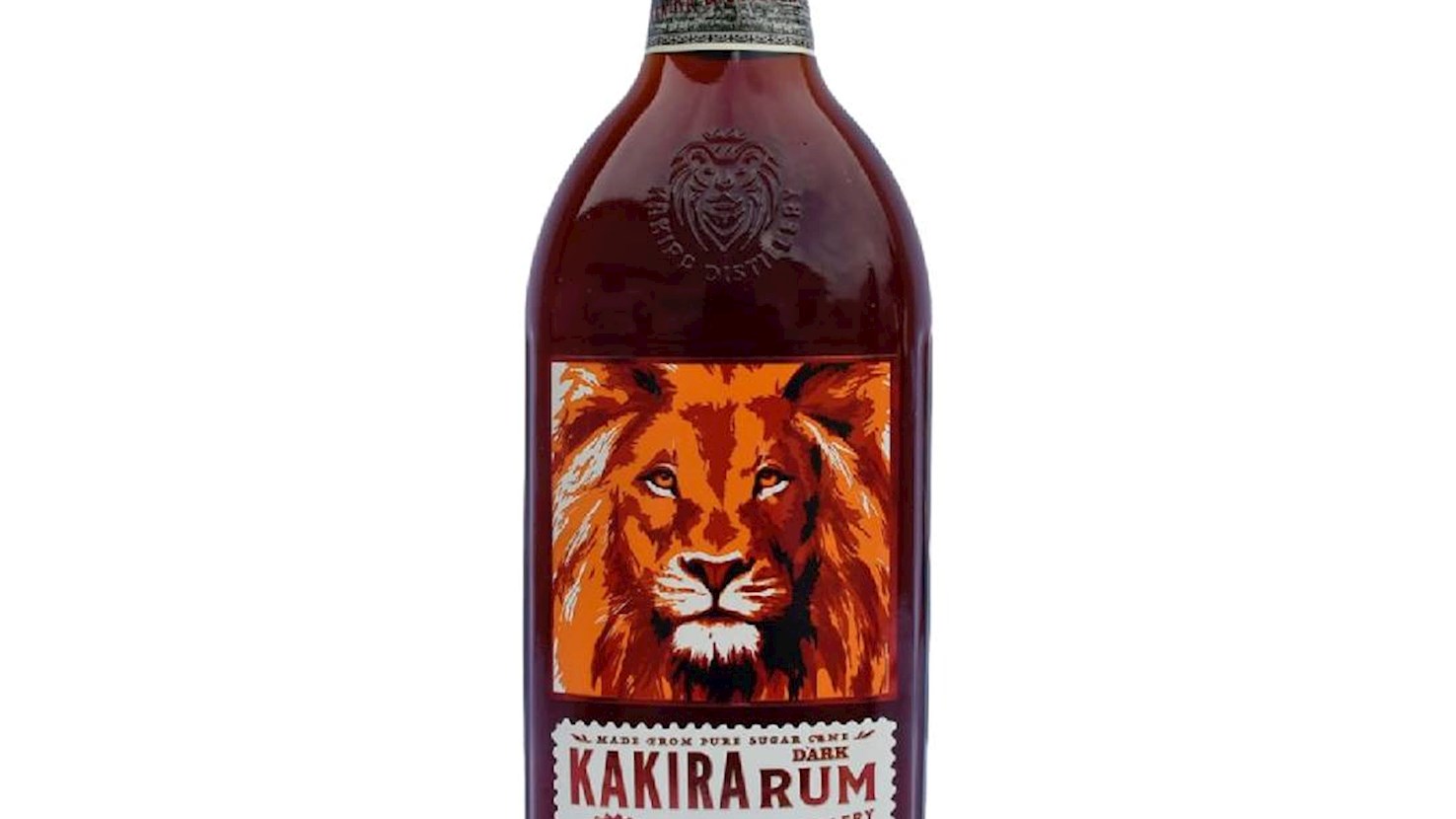
Kakira Spirits is a producer of premium alcoholic beverages located in Jinja, Uganda, on the shores of Lake Victoria at the source of the Nile River. Established in 1930 by the Madhvani family, Kakira Spirits is part of the Kakira Sugar Estate, where sugarcane has been cultivated and processed for over 70 years. The company produces award-winning spirits such as gin, vodka, and rum, using molasses derived as a by-product of sugar production. This approach reduces waste and carbon footprint while simultaneously increasing revenues.
Awards
IWSC- International wine & spirit competition - Spirit Gold (2024)
European Spirits Challenge - Gold (2024, 2023)
02

Klein Constantia

5 ·
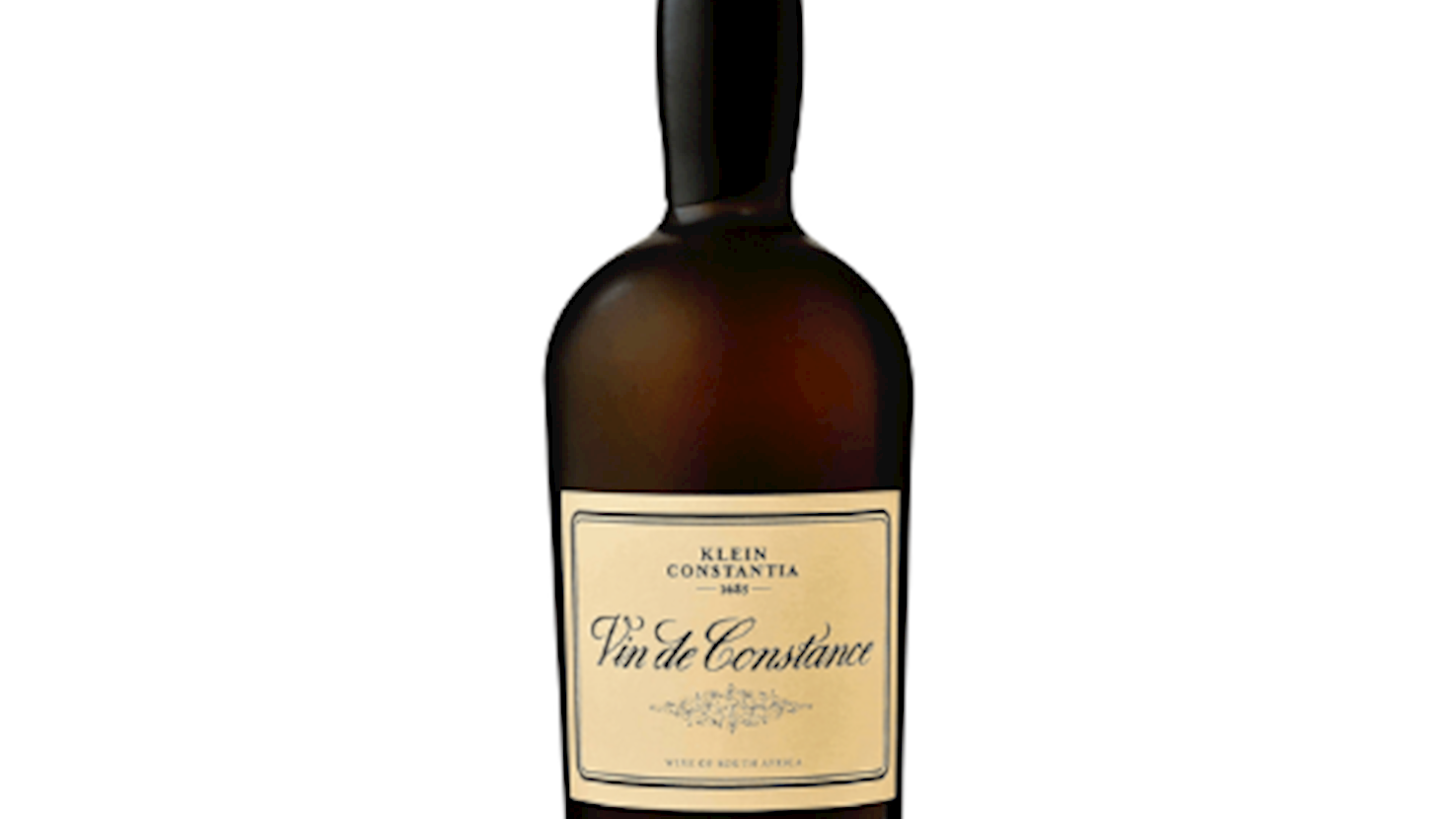
Klein Constantia Estate is one of South Africa’s most historic and influential wineries, with origins dating back to 1685 when it was established by Simon van der Stel in the Constantia Valley near Cape Town. Located on the slopes of the Constantiaberg mountain range, the estate benefits from decomposed granite soils and a cool maritime climate influenced by False Bay, conditions that contribute to wines of freshness, precision, and longevity. During the 18th and 19th centuries, wines from Constantia - particularly the renowned sweet wine Vin de Constance - were among the most sought-after in the world, enjoyed by European royalty and referenced in classical literature. After a period of decline, Klein Constantia played a key role in reviving this historic wine in the late 20th century, restoring its global reputation. Today, the estate combines heritage with a modern, sustainability-driven approach to viticulture and winemaking, focusing on expressing site-specific characteristics. In addition to Vin de Constance, the portfolio includes high-quality Sauvignon Blanc, Riesling, and single-vineyard wines that highlight the diversity of the terroir. The wines are defined by aromatic clarity, vibrant acidity, and a refined mineral structure, positioning Klein Constantia as one of the leading producers in South Africa, where tradition and innovation are closely intertwined.
Awards
Decanter World Wine Awards - Platinum (2020)
Decanter World Wine Awards - Best in Show (2018, 2017)
03

Kaiza 5

5 ·
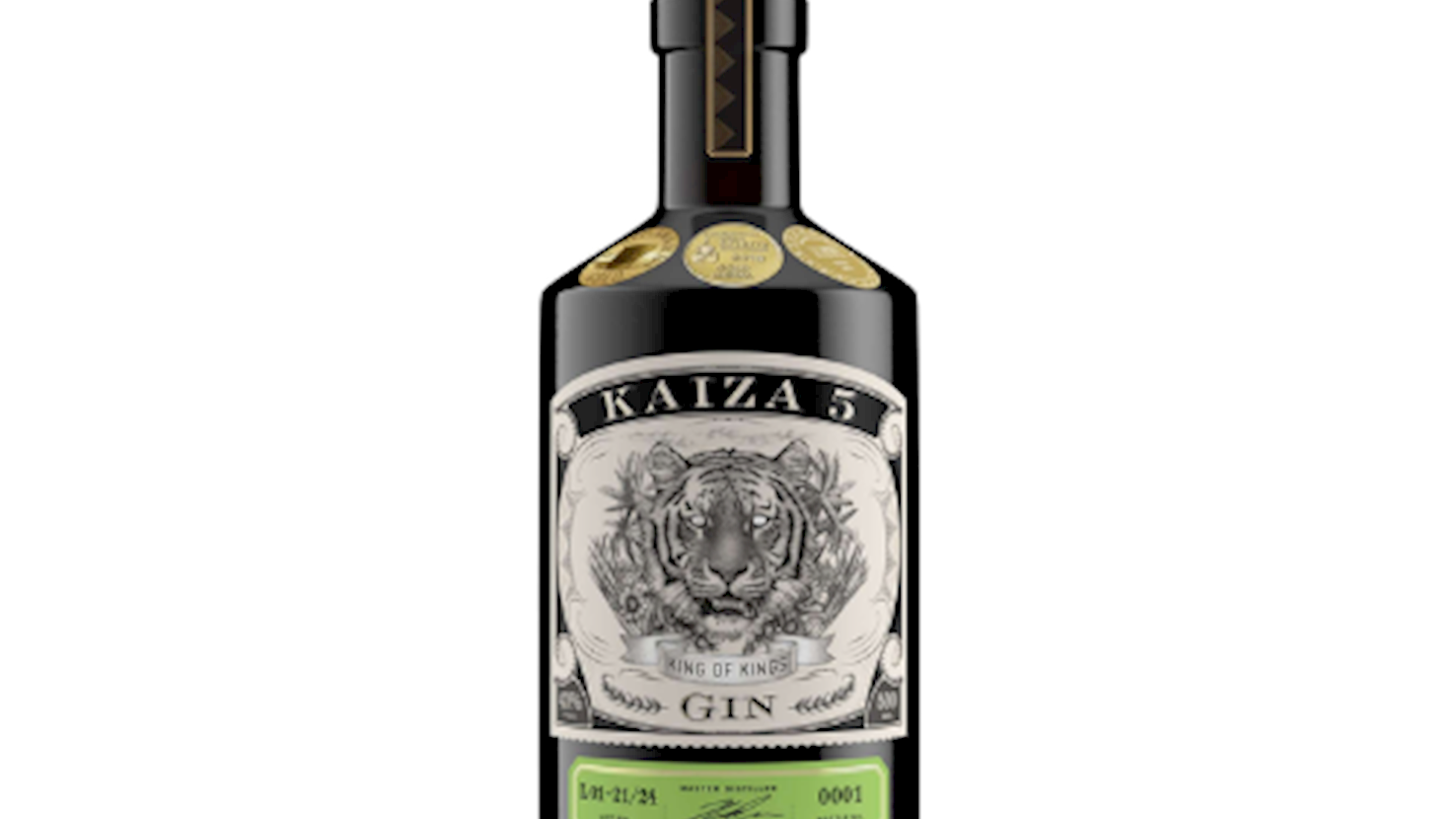
Kaiza 5 is a premium gin brand originating from South Africa, created with the intention of blending African identity with a contemporary, globally oriented craft spirits approach. Founded in Cape Town, the brand is positioned as a small-batch project with a strong emphasis on controlled distillation, carefully selected botanicals, and a clearly defined flavor profile. The name Kaiza has roots in African cultural context and conveys ideas of strength, authority, and creative energy, which are reflected in both the brand’s visual identity and its storytelling. Rather than following classic London Dry conventions, Kaiza 5 develops its own character through a balance of traditional juniper structure and vibrant citrus and aromatic notes. The brand targets consumers seeking authenticity and versatility, offering a gin that performs equally well in cocktails and simple serves with tonic. Through its origin, philosophy, and modern positioning, Kaiza 5 presents itself as a globally relevant gin brand with strong local roots.
Awards
World Gin Awards - Country Winner (2024, 2022, 2021)
European Spirits Challenge - Gold (2024)
04

Amarula

5 ·
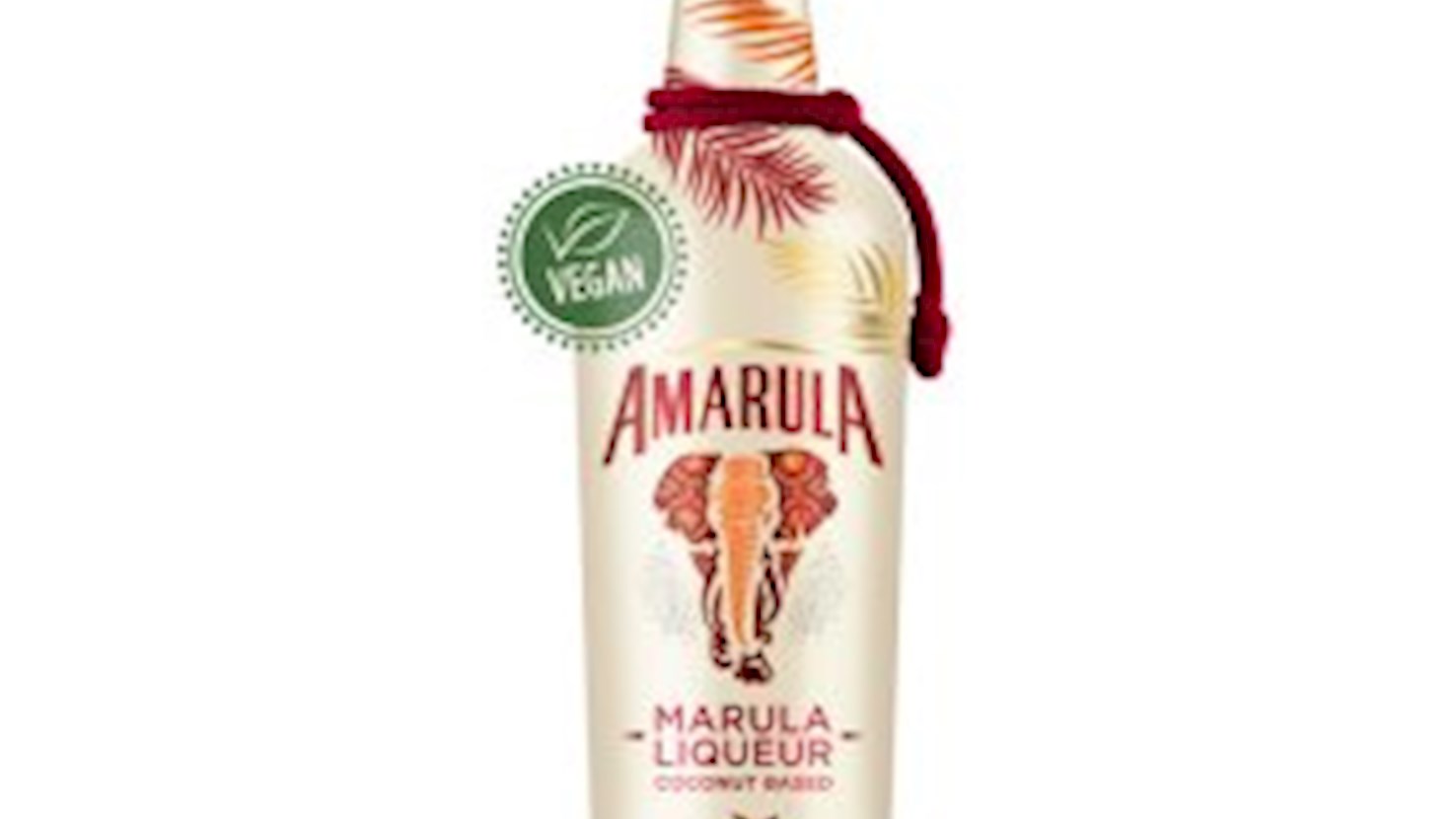
Amarula is a renowned South African brand produced by Distell Group Ltd that has built its identity around the unique marula fruit, which grows wild across sub-Saharan Africa. Founded in 1989, Amarula is celebrated for its cream liqueur, made by distilling marula fruit into a spirit, blending it with cream, and infusing it with flavors that reflect the spirit of Africa. This liqueur is globally recognized for its smooth, fruity taste and creamy texture, symbolized by the iconic elephant logo that pays homage to the elephants who consume the marula fruit in the wild. Amarula has expanded its range to include other innovative products, such as Amarula Ethiopian Coffee and Amarula African Gin, which use marula as a central ingredient while incorporating regional botanicals and flavors.
Awards
SFWSC - San Francisco World Spirits Competition - Double Gold (2024, 2023)
World Liqueur Awards - Country Winner (2024)
05

Kriol Distillery

5 ·
Awards
IWSC- International wine & spirit competition - Spirit Gold Outstanding (2023)
06

Kanonkop Wine Estate

5 ·
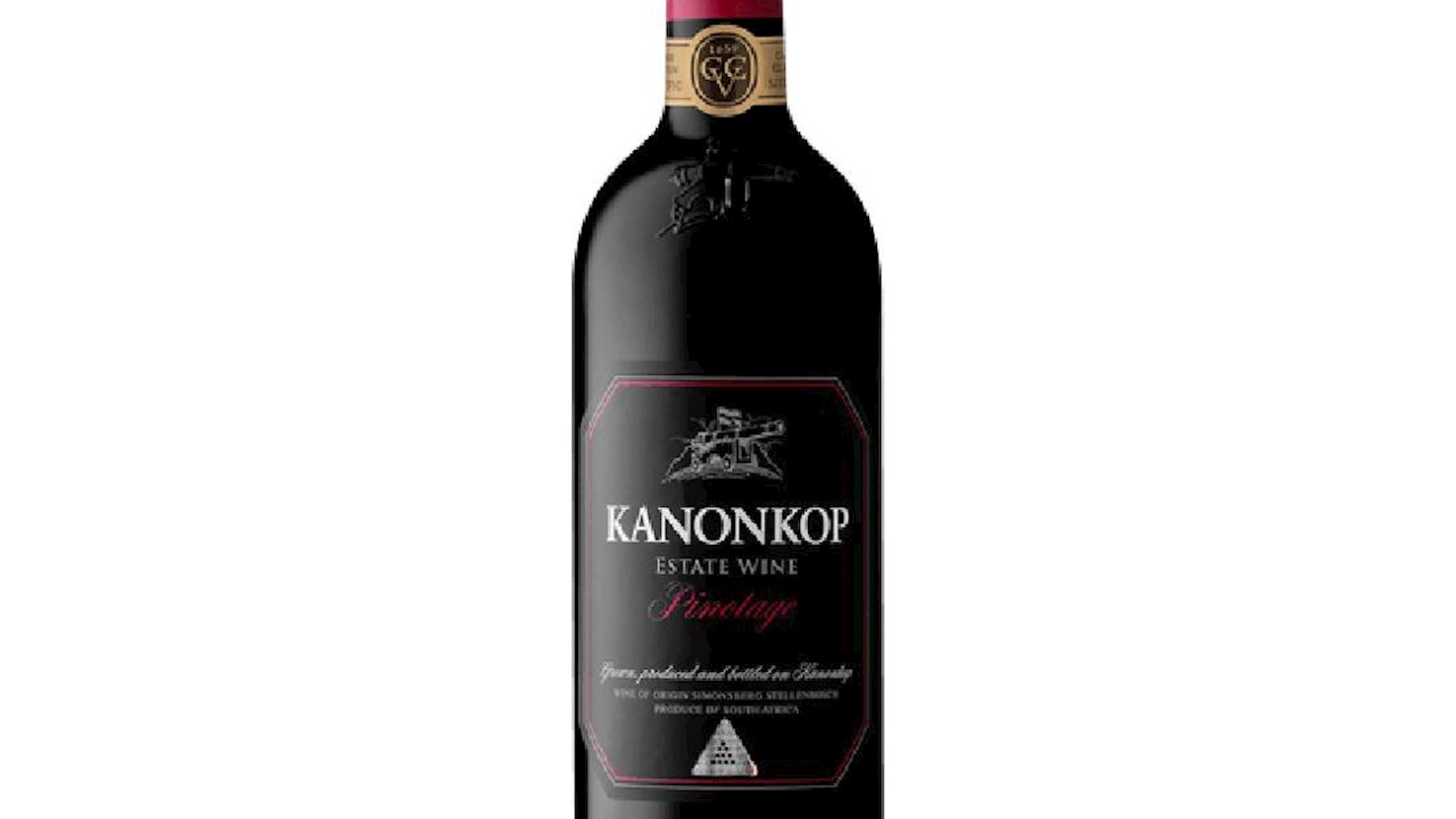
Kanonkop Wine Estate is one of South Africa’s most prestigious wineries, located on the southern slopes of the Simonsberg Mountain in the heart of Stellenbosch, a region renowned for exceptional red wines. Family-owned for four generations, Kanonkop blends a rich history with modern winemaking expertise, producing wines that are synonymous with quality and longevity. The estate’s name comes from a nearby hill (“kop”) where a cannon was once fired to signal the arrival of ships in Cape Town, reflecting its deep connection to local tradition and heritage. Kanonkop is a pioneer in cultivating and vinifying Pinotage—South Africa’s signature grape—as well as crafting outstanding red blends based on Cabernet Sauvignon and Merlot. Their wines are distinguished by depth, complexity, and remarkable aging potential, while the careful tending of the vineyards and dedication to excellence place Kanonkop among the true icons of the wine world.
Awards
Vivino - 4.6
Vivino - 4.4
07

KWV

5 ·
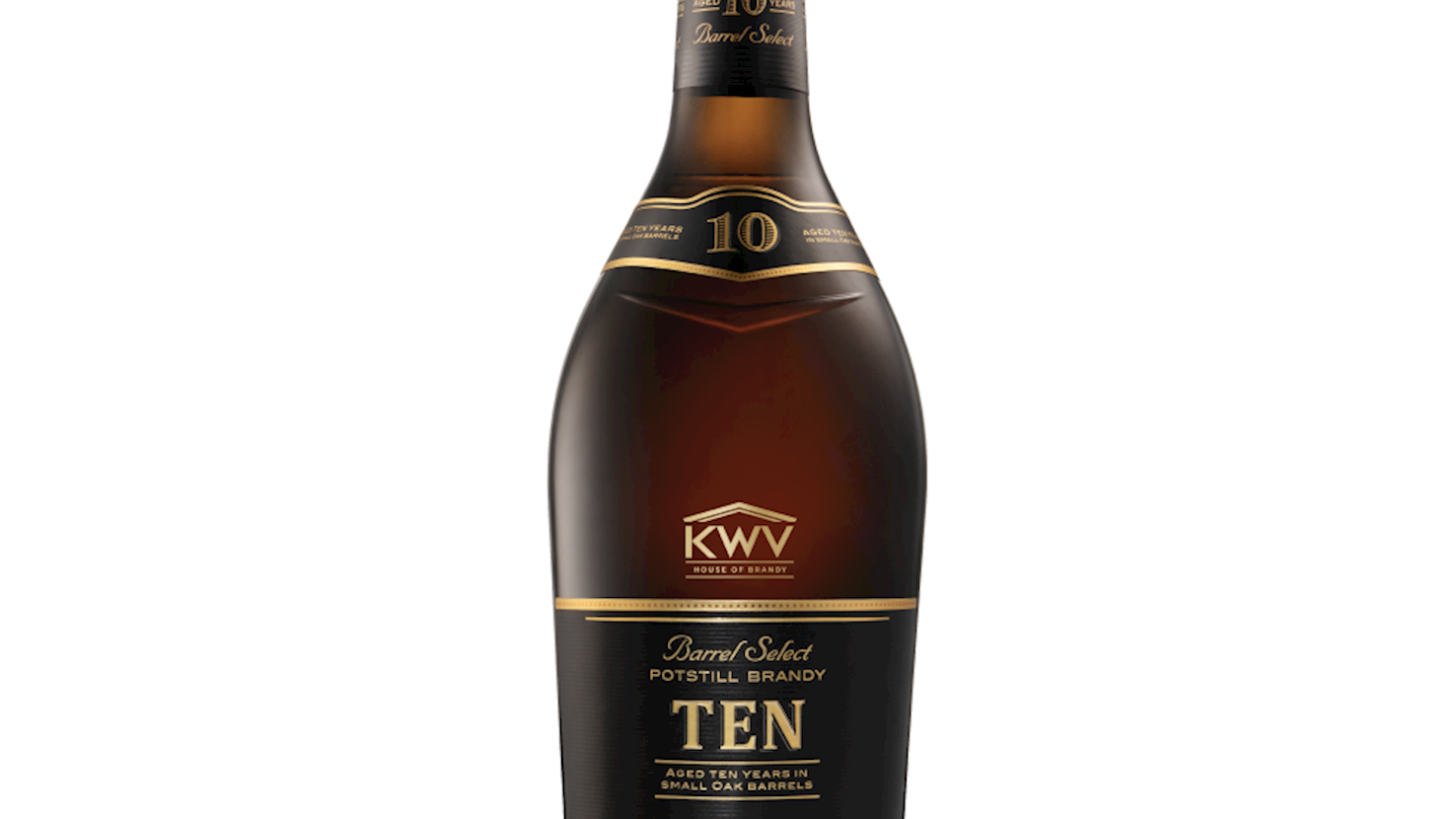
KWV is a major South African wine and spirits producer with a history dating back to 1918, when it was founded as a cooperative to support and structure the country’s wine industry. Over time, it evolved into an international brand while remaining closely connected to South Africa’s key wine-growing regions, including Paarl, Stellenbosch, Robertson, and Swartland. KWV produces a wide portfolio of wines and spirits, with particular recognition for its brandies, which are distilled from wine and aged in French oak to emphasize balance, maturity, and depth. Its brandy range spans different age statements and styles, highlighting both fruit character and extended maturation. In addition to brandy, KWV also produces wines and selected spirits such as gin, reflecting a broad but quality-focused approach. The brand is positioned at the intersection of heritage, technical expertise, and modern South African winemaking.
Awards
ISC-International Spirits Challenge - Double Gold (2023, 2022, 2019)
Decanter World Wine Awards - Best in Show (2022)
08

Stellenbosch 1679

4.9 ·
Awards
Decanter World Wine Awards - Platinum (2022)
IWSC- International wine & spirit competition - Gold (2022, 2019)
09

Gesha Village Estate

4.9 ·
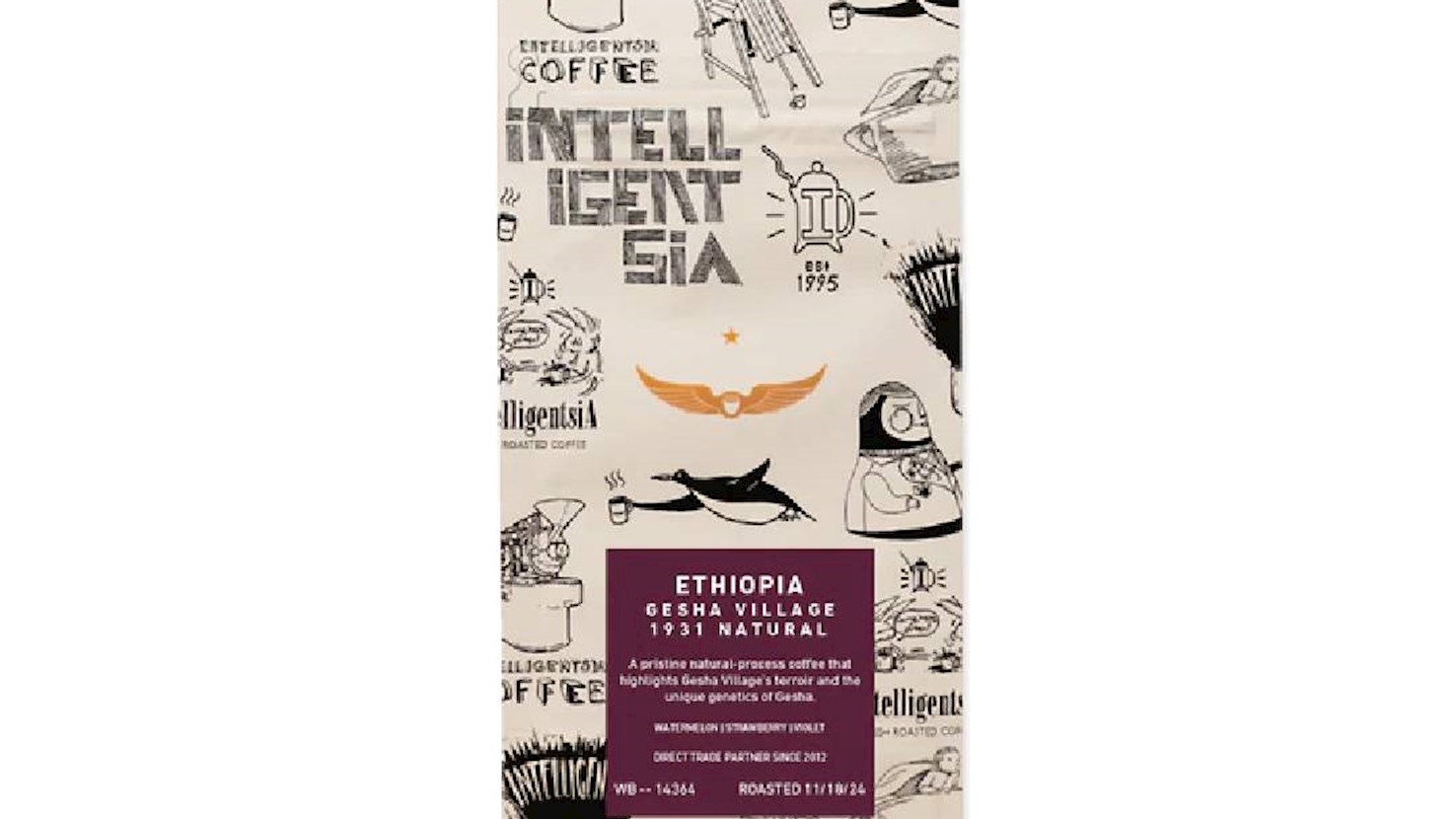
Gesha Village Coffee Estate – Redefining Excellence in Coffee Cultivation Gesha Village Coffee Estate is a world-renowned coffee farm located in western Ethiopia, near the border with South Sudan, in a region known for its lush forests and rich biodiversity. Founded in 2011 by Rachel Samuel and Adam Overton, who transitioned from careers in photography and documentary filmmaking to coffee farming, Gesha Village is dedicated to preserving and elevating the legacy of Ethiopian coffee. Spanning 471 hectares, with 341 hectares dedicated to coffee cultivation and 27% of the land preserved for natural conservation, the estate is home to over 730,000 coffee trees. Gesha Village is best known for cultivating Gesha 1931, a variety traced back to the nearby Gori Gesha forest, where the legendary Gesha variety was originally discovered. The estate employs meticulously controlled processing methods, including both natural and washed techniques, resulting in coffees with exquisite flavor profiles characterized by jasmine, brown sugar, and raspberry notes. Beyond coffee production, Gesha Village is committed to sustainability and community development, as demonstrated by the establishment of the first high school in the area in 2021, providing essential educational opportunities for local families. The estate has gained global recognition, achieving record-breaking auction prices, including a remarkable $105 per pound, the highest price ever paid for an African coffee. Their mission is to connect the world to Ethiopia through an exceptional coffee experience while preserving the environment and improving the livelihoods of the surrounding community.
10

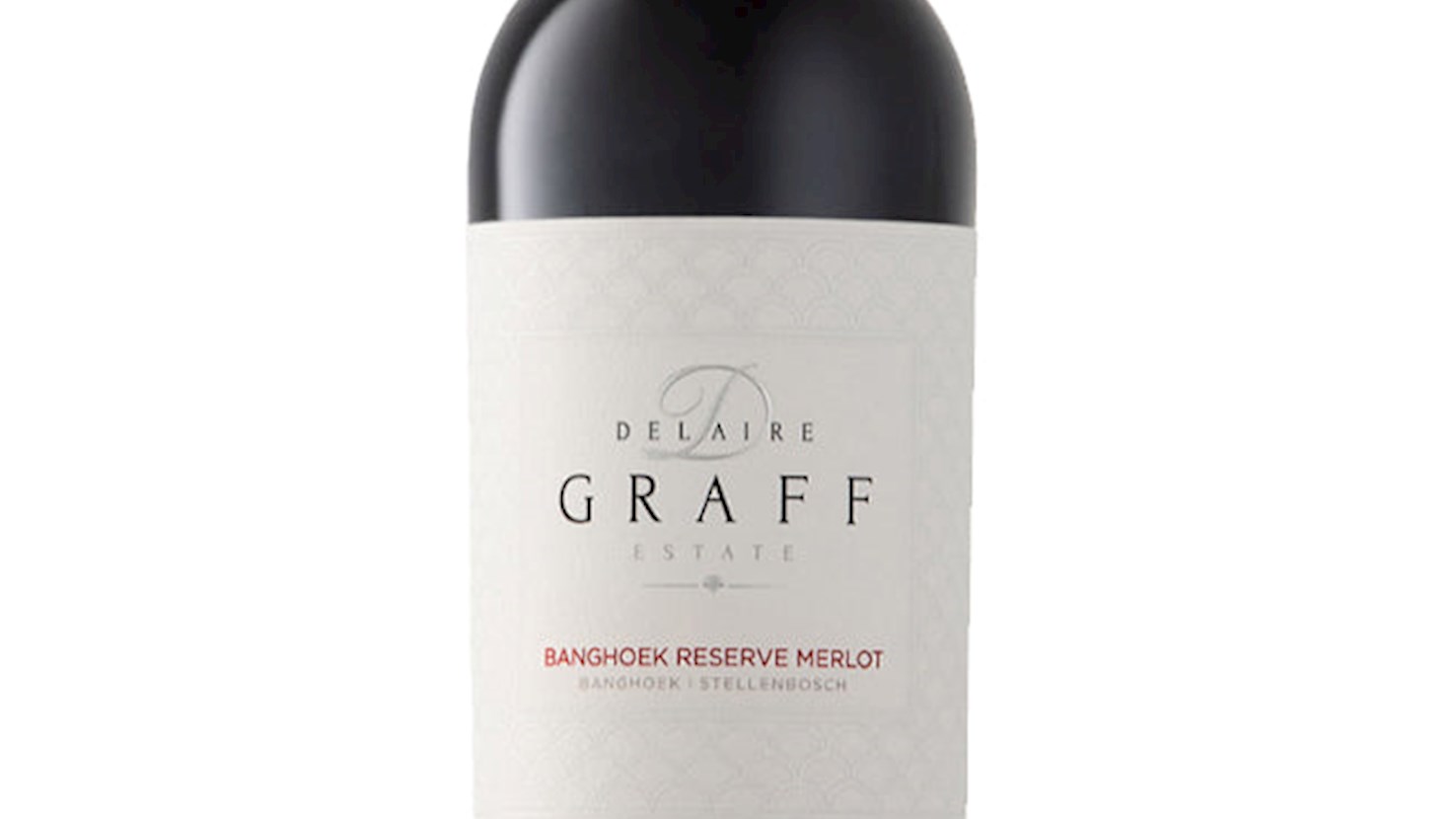
Delaire Graff

4.9 ·
Awards
Decanter World Wine Awards - Platinum (2021, 2016)
Read more
View all
View map
About this ranking

TasteAtlas food rankings are based on the ratings of the TasteAtlas audience, with a series of mechanisms that recognize real users and that ignore bot, nationalist or local patriotic ratings, and give additional value to the ratings of users that the system recognizes as knowledgeable. For the “Top 100 African Beverages” list until June 10, 2026, 962 ratings were recorded, of which 482 were recognized by the system as legitimate. TasteAtlas Rankings should not be seen as the final global conclusion about food. Their purpose is to promote excellent local foods, instill pride in traditional dishes, and arouse curiosity about dishes you haven’t tried.

The initial list of top producers was compiled based on available reviews, awards, local recommendations, media and blog coverage, and consumer reviews. The list will be updated with ratings from TasteAtlas local ambassadors and TasteAtlas users.

Similar lists