shutterstock

Top 100 Breads
in the World

Last updated on July 15, 2026

Best Breads in the World
01

Pan de bono

4.5 ·

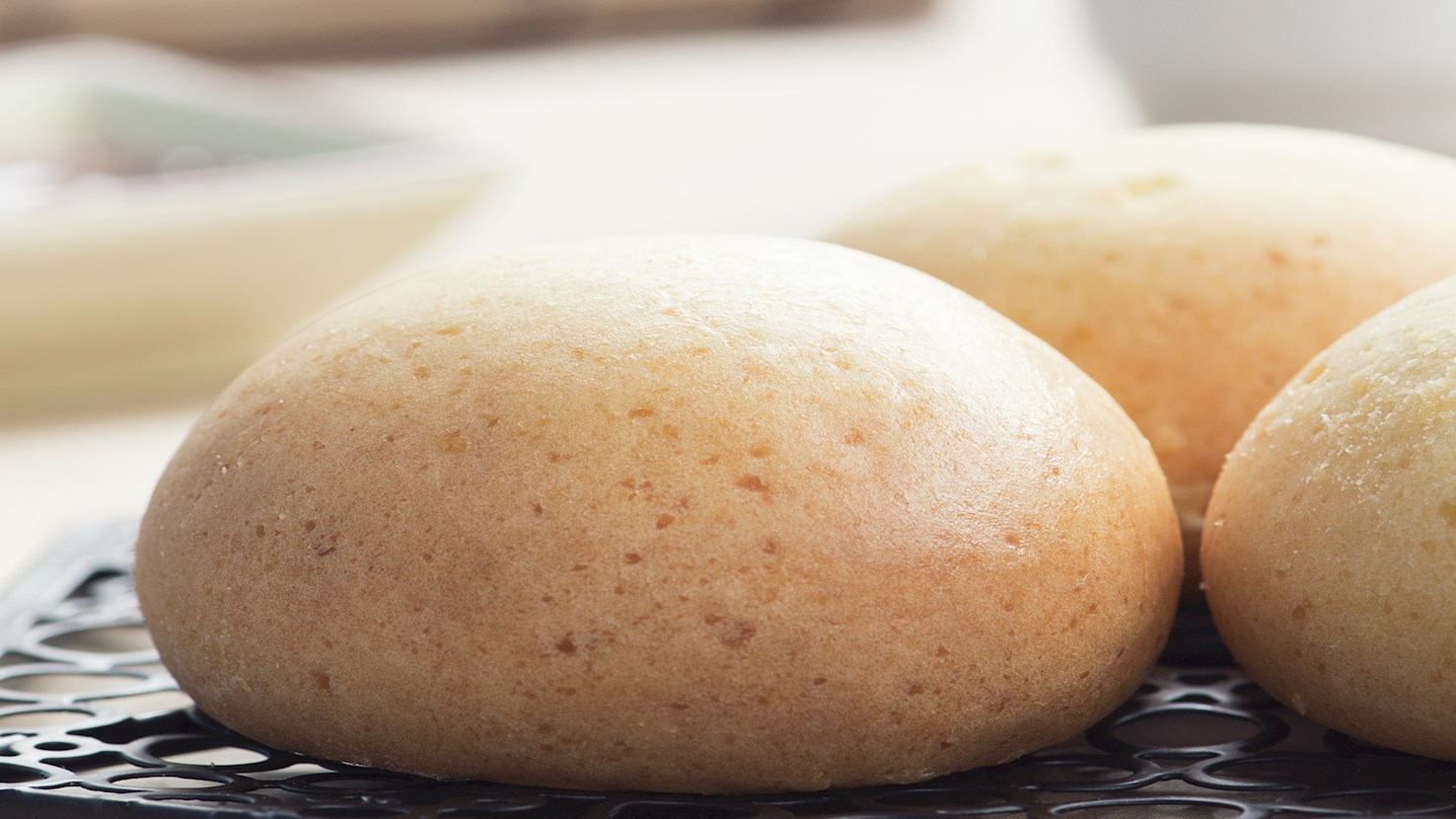
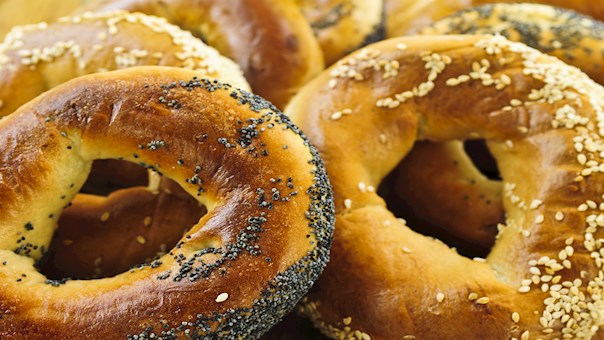
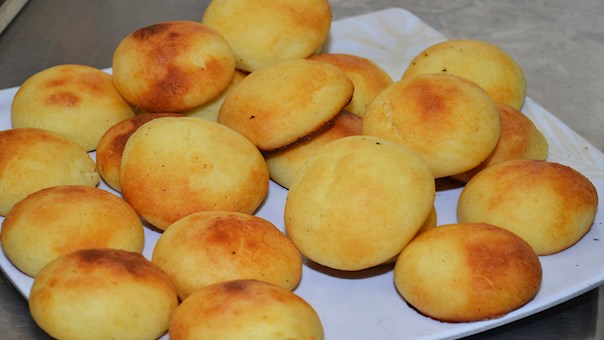
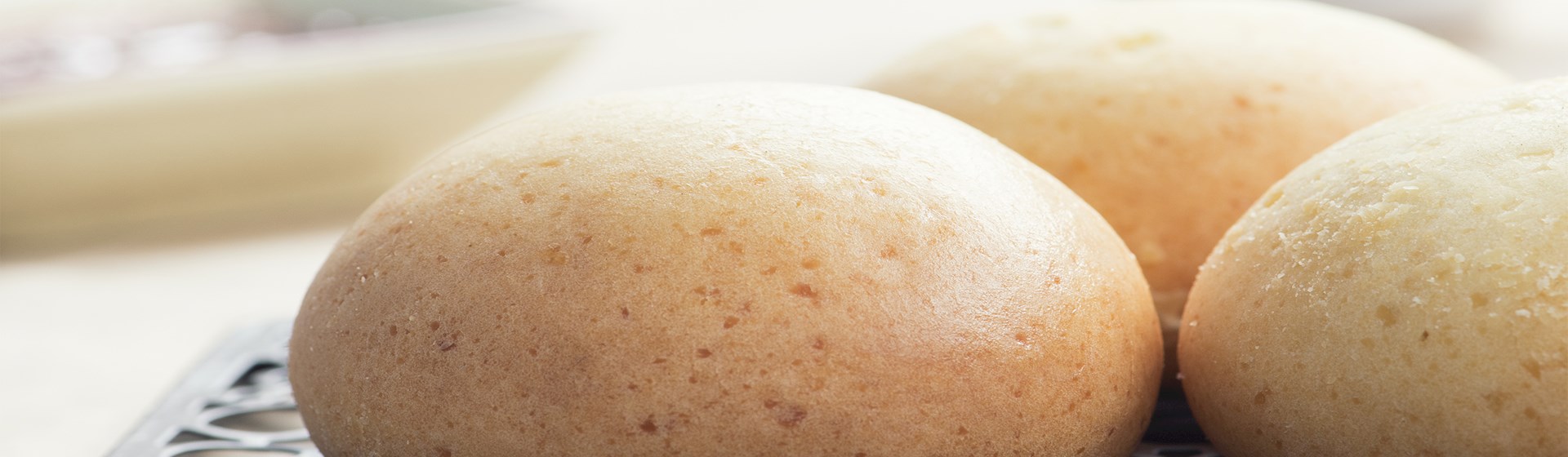
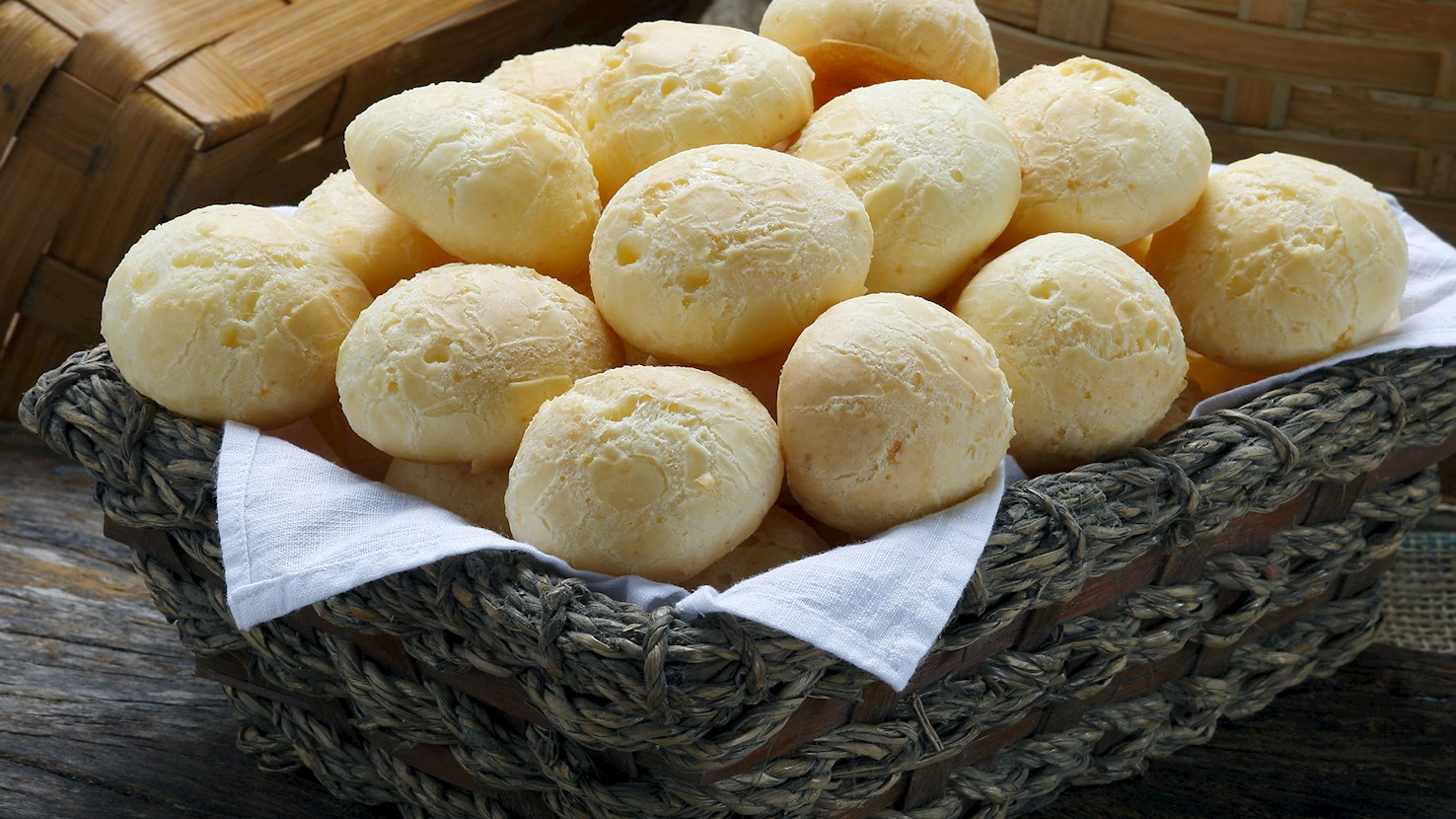
Pan de bono is a traditional bread consisting of cassava starch, cornmeal or corn flour, queso fresco, eggs, and sugar. The bread is shaped into bagels or balls that are slightly larger than golf balls. Pan de bono is similar to other South American cheese breads like pan de queso, difference being added conr flour or cornmeal, and a hint of sweeteness due to the addition of sugar. It is usually served warm with a cup of hot chocolate on the side. Some claim that the name pan de bono was created after an Italian baker in Cali who used to yell pane del buono (good bread), while others say that it is named after a place called Hacienda El Bono, where it was first made.

02

Almojábana

4.4 ·

Almojábana is a traditional and Puerto Rican bread (although it is also popular in other countries of Latin America) that is very similar to pandebono. Pandebono is usually made with yuca flour and costeño cheese, while almojábanas are made with cuajada white cheese and cornmeal flour. Almojábanas are baked until they develop a spongy texture and a golden brown color of the exterior. This small, round bread is traditionally served warm.

03

Bolo do caco

4.4 ·

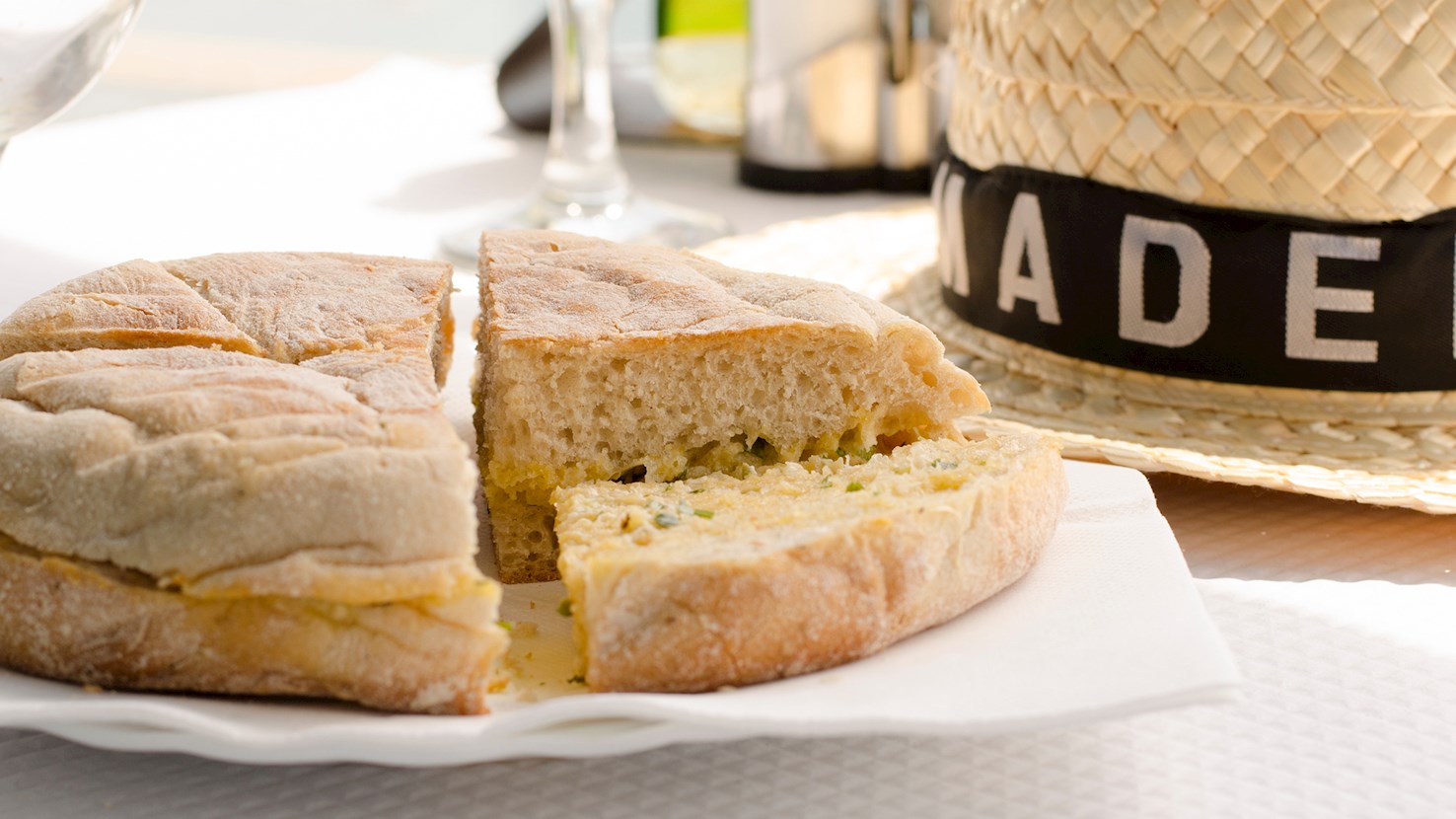
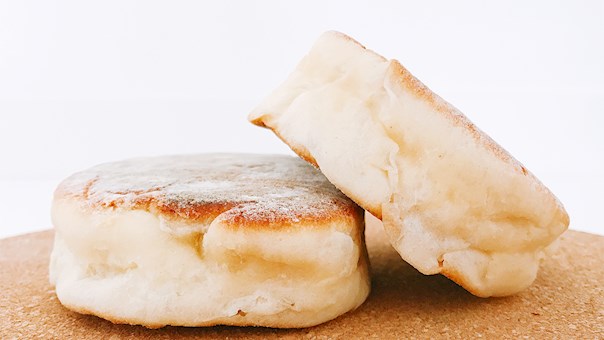
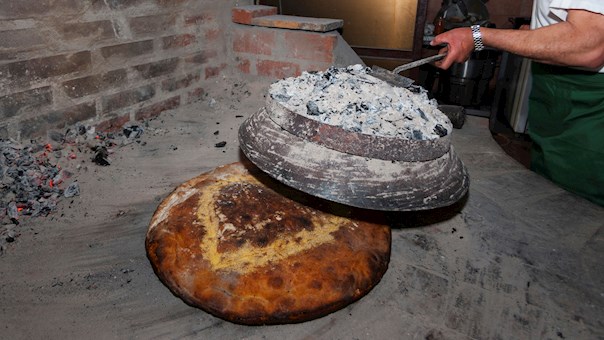
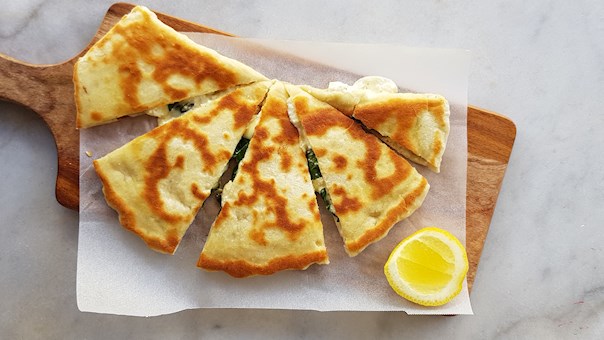
Hailing from Madeira, this rustic, leavened bread is prepared with wheat flour, mashed sweet potatoes, water, and salt. Traditionally baked on large basalt stone slabs, bolo do caco is typically flat and round, though it can vary in size. It is the most common bread variety on Madeira that is usually served as a warm appetizer with garlic butter spread, but it can also be enjoyed as a sandwich or an accompaniment to various traditional Portuguese dishes.

Best restaurants
04

Pão de queijo

4.4 ·

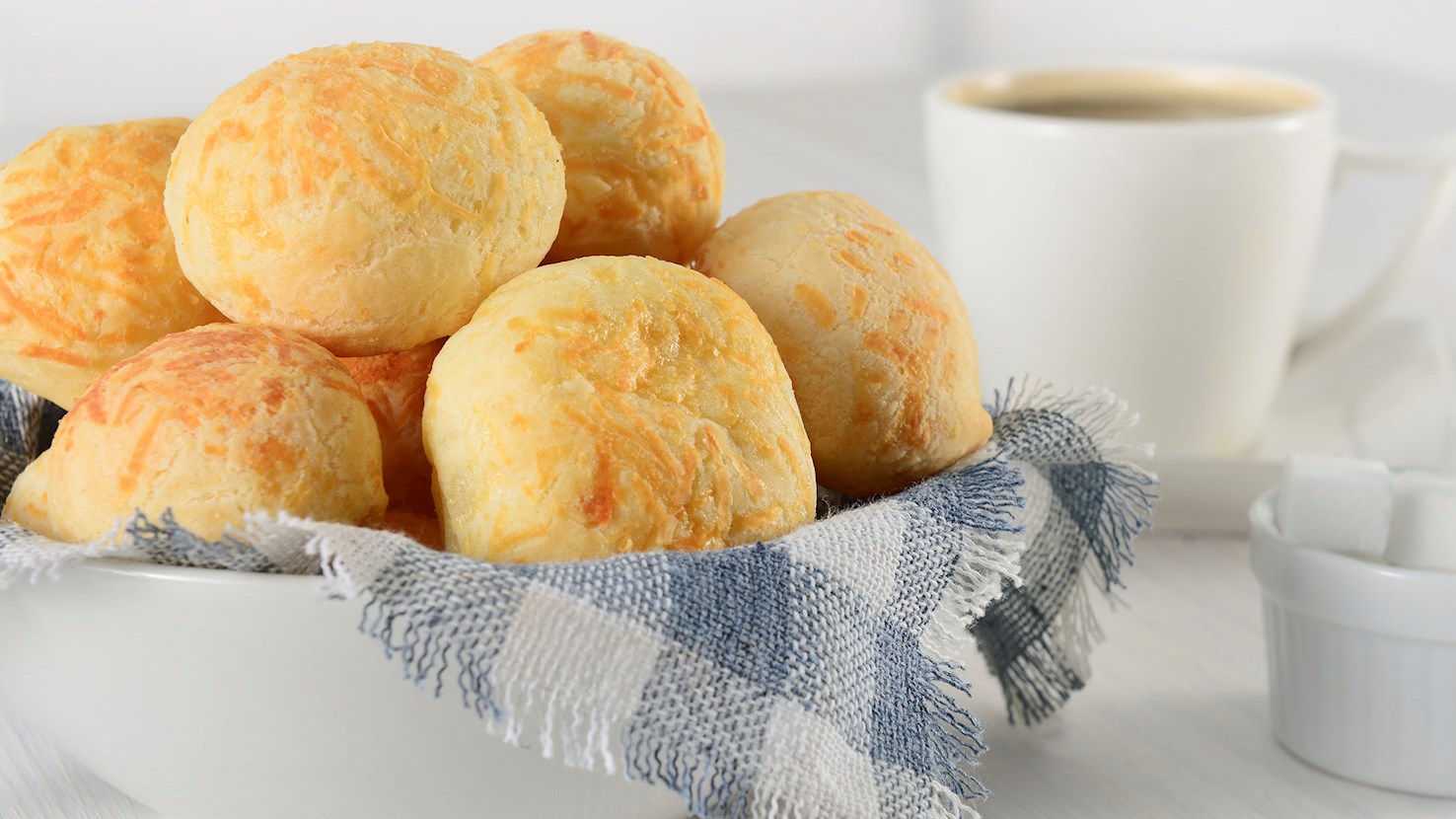
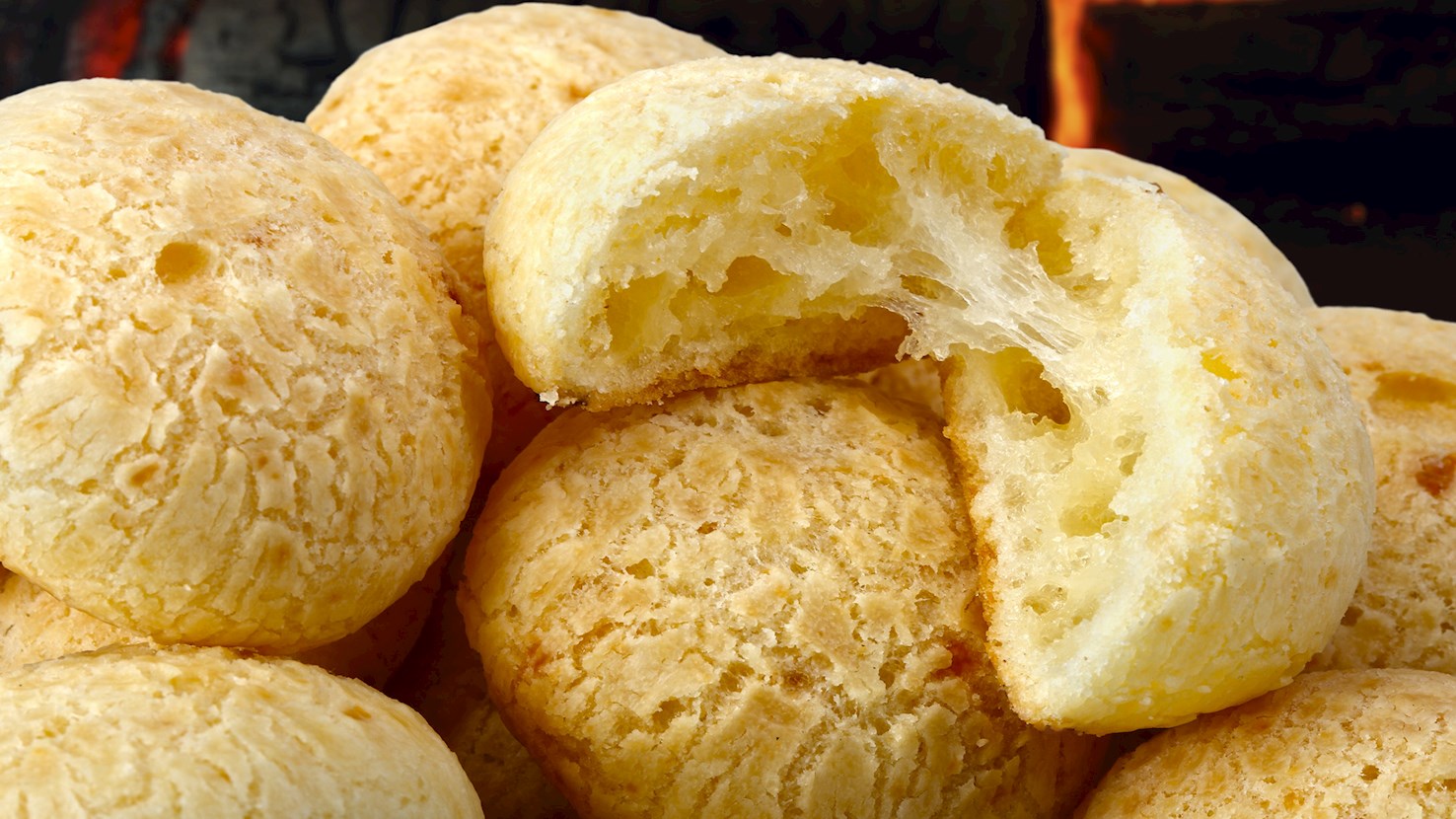
Literally translated to cheese bread, pão de queijo has its origins in the culinary inventions of African slaves, when they started to use the residue of the cassava plant. A fine white powder, or starch, was rolled into balls and baked. At the time, no cheese was added, so it was just baked starch, but at the end of the 19th century, when slavery ended, other foods started to become available to the Afro-Brazilians for the first time. In the state of Minas Gerais, the dairy center of Brazil, cheese and milk started to be added to the starchy balls, and pão de queijo was created. Today, it is a popular Brazilian snack or breakfast food that is also widely consumed in northern Argentina, sold at numerous coffee shops, snack bars, and bakeries.

05

Pão alentejano

4.4 ·

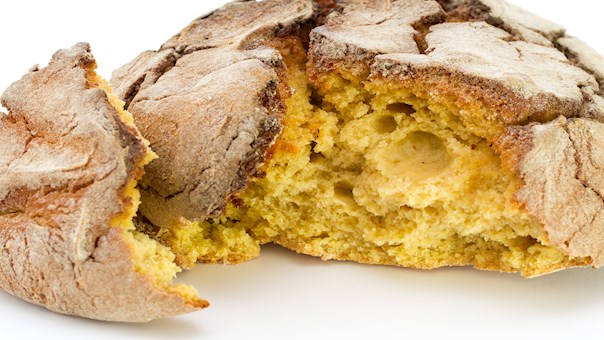
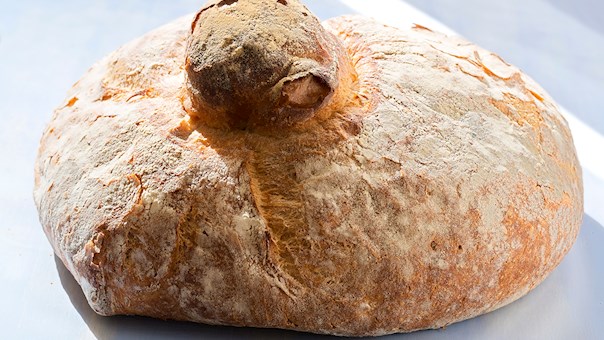
Pão alentejano refers to a traditional Portuguese bread originating from the Alentejo region of Portugal. Recognized for its round shape and distinctive crust, this bread is made with a mix of different types of wheat flour and sometimes incorporates a sourdough starter, which lends it a slightly tangy flavor. Its thick, rustic crust contrasts beautifully with the soft, airy crumb inside. The bread's unique taste and texture make it a perfect accompaniment to Portuguese meals, particularly when paired with cheeses, olives, or the region's famed cured meats.

06

Pain de campagne

4.3 ·

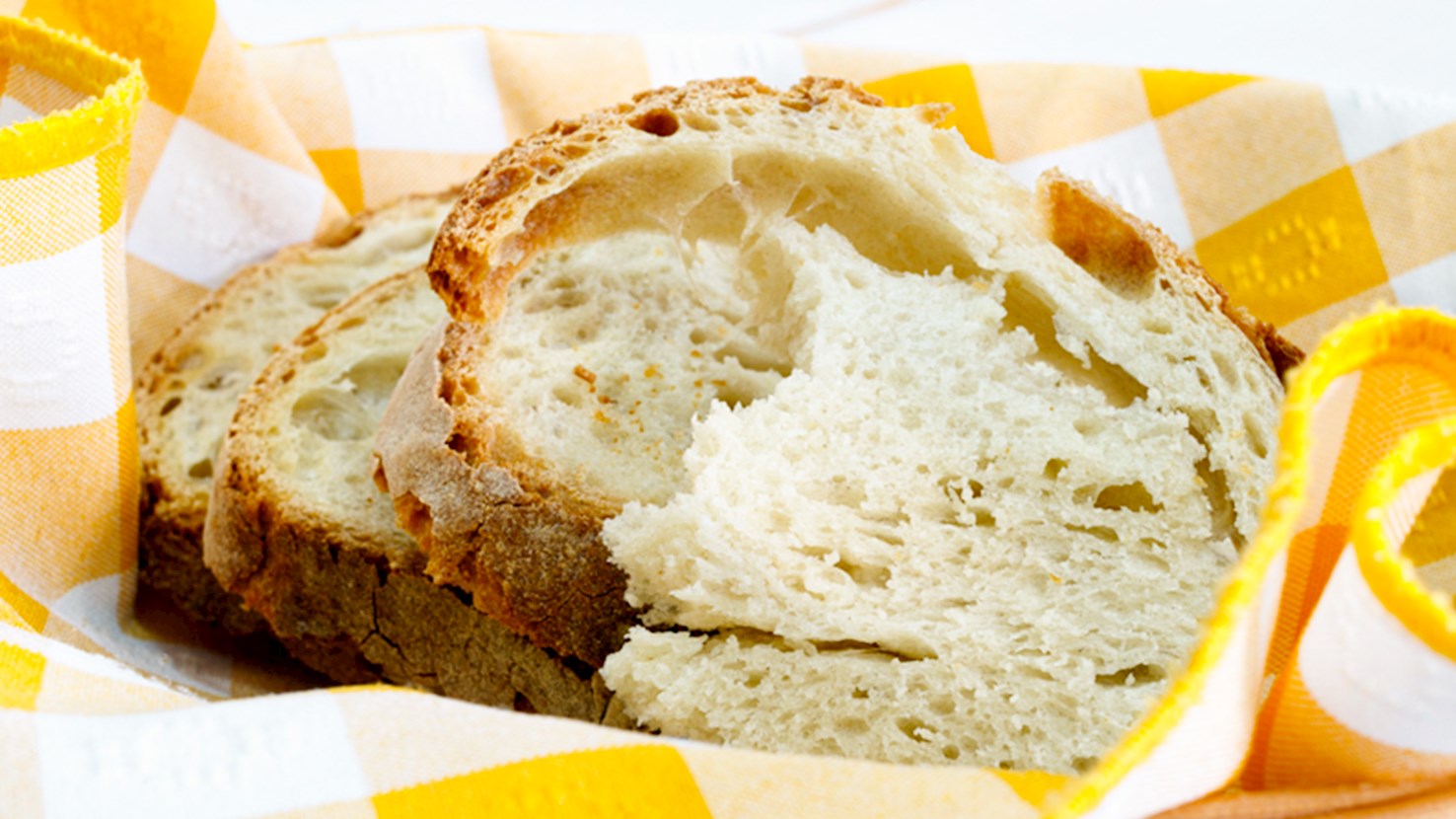
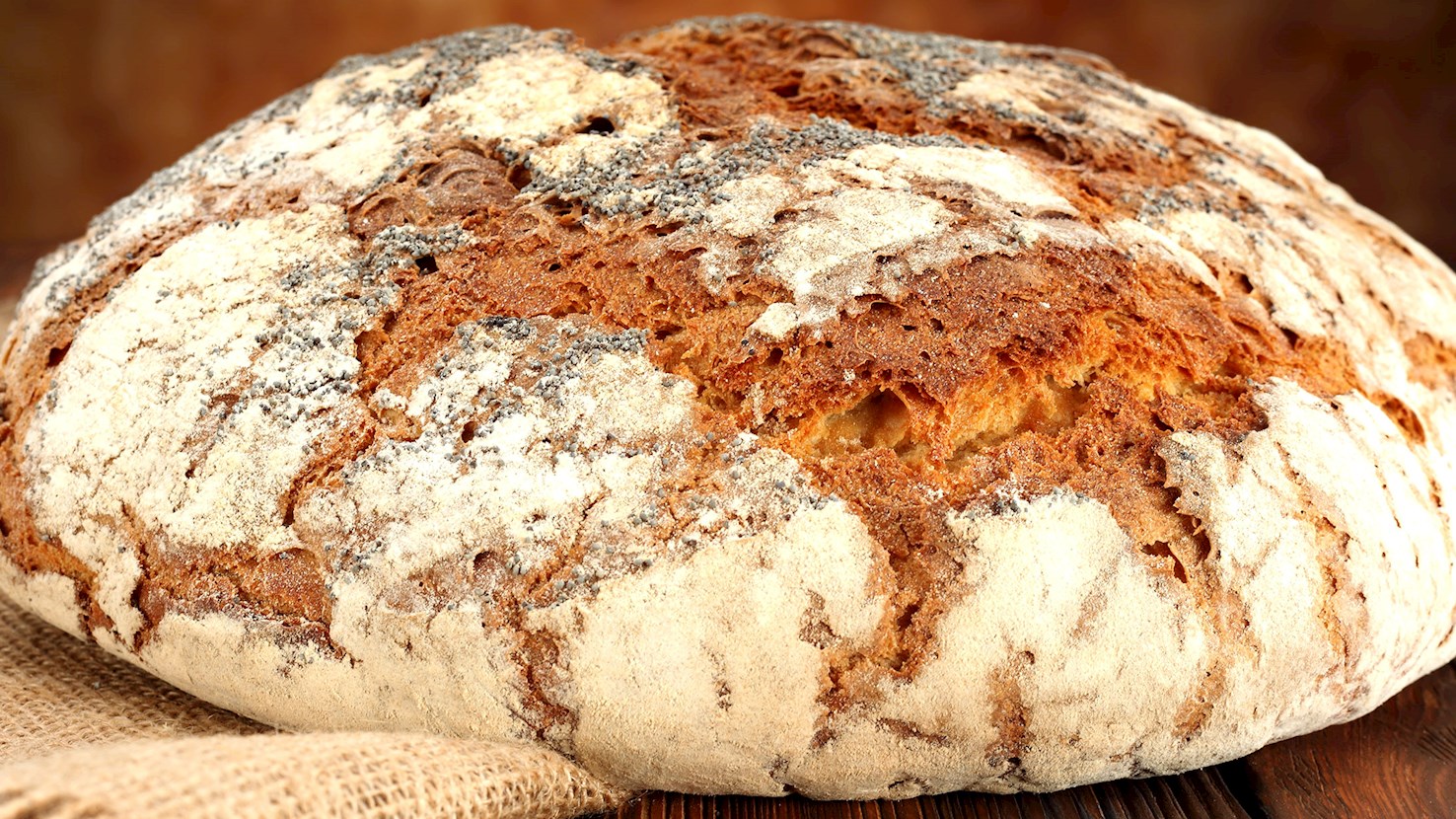
Pain de campagne or country bread is a traditional, rustic bread that is prepared throughout France. It can be found in numerous boulangeries. Most versions of pain de campagne are made with a mixture of white, whole wheat, and rye flour, water, salt, and sourdough starter. In the past, people would bake huge loaves of country bread in the communal ovens, feeding their families for days or weeks. In the early 20th century, baguette replaced pain de campagne in terms of popularity, but with the rise of artisan breads in the 1970s, pain de campagne grew in popularity once again.

07

Pampushka

4.3 ·

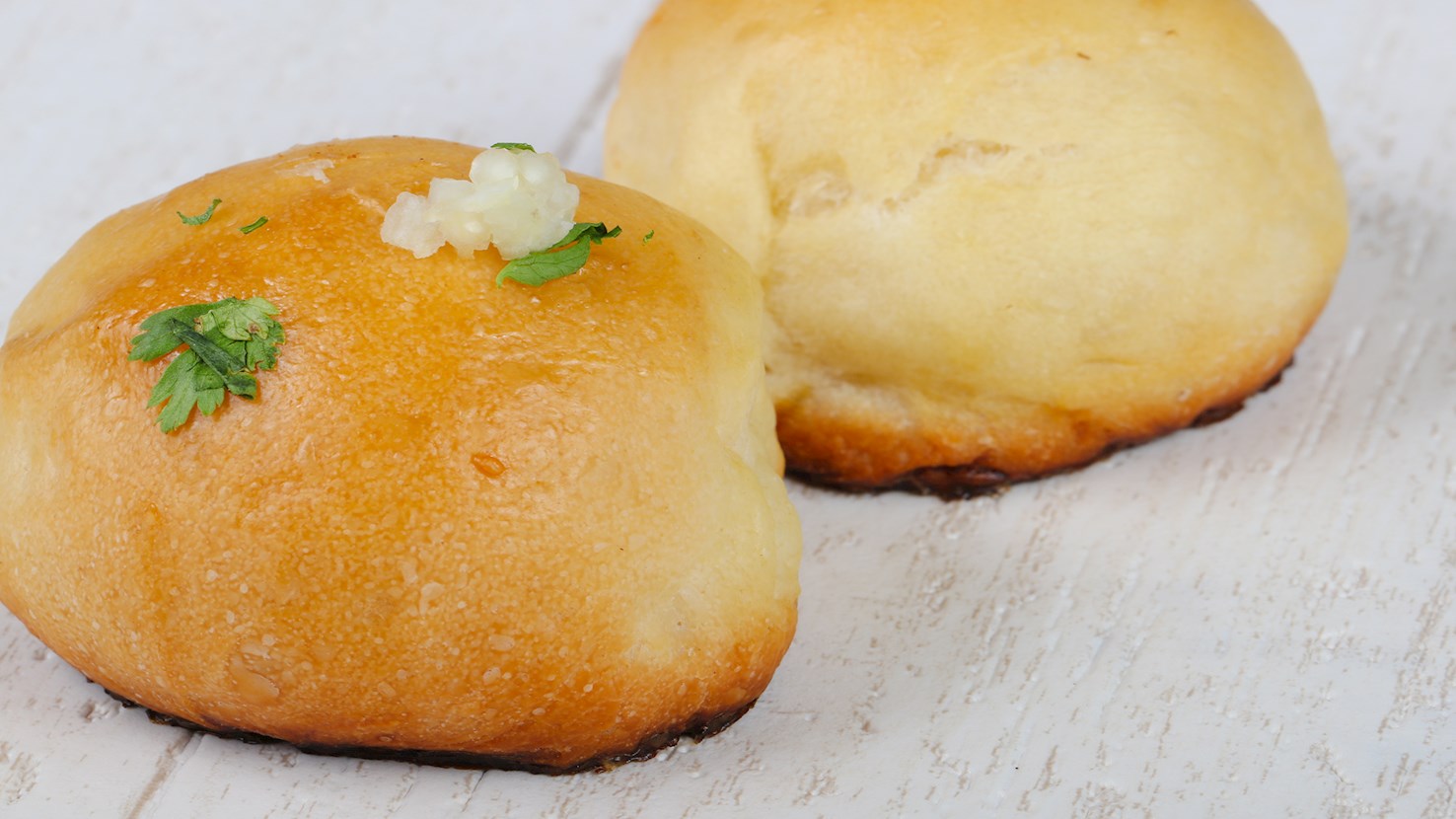
Pampushki are small Ukrainian yeasted buns. They can be prepared in sweet or savory versions. The dough usually consists of milk, flour, eggs, sugar, butter, yeast, oil, and salt, and it is then shaped into small balls. The sweet version is often stuffed with ingredients such as fruit jam, berries, fresh fruit, or cottage cheese, while the savory ones have no filling, but are traditionally flavored with garlic sauce and served alongside borscht.

08

Marraqueta

4.3 ·

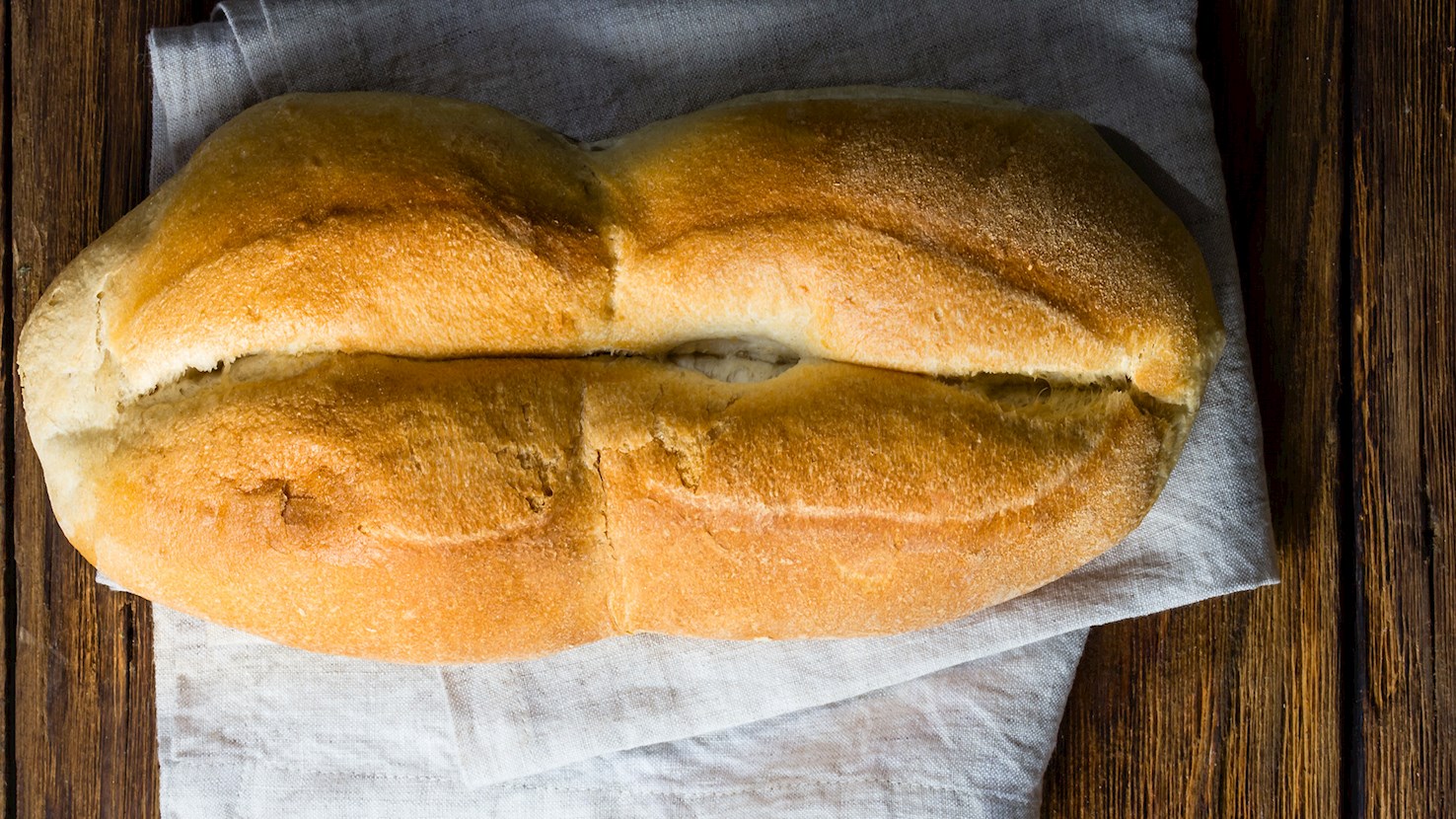
Marraqueta (also known as pan batido and pan francés) is the most popular bread in Chile and Bolivia, a staple food that is often consumed three times a day. It is made with flour, water, salt, and yeast. Two balls of dough are typically pressed together, then nearly split down the middle before the bread is baked in the oven, usually with a pan of water which gives marraqueta its characteristical crust. The crust is so beloved that some people even pull out the crumb (called miga) before consumption. It is believed that marraqueta dates back to the late 19th and early 20th century, when a large number of Europeans immigrated to Chile and Bolivia. Some claim that the bread was first baked by two French brothers called Teran-Marraquett, and that's how this daily staple got its name.

09

Pan de queso

4.3 ·

Pan de queso is a cheese bread from Colombia, namely the Paisa region where it is extremely popular. The main ingredients are tapioca flour and grated cheese, but it is the fermented cassava starch that gives these rolls their lightness and volume. They are eaten for breakfast or as a parva—a quick breakfast snack, either plain or filled with cream cheese or jelly.

10

Baguette

4.2 ·

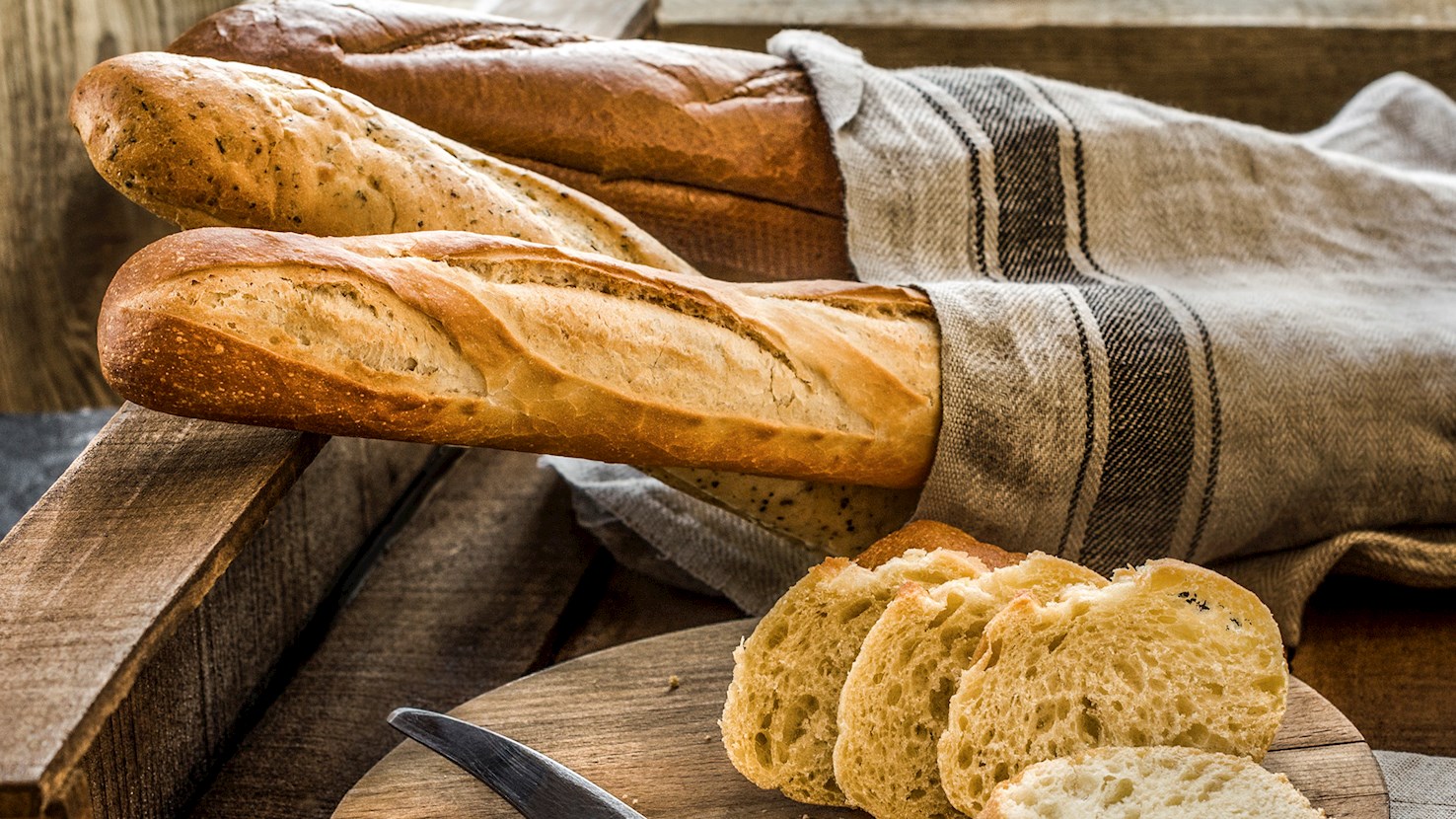
Probably the most iconic image of France, this long, light, airy bread with its characteristically crispy crust dates back to the 19th century, when wheat and white breads were no longer a privilege of the rich. Baguettes were made even before the invention of their name. The word baguette first entered use in 1920, derived from the Latin root baculum, meaning stick or staff, which became baccheto in Italian. Baguettes were first baked as long, wide loaves of bread, but a 1920 law prevented workers from beginning work before 4AM, making it impossible for bakers to finish baking the bread in time for breakfast. They then gave baguettes their typical long, thin shape in order to speed up the baking process. The bread was baked in steam ovens, which were first brought to Paris by an Austrian named August Zang, whom some French sources credit with the invention of the baguette. Another characteristic of the baguette is its typical flower-petal design on the top of the crust, made by making diagonal slashes with a curved knife on top of the loaves before they are put to bake. Today, baguettes can be found throughout France, and they are available for sale in nearly every boulangerie, as well as baked at home. The texture and flavor of a good baguette can transform any sandwich into a gourmet meal. Baguettes are also flexible – they can be made into bruschettas, turned into croutons or garlic bread, used for mopping up sauces, or simply dipped in olive oil as a snack.

Best Breads in the World

01

RPM Bakehouse

4.5 ·

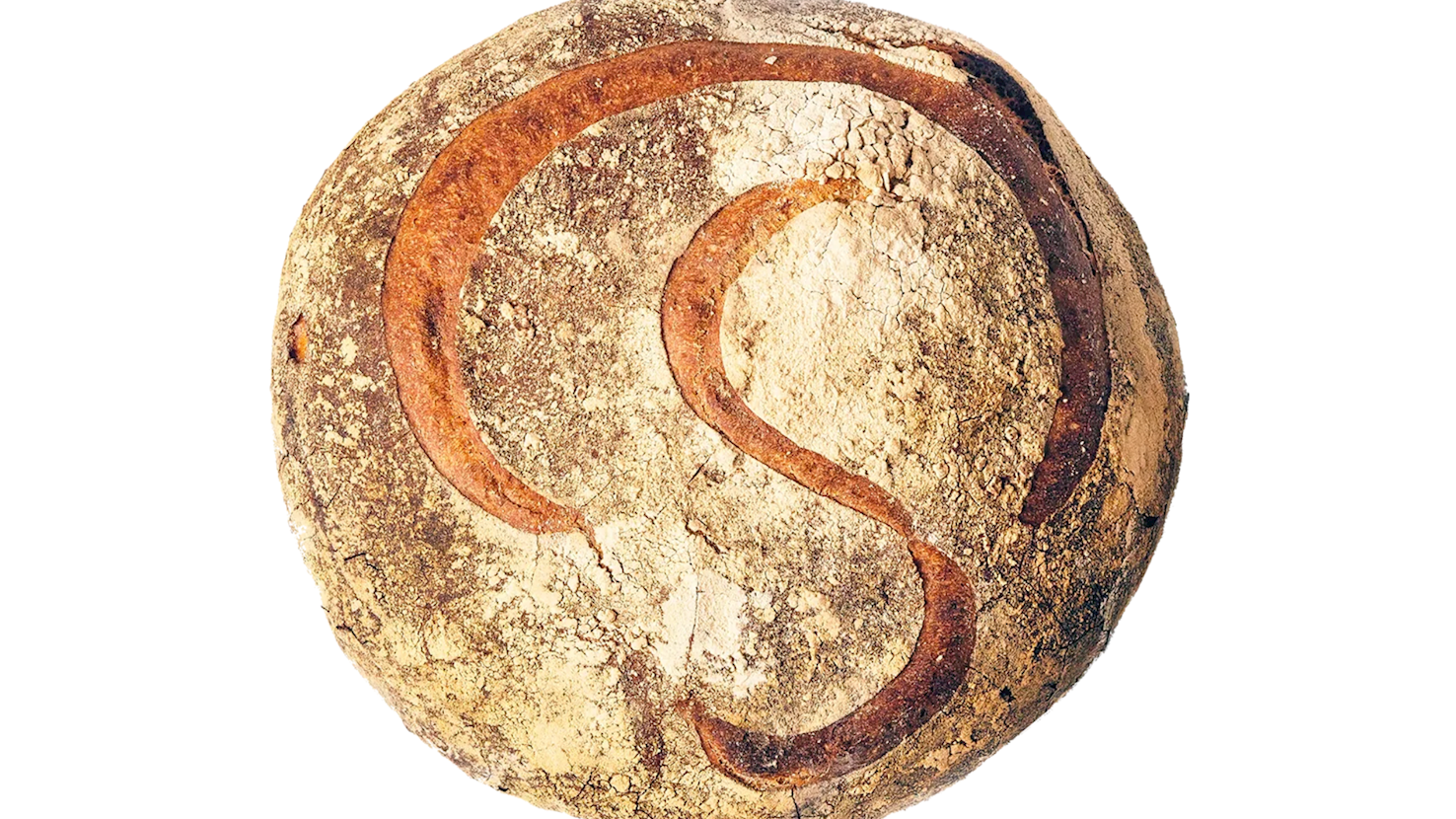
RPM Bakehouse is much more than just a bakery. Their philosophy is based on producing slow-fermented sourdough bread using heirloom grains from Jordan Station, Ontario, achieving an authentic taste and exceptional texture in their products.

Their offerings include crispy, buttery pastries, handcrafted croissants, and a variety of sweet and savory treats that satisfy even the most refined palates. In addition to their baked specialties, RPM Bakehouse also produces organic jams, homemade granola, pickles, and unique baking mixes that allow home cooks to create delicious breads and pastries in their own kitchens. What makes this bakery truly special is its selection of locally milled flour, cold-pressed oils, ceramics, and textiles crafted by sustainable producers. Coffee lovers can also enjoy their carefully curated blend, which pairs perfectly with the pastries on offer.

About this ranking

TasteAtlas food rankings are based on the ratings of the TasteAtlas audience, with a series of mechanisms that recognize real users and that ignore bot, nationalist or local patriotic ratings, and give additional value to the ratings of users that the system recognizes as knowledgeable. For the “Top 100 Breads in the World” list until July 15, 2026, 15,738 ratings were recorded, of which 11,189 were recognized by the system as legitimate. TasteAtlas Rankings should not be seen as the final global conclusion about food. Their purpose is to promote excellent local foods, instill pride in traditional dishes, and arouse curiosity about dishes you haven’t tried.

The initial list of top producers was compiled based on available reviews, awards, local recommendations, media and blog coverage, and consumer reviews. The list will be updated with ratings from TasteAtlas local ambassadors and TasteAtlas users.

Similar lists