Tingvollost

Top 29 Norwegian Cheeses

Last updated on June 24, 2026

Best Norwegian Cheeses
01

Hol Ysteri

5 ·
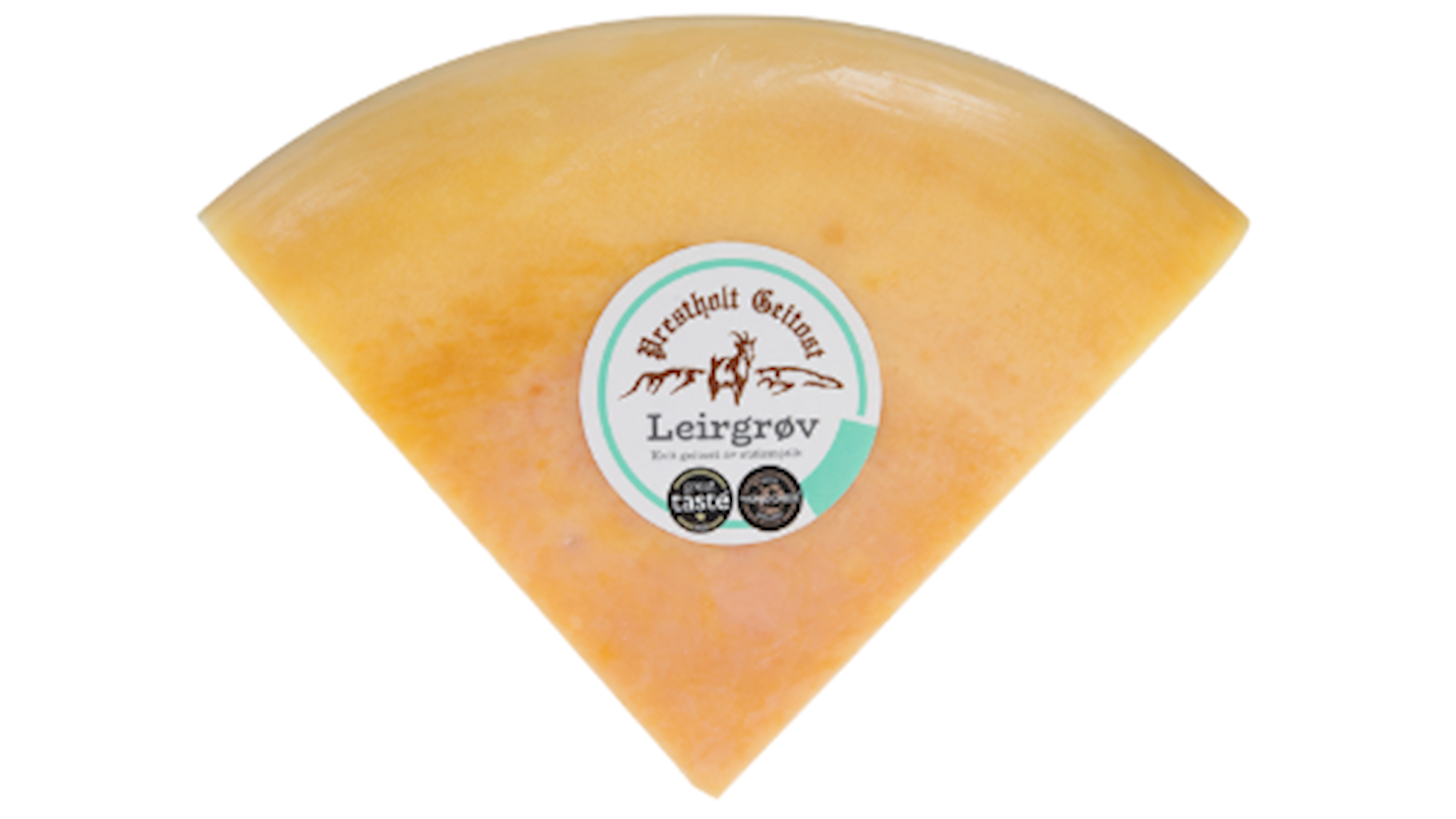
Hol Ysteri is a small Norwegian artisan dairy located in the Hallingdal region, known for producing traditional cheeses made primarily from goat’s milk. The dairy was established by the Stenberg family, who continue a long-standing local tradition of mountain farming and cheesemaking. Their production is closely connected to the surrounding alpine landscape, where goats graze on natural pastures rich in herbs and grasses that influence the flavor of the milk. Hol Ysteri focuses on small-scale, craft production, combining traditional Norwegian dairy techniques with careful maturation to develop cheeses with distinct regional character. Among their best-known products are cheeses such as Prosten, the Leirgrøv series of aged goat cheeses, and Brun Geitost, a classic Norwegian brown whey cheese. Many of their cheeses highlight seasonal milk from summer mountain pastures, reflecting the concept of stølsdrift, the traditional practice of moving livestock to highland farms during the grazing season. Through this approach, Hol Ysteri has become recognized as one of the notable producers within Norway’s modern artisan cheese movement, contributing to the growing international interest in Norwegian farmhouse cheeses.
Awards
World Cheese Awards - Super Gold (2025, 2024)
Great Taste Awards - 3 Stars (2025, 2022)
02

Tingvollost

5 ·
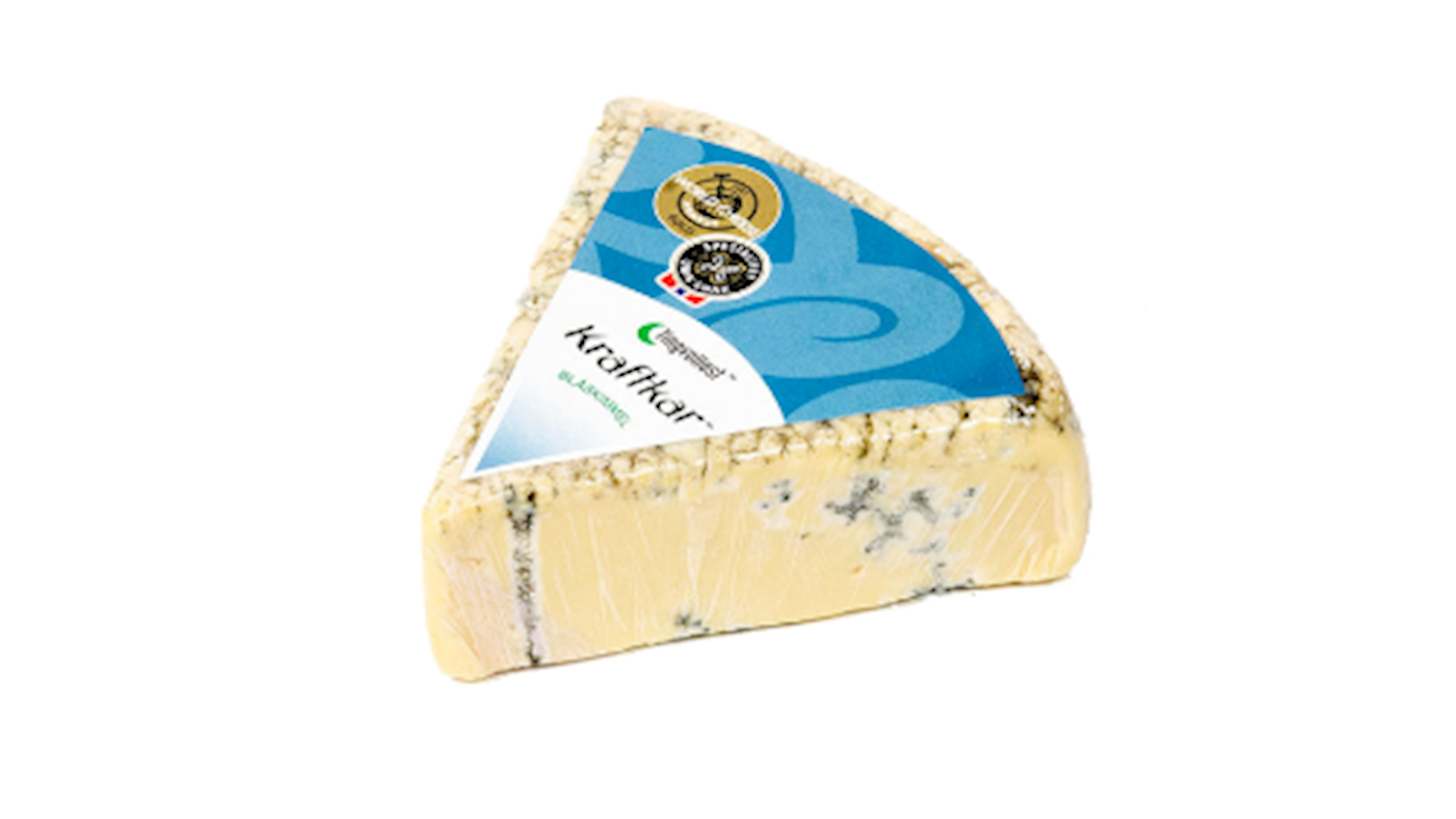
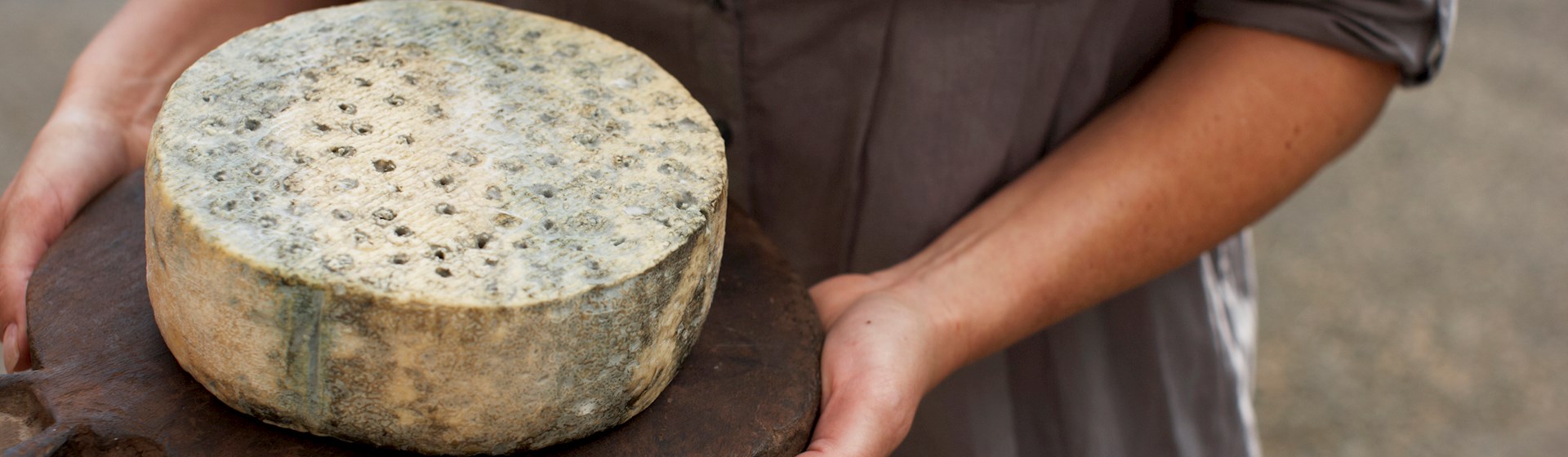
Tingvollost is a cheese producer located in Torjulvågen, Norway, known for crafting the blue cheese Kraftkar, which won the title of the world's best cheese at the World Cheese Awards in 2016. The company utilizes milk sourced from a local herd of cows to produce its range of cheeses.
Awards
World Cheese Awards - Super Gold (2024, 2023)
Concours International de Lyon - Gold (2025)
03

Kjekshus Gård

4.9 ·
Kjekshus Gård is a cheese producer located in Norway, known for producing a variety of cheeses using milk from its own dairy herd. The company utilizes milk exclusively from its farm, ensuring control over the quality and source of the primary ingredient. One of their notable products includes a blue cheese called Kraftkar, which has gained recognition for its distinctive taste.
Awards
Global Cheese Awards - Best (2024)
World Cheese Awards - Super Gold (2024, 2022)
04

Valdresmeieriet

4.9 ·
Valdresmeieriet is a cheese producer located in Valdres, Norway, specializing in the production of traditional Norwegian cheeses. The company focuses on crafting products using time-honored Norwegian recipes and local ingredients. Among their products, they are known for producing the gammelost cheese, a traditional Norwegian sour milk cheese.
Awards
World Cheese Awards - Gold (2024, 2023, 2022)
Great Taste Awards - 3 Stars (2021)
05

Den Sorte Gryte

4.9 ·
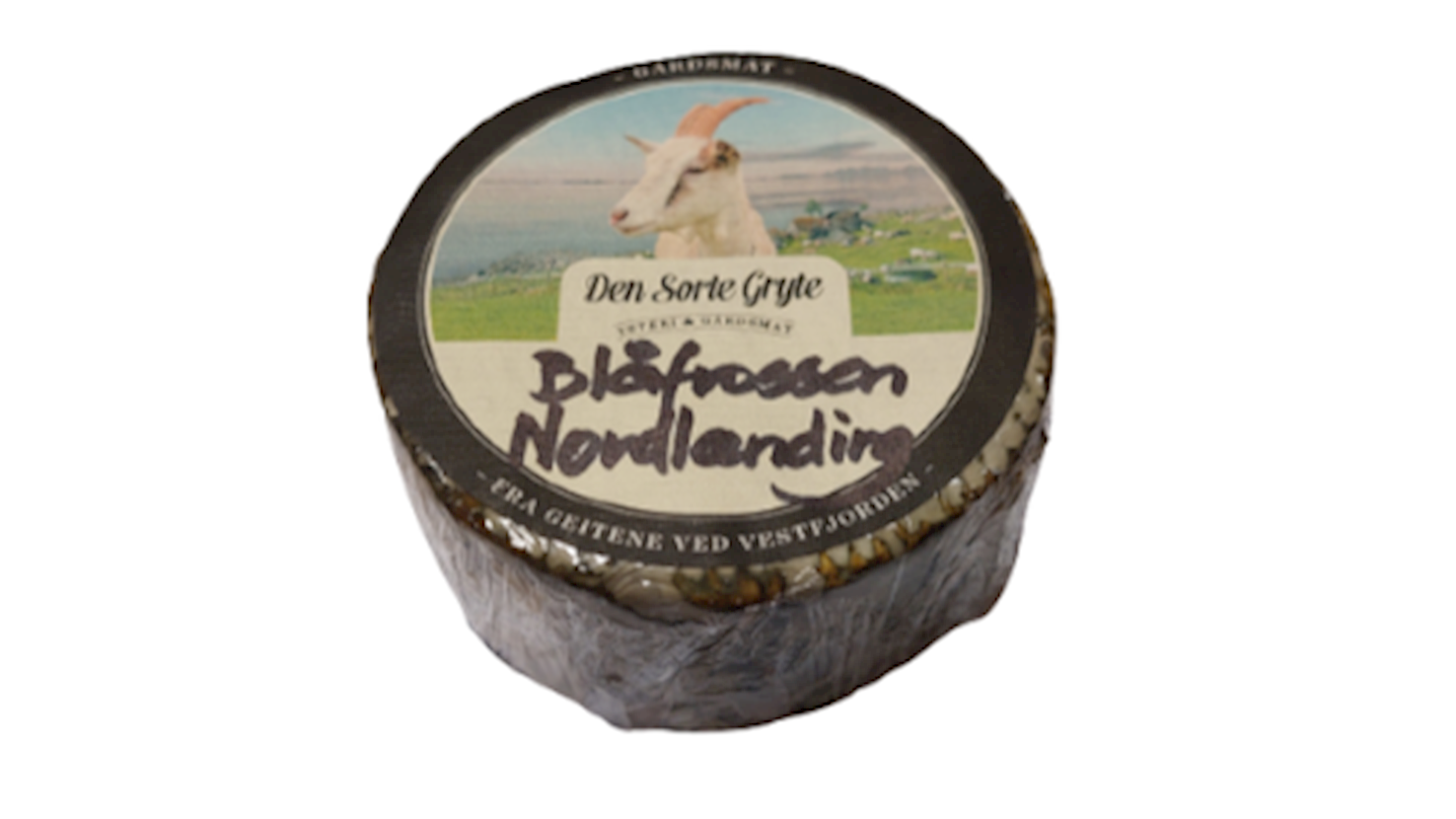
Den Sorte Gryte is a cheese producer based in Norway, known for specializing in organic cheeses made from goat milk. They implement traditional methods in their cheese production, focusing on sustainability and the preservation of natural flavors. Their products include a variety of cheeses, such as aged, soft, and flavored types, catering to diverse culinary preferences.
Awards
World Cheese Awards - Super Gold (2023)
World Cheese Awards - Gold (2023)
06

Myrdal Gård

4.9 ·
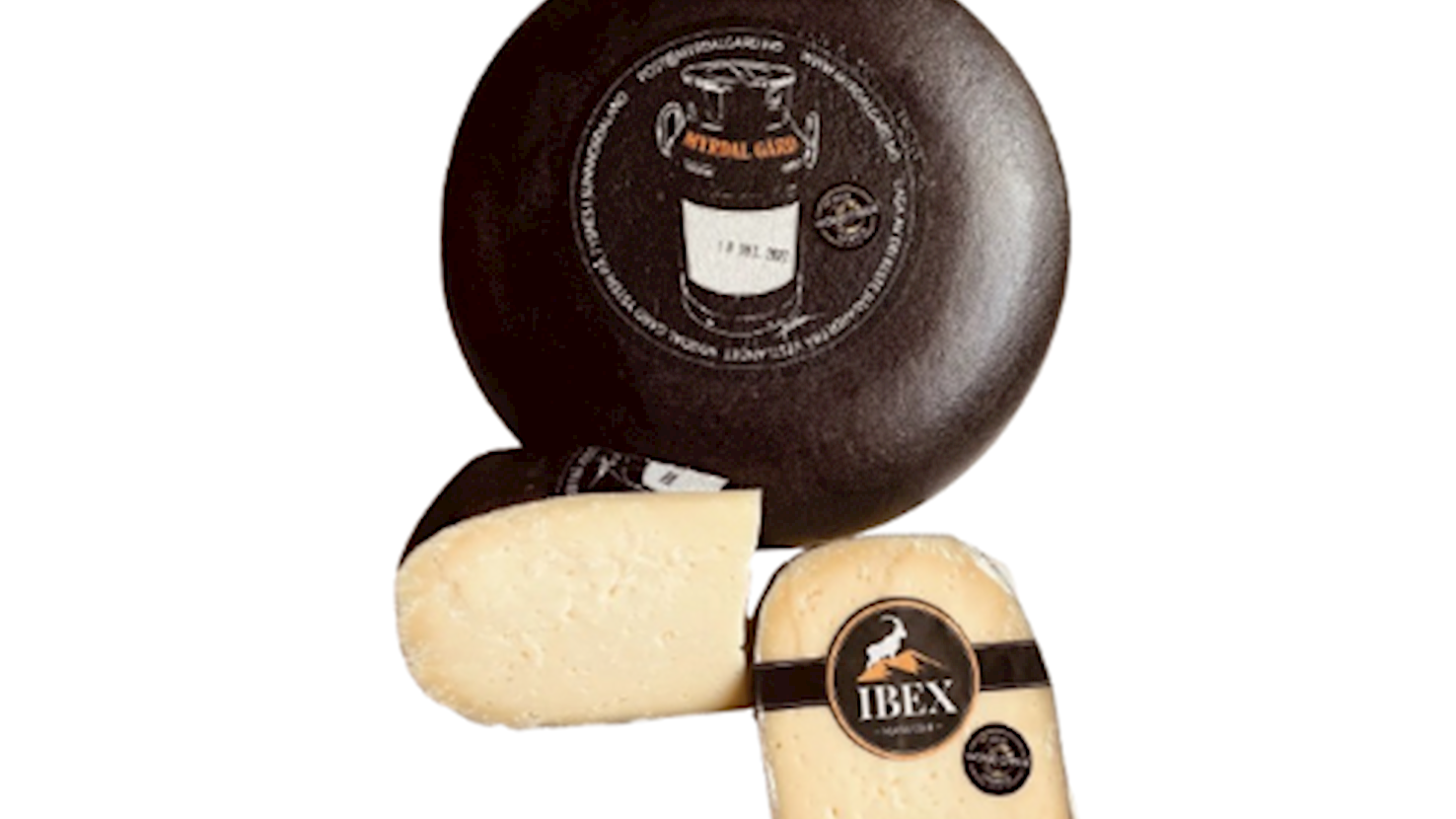
Myrdal Gård is a small-scale cheese producer located in the Avaldsnes area on Karmøy island in Norway. The farm specializes in artisanal cheeses made from goat's milk, using traditional methods. Myrdal Gård offers a variety of products, including soft cheeses and aged varieties, and emphasizes sustainable farming practices. The farm also provides educational tours and offers visitors a chance to experience the cheese-making process firsthand.
Awards
World Cheese Awards - Gold (2024, 2023, 2022)
07

Rueslåtten Ysteri

4.9 ·
Rueslåtten Ysteri is a cheese producer located in Hallingdal, Norway. This family-owned dairy farm specializes in producing artisanal cheeses using traditional Norwegian methods. They utilize milk from their own herd of cows to create a variety of cheeses including semi-hard and blue cheeses. The farm emphasizes sustainable practices and local production.
Awards
World Cheese Awards - Gold (2023)
08

Ryfylke Gardsysteri

4.9 ·
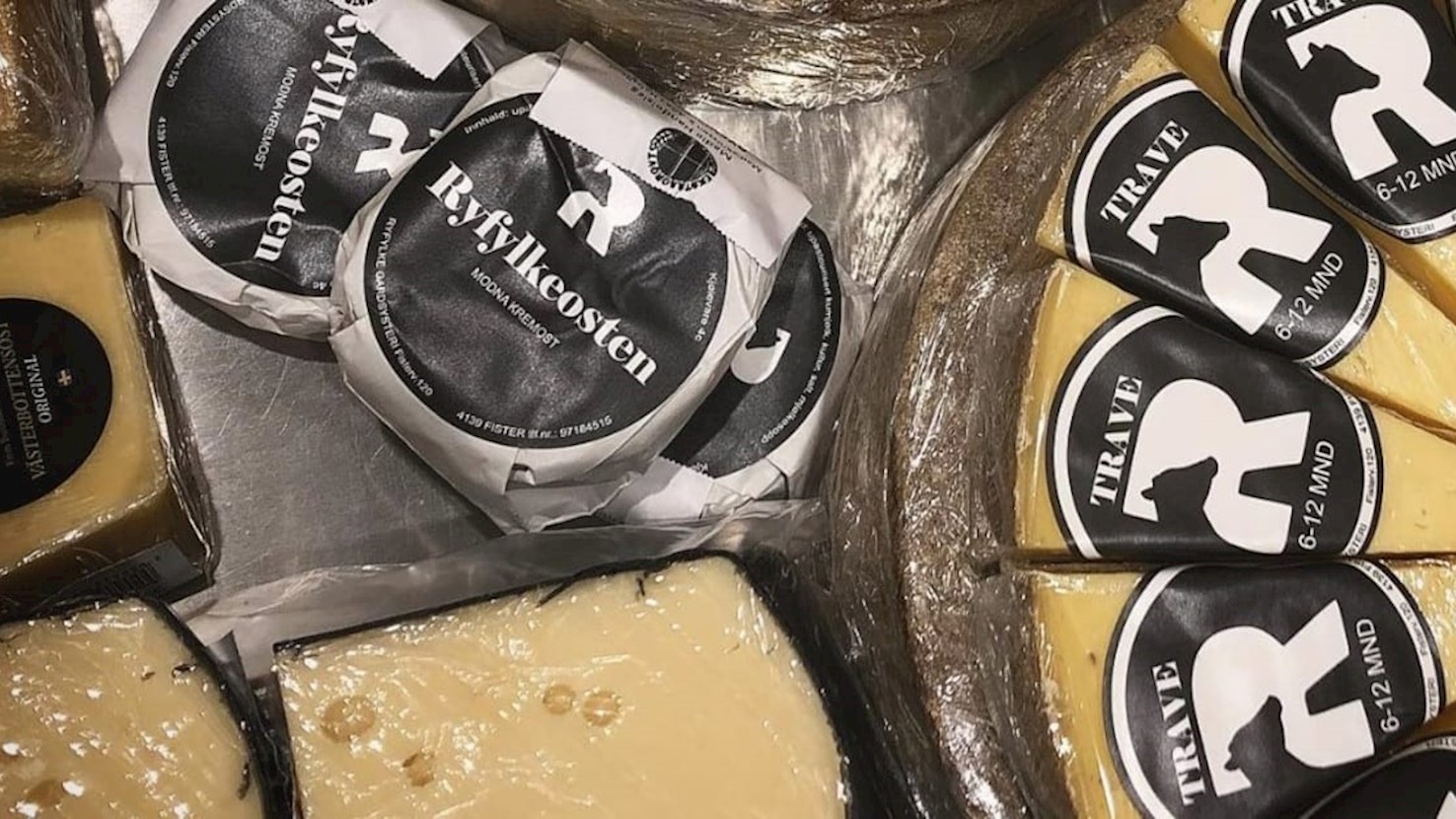
Ryfylke gardsysteri is a cheese producer based in Norway. It is known for producing artisanal cheeses using traditional methods. The company focuses on using locally sourced ingredients from the Ryfylke region. Their product range includes a variety of cheeses made from cow's milk. The business emphasizes sustainability and quality in its cheese production processes.
Awards
World Cheese Awards - Gold (2023)
09

Stavanger Ysteri

4.9 ·
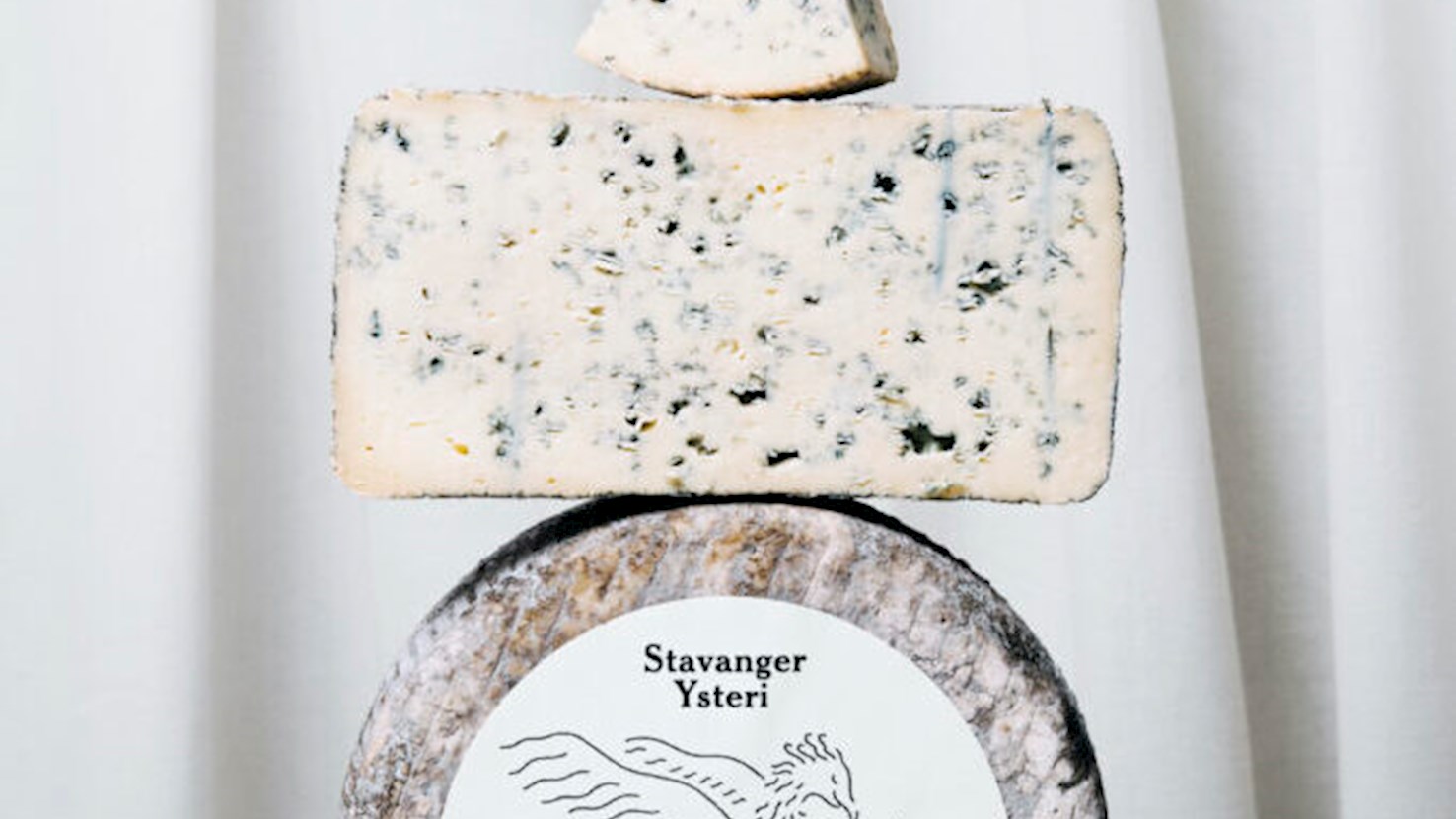
Stavanger Ysteri AS is a cheese producer based in Stavanger, Norway, specializing in handcrafted cheeses made from local Norwegian milk. They focus on sustainable production methods and have a range of cheeses that includes both traditional Norwegian styles and new, innovative varieties.
Awards
World Cheese Awards - Gold (2023)
10

Undredal Stølsysteri

4.9 ·
Undredal Stølsysteri is a cheese producer located in the small village of Undredal, Norway, known for its traditional Norwegian goat cheeses. The company specializes in producing "geitost" or goat cheese, utilizing milk from local goats. Their most famous product is a brown cheese called "Undredalsosten," which is appreciated for its unique, rich flavor derived from the quality of the milk and the traditional production methods used.
Awards
World Cheese Awards - Gold (2023)

Best Norwegian Cheese Types
01

Jarlsberg

3.9 ·

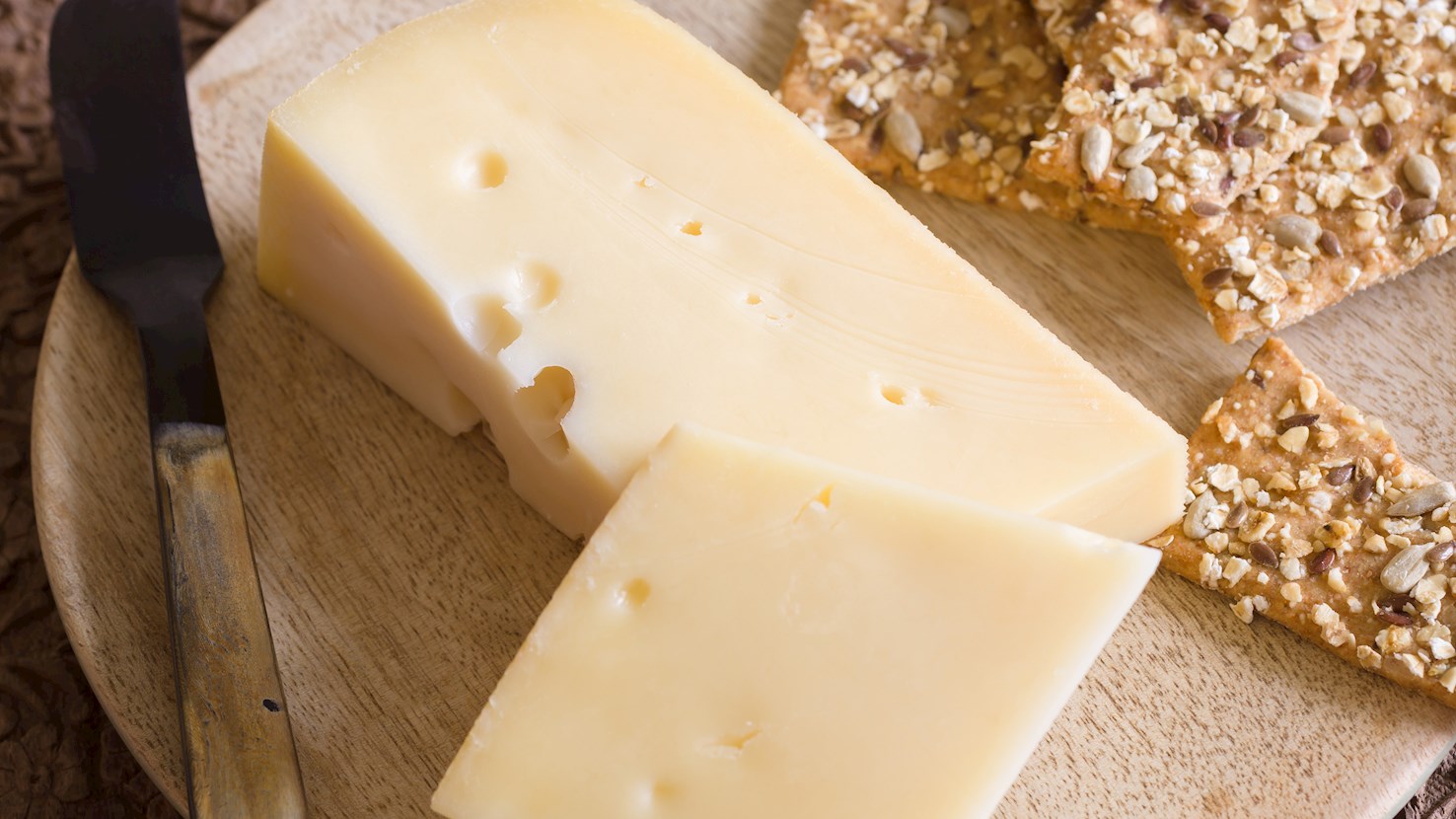
Jarlsberg is a Norwegian cheese made with cow's milk. It has a semi-soft texture, while the flavors are mild, buttery, and slightly nutty. The cheese was invented by Anders Larsen Bakke in the village of Vale, not far away from Oslo. Jarlsberg has characteristical irregular holes dispersed throughout its body, which is why it's often marketed as a Swiss cheese. The cheese melts exceptionally well, and as a result it is used in fondues, quiches, and sandwiches. It is recommended to pair Jarlsberg with a glass of Merlot.

02

Kraftkar

3.8 ·

Norway probably isn't the first country that comes to mind when we think about great cheese. However, that might change as Norwegian producer Tingvollost won the main prize and the title of the world's best cheese at the 2016 World Cheese Awards in San Sebastian, Spain for its blue cheese called Kraftkar. More than a hundred judges assessed over 3,000 cheeses according to a number of qualities such as color, texture, and flavor before they came to the conclusion that Kraftkar is undoubtedly the champion. This blue cheese is produced from cow's milk from the family farm located in the village of Torjulvågen. It has an excellent texture that first crumbles, and then you get a soft creaminess, while the mould is nicely developed and distributed evenly throughout the body. The name of the cheese, translated to strongman, refers to the legendary farmhand Tore Nordbø and his extraordinary size and strength. The company's chairman Gunnar Waagen was totally stunned when he was presented with the award, expressing his gratitude and acknowledging what it means for a small family business like Tingvollost. All that is left is to book a ticket to Norway and indulge in Kraftkar, preferably paired with crackers, walnuts, figs, fruit jams – or eat it on its own – after all, it is the best cheese in the world!

03

Geitost (Brown Goat Cheese)

3.7 ·

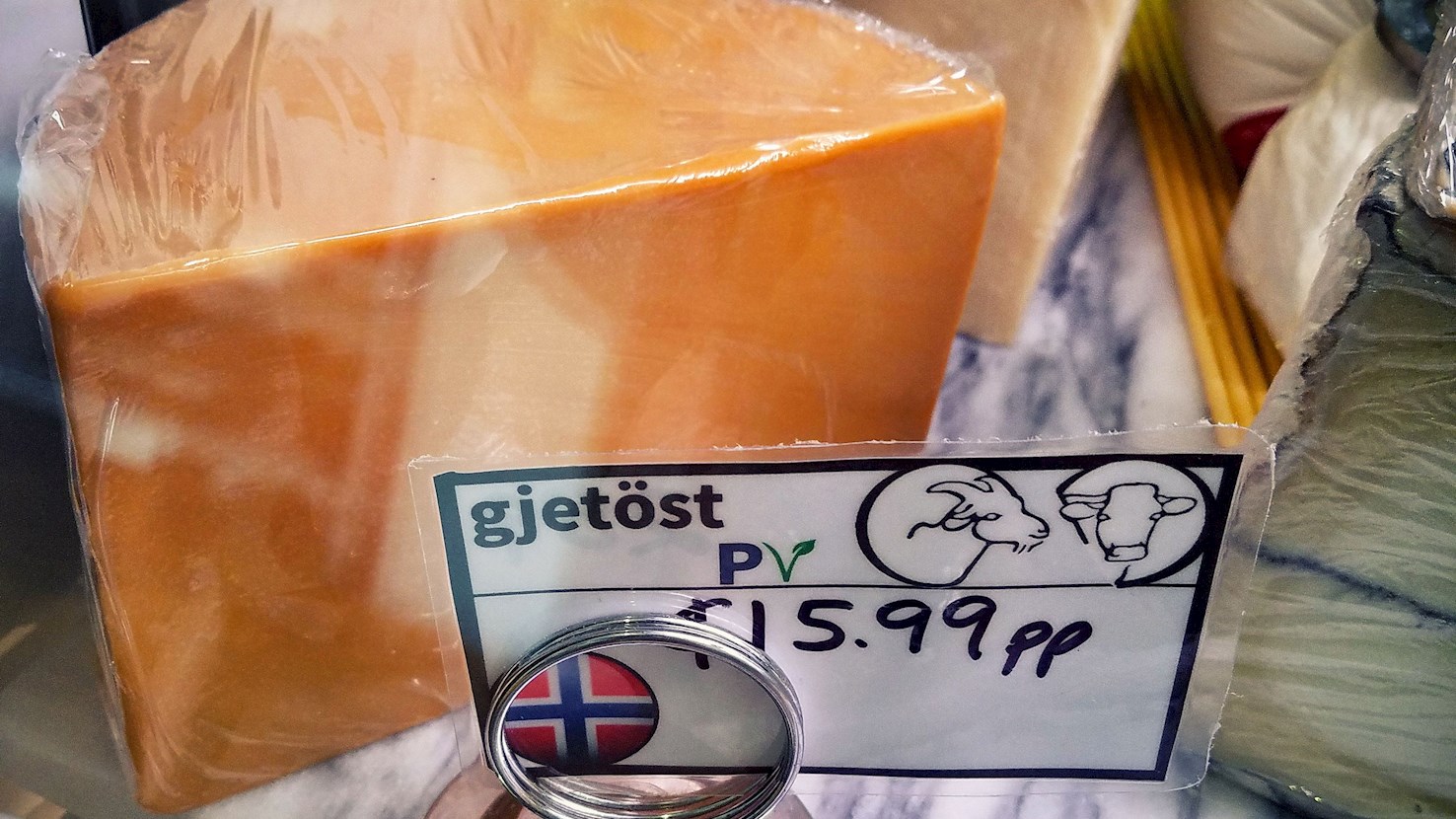
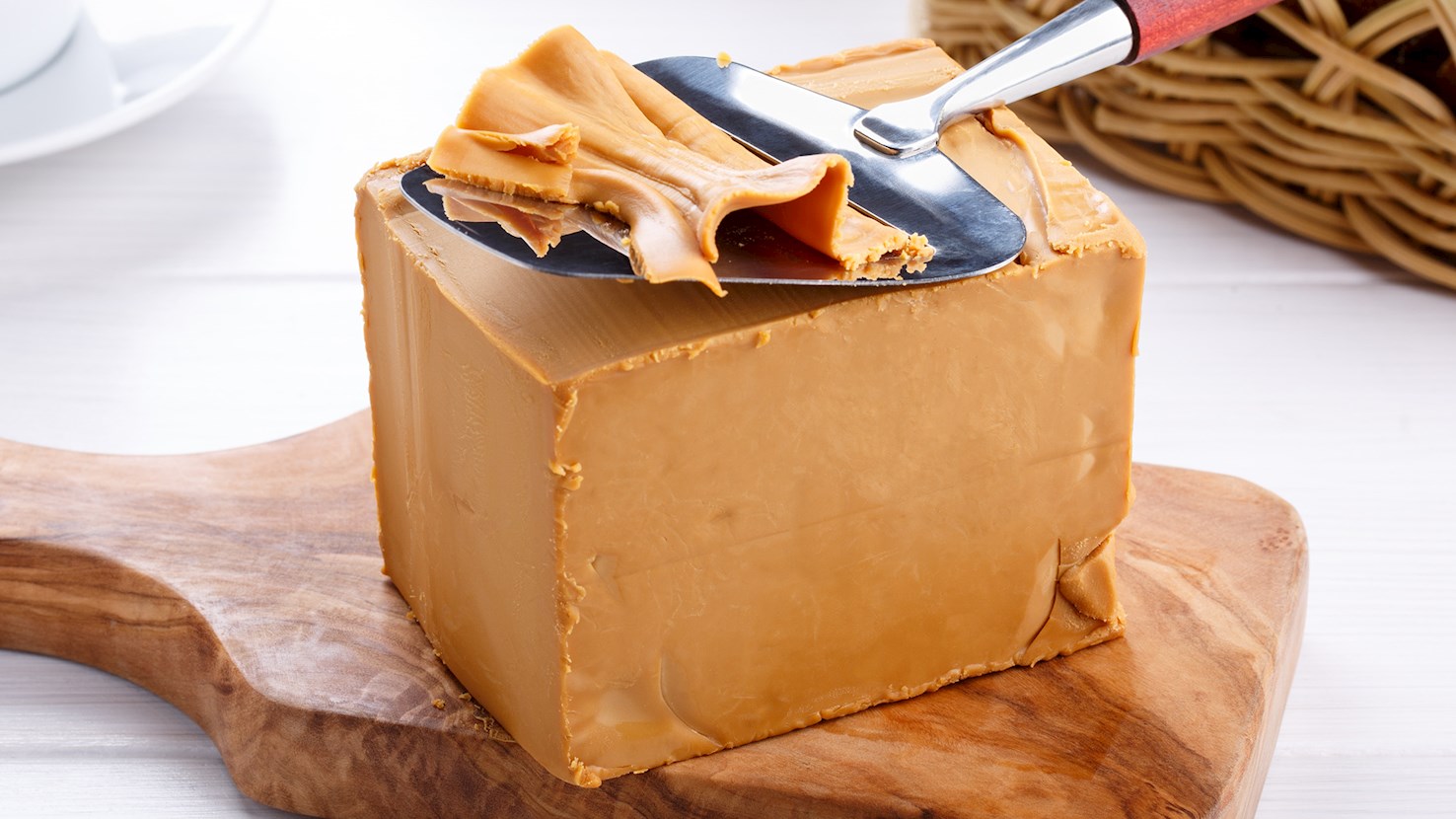
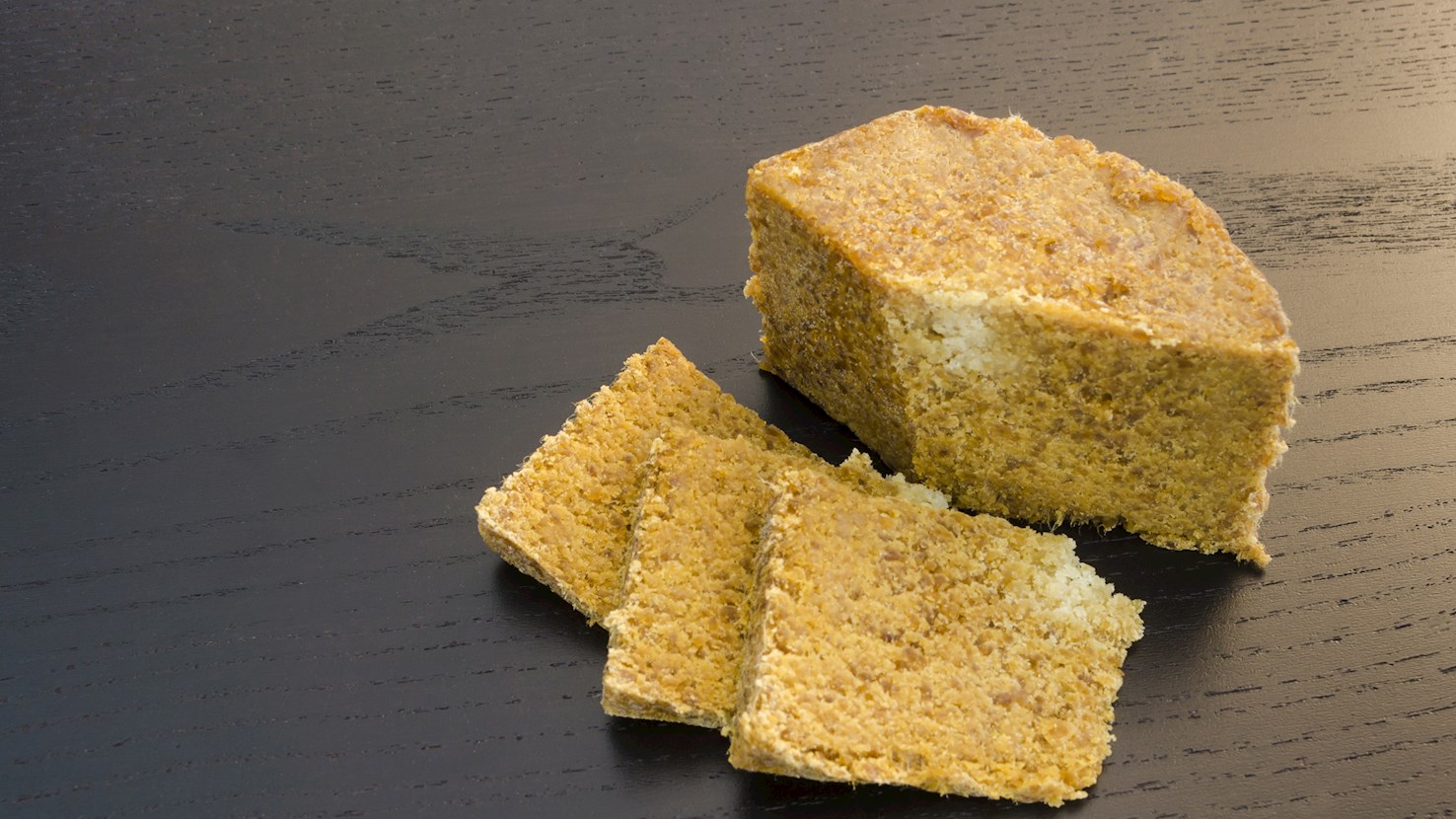
Produced on Norwegian mountain farms for 500 years, Geitost is a processed brown cheese made with whey and cream (goat's milk) that are slowly cooked for 8 to 10 hours. Technically, geitost is a type of brunost and it's not a cheese at all because it's made from a secondary product. Geitost is pressed into square molds and turns brown because of the lactose sugar. Its flavor is sweet with hints of burnt caramel, which is the reason why Norwegian children often eat it for breakfast. Geitost is traditionally sliced extra-thin, and it is typically served on Norwegian flatbread.

Best producers
04

Brunost

3.6 ·

Brunost is a distinctive Norwegian cheese known for its rich brown color and sweet, caramel-like flavor. Unlike typical cheeses made from curdled milk, brunost is made by slowly boiling whey, the liquid leftover from cheese production, until the sugars caramelize and the mixture thickens into a fudge-like consistency. This process imparts its characteristic sweetness and deep brown hue, setting it apart from other dairy products. Brunost has been part of the country’s food culture for centuries, particularly valued in rural and mountainous regions where dairy farming was a central livelihood. Early producers discovered that boiling down whey extended the use of all milk components and created a shelf-stable product that could be stored for long periods without refrigeration. Over time, brunost became closely associated with Norwegian identity and cuisine, reflecting the resourcefulness and simplicity of traditional farming communities. The preparation of brunost involves heating whey for several hours to evaporate water and concentrate the milk sugars. The mixture is carefully stirred to prevent burning and to encourage even caramelization. Once the desired consistency and color are reached, the thickened mass is poured into molds to cool and set. Different variations of brunost exist, made from goat’s milk, cow’s milk, or blends of both, each offering subtle differences in flavor and texture. Brunost is most commonly enjoyed sliced thinly and served on bread or crispbread, often accompanied by butter or jam. It is a staple in Norwegian breakfasts and lunches and sometimes used in cooking to add a unique sweet note to sauces and soups.

05

Nøkkelost

3 ·

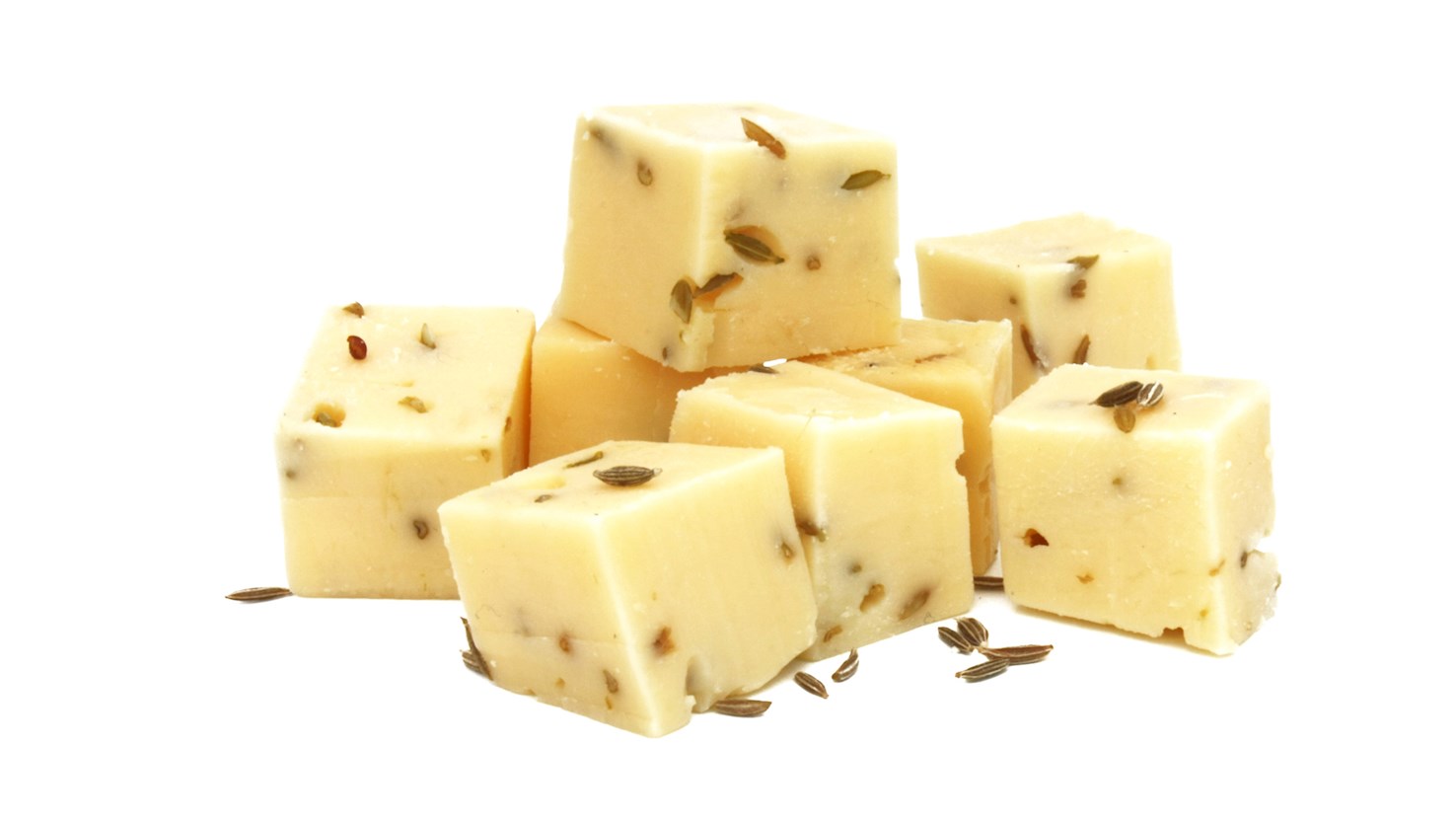
Nøkkelost is a traditional semi-hard cheese made from cow's milk. Also known as Kuminost, the cheese matures for 3 months and it's flavored with cumin, cloves, and caraway. It has a natural rind and a creamy texture, while the flavors are spicy, tangy, and nutty. It is recommended to melt Nøkkelost over meat or potatoes and pair it with a glass of red wine on the side.

06

Ridder

2.9 ·

Ridder is a traditional cheese made from cow's milk. It was invented by a Swedish cheesemaker, Sven Fenelius. The cheese has a pliable and creamy texture and its rind is washed and sticky. Ridder matures for almost 3 months, during which it develops sweet, buttery, and slightly nutty flavors. It's recommended to pair it with light and fruity wines and serve it with fruit or crackers. Interestingly, the name Ridder means knight in Norwegian.

07

Gamalost

1.5 ·

Gamalost is a traditional cheese made from skimmed cow's milk. The cheese has a mold-ripened rind; its texture is dense, granular, and chewy, the aromas pungent, while the flavor is sharp. It's also rich in protein and has a fat content of only 0.5 to 1.0%. The cheese is traditionally aged from 1 to 6 months. In order to make it, an acid is added to skim milk, causing it to sour. The fermented solids are then pressed into molds to create the circular shape. Later on, the cheese is hand-rubbed with mold and left to age. It can be stored for a prolonged period of time without refrigeration, which is why it's been produced in the past when there were no methods of refrigeration. Gamalost should be cut with a hollow blade cheese knife due to its dense and granular texture. It's recommended to pair it with gin or a robust beer. Serve it with dark bread with butter, sour cream, cranberries, fresh fruit, or fruit jams.

Read more
View all
View map
About this ranking

TasteAtlas food rankings are based on the ratings of the TasteAtlas audience, with a series of mechanisms that recognize real users and that ignore bot, nationalist or local patriotic ratings, and give additional value to the ratings of users that the system recognizes as knowledgeable. For the “Top 29 Norwegian Cheeses” list until June 24, 2026, 456 ratings were recorded, of which 367 were recognized by the system as legitimate. TasteAtlas Rankings should not be seen as the final global conclusion about food. Their purpose is to promote excellent local foods, instill pride in traditional dishes, and arouse curiosity about dishes you haven’t tried.

The initial list of top producers was compiled based on available reviews, awards, local recommendations, media and blog coverage, and consumer reviews. The list will be updated with ratings from TasteAtlas local ambassadors and TasteAtlas users.

Similar lists