


shutterstock

Top 18 European Cold Soups

Last updated on May 16, 2026
01

Vichyssoise

4.1 ·

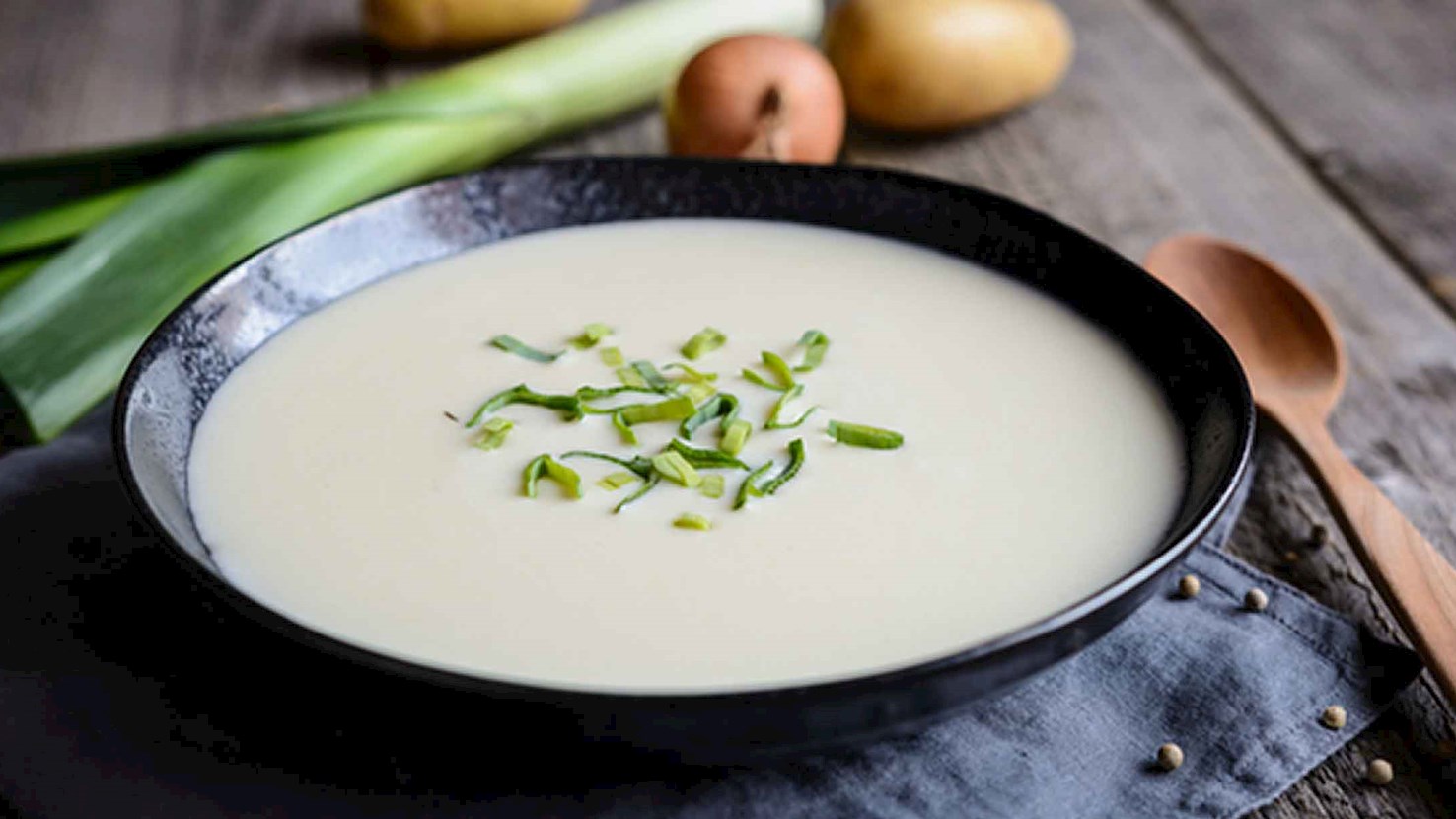
This thick French soup is made with puréed leeks, onions, potatoes, cream, and chicken stock. There is an ongoing debate about its origin – some claim it has French roots, while others insist that the soup is an American invention. One group of food historians say that the soup was invented by French chef Jules Gouffe in 1859, while others believe the original creator to be Louis Diat, a French chef who worked at the New York Ritz-Carlton. Inspired by the potato and leek soup of his childhood, he named the soup crème Vichyssoise glacée after his hometown of Vichy. Today, the soup is traditionally served cold and is often garnished with fresh chopped chives.

02

Šaltibarščiai

4 ·

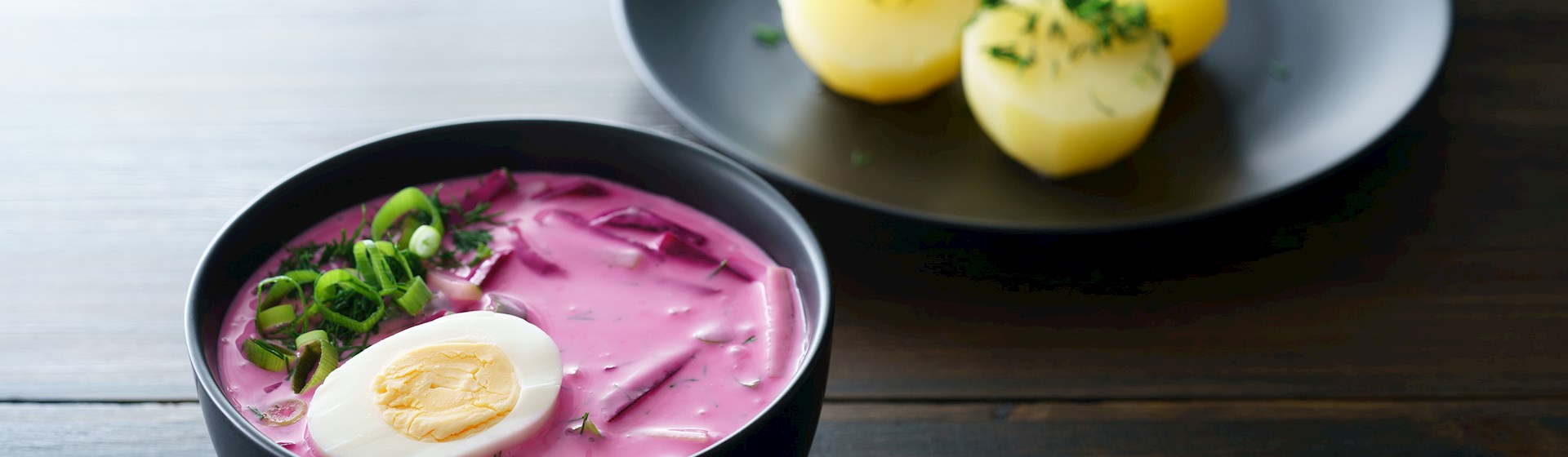
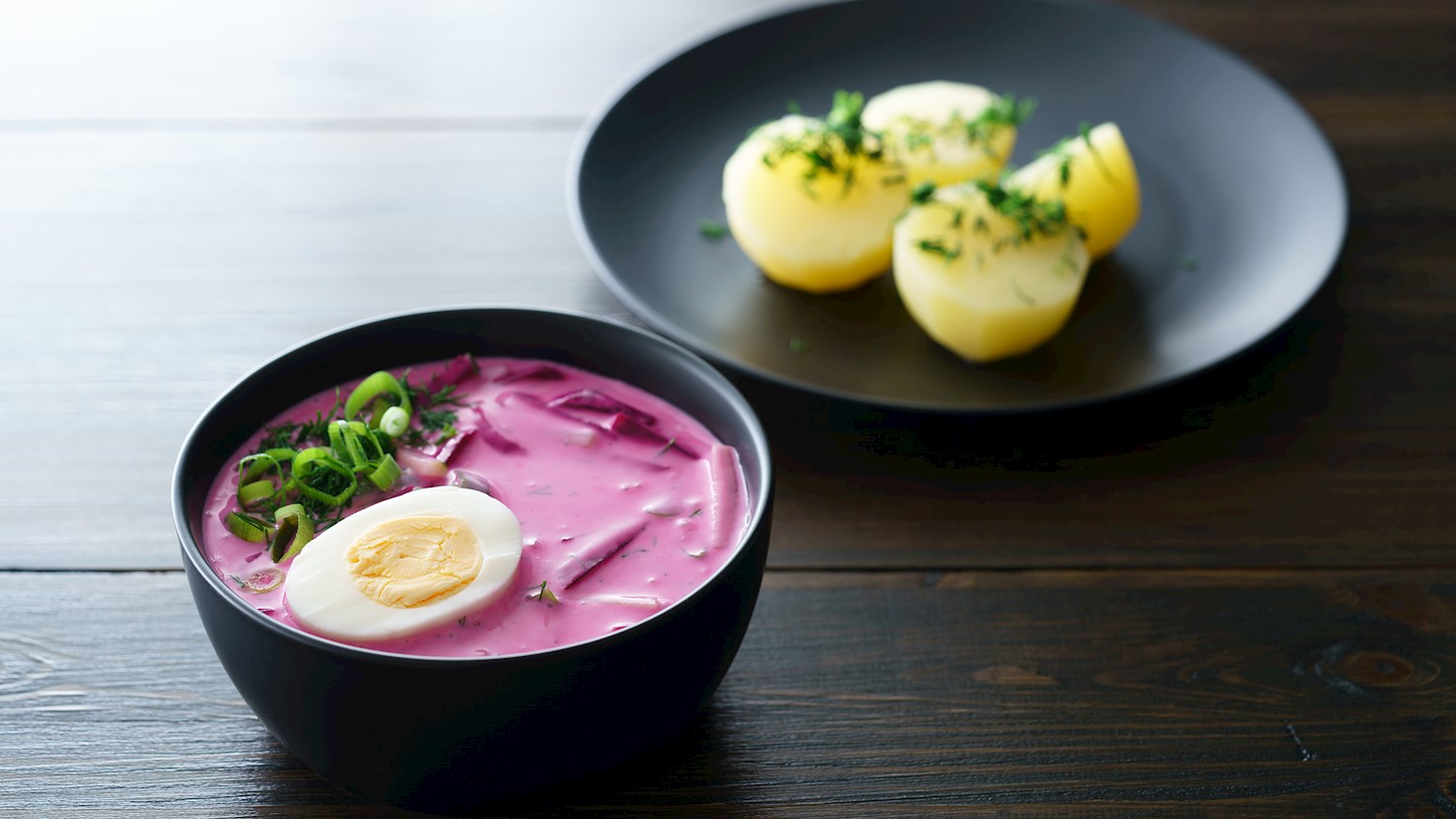
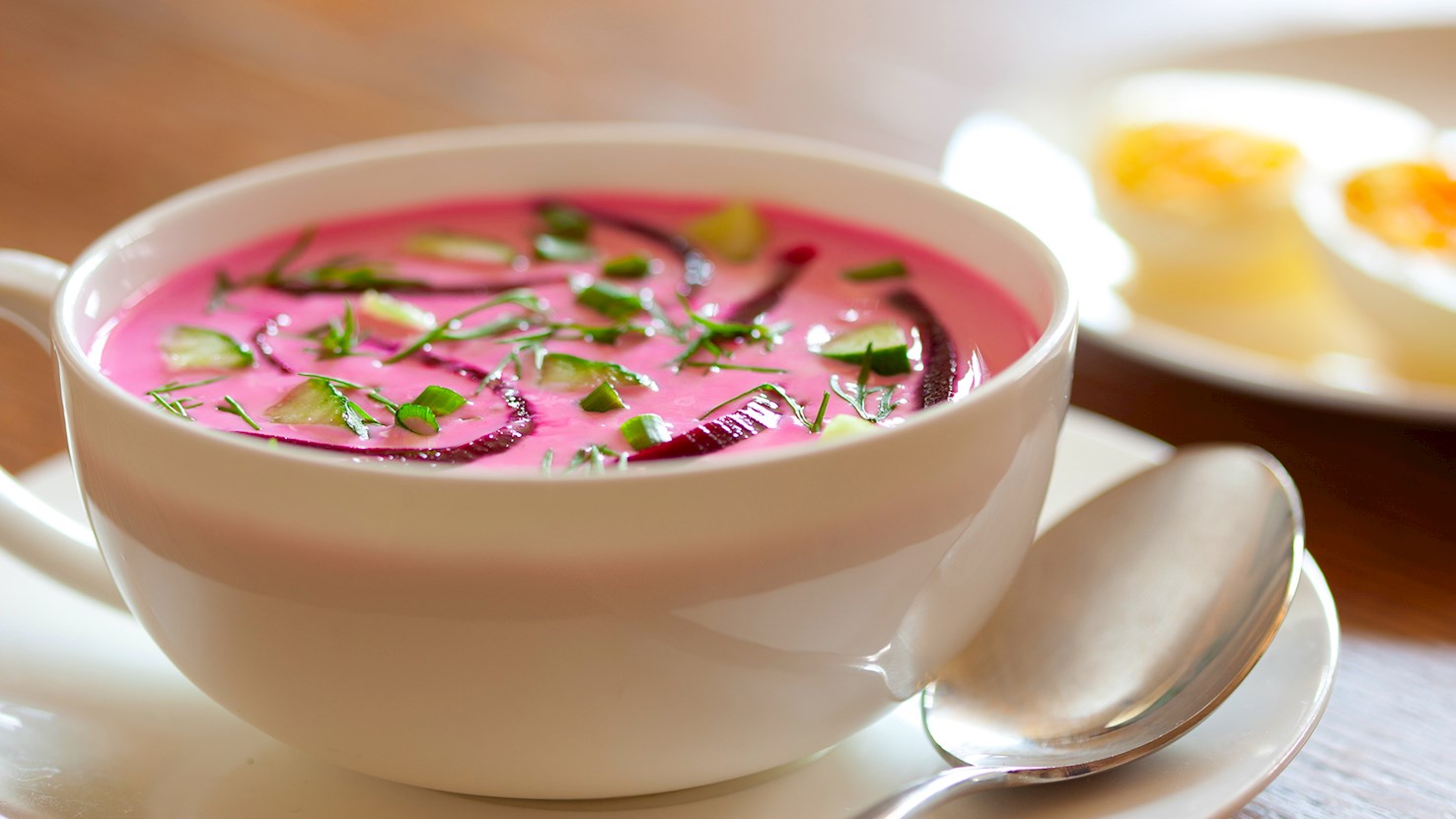
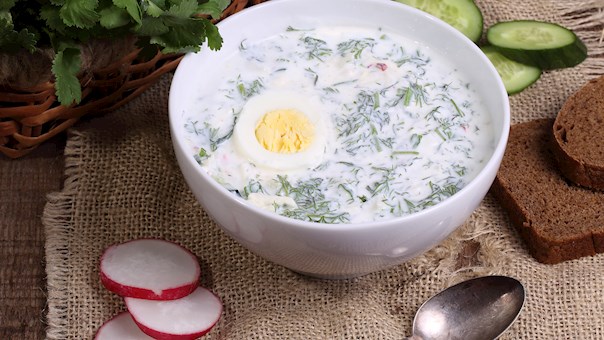
This refreshing, cold beetroot soup is a part of traditional Lithuanian cuisine. It consists of a creamy blend of pickled or boiled beetroots and tangy kefir or buttermilk, poured over grated cucumbers and hard-boiled eggs. The whole soup is generously seasoned with dill, and usually left to set until all the flavors are thoroughly combined. It is usually prepared in the summertime, and is best served chilled, preferably with potatoes on the side. It can be enjoyed as an appetizer or a light main course.

03

Porra Antequerana

4 ·

Porra Antequerana is a Spanish soup originating from the Malaga town called Antequera. Originally, the soup was served warm, and it was made with old bread, tomatoes, olive oil, garlic, vegetables, pieces of ham, hard-boiled eggs, and other ingredients the peasants had on hand. The ingredients were puréed into a soup using a mortar (porra) and pestle. Over time, the soup started to be served cold, usually as an appetizer or a tapa. Nowadays, there are many variations on porra Antequerana, with some recipes adding ingredients such as tuna on top of the soup.

04

Tarator

3.9 ·

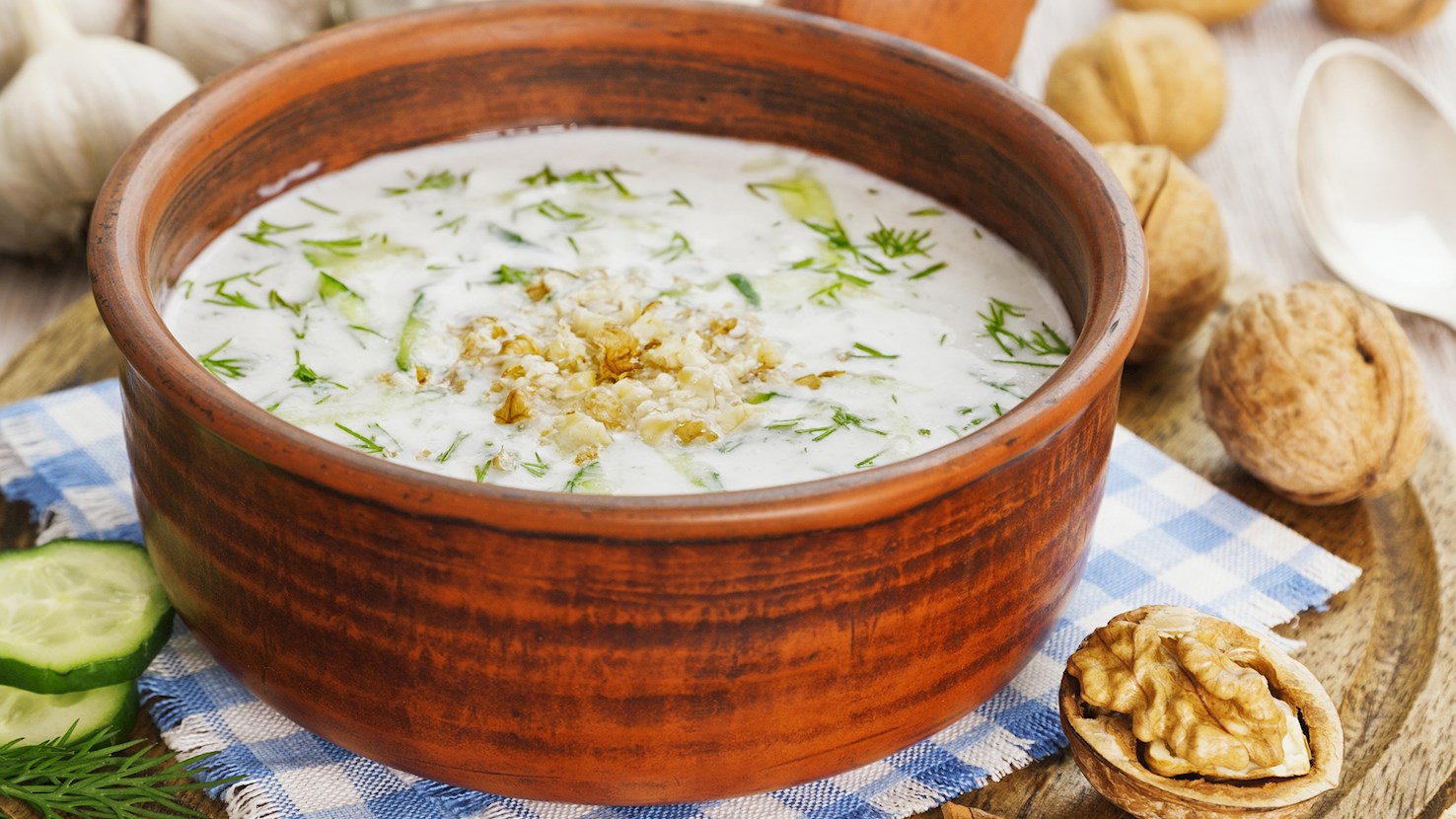
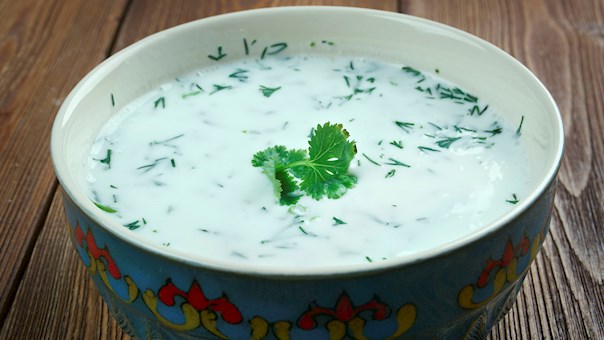
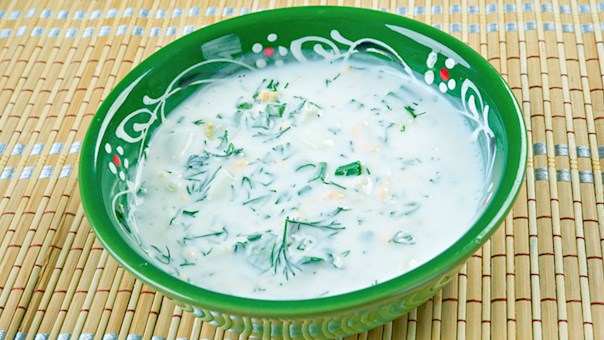
Tarator is a Bulgarian cold soup made with Bulgarian yogurt, cucumbers, garlic, chopped dill, sunflower oil, walnuts, and a bit of water or ice. However, there are numerous varieties of this refreshing soup (especially in North Macedonia), so some ingredients might be omitted, while others might be added – nuts are sometimes replaced with bread and cucumbers are sometimes replaced with carrots or lettuce. A variety known as simple tarator is made with vinegar and water instead of yogurt. The soup is always served well-chilled, and it is especially popular on hot summer days.

05

Ajoblanco

3.9 ·

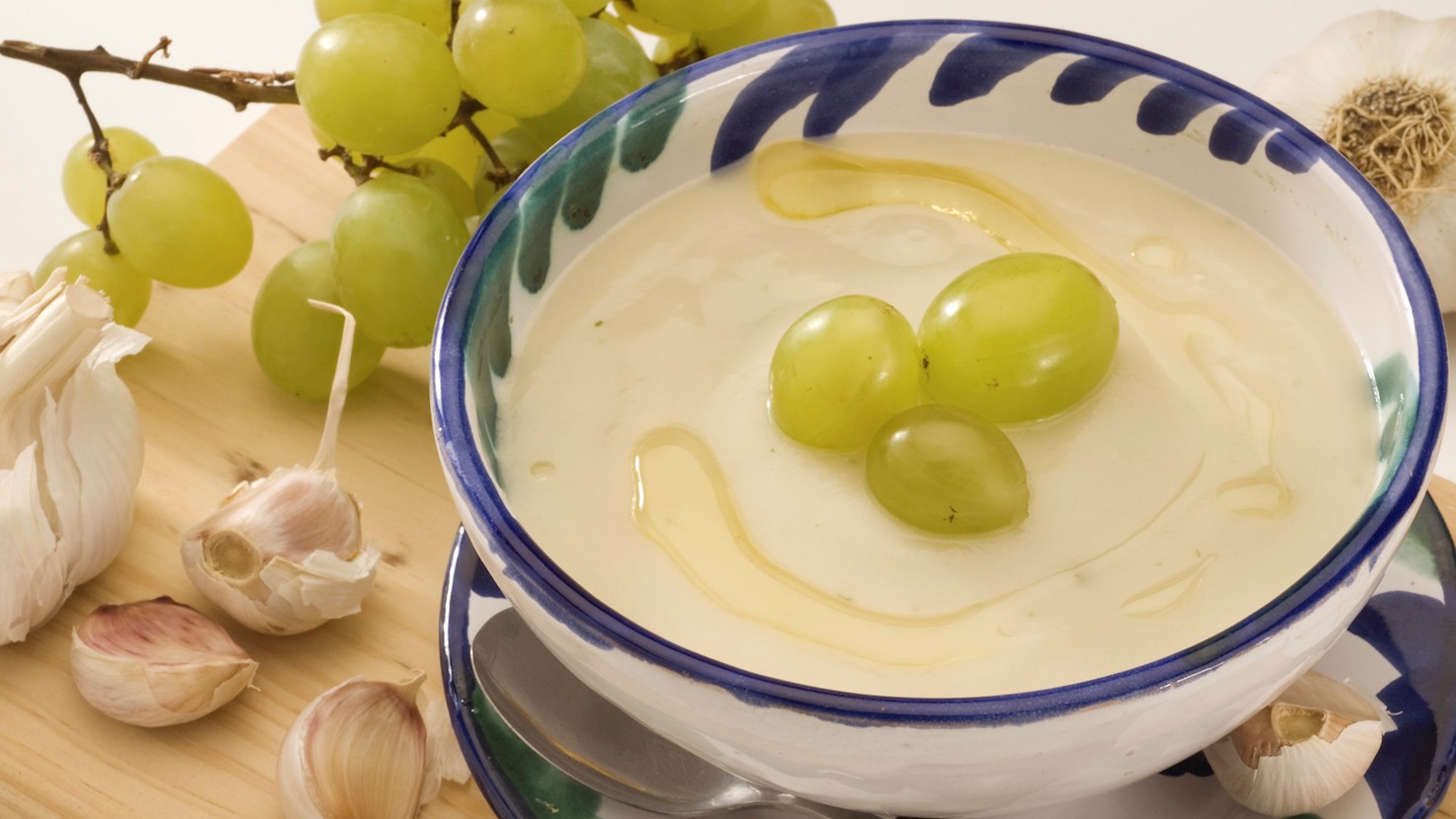
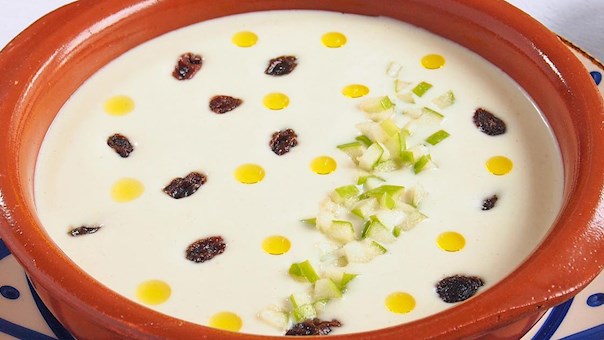
This Andalusian cold almond soup is known as the precursor of gazpacho; it originated during the Moorish middle ages, predating the arrival of tomatoes and peppers by several centuries. Ajoblanco traditionally consisted of a puréed mixture of stale bread that was moistened with vinegar and water, a hefty amount of fresh garlic, and almonds — the region's most abundant crop, but modern recipes also often include ingredients such as milk and green grapes. If available, always use Marcona almonds when making ajoblanco. The perfect starter for a summer lunch, this creamy soup is best enjoyed well chilled, drizzled with olive oil, and topped with toasted almonds.

06

Khaladnik

3.9 ·

Khaladnik is a cold beet soup that has been a staple of Belarusian cuisine since the late 18th century. It is made with boiled beets mixed with kefir, cucumbers, spring onions, and dill. The soup is traditionally served with a dollop of sour cream, a sprinkle of chopped dill, and often a hard-boiled egg on top. This refreshing summer favorite has a distinctive pink color and a fresh, sour taste that is perfectly contrasted by a side of boiled potatoes.

Best restaurants
07

Salmorejo

3.9 ·

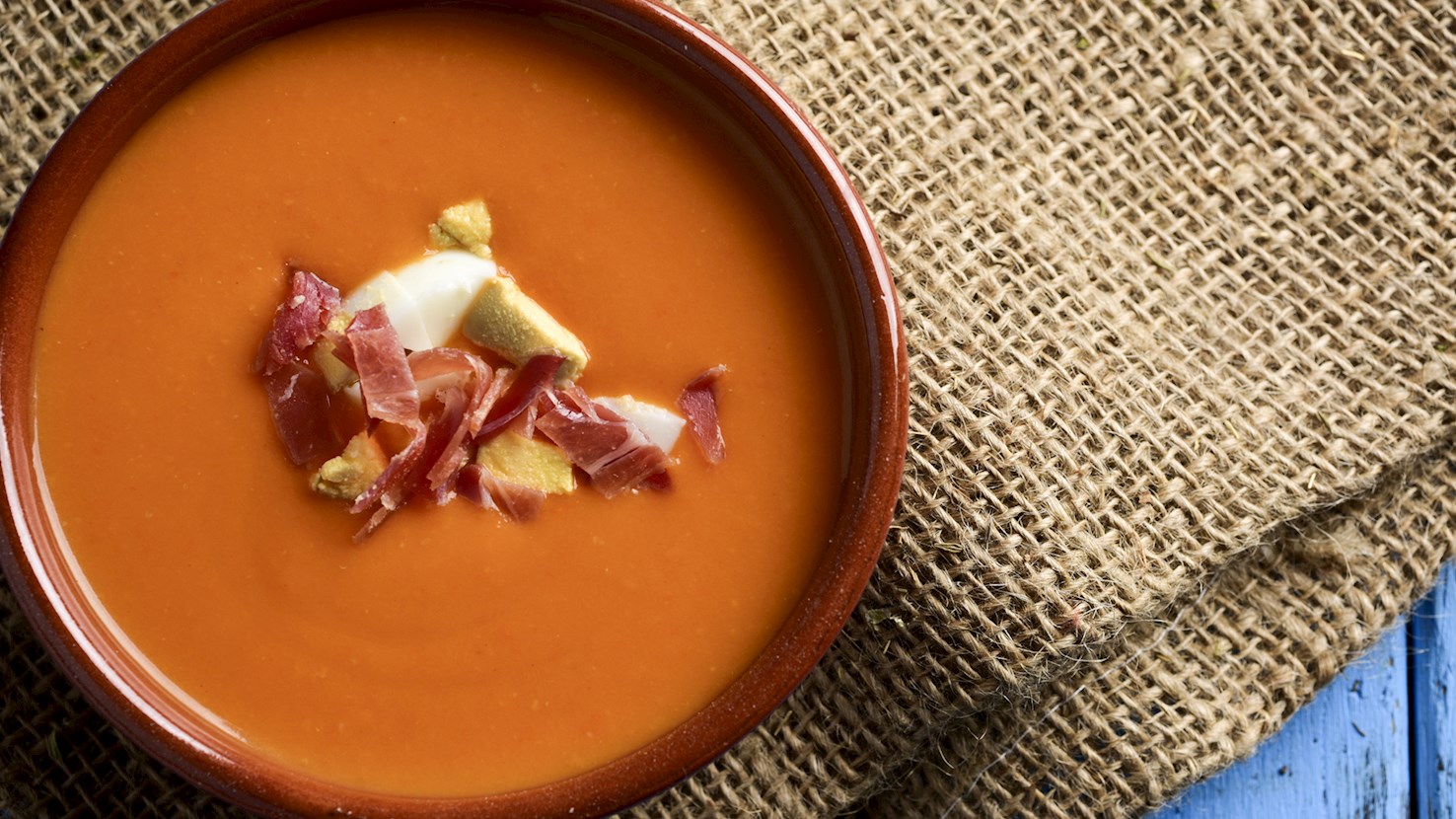
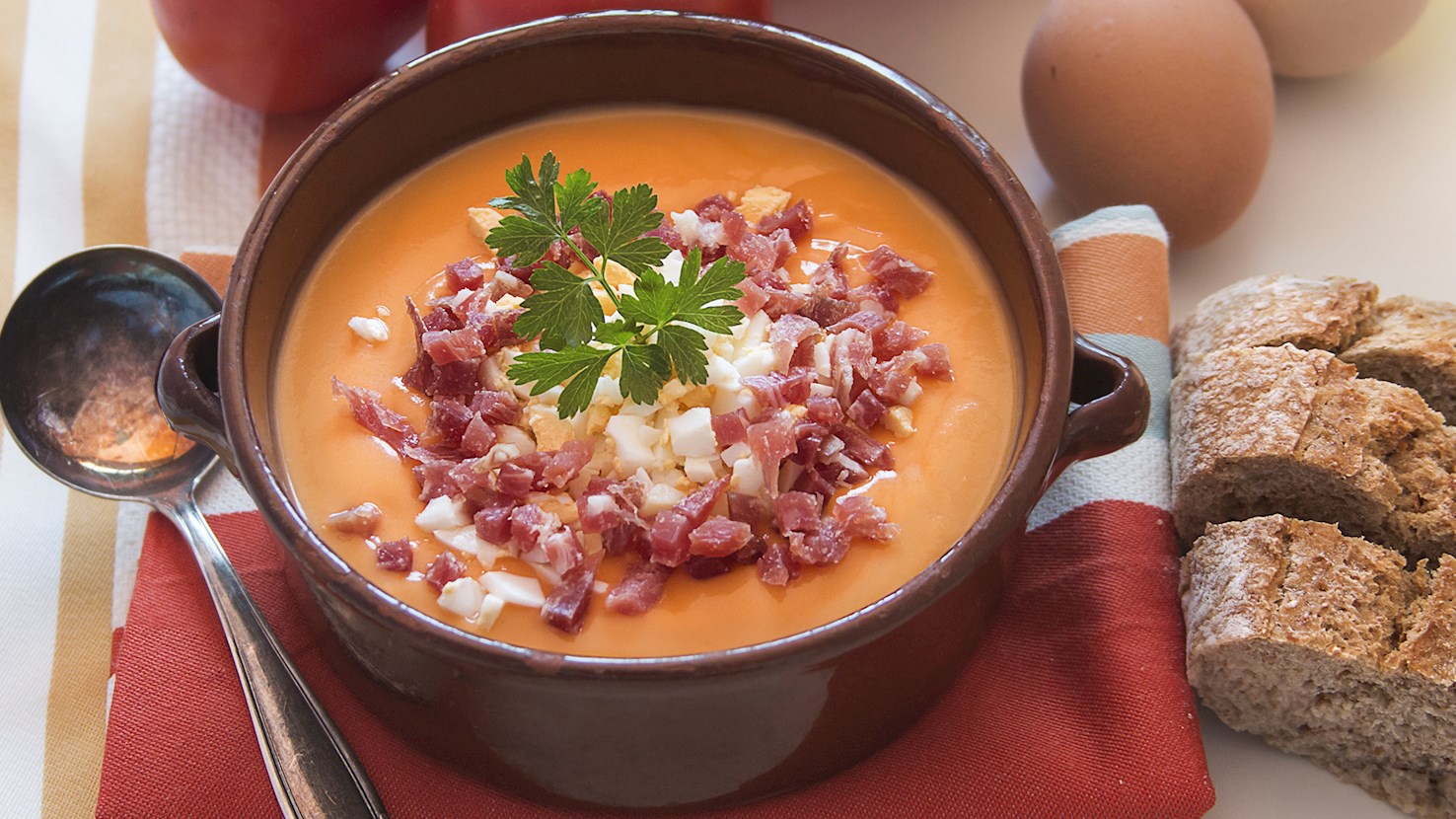
Salmorejo is a refreshing Andalusian soup that is traditionally served cold. It is especially popular during the warm, summer days. The soup consists of puréed tomatoes, bread, garlic, oil, and vinegar. Thick and creamy, salmorejo is often garnished with ingredients such as hard-boiled eggs or Spanish ham. In some cases, it can be served as a tapa dish or as a sauce accompanying toasts or omelets.

08

Meggyleves

3.8 ·

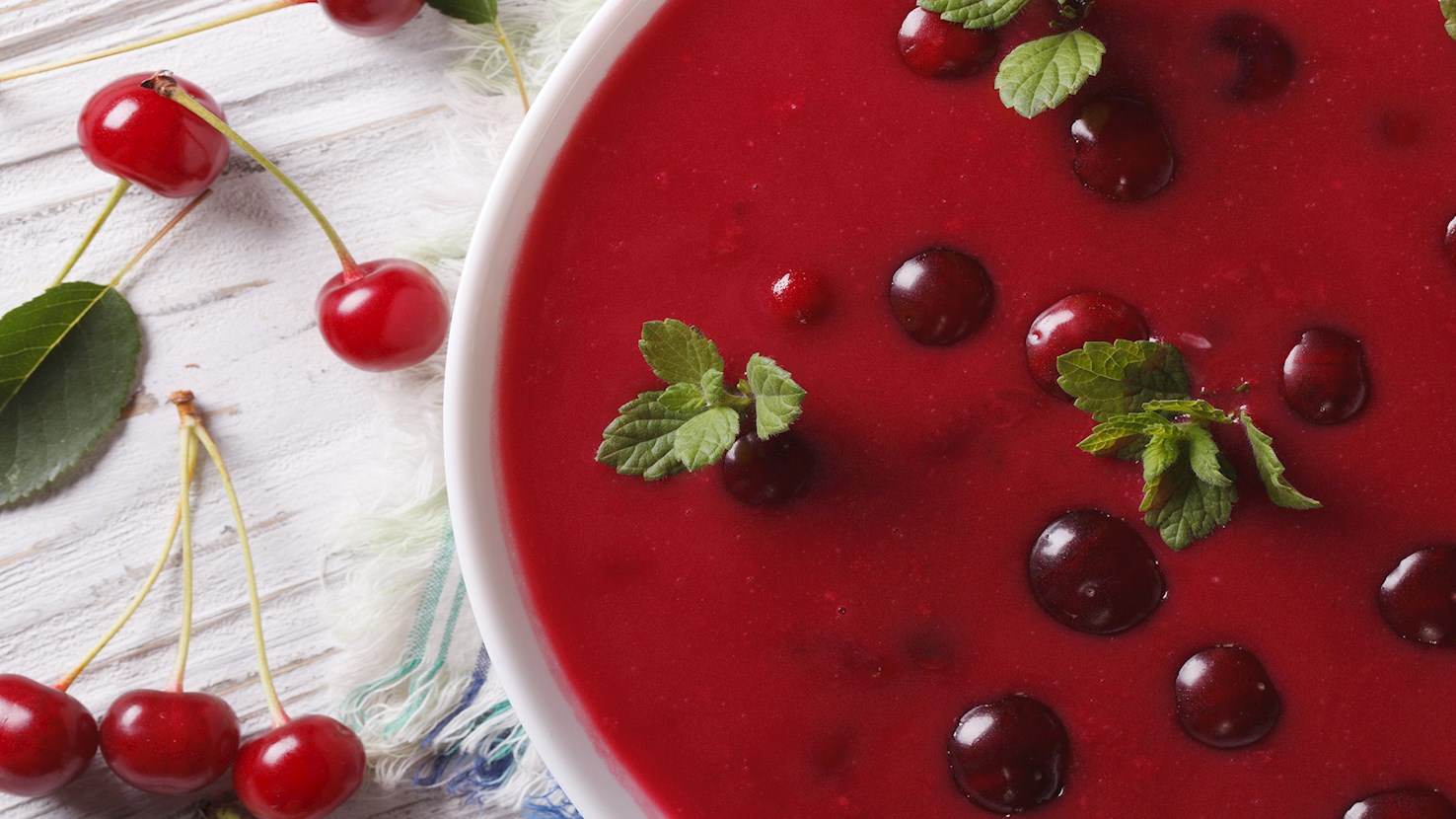
This sweet chilled soup made with sour cherries and sour cream is a traditional summertime dish. Also known as hideg meggyleves, meggykeszőce or cseresznyeleves, it is prepared throughout the country as soon as cherries come into season. Although one might be tempted to eat it as a dessert, in Hungary, this tart and creamy soup is generally served before the main course, as it makes for a refreshing alternative to the standard meat and starch fare.

09

Aukstā zupa

3.8 ·

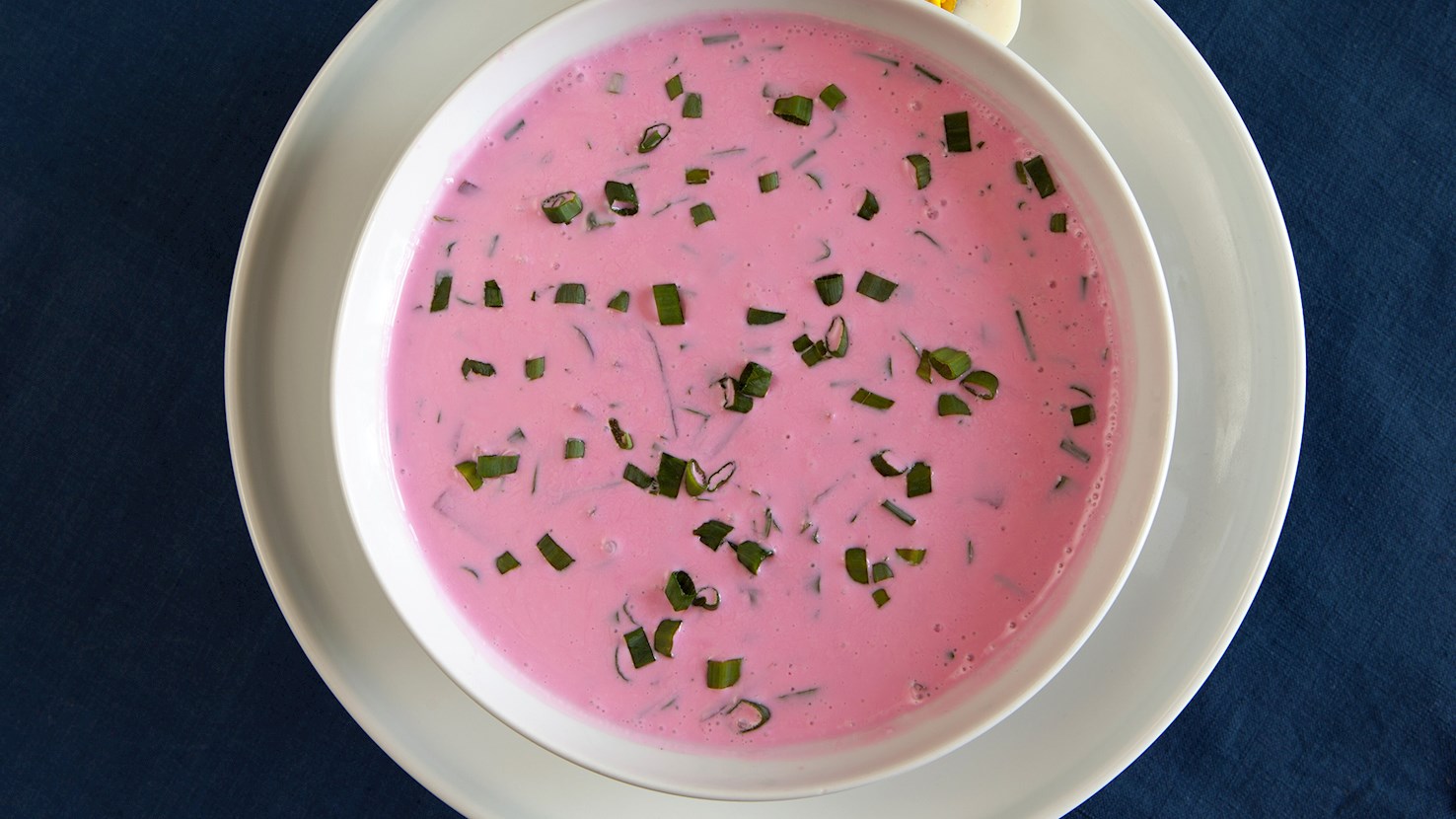
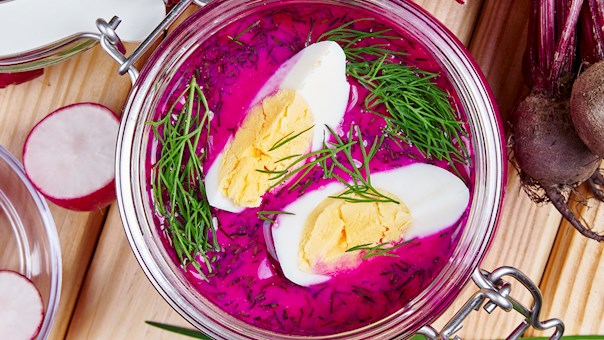
Aukstā zupa is a refreshing Latvian cold soup with an unusual, deep pink color. It is made with beets, cucumbers, kefir, hard-boiled eggs, and milk sausage. Greens such as dill and scallions are essential, and most people also enjoy the soup with a dash of vinegar. All of the ingredients are mixed together, seasoned with salt and pepper, and the soup is then left in the refrigerator until well-chilled. It's recommended to serve the soup with a few slices of dark bread on the side. Aukstā zupa is a seasonal dish, so it's practically impossible to find it in restaurants during winter, but most places have the soup on their menus in summer.

Best restaurants
10

Gazpacho

3.6 ·

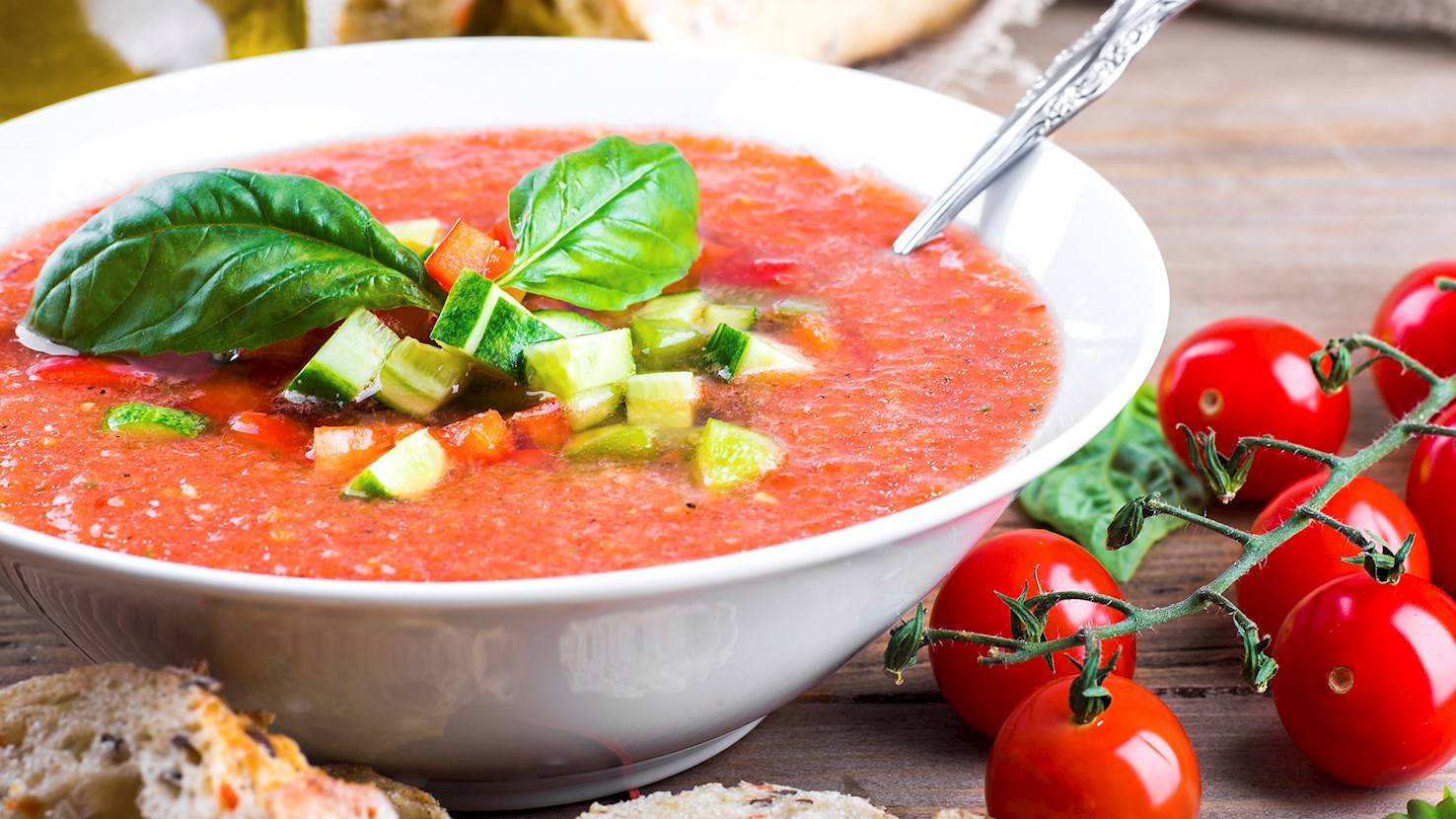
A perfect remedy for a hot summer day called gazpacho is a cold soup consisting of crushed tomatoes, finely chopped cucumbers, onions, peppers, croutons, vinegar, and olive oil. With the same level of familiarity as paella to the consumers worldwide, the soup's refreshing, cool and acidic flavors promote Spanish cuisine at its best. The dish began as a light lunch that the wives brought to their husbands in the field in order to cool them down from the hot summer sun. Shortly after, it began to be served at the end of big meals, although today it is a popular summer appetizer. Throughout Spain, there are a number of gazpacho varieties, such as gazpacho blanco (white gazpacho) or ajo blanco, a Málaga specialty made with garlic, bread, and almonds, with a garnish of green grapes. As the dish evolved, all kinds of ingredients started to be added to the soup, such as watermelon and cantaloupe. Regardless of the varieties, all gazpachos share a common thread of three key ingredients - bread, vinegar, and oil.

Read more
View all
View map
About this ranking

TasteAtlas food rankings are based on the ratings of the TasteAtlas audience, with a series of mechanisms that recognize real users and that ignore bot, nationalist or local patriotic ratings, and give additional value to the ratings of users that the system recognizes as knowledgeable. For the “Top 18 European Cold Soups” list until May 16, 2026, 3,613 ratings were recorded, of which 1,780 were recognized by the system as legitimate. TasteAtlas Rankings should not be seen as the final global conclusion about food. Their purpose is to promote excellent local foods, instill pride in traditional dishes, and arouse curiosity about dishes you haven’t tried.

Similar lists