shutterstock

Top 39 Spanish Confectioneries

Last updated on June 10, 2026

Best Spanish Confectioneries
01

Utopick Cacao

5 ·
Utopick Cacao, based in Valencia, Spain, specializes in producing high-quality, artisan chocolate. Each batch is carefully crafted using ethically sourced cacao beans, highlighting the distinct flavors of specific regions. Utopick employs traditional techniques combined with modern twists to create unique chocolate experiences. Packaging is environmentally conscious, using materials like sealed paper that preserve freshness while maintaining an eco-friendly approach.
Awards
International Chocolate Awards - Gold (2022)
International Chocolate Awards - Silver (2020, 2018)
02

Casa Cacao

5 ·

Casa Cacao is a bean-to-bar chocolate atelier, boutique hotel, café, and chocolate shop located in the heart of Girona, Spain. Created by renowned pastry chef Jordi Roca and the team behind El Celler de Can Roca, the project celebrates the entire journey of chocolate from cocoa bean to finished bar. Casa Cacao works directly with cocoa producers, carefully selecting and roasting beans to highlight the unique characteristics of each origin. Their chocolates are crafted in small batches using traditional bean-to-bar methods that emphasize transparency, traceability, and craftsmanship. The concept combines artisanal chocolate production with hospitality, allowing visitors to observe the chocolate-making process while exploring a curated range of chocolate bars, bonbons, and cocoa-based specialties. Housed in a historic building on Plaça Catalunya in Girona, Casa Cacao has become a notable destination for chocolate enthusiasts and gastronomic travelers seeking an authentic cocoa experience rooted in quality, sustainability, and respect for origin.

Awards
Academy of Chocolate - Gold (2021)
Academy of Chocolate - Silver (2022)
03

Maychoco

4.9 ·
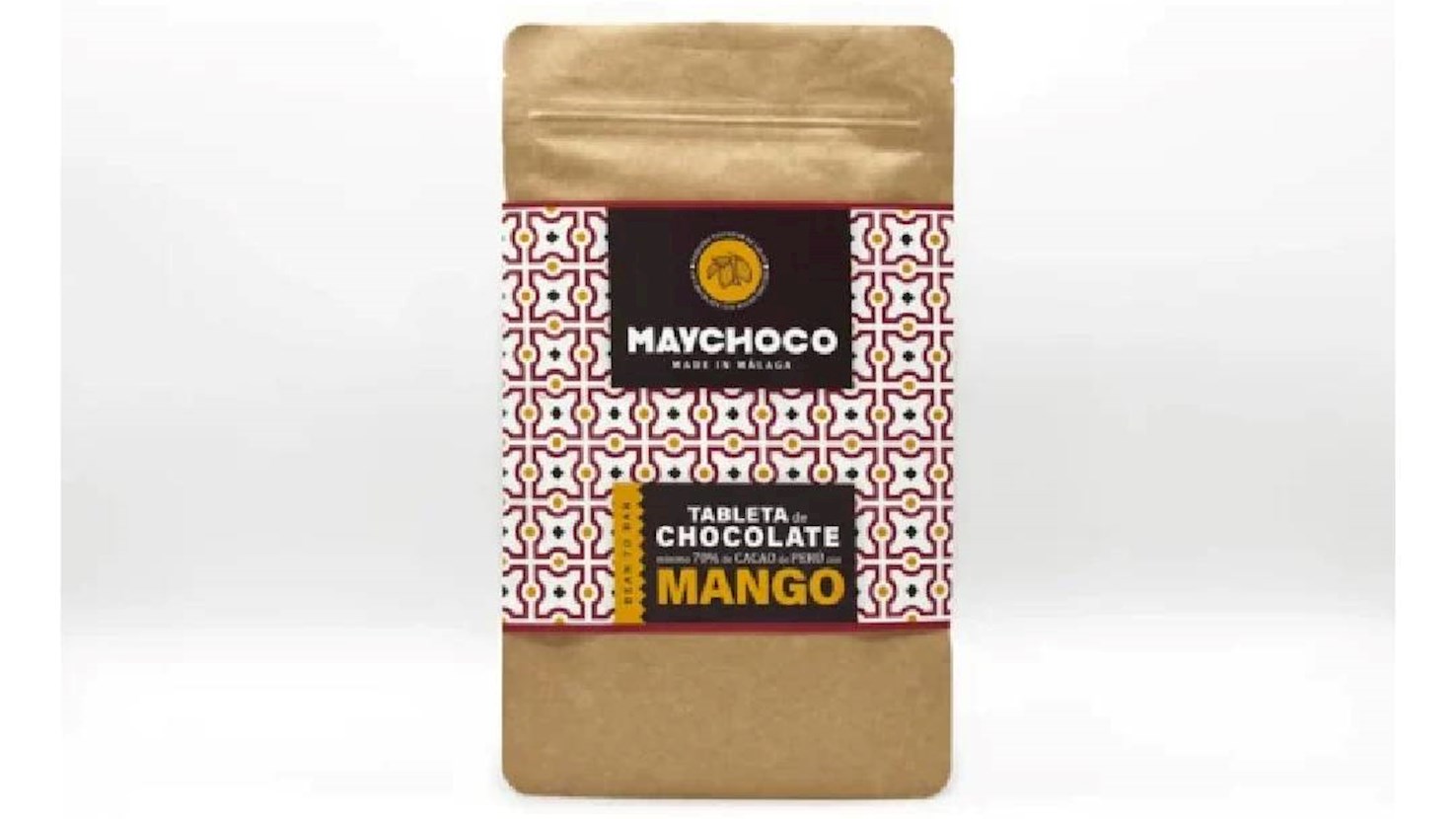
Maychoco is a bean-to-bar chocolate producer located in Malaga, Spain. Established by Mayte Sánchez in 2019, the company is known for its high-quality artisan chocolates, crafted using beans mainly sourced from Peru. The entire process, from roasting to the final chocolate bar, is done in their workshop along the Costa del Sol. The workshop began with modest equipment, reflecting Sánchez's passion for chocolate which was reignited at the age of 40 after a career shift from the restaurant business. Her dedication has led to Maychoco earning several distinctions at the International Chocolate Awards, highlighting its excellence on a global scale?. Maychoco operates with a commitment to both cocoa farmers and the environment, ensuring their chocolates are not only delicious but also sustainably made. This commitment, coupled with their unique flavors and quality, has made them one of the top chocolate makers in Spain.
Awards
International Chocolate Awards - Gold (2023, 2020)
International Chocolate Awards - Silver (2023)
04

Kaitxo

4.9 ·
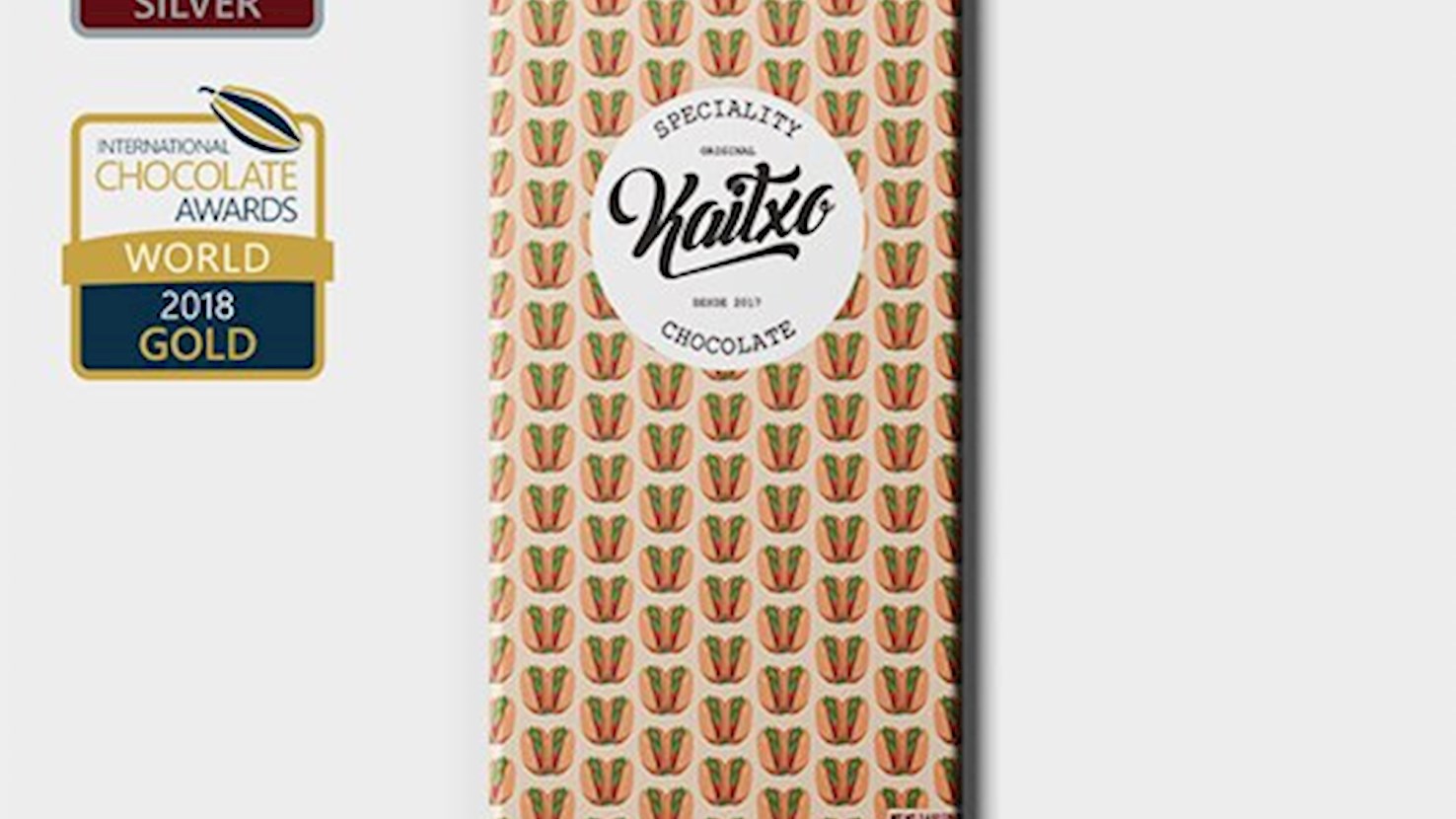
Kaitxo is a Spanish craft chocolate and specialty coffee producer known for its dedication to high-quality ingredients and unique flavor profiles. They carefully source fine cacao beans from select regions worldwide and roast them in-house to create exceptional bean-to-bar chocolates. Kaitxo combines innovation with traditional craftsmanship, offering a range of artisanal chocolates that highlight the natural flavors of cacao.
Awards
International Chocolate Awards - Gold (2018)
International Chocolate Awards - Silver (2023, 2022)
05

Pangea Chocolate

4.9 ·
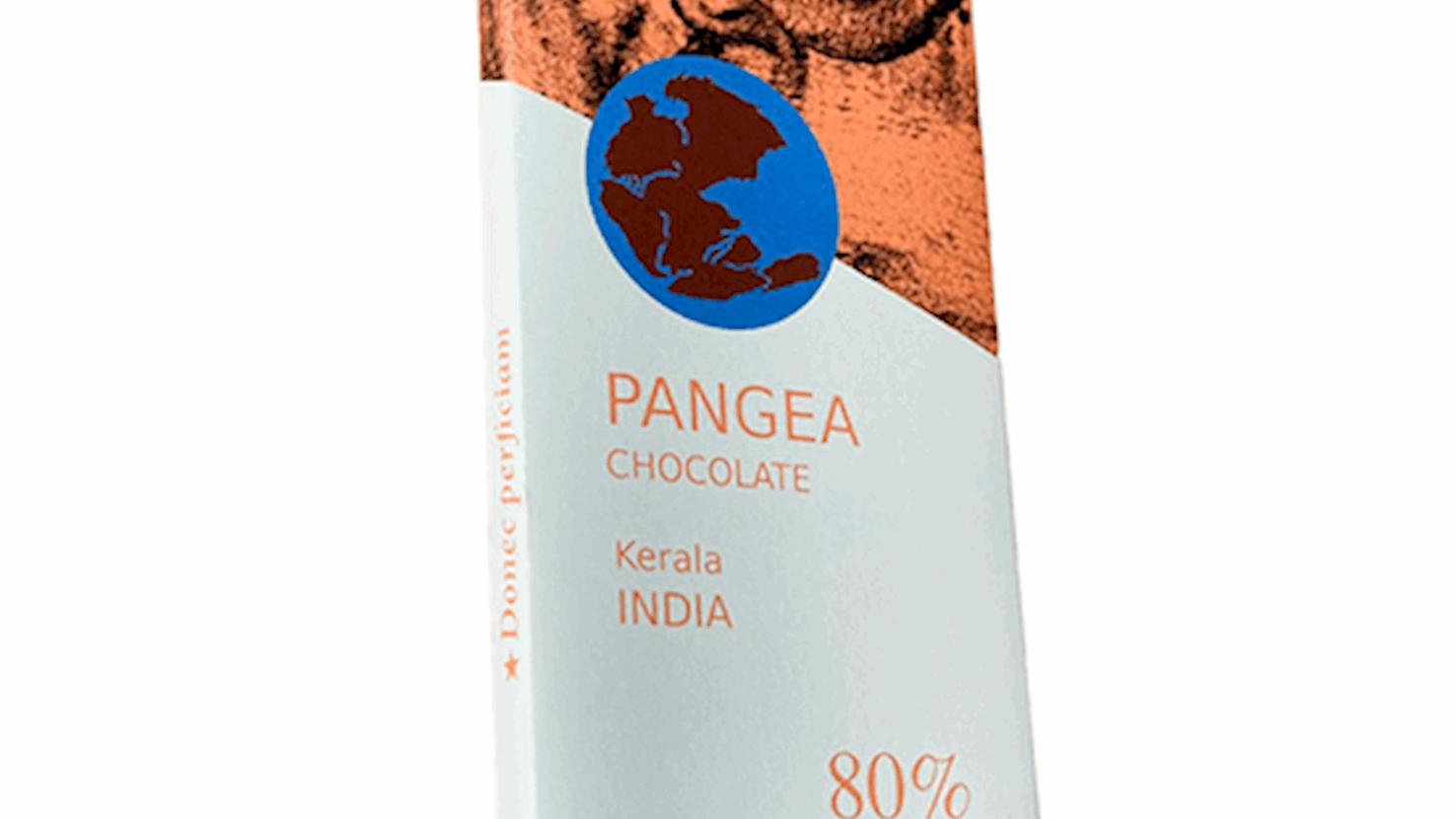
Pangea Chocolate is an artisanal chocolatier from Catalonia. Based in Lleida, their chocolate is handcrafted in small batches to preserve the authenticity of flavor and quality. Their mission is to showcase the diversity and richness of terroir through carefully selected single-origin cacao beans. The brand’s philosophy is built on minimal intervention during roasting and grinding, in order to preserve the natural aromatic complexity of cacao. Each bar carries a distinctive character and expresses the uniqueness of the region from which the beans originate. Their approach also emphasizes sustainability, by supporting local cacao producers and ensuring transparency throughout the supply chain. The chocolates are free from additives and artificial ingredients, highlighting the pure essence of cacao. Their products are intended for true dark chocolate enthusiasts who seek authenticity and quality in every bite.
Awards
Academy of Chocolate - Gold (2022)
Great Taste Awards - 2 Stars (2024, 2023, 2022)
06

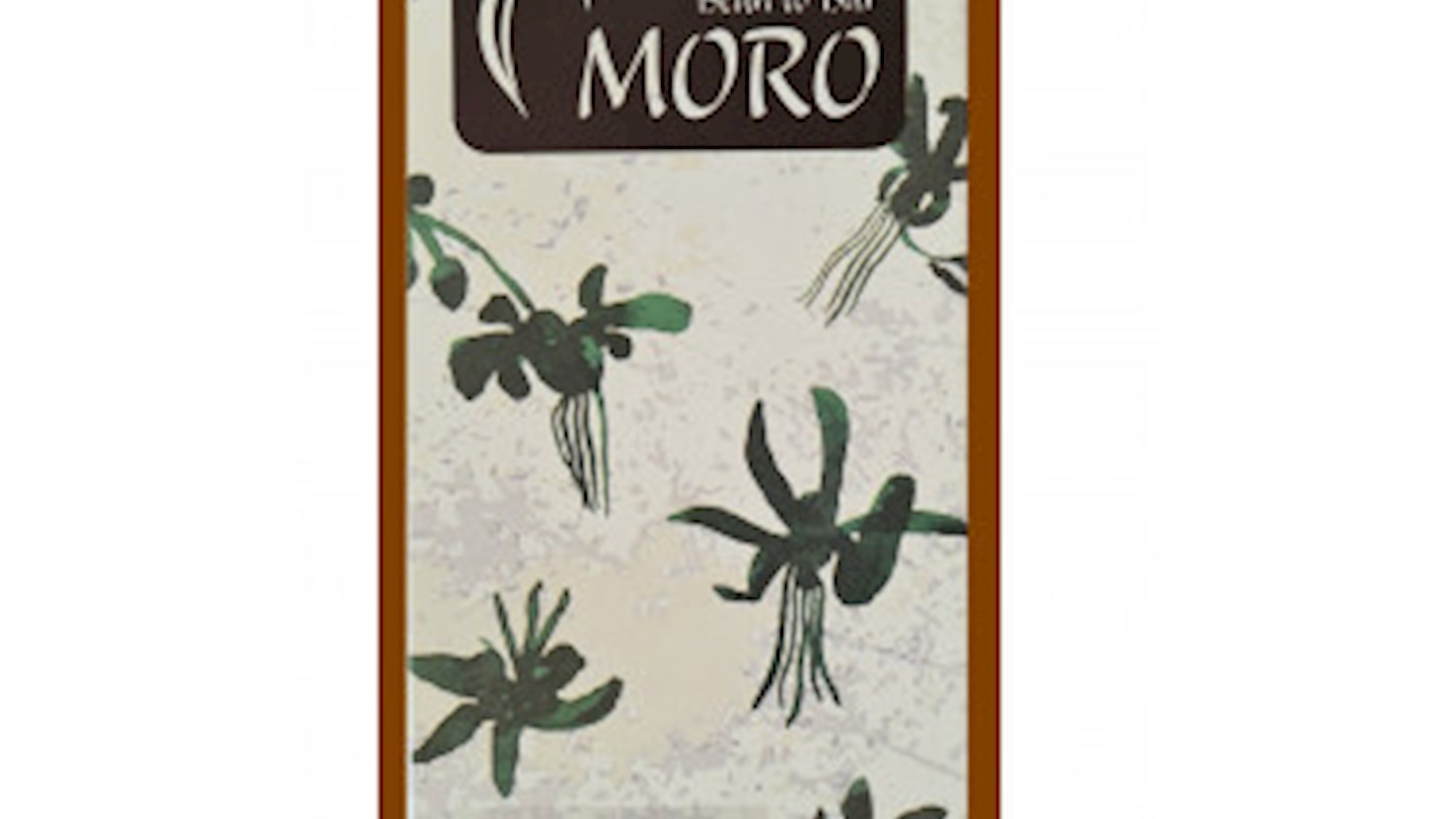
Chocolate Moro

4.9 ·
Chocolate Moro, located in Llerena, Badajoz, Spain, specializes in bean-to-bar chocolate. Founded by Fernando Moro and Ángeles Devesa, the company is notable for being the first in Extremadura to adopt this method, emphasizing a direct, ethical relationship with cocoa producers and using primarily Nicaraguan cocoa. Their chocolate is distinguished by its high cocoa content and minimal ingredients, typically just cocoa beans, cane sugar, and sometimes a little cocoa butter.
Awards
Academy of Chocolate - Gold (2023)
Academy of Chocolate - Silver (2024)
07

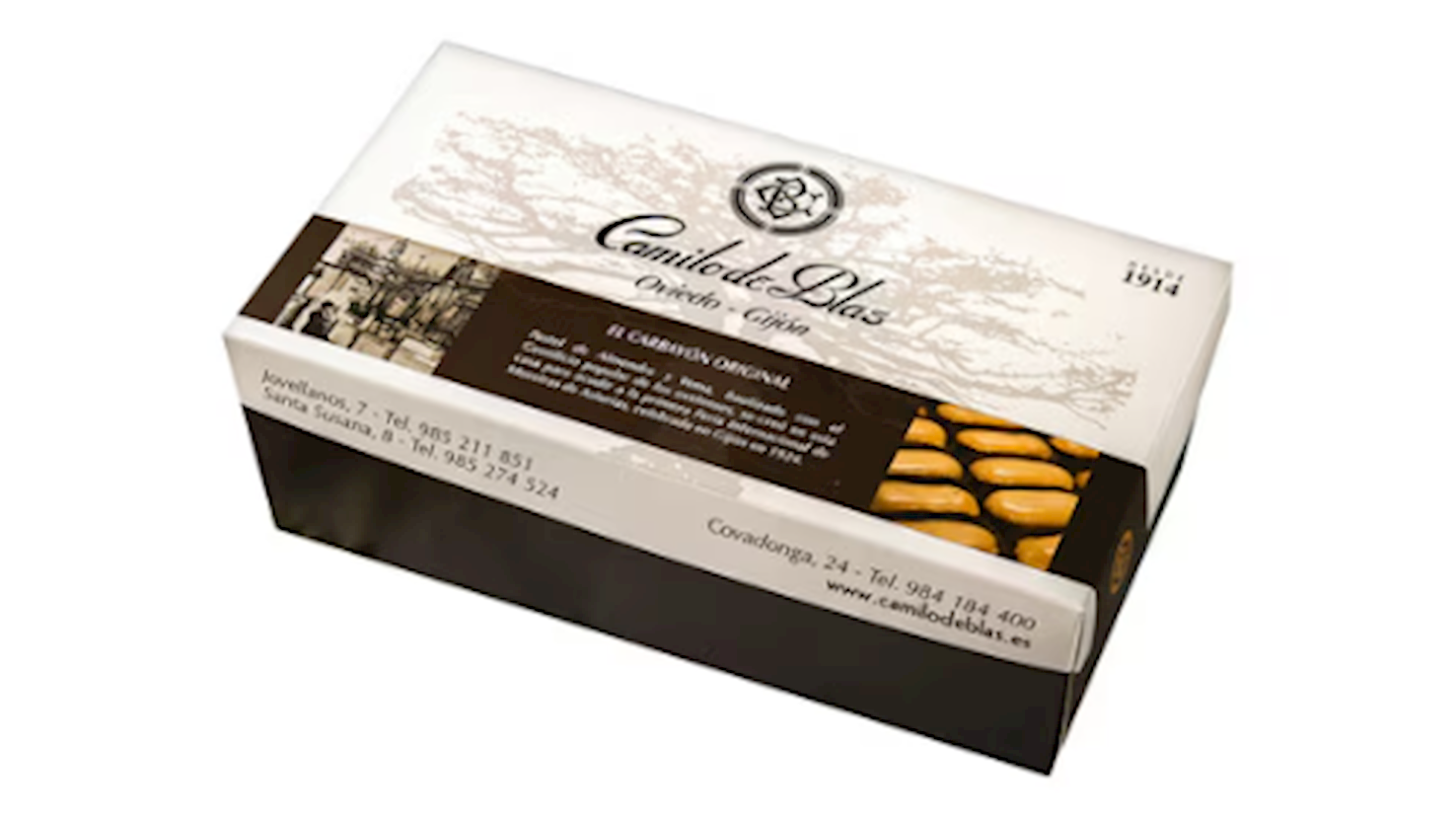
Camilo de Blas

4.8 ·
Camilo de Blas is a traditional Spanish confectionery and delicatessen company based in Oviedo, with origins dating back to 1876 when it was founded by Camilo de Blas Heras in León. A key stage in its development came in 1914 with the opening of its shop in Oviedo, which remains central to the brand’s identity. The business has remained family-owned across generations, preserving a strong link to artisanal production and traditional recipes while expanding its offer over time. The company is particularly known for creating the Carbayón in 1924, a pastry that has since become a symbol of Oviedo’s local gastronomy. Its production focuses on classic confectionery techniques, using ingredients such as almonds, sugar, and puff pastry, with a significant degree of manual work that contributes to the final texture and flavor. In addition to sweets, Camilo de Blas has historically combined confectionery with gourmet retail, offering a broader selection of specialty products. Today, it operates several retail locations in Asturias, especially in Oviedo and Gijón, positioning itself as a producer that maintains continuity of tradition while adapting to contemporary consumption.
08

Joan Baixas

4.8 ·
Joan Baixas is a chocolate producer based in Barcelona. The company focuses on artisanal chocolate-making techniques. They use high-quality ingredients to craft their products. Joan Baixas emphasizes traditional Catalonian chocolate recipes.
Awards
International Chocolate Awards - Gold (2020)
09

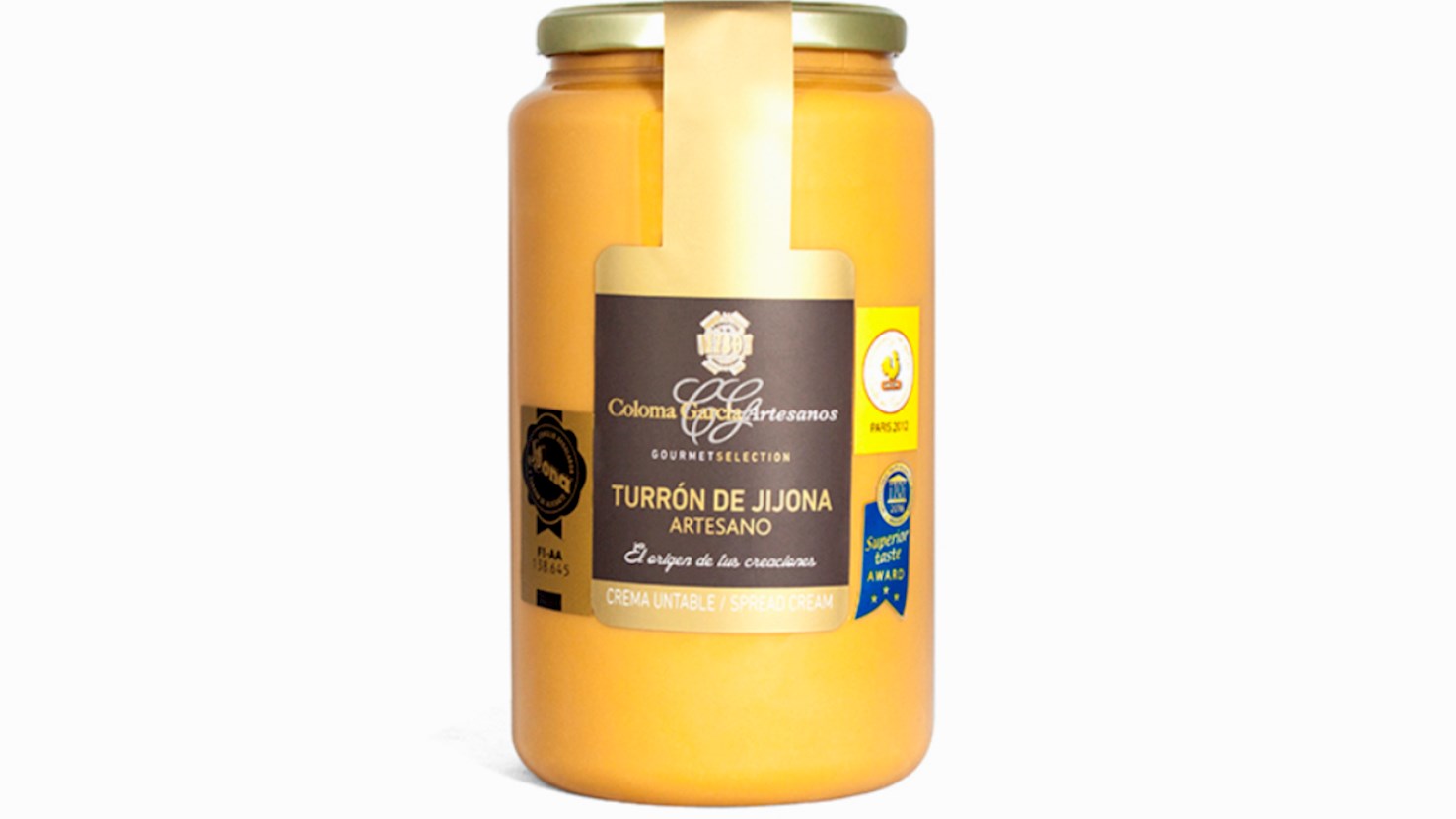
Coloma García

4.8 ·
Coloma García S.L.U. is a confectionery producer based in Alicante, Spain. It specializes in traditional Spanish sweets such as turrón (nougat), marzipan, and chocolates. The company adheres to artisanal methods and high-quality standards. It primarily operates in the domestic market but also exports its products internationally.
Awards
Great Taste Awards - 3 Stars (2021)
10

Lurka

4.7 ·
Lurka Chocolate Producer, based in Spain, crafts its products with a unique blend of Basque and Mexican influences, reflecting the rich cultural heritage of both regions. Their products range from chocolate bars to bonbons, each designed to provide a gastronomic experience akin to haute cuisine. Lurka also offers culinary delights like baked goods and drinks crafted with their high-quality chocolate. Additionally, they organize chocolate tastings and workshops where participants can learn about chocolate flavors and pairings
Awards
Academy of Chocolate - Silver (2021)
Academy of Chocolate - Bronze (2021)

Best Spanish Confectionery Types
01

Turrón de Jijona

4.2 ·

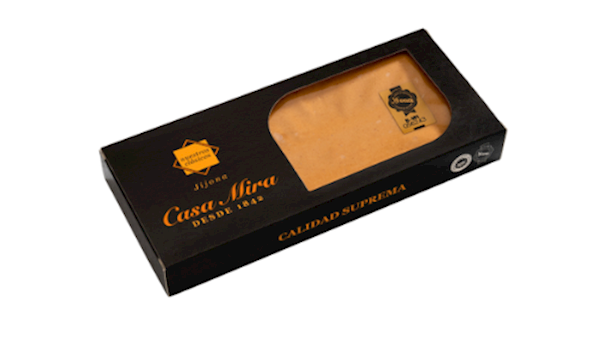
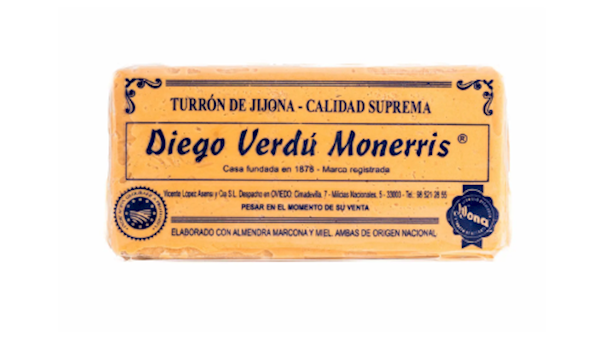
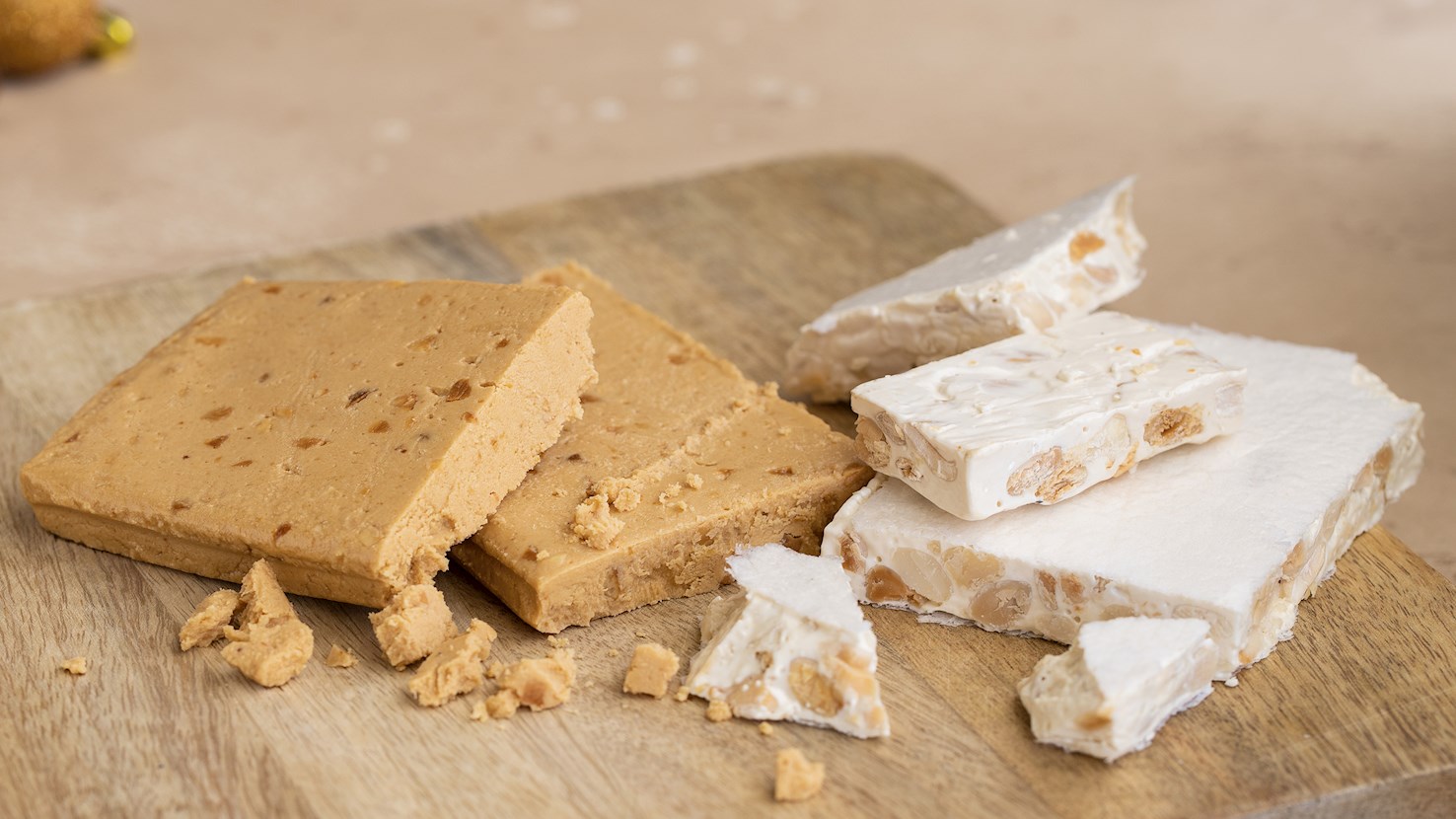
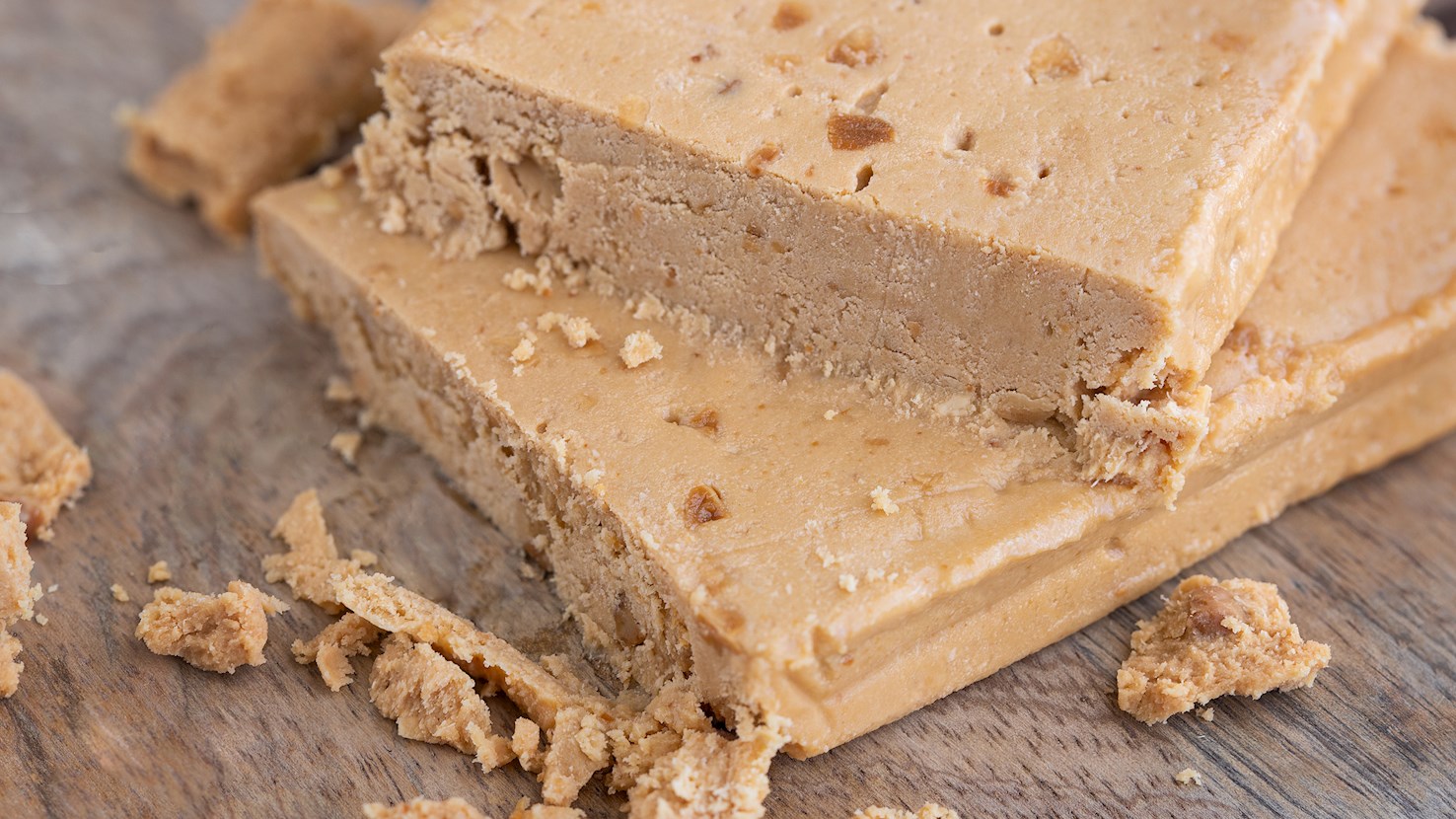
Turrón de Jijona is a soft nougat originating from the municipality of Jijona in Alicante. It is distinguished by its oily, ochre-colored paste, which is achieved by milling and emulsifying toasted almonds with honey, sugar, and egg whites. Unlike its hard counterpart, it is a Protected Geographical Indication (PGI) product that must be manufactured within the region to meet specific quality standards, including a minimum almond content of 64% for the "Supreme" grade. The item was developed in the 17th century as an evolution of harder nougats, utilizing new mechanical milling techniques to create a more tender consistency. The preparation involves first creating a hard nougat, which is subsequently ground into a fine powder. This powder is placed into a boixet, a specialized heated cauldron with an oscillating mechanical pestle that beats the mixture for several hours. This mechanical action forces the almonds to release their natural oils, transforming the dry grains into a fluid, homogeneous mass. The resulting paste is stabilized through a second cooking phase and then poured into rectangular molds to set for at least two days. A unique technical aspect of this turrón is the emulsion process; the specific movement of the boixet is essential to achieving the smooth, melt-in-the-mouth texture that defines the variety. It is served in thick slices or cubes and is primarily consumed during the Christmas season. Common beverage pairings include Fondillón, a semi-sweet wine from Alicante, Cava, or a strong Spanish espresso, which helps emulsify the rich almond oils on the palate.

02

Turrón

3.8 ·

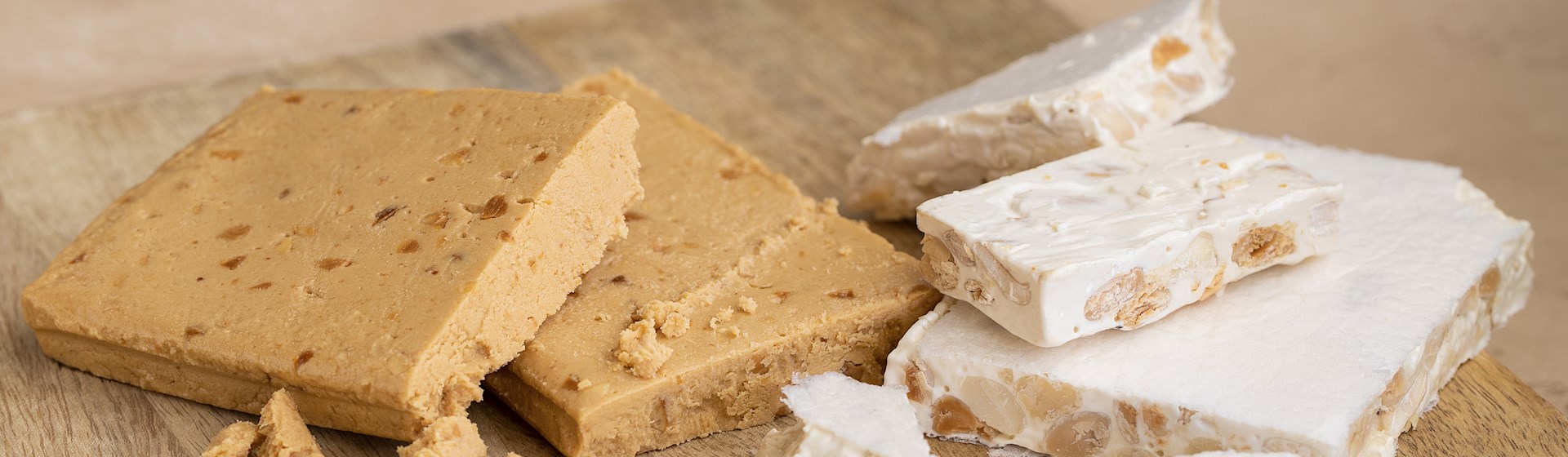
Turrón or torró, as it is known in the Catalan language, is the Spanish version of the world-famous confection called nougat. This sweet delicacy typically combines roasted nuts (usually almonds, but also other types of nuts such as hazelnuts or pistachios) with honey, sugar, and whipped egg whites. A staple Christmas treat, turrón is believed to have originated in the early Middle Ages during the Moorish invasion of Spain. The name of this sweet treat is thought to have been derived from the Catalan word torrar, which in turn comes from the Latin torrere, meaning charring or roasting, an apparent reference to the use of roasted nuts. There are numerous varieties of Spanish nougat nowadays, ranging from soft and chewy to hard and brittle, to those enhanced with flavors such as chocolate or coconut, or types that are made with egg yolks or without any eggs. The two most popular varieties of Spanish nougat include the soft variety referred to as turrón blando or turrón de Jijona and the hard variety called turrón duro or turrón de Alicante, hailing from the respective Spanish towns of Jijona and Alicante. This sweet treat is often found among various gifts contained in a caga tío, a type of 'pooping log' that is an indispensable part of Spanish Christmas traditions.

03

Turrón de Alicante

3.6 ·

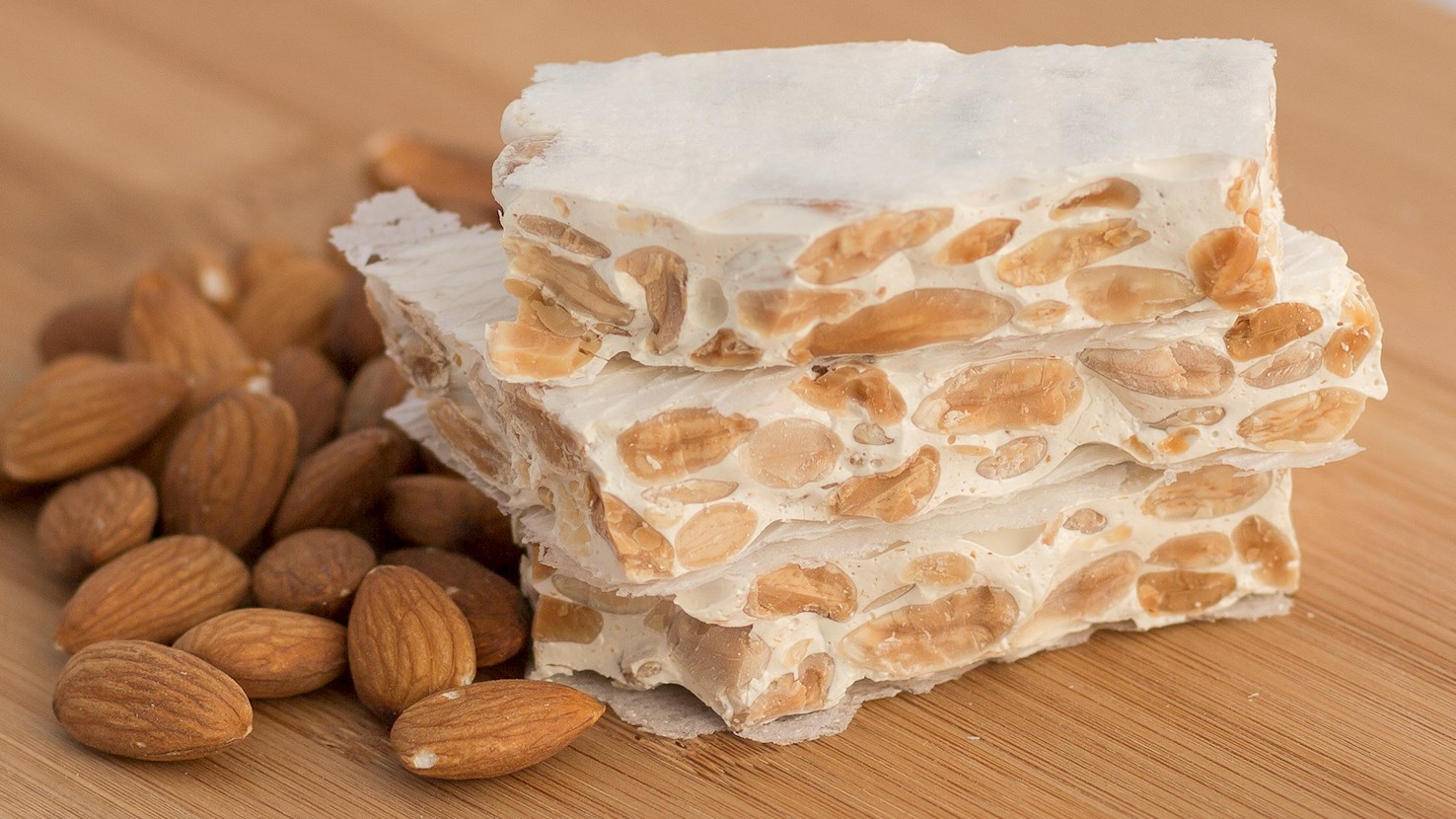
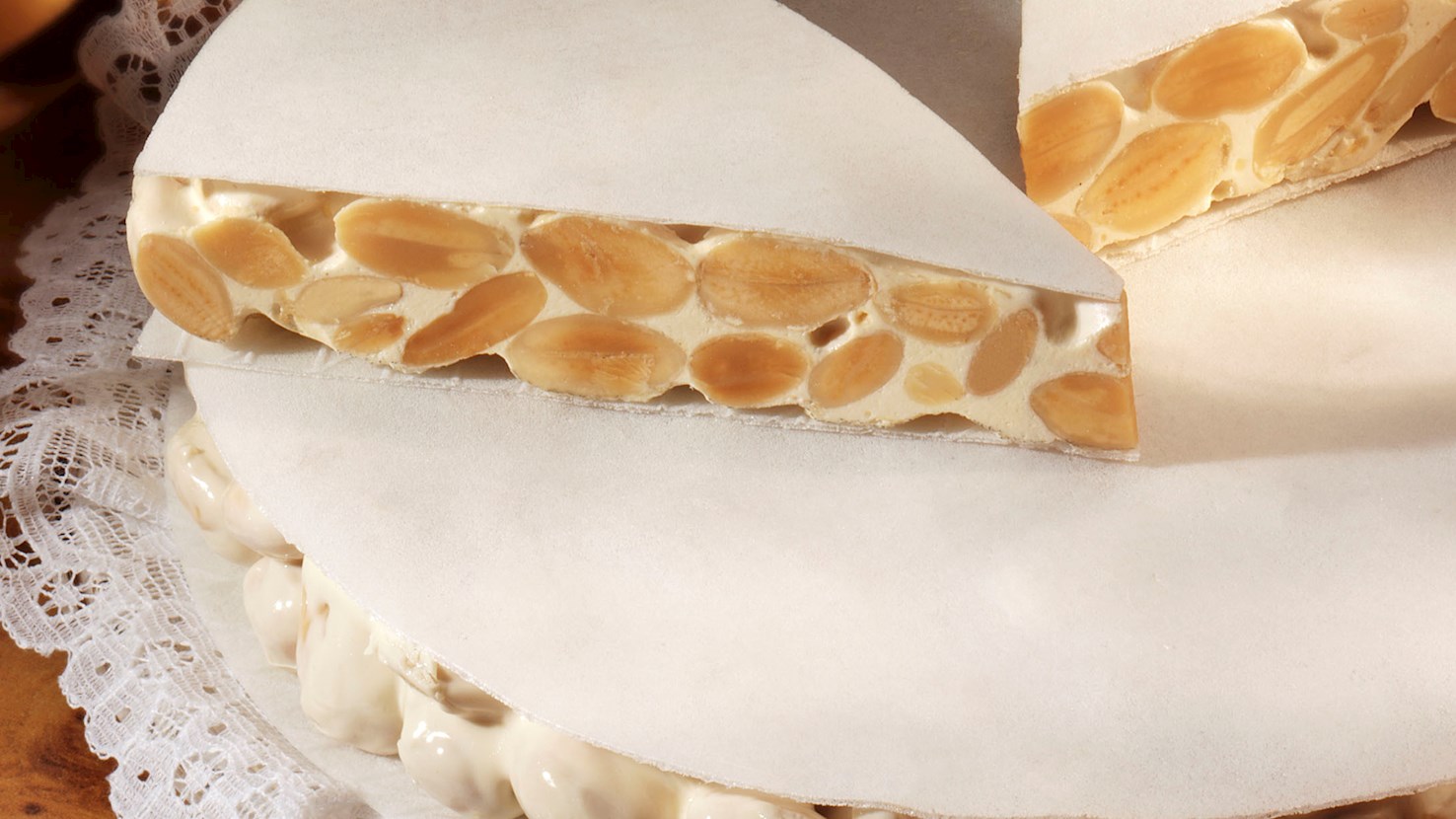
Turrón de Alicante is a dry, firm nougat, covered with a smooth wafer produced in the municipality of Jijona in Alicante province using raw ingredients coming from Alicante, Castellón and Valencia. It is of Arabic origin and traditionally made with peeled and toasted almonds, honey, egg whites and sugar. The key to preparing an authentic Alicante turrón is in the selection of raw materials and the correct manner of mixing the ingredients and choosing the right moment, 'el punto de la bola', when the mixture is ready to be rolled into a ball to become this extraordinary nougat. Due to the use of almonds, it is low in cholesterol, yet high in calories, and a good source of carbohydrates, fiber, fats, phosphorus, magnesium, calcium and vitamin E. Turron de Alicante can be classed as 'Supreme' and 'Extra'. It is a typical Christmas sweet enjoyed both in Spain and abroad due to the increase in sales and export each year, mostly to Cuba, Mexico, Switzerland and the United States of America.

04

Mazapán de Toledo

3.5 ·

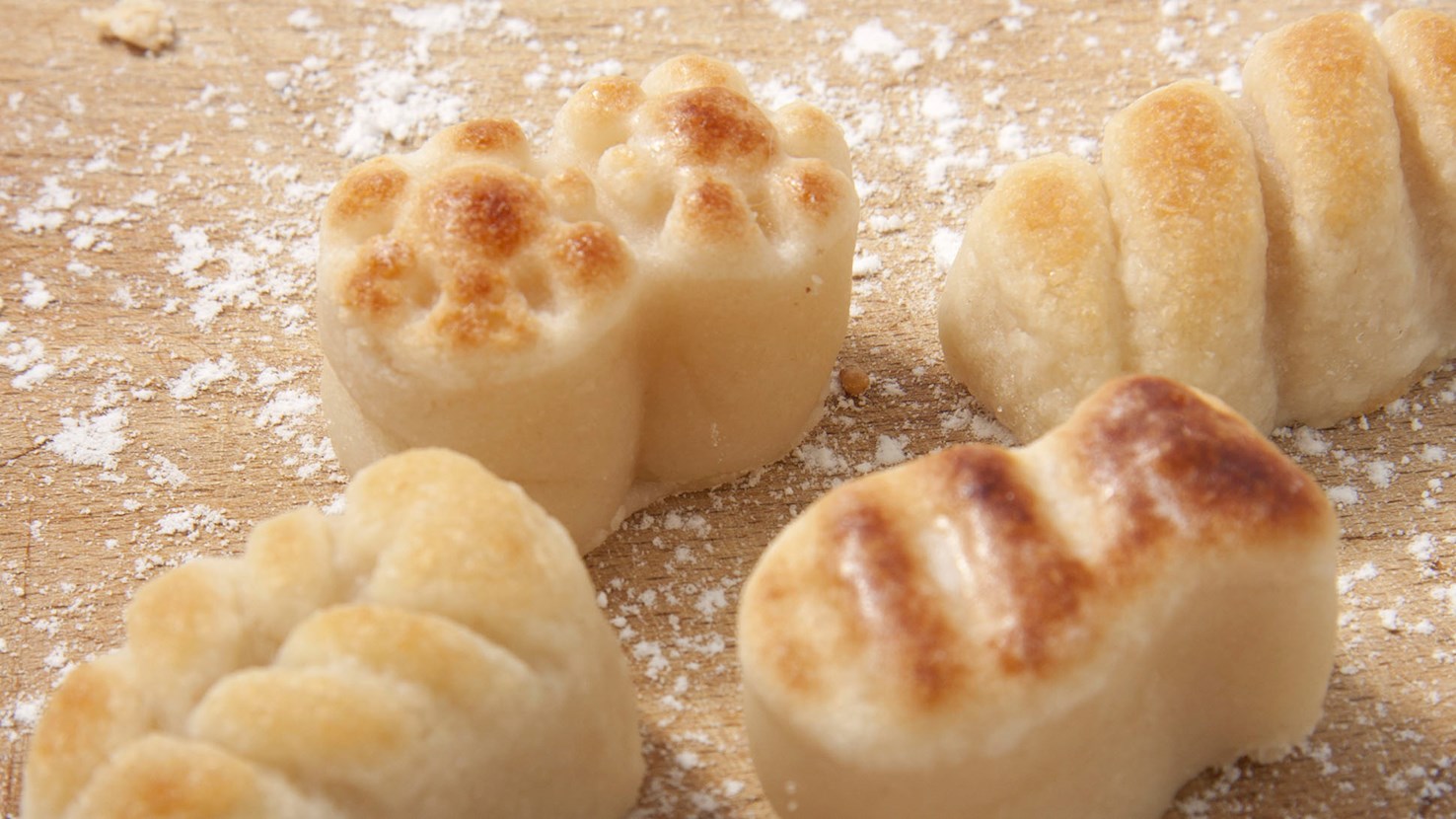
Mazapán de Toledo is a type of marzipan produced in the province of Toledo. It is made by grinding and kneading peeled almonds with sugar until they form a paste. The almonds must constitute at least 50% of the final product to be sold as 'Mazapán de Toledo'. The tradition of making the marzipan has been brought to the central and southern Spain by the Arabs during the medieval ages. Today, the Marzipan from Toledo is still made in the traditional way following the rules of the small-scale production from the 16th century, thus ensuring superior quality and taste. Mazapán de Toledo is extremely fragrant and flavorful, with pronounced deep and complex nuances of the almonds accentuated by the sweetness of sugar or honey.

Best producers
05

Turrón de Agramunt

3.1 ·

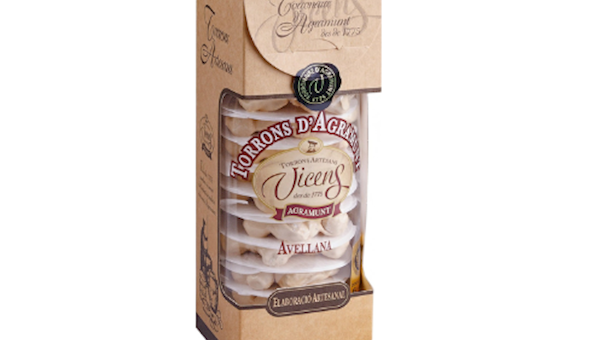
Turrón de Agramunt is the nougat made in the municipality of Agramunt in the Catalan district of Urgell in the Province of Lérida. It is produced using honey, peeled and roasted almonds or hazelnuts, sugar, egg whites and covered in wafers. It has a firm and crunchy texture, yet melts in the mouth. In order to prepare this sweet nougat, the old nougat-makers used to roast the hazelnuts before mixing them with the honey and stirred the mixture until it became homogeneous. Today, it is still a hand-made delicacy prepared following the traditional recipe. Production of Turron de Agramunt has increased each year leading to higher employment rates and economic growth. Since it is one of the best known products of the region, starting from 1989, the Feria del Turrón de Agramunt (Agramunt Nougat Fair) has been organized every year in October attracting many locals and visitors.

Best producers
06

Peladillas

2.8 ·

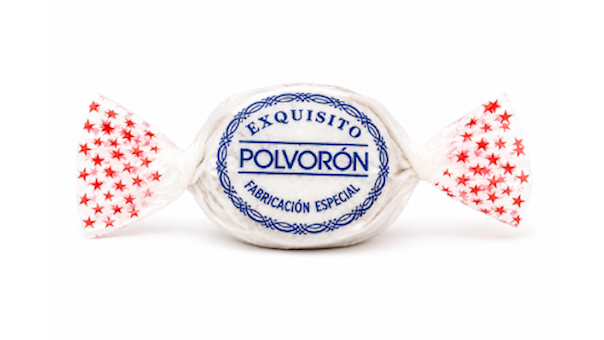
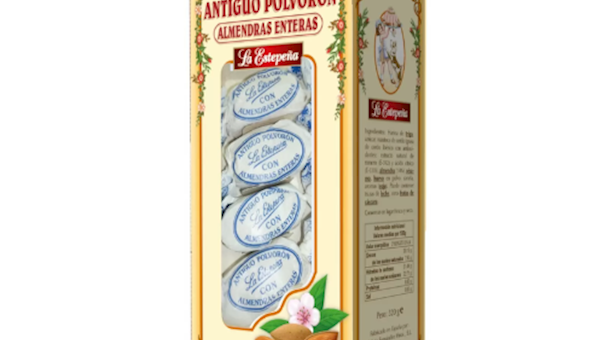
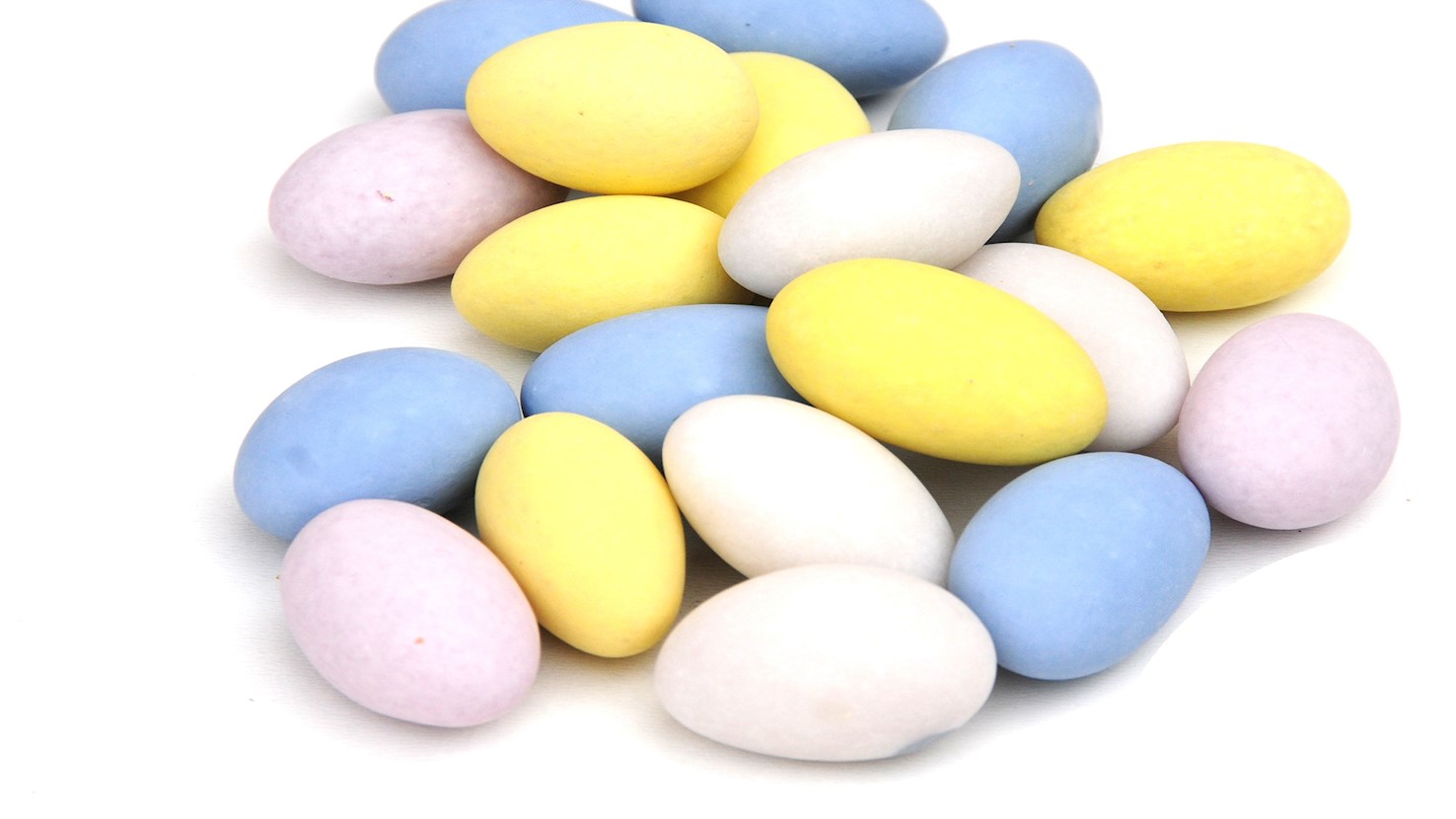
Peladillas are small Spanish treats consisting of toasted almonds encased in a hard sugar coating. There is also a variety made with pine nuts, which is then called pinones. Peladillas are characterized by a crunchy texture, and a sweet, nutty flavor. Along with turrones and polvorones, peladillas are traditionally served during the Christmas festivities in Spain.

07

Catanias

n/a ·

Catanias are a confection originating in Vilafranca del Penedès, Catalonia, made from whole Marcona almonds that are first roasted and caramelized, then coated with white praline, and finally enrobed in a thin layer of dark cocoa. Their name comes from a nickname of a pastry shop where they were invented, “Cal Catani,” which led people to refer to the sweets as “les Catànies,” and they became widely known under that name over time. Between 1940 and 1941, a confectioner named Josep Cudié began working at a bakery where chocolate was made, and he later began producing a bonbon called Crocrem, which evolved into the sweets now called Catànies; the local vernacular and the name of the bakery building influenced the name change. After leaving that bakery in the 1950s, Cudié set up his own factory and company, Bombones Cudié, focusing on producing Catànies as his signature product and registering the name, building an identity around it. The process begins by selecting premium Marcona almonds, which are roasted and caramelized to develop a crisp, sweet shell. Once cooled, each almond is coated in a smooth paste made from ground almonds, hazelnuts, and milk, which forms a creamy layer over the nut. Finally, a thin cocoa-sugar coating is applied to seal in the flavors. Variations can have a white or a dark chocolate layer as well. The finished product is a small, elegant confectionery with a satisfying contrast between the crunchy almond core and the creamy, chocolate-infused exterior. Catànies are typically served at room temperature, often enjoyed with coffee or after a meal. They are also given as gifts or included in dessert assortments, and pair well with dessert wines such as Moscatel or Pedro Ximénez, whose richness complements their nutty and chocolate notes.

Read more
View all
View map
About this ranking

TasteAtlas food rankings are based on the ratings of the TasteAtlas audience, with a series of mechanisms that recognize real users and that ignore bot, nationalist or local patriotic ratings, and give additional value to the ratings of users that the system recognizes as knowledgeable. For the “Top 39 Spanish Confectioneries” list until June 10, 2026, 514 ratings were recorded, of which 441 were recognized by the system as legitimate. TasteAtlas Rankings should not be seen as the final global conclusion about food. Their purpose is to promote excellent local foods, instill pride in traditional dishes, and arouse curiosity about dishes you haven’t tried.

The initial list of top producers was compiled based on available reviews, awards, local recommendations, media and blog coverage, and consumer reviews. The list will be updated with ratings from TasteAtlas local ambassadors and TasteAtlas users.

Similar lists