shutterstock

Top 17 Italian Hams

Last updated on June 15, 2026

Best Italian Hams

01

Capitelli

4.6 ·
Capitelli is a renowned Italian producer of premium cured meats, located in the town of Borgonovo Val Tidone, in the province of Piacenza, Emilia-Romagna region. Founded in 1976 as a family-owned company, Capitelli has remained faithful to tradition through generations, continuously refining its artisanal meat processing techniques. Today, Capitelli is recognized for its unwavering commitment to quality, careful selection of raw materials, and meticulously controlled production processes. Their sausages are crafted exclusively from fresh, carefully selected pork raised in Italy, enhanced with natural spices and traditional blends of salt and herbs. The drying and aging process is slow and conducted under controlled conditions, allowing rich, complex flavors to develop and achieving a perfect texture. The result is sausages that radiate authenticity, with a delicate structure, pleasant aroma, and well-rounded taste - ideal for traditional Italian antipasti, gourmet sandwiches, and creative culinary dishes.
02

Fratelli Beretta

4.5 ·
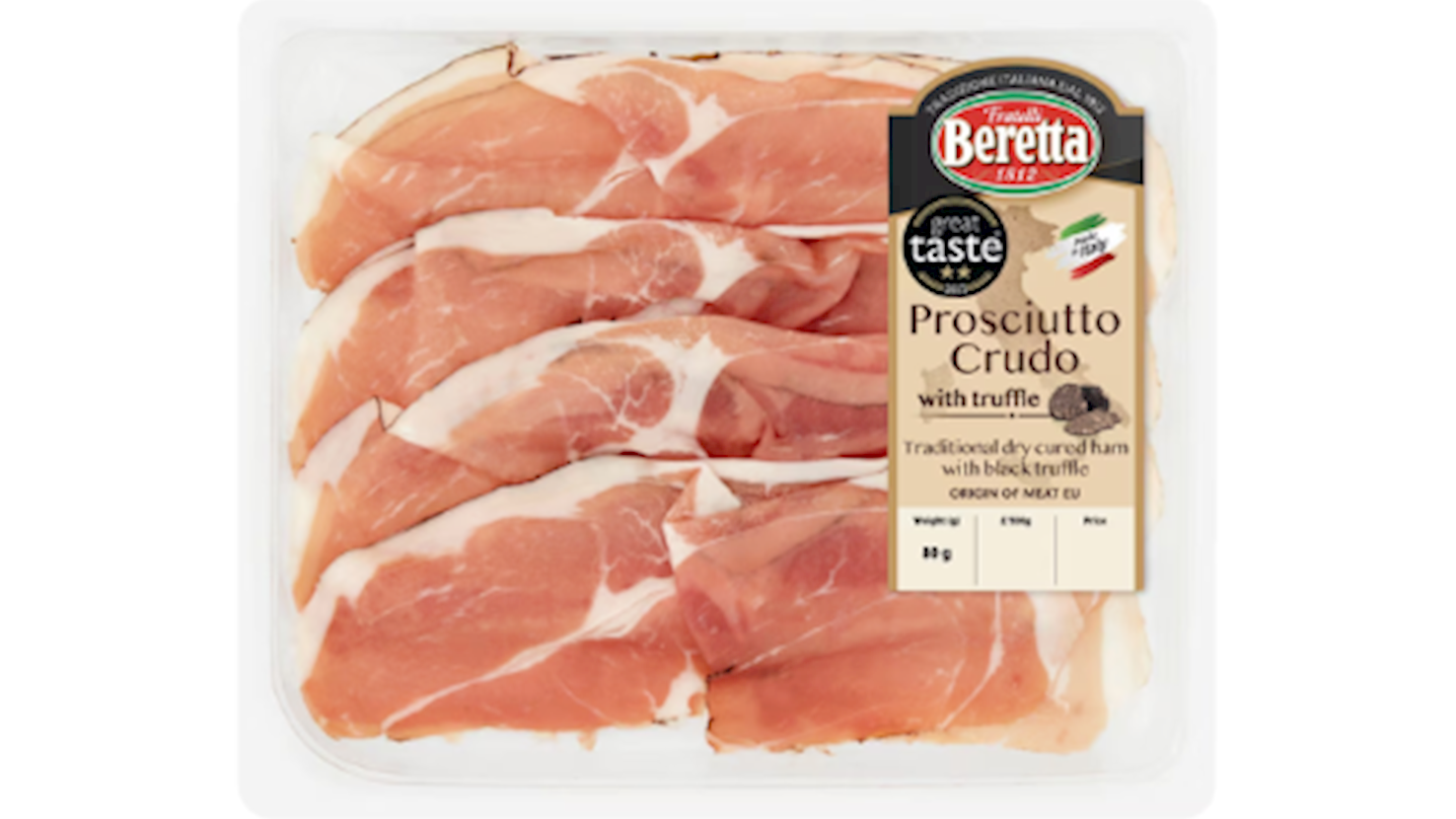
Fratelli Beretta is one of the oldest and most respected meat processing companies in Italy, with a tradition spanning over two centuries. Founded in 1812, Fratelli Beretta has remained faithful to authentic methods of curing and aging meat, which form the foundation of its distinctive flavor. Its rich product range includes high-quality prosciutto, salami, mortadella, and other cured meats, all prepared using traditional recipes that reflect the essence of Italian gastronomy. Each piece of meat is carefully crafted, adhering to strict standards of quality and taste, ensuring a superior culinary experience. In addition to its strong presence in the domestic market, Fratelli Beretta has developed an extensive international distribution network, exporting its products worldwide and bringing the genuine taste of Italy to global consumers. The company successfully blends family tradition with modern technology, making it a reliable symbol of quality and prestige in the world of cured meat delicacies.
Awards
Great Taste Awards - 2 Stars (2023, 2022)
03

Pio Tosini

4.4 ·
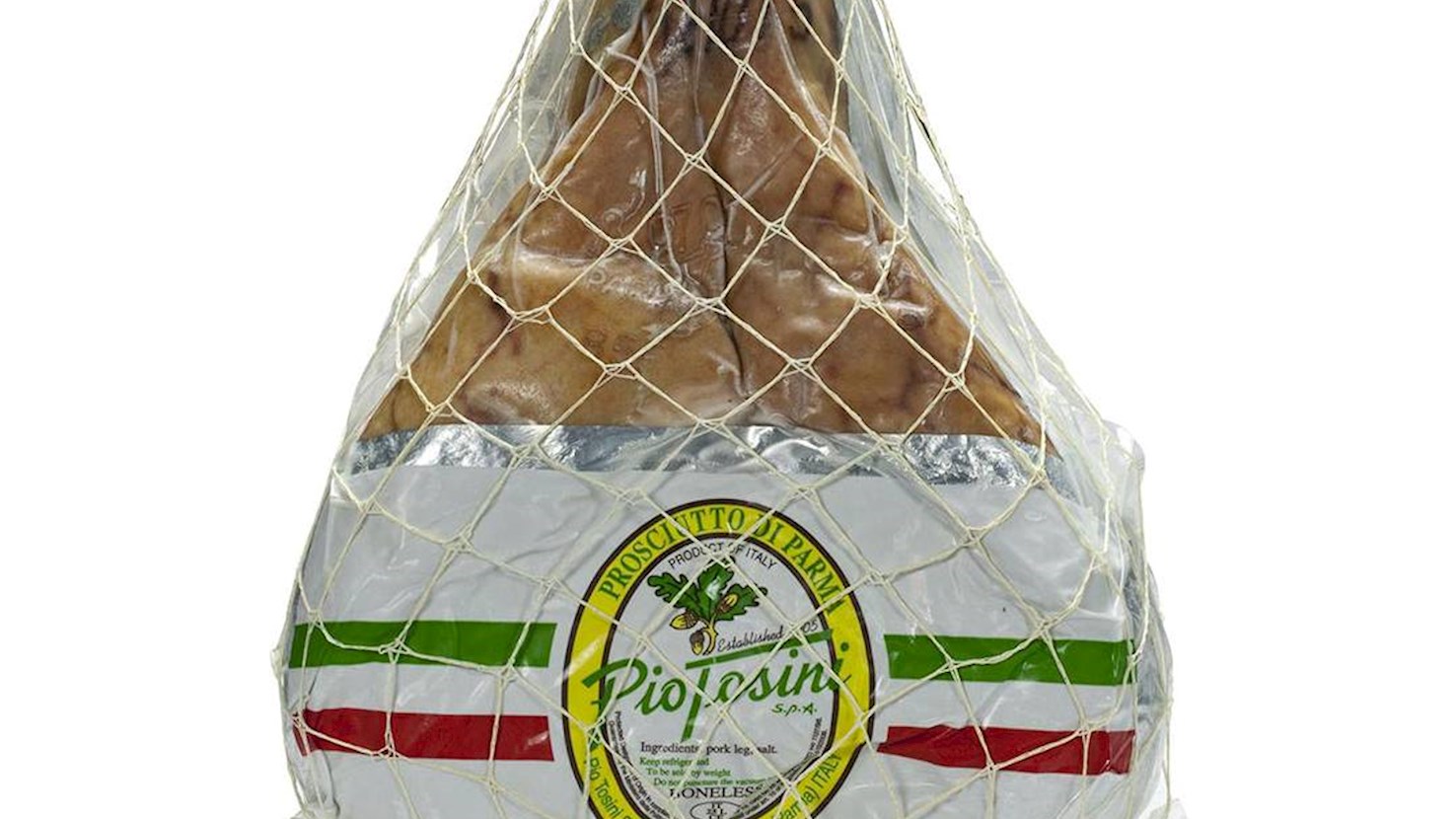
Pio Tosini is a renowned Italian company specializing in the production of high-quality Prosciutto di Parma. Founded in the early 20th century by Ferrante Tosini, the company is based in Langhirano, near Parma, a region celebrated for its rich tradition in ham curing. After Ferrante's untimely passing in the late 1920s, his son Pio Tosini took over the business, expanding its operations and focusing exclusively on prosciutto production. Under Pio's leadership, the company became a pioneer in ham curing in Langhirano and was among the first to export prosciutto to neighboring countries like Switzerland and France. Today, Pio Tosini continues to uphold traditional methods in crafting their prosciutto. They source pork legs from a select group of trusted suppliers and hand-salt each piece using premium sea salt from Trapani or Margherita di Savoia. The hams are then aged in traditional curing rooms, where natural breezes from the Apennines gently enhance the meat's flavor over time. This meticulous process results in prosciutto of exceptional quality, characterized by a perfect balance of flavors that reflect the artisanship and dedication of the Tosini family.
04

S. Ilario Prosciutti

4.4 ·
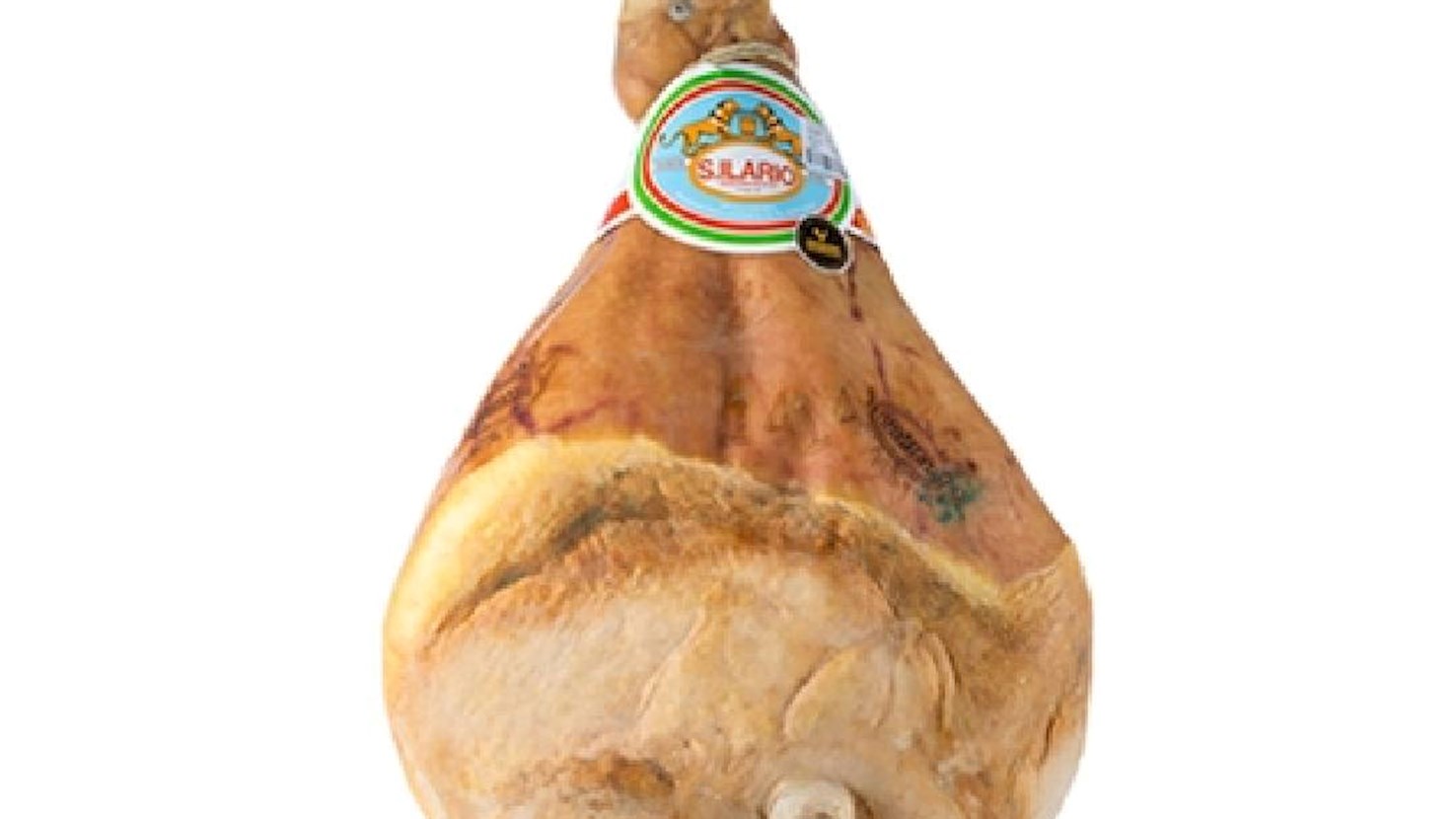
S.Ilario Prosciutti is a family-owned company based in Lesignano de' Bagni, in the province of Parma, Italy. Founded over 60 years ago by Piero Montaldi, the company is dedicated to producing high-quality prosciutto using traditional methods that combine artisanal craftsmanship and meticulous selection of raw materials. With an annual production of around 65,000 hams, S.Ilario consistently maintains exceptional quality in its products. S.Ilario is committed to sustainability, utilizing renewable energy sources and implementing measures to reduce environmental impact. Their prosciutto is renowned for its extraordinary tenderness and delicate flavor, making it a favorite among gourmets and top chefs worldwide.
06

Prosciuttificio Bagatto

4.3 ·
Prosciuttificio Bagatto is a family-owned artisanal company based in San Daniele del Friuli, founded in 1954. Since then, the Bagatto family has been producing prosciutto using high-quality raw materials and traditional processing methods, working at a natural pace without haste. Their San Daniele DOP prosciutto is characterized by its softness, aroma, and sweetness, making it an exceptional gastronomic experience. The company takes great pride in its roots in San Daniele del Friuli and its long-standing tradition of prosciutto production. In addition to manufacturing, Prosciuttificio Bagatto offers guided tours of its facilities, where prosciuttos are still aged on old wooden structures, providing a rich experience of aromas and history. Their commitment to quality and preserving tradition makes Prosciuttificio Bagatto a distinguished name in the world of prosciutto production.
07

Salumificio La Perla

4.3 ·
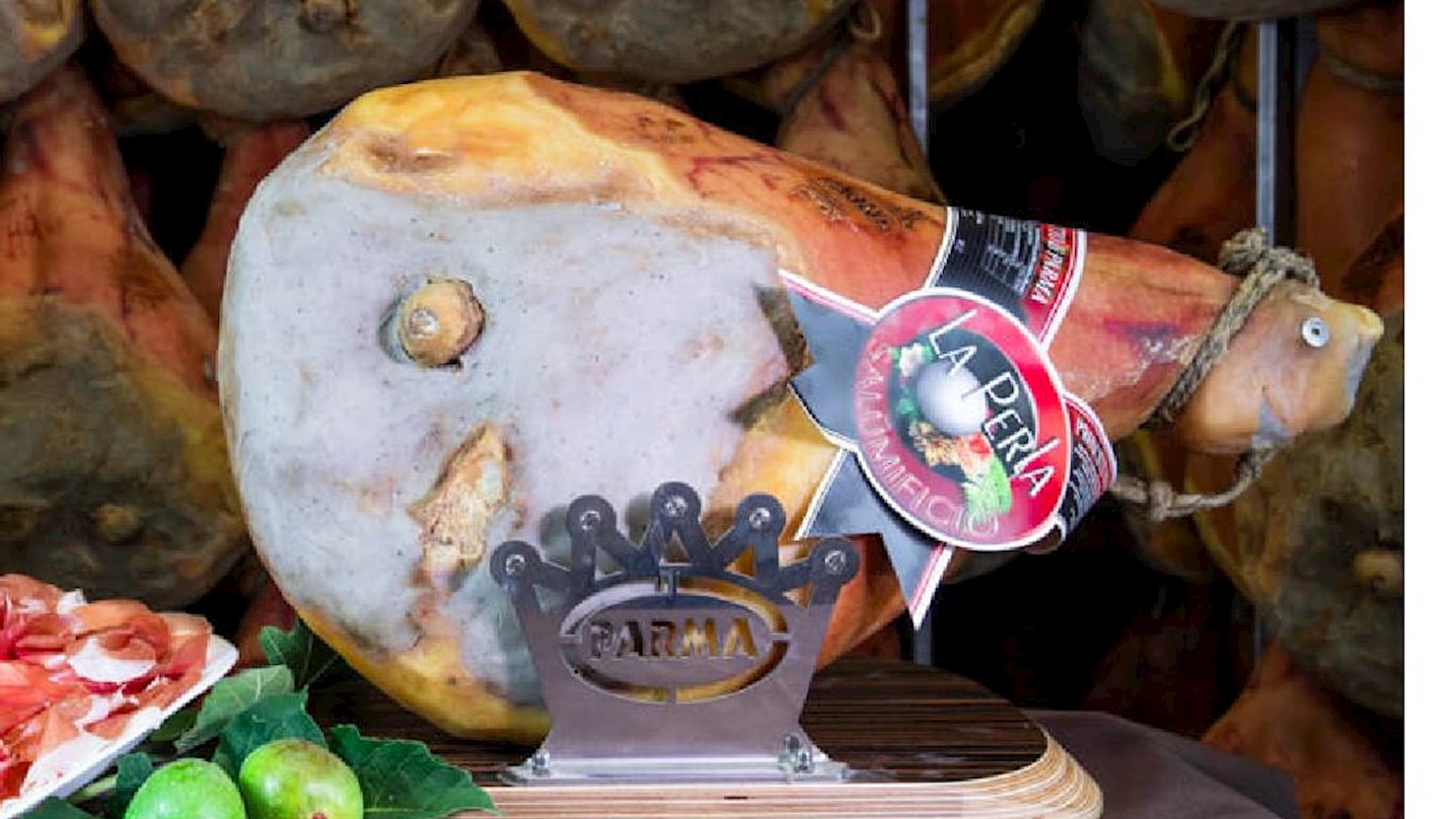
Salumificio La Perla is a renowned producer of high-quality traditional meat products from Italy, based in the Emilia-Romagna region, celebrated for its gastronomic specialties. They specialize in crafting traditional Italian cured meats, including prosciutto, salami, pancetta, and other delicacies. Their philosophy is rooted in preserving authenticity and tradition in production, using carefully selected raw materials and artisanal techniques passed down through generations. Salumificio La Perla places great emphasis on the aging process, ensuring superior quality and a distinctive taste in their products. In addition to traditional recipes, they are committed to sustainability and maintaining high hygiene standards, enabling them to meet the tastes and demands of modern consumers both domestically and internationally.
08

Fratelli Galloni

4.3 ·
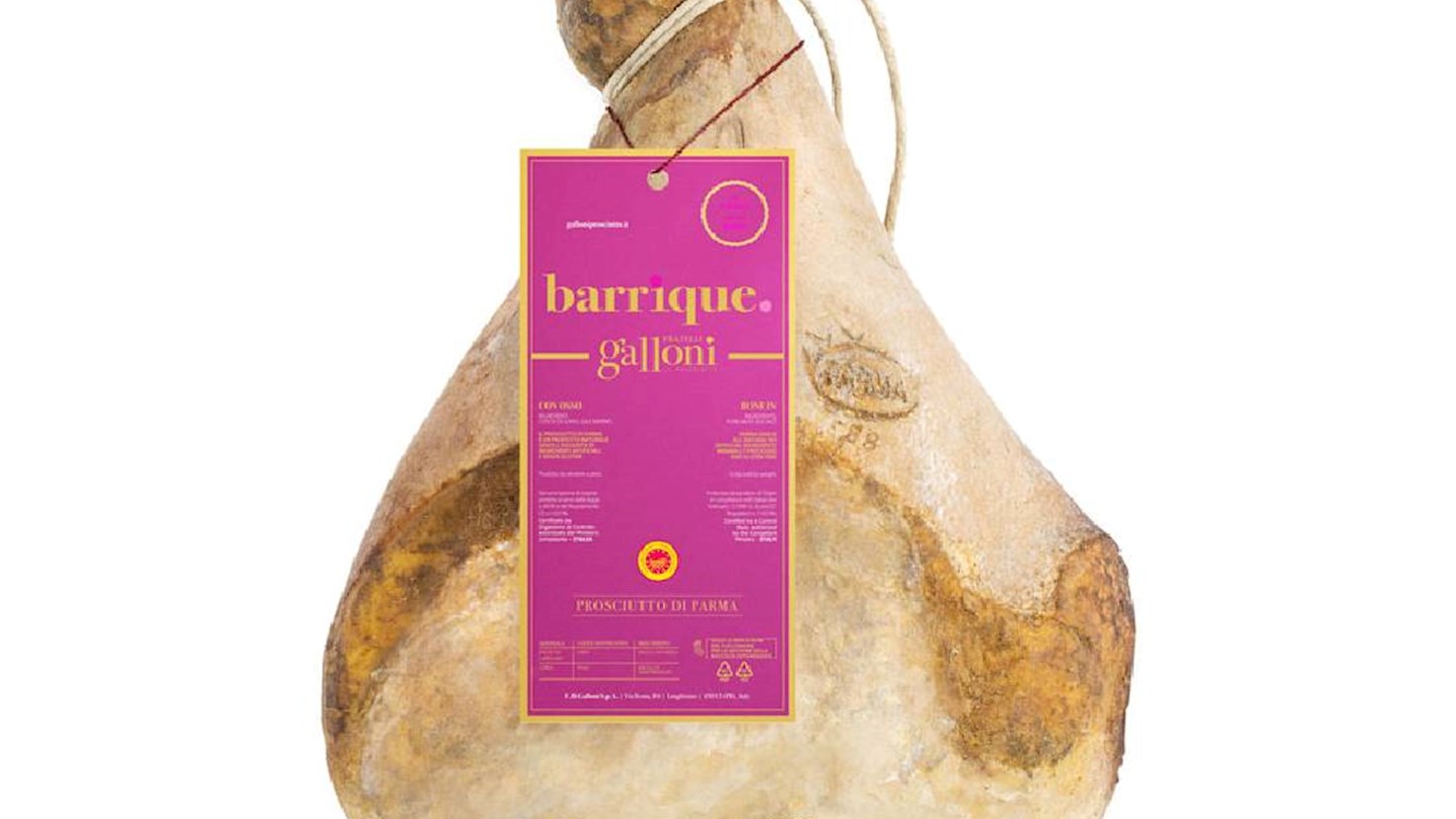
Fratelli Galloni is a family-owned company based in Langhirano, in the province of Parma, dedicated to producing premium Prosciutto di Parma DOP since 1960. Their philosophy combines respect for tradition with a constant pursuit of excellence, relying on knowledge passed down through generations. Galloni carefully selects pork legs from trusted Italian farms, employing traditional processing methods to maintain the high quality of authentic Prosciutto di Parma. The production process involves hand salting by skilled artisans, minimal use of salt, and a long aging period in cellars with natural ventilation, resulting in a mild and balanced flavor recognized worldwide. The company is now led by the second and third generations of the Galloni family, who continue to nurture a passion for quality while introducing innovations in production processes. Fratelli Galloni has been repeatedly chosen to represent Italy in European projects aimed at improving quality, further demonstrating their commitment to excellence and sustainability.
09

Bedogni Egidio

4.3 ·
Bedogni Egidio S.P.A. is a family-owned company established in 1956 in Langhirano, in the heart of Italy's Parma region. It specializes in producing high-quality cured meats, particularly Prosciutto di Parma DOP, using traditional methods that combine craftsmanship and careful selection of raw materials. Their products mature in wooden cellars, which enhances their unique flavor and aroma. The company has earned recognition for its quality, including the "Gambero Rosso" award for the best Parma ham. In 2024, Bedogni Egidio S.P.A. became part of the Fratelli Beretta group, further strengthening its position in the market.
10

Salumificio Conti

4.3 ·
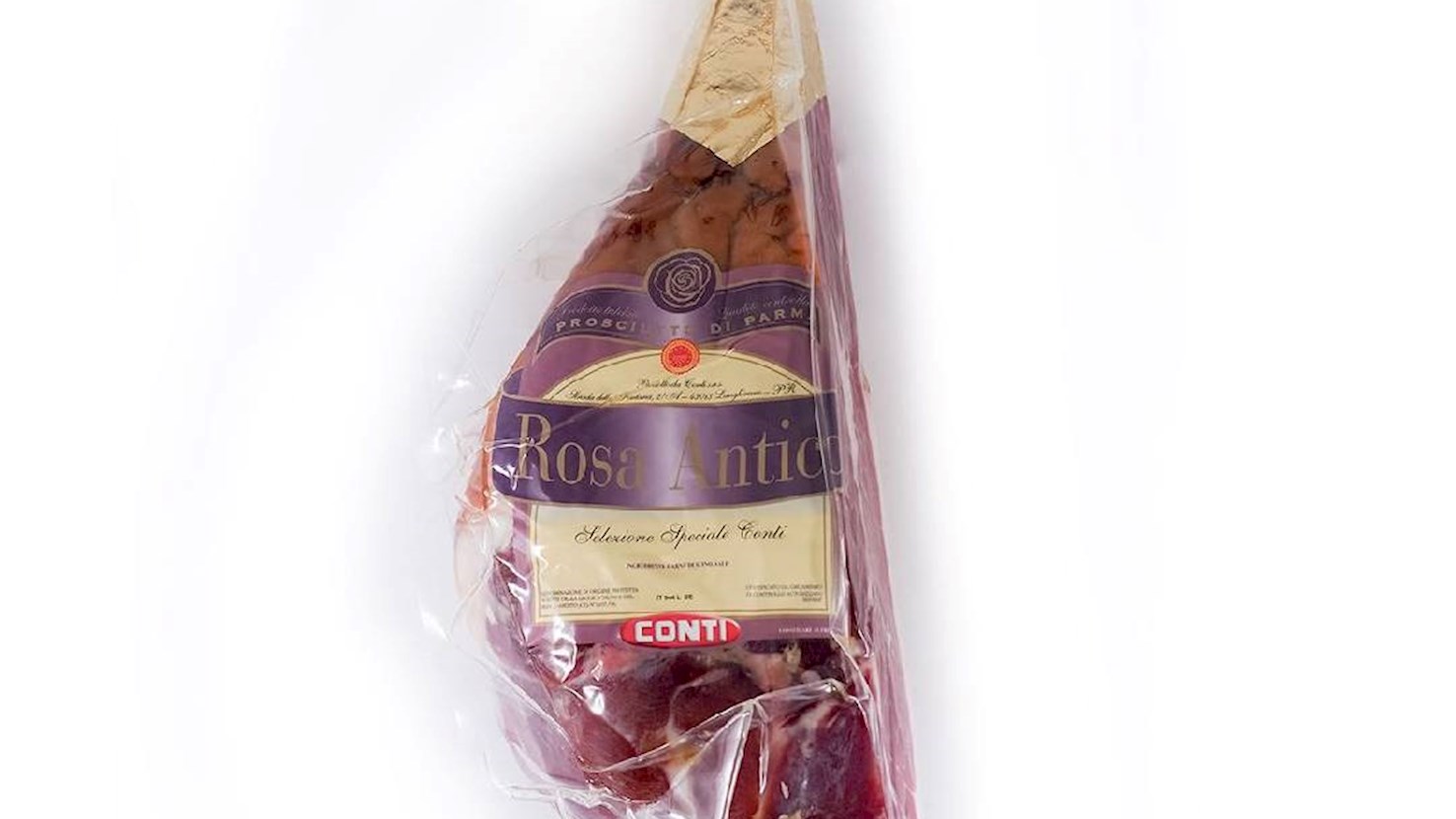
Salumificio Conti is a family-owned company based in Langhirano, in the heart of Italy's Parma region, renowned for its production of premium prosciutto. Founded in 1968, the company builds upon a rich family tradition in agriculture and livestock farming that dates back to 1814. They specialize in the production of Prosciutto di Parma DOP, using traditional methods that include the careful selection of raw materials from the best farms in the Po Valley. The pigs are fed a diet of grains and whey derived from Parmigiano Reggiano production, which contributes to the exceptional quality of the meat. The production process involves hand-dosing pure sea salt, coating the meat with a mixture of lard, salt, rice flour, and pepper to prevent drying, and extended aging under natural conditions. These steps allow the development of the prosciutto’s unique flavor and aroma. The company is committed to preserving local tradition and quality, making it a standout in the world of Italian cured meats. They also offer guided tours of their facilities with tastings, providing visitors with an insight into the production process and the rich history of Parma prosciutto.

Best Italian Ham Types
01

Prosciutto di San Daniele

4.6 ·

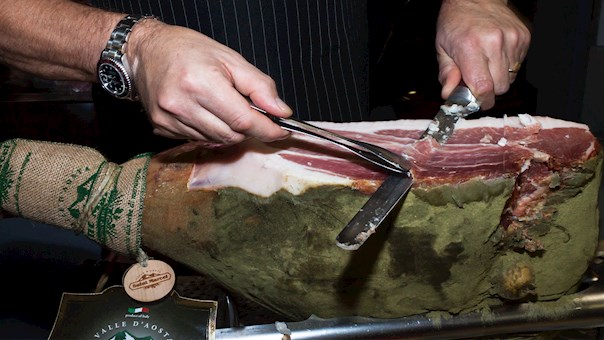
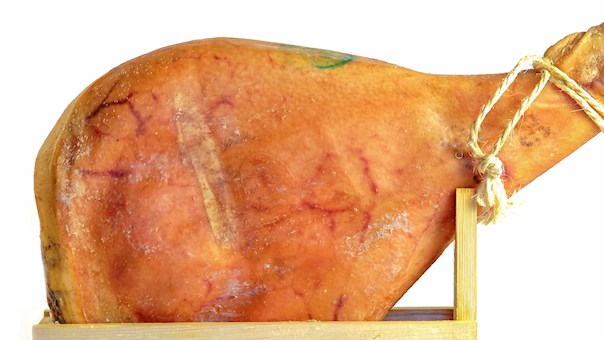
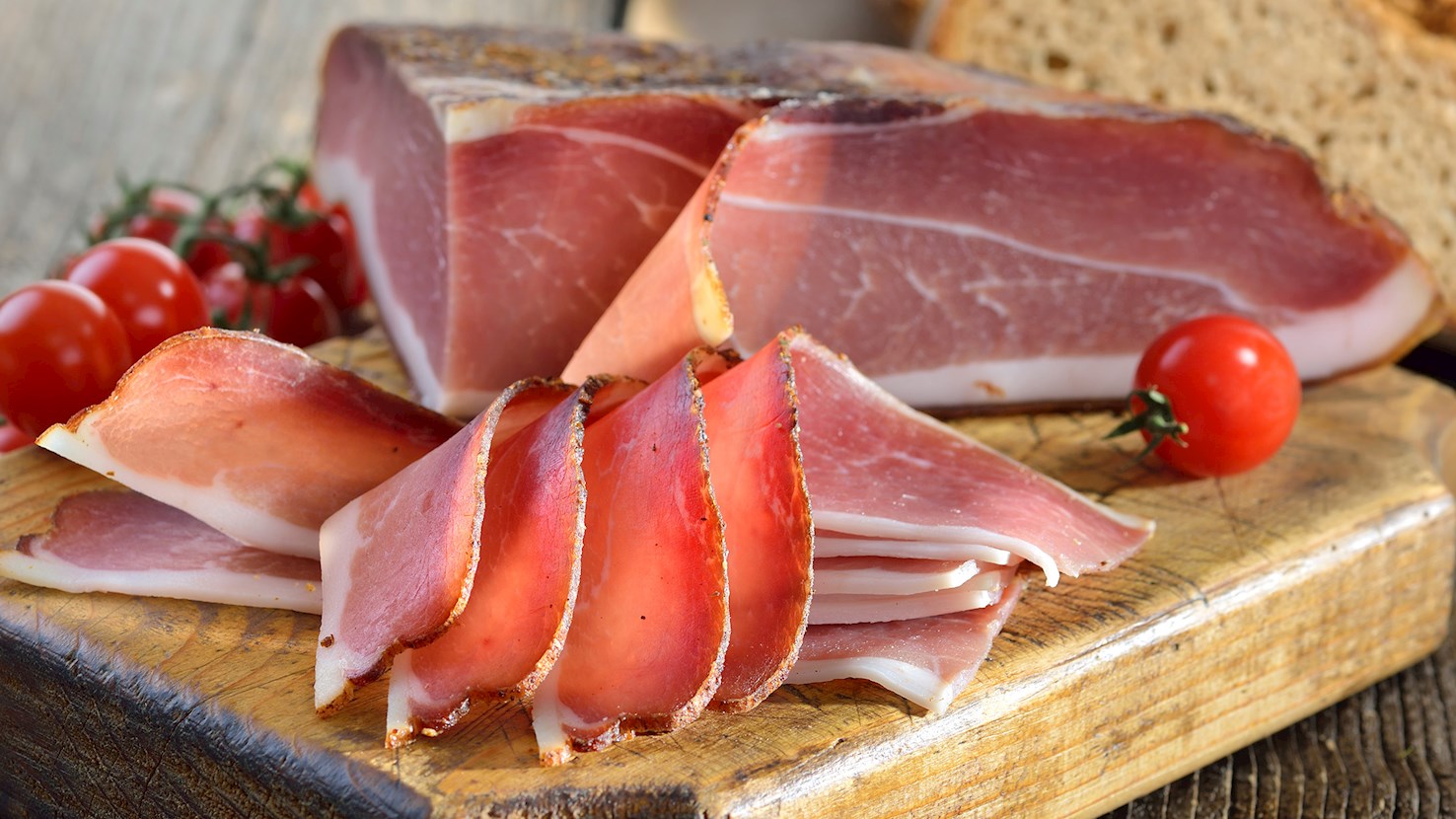
Produced in the hilly area around the town of San Daniele in the province of Udine, Prosciutto di San Daniele is even sweeter and darker in color with a more delicate flavor than in other varieties. In the Friuli-Venezia Giulia region, where the winds from the Carnic Alps meet the breezes coming in from the Adriatic, Prosciutto di San Daniele is made using only local sea salt. The curing process here differs a little from other regions since San Daniele hams are stacked on top of each other and left to mature for at least 13 months. Up until recently, only large pig breeds such as Landrace, Large White and Duroc were used for ham production, however due to an increase in demand, San Daniele hams can now be made with other local breeds. Prosciutto di San Daniele has a rich, sweet flavor and is traditionally served as an appetizer with homebaked breads, melons, and figs.

02

Prosciutto di Parma

4.4 ·

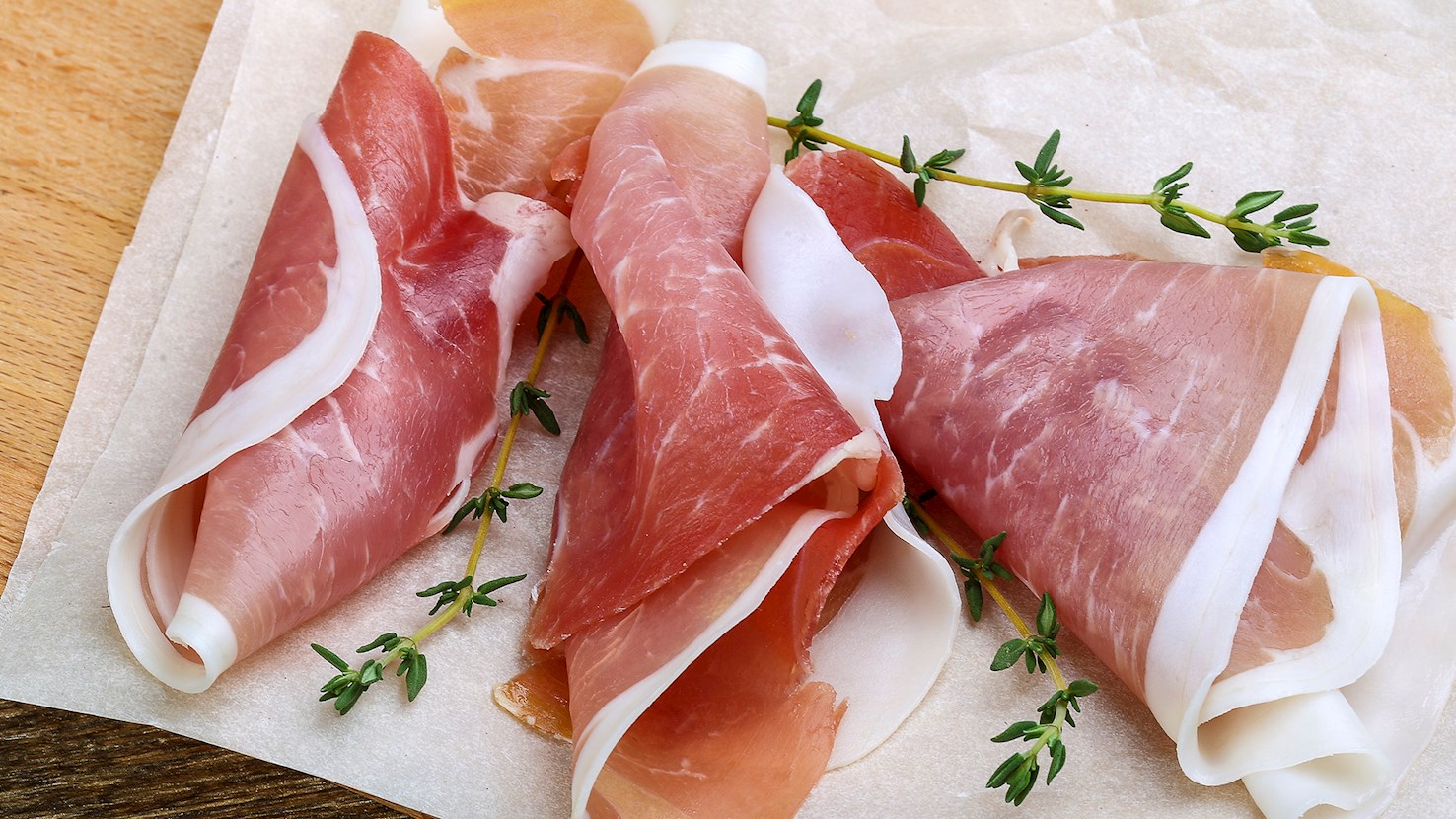
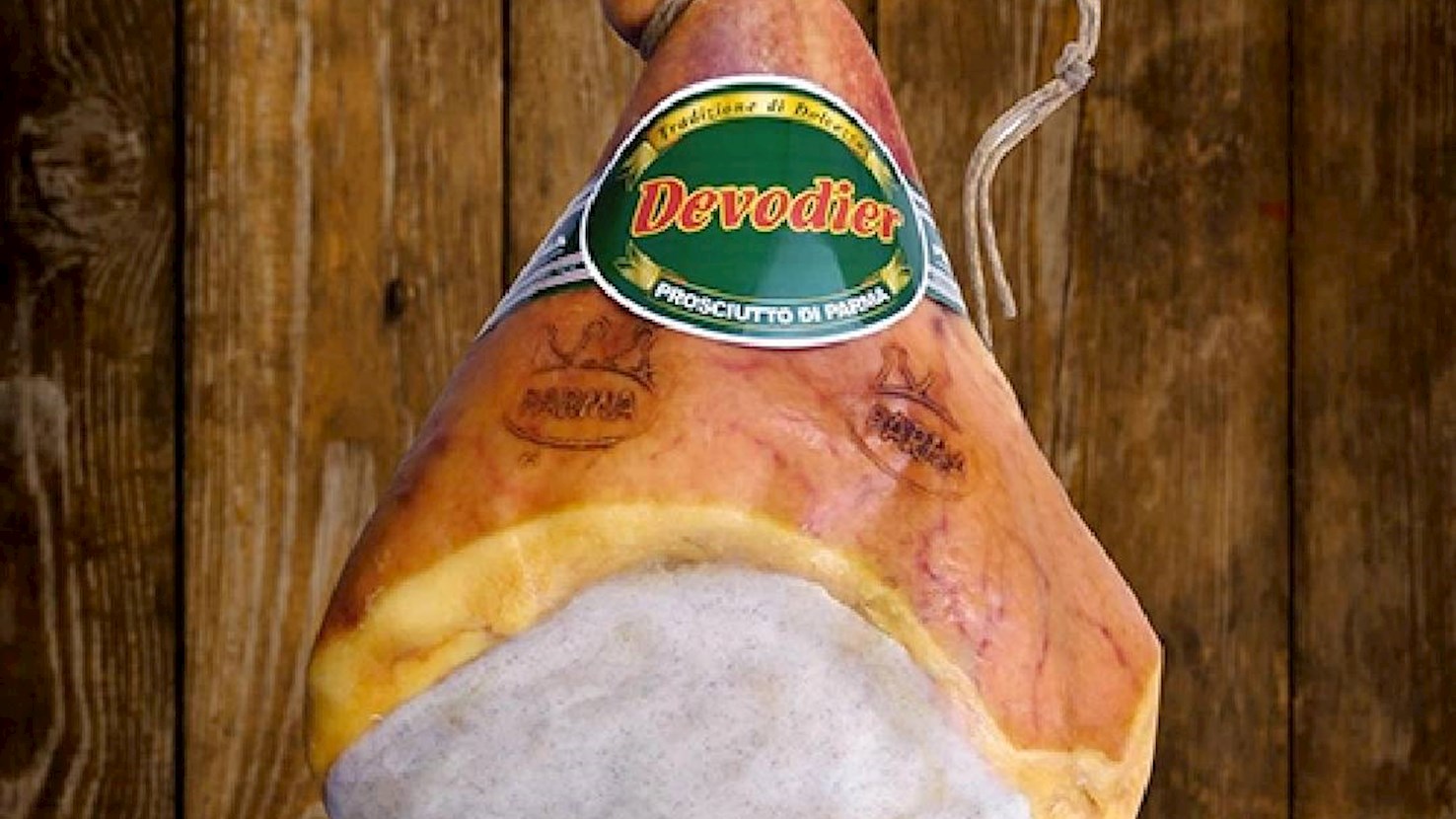
Carefully crafted with the same diligent care since the Roman times, Prosciutto di Parma is a true masterwork of time and tradition, and a gold standard of Italian prosciutto. The pigs of the Large White, Landrace and Duroc breed used in the production of this ham must also meet high quality standards, be bred in one of 10 northern and central Italian regions and fed a diet of grains, cereals and whey of Parmigiano Reggiano cheese, which contributes to the complex taste of the meat. Apart from the characteristic microclimate of the Parma region, which is ideal for the drying of prosciutto, a vital part of the curing process is salting. The expert Maestro Salatore (salt master) measures the minimum amount of sea salt required to preserve the meat. This respects the tradition of 'Cultura del Dolce' (the Culture of the Sweet), with the signature taste of Prosciutto perfectly balancing between salty and sweet. Parma ham spends three months hanging during the riposo or resting phase. To stop it from drying too quickly, around 7 months after the salting process the ham is smeared with sugna, a mixture of rice flour, salt, and pork fat. By strict regulations, Prosciutto di Parma must be matured for at least one year before it is given the Ducal Crown firebrand, and some are even cured for up to 3 years. The meat gradually becomes darker and harder, attaining its unique full-bodied flavor. For maximum enjoyment, Parma ham is sliced thin and served as an appetizer with focaccia or a warm piadina, some cheese and porcini mushrooms preserved in oil or wrapped around grissini and paired with a local sparkling wine like Lambrusco or Malvasia.

03

Prosciutto Toscano

4.4 ·

Produced under the same strict laws and traditions since the 15th century, Prosciutto Toscano is made exclusively with pigs born, bred, fattened and slaughtered in Tuscany. All pig legs must be provided with the breeder’s certificate to prove their provenance. The Tuscan hams are then salted and air cured for about 12 to 16 months whereas other Italian hams can only be salt-cured, Prosciutto Toscano can be cured and flavored with a blend of natural spices that are common in traditional Tuscan cuisine, including pepper, garlic, rosemary, and juniper. As a result, Prosciutto Toscano is distinctly different in both appearance and taste from other prosciutto varieties. It is much darker in color with a layer of almost pink fat, has an intensely spicier taste and it's quite famous for its herbal aroma - the fragrant signature of Tuscany. Enjoy it with some freshly baked Pane Toscano and a glass of white wine!

04

Culatello di Zibello

4.3 ·

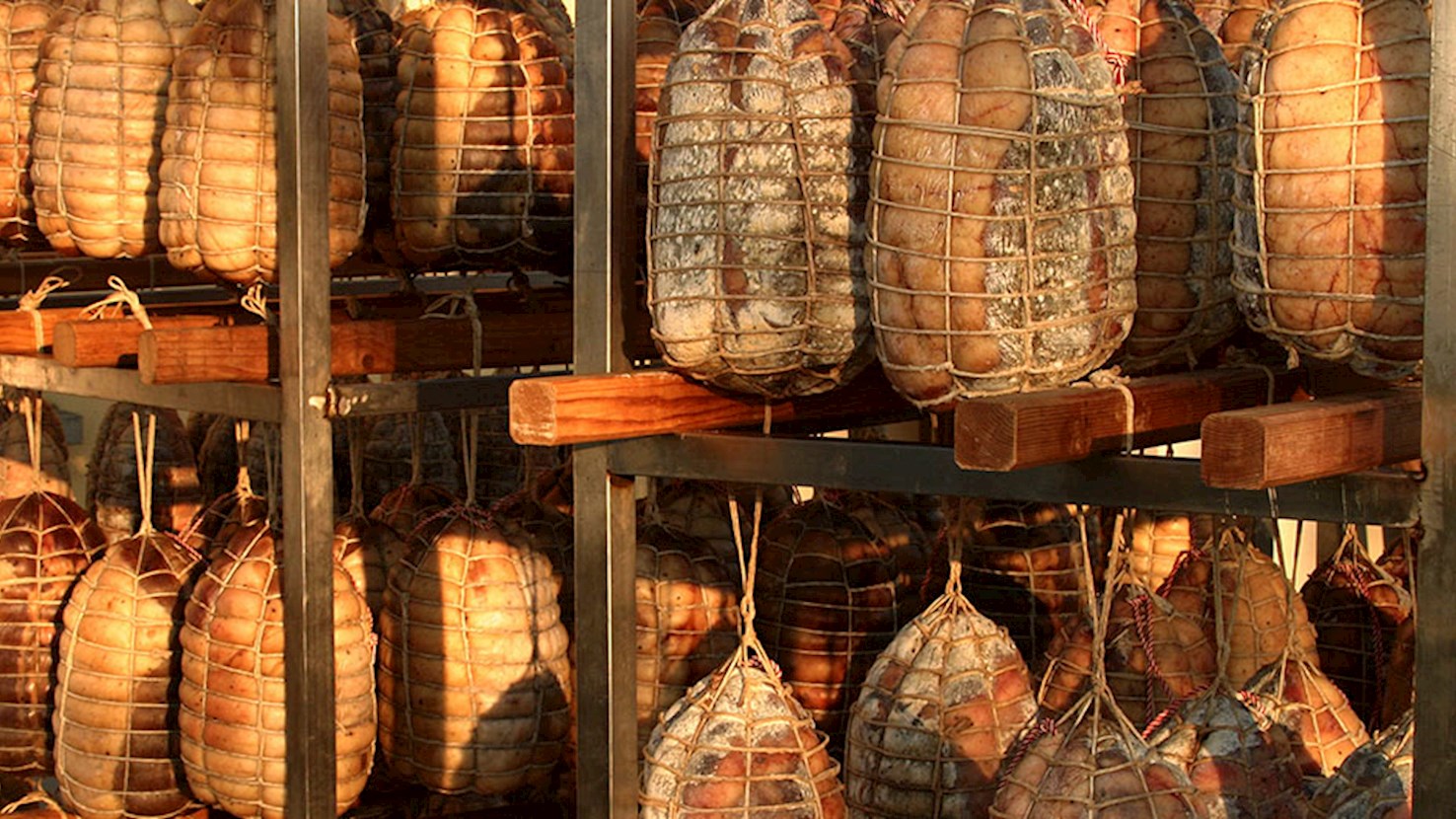
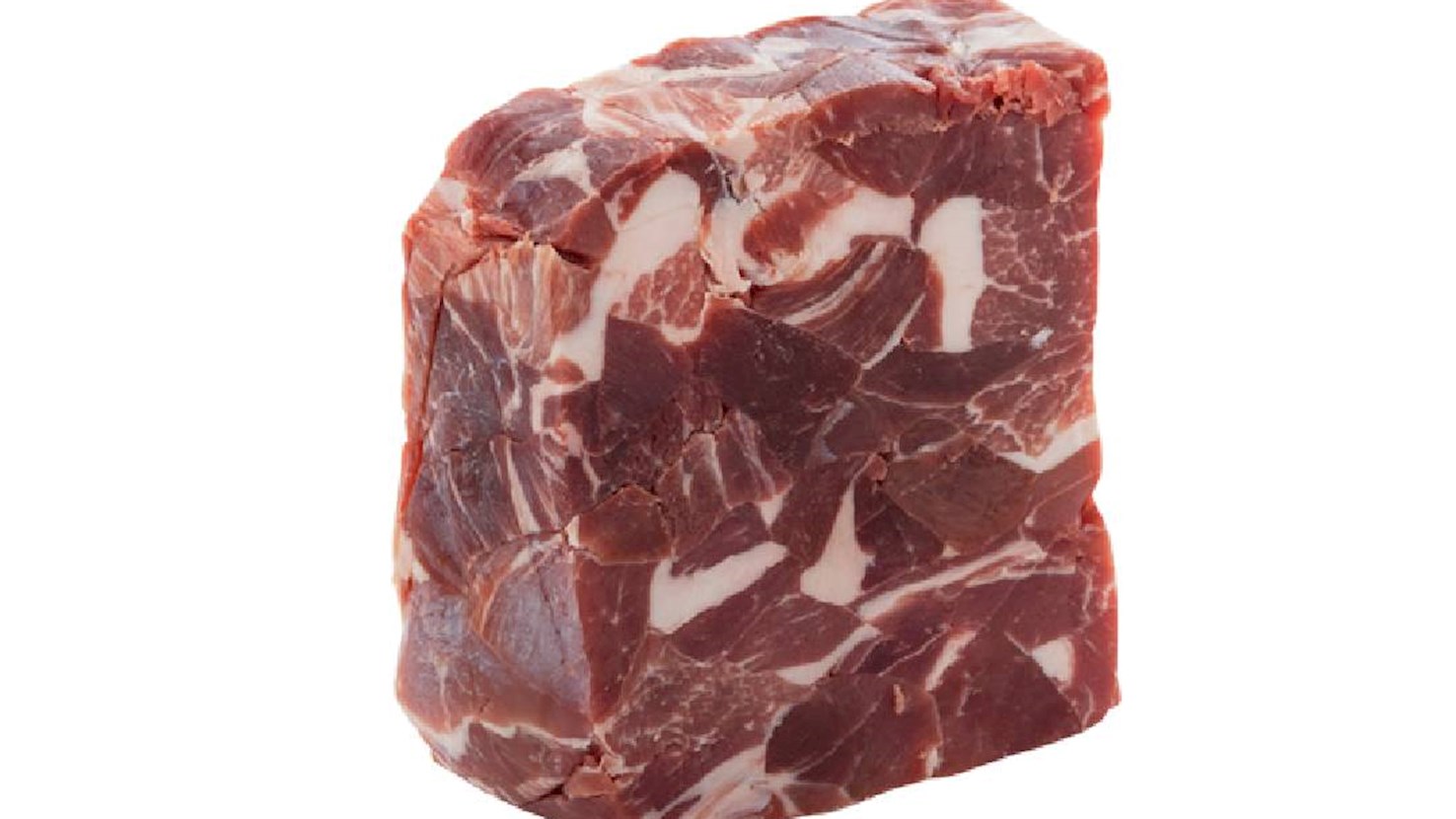
Known as crème de la crème of Italian hams, with a tradition dating back to the 14th century, Culatello di Zibello is one of the most prized products of Parma nowadays made only with pigs raised in the regions of Emilia-Romagna and Lombardia. Culatello is tender, rich in flavor and has a refined, winey taste. It is one of the leaner forms of cured pork, cut from the best part of the whole fresh ham, and cured with a mixture of salt, pepper, garlic and dry white wine. Since it is stuffed in a natural casing, most often a pig's bladder, and tied with twine, Culatello is sometimes classified as a type of salami. However, this doesn't do it justice because as outstanding as most prosciutto hams can be, real Culatello di Zibello tastes even better and can cost up to three times as much! These delicious hams must age for at least 11 months, but they are best enjoyed between 14 and 18 months. To bring out the best of its flavor, Culatello needs to be soaked in dry white wine for a couple of days, after which the skin is removed and fat trimmed off. Once it has been sliced, the best way to conserve it is to coat it with olive oil or butter, wrap it in a linen towel and store it in a cold place.

05

Prosciutto di Modena

4.2 ·

According to earliest historical evidence, the origins of Modena ham date back to the time of Celts and later the Romans whose legions used to stock up on salted pork meat before setting off on military expeditions. Traditionally, this ham is produced on the hills and plains along the Panaro river, up to an altitude of 900 metres, namely in the provinces of Modena, Bologna and Reggio Emilia. Only the Large White, Landrance and Duroc pig breeds are used for Modena ham, and all involved production techniques are extremely detailed with precise regulations on slaughter, tracking marks, trimming, salting and greasing. The curing period lasts for a minimum of 14 months. Prosciutto di Modena is famous for its intense aroma and a delicate, less salty taste.

06

Prosciutto Amatricano

4 ·

The origins of this typical product of the Lazio region date back to medieval times when preserved meats were used as a tribute for feudatories or means of payment. This Italian ham was named after the town of Amatrice in the province of Rieti. The area of production comprises not only Amatrice but all other municipalities settled up to 1200m above sea level. Amatriciano's most distinctive feature comes from the traditional trimming technique, performed particularly high on the fresh leg. After two saltings, the prosciutto is covered in sugna - a mixture of lard, salt, spices, black or white pepper, garlic and cereal or rice flour - and finally left to mature for at least 12 months until it looses 30% of its raw weight. Prosciutto Amatriciano has an intense aroma, with a delicately balanced taste. It is traditionally served as an appetizer with other cold cuts, cheeses and Pane Casareccio di Genzano, a type of homebaked bread from Lazio.

07

Prosciutto di Sauris

3.9 ·

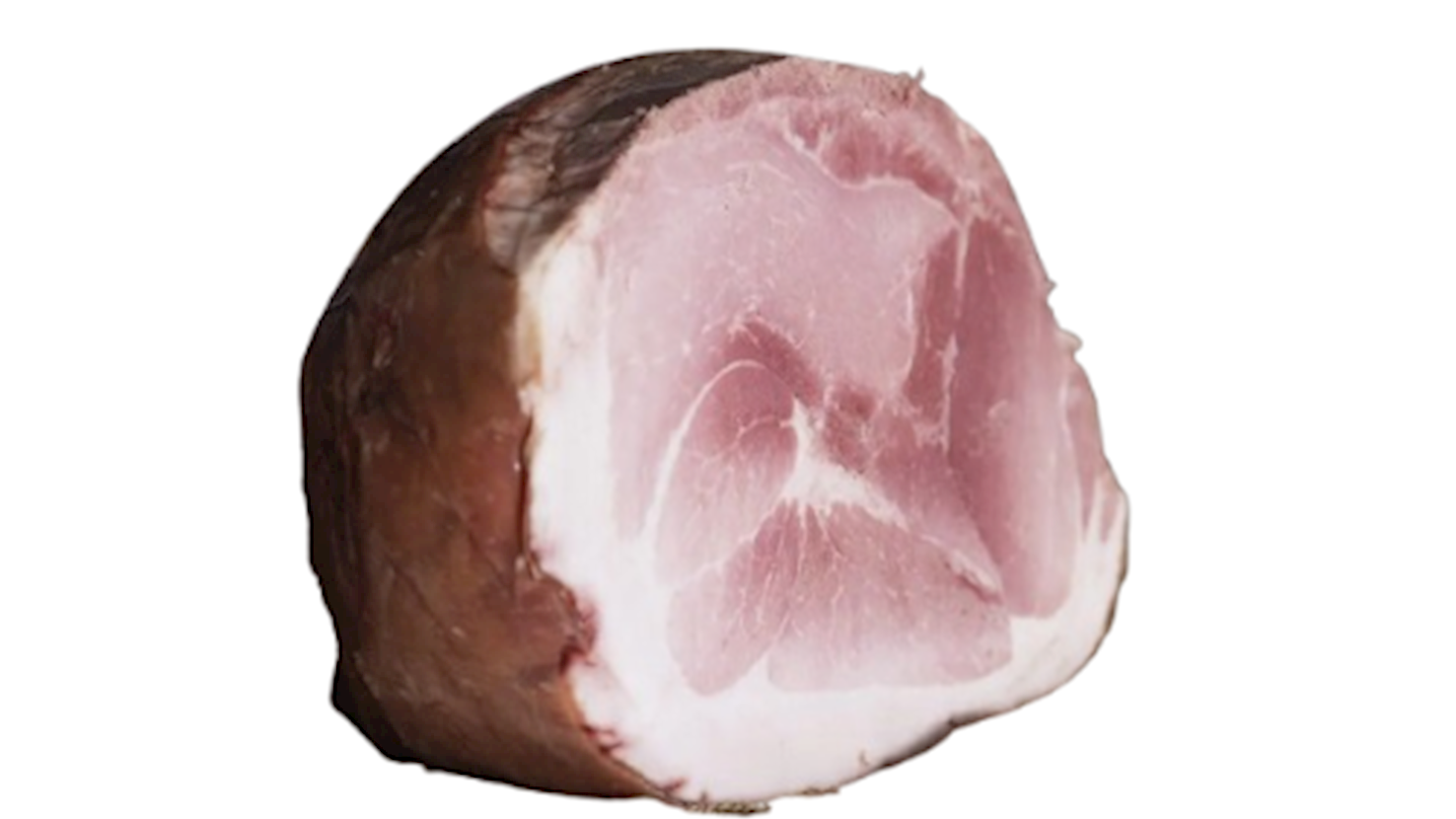
This variety of prosciutto comes from the small northern Italian village of Sauris di Sotto, settled in the region of Friuli-Venezia Giulia. All Sauris hams must come from the Large White, Landrace and Duroc pig breeds. Unlike other Italian hams, prosciutto di Sauris is cured by both salt and smoke, which is a common practice in sub-Alpine Italy due to the influence of Germanic traditions. The hams are smoked for about five days over a combination of woods including birchwood, silver fir, chestnut, beech, and maple, and also herbs like rosemary, sage, thyme, and juniper. This gives their rind a kind of a golden to orange color. After the smoking, prosciutto di Sauris is salted and left to mature. When cut, the color is bright red, with the fat varying from white to pinkish-white. The aroma is delicate and the flavor is sweet, less salty, with a pleasant hint of smoke. Traditionally, Sauris ham is served as an appetizer and paired with light white wines.

08

Prosciutto di Carpegna

3.7 ·

Named after the town of Carpegna, settled in the province of Pesaro e Urbino in the Marche region, this variety of an Italian dry-cured ham is produced by using pigs born, raised and slaughtered exclusively in the regions of Marche, Lombardy and Emilia-Romagna. With such a long tradition of pig farming and meat curing in the wider Carpegna area dating back to the 15th century, Prosciutto di Carpegna is known to be one of the most prized products of the Marche region. After two saltings, the hams are matured for a period of at least 13 months. Prosciutto di Carpegna has a distinctively delicate flavor, with a perfect balance of sweet and salty notes, and it is an excellent ingredient for the preparation of dishes such as Risotto del Montefeltro or veal Saltimbocca alla Romana.

09

Prosciutto di Norcia

3.7 ·

Here in the mountainous Umbria, a region rich in oak forests where the tradition of pig breeding and meat curing dates back to the Roman times, it is said that a good prosciutto needs to 'live through at least one winter and one summer'. This variety of prosciutto is produced in the province of Perugia, namely the town of Norcia and in the Valnerina valley. There are two types of Prosciutto di Norcia. The widely popular Tipico di Norcia, also known as Salato or Prosciutto di Montagna, is aged for up to 12 months and famous for its intense salty flavor, but the high point of Umbrian charcuterie is actually L'Antico di Norcia, a type of ham matured slowly in the brisk and dry mountain air for two whole years. The overall quality and consistency of the meat greatly depend on the diet of the animals and the size of the hams. Prosciutto di Norcia has very little fat, and a mild, not too salty flavor. Cut into thin slices, Norcia ham is typically served with bread, some cheese, and best accompanied with white wine, preferably dry and light.

10

Prosciutto Veneto Berico-Euganeo

3.7 ·

This prosciutto originates from the provinces of Padova, Vicenza and Verona in the Veneto region, where techniques for preserving and processing pork were known and widespread as far back as Pre-Roman times. It is mainly produced in the Po valley and at the foothills of the Berici and Euganean Hills. As a result of a refined and strict processing technique, Prosciutto Veneto Berico-Euganeo attains its elegant, lively and rich, full-bodied taste. Its delicate aroma and tenderness make it perfect for cookery, but it is more typically served as an appetizer, especially with Pan Biscotto, a type of crisp bread from the Veneto region.

Read more
View all
View map
About this ranking

TasteAtlas food rankings are based on the ratings of the TasteAtlas audience, with a series of mechanisms that recognize real users and that ignore bot, nationalist or local patriotic ratings, and give additional value to the ratings of users that the system recognizes as knowledgeable. For the “Top 17 Italian Hams” list until June 15, 2026, 964 ratings were recorded, of which 721 were recognized by the system as legitimate. TasteAtlas Rankings should not be seen as the final global conclusion about food. Their purpose is to promote excellent local foods, instill pride in traditional dishes, and arouse curiosity about dishes you haven’t tried.

The initial list of top producers was compiled based on available reviews, awards, local recommendations, media and blog coverage, and consumer reviews. The list will be updated with ratings from TasteAtlas local ambassadors and TasteAtlas users.

Similar lists