Top 17 Ligurian Desserts

Last updated on May 15, 2026

Best Ligurian Desserts
01

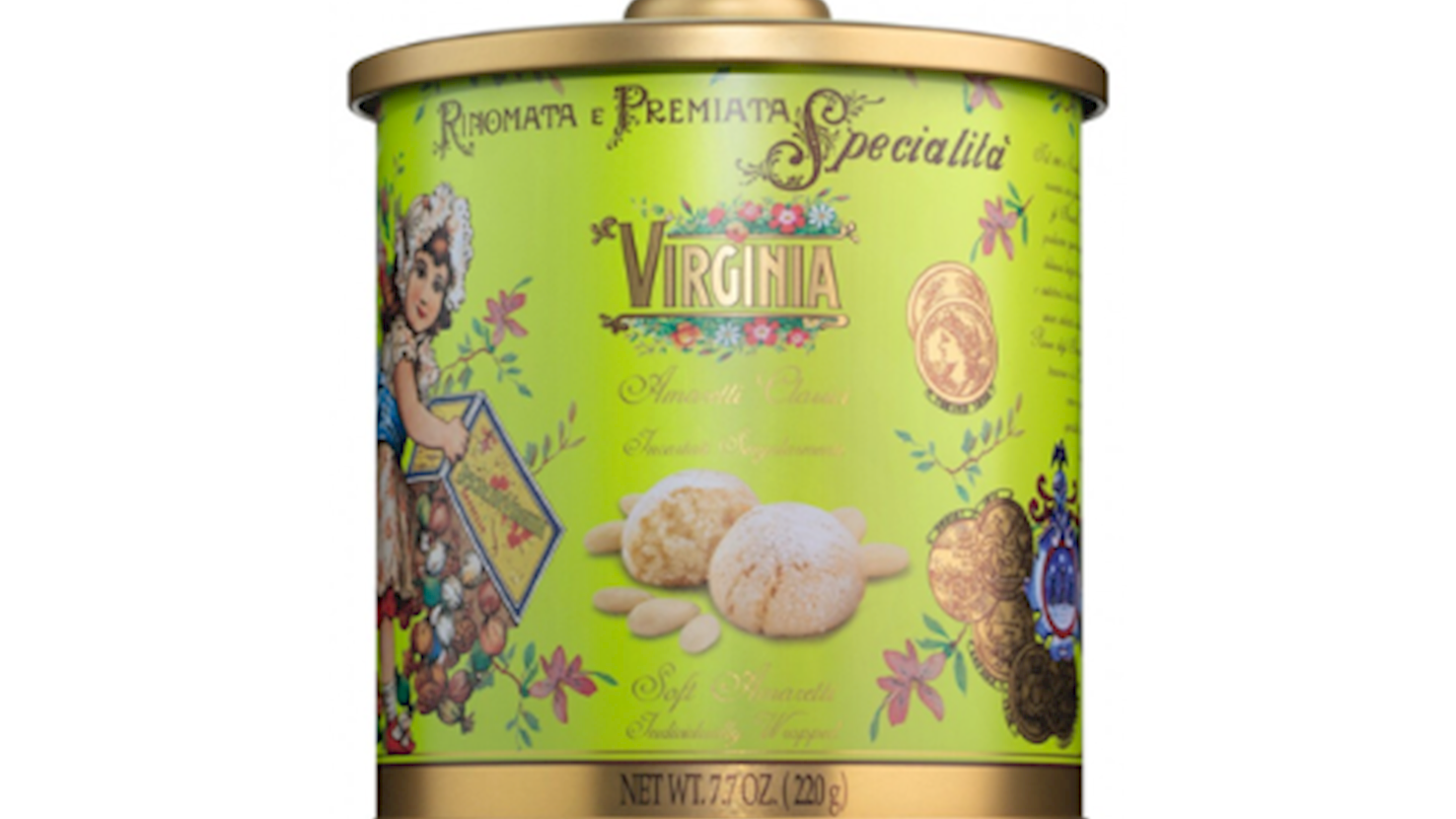
Amaretti Virginia

4.8 ·
Amaretti Virginia is a historic Italian confectionery brand founded in 1860 in Sassello, Liguria, with a strong specialization in soft amaretti and almond-based sweets. Its core product is defined by a soft, slightly chewy texture and a balanced sweet-bitter profile derived from almonds and apricot kernels. The company developed from a small local bakery into a recognized producer, gaining international visibility through awards at exhibitions in the late 19th and early 20th centuries. Its production remains closely tied to traditional recipes, using simple ingredients such as sugar, egg whites, and almond components, resulting in a texture closer to marzipan than to crisp biscuits. Over time, the assortment has expanded to include products such as truffles, biscuits, and gift assortments, while maintaining amaretti as the central element of the brand. A key aspect of its approach is adapting production processes to preserve the integrity of the original recipe rather than standardizing the product excessively. The brand is export-oriented, with a presence in multiple international markets, reflecting its established reputation. Despite this expansion, it retains a clear connection to its place of origin and to Italian confectionery traditions.
02

Balzola

4.6 ·
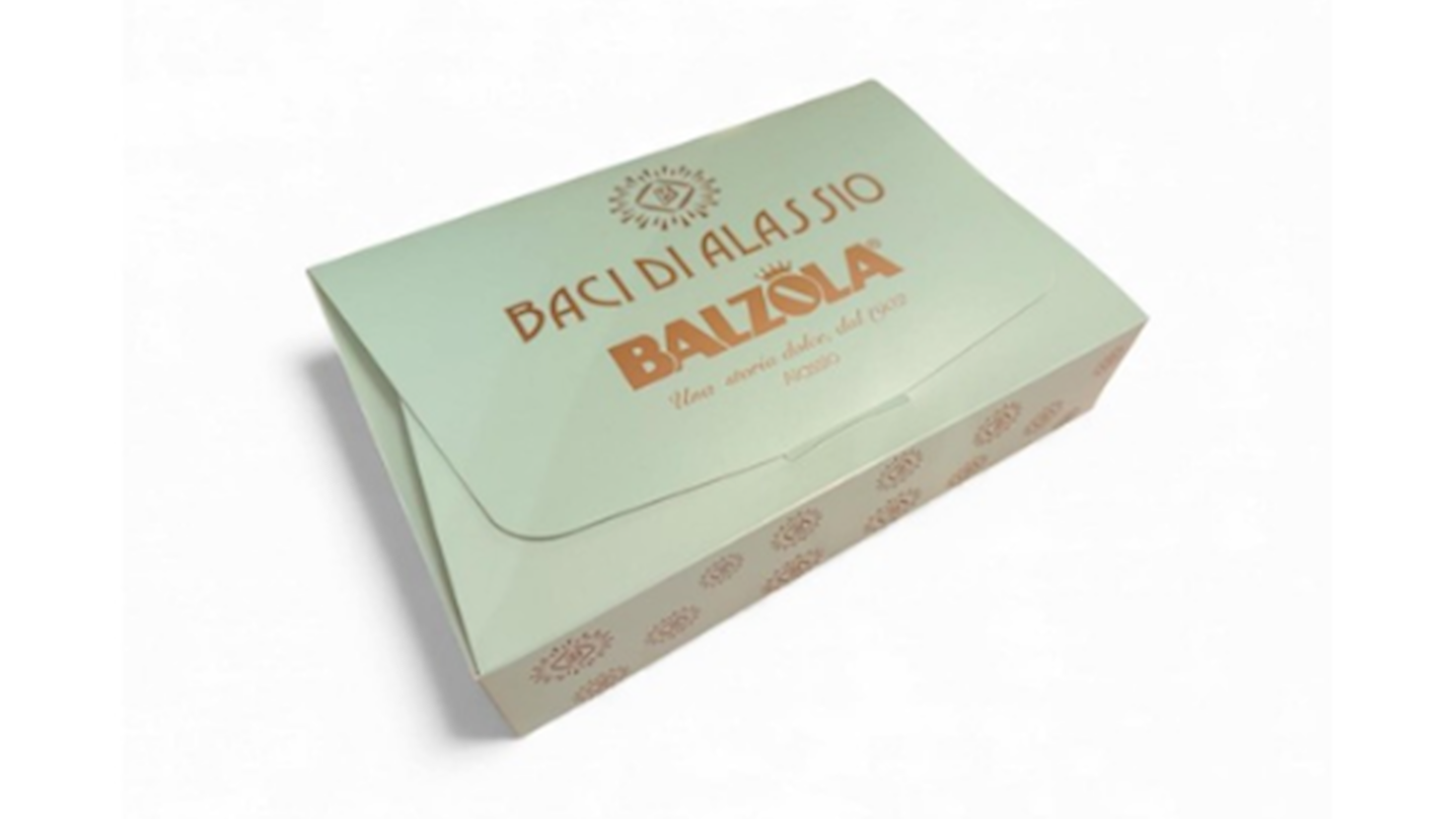
Balzola is a historic Italian pastry brand from Alassio, founded in 1902 by Pasquale Balzola as a café and pastry shop that quickly became a focal point of local social and culinary life. Its development is closely linked to the growth of Alassio as a major tourist destination in the early twentieth century, where the café attracted an international clientele including writers and intellectuals. A defining moment in the brand’s history came with the creation of Baci di Alassio, a confection made from hazelnut and cocoa biscuits filled with chocolate ganache, which became the company’s signature product and a symbol of the city. Over time, Balzola expanded its range to include pralines, biscuits, and other traditional Italian sweets while maintaining a strong connection to its origins. The brand continues to rely on established recipes and artisanal techniques rooted in its heritage. Its identity remains closely associated with the cultural atmosphere of Alassio, where pastry, tourism, and tradition intersect. Today, Balzola stands as an example of how a local specialty can evolve into a recognized brand while preserving its historical and regional character.
03

Grondona

4.5 ·
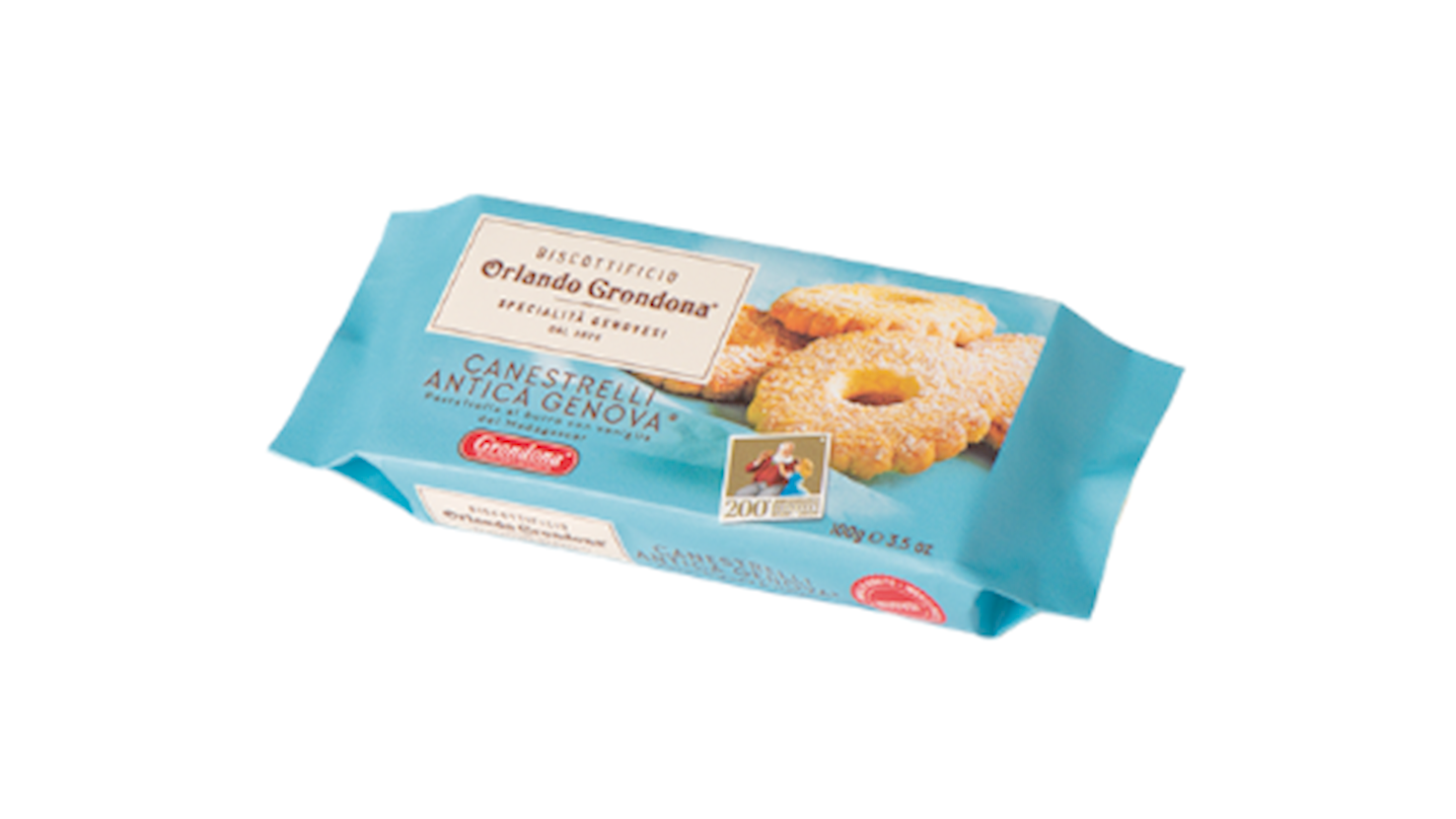
Grondona is a historic Italian bakery brand based in Genoa, with origins dating back to 1820 when Giuseppe Grondona established a small artisanal flour mill and bakery that gradually developed into a specialized producer of biscuits and traditional Ligurian baked goods. Over time, the company shifted its focus from pasta production to biscuits, building its identity on regional recipes and techniques that have been preserved and passed down through generations, often rooted in the founder’s original notes. Today, Grondona remains a family-run business with more than two centuries of continuous activity, emphasizing natural ingredients, sourdough-based processes, and artisanal methods adapted to modern production standards. Its portfolio includes a wide range of products such as traditional biscuits, cakes, pandolce, and seasonal specialties, all closely linked to the culinary heritage of Liguria. Despite its international distribution, the brand maintains a strong connection to its place of origin and a consistent focus on quality and authenticity. It is positioned as a representative example of Italian baking tradition sustained through continuity, technical knowledge, and careful adaptation to contemporary markets.

Best Ligurian Desserts

01

Canestrelli (Liguria)

4 ·

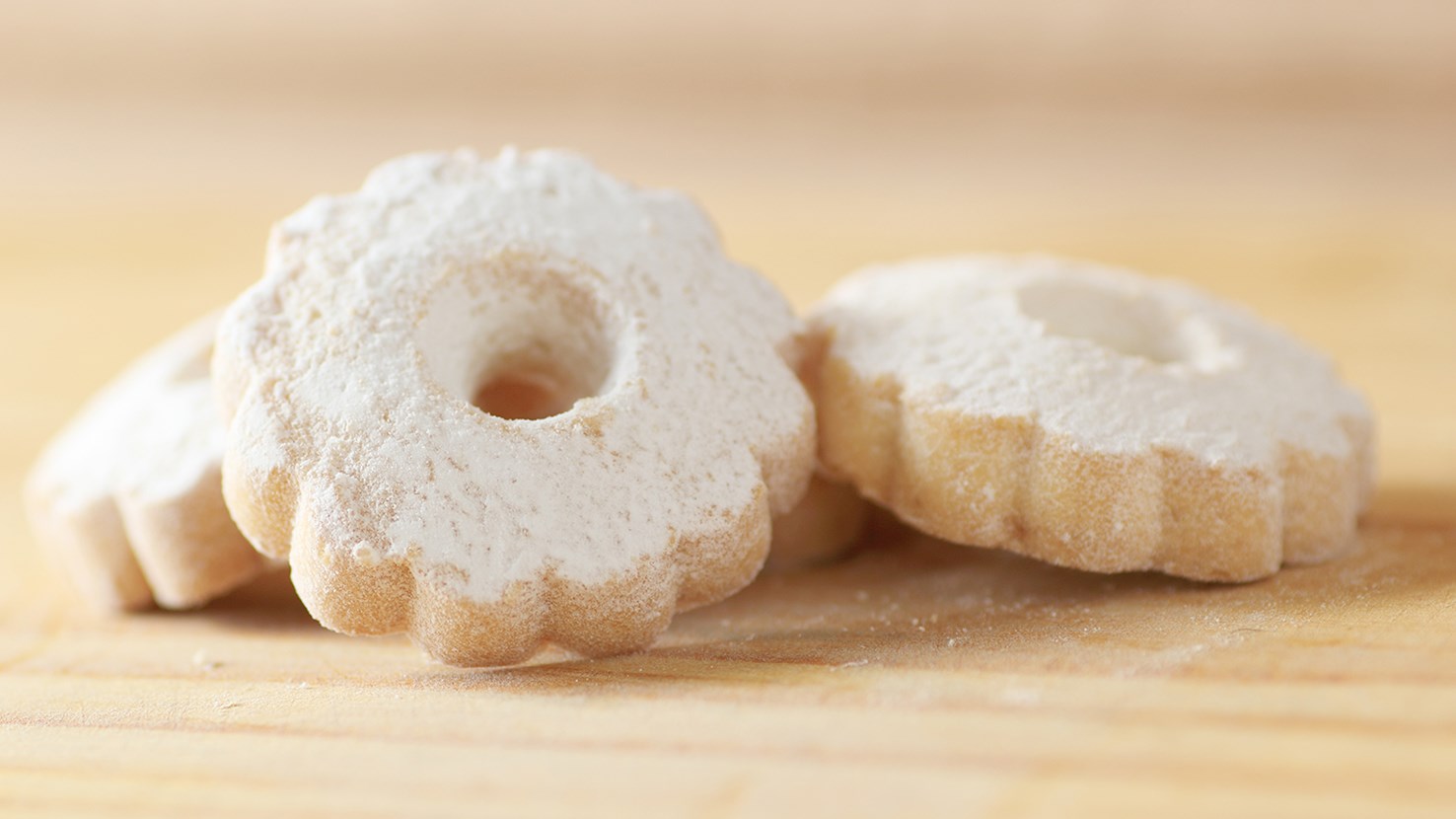
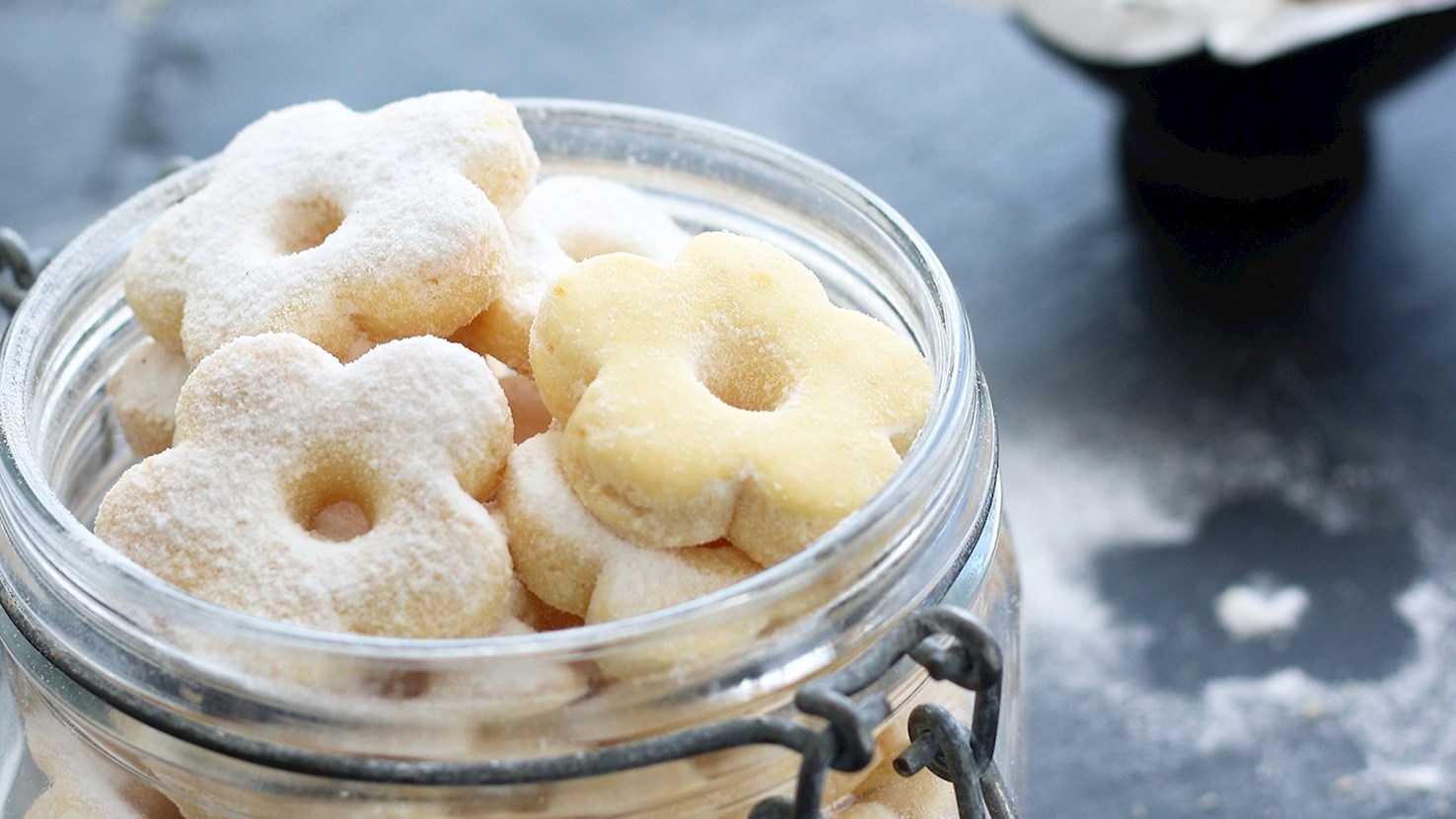
Canestrelli liguri are ancient Ligurian flower-shaped butter cookies with a hole in the center, allegedly named after canestro, a straw basket in which they were left to cool down after baking. Although they are quite simple, made only with flour, sugar, butter, and hard-boiled yolks, these cookies are very popular, so much that they are even recognized as a traditional agricultural product of the region. Local varieties of the recipe also exist, such as canestrelli di Santo Stefano D'Aveto, Acquasanta, or Torriglia, where the basic dough is enriched with ground almonds, lemon zest, orange blossom water, or a topping of granulated sugar before baking. Canestrelli liguri are traditionally enjoyed generously rolled in powdered sugar, accompanied by a cup of coffee or tea.

02

Baci di Alassio

4 ·

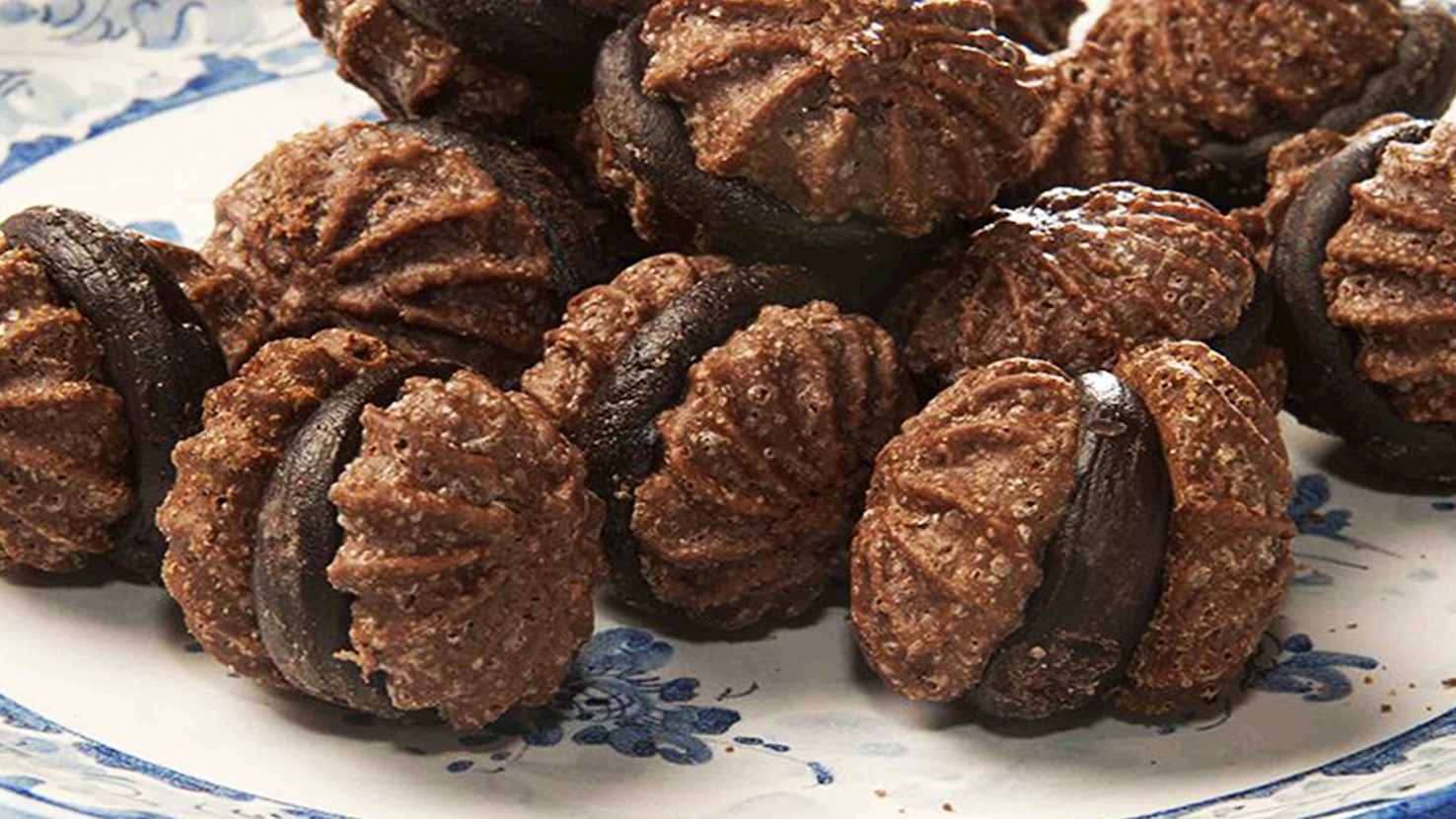
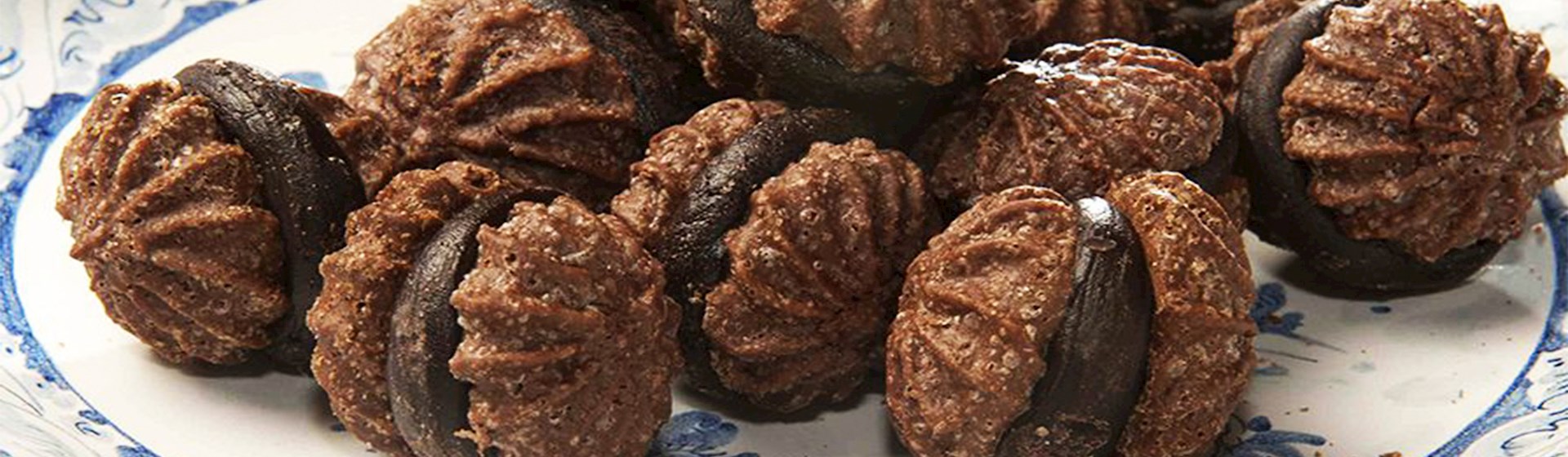
Baci di Alassio are decadent chocolate-hazelnut cookies from the small picturesque Ligurian town of Alassio. They are called baci, meaning kisses, because they consist of two small hazelnut cookies with a rich chocolate ganache sandwiched in between, so the whole thing looks similar to lips sending a kiss. Unlike the more famous baci di dama, they are neither hard nor crunchy, but chewy and soft, with a texture similar to the popular French macarons. Wonderful when consumed on their own, they taste even better when paired with a cup of strong Italian espresso.

Best restaurants
03

Amaretti di Sassello

3.6 ·

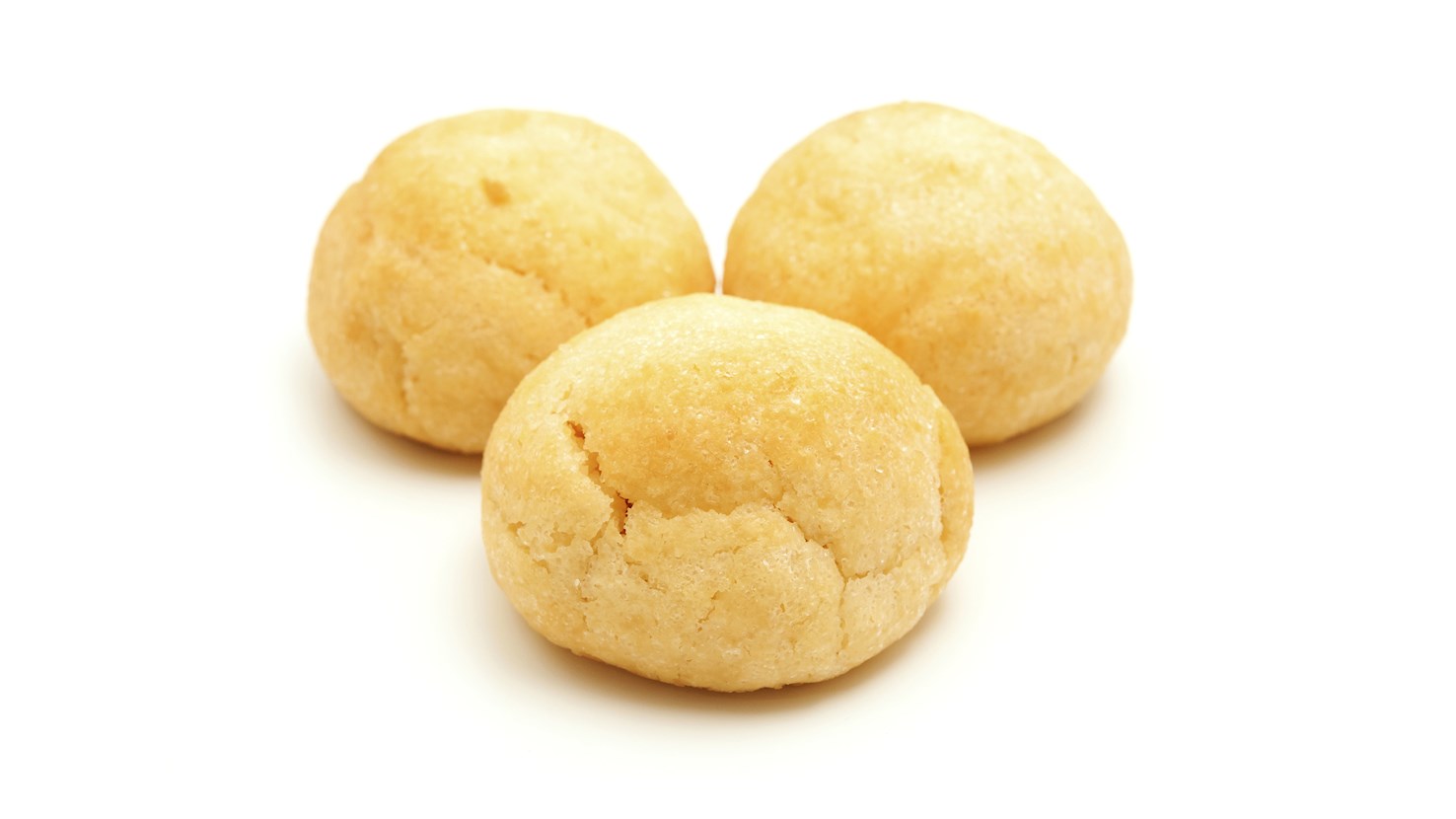
Amaretti, the famous Italian almond cookies are so popular in their homeland that almost every region has their version of the recipe, using different proportions and combinations of the basic ingredients: sweet and bitter almonds, apricot kernels, eggs, and sugar. The crispy variant of this cookie is world-famous, but the small town of Sassello in Liguria is renowned for its round-shaped, very soft and chewy amaretti, with an almost marzipan-like interior, due to a very high percentage of almonds in the dough.

04

Pan di Spagna

3.3 ·

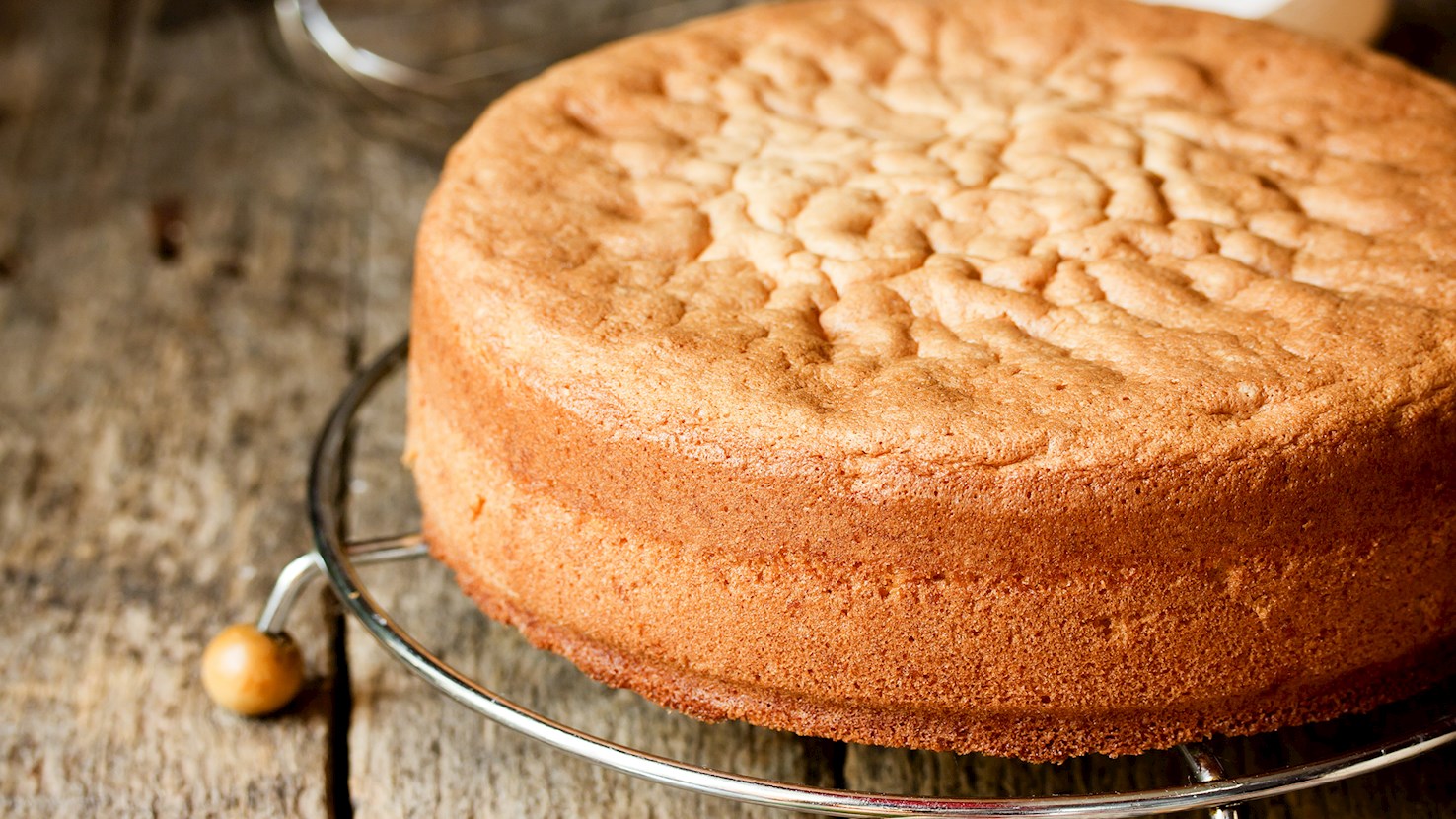
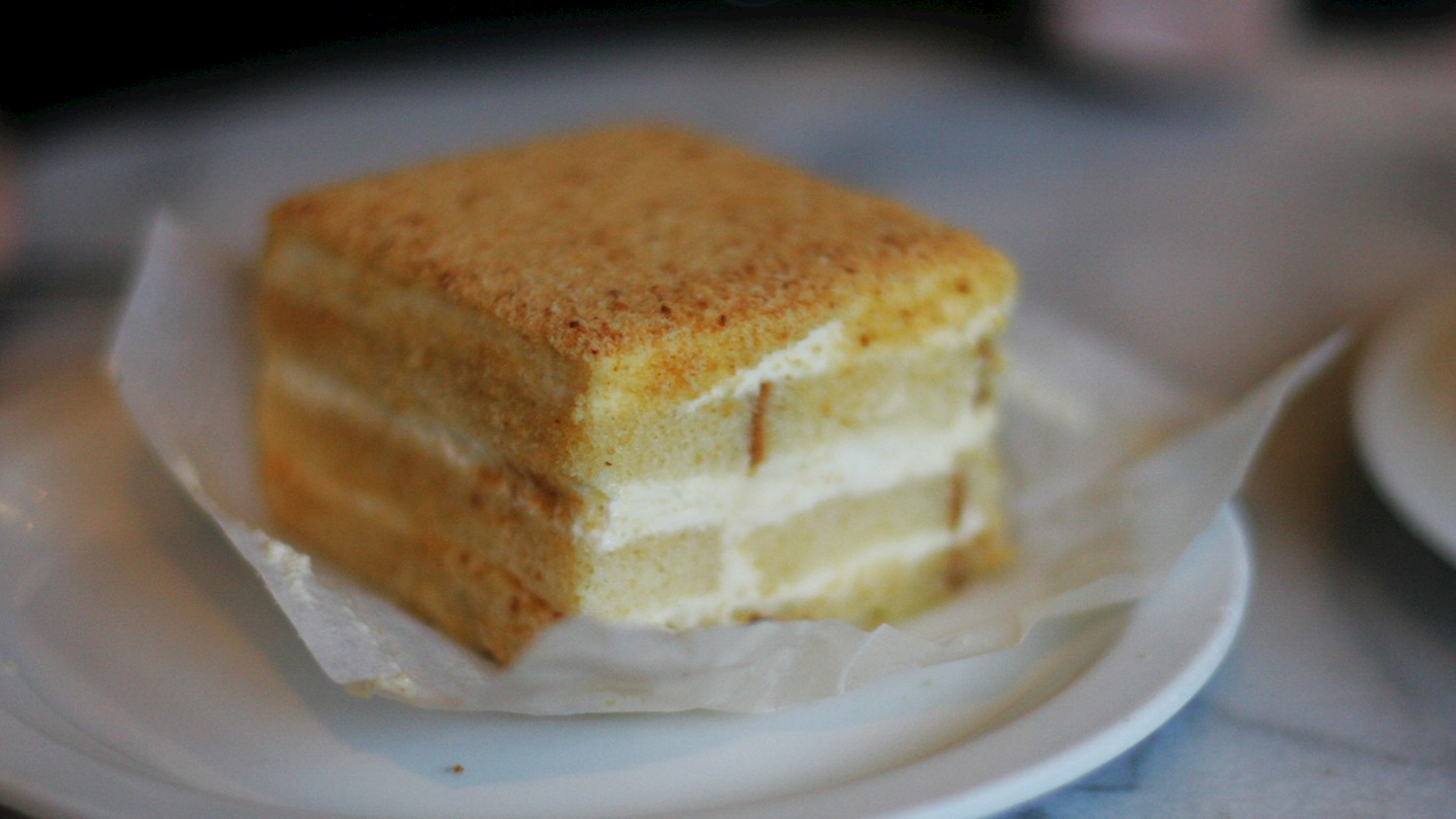
Pan di Spagna is a classic Italian cake that is widely used in confectionery as a base for many elaborate sweets, such as zuccoto or cassata. Fragrant and soft, this simple sponge cake is made with only a few ingredients: eggs, sugar, flour, and flavorings such as vanilla or lemon zest. The origins of pan di Spagna can be traced back to the 18th century and a young Genovese pasticcere Giovan Battista Cabona. Allegedly, during his visit to Spain in the service of the ambassador of Genoa, Marquis Domenico Pallavicini, he prepared this airy, golden cake for a royal banquet at the court of the King of Spain. His sweet creation, served under the name génoise, was an instant success. Later on, the Italian name changed to pan di Spagna, or Spanish bread, in honor of the Spanish court where it was first served. Pan di Spagna as we know it today is actually a simplified version of the original génoise – both recipes call for the same ingredients, but for génoise they are combined while hot, and for pan di Spagna while cold. Similar desserts can be found in many Mediterranean countries - bizcocho in Spain, or pandišpanja in Croatia.

05

Pandolce

3.1 ·

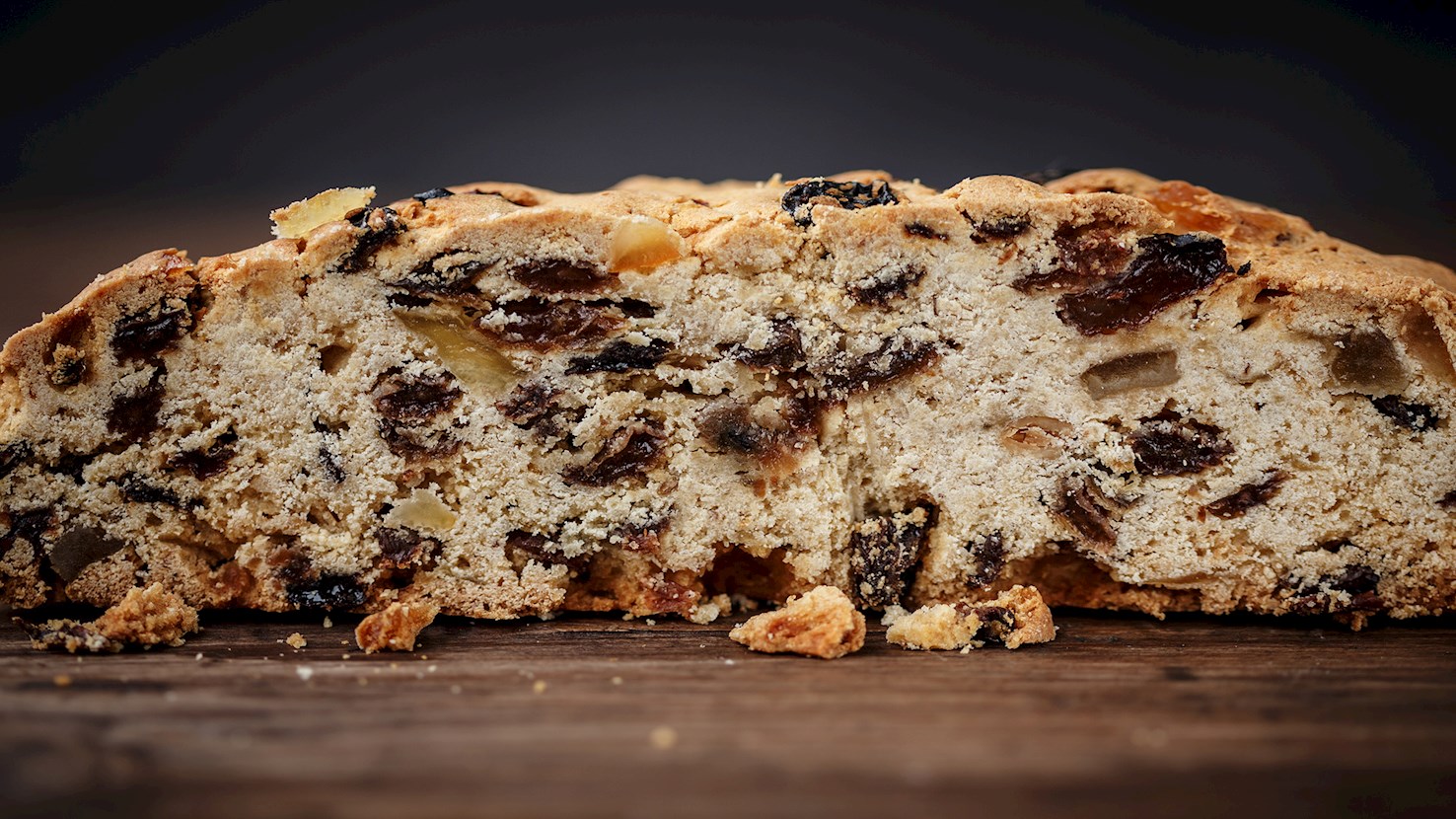
Pandolce is a sweet Italian Christmas bread from Genoa consisting of flour, sugar, butter, milk, raisins, eggs, lemon juice, and pine nuts. Its texture is both delicate and tough, dry and moist. Originally, whole families participated in the preparation of pandolce: the women made the cake, the youngest carried it to the table, and the oldest family member would slice it after everyone had kissed the cake. The first slice was always saved for the first beggar who would knock on the door. Today, it can be found in shops throughout Genoa from the 1st of December, and it is recommended to pair it with a glass of chilled prosecco.

06

Biscotti del Lagaccio

3.1 ·

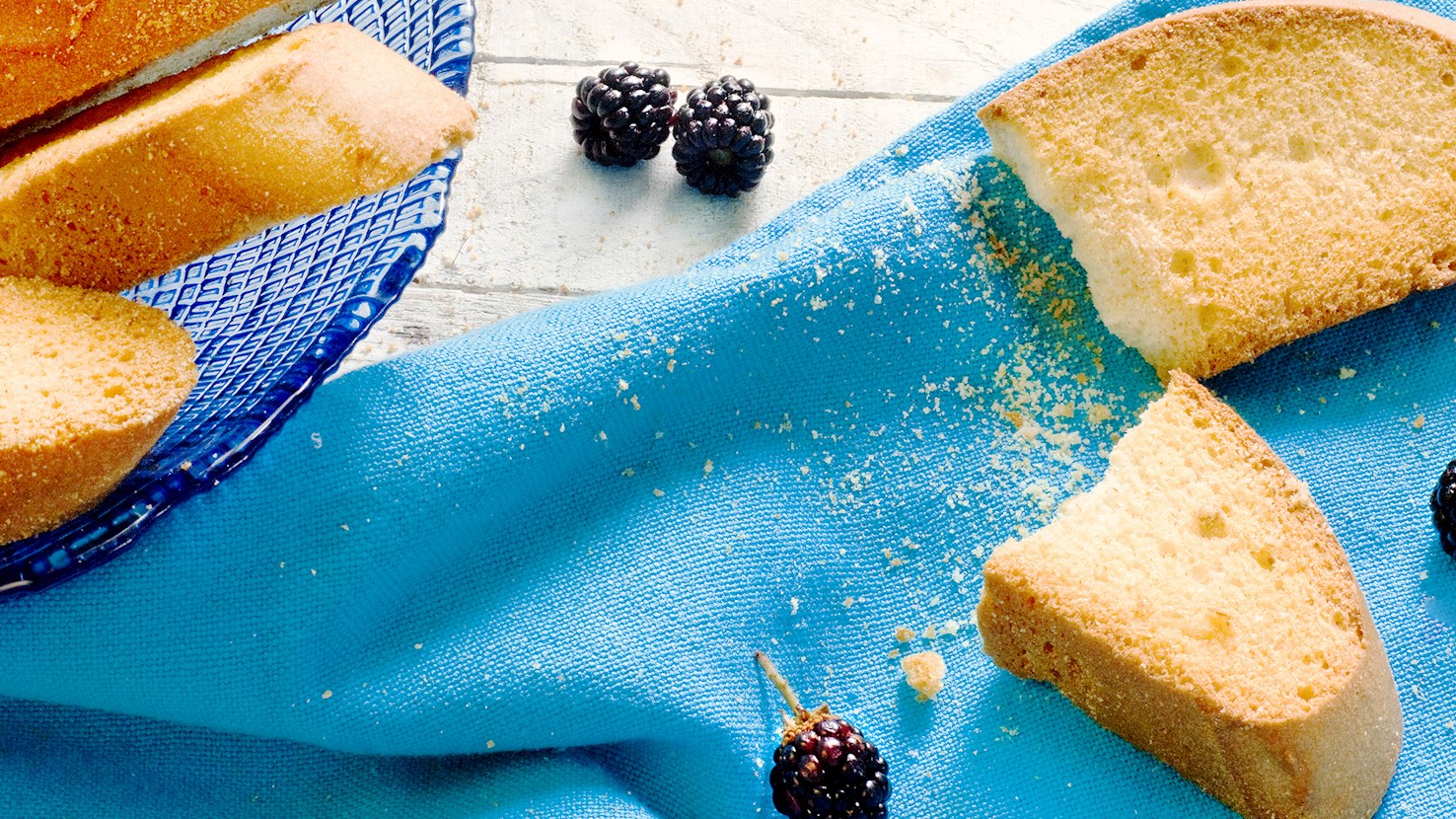
Categorized somewhere between a cookie and a rusk, biscotti del Lagaccio are named after a Genovese quarter where they were allegedly invented around 1593. In the beginning, they were simple double-baked biscuits made only with flour, butter, yeast, and sugar, but over time, the basic recipe was changed with the addition of wild fennel seeds and a few drops of anise liqueur, giving them their typical flavor. Delicately sweet, biscotti del Lagaccio make a perfect breakfast or an afternoon snack, especially if paired with a cup of caffè latte or tea.

07

Latte dolce fritto

n/a ·

Latte dolce fritto, or sweet fried milk, is a typical Ligurian snack consisting of milk turned into a custard with the addition of flour, cornstarch, and eggs. The cream is left to harden, cut into pieces, coated in breadcrumbs, and then fried in oil, resulting in little crispy cubes with a thick, creamy, custardy interior that oozes through the broken crust. Latte dolce fritto can be enjoyed both warm or cold, served on its own as a sweet treat generously dusted with powdered sugar, but it is also often combined with another local delicacy, fritto misto, a popular Genoese mixed fry-up consisting of different kinds of vegetables and pieces of meat or fish.

08

Sacripantina

n/a ·

Sacripantina is a delicious dome-shaped cake from Genoa, created by Giovanni Preti in 1851. Allegedly named after Sacripante, one of the characters in the chivalric poems of the famous Italian Renaissance poet Ludovico Ariosto, this creamy treat consists of soft layers of pan di Spagna soaked in sweet Marsala wine, covered with two different, but equally delicious creams: one flavored with zabaione, and the other one with cocoa. Sacripantina is best enjoyed well-chilled, sprinkled with extra crumbs of pan di Spagna.

09

Stroscia

n/a ·

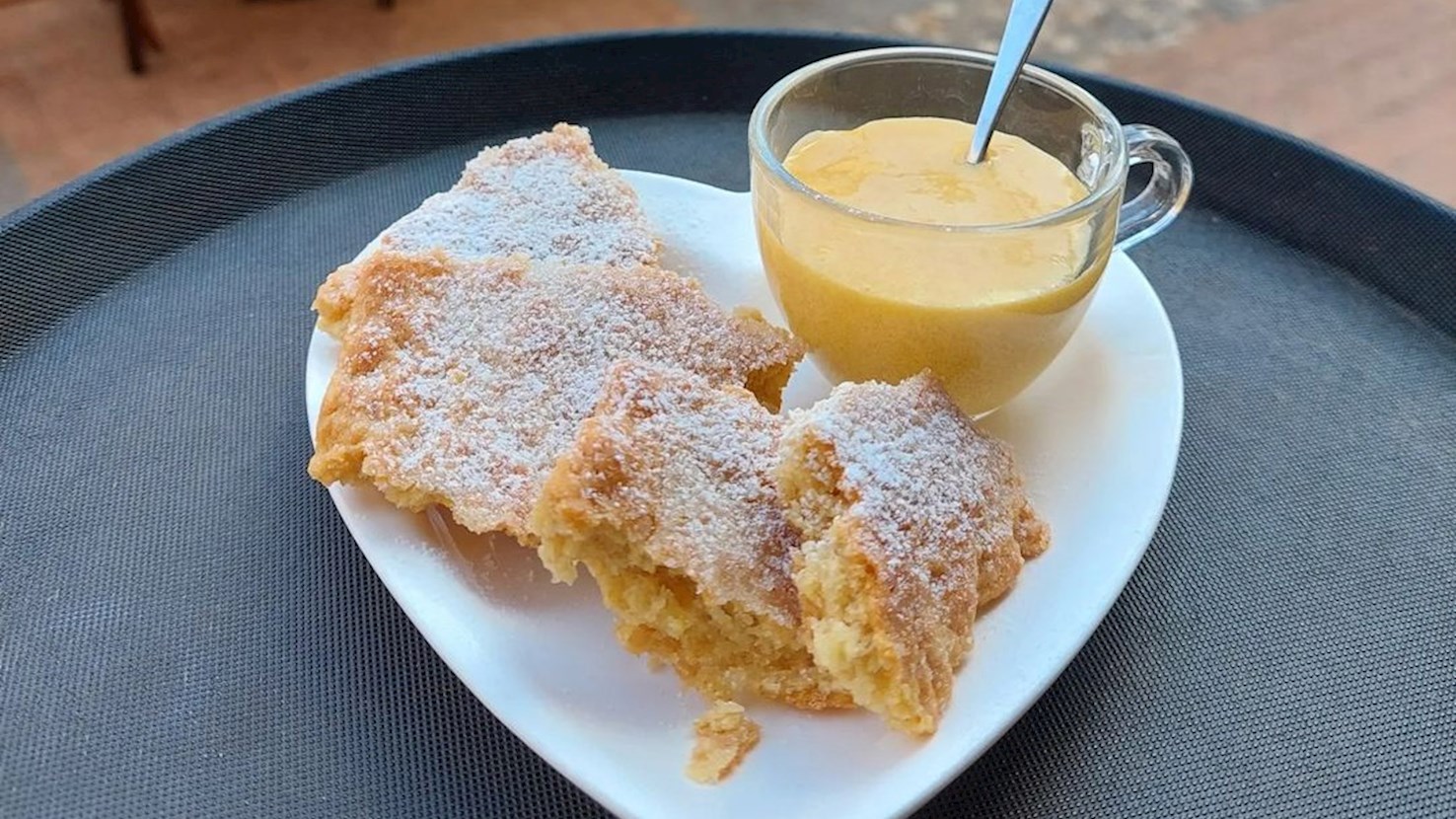
Originating from Pietrabruna, stroscia is a unique cake made with flour, high-quality olive oil, brown sugar, and Martini Bianco. The best olive oil for this cake is Ligurian, extra virgin, and made from sweet and fragrant Taggiasca olives. The ingredients are mixed until the dough becomes firm, and it is then rolled and baked until golden brown. Stroscia can be enjoyed warm or cold, and it can also be stored in airtight container for up to a week so that it doesn't lose its fragrance. In Ligurian dialect, strosciare means to break, referring to the fact that this cake is not cut but broken into pieces by hand. It's recommended to pair stroscia with a glass of sweet wine on the side.

10

Canestrelli di castagne

n/a ·

Liguria, especially the area around Montoggio, is a home to a special variety of canestrelli cookies made with chestnut flour. Once a poor man's cookie made with locally available ingredients, these buttery cookies with a distinctive flavor of chestnut and honey are nowadays one of the most famous local treats. Their preparation is taken very seriously: the dough must be kneaded by hand, left to rest for a long time, and it is then baked in wood-fired ovens.

Read more
View all
View map
About this ranking

TasteAtlas food rankings are based on the ratings of the TasteAtlas audience, with a series of mechanisms that recognize real users and that ignore bot, nationalist or local patriotic ratings, and give additional value to the ratings of users that the system recognizes as knowledgeable. For the “Top 17 Ligurian Desserts” list until May 15, 2026, 182 ratings were recorded, of which 140 were recognized by the system as legitimate. TasteAtlas Rankings should not be seen as the final global conclusion about food. Their purpose is to promote excellent local foods, instill pride in traditional dishes, and arouse curiosity about dishes you haven’t tried.

The initial list of top producers was compiled based on available reviews, awards, local recommendations, media and blog coverage, and consumer reviews. The list will be updated with ratings from TasteAtlas local ambassadors and TasteAtlas users.

Similar lists