Shutterstock

Top 17 Peruvian Desserts

Last updated on June 15, 2026

Best Peruvian Desserts
01

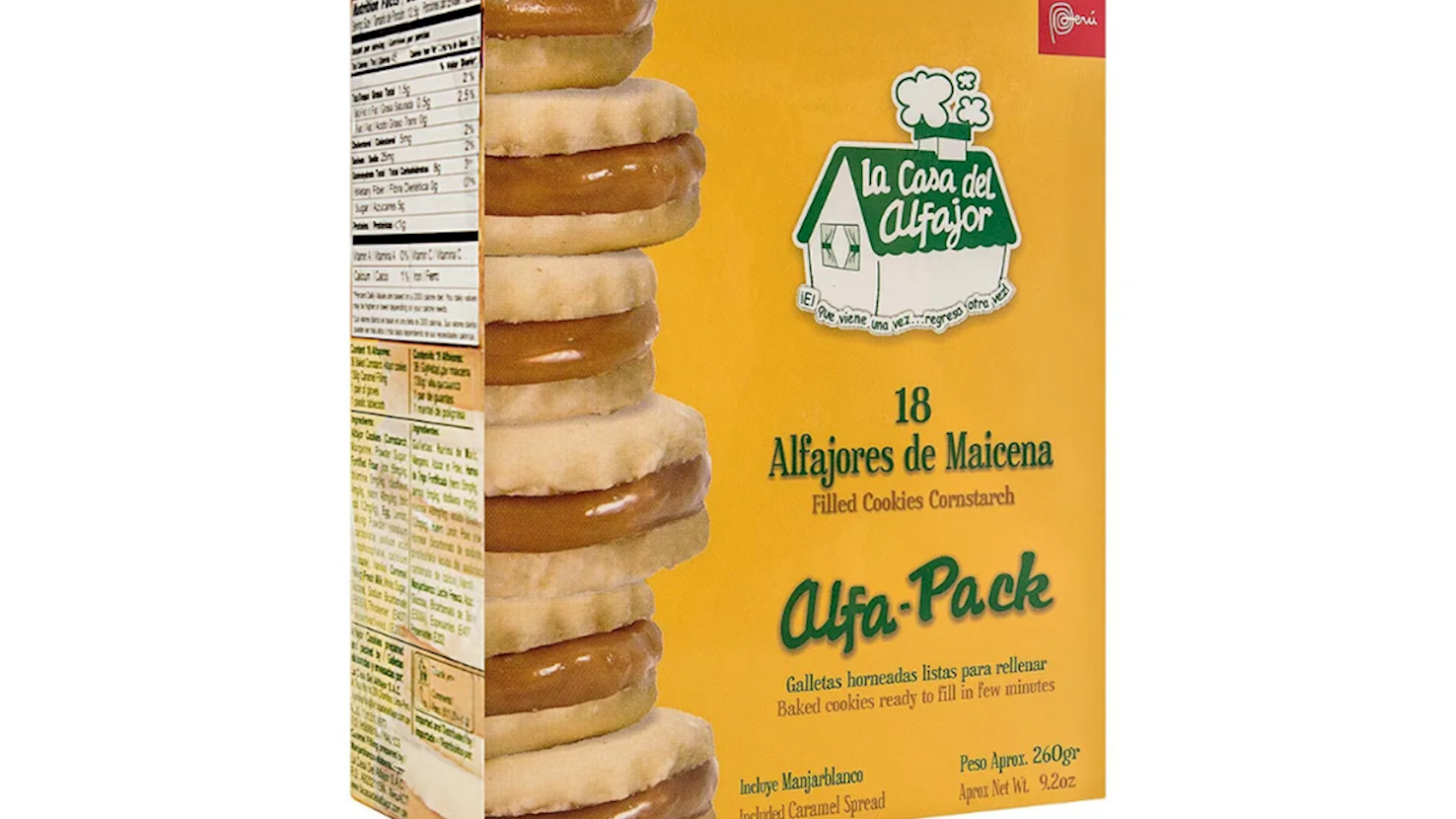
La Casa del Alfajor

4.2 ·
La Casa del Alfajor is one of the most recognizable and beloved brands in Peru, specializing in the production of alfajores and other sweets. Founded with the mission to preserve and enhance pastry traditions, La Casa del Alfajor quickly established itself as a symbol of authentic, handmade treats, with flavors deeply rooted in Peruvian culture. The brand offers a wide range of alfajores, known for their moist texture and rich flavor. While their alfajores are unique, many products, such as the popular "Alfajor de Dulce de Leche" are made according to traditional recipes passed down through generations. The combination of rich caramelized milk (dulce de leche), soft biscuit layers, and various coatings creates the perfect balance of sweetness and texture in every alfajor. The brand is known for its high-quality ingredients and handmade production, ensuring that each product is delicious and authentic. Their stores across Peru, including popular locations in Lima, allow sweet lovers to indulge in unique flavors that combine tradition and innovation.

Best Peruvian Desserts

01

Cremolada

4.3 ·

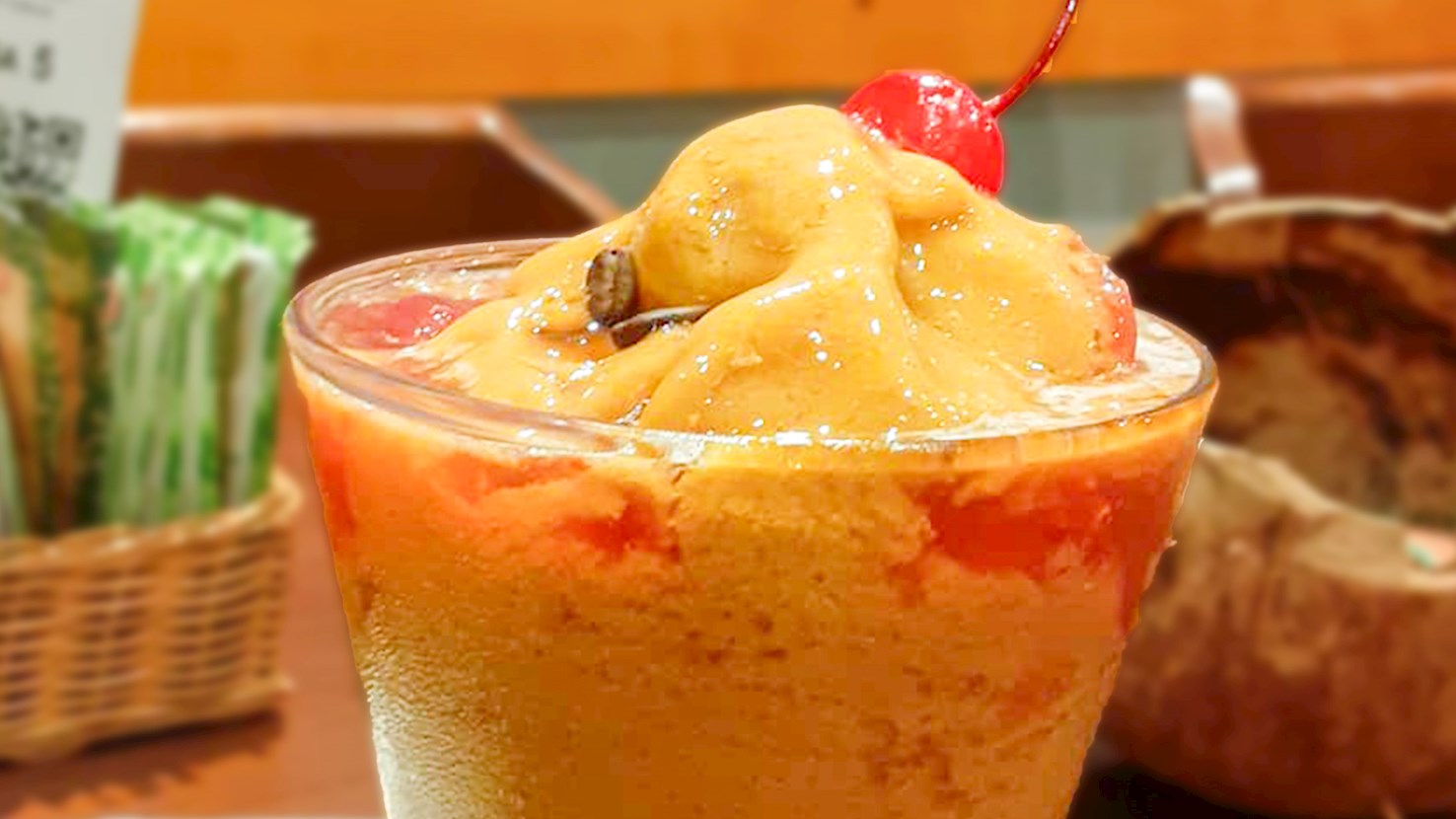
Cremolada is a popular frozen dessert from Peru, often described as a cross between a smoothie and shaved ice. It's made by blending fresh fruit pulp with sugar and water, then freezing the mixture. Sometimes, a bit of lime or lemon juice might be added to enhance the fruit's natural flavors. Once it's frozen, the cremolada is scraped or shaved into a granulated texture, similar to a granita or a slushie. Cremolada is typically served in cups or glasses and is consumed with a spoon or a straw. It's especially popular in the hot months as a refreshing treat.

02

Turrón de Doña Pepa

4.3 ·

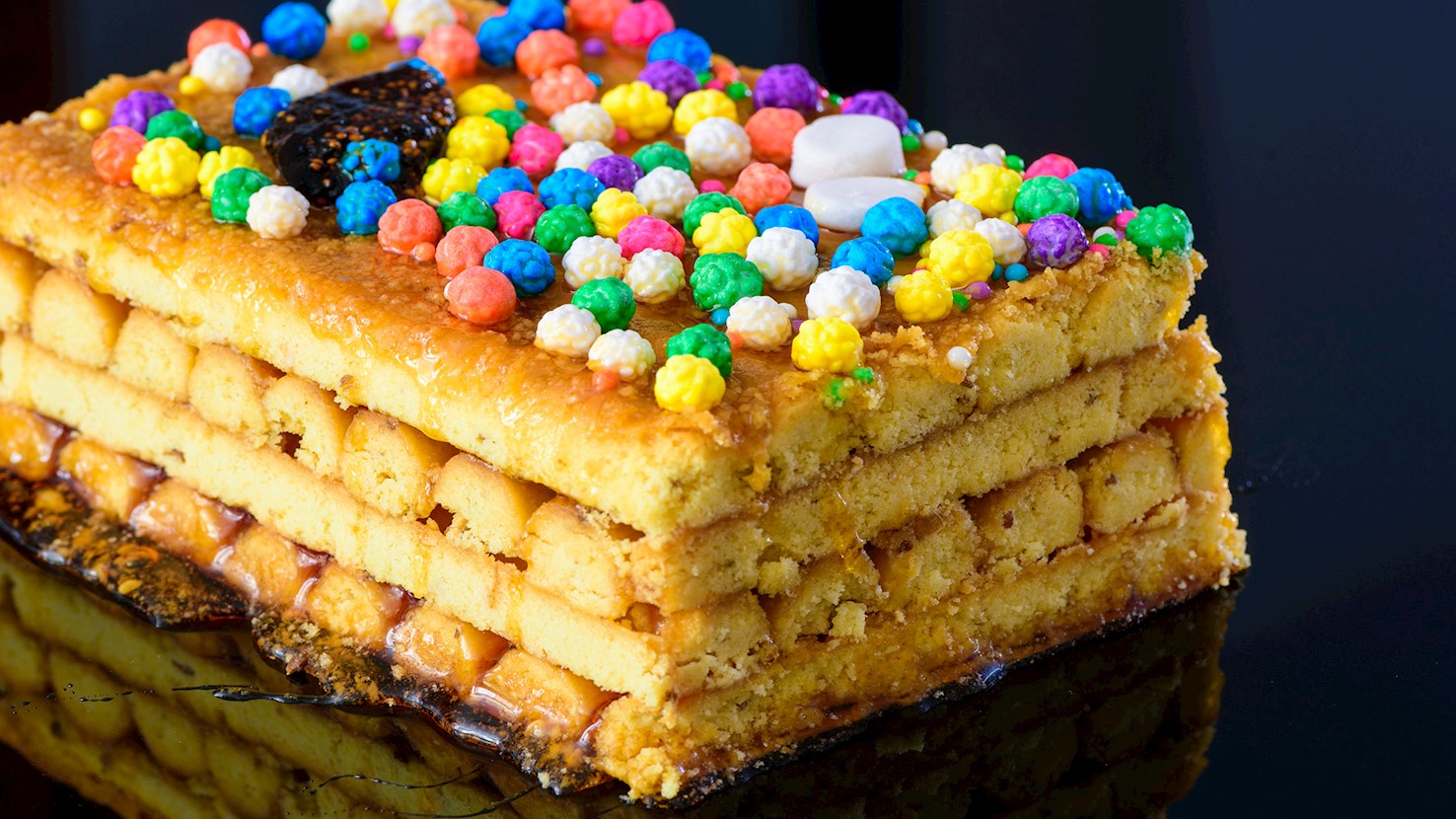
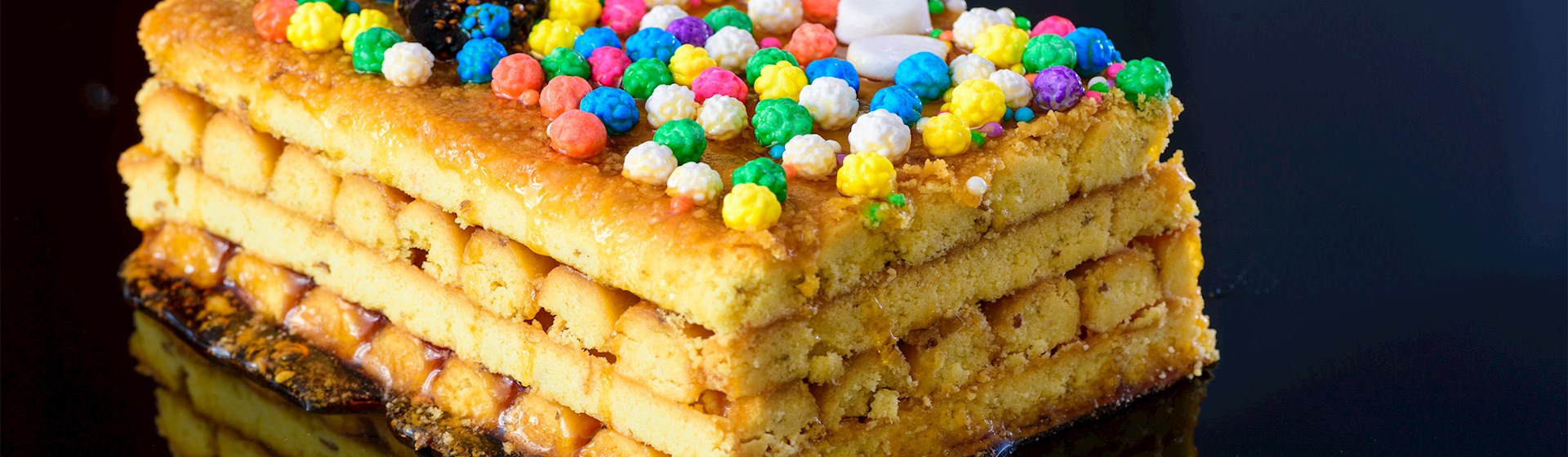
Turrón de Doña Pepa is a traditional dessert that is prepared and consumed in October, or, as it’s called in Peru, el mes morada, meaning the purple month. This layered nougat is drizzled with chancaca, then topped with a variety of colorful sprinkles and candies, resulting in a psychedelic concoction with a striking visual appearance, made with a combination of anise seeds, flour, sugar, butter, eggs, and flavorings such as vanilla, lime juice, orange zest, cinnamon, cloves, and allspice. It is believed that this dessert was invented by Josefa Maraminillo, a woman from the Cañete Valley who was paralyzed before she went to Lima to pray to El Señor de los Milagros during the religious procession held in the center of the city. Shortly after that, she felt no pain in her limbs, and as a sign of respect, she created this dessert and could be seen each October in Lima with her turrón. Years later, she was nicknamed Doña Pepa and nowadays, during the El Senor de Milagros procession, free samples of this festive turrón are regularly dealt out near the main church.

03

Queso helado

4.2 ·

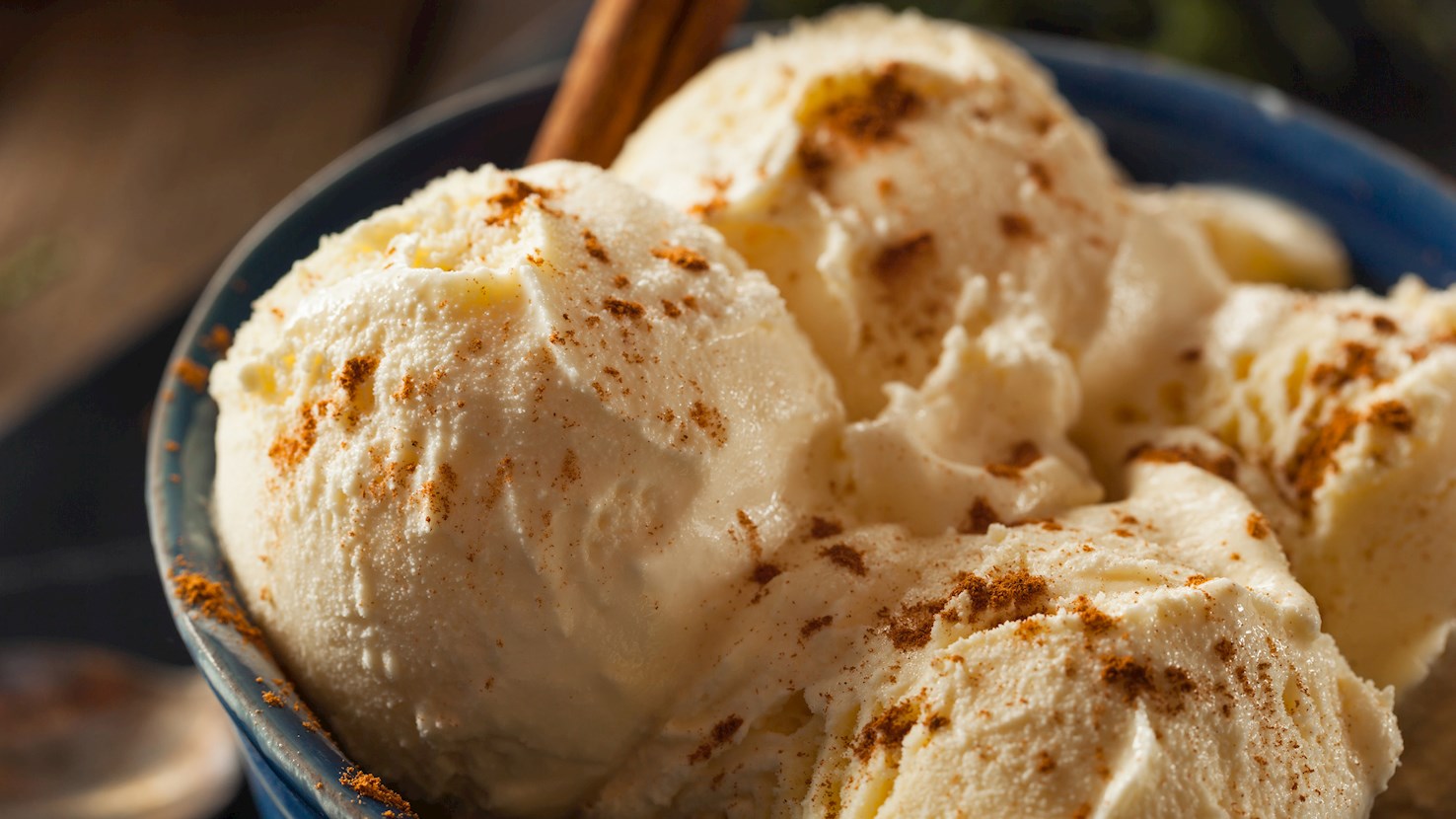
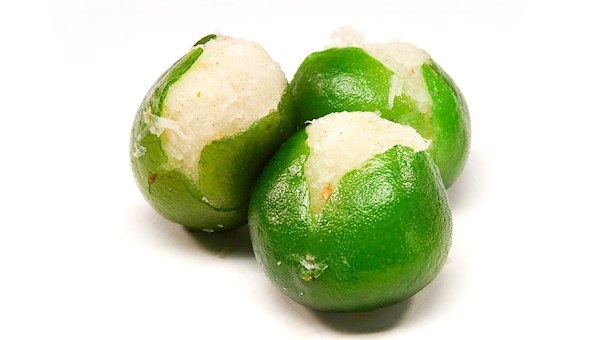
Queso helado is a Peruvian dessert that's very similar to ice cream, and it originates from Arequipa. It's usually made with a combination of whole milk, evaporated milk, cinnamon, cloves, desiccated coconut, sugar, and egg yolks. Both types of milk are simmered with cinnamon, cloves, coconut, and sugar. The pan is taken off the heat, the egg yolks are added to the pan one by one, and it's then returned to the heat and simmered for a few minutes. The mixture is strained in order to remove the spices, and it's then placed in the freezer until frozen. After a few hours, queso helado is served in bowls, dusted with cinnamon. It is believed that the first queso helado was made at the Arequipa convent of Santa Catalina as an ice cream substitute.

04

Suspiro de limeña

4.2 ·

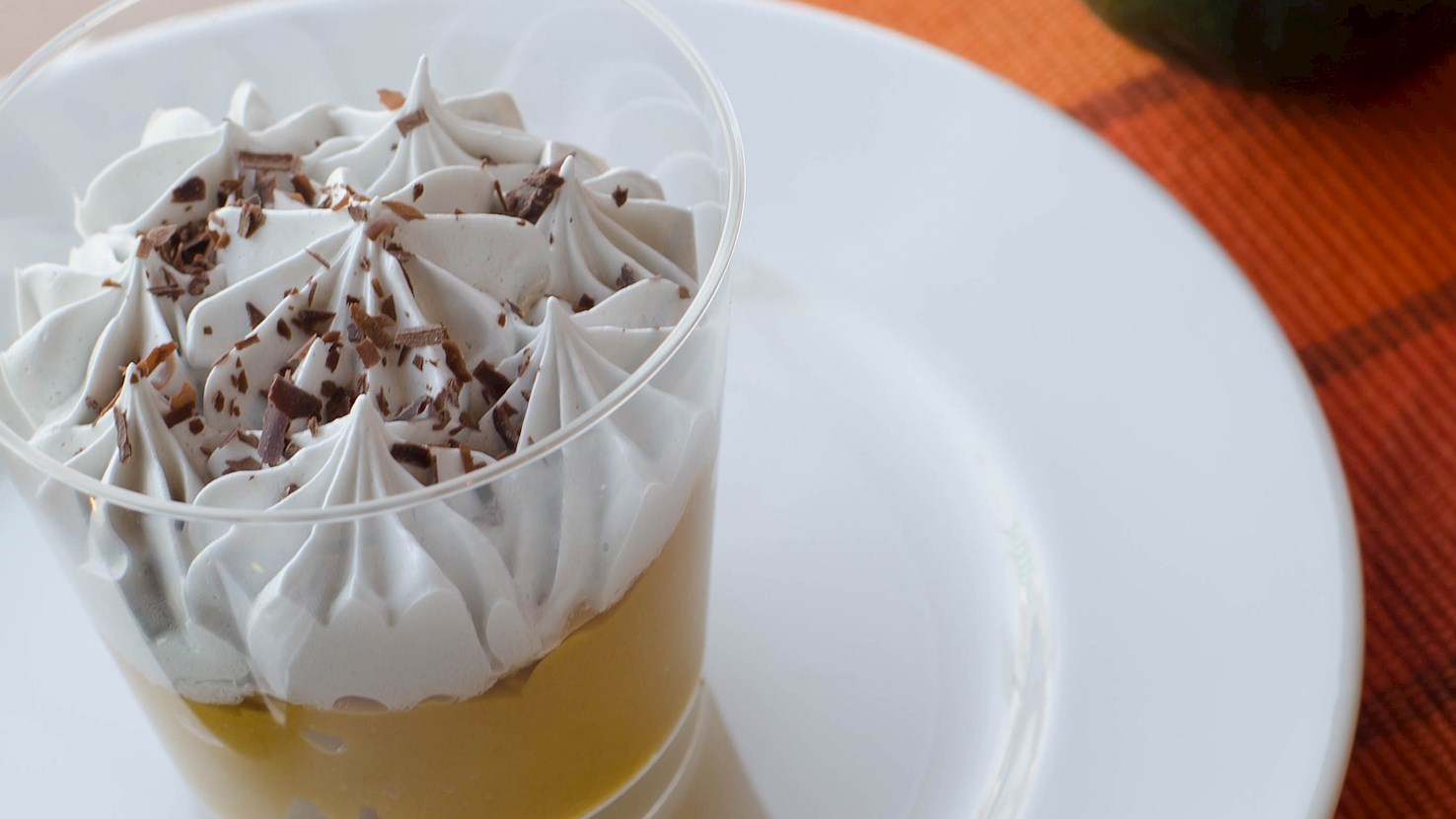
Suspiro de limeña is a traditional dessert originating in Lima, consisting of two main components: manjar blanco caramel cream, and fluffy meringue. The manjar blanco component consists of milk, sugar, egg yolks, and vanilla, while the meringue is made with egg whites enriched with pisco or port wine and dusted with cinnamon. The dessert is usually layered in individual bowls or glasses where manjar blanco goes on the bottom, and the meringue goes on top. It can be served either well-chilled or at room temperature. Suspiro was invented by the wife of a poet named Jose Galvez, while the poet himself gave it a name, which translates to Lima lady's sigh.

05

Picarones

4.2 ·

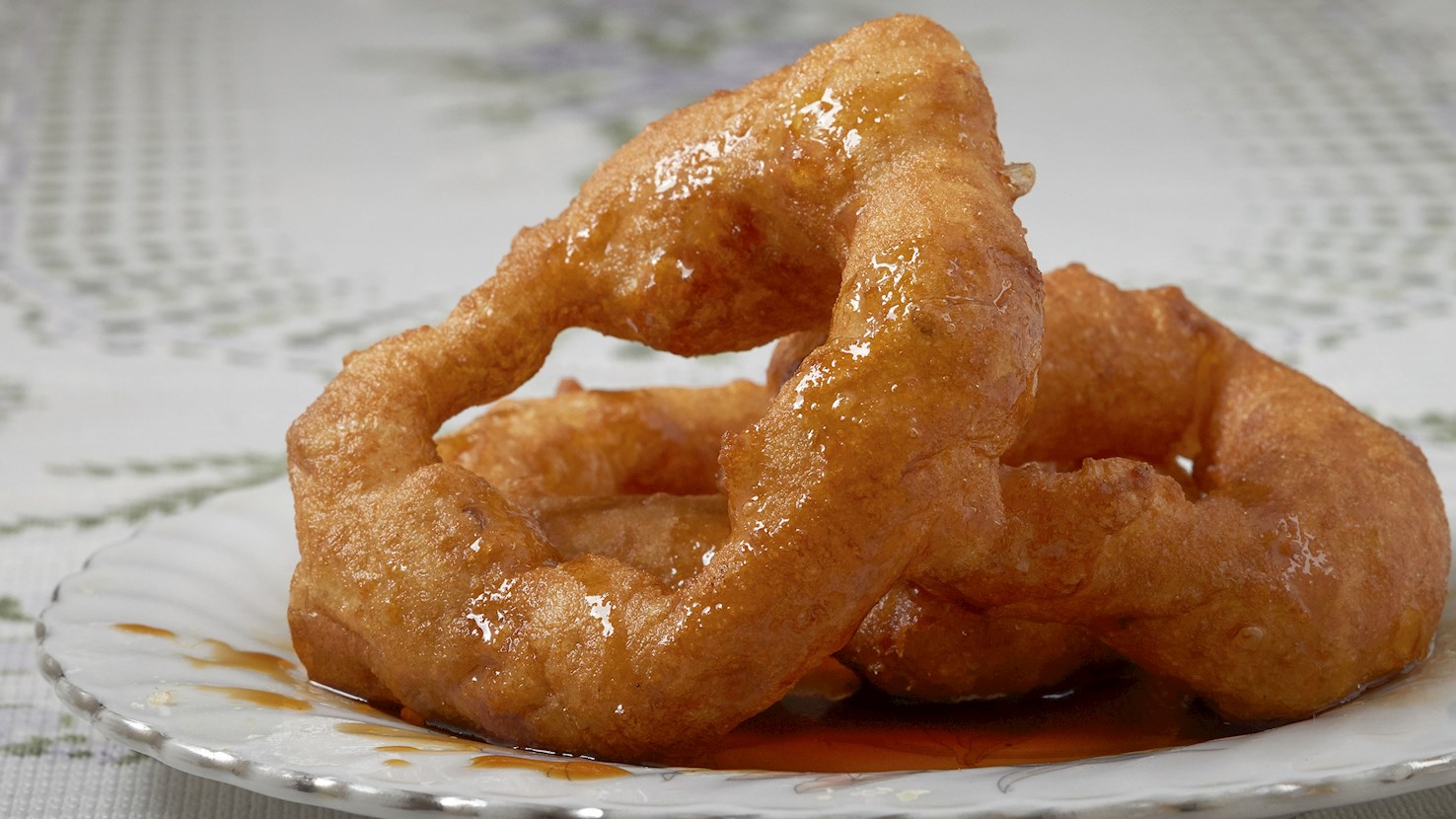
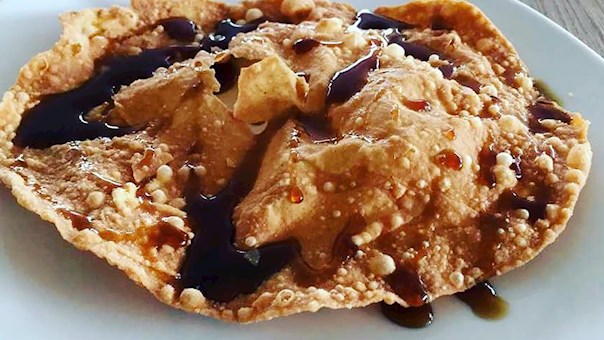
Picarones are a staple of Peruvian street food, the tasty, deep-fried treats that are also often referred to as the "Peruvian doughnuts". The dough is shaped into a ring and fried in hot oil, and picarones are then drizzled with a sweet cane syrup. It is believed that they were first prepared during the Spanish Viceroyalty in Lima and they were probably based on the Spanish buñuelos. The recipe was adapted by the locals who added sweet potatoes and squash to the dough, and a new dish was created. Picarones were later popularized by the nuns of Saint Claire's convent, and today they are especially popular during the religious festivities in October.

06

Crema volteada

4.1 ·

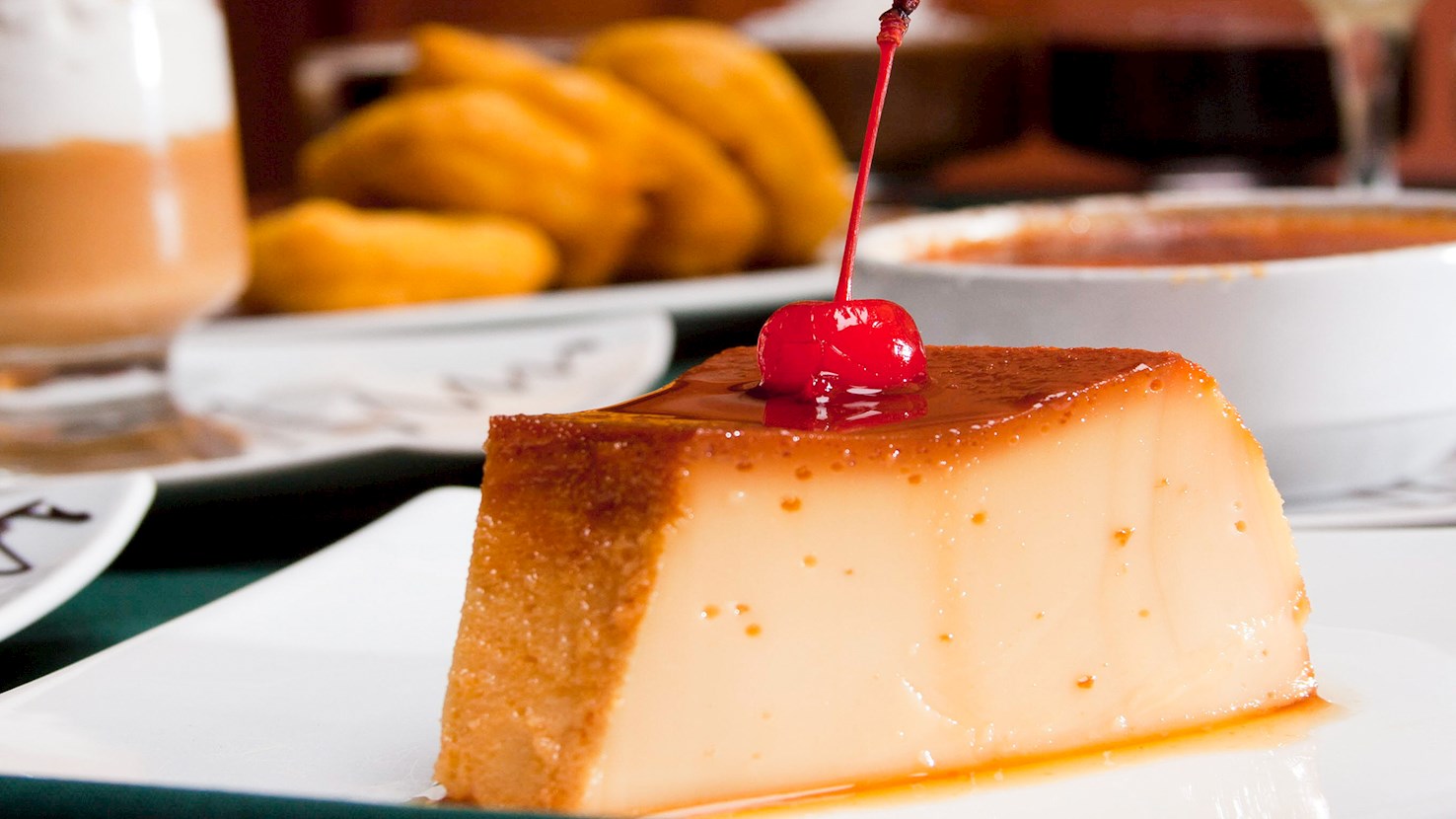
Crema volteada (lit. upside-down cream) is the Peruvian version of the Spanish flan and the French crème caramel, prepared with sugar, condensed milk, evaporated milk, vanilla essence, and eggs. The vanilla-flavored custard made with milk and eggs is covered in caramel sauce, making the dessert sweet and rich. This dessert is beloved throughout the country, and it can be served cold or at room temperature.

07

Mazamorra morada

4.1 ·

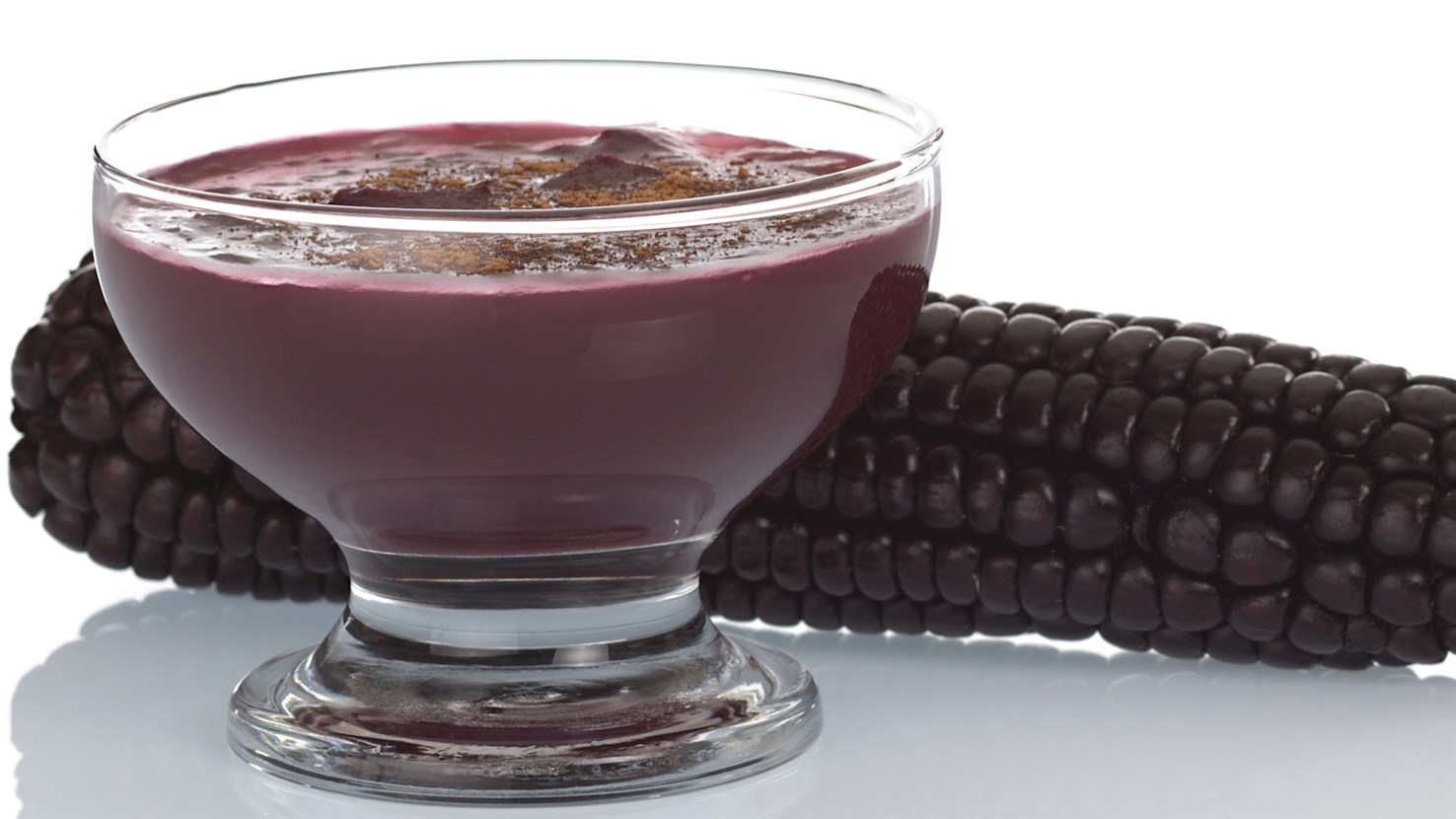
Mazamorra morada is a well-known Peruvian dessert made with purple corn as the key ingredient, giving the dessert its signature color and flavor. Besides purple corn, the pudding is made with various fruits such as apples, peaches, and pineapple, sugar, and either potato flour or corn starch as thickening agents. The dessert is traditionally spiced with cloves and cinnamon, and it is usually served cold. In Peru, it can be found at street food carts, but also in upscale restaurants.

Best restaurants
08

Arroz zambito

4.1 ·

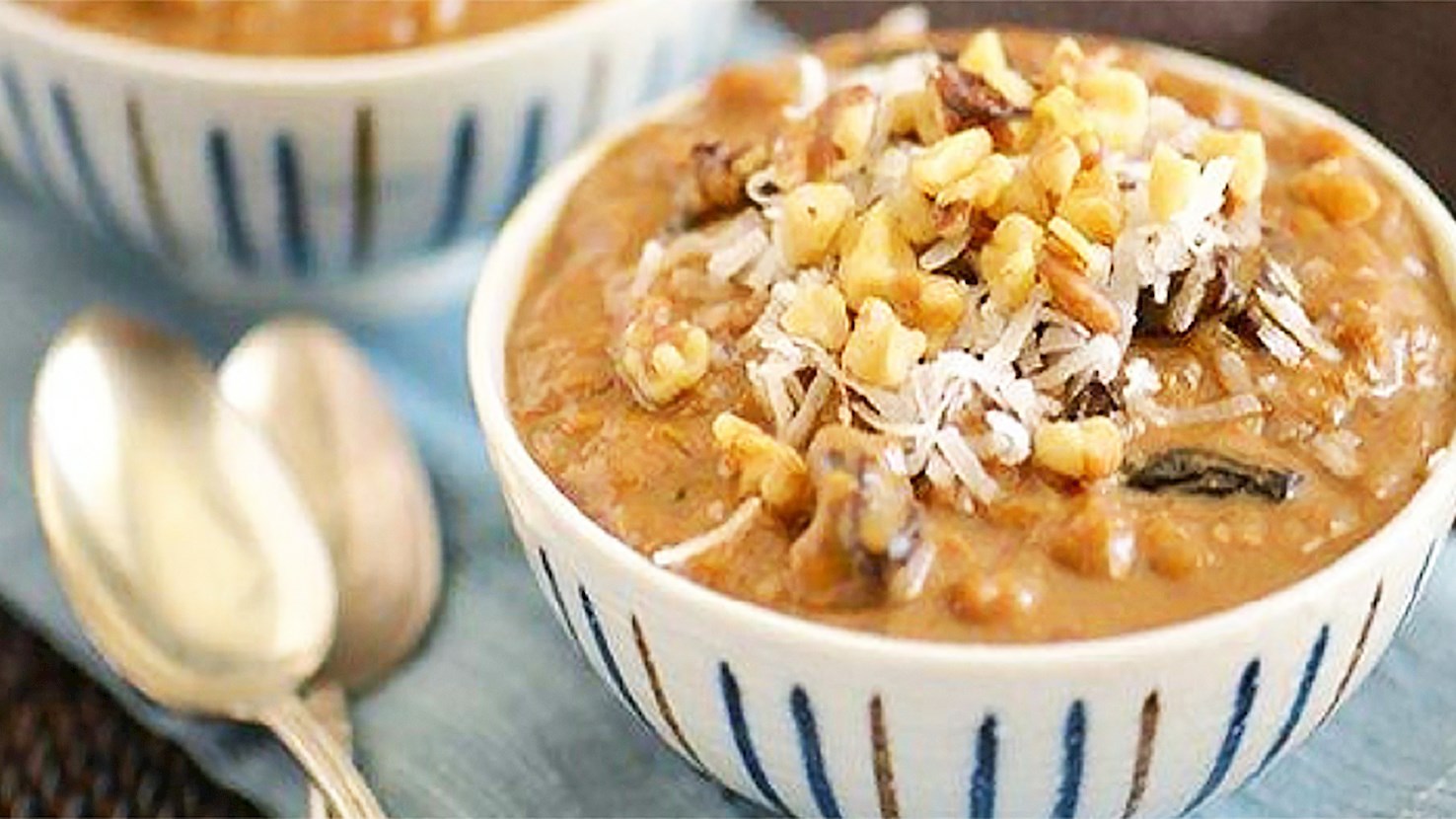
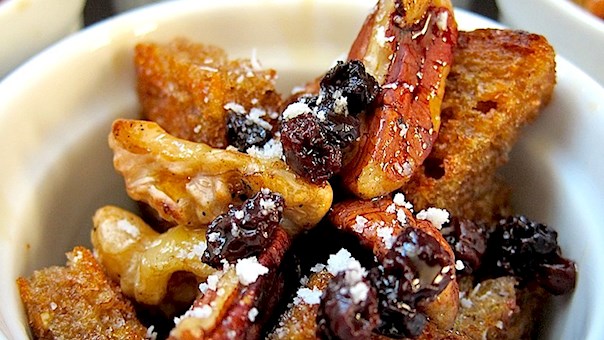
Arroz zambito is a Peruvian take on rice pudding. It is traditionally sweetened with unrefined sugar and flavored with raisins, aniseed, and coconut. This dessert is said to have originated in the 1800s, and it was originally made with water, but over time, cooks started to add milk to give arroz zambito a creamier texture. In Peru, arroz zambito is often consumed after anticuchos – popular and inexpensive meat dishes. It is recommended to garnish arroz zambito with toasted pecans, then serve it at room temperature.

09

Humitas dulces

3.9 ·

Humitas dulces is a traditional dessert originating from Peru. It's usually made with a combination of corn, evaporated milk, sugar, butter, raisins, cinnamon, salt, and corn husks. The mixture is cooked until it becomes slightly shiny and thick. Once cooled, the mass is placed into corn husks, tied, then steamed over low heat for about one hour. After the steaming process, the humitas dulces are taken out of the corn husks and enjoyed as a dessert, but they can also be served for breakfast as a tasty accompaniment.

10

Frejol colado (Black bean pudding)

3.9 ·

Frejol colado is a traditional Afro-Peruvian dessert consisting of black beans, sugar, milk, and spices. The beans are skinned, mashed into a purée, then cooked with sugar, milk, and spices such as cloves, sesame seeds, and anise seeds until the dish develops a thick texture. Before serving, frejol colado is usually garnished with toasted sesame seeds. The dessert was first prepared over 400 years ago, and it is believed that it originates from Chincha and Cañete. Nowadays, it's traditionally prepared for Easter, though it can be consumed at any time of the year.

Read more
View all
View map
About this ranking

TasteAtlas food rankings are based on the ratings of the TasteAtlas audience, with a series of mechanisms that recognize real users and that ignore bot, nationalist or local patriotic ratings, and give additional value to the ratings of users that the system recognizes as knowledgeable. For the “Top 17 Peruvian Desserts” list until June 15, 2026, 2,086 ratings were recorded, of which 513 were recognized by the system as legitimate. TasteAtlas Rankings should not be seen as the final global conclusion about food. Their purpose is to promote excellent local foods, instill pride in traditional dishes, and arouse curiosity about dishes you haven’t tried.

The initial list of top producers was compiled based on available reviews, awards, local recommendations, media and blog coverage, and consumer reviews. The list will be updated with ratings from TasteAtlas local ambassadors and TasteAtlas users.

Similar lists