


shutterstock

Top 29 Peruvian Beverages

Last updated on August 05, 2026

Best Peruvian Beverage Types

01

Pisco Sour

4.4 ·

Pisco Sour is a Peruvian cocktail made with a combination of Pisco brandy, lime juice, sugar syrup, and egg whites. The ingredients are shaken with ice and then strained into an old-fashioned glass. The cocktail is traditionally garnished with Amargo Chancho bitters, but Angostura bitters are widely used today. The first Pisco Sour was made in the early 1920s in Lima by an American bartender Victor Vaughn Morris. Today, there is still an ongoing debate about Pisco Sour’s origin, with Peru and Chile both claiming that their nation is the home of the first Pisco. The Chilean version of the cocktail is made with powdered sugar instead of sugar syrup, and their Pisco is typically aged, unlike the Peruvian version. Regardless of the origin, both countries have a national Pisco Sour Day and celebrate it as their specialty beverage.

02

Chilcano

4.3 ·

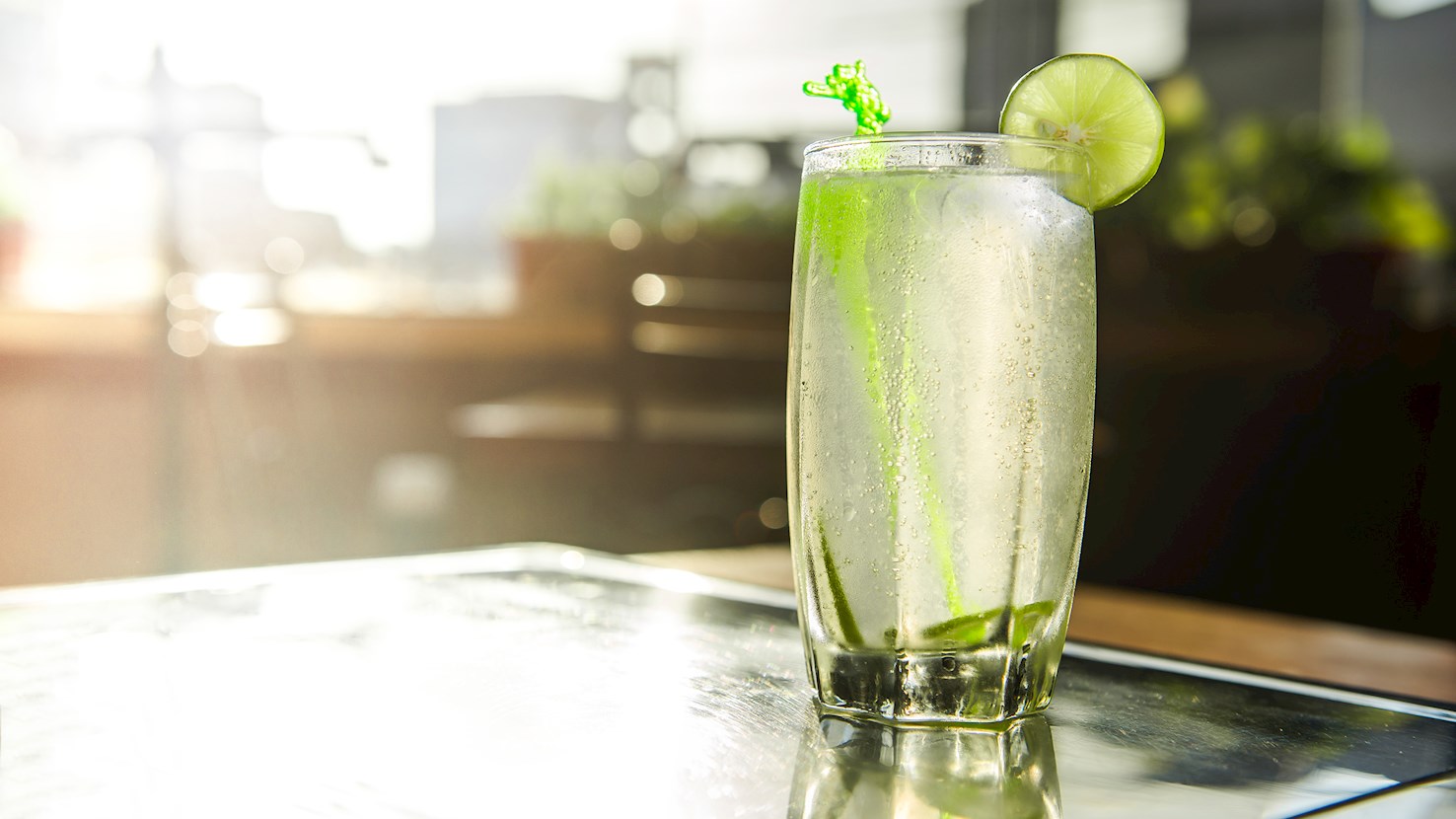
Chilcano is a Peruvian cocktail made with a combination of pisco, lime juice, and ginger ale. The simple cocktail is prepared by combining the ingredients in a highball glass over ice, then stirring the combination. If desired, the cocktail can be additionally enriched by adding a few drops of bitters and it is recommended to garnish it with a lime twist. Regarding the origins of this refreshing cocktail, it is believed that the drink started to be called chilcano, which is the name of a local fish head soup, because both the drink and the soup were great hangover cures.

03

Chicha Sour

4.3 ·

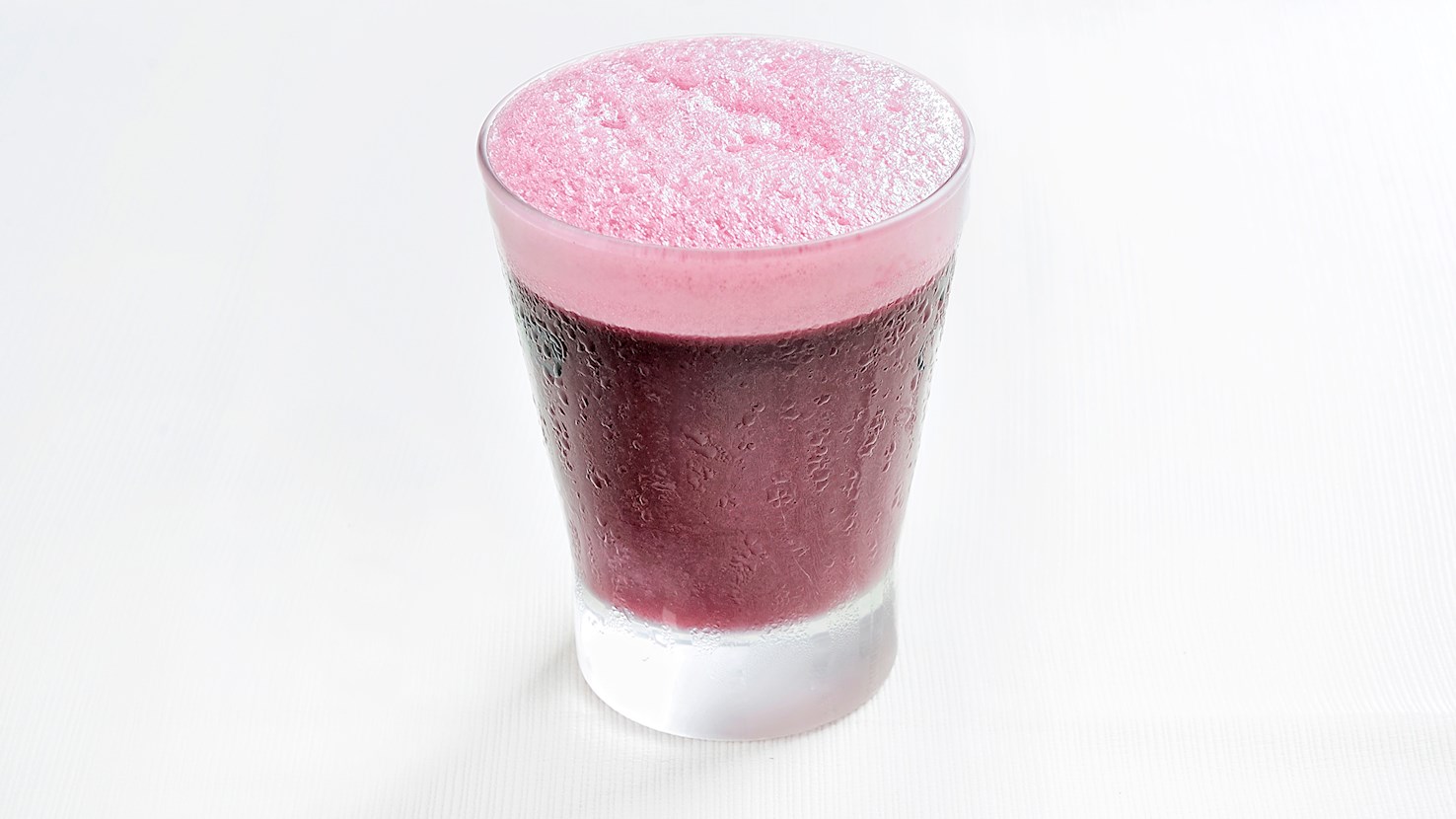
Chicha Sour is a Peruvian cocktail made with a combination of pisco, lemon or lime juice, simple syrup, egg whites, and chicha morada – a traditional beverage made from purple corn. In order to prepare the cocktail, all ingredients should be shaken without ice in order to create a foamy mix. Ice is then added to the combination, and the whole thing is shaken once again. It is recommended to serve chicha sour in a coupe glass and garnish it with mint.

04

Chicha morada

4.2 ·

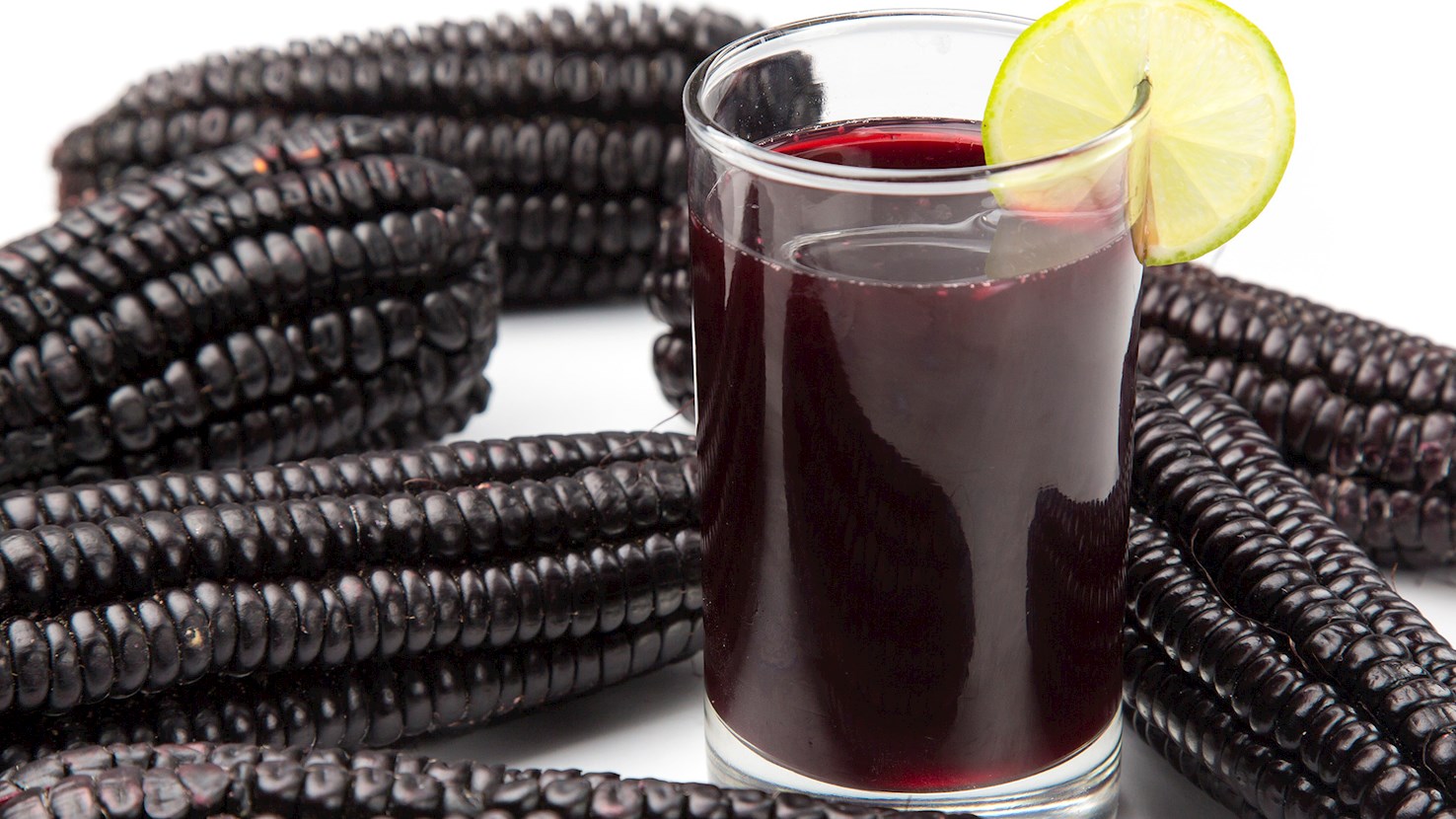
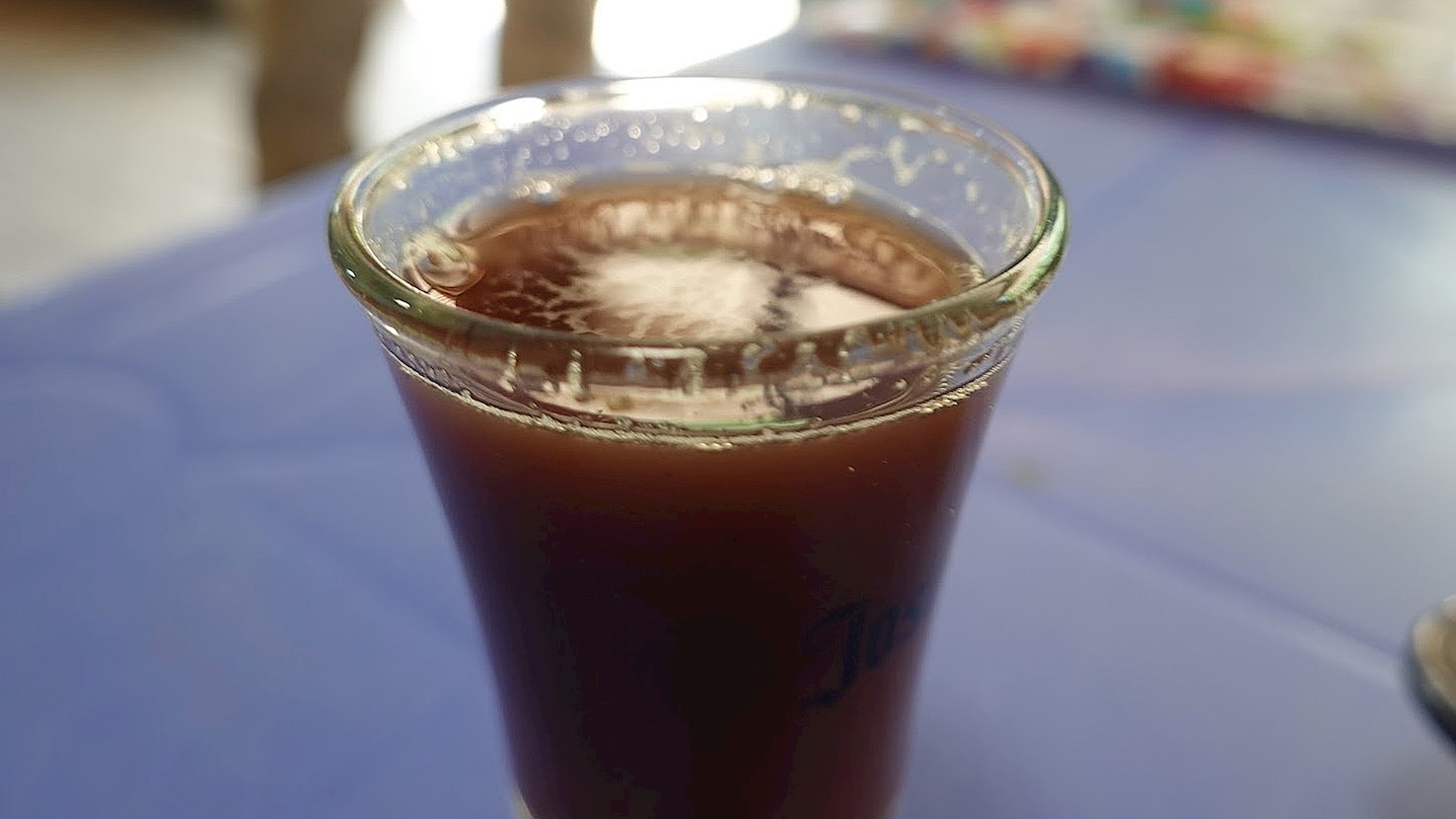
Chicha Morada is a non-alcoholic drink originating from Peru whose use and consumption dates back to the era before the creation of the Inca empire. It is traditionally made by boiling purple corn and pineapple rinds in water, and once all the juices have gotten into the water, the combination is left to cool down. Sugar, cinnamon, and cloves can be added later for extra flavor. This simple drink can be found in street markets as well as in upscale restaurants and home kitchens throughout Peru and Bolivia.

05

Chicha de jora

4.1 ·

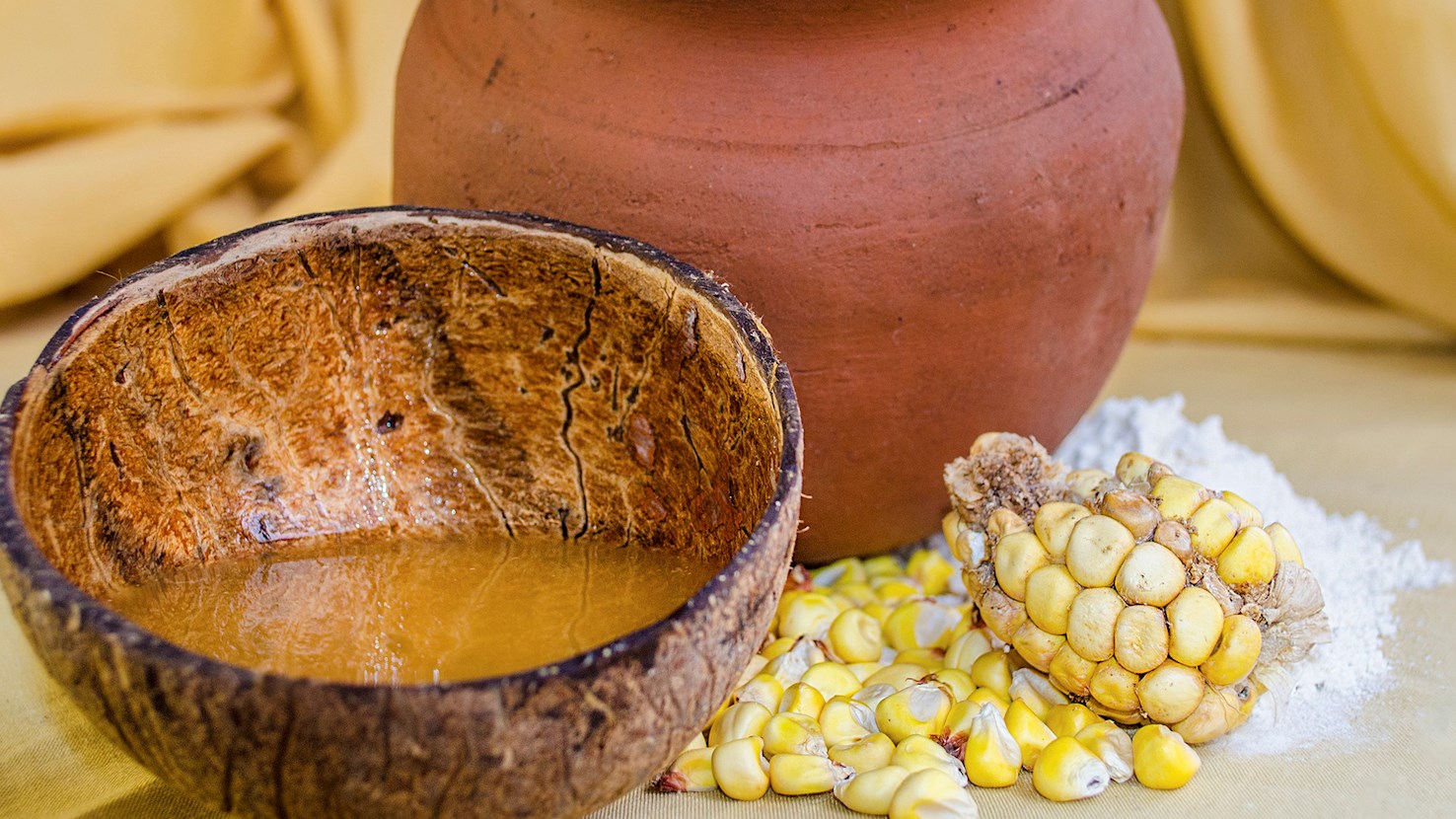
Chicha de jora is an ancient Peruvian alcoholic drink that is made from fermented jora—a type of yellow maize. The discovery of pottery mills near Machu Picchu suggests that the Incas have made chicha de jora, and it is belived that it was mostly likely enjoyed and used as a ritual drink. The drink is produced by germinating maize and extracting the malt sugars. The wort is then left to ferment, traditionally in large earthenware pots. Depending on the length of fermentation, chicha de jora can vary in flavor, but it is usually pale yellow and murky with a subtly sour aftertaste. It has a fairly low alcohol content, typically 1-3% ABV. The drink is still produced in Peru, mainly in the south of the country, and it is usually found in chicherias—informal establishments that have a small flag at the door as the sign that they sell chicha de jora.

06

Pisco

4.0 ·

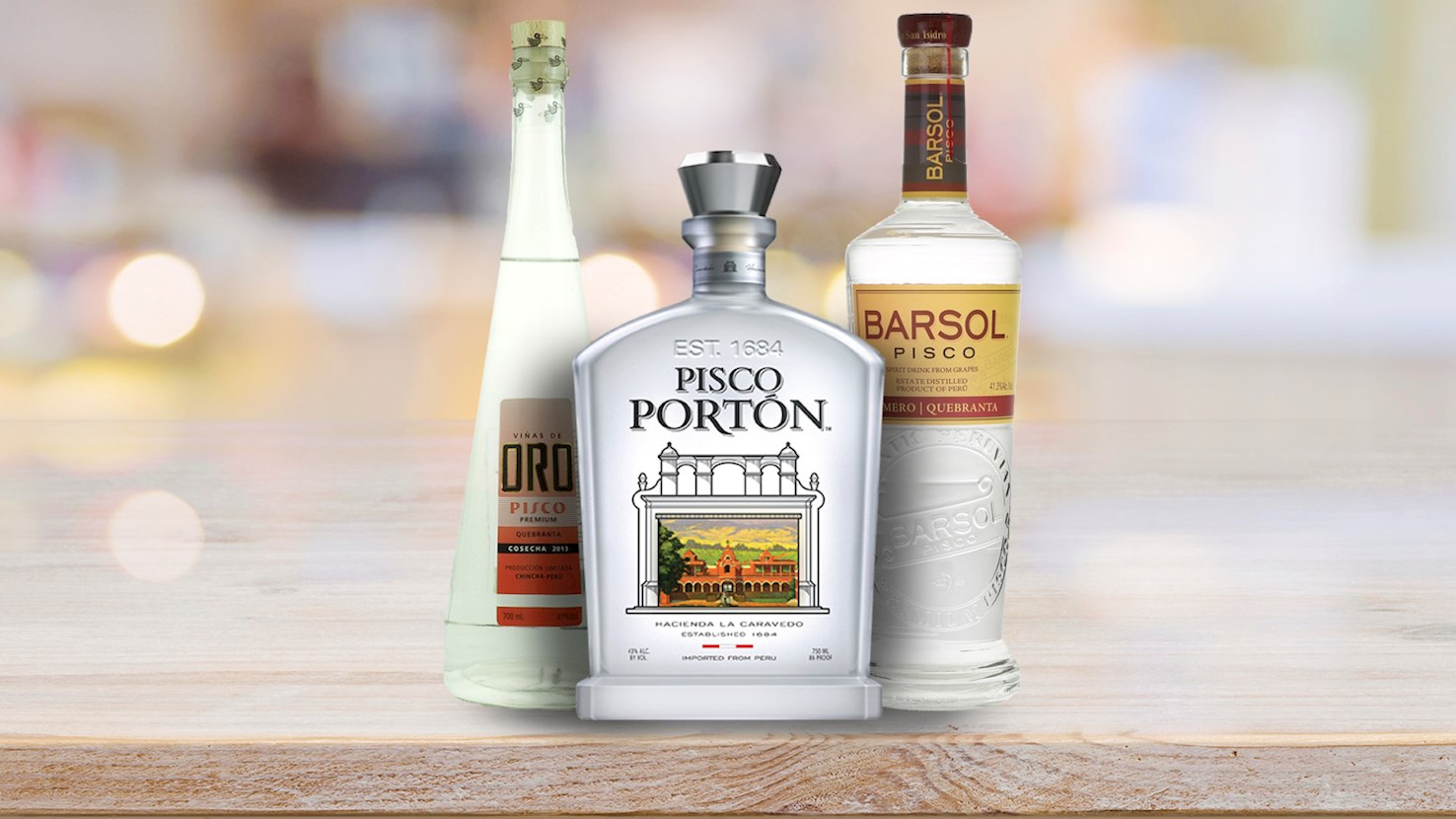
Pisco is a brandy that is distilled from the fermented grape juice. It was invented in the 16th century as a replacement for orujo—an ancient Spanish pomace brandy. Although it is also produced in Chile, Peruvian pisco results in a slightly different drink due to different terroir, grapes, and techniques used in its production. In Peru, pisco can be made with eight, mostly native grape varieties. It is distilled only once to preserve its dominant flavors while diluting and oak-aging is strictly forbidden. The drink is typically strong with dominant earthy and herbal flavors, but the character can slightly differ depending on the choice of grapes. Pisco can be enjoyed neat, but it is often used in cocktails and mixed drinks, out of which the best known is the classic Pisco Sour. For centuries, both Chile and Peru have claimed to be the birthplace of pisco. Peruvians argue that the name and the drink hail from a port town named Pisco—a claim which was also officially supported by the European Commission when Peruvian pisco was given geographical indication in 2013. Etymological evidence also suggests Peruvian root—it is believed that the name pisco stems from Quechuan pisqu, which translates as little bird. Despite the protection trademark, the Commission does not prohibit Chile to market and sell their drink under the same name. Interestingly, Chile is the leading producer of pisco in the world, and the biggest importer of Peruvian pisco.

07

Siete Raíces

4.0 ·

Siete Raíces, also known as Seven Roots, is a herbal formula widely sold in markets and healths stores of Peru. It is believed that it can be used to increase energy and stamina and reduce fatigue, but it also acts an aphrodisiac by stimulating the center of the brain that controls pleasure. The formula is high in vitamins provided by the natural ingredients it is made from.

08

Canelazo

3.8 ·

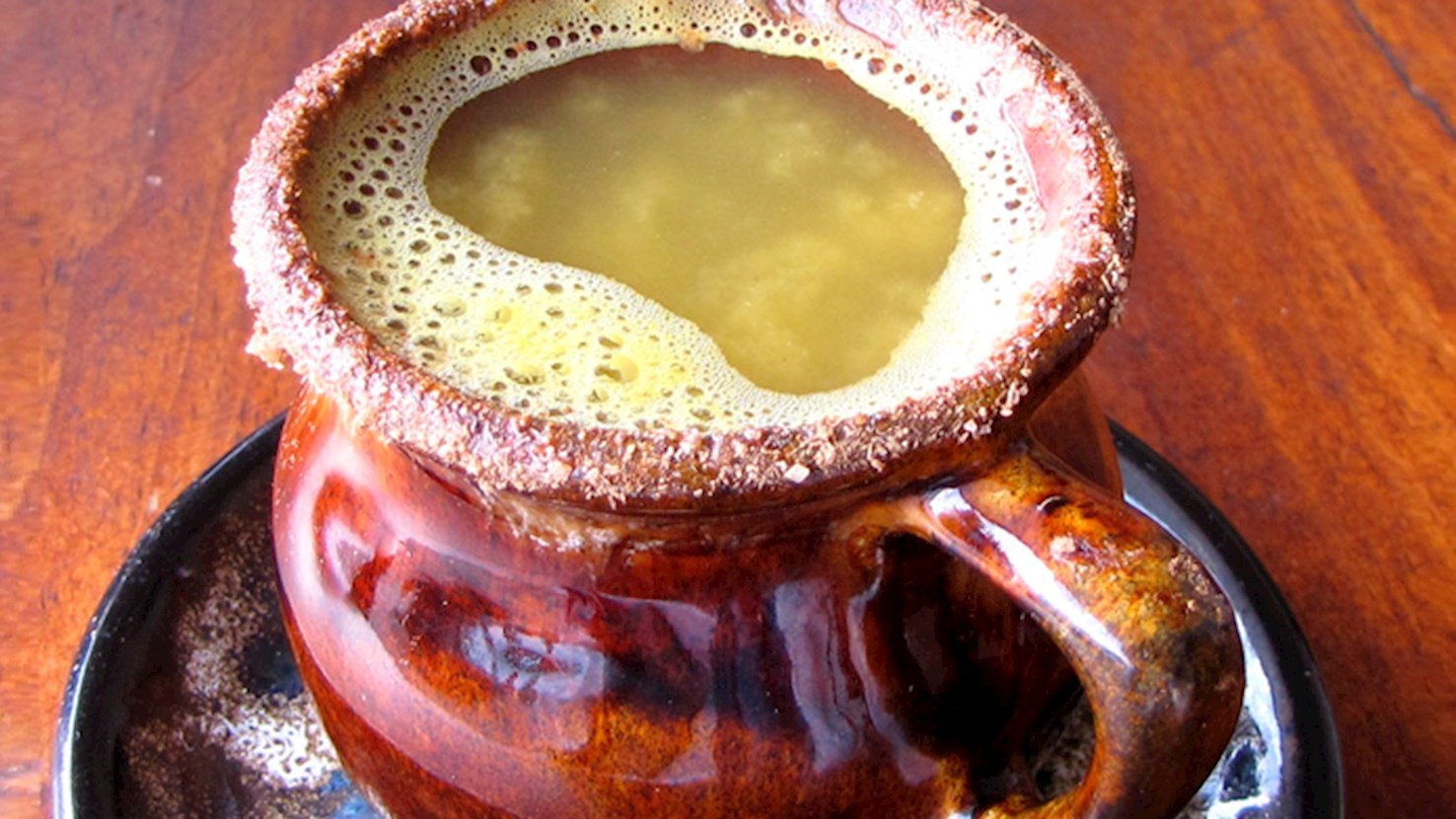
Canelazo is a spiced beverage that is enjoyed in various parts of Peru, Ecuador, Colombia, and Argentina. Although there are different versions of the drink, it is usually made with a combination of cinnamon water (hot water infused with cinnamon sticks) and sugar or unrefined cane sugar (panela). The combination is then usually improved with a splash of South American aguardiente—a clear and potent spirit usually made from sugar cane. Common additions include fruit juices, other spices, while aguardiente is occasionally swapped with rum or the alcohol can be completely omitted. The drink is usually associated with Ecuador, and it is mostly enjoyed as warm winter drink.

09

Ponche de maca (Maca punch)

3.8 ·

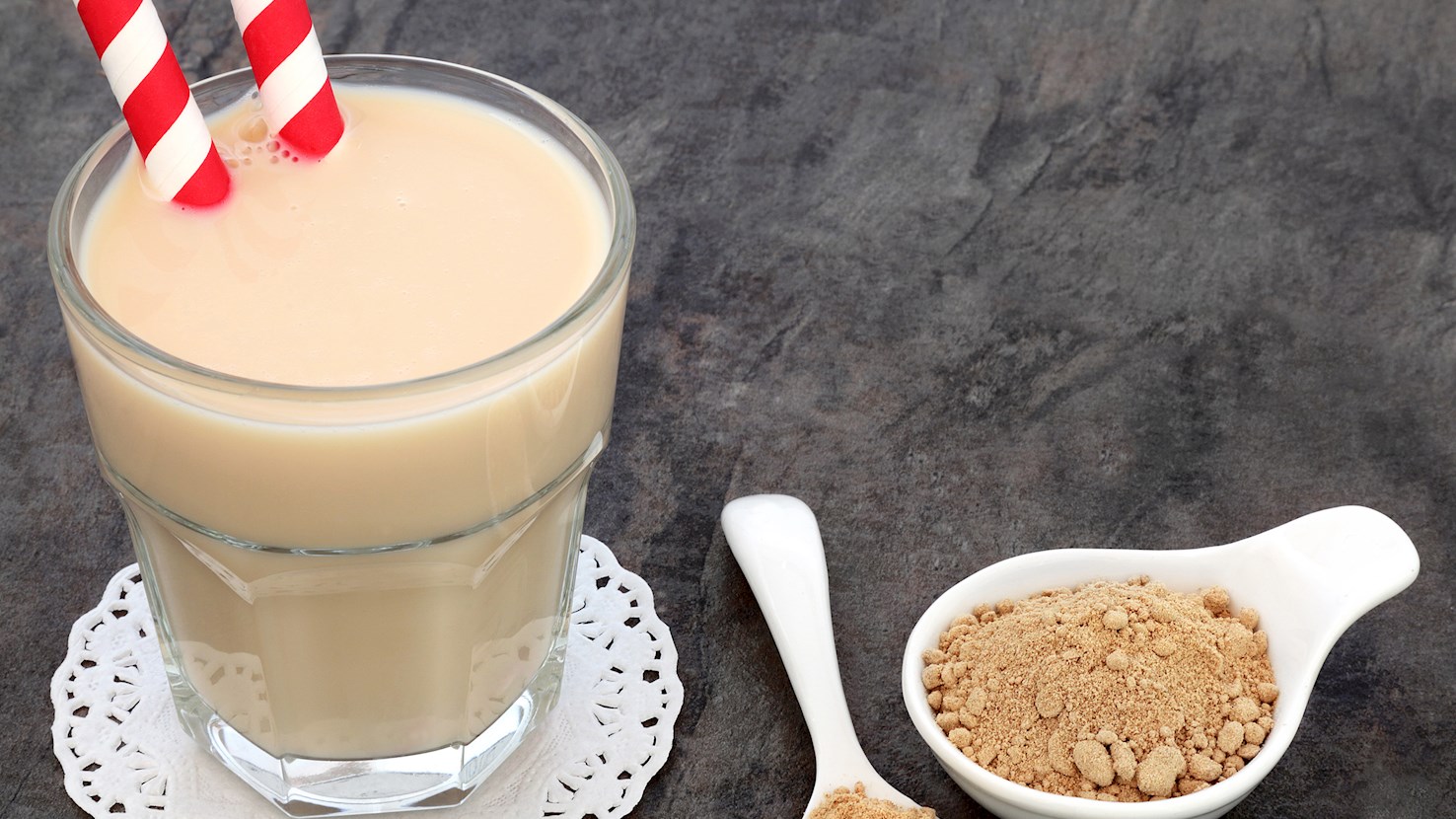
Often referred to as maca punch, ponche de maca is a flavorful juice with Peruvian origins. This nutritive beverage is primarily made with maca - a root with energizing and restorative properties that has been cultivated since the time of the Inca civilization. Apart from maca roots, ponche de maca is prepared with a mixture of apple, maracuya, and carrot juice. This refreshing and nourishing drink is typically served freshly made, but it can also be bought in ready-made versions.

10

Mate de coca (Coca tea)

3.6 ·

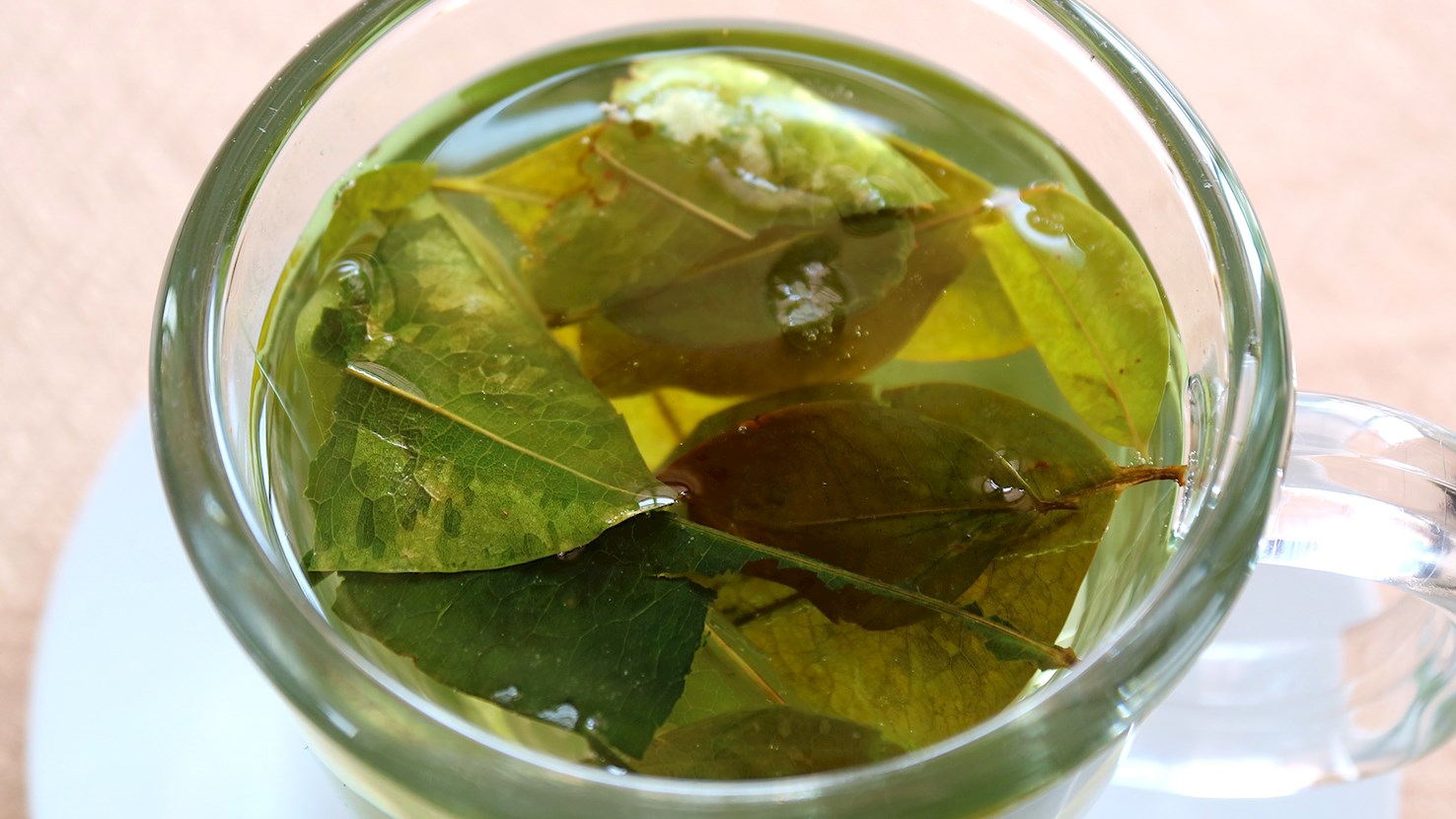
Mate de coca is a herbal infusion that is made by steeping coca leaves or teabags consisting of coca leaves in hot water. This ancient drink has been traditionally enjoyed to treat altitude sickness, and due to the small amounts of alkaloids, it is also regarded as a slightly energizing drink. Although they share a similar name, mate de coca and mate—a herbal infusion often associated with Argentina—should not be mixed up. Coca tea is widely available and legal throughout South America, but outside the region, many countries ban the import and consummation due to the link between coca leaves and cocaine.

11

Caspiroleta

3.2 ·
12

Aguajina

n/a ·
13

Don Alfredo

n/a ·
14

El Capitán

n/a ·
15

Amargo Chuncho

n/a ·
16

Leche de monja

n/a ·
19

Huitochado

n/a ·
20

Piranha Bite

n/a ·

Best Peruvian Beverages
01

Tacama

5.0 ·

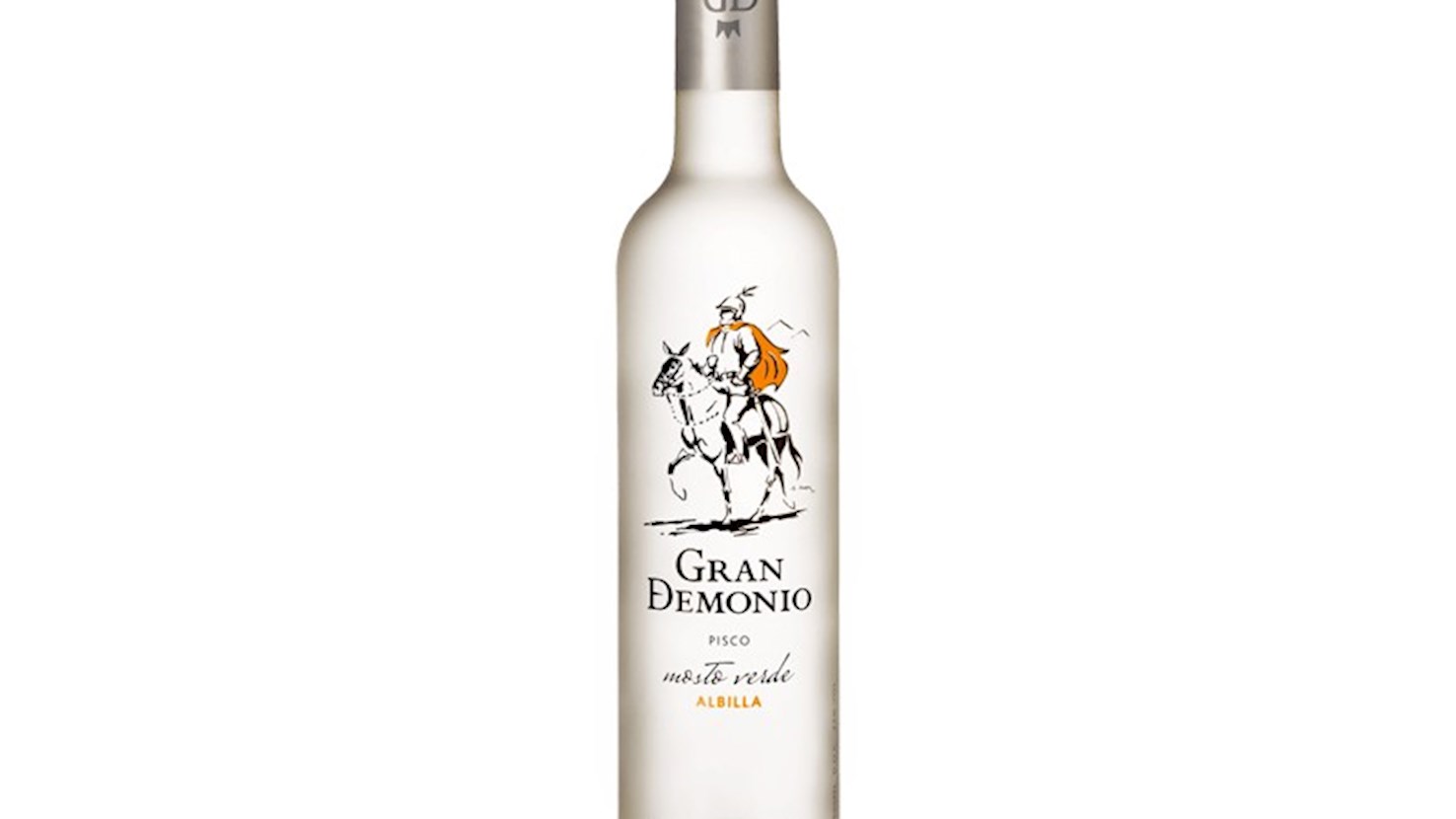
Tacama is one of the oldest and most prestigious wineries and distilleries in Peru, with a history dating back to the 16th century. Located in the Ica Valley, Tacama is renowned for its production of premium wines and piscos, using traditional methods combined with modern technology.

The winery is known for cultivating a variety of grapes that thrive in the region’s unique climate, producing exceptional spirits like their iconic Pisco Gran Demonio. Tacama’s long-standing commitment to quality and innovation has made it a key player in the Peruvian wine and pisco industry.

Awards
Expo Vino Wong - Medalla de Oro (2024)
USC- Ultimate Spirits Challenge - Chairman's Trophy (2021, 2020)
02

Pisco Huamaní

5.0 ·

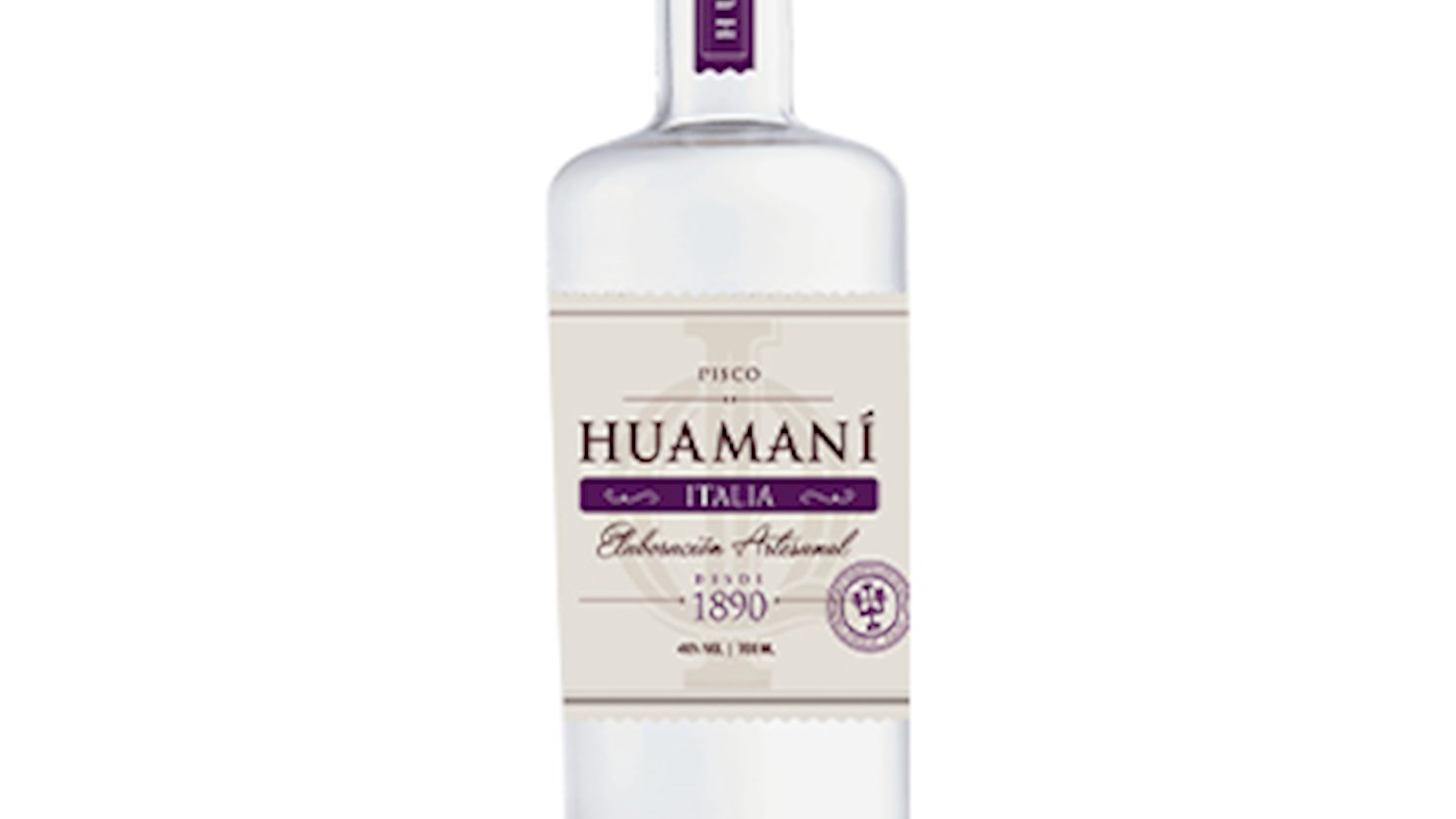
Pisco Huamaní is a heritage-driven brand rooted in the Ica Valley, where pisco has been produced since 1890 following a family tradition based on handcraft, precision, and deep respect for the terroir. Its name comes from the Quechua word huaman, meaning “eagle” symbolizing protection, vigilance, and the intimate bond between the land and those who cultivate it.

The brand specializes in high-purity pisco distilled in small batches without the addition of water after distillation, ensuring that the natural character of the grapes remains fully expressed. Huamaní focuses on aromatic and varietal clarity, working with grapes such as Torontel, Italia, Quebranta, and Acholado, which contribute floral, citrus, or ripe fruit notes along with a clean, elegant structure.

Production adheres to traditional methods - slow fermentation, careful grape selection, and precise distillation - resulting in a distinct identity shaped by the balance of history, craftsmanship, and modern quality standards. As a brand, Huamaní preserves the essence of Peruvian pisco culture while presenting it in a refined and contemporary expression.

Awards
SFWSC - San Francisco World Spirits Competition - Double Gold (2024)
03

Barsol Pisco

5.0 ·

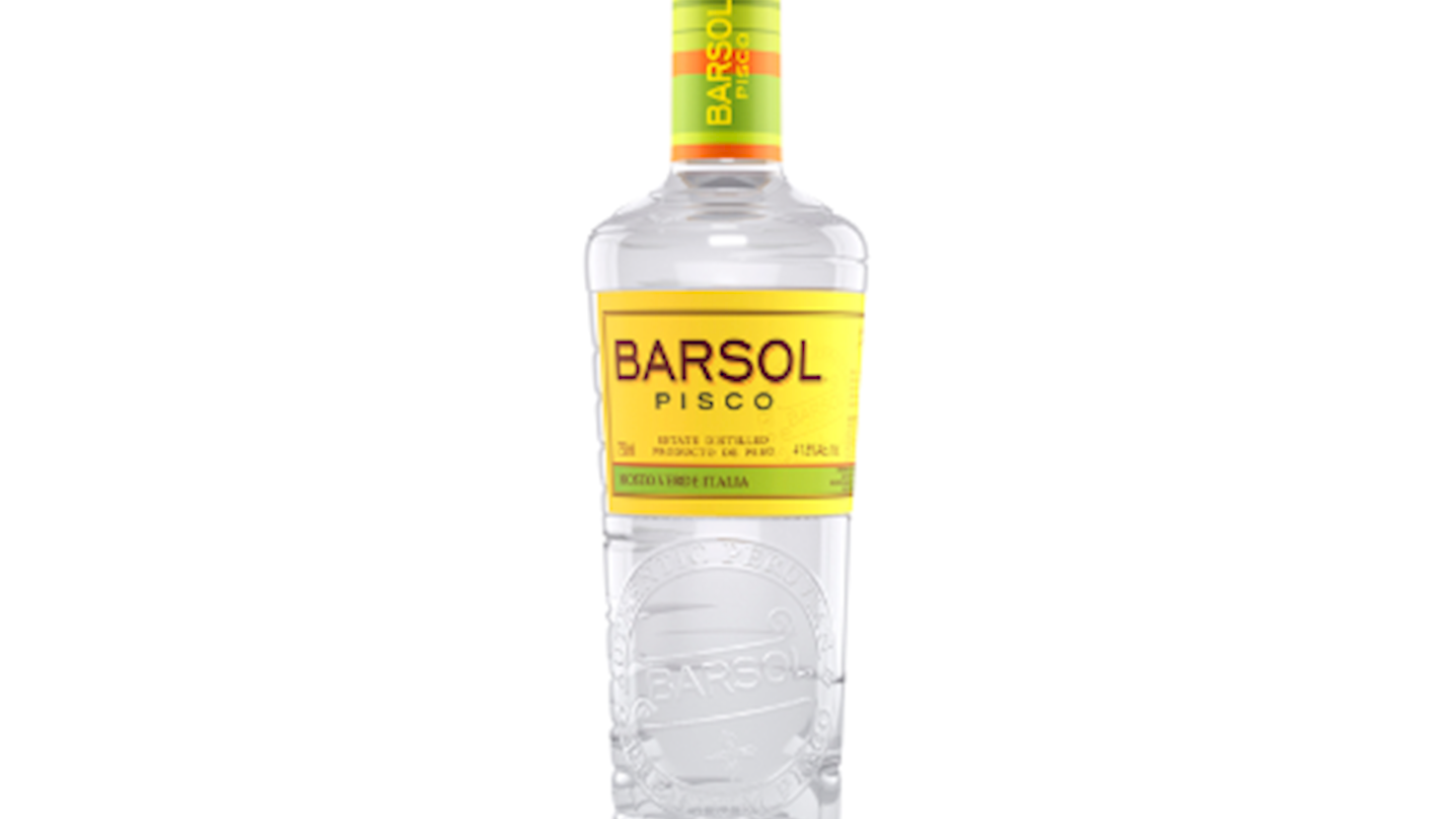
Barsol Pisco is a Peruvian pisco produced in the Ica Valley, at the historic Bodega San Isidro distillery, where production relies on grape varieties typical of the southern part of the region, such as Quebranta, Italia, and Torontel. Fermentation occurs naturally, without additives, and distillation is carried out in traditional copper pot stills, preserving a clean aromatic profile and the authentic character of pisco.

The brand was revitalized in the early 2000s with the aim of restoring classic pisco traditions through small-batch production, manual craftsmanship, and consistent ingredient quality. Barsol Pisco includes single-varietal expressions, more aromatic styles like Italia and Torontel, as well as Mosto Verde, distilled from partially fermented must and known for its richer and rounder profile.

Acholado, a blend of several varieties, highlights complexity and a balanced interplay of structure and aromatics. The alcohol level is never adjusted with water, meaning the final spirit directly reflects what leaves the still.

Barsol is recognized for its clean, floral, and fruity aroma, smooth texture, and long finish, making it a frequent choice for cocktails such as the pisco sour, but also suitable for sipping on its own. The brand emphasizes a sustainable approach through recycling and mindful resource use, aligning with modern craft-distillery standards.

Awards
SFWSC - San Francisco World Spirits Competition - Double Gold (2011)
TAG Global Spirits Awards - Gold (2025)
04

Caravedo Pisco

5.0 ·

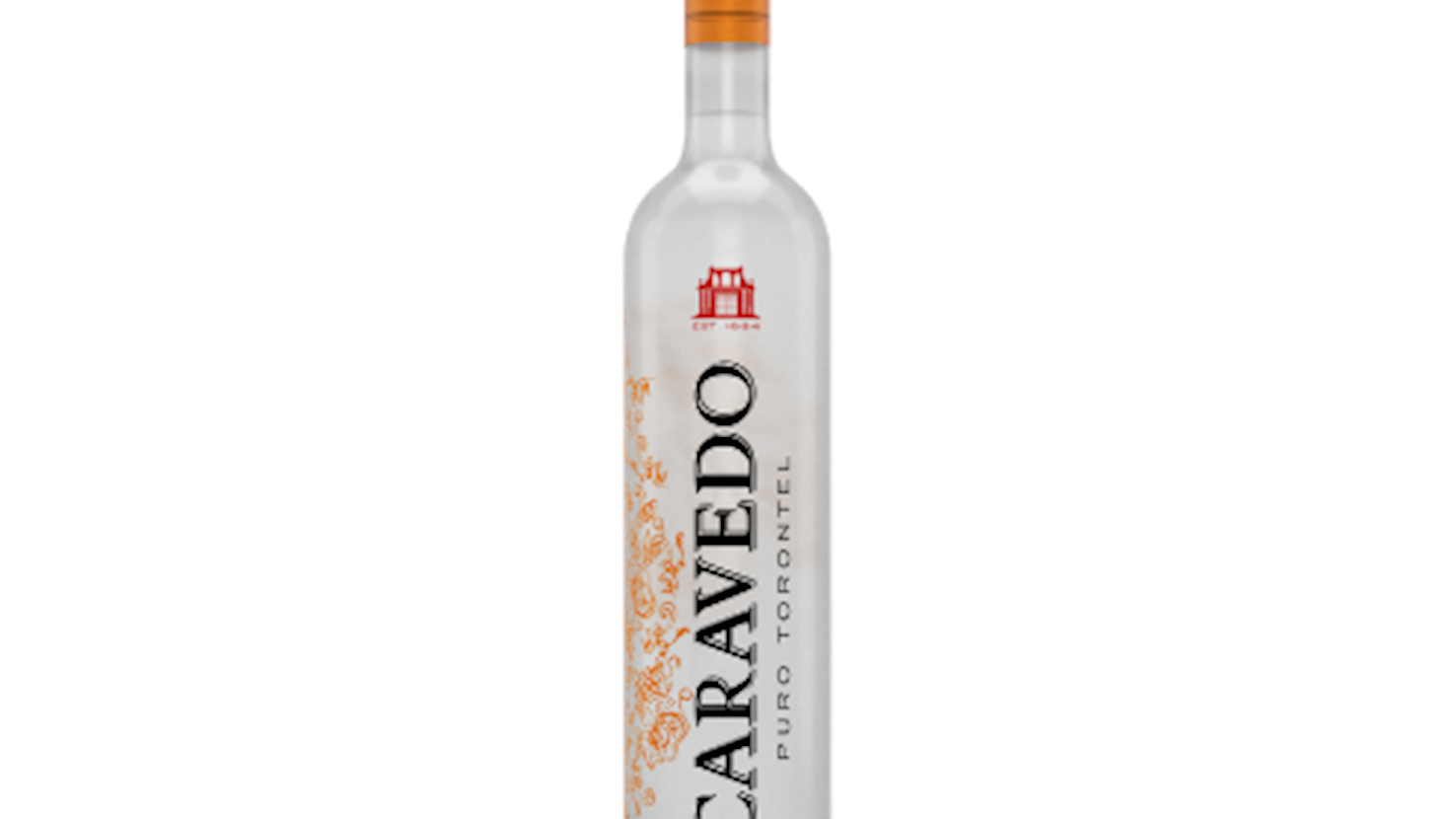
Caravedo Pisco originates from the historic Hacienda La Caravedo in the Ica Valley, founded in 1684 and known as the oldest continuously operating distillery in the Americas. Production is based on a fully manual approach, additive-free fermentation, and copper pot-still distillation, resulting in a clean and precise expression of the grape and its terroir.

The pisco is made from permitted varieties such as Quebranta, Torontel, Italia, and others, and the final spirit is neither diluted with water nor aged, allowing its authentic strength and purity to remain intact in the glass. The aromatic profile varies by grape variety but commonly features clean fruit notes, floral accents, and soft herbal nuances, all carried by a smooth, rounded texture typical of high-quality Peruvian piscos.

The distillery stands out for its focus on sustainable production, preservation of traditional methods, and the use of grapes grown on its own estate, ensuring consistency and a strong sense of identity. Caravedo is widely recognized by connoisseurs as one of the purest and most authentic expressions of pisco, clearly reflecting the long heritage of the Ica Valley.

Awards
USC- Ultimate Spirits Challenge - Top 100 (2022)
05

Cerveza 7 Vidas

4.9 ·

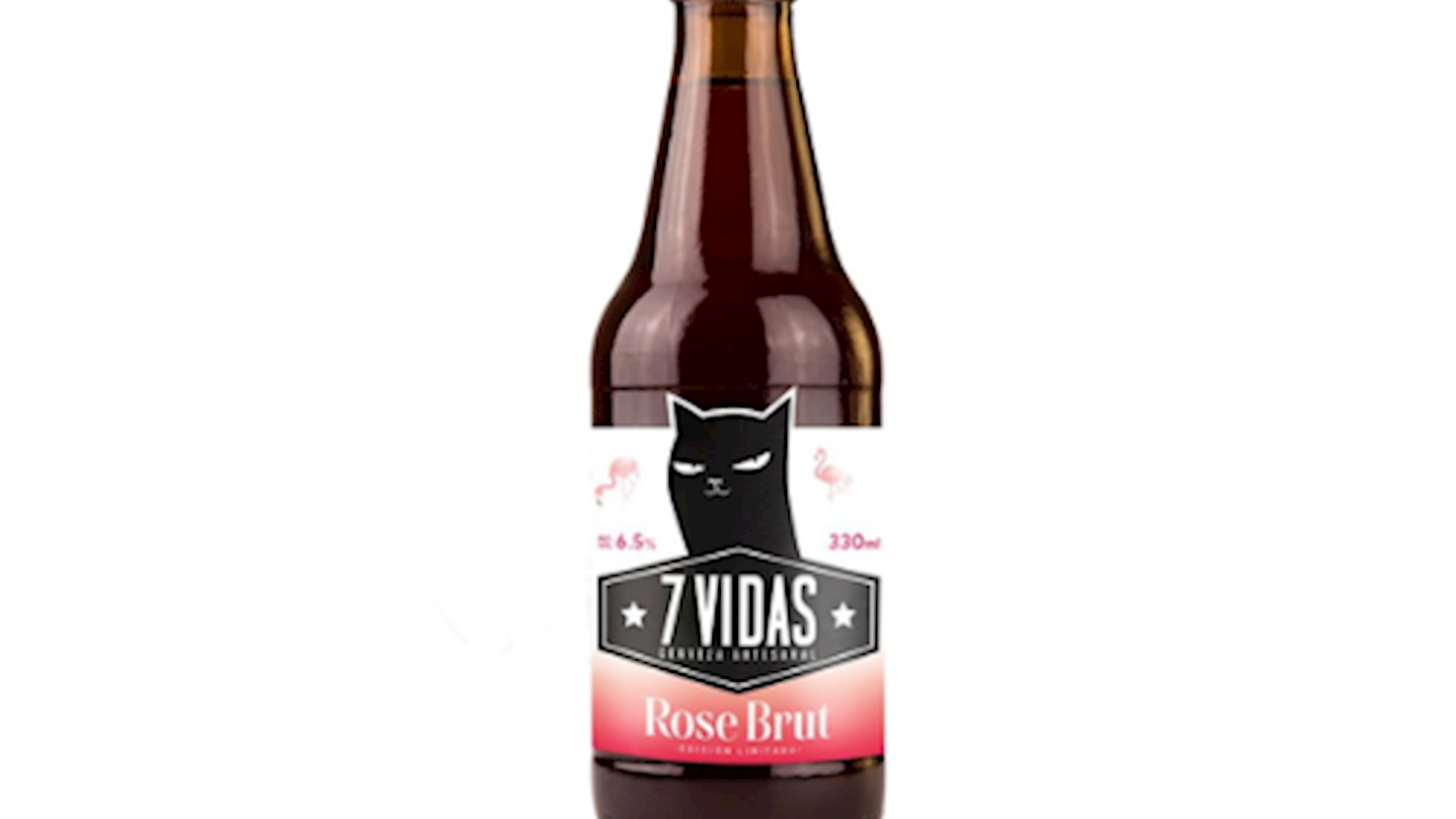
Cerveza 7 Vidas is an independent craft brewery from Tacna, Peru, distinguished by its bold identity, experimental approach, and wide range of styles that span light, dark, fruity, and strong beers. The brand is built around the idea of “seven lives” symbolizing resilience, creativity, and constant reinvention - a philosophy that is clearly reflected in their brewing ethos.

The brewery works in small batches, using carefully selected ingredients and methods that highlight the authenticity of local raw materials. Their portfolio often blends classic beer styles with native Peruvian ingredients such as Andean grains, fruits, or herbs.

Aromatically, their beers tend to combine tropical notes, spicy nuances, and a rich malt backbone, making them stand out compared to standard Latin American lagers. Cerveza 7 Vidas actively contributes to the local craft scene through its taproom and distribution across several cities, especially Tacna and Cusco.

Through continuous experimentation, including occasional limited releases, they demonstrate an ability to merge local tradition with modern craft trends. Overall, Cerveza 7 Vidas represents a dynamic, bold, and character-driven interpretation of Peruvian craft brewing, offering a distinct identity that appeals to both local and international audiences.

Awards
World Beer Cup - Gold (2024)
Barcelona Beer Challenge - Gold (2023)
06

Viñas de Oro

4.8 ·

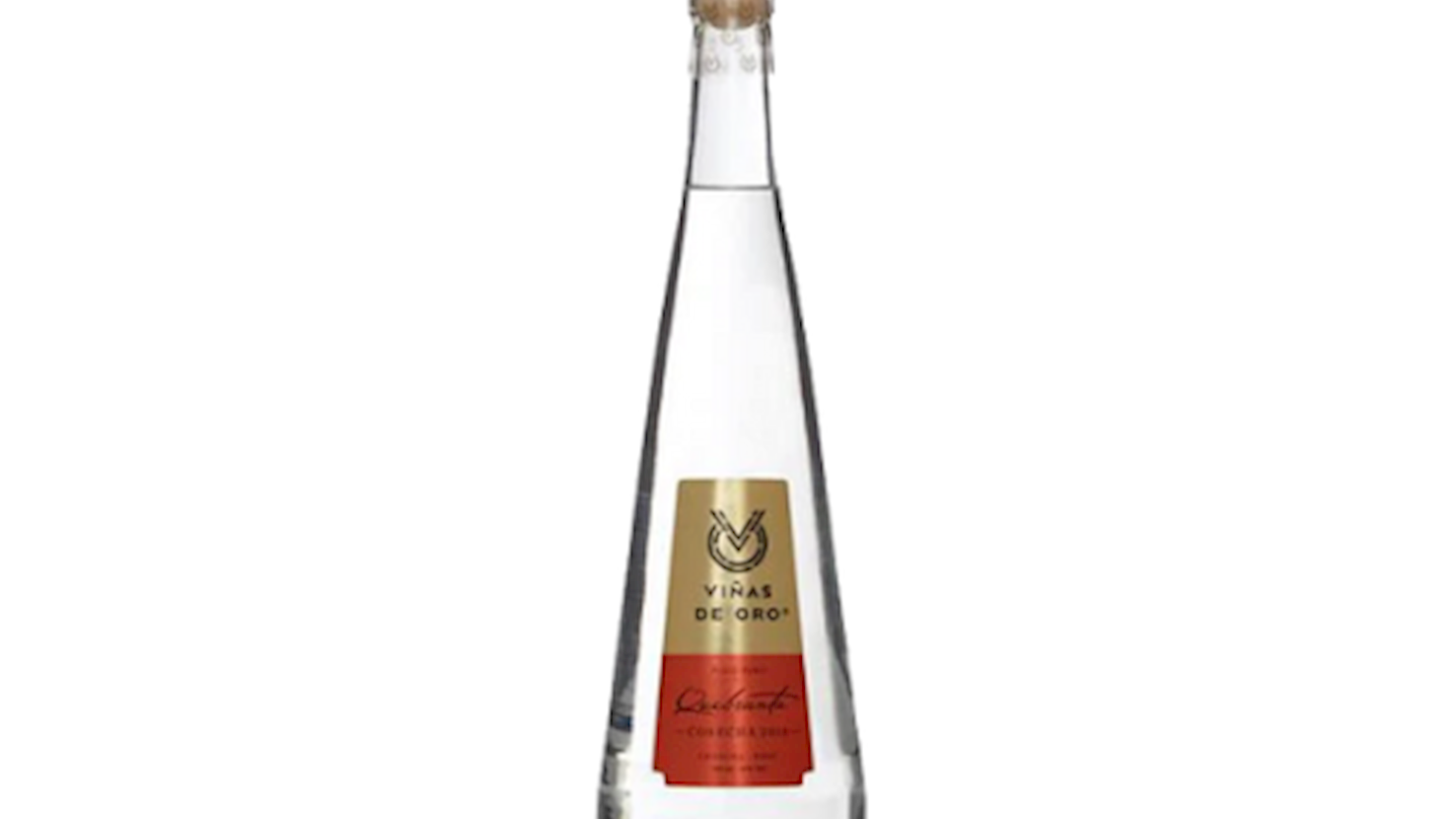
Viñas de Oro is a Peruvian pisco producer from the Chincha Valley in the Ica region, operating on a large agricultural estate where several permitted grape varieties for traditional pisco production are cultivated. The brand emerged in the early 1980s and combines hand-selected grapes, natural fermentation, and copper pot-still distillation with modern quality controls, resulting in a style that is both reliable and authentically rooted in local tradition.

Their production places strong emphasis on sustainability, responsible vineyard management, and decades of experience working with grapes grown on their own land. As a result, Viñas de Oro positions itself as a brand that blends the terroir of the Chincha Valley with precise, consistent craftsmanship, making it a notable choice within the segment of high-quality Peruvian piscos.

Awards
Wine-Searcher - 91/100
ISW - International Spirits Award - Silver (2013)
07

Pisco Cepas de Loro

4.8 ·

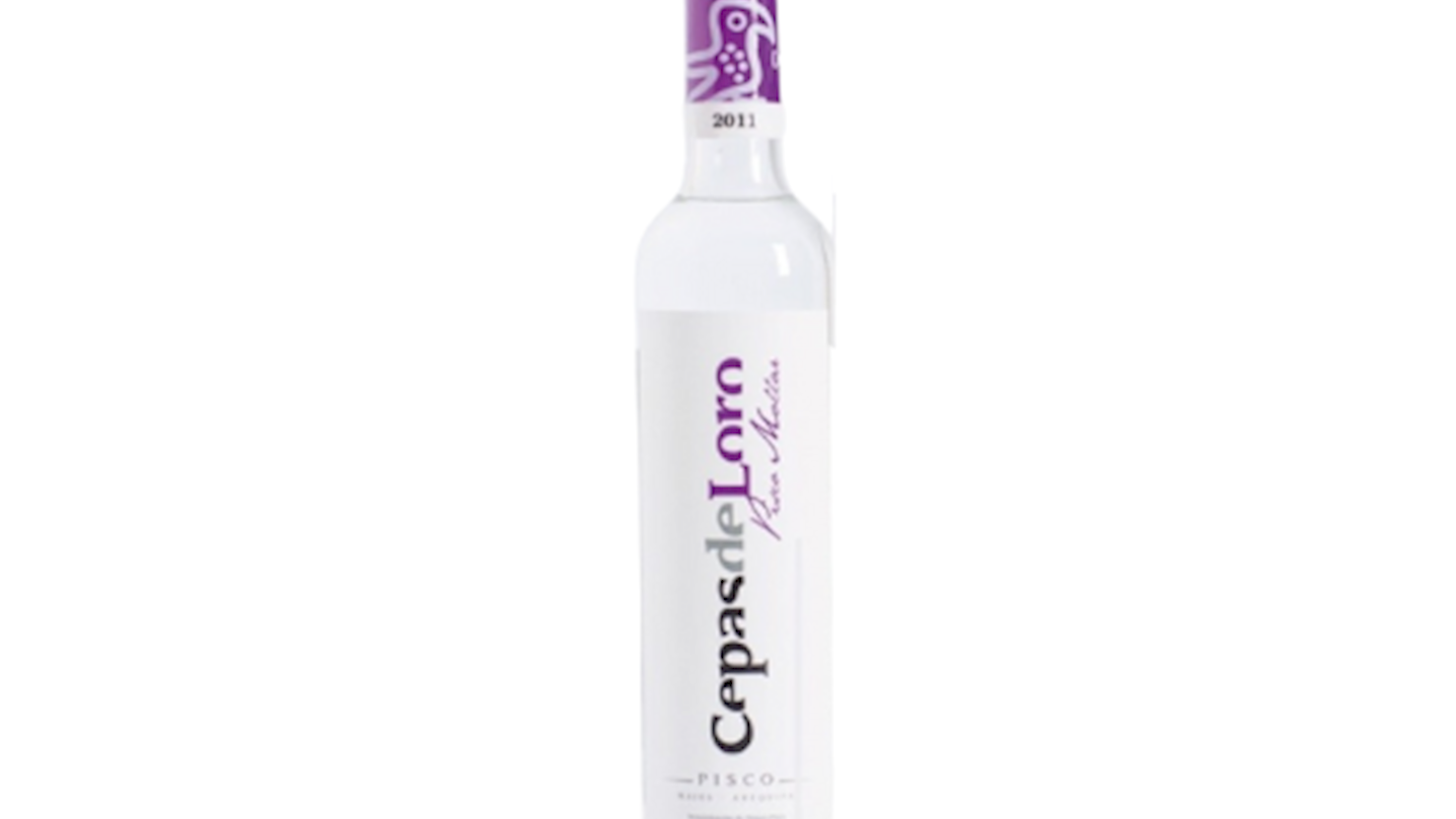
Pisco Cepas de Loro is a small, tradition-driven Peruvian brand rooted in the heritage of southern Peru, where pisco is produced through careful, manual fermentation and distillation of fresh grape must without additives. The philosophy centers on local varieties such as Quebranta and aromatic Muscat grapes, emphasizing the specific terroir and the expressive character of the Arequipa region.

Their portfolio includes three styles - Puro, Acholado, and Mosto Verde - each defined by its structure, intensity, and treatment of the must, yet all maintaining a clean, precise grape aroma. The resulting spirit is crystal clear, with notes of flowers, citrus, and white fruit, rounded by a gentle warmth on the finish, making it suitable both for neat tasting and as a refined base for cocktails like the pisco sour.

The brand highlights local identity through its name symbolism and involvement in cultural initiatives, reinforcing the tradition and continuity of Peru’s pisco culture.

08

Socosani

4.8 ·

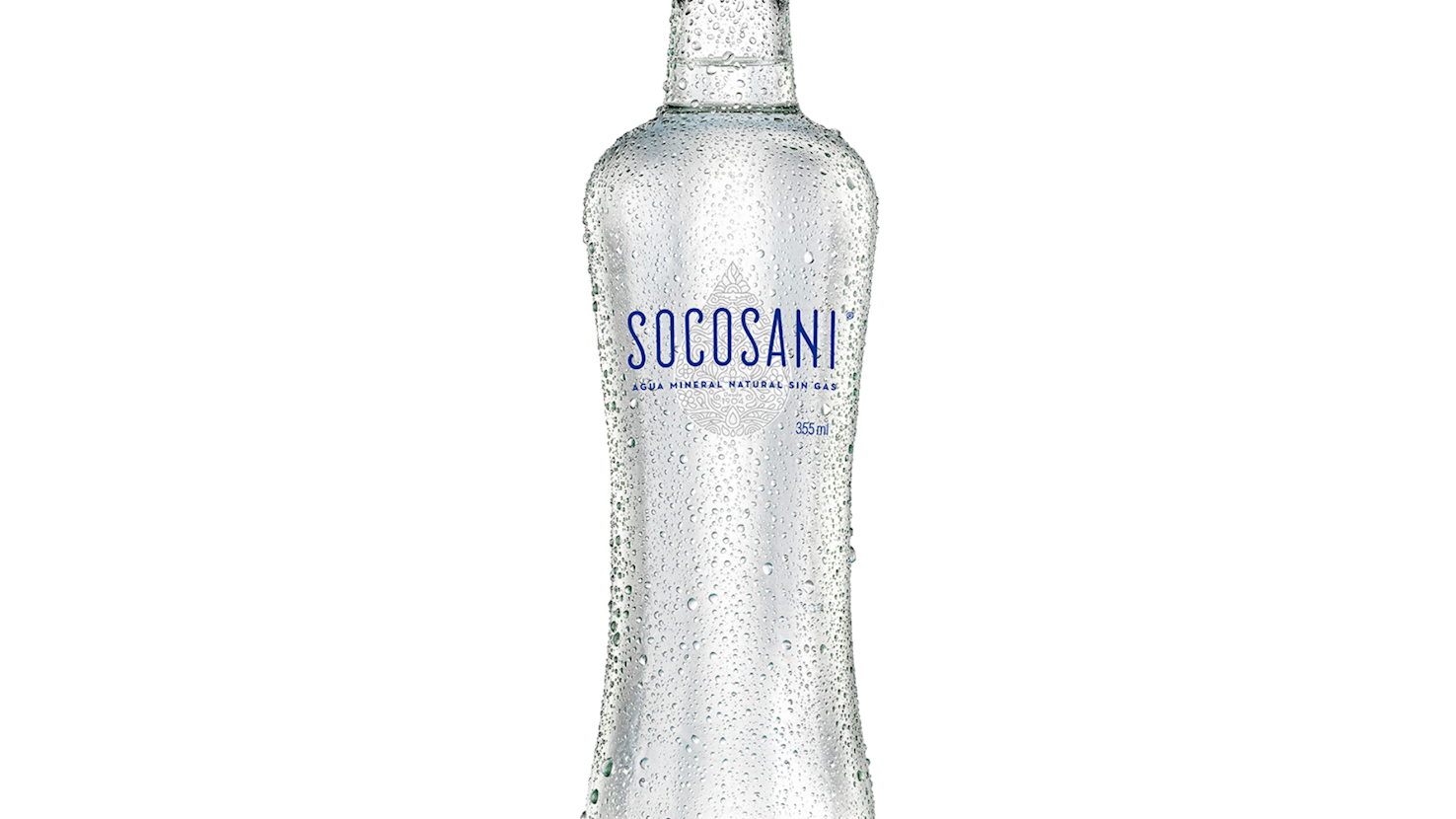
Socosani is a Peruvian natural mineral water producer founded by Manuel Aurelio Vinelli in the Arequipa region in 1904. During a research journey through the desert landscape of Yura, Vinelli discovered a fertile valley containing natural mineral water springs. He named the valley Socosani after the reeds that grew abundantly in the area. Samples of the water were sent to France for analysis, after which Peru’s first natural mineral water bottling plant was established in the valley. The water originates from snow and ice on Chachani Volcano, which rises to 6,057 meters above sea level. As it passes through volcanic layers, the water is naturally filtered and enriched with bicarbonate, calcium, magnesium, sodium, potassium, and silica. It emerges in the Socosani Valley, whose isolated desert location protects it from most sources of surface contamination. The water is bottled at the source and undergoes physical treatment through filtration and ultraviolet light without chemical processing. The company produces still and sparkling natural mineral water with a high concentration of total dissolved solids. Its water has a pronounced mineral and slightly saline character associated with its volcanic origin and high bicarbonate content. Socosani has been present on the Peruvian market for more than a century, while its products are also exported internationally.

09

Anís Najar

4.8 ·

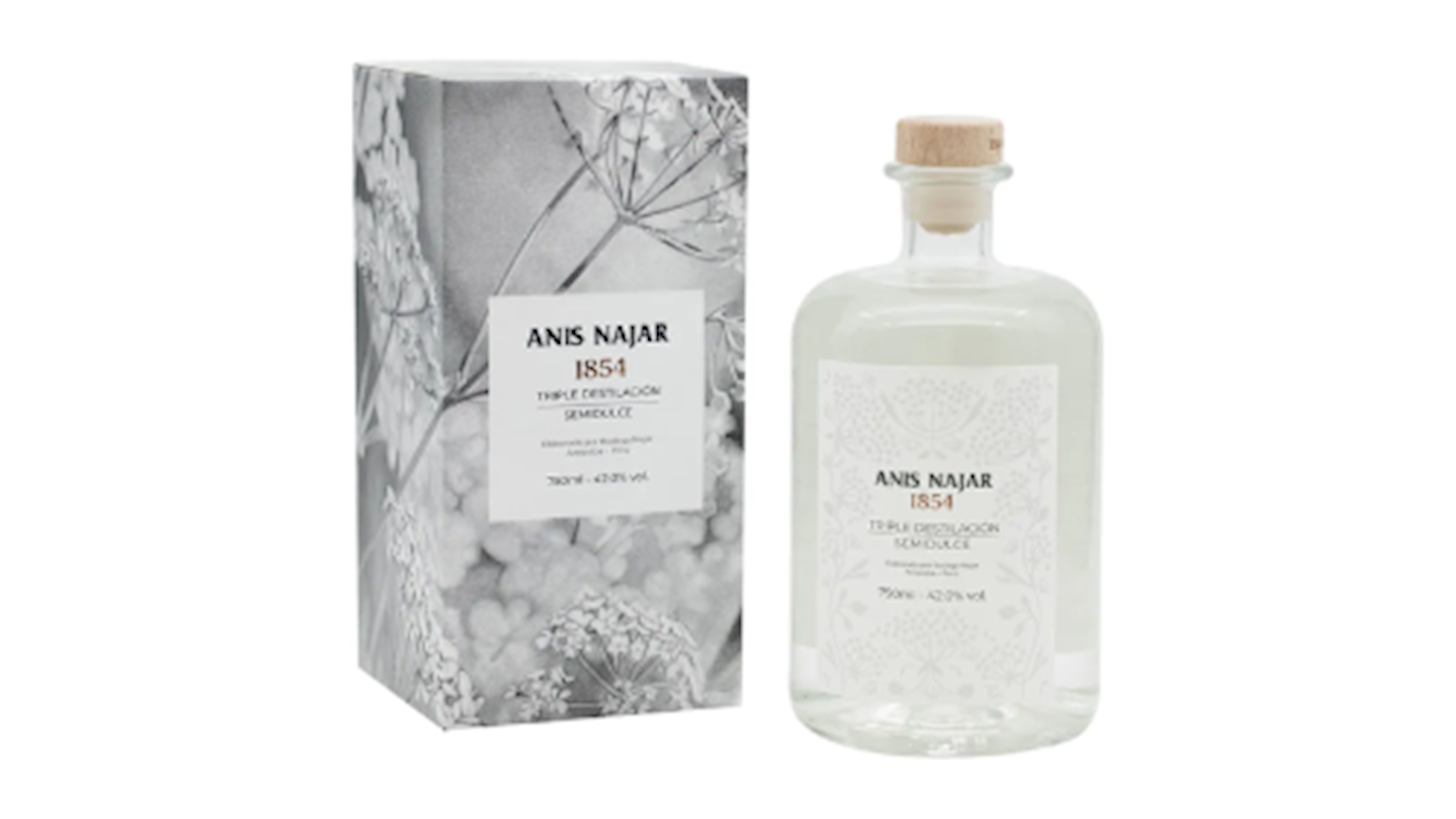
Anís Najar or Bodega Najar is a traditional family-owned distillery from Arequipa, founded in 1854 and recognized as one of Peru’s oldest producers of anise-based spirits. Across multiple generations of the Muñoz-Najar family, the brand has preserved an artisanal approach to distillation, blending the Andalusian heritage of its founder with local ingredients and techniques that define the character of its products.

While best known for its signature Anís Najar, the distillery also produces cream liqueurs, flavored variations, pisco, and other traditional spirits. Despite adopting modern production practices, the brand remains committed to natural ingredients, slow distillation, and consistency of flavor, which has earned it a reputation as one of the most reliable names in the Peruvian spirits industry.

Its longevity, quality, and authenticity have made Bodega Najar a respected ambassador of Arequipa’s cultural and beverage heritage.

10

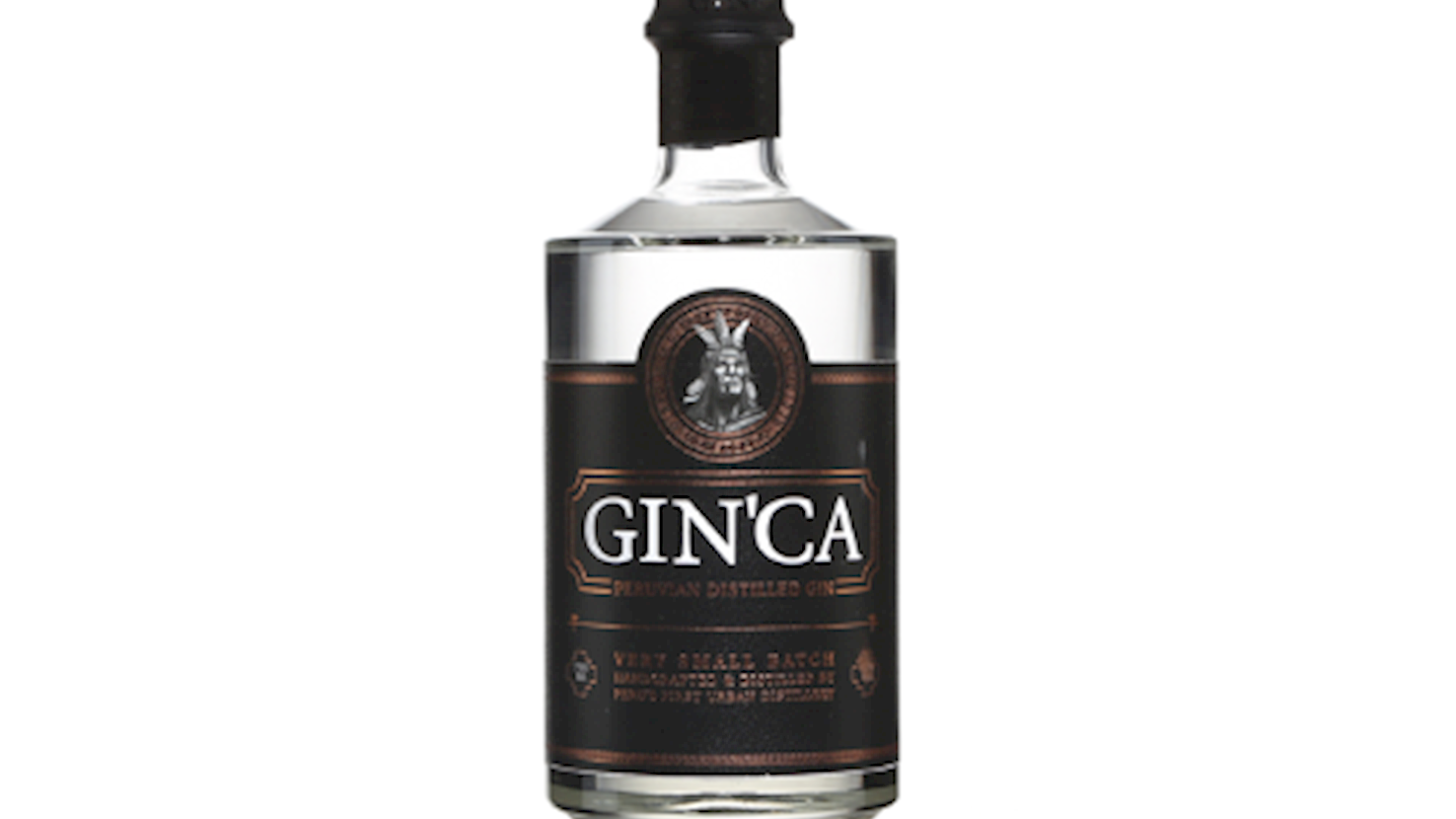
Gin’ca

4.7 ·

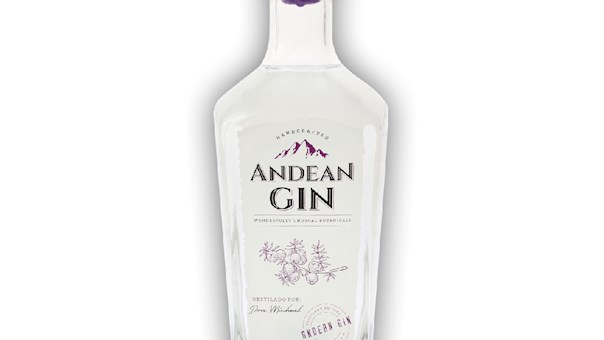
Gin’ca as a brand represents a modern expression of Peru’s emerging craft-distilling scene, built on the idea of reinterpreting classic gin through local botanicals and the country’s distinctive terroir. Created within Inca Distillery in Lima, the brand combines artisanal production, copper pot-still distillation, and a sugarcane-based spirit to achieve a clean, smooth, and aromatically rich profile.

Its philosophy centers on using native Peruvian botanicals sourced from diverse regions - coastal areas, the high Andes, and the Amazon - highlighting the richness and geographic variety of the local flora. Special attention is given to sustainability, manual botanical selection, and tightly controlled distillation, without industrial shortcuts.

Although juniper is not grown in Peru, Gin’ca relies on carefully selected imported berries to maintain the classic gin backbone while allowing local botanicals to shape its identity. The brand appeals to modern consumers seeking a gin with a clear character, pronounced botanical complexity, and a strong regional signature, positioning Gin’ca as one of Peru’s most distinctive premium gin producers.

About this Ranking

TasteAtlas food rankings are based on the ratings of the TasteAtlas audience, with a series of mechanisms that recognize real users and that ignore bot, nationalist or local patriotic ratings, and give additional value to the ratings of users that the system recognizes as knowledgeable. For the “Top 29 Peruvian Beverages” list until August 05, 2026, 2,101 ratings were recorded, of which 587 were recognized by the system as legitimate.

TasteAtlas Rankings should not be seen as the final global conclusion about food. Their purpose is to promote excellent local foods, instill pride in traditional dishes, and arouse curiosity about dishes you haven’t tried.

The initial list of top producers was compiled based on available reviews, awards, local recommendations, media and blog coverage, and consumer reviews. The list will be updated with ratings from TasteAtlas local ambassadors and TasteAtlas users.

What People Say

Similar Lists