shutterstock

Top 68 Spanish Desserts

Last updated on June 15, 2026

Best Spanish Desserts
01

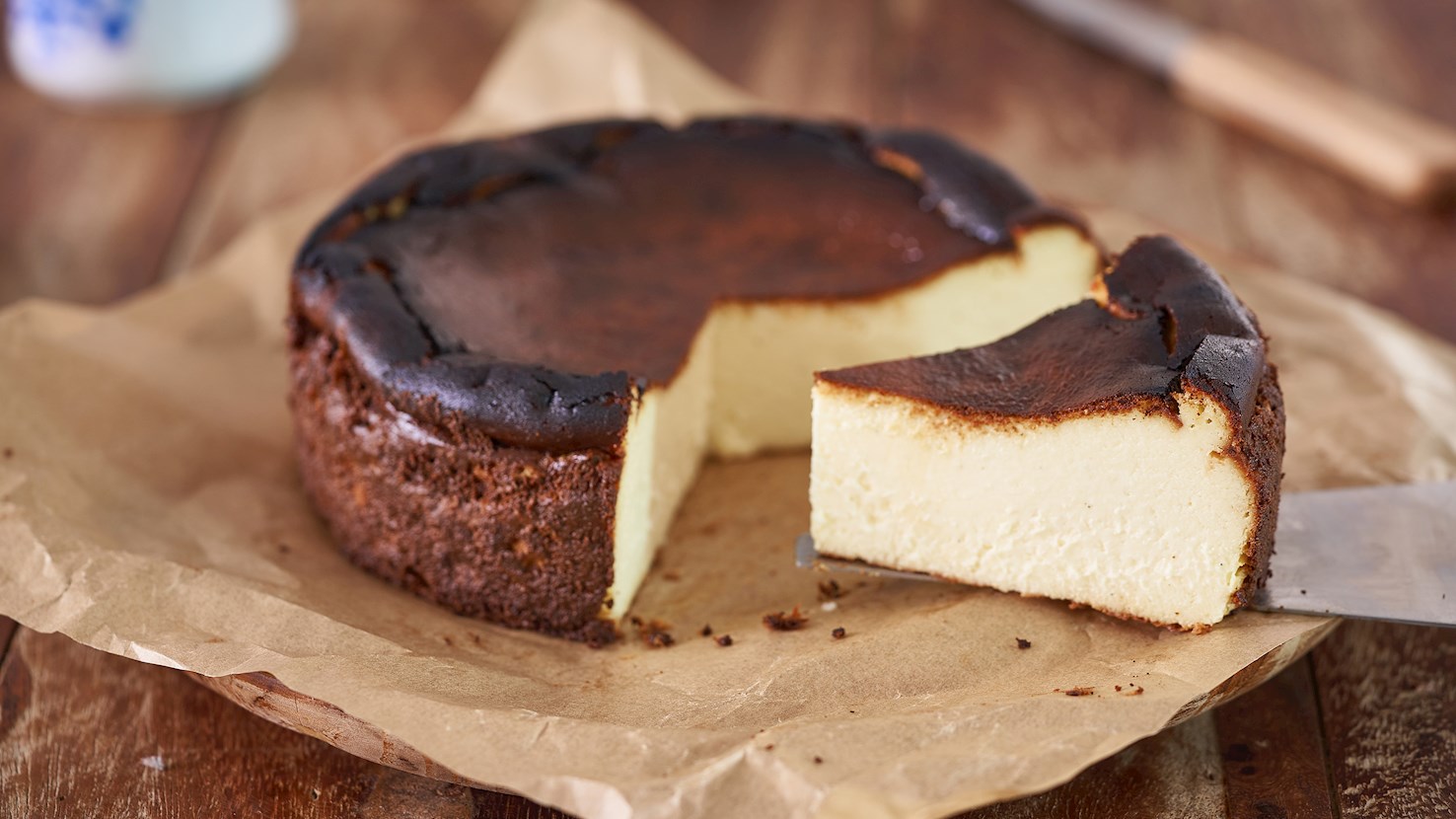
Gazta tarta (Basque cheesecake)

4.3 ·

Known simply as tarta de queso or gazta tarta in its native Basque, this simple yet incredibly creamy cheesecake variation is a decades-old local specialty of the La Viña Bar in San Sebastián. The recipe is a simple combination of classic cheesecake ingredients such as sugar, heavy cream, eggs, and cream cheese, but unlike its more popular counterparts, this Basque version does not have any crust. Instead, it is baked on a high temperature which leaves the outside firm, darker, and somewhat burnt, while the center remains gooey. Basque cheesecake is immensely popular, and while La Viña remains its place of origin, different variations are nowadays found in several patisseries around the world.

02

Pastel Vasco (Basque cake)

4.1 ·

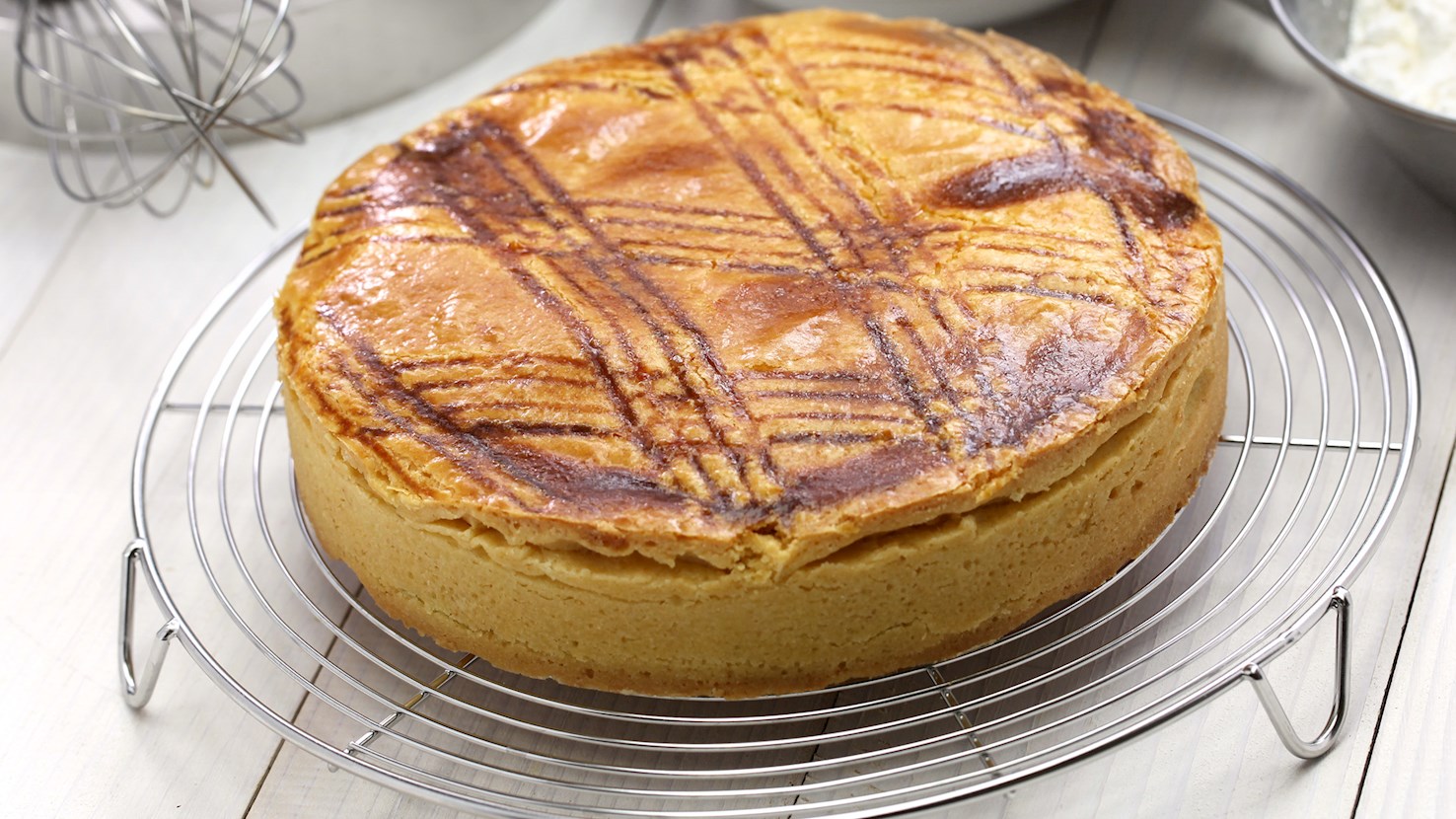
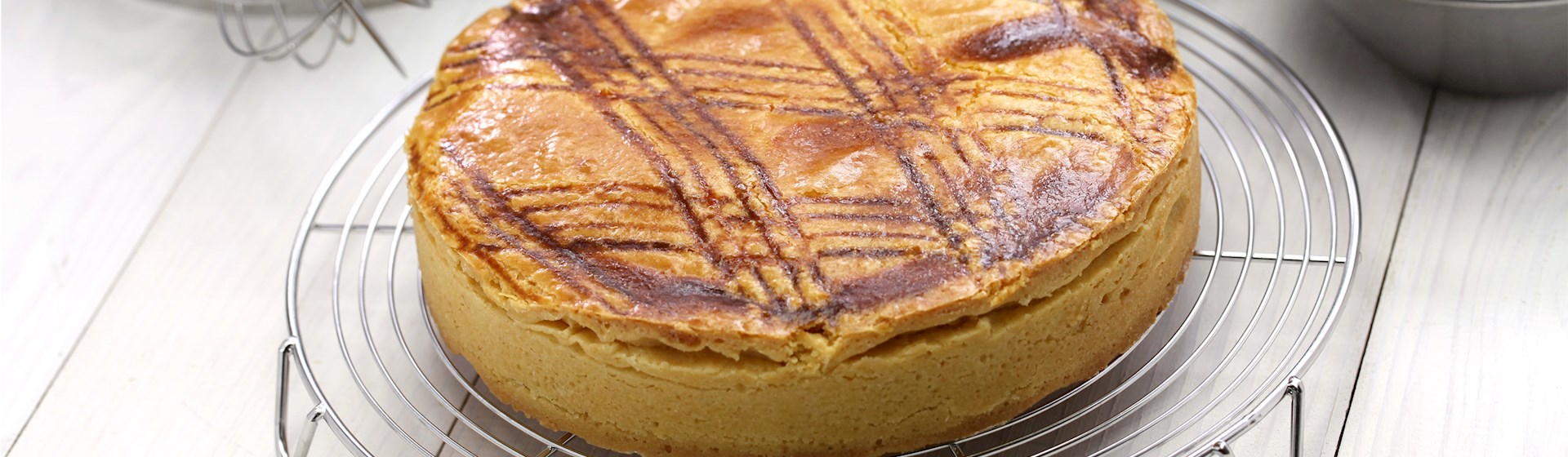
This classic Basque cake consists of two layers of shortcrust pastry and either a filling made with black cherry preserve or, more often, vanilla-flavored pastry cream. If made with black cherries, the top of the cake is usually decorated with the Basque cross (lauburu), while the version with pastry cream typically comes with a crosshatch pattern. Apart from vanilla, common flavorings may also include lemon zest, rum, or almond extract. Although it is traditionally associated with the entire French Basque Country, it is believed that the cake originated in the former French province of Labourd.

03

Crema Catalana

4.1 ·

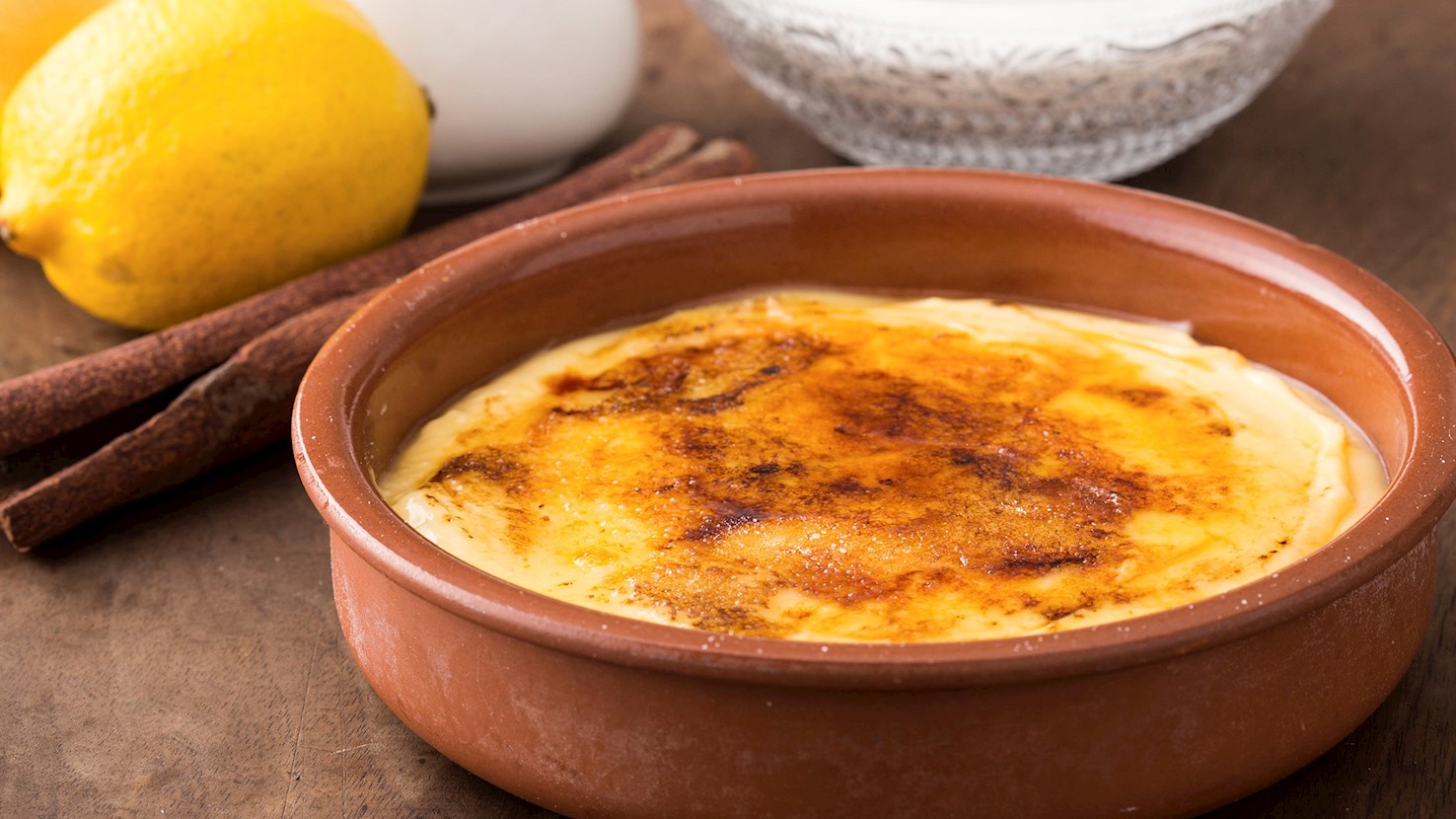
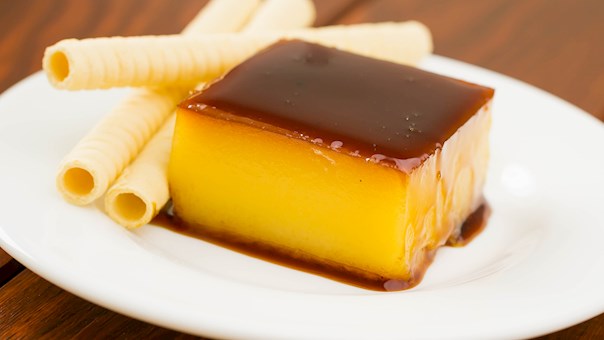
Crema Catalana is a popular Spanish dessert made by baking a custard consisting of milk, cornstarch, and eggs in an oven. After baking and cooling, the dessert is sprinkled with sugar and broiled or burnt with a torch to create a crispy, burnt caramel top layer. Sometimes, crema Catalana may be flavored with cinnamon, lemon, or orange zest. The dessert is also known as Crema de Sant Josep, since it is traditionally prepared on March 19, celebrating the saint. It is also the oldest European custard dessert, dating back to the 14th century. Crema Catalana has such a distinctive flavor that it is often used in the preparation of other desserts such as ice cream and torró, a nougat-like sweet.

04

Tarta de Santiago

4 ·

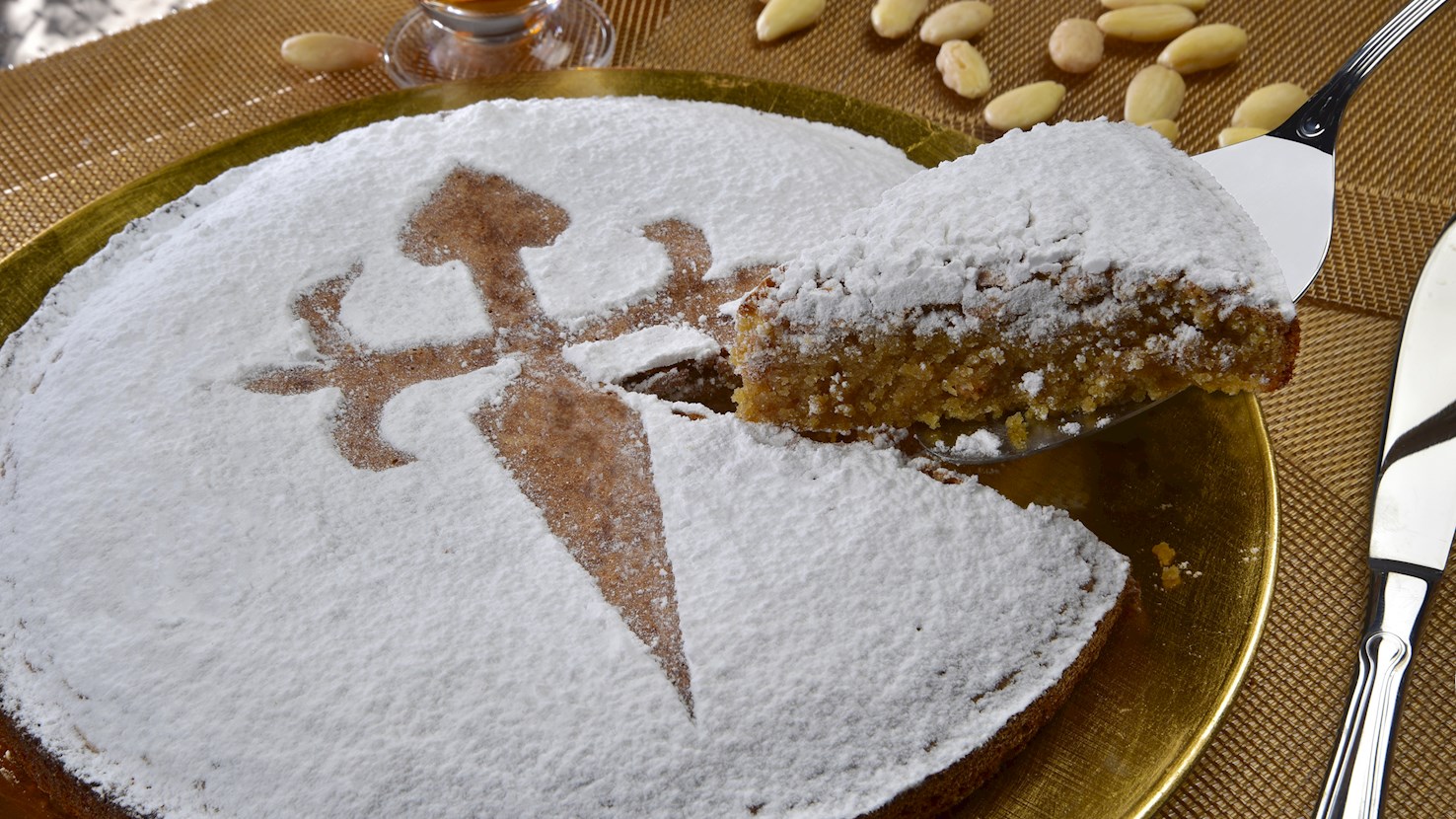
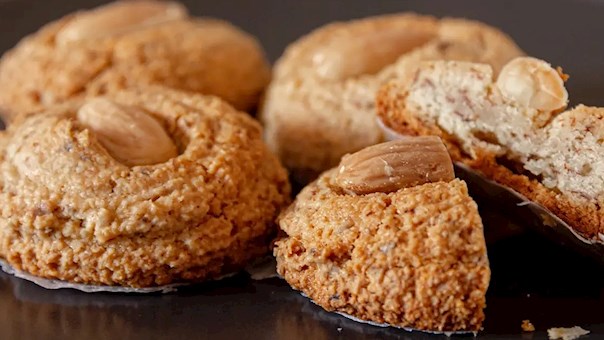
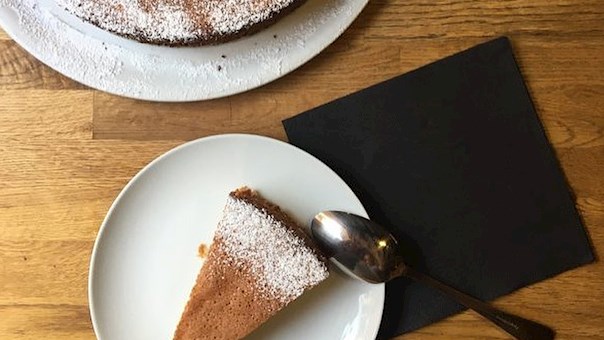
Tarta de Santiago is a sponge cake made with eggs, almonds, and sugar, flavored with either lemon zest, grape marc, sweet wine, or brandy. Optionally, the cake can have a base layer made from puff pastry or shortcrust pastry. The earliest reference to this cake dates back to 1577, but the first recipe appeared rather late, around 1838. The imprint of the Cross of Saint James on top of the cake–made with powdered sugar–appeared first in 1924 in a cake shop in Santiago Compostela and has since become standard practice. Since 2010, the cake holds a PGI status within Europe, and in traditional Galician cake shops it is still prepared according to 19th-century recipes.

05

Natillas

4 ·

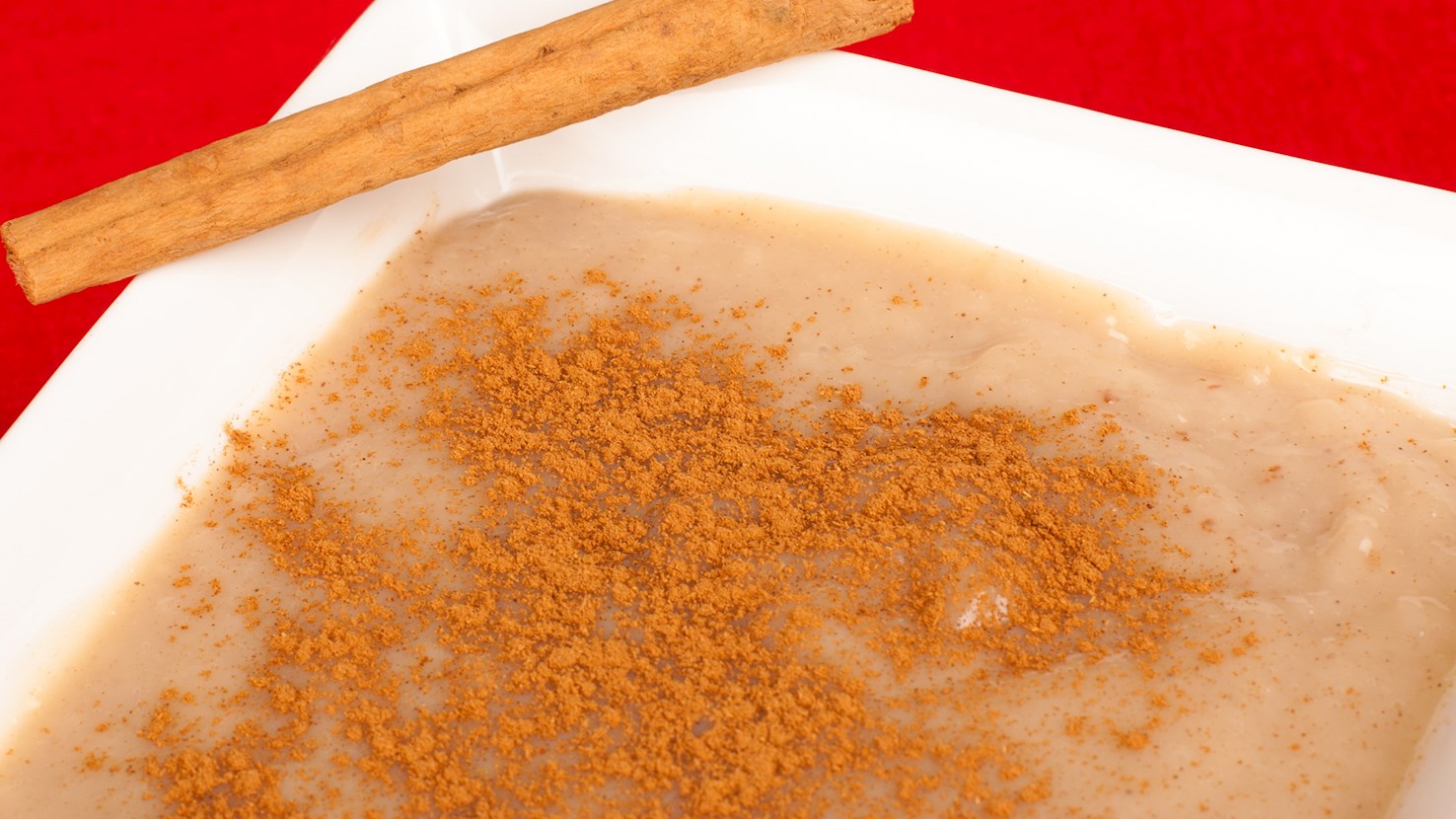
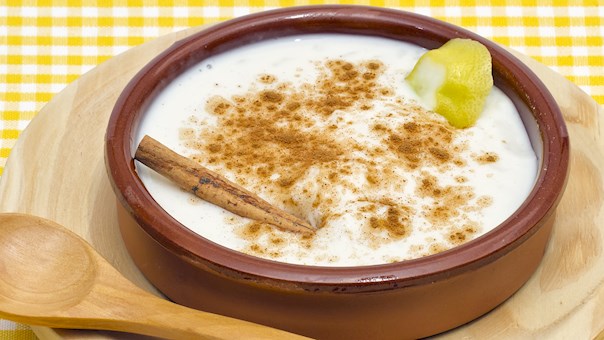
Natillas is a traditional dessert made by boiling a combination of milk, egg yolks, sugar, flour, salt, and vanilla. Although the vanilla-flavored variety is the most popular one, natillas can also be flavored with chocolate or turrón. The dessert is often sprinkled with cinnamon on top before serving in order to improve its flavors even further. It is believed that natillas was invented by nuns who used to prepare it in convents across Europe.

06

Leche frita

4 ·

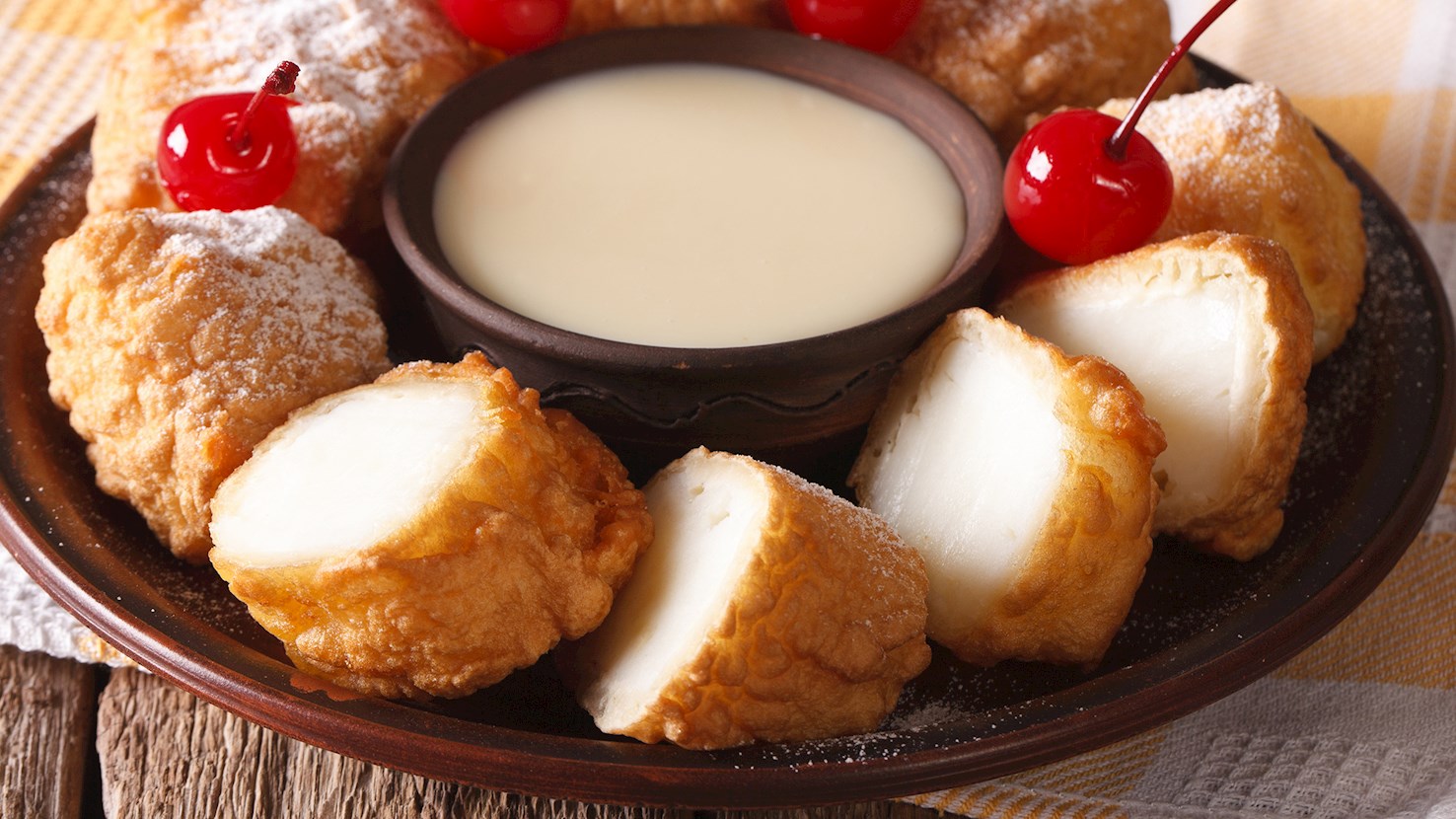
Leche frita is a delicious Spanish dessert consisting of a sweet, firm milk-pudding encased in a crunchy fried shell of eggs and flour. It is made with flour, cornstarch, sugar, milk, eggs, butter, and olive oil. The whole concoction is flavored with cinnamon. Leche frita, meaning fried milk, can be served cold, at room temperature, or hot, ideally with a scoop of ice cream on the side. Although this old dessert has murky origins, it is believed that the first versions were made by nuns who used to sell these treats to help maintain their convents. Nowadays, it is a popular street food item that can also be found in pastry shops and restaurants.

07

Churros

4 ·

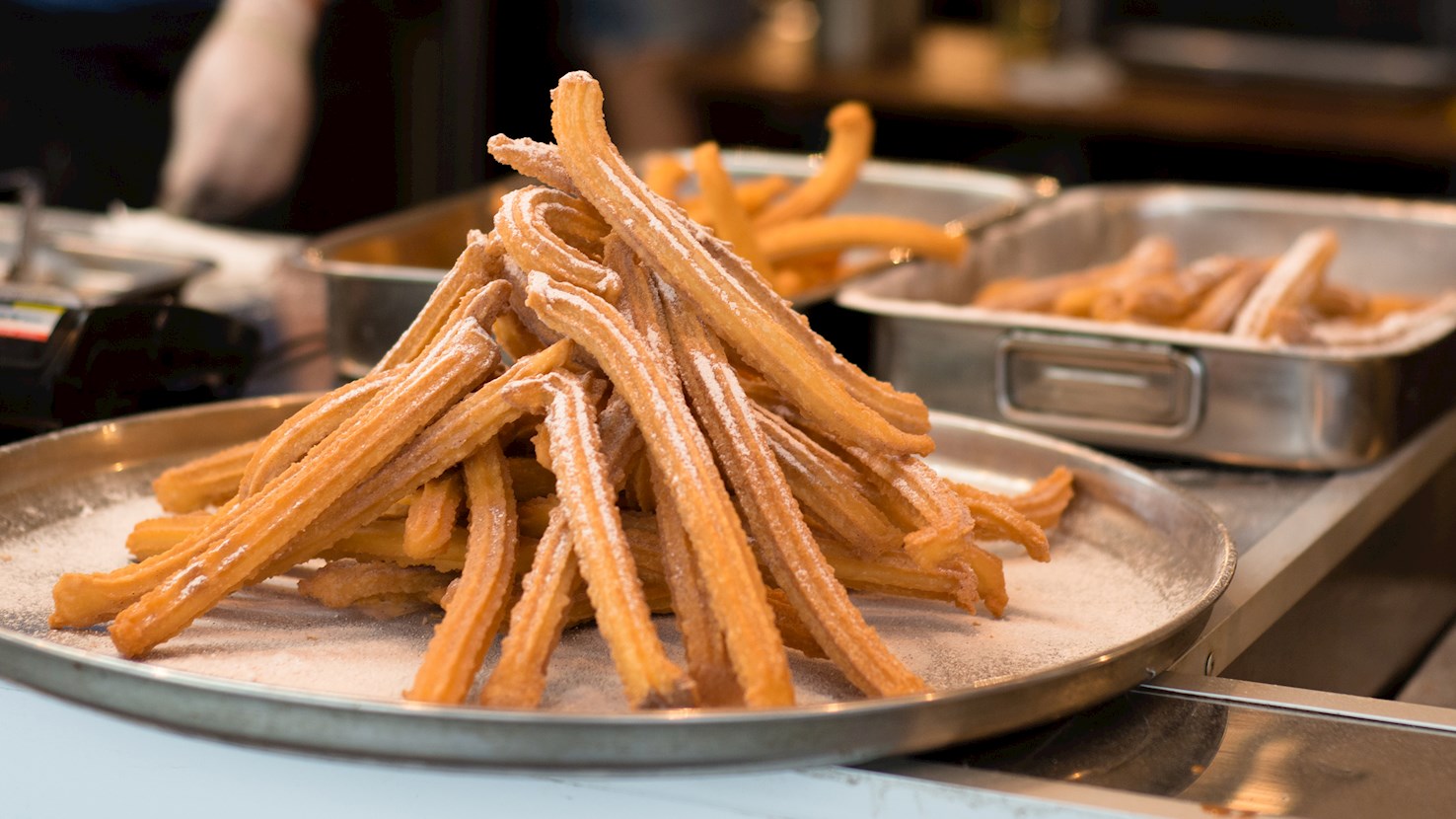
Elongated, crispy, crunchy and intensely fragrant, churros consist of deep-fried yeast dough encrusted with sugar. Although some may argue against consuming these sweet treats, warning others about the dangerous effects of sugar and fat on human bodies, the popularity of churros throughout the world doesn't seem to wane. Originally invented by Spanish shepherds who could easily cook them in a pan over an open fire, today these unusually shaped, cinnamon sugar sprinkled twists are most commonly eaten in Spain and Latin America as a hot breakfast food, accompanied by a strong cup of coffee or a cup of thick hot chocolate. Their characteristical shape is achieved by pressing the dough through plastic tubes so it emerges on the other side in thin, ridged ropes. Although churros are a Madrid specialty, the ones found in Seville are often praised because they differ in a lighter and more delicate texture. In Cuba, they may be filled with guava, in Mexico with dulce de leche, and in Uruguay with cheese. Regardless of the varieties, churros are an indulgence that must be tried at least once.

08

Quesada pasiega

4 ·

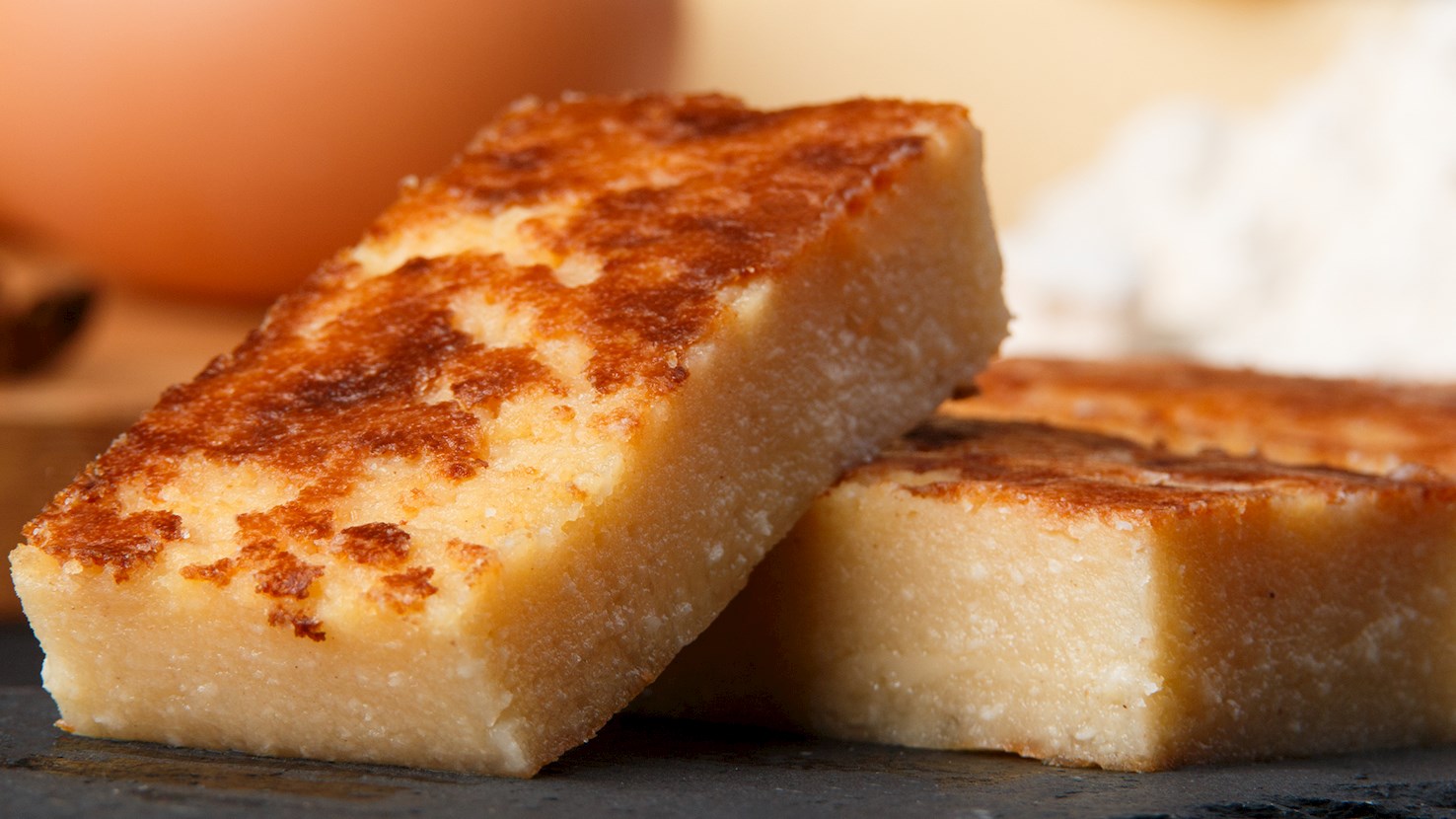
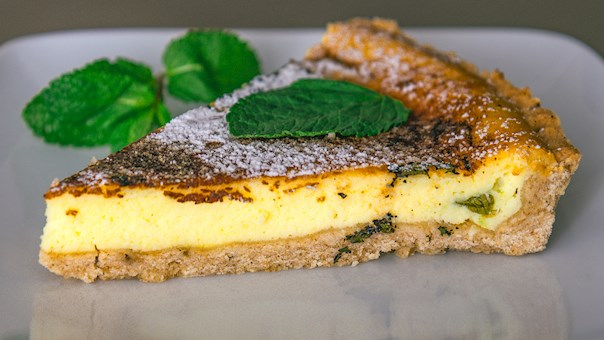
Reminiscent of a cheesecake, quesada pasiega is a traditional Cantabrian creamy cake made with a combination of butter, sugar, milk, flour, eggs, and either ricotta or cheese curds. It is typically flavored with cinnamon and lemon zest. The texture of quesada pasiega is similar to that of a dense pudding. When baked, it can be served hot or cold. It is recommended to top it with fruit jams in order to make it even more delicious.

09

Mel i mató

3.9 ·

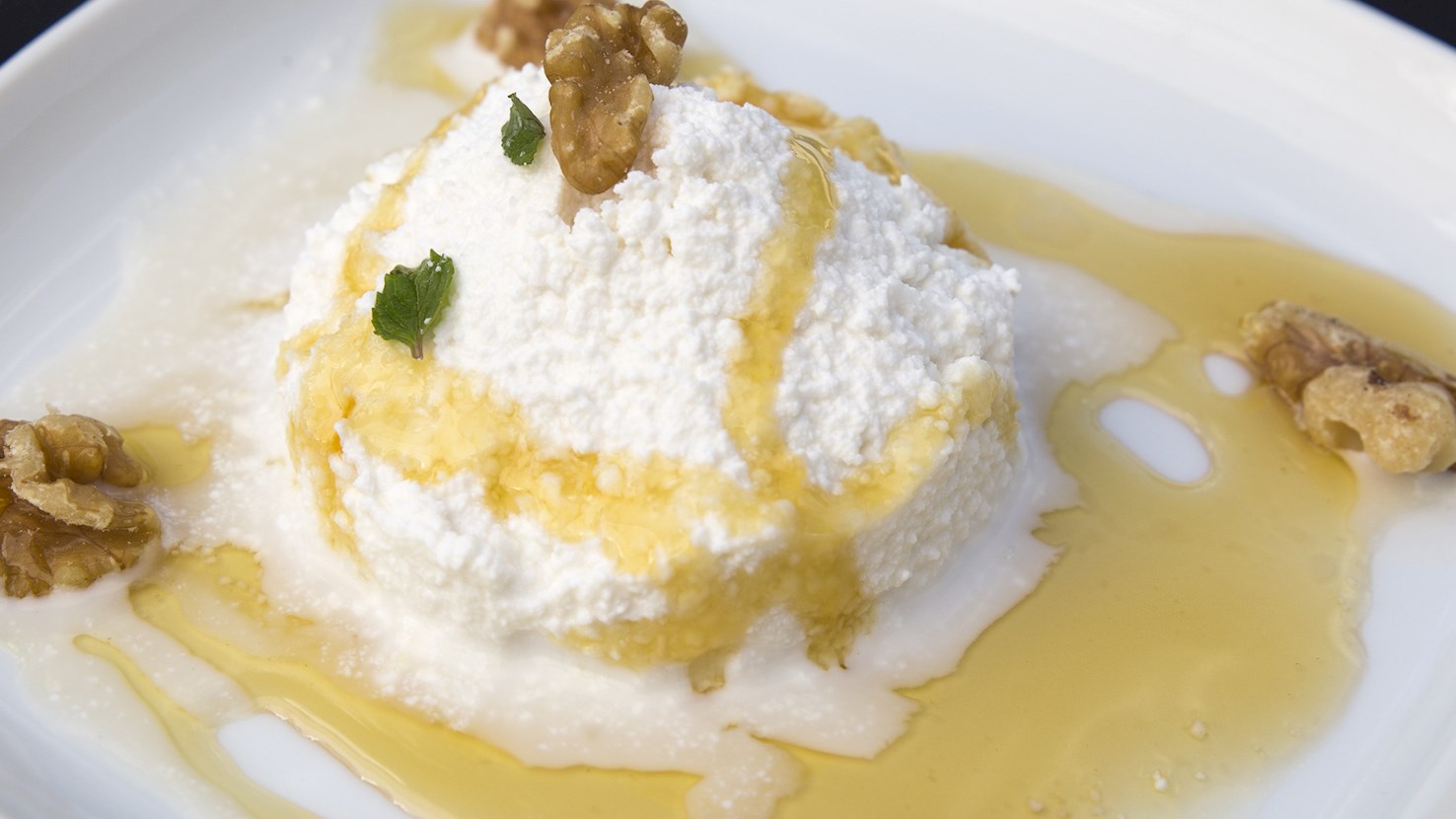
In its basic form, this traditional Catalan dessert is a simple combination of honey and mató (also known as brossat or brull)—a subtly sweet fresh cheese that is made from goat, sheep, or cow milk. The dish is assembled by placing a piece of mató and then generously drizzling it with honey. A common homemade dessert as well as a regular restaurant dish, mel i mató is easily modified with the addition of nuts, jams, and dry or fresh fruit.

10

Sobao pasiego

3.9 ·

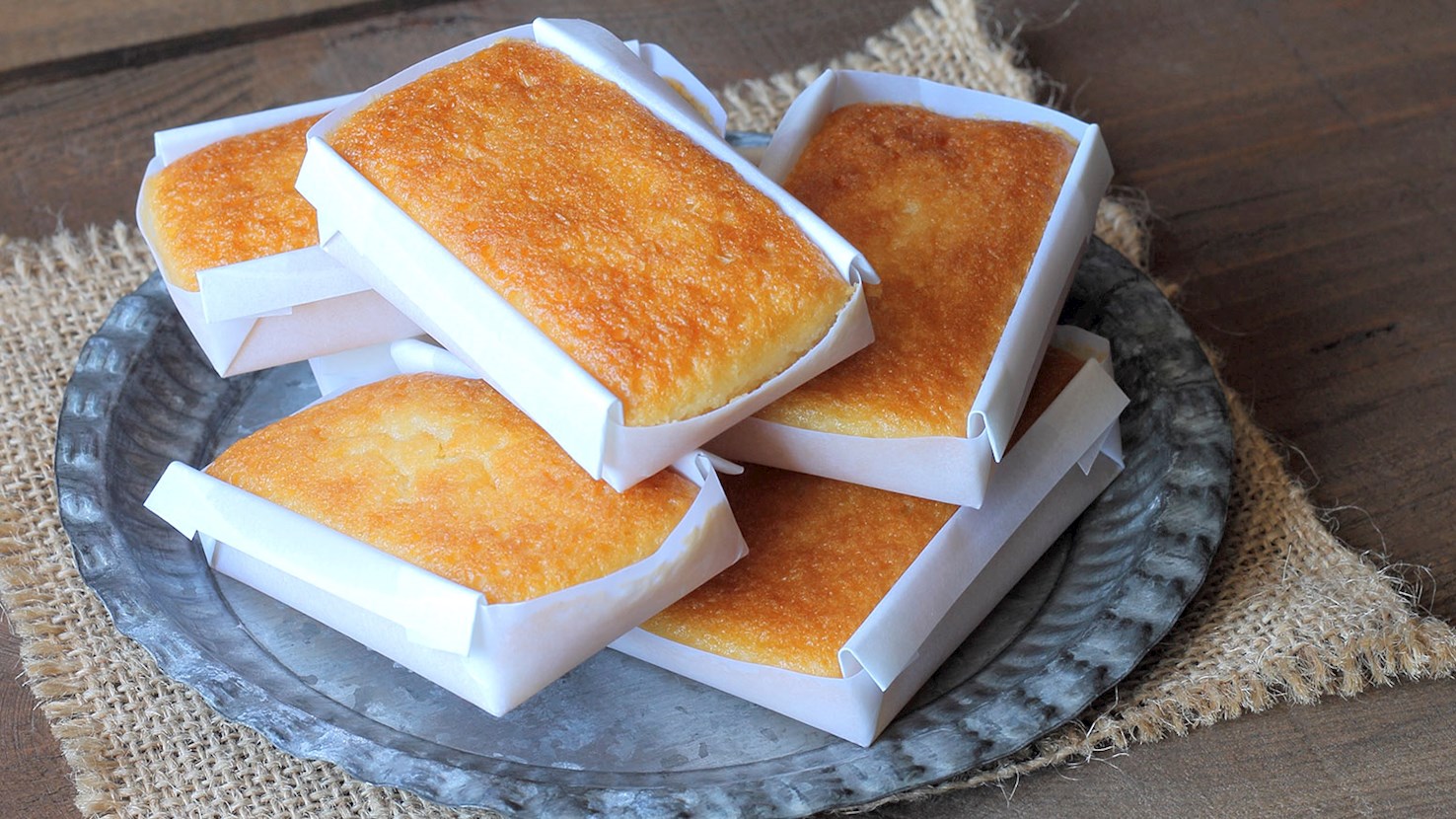
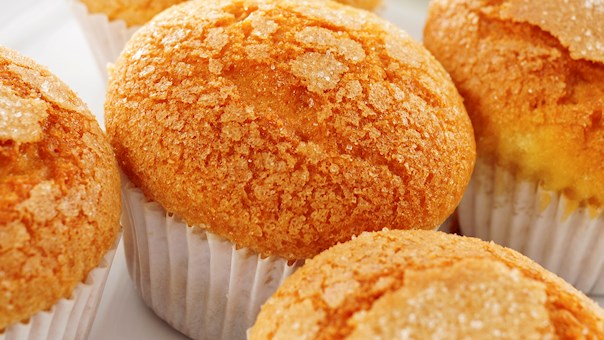
Sobao pasiego, a popular sponge cake from Cantabria, is made from yeasted dough that is typically flavored with lemon zest and either anise liquor or rum. Originally, the cake was made from leftover bread dough, but near the end of the 19th century, it has been modified into its present-day form. The tradition of preparing it and the simplicity of ingredients used in the preparation helped sobao pasiego gain PGI status in 2004.

Best Spanish Desserts

01

Antigua Pastelería del Pozo

4.5 ·
Antigua Pastelería del Pozo is a historic pastry shop in Madrid founded in 1830, widely recognized as the oldest pastry shop in the city and one of the oldest still operating in Spain. Located on Calle del Pozo, from which it takes its name, the establishment has become a longstanding part of Madrid’s culinary heritage. Originally founded by the Agudo family, the business later came under the ownership of pastry chef Julián Leal Charle in the early 20th century, with the family tradition continuing through subsequent generations. The pastry shop is particularly known for preserving classic Madrid confectionery traditions through handcrafted production and time-honored recipes. Its portfolio includes iconic Spanish pastries such as bartolillos, bayonesas, puff pastry specialties, torrijas, marzipan, and seasonal products like roscón de Reyes. The emphasis is on traditional craftsmanship rather than industrial-scale production, with recipes built around classic ingredients such as flour, butter, eggs, sugar, and traditional fillings. The shop’s historic interior reinforces its identity as a preserved piece of old Madrid, offering not only confectionery products but also a sense of culinary continuity. Rather than functioning as a modern mass-market brand, Antigua Pastelería del Pozo represents a heritage producer whose significance lies in authenticity, artisanal methods, and the preservation of local pastry culture.
02

La Estepeña

4.5 ·
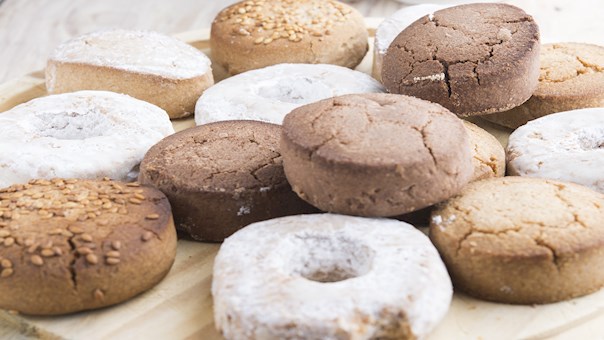
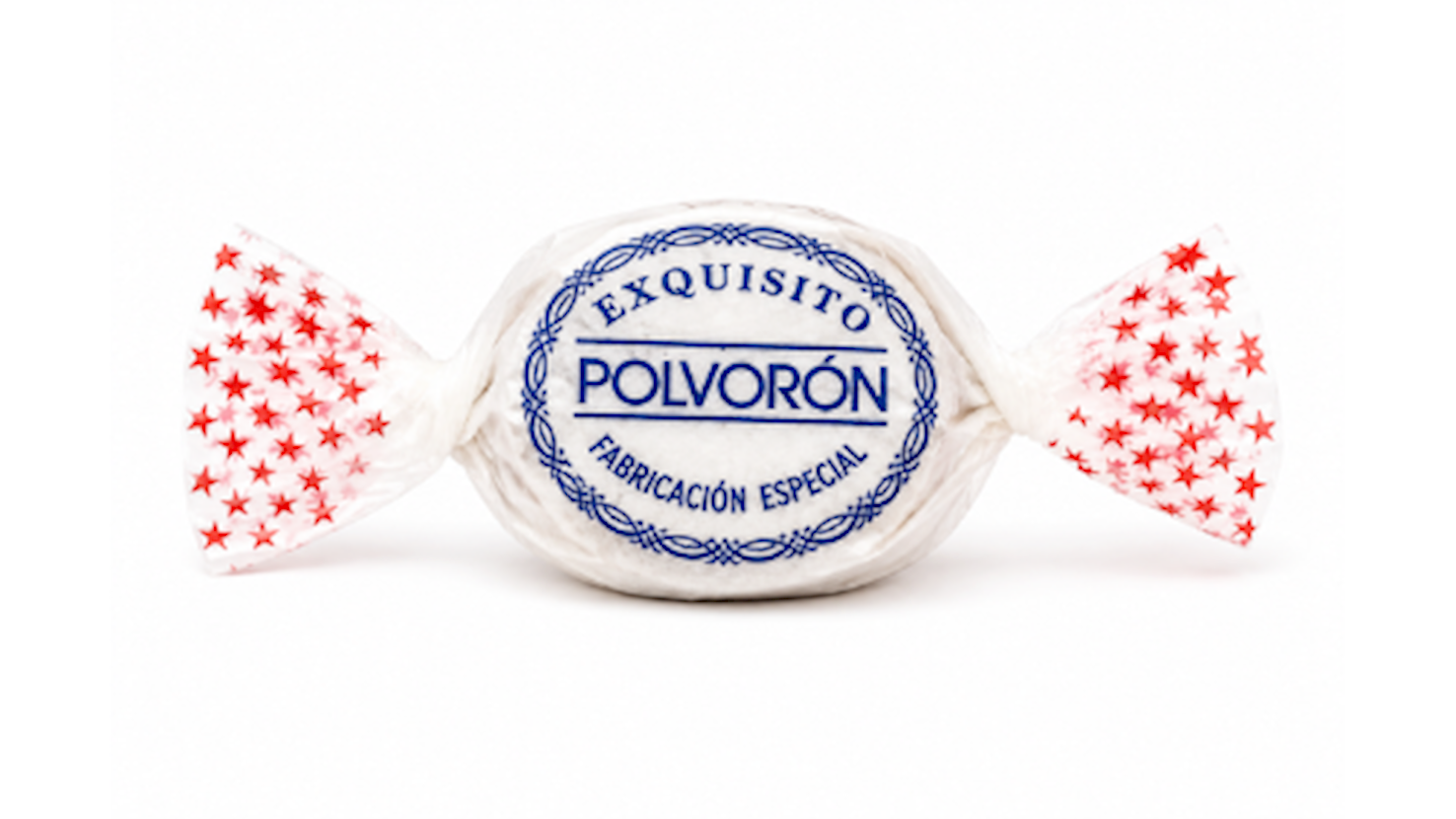
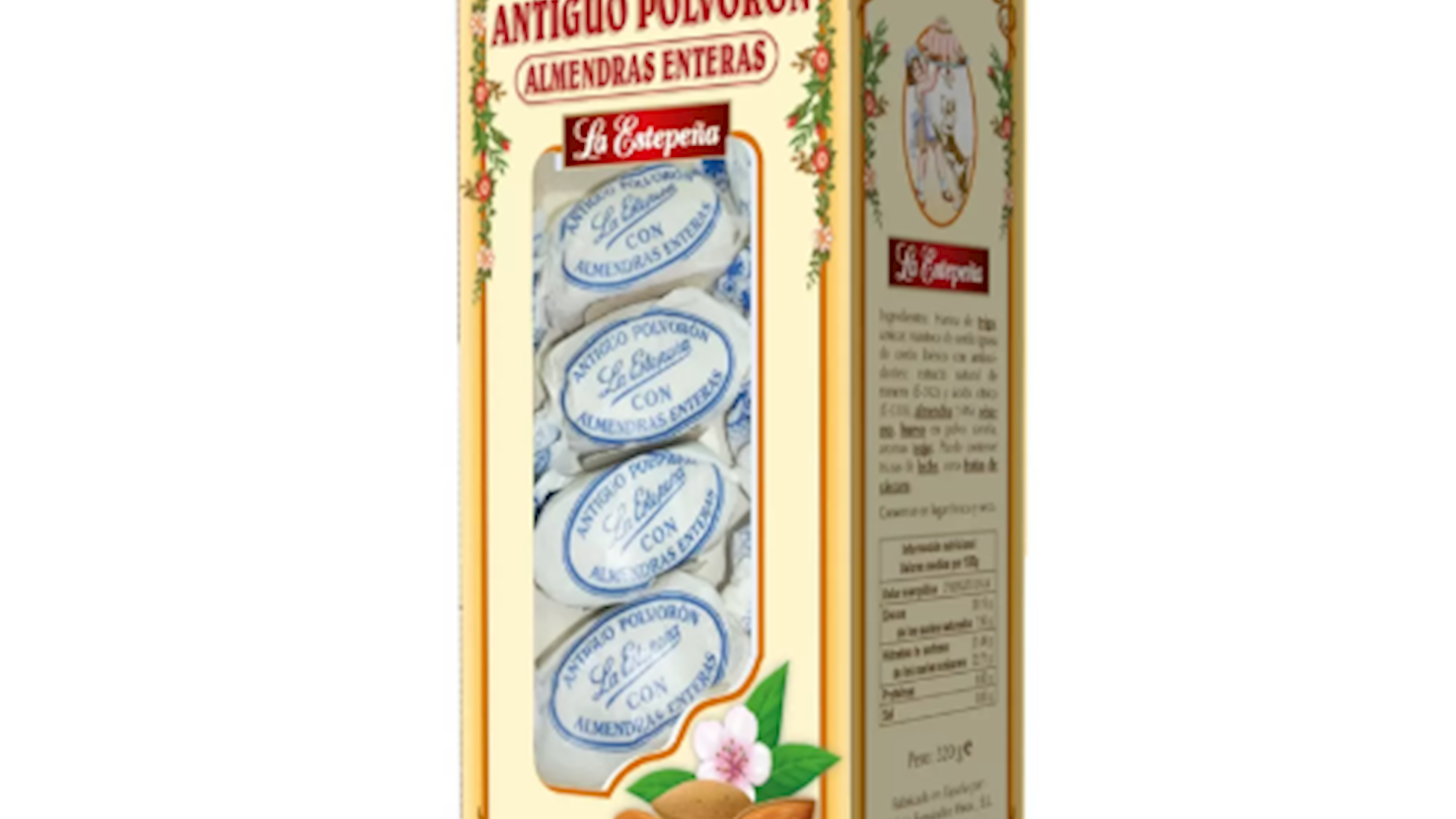
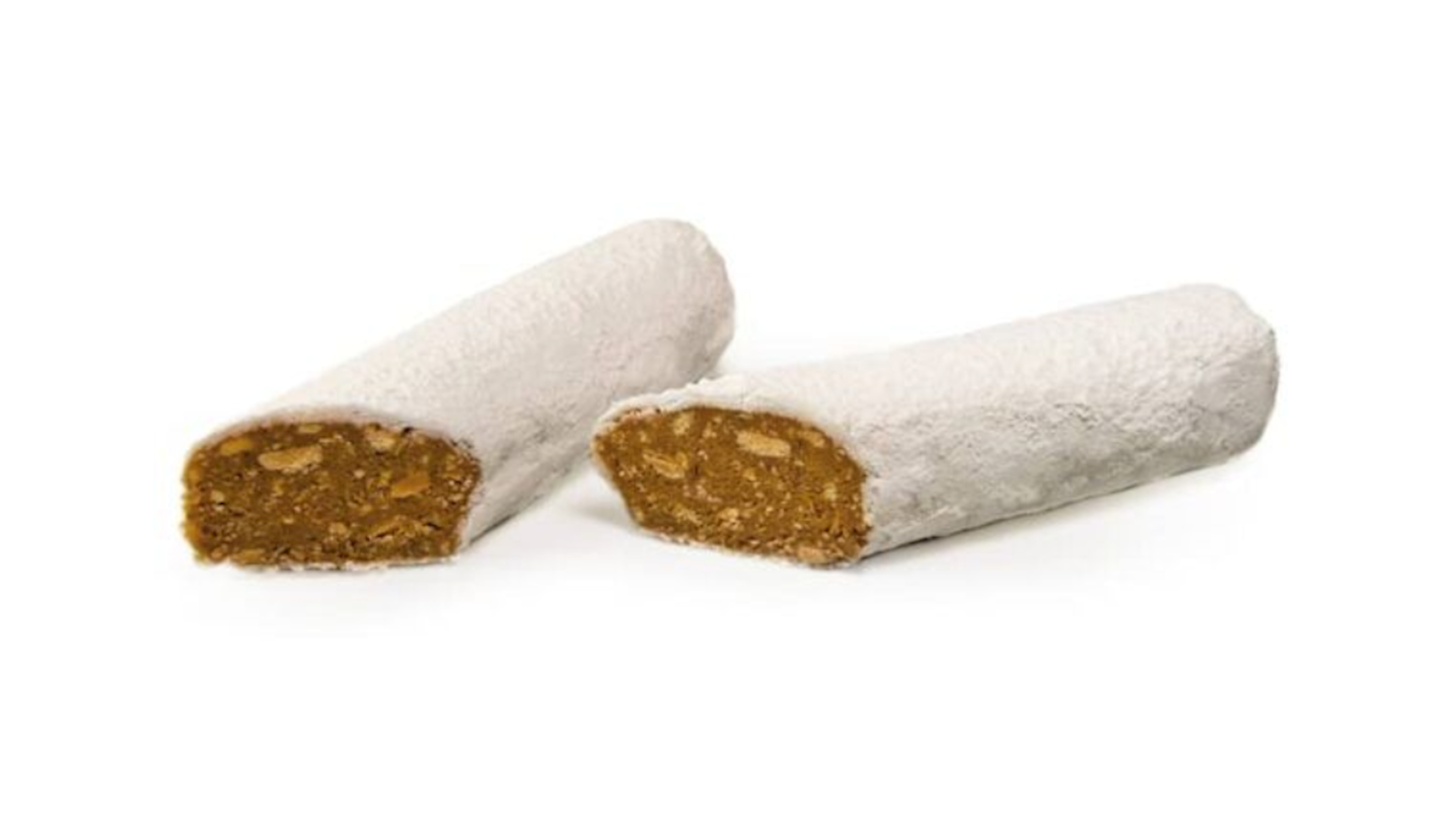
La Estepeña is a historic confectionery producer based in Estepa, Andalusia, widely recognized for its role in shaping the tradition of Spanish Christmas sweets. Founded in 1858 by Rafael Galván Gómez, the company has remained closely tied to its place of origin, where climatic conditions and local know-how have long supported the production of mantecados and polvorones. Its range is built on simple, well-defined ingredients such as flour, sugar, almonds, and fat, resulting in the characteristic crumbly texture that defines these products. Over time, La Estepeña has expanded its portfolio with variations that include chocolate-based recipes and options made with olive oil, reflecting both innovation and changing consumer preferences. Despite this evolution, the production process continues to emphasize traditional methods and seasonal rhythms, with peak activity concentrated around the winter holiday period. The company remains family-owned, which contributes to the consistency of its identity and quality standards. In addition to manufacturing, it has developed a cultural and visitor-oriented dimension through spaces like its chocolate-themed exhibitions, reinforcing its connection to regional heritage. Today, La Estepeña distributes its products beyond Spain while maintaining a strong association with Estepa as a key center of traditional Spanish confectionery.
03

La Luarquesa

4.5 ·
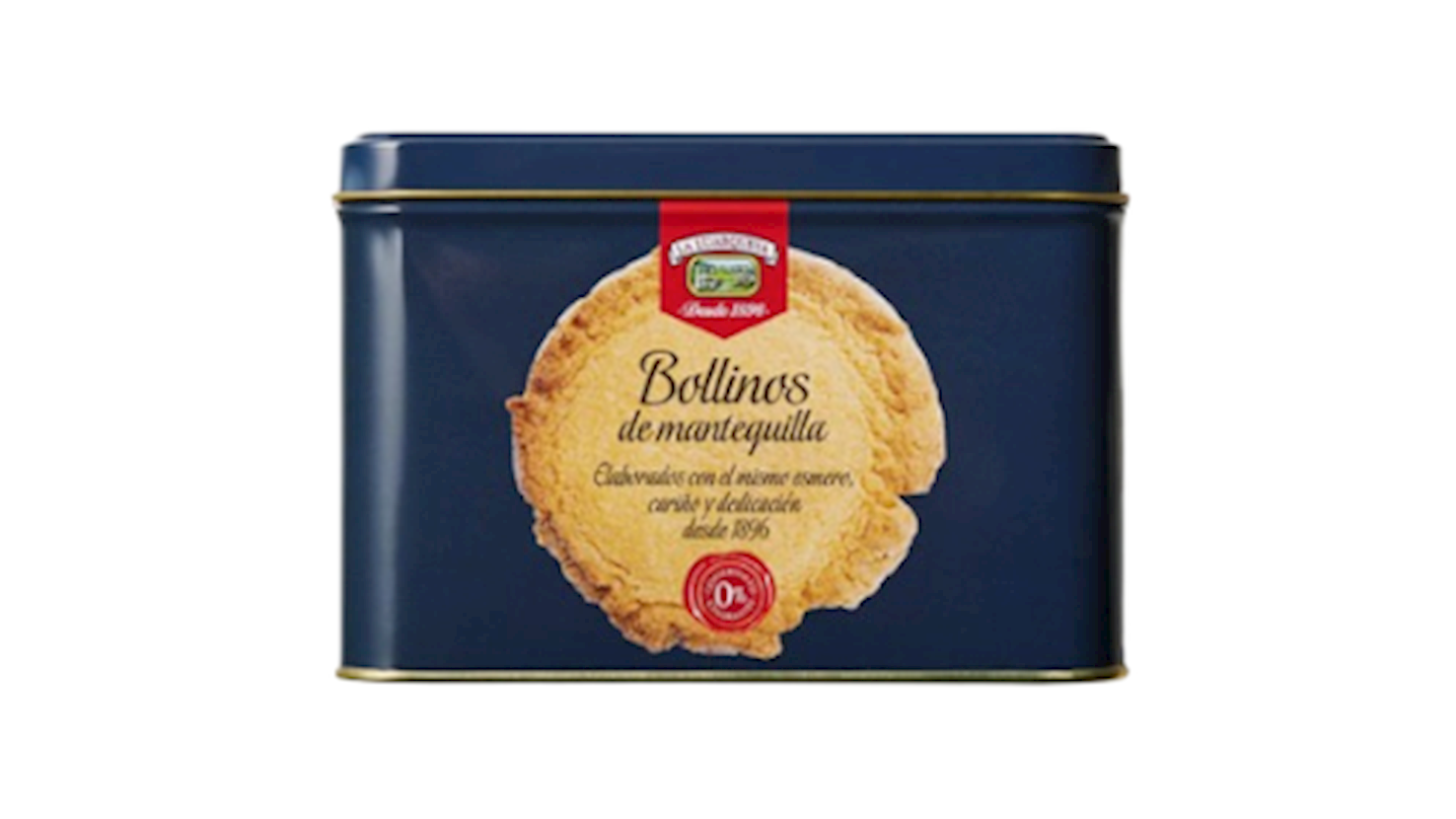
La Luarquesa is a family-owned Spanish company based in Luarca, Asturias, with origins dating back to 1896 and a history spanning four generations. It began as a small bakery and shop and gradually evolved into a producer specializing in traditional biscuits and pastries while maintaining its original recipes and artisanal identity. The company’s production is based on the use of natural ingredients, avoiding artificial additives and preservatives, which supports a clean and ingredient-focused approach. Its range includes various types of biscuits, mantecadas, rosquillas, and other regional sweets rooted in Asturian confectionery traditions. The manufacturing process retains a strong handcrafted component in key stages, combined with modern quality and food safety standards to ensure consistency. A defining characteristic of La Luarquesa is the continuity of its recipes and techniques, passed down through generations, which helps preserve traditional textures and flavor profiles that are less common in industrial production. Today, the company is positioned within the gourmet segment, supplying specialty shops and hospitality channels while maintaining a clear connection to its regional origin and heritage.
04

Horno de Luanco

4.4 ·
Horno de Luanco is a traditional Spanish bakery and confectionery producer based in Luanco, Asturias, a region with a strong culinary heritage. The company is closely tied to its local environment and has developed as an artisanal bakery focused on preserving regional recipes and production methods. Its products are based on simple ingredients such as flour, eggs, sugar, and butter, with emphasis on straightforward formulations and traditional preparation techniques. The range includes a variety of baked goods, pastries, and local specialties inspired by Asturian confectionery traditions. Production maintains a strong handcrafted character, with manual processes used throughout key stages, from dough preparation to baking, ensuring consistency and control over texture and flavor. This approach results in products that reflect the regional style, with balanced sweetness and characteristic structure. Horno de Luanco operates primarily within the local and regional market, with a focus on direct sales rather than large-scale distribution. Its products are typically consumed as everyday bakery items or as simple desserts, often paired with coffee, positioning the brand within a context of tradition, locality, and continuity of craft.
05

Viena Capellanes

4.3 ·
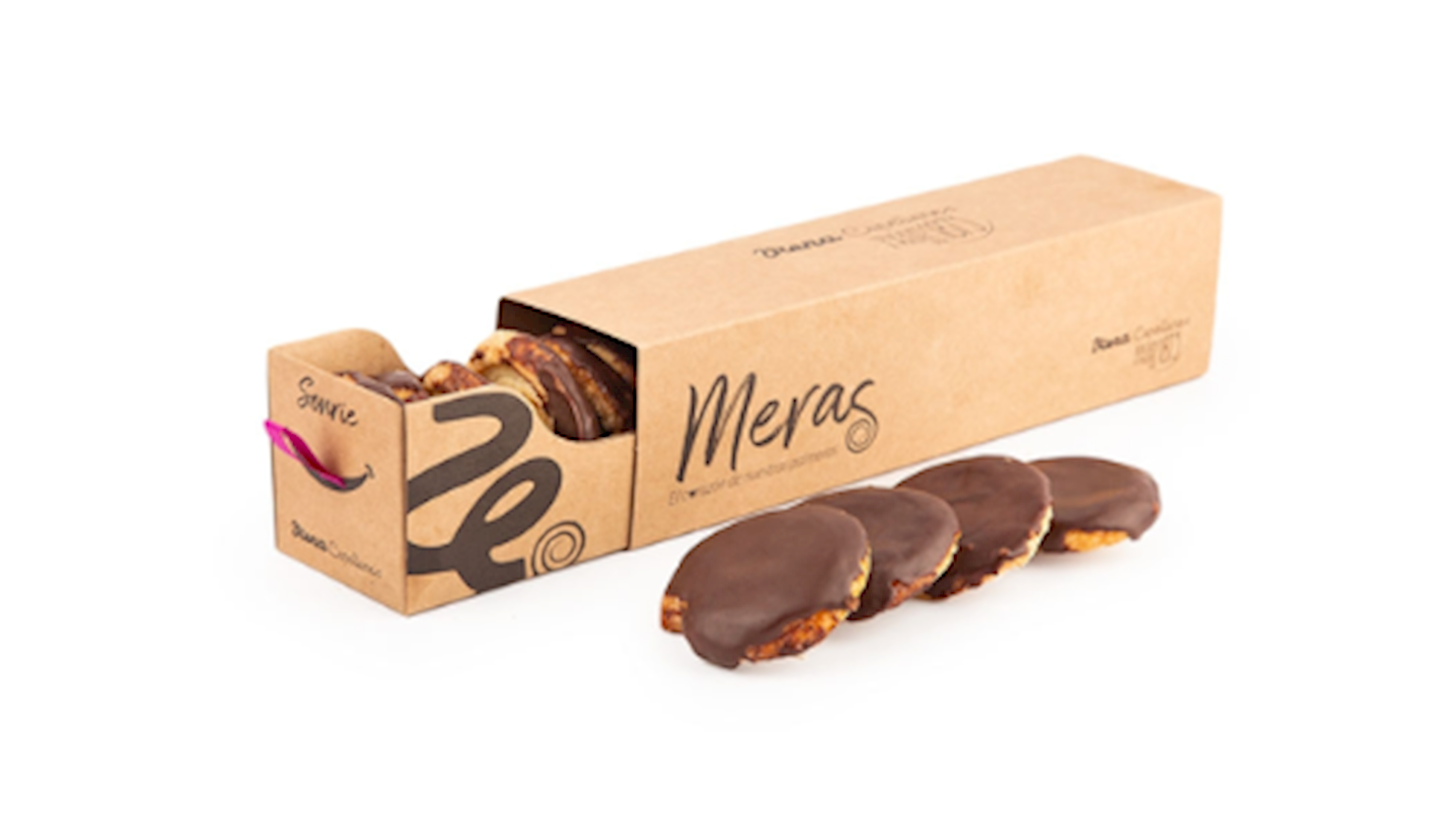
Viena Capellanes is a historic Madrid bakery, pastry house, and hospitality brand whose origins date back to 1873, when Matías Lacasa introduced the production of the famous Viennese-style bread in Madrid. The brand’s name combines the product "Viena" with the Capellanes area where the first bakery was established. It is widely recognized as the pioneer that introduced pan de Viena to Spain, initially under an exclusive patented production model. Over time, Viena Capellanes evolved from a small artisan bakery into one of Madrid’s most recognizable gastronomic institutions. Its portfolio today includes bread, pastries, cakes, confectionery, savory products, ready-made meals, catering services, and café-restaurants. The brand is particularly associated with classic pastry-making traditions, French-inspired confectionery culture, and iconic sweet products. Viena Capellanes was also an early innovator in home delivery and catering services within the Madrid market. An important chapter in its history is linked to Pía Baroja, who played a notable role in the family and business legacy of the company. Today, Viena Capellanes operates as a blend of heritage bakery, pastry brand, and modern food service business with multiple locations across Madrid. Its identity is built on continuity, artisanal tradition, and adaptation to contemporary consumer habits while preserving its historic character.
06

Aromas de Medina

4.2 ·
Aromas de Medina is a family-owned pastry workshop located in the picturesque and historically significant town of Medina-Sidonia, situated in the Cádiz province of Andalusia in southern Spain. Founded in 1958, this company has become a symbol of quality and authentic Andalusian gastronomic tradition over the decades, staying true to handcrafting and traditional recipes passed down from generation to generation. Aromas de Medina is known for its dedication to preserving local pastry heritage. Its most famous and highly regarded product is the Alfajor de Medina Sidonia, an authentic Andalusian sweet that holds the IGP (Indicación Geográfica Protegida) certification – which guarantees its origin, method of production, and connection to the region from which it originates. Unlike its South American counterparts, this alfajor contains a mixture of honey, almonds, and spices, wrapped in a thin wafer, making it unique in flavor and texture. In addition to alfajores, Aromas de Medina produces numerous other traditional treats and specialties such as Torta Parda, Amarguillos, Pan de Cádiz, and Yemas Nevadas. Every bite of their products reflects care, experience, and a deep love for their heritage, which is why Aromas de Medina remains one of the most esteemed names in the world of Spanish pastry tradition.
07

Galletas de La Abuella

4.2 ·
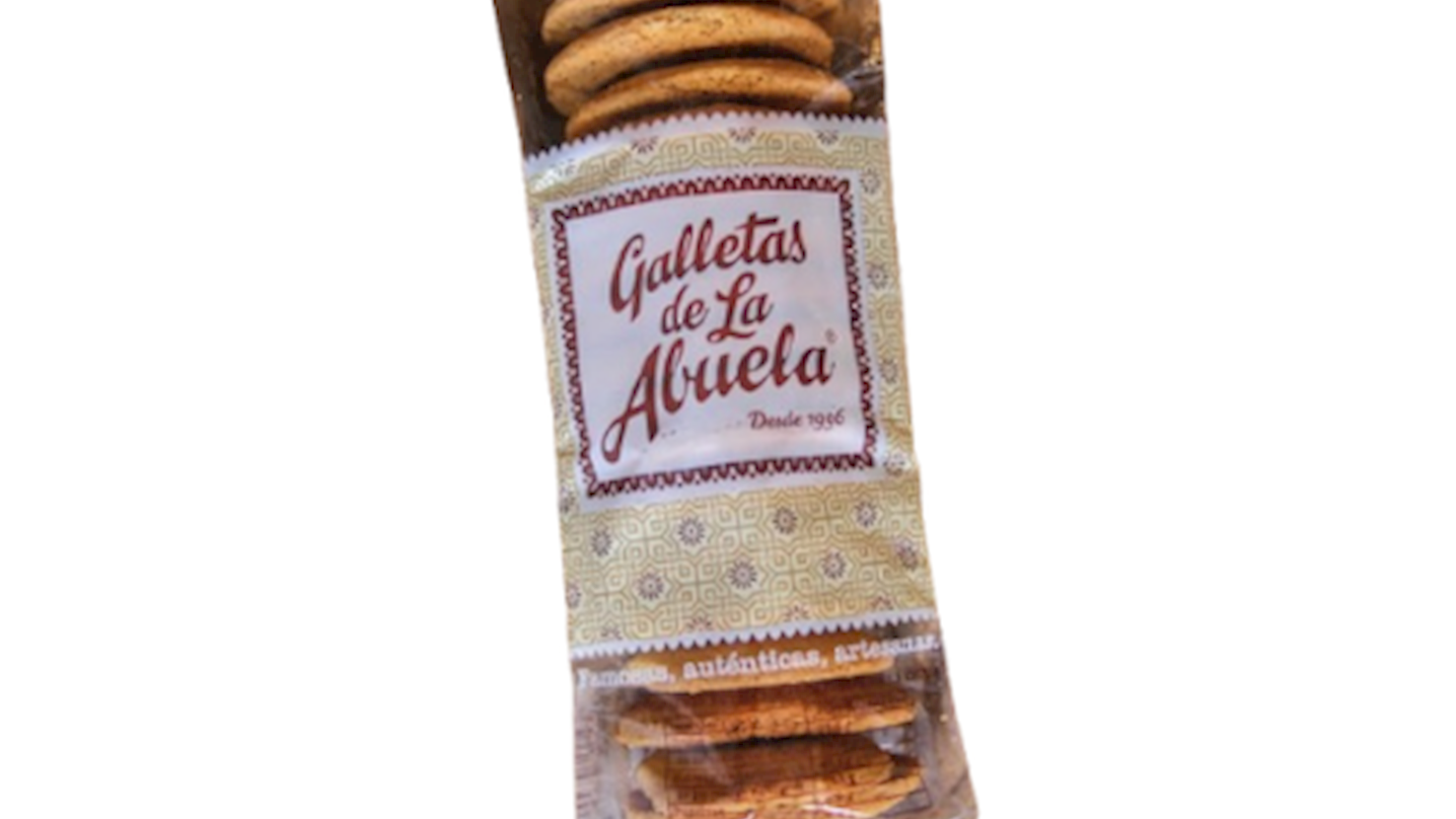
Galletas de La Abuela is a family-run producer from Asturias focused on traditional artisanal baked goods, built around simple recipes inspired by homemade confectionery. The brand was founded by Ángel Blanco and Toñi Junco together with their son, with production based in Sardalla, near Ribadesella, where all stages are still carried out. Its identity relies on a straightforward formulation using core ingredients such as flour, sugar, eggs, and butter, without additives or industrial enhancers. The products are made in small batches, with emphasis on natural flavor and a texture that reflects homemade baking rather than standardized industrial output. Their signature cookies have gained recognition through local markets and word-of-mouth, supported by consistency in both taste and quality. In addition to the classic version, the range includes variations with chocolate, apple, or hazelnut, as well as other baked items like sponge cakes and muffins produced under the same approach. Production remains limited and closely tied to artisanal methods, avoiding large-scale industrialization. Galletas de La Abuela positions itself as a representative regional producer, defined by authenticity of recipe, local origin, and consistency rather than product diversification or innovation.
Read more
View all
View map
About this ranking

TasteAtlas food rankings are based on the ratings of the TasteAtlas audience, with a series of mechanisms that recognize real users and that ignore bot, nationalist or local patriotic ratings, and give additional value to the ratings of users that the system recognizes as knowledgeable. For the “Top 68 Spanish Desserts” list until June 15, 2026, 4,044 ratings were recorded, of which 3,314 were recognized by the system as legitimate. TasteAtlas Rankings should not be seen as the final global conclusion about food. Their purpose is to promote excellent local foods, instill pride in traditional dishes, and arouse curiosity about dishes you haven’t tried.

The initial list of top producers was compiled based on available reviews, awards, local recommendations, media and blog coverage, and consumer reviews. The list will be updated with ratings from TasteAtlas local ambassadors and TasteAtlas users.

Similar lists