dreamstime

Top 100 Magnoriental Foods
Last updated on June 16, 2026

Best Magnoriental foods

01
Snack

Tarte flambée

4.3 ·

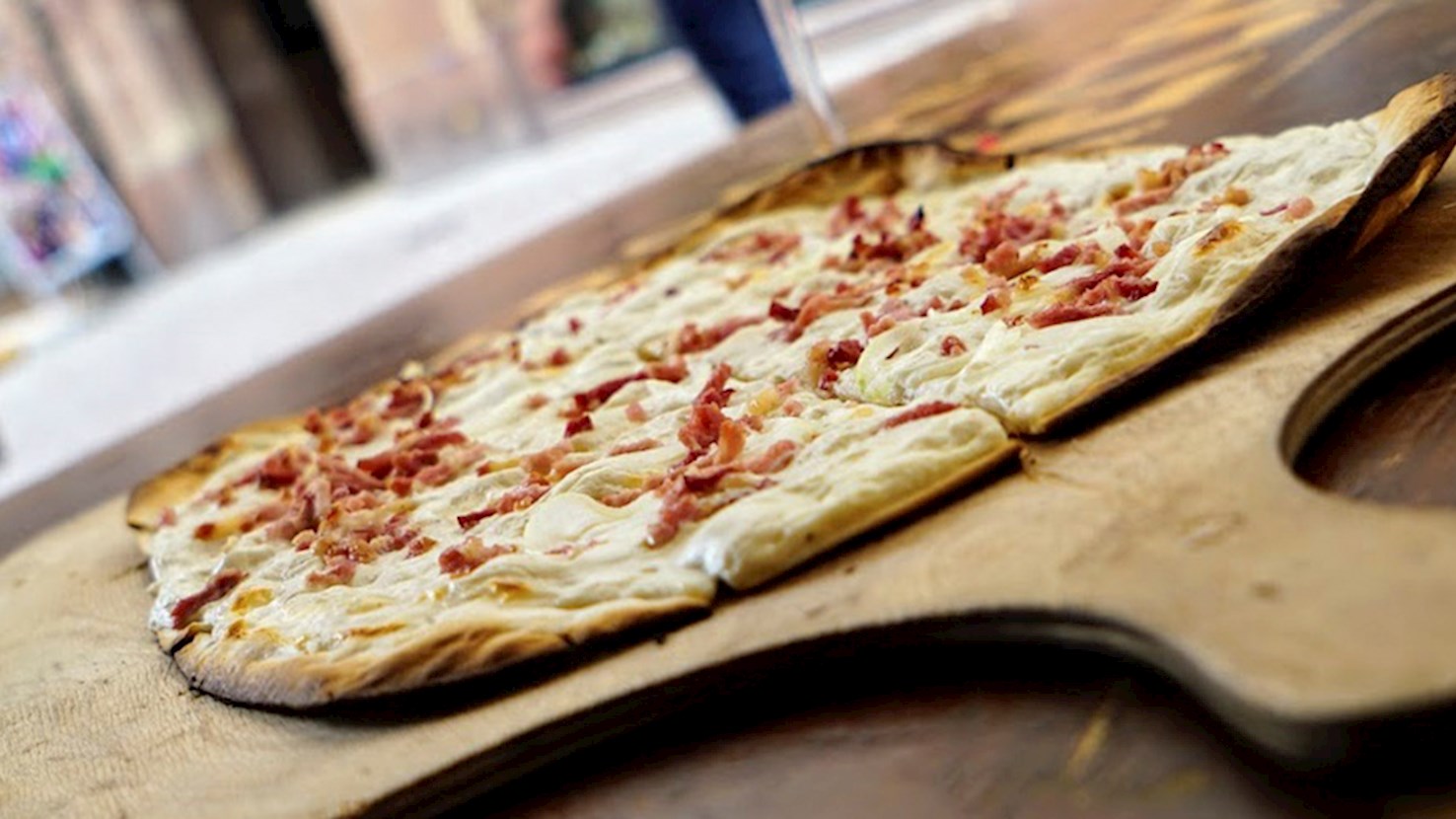
Tarte flambée is a thin, crispy, rectangular baked dough that is topped with tart and spreadable cheese (fromage blanc) or melting ripe cheese (Munster), créme fraîche, crispy bacon, and thinly sliced roasted onions. A pinch of salt, ground pepper, peanut oil and nutmeg add extra layers of flavor to this beloved snack. Also known as flammeküche in Germany, the flaming tart takes its name from the fact that it is baked at a close proximity to hot embers in a brick oven. Of course, due to its popularity, it spread well beyond Alsace, so there are many varieties of the dish with added mushrooms or tomatoes. Tarte flambée pairs perfectly with dry white wines and foamy local beers, both of them specialties of the Alsace region.

02
Cheese

Langres

4.1 ·

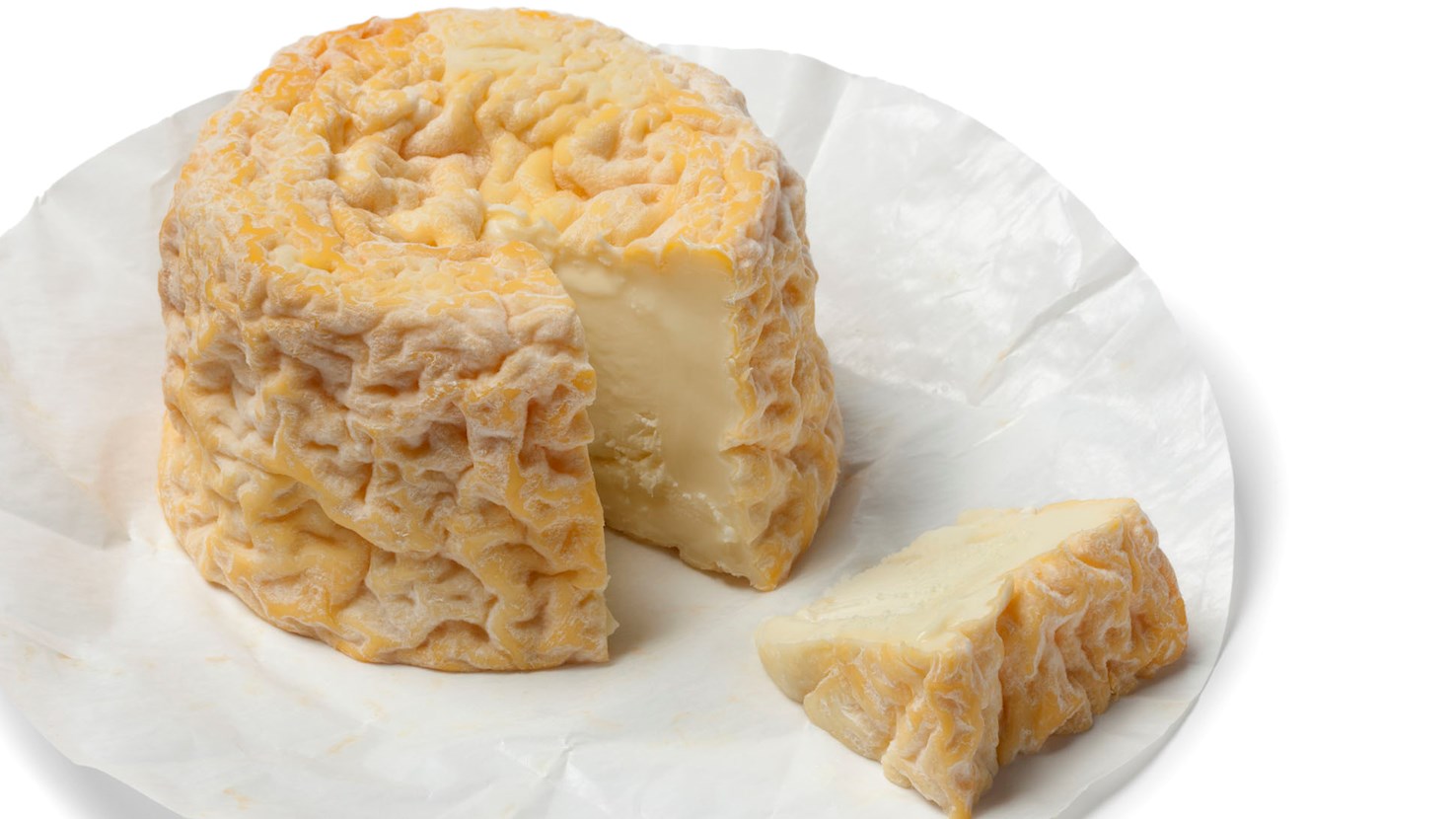
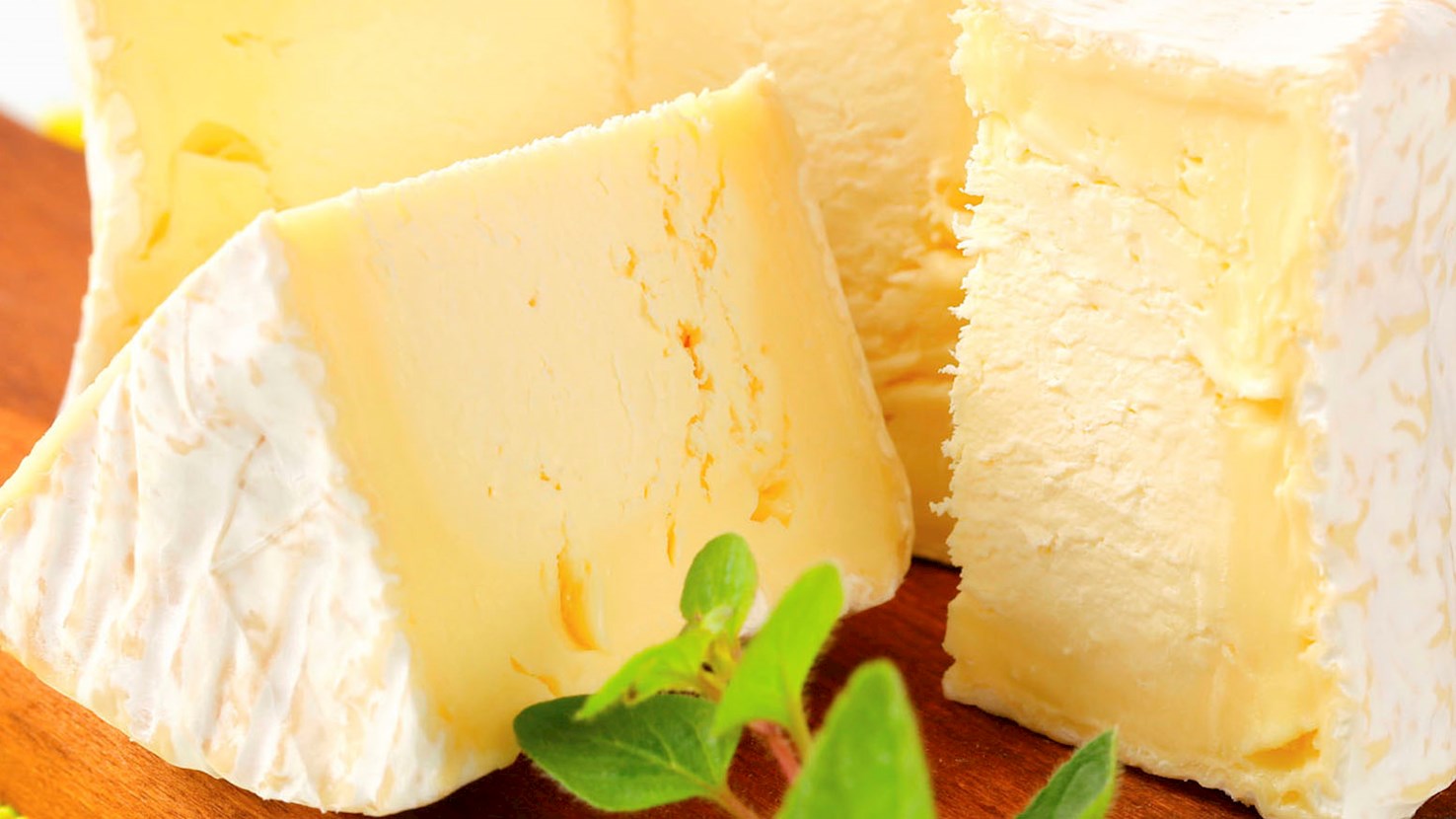
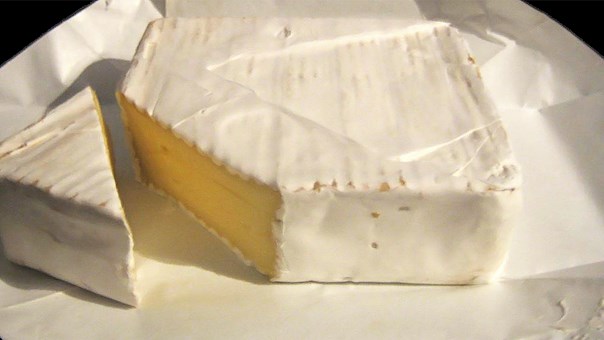
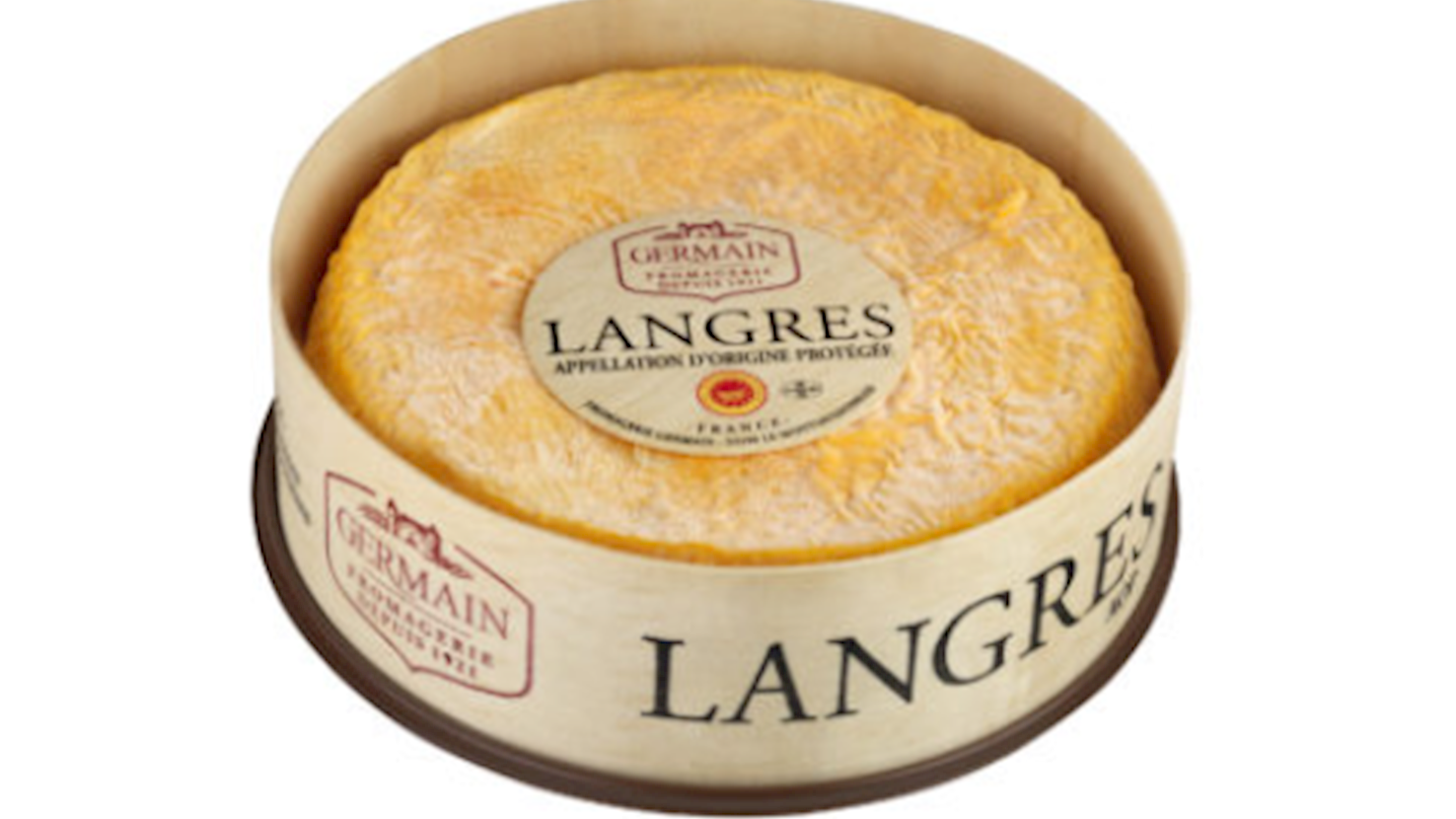
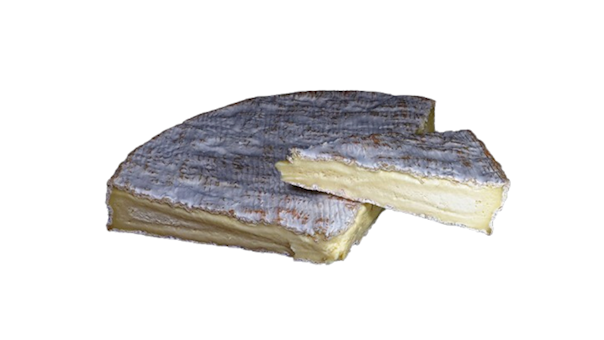
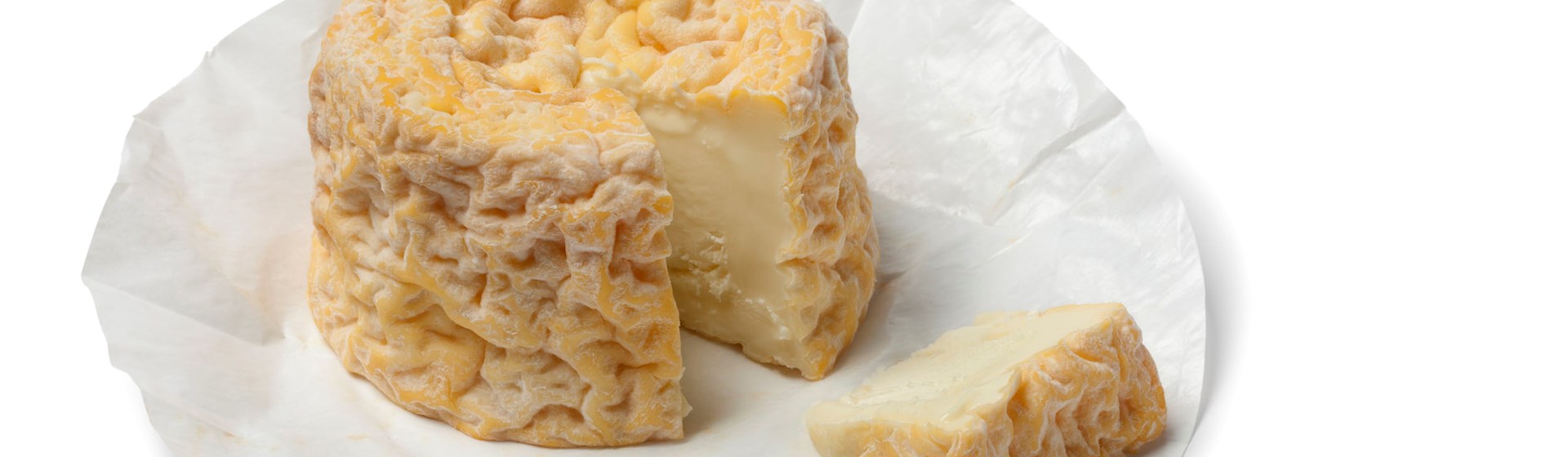
Langres is a soft cheese made exclusively from cow's milk on the Langres plateau and the Bassigny pastures in the Champagne-Ardenne region. It has a long maturation period of at least 21 days, during which the cheeses are often rubbed with brine. On the exterior it has a white, moldy, wrinkled rind, while on the inside it is slightly soft and crumbly. The aroma of Langres is intense, the flavor is salty, and the cheese melts in the mouth when consumed. What's so special about Langres is its concave top (fontaine in French) which was originally designed to hold a small bit of sparkling wine. Langres can be used in a variety of salads, and it's recommended to pair it with sparkling wines and red wines.

03
Tart

Tarte aux mirabelles

4.1 ·

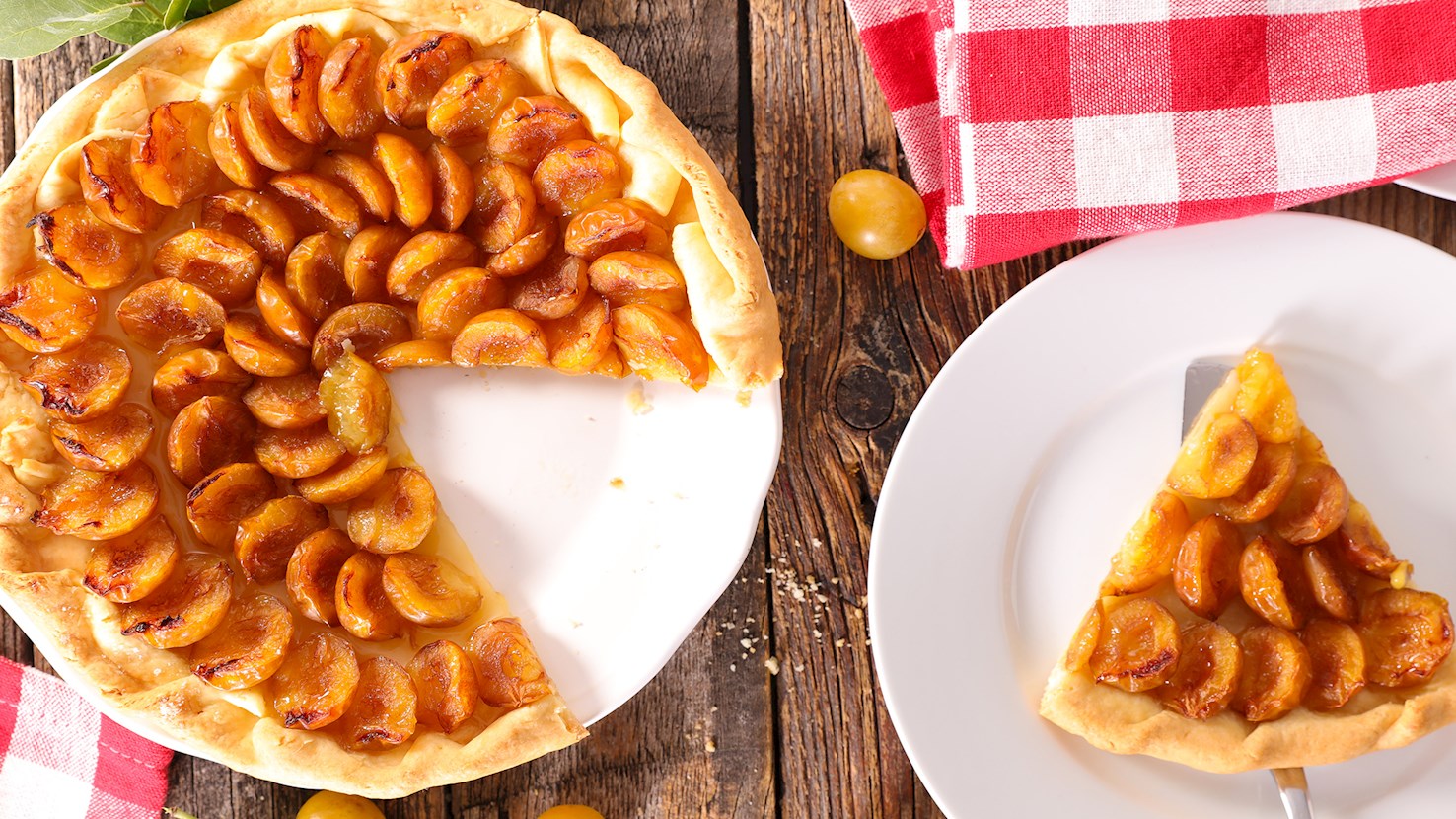
While the traditional version couples only two elements, shortcrust pastry or pâte brisée and juicy mirabelle plums, modern varieties of this classic occasionally place the plums on a bed of pastry cream or creamy custards. Before baking, the tart is sprinkled with powdered sugar (alternatively, the top can be drizzled with mirabelle brandy), and it is then caramelized under a broiler or with a blowtorch. This autumnal French dessert is often associated with the regions of Lorraine and Alsace, where mirabelle plums are traditionally grown. Because their season is very short, they are a prized ingredient in the French cuisine.

04
Cheese

Munster

4.1 ·

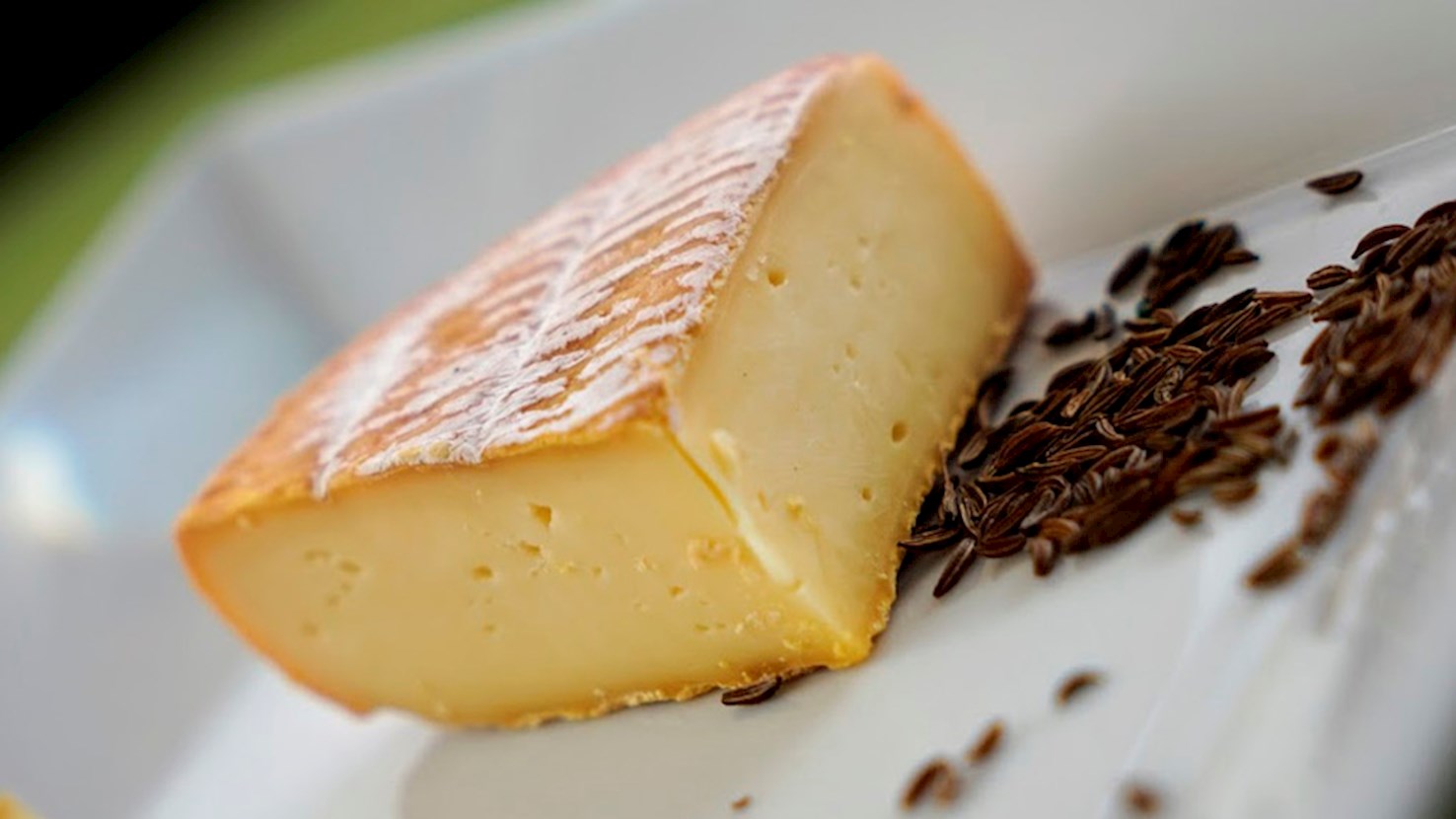
Munster is a soft, creamy cheese with an orange-colored washed rind, produced in the Alsace and Lorraine area in France. The cheese is made from cow's milk: smaller cheeses mature in cellars for at least 14 days, and regular sized cheeses for at least 21 days. Its name comes from a small town called Munster (Monastery), where monks have been making the cheese since the Middle Ages. Munster's aroma is strong and pungent, similar to that of fried eggs, and the flavor is tangy, so it is best enjoyed with strong beers, full-bodied red wines. Serve it with fresh salads, potatoes, and diced onions.

05
Savory Pie

Quiche Lorraine

4 ·

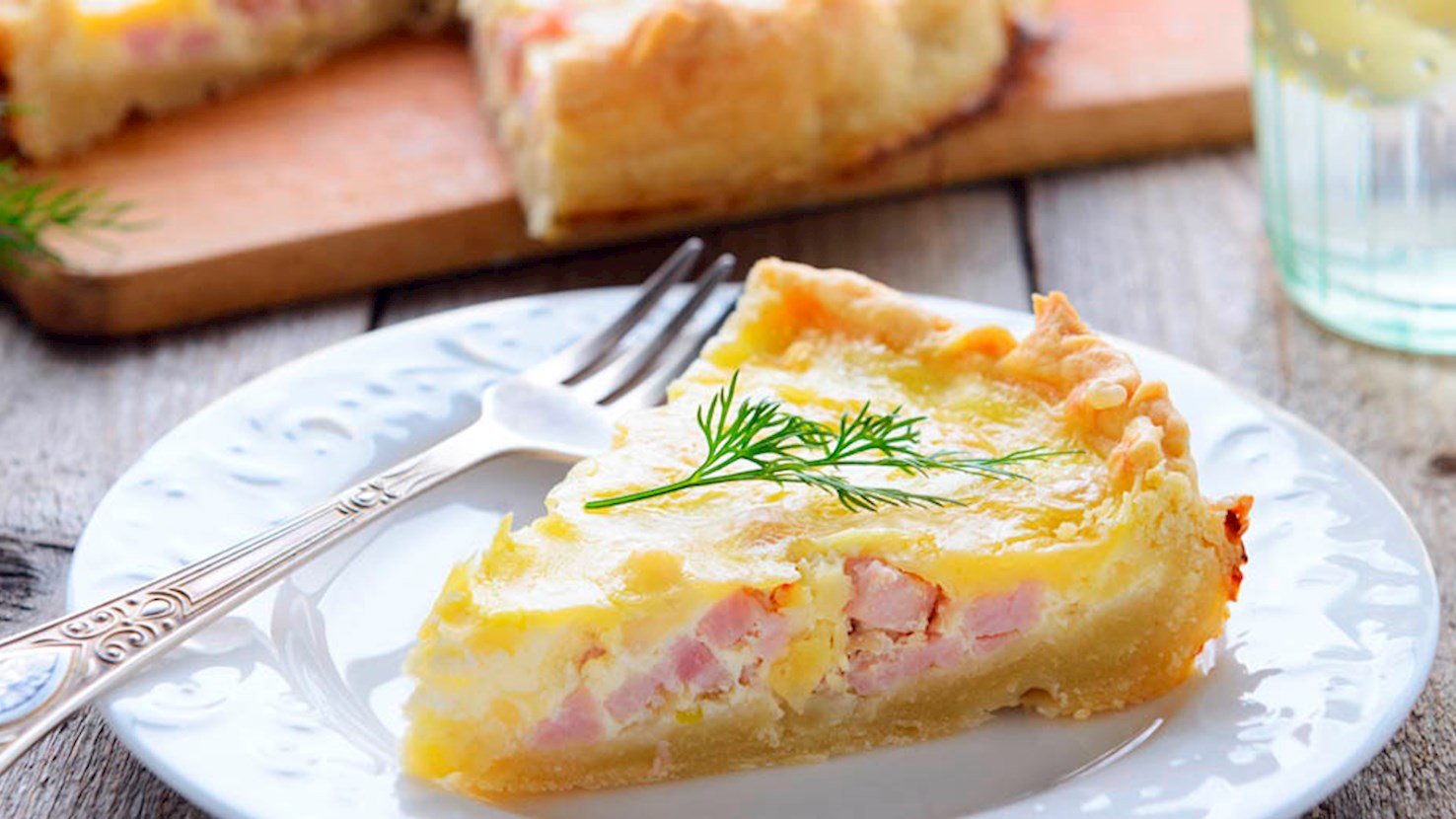
Although quiches can be made with nearly anything, from meats and vegetables to seafood, herbs, and cheeses, the king among these delicious baked tarts is still the original quiche Lorraine, consisting simply of a shortcrust dough base that is filled with bacon, eggs, cream, nutmeg, and a dash of salt and pepper. The word quiche is thought to have been adapted from the German word küchen, meaning cake, as the first Lorraine quiches were made with bread dough instead of shortcrust dough. In the French region of Lorraine, it is traditionally served on May Day as an accompaniment to roasted suckling pig. Any other day in the year, it is served as an appetizer, usually with a green salad on the side, and it is typically consumed either at room temperature or warm, while the golden-brown crust is still crunchy.

Best restaurants
06
Cookie

Bredele

3.9 ·

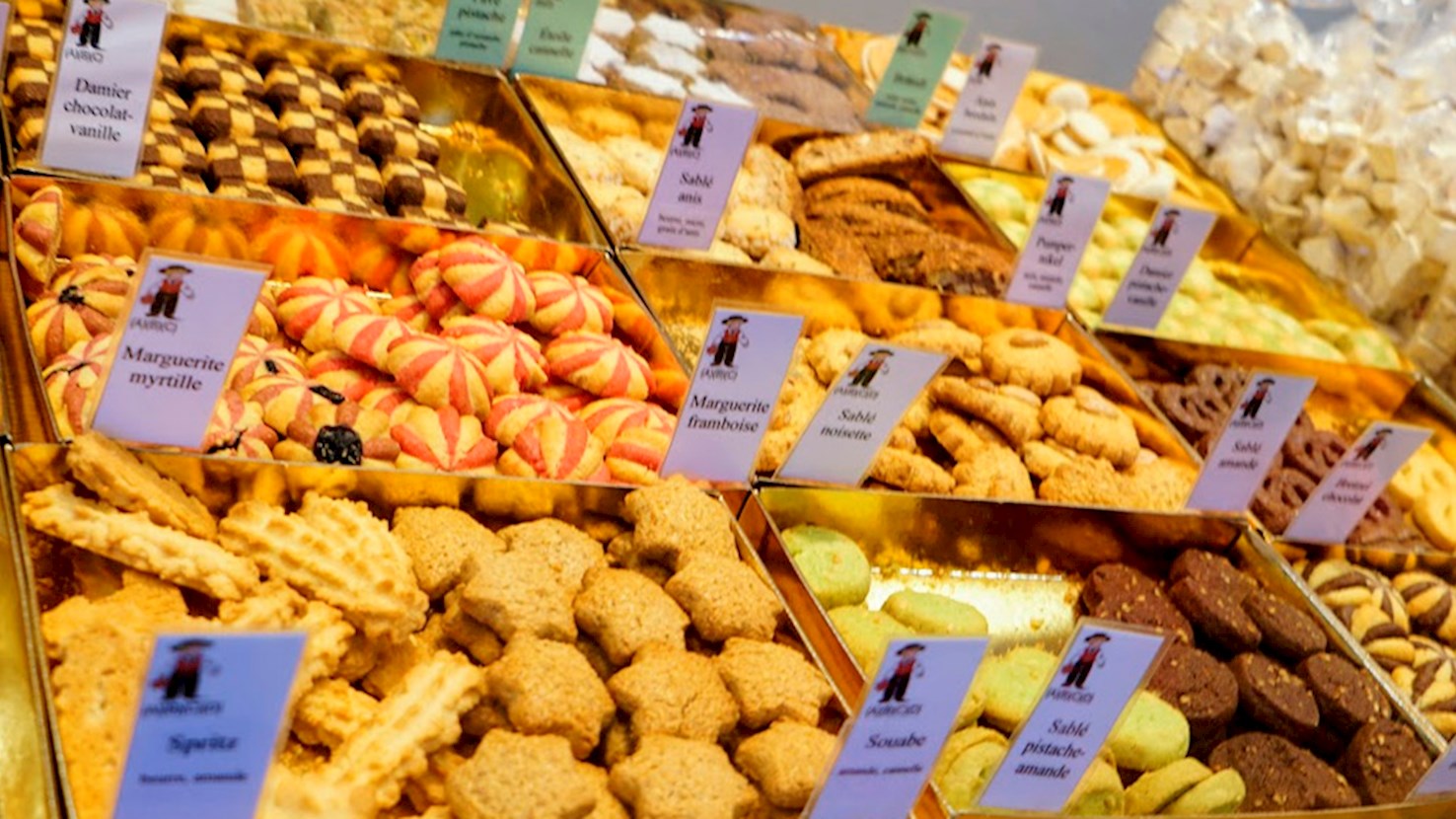
Bredele are small biscuits that are traditionally prepared during the festive Christmas season in the French region of Alsace. The biscuits come in many shapes and flavors such as lemon, honey, and almond. Although the first known recipes for bredele date back to the 14th century, they rose in popularity around the 18th and the early 19th century, when cookie-cutters were introduced to French kitchens. Today, the biscuits are often made at home and stored in tin boxes to keep them fresh until Christmas Eve, when they are usually served with tea, coffee, or Alsatian wines such as Muscat and Gewurztraminer.

07
Bread

Bretzel d'Alsace (Pretzel)

3.9 ·

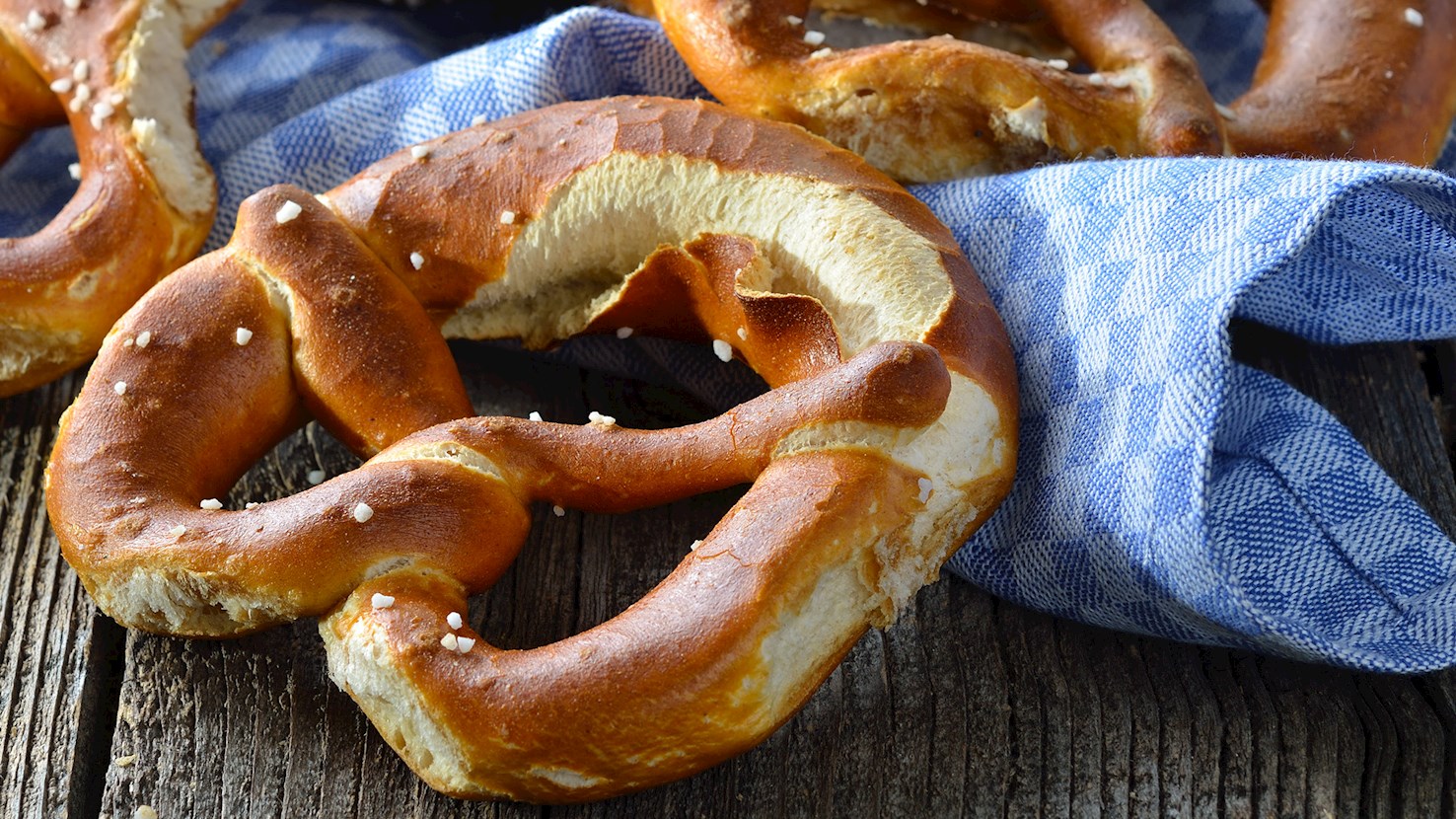
Considered an iconic symbol of Germany, the pretzel is a type of traditional baked good that is made by combining flour, salt, malt, yeast, and water. The resulting dough is then shaped into a well-known knotted shape of a pretzel before it is baked. Pretzels are often dipped in a lye solution (natronlauge in German) before they are baked, and then they are called laugenbrezel, a Bavarian-style pretzel distinguished by a nice, brown, and crispy exterior that surrounds the soft interior. Coarse salt is usually sprinkled over the surface of the pretzels, but other toppings may also be used, including sesame, pumpkin, sunflower, or poppy seeds. Regional variations of the pretzel abound, with some of them using fat to obtain a softer dough and others calling for different types of flour such as whole wheat flour or spelt flour. German pretzels come in both sweet and savory versions, and their texture may range from soft to hard. They are usually enjoyed warm as a snack with butter or along with German wurst sausages and a cold German beer on the side for an authentic German experience. The pretzel is a favorite street snack and a staple at any festival, holiday, and Christmas market in the country. Its versatile nature has given rise to numerous variations including New Year’s pretzels (neujahrbrezel), Oktoberfest pretzels (also called wiesnbrezn), and Lent pretzels (fastenbrezeln), among many others. In Alsace, France, the pretzel is known as bretzel d'Alsace.

08
Cheese

Caprice des Dieux

3.8 ·

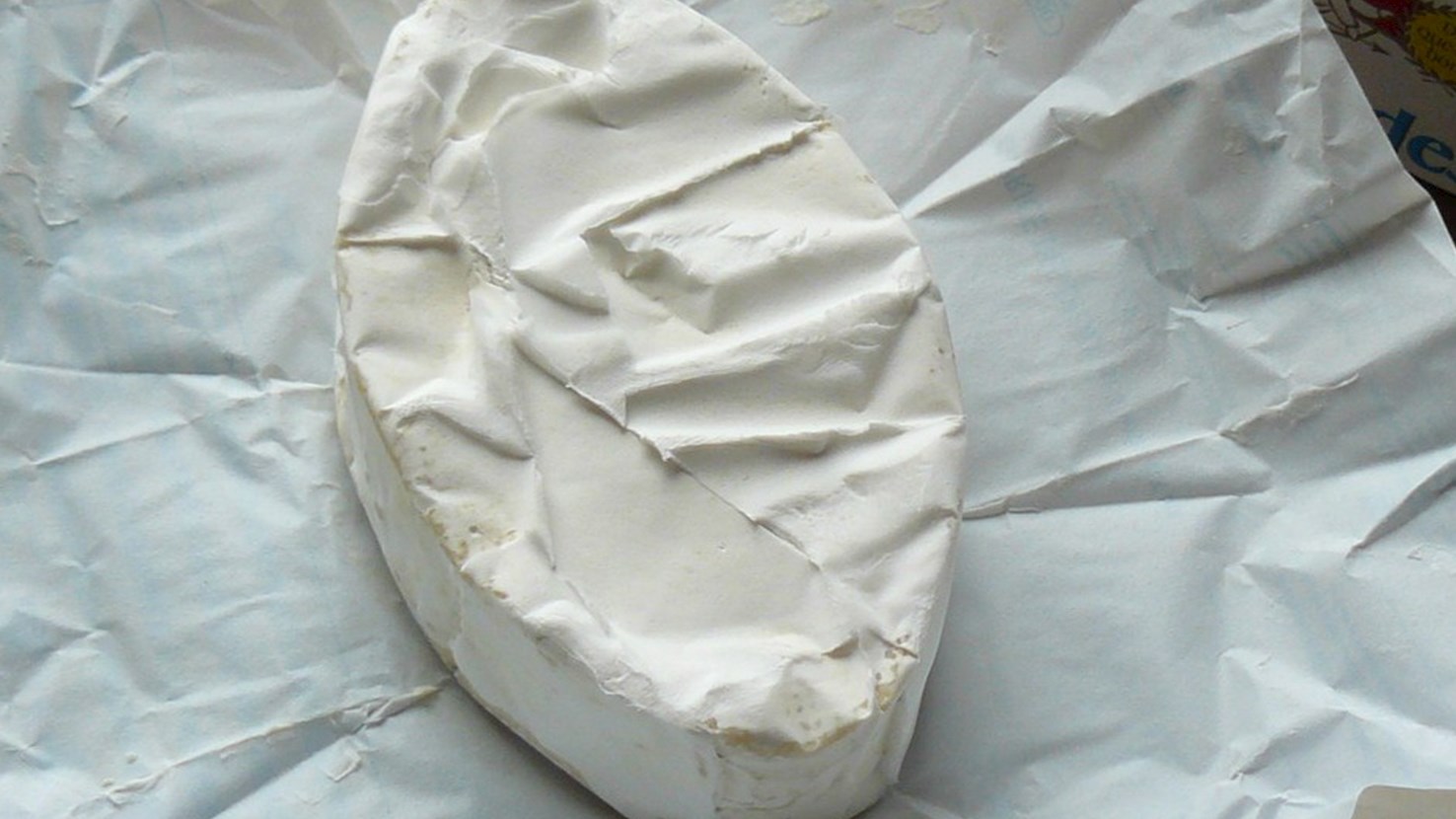
Caprice des Dieux is a French cheese originating from the micro-region of Bassigny. This soft-ripened cheese is made with pasteurized cow's milk and fully matures in about two weeks. It hides a creamy and smooth texture underneath its bloomy rind. The aroma is fresh, while the flavors are nutty and buttery. Caprice des dieux is oval-shaped, inspired by calisson – a popular French sweet treat, and it always comes in an iconic blue packaging. The cheese was developed by Jean-Noël Bongrain in 1956.

09
Cake

Madeleines

3.8 ·

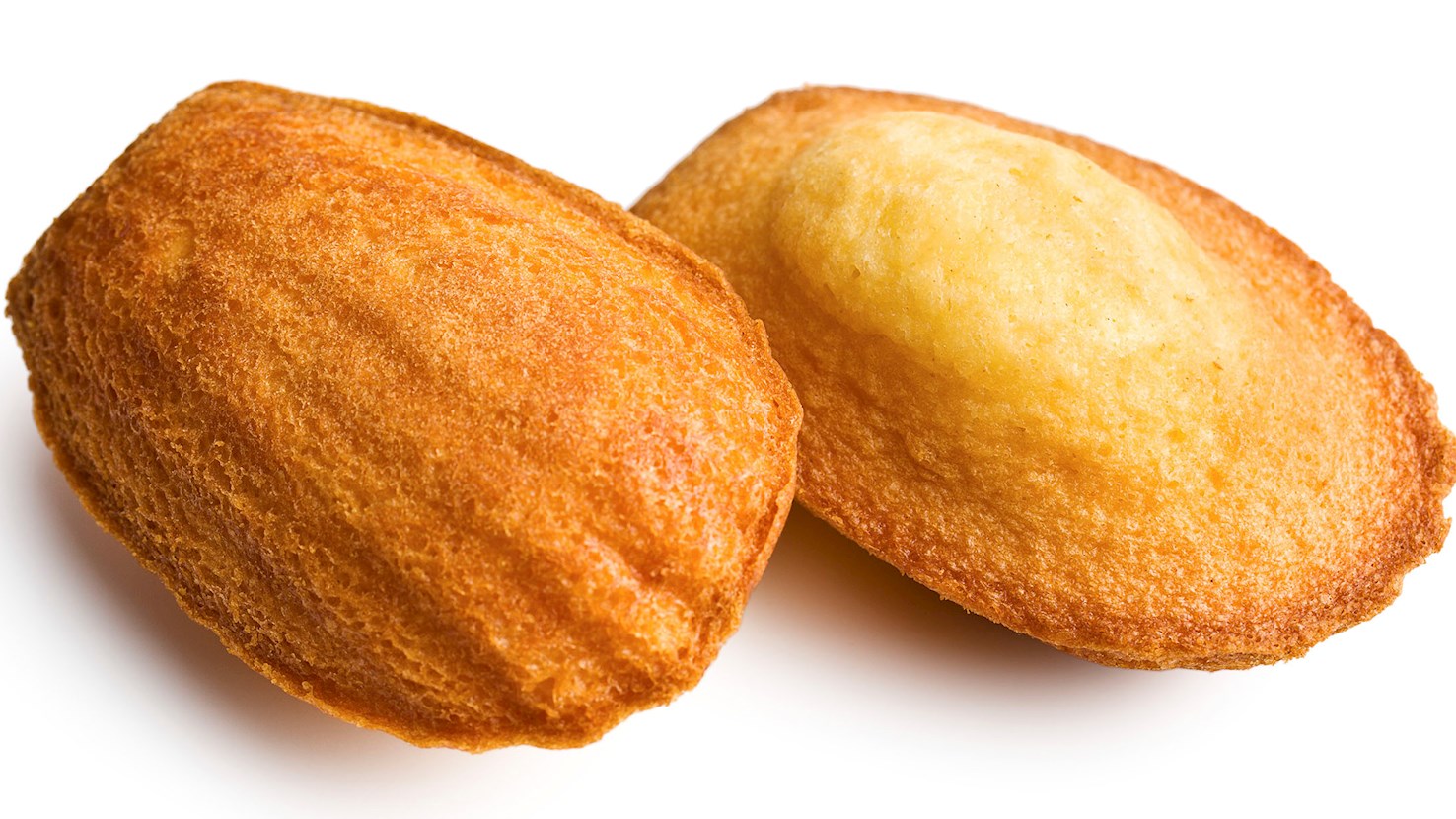
Madeleines are the perfect accompaniment to afternoon tea - these buttery sponge cakes (often mistaken for cookies because of their small size) are slightly browned and crispy on the outside while remaining soft and tender on the inside. A typical dessert of the Lorraine region, madeleines are said to have originated in Commercy. They are supposedly named after Madeleine Paulmier, the 18th-century pastry chef who first made them for Stanisław Leszczyński, the Duke of Lorraine. Later on, his daughter Marie Leszczyńska introduced madeleines to the court in Versailles, and they attained countrywide popularity soon afterward. However, what brought them worldwide fame is a passage from Swann’s Way, the first volume of Marcel Proust’s 20th-century literary masterpiece In Search of Lost Time. In painstaking detail, Proust describes biting into a soft little madeleine dipped in linden blossom tea, the taste of which then takes him on a bittersweet journey of nostalgia, evoking long-forgotten memories of his childhood and youth. Also known as petite madeleines, these delicate little tea cakes are traditionally baked in shallow, scallop-shaped molds that give them their distinctive shell-like appearance. Even though they come in many flavors, such as chocolate, vanilla, rose, honey, lavender, and orange, classic madeleines are typically flavored with almonds or lemon and are served with a dusting of powdered sugar.

Best restaurants
10
Tart

Tarte à l'oignon

3.8 ·

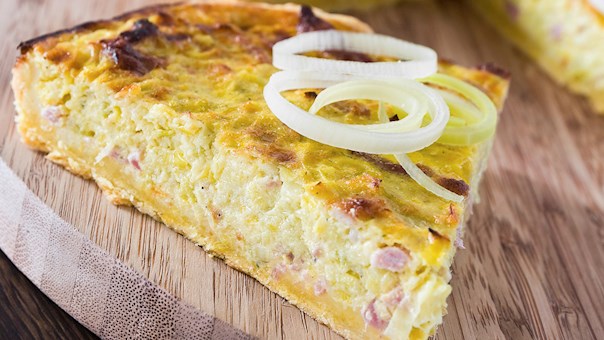
Tarte à l'oignon is a fragrant, savory onion tart from the Alsace region in France. Essentially, it is an open-face pie that is filled with a rich and flavorful custard of eggs, bacon, and onions. Although it is a cousin to the famous quiche Lorraine, it is not as deep as traditional quiches. The most popular story about the origin of the onion tart says that it was a baked good with which the bakers would test the heat of the ovens, depending on the time it took to bake it. If the tart was baked in a certain amount of time, that meant that the oven was hot enough for bread to be baked in it. Today, the tart is enjoyed throughout France, with the sweetness of the onions contrasting with the salty, smoky bacon. The whole dish is typically spiked with thyme, while anchovies are sometimes used in order to accentuate the flavors even more.

Best Magnoriental food products

01
Wine

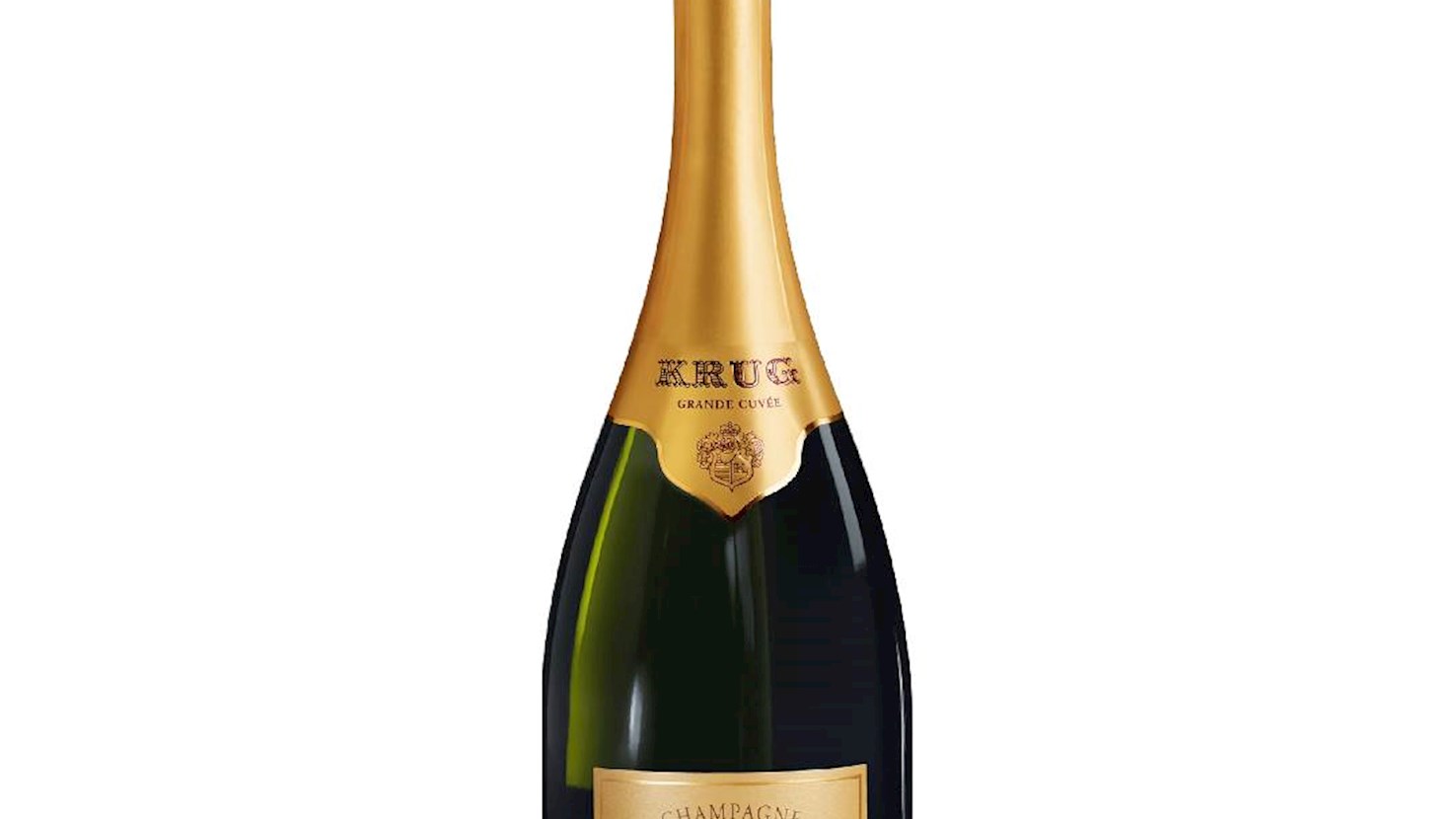
Champagne Krug

5 ·
Champagne Krug is one of the most prestigious and revered Champagne houses, renowned for its unwavering commitment to excellence and the artistry of champagne-making. Founded in 1843 by Johann Joseph Krug, this family-run house has always adhered to a philosophy of uncompromising quality, emphasizing the individuality of each vintage and terroir. Krug stands apart with its unique approach - each bottle of champagne is crafted from meticulously selected wines from different years and vineyards, creating unparalleled depth, complexity, and richness. Their most iconic champagne, Krug Grande Cuvée, embodies this philosophy, blending up to 200 wines from over 10 different vintages to achieve perfect harmony and sophistication in every edition. Additionally, Krug is renowned for its exclusive vintage champagnes, Krug Rosé, and rare single-vineyard expressions like Clos du Mesnil and Clos d'Ambonnay, which originate from exceptional, limited-production plots. Each bottle undergoes an extended aging process in Krug’s cellars, allowing the champagnes to develop profound aromas, refined textures, and remarkable elegance. With an uncompromising dedication to quality, a deep respect for tradition, and an innovative spirit, Krug remains synonymous with luxury, refinement, and the ultimate champagne experience.
Awards
Wine Spectator - 99 (2021)
Falstaff - 100
02
Wine

Louis Roederer

5 ·
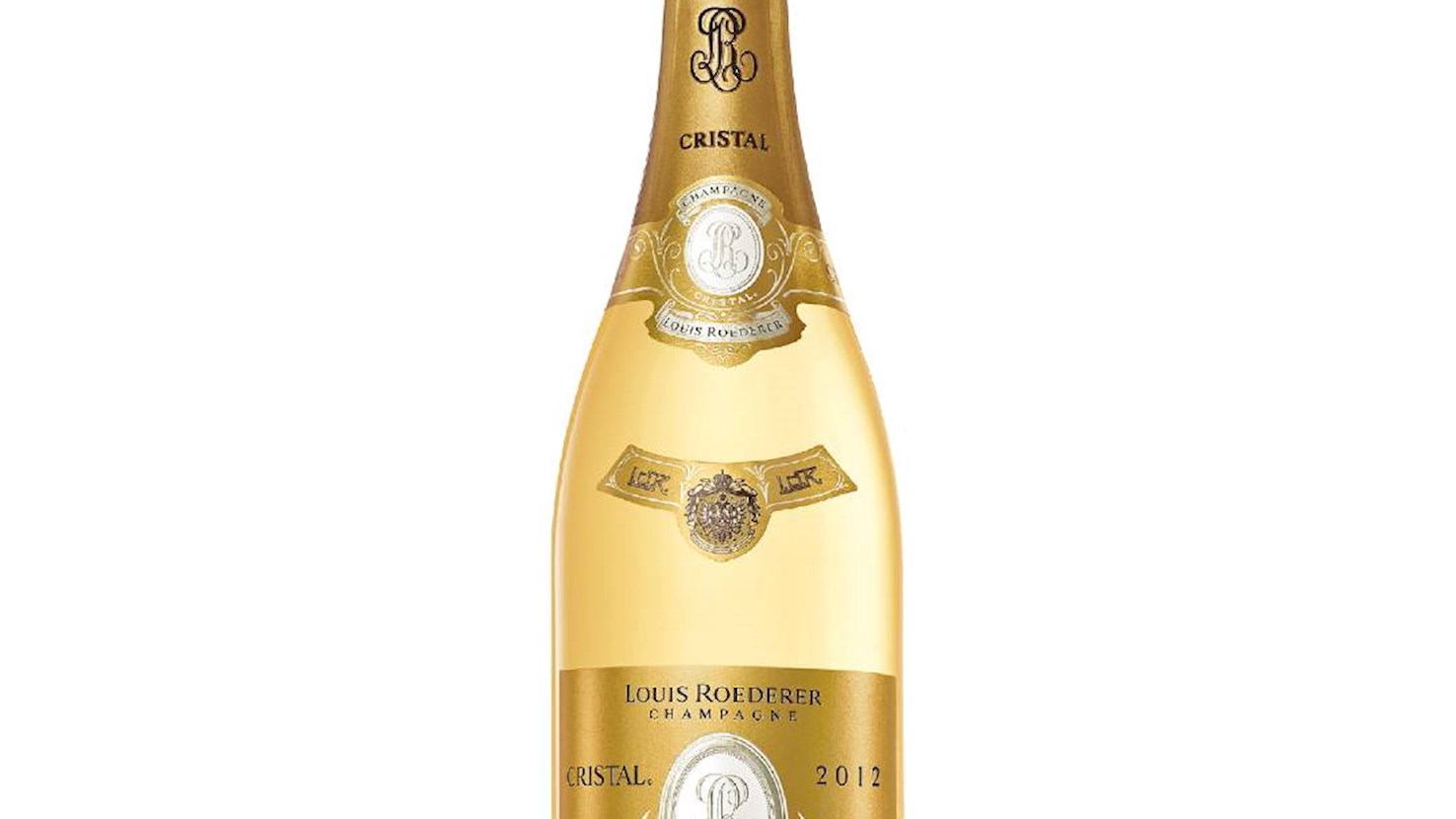
Louis Roederer is one of the most prestigious and oldest independent Champagne houses, synonymous with luxury, tradition, and innovation. Founded in 1776 in the heart of Champagne, in the city of Reims, this family-run house has been nurturing the art of producing exceptional Champagnes for centuries, captivating connoisseurs worldwide. The true rise of the house began in 1833, when Louis Roederer took over the family business and introduced a revolutionary approach - unlike other producers who purchased grapes, he decided to own and cultivate his own vineyards. This decision allowed him complete control over quality, terroir, and the unique style of his Champagnes, establishing the Louis Roederer brand’s distinctive signature. Thanks to its passion, expertise, and unwavering commitment to excellence, Louis Roederer remains one of the most respected Champagne producers in the world, cherished by collectors, sommeliers, and lovers of fine wines.
Awards
Wine Spectator - 98 (2022)
Falstaff - 100
03
Wine

Champagne Billecart-Salmon

5 ·
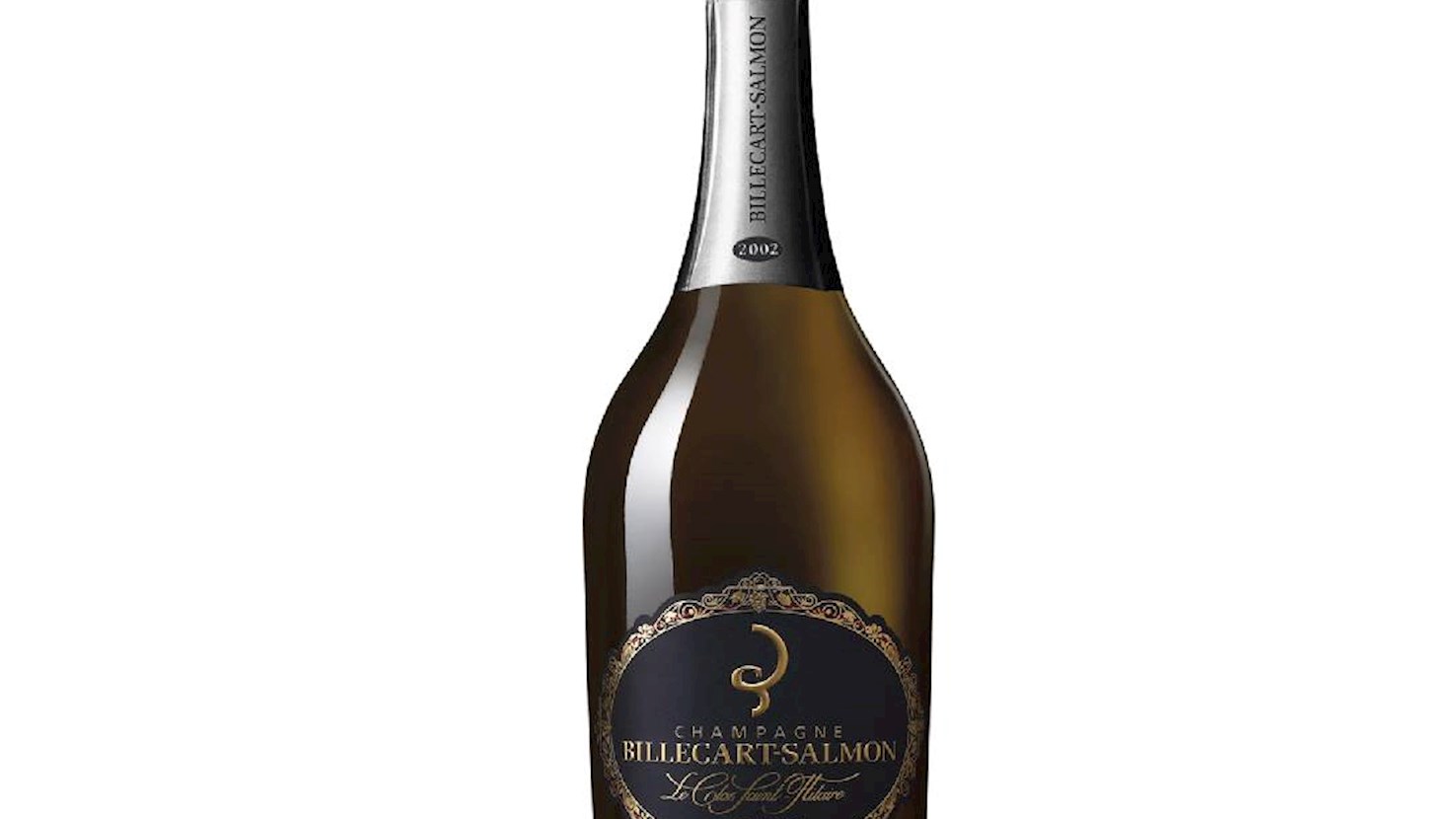
Champagne Billecart-Salmon is a renowned Champagne house with a rich history and a strong commitment to quality. Founded in 1818 in the village of Mareuil-sur-Aÿ, France, by Nicolas François Billecart and Élisabeth Salmon, Billecart-Salmon is one of the few Champagne houses that has remained family-owned for seven generations. Today, it is led by Mathieu Roland-Billecart, who continues the tradition of combining innovation with deep respect for the terroir. Billecart-Salmon sources its grapes from some of the finest locations in the Champagne region, including Montagne de Reims, Vallée de la Marne, and Côte des Blancs. The house is known for its meticulous vinification at low temperatures, which helps preserve the freshness and aromatic complexity of its wines. Visits to the Billecart-Salmon estate in Mareuil-sur-Aÿ are available by appointment. Guests can enjoy cellar tours, tastings, and learn about the house's rich history and philosophy.
Awards
James Suckling - 99 points (2024)
Falstaff - 99
04
Wine

Bollinger

5 ·
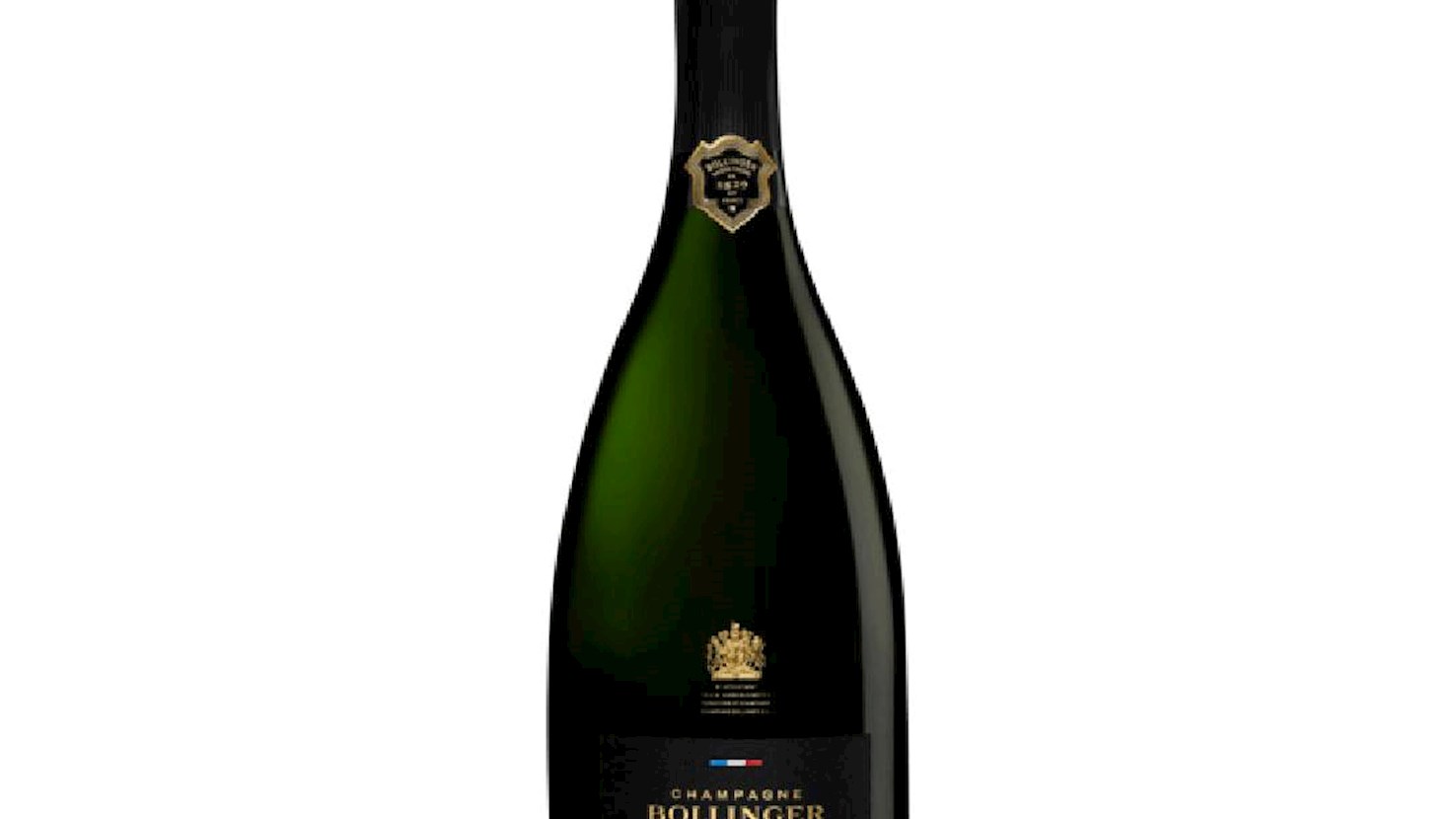
The Champagne house Bollinger, founded in 1829 in Aÿ, France, stands as a symbol of excellence and tradition in the world of champagne. Bollinger is distinguished by its unique style that blends power, refinement, and complexity, allowing fruity aromas to fully express themselves. Their wines, such as the iconic Special Cuvée, reflect richness and depth of flavor, thanks to a careful selection of grapes and traditional winemaking methods. For nearly two centuries, Bollinger has remained true to its family values and independence, which has enabled the house to preserve authenticity and consistent quality in its champagnes. Their commitment to sustainability and environmental preservation further highlights a responsible approach to production and care for future generations. Today, Bollinger continues to captivate champagne lovers around the world, combining a rich heritage with innovation, always striving for perfection in every bottle.
Awards
Falstaff - 100
Falstaff - 99
05
Wine

Dom Pérignon

5 ·
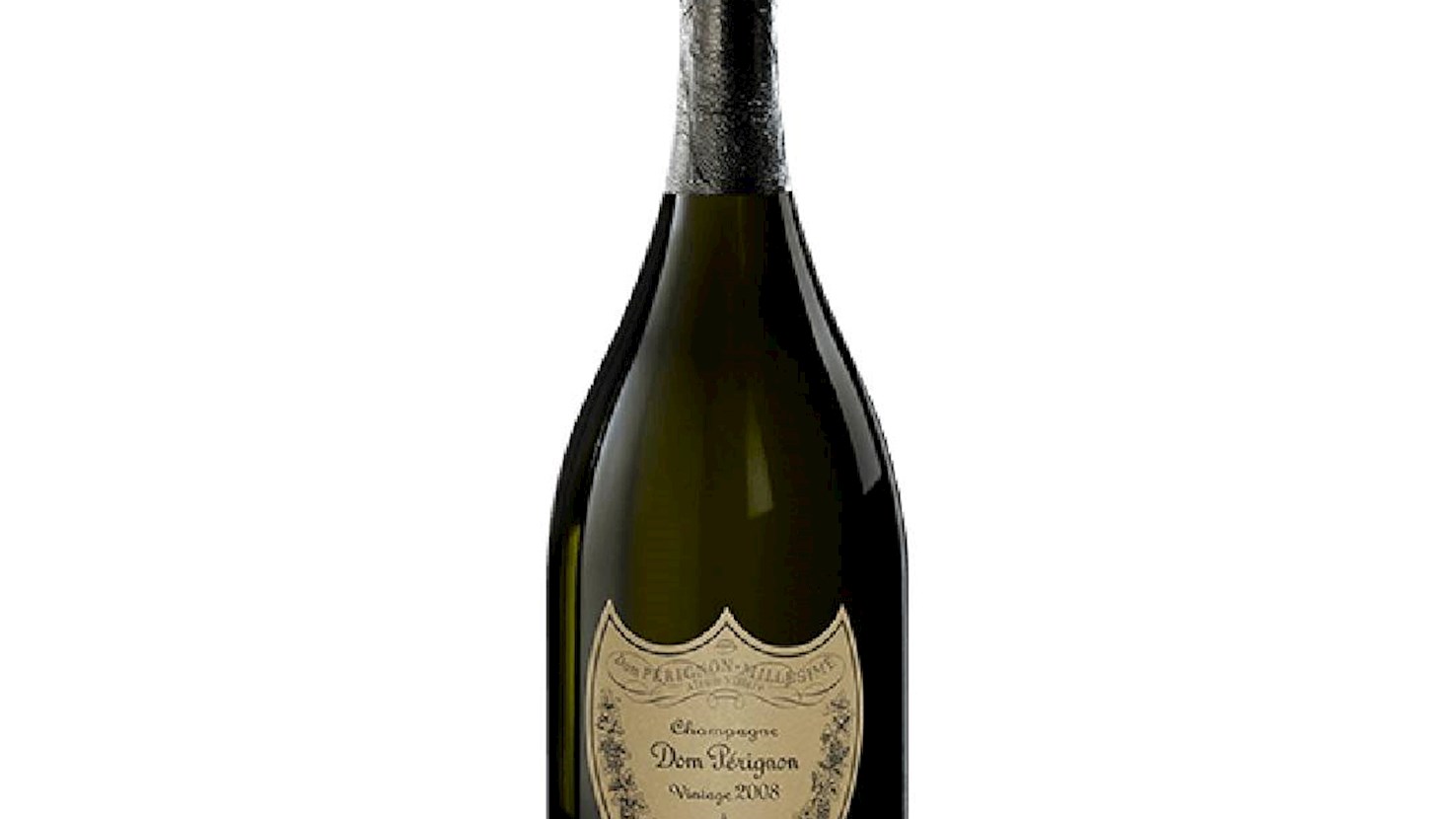
Dom Pérignon is more than a name – it is a symbol of prestige, artistry, and an unrelenting pursuit of harmony between intensity and elegance. Inspired by the legendary Benedictine monk who helped shape the future of champagne in the 17th century, the house today embodies innovation, legacy, and timeless luxury. Every bottle of Dom Pérignon is millésimé – made exclusively from a single vintage. It is only produced in years when nature offers grapes of truly exceptional quality, and each vintage is a unique expression of that year’s character and energy. Dom Pérignon champagnes are known for their layered aromas, precise structure, creamy texture, and seamlessly integrated freshness. This is not a wine that simply ages – it evolves, revealing more with each moment. For those who seek more than flavor in a glass, Dom Pérignon offers a rare experience of emotion, energy, and the pinnacle of winemaking vision.
Awards
Falstaff - 100
Vivino - 4.6
06
Wine

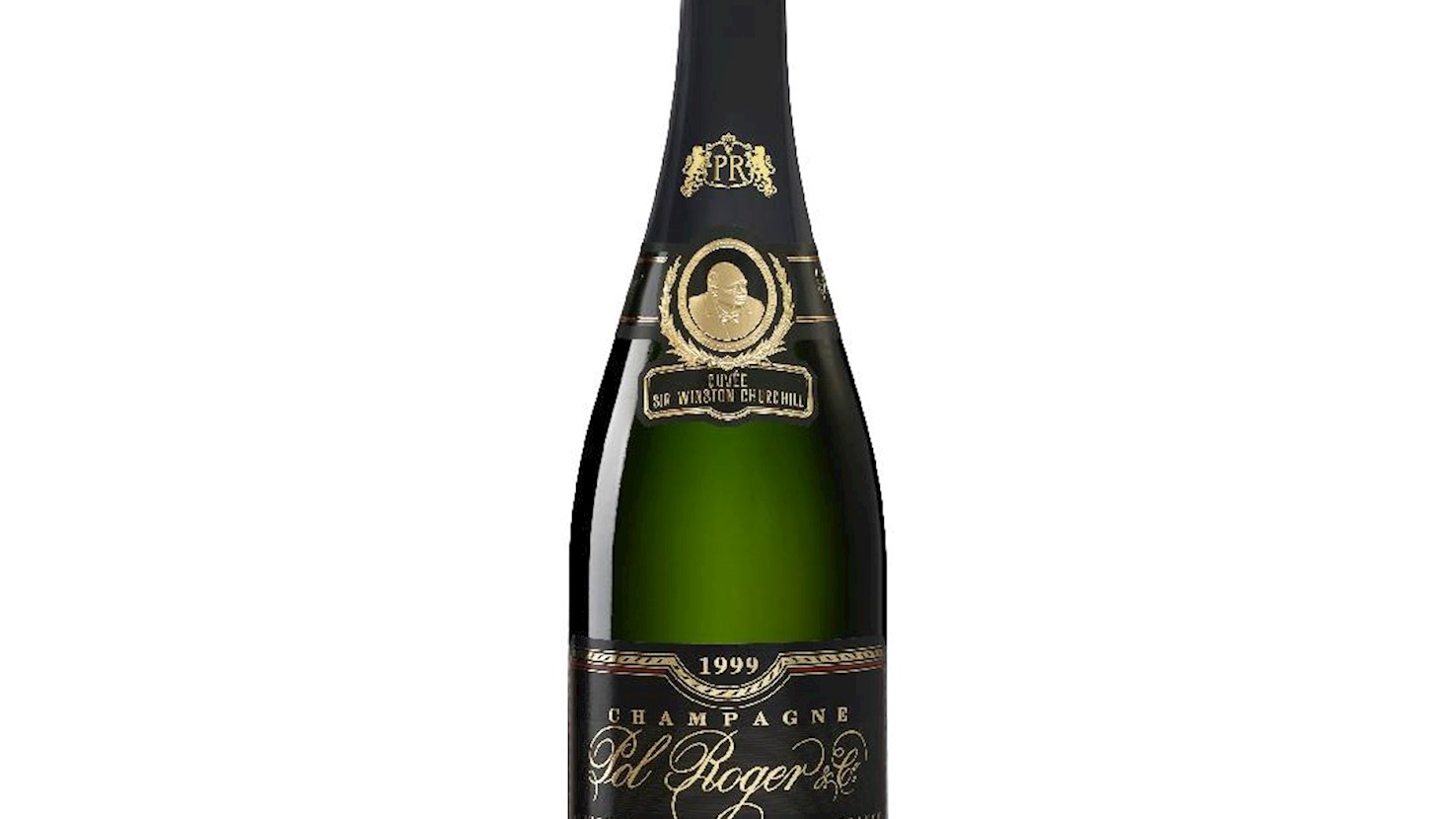
Pol Roger

5 ·
For over 175 years, Pol Roger has stood as a symbol of uncompromising quality, refined craftsmanship, and understated sophistication in the world of champagne. Remaining proudly family-owned through five generations, the house is celebrated for its consistent style - fresh, balanced, and remarkably elegant. Every bottle is produced and aged in Pol Roger’s own deep chalk cellars, where ideal conditions allow the wines to mature slowly and gracefully. Known for their fine bubbles, purity of structure, and vibrant freshness, Pol Roger champagnes are equally at home in grand celebrations or quiet moments of indulgence. What sets Pol Roger apart is the harmony between technical precision and artisanal intuition - a meticulous process guided by deep respect for the wine itself. Each cuvée reflects the house’s commitment to excellence, delivering complexity, finesse, and lasting charm.
Awards
Falstaff - 100
Vivino - 4.6
07
Wine

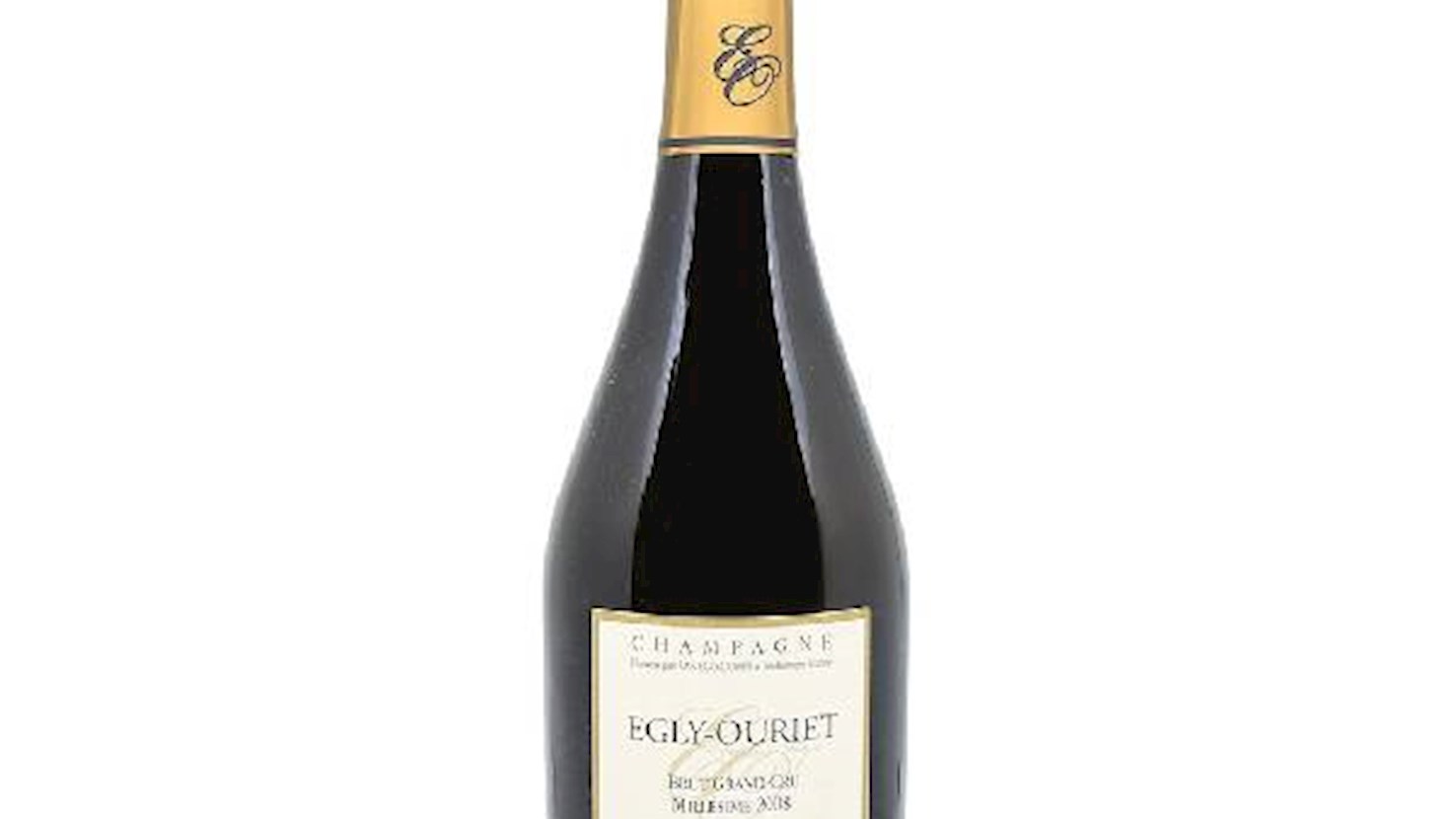
Egly-Ouriet

5 ·
Champagne Egly-Ouriet is a renowned Champagne house celebrated for its commitment to biodynamic and organic farming practices. With a focus on producing wines that express the true character of their terroir, the house has become a pioneer in the natural Champagne movement. Founded by the Egly family, this boutique winery produces wines from some of the finest Grand Cru vineyards, ensuring that only the highest quality fruit is used. The house is known for its low yields, long maturation periods, and minimal intervention during fermentation. Wines are fermented with natural yeasts and aged on lees for extended periods, resulting in Champagne that is rich, complex, and full-bodied. Champagne Egly-Ouriet is particularly famous for its Pinot Noir-based cuvées, which are robust, concentrated, and elegant. With a style that combines power and finesse, their cuvées, such as the Egly-Ouriet Brut Tradition, Egly-Ouriet Grand Cru Ambonnay, and Egly-Ouriet Les Vignes de Vrigny, have earned widespread acclaim for their remarkable depth and complexity. This focus on quality and craftsmanship has helped Champagne Egly-Ouriet build a loyal following among Champagne enthusiasts worldwide.
Awards
Vivino - 4.7
Vivino - 4.4
08
Wine

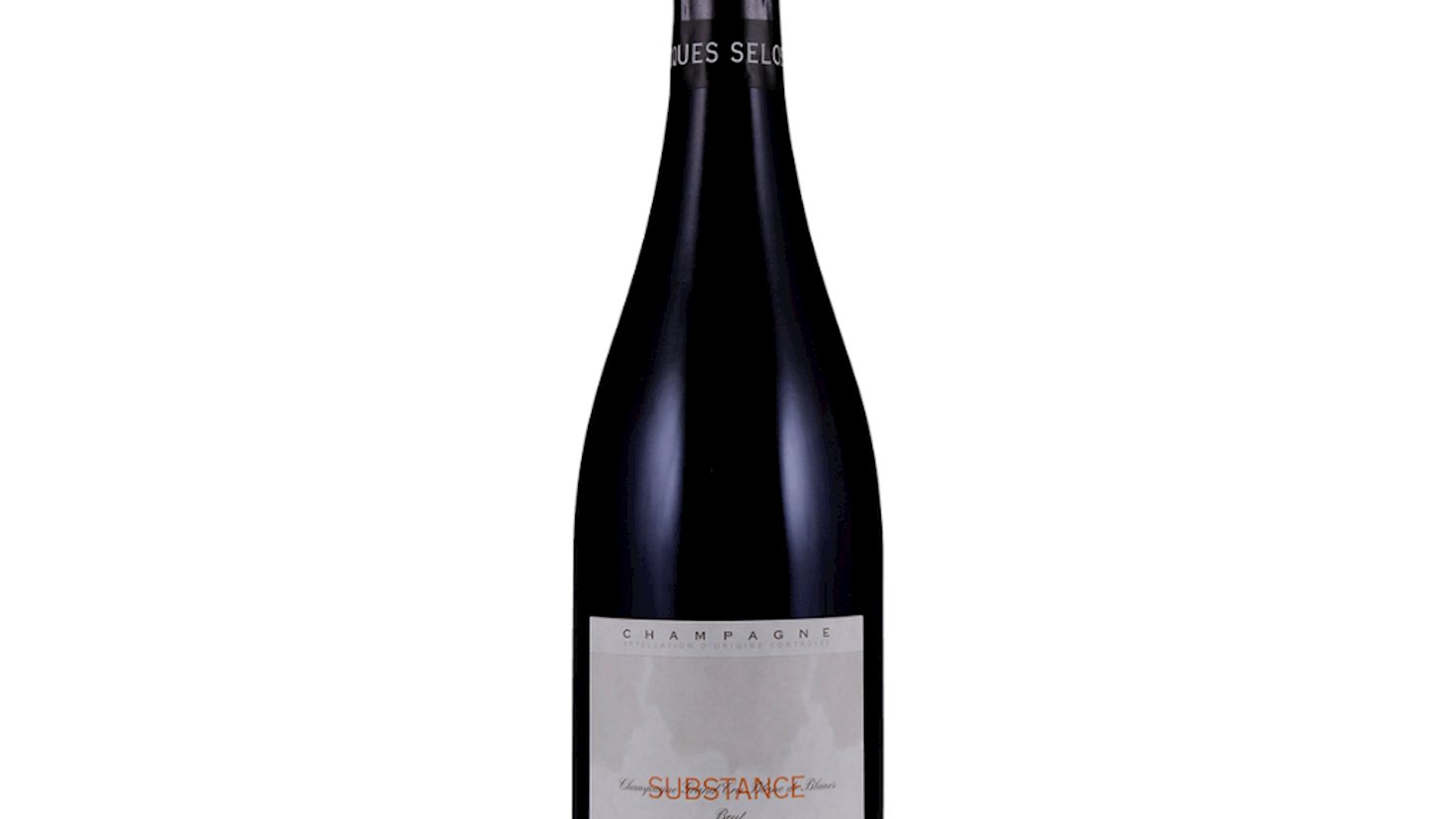
Domaine Jacques Selosse

5 ·
Domaine Jacques Selosse is a prestigious Champagne house located in the village of Avize, in the Champagne region of France, renowned for its innovative approach to viticulture and winemaking. It was founded by Jacques Selosse in 1949, and the first Champagne under the estate’s own name was produced in 1964. The winery introduced Burgundian techniques into Champagne production, including fermentation and aging in oak barrels - an unusual practice for the region at the time. Today, the estate covers approximately 8 hectares of vineyards spread across 54 parcels, mostly classified as Grand Cru, with Chardonnay and Pinot Noir as the dominant grape varieties. The annual production is limited to around 55,000 bottles, which adds to the exclusivity and high demand for their wines.
Awards
Vivino - 4.6
Vivino - 4.7
09
Wine

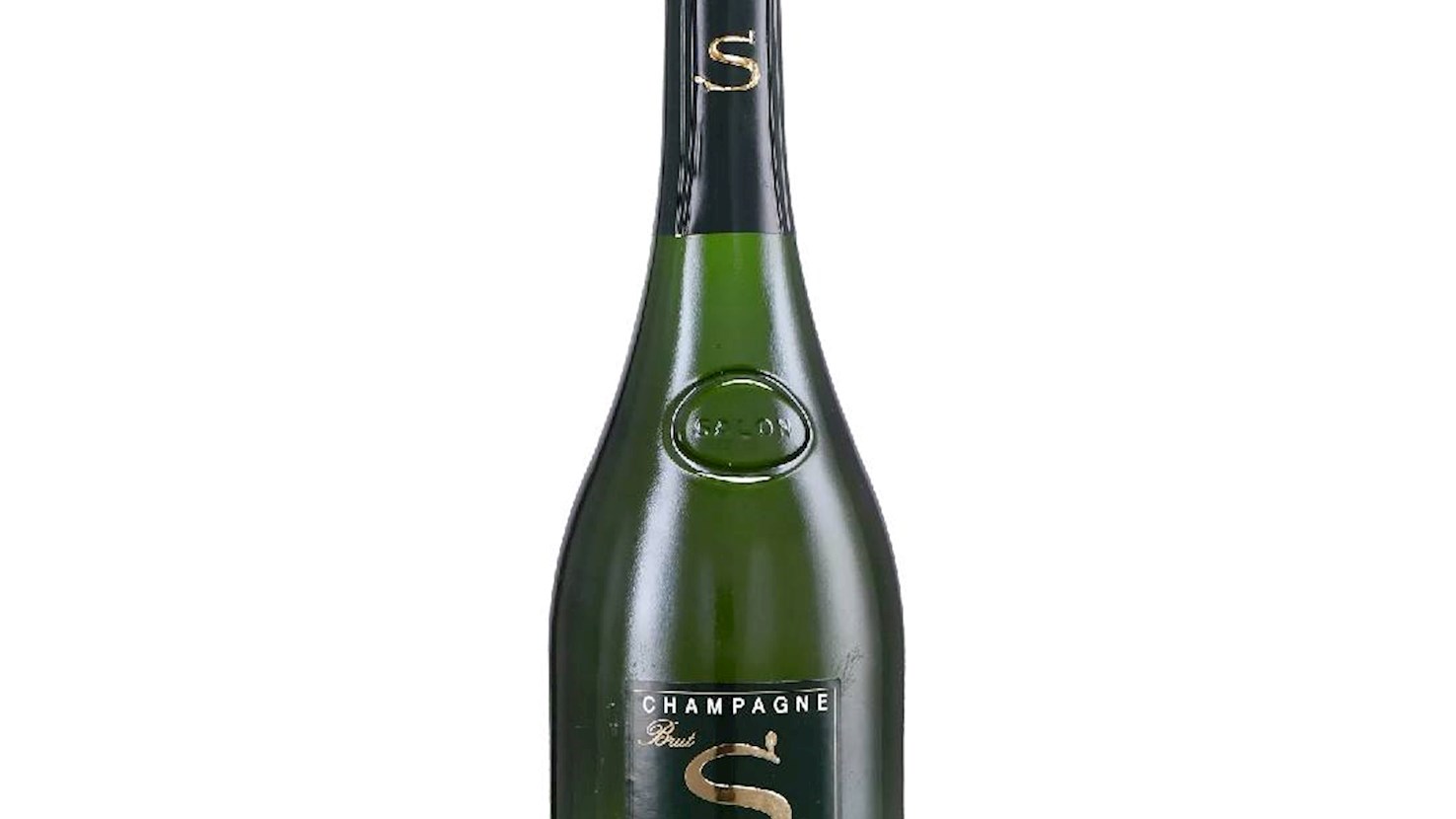
Salon

5 ·
Champagne House Salon stands as a true icon in the world of wine – a symbol of prestige, rarity, and unwavering dedication to quality. Founded in the early 20th century by visionary Eugène-Aimé Salon, the house established a clear philosophy: to create the perfect Champagne using only Chardonnay grapes, from a single vineyard, a single village, and a single vintage. Salon is produced only in the most exceptional years, with an average of just four vintages per decade. Over the entire 20th century, only 37 vintages were released, making it one of the rarest and most sought-after Champagnes in the world. After fermentation in stainless steel tanks, the wine is aged on the lees for around ten years in Salon’s cellars before release – resulting in a Champagne of remarkable complexity, elegance, and depth. Salon is not just a Champagne – it is a philosophy, an art form, and a tradition bottled with precision. With every vintage, the house reaffirms its reputation as a producer of uncompromising quality, creating wines that captivate both connoisseurs and the most discerning collectors.
Awards
Vivino - 4.7
10
Cheese

Fromagerie Germain

5 ·
Fromagerie Germain is a renowned French creamery with a rich tradition dating back to 1921, when Henri Germain established the dairy in Chalancey, in eastern France. Over more than a century, this family-owned company has become synonymous with premium cheeses bearing Protected Designation of Origin (PDO) labels. Their cheeses are crafted from carefully selected milk, adhering to traditional methods of aging and processing. For instance, Époisses AOP is known for its creamy texture and intense flavor, while Langres AOP features a distinctive hollow top traditionally filled with Champagne or Marc de Bourgogne before serving. Despite modernization, Fromagerie Germain remains true to its roots, collaborating with local farmers and using milk from rare cow breeds to ensure the authenticity and quality of its products.
Awards
Culture Cheese Magazine Best Cheeses issue - Best (2023)
World Cheese Awards - Super Gold (2023, 2022, 2021)
Read more
View all
View map
About this ranking

TasteAtlas food rankings are based on the ratings of the TasteAtlas audience, with a series of mechanisms that recognize real users and that ignore bot, nationalist or local patriotic ratings, and give additional value to the ratings of users that the system recognizes as knowledgeable. For the “Top 100 Magnoriental Foods” list until June 16, 2026, 2,687 ratings were recorded, of which 2,333 were recognized by the system as legitimate. TasteAtlas Rankings should not be seen as the final global conclusion about food. Their purpose is to promote excellent local foods, instill pride in traditional dishes, and arouse curiosity about dishes you haven’t tried.

The initial list of top producers was compiled based on available reviews, awards, local recommendations, media and blog coverage, and consumer reviews. The list will be updated with ratings from TasteAtlas local ambassadors and TasteAtlas users.

Similar lists