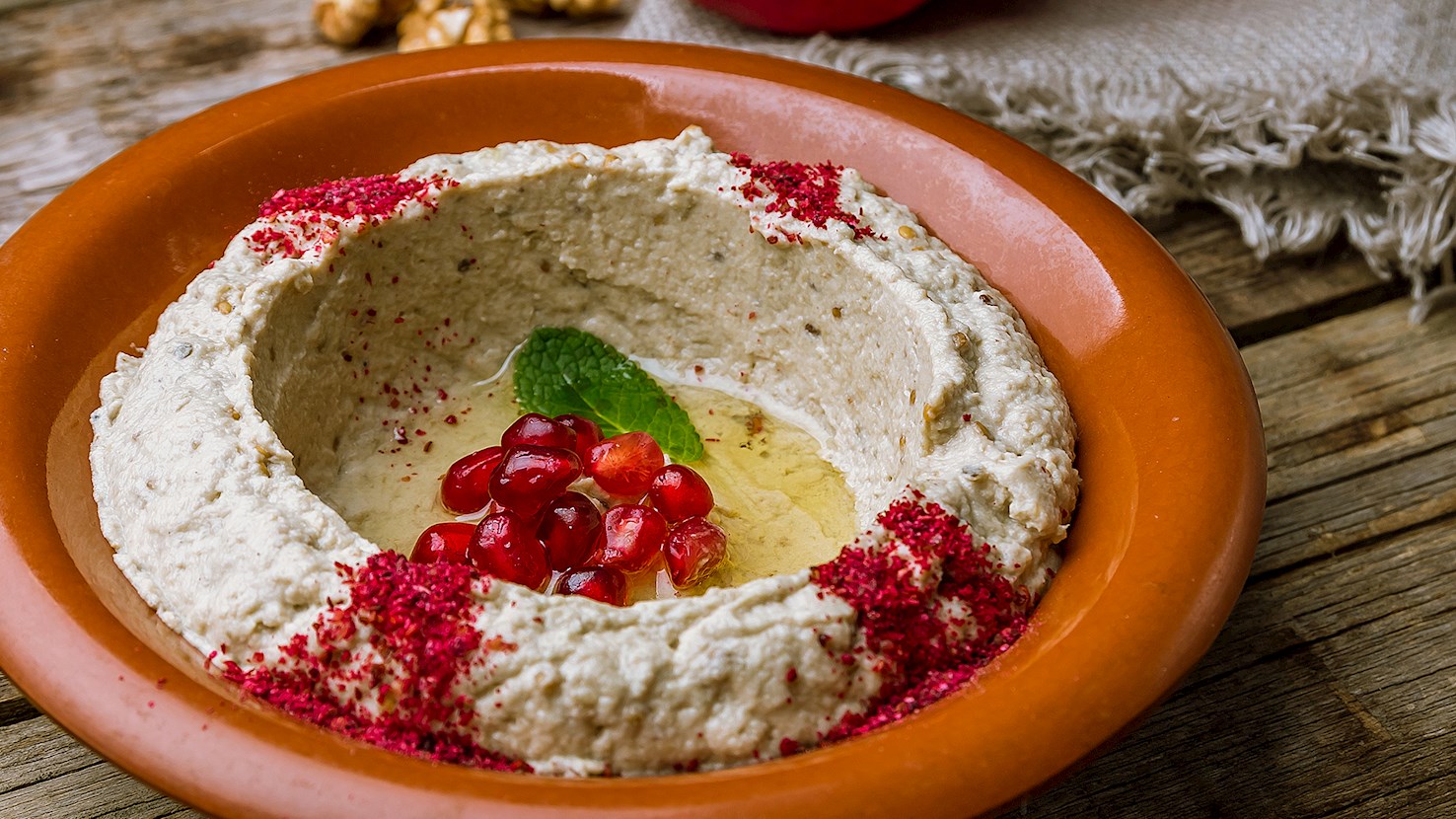
Mutabal is an eggplant-based dip prepared in the eastern Mediterranean and Arabian regions, most commonly associated with Lebanon, Syria, Jordan, and Palestine, made from cooked eggplant blended with tahini, lemon juice, garlic, and salt to form a smooth, pale-colored spread. Its development is closely tied to the long-standing cultivation of eggplant in the Levant and the parallel use of sesame paste as a core ingredient in savory preparations, with regional cookery texts from the medieval Islamic world describing combinations of mashed vegetables, fermented or acidic elements, and ground seeds, indicating a settled culinary logic in which mutabal emerged as a distinct preparation emphasizing tahini more strongly than other eggplant dishes. Preparation begins with roasting whole eggplants, ideally over direct flame, until the flesh softens and absorbs smoke, after which the skins are removed and the pulp drained to control bitterness and moisture, then mixed thoroughly with tahini, lemon juice, crushed garlic, and salt until the mixture becomes cohesive and smooth rather than coarse. Mutabal is served at room temperature, usually spread in a shallow dish and finished with olive oil, and it is presented as part of a larger table rather than as an individual portion. A defining characteristic of mutabal is the dominant role of tahini, which gives it a lighter color, thicker body, and more pronounced nutty profile compared to related eggplant spreads that rely less on sesame paste. It is eaten in homes, restaurants, and social gatherings throughout the Levant, typically accompanied by flatbreads such as pita or markouk and raw vegetables, and it pairs well with unsweetened black tea, mint tea, arak diluted with water, or dry white wines, fitting naturally into meals where multiple small dishes are shared and balanced by bread rather than by heavy seasoning.
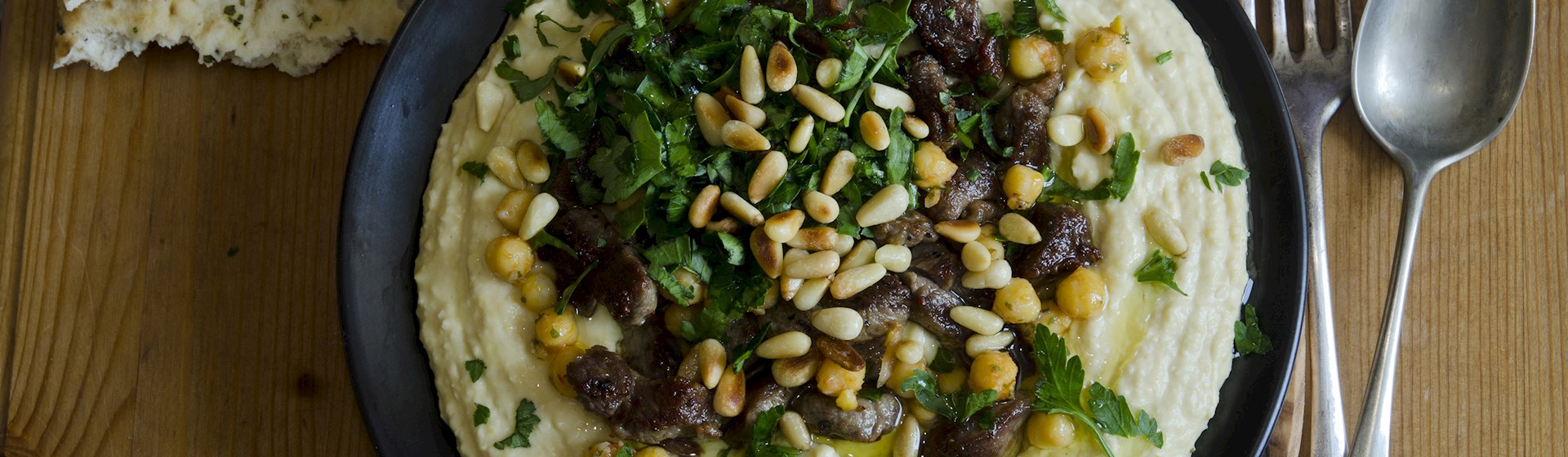
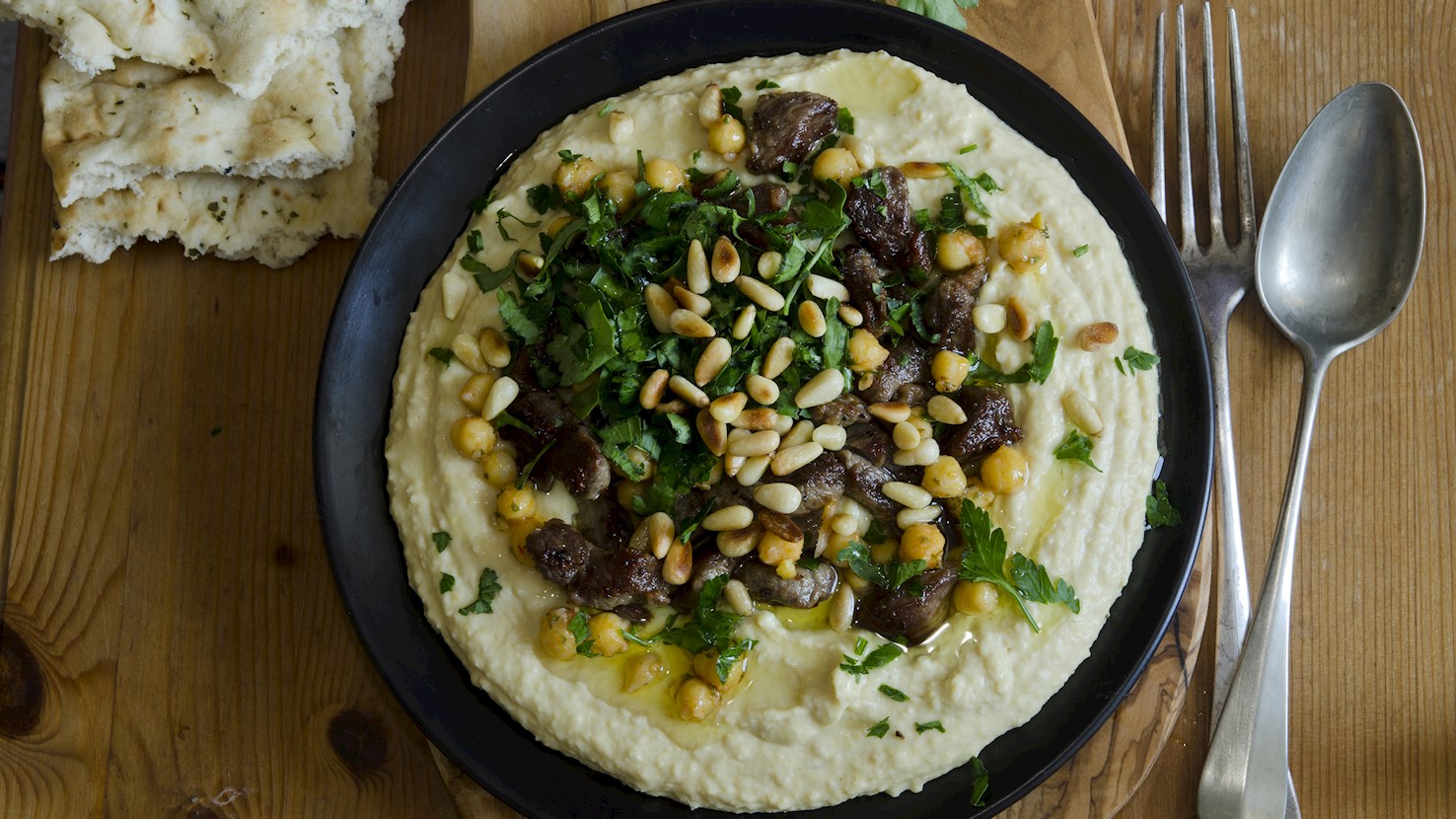
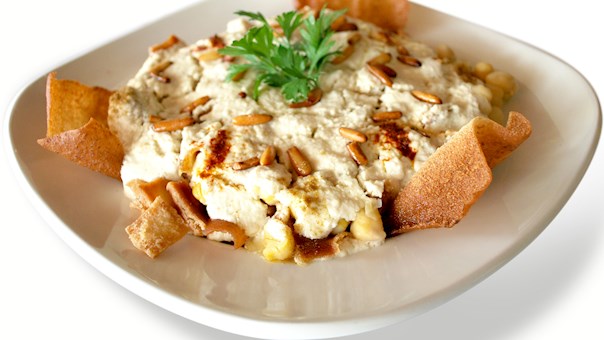
Hummus kawarma is a traditional version of hummus. In order to prepare it, freshly made hummus is topped with fried pieces of lamb. The hummus is made from chickpeas, tahini, lemon juice, crushed garlic, and cold water, while the kawarma consists of chopped lamb, white vinegar, olive oil, and spices such as pepper, allspice, cinnamon, nutmeg, oregano or za’atar, mint, and parsley. Once prepared, hummus kawarma is often garnished with chopped parsley and toasted pine nuts.
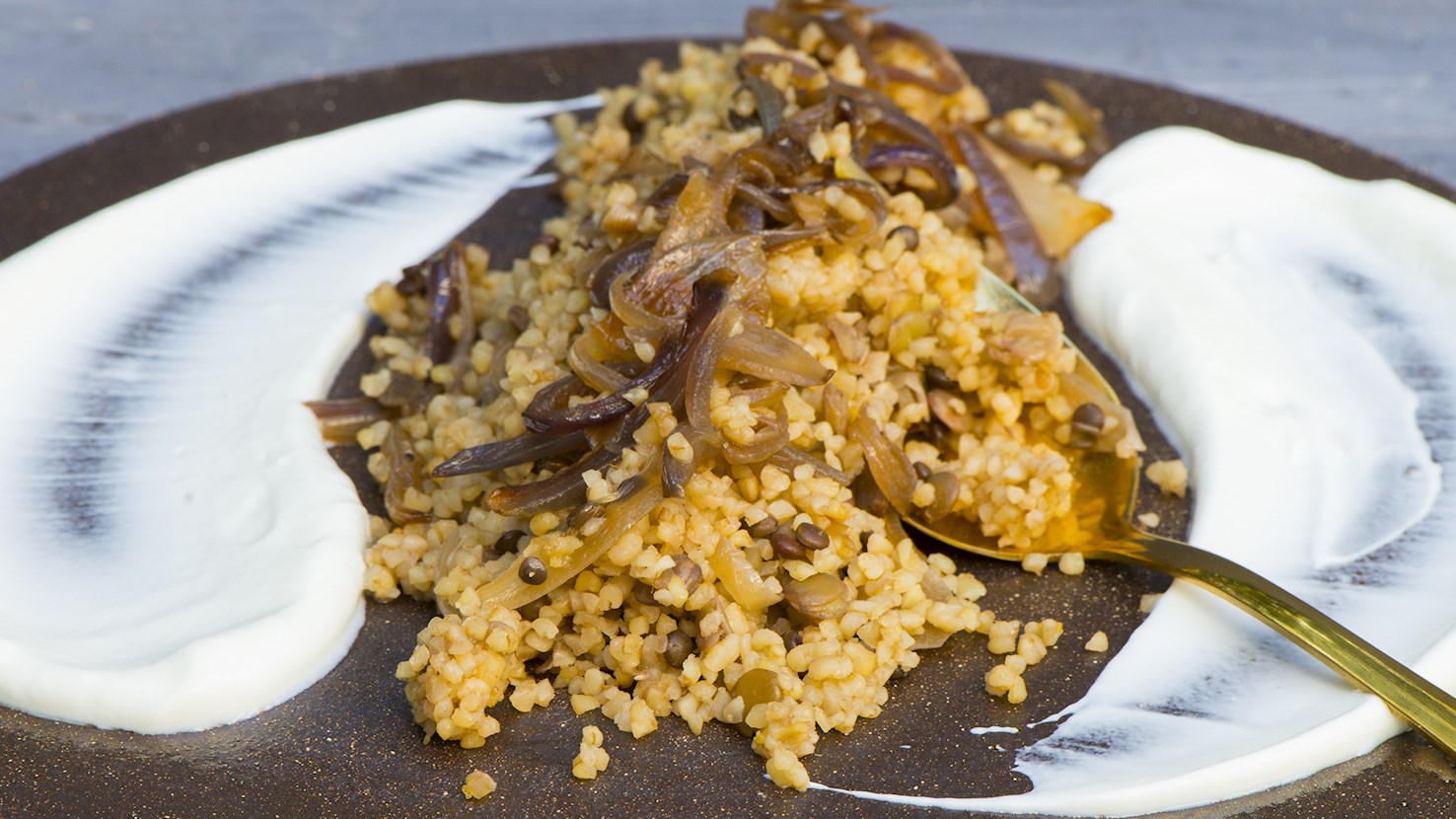
Mujaddara is a staple dish in Middle Eastern cuisine, widely enjoyed across countries such as Iraq, Lebanon, Syria, Palestine, and Jordan. It consists primarily of lentils and rice or bulgur, combined with caramelized onions that lend the dish a deep, savory flavor and a pleasing texture contrast. This dish has roots extending back to ancient times when legumes and grains formed the dietary backbone of many communities. Over generations, mujaddara evolved as a nourishing meal that is both affordable and filling. The method of slow-cooking lentils and rice together allows their flavors to meld naturally, while the golden, fried onions add a rich, slightly sweet counterpoint. The dish’s name, derived from Arabic, translates roughly to “pockmarked,” referring to the appearance lentils create in the grain. Preparation involves rinsing lentils and rice before cooking them in broth or water until tender. Meanwhile, onions are sliced thin and fried slowly to achieve a crisp, caramelized exterior. The onions are then either mixed into the lentil and rice mixture or served on top as a garnish, along with optional additions like yogurt or fresh herbs. Mujaddara is served warm or at room temperature and is often accompanied by side dishes such as pickles, salad, or a drizzle of olive oil.
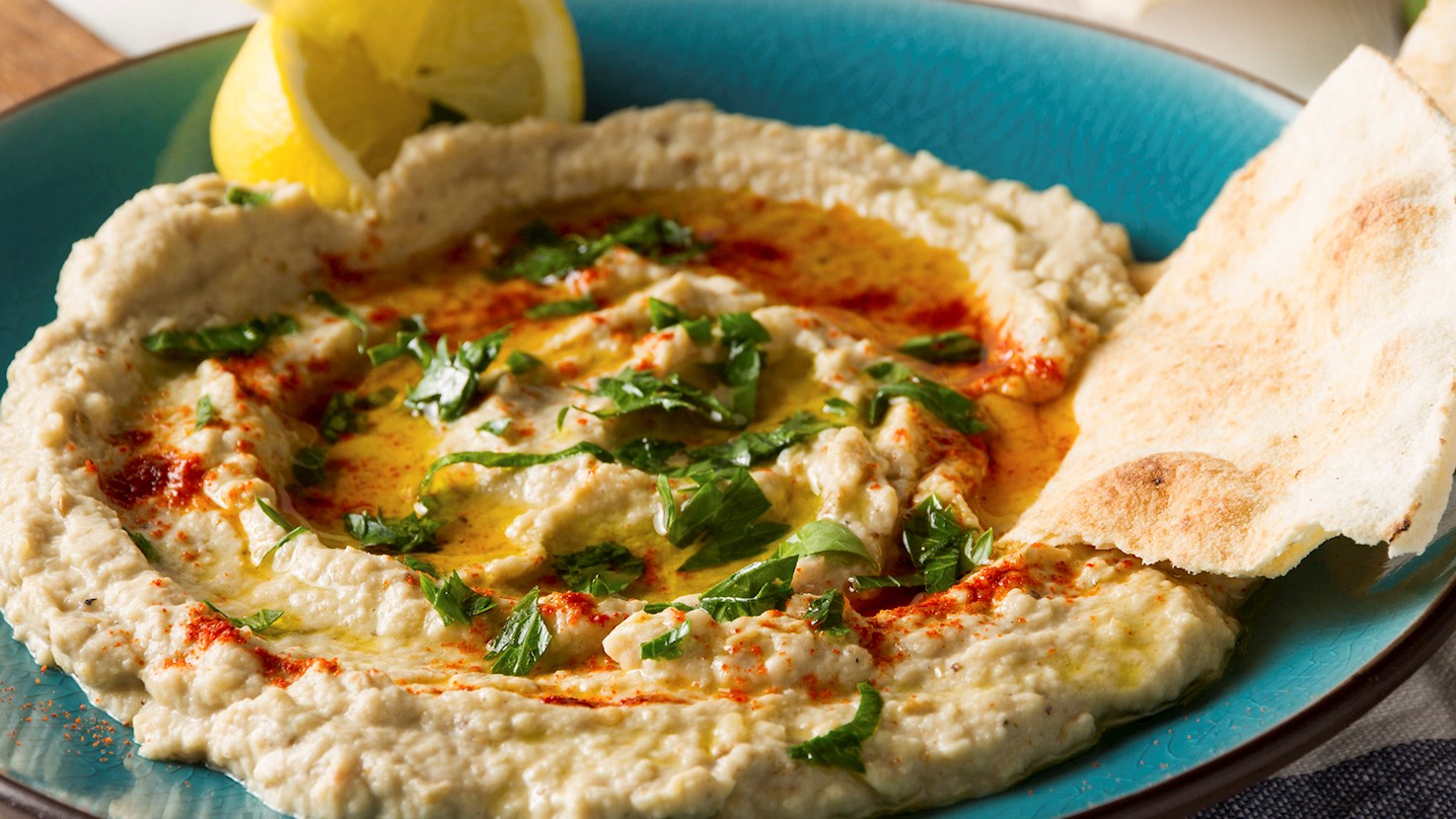
Baba ghanoush is a cold eggplant-based spread originating from the Levant, widely prepared and consumed in countries such as Lebanon, Syria, Jordan and Palestine, made primarily from cooked eggplant combined with tahini, lemon juice, garlic, and olive oil to form a smooth or lightly textured paste. Its emergence is tied to the long-standing cultivation of eggplant in the eastern Mediterranean and the parallel development of sesame-based condiments, with medieval Arabic cookery texts describing mashed or puréed eggplant dishes seasoned with acids and fats, indicating a settled place in regional cuisines by the early Islamic period as cooking techniques such as open-fire roasting became common in domestic kitchens. Its name comes from the Arabic phrase baba gannuj, where baba means father or daddy, and gannuj means pampered or spoiled, referring to a supposed invention of baba ghanoush by a member of a royal harem. Preparation begins with whole eggplants roasted directly over flame or in ovens until the flesh softens and absorbs smoke, after which the skin is removed and the pulp drained to control moisture before being mixed with tahini, lemon juice, salt, and garlic, producing a balance between bitterness, acidity, and fat, and the spread is usually finished with olive oil and sometimes garnished with parsley or pomegranate seeds depending on local preference. A defining characteristic of baba ghanoush is the use of smoke from direct heat rather than added spices to create depth of flavor, and its composition relies on emulsification between eggplant fibers and sesame paste rather than dairy or starch for body. Baba ghanoush is eaten throughout the Levant and beyond as part of mixed appetizer spreads, served with flatbreads such as pita or saj, alongside raw vegetables or grilled meats, and it pairs well with dry white wines, light-bodied reds, anise-based spirits diluted with water, or non-alcoholic options like mint tea and sparkling water that complement its acidity and richness without overpowering its flavor.
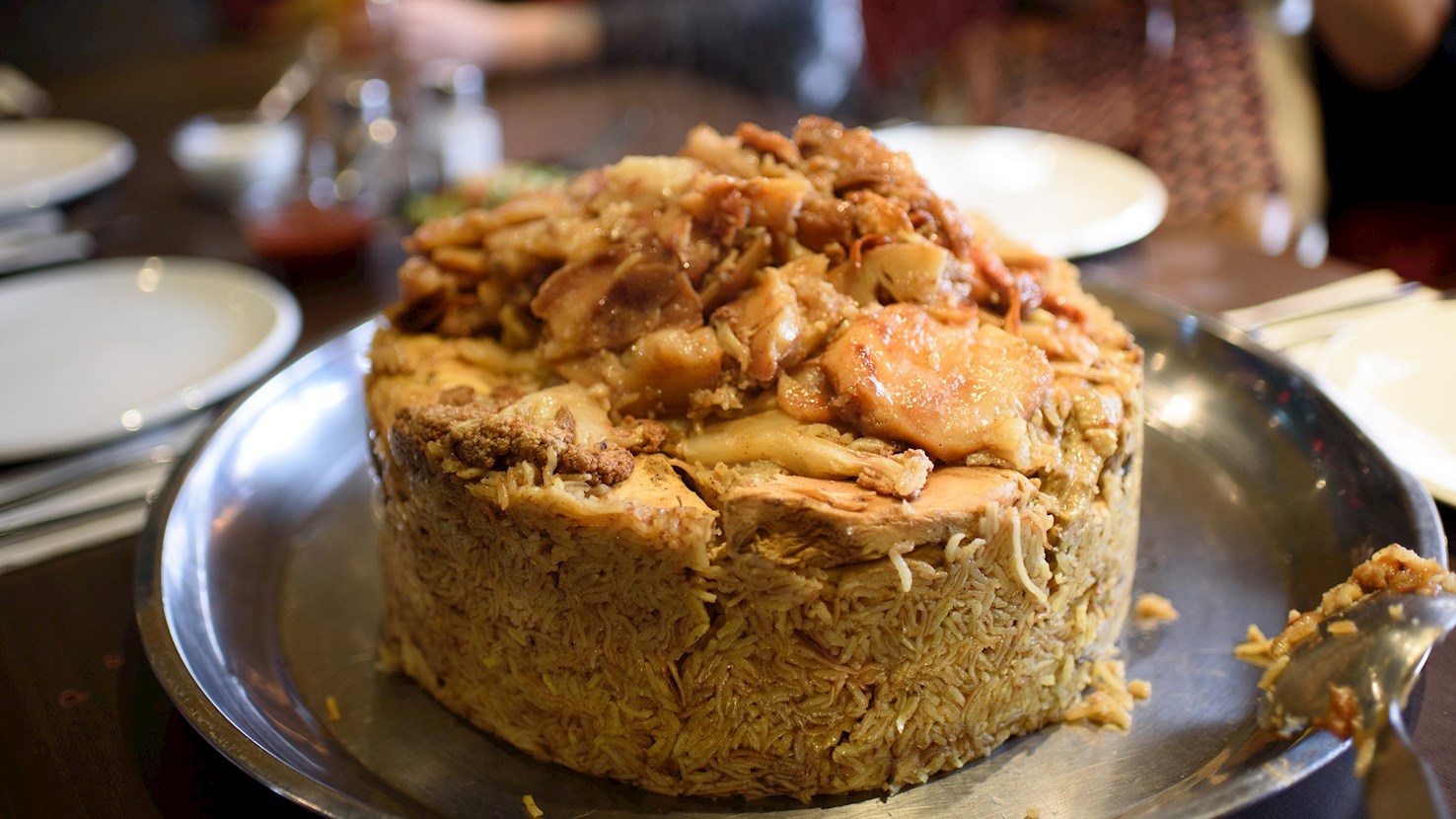
Maqluba is a one-pot rice dish from the Levant, especially popular in Palestine, Jordan, Syria, and Iraq, whose name means “upside-down” in Arabic. It is built from layers of rice, meat such as chicken or lamb, and fried vegetables, usually eggplant, cauliflower, or potatoes, all cooked together in a single pot and then flipped onto a serving platter so that the ingredients form a structured, layered cake. The inversion is its defining feature, giving it both its name and its striking appearance. The dish reflects centuries of Levantine cooking practices, where rice, meat, and vegetables were often cooked together for both sustenance and efficiency. Over time, cooks developed a method that not only maximized flavor but also gave the meal a distinctive presentation. The practice of turning the pot upside down and serving it intact became associated with family gatherings and communal tables, and recipes began to vary from one household to another. Some families preferred lamb for its richness, others chicken for its lighter flavor, while the selection of vegetables depended on the season and local produce. To prepare maqluba, the meat is first cooked with onions and spices, often including cinnamon, cardamom, and allspice, which infuse the broth that later cooks the rice. Vegetables are sliced and fried until golden, then layered at the bottom of a large pot, followed by the meat and then the rice. The cooking liquid, usually the seasoned broth from the meat, is poured over the layers, and the pot is left to cook gently until the rice is tender and has absorbed all the flavors. When finished, the pot is rested briefly before being inverted onto a large platter, revealing the colorful strata of vegetables and meat beneath the rice topping. Maqluba is eaten widely across the Levant, served as a centerpiece dish for gatherings, family meals, and festive occasions. It pairs well with simple accompaniments such as yogurt or a fresh cucumber-tomato salad, which provide a cooling contrast to the warm spices and hearty layers of the dish.
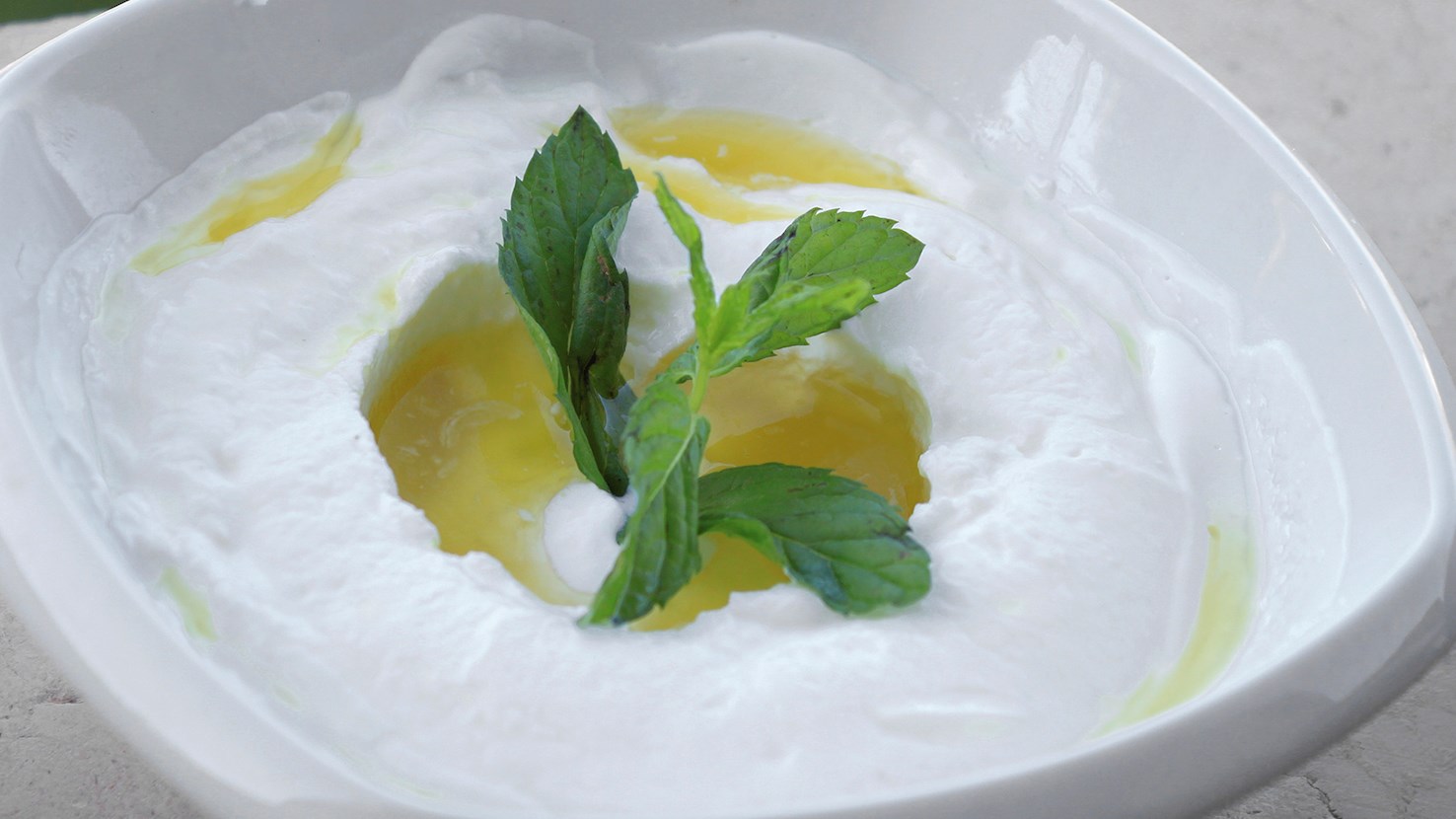
Creamy texture and mild flavor are the main attributes of labneh; a traditional Middle Eastern strained yogurt that is prepared with yogurt and salt. No strict guidelines are used to produce it; plain full-fat yogurt is mixed with salt and left to strain for twelve to twenty-four hours. During straining, the yogurt whey separates, and what is left is a thick and firm cheese-like product. Its texture can vary from creamy to dense, but it always has a relatively mild and slightly salty flavor. The name labneh is native to the Middle East, but strained yogurt varieties are found in numerous other countries and regions such as Greece, Turkey, Cyprus, Central Asia, the United States, Mexico, and the United Kingdom. It usually employs cow milk, but other kinds, such as goat yogurt in Greece, are also common. In many Levantine countries, labneh is enjoyed as a part of a mezze, served alongside flatbreads and other small dishes. It can be eaten plain, garnished with olive oil or chopped mint, but it can also be served as a creamy spread over bread or bagels. It is often incorporated as a condiment in many meat and vegetable dishes. Because of its thick consistency, it can be rolled into balls and preserved in olive oil, or covered in crushed nuts or spices, then served as a decorative appetizer.
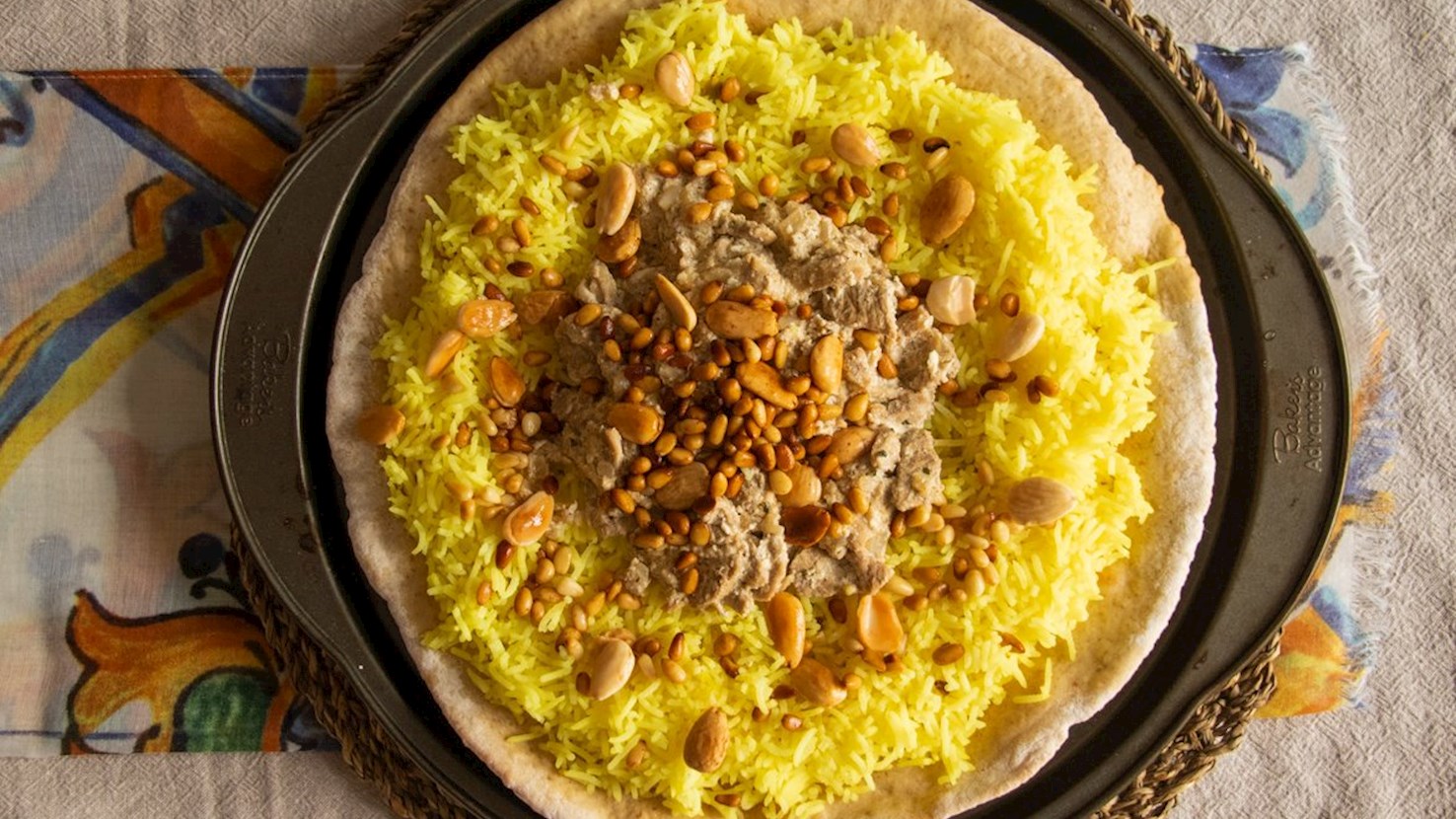
Mansaf is the national dish of Jordan that plays a key role in all celebrations and festivals in the country. The meat is slowly cooked in fermented, yogurt-like goat's milk called jameed, resulting in a unique dish that is not just a meal, but a social tradition. Mansaf, an Arabic word for explosion, is commonly offered to guests as a sign of appreciation, value, and respect. It can be made with goat, lamb, beef, or chicken meat, where goat signifies the highest level of respect and value, and chicken the least, so beef or chicken is rarely to be seen in Mansaf. Traditionally, cooked goat's head will be placed in the center and offered to the most important guests at an event. Mansaf is served on a large platter over rice and khubz flatbread, garnished with almonds and pine nuts. Guests eat the dish communally, with their right hand, while the left hand is placed behind their back. The host must continually cover the rice with cooked yogurt sauce, ensuring that the guests don't complain about lack of hospitality. Mansaf is also significant in resolving conflicts between tribes or families, when the heads of each tribe visit one another, sacrifice a goat to cook the dish, then offer it as an act of peace and respect, eating the dish together as a way of marking the end of a conflict.
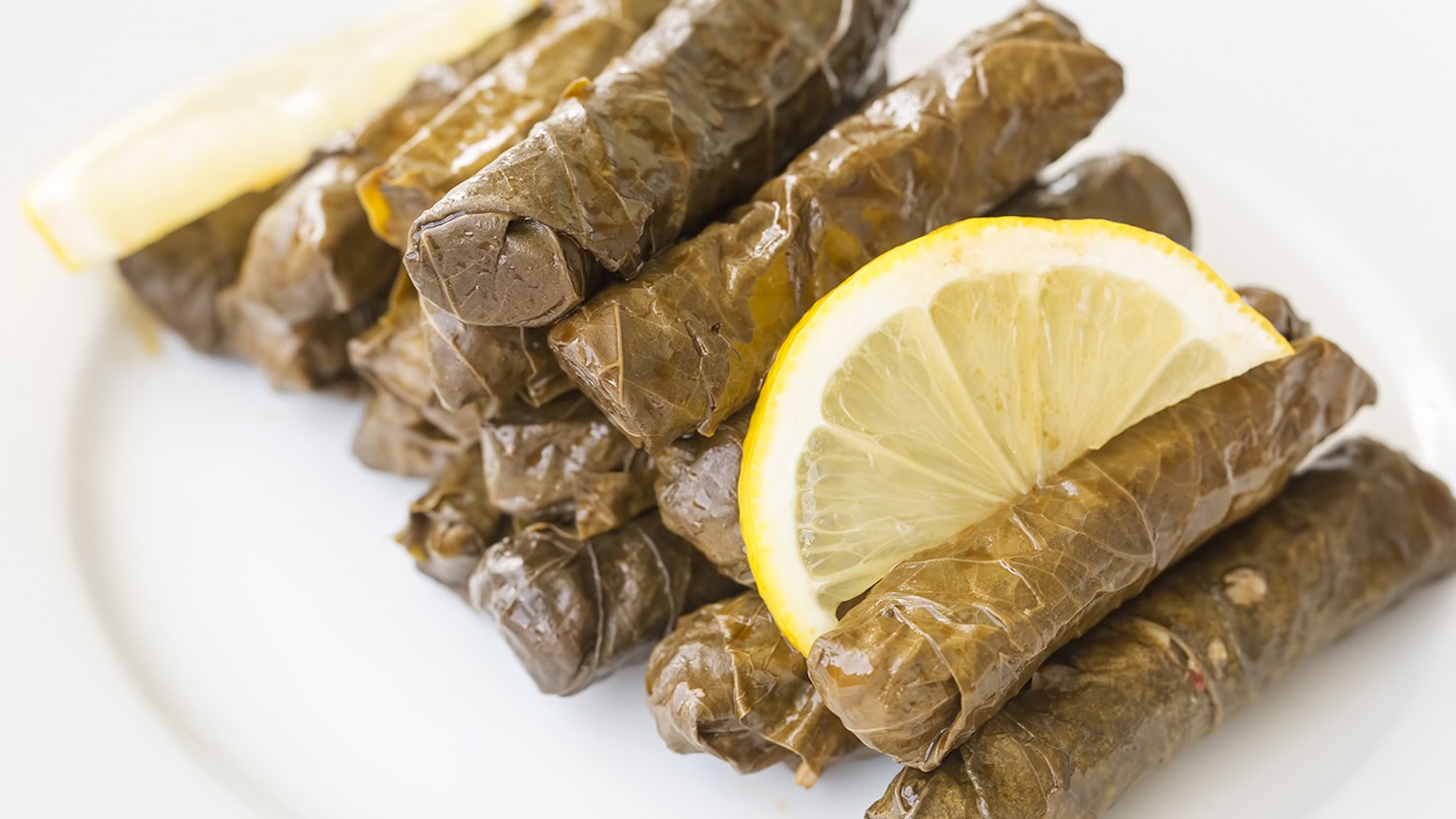
Warak enab is a dish of stuffed grape leaves prepared across the eastern Mediterranean and Middle East, especially in Lebanon, Syria, Jordan, and Palestine, consisting of tender vine leaves wrapped around a filling of rice, and in many versions minced meat, then gently cooked in a lightly acidic liquid. Its development is tied to long-established viticulture in the Mediterranean basin, where grape leaves were readily available alongside grapes and wine production, and where cooking practices evolved to make use of seasonal leaves by blanching and preserving them for later use, with references to stuffed leaves appearing in Byzantine and early Arabic culinary records that describe similar techniques applied to vegetables and leaves across the region. Preparation involves blanching fresh or preserved grape leaves to soften them, placing a small amount of filling made from short-grain rice, minced lamb or beef if used, salt, and mild spices near the base of each leaf, rolling them tightly into compact cylinders, and arranging them snugly in a pot layered to prevent movement during cooking, after which they are simmered slowly in water or stock with lemon juice until the rice is fully cooked and the leaves tender but intact. Warak enab is served warm or at room temperature, often drizzled lightly with olive oil and presented neatly arranged to emphasize uniformity rather than volume. A defining characteristic of warak enab is the balance between acidity from lemon and the neutral absorbent quality of rice, which allows the grape leaf itself to remain the dominant flavor rather than the filling. It is eaten in homes, restaurants, and social gatherings as part of shared meals, commonly alongside yogurt, grilled meats, or other vegetable dishes, and it pairs well with water, unsweetened black or mint tea, arak diluted with water, or dry white wines, fitting naturally into tables where multiple dishes are eaten slowly and in combination rather than in isolated courses.
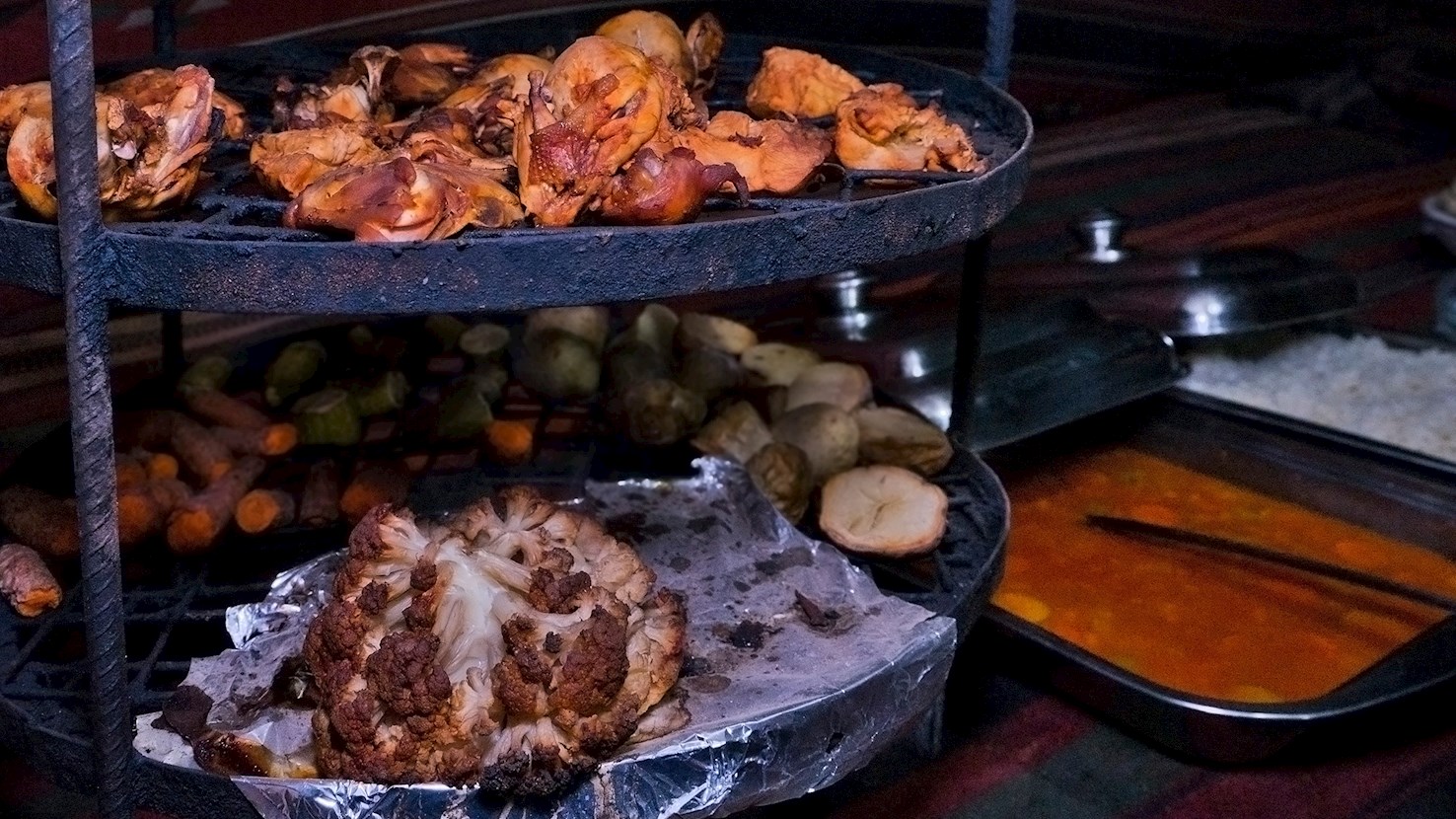
Zarb is a meat-and-vegetable dish prepared in the desert regions of Jordan, cooked underground using a sealed pit where food is exposed to retained heat rather than direct flame and typically composed of lamb or chicken layered with vegetables and seasoned simply. Its development is tied to desert life in southern Jordan, particularly in areas such as Wadi Rum, where mobile communities required cooking methods that conserved fuel, protected food from wind and sand, and allowed large quantities of meat to be cooked evenly using minimal equipment, leading to the refinement of pit-cooking techniques that relied on hot stones and buried heat rather than open fires. Preparation begins by digging a pit in the ground, heating stones or coals until they are extremely hot, and suspending or stacking seasoned meat and vegetables such as potatoes, carrots, and onions above the heat source, after which the pit is sealed tightly with metal sheets, cloth, and sand so the contents cook slowly in an enclosed environment for several hours. Zarb is served immediately after uncovering the pit, with the meat carved and vegetables arranged together, and it is presented plainly without sauces to reflect the cooking method rather than added flavorings. It is eaten mainly during communal meals, outdoor gatherings, and special occasions in desert settings, accompanied by flatbreads, rice, or simple salads, and it pairs naturally with water, lightly sweetened tea, or yogurt-based drinks that balance the richness of the meat without competing with its restrained seasoning.
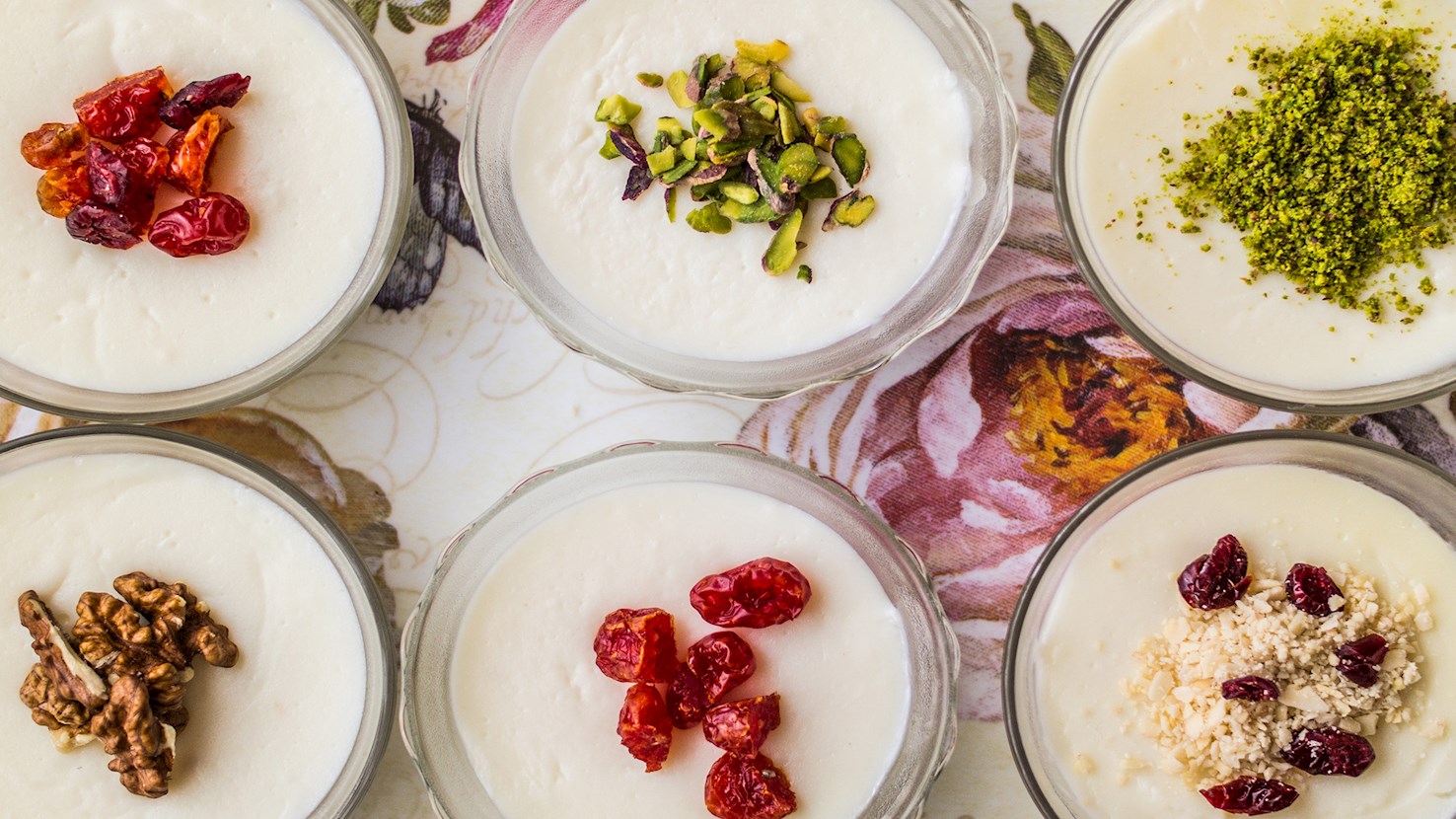
Muhallebi is a milk-based dessert widely known across the Middle East, Eastern Mediterranean, and North Africa. It is a smooth, lightly sweetened pudding made from milk thickened with rice flour, cornstarch, or semolina, and flavored with ingredients such as rosewater, orange blossom water, or mastic. The dessert has deep roots in Ottoman and Arab cuisines, where it became a staple of both palace and household cooking. Variations exist throughout the region under different names, including malabi in Israel, mahalabia in Egypt, and mahalabiyeh in Lebanon and Syia, all sharing a similar base of milk and starch with slight differences in flavoring and garnish. Muhallebi developed within the culinary traditions of the eastern Mediterranean, influenced by Persian and Arab sweet-making practices that emphasized dairy-based desserts flavored with floral essences. It became especially prominent in the Ottoman Empire, where palace chefs refined the recipe into a smooth, delicate pudding served chilled. Over time, it spread throughout the empire’s territories, blending with local ingredients and preferences. In Turkey, muhallebi remains part of daily dessert culture, sold in dessert shops and restaurants specializing in milk-based sweets, known as “sütlü tatlılar.” Preparation begins by mixing starch or rice flour with a portion of cold milk until smooth. The remaining milk is heated with sugar over medium heat, and the starch mixture is slowly whisked in to avoid lumps. The pudding is cooked until it thickens to a creamy consistency and begins to coat the spoon. At this point, flavorings such as rosewater, orange blossom water, or mastic are added, and the mixture is poured into bowls or molds to cool and set. Once firm, it is typically chilled before serving. The texture should be silky and light, with a mild sweetness balanced by the fragrance of the added flavoring. Muhallebi is often garnished with ground nuts such as pistachios or almonds, shredded coconut, or a thin layer of syrup. In some versions, a fruit compote or rose-flavored syrup is spooned on top to add color and acidity. Turkish-style muhallebi is commonly unflavored and served plain or dusted with cinnamon, while Levantine and Egyptian versions lean toward floral and aromatic notes. A baked variation, known as “fırın muhallebi,” develops a golden crust on top while maintaining a soft center. It is eaten year-round, often as a light dessert after meals or as a refreshing treat during warm weather. It is served in cafés, sweet shops, and homes, especially during religious festivals and gatherings. Muhallebi pairs well with Turkish tea, mint tea, or lightly roasted coffee, which balance its sweetness. Its simplicity, gentle flavor, and adaptability have made it one of the most enduring dairy desserts of the Eastern Mediterranean, linking diverse regional cuisines through a shared culinary foundation.
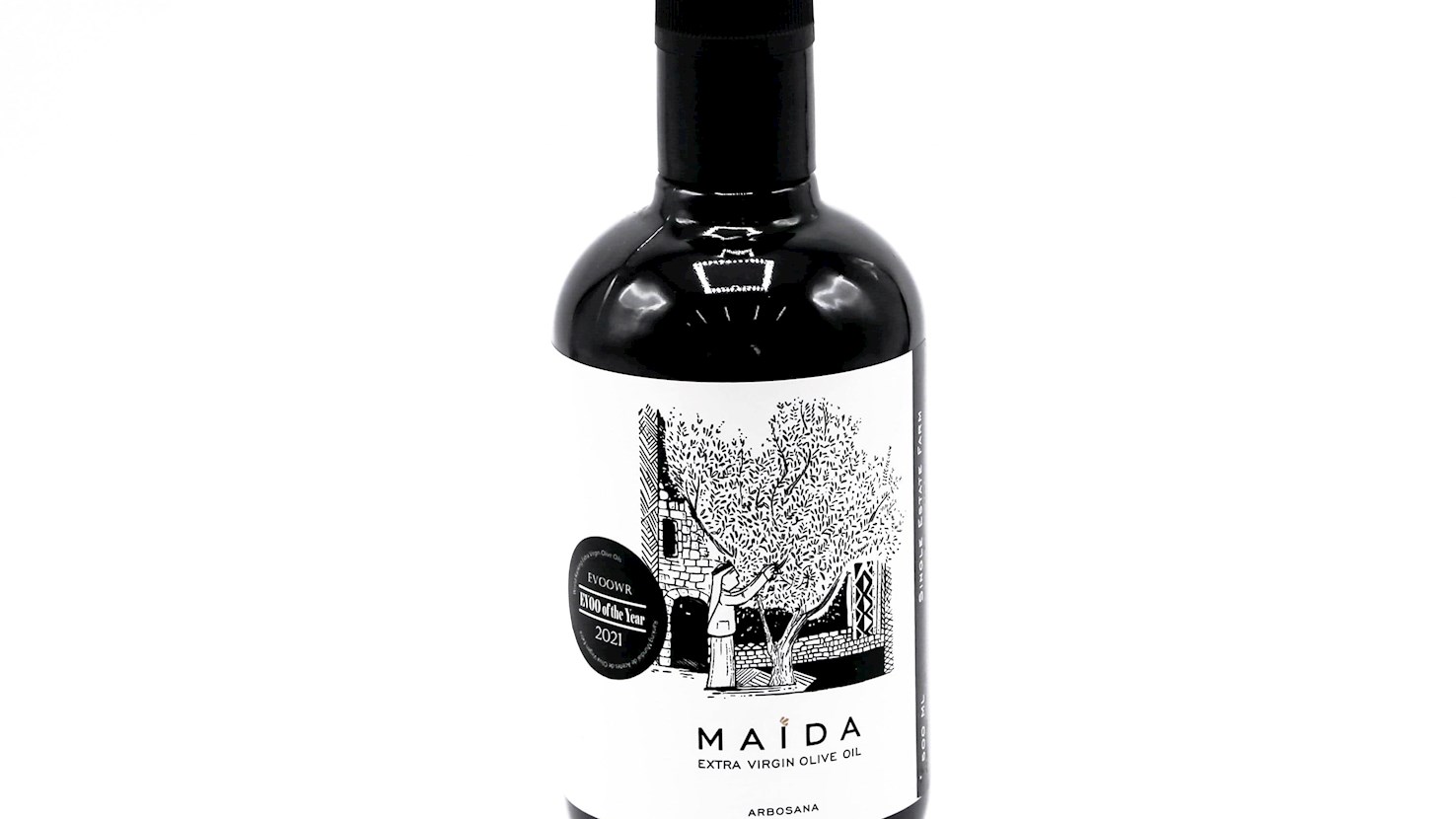
Maida Olive Oil is a family-run farm and mill for extra virgin olive oil, located in the heart of the Jordanian desert. The estate cultivates several carefully selected olive varieties, which are hand-harvested and pressed in the family’s own mill within just a few hours, preserving their freshness, aroma, and full flavor.
Every drop of oil reflects the unique terroir of this land, as well as the family’s dedication to creating a product that is both authentic and of the highest quality.
Special care is given to both nature and the community. The farm operates according to principles of sustainability – from the use of renewable energy and environmentally friendly cultivation methods to the support of local communities who take part in the harvest each year.
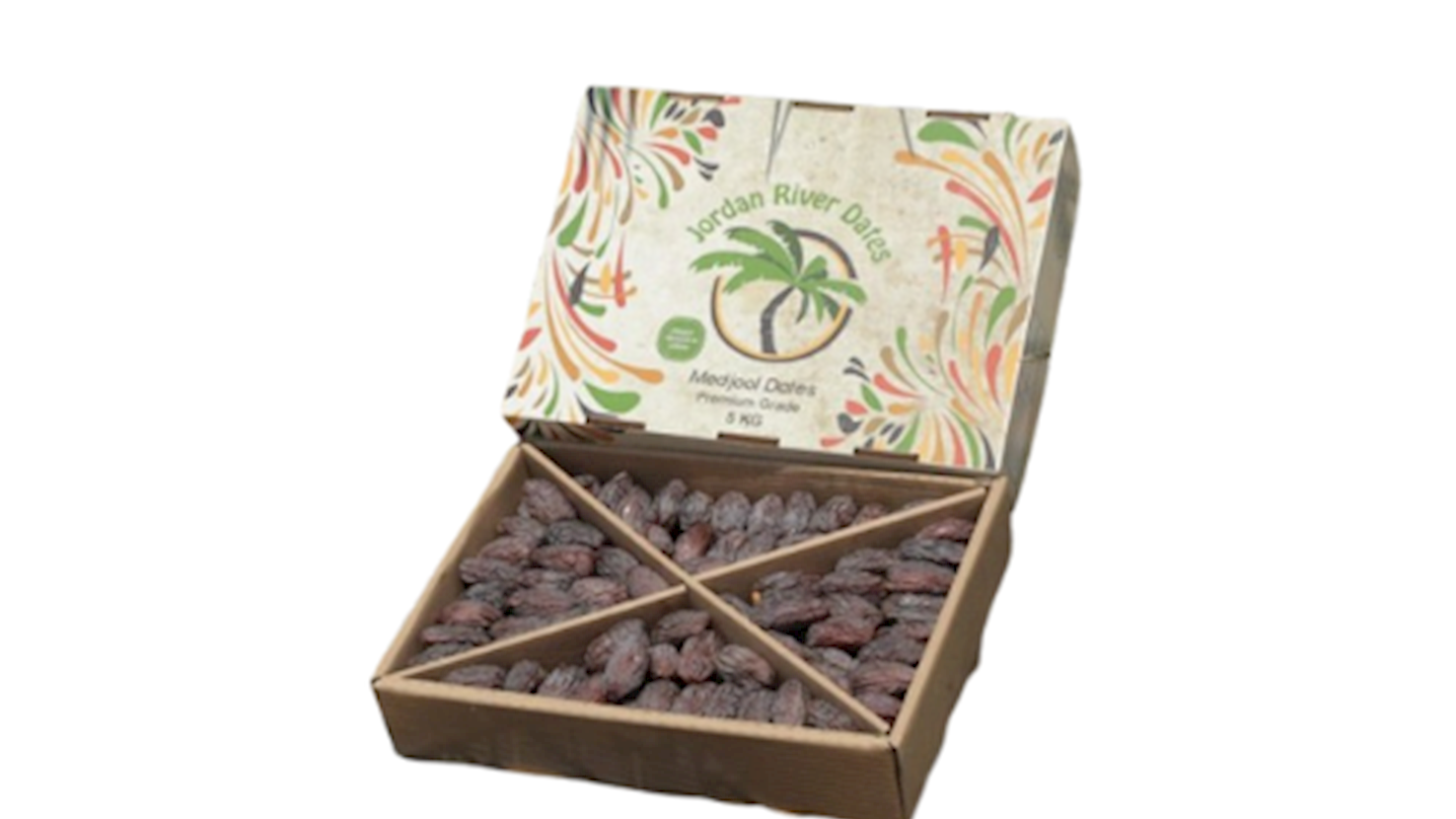
Jordan River Dates is a family-owned Jordanian company specializing in the cultivation, processing, and export of Medjool and Barhi dates, renowned for their authentic origin and superior quality. The plantations are located on the eastern bank of the Jordan River, in the heart of the Jordan Valley, where the unique microclimate allows the development of fruits with exceptional texture and natural sweetness.
The company cultivates more than 5,000 palm trees across approximately 900,000 m², with plans for further expansion in the coming years. Special emphasis is placed on hand pollination and hand picking, ensuring full quality control and preservation of the fruit’s natural structure.
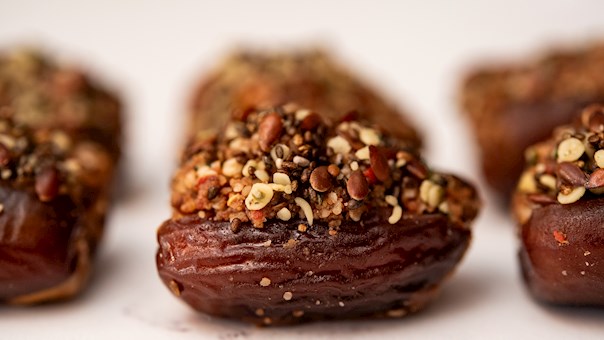
Their Medjool dates are characterized by a rich aroma, caramel-like flavor, and high natural sugar content, while the Barhi variety is celebrated for its freshness and juicy texture. Thanks to a combination of tradition, high production standards, and the distinctive terroir of the Jordan Valley, Jordan River Dates has earned a prominent place among date producers in the Middle East.
Their approach harmoniously blends authenticity, sustainability, and meticulous craftsmanship, making these dates a true symbol of quality and the genuine gastronomic essence of the region.
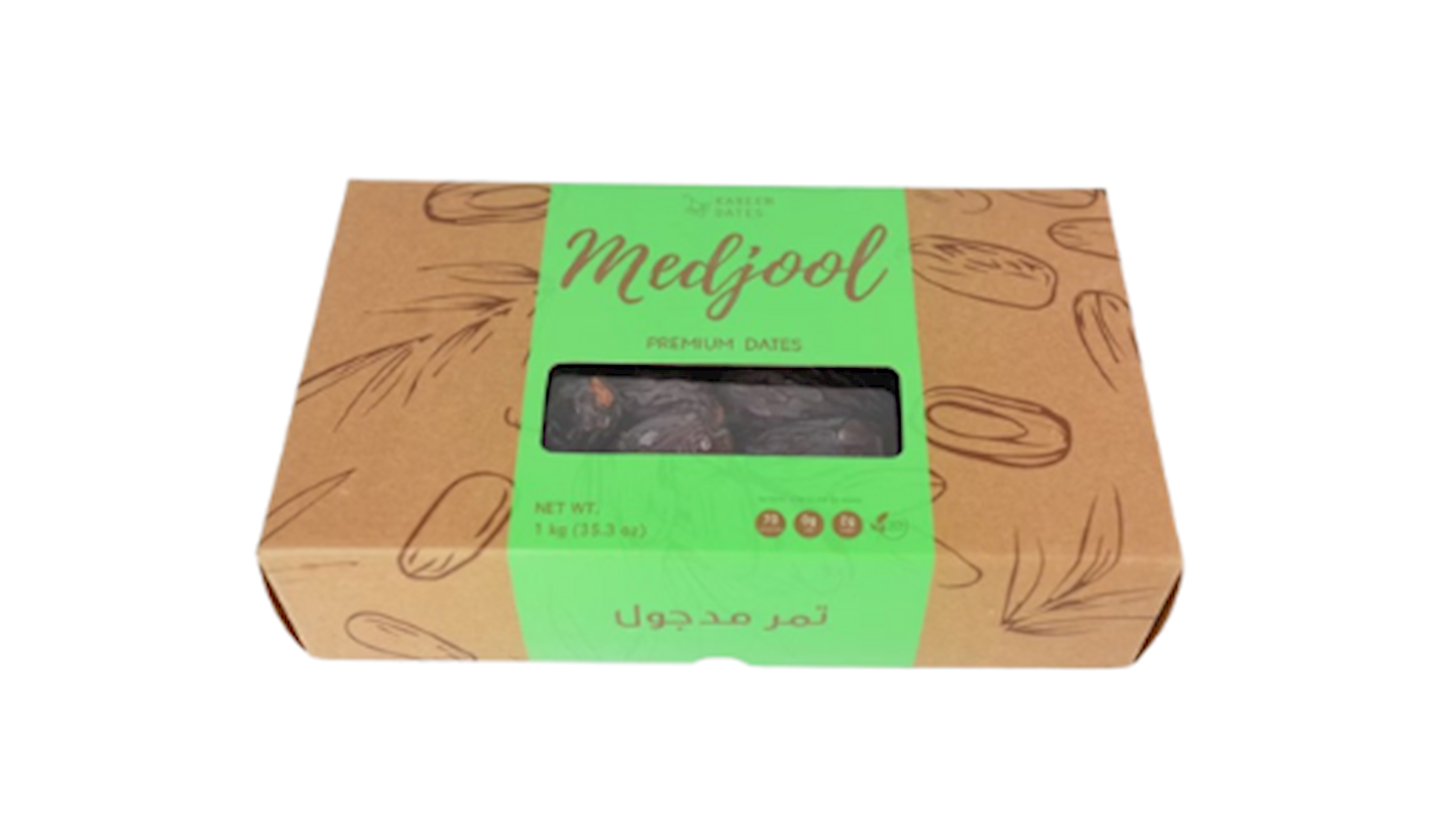
Kareem Dates is a family-owned farm from Jordan, founded in 2010, specializing in the cultivation and export of premium Medjool dates. Its plantations are located in Al Karameh, within the fertile Jordan Valley, just a few hundred meters from the Jordan River, where the warm climate and rich soil create ideal conditions for producing dates of exceptional quality.
Covering an area of approximately 240,000 m², the farm cultivates over 3,500 palm trees, whose fruits are carefully harvested and processed in a modern facility equipped with drying rooms, cold storage units, and automated sorting systems. Kareem Dates offers Medjool dates classified into three main grades - Premium, Super Fancy, and Fancy - which differ in size and level of juiciness.
This grading system allows precise market targeting and consistency across different consumer preferences. The fruits are large, oval-shaped, with a silky texture and a rich caramel-like flavor complemented by natural sweetness.
By combining the tradition of hand harvesting with modern processing technology, Kareem Dates achieves the perfect balance between authenticity and innovation. Their Medjool dates embody the unique Jordanian terroir and artisanal craftsmanship that define the region’s excellence in date cultivation.
The brand is recognized for its commitment to sustainability, quality, and reliability, making it one of the most respected date producers in Jordan and across the Middle East.
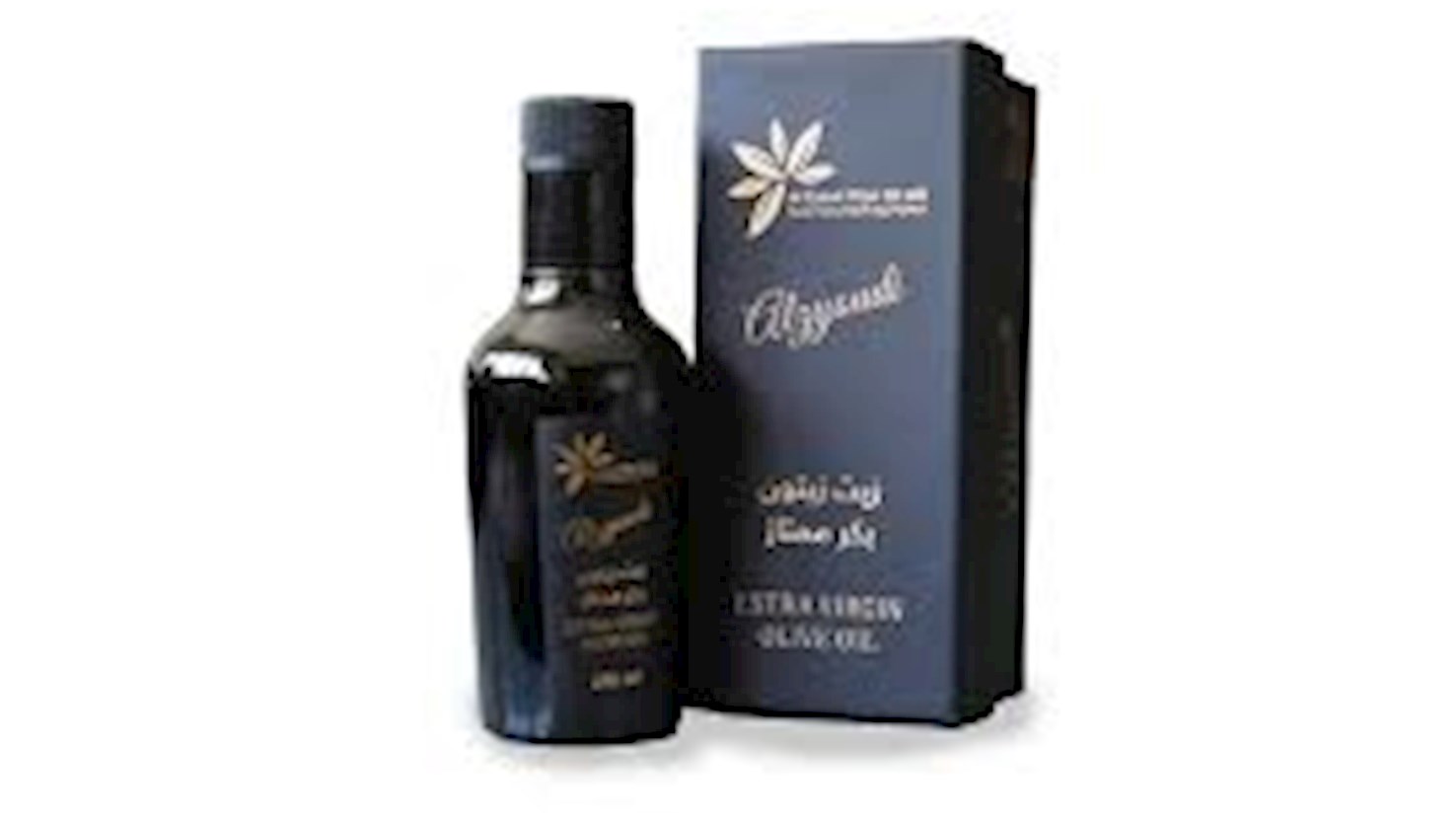
Al Zyoud Olive Farm & Oil Mill is an olive oil producer located in Jordan. The farm specializes in cultivating and producing high-quality olive oil using traditional methods.
They focus on maintaining sustainable agricultural practices and cater to both local and international markets.
TasteAtlas food rankings are based on the ratings of the TasteAtlas audience, with a series of mechanisms that recognize real users and that ignore bot,
nationalist or local patriotic ratings, and give additional value to the ratings of users that the system recognizes as knowledgeable.
For the “Top 21 Jordanian Foods” list until September 09, 2026, 5,689 ratings were recorded, of which 1,544 were recognized by the system as legitimate.
TasteAtlas Rankings should not be seen as the final global conclusion about food. Their purpose is to promote excellent local foods,
instill pride in traditional dishes, and arouse curiosity about dishes you haven’t tried.
The initial list of top producers was compiled based on available reviews, awards, local recommendations, media and blog coverage, and consumer reviews.
The list will be updated with ratings from TasteAtlas local ambassadors and TasteAtlas users.







What People Say