Top 48 Traditional Foods
in the Province of Verona

Last updated on June 17, 2026

Best Province of Verona food products

01
Wine

Bussola

5 ·
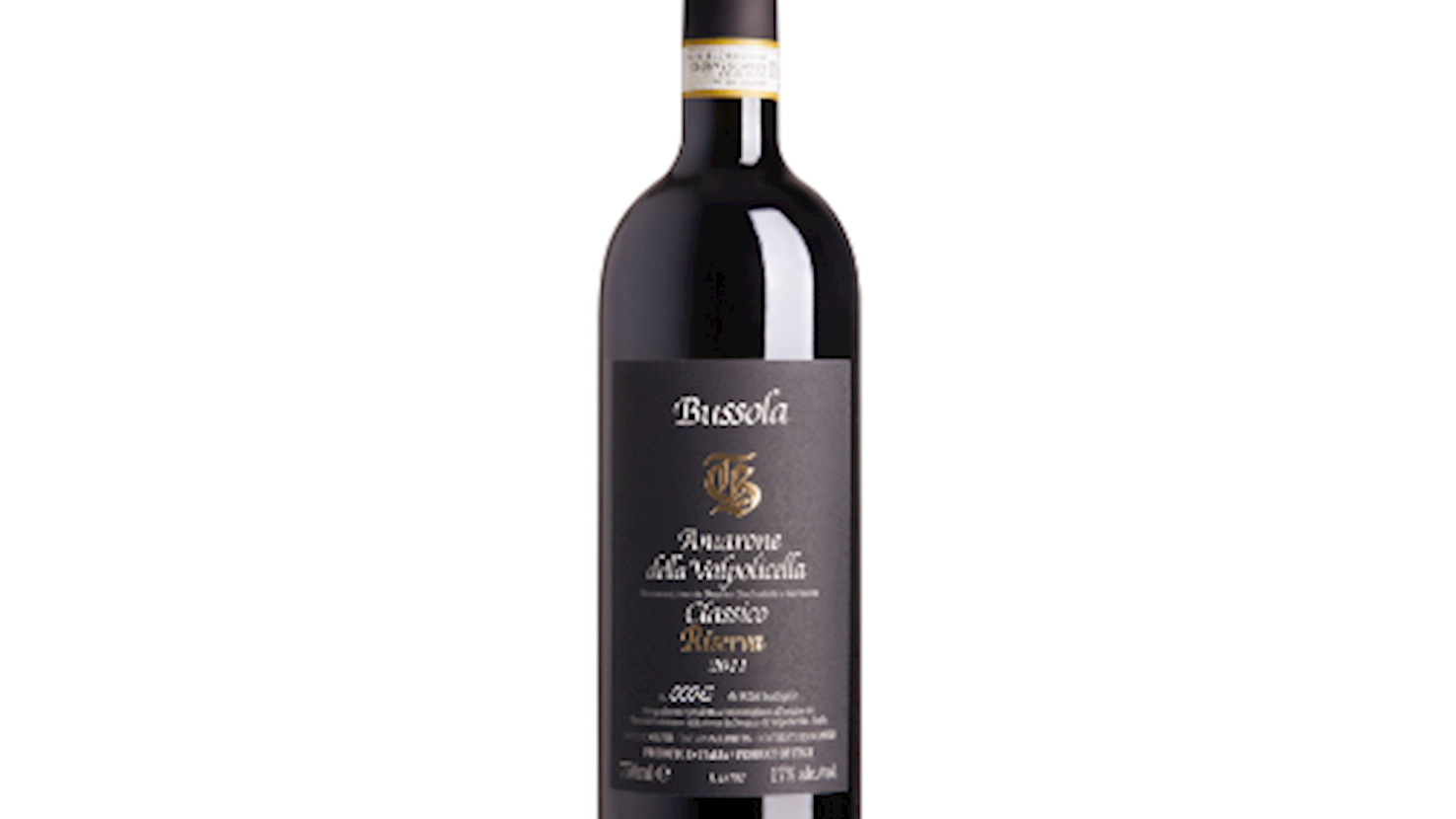
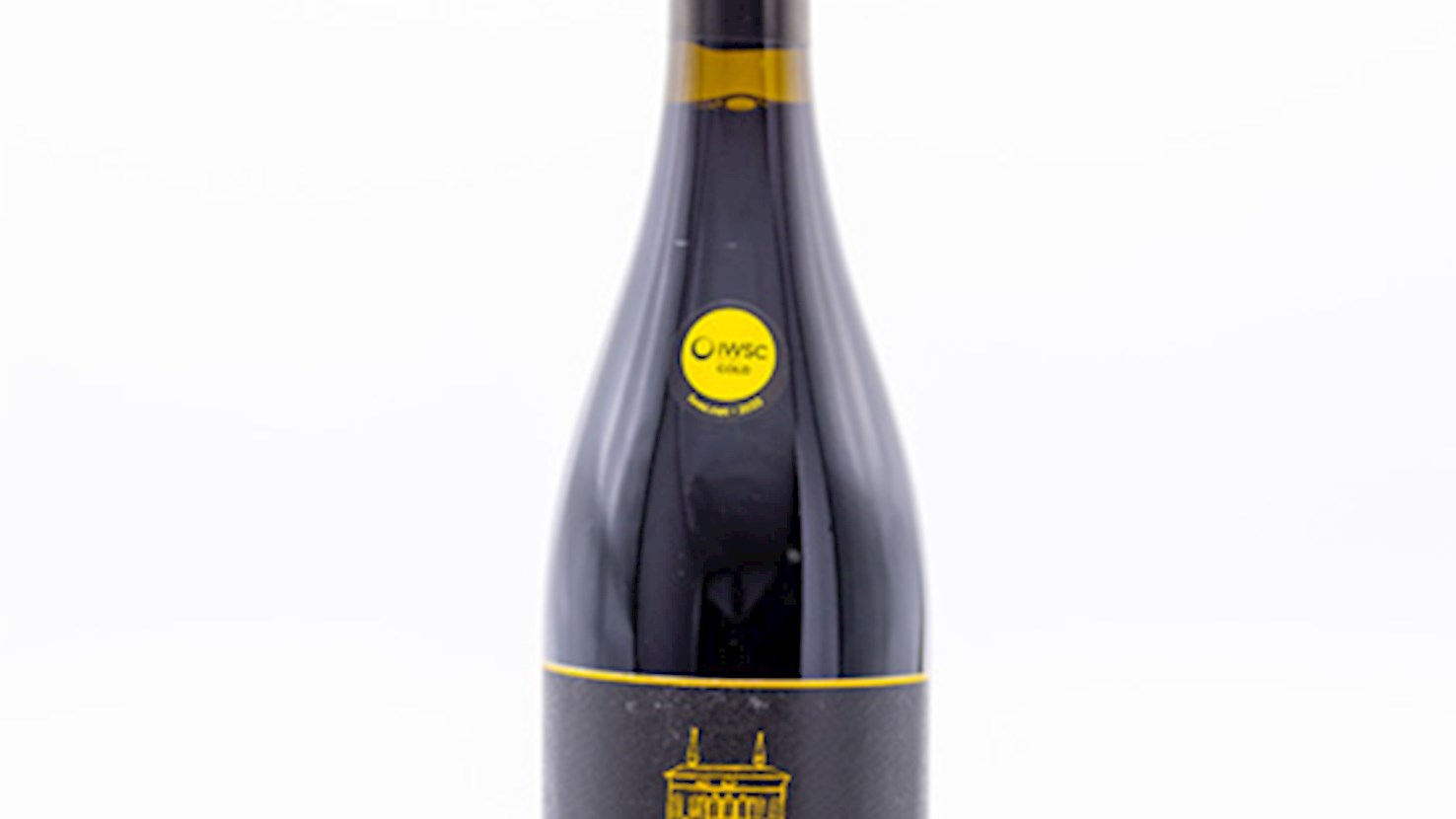
Bussola is a family-run winery based in Negrar di Valpolicella, at the heart of the Valpolicella Classica zone in Veneto, an area renowned for its structured and age-worthy red wines. Founded and shaped by Tommaso Bussola since the late 1970s, the estate focuses on traditional local grape varieties such as Corvina, Corvinone, Rondinella, Molinara, and Croatina. The vineyards are spread across different altitudes and exposures, with soils rich in limestone and volcanic elements that contribute to depth, freshness, and mineral tension in the wines. Vineyard work follows sustainable principles, relying on manual harvesting and minimal chemical treatments to preserve grape integrity. Bussola is particularly known for its mastery of the appassimento technique, producing Valpolicella Ripasso, Amarone della Valpolicella Classico, and Recioto, alongside more straightforward and terroir-driven Valpolicella styles. Winemaking emphasizes long, slow fermentations and extended aging in a combination of large oak casks and barriques. The resulting wines are concentrated yet balanced, marked by precision, structure, and strong aging potential. Today, the winery is supported by the next generation of the Bussola family, ensuring continuity of its artisanal approach and deep connection to Valpolicella’s winemaking heritage.
Awards
Vivino - 4.6
Vivino - 4.5
02
Olive Oil

Frantoio Bonamini

5 ·
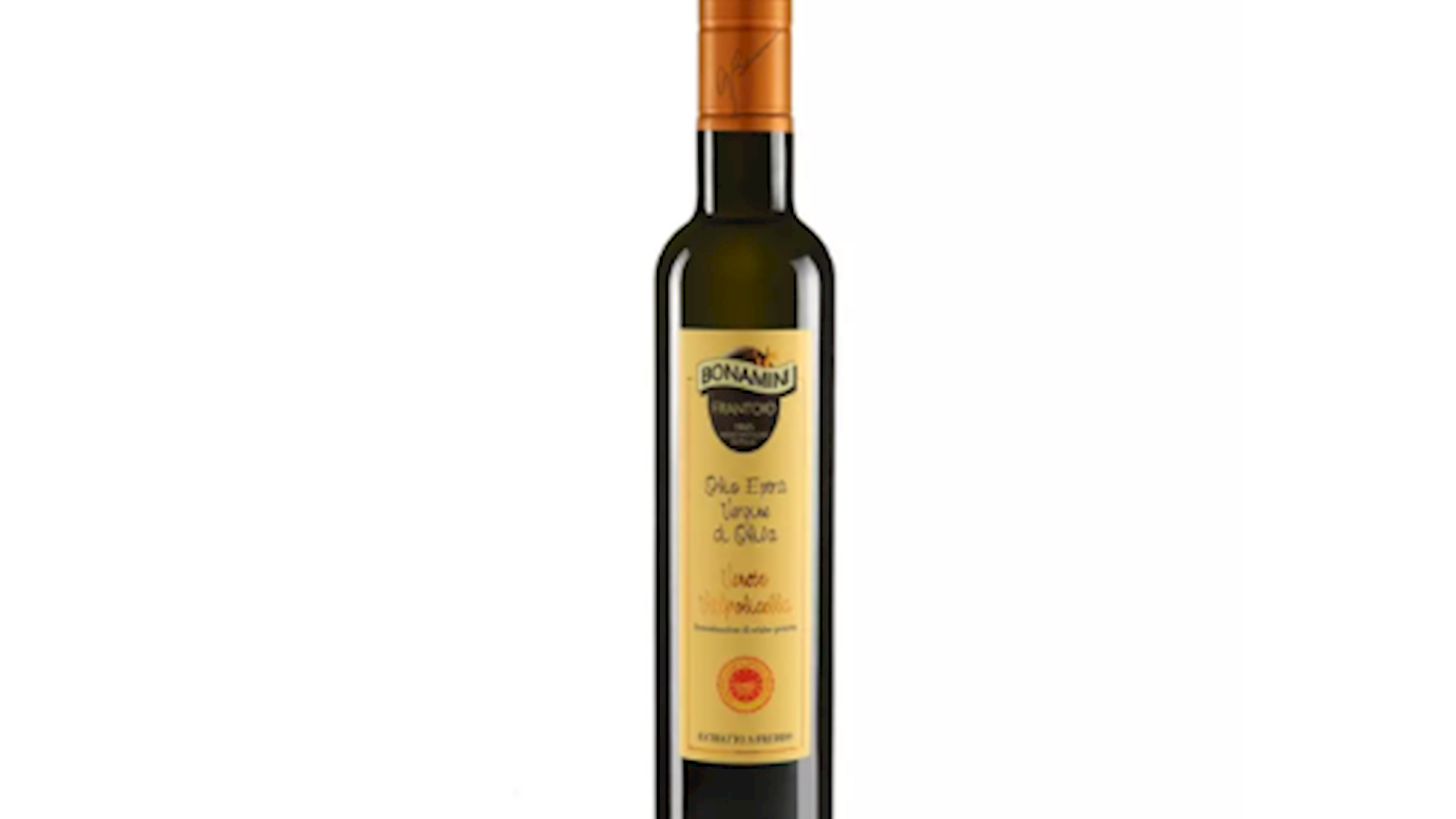
Frantoio Bonamini is a family-owned olive mill from the Illasi Valley, near Verona, founded in 1965, and today recognized as one of the leading producers of extra virgin olive oil in Italy. It combines tradition and innovation, from hand-picking to the most modern technologies in olive processing. In addition to classic and monovarietal oils, Frantoio Bonamini also offers organic varieties, flavored oils, gourmet specialties, as well as a cosmetic line based on olive oil. A special value of their brand lies in their commitment to sustainability and the opportunity for visits and tastings, where tradition and a modern approach merge into a unique gastronomic and cultural experience.
Awards
Flos Olei - Hall of Fame (2025)
Flos Olei - Hall of Fame (2024, 2023, 2022, 2021)
03
Wine

Quintarelli Giuseppe

5 ·
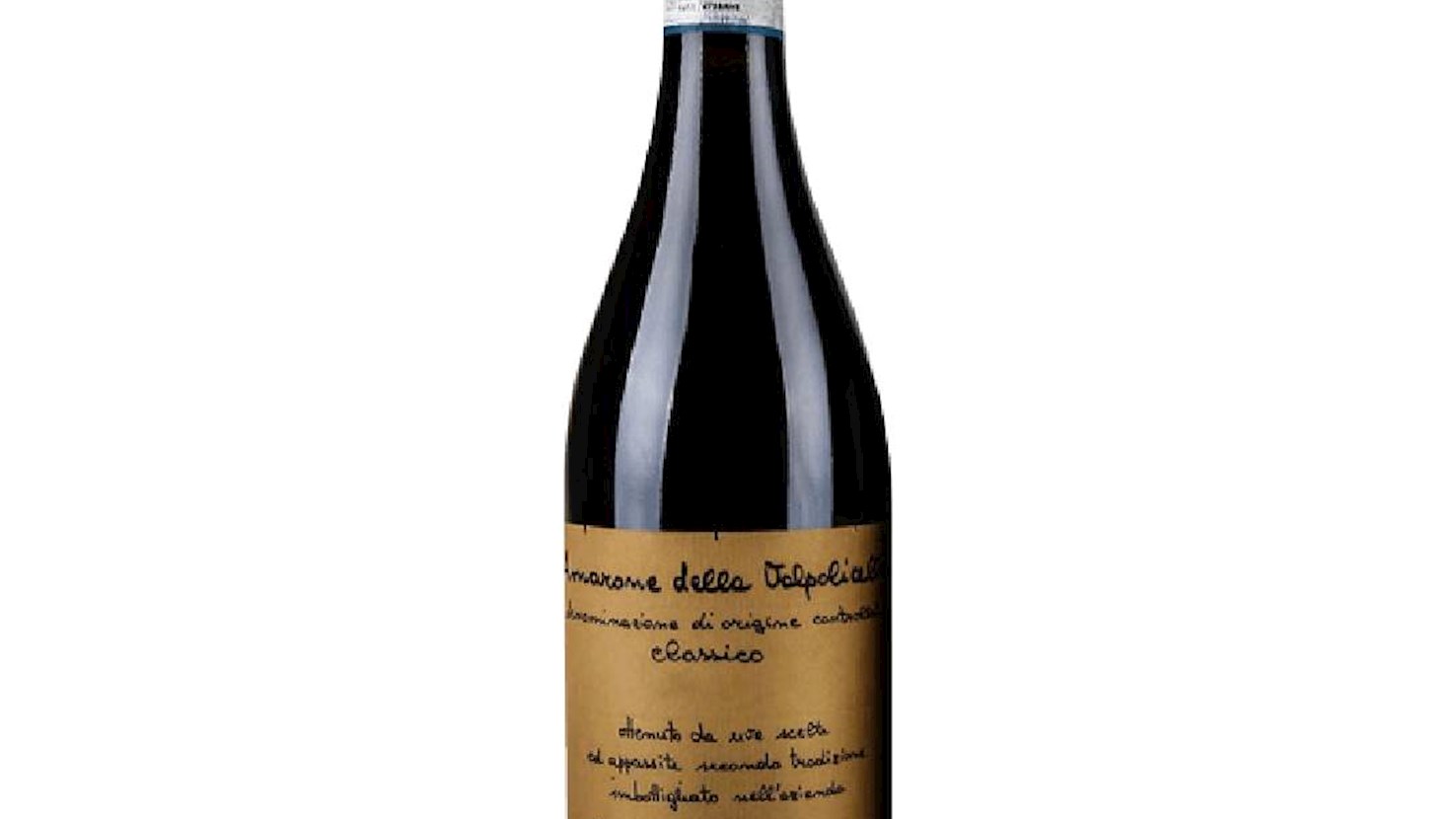
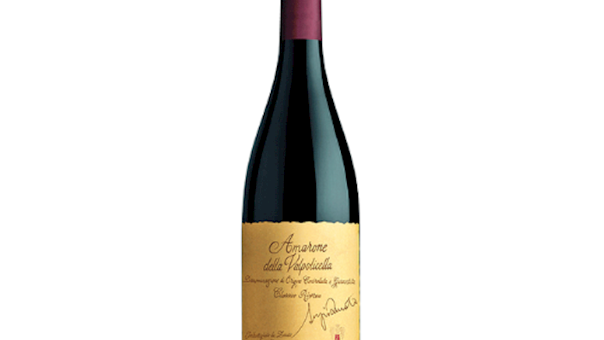
Giuseppe Quintarelli is a legendary name in Valpolicella and a synonym for patience, tradition, and unparalleled quality. Founded in 1924, the winery is nestled in the hills of Negrar di Valpolicella, where the Quintarelli family has been cultivating vineyards for generations, producing wines that have become a global benchmark of elegance and depth. The man most responsible for this reputation is Giuseppe, known as the “Maestro of Valpolicella,” whose dedication and impeccable attention to detail elevated Amarone to an art form. The portfolio includes exceptional labels such as Amarone della Valpolicella Classico, Valpolicella Classico Superiore, Rosso del Bepi, the original Alzero made from Bordeaux varieties, Primofiore, the dry white Bianco Secco, and the opulent dessert wine Amabile del Cerè. Each bottle, instantly recognizable by its handwritten label, reflects the philosophy of slow, thoughtful winemaking that unites power, elegance, and longevity.
Awards
Falstaff - 99
Vivino - 4.7
04
Wine

Cesari

4.9 ·
Gerardo Cesari is a well-established winery based in the Valpolicella area near Verona, founded in 1936 with the ambition of producing Amarone capable of competing on an international level. From its early years, the winery focused on quality and global recognition, becoming one of the first producers to export Amarone worldwide in the 1970s. Today, Cesari combines traditional winemaking methods with a modern, precision-driven approach, placing strong emphasis on terroir and consistency. Its vineyards extend across Valpolicella and nearby zones such as Lugana, encompassing a range of soil types that contribute to complexity and stylistic diversity. The winery primarily works with indigenous varieties like Corvina and Rondinella, which form the foundation of wines such as Amarone, Ripasso and Valpolicella. The style is characterized by a balance of structure and elegance, with layered aromas of dark fruit, spice and subtle oak influence. Cesari’s philosophy can be described as a modernization of tradition, preserving regional identity while adapting to contemporary standards. Today, it is regarded as a key producer in Valpolicella, known for wines that combine classic character with international appeal and consistent quality.
Awards
Decanter World Wine Awards - Best in Show (2024)
Vivino - 4.4
05
Wine

Bertani

4.9 ·
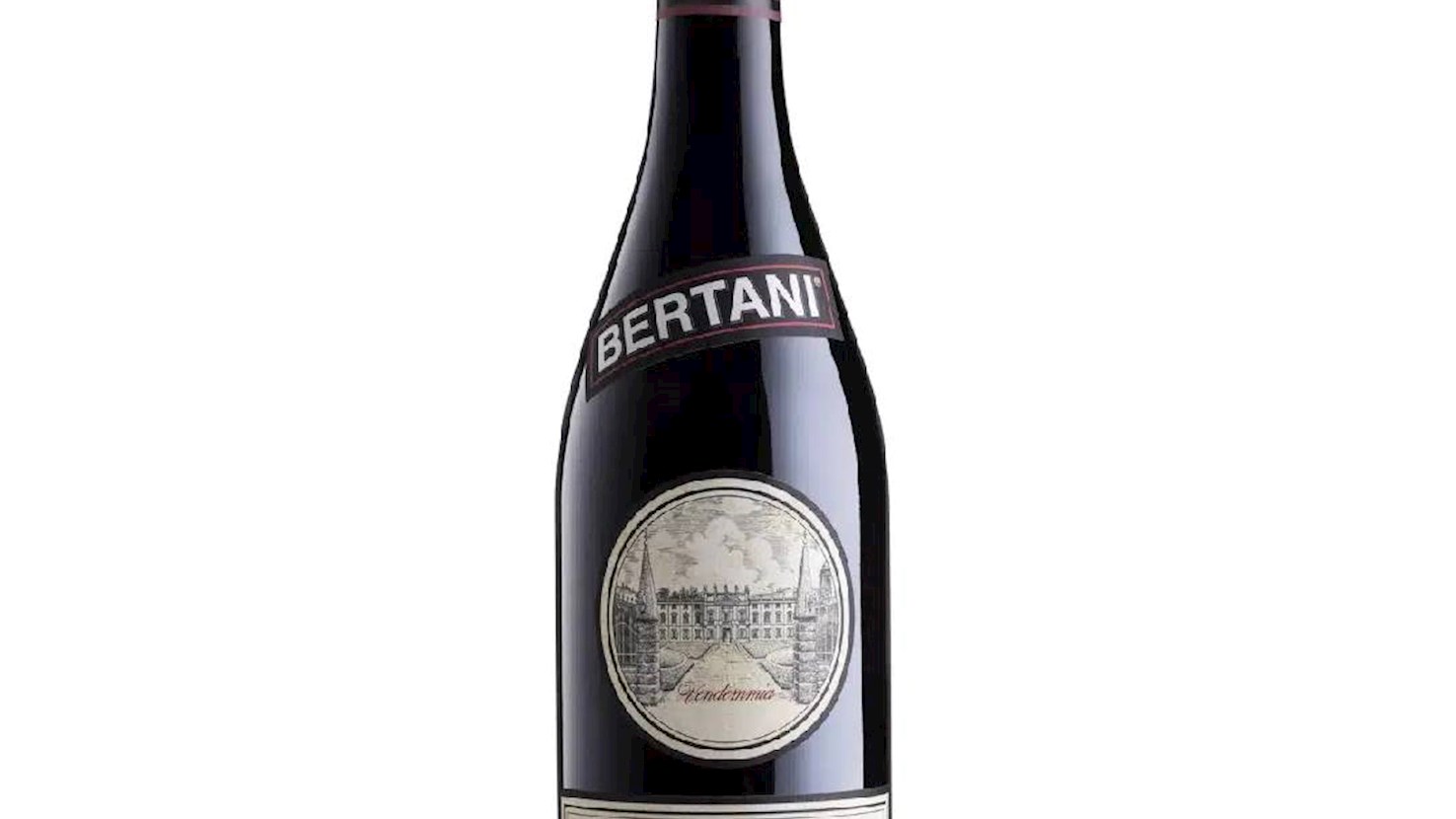
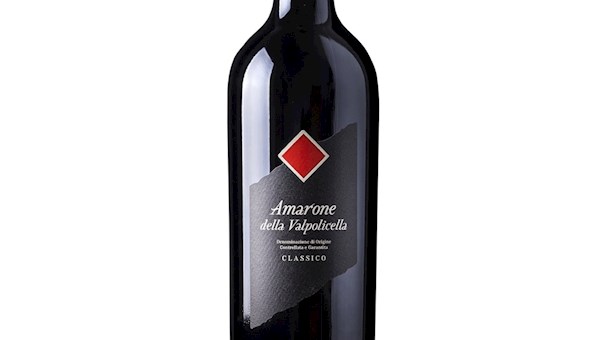
Bertani is a renowned winery from the Valpolicella region in Italy, founded in 1857 by brothers Giovanni Battista and Gaetano Bertani in Quinto di Valpantena, north of Verona. Gaetano acquired his winemaking expertise in France, studying under the famous Professor Jules Guyot, which enabled the winery to combine innovative techniques with local tradition. Throughout its long history, Bertani has become synonymous with quality and innovation in winemaking. Particularly notable is their Amarone della Valpolicella Classico, a wine that has become an icon of Italian viticulture. This Amarone is crafted from grape varieties such as Corvina and Rondinella, which are dried before fermentation, resulting in a rich and complex wine with exceptional structure and longevity.
Awards
James Suckling - 100 points (2024)
Vivino - 4.4
06
Olive Oil

Azienda Agricola Ruffo Luigi

4.9 ·
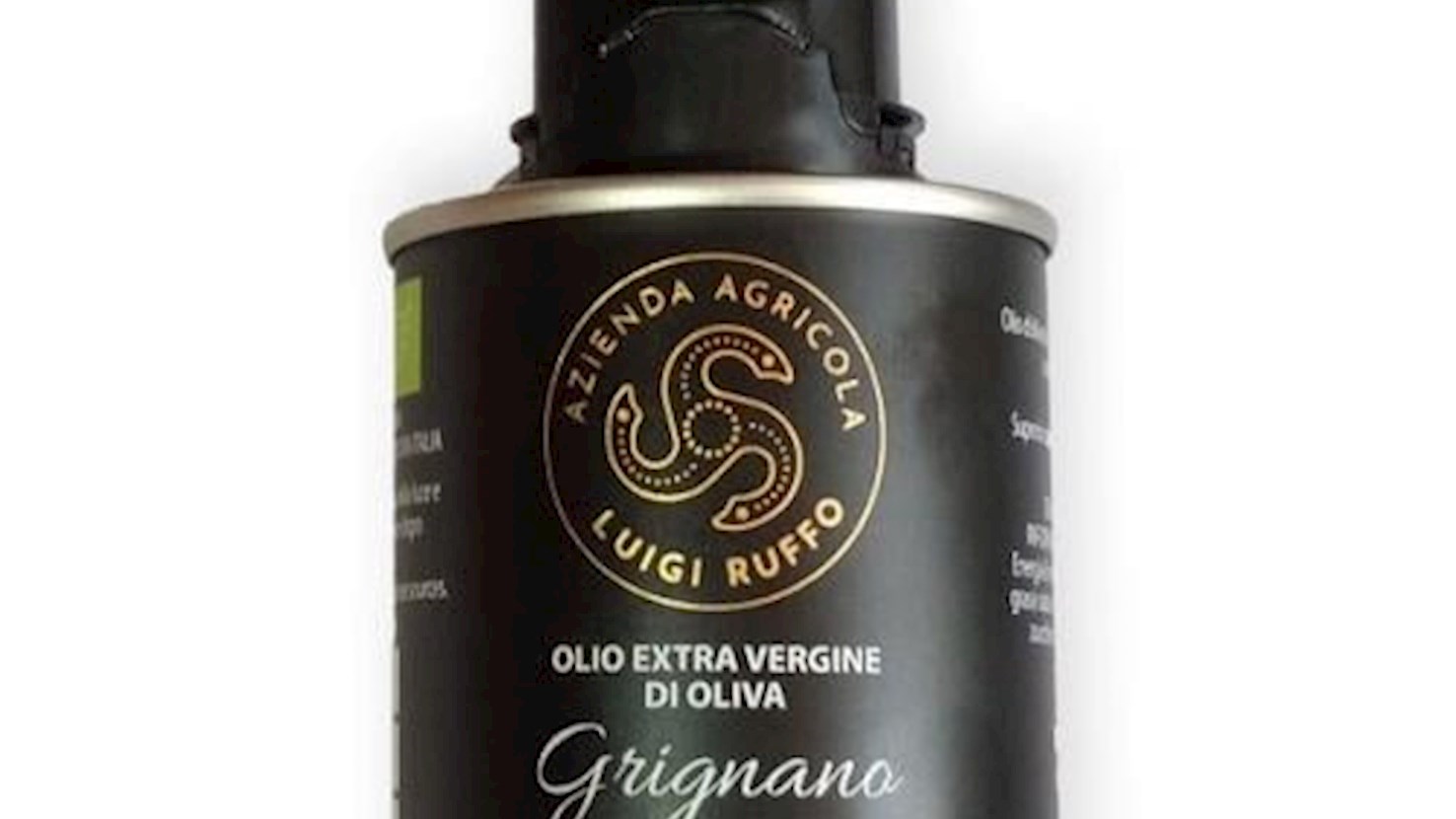
Azienda Agricola Ruffo Luigi is an olive oil producer based in Verona, Italy. The company specializes in the cultivation of olive trees and the production of high-quality extra virgin olive oil. They adhere to traditional methods of olive farming and oil extraction combined with modern techniques to ensure the purity and flavor of their products. The estate is located in the Veneto region, which is known for its favorable climate for olive growth.
Awards
EVO IOOC - Gold Medal (2021)
07
Wine

Cantina di Verona

4.9 ·
Awards
Decanter World Wine Awards - Platinum (2021)
08
Wine

Franchetto

4.9 ·
Awards
Decanter World Wine Awards - Platinum (2017)
09
Wine

Corte Giara

4.9 ·
Awards
IWSC- International wine & spirit competition - Gold (2022)
10
Olive Oil

Oliveti Sacco Di Sofi Sas

4.9 ·
Awards
EVO IOOC - Gold Medal (2022)

Best Province of Verona foods

01
Sweet Bread

Pandoro

4 ·

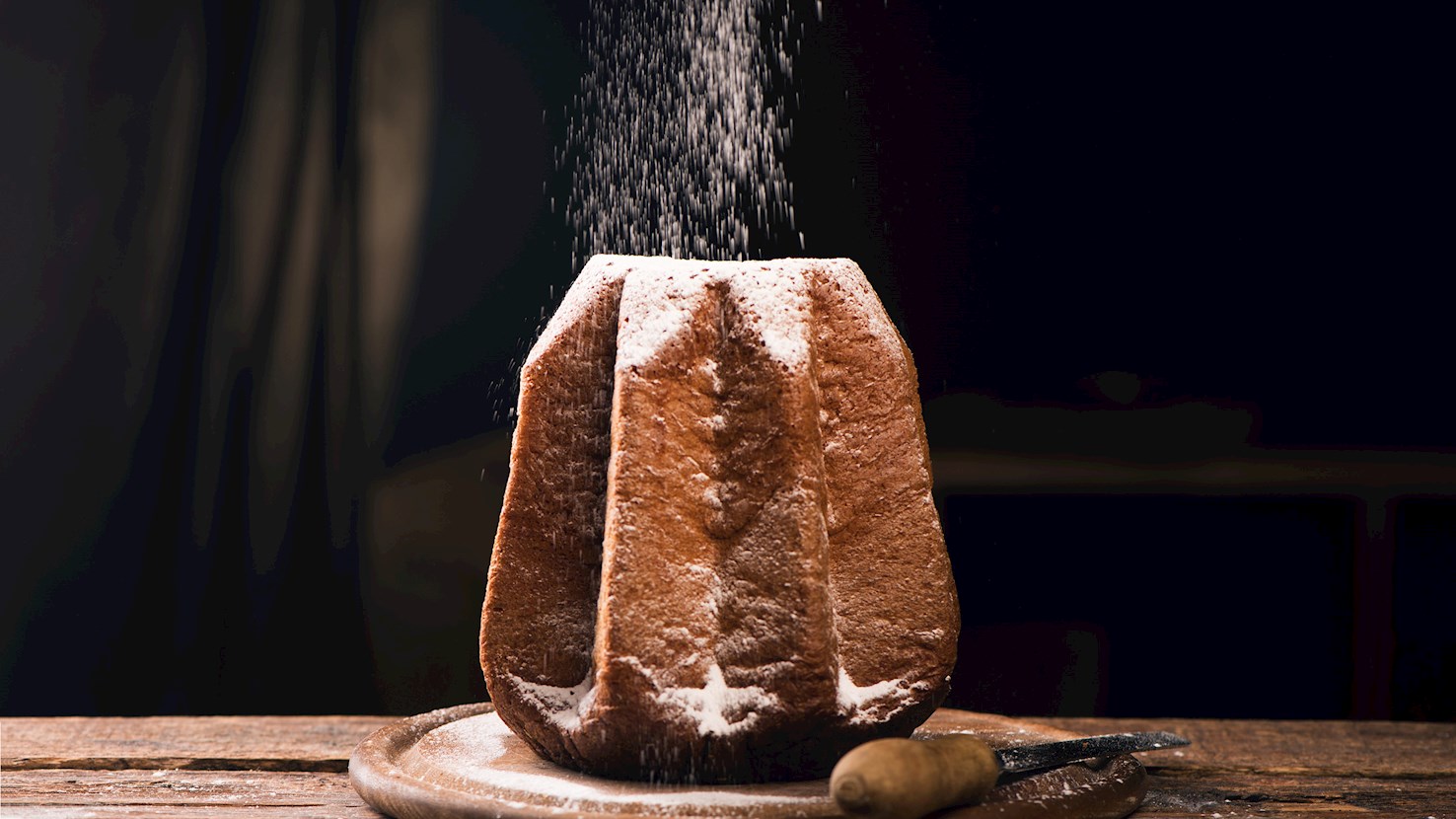
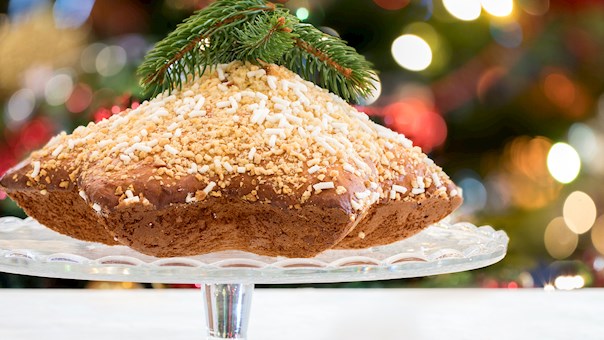
This traditional Christmas bread hails from Verona. Its name is derived from the phrase pan d’oro, meaning golden bread, a reference to its yellow color which comes from the large amount of egg yolks used in the bread. Pandoro is traditionally baked in a special star-shaped mold. Unlike it cousin panettone, it does not contain any nuts or dried fruit. The original version of this dessert was created in the 18th century, and it was a dish reserved for the aristocracy. The pandoro we know today dates back to 1894, when baker Domenico Melegatti submitted a patent for a large-scale production process for the bread. This sweet, yeasty bread is often sprinkled with powdered sugar, resembling snow on mountaintops. The bread can be served with sauces and creams such as mascarpone, whipped cream, or melted chocolate, while some cooks like to hollow it out, then fill it with custard, berries, or ice cream.

02
Cheese

Monte Veronese

3.6 ·

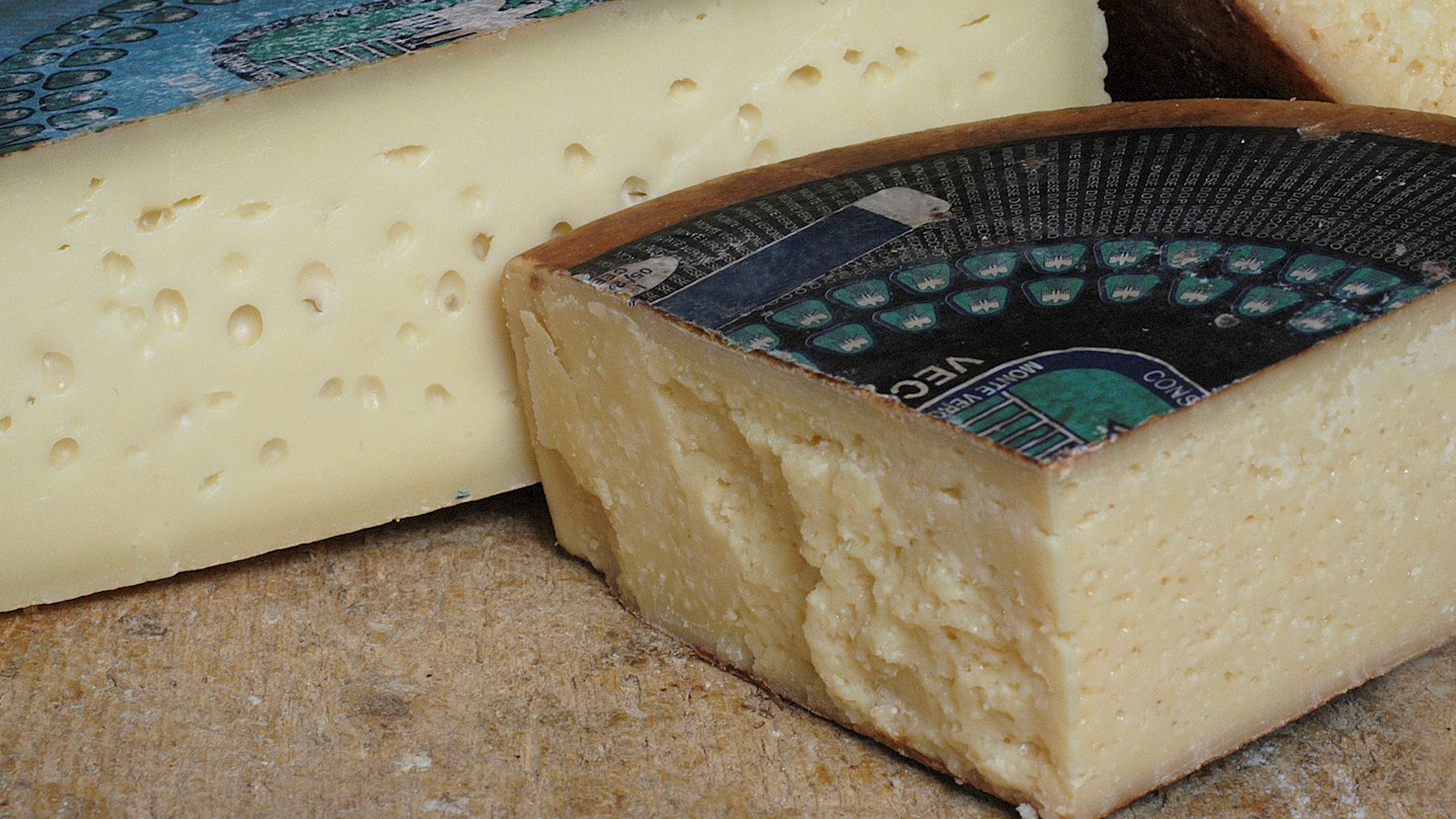
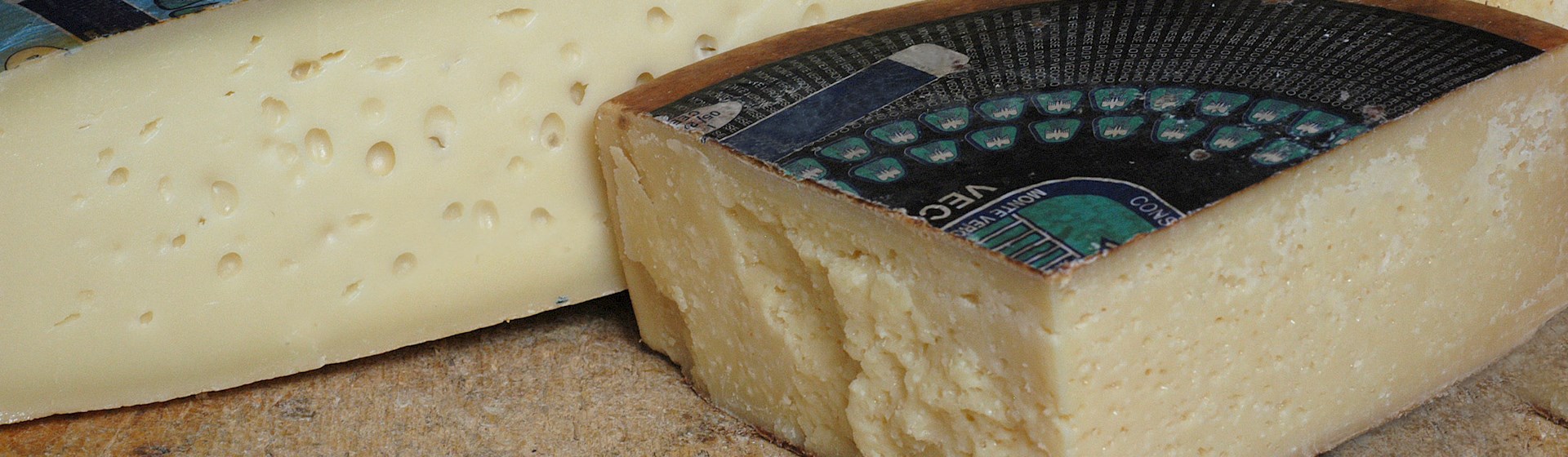
Traditionally produced in the northern Italian region of Veneto, namely the province of Verona, Monte Veronese is a semi-hard cheese made from cow's milk. It is a typical product of Monti Lessini and Monte Baldo mountains, a geographical area known for its long tradition of dairy cattle farming. Monte Veronese cheese is available in two varieties. Monte Veronese Latte Intero is made with whole milk and matured for about 30 days. It has a softer texture and a delicately sweet flavor reminiscent of fresh milk and cream. This table cheese is best enjoyed as an appetizer, on pizza or in sandwiches, and pairs perfectly with rosé, sparkling, and white wines. Monte Veronese d'Allevo is made from semi-skimmed milk and matured for at least 90 days. It has a pronounced aroma of ripe butter with notes of aromatic herbs such as sage, and a much stronger flavor, ranging from buttery to nutty. It tends to become slightly spicy with further aging. Monte Veronese d'Allevo is more suitable for grating and it's typically used for preparing traditional risotto and pasta dishes. It pairs well with full-bodied or even fortified wines.

03
Rice Dish

Risotto Amarone

3.6 ·

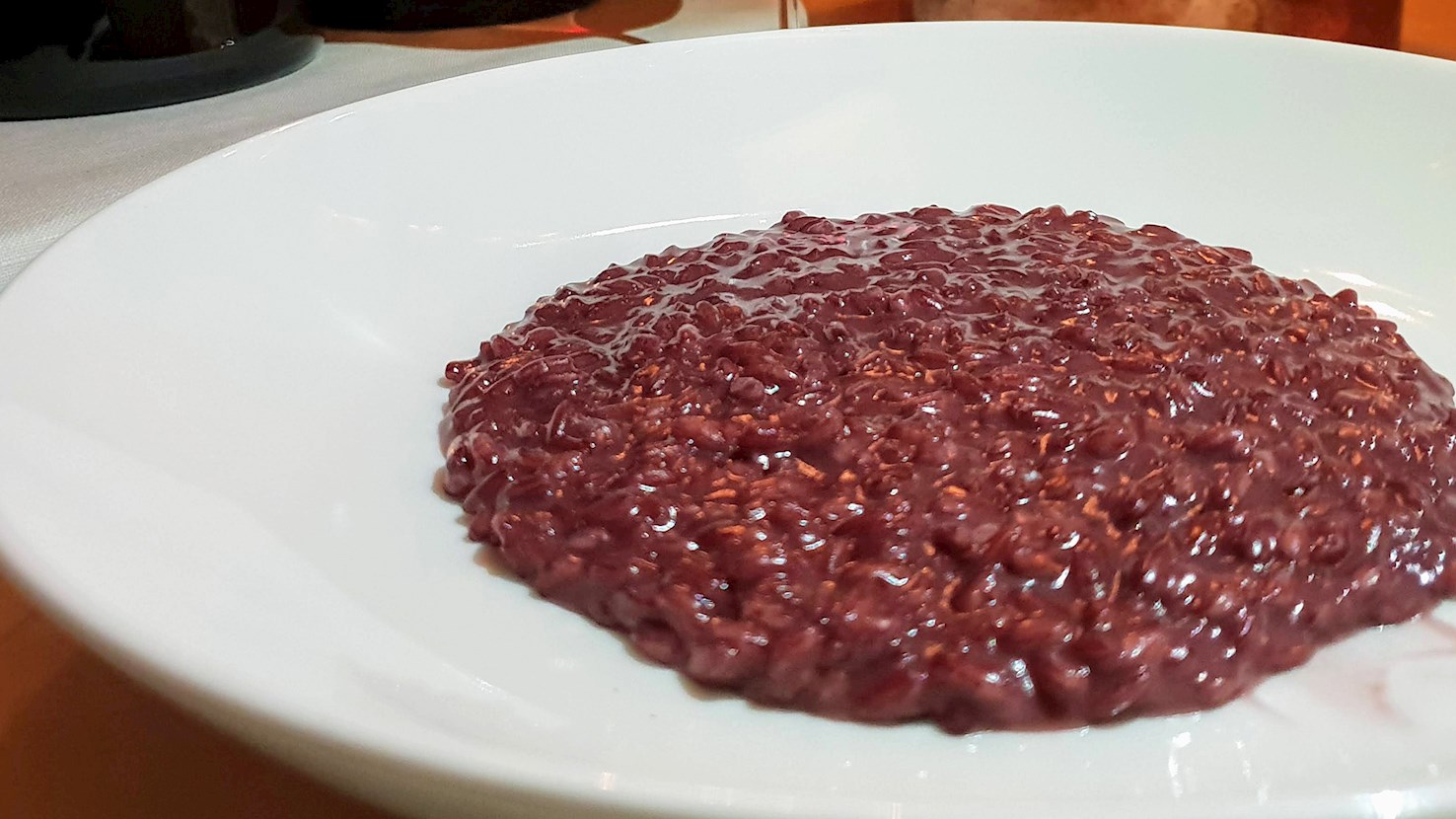
Risotto Amarone is a traditional Veronese dish made with two key ingredients – Vialone Nano rice and Amarone red wine. Besides those two, the risotto is made with onions, broth, olive oil, butter, salt, and pepper. Although there are just a few ingredients used in the dish, they are all of excellent quality. Before serving, it is recommended to let the risotto sit for a few minutes, and when served, it is typically topped with grated Parmigiano-Reggiano.

04
Cake

Torta russa di Verona

n/a ·

Torta russa di Verona consists of a crispy puff pastry shell encasing a rich and fragrant filling made with almonds and amaretti cookies, creating a unique balance of crunchiness and softness. The result is a tall, fluffy cake with a nutty aroma, perfect for serving as a dessert at Sunday lunch or as a thoughtful gift for friends and family. Despite its name, which means "Russian Cake," the dessert is not Russian but rather an Italian creation, believed to be inspired by Russian influences in European patisserie. One of the distinct features of torta russa di Verona is its dome-like shape, which resembles a traditional Russian kokoshnik headdress, possibly explaining the "Russian" reference in its name. It is often dusted with powdered sugar before serving. Sometimes, it is topped with flaked almonds. This dessert is commonly enjoyed as a sweet treat with coffee or dessert wine and is popular in local pastry shops in Verona.

05
Rice Dish

Risotto tastasal

n/a ·

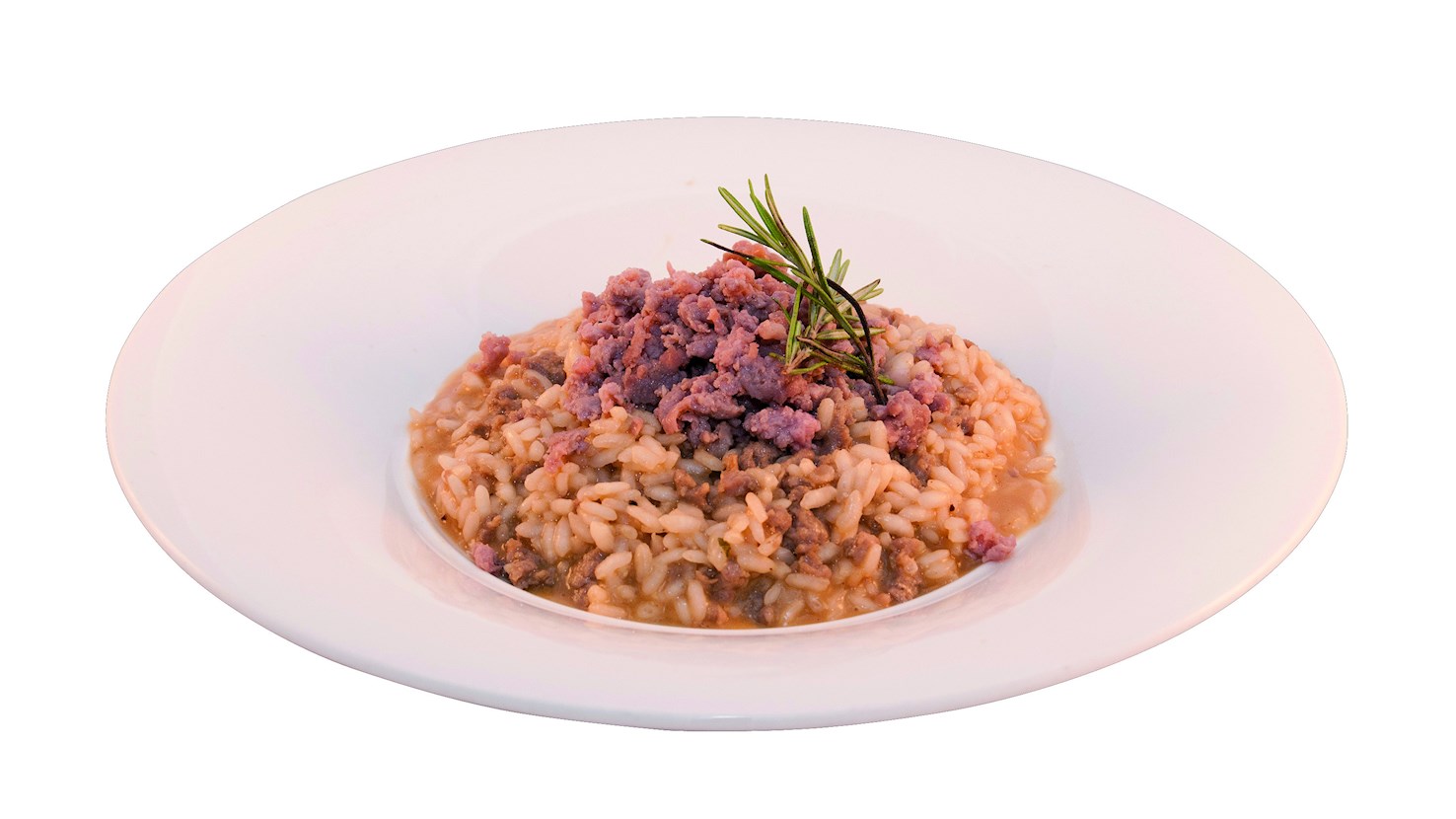
Risotto tastasal is a traditional dish of the Veronese cuisine. The key ingredient in this risotto is tastasal – a local salami made with ground pork belly and shoulder, seasoned with just the right amount of salt. In order to prepare the dish, rice should be boiled in meat broth, then combined with sautéed onions, garlic, and tastasal. The risotto is typically garnished with a pinch of nutmeg and grated Parmigiano Reggiano.

06
Sweet Bread

Offella veronese

n/a ·

Offella d'oro, considered the ancestor of pandoro, is Verona's most famous Christmas dessert. It is a sweet bread made with flour, egg, butter, and sugar, leavened with sourdough starter, which inspired its name—"offella," meaning small cake, and "d'oro," meaning golden. The origins of offella d'oro date back to the 19th century, when it was first crafted by the pastry shop Pasticceria Perbellini in Verona. Unlike pandoro, offella is denser and more compact, with a richer texture due to its high content of butter, eggs, and sugar. The dough is carefully leavened over several hours, giving it a delicate, airy consistency despite its buttery richness. Before the dough, a layer of chopped almonds and butter is placed on the bottom of the mold so that when baked and inverted, the nuts are on top of the bread. Traditionally enjoyed during the holiday season, offella d'oro is often dusted with powdered sugar and served with coffee, tea, or dessert wine. Its simplicity and refined flavor make it a staple in Veronese bakeries, where it is celebrated as a symbol of the city's rich pastry-making heritage.

07
Snail Dish

Polenta e bogoni

n/a ·

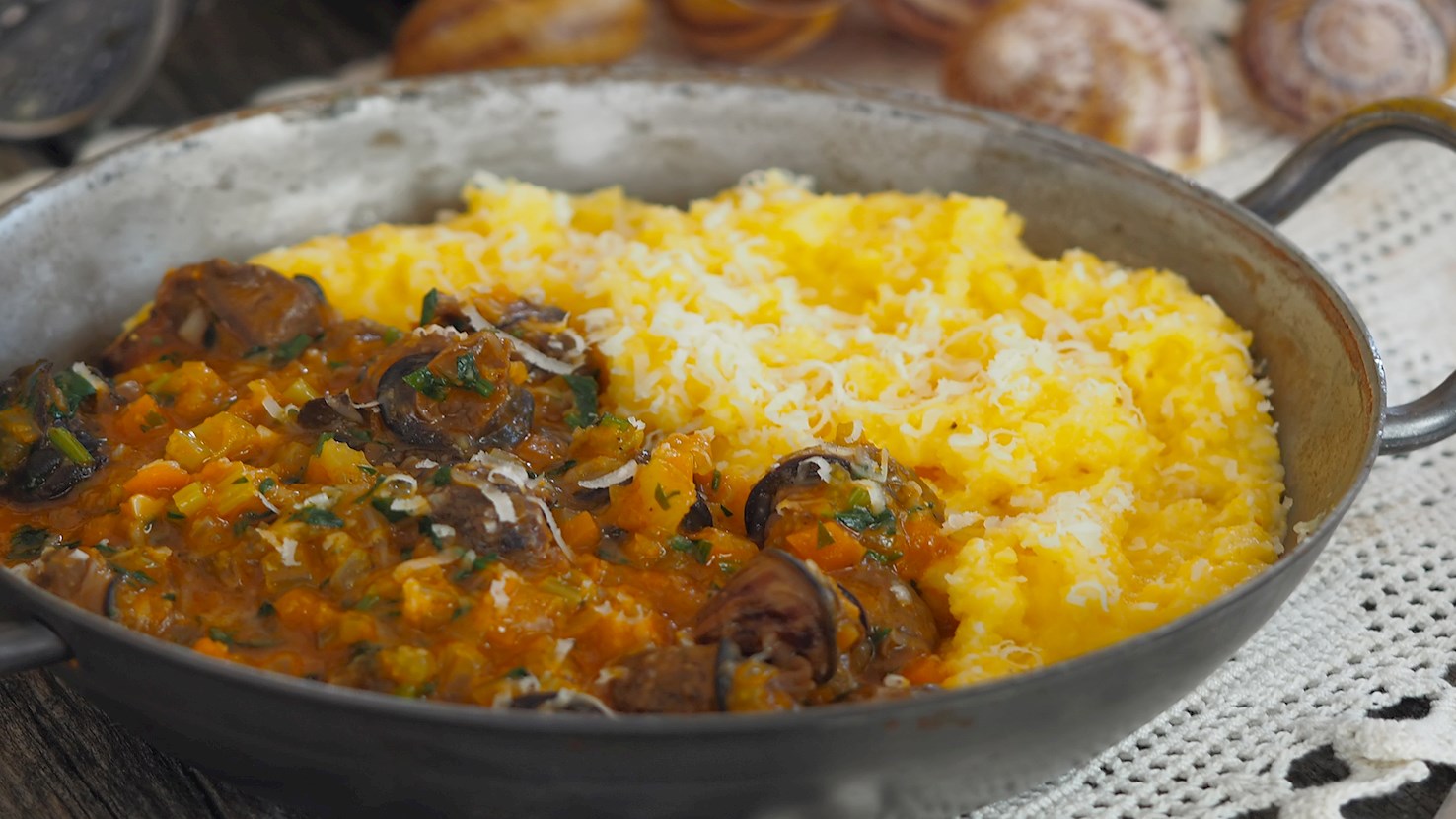
Polenta e bogoni is a traditional dish of the Veronese cuisine that is especially popular in the area of Garda. In order to prepare the dish, snails are first cleaned, parboiled, washed with salt and vinegar, then boiled one more time with vinegar, garlic, bay leaves, celery, and onions. The snails are then baked or cooked with lemon zest, chopped onions, parsley, and garlic. If desired, white wine and butter can also be added to the pan. It takes about four hours for the snails to cook, and once properly prepared, they are served on a bed of tender and creamy polenta.

08
Pasta

Tortellini di Valeggio

n/a ·

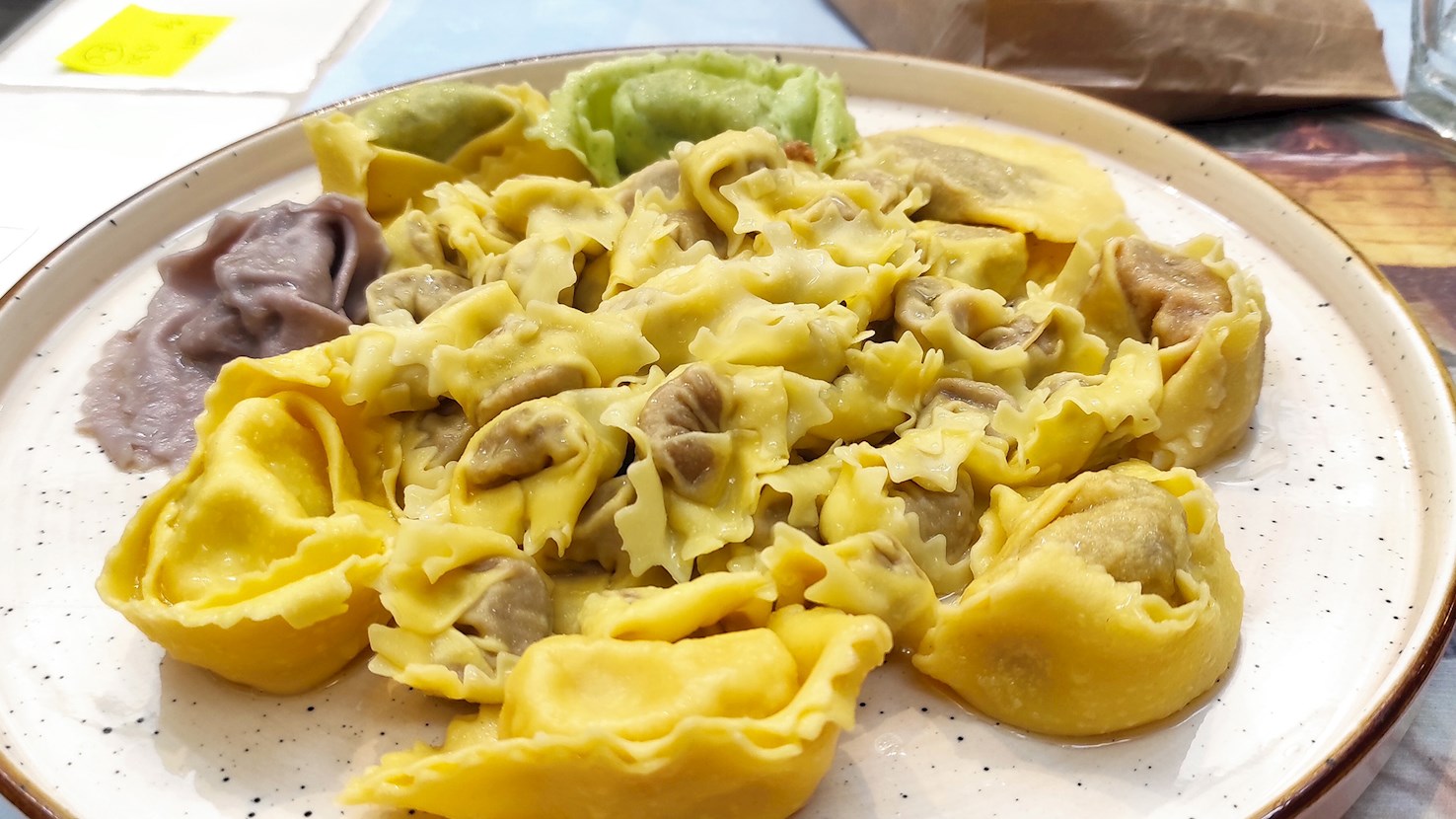
Tortellini di Valeggio is a special type of tortellini from Valeggio sul Mincio, a town near Verona in Italy’s Veneto region. Known for its paper-thin pasta dough, these tortellini are filled with a mixture of meats—typically veal, pork, beef and chicken—and additional ingredients like Grana Padano or Parmigiano Reggiano and herbs. The dough is so thin it’s almost transparent, earning it the nickname “love knot” (nodo d’amore) due to a local legend. The legend tells of a water nymph and a soldier who fell in love; before fleeing together, they tied a knot in a yellow silk handkerchief, symbolizing their love. In honor of this story, Valeggio’s tortellini are often knotted or twisted in a way that resembles a small love knot. These tortellini are traditionally served in a simple broth or with melted butter and sage to highlight the flavor of the filling without overpowering it. Tortellini di Valeggio is highly regarded and celebrated each year at a festival in Valeggio sul Mincio, where long tables are set up across the town’s Visconteo Bridge to serve this beloved dish.

09
Meat Dish

Lesso e Pearà

3.4 ·

Lesso e pearà is a typical Veronese dish that is often prepared for holidays and similar festive events in the region. It consists of boiled meat paired with pearà (lit. peppery) sauce. The sauce is made with broth, beef marrow, butter, bread crumbs, and a hefty amount of pepper. The choice of meat is selected according to personal preferences, but the dish is most commonly prepared with beef which should be slowly boiled in a traditional terracotta pot for the most authentic experience.

10
Stew

Pastissada de caval

n/a ·

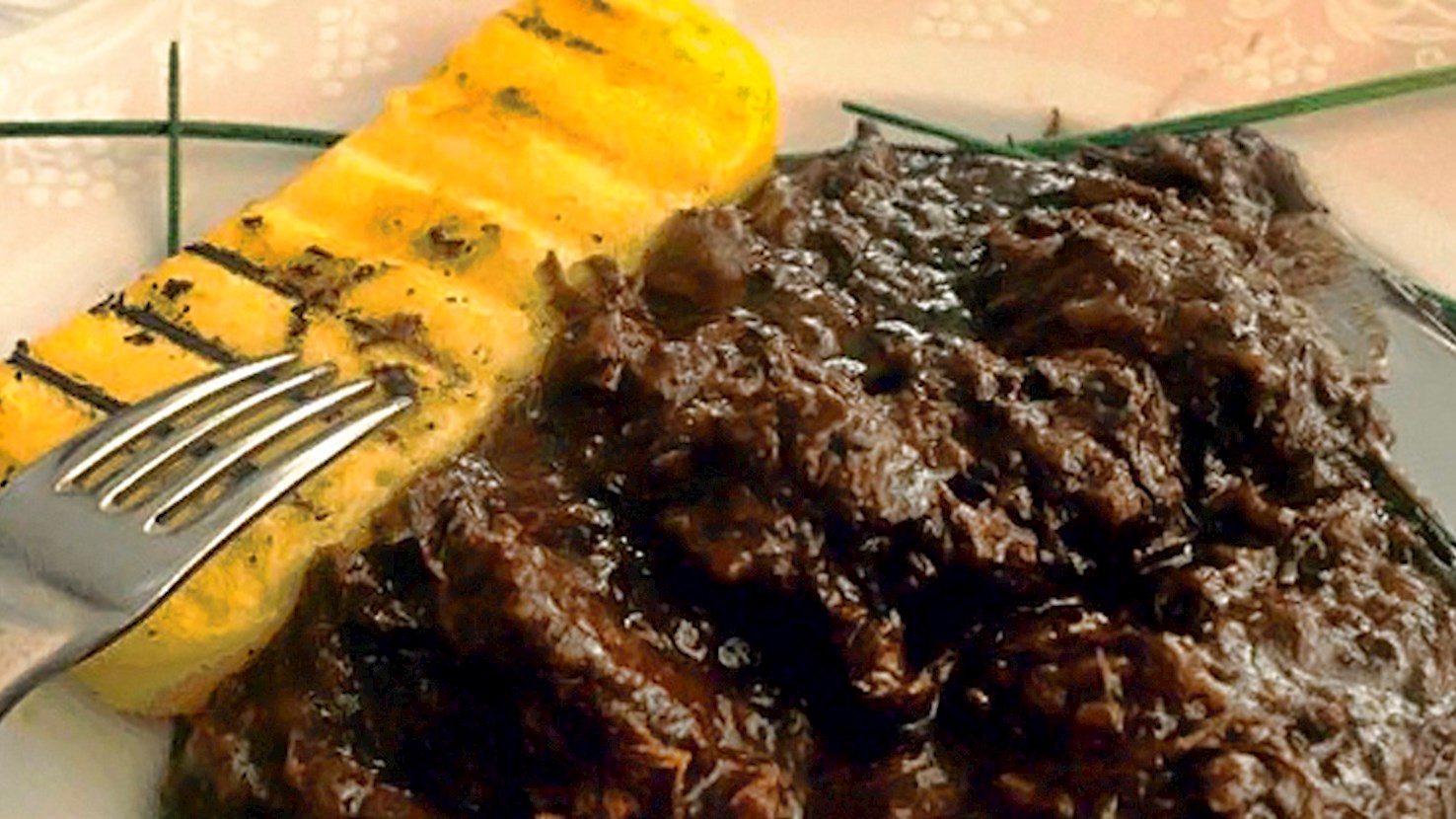
Pastissada de caval is an ancient horse meat stew that is nowadays a specialty of the Veronese cuisine. Due to the long cooking time, this dish is typically served as a second course at important occasions. It consists of horse meat, onions, carrots, cloves, and Valpolicella wine. The stew is usually flavored with bay leaves, cinnamon, and nutmeg. When served, pastissada de caval is traditionally paired with creamy polenta on the side. It is believed that the invention of this dish can be attributed to Theodoric, king of the Ostrogoths, who fought with Odoacer, king of the Heruli. After Theodoric’s victory, he let the people use the flesh of killed horses, and since they have been dead on the battlefield for a few days, they started to smell bad, so people started to marinate the meat with generous amounts of wine, vegetables, and onions, and that’s how pastissada de caval was born.

About this ranking

TasteAtlas food rankings are based on the ratings of the TasteAtlas audience, with a series of mechanisms that recognize real users and that ignore bot, nationalist or local patriotic ratings, and give additional value to the ratings of users that the system recognizes as knowledgeable. For the “Top 48 Traditional Foods in the Province of Verona” list until June 17, 2026, 276 ratings were recorded, of which 206 were recognized by the system as legitimate. TasteAtlas Rankings should not be seen as the final global conclusion about food. Their purpose is to promote excellent local foods, instill pride in traditional dishes, and arouse curiosity about dishes you haven’t tried.

The initial list of top producers was compiled based on available reviews, awards, local recommendations, media and blog coverage, and consumer reviews. The list will be updated with ratings from TasteAtlas local ambassadors and TasteAtlas users.

Similar lists