shutterstock

Top 14 Qatari Foods

Last updated on June 17, 2026

Best Qatari food products
01
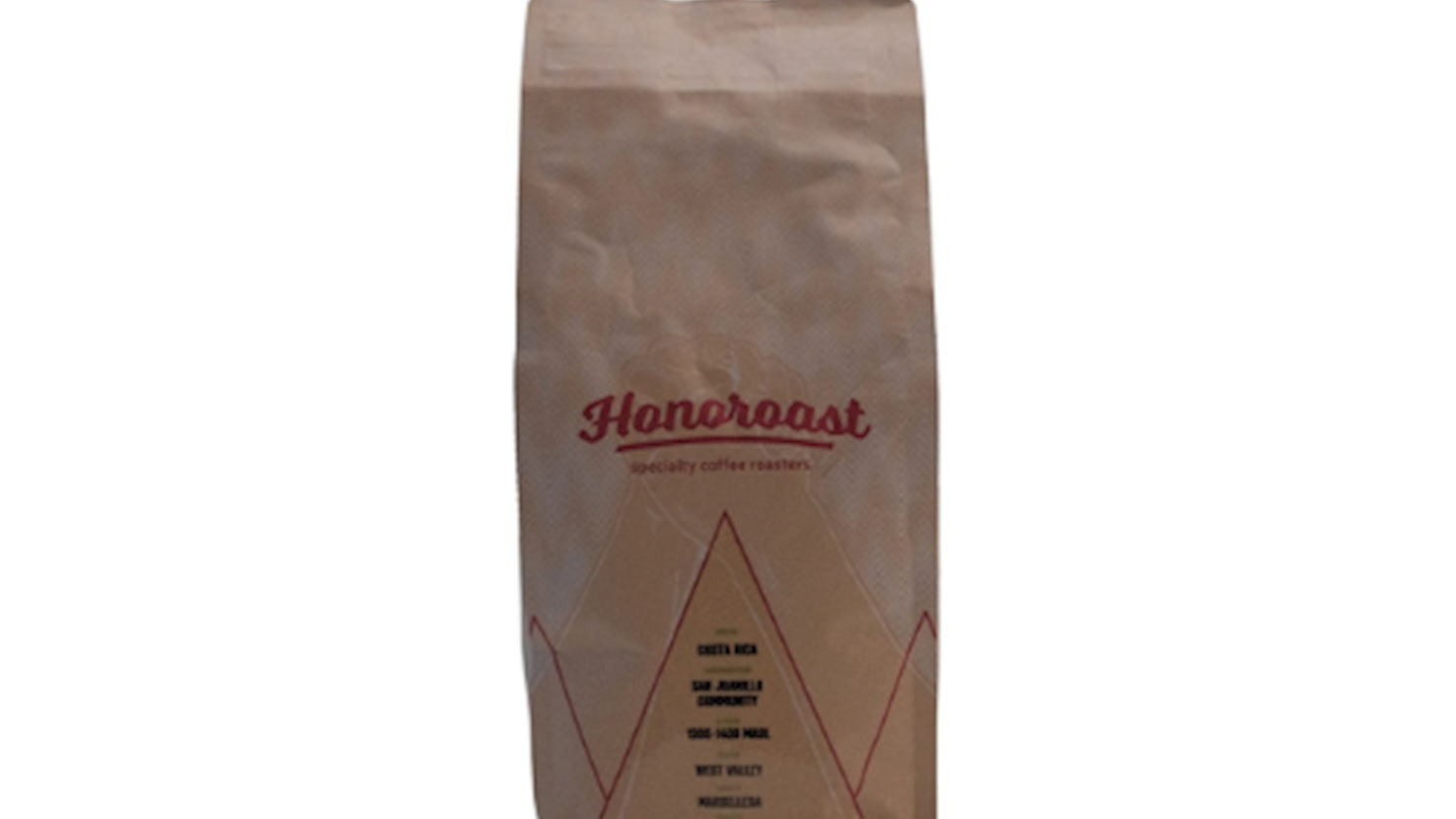
Coffee Beans

Flat White Specialty Coffee

4.6 ·
Flat White Specialty Coffee is recognized as Qatar’s first third-wave coffee shop, founded in 2016 with the aim of introducing contemporary specialty-coffee culture to the local community. The brand builds its identity on carefully sourced beans, precise roasting, and a barista-driven approach that emphasizes quality at every stage of preparation. Founders Nasser Al-Naemi and Maryam Al-Bader envisioned a concept in which coffee is not merely a beverage but an experience that connects people through atmosphere, aesthetics, and community-focused cultural programming. Today, Flat White operates multiple locations across Doha and is known for its minimalist design, clear stylistic identity, and consistently high brewing standards. By blending global specialty-coffee principles with a local sensibility, the brand has positioned itself as a leading force in Qatar’s modern coffee scene.
02
Fruit Product

Qinwan Dates

4.5 ·
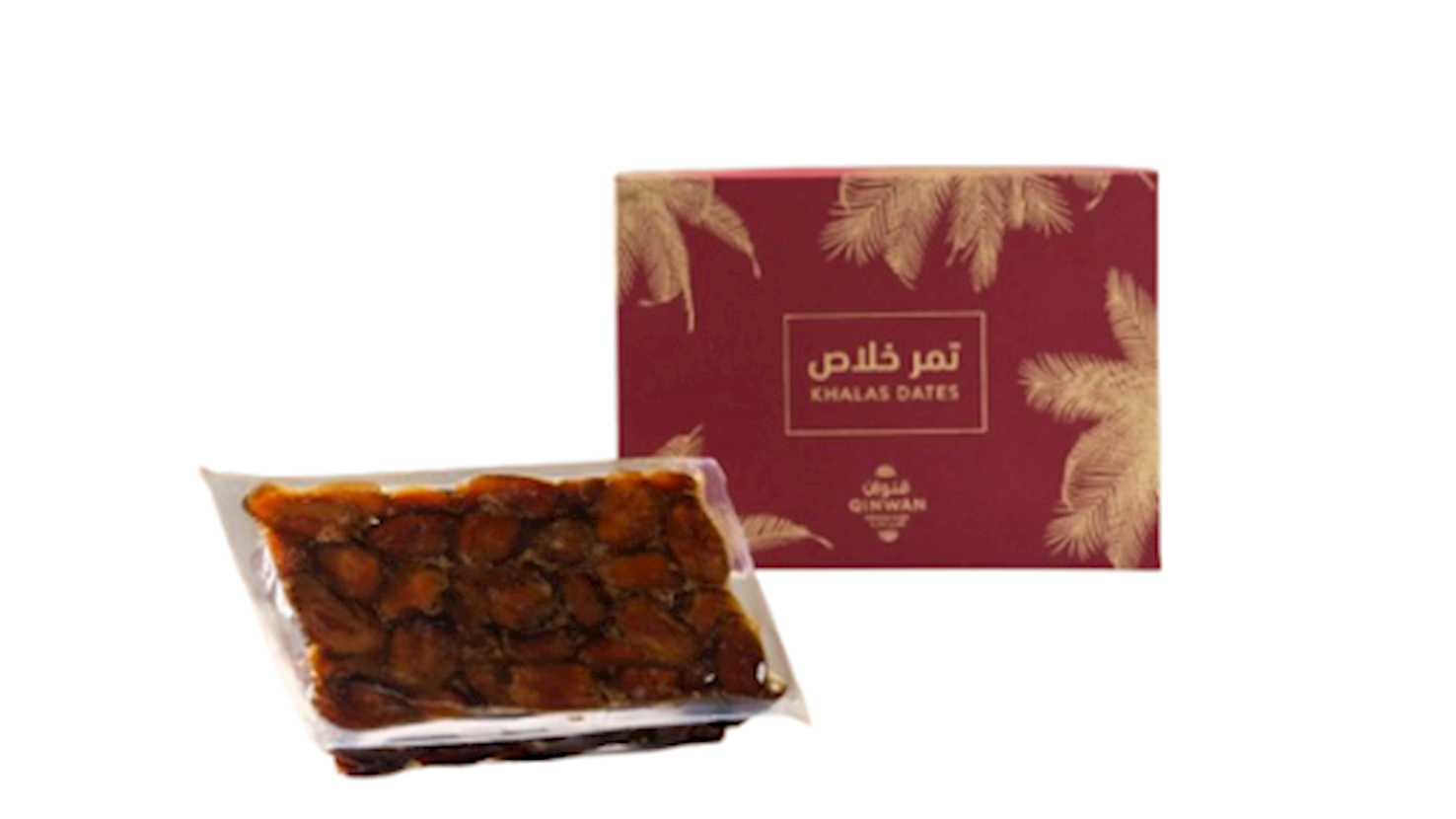
Qinwan Dates is a premium brand specializing in carefully selected Medjool and Ajwa dates, known for their rich natural sweetness, soft-yet-dense texture, and characteristic caramel and honey notes. The company emphasizes purity and traditional handling, avoiding any artificial additives, colors, or preservatives to preserve the authentic flavor of each fruit. Their portfolio includes classic whole dates, filled varieties with walnuts, pistachios, cardamom, or saffron, as well as collections coated in dark chocolate. Presentation is a key part of the brand’s identity - refined gift boxes and wooden cases position Qinwan as a luxury choice suitable for gifting and special occasions. With multiple boutiques in Doha and partnerships with international retailers, including high-end department stores, the brand combines regional heritage with a modern premium aesthetic, making it one of the most recognized date producers in the Gulf region.
03
Coffee Beans

Empire Coffee

4.4 ·
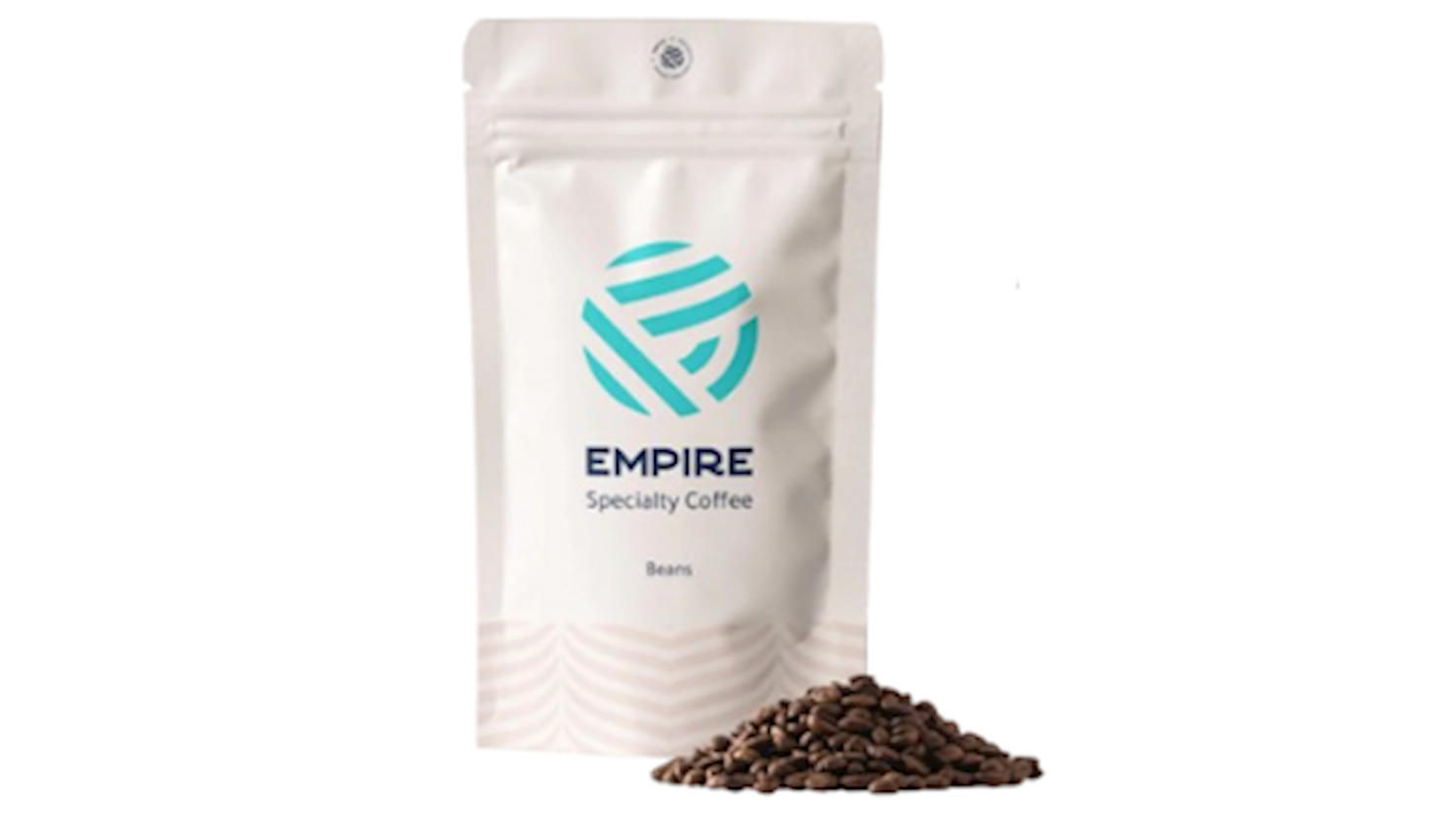
Empire Coffee is a specialty coffee brand from Qatar, founded in 2016, that has grown from a small hotel-lobby kiosk into one of Doha’s most recognizable contemporary cafés and roasteries. Their focus is on quality and traceability, working exclusively with carefully selected single-origin beans and blends sourced from Brazil, Ethiopia, Rwanda, and other regions, while maintaining strict control over the roasting process to preserve well-defined flavor profiles. Their product range includes freshly roasted coffee, capsules, drip-bag packs, and home and professional brewing equipment. The brand further distinguishes itself through the development of local Qatar blends that combine global specialty-coffee standards with regional taste preferences. Thanks to this approach, Empire Coffee is now regarded as one of the key ambassadors of modern coffee culture in Qatar.
04
Fruit Product

Doha Dates

4.3 ·
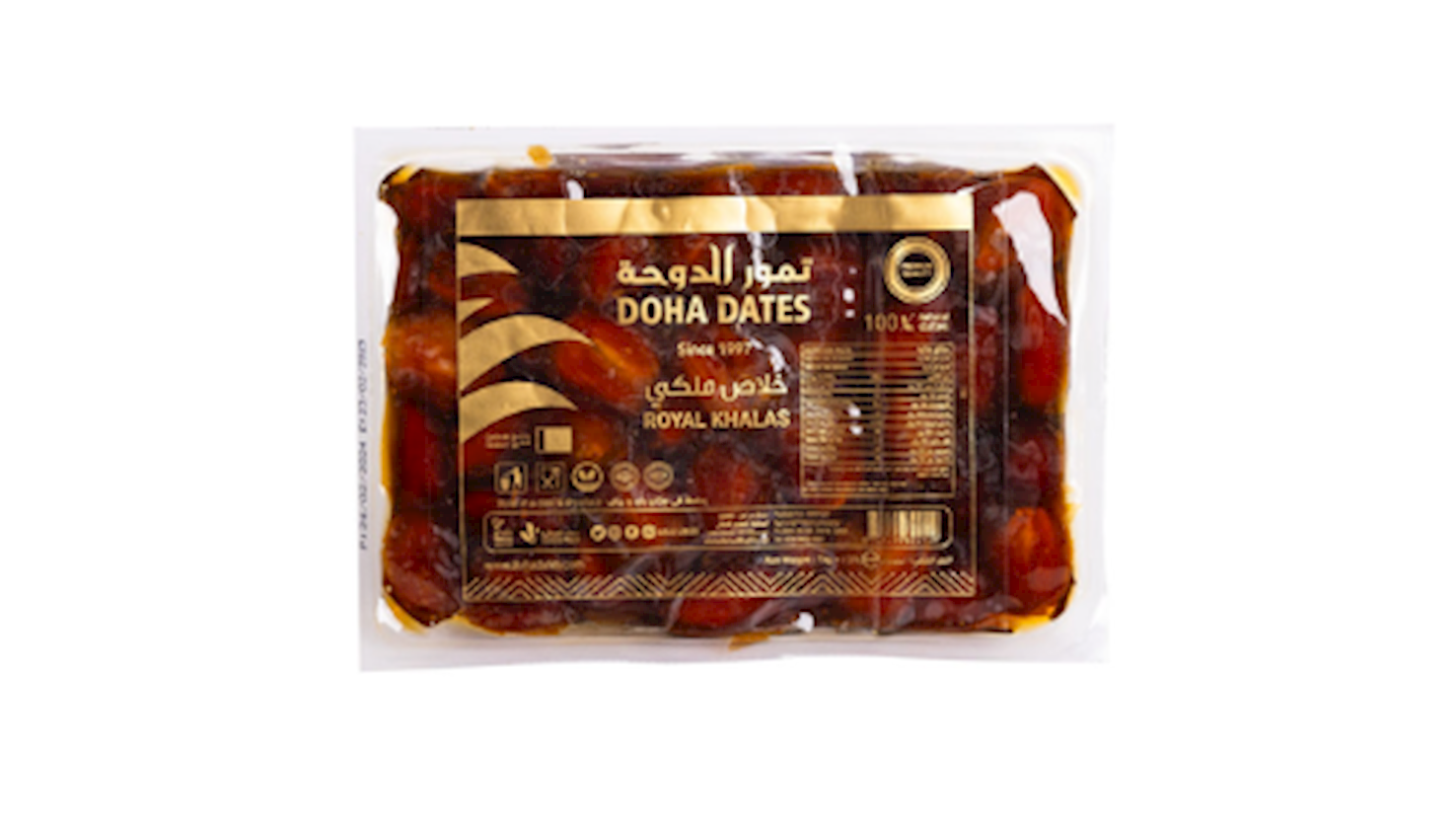
Doha Dates operates under the National Food Company and is recognized as one of Qatar’s key producers and processors of dates, with an annual capacity of around 2,500 tons. Their portfolio includes a wide range of varieties such as Medjool, Ajwa, Khalas, Mabroom, Safawi, and Sukkari, covering both standard and premium market segments. In addition to whole dates, they develop value-added products including stuffed and chocolate-coated dates, as well as date syrup, date butter, and date paste. The brand places strong emphasis on presentation, offering luxury packaging such as leather, wooden, and velvet boxes, tailored for gifting and special occasions. By combining modern processing standards with traditional Middle Eastern cultivars, Doha Dates positions itself as a reliable producer with a clear focus on premium offerings and international distribution.
05
Coffee Beans

Vulcan Coffee Roastery

4.2 ·
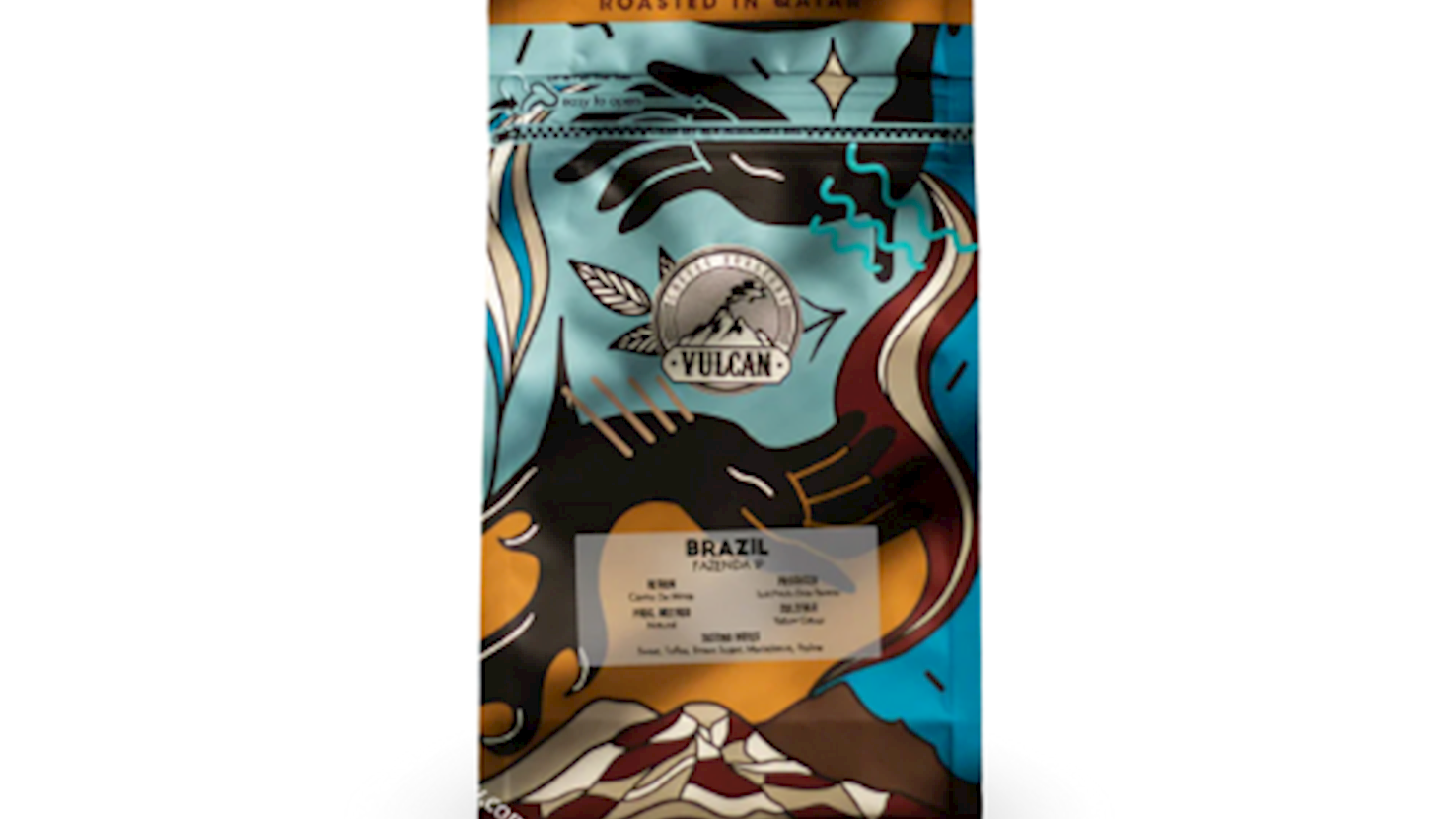
Vulcan Coffee Roastery is a Doha-based specialty roastery distinguished by its focus on traceability, artisanal roasting, and presenting coffee as a product with clear origin and character. The brand offers a wide selection of single-origin beans and blends from Latin America, Africa, and Asia, including limited micro-lot series designed for enthusiasts seeking pronounced terroir and experimental flavor profiles. All roasting is carried out in their Qatar roastery, with an emphasis on transparency and the option for customers to purchase freshly roasted beans tailored to their preferred brewing style. In addition to coffee, Vulcan provides an extensive range of brewing equipment - from grinders and espresso machines to manual filter devices - positioning itself as a comprehensive resource for quality-focused coffee drinkers. The brand identity draws on the symbolism of a volcano, reflecting the heat, energy, and transformation inherent in roasting, making Vulcan Coffee Roastery a recognizable and influential presence in Qatar’s specialty coffee scene.

Best Qatari foods
01
Street Food

Shawarma

4.4 ·

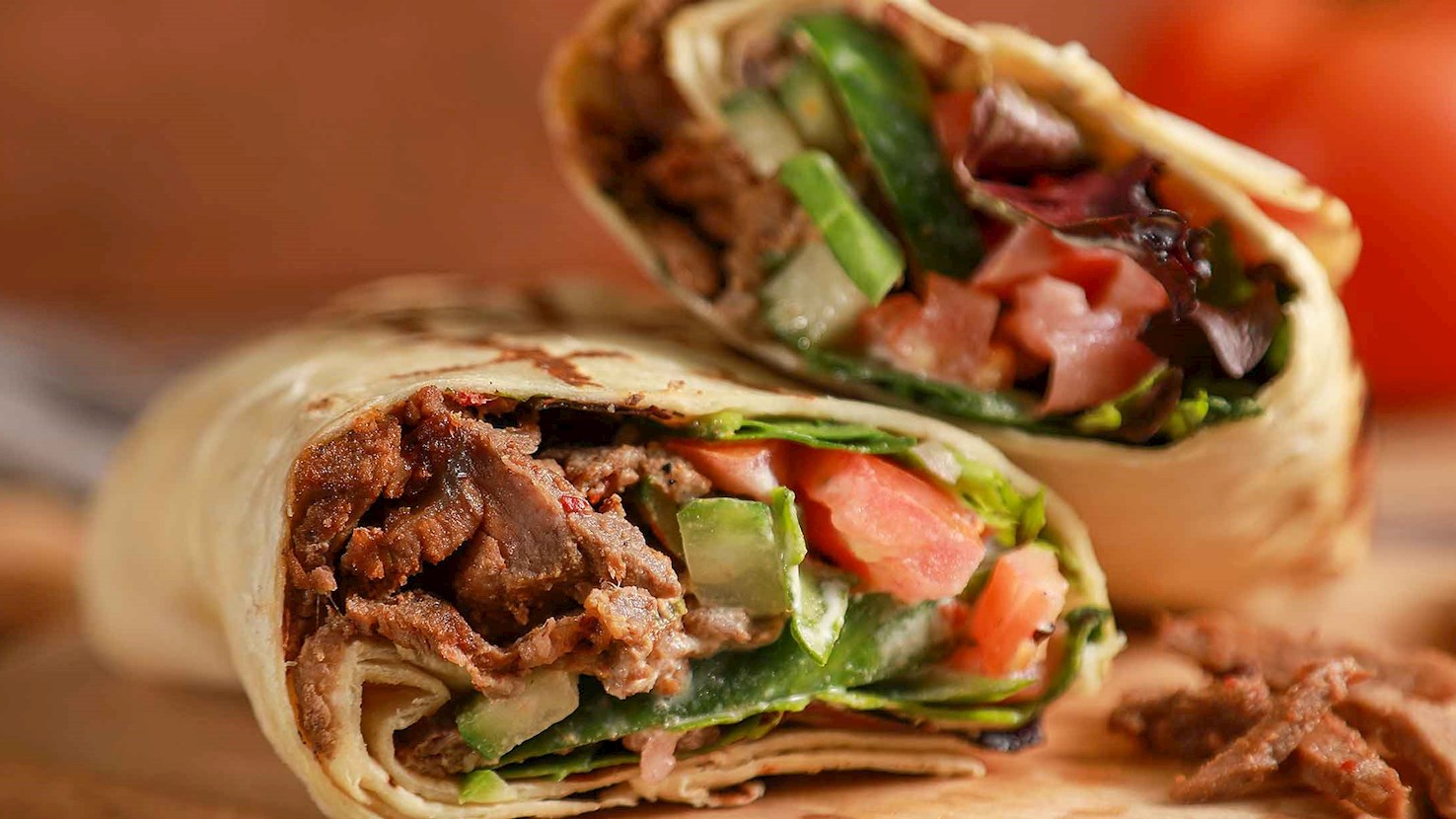
Marinated and spit-roasted, shawarma is a delicious Middle Eastern meat treat whose origins can be traced back to the Ottoman Empire era, while its name stems from the Arabic pronunciation of the Turkish word çevirme (lit. to turn; turning), and refers to the rotating skewer on which the meat is cooked. Shawarmas are made with either lamb, turkey, chicken, beef, or a mix of different meats which are slow-cooked for hours and basted in their own juices and fat, gaining an incomparable succulence, but the real secret to a perfect shawarma is in the marinade. Depending on the variety, the meat must be marinated for at least a day, preferably two, especially when using beef. These marinades are either yogurt or vinegar-based and typically include spices and flavorings such as cinnamon, cloves, cardamom, nutmeg, black pepper, allspice, dried lime, spicy paprika, garlic, ginger, lemon, bay leaf, and sometimes even orange slices. Shawarma is traditionally served either on its own or enjoyed tucked inside a warm flatbread such as pita or lavash. However, what really sets it apart from the Turkish döner kebab, Greek gyros, or other similar foods is the extent of garnishes and condiments offered with it. For example, Israeli shawarmas are typically topped with tahini and come with generous servings of hummus and pickled mango slices, while in other countries, shawarma is often complemented with garlic mayo or a zesty toumaia garlic sauce, both fresh and pickled vegetables, salads like tabbouleh or fattoush, and amba sauce–a tangy chili and mango pickle dip. Once a common staple of the Middle Eastern working man, shawarma has today become the ultimate Arabic street food, found not only in Arabia and Levant but in virtually any nook and corner of the globe.

02
Rice Dish

Machboos

4 ·

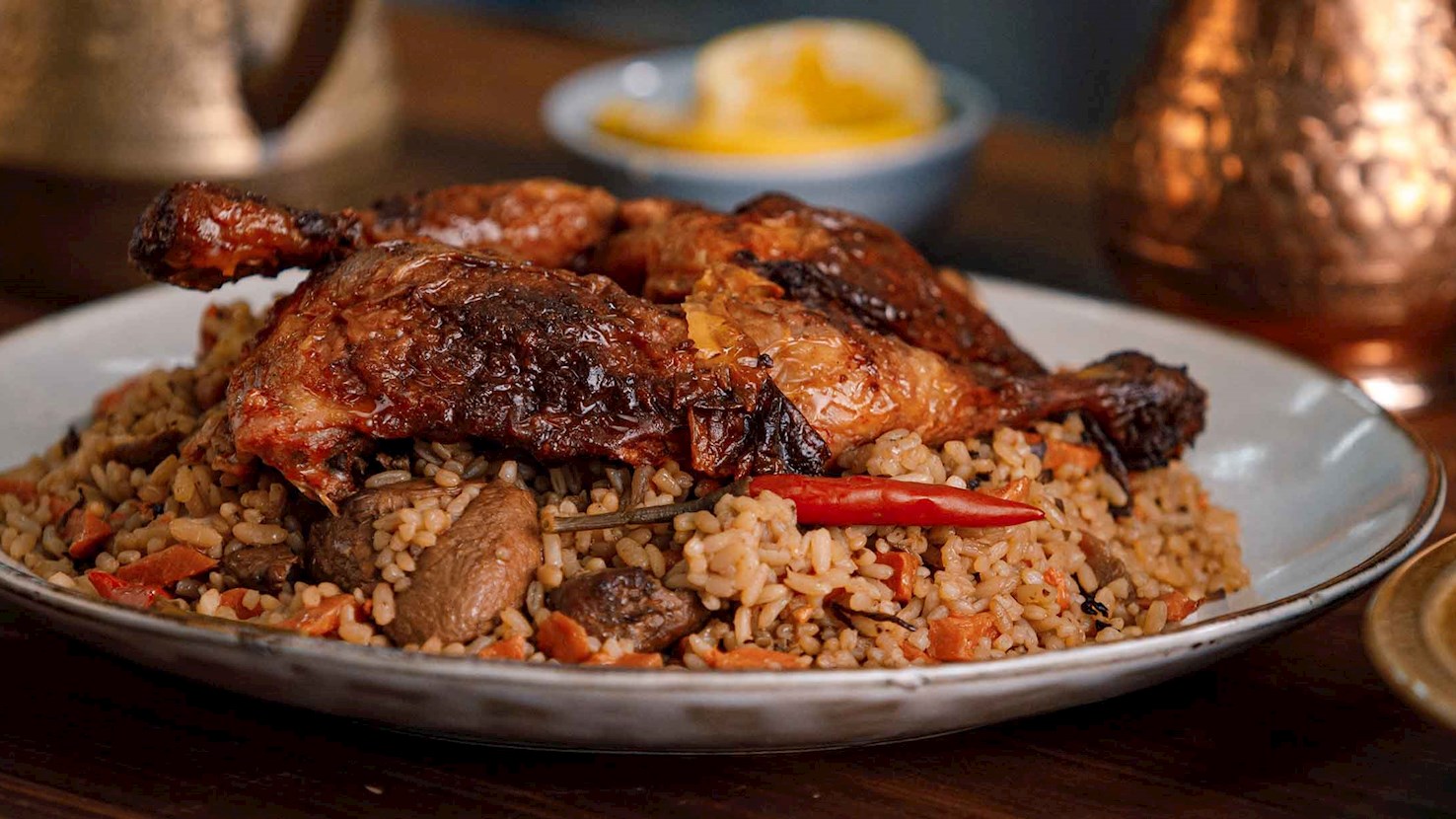
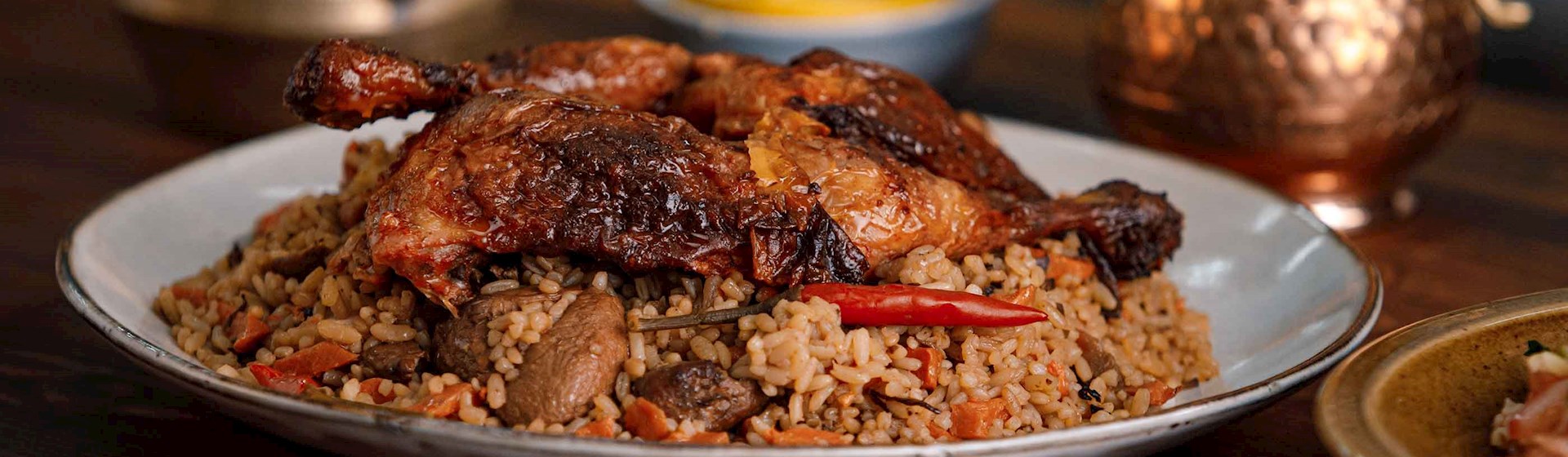
Kabsa is a rice dish that is enjoyed throughout the Gulf States of the Arabian Peninsula. Heavily influenced by Persian and Indian biryanis, kabsa makes use of the water that was used for cooking fish or meat and re-using it to cook the spiced, long-grain rice in it, perfectly blending all the flavors and spices. The dish can be made with chicken, lamb, camel meat, fish, or even shrimps, truffles, or duck meat. The meat or fish is usually placed on top of the rice, and the whole dish is served on a large platter, meant to be shared and eaten by hands. Although it originated in Yemen, this traditional combination of rice and meat is incredibly popular in Qatar and Saudi Arabia, where it is considered a national dish. Across the Arabian Peninsula, kabsa is also known as machboos.

03
Ground Meat Dish

Warak enab

3.9 ·

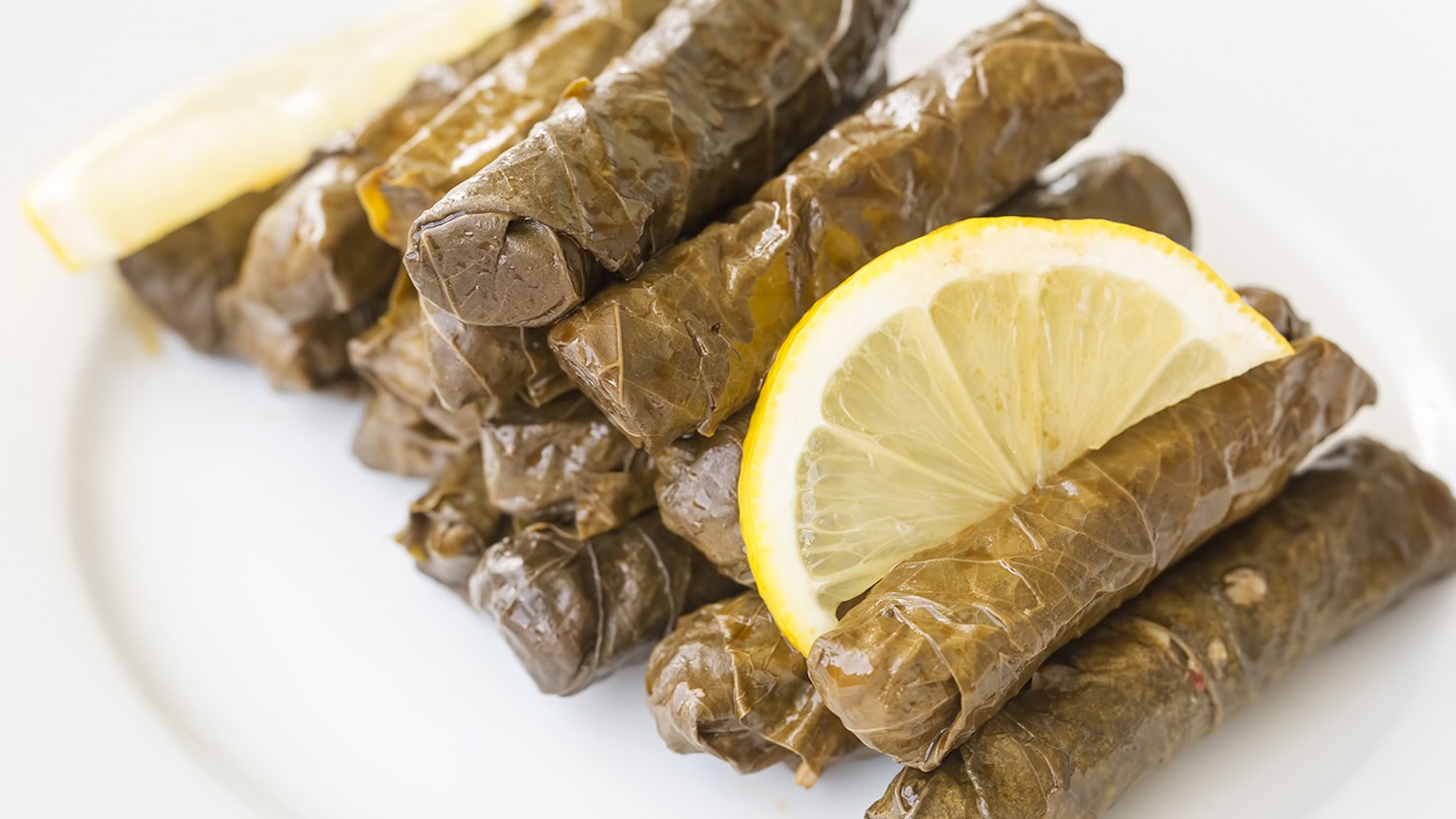
Warak enab is a dish of stuffed grape leaves prepared across the eastern Mediterranean and Middle East, especially in Lebanon, Syria, Jordan, and Palestine, consisting of tender vine leaves wrapped around a filling of rice, and in many versions minced meat, then gently cooked in a lightly acidic liquid. Its development is tied to long-established viticulture in the Mediterranean basin, where grape leaves were readily available alongside grapes and wine production, and where cooking practices evolved to make use of seasonal leaves by blanching and preserving them for later use, with references to stuffed leaves appearing in Byzantine and early Arabic culinary records that describe similar techniques applied to vegetables and leaves across the region. Preparation involves blanching fresh or preserved grape leaves to soften them, placing a small amount of filling made from short-grain rice, minced lamb or beef if used, salt, and mild spices near the base of each leaf, rolling them tightly into compact cylinders, and arranging them snugly in a pot layered to prevent movement during cooking, after which they are simmered slowly in water or stock with lemon juice until the rice is fully cooked and the leaves tender but intact. Warak enab is served warm or at room temperature, often drizzled lightly with olive oil and presented neatly arranged to emphasize uniformity rather than volume. A defining characteristic of warak enab is the balance between acidity from lemon and the neutral absorbent quality of rice, which allows the grape leaf itself to remain the dominant flavor rather than the filling. It is eaten in homes, restaurants, and social gatherings as part of shared meals, commonly alongside yogurt, grilled meats, or other vegetable dishes, and it pairs well with water, unsweetened black or mint tea, arak diluted with water, or dry white wines, fitting naturally into tables where multiple dishes are eaten slowly and in combination rather than in isolated courses.

04
Sweet Pastry

Lokma

3.9 ·

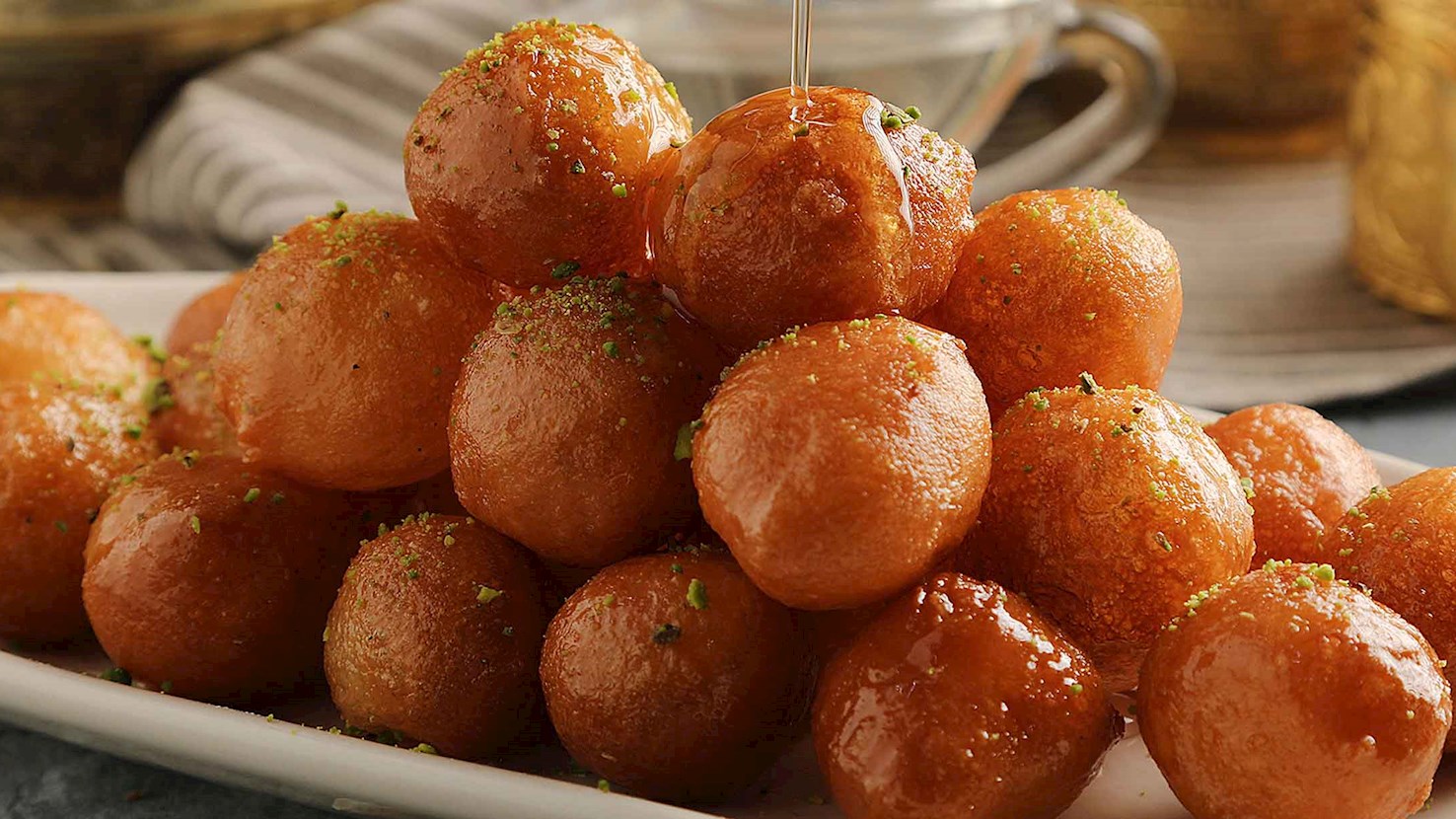
This internationally known, decadent, and sugar-packed dessert is usually made with a mixture of flour, sugar, yeast, and salt, which is deep-fried and then bathed in syrup or honey. The origin of lokma fritters is ancient but often debated. It is presumed that they first appeared in Greece or Turkey, though some suggest Arabic origin. The dish is considered to be one of the oldest recorded desserts in Greek history. It is said that the pastries were even given to winning Olympians as a treat and were called honey tokens. Loukoumades, or loukmades in Cyprus, can be found throughout the streets of Greece, in shops selling nothing else but this caloric dessert. Alternatively, loukoumades can be topped with Greek cheese, chocolate, sesame seeds, or walnuts. In Turkey, lokma fritters are best enjoyed while still warm. They are drizzled with honey or syrup and can occasionally be sprinkled with either ground cinnamon, walnuts, or pistachios. The name probably stems from from Arabic luqma, meaning bite or mouthful, and it is said that lokmas were first prepared in Turkey by the sultans' cooks in palaces of the Ottoman Empire, though the oldest documentation of a similar dish was even found in the tomb of Ramses IV. In some Middle Eastern and Levant countries, this dessert is known as luqaimat or luqmat al-qadi, which roughly translates as judge's mouthful. The deep-fried balls are usually covered with date syrup, honey, or flavored syrups, while some prefer them sprinkled with various seeds. They are also often flavored with saffron or cardamom. The dessert is traditionally made in the month of Ramadan, and consumed after iftar, or breaking the fast. The dish is also found in some African countries, where it appears under various names.

05
Cookie

Ma'amoul

3.8 ·

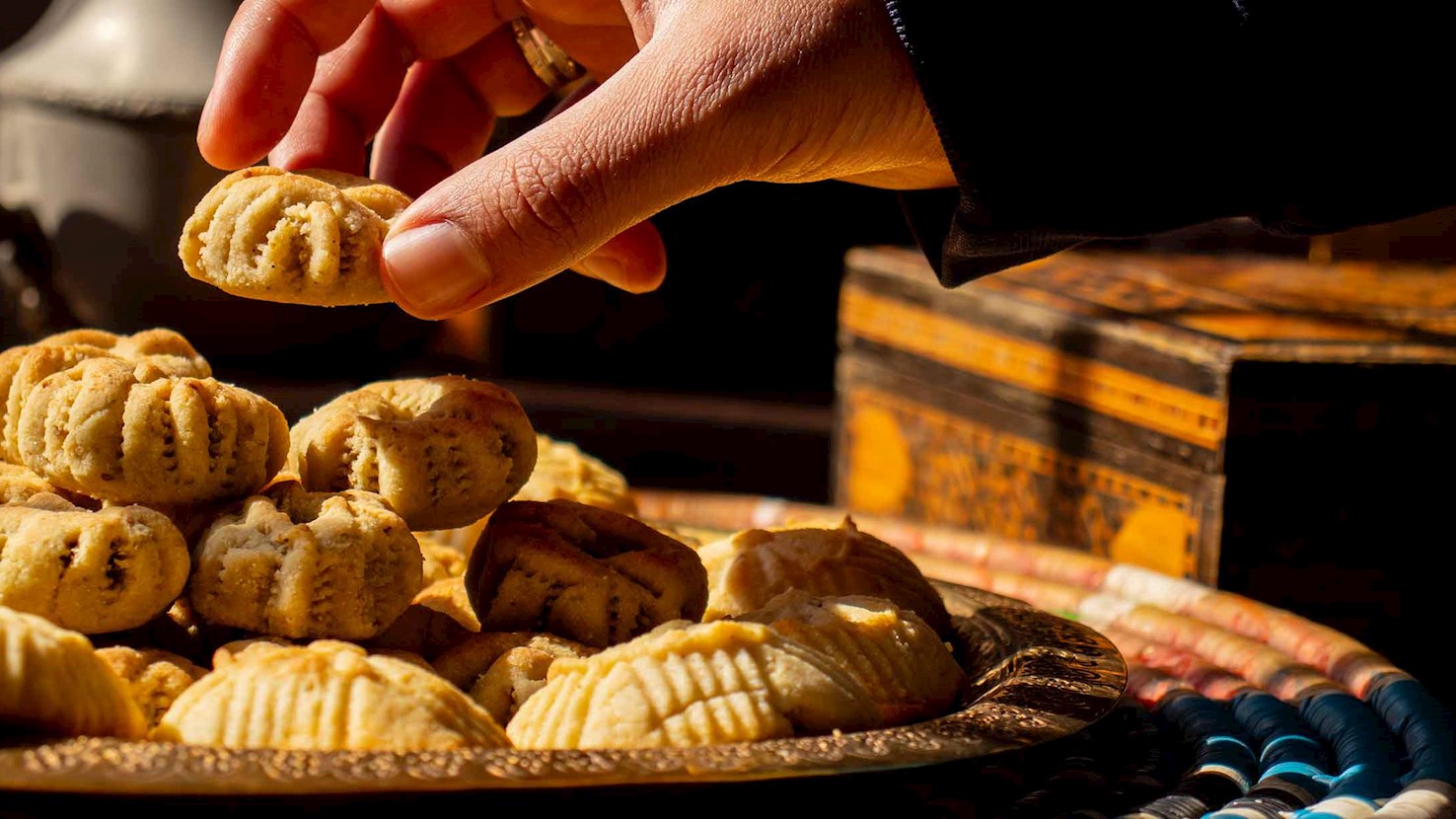
Ma’amoul is a filled baked pastry made from a short dough of semolina or flour and fat, shaped into small rounds or domes and filled with dates, walnuts, or pistachios, widely prepared across the eastern Mediterranean and the Levant, particularly in Lebanon, Syria, Palestine, Jordan, and parts of Iraq, where it is closely associated with religious holidays and communal baking. Its development is tied to the long cultivation of wheat, dates, and nuts in these regions and to festive baking practices that required pastries capable of being prepared in advance, stored briefly, and shared widely, with molded decoration emerging as a way to distinguish fillings and standardize appearance when large quantities were produced at home or in neighborhood bakeries. Preparation begins with a dough made from semolina or a semolina-flour mixture combined with clarified butter or oil, lightly sweetened and often scented with rose water or orange blossom water, rested to allow the grains to absorb fat, then portioned and filled with date paste or finely chopped nuts mixed with sugar and aromatic water, after which each piece is pressed into a carved wooden mold to imprint a pattern before being unmolded and baked until set but not deeply browned. Serving usually involves allowing the pastries to cool fully so the structure firms, with some versions dusted lightly with powdered sugar while others, especially date-filled ones, are left plain, and they are presented in assortments where shape and surface design indicate the filling inside rather than labeling. A defining feature of ma’amoul is the use of molded decoration as an integral part of the pastry rather than a garnish, creating a visual code that is widely understood within the region and allowing different fillings to coexist on the same plate without confusion. It is eaten primarily during major holidays and family gatherings, offered to guests in homes and served in cafés during festive periods, typically consumed by hand alongside plain coffee, Arabic coffee, or unsweetened tea, with the bitterness of the beverage balancing the richness of the dough and the sweetness of the filling.

06
Porridge

Harees

3.7 ·

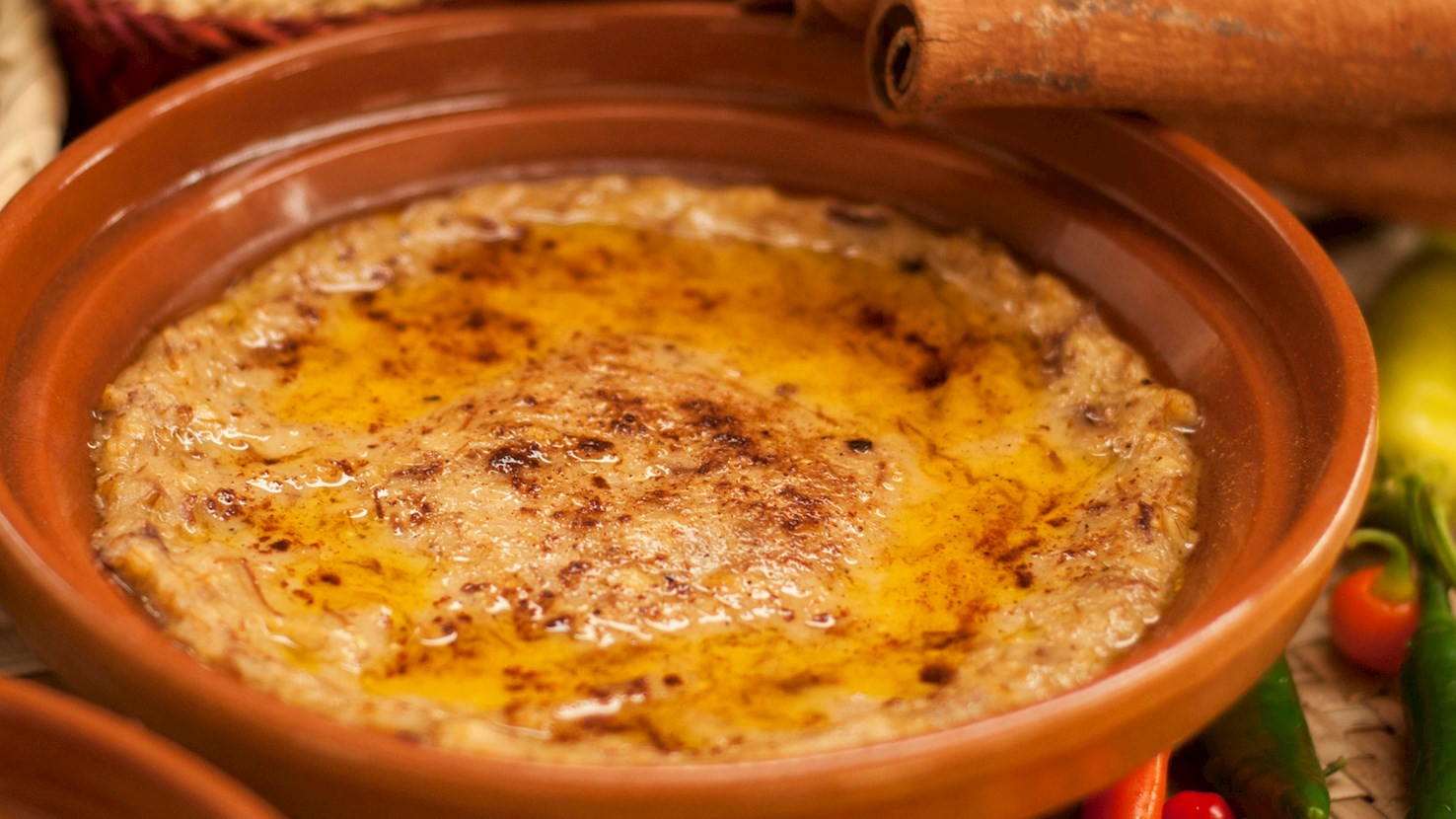
A staple during the month of Ramadan in numerous Middle Eastern countries is a plate of jareesh, a satisfying meal which combines coarse wheat and meat. This centuries-old dish probably originated in Saudi Arabia, but has since spread throughout the entire Middle East and India. Numerous countries in the area have created their unique varieties, employing authentic ingredients and giving the dish local names. In Middle Eastern countries, harees is usually prepared with coarse ground wheat which is mixed with water, butter, and meat, then left to soak overnight. Any excess liquid is drained, and all the ingredients are thoroughly mixed to create a homogenous and slightly elastic mixture that looks like a thick porridge. Chicken and lamb are the most common meat varieties employed in harees, but some regional variations also include mutton. The spices used in the preparation are also regionally influenced: cardamom, cinnamon, and cumin are commonly employed in Arabian countries, garlic and olive oil are usually found in Lebanon, while chili and turmeric are used in Indian variations.

07
Cake

Ageeli

n/a ·

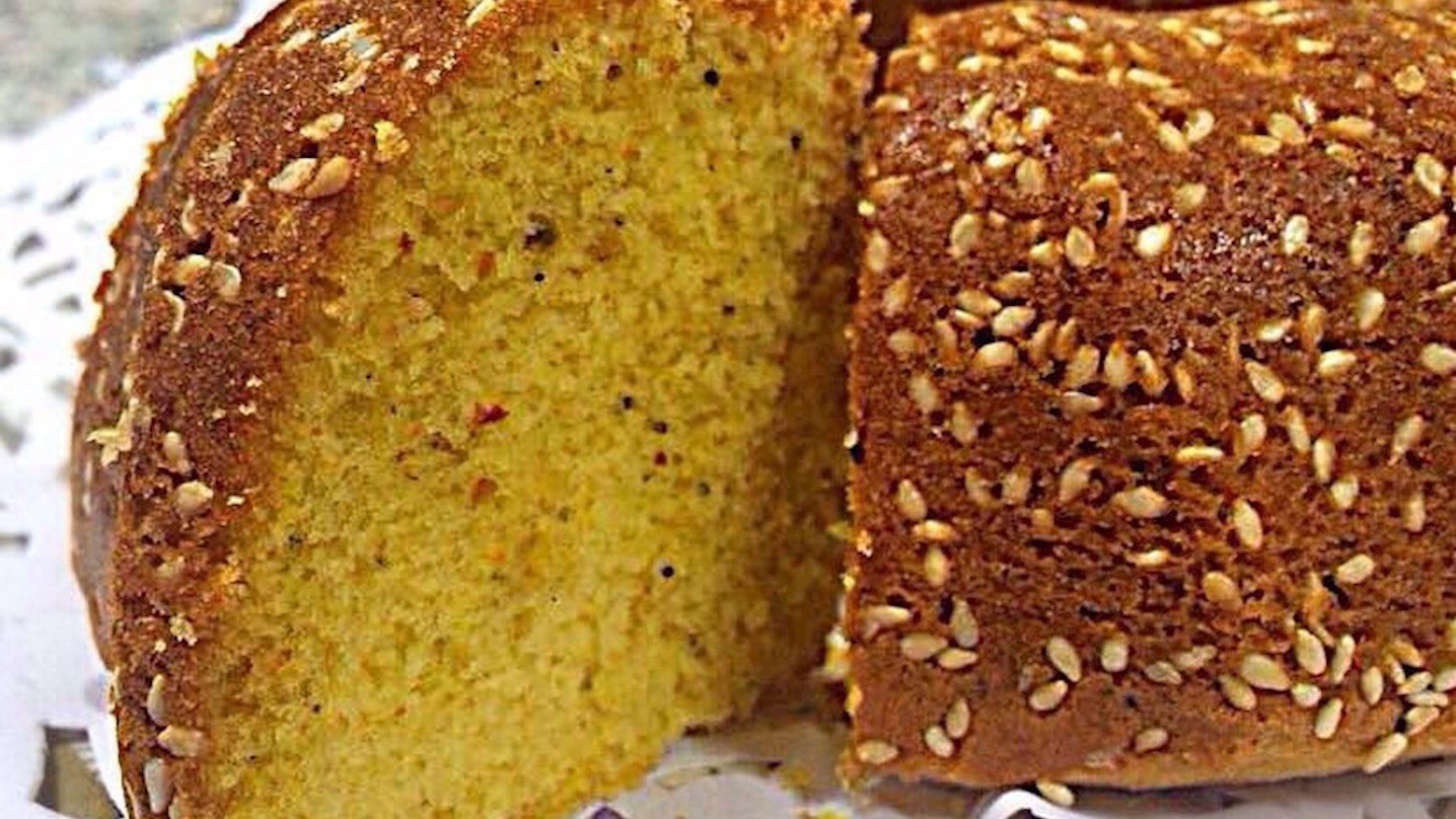
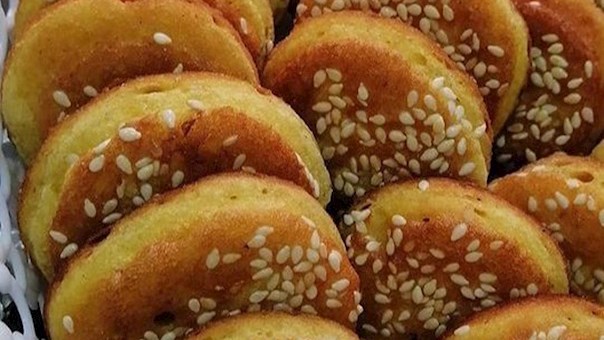
Ageeli is a Qatari ring-shaped cake that can be made as one large cake or as several single-serving cakes. It is made with eggs, flour, sugar, cardamom, saffron, and rosewater and covered with tahini and sesame seeds. However, variations do exist, and some recipes will also include milk and/or yogurt. It is a light, crunchy cake, usually paired with coffee and tea. It is also traditionally eaten for breakfast with hot milk on Bayram morning.

08
Porridge

Madrouba

n/a ·

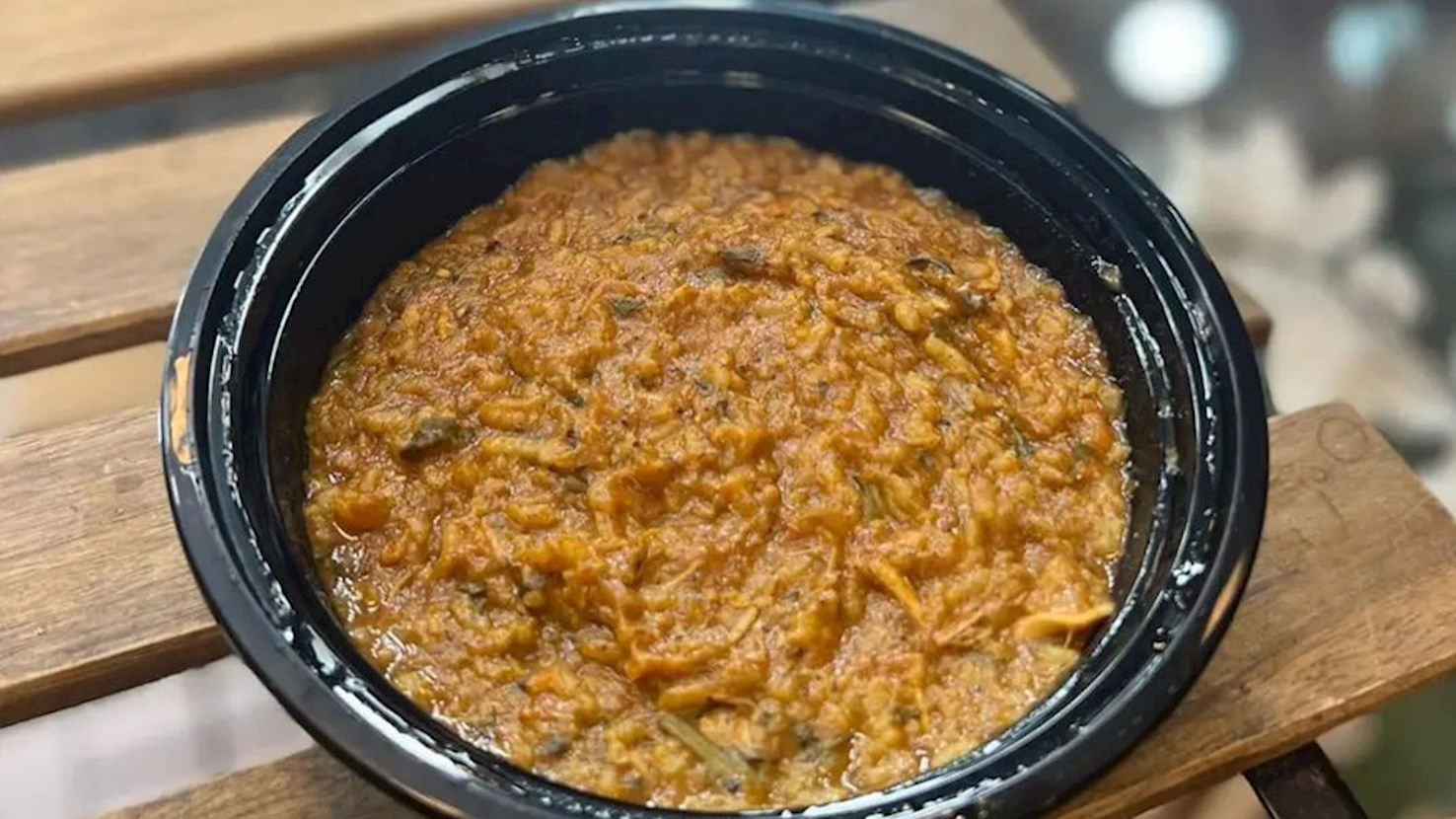
Madrouba is a spicy and comforting Omani and Qatari porridge made with chicken, overcooked rice, and a plethora of flavorings such as turmeric, cumin, cardamom, ginger, cloves, cinnamon, garlic, and black pepper. Variations do exist, though, as there is no fixed recipe. One of the more common is madrouba made with wheat and not rice. It is recommended to serve madrouba while it is still piping hot, preferably garnished with fresh lime zest.

09
Lamb Dish

Quzi

3.8 ·

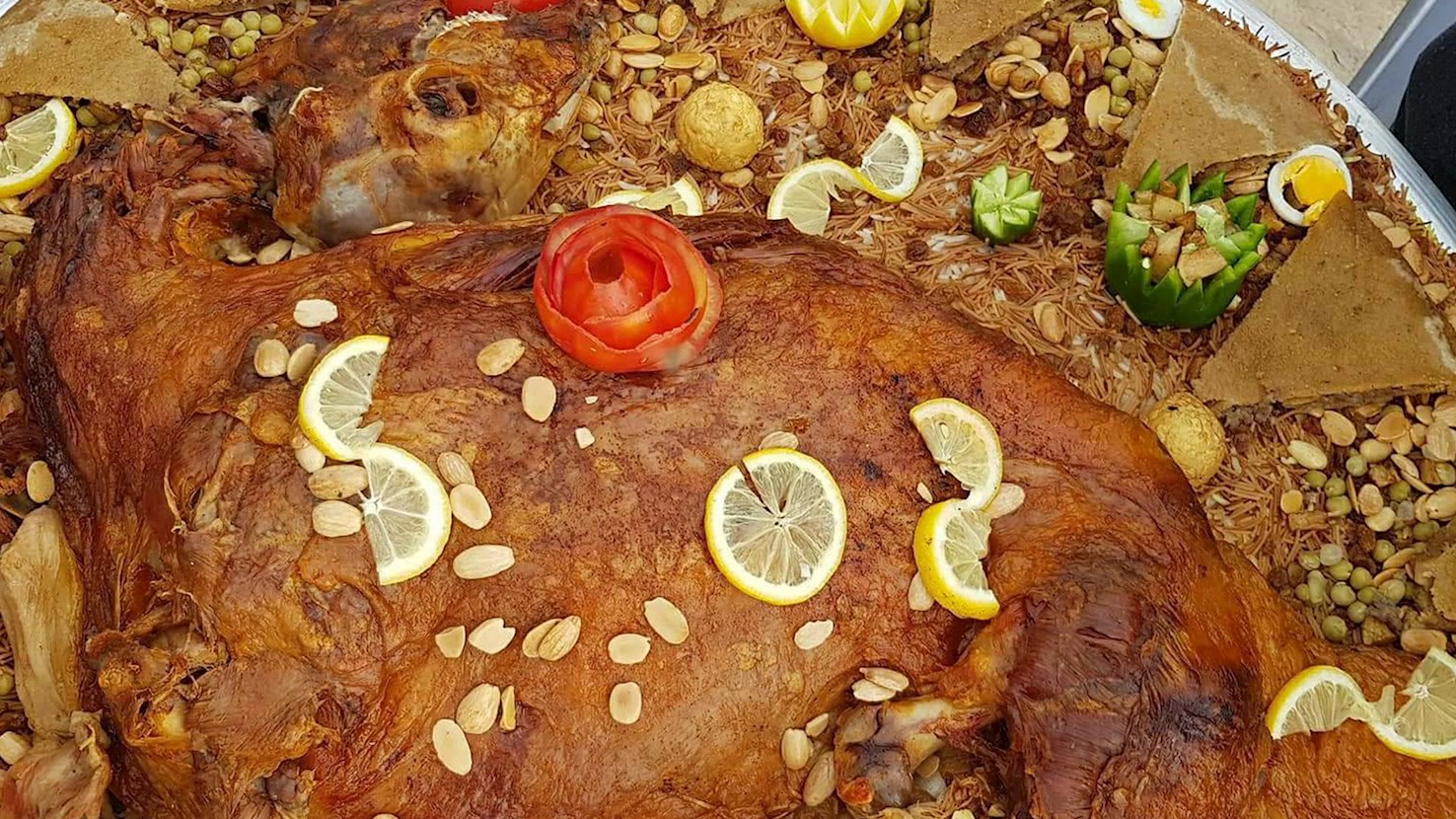
Quzi is a slow-cooked lamb dish from Iraq that has become one of the most recognized festive meals in the Middle East. It is prepared with a whole lamb or large cuts of lamb that are seasoned, stuffed with rice, nuts, and spices, and then roasted or baked until tender. Its spread to neighboring countries such as Syria, Jordan, and the Gulf states has given it different regional touches, but its roots remain firmly Iraqi. The lamb used for quzi is often marinated with a mixture of spices such as cardamom, cloves, cinnamon, black pepper, and bay leaves, which impart a fragrant depth to the meat. It is commonly roasted in underground ovens or large clay ovens, a practice that can be traced back centuries when methods of slow roasting over embers were a marker of patience and abundance. The rice, which forms a central part of the dish, is typically flavored with saffron, raisins, and almonds, and sometimes enriched with chickpeas. Once the lamb is ready, it is laid over the rice on a wide serving tray so that the juices and fat from the meat seep into the grains, creating a rich harmony of flavors. Quzi is not only about meat and rice but also about presentation. In many settings, the lamb is brought whole to the table and carved in front of the guests, which underlines the generosity of the host. What makes the dish distinctive is the use of stuffing inside the lamb cavity, where spiced rice mixed with dried fruits and nuts cooks slowly as the meat roasts, giving an interplay of savory and sweet notes. The labor-intensive preparation often requires several people and hours of cooking, making it a true centerpiece for occasions. The dish is eaten with flatbreads on the side, sometimes used to scoop the rice and lamb together, and accompanied by yogurt, pickled vegetables, or fresh salads that provide balance to the richness. In Iraq, it is particularly tied to Baghdad but is enjoyed throughout the country, often in restaurants that specialize in large-scale roasts. In the Gulf region, it is served at family feasts and national celebrations, while in Jordan and Syria, it appears at weddings and banquets.

10
Stew

Tharıd

3.6 ·

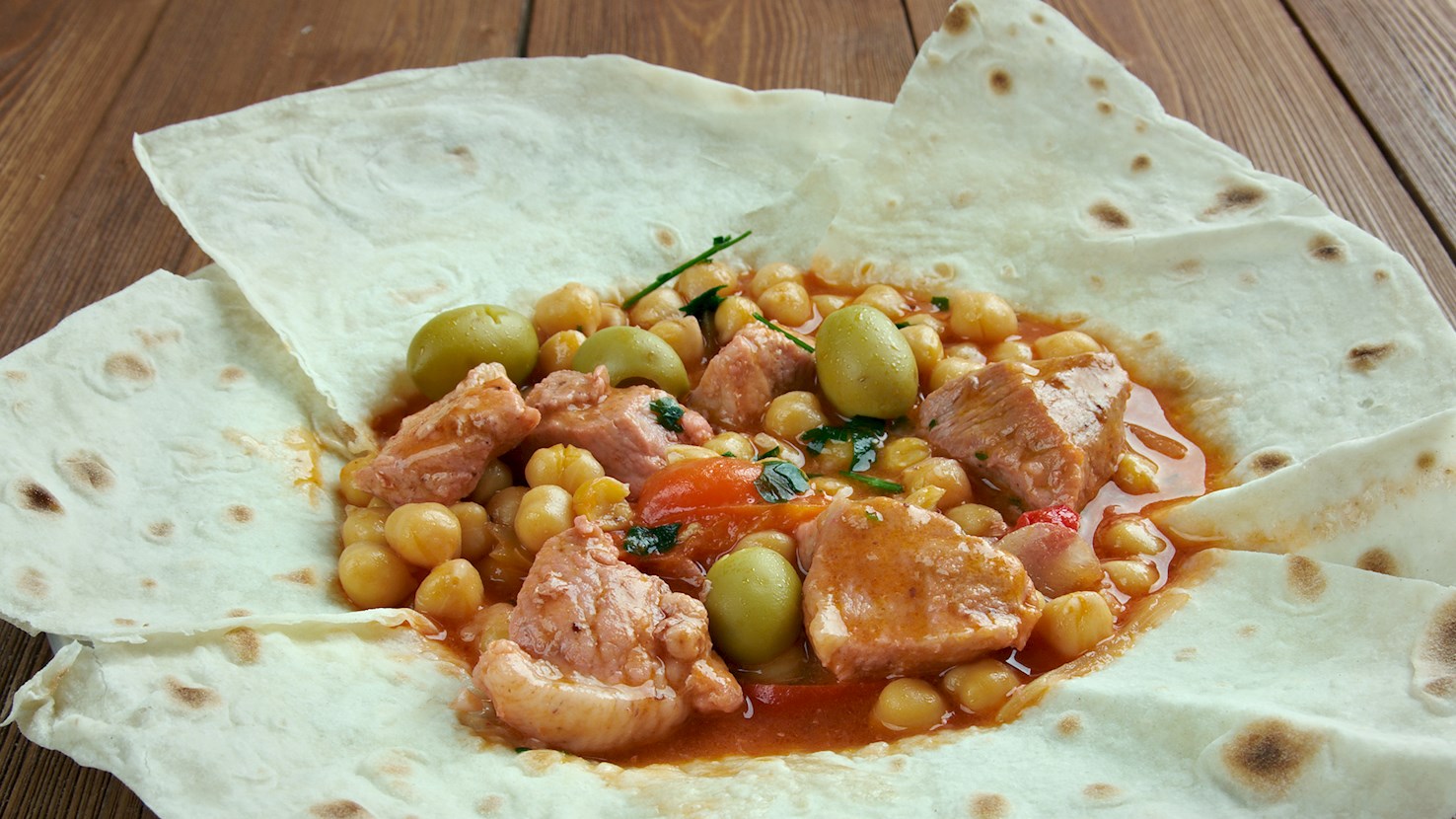
This traditional Arabian dish is most often described as a spicy lamb stew thickened with barley bread, though the word tharīd also refers to a large earthenware bowl. According to legend and several Hadith teachings, tharīd was one of the Prophet Muhammad’s favorite dishes, even though its origins are said to date back to the pre-Islamic times. Today, this satisfying dish is prepared with a variety of halāl meats which are stewed with vegetables and ladled over thin, unleavened bread. In Islamic countries, tharīd is typically enjoyed for al'iiftar, the evening meal served at sunset when Muslims end their daily Ramadan fast.

11
Stew

Saloona

3.4 ·
13
Pudding

Sago Halawa

n/a ·
14
Breakfast

Balaleet

2.2 ·
Read more
View all
View map
About this ranking

TasteAtlas food rankings are based on the ratings of the TasteAtlas audience, with a series of mechanisms that recognize real users and that ignore bot, nationalist or local patriotic ratings, and give additional value to the ratings of users that the system recognizes as knowledgeable. For the “Top 14 Qatari Foods” list until June 17, 2026, 3,194 ratings were recorded, of which 1,461 were recognized by the system as legitimate. TasteAtlas Rankings should not be seen as the final global conclusion about food. Their purpose is to promote excellent local foods, instill pride in traditional dishes, and arouse curiosity about dishes you haven’t tried.

The initial list of top producers was compiled based on available reviews, awards, local recommendations, media and blog coverage, and consumer reviews. The list will be updated with ratings from TasteAtlas local ambassadors and TasteAtlas users.

Similar lists