Shashlik is the name for a traditional Central and West Asian barbecue consisting of marinated, skewered, and grilled chunks of meat such as lamb, beef, or pork, depending on regional and religious preferences. Lamb, beef, or pork is usually combined with chunks of vegetables such as bell peppers, onions, mushrooms, or tomatoes. The meat is typically marinated overnight in vinegar, herbs, spices, and dry wine. In Russia, barbecue is traditionally reserved for men, who are in charge of the whole grilling process, while the women are usually busy slicing vegetables and setting the tables. Shashlik is traditionally prepared for events with a large number of people gathered around the fire, cooperating and socializing in the process, making the dish a communal affair. Because the origins of the dish lie between Turkey and Russia, many believe that the name is derived from the Turkish word shish, meaning skewer. In Georgia, shashlik is known as mtsvadi.
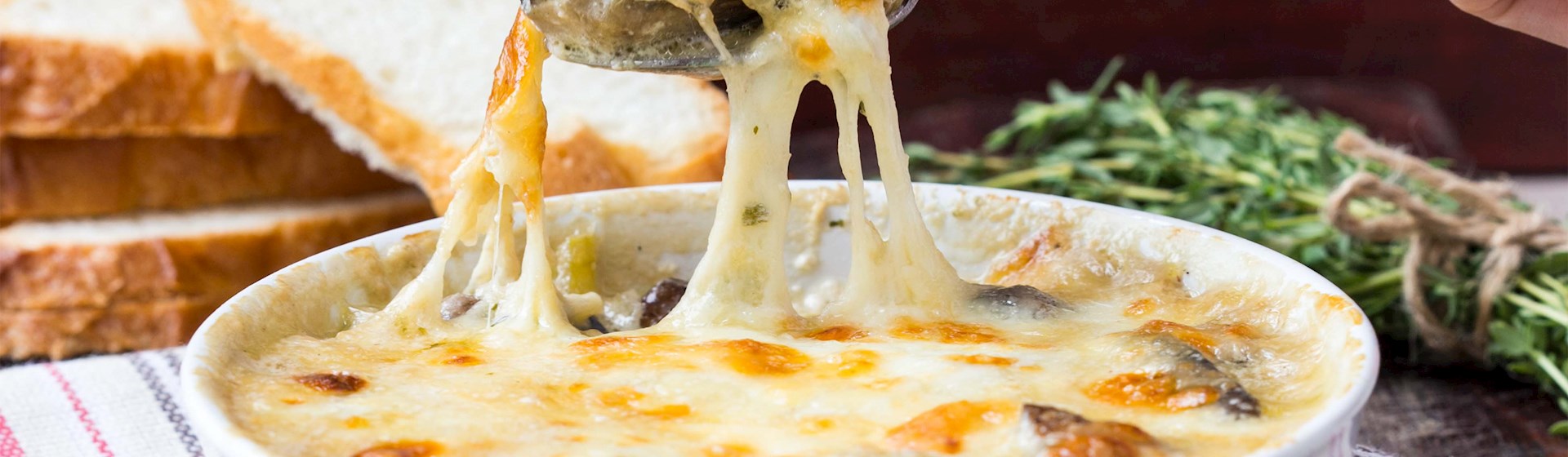
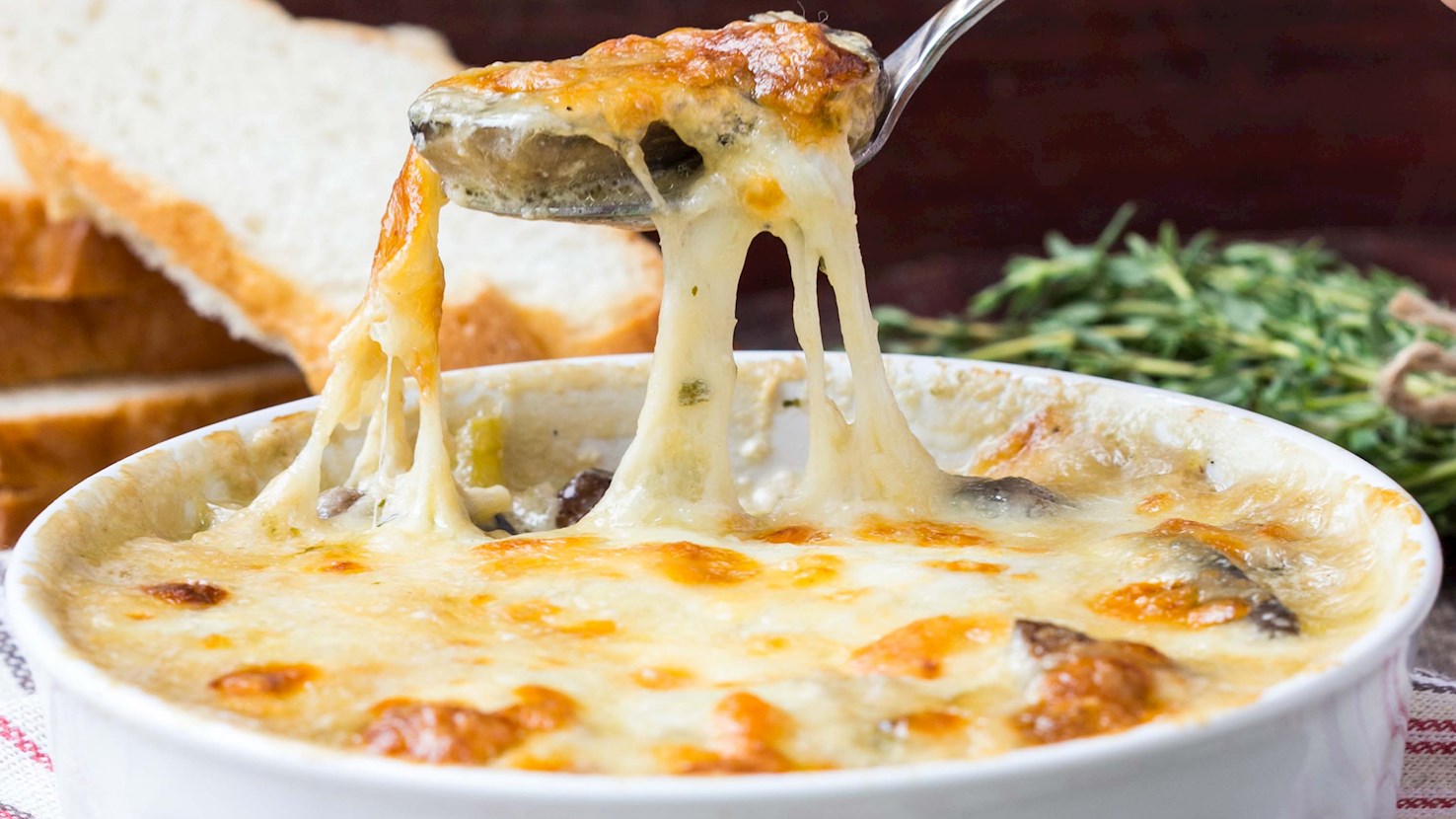
Mushroom julienne, or zhulien, is a hot appetizer of mushrooms and onions baked in a rich cream or sour-cream sauce beneath a layer of melted cheese. It is usually served in a small individual metal or ceramic vessel called a kokotnitsa, producing a concentrated portion with a browned cheese crust and a thick, creamy mushroom filling underneath. Chicken is another common addition, while seafood and other fillings appear in less common versions. The name has an unusual history. In French culinary terminology, julienne refers to food, especially vegetables, cut into long, fine strips similar to matchsticks. The term was in print by the early eighteenth century, and its exact etymology remains uncertain. In Russia, the borrowed word gradually acquired a very different meaning. Instead of referring only to the knife cut, zhulien became associated with a category of small, hot appetizers baked with sauce, especially mushrooms or poultry with sour cream or béchamel and grated cheese. Versions of this type were already served in restaurants before the Revolution, but the precise moment when the French term became attached to the baked appetizer is not securely documented. It became firmly established during the Soviet era, when mushroom julienne was a familiar restaurant and banquet-menu starter. By the second half of the twentieth century, the small handled kokotnitsa and its bubbling cheese-topped filling had become closely associated with formal restaurant service. The classic mushroom version begins with onions softened gently in butter until translucent. White button mushrooms are the most accessible choice, although porcini, chanterelles, and other woodland mushrooms can give the filling a deeper flavor. The mushrooms are sliced into strips or small pieces and added to the hot pan. They release a considerable amount of liquid as they heat, so they are usually left over fairly strong heat until that moisture has evaporated and the mushrooms begin to brown. The creamy binder varies. Often it’s sour cream, sometimes mixed with a little flour so that it thickens evenly and remains stable during baking. Another is béchamel based on butter, flour, and milk. Cream may also appear on its own or together with sour cream. Once added to the mushrooms and onions, the sauce is heated gently until it coats the ingredients and forms a thick ragout rather than a loose liquid. The mixture is then divided among kokotnitsas. These are small portion-sized vessels, historically most often metal, with a narrow body and a long handle. Typical examples hold roughly 100–150 ml and were designed specifically for hot appetizers served directly from the oven. Ceramic ramekins are now equally practical when the characteristic metal vessels are unavailable. To finish, a layer of grated semi-hard or hard cheese covers the mushrooms, with Gouda, Edam, Gruyère, and Emmental being the typical choice. The filled vessels are placed in a hot oven until the sauce bubbles around the edges, and the cheese melts into a golden crust. The ideal result has a clear contrast between the surface and the filling. The cheese should be melted and browned, while underneath it the mushrooms remain juicy and are held together by a thick, smooth dairy sauce. The sauce should not be watery, which is why allowing the mushrooms to release and evaporate their moisture before adding the dairy is important. One of the most popular variations adds chicken. Cooked chicken is cut into fine strips or small pieces and combined with the mushrooms before the sauce is added. This produces a more substantial version while retaining the same sour-cream or béchamel base and cheese topping. Chicken-and-mushroom julienne became particularly common on restaurant and banquet menus. Shrimp, scallops, squid, fish, or combinations of seafood can replace the mushrooms or accompany them. Because seafood toughens quickly, it requires much less time in the pan before the sauce and final oven heating. Mushroom julienne is served immediately after baking. The kokotnitsa arrives extremely hot and is normally placed on a small underplate or saucer covered with a napkin or paper doily, protecting the table and making the vessel easier to handle. Decorative paper covers, or papillotes, have also been fitted around the handles in formal restaurant service. The appetizer is eaten directly from the kokotnitsa rather than transferred to another plate. A small cocotte fork may accompany it, although a teaspoon or coffee spoon is also used. The utensil breaks through the browned cheese layer and reaches the creamy mushroom mixture underneath. Its place at banquets also explains its association with alcoholic drinks and larger meals. Hot julienne could appear among the sequence of appetizers served around vodka and other spirits, followed by more substantial courses. The idea that its high fat content was specifically intended to “coat the stomach,” however, is better treated as a later explanation than as the appetizer's original purpose.
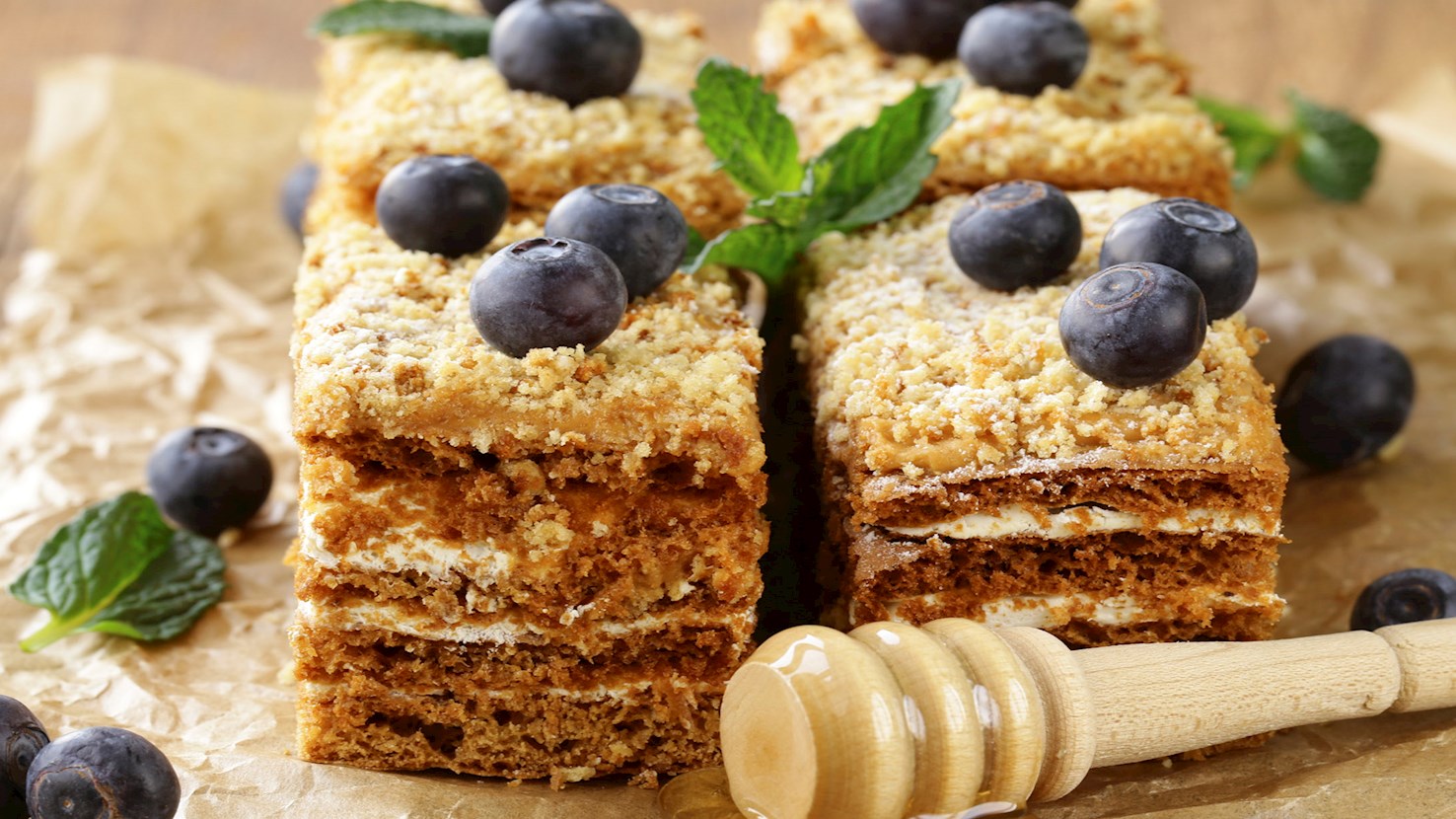
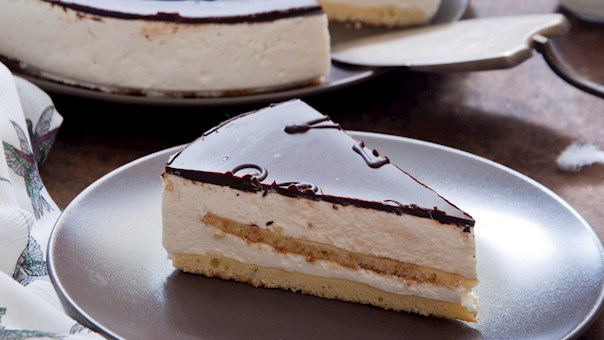
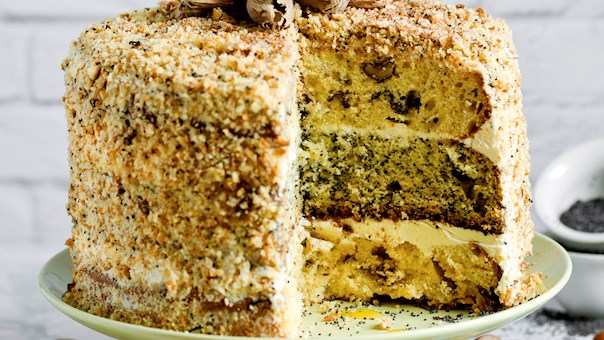
Medovik is a popular Russian layered honey cake consisting of honey-infused, almost biscuit-like sponges that are coated with thin layers of cream. Although there are numerous variations of the cake, the custard is usually prepared with whipped cream or various combinations of condensed milk and butter. It is believed that the cake first appeared in the 1820s and was initially created for the wife of Alexander I of Russia. The addition of condensed milk probably originates from the Soviet era, while modern variations may include berries or even chocolate. Medovik is traditionally decorated with ground walnuts and is commonly served on various special occasions.
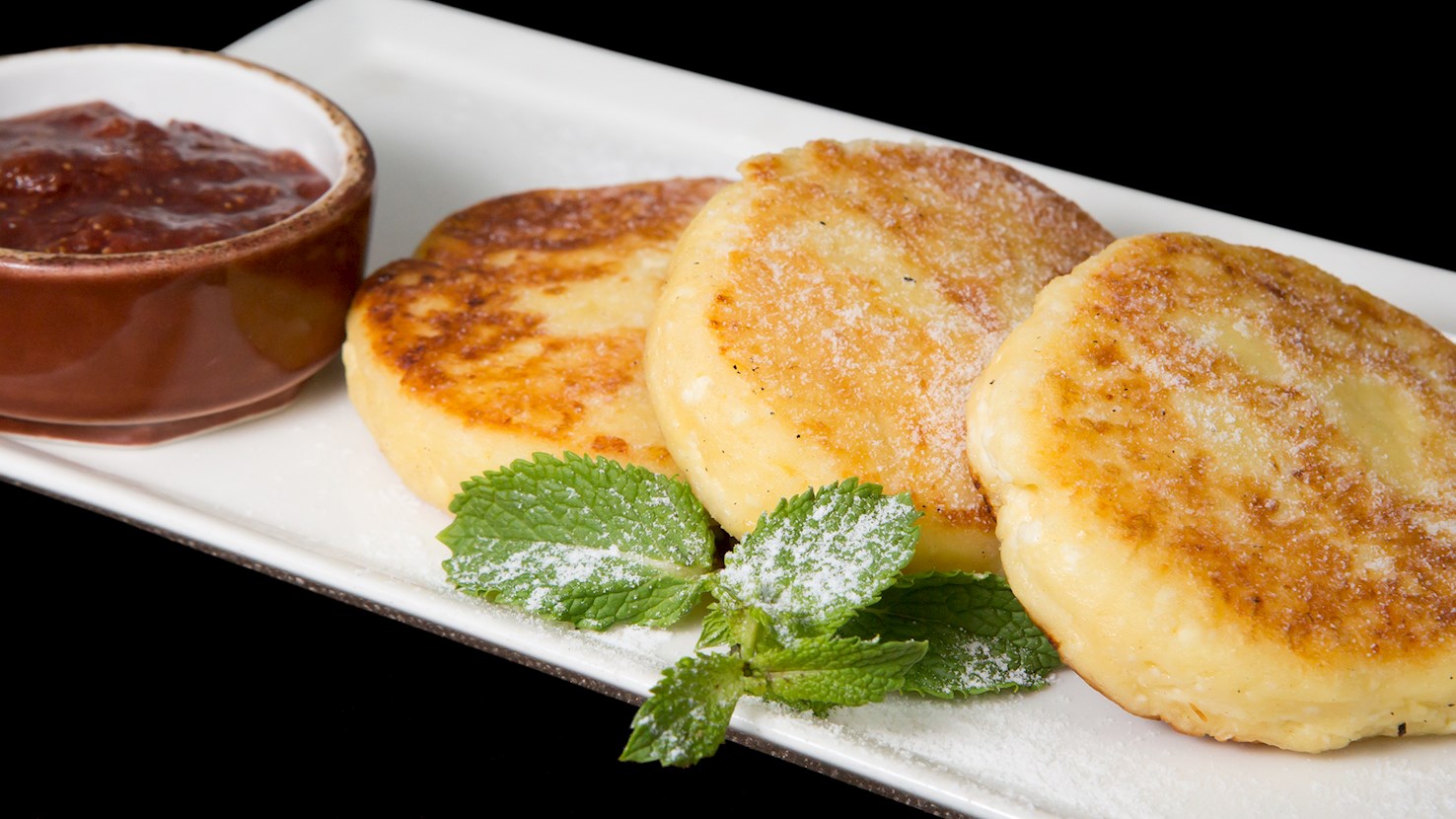
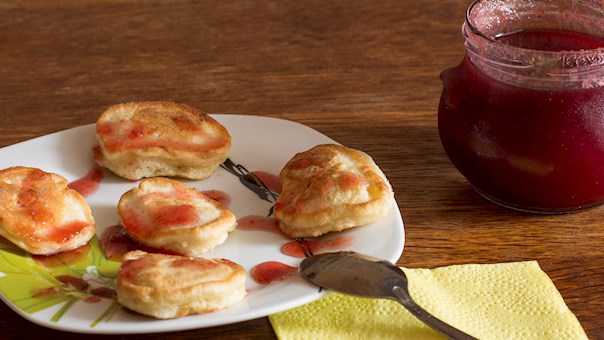
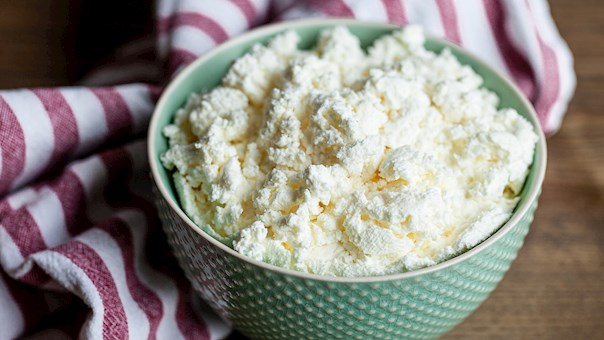
Syrniki is a dessert consisting of fried cottage cheese pancakes that are usually garnished with honey, fruit jam, sour cream, or applesauce. It is part of the Russian (where it's sometimes also called tvorozhniki), Belarusian, Ukrainian, Latvian and Lithuanian cuisine. Cottage cheese is traditionally first swetened with sugar, then combined with flour into a dough which is fried in hot oil until it develops a golden-brown color. Syrniki can be served for breakfast or consumed as a tasty dessert after a large meal.
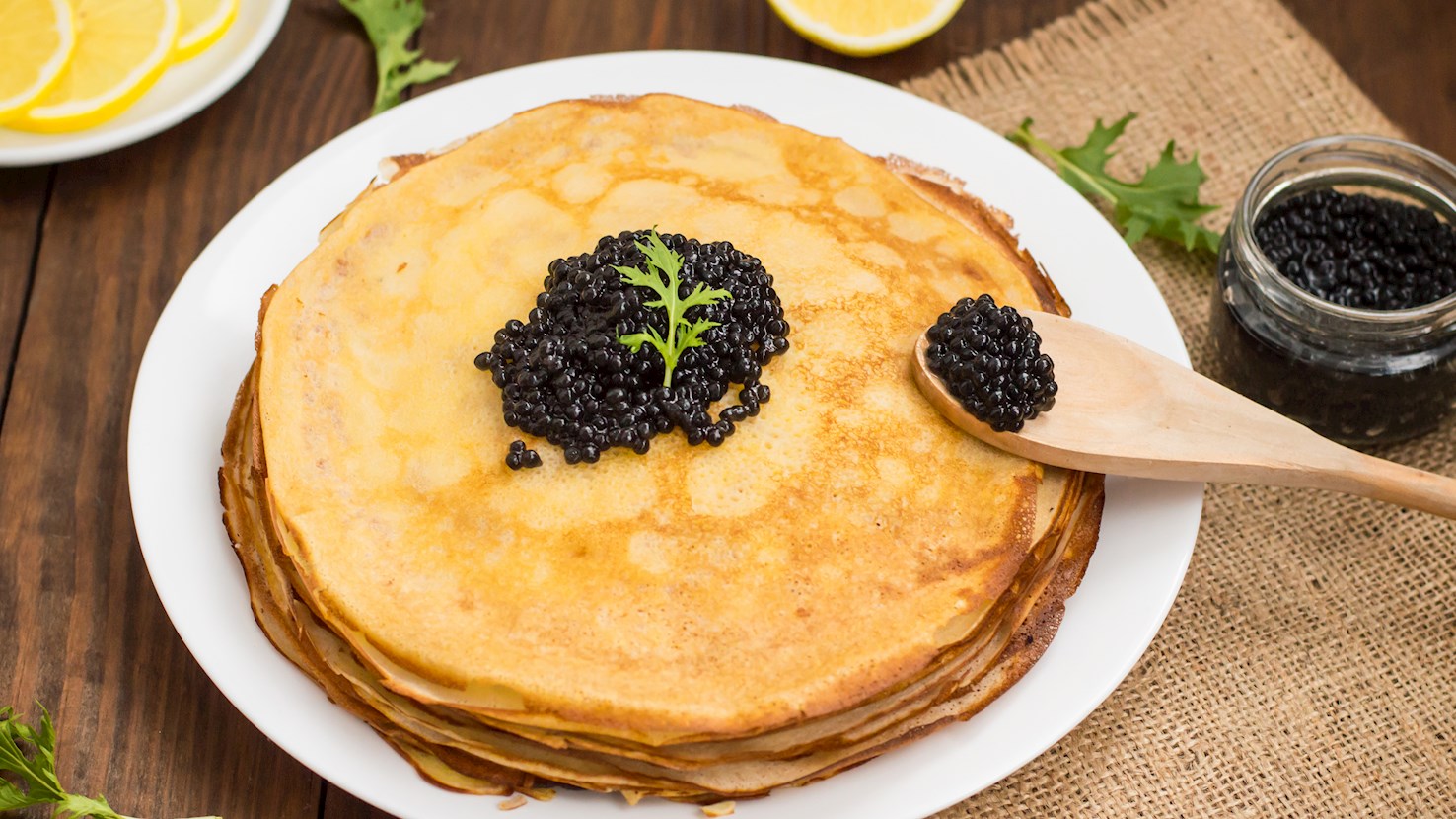
These traditional Russian pancakes are prepared with flour, eggs, milk, yeast, and a pinch of salt. What distinguishes them from other pancakes is the addition of yeast, since similar equivalents mostly do not add any leavening agents. The batter is poured over a hot pan, shaped into a circle, and fried for a couple of minutes on both sides. The tradition of preparing this traditional Russian dish originates from ancient times: it was a ceremonial dish, served during the pagan holiday called Maslenitsa – a week-long festivity praising the end of winter and the celebration of spring. With their shape and color, blini symbolized the long-awaited Sun. However, blini are not consumed exclusively during Maslenitsa, as they have become one of the most popular dishes in Russia, and are also commonly eaten around the world. Blini are extremely versatile and can be served with sweet or savory fillings. Some of the Russian favorites include various jams, condensed milk, while the most famous savory version is topped with fish roe or caviar.
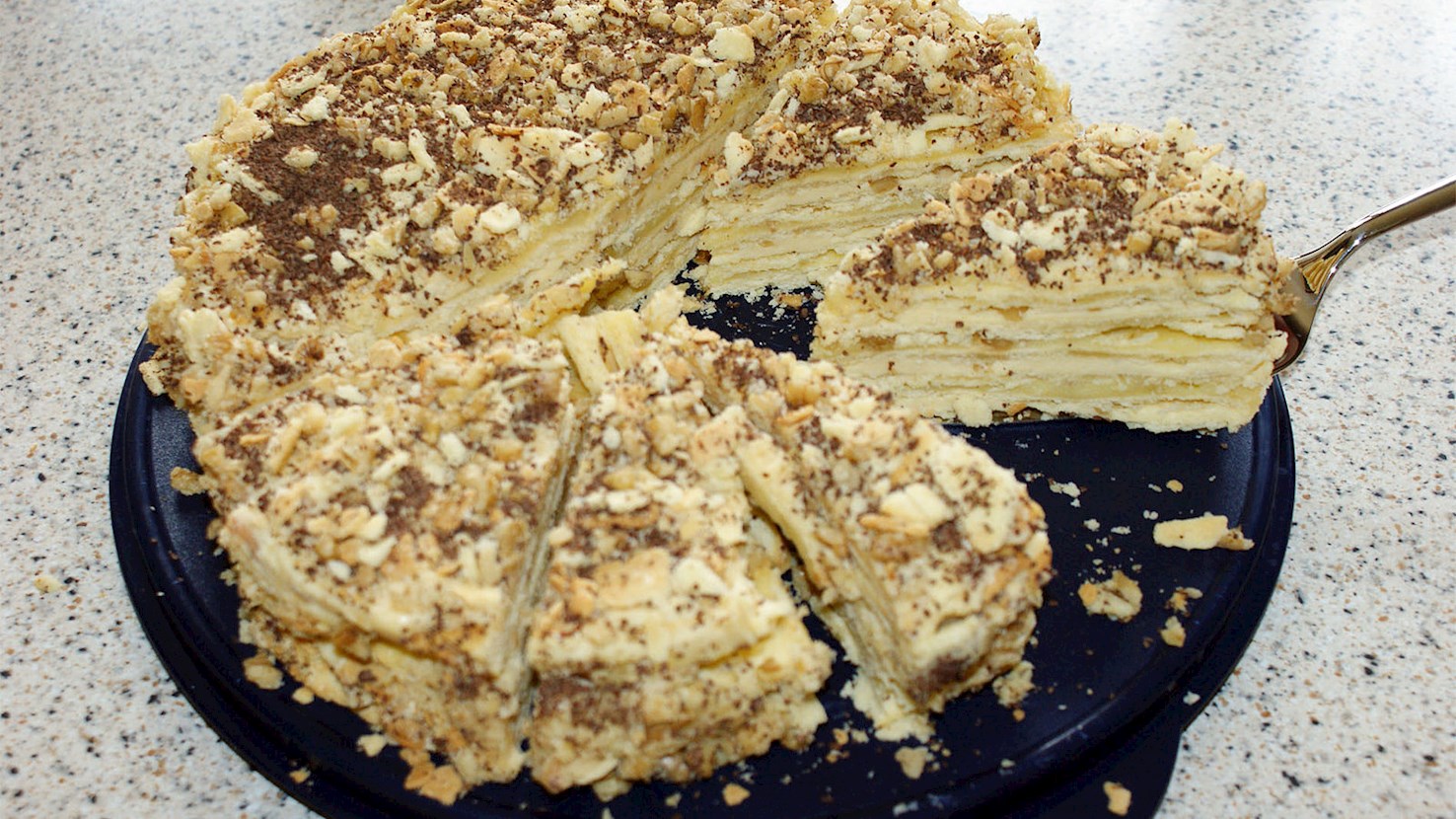
Napolyeon tort is a traditional cake consisting of layers of thin and flaky puff pastry and a rich and smooth pastry cream sandwiched between the layers. The layers are usually made with a combination of flour, salt, butter, white vinegar, a bit of vodka, and eggs, while the pastry cream usually consists of milk, egg yolks, sugar, and cornstarch. Each baked layer is topped with pastry cream and a frosting made with a combination of butter, powdered sugar, vanilla, and heavy cream. The frosting is also added to the sides and top of the cake, which can be additionally decorated with cake sprinkles, berries, nuts, or chocolate shavings, if desired. The cake should be chilled overnight so that the frosting seeps into the layers and the cake develops a very soft texture. The Russian Napoleon cake differs from the French Napoleon cake in the fact that it has as much as 15 thin layers and it's left to chill until super moist and tender.
Varenye is a traditional dessert consisting of various fruits and berries cooked together with sugar. The ingredients should not lose their shape, dissolve, or overcook in order for varenye to be properly prepared. Originally, varenye was cooked with honey before 1801 because Russia didn't produce its own sugar, and imported sugar was too expensive. Today, varenye is traditionally served at Russian tea parties, and the most popular varieties are prepared with strawberries, apricots, blueberries, and cherries. There are also some exotic varieties made with dandelion, tangerine, and rose petals. It can be consumed on its own, used as a topping for pancakes, or as a filling for various cookies and pies. Varenye is so popular that it was even one of the favorite desserts of some Russian tsars, Catherine II, and Ivan the Terrible.
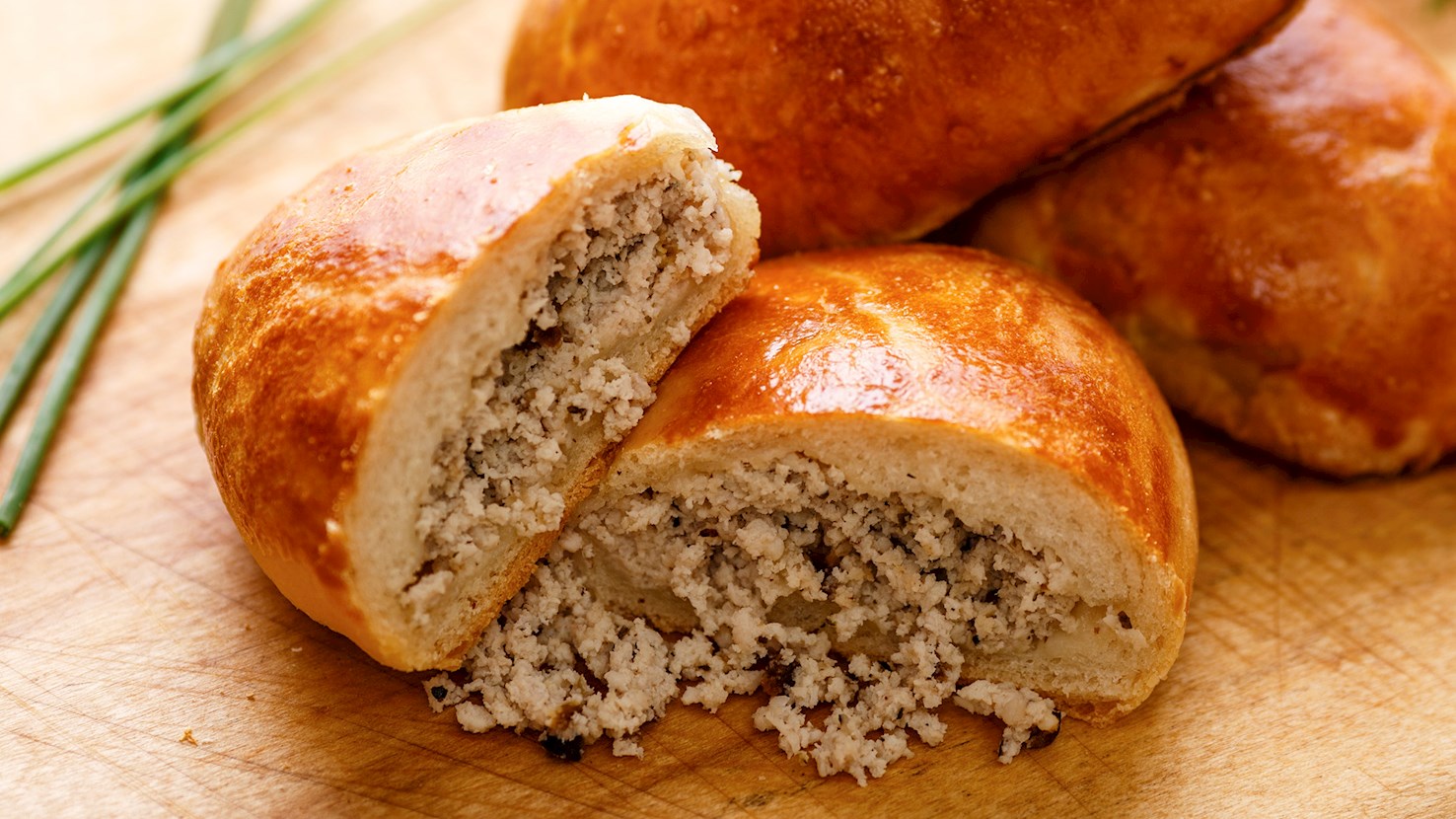
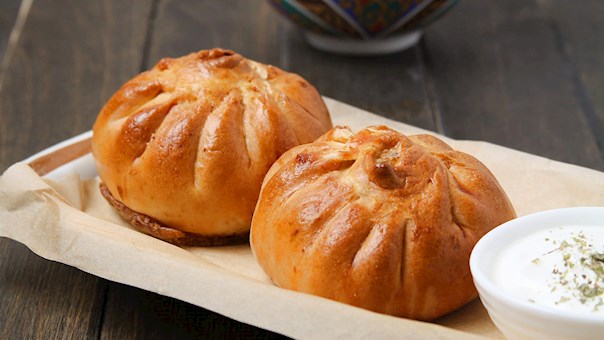
Pirozhki is one of the most popular Russian dishes, often sold as street food, although it can also be made at home. The pocket-sized, oval-shaped pirozhki are yeast dough buns stuffed with a variety of ingredients such as fresh fruits, jams, and cottage cheese for the sweet varieties, or meat, eggs, vegetables, fish, and rice for the savory versions. They can be either baked or fried. The name pirozhki can be literally translated to little pies. Pirozhki are commonly consumed as a snack, and today, they are prepared in numerous versions throughout the world.
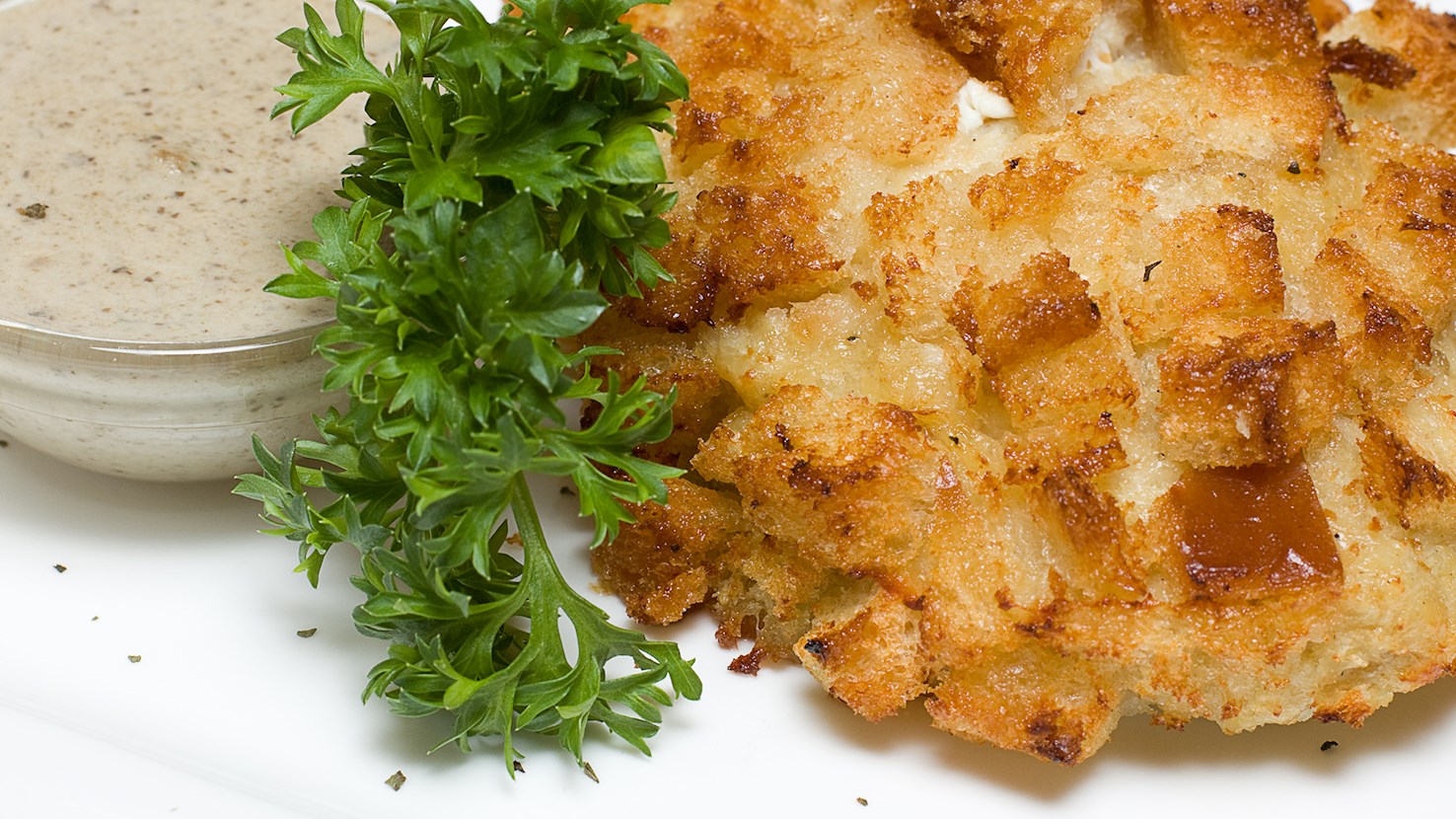
Pozharsky cutlet is a traditional dish originating from the 19th century. It is named after prince Pozharsky, who was having important guests for dinner at the time. As there was no veal, his guests' favorite, the prince ordered the chefs to make chicken cutlets, and a new dish was born. The dish consists of ground chicken that is breaded and fried with butter. It is recommended to serve the cutlets with roasted potatoes, green beans, or similar vegetables.
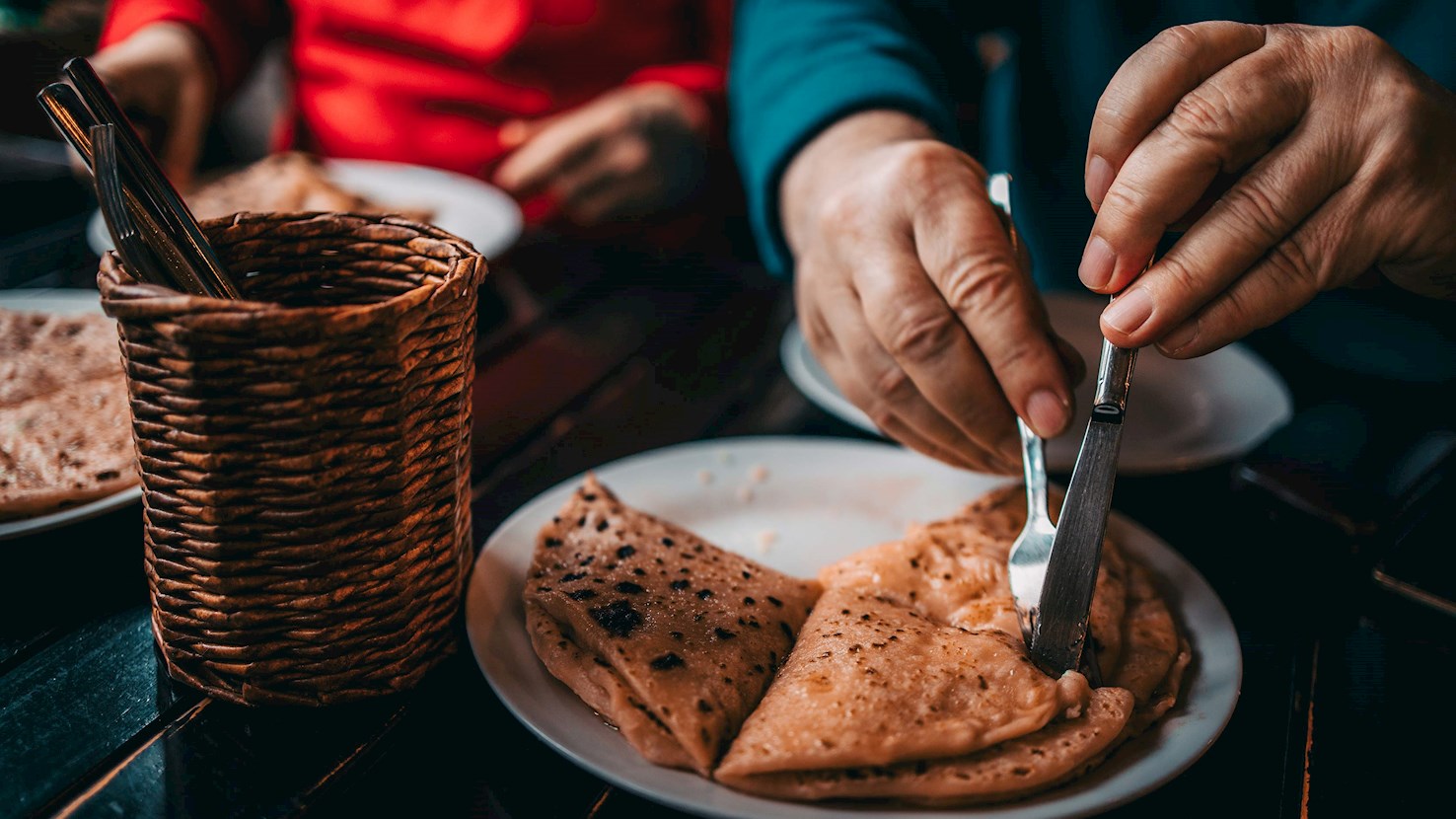
Khychin is a traditional filled flatbread originating from the regions of Kabardino-Balkaria and Karachay-Cherkessia. This thin flatbread is made from unleavened dough and it's filled with boiled potatoes, local cheese, or meat with fresh herbs. The dough is usually made with a combination of flour, salt, and kefir or ayran, while the filling can contain soft cheese, potatoes, butter, veal or lamb, garlic, onions, coriander, and mint. Once assembled, khychin is fried in butter until it's slightly browned and crispy. The dish is prepared for all special occasions such as weddings, childbirth, funerals, or visiting guests. It is believed that khychin symbolizes the Sun, wealth, and hospitality.
Maxim Brecht's Cider is a Russian craft cider producer founded by Maxim Brecht, who has been making cider since 2011 and officially established his cidery in 2016 in the Istra district. His philosophy is based on complete naturalness - using only freshly pressed apple juice without concentrates, added sugar, water, colors, flavors, or pasteurization.
The apples come from orchards where no pesticides are used, preserving the authenticity and purity of the raw material. After specializing at the Cider Academy in England, Maxim planted a collection orchard with 57 European tannic apple varieties in the Tula region, which began producing its first fruits in 2022.
Until then, most of the production relied on Russian dessert varieties, from which different cider styles were created. Their ciders are characterized by pronounced apple aromas, complexity, and a balance between acidity and natural sweetness.
Minimal intervention in the fermentation process allows each bottle to retain its terroir and the individuality of the harvest year. The brand’s vision is to position cider as a worthy alternative to wine and sparkling drinks, with broad gastronomic potential.
Thanks to this approach, Maxim Brecht's Cider has become recognized as one of the pioneers of authentic Russian cider. Today, their products stand out at festivals and in restaurants, attracting audiences who value natural and craft beverages.
Through careful orchard management and ongoing innovation, Maxim Brecht continues to build a reputation as a producer who unites tradition, terroir, and contemporary craft spirit.
Andreev Ciderworks is a craft cider producer from Saint Petersburg, founded in 2016 by Oleg Andreev, with its base in the village of Mistolovo in the Leningrad region. The production philosophy is rooted in the use of natural and locally sourced ingredients, primarily apples and pears from northwestern Russia, without concentrates, flavorings, or unnecessary additives.
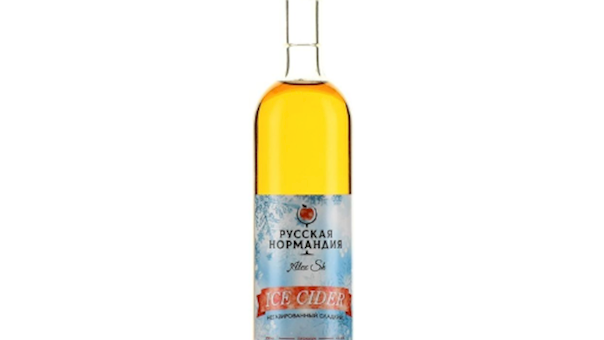
The ciders are made from freshly pressed juice and fermented with minimal intervention, ensuring an authentic taste that reflects the terroir of the region. Their portfolio includes a wide range of styles - from dry and sparkling varieties such as Rose Extra Brut with added red currant, to semi-dry options like Mirage of St Michel, and dessert ice ciders produced through juice cryo-concentration.
In addition to apple ciders, they also produce perry made from pears, distinguished by refreshing acidity and balanced sweetness. Andreev Ciderworks has built a reputation as a producer that combines tradition with modern approaches, offering consumers a diverse selection of beverages suited both for gastronomic pairings and for pure enjoyment on their own.
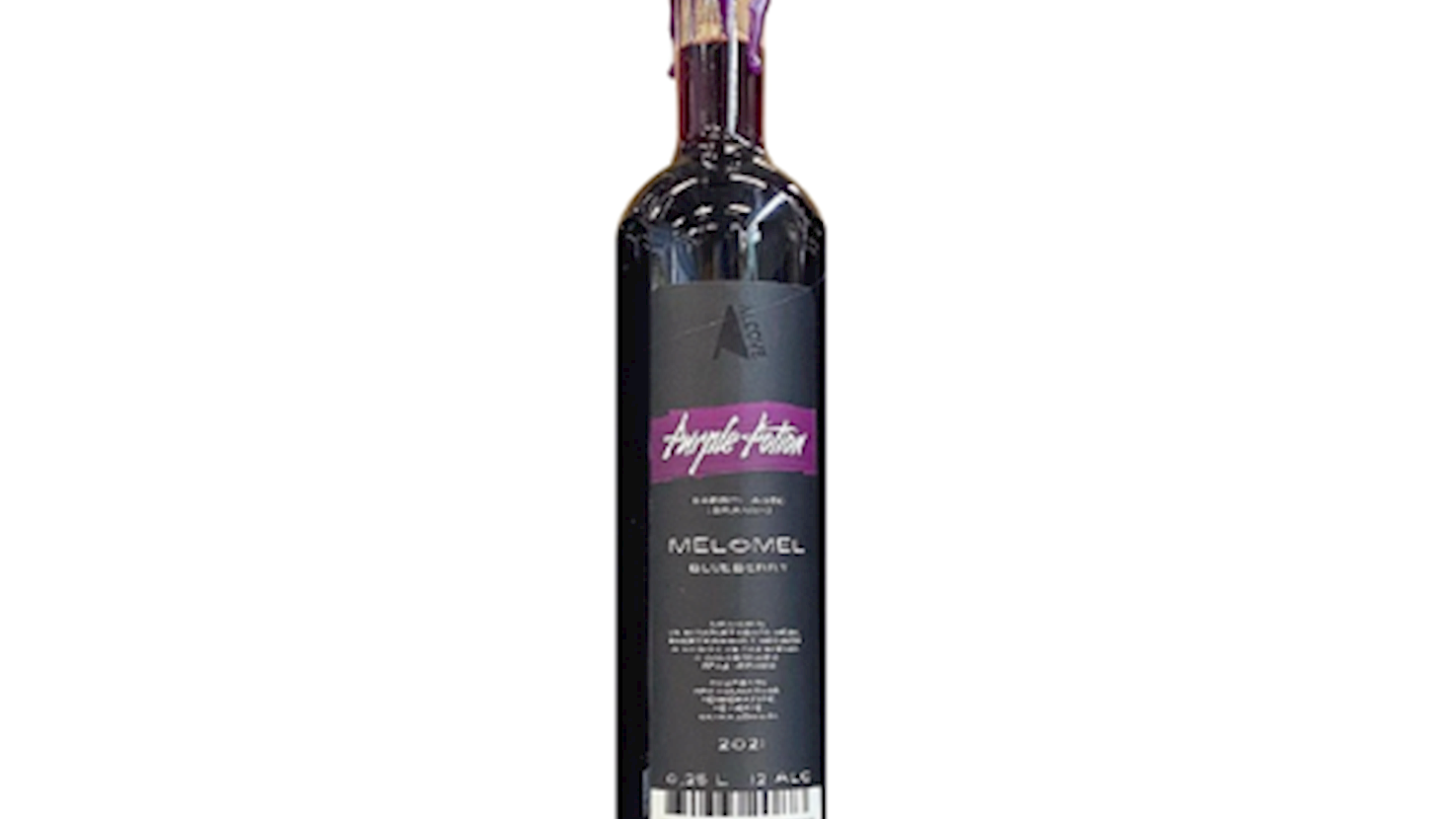
Alcove is a modern mead producer distinguished by its experimental approach and careful selection of ingredients, creating beverages with a complex character. Their philosophy is based on combining local fruit with high-quality honey, shaping the distinctive identity of each batch.
Alcove does not limit itself to traditional styles but explores new flavor combinations, positioning itself among the more innovative meaderies in the region. The absence of large-scale production and a focus on limited releases further emphasize the exclusivity of their products.
This clearly places Alcove among producers who aim to push the boundaries of mead perception and present it as a sophisticated beverage with wine-like potential. Their work demonstrates how blending tradition with modern techniques can result in an authentic and striking outcome.
TasteAtlas food rankings are based on the ratings of the TasteAtlas audience, with a series of mechanisms that recognize real users and that ignore bot,
nationalist or local patriotic ratings, and give additional value to the ratings of users that the system recognizes as knowledgeable.
For the “Top 69 Russian Foods” list until September 23, 2026, 8,832 ratings were recorded, of which 6,307 were recognized by the system as legitimate.
TasteAtlas Rankings should not be seen as the final global conclusion about food. Their purpose is to promote excellent local foods,
instill pride in traditional dishes, and arouse curiosity about dishes you haven’t tried.
The initial list of top producers was compiled based on available reviews, awards, local recommendations, media and blog coverage, and consumer reviews.
The list will be updated with ratings from TasteAtlas local ambassadors and TasteAtlas users.
















What People Say