Daria Zal

Top 13 Southern Central Vietnamese Foods
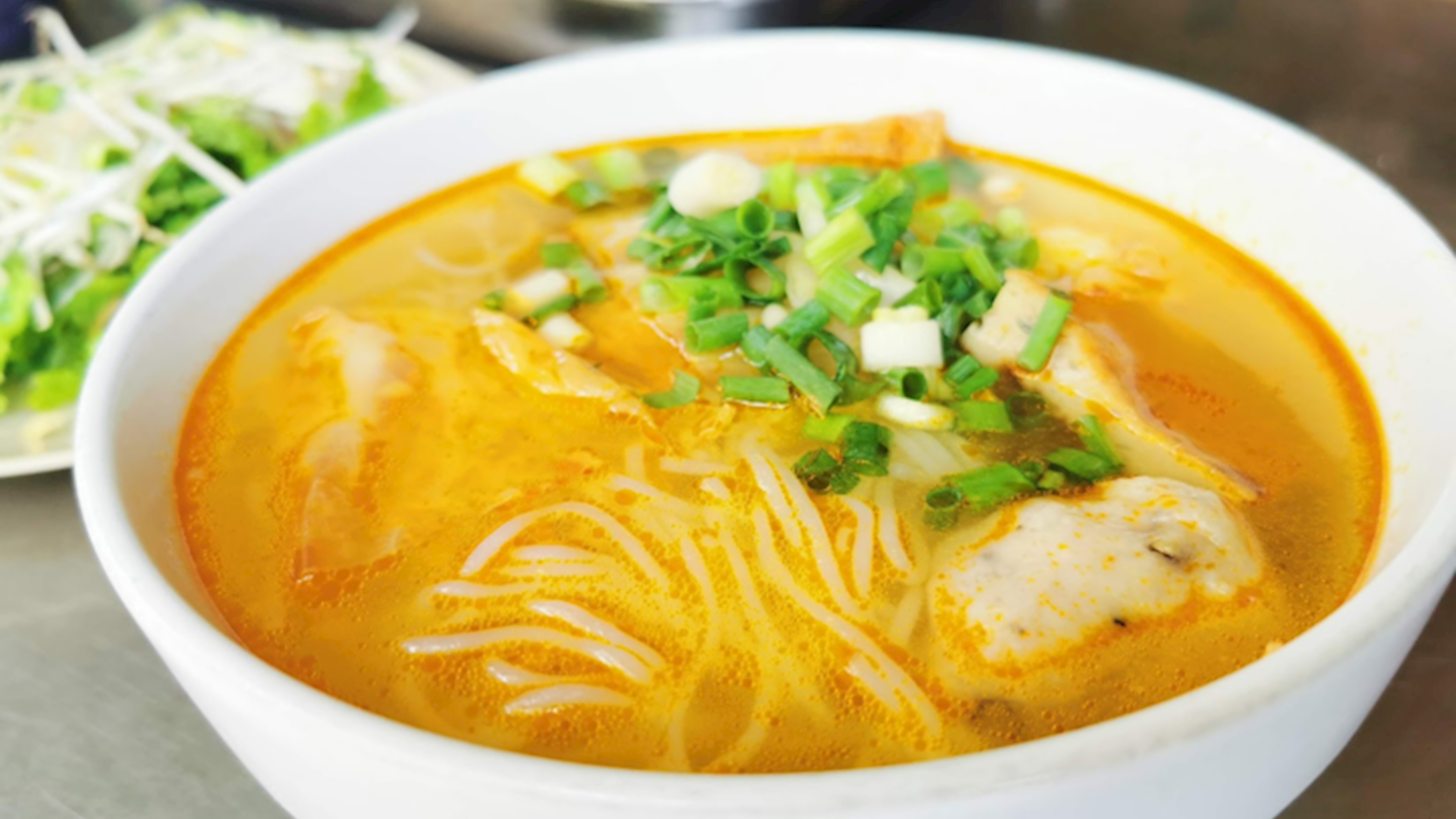
Last updated on June 10, 2026

Best Southern Central Vietnamese food products

01
Condiment

Cơ Sở Tương Ớt Triều Phát

4.8 ·
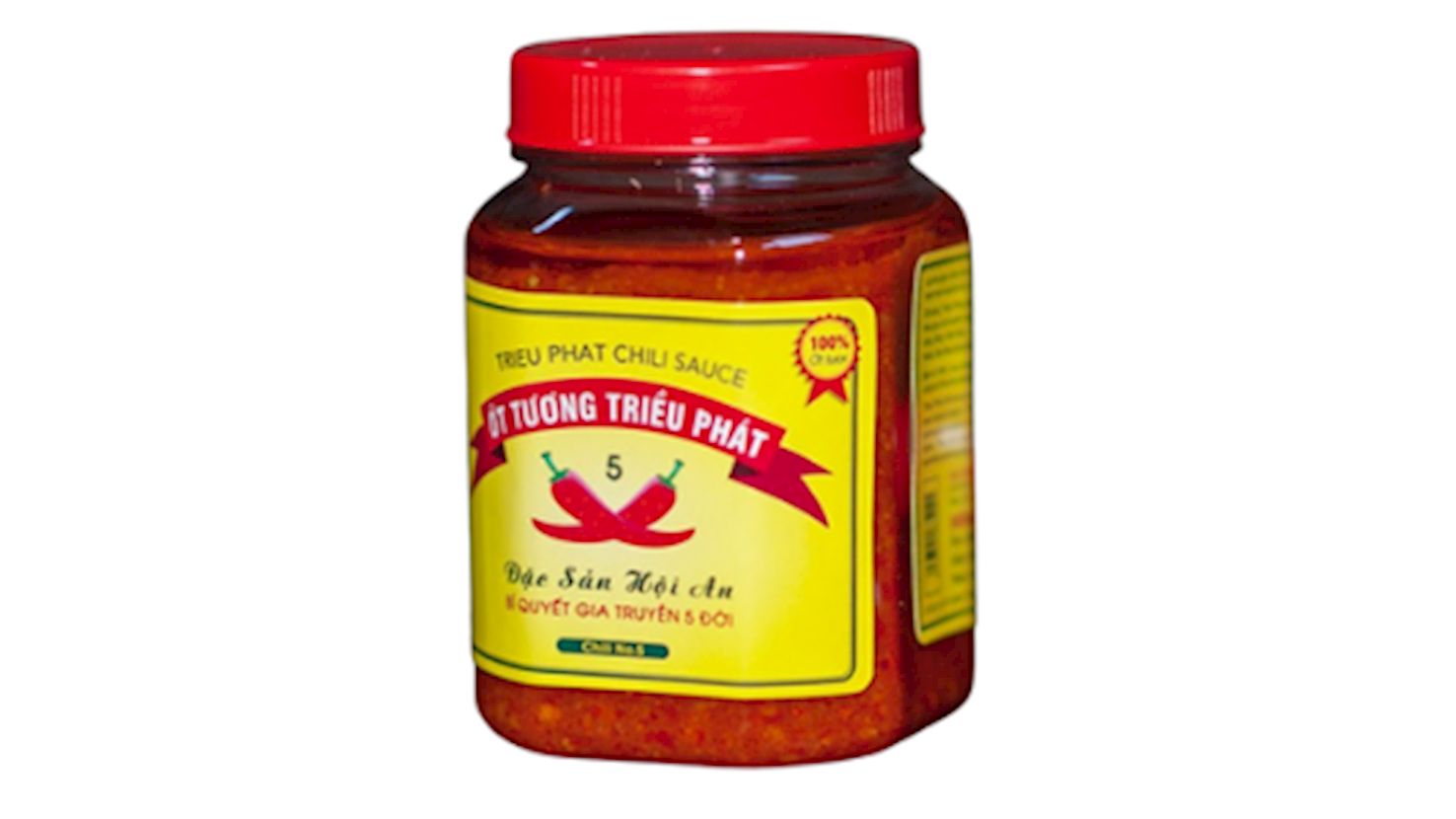
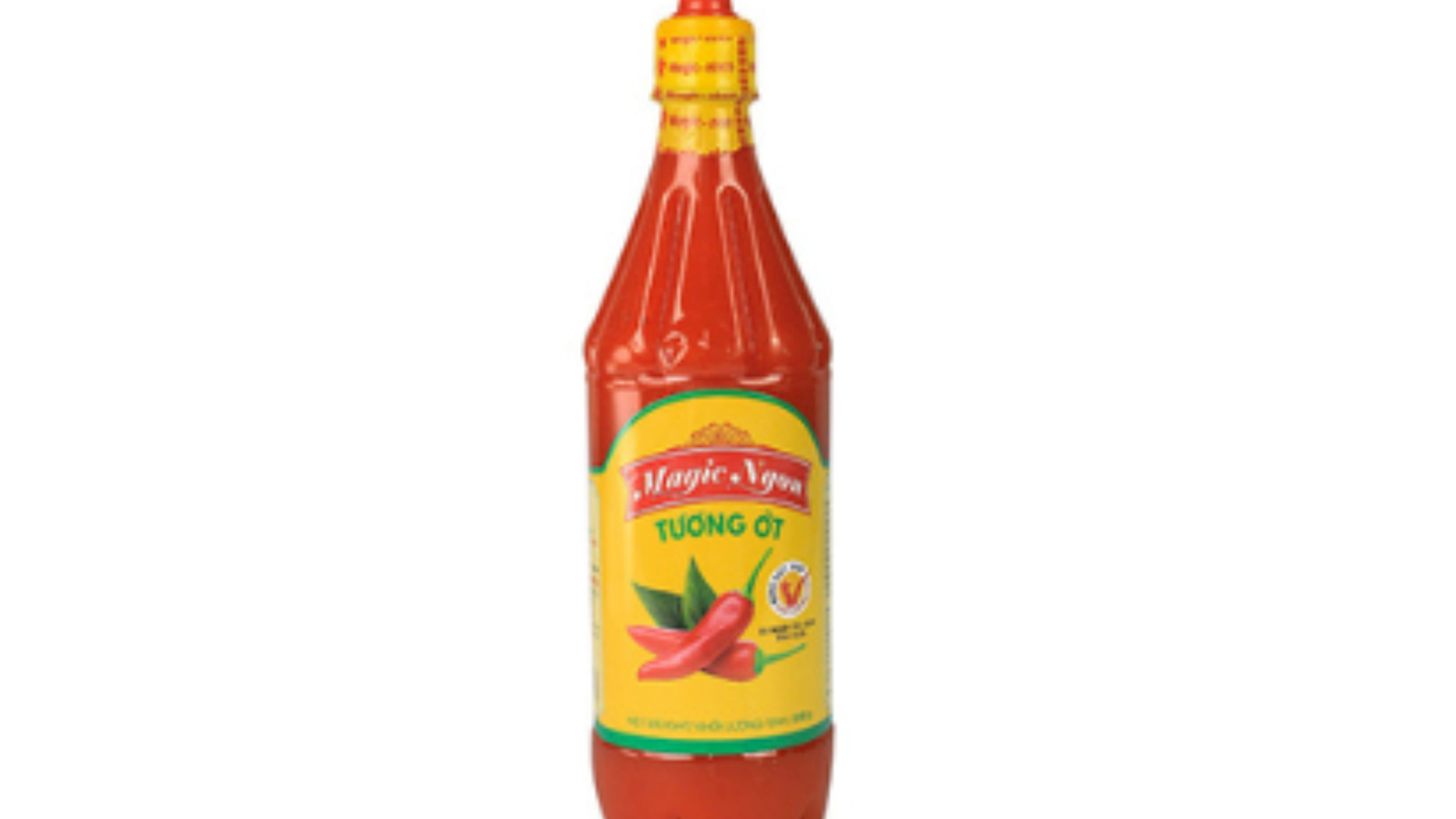
Cơ Sở Tương Ớt Triều Phát is a family-run artisanal workshop from Hội An, known for producing a traditional chili sauce that has been made for over five generations. Their sauce is crafted entirely by hand, using ripe local chili peppers that are cleaned, crushed, and slowly cooked with garlic, oil, sesame seeds, spices, and a small amount of sugar, following a recipe characteristic of central Vietnamese cuisine. The result is a thick, aromatic chili paste with a deep red color, balanced heat, a light smoky touch, and a pronounced umami profile, making it an ideal accompaniment to dishes such as cao lầu, bánh mì, noodle dishes, seafood, and various fried specialties. Thanks to its authenticity, distinctive flavor, and cultural significance, the Triều Phát chili sauce has become one of Hội An’s signature culinary products and an essential part of the region’s gastronomic identity.
02
Coffee Beans

Hoi An Roastery

4.6 ·
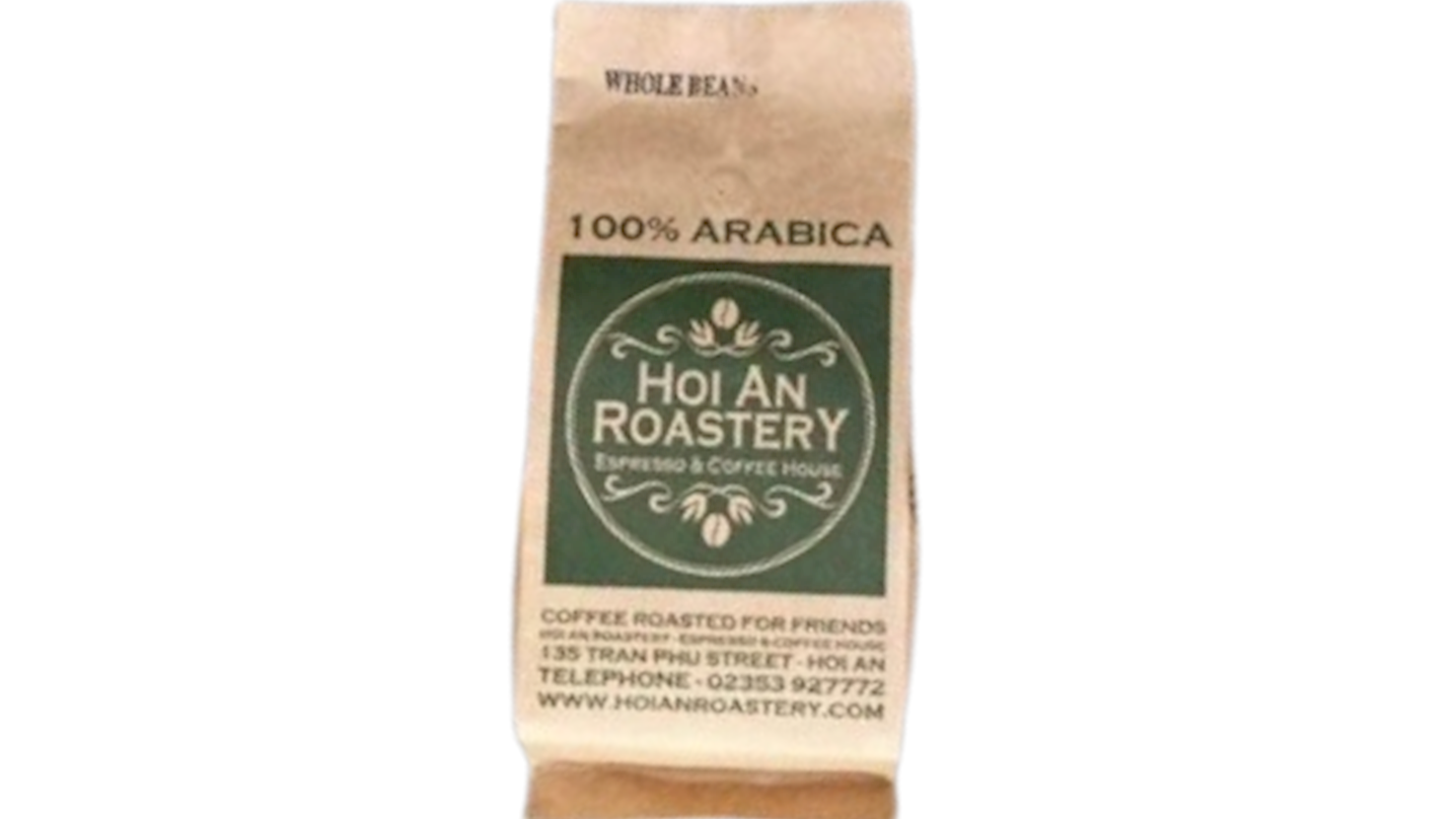
Hoi An Roastery is a specialized Vietnamese coffee roastery founded in 2015 in the historic town of Hội An, with a strong focus on direct sourcing of coffee beans from farmers in mountainous regions such as Dalat and on careful, local roasting. Their selection includes Arabica, Robusta, and various espresso and filter blends, available as whole beans, ground coffee, or convenient drip-bag formats. The cafés operate in traditional wooden houses with rustic interiors, creating an atmosphere that blends the town’s heritage with a modern approach to coffee preparation. The menu features classic Vietnamese coffee, espresso drinks, pour-over, cold brew, and popular local specialties such as coconut coffee and egg coffee. The brand emphasizes sustainability and supply-chain transparency, aiming to deliver a true “from tree to cup” experience, which has positioned it as one of the most recognizable destinations for quality coffee in Hội An.
03
Coffee Beans

Phin Lab Roastery

4.6 ·
Phin Lab Roastery is a specialty roastery founded in 2017, known for blending traditional Vietnamese coffee brewing methods with a modern approach to roasting and service. The beans are sourced directly from farmers in mountainous regions such as Da Lat and Sơn La, then roasted in their own facility on Cam Kim Island, ensuring full quality control from origin to cup. Their menu features both Arabica and Robusta prepared in various styles - from espresso and pour-over techniques to classic local drinks like cà phê sữa đá, egg coffee, salt coffee, and coconut coffee. Beyond its coffee offerings, the brand is also recognized for its educational workshops, where visitors can learn the fundamentals of Vietnamese coffee or even take part in the roasting process. This combination of craftsmanship, transparency, and cultural immersion positions Phin Lab Roastery as one of the leading destinations for an authentic coffee experience in the region.
04
Chocolate

T-Bros

4.5 ·
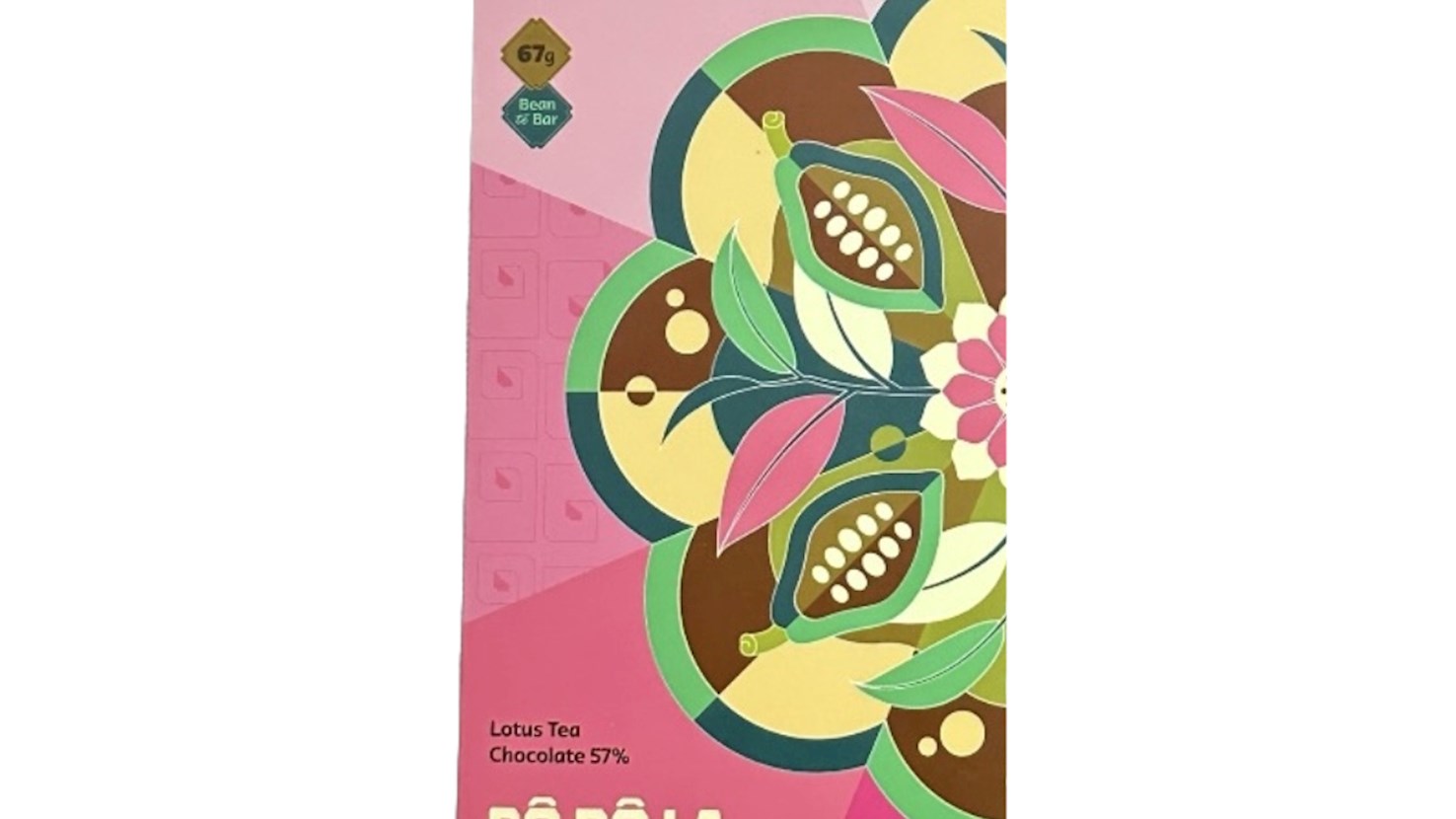
T-Bros is a premium chocolate maker dedicated to crafting high-quality bean-to-bar chocolates. Sourcing fine cacao beans directly from local farmers, they focus on ethical and sustainable production. Their chocolates highlight the unique flavors of each origin, offering a refined and authentic tasting experience.
Awards
Academy of Chocolate - Silver (2024)
Academy of Chocolate - Bronze (2024)

Best Southern Central Vietnamese foods

01
Noodle Dish

Bún bò nam bộ (Southern Vietnamese Beef Noodle Salad)

4.4 ·

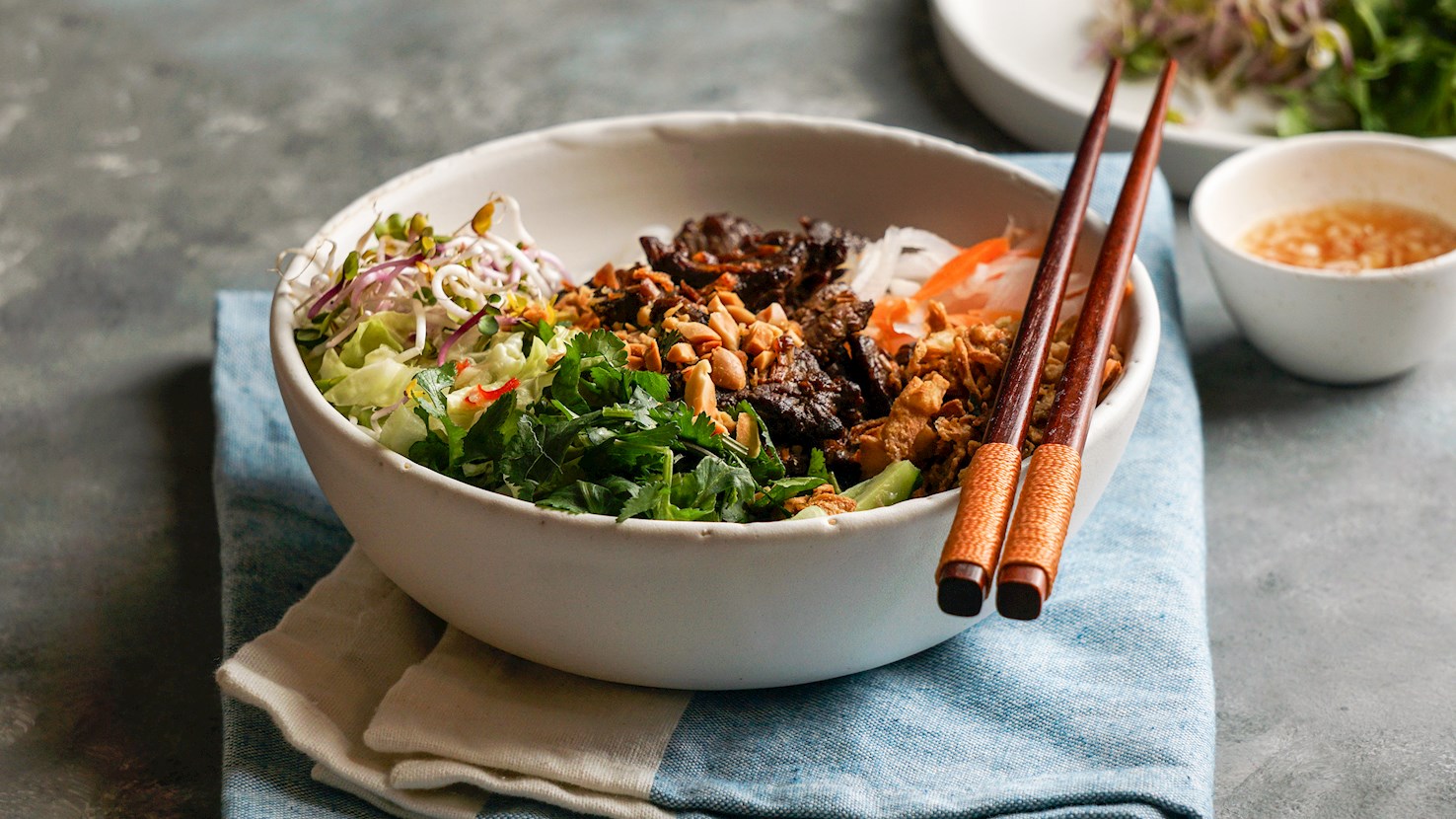
Bun bo nam bo is a traditional dish. The name holds a key to its basic ingredients and the location – bun means noodle, bo is for beef, and nam bo refers to the South of the country. The main ingredients include beef, rice vermicelli noodles, garlic, fresh herbs (cilantro, mint), and vegetables (carrots, cucumbers, lettuce, bean sprouts), while roasted peanuts and fried shallots are entirely optional. The noodles, vegetables, and herbs are arranged in bowls, while the beef is stir-fried and added on top. The whole bowl is garnished with peanuts and shallots before the dish is served.

02
Noodle Dish

Mì Quảng (Quang-Style Noodles)

4.3 ·

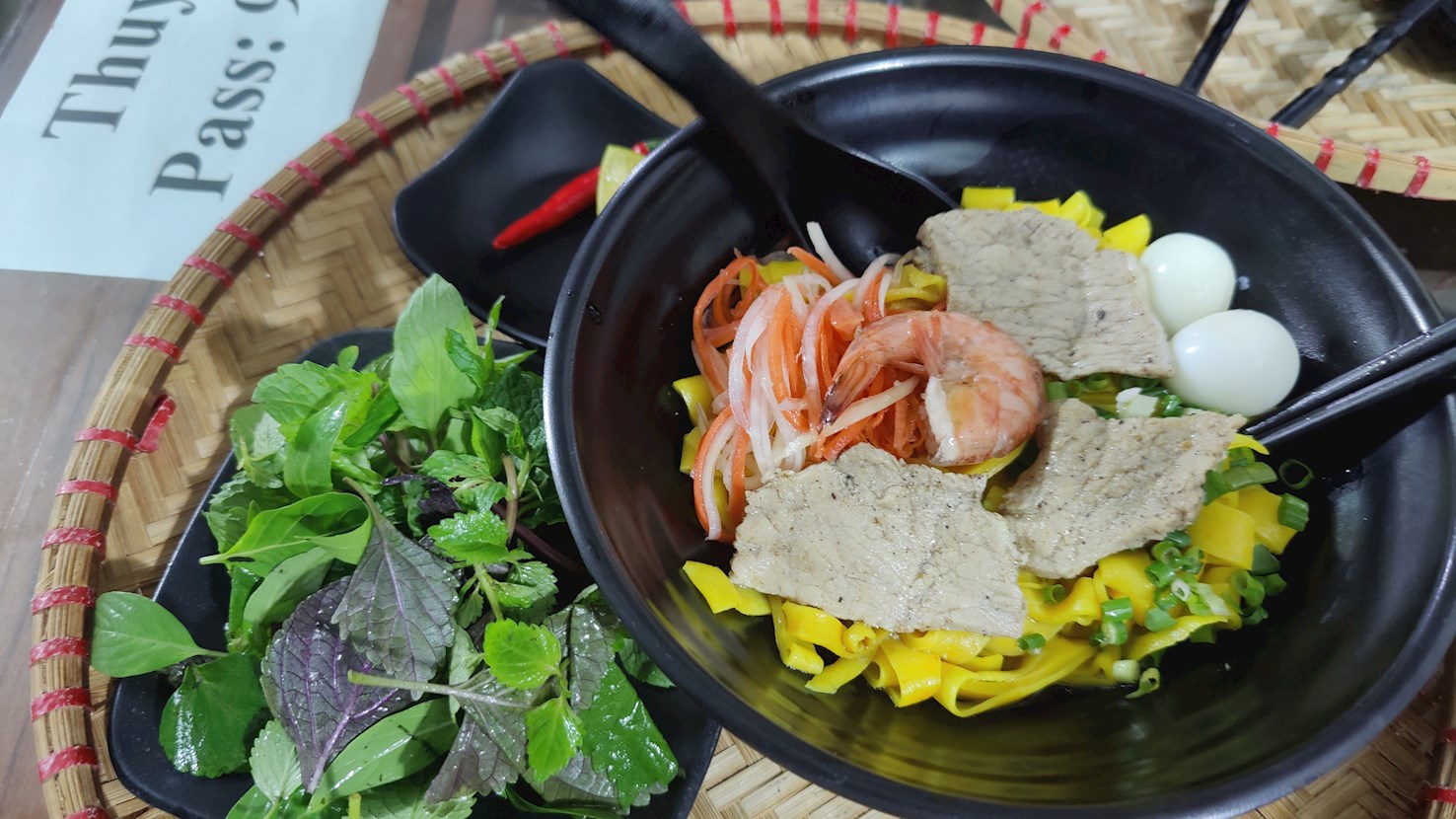
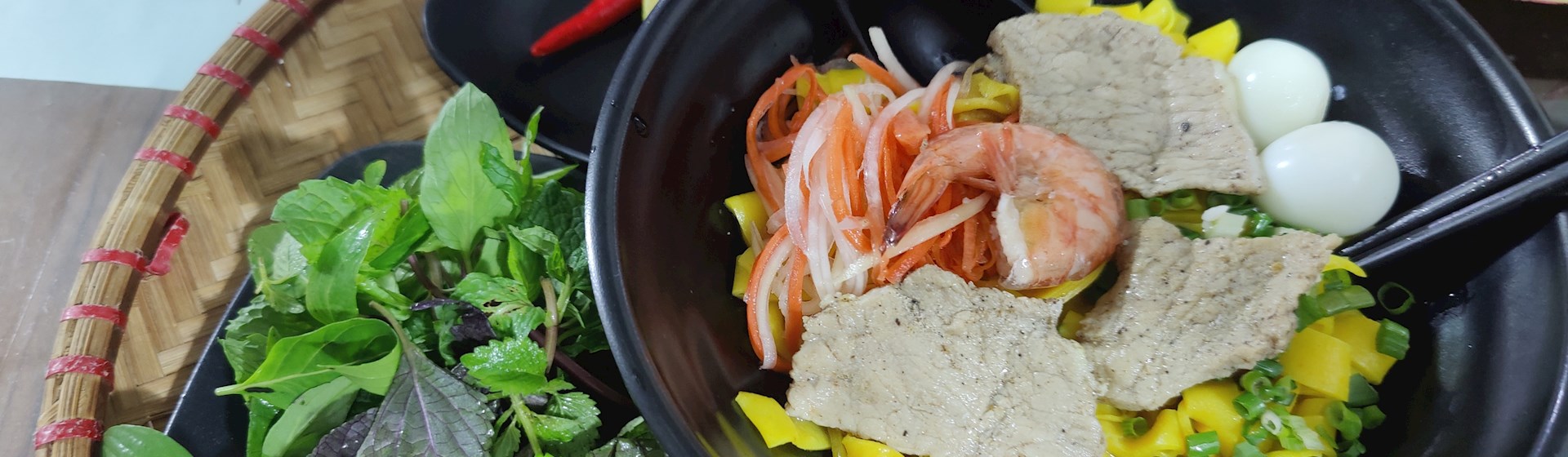
This Vietnamese classic consists of a combination of flat rice noodles and yellow egg noodles that are served with a small amount of flavorful meat broth and crispy fresh vegetables and herbs such as banana blossoms, lettuce, cilantro, scallions, and Vietnamese coriander. The dish is incredibly versatile and usually comes topped with pork belly, chicken, shrimps, fish, boiled eggs, roasted peanuts, and fish crackers. Though it originated in Central Vietnam, more precisely the Quảng Nam Province, mì quảng is nowadays enjoyed throughout the country.

03
Sausage Dish

Nem nướng (Vietnamese Grilled Pork Sausage)

3.9 ·

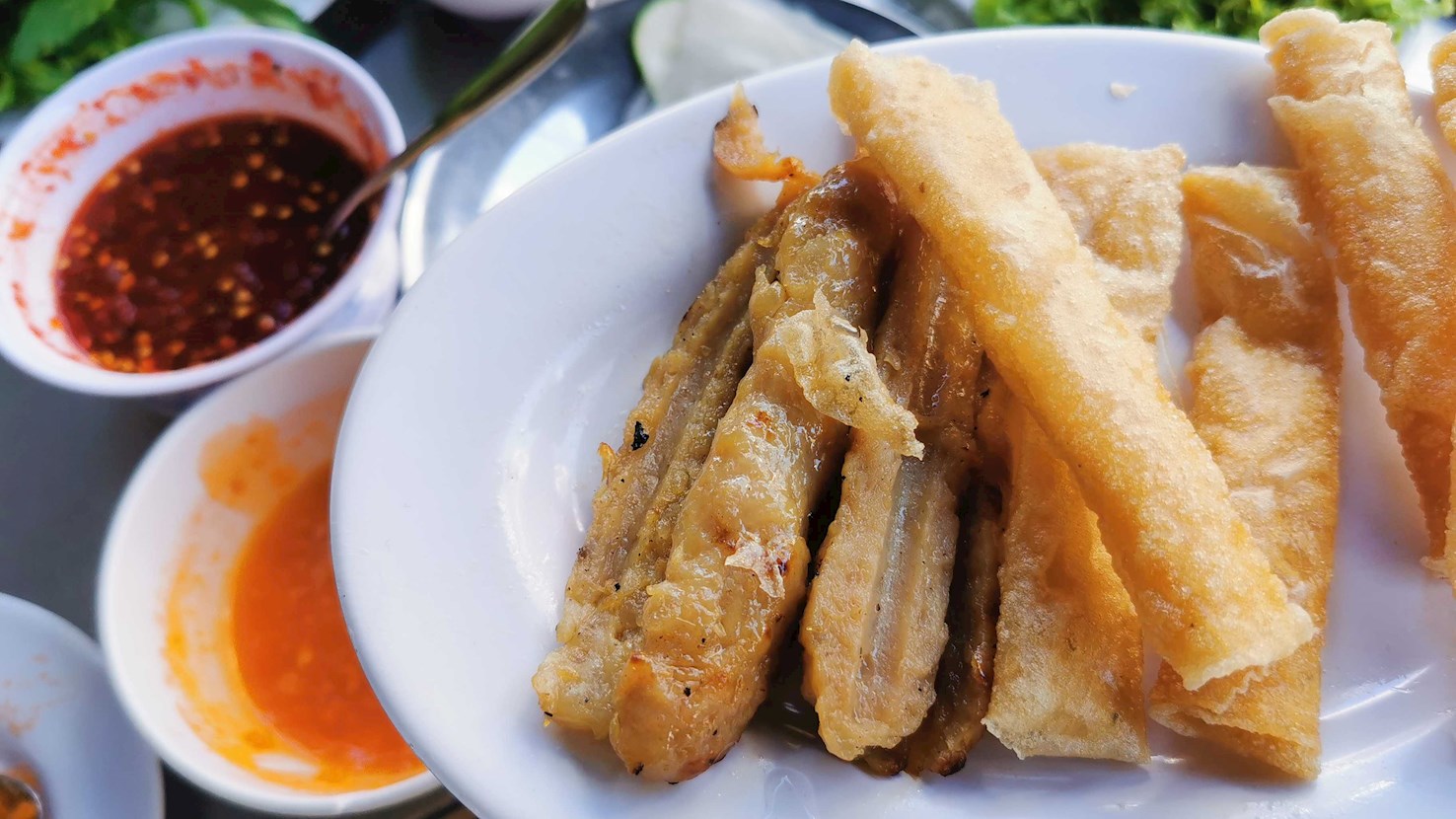
Nem nướng is a traditional Vietnamese grilled sausage originating from Nha Trang. The sausage is usually made with a combination of ground pork fat and meat, garlic, fish sauce, shallots, sugar, black pepper, and often baking soda that's used for puffing up the meat. The meat is formed into patties and balls or placed on skewers before the grilling process. Once done, nem nướng can be served in many ways – with steamed rice and fresh or pickled vegetables; wrapped in rice paper; paired with rice noodles, or in a bánh mì sandwich. The sausage is often accompanied by nước chấm dipping sauce, and it's served as an appetizer or a snack.

04
Breakfast

Bò né (Vietnamese Steak and Eggs)

3.9 ·

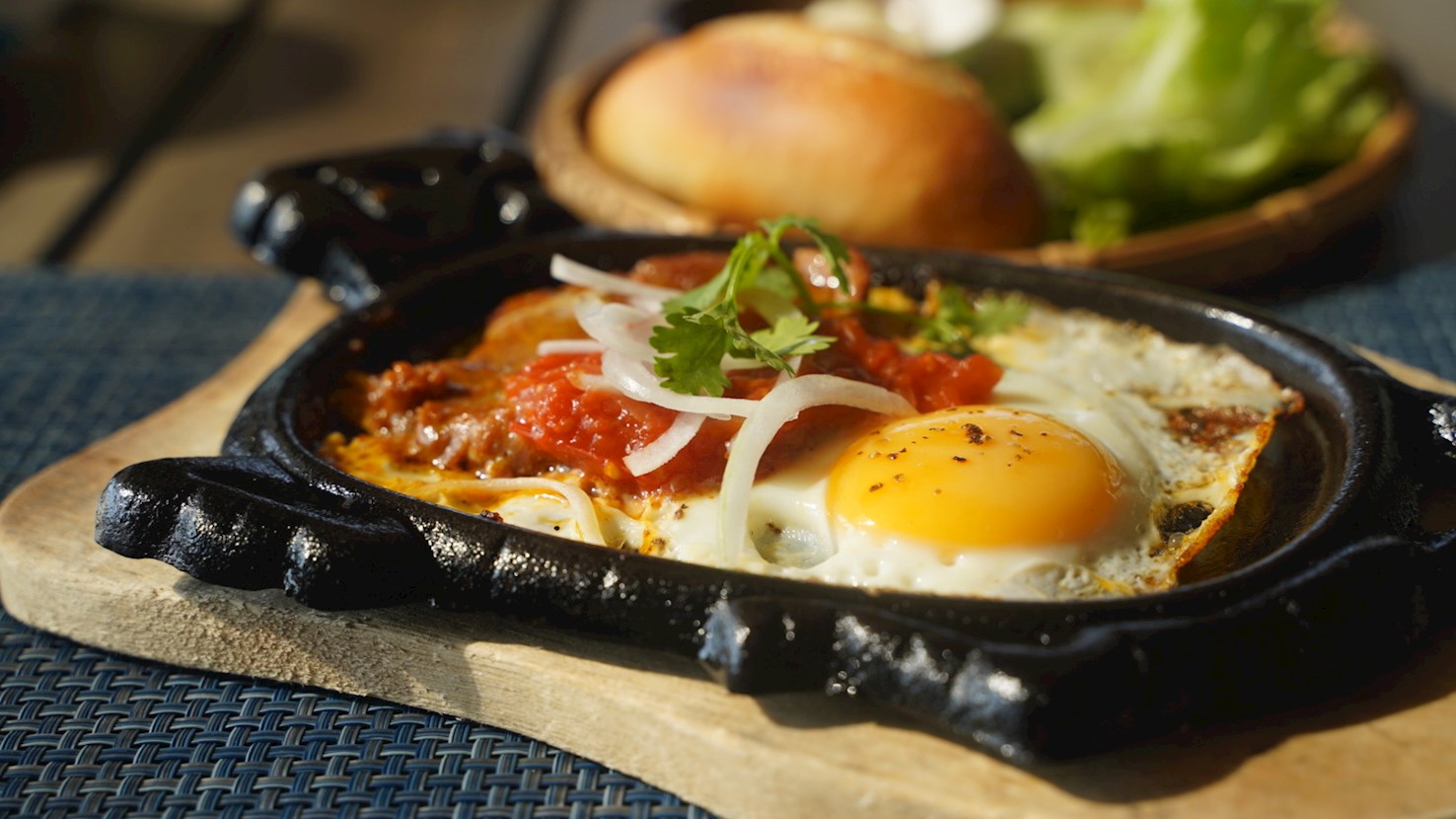
Bò né is a traditional dish that's especially popular in Nha Trang. It's made with cuts of beef such as skirt steak that's marinated in spices and comes served on a sizzling hot cast iron plate with fried eggs, onions, chili sauce, and a dollop of pate. The dish is usually accompanied by condiments and a baguette, along with lettuce, onions, tomatoes, and cucumber. The meat is often dipped into a combination of pepper sauce, lime juice, and salt, while the baguette is used to pick up the remains of pate and egg yolks off the plate. Vietnamese steak and eggs are traditionally served for breakfast.

05
Noodle Dish

Cao lầu (Roasted Pork with Cao Lau Noodles)

3.8 ·

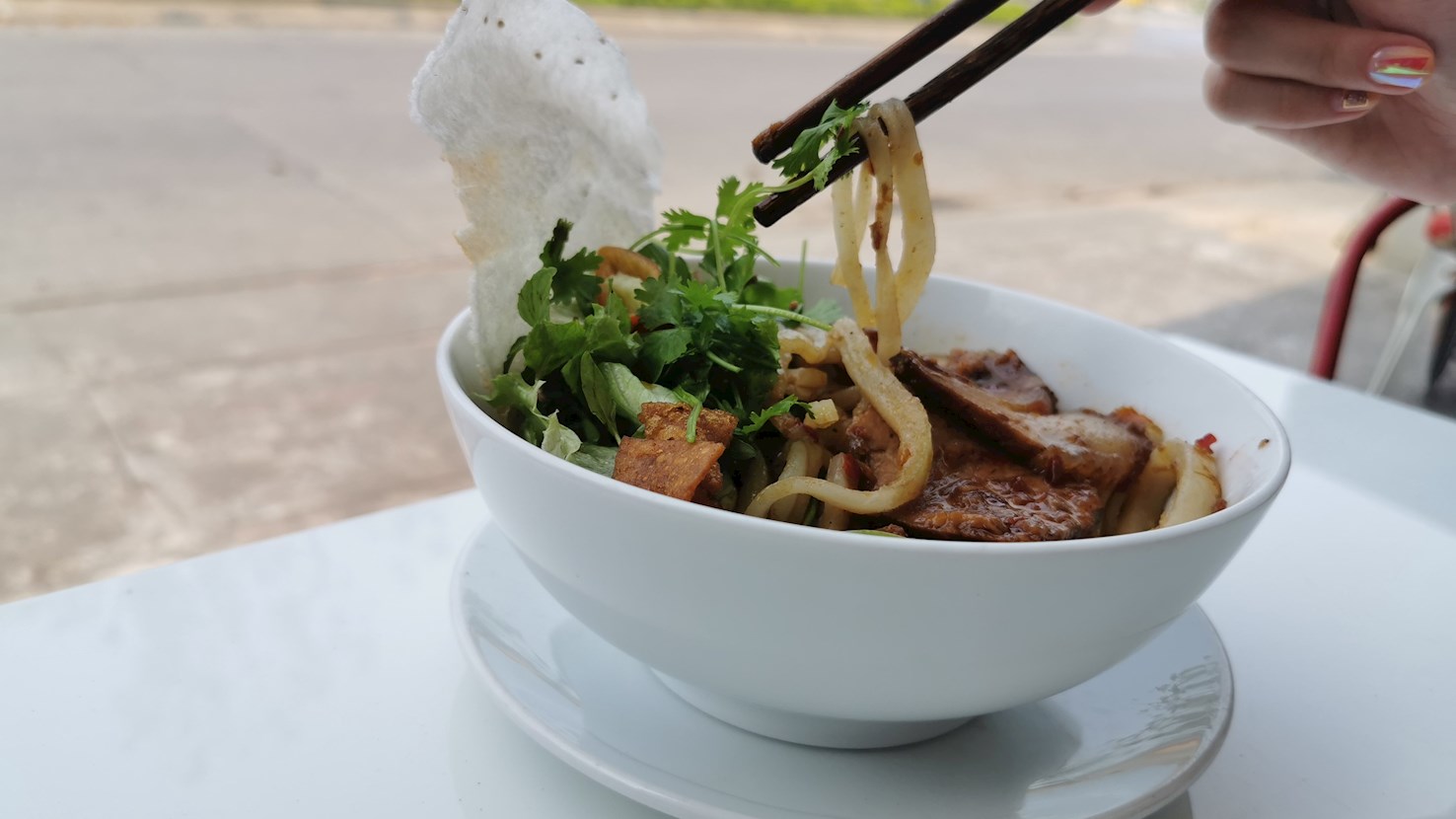
Cao lầu is a signature dish from Hội An consisting of noodles made from fresh, locally grown rice, lye solution made with ashes of local trees, and water from the local well (Ba Le). Along with the steamed rice noodles, a bowl of cao lầu also consists of thinly sliced roasted pork (char siu), greens, bean sprouts, croutons that are made with the same ingredients as the noodles, and just a splash of flavorful stock. The origin of the dish is vague, and while some believe it was inspired by Chinese cuisine, some claim that it was modeled on Japanese culinary tradition. Regardless of its origin, cao lầu remains a unique delicacy that is not found outside Hội An.

06
Noodle Dish

Bún chả cá (Fried Fish Cake Noodle Soup)

3.5 ·

Bún chả cá is a specialty of Da Nang and a traditional Vietnamese noodle soup topped with fish cakes. The broth for this noodle soup is traditionally prepared with fish or pork bones and tomatoes, while the fish cakes should be prepared from dense, meaty, and firm white fish fillets. Other common ingredients in the soup include vermicelli noodles, fish sauce, shallots, garlic, cilantro, dill, mam tom shrimp paste, and black pepper. The hot broth is ladled over the noodles, and the dish is then topped with fish cakes. Bún chả cá is especially popular in seaside towns.

07
Pancake

Bánh ướt (Steamed Wet Pancakes)

3.3 ·

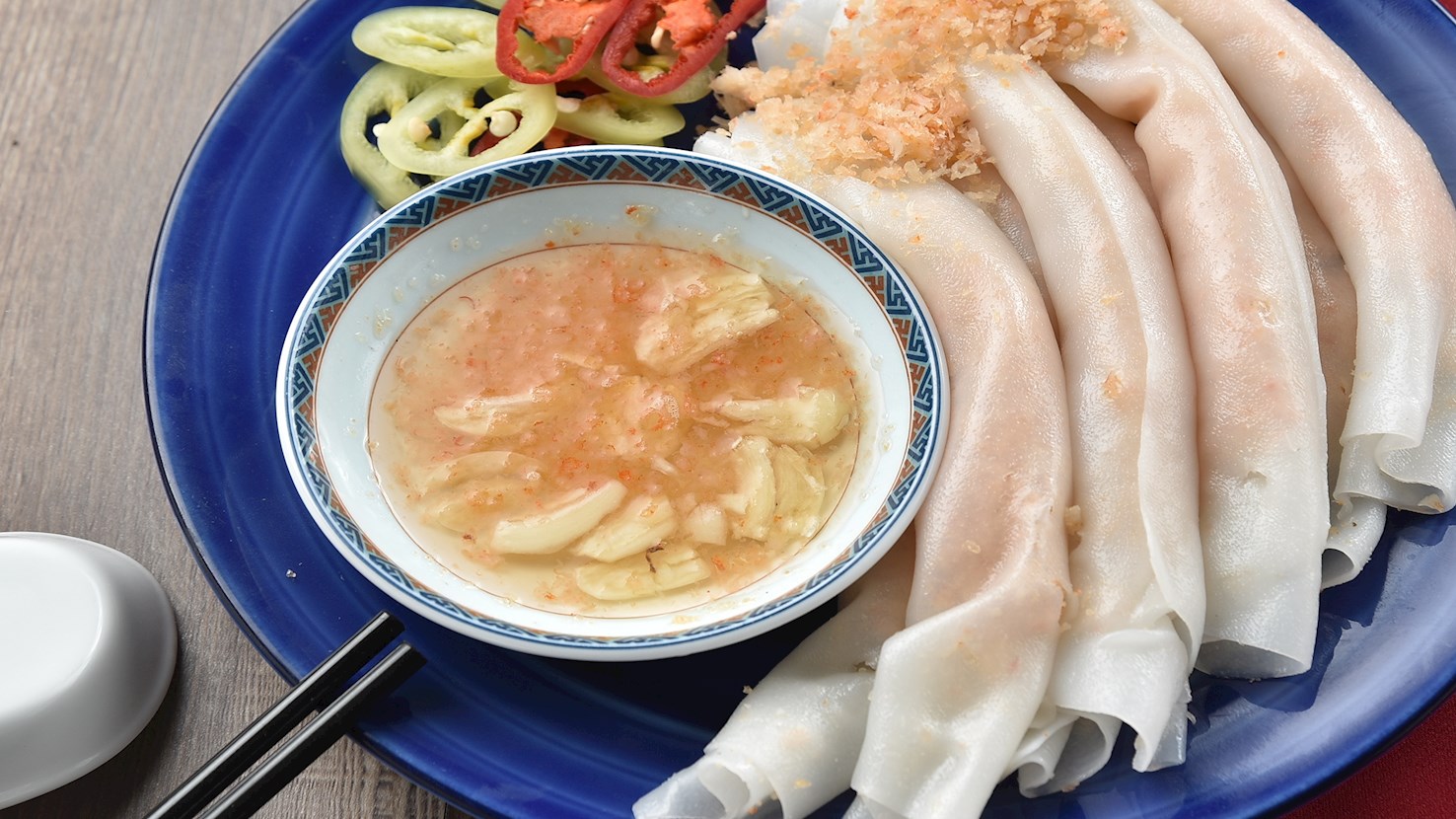
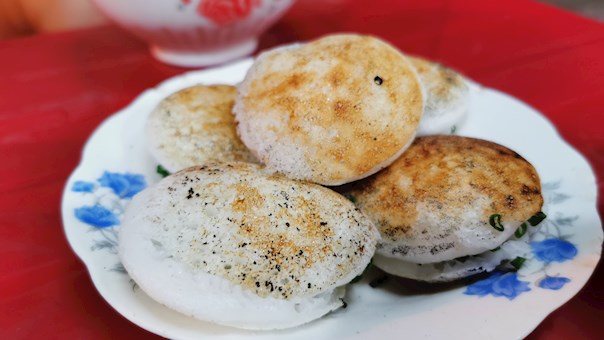
Bánh ướt are paper-thin, almost translucent Vietnamese pancakes that are made with rice flour and tapioca or potato starch. Traditionally, they are steamed on specialized steamers and are typically served rolled, usually accompanied by nước chấm (fish sauce), chả lụa sausage, pork, and fried shallots. Loosely translated as wet cakes, bánh ướt is a popular street food item that's usually associated with Nha Trang, and it is regarded as a less elaborate, local version of bánh cuốn rolls.

08
Noodle Dish

Bún mắm Da Nang (Da Nang-Style Rice Noodles with Fermented Fish Sauce and Pork)
n/a ·

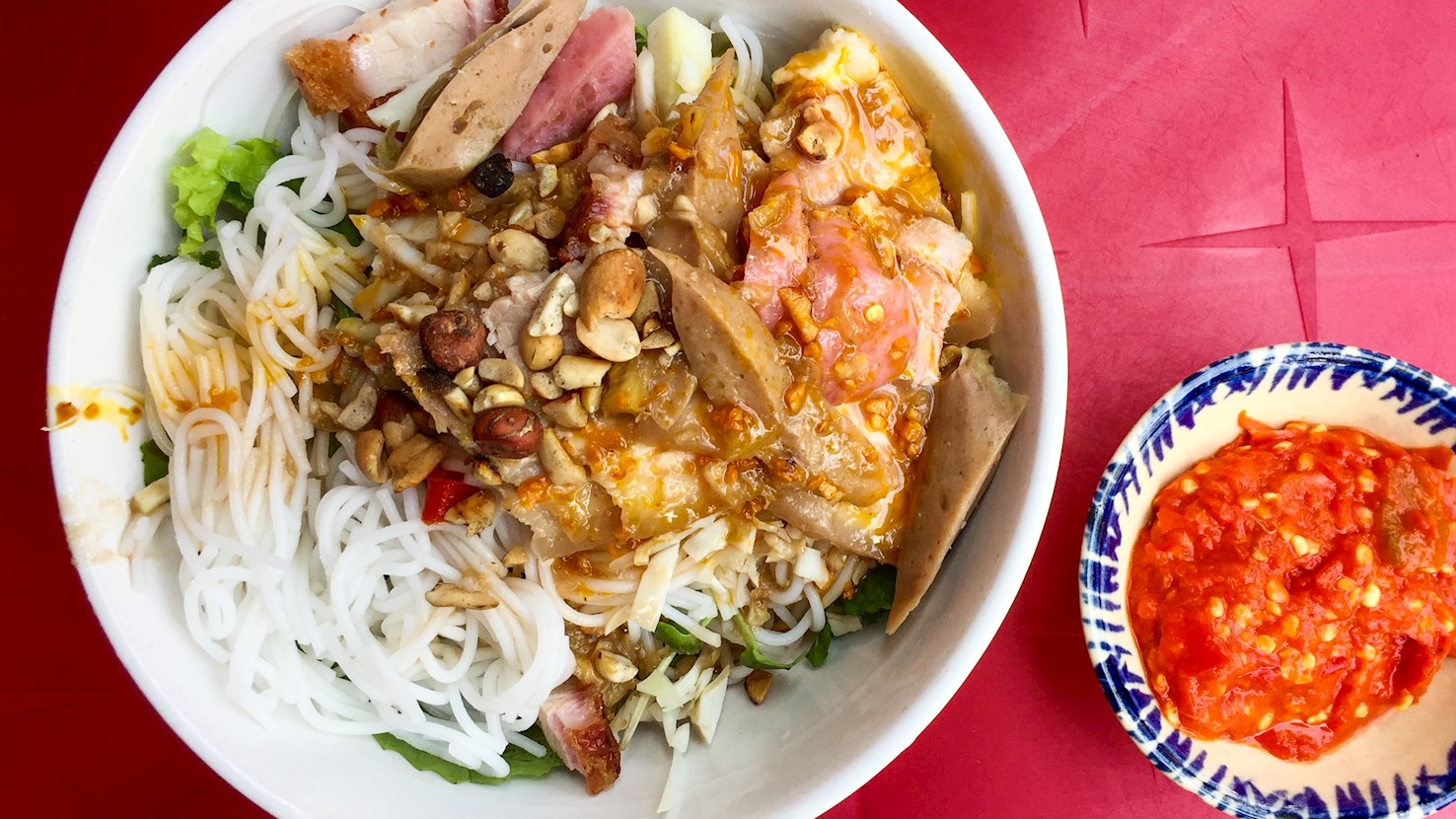
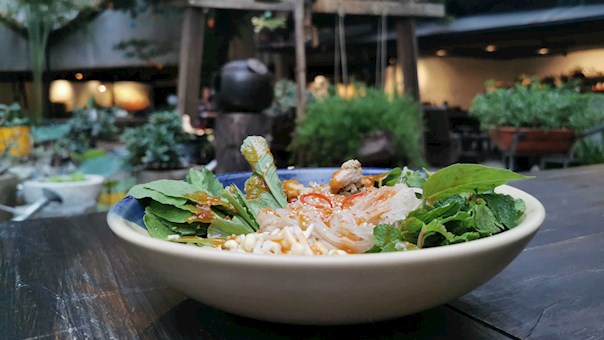
Bún mắm Da Nang is a traditional dish and a variation on bun mam. The dish originates from Central Vietnam. It consists of fresh vegetables (lettuce, mint), shredded papaya, roasted pork skin, bún noodles, peanuts, and a combination of chili, white vinegar, and fermented fish sauce. Bún mắm Da Nang is characterized by its pungent aromas, and it's usually served with chili sauce on top and lime wedges on the side.

09
Squid Dish

Mực một nắng (Vietnamese Sun-Dried Squid)

3.7 ·

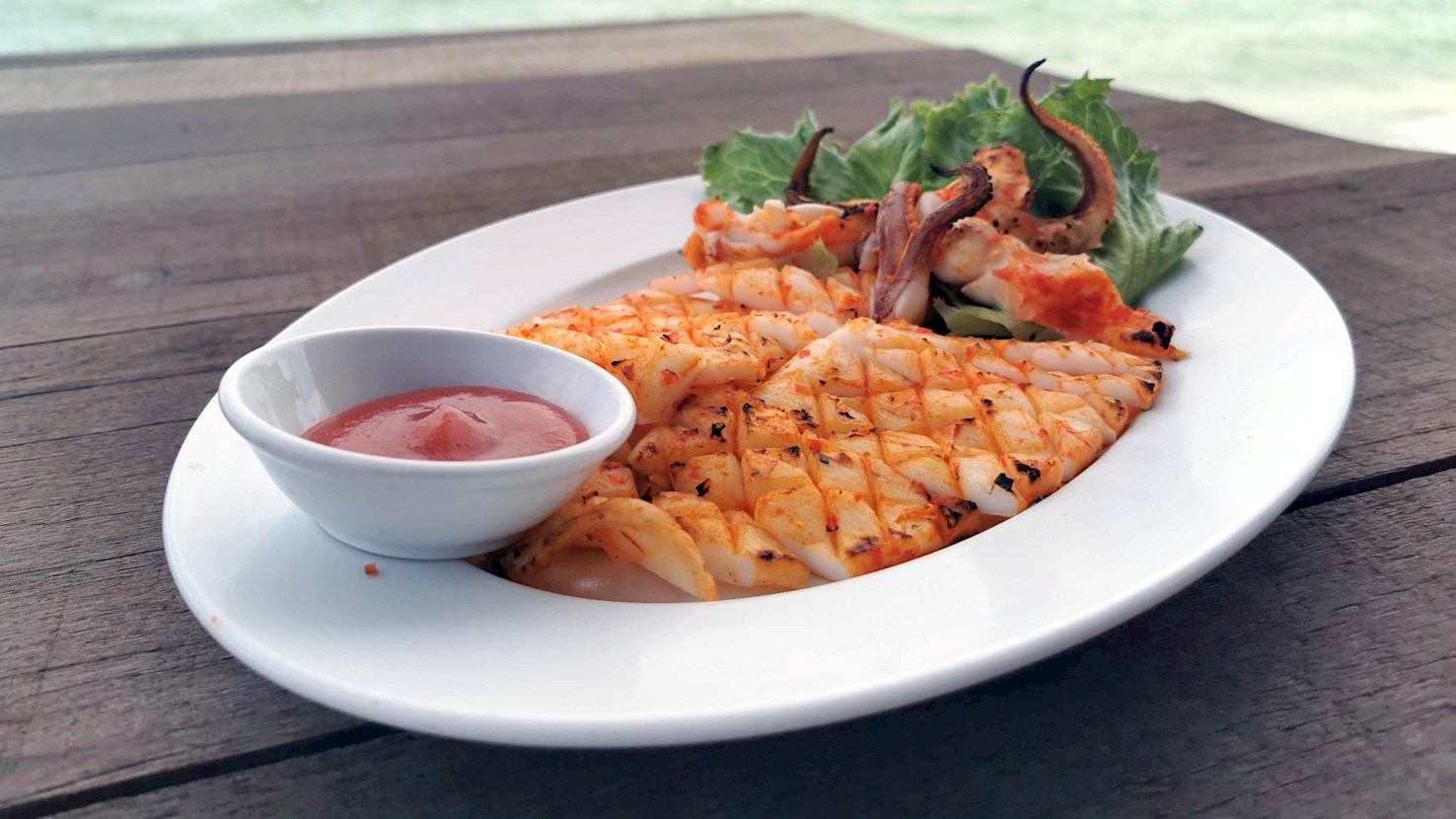
Mực một nắng is a traditional dish originating from Phan Thiet. This seafood specialty consists of sun-dried squid. A large, fresh squid is sun-dried for a day, and it's then grilled over hot coals. If the heat gets too high, the squid will become overcooked, hard on the exterior, but rare inside. As it cooks, the squid turns yellow and develops a unique aroma. When served, the dried and grilled squid is shredded, and it's usually accompanied by fish sauce with chili for dipping the pieces into it. It's recommended to pair the dish with a cold beer on the side.

10
Noodle Dish

Bún cá sứa (Rice Vermicelli with Jellyfish and Fish)

n/a ·

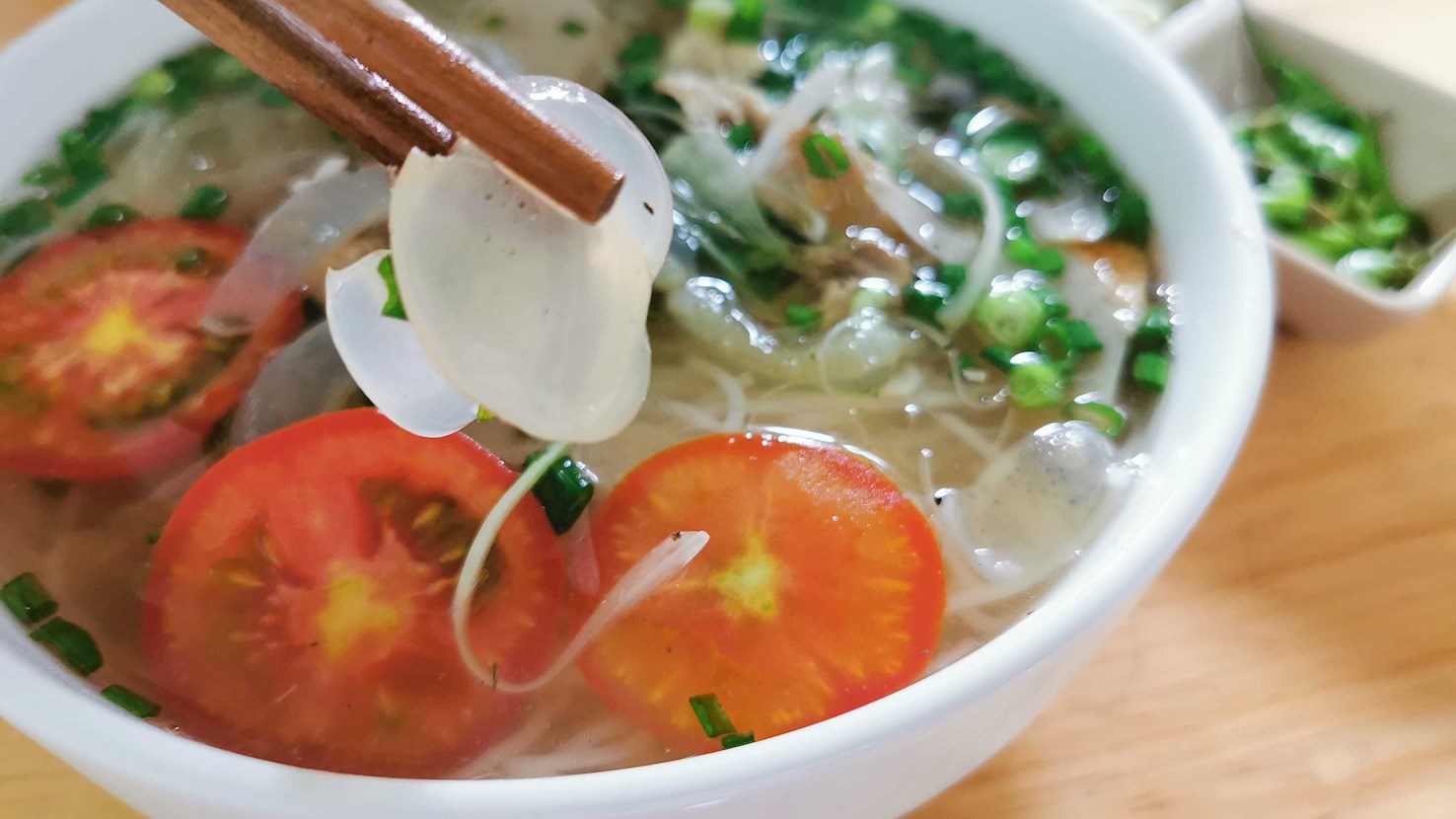
Bún cá sứa is a traditional dish originating from Nha Trang. This rice vermicelli soup is served with jellyfish and fried fish paste. In order to make the broth and the fish paste, one must choose fresh paradise fish or leatherjacket fish. The jellyfish is soaked into alum water, rinsed with water, cut into small slices, then parboiled. When served, the noodles are placed into the bowl first, followed by jellyfish slices and fried fish paste, and the dish is finished by pouring the broth over the combination. Other ingredients commonly used in the dish include raw vegetables, lemon slices, and chili peppers on the side.

Best restaurants
Read more
View all
View map
About this ranking

TasteAtlas food rankings are based on the ratings of the TasteAtlas audience, with a series of mechanisms that recognize real users and that ignore bot, nationalist or local patriotic ratings, and give additional value to the ratings of users that the system recognizes as knowledgeable. For the “Top 13 Southern Central Vietnamese Foods” list until June 10, 2026, 366 ratings were recorded, of which 257 were recognized by the system as legitimate. TasteAtlas Rankings should not be seen as the final global conclusion about food. Their purpose is to promote excellent local foods, instill pride in traditional dishes, and arouse curiosity about dishes you haven’t tried.

The initial list of top producers was compiled based on available reviews, awards, local recommendations, media and blog coverage, and consumer reviews. The list will be updated with ratings from TasteAtlas local ambassadors and TasteAtlas users.

Similar lists