shutterstock

Top 14 Vojvodinian Foods

Last updated on June 10, 2026

Best Vojvodinian food products

01
Spirit

Podrum Palić

5 ·
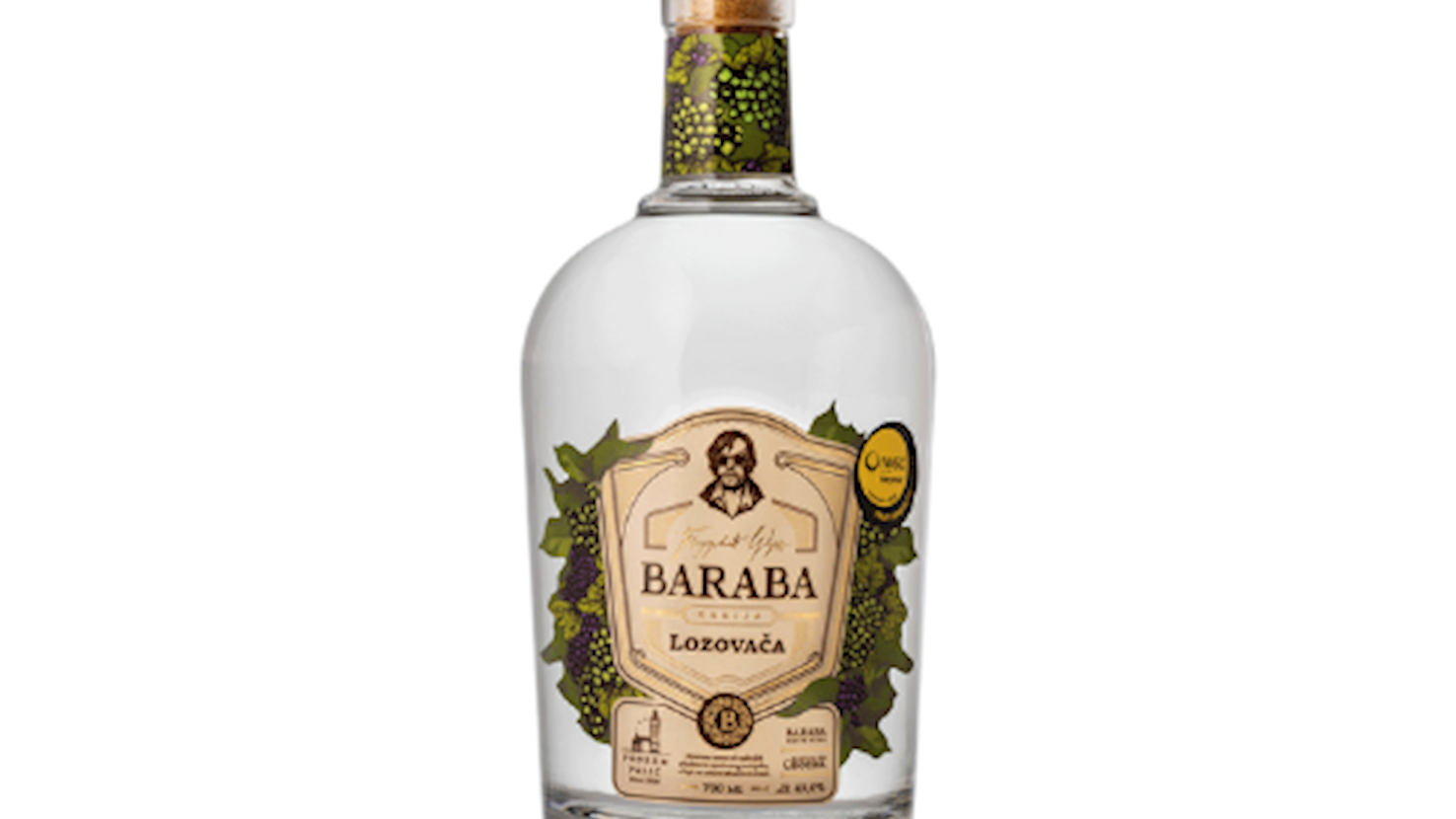
Podrum Palić is a modern distillery that blends more than a century of tradition with contemporary production standards, located in the fruit-growing region of Palić on mineral-rich soil once covered by the Pannonian Sea. Following a complete reconstruction, the distillery now operates within an 11,000 m² facility equipped with controlled fermentation areas, cold storage, and oak-barrel cellars for aging. Their products rely on fruit sourced from their own orchards, ensuring full traceability and consistent quality. The flagship line is Baraba, a range of premium fruit brandies that has earned multiple international awards, complemented by a grape-based vinjak aged in French oak, the Sinner gin, and herbal liqueurs such as Amaro Botanic Garden and Gorshtak. The house style emphasizes clean fruit expression, technical precision, and maturation that adds depth and complexity. Podrum Palić is today regarded as one of the leading distillate producers in the region, a reputation strengthened by significant global accolades.
Awards
IWSC- International wine & spirit competition - Spirit Gold (2024, 2023)
IWSC- International wine & spirit competition - Spirit Gold Outstanding (2023)
02
Wine

Vinarija Vinčić

4.8 ·
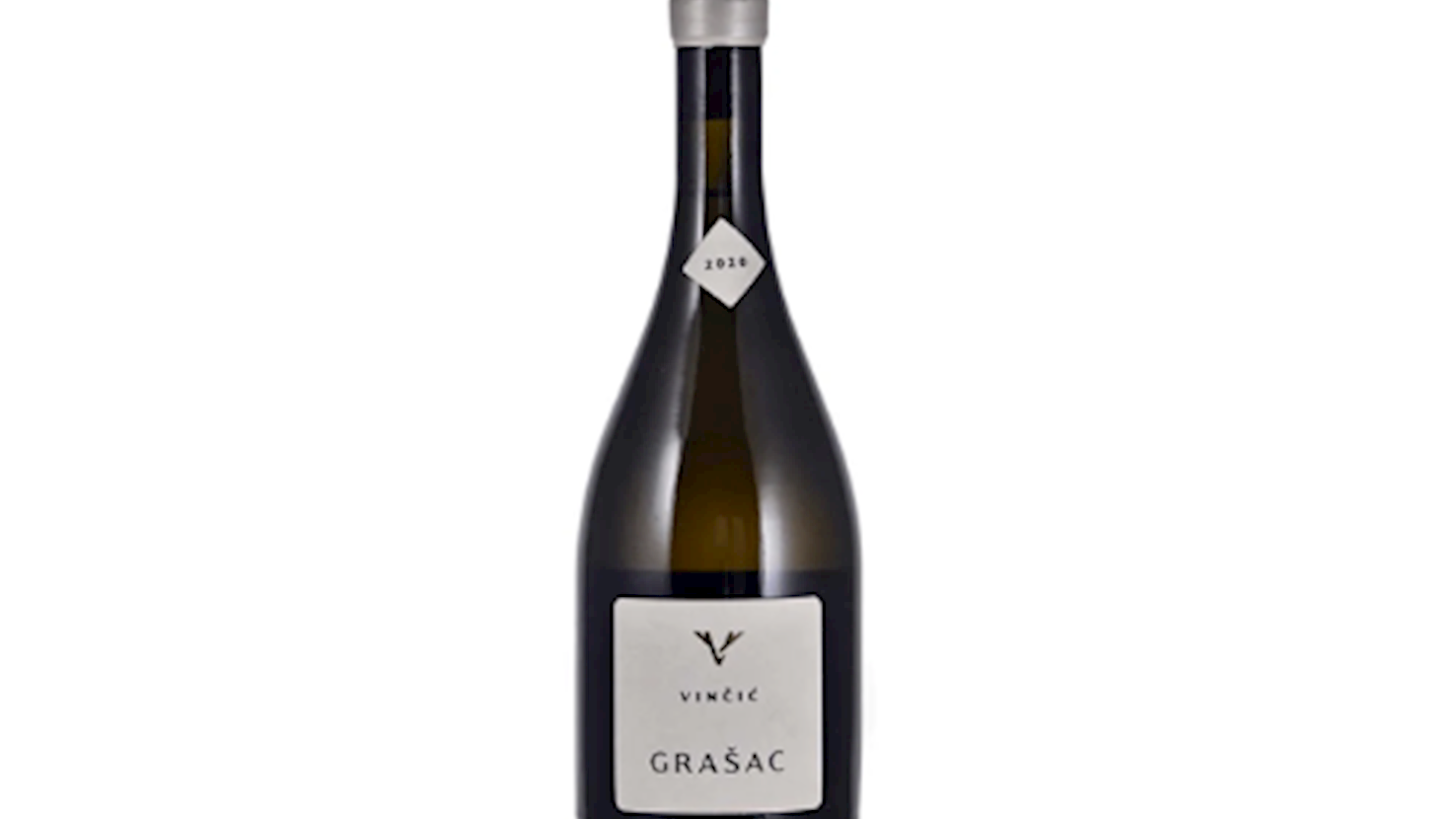
Vinarija Vinčić is a small family-owned winery from Šid, with vineyards situated on the slopes of Fruška Gora, a region known for its excellent conditions for growing grapevines. The family’s viticultural tradition dates back to 1953, while the modern winery was established in 2020 with a clear vision to produce wines exclusively from the highest-quality vintages. The winery’s philosophy is based on limited production, hand harvesting, and minimal cellar intervention to preserve varietal purity and the distinct terroir of Fruška Gora. Their work with the local grape variety Grašac stands out, but the winery also produces a range of other white, red, and sparkling wines, including limited editions and barrique-aged labels. The combination of family heritage, carefully maintained vineyards, and a modern yet unobtrusive winemaking approach positions Vinarija Vinčić as one of the most compelling emerging names in the Serbian wine scene.
Awards
Decanter World Wine Awards - Best in Show (2023)
Vivino - 4.3
03
Wine

Vinarija Zvonko Bogdan

4.8 ·
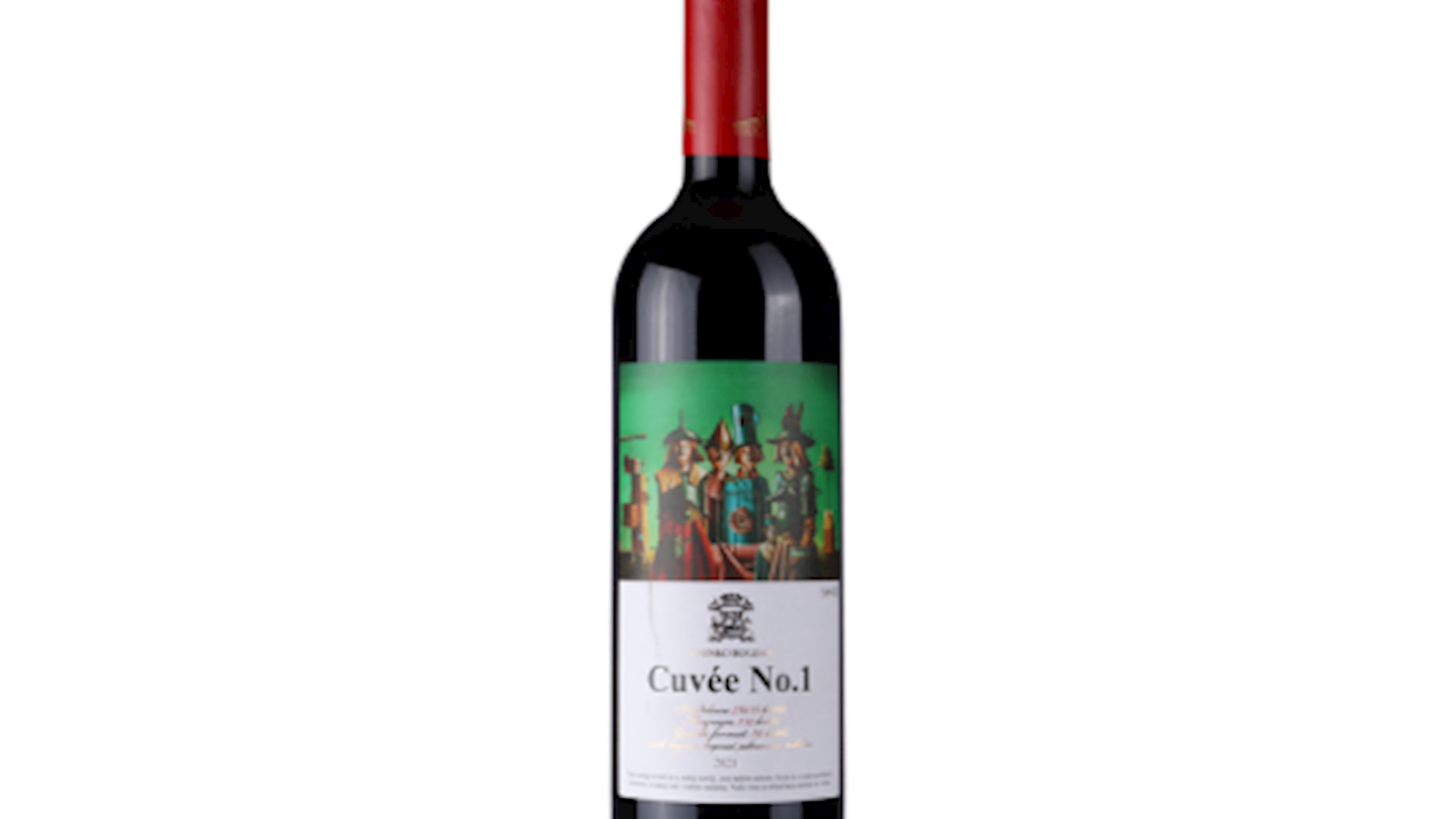
Vinarija Zvonko Bogdan is a modern winery located on Palić, near Subotica, where more than 200 hectares of vineyards showcase the synergy between the Pannonian terroir and a contemporary winemaking approach. The winery’s architecture blends traditional regional elements with state-of-the-art technology, enabling precise quality control from vineyard to bottle. The vineyards lie on sandy, well-drained soils and benefit from the moderately continental climate of northern Bačka, giving the grapes an excellent balance of freshness and ripeness. The portfolio includes Sauvignon Blanc, Pinot Blanc, Chardonnay, Merlot, Blaufränkisch, Cabernet Sauvignon, as well as premium and icon lines that reflect the winery’s ambition. Production relies on hand selection of grapes, controlled fermentations, and careful ageing, preserving the purity and varietal identity of each wine. The estate is also a well-known eno-tourism destination, offering guided tastings, cellar tours, and food pairings with local delicacies. With its blend of regional tradition, modern style, and a strong commitment to quality, Vinarija Zvonko Bogdan stands as one of Serbia’s leading wine producers.
Awards
Vivino - 4.1
Decanter World Wine Awards - Gold (2021, 2019, 2018)
04
Wine

Erdevik

4.8 ·
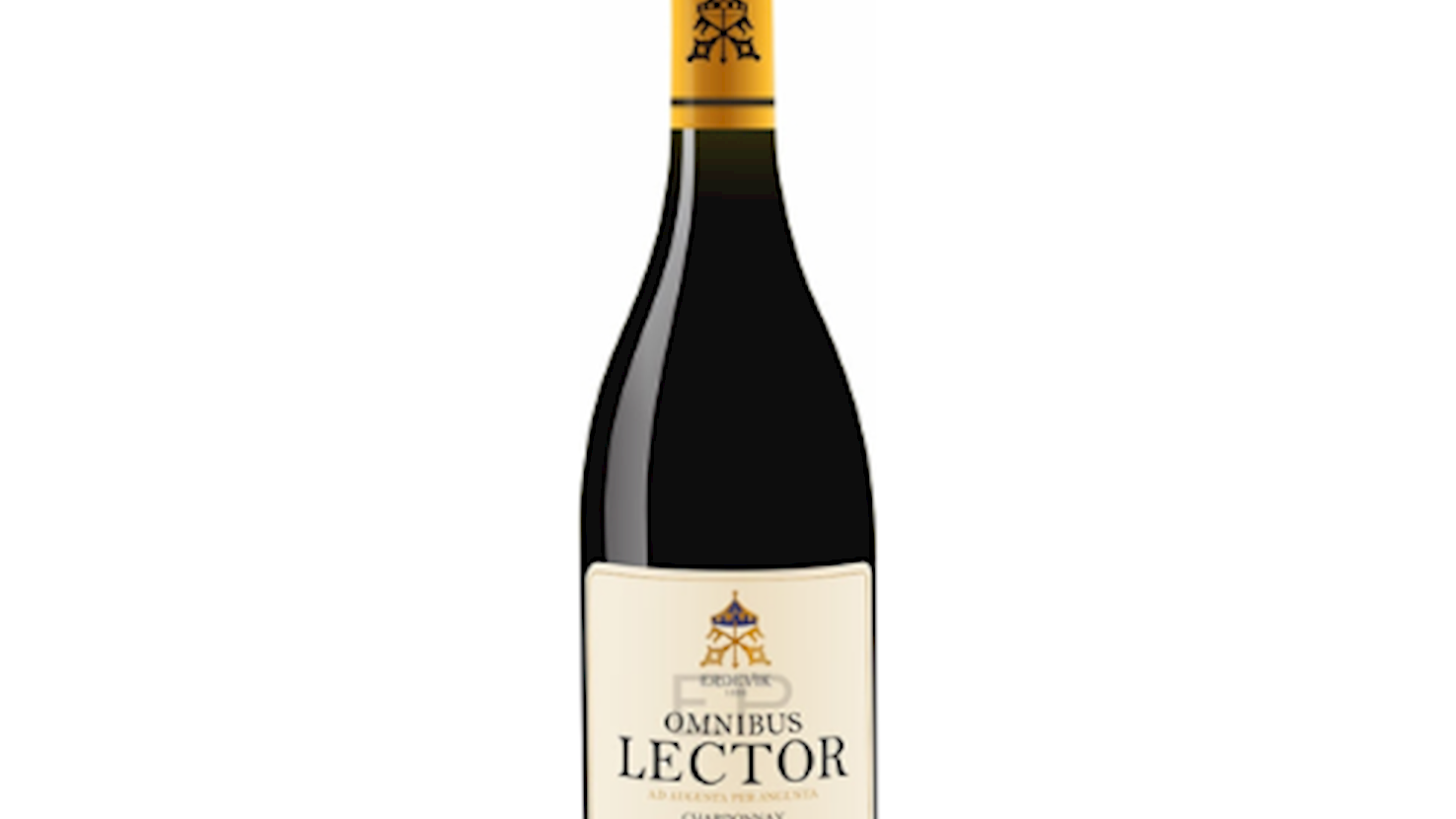
Erdevik is a Serbian winery from the Srem region, with roots dating back to 1826 when its historic cellar was built in the village of Erdevik, though viticulture in this area traces back to Roman times. The vineyards are located on the Breskvik site above Krčedin, on soils formed from layers of alluvium, clay, limestone, and fossil remains of the ancient Pannonian Sea, giving the wines notable minerality and structure. The microclimate of Fruška Gora - sun-exposed slopes combined with evening cooling from the surrounding forests - supports slower ripening and preserves natural freshness in the grapes. The estate cultivates around 40 hectares and produces exclusively from its own fruit, maintaining full control over quality. Its portfolio includes white, rosé, and red wines across various styles, from aromatic Sauvignon Blanc and full, barrel-aged Chardonnay to robust red blends and varietal Shiraz. The 1826 cellar and contemporary winemaking approach position Erdevik as a producer that unites Fruška Gora’s heritage with modern enology in a clear, terroir-driven expression.
Awards
Decanter World Wine Awards - Platinum (2020)
Vivino - 4.4
05
Spirit

Vitin Fruits

4.5 ·
Awards
IWSC- International wine & spirit competition - Spirit Gold (2020)
06
Chocolate

Réel Chocolate

4.3 ·
Réel Chocolate from Senta is a Serbian chocolate producer known for its craft chocolate bars. The company sources premium cocoa beans to produce a variety of chocolate flavors. Réel Chocolate showcases a commitment to quality and artisanal methods in the production process.
Awards
Academy of Chocolate - Bronze (2019)
07
Cheese

Kozji Sir - Gorski

4.1 ·
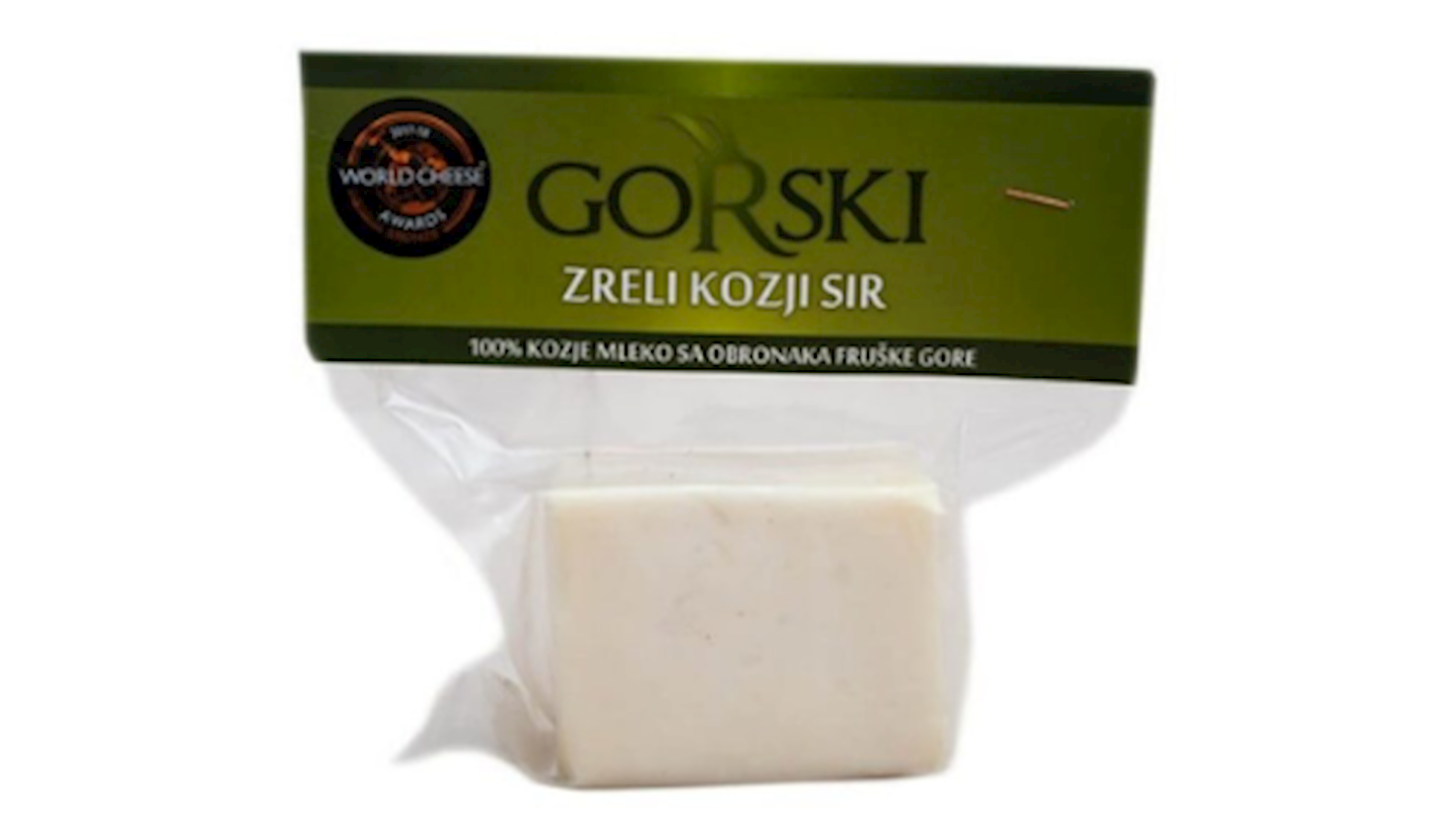
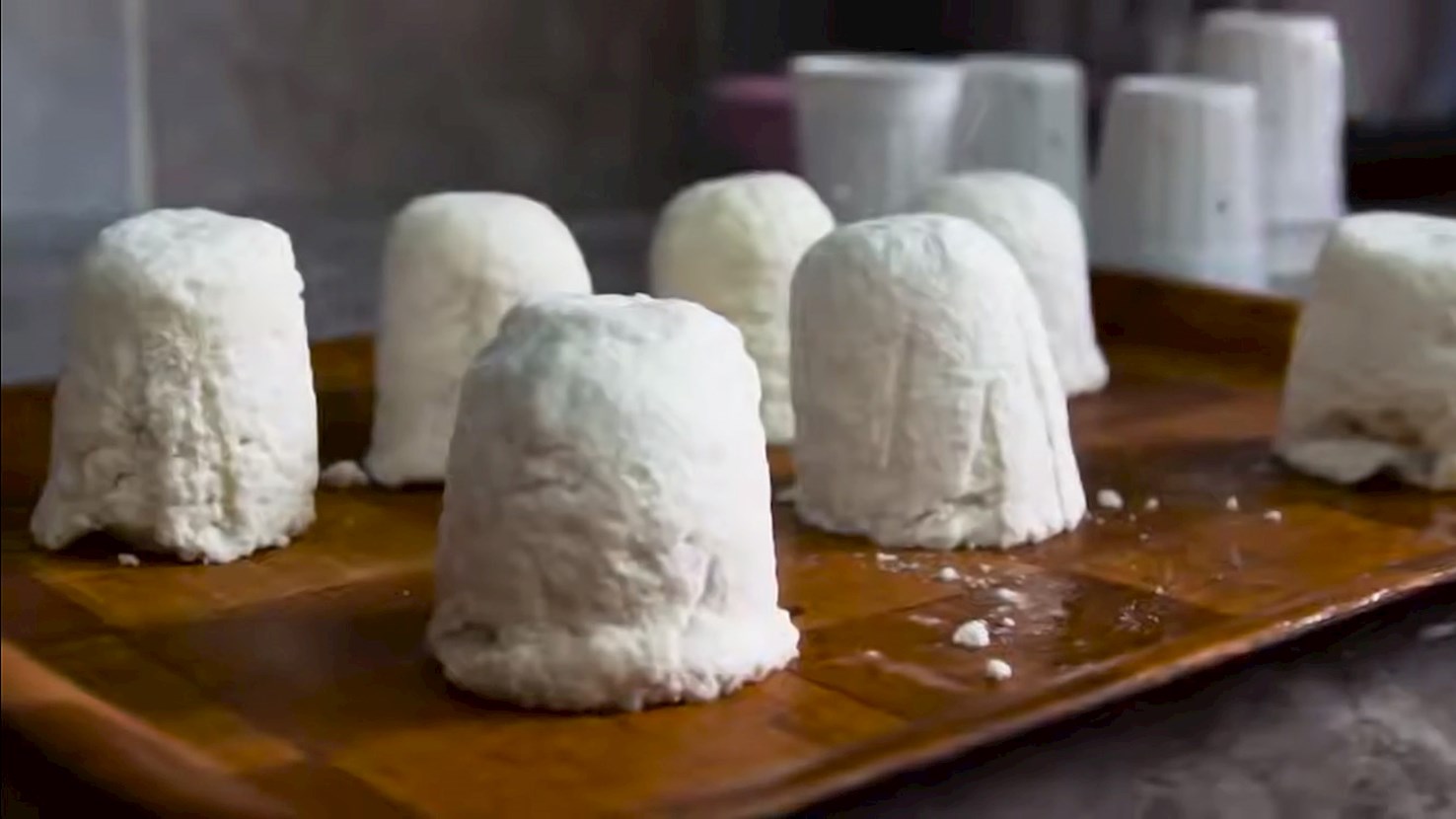
Kozji Sir - Gorski is a small family-run dairy located in the village of Jazak on the slopes of Fruška Gora, specializing exclusively in traditional goat-milk cheese. All products are made from 100% pure goat’s milk, without additives or preservatives, which gives the cheeses a clean, authentic character. The dairy operates according to modern hygiene standards and has been certified under ISO 22000 since 2019, ensuring full compliance with food safety requirements. Their assortment includes semi-hard and hard cheeses, both classic and those enriched with herbs such as rosemary, basil, oregano, wild garlic, as well as oak-aged variants and cheeses preserved in olive oil. One of their signature products is goat cheese in olive oil with herbs and olives, reflecting a creative combination of Mediterranean and local influences. Gorski Sir has earned recognition both locally and internationally, including awards at the World Cheese Awards in London, and its cheeses are distributed in major cities and used by restaurants and delicatessens that value authenticity and quality.
Awards
World Cheese Awards - Bronze (2018)
08
Spirit

L&H Craft Subotica

4.1 ·
Awards
World Gin Awards - Country Winner (2022)

Best Vojvodinian foods

01
Stew

Perkelt

4.2 ·

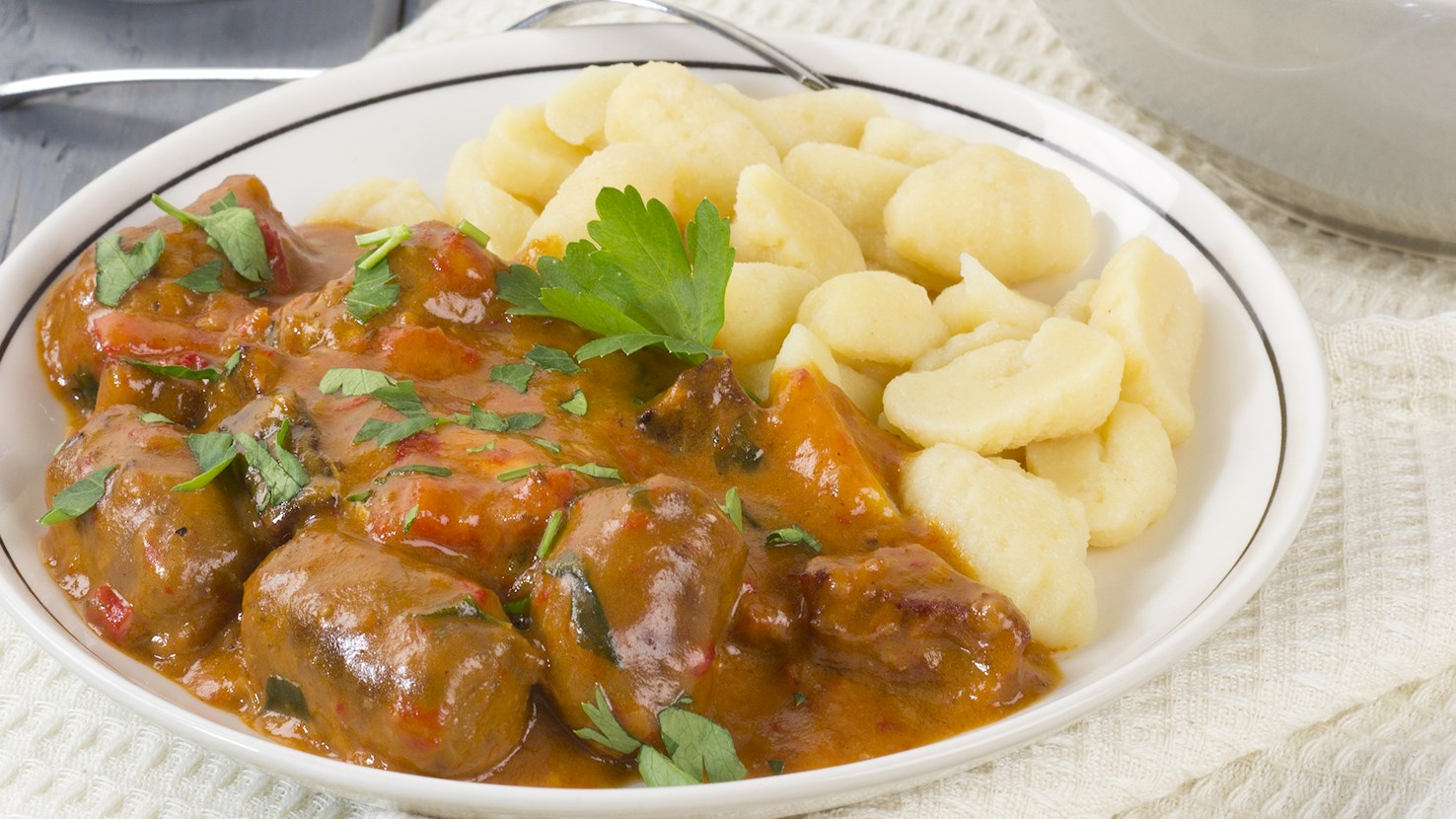
Pörkölt is Hungary's national stew, its name derived from the word pörkölni, meaning to roast or singe. The stew is made from meat such as beef, lamb, pork, or chicken, simmered in a red sauce with lots of onions, garlic, and paprika powder. It is traditionally served with dumplings, boiled potatoes, or pasta, and it is recommended to pair it with a Hungarian fruit brandy. Pörkölt's history is closely linked to the traditional Hungarian goulash, as both dishes were originally prepared as peasant meals that made hefty use of powdered paprika. Today, there are many varieties of pörkölt, with the names accordingly matching the key ingredient used in the dish, such as pacalpörkölt (tripe), marhapölkört (beef), and borjupörkölt (veal). In the Czech Republic, pörkölt is traditionally made with pork, dark bread, caraway seeds, and dark beer.

02
Dumplings

Gomboce

4.2 ·

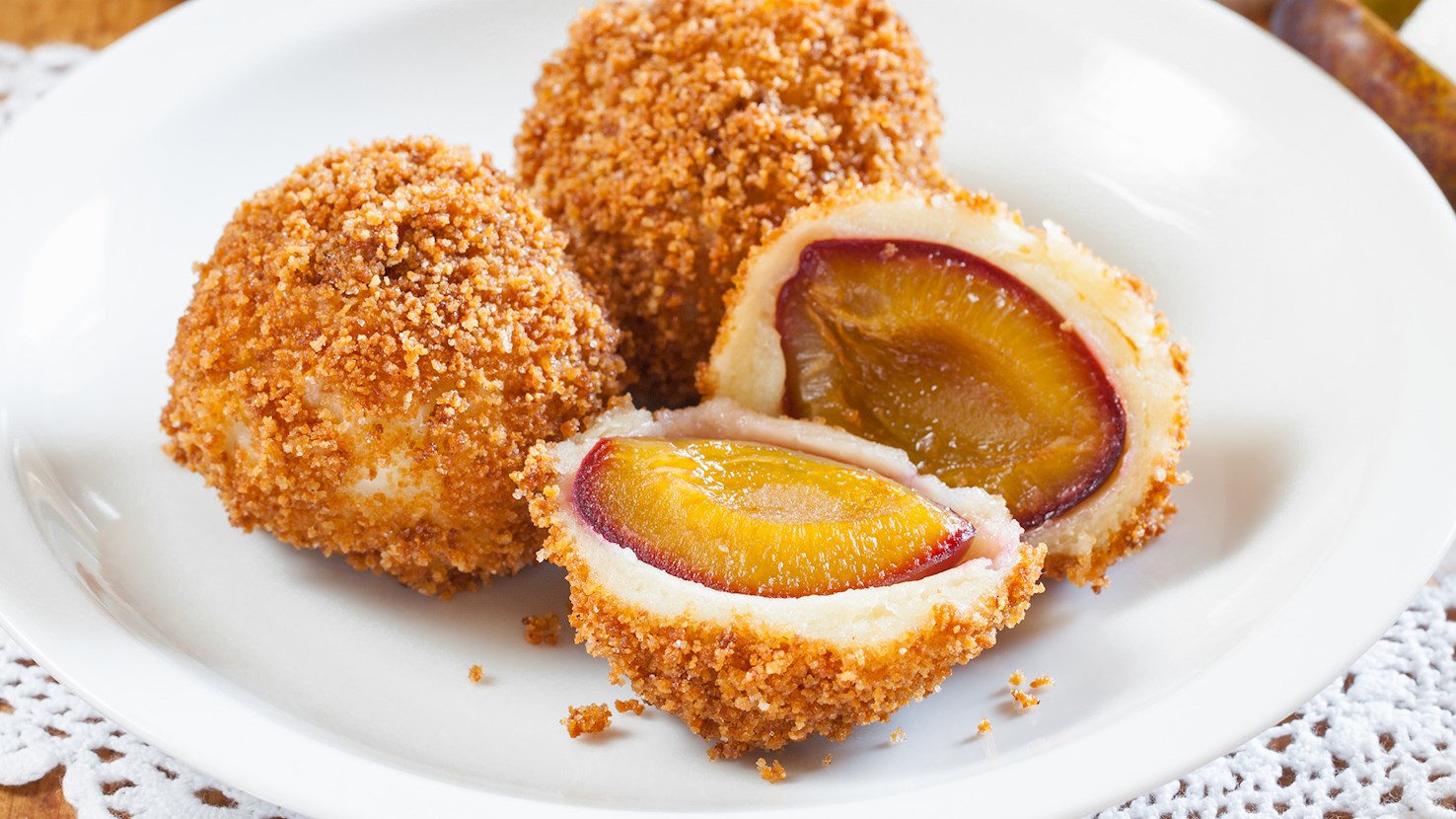
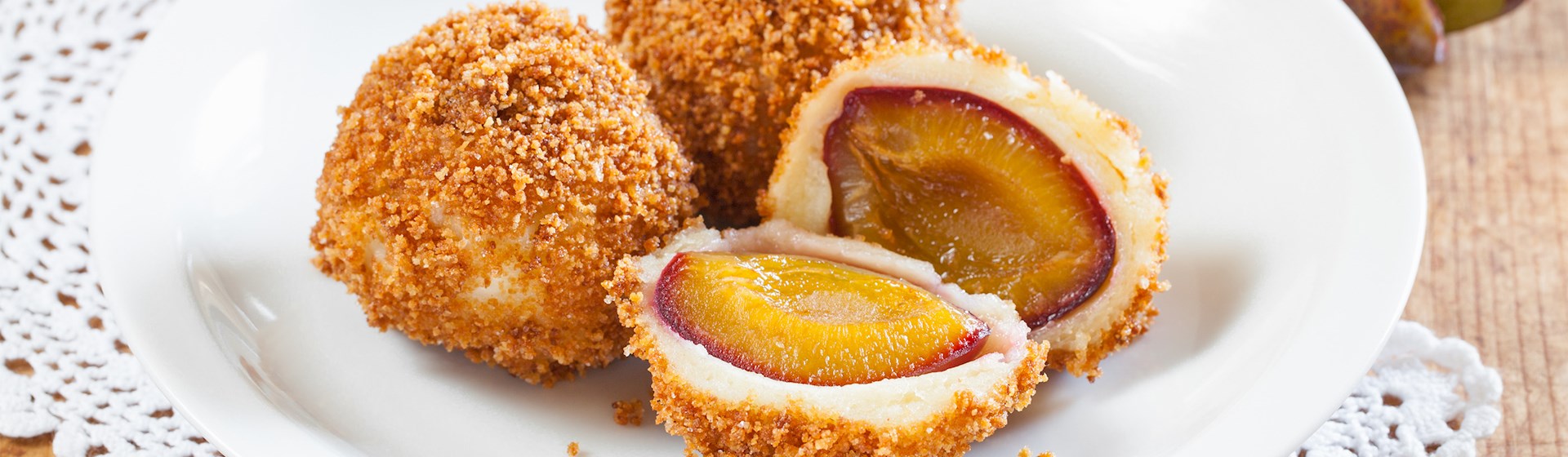
Gomboce or knedle sa šljivama are plum-filled dumplings consumed throughout the Balkans, especially in Serbia and Croatia. The dough is made with potatoes, eggs, and flour. The potatoes should be cooked in their own skin, peeled, then mashed before they are combined with other ingredients. Once prepared, the dough is rolled and plums are placed in the middle of each square, which is then assembled into a dumpling. These dumplings are boiled, then rolled in a combination of breadcrumbs, sugar, and (optionally) butter for the best experience.

03
Sausage

Petrovački kulen

4.2 ·

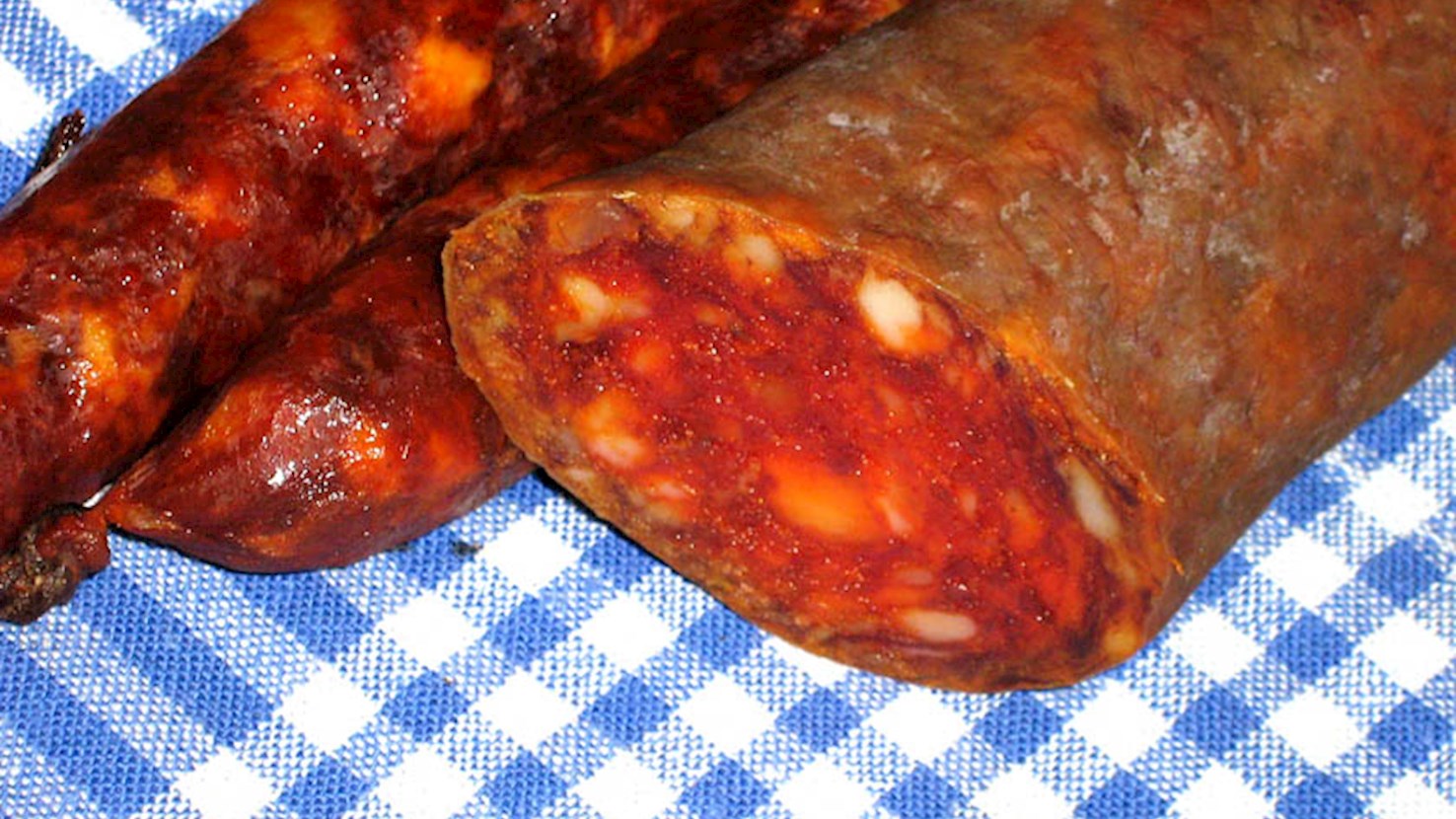
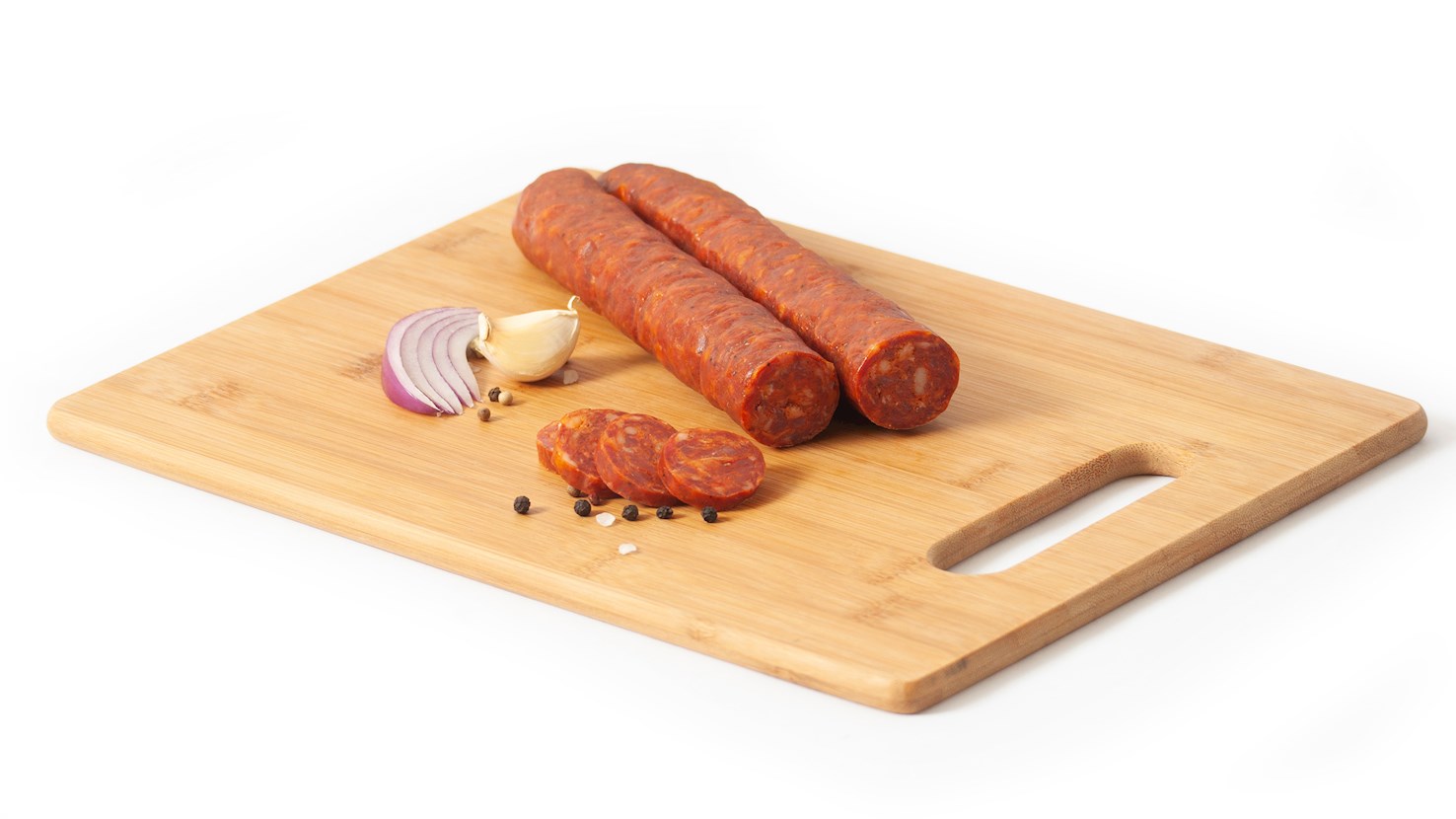
Petrovački kulen is a traditional sausage originating from Bački Petrovac, hence the name. The sausage is made from pork, and the only additions include hot paprika and salt. However, some producers still use garlic and cumin in the production process. A whole pig is commonly used to produce Petrovački kulen, usually with a ratio of 80% meat to 20% back fat. This meat product has a strong Slovakian culinary influence because they moved to Petrovac in the late 18th century. It's recommended to serve this spicy sausage sliced and paired with homemade bread and local cheese.

04
Stew

Fiš paprikaš (Fish paprikash)

3.7 ·

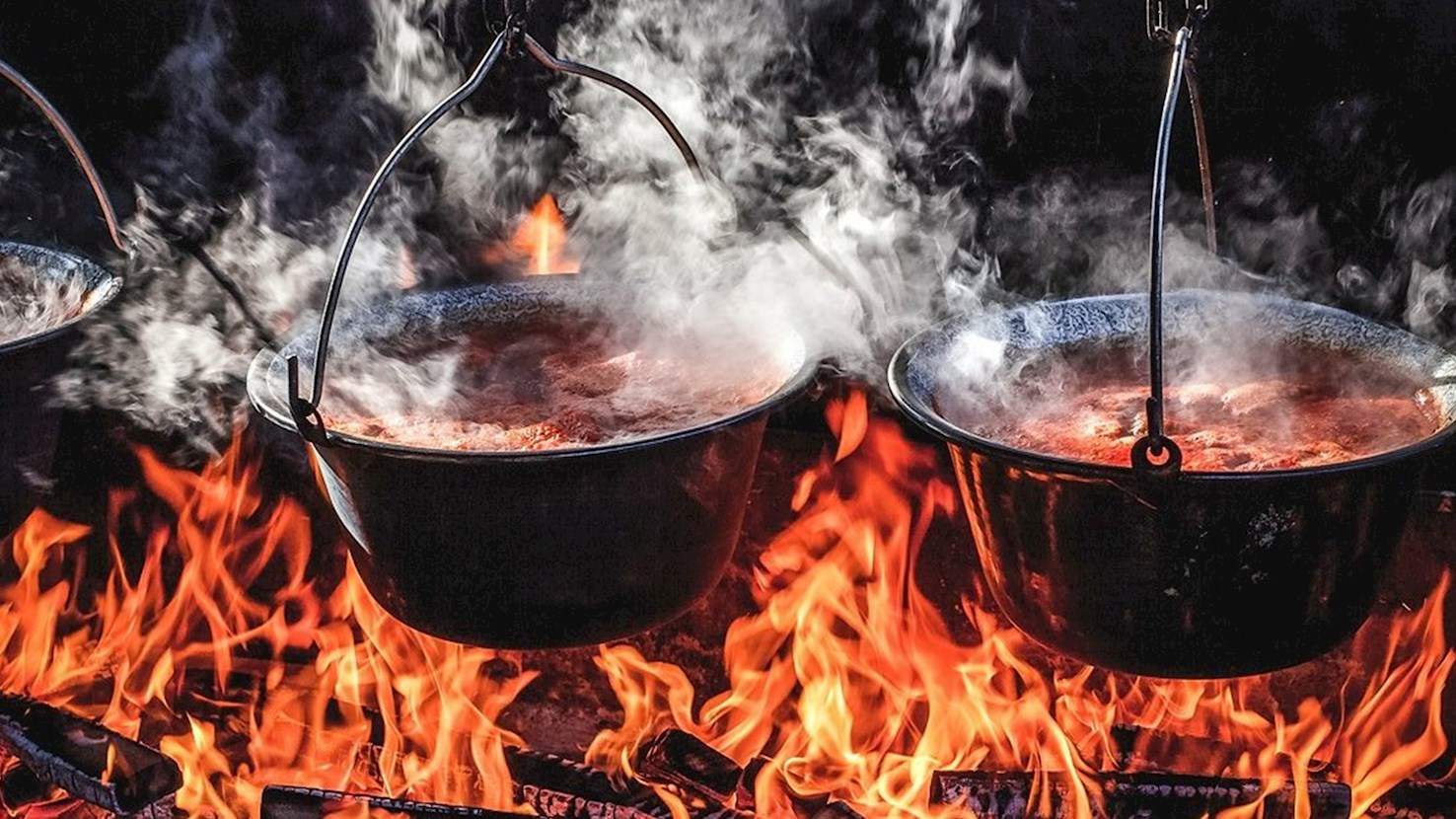
Fiš paprikaš (or hal paprikas in Hungary, with the addition of sour cream) is a traditional stew cooked in a big cauldron over an open fire. This spicy fish stew is traditionally made with a variety of freshwater fish such as catfish, starlet, pike, and carp. The stew is heavily flavored with large amounts of the region's staple – ground red paprika, which can range from mild to very hot. Fiš paprikaš is often served with homemade noodles, and it is so popular in the region that there are numerous fiš cooking competitions organized throughout the year. The dish is traditionally accompanied by hot ground paprika on the side so each person can increase the spiciness according to personal preferences.

05
Sausage

Sremska kobasica

3.5 ·

Sremska salama is a cold-smoked Serbian sausage that originates from the area of Srem. It is traditionally made with a combination of ground pork, beef, and pork back bacon. Typical flavorings include salt, black pepper, paprika (both mild and hot), and garlic, although ginger, nutmeg, and cardamom are also traditionally used. The seasoned ground meat mixture is usually stuffed into natural casings (clean pork intestines), and the sausages then go through a process of cold-smoking, drying, and aging, which typically lasts for 42 days. This traditional sausage is usually enjoyed thinly sliced as a meze dish, a cold appetizer, or a savory snack. It is also often used to flavor a variety of traditional specialties such as stews, sour cabbage-based dishes, and sarma (stuffed cabbage rolls).

06
Dessert

Rezanci s makom (Pasta with poppy seeds)

3.1 ·

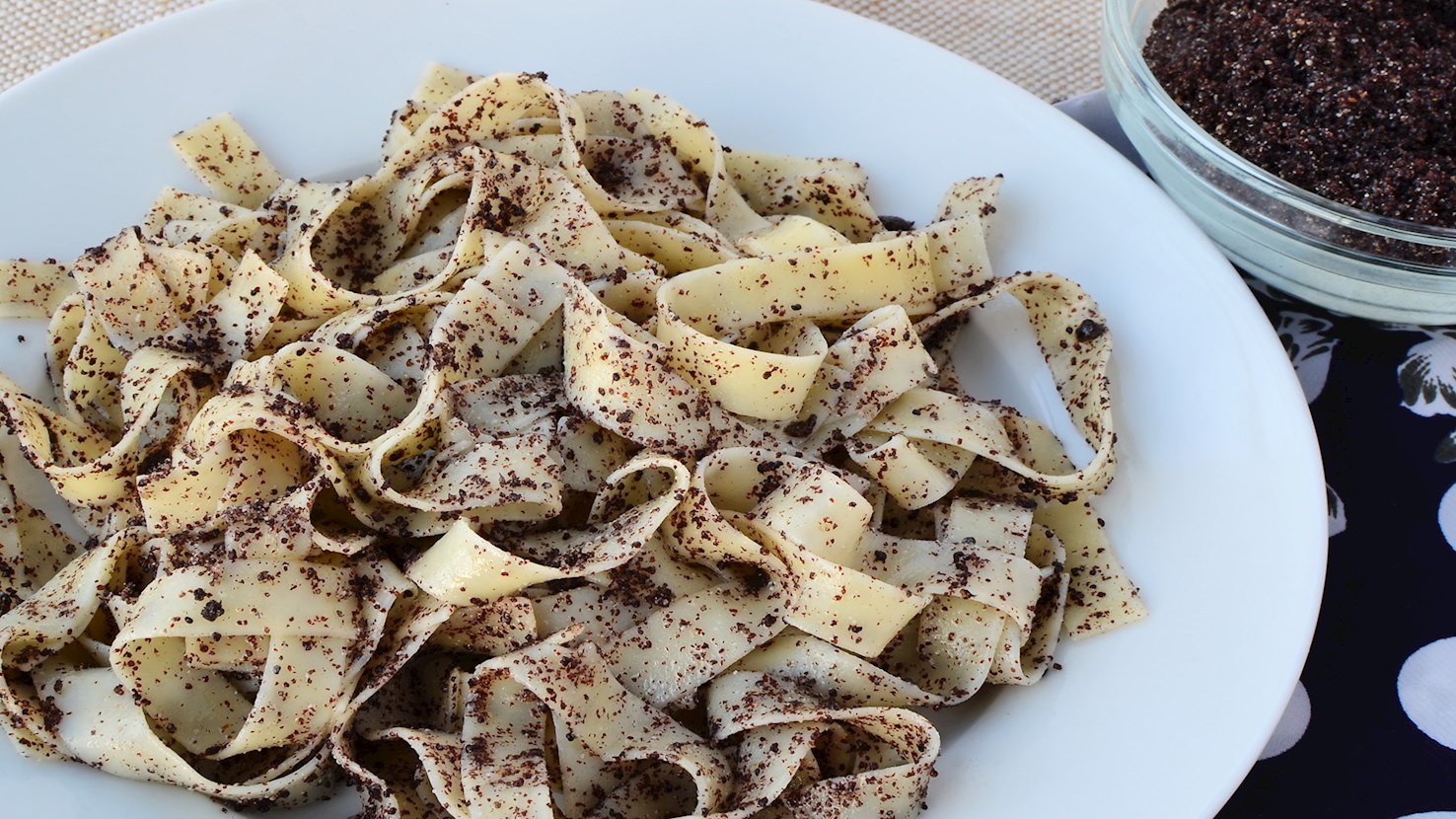
The simple and nutritious nudle s mákem is a dish consisting of wide, thin wheat pasta that is doused in copious amounts of melted butter, and then dusted with poppy seeds and sugar. Once considered a rich and luscious meal, today it represents a frugal, but a beloved dish that is enjoyed as a sweet main course or a filling dessert. Even though it is usually associated with the Czech Republic, the exact origin of the dish is still unknown, while similar varieties are found in many Central and Eastern European countries under various names. In Austria, a similar dish is known as mohnnudeln, prepared with thick and short potato noodles, while the Serbian version from Vojvodina is called rezanci s makom.

07
Ground Meat Dish

Futoška sarma

n/a ·

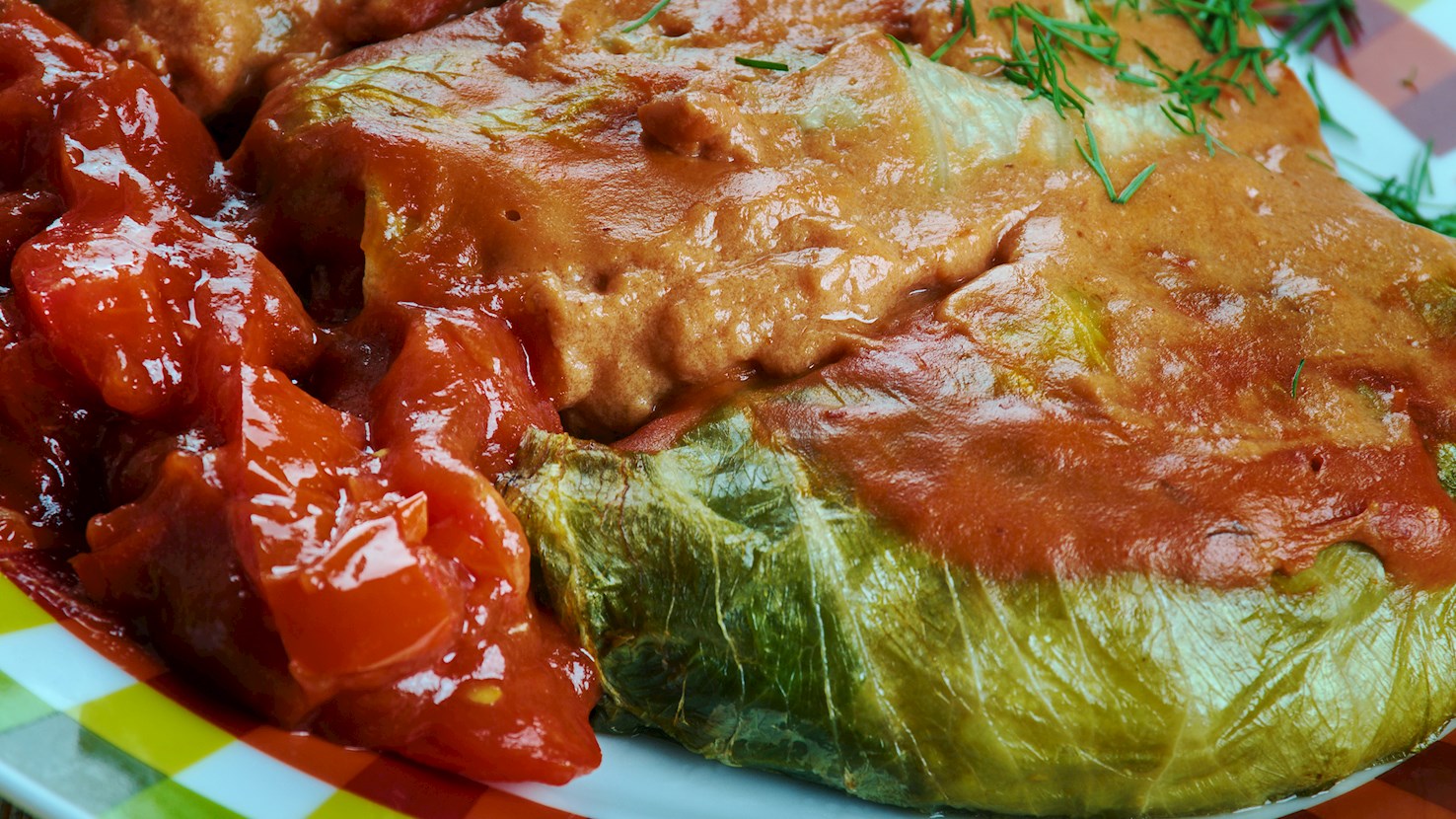
Futoška sarma is a traditional type of sarma originating from Futog in Vojvodina, hence the name. The dish is made with a combination of local Futog cabbage, pork, rice, onions, eggs, garlic, paprika powder, bacon, sausages, and dried meat. The cabbage leaves are stuffed with a mix of ground meat, garlic, rice, onions, and spices. Once assembled, the sarma is cooked for a long time with dried meat, bacon, and sausages. Near the end of cooking, a combination of flour, oil, garlic, and paprika known as zaprška is added to the dish for a better flavor and a thicker texture of the sauce. Locals claim that this type of sarma is unique becuase it's prepared with the local cabbage, which has a better flavor and is more tender than other cabbage varieties in the region.

08
Pâté

Pašteta od fazana

n/a ·

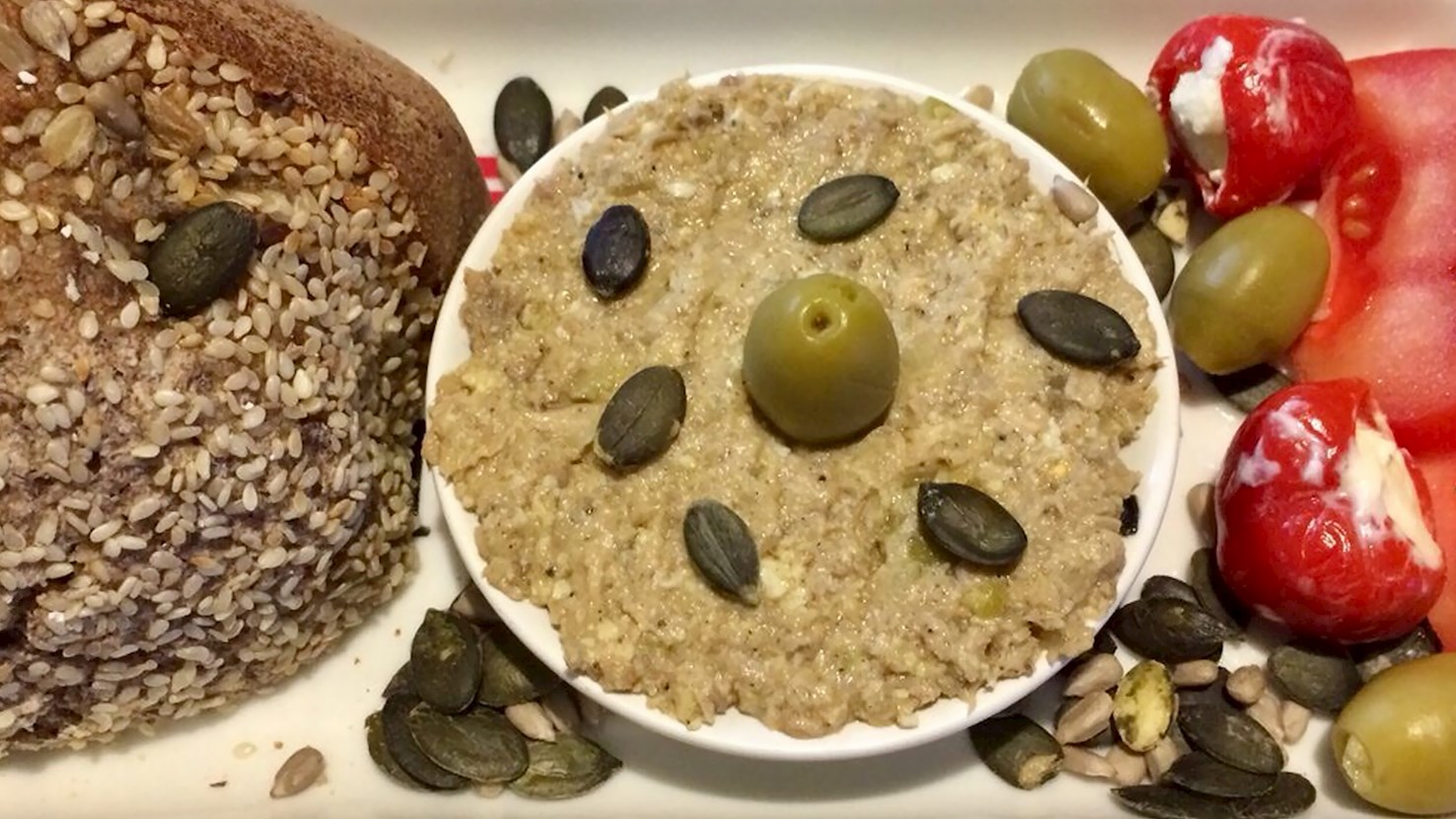
Pašteta od fazana is a Croatian dish that is especially popular in the region of Slavonija and Baranja. This pâté is made with pheasant as the key ingredient, and due to the fact that every household has their own recipe, other ingredients may vary, but may include celery, carrots, parsley, onions, bay leaves, pepper, garlic, eggs, butter, mayonnaise, mustard, and horseradish. The pheasant is cooked with the vegetables, and it is then ground and combined with other ingredients. The pâté is then refrigerated until it sets, and it is recommended to serve it with crusty bread.

09
Cake

Vojvođanski koh

n/a ·

Vojvođanski koh or koh od griza is a simple, rustic cake made with eggs, sugar, semolina, milk, and vanilla sugar. It consists of two components: a sponge cake and sweetened boiled milk, which is poured over the sponge while both are still hot. Recipes do vary in either the ingredients or preparation method. For example, some will have both semolina and flour in the sponge, while others will also have custard on top of the sponge. Vojvođanski koh should be served well chilled, perhaps with some fruit on the side.

10
Cheese

Pule

3.3 ·

Pule is the world's most expensive cheese. Originating from Zasavica Nature Reserve in Serbia, the cheese is made with the milk coming from Balkan donkeys, making the product extremely unique and rare. It takes about 25 liters of donkey milk to produce just 1 kilogram of this crumbly white cheese, but a jenny (a female donkey) can only produce 0.2 liters of milk. Three times a day, these donkeys are milked by hand. The cheese has only 1% milk fat, and it also has anti-allergenic properties. It is usually sold at 1000 Euros per kilo, but Pule can even reach the price of 3, 4, or 5 thousand Euros per kilo.

Read more
View all
View map
About this ranking

TasteAtlas food rankings are based on the ratings of the TasteAtlas audience, with a series of mechanisms that recognize real users and that ignore bot, nationalist or local patriotic ratings, and give additional value to the ratings of users that the system recognizes as knowledgeable. For the “Top 14 Vojvodinian Foods” list until June 10, 2026, 860 ratings were recorded, of which 526 were recognized by the system as legitimate. TasteAtlas Rankings should not be seen as the final global conclusion about food. Their purpose is to promote excellent local foods, instill pride in traditional dishes, and arouse curiosity about dishes you haven’t tried.

The initial list of top producers was compiled based on available reviews, awards, local recommendations, media and blog coverage, and consumer reviews. The list will be updated with ratings from TasteAtlas local ambassadors and TasteAtlas users.

Similar lists