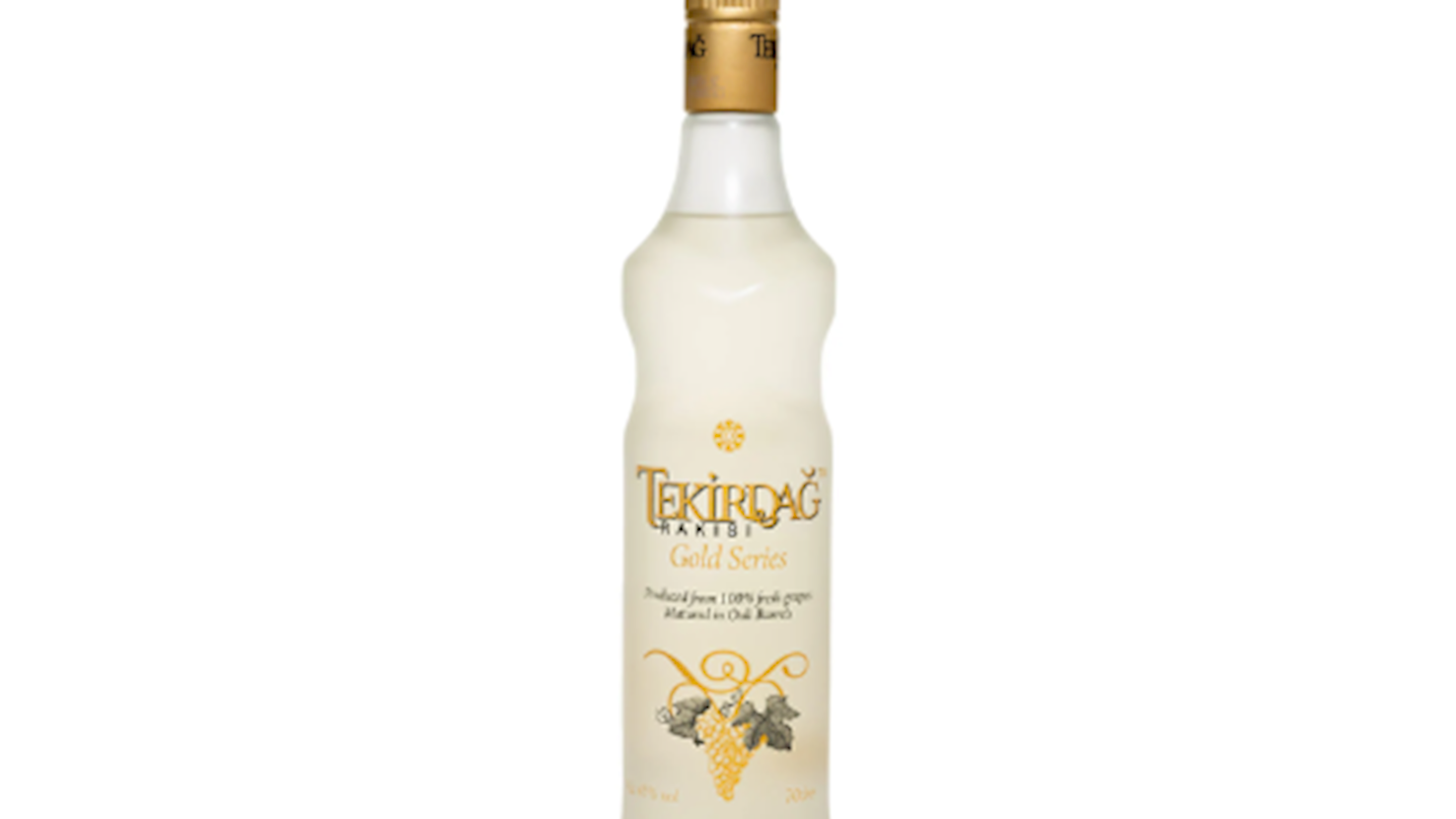
Mey İçki is Turkey’s largest producer and distributor of alcoholic beverages, established in 2004 following the privatization of the former state monopoly Tekel, and operating since 2011 as part of the international Diageo group. The company has a broad portfolio that includes raki, vodka, gin, wine, and liqueurs, with its flagship raki brands widely regarded as cultural icons in Turkey. Production and distribution are carried out through modern facilities and the country’s most extensive sales network, positioning Mey İçki as a key player in the domestic market. Under Diageo’s management, the company adheres to international standards of quality, food safety, and sustainability, while focusing on product development and strengthening export capabilities. With strong brands, robust logistics, and a long-standing tradition, Mey İçki stands as Turkey’s central and most influential producer of alcoholic beverages.
Awards
IWSC- International wine & spirit competition - Gold
(2023)
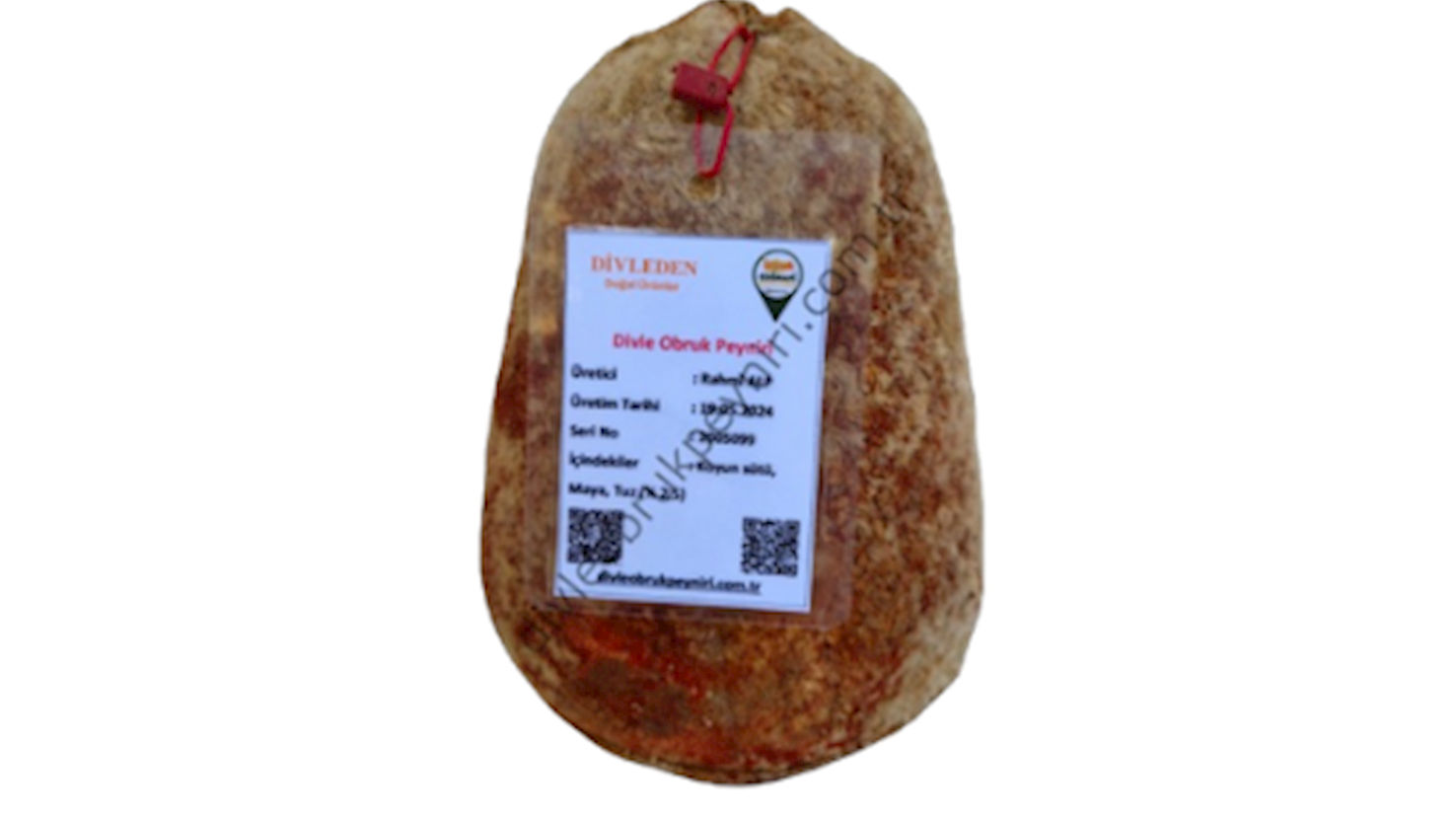
Divle Obruk Peyniri represents a small group of local producers from the village of Divle and the surrounding areas in Karaman, all of whom preserve the traditional method of making the namesake cheese and pass it down through generations. The production is artisanal and decentralized, yet unified by a strict geographic identity, the specific qualities of local sheep and goat milk, and the unique maturation conditions inside the natural obruk cave. The brand is defined by authenticity, limited seasonal output, and a strong sense of terroir, as only cheese aged in this particular cave can bear the name Divle Obruk Peyniri. Producers follow shared standards: the use of raw milk, traditional leather tulums, and several months of cave aging, during which the cheese develops its distinctive red rind and powerful aroma shaped by the cave’s unique microbiological environment. Despite its small-scale production, the brand holds a cult status in Türkiye and is increasingly recognized by international gourmet enthusiasts for its rarity, intense flavor, and a crafting technique found almost nowhere else.
Divan Pastırma ve Sucuk is a Turkish company specializing in the production and sale of traditional meat products, including pastırma, sujuk, and mantı. Established in 1952 by H. Mehmet Sözduyar in Kayseri, the company began as a small workshop in the Karpuzatan area, focusing on wholesale and retail operations. Later, the leadership was taken over by H. İbrahim Sözduyar, and today, the third generation - brothers Metin, Murat, and Mehmet Sözduyar - continues the family tradition under the brand Sözduyar Sucuk ve Pastırma. The company is dedicated to preserving traditional production methods while integrating modern technologies to ensure high quality and authentic flavors in its products. Their product range includes various types of pastırma, sujuk, kavurma, and mantı, which are available both in physical stores and through online orders.
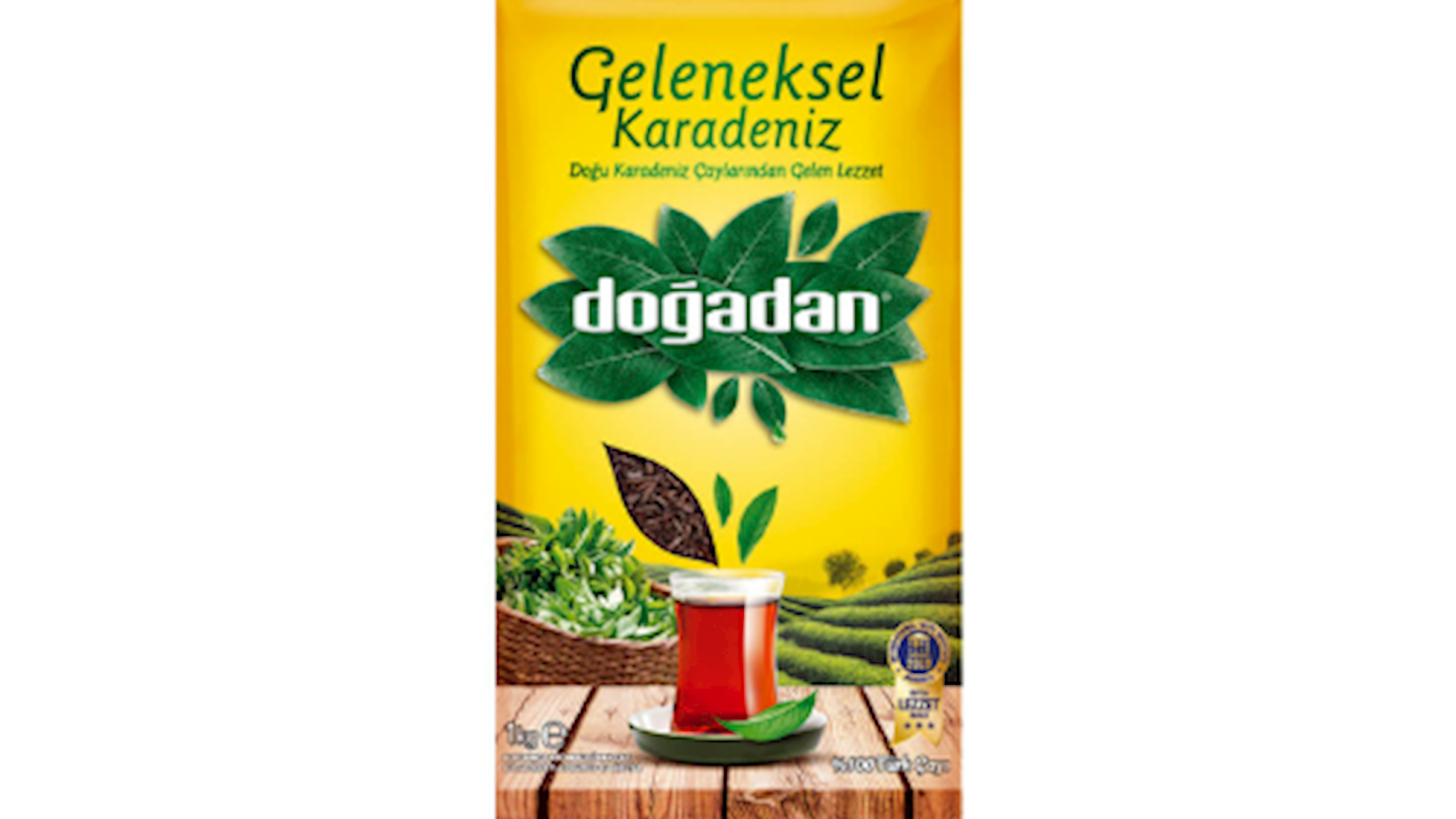
Doğadan is a renowned Turkish brand specializing in herbal teas, fruit blends, and traditional Turkish teas. Founded in 1984, the company has become a leader in the Turkish tea industry, known for its commitment to quality and natural ingredients. Doğadan offers a wide range of products, including organic herbal teas, green teas, and classic black teas, all made from the finest leaves. The brand is dedicated to sustainability, sourcing ingredients from local Turkish farms and ensuring eco-friendly production practices. Their blends are designed to provide a healthy and refreshing experience for consumers seeking natural, caffeine-free options. Doğadan emphasizes the importance of preserving the flavor and health benefits of every ingredient used in their products. With a strong presence in Turkey and abroad, Doğadan continues to promote the rich tradition of Turkish tea culture.
Yağcı Gıda Gurme Mağazası is a renowned store located in Kayseri, Turkey, specializing in high-quality traditional products such as pastırma, sujuk, mantı, kavurma, tulum cheese, and other regional specialties. Their products are well-known for their authentic taste and meticulous preparation, making them a popular choice among fans of Turkish cuisine. In addition to their physical store, Yağcı Gıda offers online ordering, allowing customers across Turkey to enjoy these delicacies.
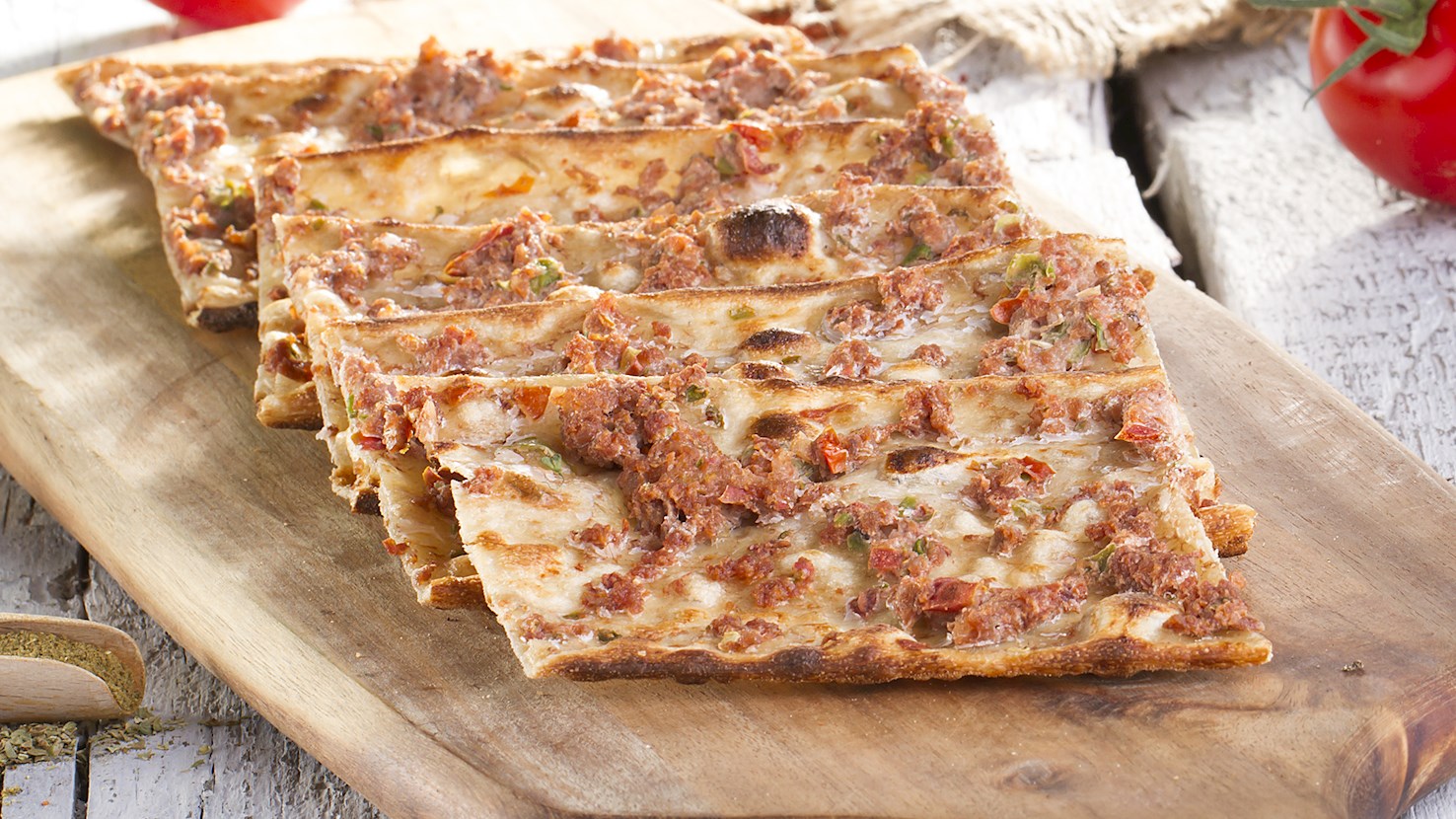
Etli ekmek is a delicious Turkish pizza-like dish originating from the city of Konya. The name of the dish means bread with meat. It consists of a thin, crispy flatbread made with flour, sugar, salt, yeast, and oil, which is then topped with ground beef and finely chopped onions, tomatoes, and peppers. Etli ekmek is sometimes additionally topped with cheese before baking. Once the baked dish develops a golden-brown color, it is served cut into smaller pieces while still warm. Pair it with a glass of refreshing ayran for the best experience.
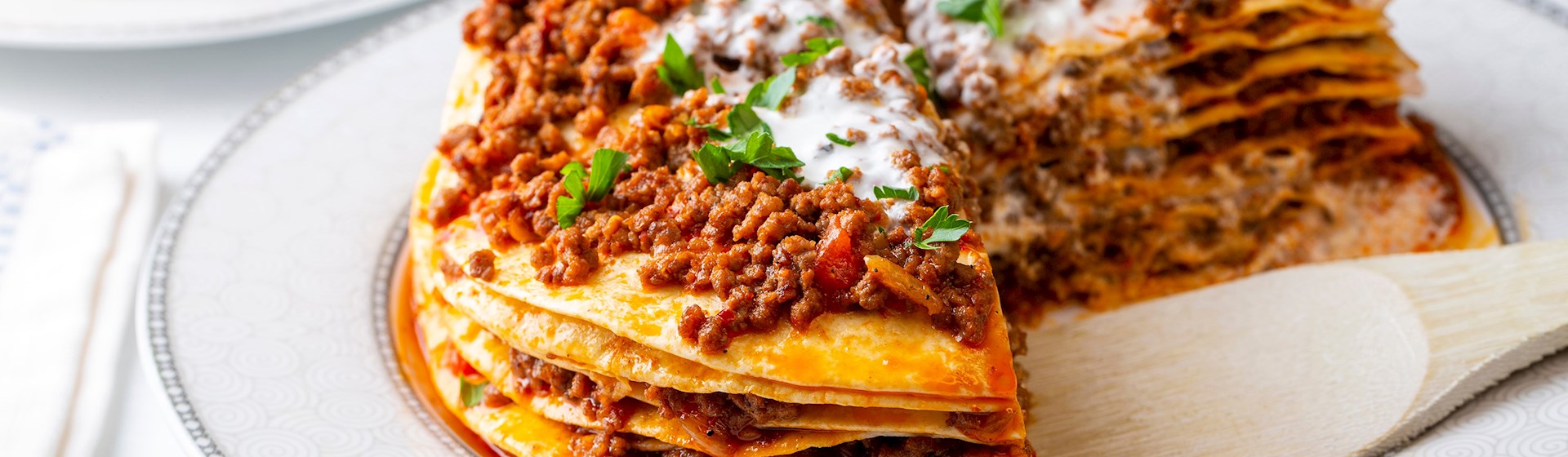
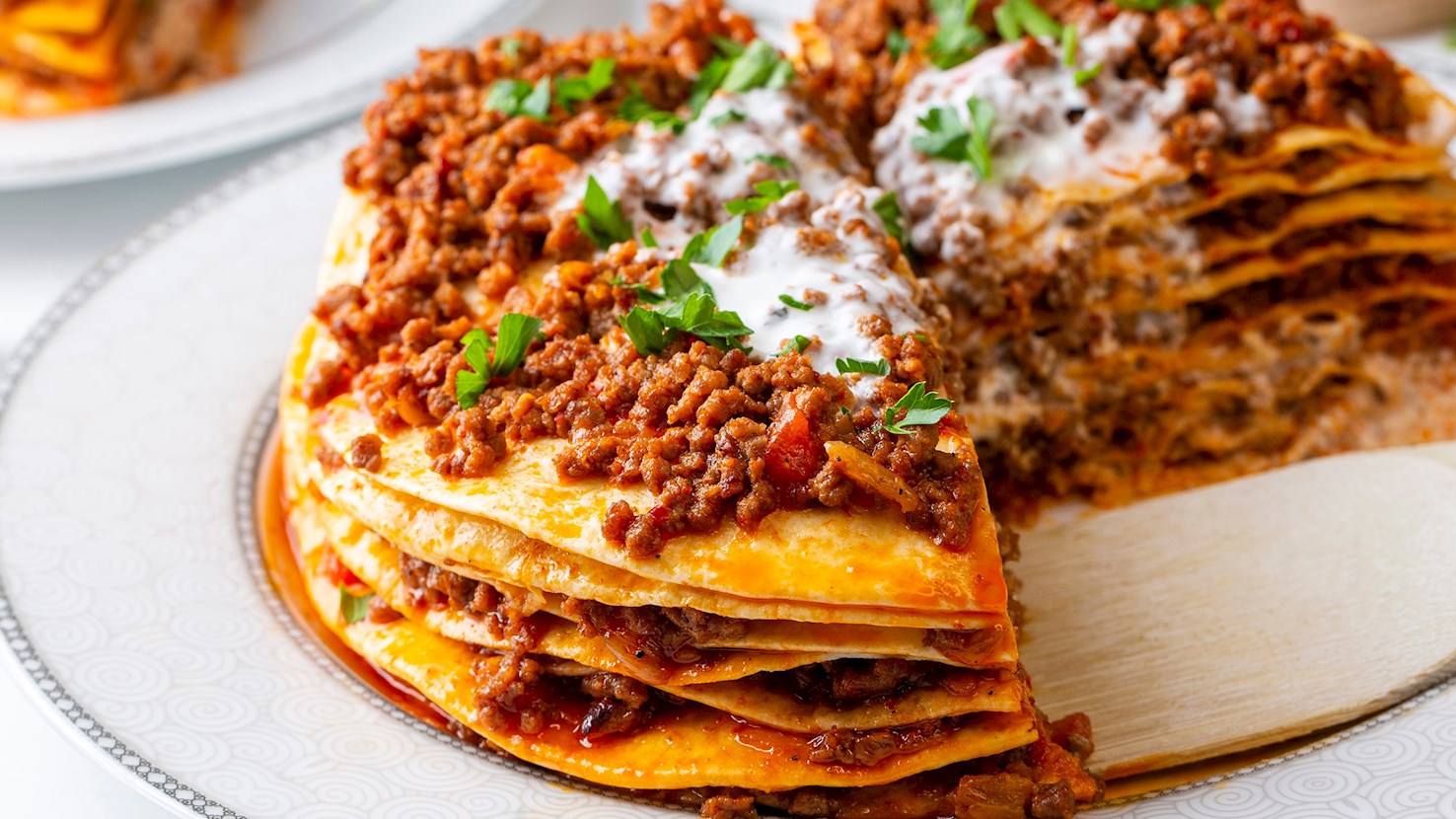
Kayseri yağlaması is a traditional dish from the city of Kayseri in central Anatolia that consists of thin, soft flatbreads layered with a savory filling of minced meat (usually lamb or beef), finely chopped onions, tomatoes, green peppers, and a blend of spices like paprika, black pepper, and cumin. The flatbreads are stacked with the meat mixture spread between each layer, creating a flavorful, lasagna-like dish. Once assembled, the stack is cut into portions and typically served with garlic yogurt and a garnish of parsley. The dish is juicy and aromatic, with the flatbreads soaking up the seasoned meat juices and the cool tang of the yogurt providing a perfect contrast. It's a beloved part of Turkish cuisine, often prepared for family gatherings and special occasions.
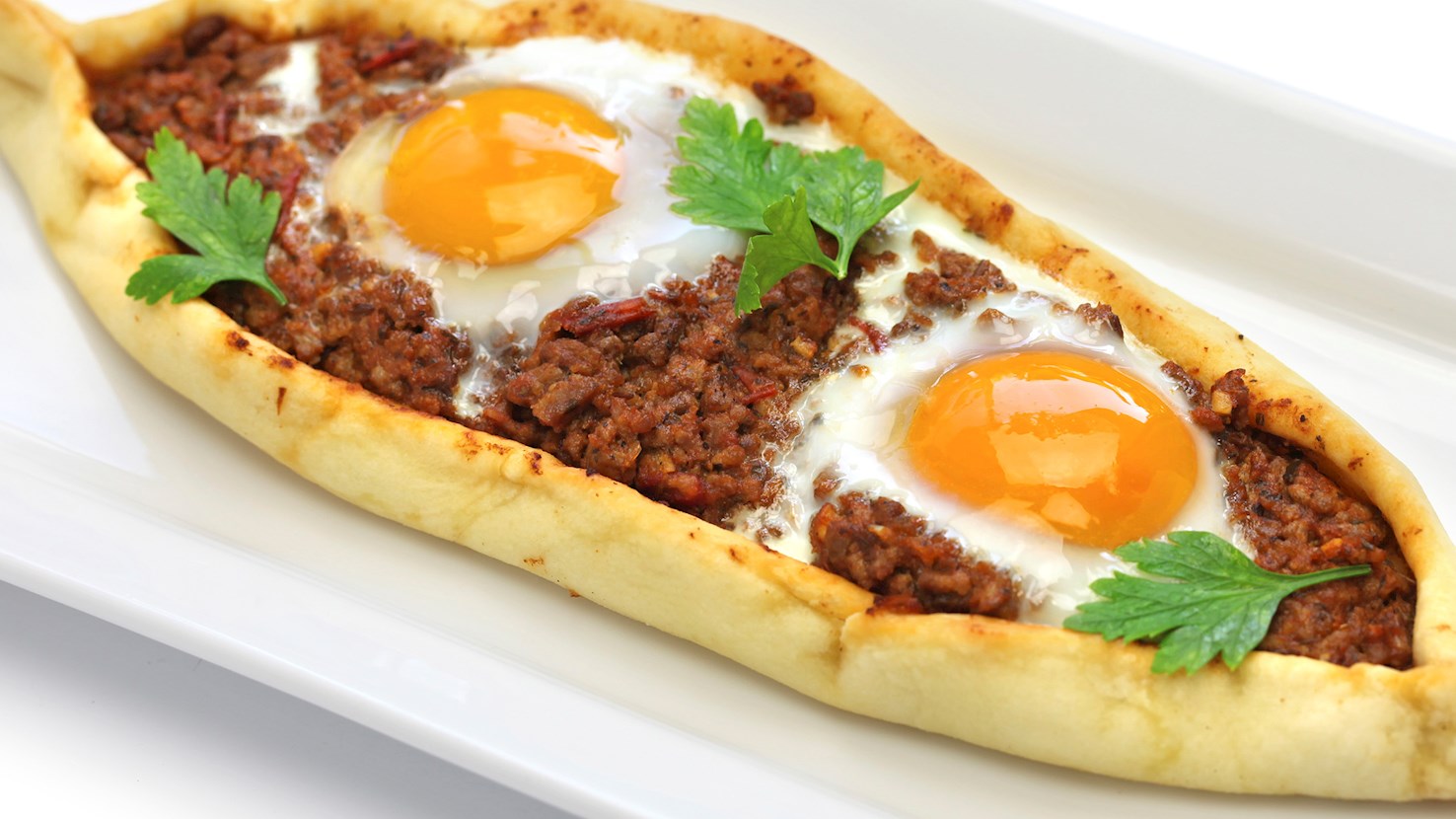
The Turkish egg-topped flatbread filled with cheese, pepper and tomato, known as yumurtalı pide (lit. egg pita) hails from the Kayseri region in Middle Anatolia where locals sometimes also use another Anatolian delicacy as a topping for this type of pide bread - thinly sliced, spice-coated, and dry-cured beef called pastırma. Yumurtalı pide is made with soft, chewy, oval-shaped pita dough, like most traditional Turkish pita breads, and other regional pizza-like foods. For the perfect yumurtalı pide, the egg is cracked in the middle of each bread only minutes before the end of baking. Beloved throughout the country, this is one of the ultimate Turkish breakfast dishes, but it is also widely available as a snack at numerous bakeries and street stalls.
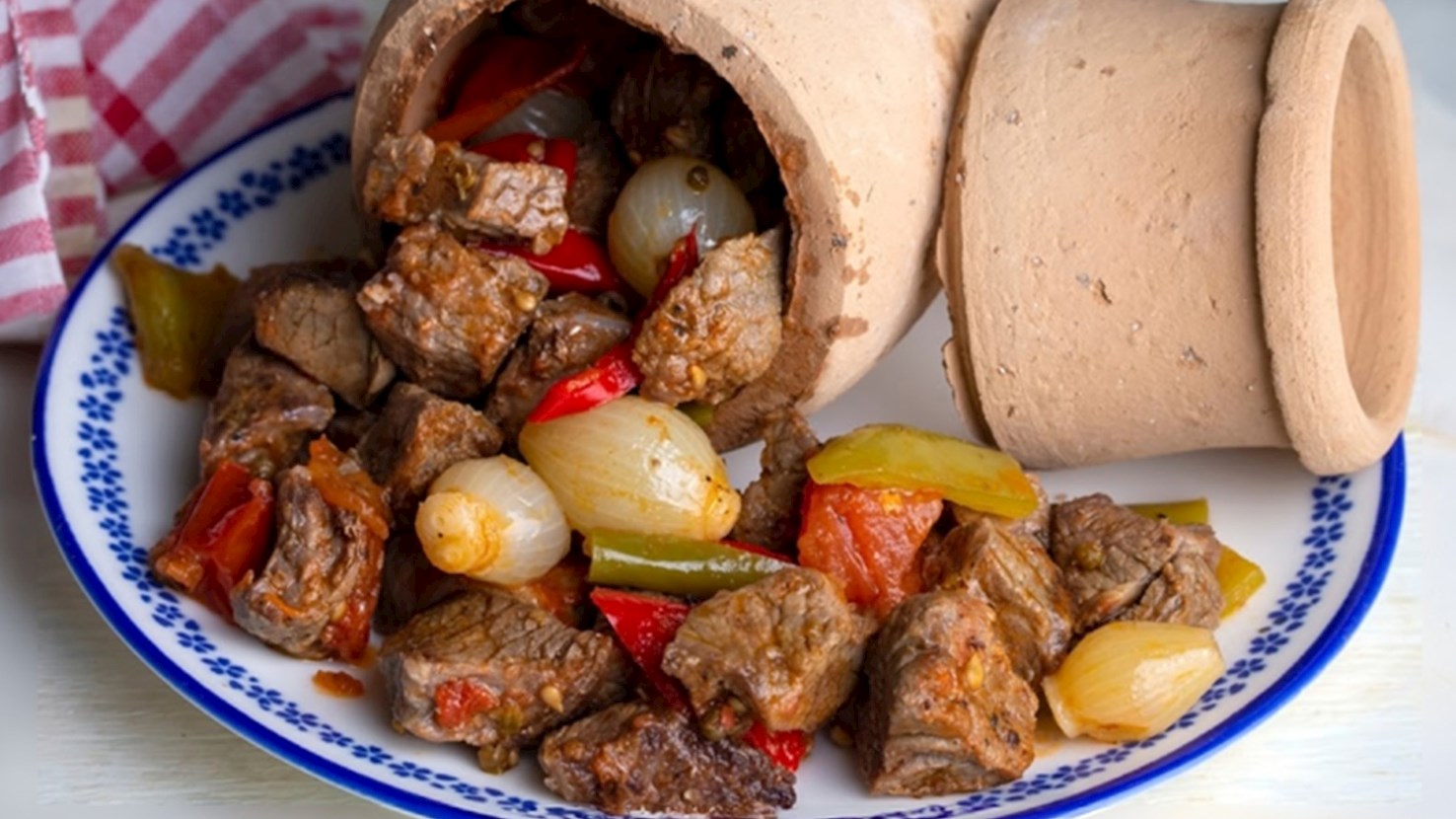
Testi kebab is a traditional kebab variety made by filling a clay pot with a mixture of meat (usually lamb, but sometimes beef or chicken), vegetables (such as tomatoes, peppers, onions, and garlic), and various spices. This dish is particularly popular in the Cappadocia region of Türkiye and is often considered a specialty of that area. The ingredients are placed in the clay pot, which is then sealed with dough to keep the steam inside. The sealed pot is placed in a wood-fired oven or over hot coals to cook slowly. This method allows the flavors to meld together while the meat becomes tender and succulent. When the testi kebab is ready, the pot is brought to the table and cracked open, either by the chef or the diner, using a small hammer or knife. The dramatic presentation and the delicious aroma that escapes when the pot is broken open make it a memorable dining experience. While the basic ingredients remain consistent, there can be regional variations in the spices and vegetables used. Some versions might include additional ingredients like potatoes or different types of meat. The cooking method can also vary slightly, with some recipes calling for the pot to be buried in hot ashes for several hours.
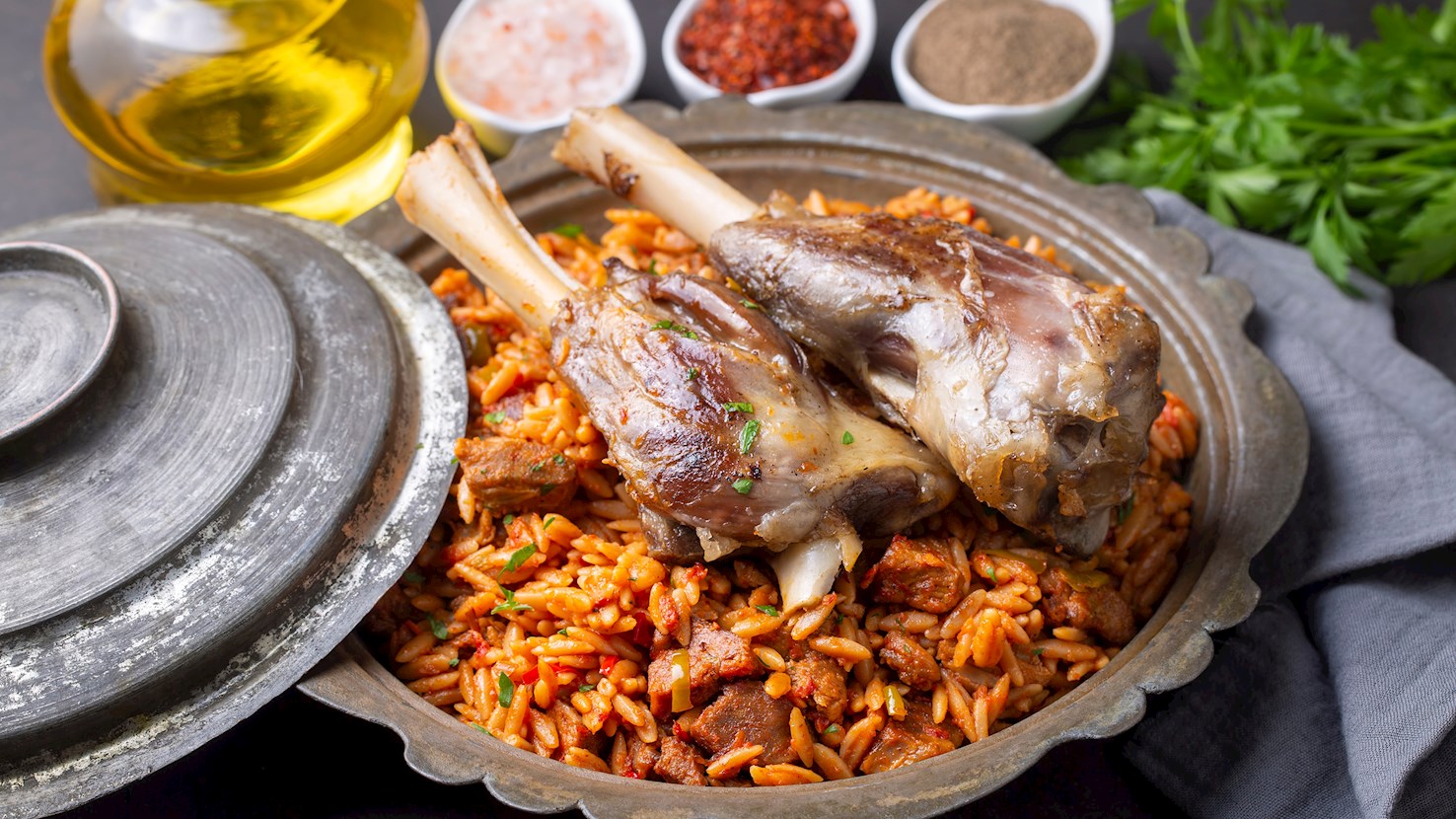
Ankara tava is a traditional dish originating from Ankara. The dish is often made with a combination of lamb, orzo pasta, oil, hot peppers, tomatoes, onions, tomato paste, garlic, cumin, salt, and black pepper. The peppers and onions are seasoned with cumin and black pepper, then cooked in oil with tomato paste, garlic, and tomatoes in order to make a tomato sauce. The meat is cubed and cooked in a bit of water until it evaporates. The small orzo pasta is cooked in a pilaf pot with the tomato sauce and some water until tender. Once done, the cooked meat is mixed with the contents of the pilaf and the dish is ready to be served. The lamb is sometimes replaced with veal or sheep meat, while the pasta can be replaced with vermicelli.
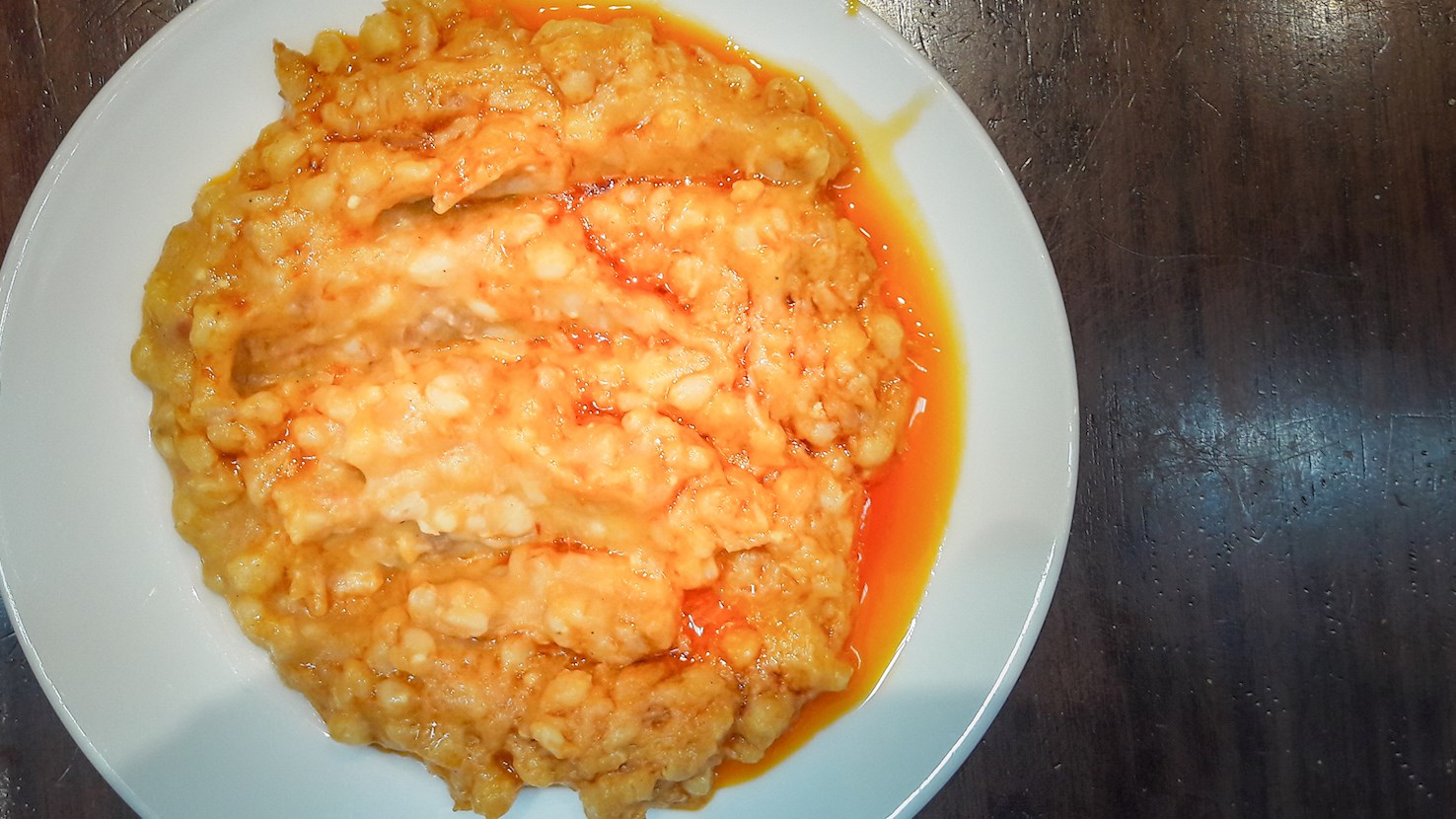
Keşkek is a traditional ceremonial dish made with lamb or chicken meat combined with wheat or barley stew. The mashed wheat or barley is placed in a bowl, followed by a sauce made with butter, meat broth, and pepper flakes, while the meat is placed on top. Traditionally, keşkek is served as a part of wedding celebrations and religious holidays in the Turkish region of Anatolia. In 2011, the dish became a part of UNESCO’s Intangible Cultural Heritage of Türkiye.
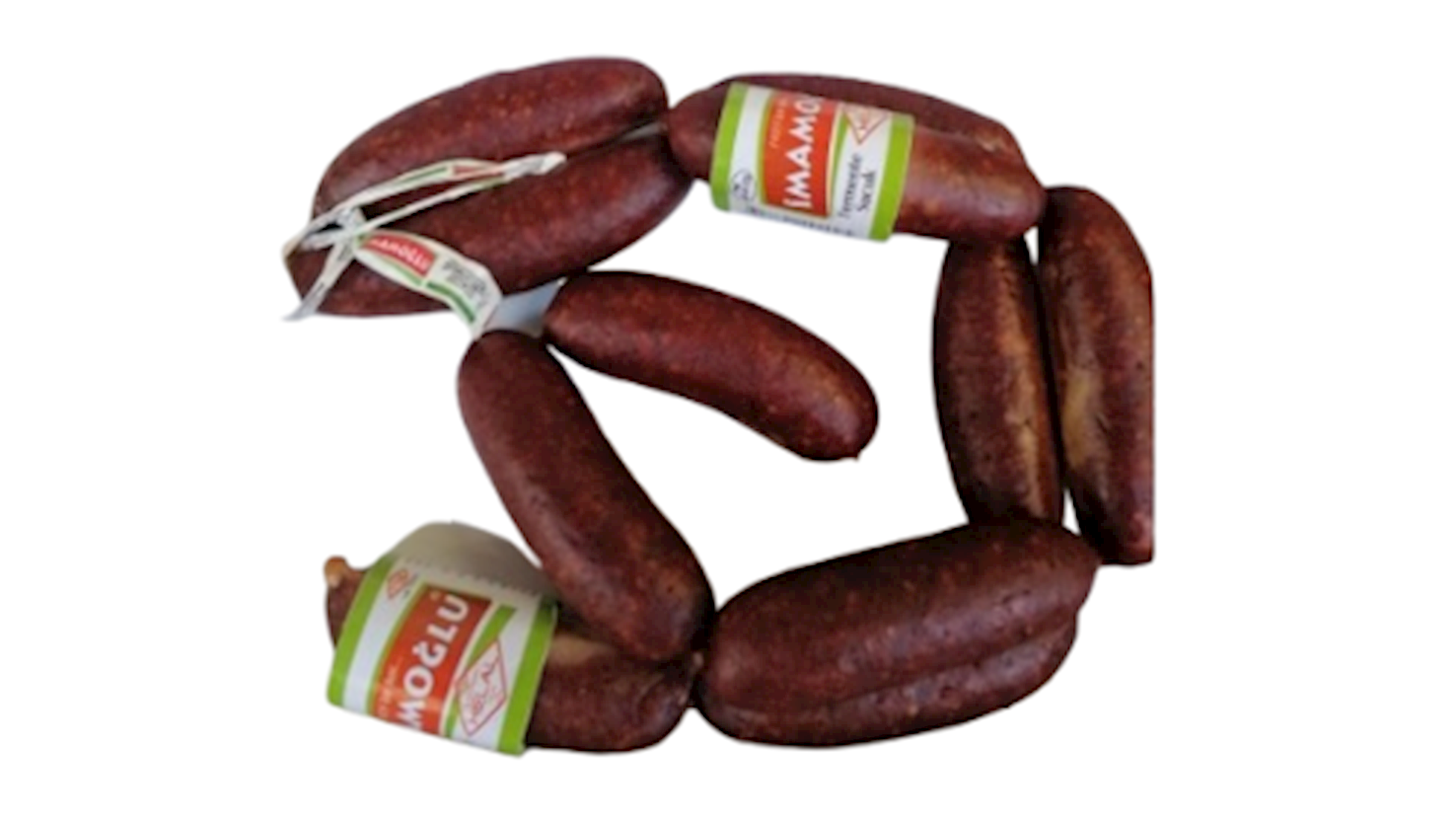
Kayseri Sucuğu is a dry, spiced, and fermented beef sausage originating from the Kayseri province in the Central Anatolia region of Türkiye. The production of this cured meat traces its roots to the migratory Turkic tribes of Central Asia who preserved surplus meat by drying and heavily spicing it with regional herbs and salts. As these populations settled in Anatolia, the specific climate of Kayseri, characterized by cool, dry winds and high altitude, allowed the local population to refine the curing process, using beef instead of horse meat and incorporating locally grown garlic and spices. Preparation of the sausage involves grinding lean beef and high-quality fat, mixing the meat with a specific blend of salt, cumin, garlic, fenugreek, and red pepper flakes, and then stuffing the mixture into cellulose or natural casings. The filled sausages are then hung to ferment and air-dry for several weeks, allowing the flavors to meld and the meat to lose moisture. A unique characteristic of Kayseri Sucuğu is its firm, dense texture and high fat-to-protein ratio, which causes the sausage to release its own rich oils when heated, requiring no additional cooking oil. It is commonly eaten hot for breakfast, either pan-fried on its own, cooked with eggs, or grilled and placed inside warm flatbreads or sandwiches. When served, it is typically paired with fresh tomatoes, cucumbers, white cheese, and olives, and accompanied by a hot glass of black tea or a salty yogurt drink known as ayran to balance the high sodium and spice levels.
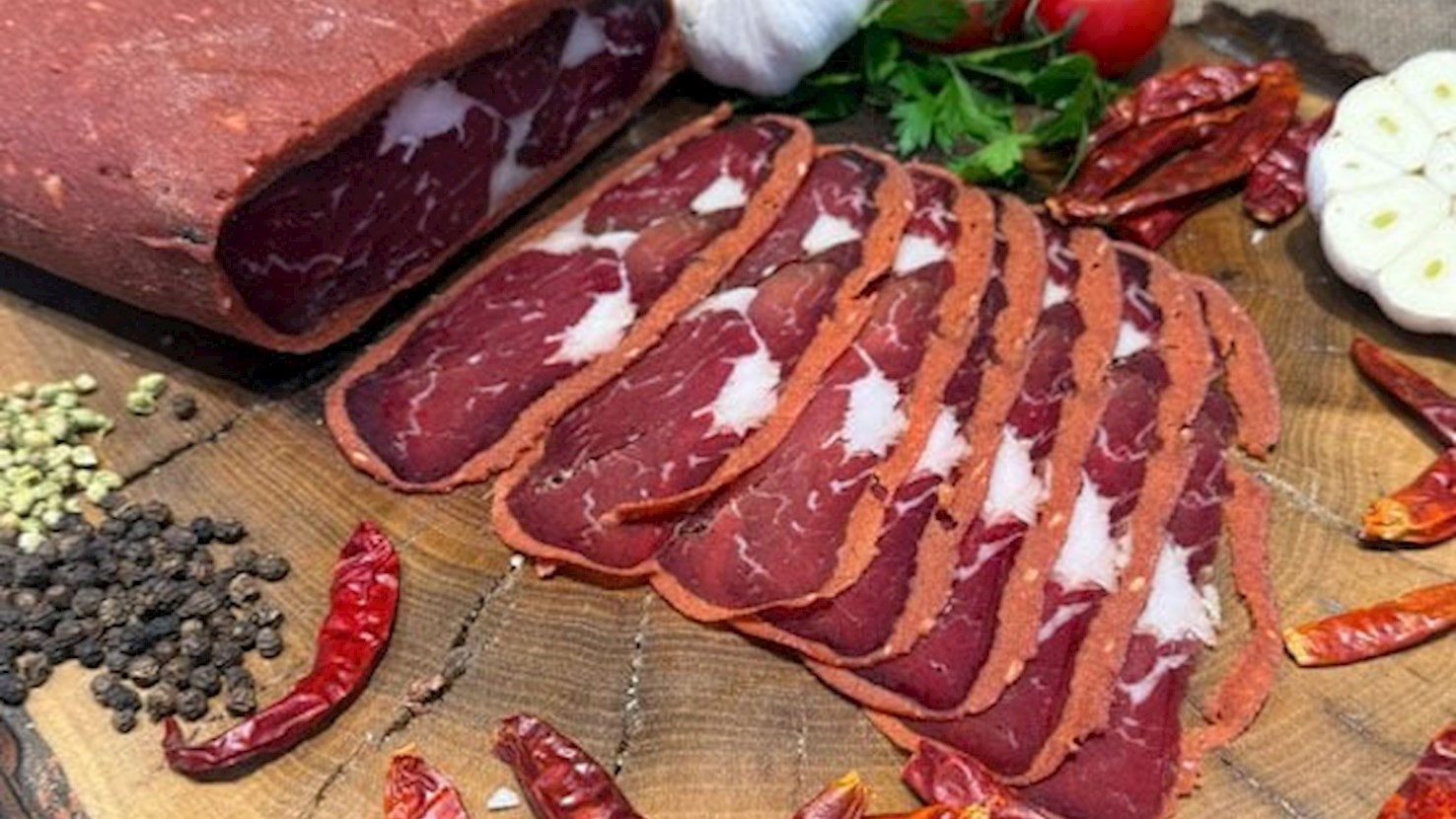
Kayseri Pastırması is a cured beef product characterized by a multi-stage process of salting, pressing, and air-drying, finished with a distinctive spice coating known as çemen. The item originates from the Kayseri province in central Turkey, a region whose specific climatic conditions are integral to the product's identity. In March 2026, Kayseri Pastırması was officially granted Protected Geographical Indication (PGI) status by the European Union, making it the 46th Turkish product to receive such legal protection across the bloc. The presence of this cured meat in Kayseri is linked to the migratory patterns of Central Asian Turkic tribes who settled in Anatolia during the 11th century. These mobile populations utilized pressure and salt to preserve meat for transport, often placing slices under their saddles. This method evolved within the sedentary culture of Kayseri, where the city's position on the Silk Road and the proximity of Mount Erciyes provided a specific environment for large-scale production. The localized "pastırma summer", a brief period in late autumn characterized by dry winds and significant temperature fluctuations between day and night, is specifically utilized to achieve the correct tenderness and moisture reduction in the meat. Production begins with selecting cuts from the back, hind leg, or foreleg of male cattle. The meat is slit at 45-degree angles and rubbed thoroughly with a curing salt mixture containing nitrite to fix the color and prevent spoilage. After resting for several days, the meat is washed, hung to drain, and then subjected to a heavy pressing stage to remove residual fluids and flatten the fibers. A subsequent drying period in open air or climate-controlled rooms follows. The unique technical component is the application of çemen, a paste composed of fenugreek seed flour, crushed garlic, hot and sweet red pepper, and water. This paste acts as an antimicrobial barrier and an airtight seal, allowing the meat to age without rotting while infusing it with a dominant cumin and garlic aroma. A unique attribute of the item is that while technically raw, the extensive curing and pressing phases render the proteins highly digestible and safe for consumption without further cooking. Connoisseurs in Kayseri prioritize specific cuts like kuşgömü (fillet) and tütünlük (rib eye), which are noted for a softer texture that requires minimal chewing. Kayseri pastırması is served in translucent, paper-thin slices, often cut by hand with a long, sharp knife to preserve the integrity of the muscle fibers. It is a central element of the breakfast table and a standard component of appetizers. In hot preparations, it is used to flavor legumes, particularly kuru fasulye (white bean stew), or cooked with eggs. The most common beverage pairing is black tea, as the tannins help cut through the intensity of the garlic and salt. It is also frequently paired with ayran (a salted yogurt drink) or freshly pressed fruit juices. In a social dining context, it is a staple accompaniment to rakı, where the aniseed notes of the spirit balance the pungent, savory profile of the çemen.
TasteAtlas food rankings are based on the ratings of the TasteAtlas audience, with a series of mechanisms that recognize real users and that ignore bot,
nationalist or local patriotic ratings, and give additional value to the ratings of users that the system recognizes as knowledgeable.
For the “Top 8 Central Anatolian Foods” list until June 02, 2026, 776 ratings were recorded, of which 373 were recognized by the system as legitimate.
TasteAtlas Rankings should not be seen as the final global conclusion about food. Their purpose is to promote excellent local foods,
instill pride in traditional dishes, and arouse curiosity about dishes you haven’t tried.
The initial list of top producers was compiled based on available reviews, awards, local recommendations, media and blog coverage, and consumer reviews.
The list will be updated with ratings from TasteAtlas local ambassadors and TasteAtlas users.