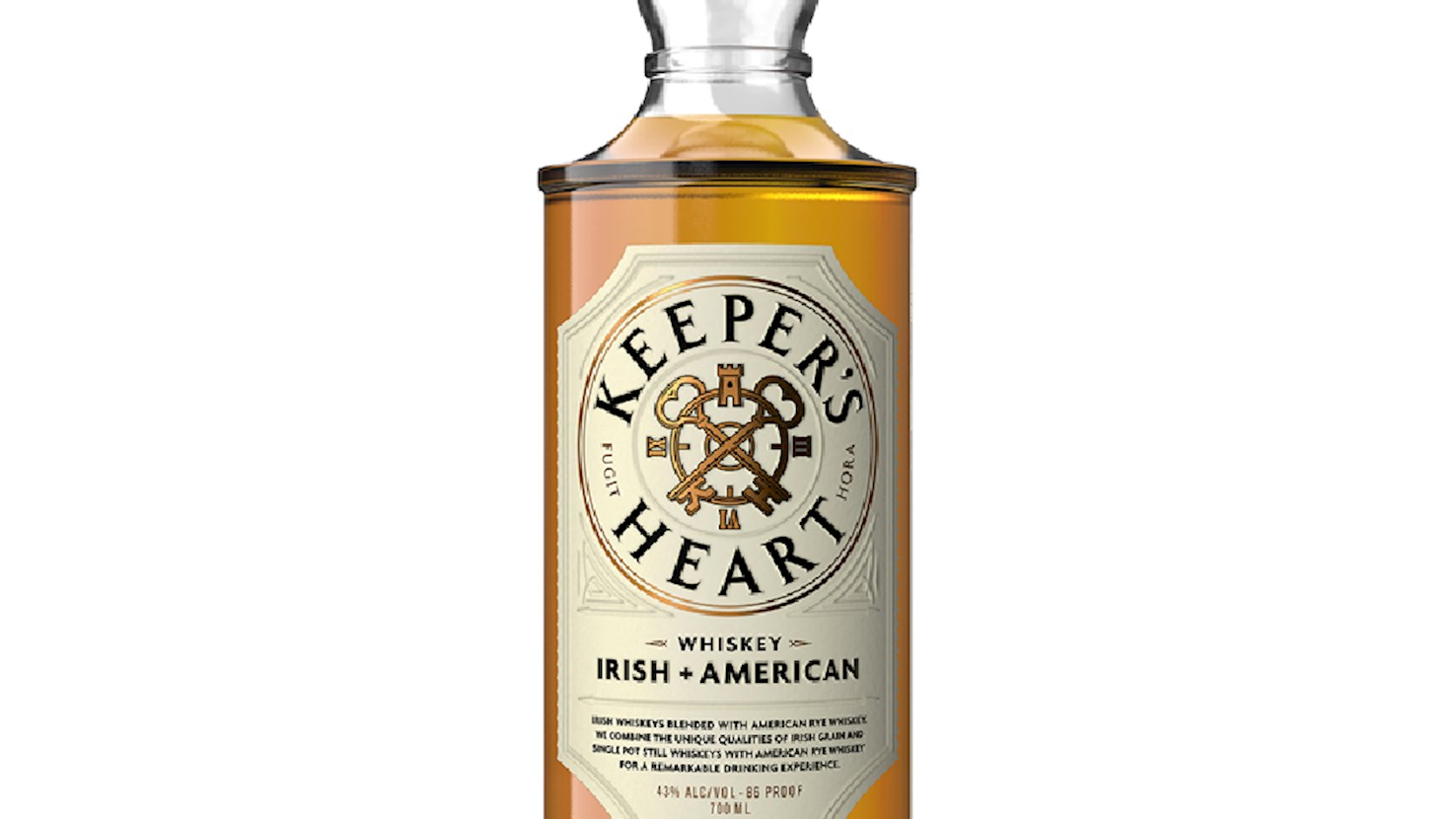
Keeper's Heart Whiskey, produced by O'Shaughnessy Distilling Co. in Minneapolis, Minnesota, is a unique blend that marries Irish and American whiskey-making traditions. Founded by cousins Patrick and Michael O'Shaughnessy, the distillery embodies their family motto, "Fugit Hora" ("The Hour Flies"), emphasizing the importance of cherishing moments with loved ones.
The distillery features three copper pot stills and spans over 15,000 square feet dedicated to the whiskey-making process. It also houses a restaurant and bar, offering shared spaces for guests to enjoy food and signature cocktails.
Master Distiller Brian Nation, formerly of Jameson, Redbreast, and Midleton, brings his expertise to Keeper's Heart, crafting whiskeys that blend the smoothness of Irish whiskey with the boldness of American styles.
Awards
SFWSC - San Francisco World Spirits Competition - Double Gold
(2024, 2023)
NYWSC - New York World Spirits Competition - Double Gold
(2023)
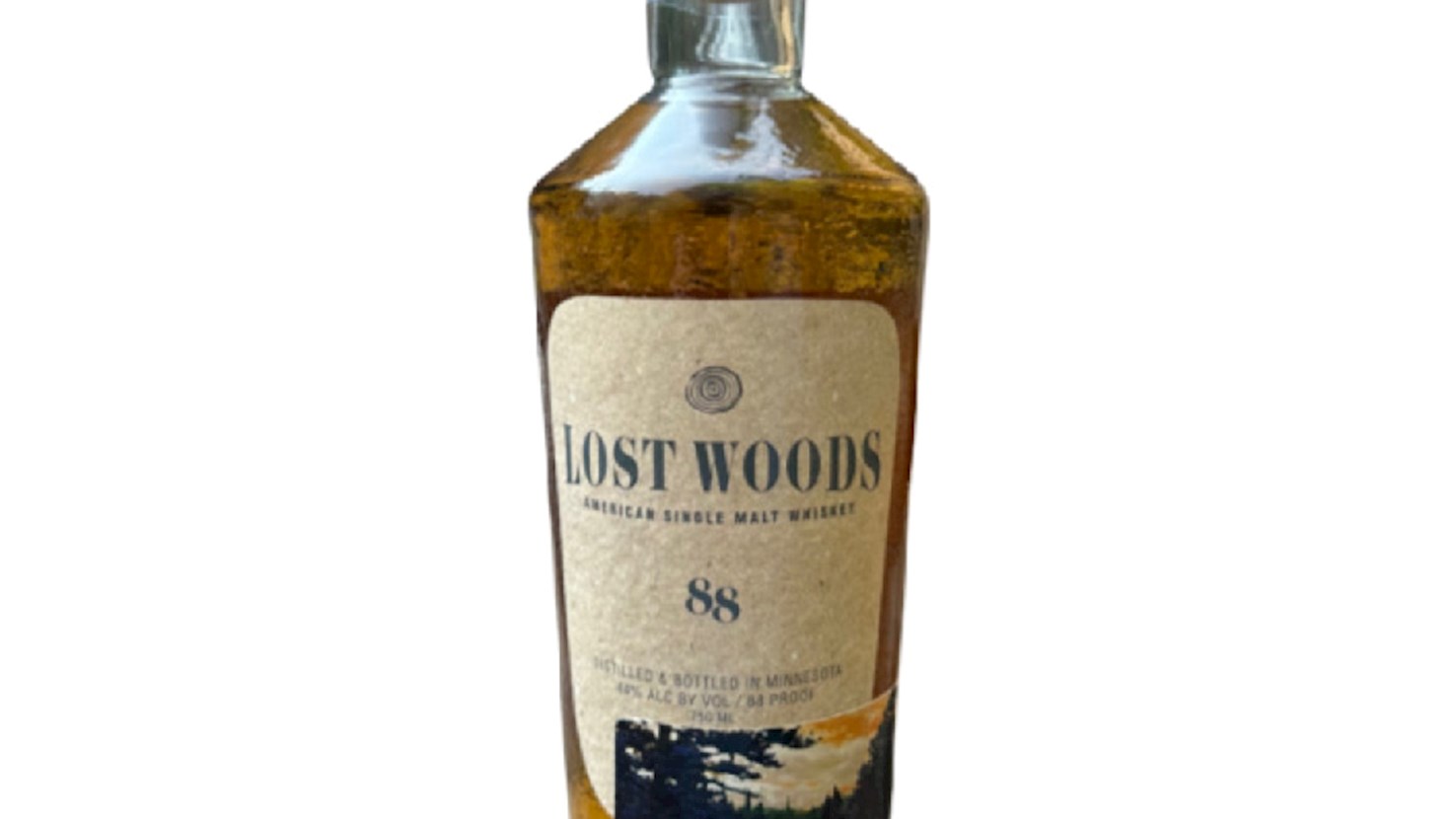
Lost Woods Whiskey Company is a Minneapolis-based distillery founded in 2018 by local nature enthusiast Tom Sheppie. Driven by a passion for bringing people together outdoors and preserving the environment, Tom created a brand that combines premium whiskey quality with a commitment to conservation. Lost Woods produces American single malt whiskey made from 100% malted barley grown in Wisconsin, distilled in Northeast Minneapolis. After distillation, the whiskey undergoes accelerated aging and finishes in sherry-soaked barrels, giving it unique flavors of honey, caramel, and roasted grains. Known for its quality, the brand has won three consecutive Double Gold Medals at the San Francisco World Spirits Competition, achieving a Platinum Award in 2023. Additionally, Lost Woods donates 1% of all sales to environmental organizations, reinforcing its commitment to planet preservation.
Awards
SFWSC - San Francisco World Spirits Competition - Double Gold
(2024, 2023)
NYWSC - New York World Spirits Competition - Double Gold
(2024)
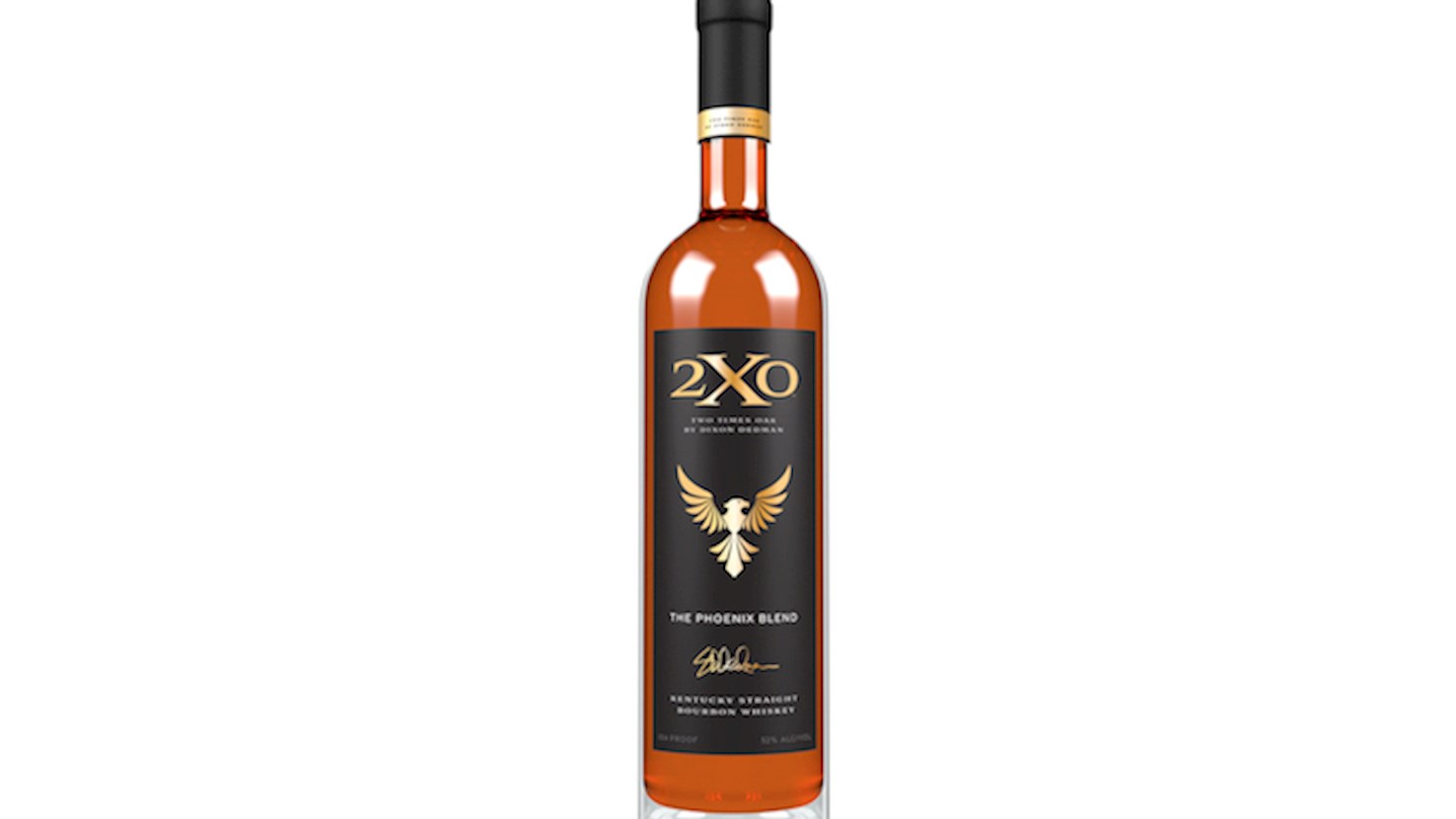
2XO is an award-winning Kentucky straight bourbon whiskey brand founded by renowned American whiskey blender Dixon Dedman. The name "2XO" stands for "Two Times Oak," reflecting Dedman's innovative blending process that involves additional oak exposure for each expression. This technique enhances the sweetness to balance the spice from the rye in the mash bills, resulting in a unique combination of intense flavors, character, and complexity in each release. Dedman, known for his high-proof, robust bourbon and rye blends, aims to revolutionize the American whiskey category by moving away from traditional narratives and focusing on innovation backed by exceptional liquid quality.
Awards
SFWSC - San Francisco World Spirits Competition - Double Gold
(2023)
SFWSC - San Francisco World Spirits Competition - Gold
(2024)
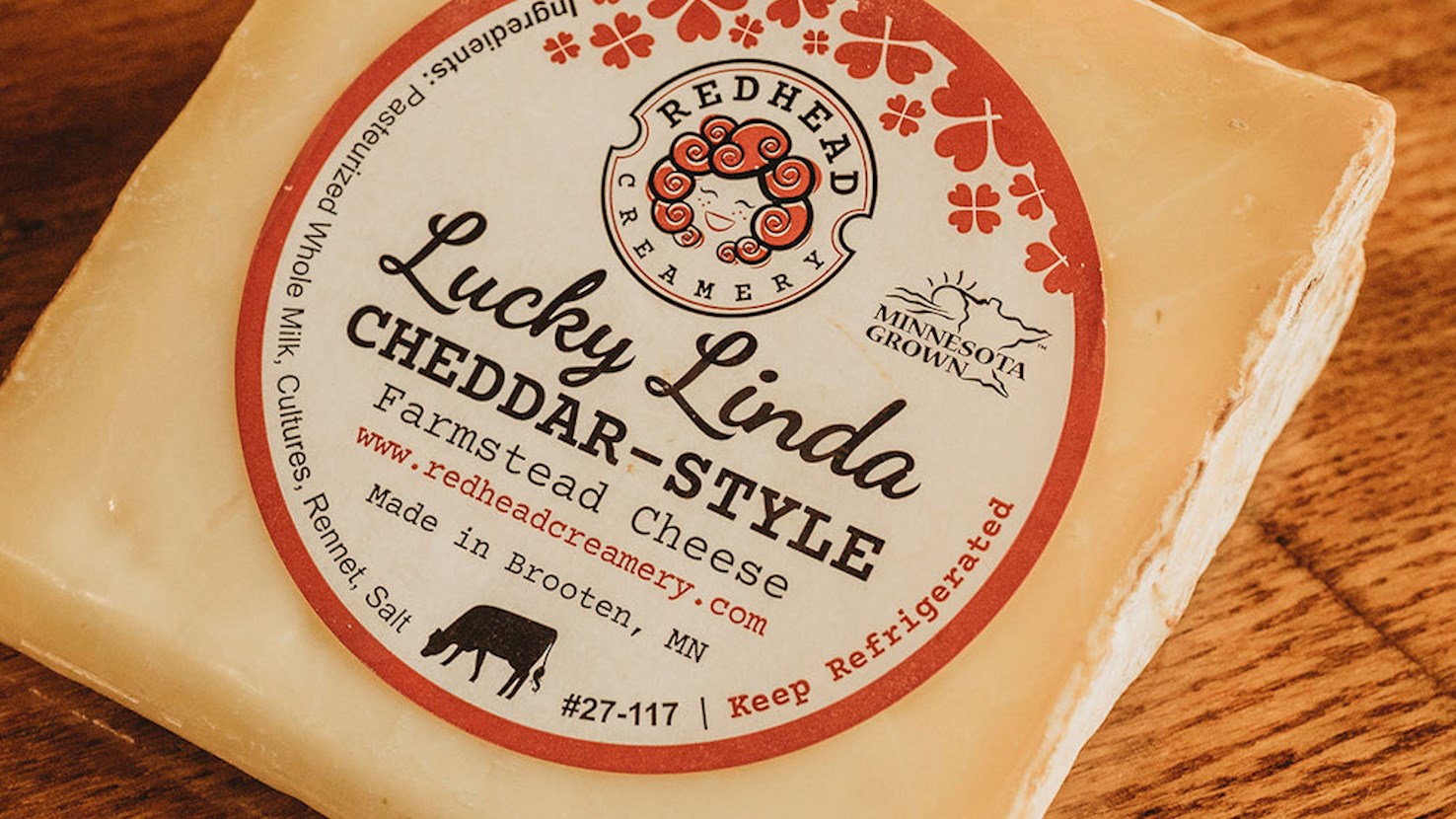
Redhead Creamery, located in Brooten, Minnesota, was established by Alise Sjostrom in 2013. The creamery is situated on her family’s dairy farm, Jer-Lindy Farms, and began producing cheese after a successful Kickstarter campaign. Redhead Creamery is dedicated to sustainability and produces a variety of artisan cheeses, including cheddar, brie, and cheese curds, using milk from their own grass-fed cows.
Forager Brewery in Rochester, Minnesota, blends craft brewing, seasonal gastronomy, and the local art scene. The brewery stands out for its “locally foraged” philosophy, sourcing wild-harvested herbs, mushrooms, spices, and regional grains in collaboration with farms across southeastern Minnesota. Beer is produced in creative small batches that reflect the terroir of the Driftless region, combining technical precision, seasonal ingredients, and an experimental approach. Their lineup spans a wide range of styles - from juicy, aromatic New England IPAs with pronounced tropical fruit notes, to light, refreshing pilsners, and complex barrel-aged stouts matured in whiskey, rum, or wine barrels, developing rich chocolate, caramel, and oaky tones. A special segment of their portfolio features fruit-forward sour ales, often enriched with local berries, rhubarb, or floral accents, delivering refreshing acidity and layered aromatics. For hop-forward beers, they select premium American and New Zealand hops, while their farmhouse and saison releases draw inspiration from European traditions, adapted with local raw materials. Experiments with wild yeast and spontaneous fermentations result in unique, one-of-a-kind batches, making each release distinct. The taproom offers a relaxed, family-friendly atmosphere, perfect for enjoying lunch or dinner alongside a diverse range of beers that showcase the creativity and terroir of this brewery.
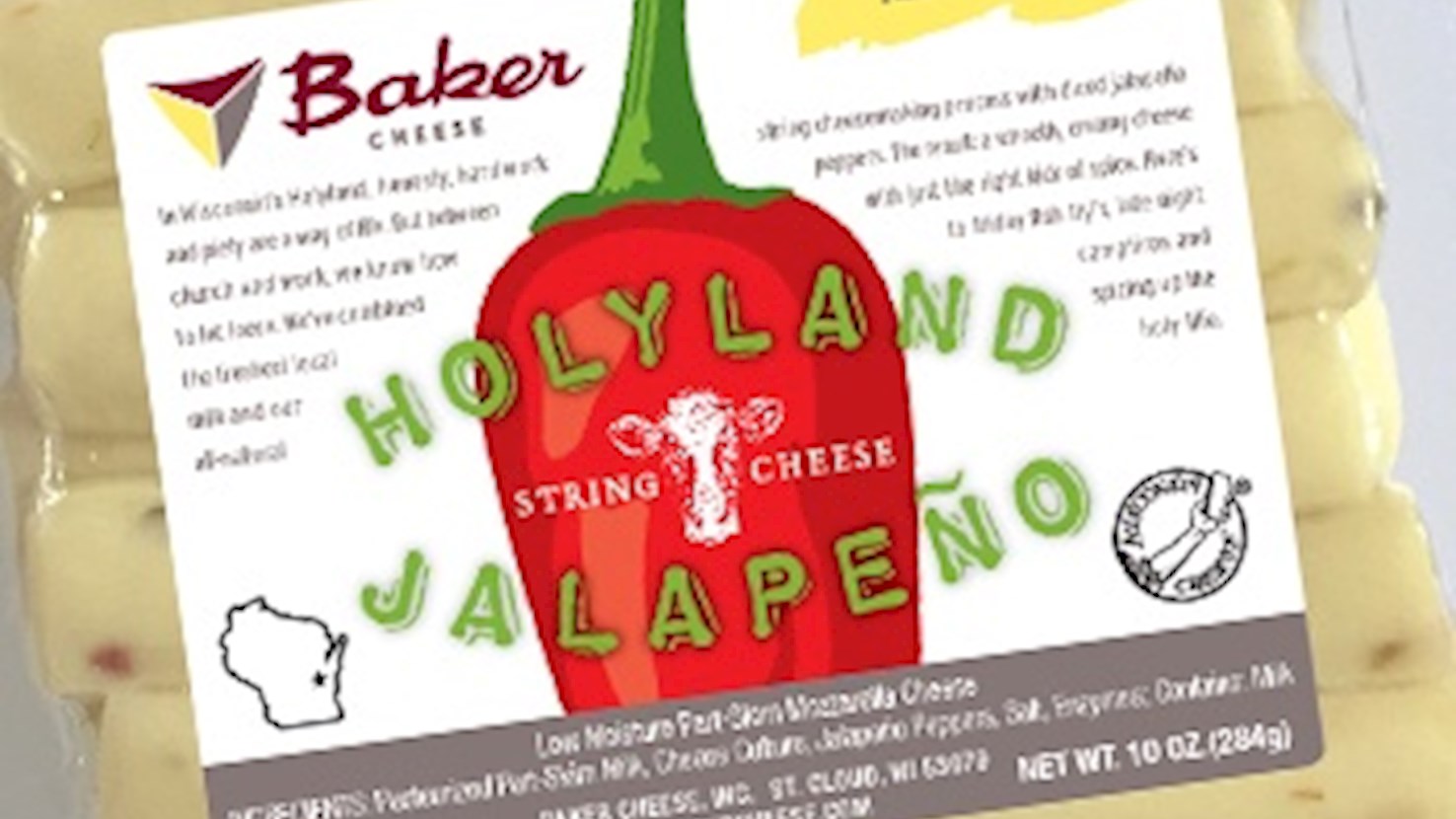
Baker Cheese Factory Inc, located in St. Cloud, Wisconsin, specializes in producing string cheese. The company maintains a commitment to traditional manufacturing methods. Baker Cheese is a fourth-generation, family-owned business, emphasizing high-quality cheese production.
Awards
World Championship Cheese Contest - Best of Class
(2016)
Shepherd’s Way Farms is an award-winning farmstead creamery located in Nerstrand, Minnesota, specializing in the production of sheep’s milk cheeses. Their family-run farmstead approach allows them to develop cheeses that reflect a specific "terroir" – a unique flavor that arises from the particular grazing conditions and natural environment.
Their cheese lineup includes products such as Friesago, a semi-hard and semi-aged cheese with a natural rind and mild, nutty flavor; Shepherd’s Hope, a mild fresh cheese with subtle citrus notes; Big Woods Blue, a creamy blue cheese with complex, spiced flavors; and Sogn, a semi-hard tomme-style cheese with rich, fatty sheep’s milk and notes of green olives and bay leaves.
In addition to cheeses, Shepherd’s Way Farms also offers other products such as milk, lamb, wool, and wool-based items.
Awards
American Cheese Society Judging & Competition Awards - 1st Place
(2025, 2024, 2022, 2017, 2006)
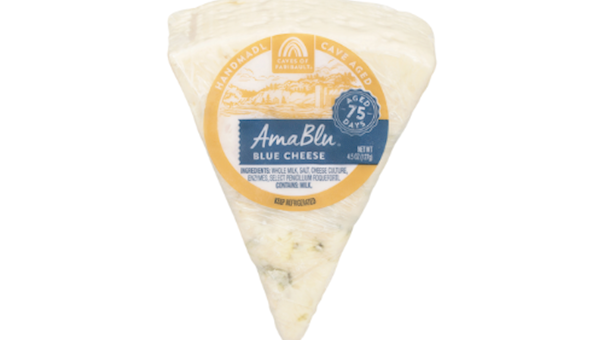
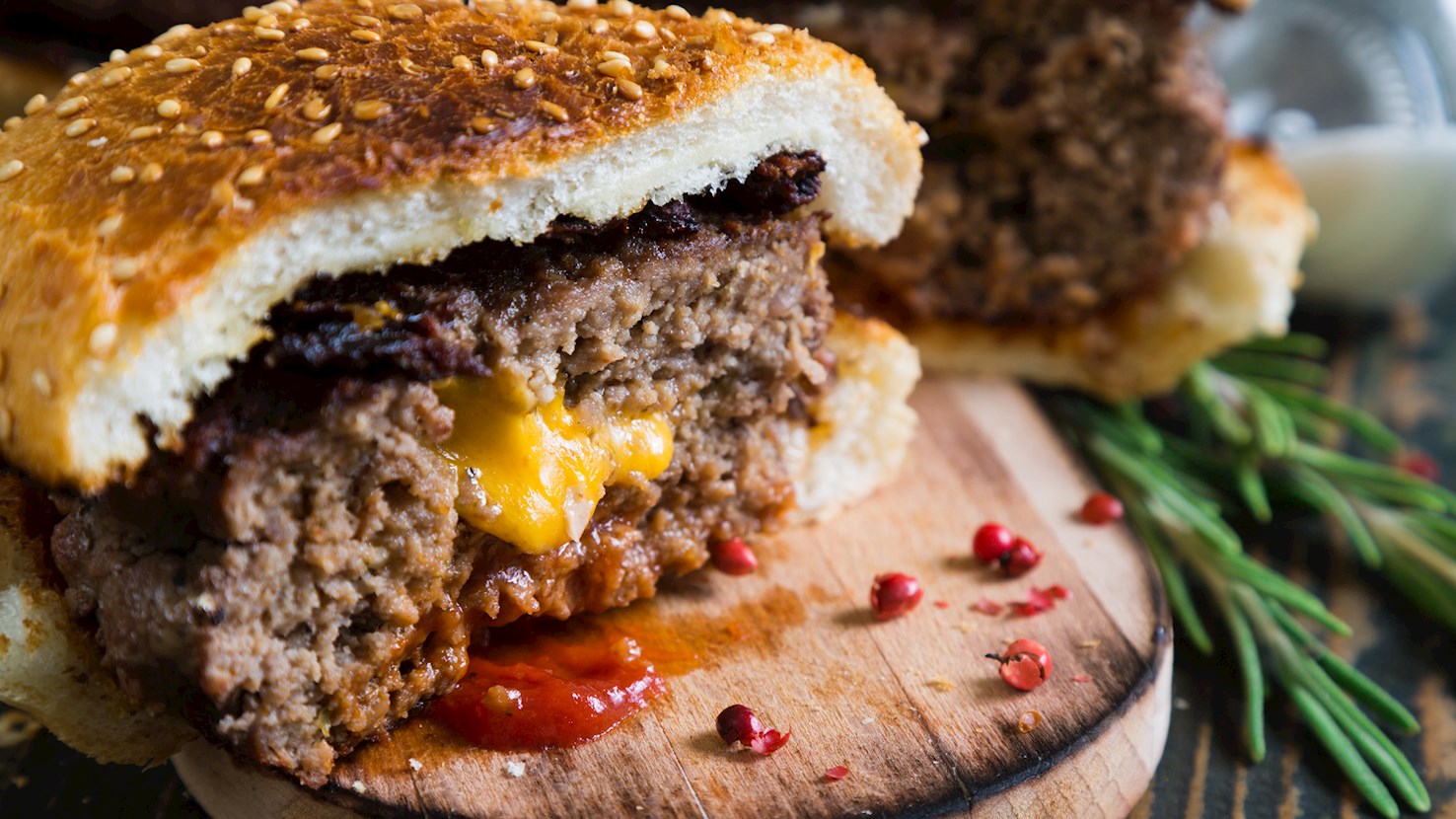
Named one of Time magazine's 17 most influential burgers, Juicy Lucy—also purposely spelled without the "i"—is a twist on the classic cheeseburger in which the cheese is melted inside the patty. Hands down a Minneapolis favorite, the cheese-stuffed Lucy burger is an exquisite experience which actually requires some skill in order to know how to eat it without burning your mouth with a hot shot of the flowing molten American cheese locked between the two ground beef patties. Apart from the succulent beef, this cheeseburger also carries another quarter-pound of controversy, mostly due to the feud about its origin, as there are two Minneapolis burger eateries claiming its invention. Matt’s Bar & Grill put it on the menu shortly after its opening in 1954 when a local customer asked for two hamburger patties with a slice of cheese in the middle. Upon biting into this new cheesy goodness, as the hot cheese spurted out, he wiped his mouth and said, "Ooh, that’s one juicy Lucy!", explained the founder Matt Bristol. Customer demand grew "so quickly they forgot to add the i", and so the Jucy Lucy legend was born, although the misspelling was probably merely a typo made by the cook behind the bar. Up that same street in Southern Minneapolis, the popular speakeasy-style joint called 5-8 Club eventually started making their own version of this burger, also claiming to be the place of its origin. And even though the 5-8 Club offered no historical story to validate their claim, they added the "i" to make it a Juicy Lucy, and the rest is history. Except for the i in juicy, their take on this meaty Midwestern treat was pretty much the same thing, but unlike Matt’s Bar which sticks to the original recipe, the 5-8 Club today offers Lucy burgers stuffed with a choice of American, Amablu Blue, Pepper, or Swiss cheese. Interestingly, the true origin of the cheese-oozing Lucy burger remains a heated debate as the two bars keep taunting each other with their mottos: while Matt's Bar says "Remember, if it is spelled correctly, you are eating a shameless rip-off!", the 5-8 Club claims that "If it's spelled right, it's done right." This rivalry continues to amuse the people of Minneapolis and adds just a pinch of that extra spice to make you want to try both Lucys.
Walleye sandwich is a classic American fish sandwich consisting of a cracker-coated, deep-fried walleye fillet that's served on a hoagie or kaiser roll and topped with tomatoes, lettuce, and tartar sauce. The walleye has been Minnesota's official state fish since 1965, which is the reason why this sandwich can be found on the menus of most Minnesota eateries. It's recommended to serve this sandwich with a side of lemon wedges, onion rings, french fries, and a cold bottle of beer on the side.
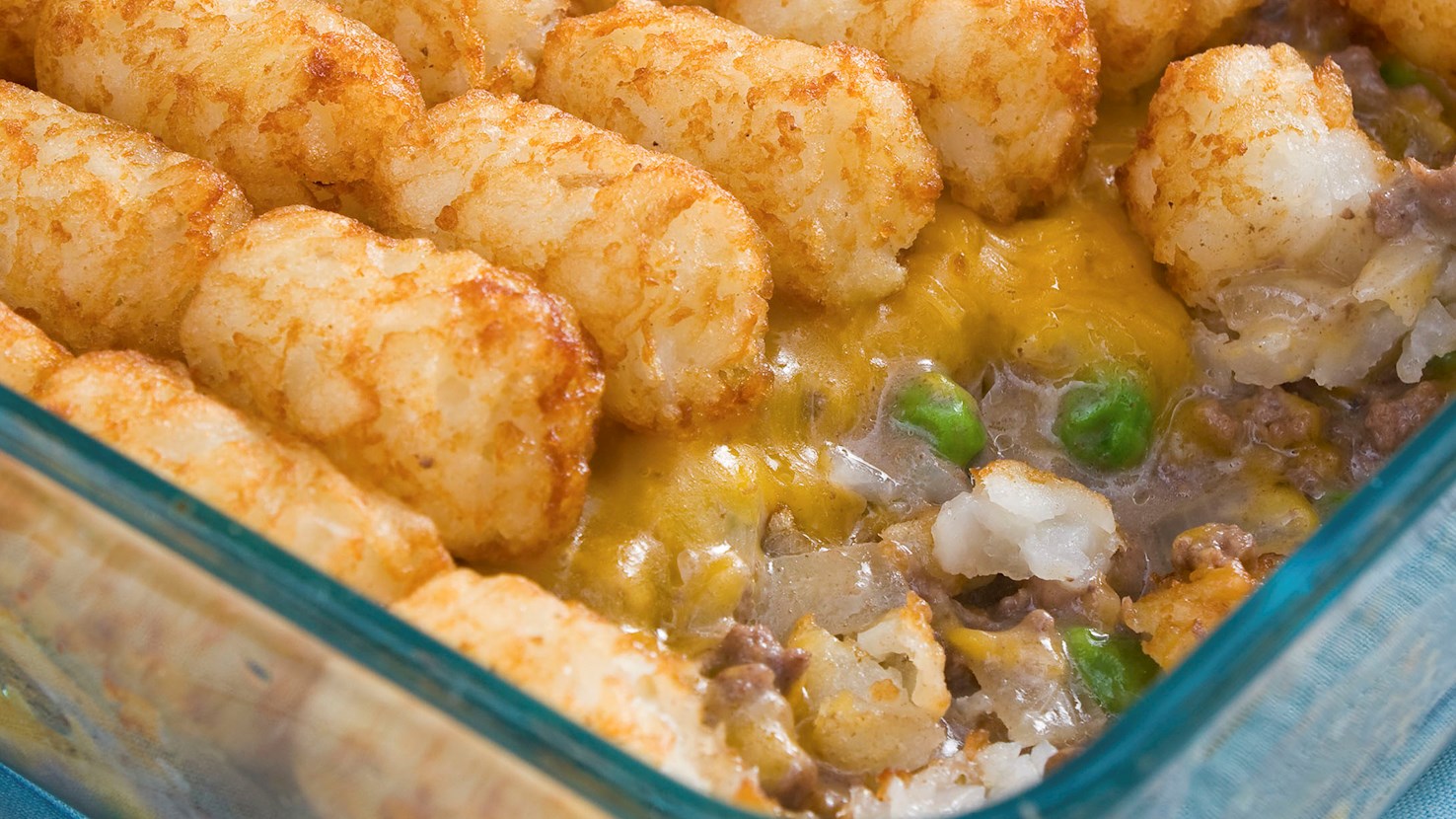
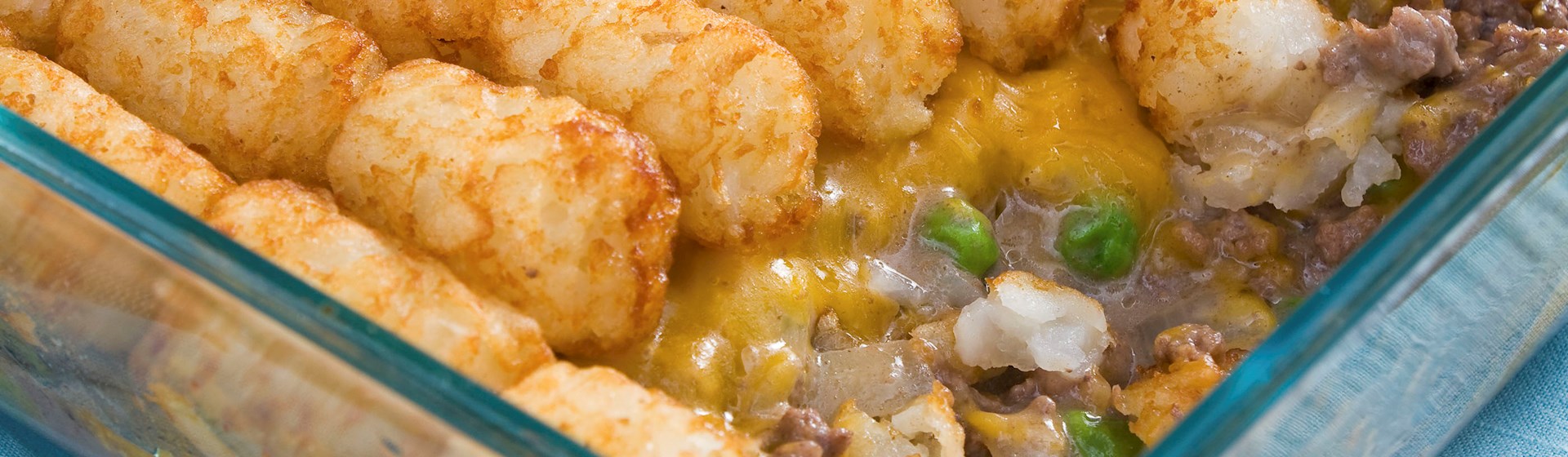
Hotdish is a Midwestern food icon that is especially popular in the states of Minnesota and North Dakota. Any casserole served hot in a single dish can be called hotdish, and it usually consists of starches such as potatoes or pasta, meat (often ground beef), vegetables, and canned soup (typically cream of mushroom soup). The first recipe is found in the 1930s Grace Lutheran Ladies Aid Cookbook, but in 1934, Campbell company mixes things up with their canned soups which became the base for most hotdish varieties. The dish originated from the Midwestern farmers who needed to feed their large families, while another theory suggests that it originates from the Norwegian word varmrett, meaning warm dish, due to the fact that there are many Norwegians living in the region. Since 1956, which marks the invention of commercial tater tots (grated fried potatoes), a large number of Midwestern cooks started to top their hotdishes with crispy fried tater tots, and the dish is then called tater tot casserole or tater tot hotdish. Traditionally, this comfort food dish is served as a main course and it often appears at big family reunions and church suppers.
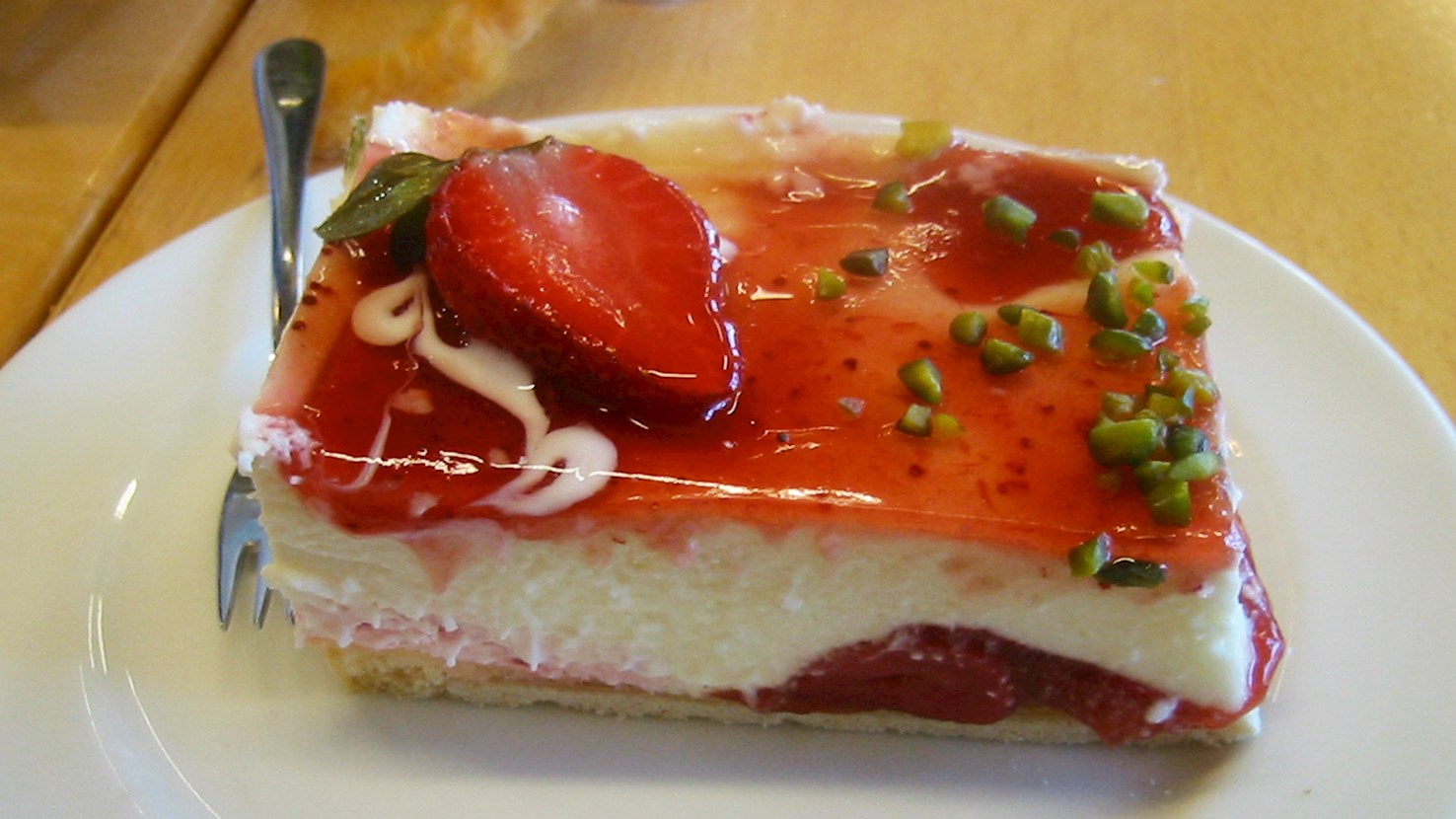
This unusual American dessert salad is especially popular in Minnesota. It consists of cream cheese, graham crackers, milk, strawberries, and strawberry gelatin, although it can be enriched by the addition of canned pineapple, walnuts, or marshmallows. The combination of these ingredients is typically refrigerated in order to set. Strawberry delight is sometimes prepared for Thanksgiving and Christmas, and it is still a staple of many potlucks in the American South.
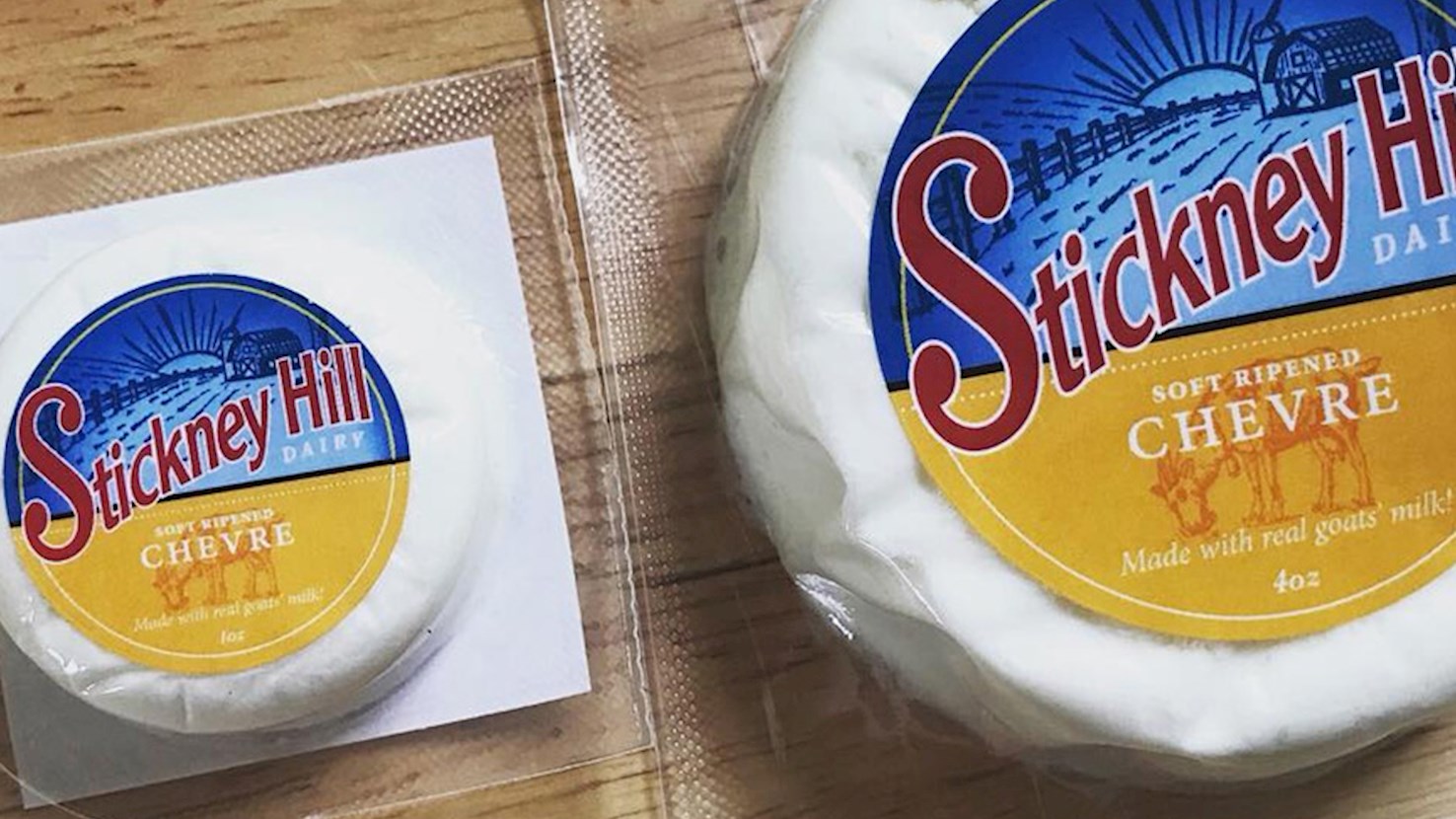
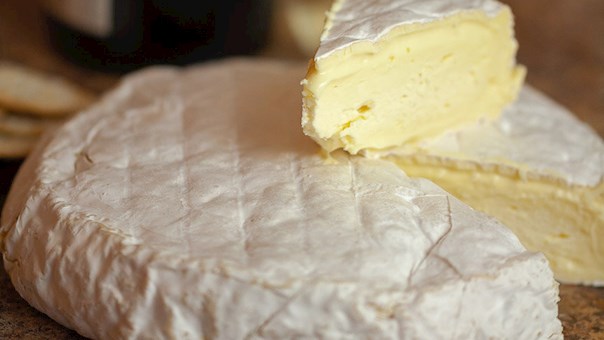
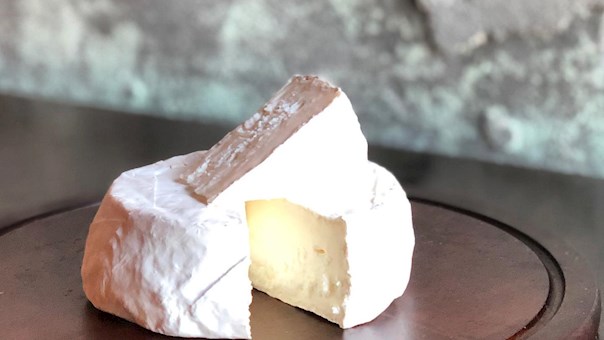
Stickney Hill Chevre is an American cheese hailing from Kimball, where it's produced by Stickney Hill Dairy. The cheese is made from pasteurized goat's milk and has a natural rind. Underneath the rind, the texture is semi-soft, spreadable, and crumbly. The aromas are mild, lactic, and goaty, while the flavors range from mild and herbaceous to spicy, garlicky, and tangy. The cheese is made in a few varieties, most of them flavored with different ingredients, such as Tomato Basil Chevre, Garlic and Herb Chevre, Honey Chevre, Pumpkin Spice Chevre, and Cranberry Chevre. It's recommended to serve Stickney Hill Chevre as an appetizer or a dessert.
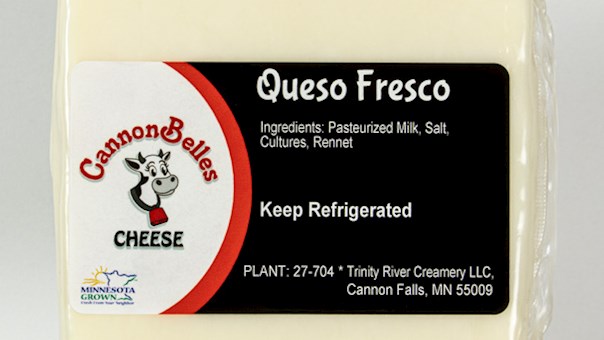
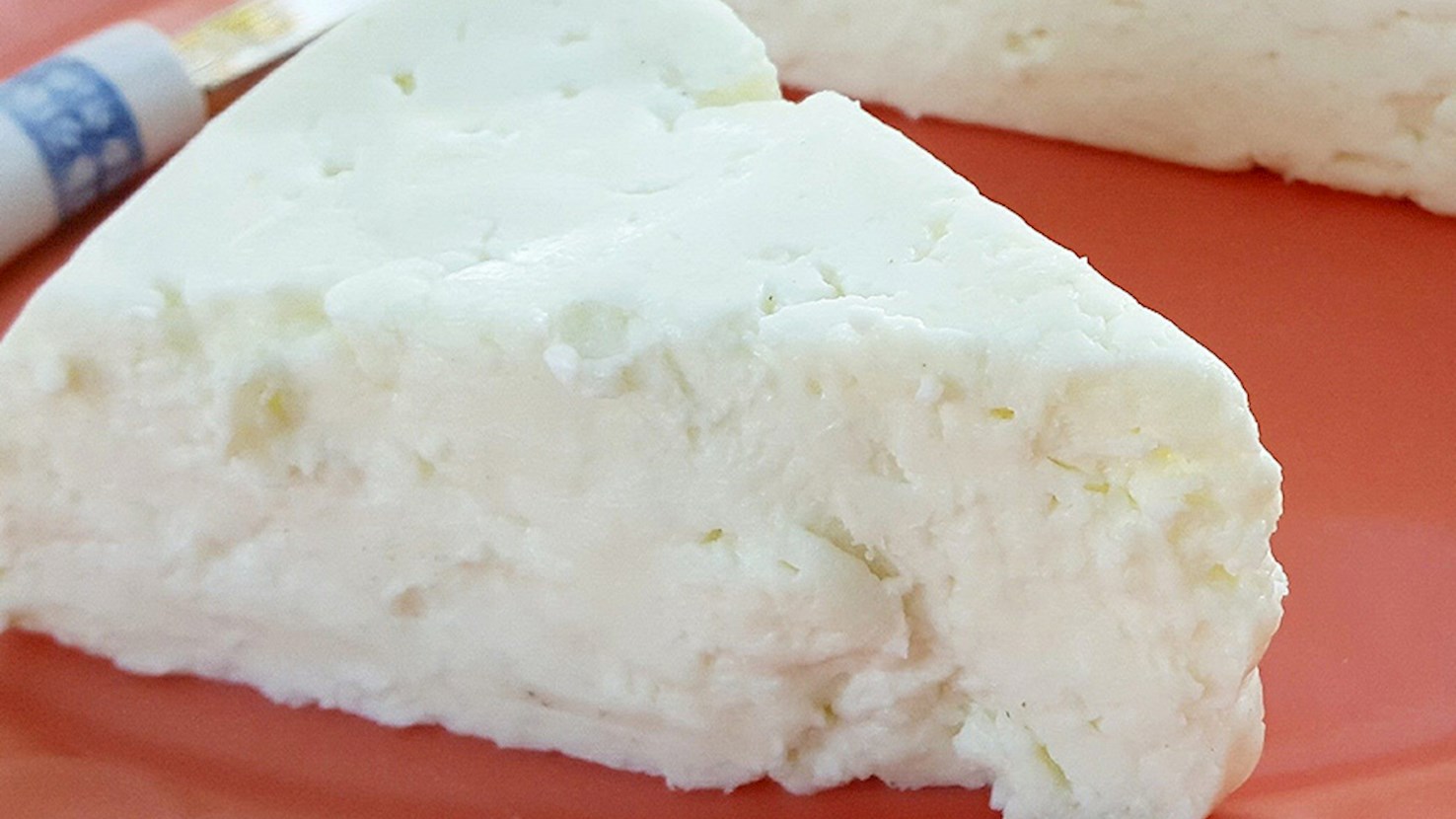
Shepherd's Hope is an American cheese hailing from Nerstrand, Minnesota, where it's produced by Shepherd's Way Farms. The cheese is made from pasteurized sheep's milk (plain version) and it's based on queso fresco. There's also a version with garlic and herbs. The texture of this fresh, rindless cheese is semi-soft, creamy, and firm. The aromas are fresh, herbaceous, and intense, while the flavors are milky, mild, and garlicky, with citrusy notes at the finish. It's recommended to serve Shepherd's Hope with a baguette or use it on pizza and in sandwiches. Pair it with a glass of crisp Chardonnay.
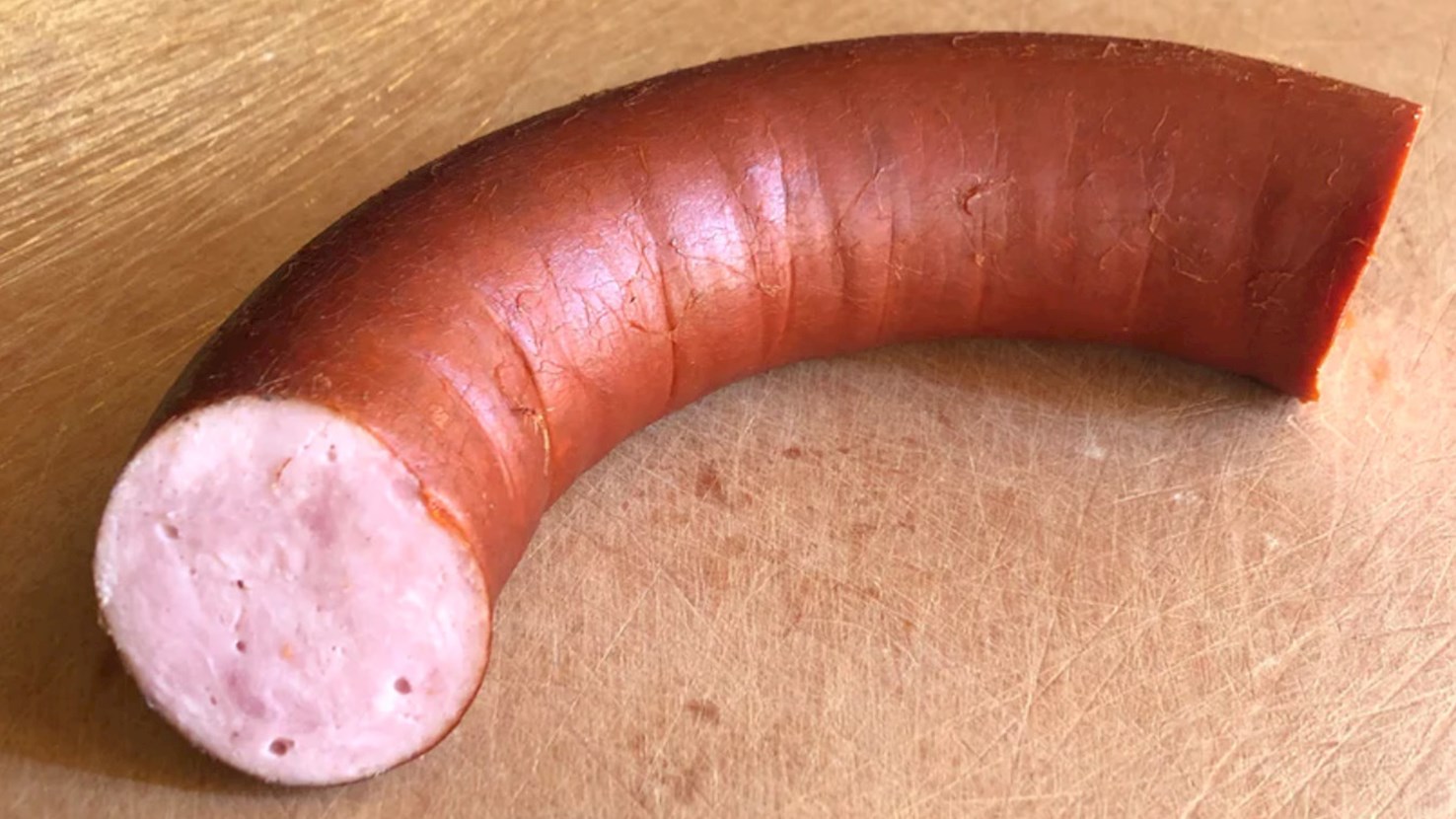
Kramarczuk's sausages are Eastern European-style smoked sausages produced by the Kramarczuk Sausage Company, owners of a namesake deli, bakery, and restaurant in Minneapolis. The sausages have no preservatives or fillers and get their flavor thanks to a good choice of meat cuts. You can choose from about a dozen varieties, from Polish kielbasa to German brats, Ukranian kovbaca and kishka, linguica, and chorizo, to name a few. They also offer baked goods, fresh and cured meat, condiments, cakes, and pastries at their establishments. And for those who really want to know more about them, there's also the option of buying their cookbook, the Kramarczuk's Family Classics.
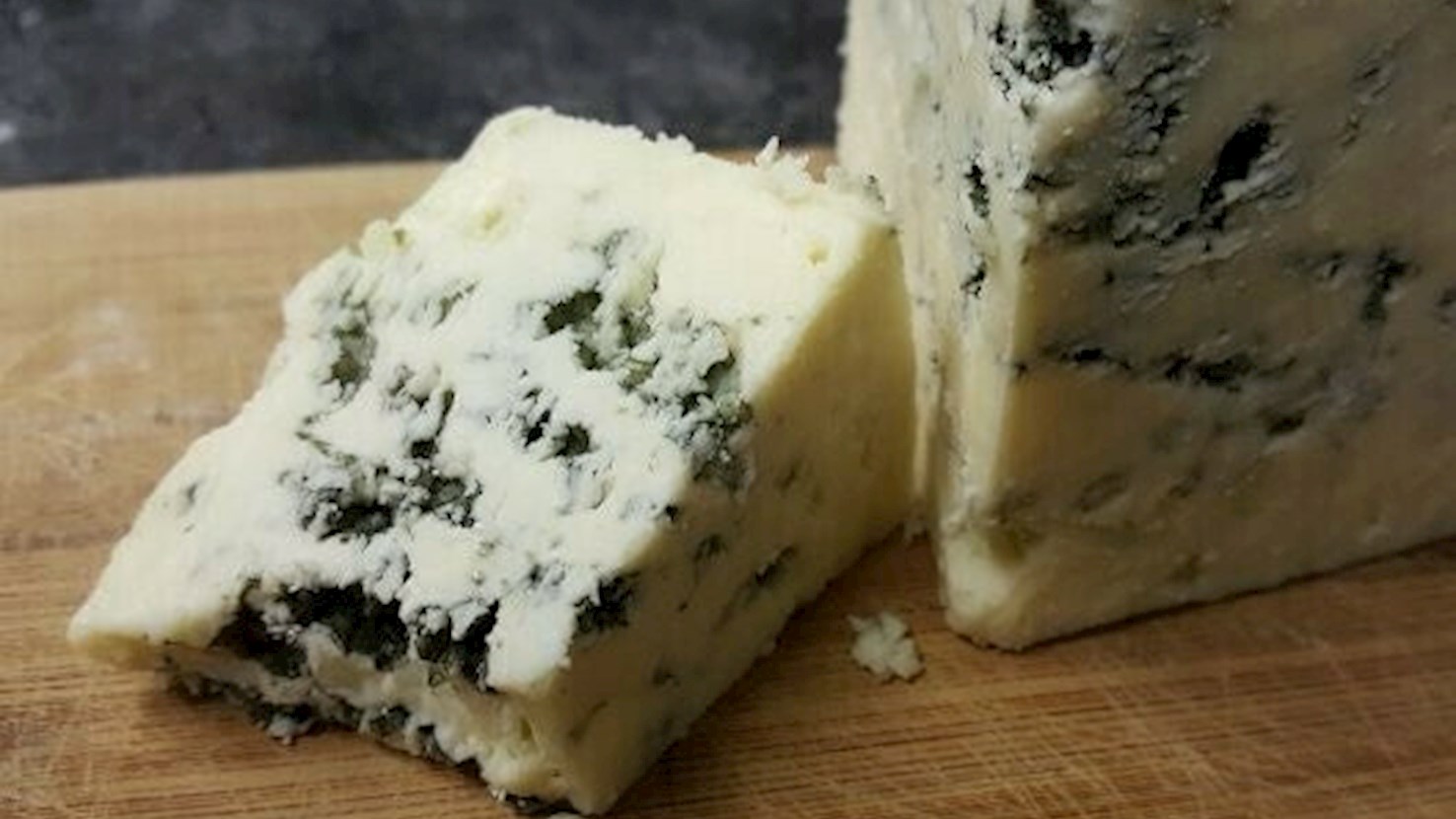
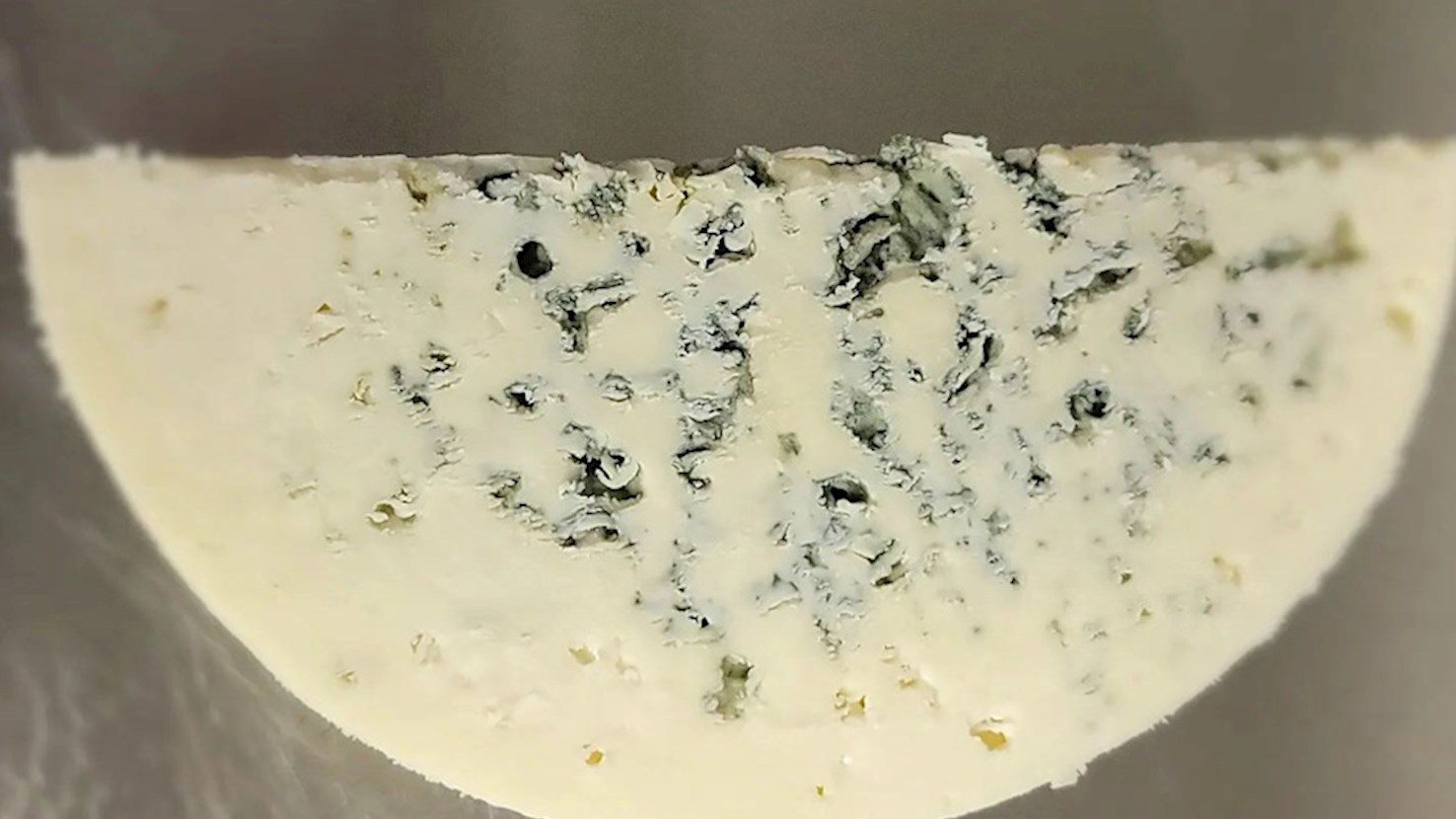
Big Woods Blue is an American cheese produced by Shepherd's Way Farms in Minnesota. This blue cheese made from sheep's milk has a natural rind, and underneath it, there is a firm, ivory-colored body speckled with blue-green veins. The aroma is sweet, while the flavors are spicy, tangy, peppery, sharp, and robust. However, the richness of the sheep's milk balances the intense flavors. It's recommended to pair the cheese with Port or Sauternes.
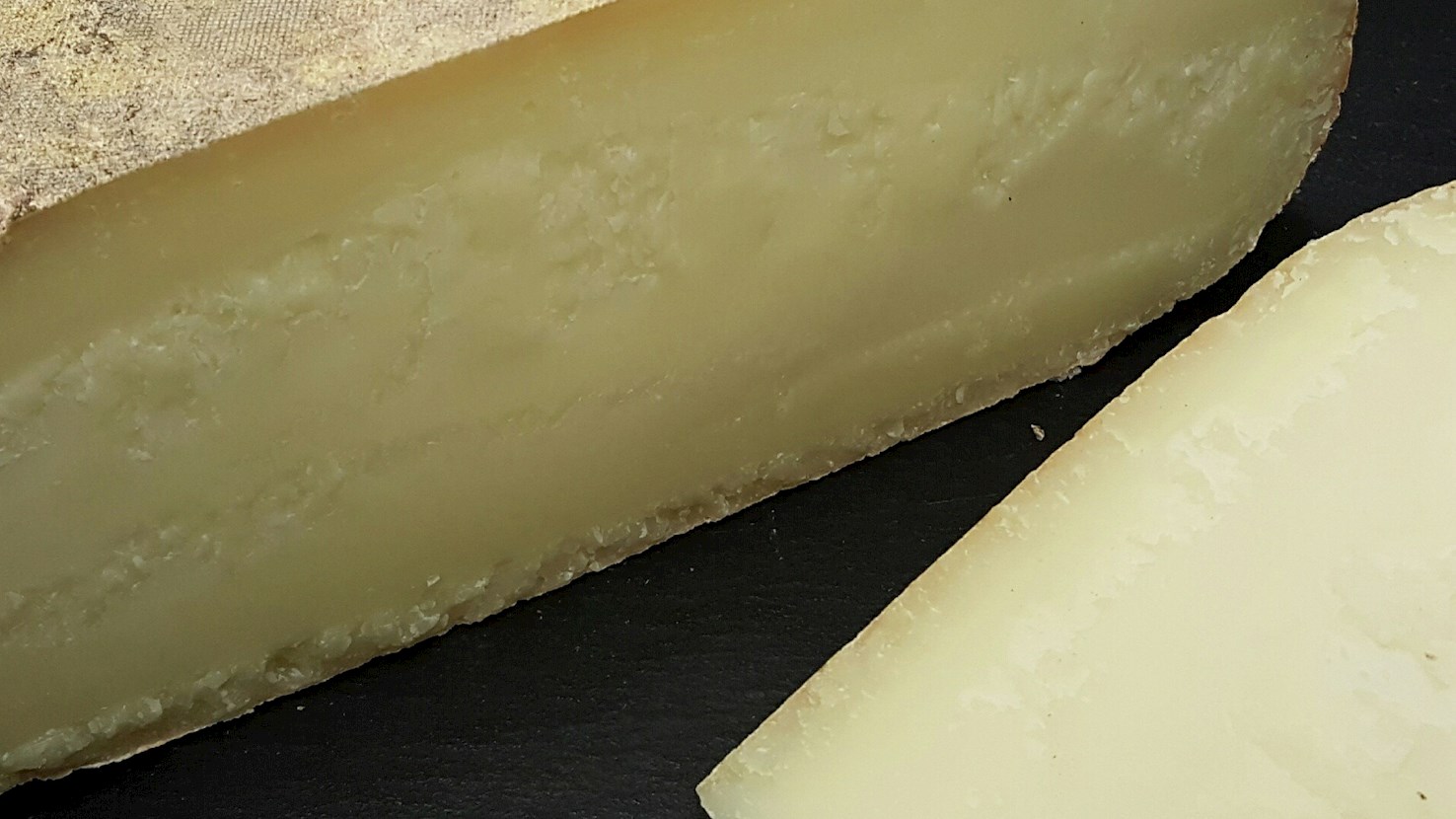
Friesago is an American cheese produced in Minnesota by Shepherd's Way Farms. The cheese is made from sheep's milk. It has a natural rind, and underneath it, the texture is firm, dense, and grainy. The aromas are pleasantly mild, while the flavors are nutty, milky, grassy, tangy, and piquant. Friesago is made in the style of Asiago, and originally it was waxed, unlike today. It's recommended to serve it on a cheeseboard with fig spread. Friesago can also be used on pizza as it melts well, or perhaps in a grilled cheese sandwich. Pair it with bright Italian reds or a glass of wheat beer.
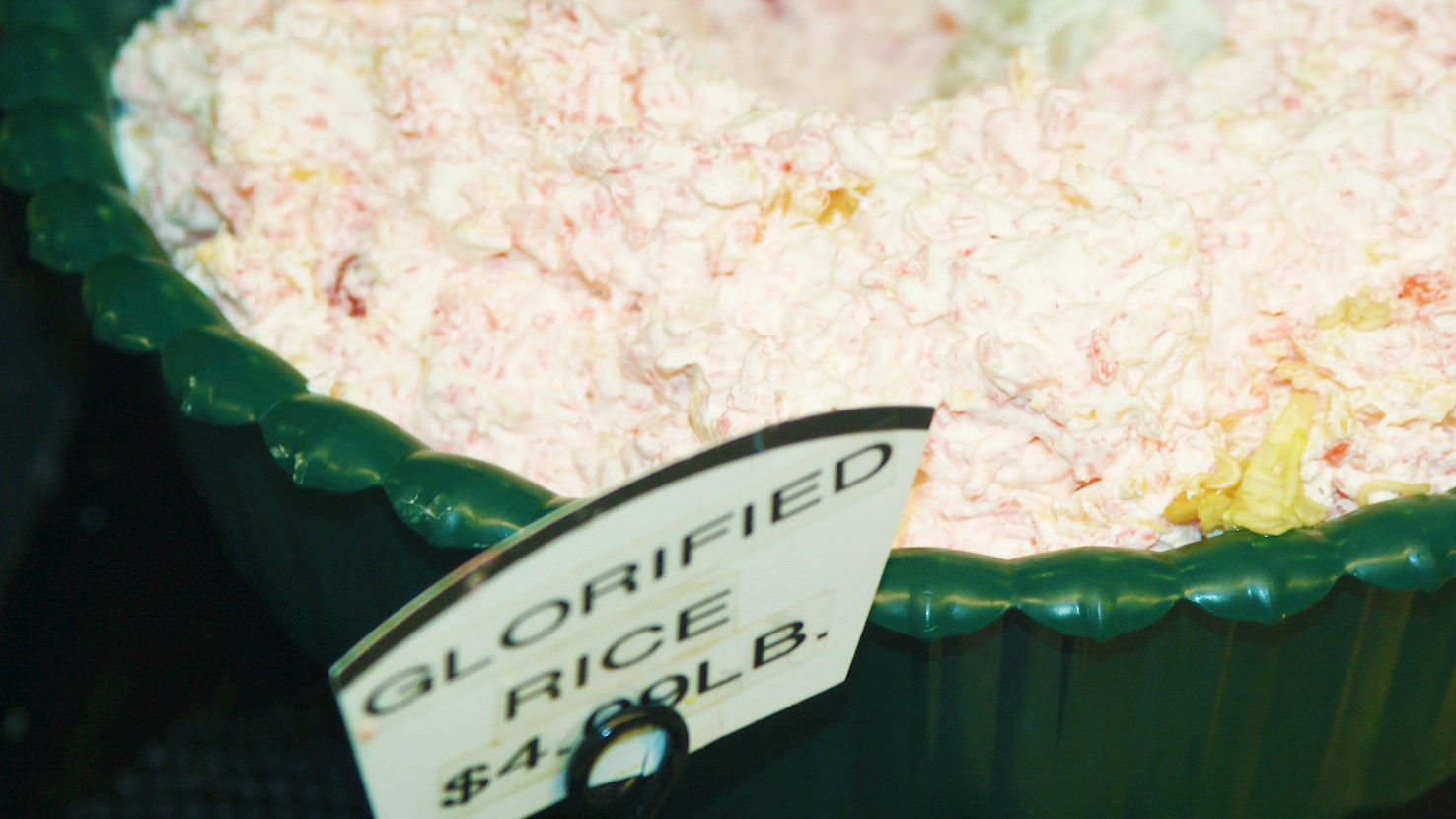
Glorified rice is an American Midwestern dessert consisting of rice, canned pineapple chunks, and whipped cream. The dish is traditionally garnished with a few maraschino cherries on top. Purists claim that the rice should always be cooked in cream in order to develop a tender, melting texture. The dessert was at its most popular from the 1930s to the 1950s, with numerous variations and additions such as bananas, apples, nuts, and gelatin. Today, glorified rice is mostly popular in rural Midwestern areas, and can often be found at church gatherings and potluck dinners.
TasteAtlas food rankings are based on the ratings of the TasteAtlas audience, with a series of mechanisms that recognize real users and that ignore bot,
nationalist or local patriotic ratings, and give additional value to the ratings of users that the system recognizes as knowledgeable.
For the “Top 47 Minnesotan Foods” list until June 10, 2026, 194 ratings were recorded, of which 174 were recognized by the system as legitimate.
TasteAtlas Rankings should not be seen as the final global conclusion about food. Their purpose is to promote excellent local foods,
instill pride in traditional dishes, and arouse curiosity about dishes you haven’t tried.
The initial list of top producers was compiled based on available reviews, awards, local recommendations, media and blog coverage, and consumer reviews.
The list will be updated with ratings from TasteAtlas local ambassadors and TasteAtlas users.