Top 100 Italian Fruits

Last updated on June 10, 2026

Best Italian Fruit Types

01

Limone Costa d'Amalfi

4.4 ·

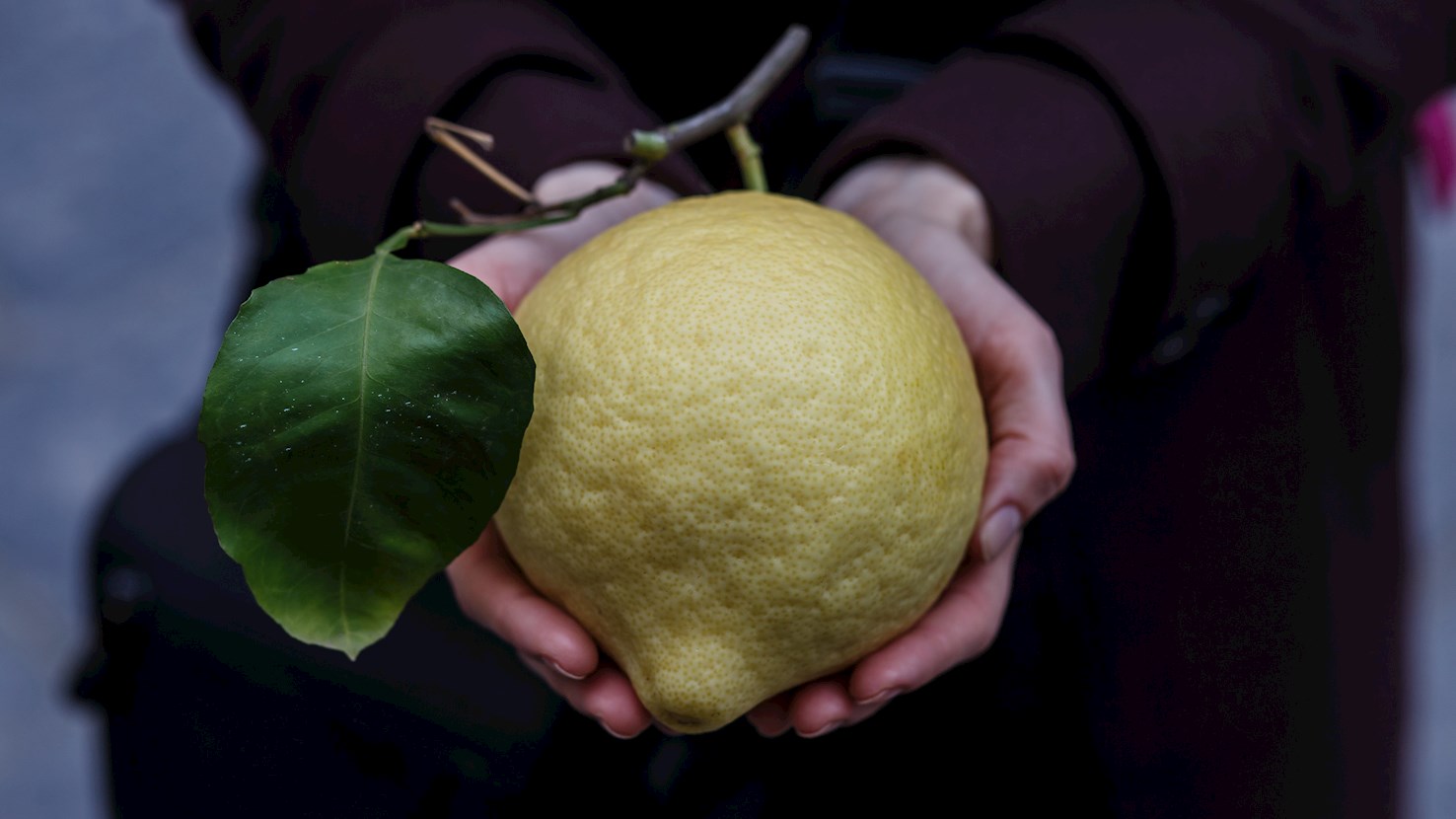
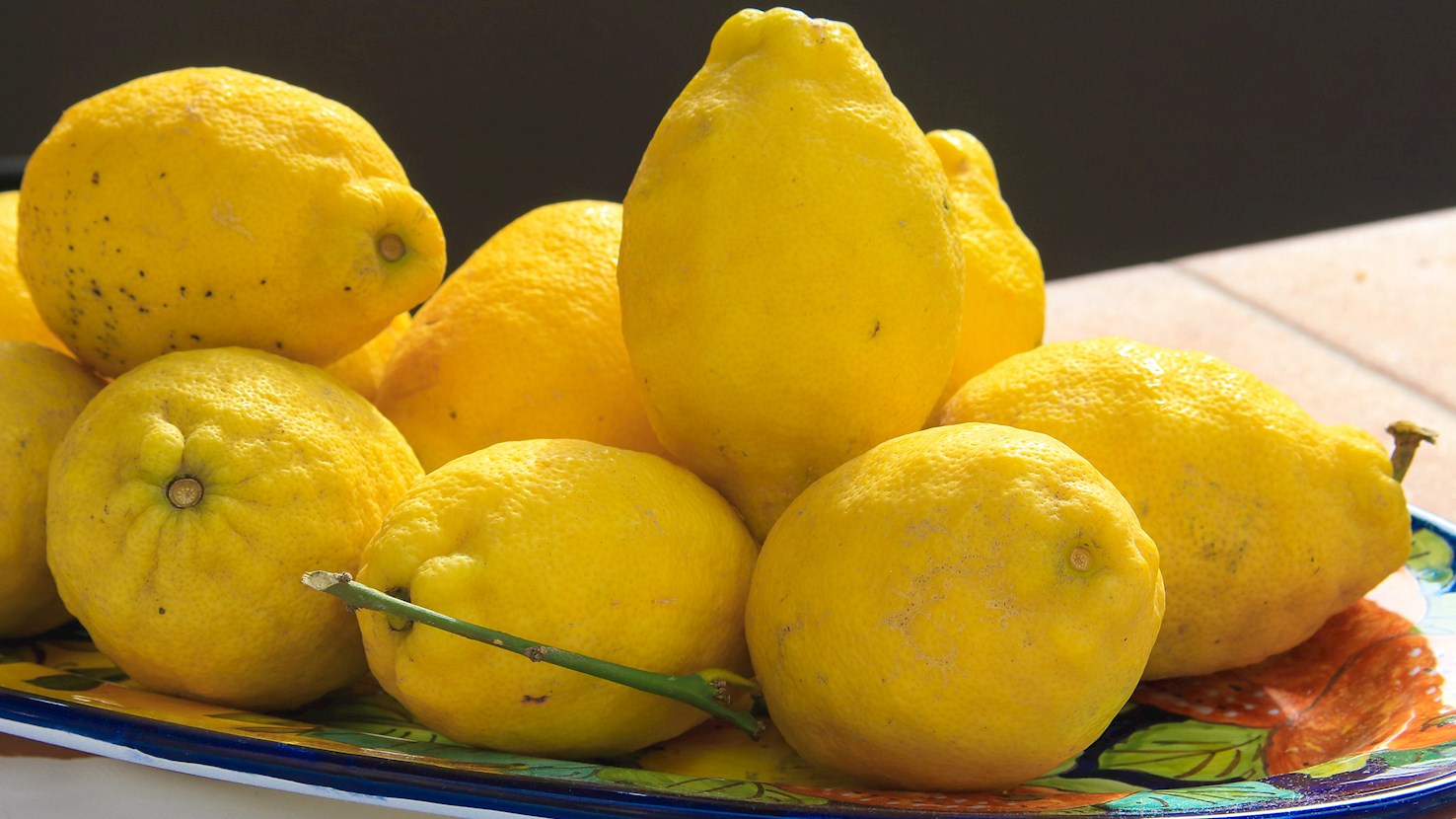
Lemons from the Amalfi coast have been cultivated in the province of Salerno for centuries, growing in terraced groves which are stretched up the hillsides of every village in the area, spreading the intoxicating fragrance of citrus blossoms and dotting the beautiful Amalfi landscapes with green and yellow. Prized for their low acidity and delicate flavor, Amalfi lemons are so sweet you can eat them whole! When they're not enjoyed fresh, traditionally cut into slices sprinkled with salt, mint leaves and drizzled with some vinegar, these aromatic fruits are used for making jams, preserves, lemon honey, sorbettos and various desserts. In fact, there are very few dishes of Campania cuisine which are not flavored with either Amalfi lemon juice or zest. Also, Limone Costa d'Amalfi is the essential ingredient of Limoncello, a refreshing summer pick-me-up liqueur.

02

Nero d’Avola

4.4 ·

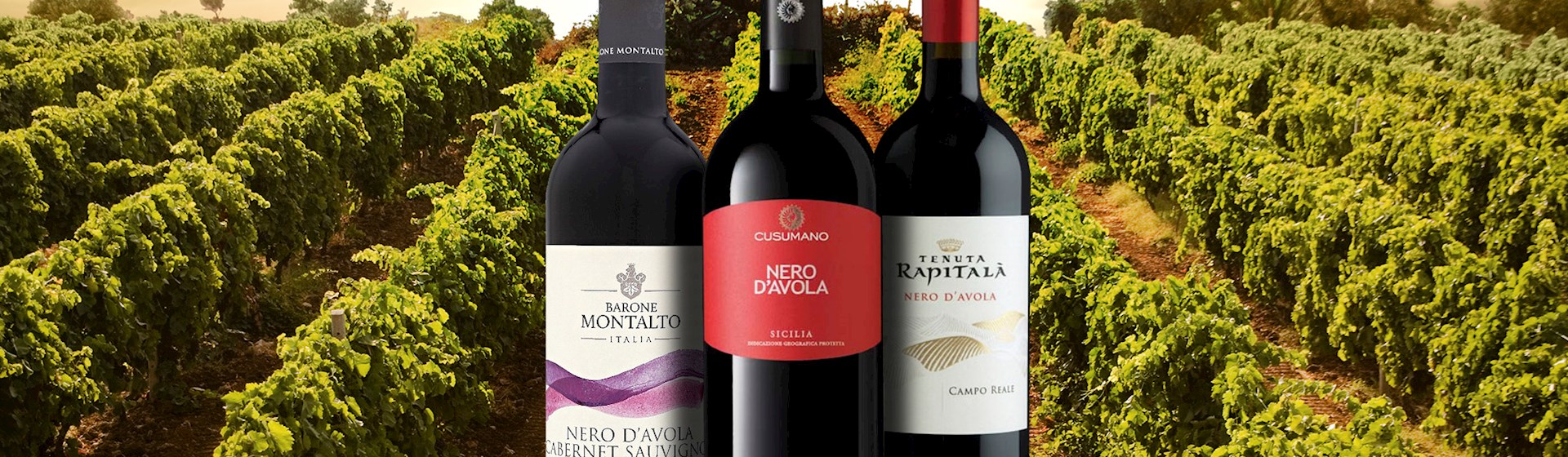
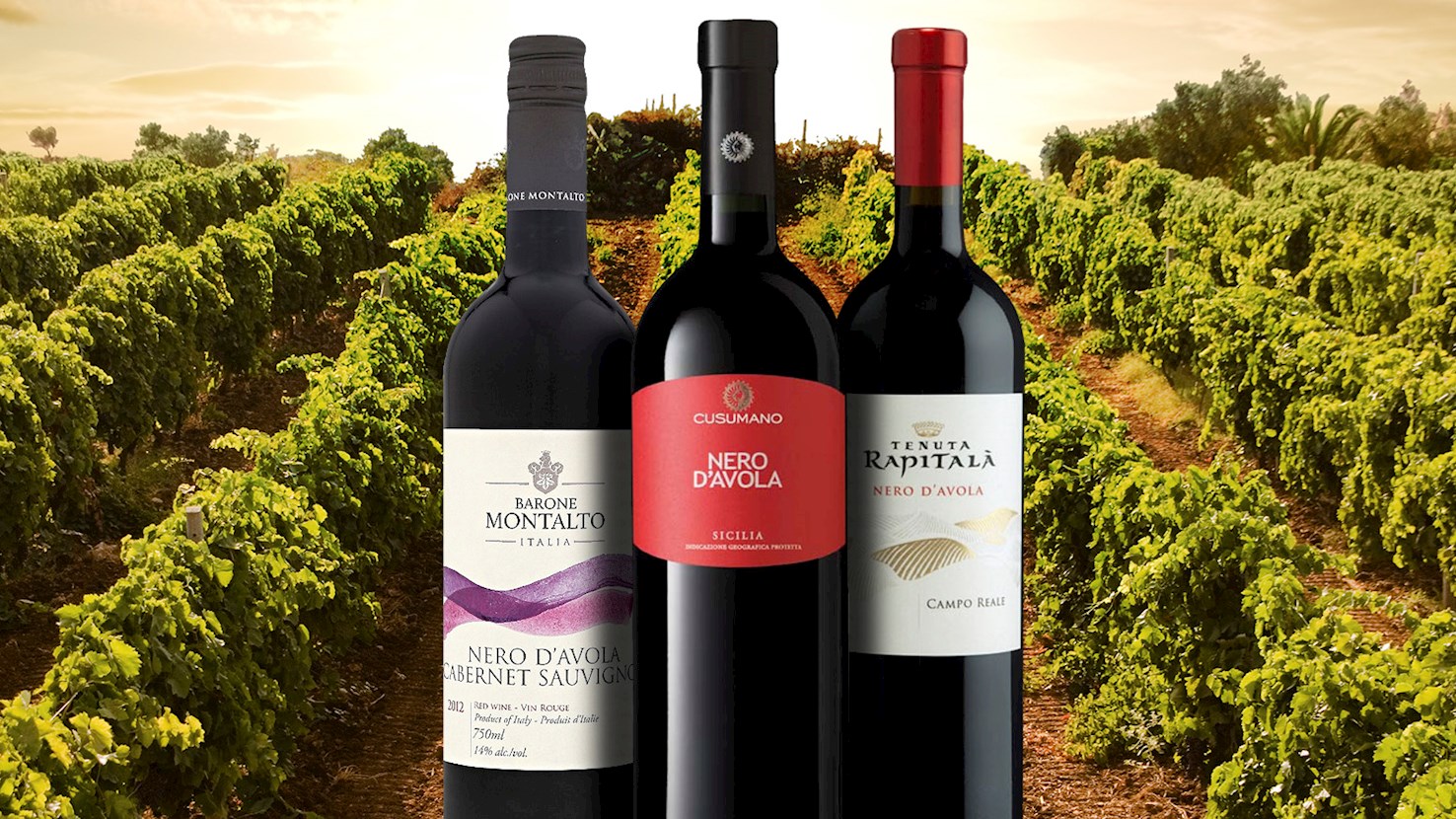
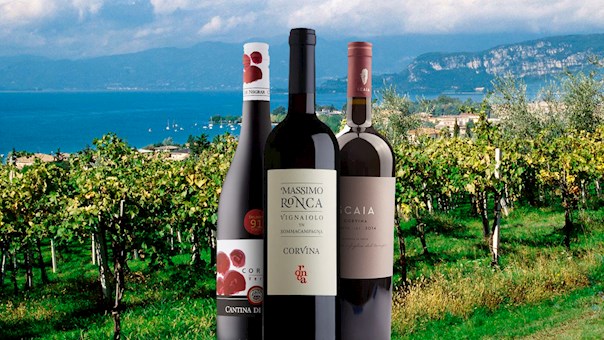
Nero d’Avola is an indigenous Sicilian red grape, whose name, meaning the black of Avola, refers to its distinctive dark color. For most of the 20th century, Nero d'Avola was used as a blending grape, but in the 1990s winemakers started making high-quality, bold varietal wines. Nero d’Avola wines are typically produced as dense and dark, with flavors reminiscent of black fruit and chocolate, or as young and fresh wines that are characterized by cherry and herbal notes. They are high in tannins and pair well with rich meat dishes, hearty stews, and barbecued meat.

Best producers
03

Limone di Sorrento

4.3 ·

Also known as Limone di Massa Lubrense or Massese, named after a small community of villages settled at the tip of the Sorrentine Peninsula, these fragrant lemons are derived from the local ecotype Ovale di Sorrento and grown in the province of Naples since the Renaissance. The first lemon trees were planted by the Jesuits in the 18th century, and one of the very first cultivars named Gesù still exists today in the Guarazzanno Basin, between Sorrento and Massa Lubrense. Due to a special cultivation technique, Limone di Sorrento can bear fruit up to five times a year, which makes this variety available year round. They are abundant in juice and have a well-balanced sugar content with high acidity levels. Sorrento lemons can be eaten fresh or used as an ingredient in a number of various dishes, from starters to desserts, as well as for making preserves, marmalades, jams and liqueurs such as the famous Limoncello.

04

Primitivo

4.3 ·

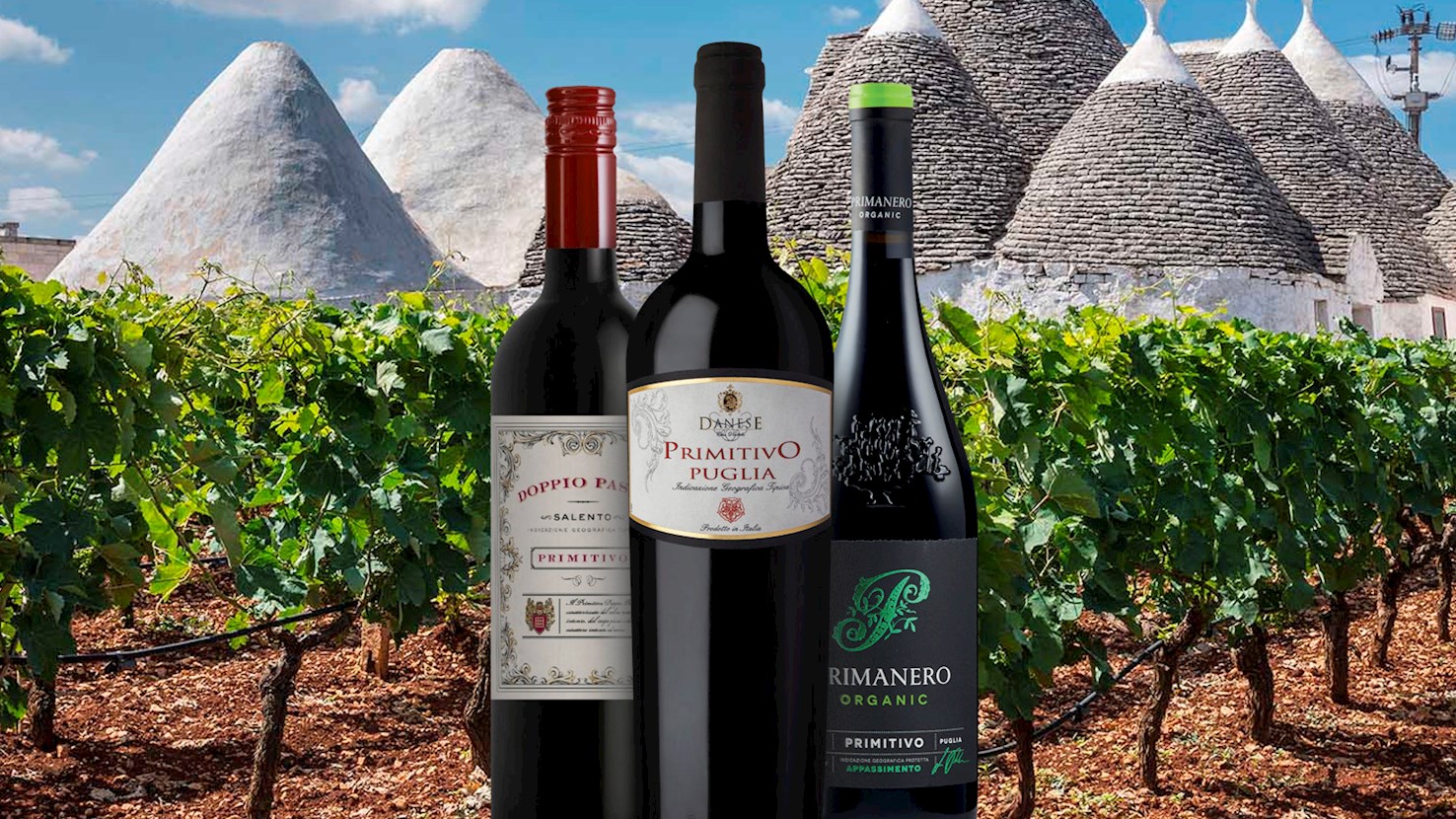
Primitivo is an Italian grape variety with quite interesting origins. Research conducted in 1994 proved that the grape is identical to Californian Zinfandel, while it was later discovered that both grapes originated from an old and obscure Croatian grape Crljenak Kaštelanski. Despite the same lineage, these grapes are influenced by their terroir, and they can slightly differ in character. In Italy, Primitivo is mostly cultivated in Apulia, where it is used in the appellation Primitivo di Manduria. Primitivo is a somewhat rustic wine, dark, intense, and rich in tannins that tend to mellow with age. Young styles usually display fruity aromas of cherries, plums, and blackberries, as well as floral notes of violets. Aged varieties tend to develop nuances of cocoa, tobacco, and spices. Primitivo is best paired with meat dishes and aged cheese. It can also work well with lamb, vegetable dishes, game, and legumes.

05

Sangiovese

4.2 ·

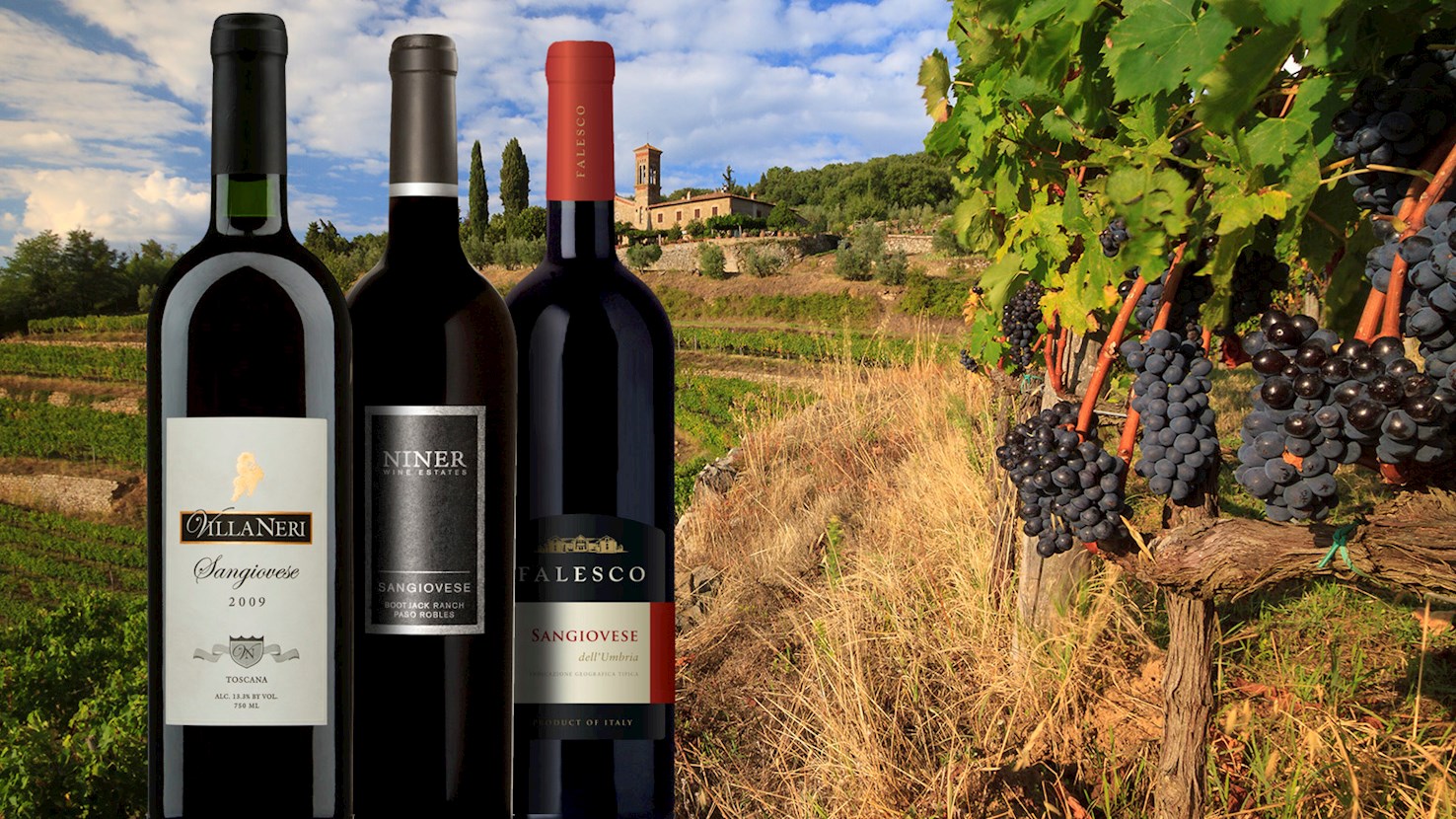
Sangiovese is a red grape variety indigenous to Italy that is predominantly grown in Tuscany, but also in other central and southern regions, from Romagna down to Lazio, Campania, and Sicily. It is best known as the main grape used in Chianti or Vino Nobile di Montepulciano and as the only grape in the prestigious Brunello di Montalcino. Though its flavor profile may be influenced by the terroir, Sangiovese based wines are rich in tannins and high in acidity, while their flavor is savory, and may range from rustic to fruity, with typical notes of cherries, dark stone fruit, spices, tobacco, and dry herbs. Because of its savory character, it goes well with a wide range dishes, including pasta, pizza, grilled meats, poultry, charcuterie and matured cheese varieties.

06

Arancia Rossa di Sicilia

4.2 ·

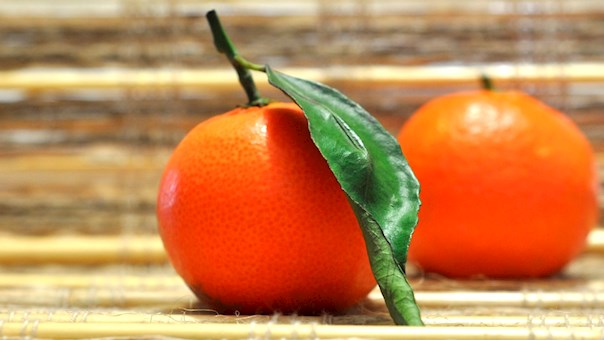
Commonly known as 'The blood orange of Sicily', Arancia Rossa di Sicilia is grown in the fertile lands spread out below the Mount Etna volcano. During ripening, due to a significant diurnal temperature variation in the area, the oranges produce high levels of crimson colored pigments called anthocyanins which give this orange its distinctive color. Sicilian red oranges are available in three different varieties: Tarocco, Moro, and Sanguinello. Even though Sicilian red oranges are characterized by their acidic fruitiness and may be quite tart, studies have proven that the consumption of blood oranges protects our DNA from oxidative damage and may reduce the risk of cardio vascular diseases. Arancia Rossa di Sicilia is delicious on its own, but it can also deliver a refreshing kick to a typical Sicilian salad, paired with red onions, fennel, and black olives.

07

Ciliegia amarena

4.1 ·

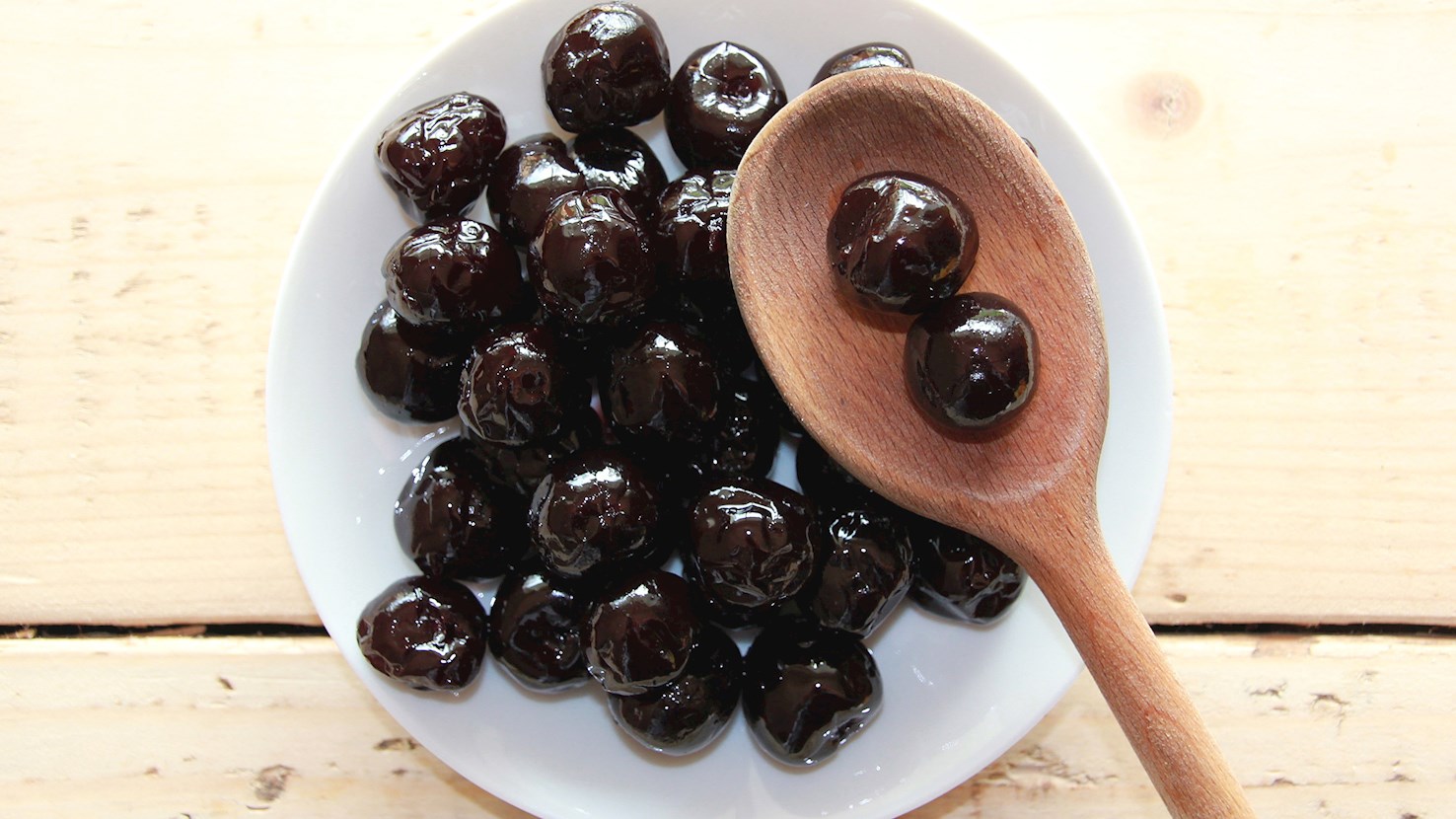
Amarena is a unique type of cherry originating from Bologna in Italy. It was developed by Gennaro Fabbri. The cherries have a dark, almost black color, while the texture of the flesh is tender and firm. The flavor is best described as sour, acidic, and sweet. These cherries are used in many ways – as a topping for gelato, in fruit salads, cocktails, cakes, tarts, pies, pastries, and chilled drinks. Amarena is also often transformed into a sweet and sour cherry syrup.

08

Barbera

4.1 ·

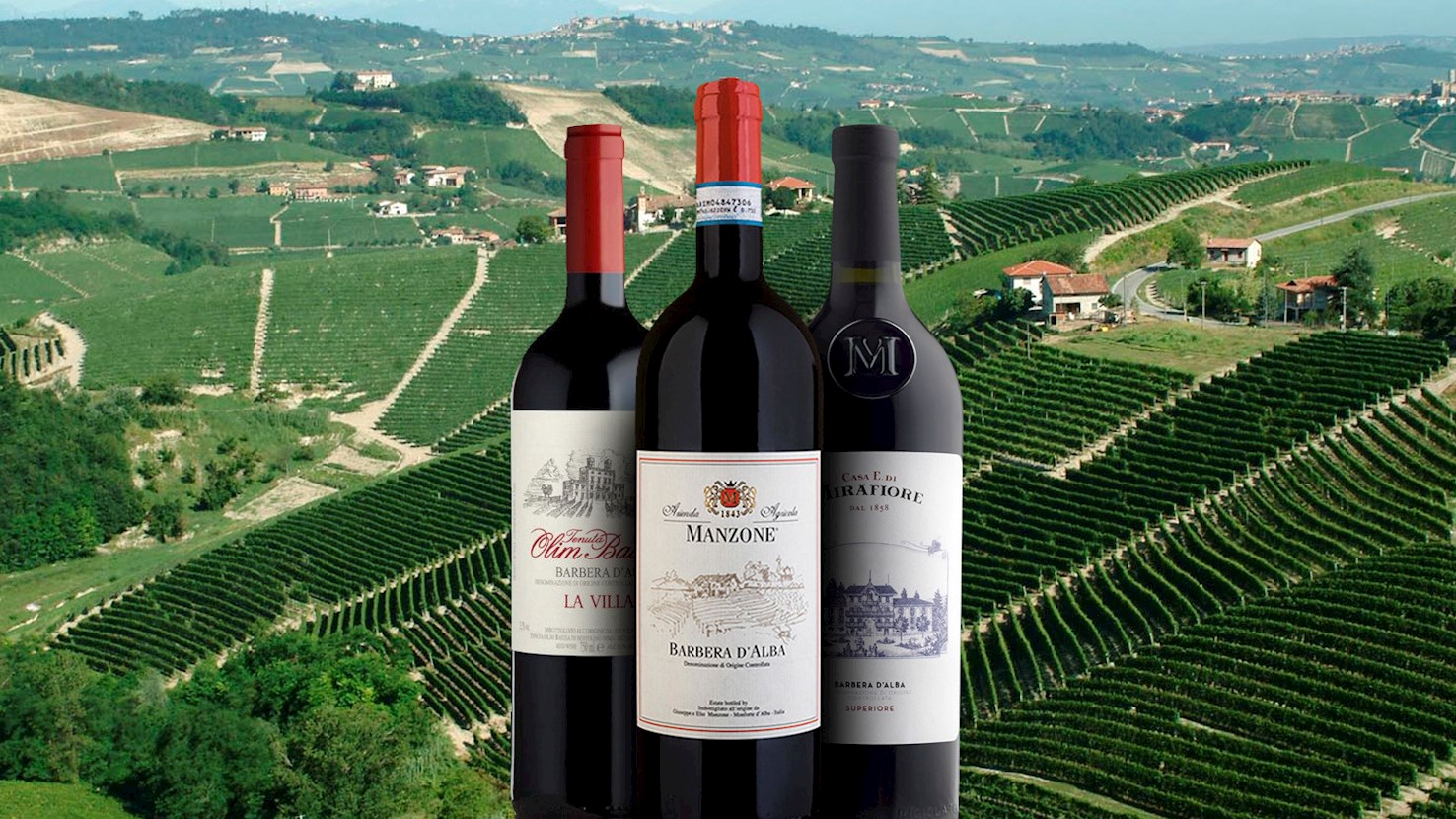
Barbera is the most common grape in Piedmont and the third most-planted grape in the country. It is used in varietals and blends. Nowadays, it is considered to have great potential to produce excellent quality wines, although it was once considered as a grape designated for rustic, everyday wine. Dark Barbera-based wines are typically low in tannins and high in acidity. The flavors usually include a combination of raspberries, blackberries, cherries, and strawberries, sometimes with a hint of spices. Oak-aging will typically improve the tannin structure in Barbera wines. Outside of Piedmont, Barbera is an important grape in Lombardy, but it is cultivated in almost all Italian regions. Italian immigrants also brought it to California and South America. The two most prestigious appellations for Barbera in Italy include Barbera D’Alba and Barbera D’Asti. These wines are usually easy-drinking and food-friendly. They are a good match with appetizers and charcuterie, but they can also pair well with pasta and meat-based dishes.

09

Mela Val di Non

4 ·

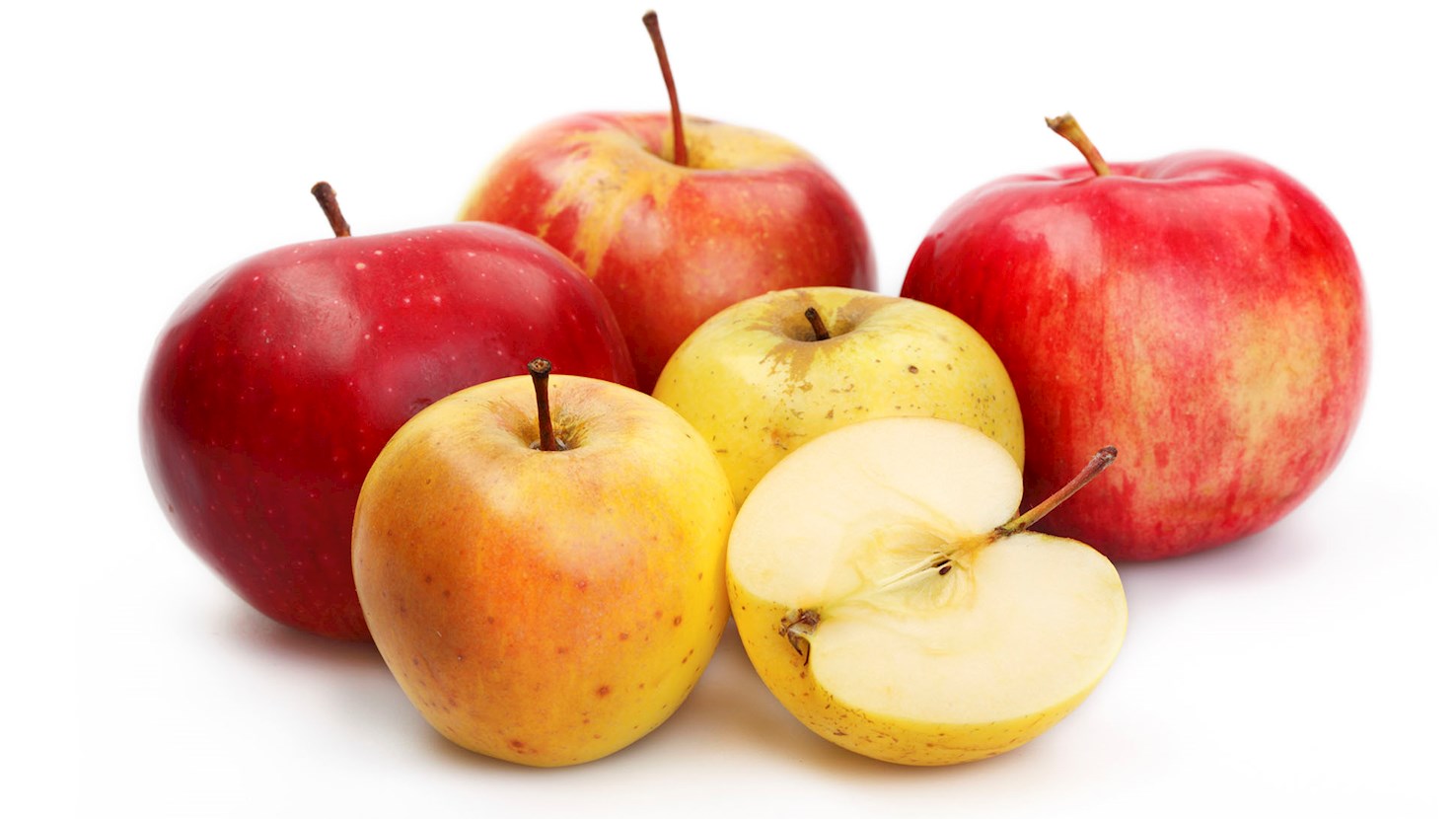
Traditionally cultivated in the fertile Non and Sole valleys nestled along the Noce River banks, Mela Val di Non refers to fresh apples of the Golden Delicious, Renetta Canada and Red Delicious varieties, grown within the province of Trento. Depending on the variety, the flesh of these juicy apples ranges from crunchy and sour to pasty and sweet. Being an extremely versatile fruit, Val di Non apples can be used in a wide number of recipes. Golden and Red Delicious varieties are most often found in various starters, salads, pork and game based dishes or even drinks, while Renetta is the main ingredient in numerous desserts such as apple cakes, pies, strudels and fritters.

10

Uva di Puglia

3.9 ·

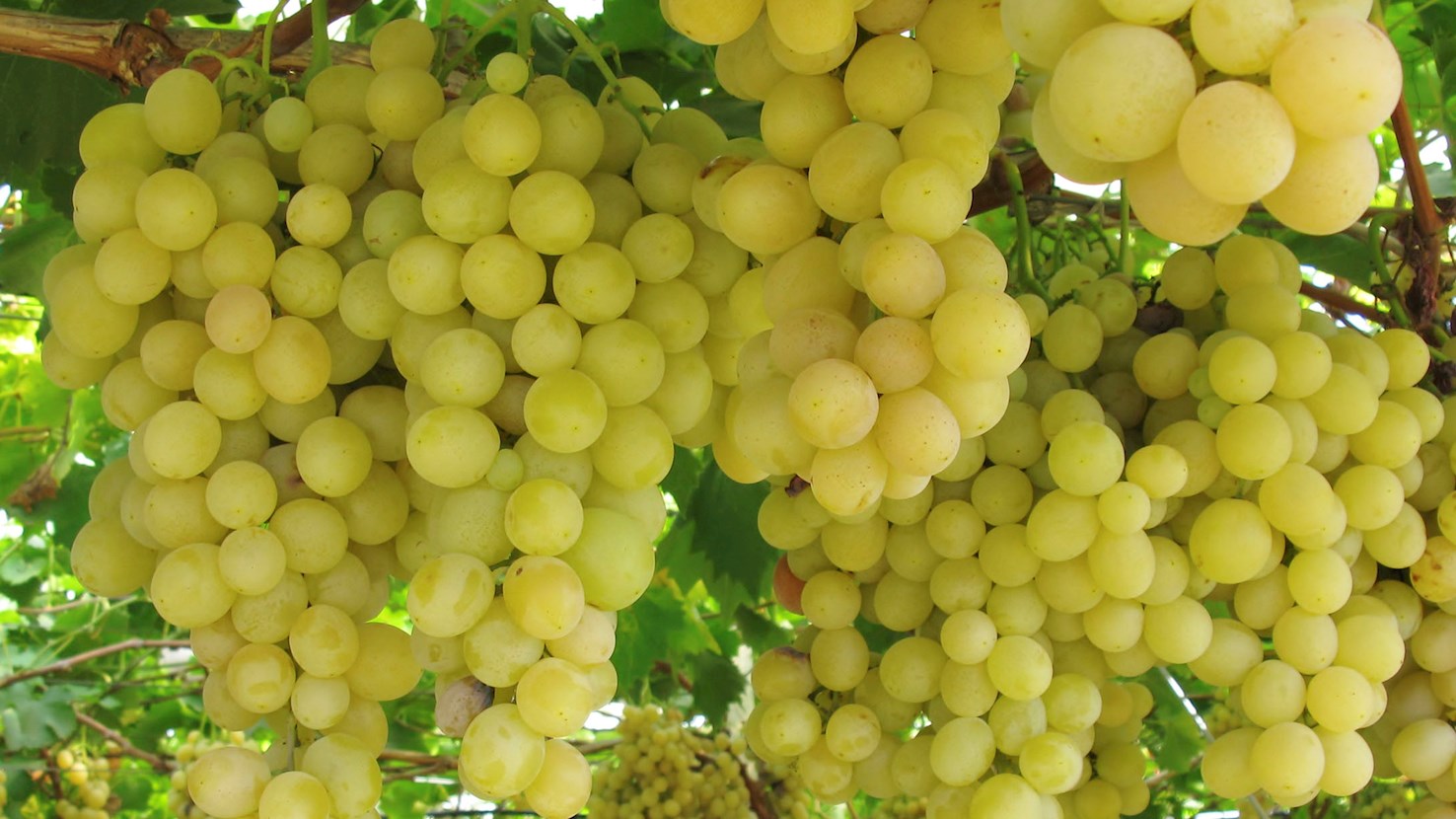
The designation of Uva di Puglia refers to table grapes of the following varietals: Italia, Regina, Victoria, Michele Palieri and Red Globe. These grapes are cultivated throughout the region of Apulia at an altitude of 330m above sea level where they thrive due to the favorable Mediterranean climate and pedoclimatic conditions. All Apulian grapes are particularly juicy and sweet; they have a firm, crunchy flesh and stand out for their long shelf-life, while their color varies depending on the variety: Italia, Regina and Victoria are straw yellow, Red Globe has an intense rosé doré color, whereas Michele Palieri grapes are dark purple, almost black. Even though they are mainly eaten fresh, the sweetness and intense aroma of Apulian grapes make them an ideal ingredient for various recipes, from desserts to savory dishes.

Best Italian Fruits

01

BiancaVigna

4.9 ·
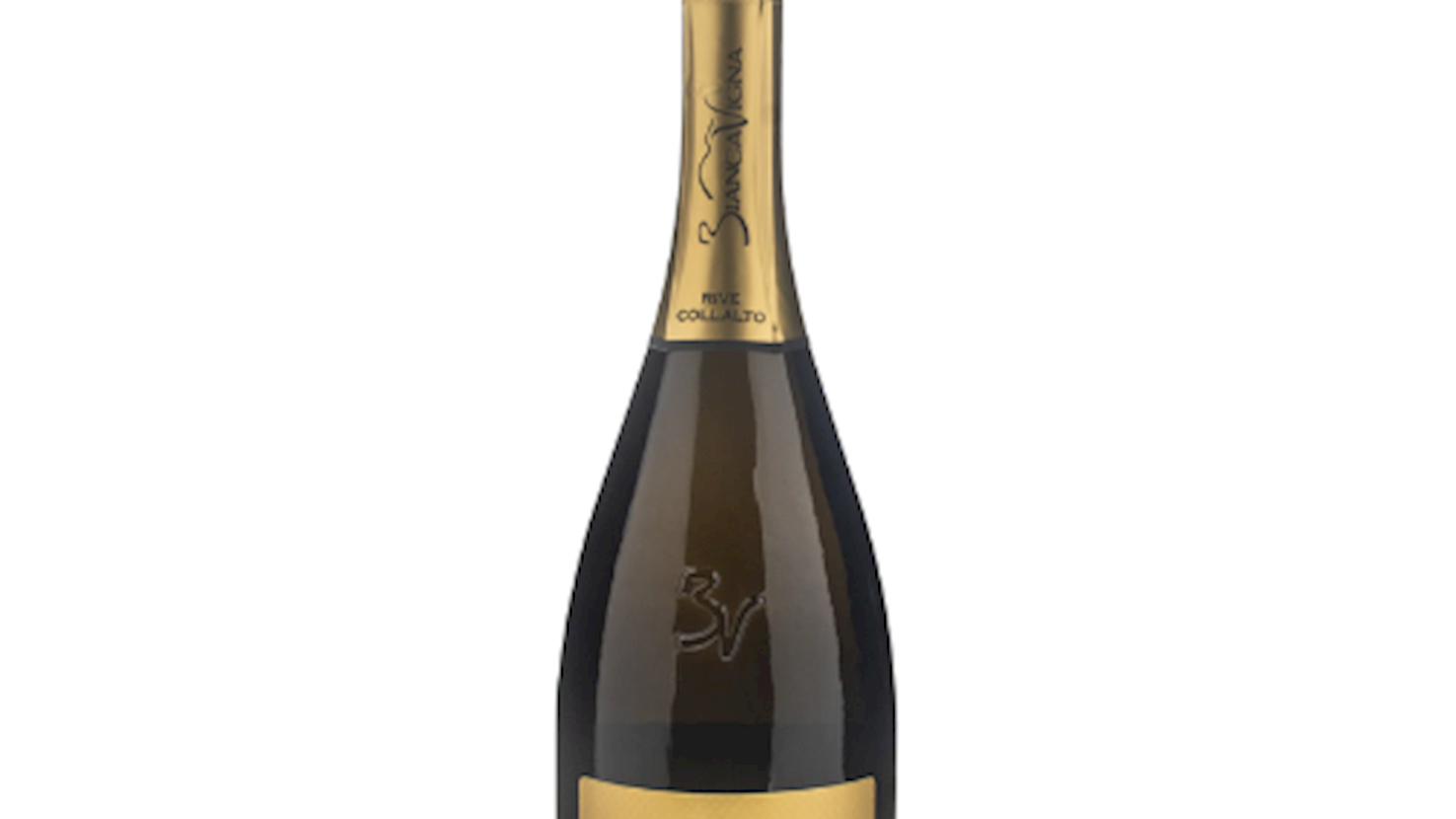
BiancaVigna is a family-run winery located in the Conegliano Valdobbiadene area of Veneto, founded in 2004 by Elena and Enrico Moschetta on the basis of a long-standing family tradition in viticulture dating back to the early 20th century. Its vineyards are spread across steep, hillside sites such as Ogliano, Soligo, San Gallo, and Collalto, all within the Conegliano Valdobbiadene Prosecco Superiore DOCG zone, allowing each wine to reflect specific microclimatic and soil conditions. Production focuses primarily on Glera, with an emphasis on precision in both vineyard management and winemaking to preserve freshness, clarity of fruit, and refined mousse. BiancaVigna places strong importance on sustainability, applying integrated vineyard management practices, with part of the range certified organic. The winery itself is designed according to CasaClima Wine standards, prioritizing energy efficiency and reduced environmental impact. The style of the wines is clean and contemporary, marked by elegant aromatics of pear, apple, and subtle floral notes, balanced by vibrant acidity and a mineral-driven finish. Alongside classic expressions, the estate produces “Rive” bottlings that highlight the distinct identity of individual vineyard sites.
Awards
IWSC- International wine & spirit competition - Gold (2023, 2022)
Vivino - 3.7
02

Adami

4.1 ·
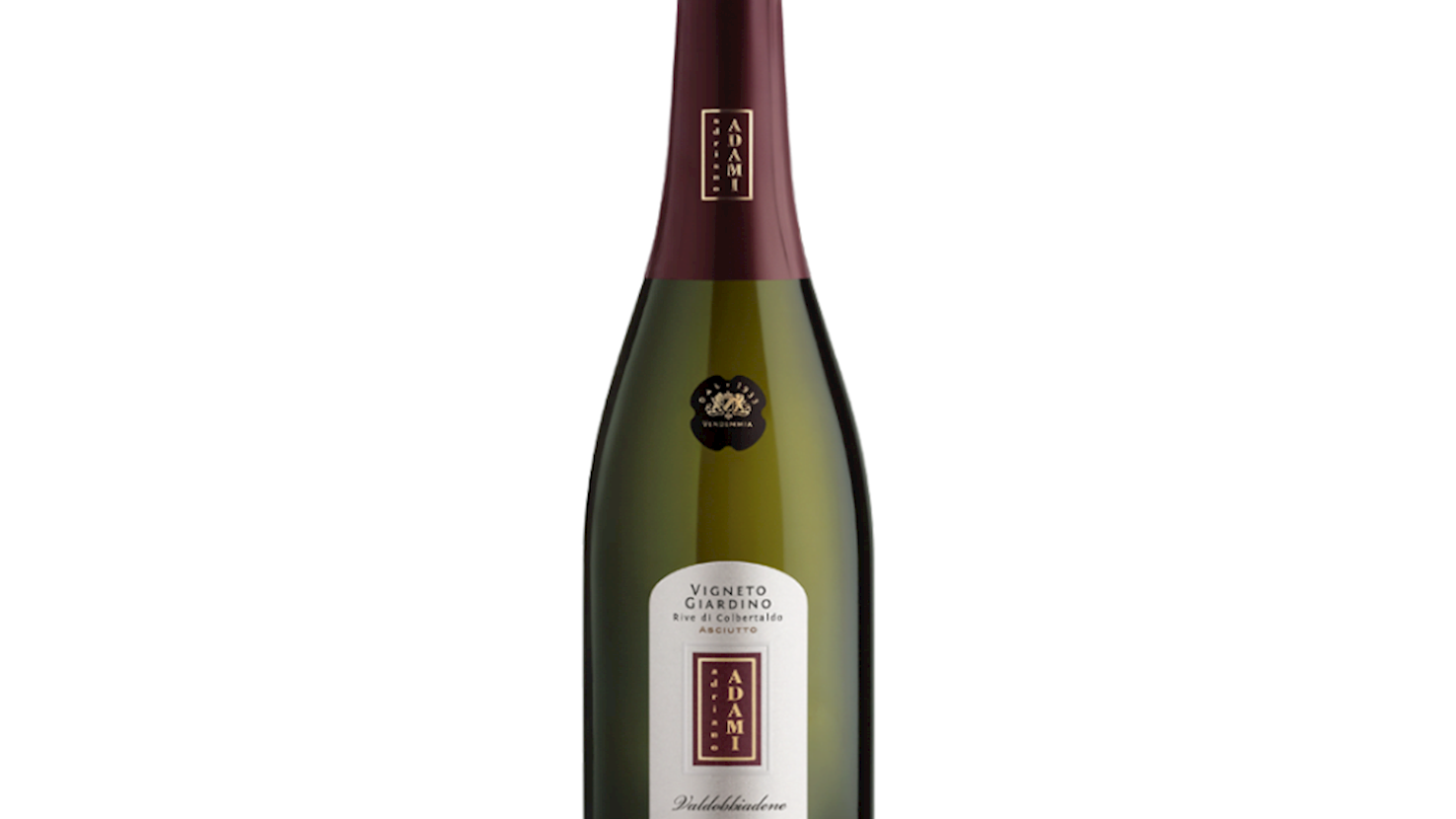
Adami is a renowned family-owned winery based in Valdobbiadene, in the Veneto region of Italy, dedicated for over a century to the production of premium Prosecco Superiore DOCG wines. The winery was founded in 1920 by Abele Adami, who purchased the historic Vigneto Giardino vineyard in Colbertaldo. In 1933, Abele presented the first single-vineyard Prosecco at a national wine exhibition in Siena, laying the foundation for the production of wines with clearly defined origin and identity. Today, the winery is managed by the third and fourth generations of the Adami family – Armando and Franco, along with their successors – who continue the tradition while incorporating modern enological techniques. Adami owns and cultivates approximately 50 hectares of vineyards, some of which are family-owned and others managed in partnership with local growers. The vineyards are located on the steep hillsides of Valdobbiadene, benefiting from diverse microclimates and soil types, which contribute to the production of wines with distinct character and complexity. Adami is a symbol of high-quality Prosecco, built on deep respect for tradition and a continuous drive for innovation. Their wines faithfully express the terroir of Valdobbiadene and the Adami family's commitment to excellence in every aspect of winemaking.
Awards
Vivino - 3.9
03

Nino Franco

4.1 ·
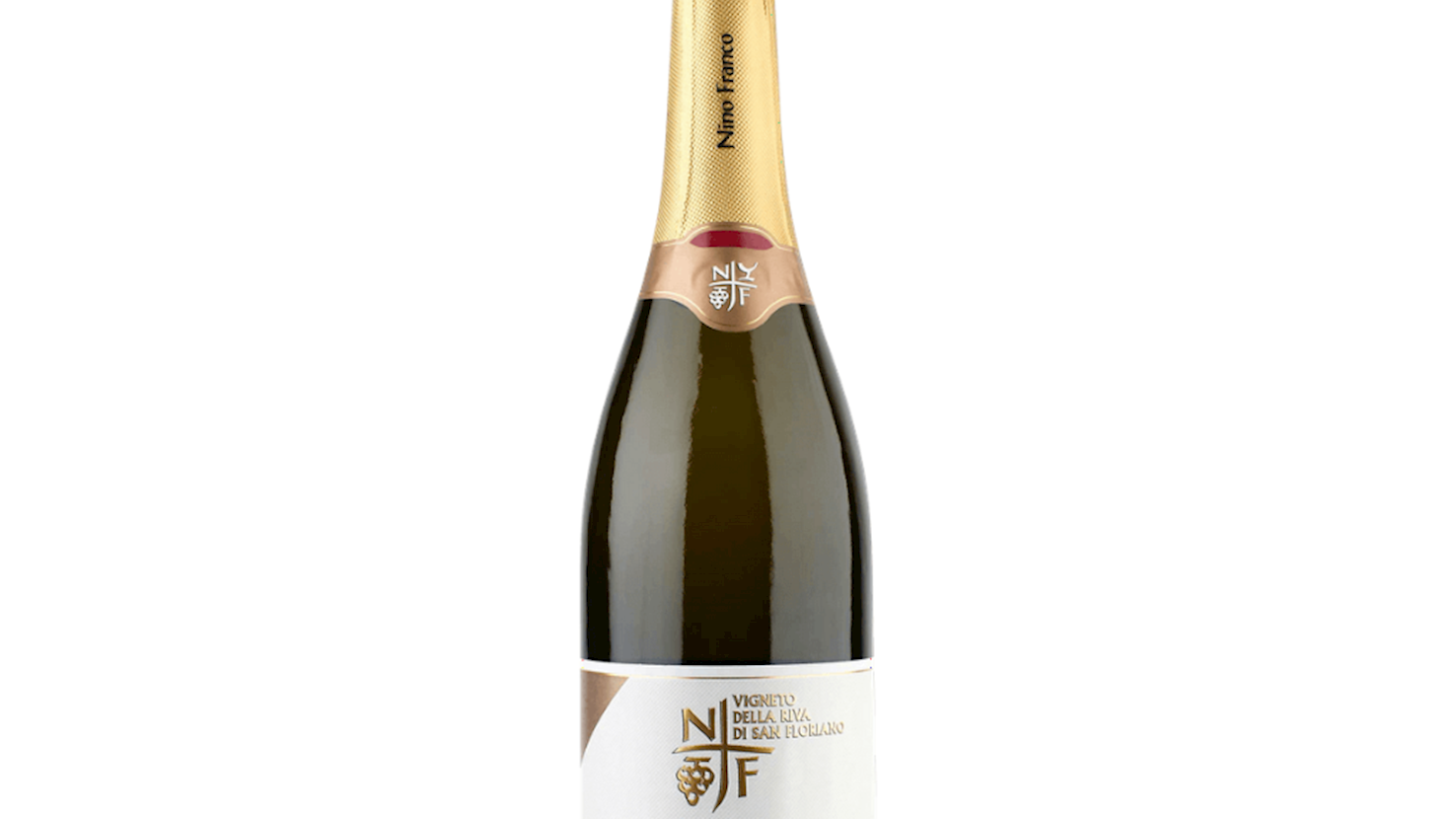
In the heart of Valdobbiadene, one of the most prestigious winegrowing regions in northern Italy and a protected designation of origin for Prosecco Superiore DOCG, the story of Nino Franco has been unfolding for over a century. Founded in 1919 by Antonio Franco, this family-run winery not only stands at the very foundation of prosecco tradition but also redefines its modern, sophisticated expression. Today, the winery is led by Primo Franco, the third generation of the family, whose work in the 1980s was instrumental in modernizing the entire prosecco sector. He was among the first to recognize the importance of vineyard identity and bottle quality over soulless mass production. Under his leadership, Nino Franco has become a winery that blends technical precision with emotional authenticity. Their wines are made exclusively from the Glera grape variety, hand-harvested from the steep slopes of Conegliano-Valdobbiadene, and vinified with remarkable care to preserve the natural aromatic profile and minerality. Today, the winery combines a craft-based approach with modern technology, and every step - from vineyard to bottle - is guided by a deep respect for the land, for time, and for heritage.
Awards
Vivino - 3.8
Read more
View all
View map
About this ranking

TasteAtlas food rankings are based on the ratings of the TasteAtlas audience, with a series of mechanisms that recognize real users and that ignore bot, nationalist or local patriotic ratings, and give additional value to the ratings of users that the system recognizes as knowledgeable. For the “Top 100 Italian Fruits” list until June 10, 2026, 1,221 ratings were recorded, of which 828 were recognized by the system as legitimate. TasteAtlas Rankings should not be seen as the final global conclusion about food. Their purpose is to promote excellent local foods, instill pride in traditional dishes, and arouse curiosity about dishes you haven’t tried.

The initial list of top producers was compiled based on available reviews, awards, local recommendations, media and blog coverage, and consumer reviews. The list will be updated with ratings from TasteAtlas local ambassadors and TasteAtlas users.

Similar lists