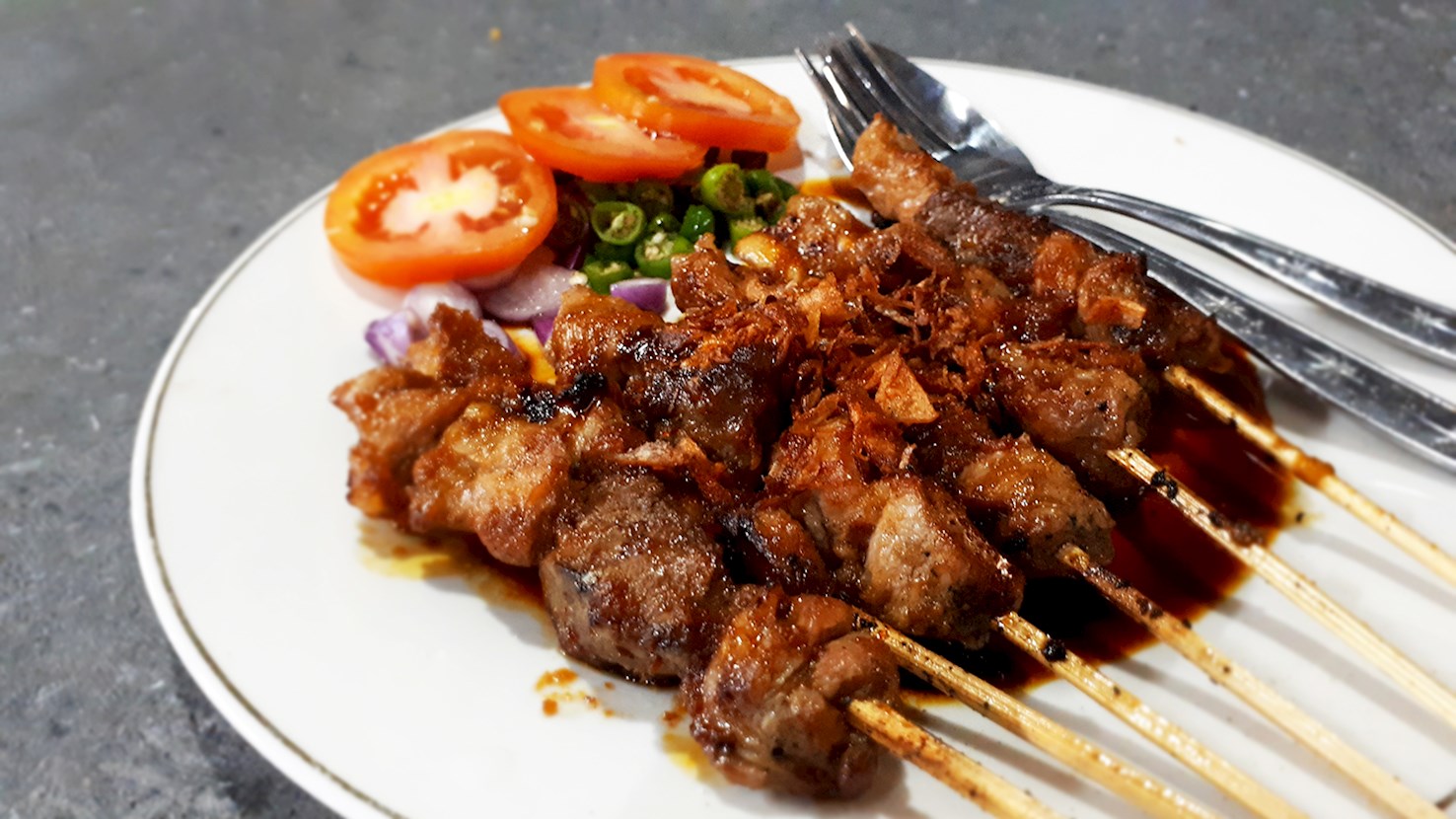
Sate kambing is a traditional dish and a type of satay prepared with goat or mutton as the main ingredient. The meat is cut into chunks or cubes and it's marinated in a combination of ingredients such as kecap manis (sweet soy sauce), galangal, ground shallots, pineapple juice, and (often) chili peppers. After it's been marinated, the meat is placed on skewers that are larger and thicker than the ones used for chicken satay as the texture and thickness of mutton or goat is tougher than chicken. The skewers for sate kambing are usually made from bamboo. The meat is grilled, then served with kecap manis sauce, peanut sauce, or chili sauce, consisting of shallots, bird eye chili peppers, and kecap manis. Some like to eat sate kambing with steamed rice or rice cakes on the side. This type of sate is especially popular in Java.
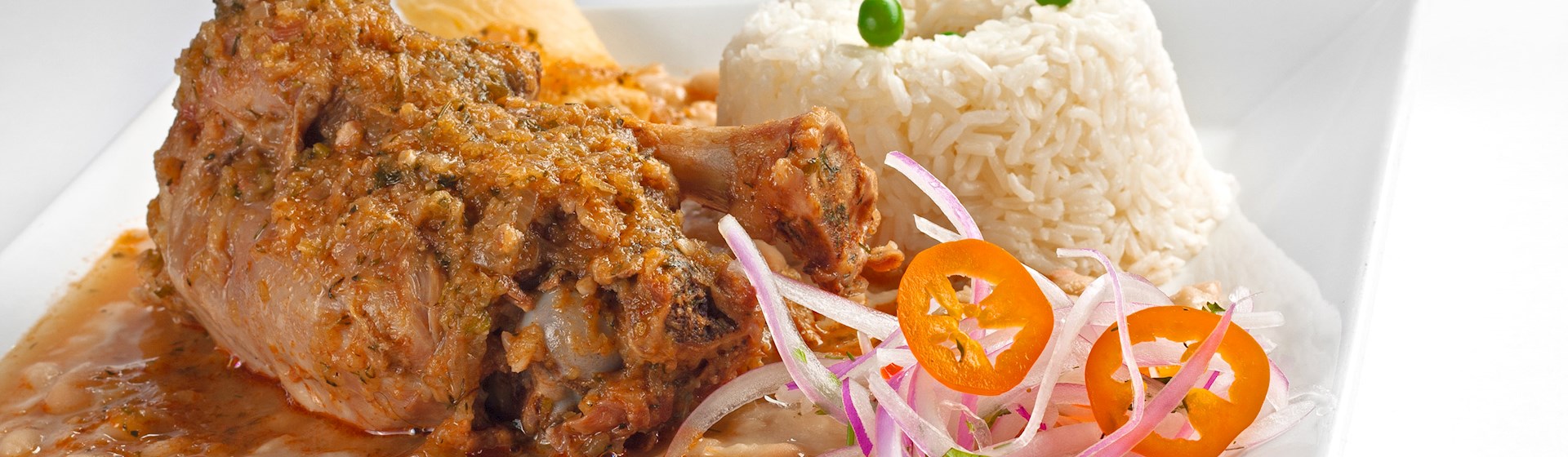
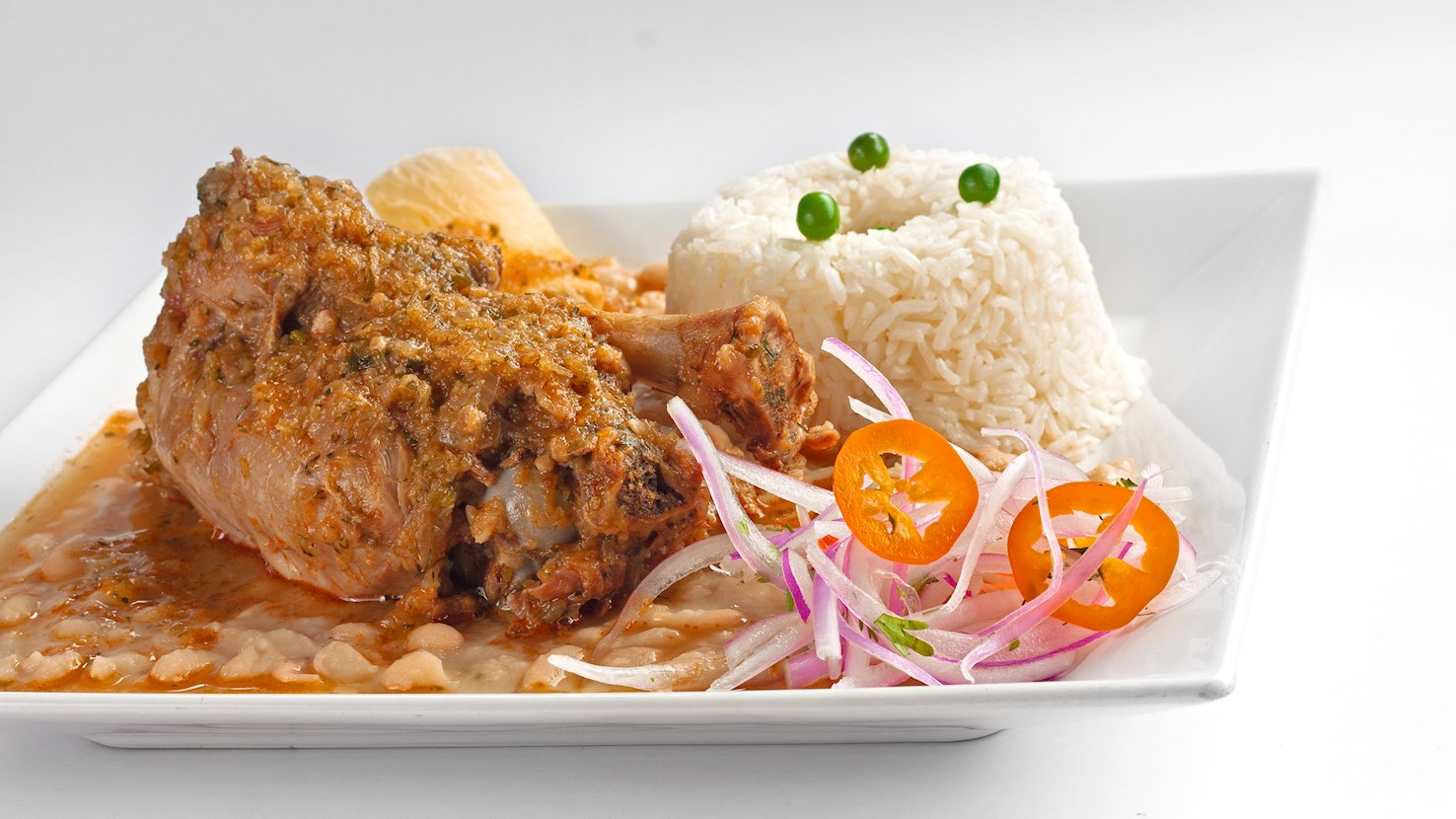
Seco de cabrito is a traditional dish that was originally prepared in the north of the country, but nowadays it's also popular in coastal areas. It consists of goat meat that's cooked with hot peppers, peas, carrots, and cilantro sauce. The list of ingredients also includes onions, cumin, garlic, oregano, oil, and seasonings. The meat is fried, then cooked with the other ingredients until the sauce becomes thick. Once done, seco de cabrito is traditionally served with rice, beans, and boiled cassava as a one-dish meal. This dish is often prepared for festive events such as family celebrations, and it can also be reheated and served the next day.
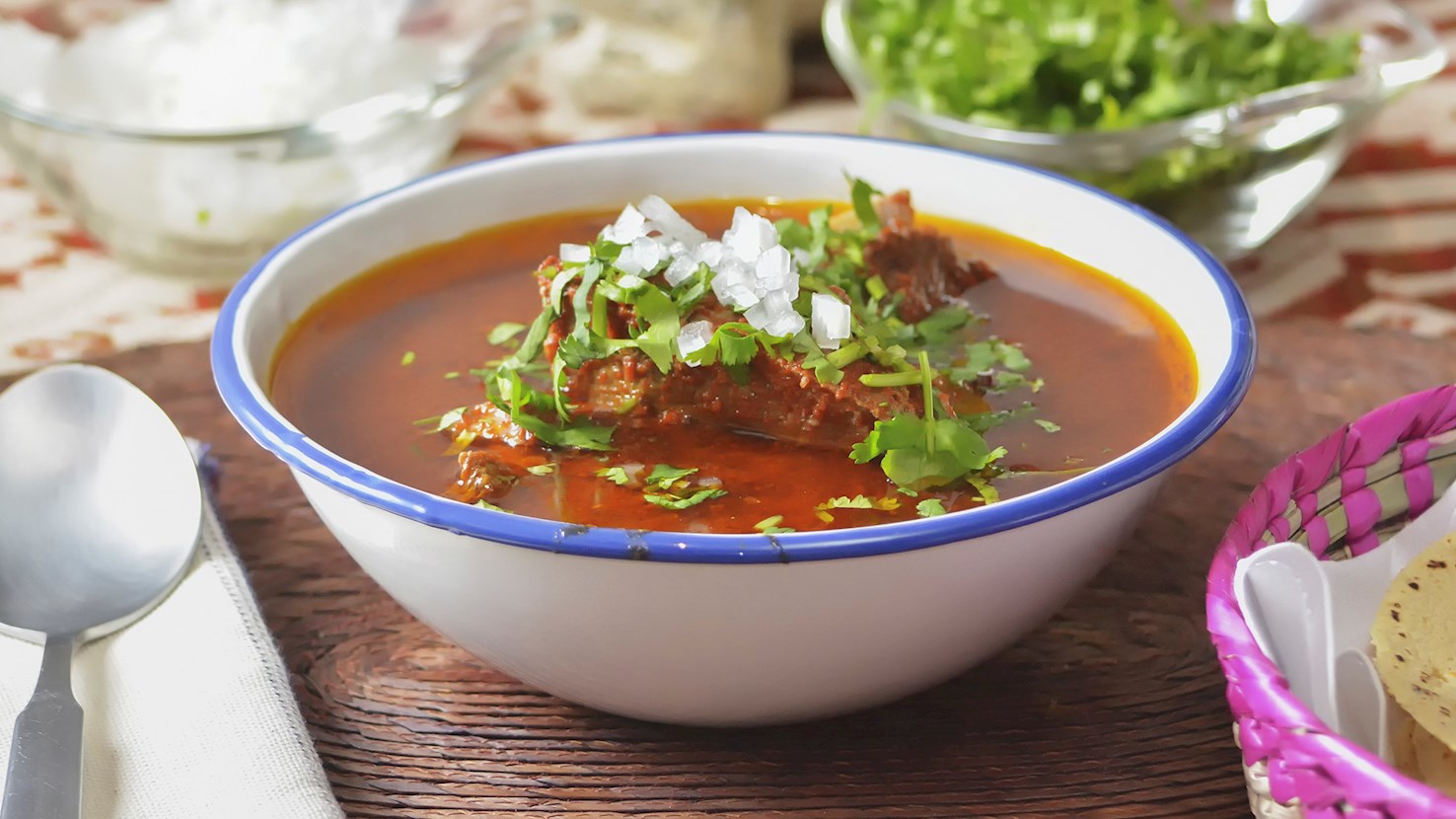
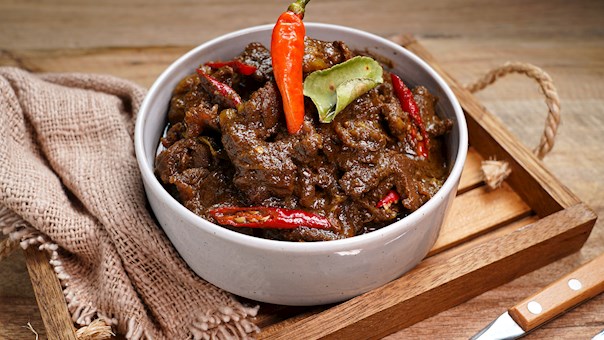
Birria is a traditional, slow-cooked goat (although it can also be made with beef, lamb, mutton, or chicken) stew originating from the Mexican state of Jalisco. Colloquially, birria means mess, used in context to refer to anything of inferior quality, indicating the working-class origins of this humble dish. The slow-cooking method ensures that the meat is extremely tender. Other ingredients in the stew include roasted chili peppers, garlic, cumin, bay leaves, and thyme. On street stands, known as birrierias, birria is served only in the mornings, since it has a reputation of being a great hangover cure. It is commonly served with corn tortillas and garnished with onions, coriander, and lime wedges, especially on Christmas, New Year, and wedding menus, where this flavorful stew is also commonly consumed.
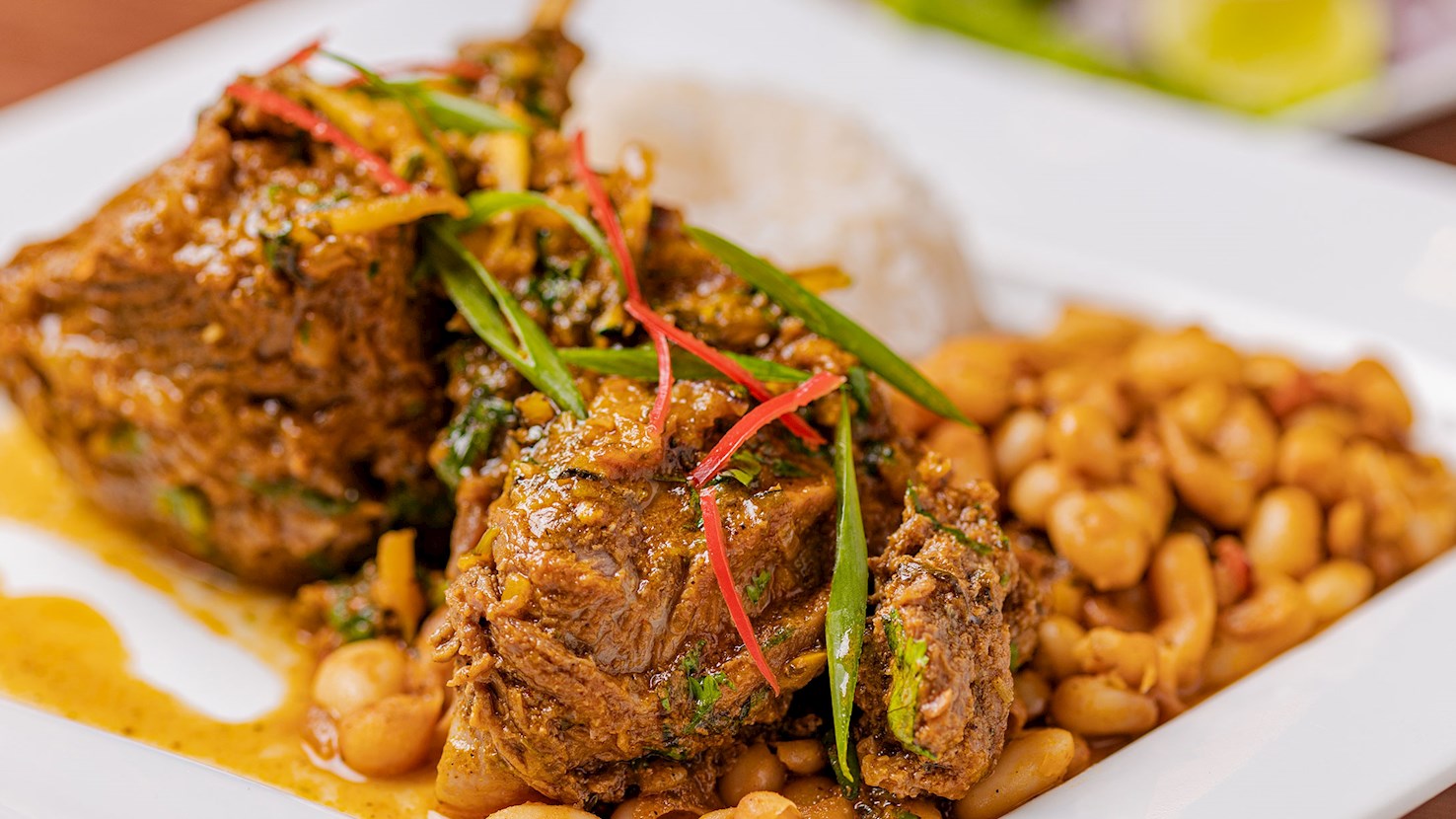
Cabrito a la norteña is a dish of northern Peru, consisting of tender, young goat meat that is marinated in a blend of flavorful ingredients such as garlic, Peruvian chili peppers, and chicha de jora—a traditional fermented corn beverage. After marinating, the goat meat is slowly cooked in a sauce made with chicha de jora, cilantro, cumin, pumpkin, and other spices until it becomes tender and infused with the rich flavors of the marinade, resulting in a deep and aromatic profile. Cabrito a la norteña is commonly accompanied by sides such as yucca (cassava), rice, or beans. The dish is a cherished staple during festivities and family gatherings in northern Peru, capturing the essence of the region's culinary heritage and traditions.
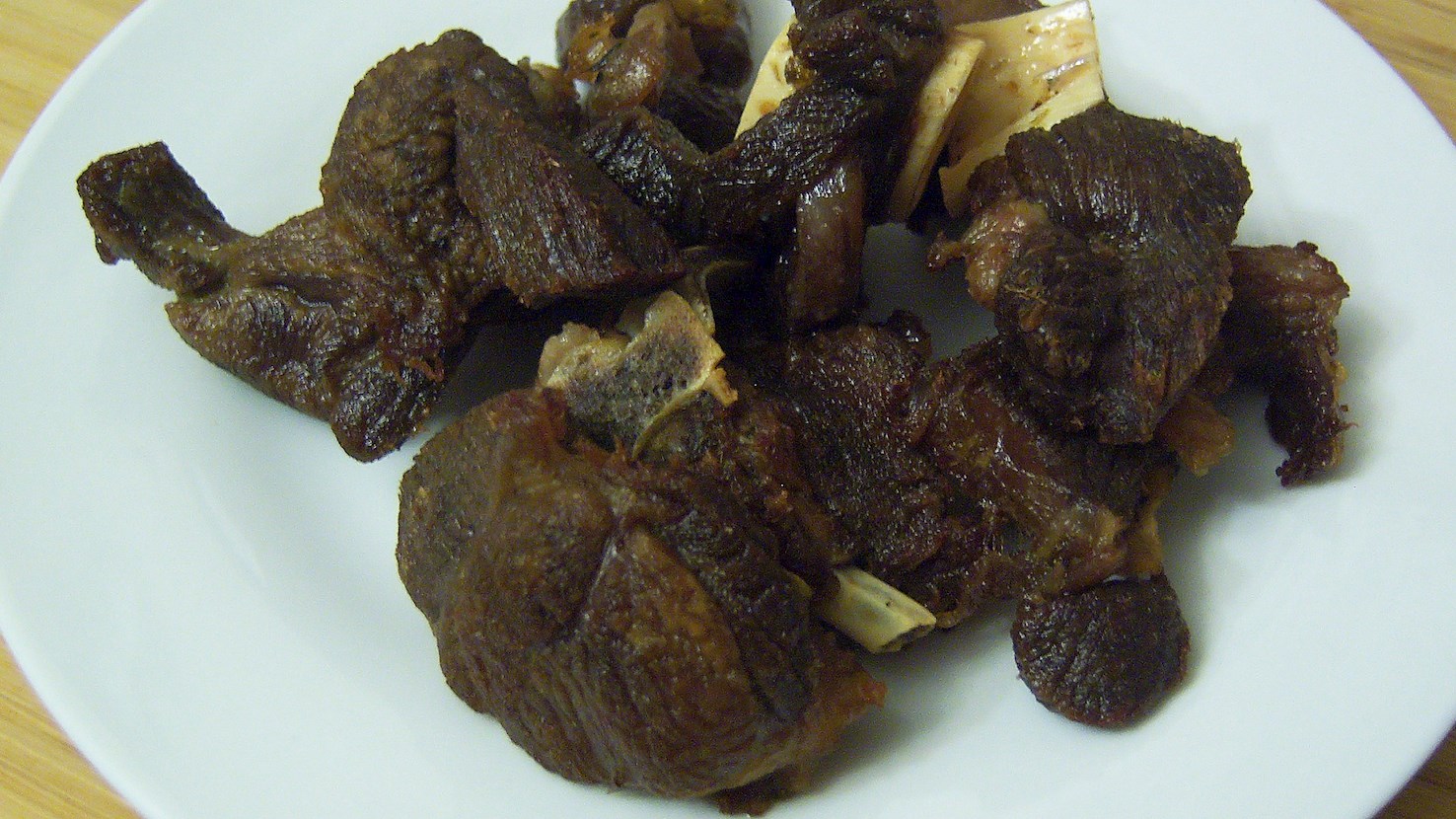
Tassot is a traditional dish made with goat meat or beef as the main ingredient. Cubed meat is usually marinated in a combination of onions, orange juice, and lemon juice. It is then fried until it develops a crispy, brownish exterior. The dish is typically served with fried plantains, rice and beans or mushroom rice, and a spicy sauce known as ti malice on the side.
Curried goat and pigeon peas combines tender goat pieces with earthy green pigeon peas in a spiced gravy, a Trinidad and Tobago variation of curry goat. The peas simmer in the same pot as the meat, taking on its juices and the flavors of garlic, onion, green seasoning, and curry powder. They add substance and a different texture than versions made with potatoes: the goat separates into tender fibers, while the peas retain their small, rounded shape and a soft, slightly grainy interior. Served over white rice or alongside roti, it is a substantial meal whose character depends as much on how the curry is cooked as on the particular spice blend. Its broader background lies in the development of Indo-Trinidadian food following the arrival of indentured laborers from India in 1845. Immigration continued until 1917, and Indian methods of seasoning, frying spices, and cooking curries became firmly established within the islands’ wider food culture. That history explains the setting for Trinidadian curry goat, but it does not provide an invention date for the combination with pigeon peas. Pigeon peas were already familiar across Caribbean cooking, appearing in rice dishes, stews, and soups, so their inclusion brings together ingredients with established local uses. Goat is commonly cut into small bone-in pieces, although boneless meat can also be used. Pieces from the shoulder, neck, or other working muscles need sufficient moist cooking to become tender, and their connective tissue contributes body to the gravy. The meat’s age, cut, and size all affect the cooking time. A brief marinade adds flavor but does not replace the simmering needed to soften a firm cut. Green seasoning supplies much of the fresh aromatic character. This mixture varies by household but commonly includes herbs and vegetables such as chadon beni, thyme, scallions, garlic, and peppers. Chadon beni, also called bandhania or culantro, is a broad-leaved herb with a strong, coriander-like aroma, commonly used in Trinidadian food. Onion and garlic may be added separately as well, giving the sauce sweetness and depth as they soften. A Trinidadian pimento pepper adds fragrance with relatively little heat, and should not be confused with the allspice berries called pimento in some other Caribbean contexts. Hot peppers are a separate choice, and their quantity can be adjusted without changing the identity of the curry. Curry powder provides the main dry seasoning, sometimes reinforced with turmeric, roasted cumin, or an additional masala blend. Locally, roasted cumin is often called geera and adds a warm, earthy note that suits goat. No universal proportion exists, and blends sold specifically for duck and goat are an option, not a requirement. One common method is to mix the powdered spices with a little water before adding them to hot oil with aromatics. As the water evaporates, the mixture thickens and becomes more fragrant, letting the spices cook before the meat and additional liquid enter the pot. The paste needs enough attention to develop flavor without scorching, which would introduce bitterness throughout the gravy. The seasoned goat is turned through this mixture and allowed to release some of its own moisture before water is added for the longer cooking stage. Other methods start by rendering a little fat from the goat, then adding the aromatics and spices. Both approaches can produce a well-flavored curry; neither requires a sharply browned crust on every piece of meat. Fresh or frozen green pigeon peas are particularly suitable because they can absorb the curry while retaining some firmness. They are a different legume from ordinary garden peas, with a more earthy flavor and less pronounced sweetness. Dried pigeon peas require separate soaking and cooking times, while canned peas are already cooked and generally need less time in the pot. Timing should therefore follow the condition of the peas and the tenderness of the meat, rather than a rule that everything must go in together. Some versions include coconut milk or reconstituted coconut milk powder, which gives the gravy a softer, richer finish, but it is optional. Tomato, ginger, and additional herbs also vary. A covered simmer gradually tenderizes the goat, while pressure cooking offers a shorter route; either method may be followed by an uncovered reduction to bring the gravy to the desired thickness. The finished sauce should be generous enough to dress the accompanying starch without leaving the meat and peas floating in a thin broth. This version fits naturally into home meals and shared weekend cooking, although it has no exclusive festival or ceremonial role. Plain white rice is a straightforward accompaniment, with the peas already providing the plate's legume component. Paratha roti, commonly called buss up shut, offers soft, flaky pieces for gathering the gravy, while dhalpuri adds its own filling of seasoned ground split peas. Mango talkari provides a sweet-sour contrast, and pepper sauce can be served separately for anyone who wants more heat. Cold water, lime juice diluted into a lightly sweetened drink, or a light lager suits the meal, especially when the curry contains a generous amount of hot pepper.
Chanfana is a hearty goat (or lamb) stew that is assembled and baked in clay pots. The meat is generously seasoned with paprika, garlic, bay leaves, and piri-piri. The combination is then doused in copious amounts of red wine. Chanfana is cooked for hours until the meat is tender and the sauce thickens. There are several different theories about the origin of chanfana, but they remain mostly unconfirmed. The most common version claims that the dish appeared during the French invasion of Portugal at the beginning of the 19th century. It most likely originated in central Portugal (Beira), but is now mostly assoicated with Coimbra. The dish was certainly created out of necessity, with ingredients once considered essential to every Portuguese household. To this day, two Portuguese cities - Miranda do Corvo and Vila Nova de Poiares - continue their dispute over the true birthplace of chanfana. Regardless of these differing opinions, this rich stew is enjoyed throughout Portugal and is typically accompanied by boiled potatoes.
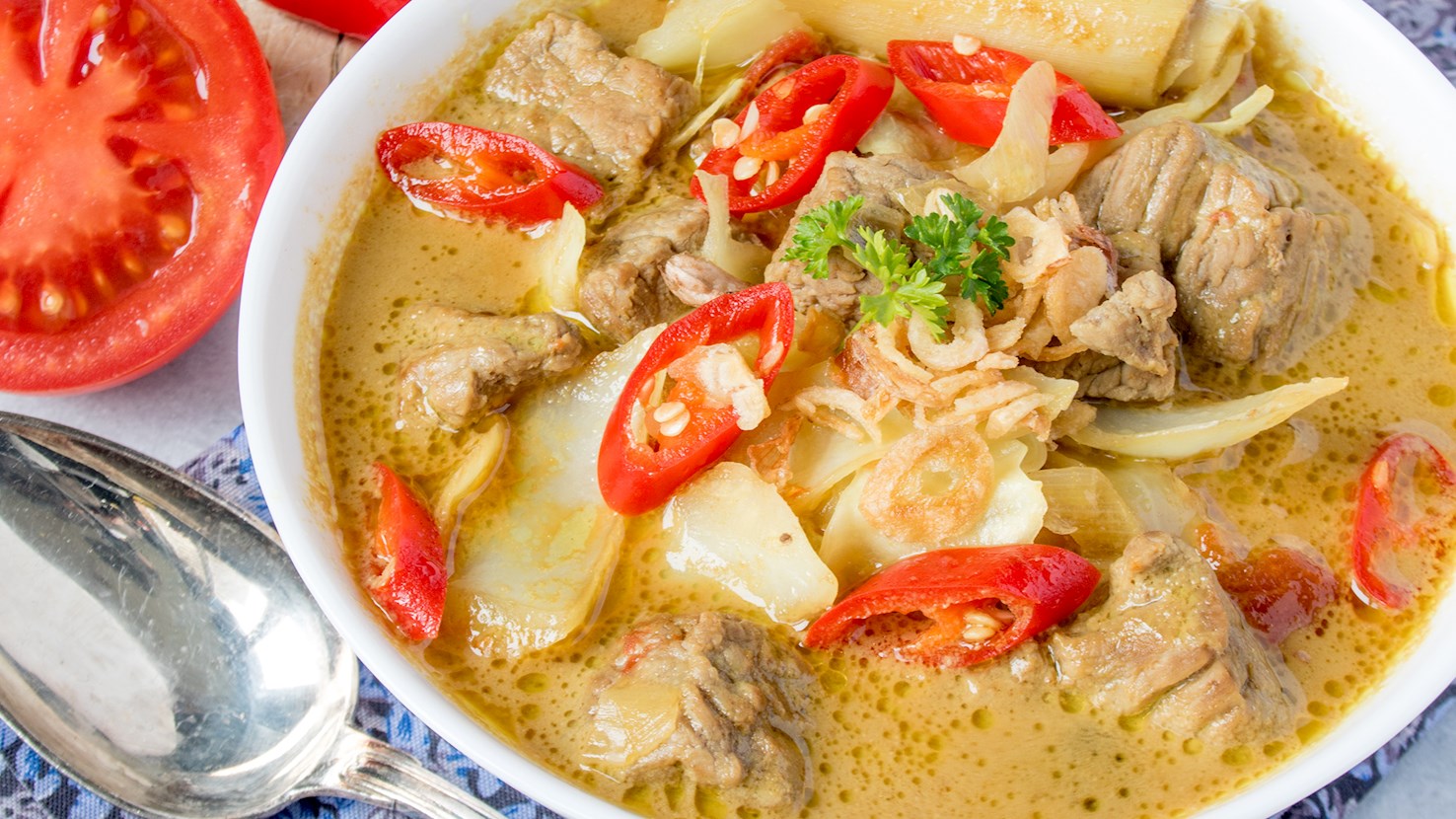
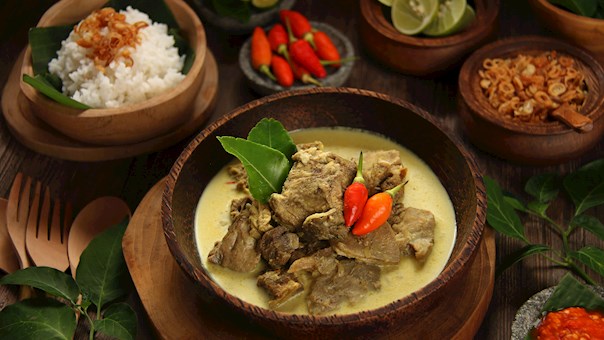
Predominantly sweet, slightly robust, and deliciously spicy, tongseng is an authentic Indonesian meat stew, typically goat, cooked with kecap manis (sweet soy sauce), shredded cabbage, tomatoes, and coconut milk. It is commonly regarded as a combination of satay, meat skewers, and gulai, Indonesian curry. This Javanese delicacy is replete with exotic herbs and spices that give it an exquisite flavor, while the coconut milk gives it a smooth, creamy texture. Beef, mutton, and even chicken are alternatives to the goat meat. Also, it is not uncommon to leave the bones and offal of the meat while cooking the dish for a richer flavor. Traditionally, tongseng is cooked on a charcoal stove that lends the dish a pleasant, smoky taste. This specialty is believed to have been inspired by Arab and Indian cuisines, and it is commonly associated with Surakarta, better known as Solo. Tongseng has become a popular food sold all over the island of Java, from warungs and street stalls to fancy restaurants. Street stalls in Jakarta, Bandung, and Surabaya are said to offer the best tongseng.
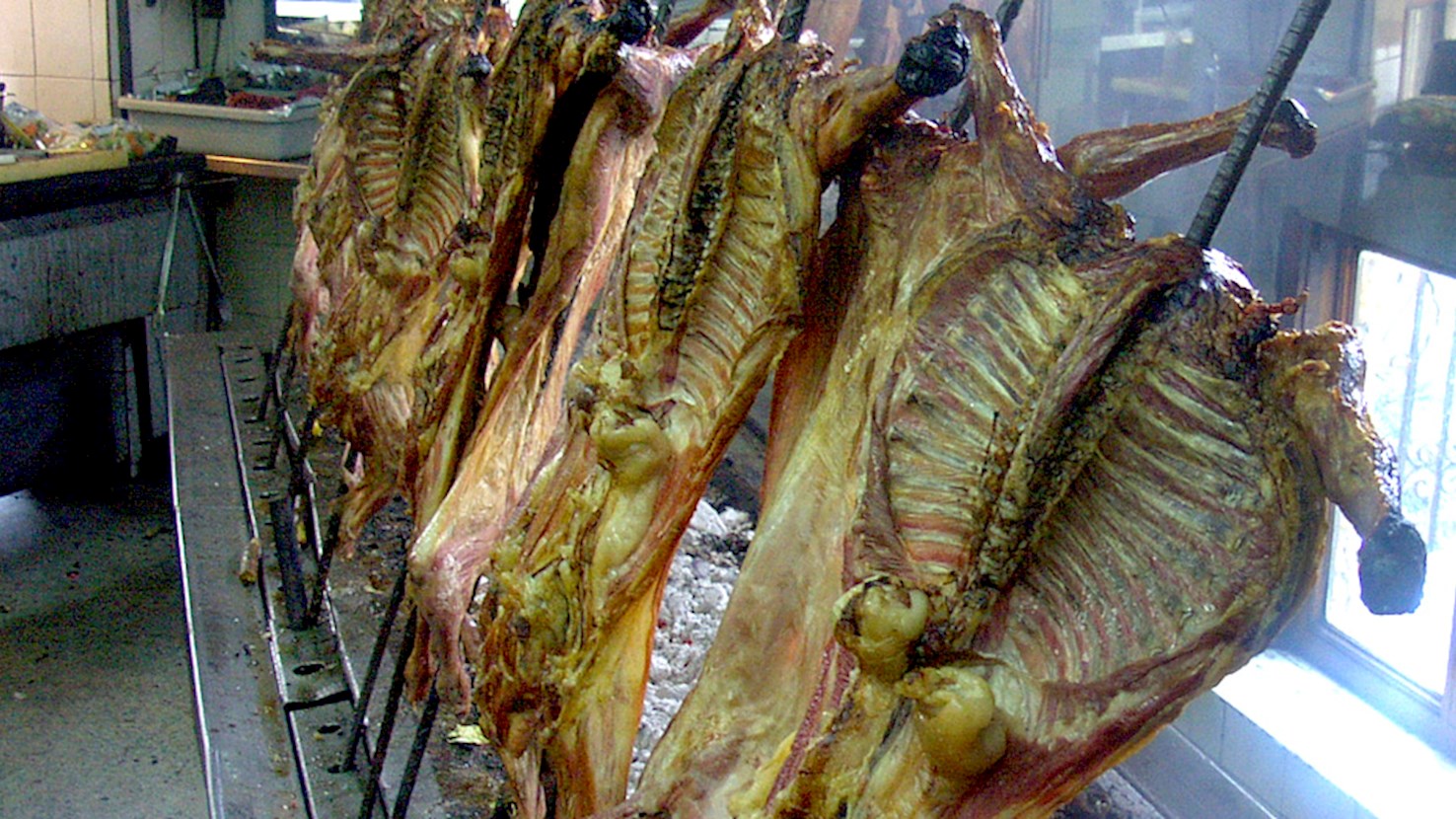
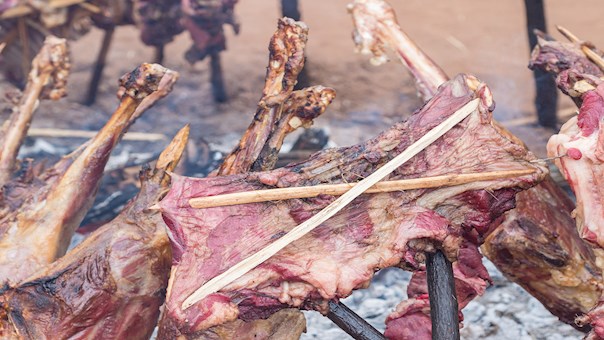
Cabrito is roasted goat kid, a specialty of the Mexican city of Monterrey. Apart from Mexico, the dish is also popular in Brazil, Argentina, Spain, and Portugal. Traditionally, goat kid should be no more than three weeks of age and it should never have been fed anything other than mother's milk. Those predispositions are crucial for developing good flavors in the dish. There are numerous styles of cooking cabrito, such as cabrito al pastor (spit-roasted, no seasonings), cabrito al horno (oven-roasted), cabrito en sangre (braised in blood with offal and seasonings), and cabrito en salsa (braised in tomatoes with garlic, onions, and chilis).
Seco de chivo is a variety of chivo, a thick Ecuadorian stew that is traditionally served with fried plantains or yellow rice. This version uses goat meat, and the dish is almost always made for special occasions. Originally, seco de chivo was made with chicha, a type of corn beverage, but today, it is more commonly prepared with beer and fruit juices in order to give more flavors to the stew.
TasteAtlas food rankings are based on the ratings of the TasteAtlas audience, with a series of mechanisms that recognize real users and that ignore bot,
nationalist or local patriotic ratings, and give additional value to the ratings of users that the system recognizes as knowledgeable.
For the “Top 43 Goat Dishes in the World” list until November 15, 2026, 1,823 ratings were recorded, of which 699 were recognized by the system as legitimate.
TasteAtlas Rankings should not be seen as the final global conclusion about food. Their purpose is to promote excellent local foods,
instill pride in traditional dishes, and arouse curiosity about dishes you haven’t tried.

















What People Say