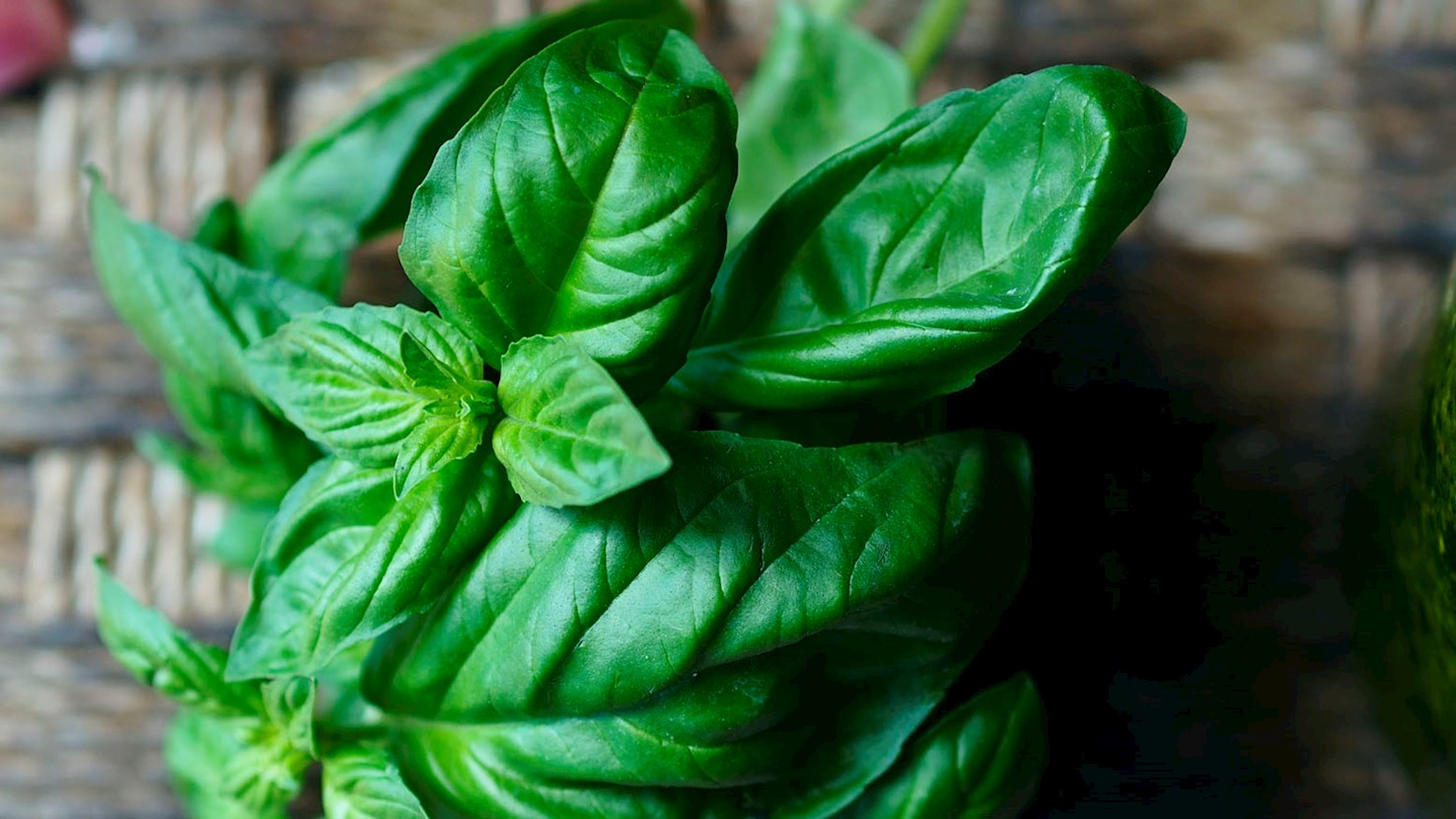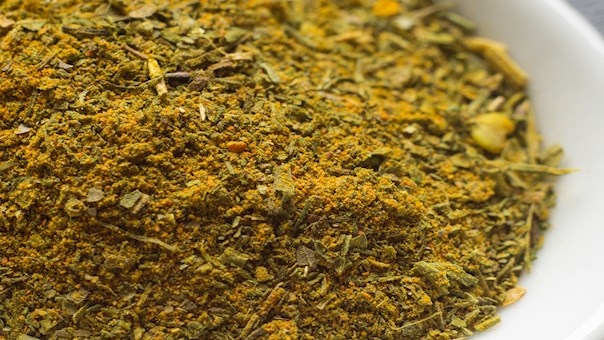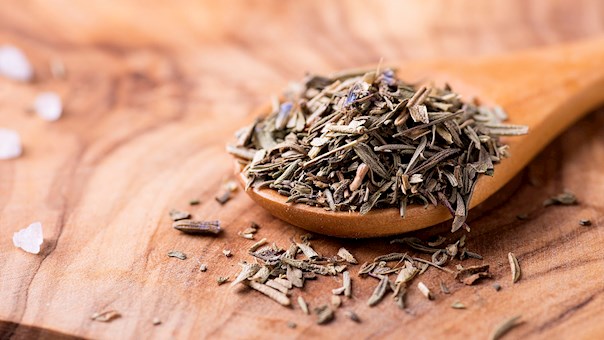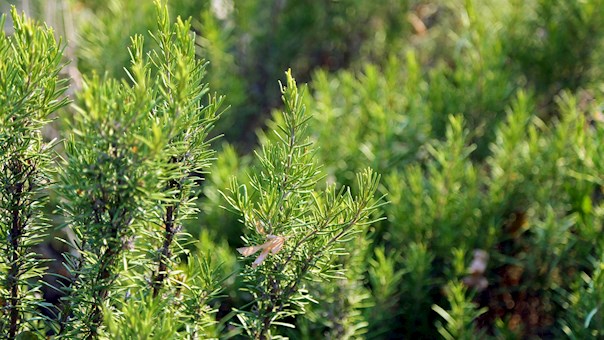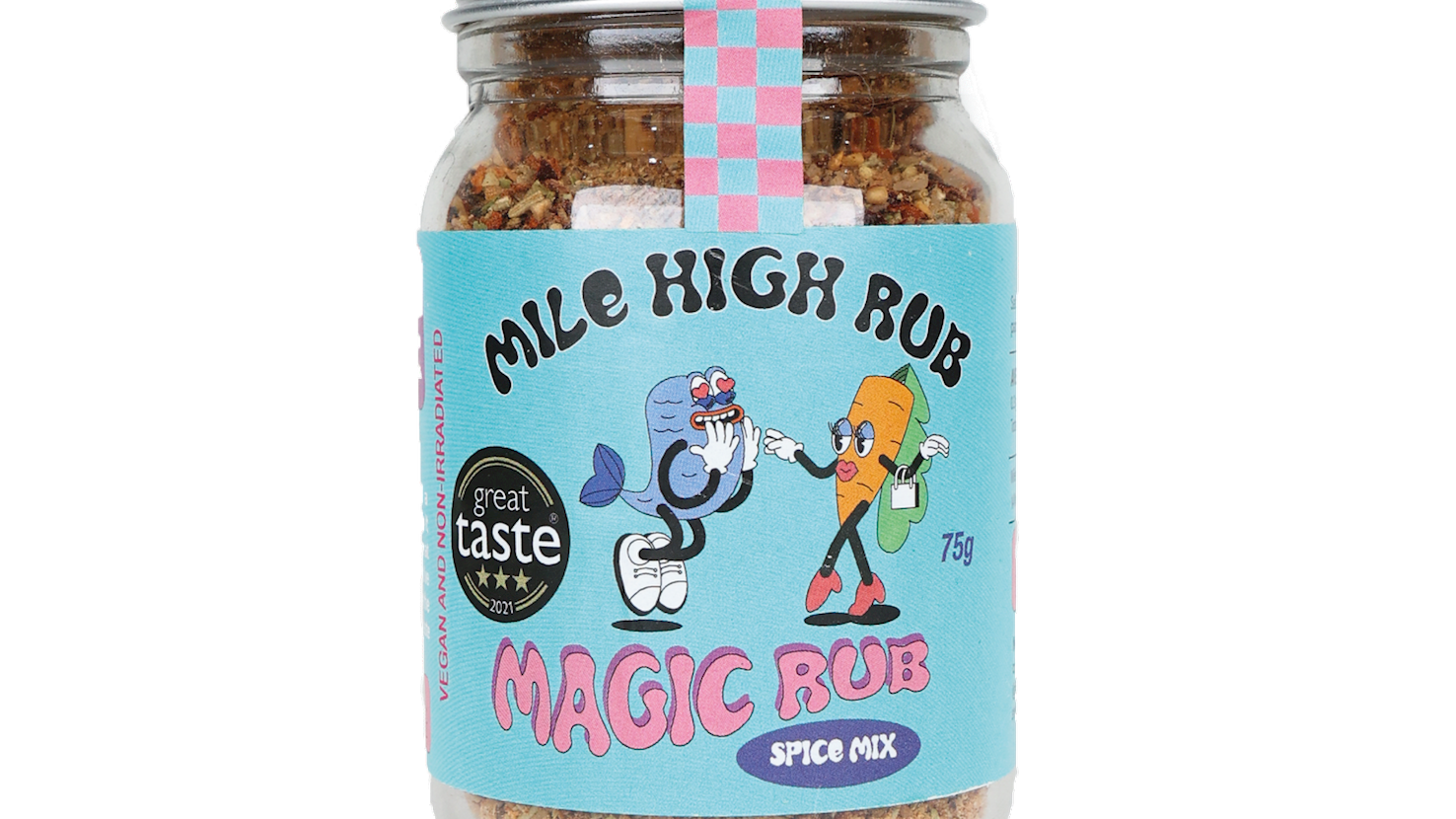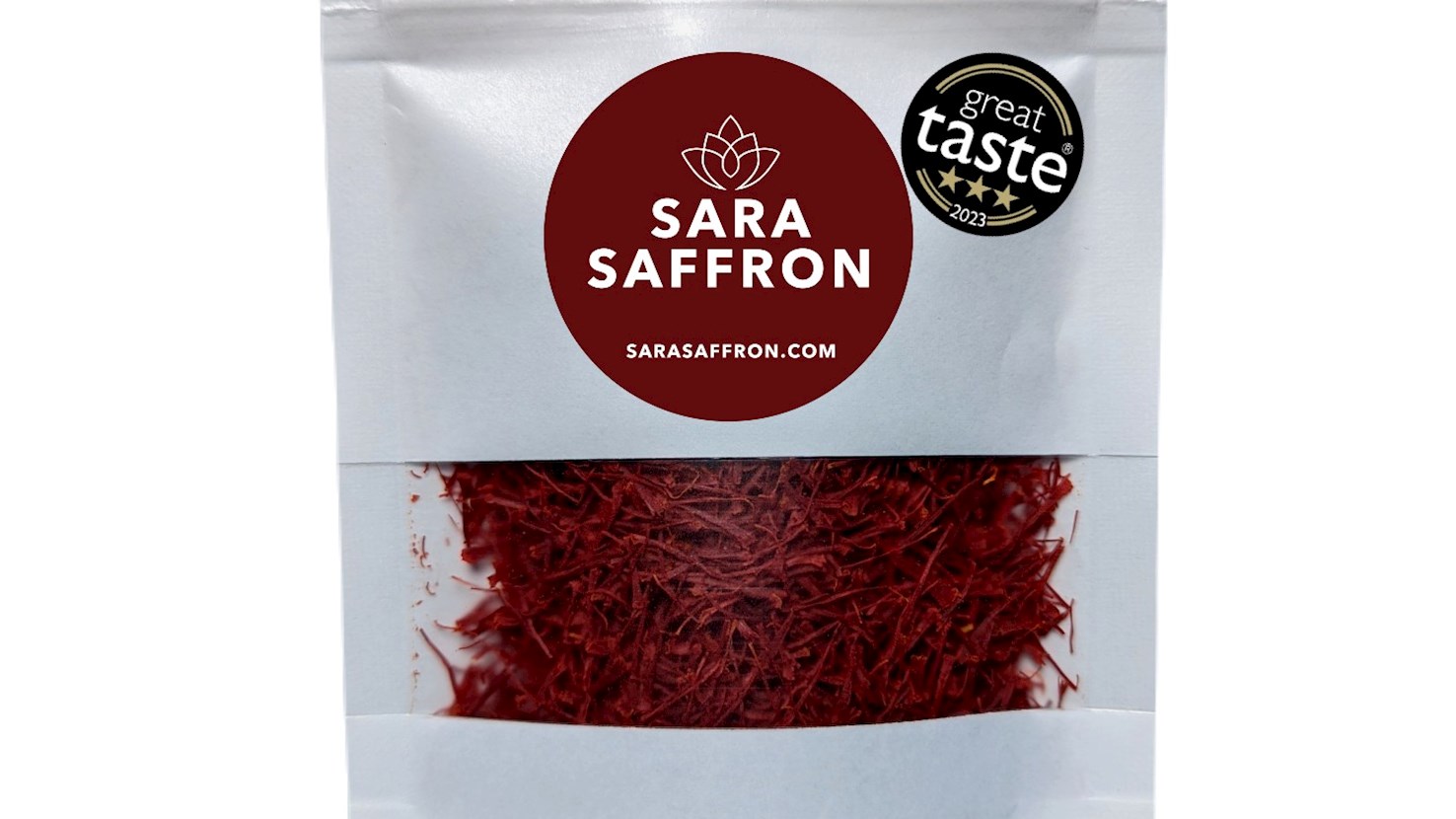
The fragrant Genovese basil is a cultivar of Ocimumbasilicum (sweet basil), traditionally grown in the Ligurian provinces of Genoa, Savona and Imperia. It has an intense clove aroma and it is widely known for being an essential ingredient of the famous Pesto alla Genovese sauce. Even though it is available dried, Genovese basil is most often used fresh, added to various dishes at the last moment, in order to preserve its exceptional flavor.
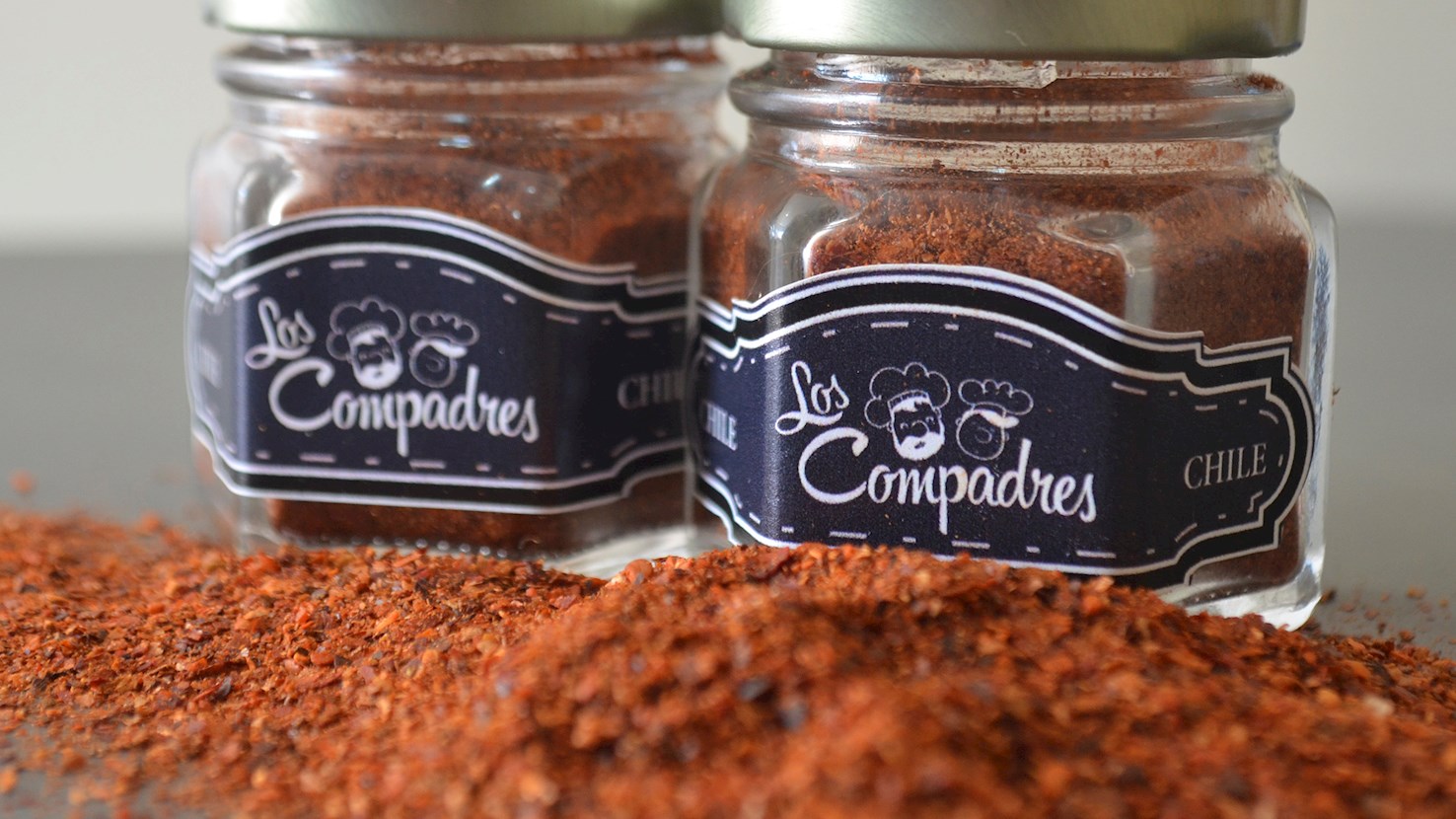
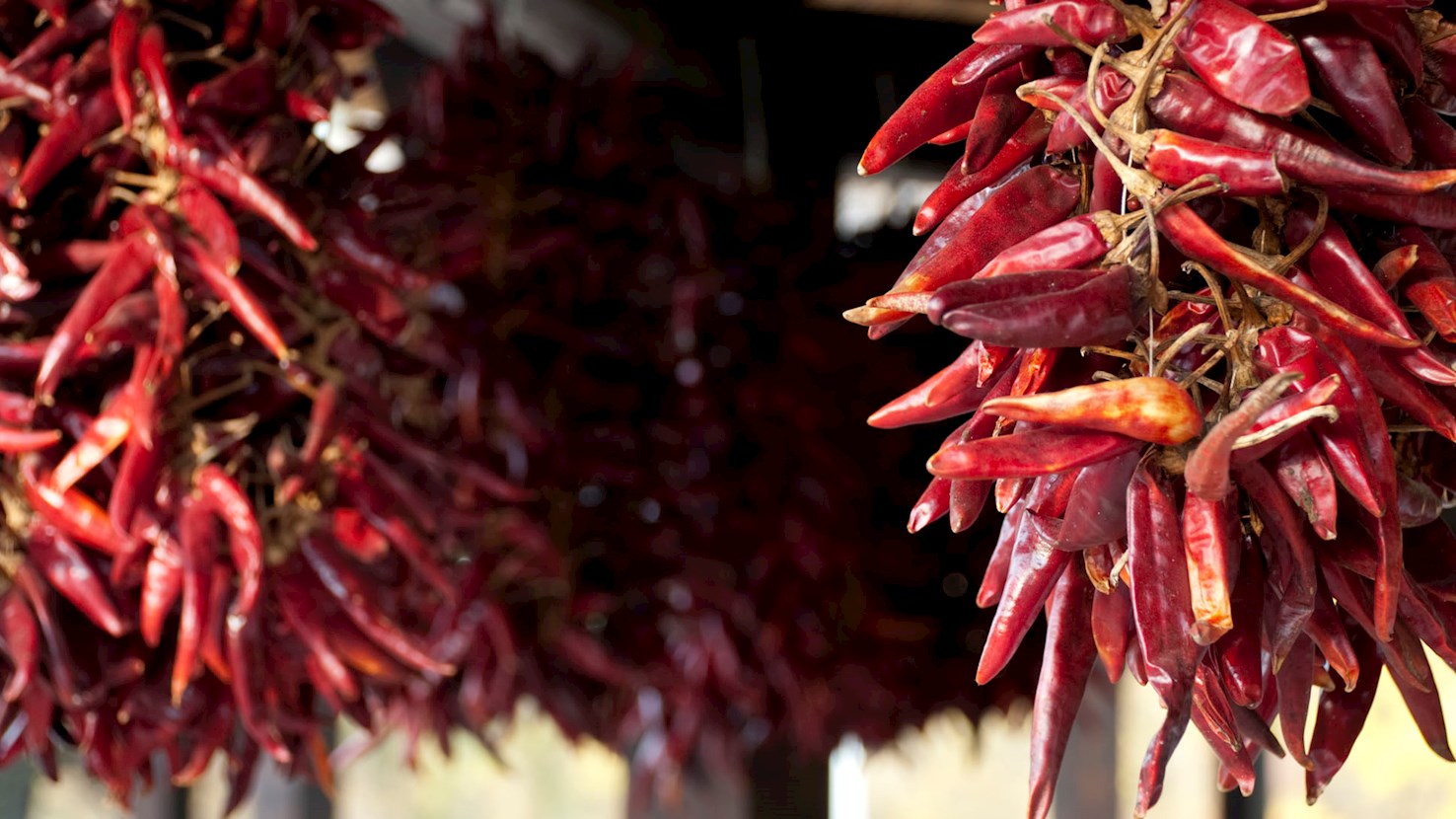
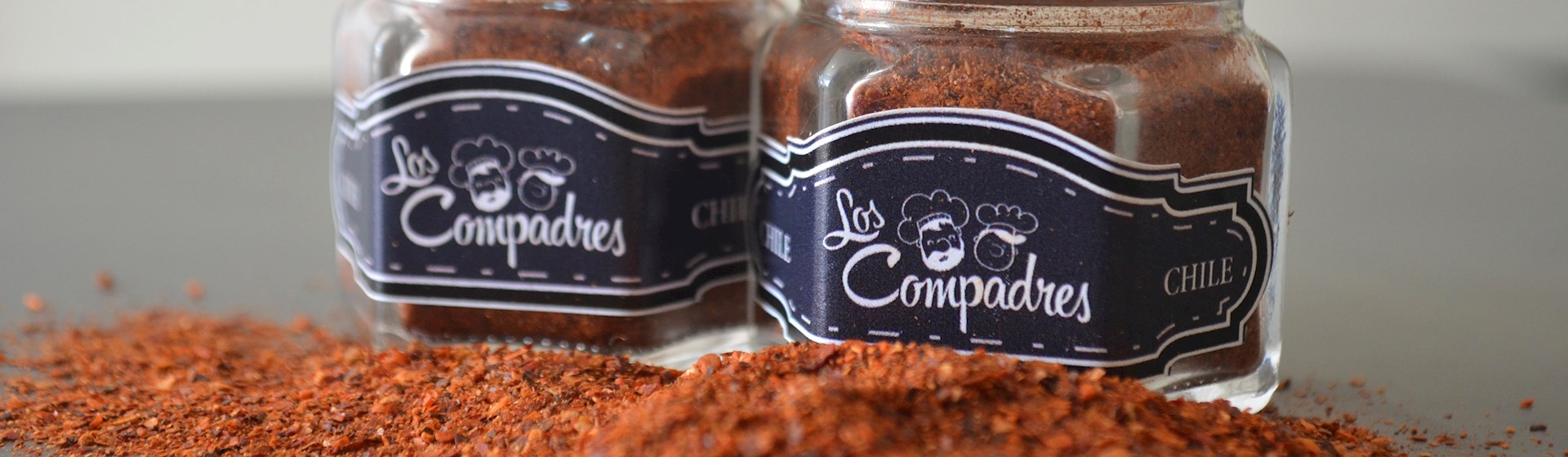
Merquén or merkén is a Chilean spice made with a long, pointed chili pepper called aji, caciocavra, cacho de cabra, or goat’s horn pepper as the key ingredient. The peppers are grown throughout the Araucanía region and are picked in February, when they turn from green to red. They are then dried in the sun until they develop a violet color. The dried peppers are smoked, then hung from ceilings over a wood fire. After the second drying in the sun, these peppers are ground in a stone mortar or in an automatic grinder. The powder is combined with smoked coriander seeds and sea salt, and the spice blend should contain at least 70% of the powder and no more than 20% salt. The spice blend accentuates the rich and earthy flavor of the peppers, and it is generally more smoky and flavorful than spicy and hot. Coming from the gastronomy of the Mapuche indigenous people, merkén is used as a spice rub for meat, sprinkled on pizza, mixed into pebre salsa, or used in mani merkén, a snack of roasted peanuts seasoned with merkén. For a traditional Chilean side dish, it is recommended to try puré picante – mashed potatoes seasoned with this unique spice blend. Nowadays, the use of merkén is slowly declining because it is often considered a symbol of poverty in the country. However, the spice has turned up as a twist on the traditional Chilean aperitif known as pisco sour, where merkén is lightly sprinkled on top of the cocktail glass.
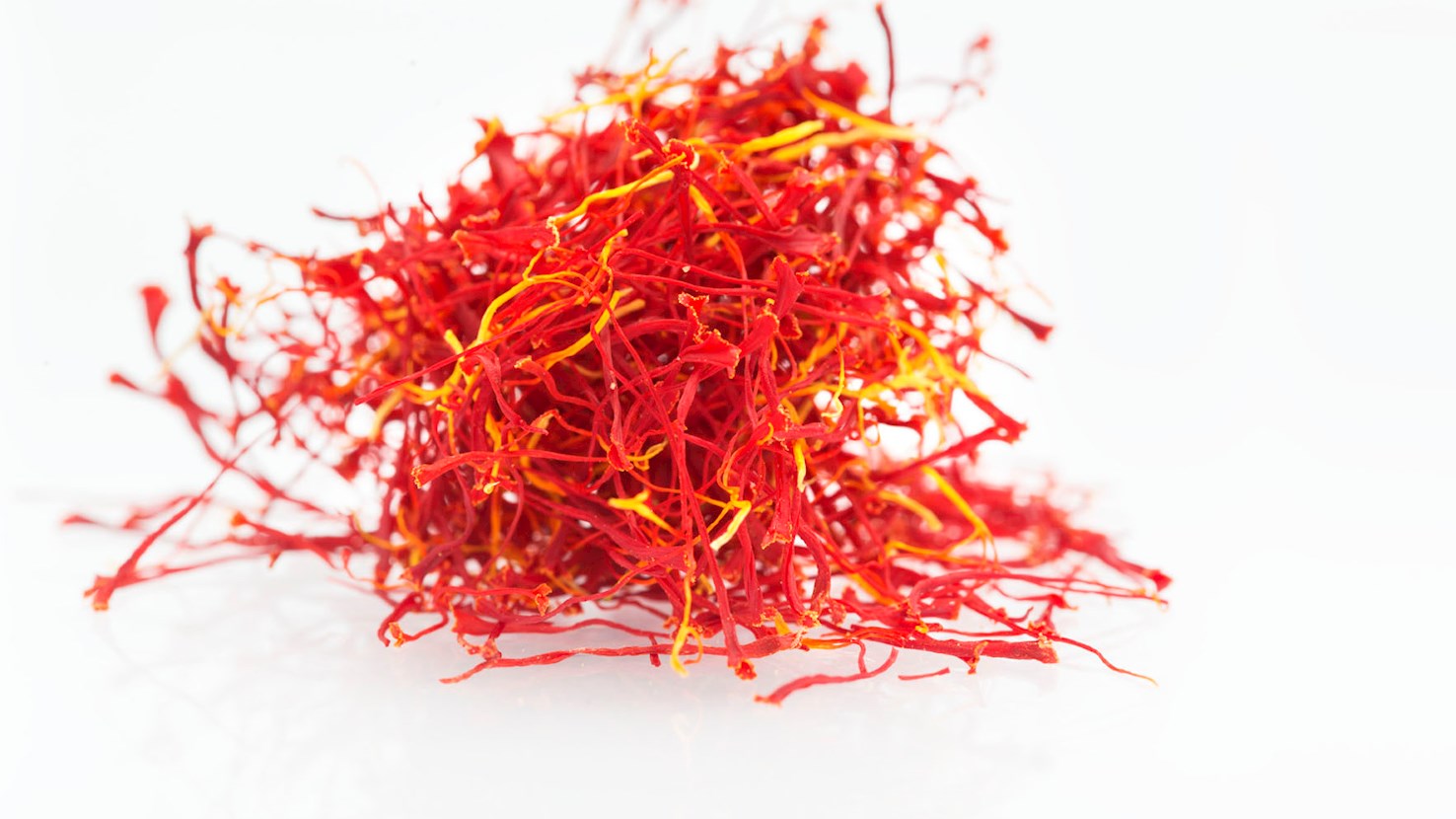
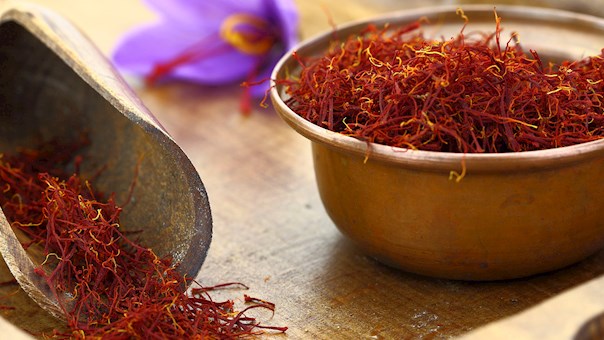
Azafrán de la Mancha is a saffron grown in the autonomous community of Castilla-La Mancha. It is a spice produced by drying the stigmas of the Crocus Sativus, L. plant. It has a floral and slightly bitter flavor and gives the dishes it is cooked in a bright gold yellow color. Saffron is one of the most expensive spices in the world, with the price higher than that of gold, due to the laborious process of its harvesting. To preserve its subtle flavor, saffron grown in La Mancha is never sold powdered, but exclusively in the form of whole threads.
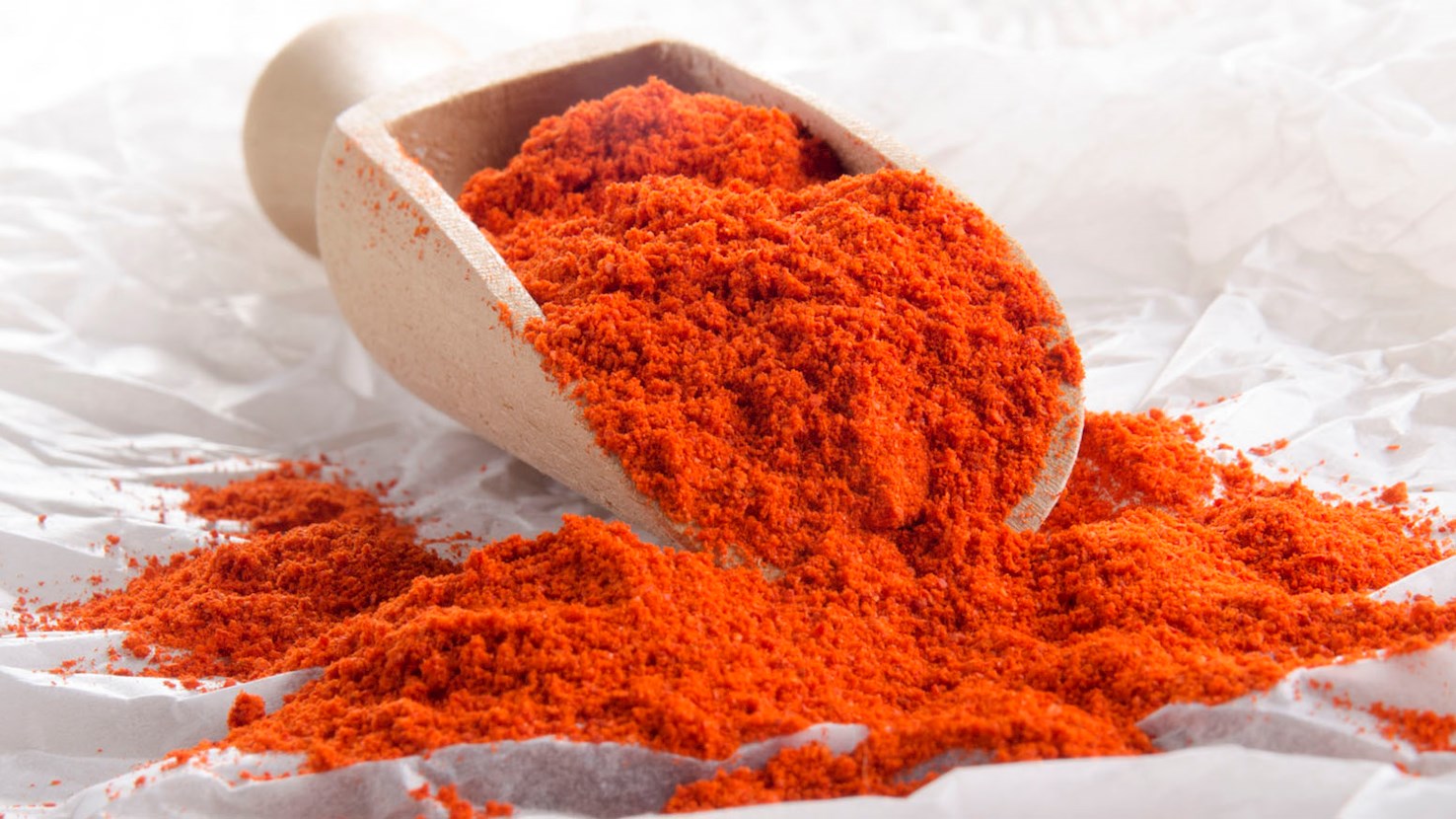
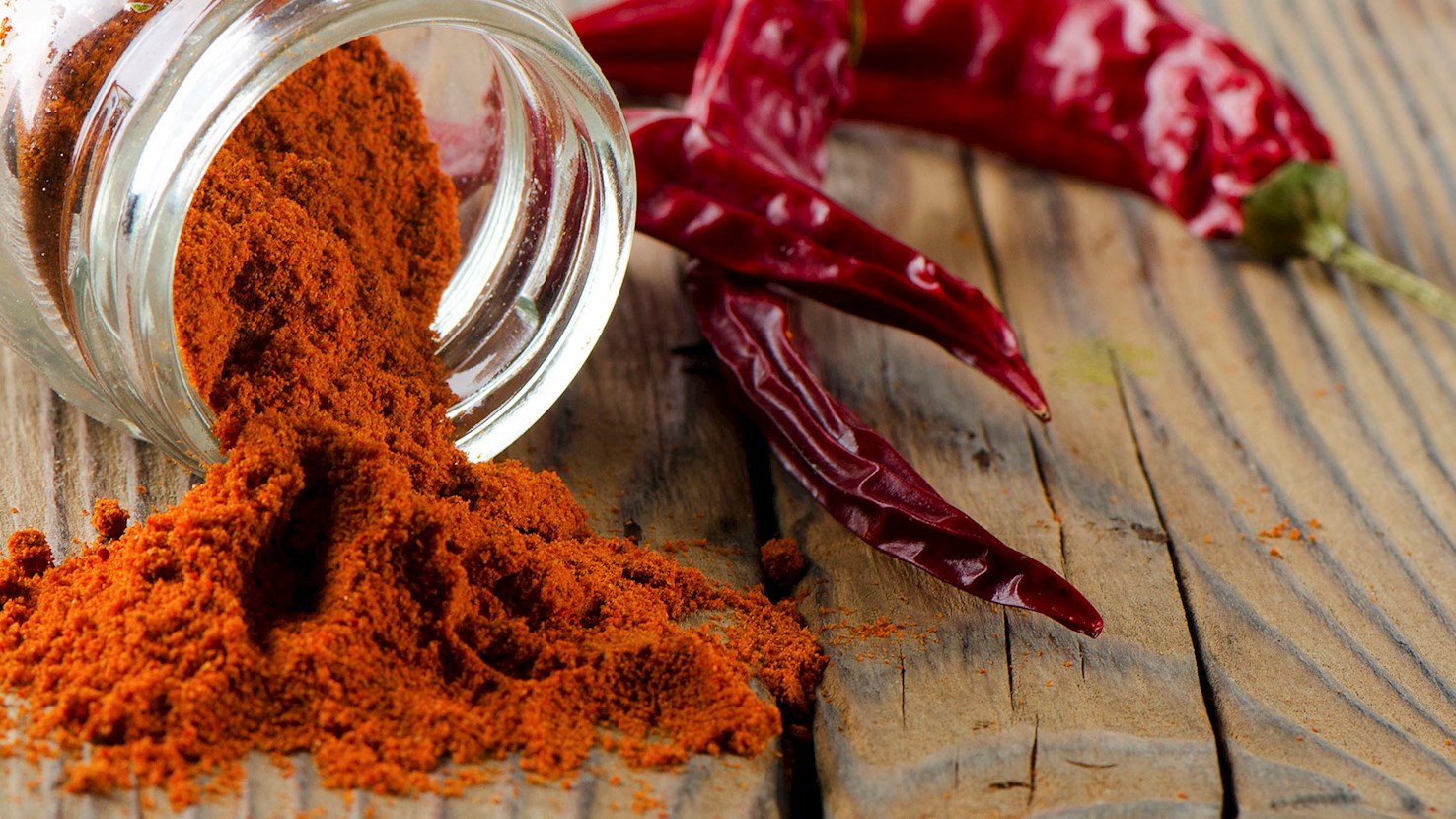
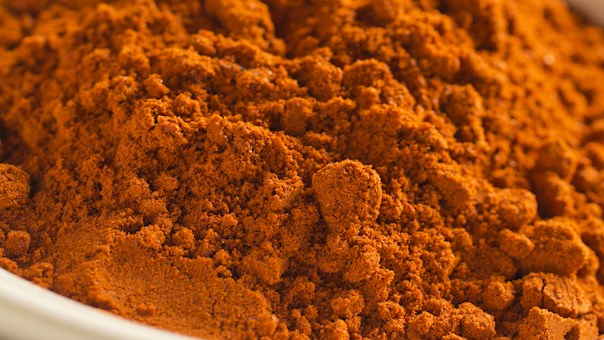
The powdered Szegedi paprika spice is made by grinding the pods of the pepper plants. Its colour is a vivid, fiery red and its aroma is strong and spicy, similar to those of baked vegetables. Once tasted, the flavour is sweet, mellow and spicy but pleasant and not too hot, due to the fact that the capsaicin amount is not above 100mg/kg. In some hotter varieties of Szegedi paprika, the capsaicin amount is higher, so the paprika is also a lot hotter in taste. It is so popular in Hungary that it even has its own museum, and is typically used as a seasoning in hearty stews, goulash or sprinkled on meat. However, it is not merely a spice for the Hungarian people - it is the very core of their cuisine, adding that tinge of red colour to almost every dish and making it just a little bit more interesting.
This unique paprika product is made under strict quality measures by grinding the dried pods of deep, silky red pepper plants of different varieties. The peppers must be ground uniformly and the aroma is spicy and pleasant, comparable to that of roasted seeds. It has a sweet, fruity taste, and the higher the capsaicin content in the peppers, the hotter the final product will be. The ground paprika is then packed and sold, and used mainly as a spice in a variety of dishes including stews, on eggs, fish, pasta, potatoes, and in marinades for roasted meat.
Pimentón de la Vera is the smoked paprika that has been produced exclusively in the La Vera valley, in the province of Cáceres since the 16th century. This vibrant red spice is made by grinding dried peppers into a fragrant, spicy, smoky powder. It became popular in the 16th century when the Spanish conquistadors brought the peppers back from Mexico as a gift for the king and queen of Spain. In autumn, after harvesting, the finest peppers are hanged on strings and are left to dry. They are then smoked using oak wood for two weeks, thus intensifying both their flavor and color. There are three types of Pimentón de la Vera; dulce, agridulce and picante, or sweet, medium and hot, respectively. The sweet variety is mostly used with light meats, such as octopus, rabbit or chicken. On the other hand, the hot variety is used in heartier winter soups and stews, or in the production of chorizo sausages.
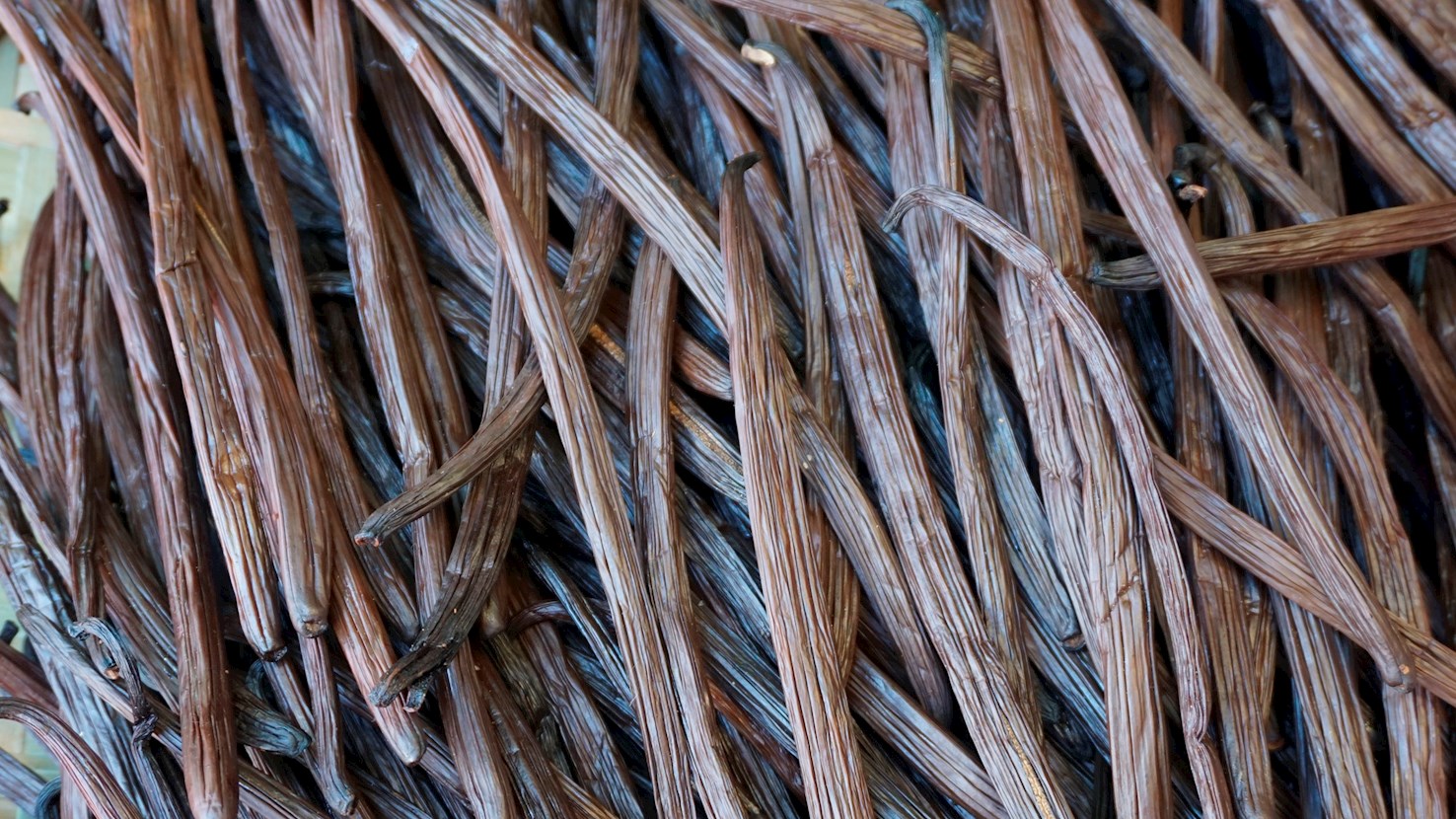
The Mexican region of Chinantla is the only place in the world where wild vanilla grows. Known locally as colibrí, these orchid vines grow in the heart of the forest, using moderate-size trees like citrus, cocoa, and calabash (jícara) trees for support. Once they have been collected, vanilla beans are traditionally sealed in bags, then left in the sun for 5 hours a day over 15 days. The process results in tender, fragrant berries with an appetizing coffee color. In the past, the fruit wasn’t used for cooking because it was offered to the Aztec emperor Montezuma as a tribute, while women combined it with mamey seed oil in order to make their hair shiny.
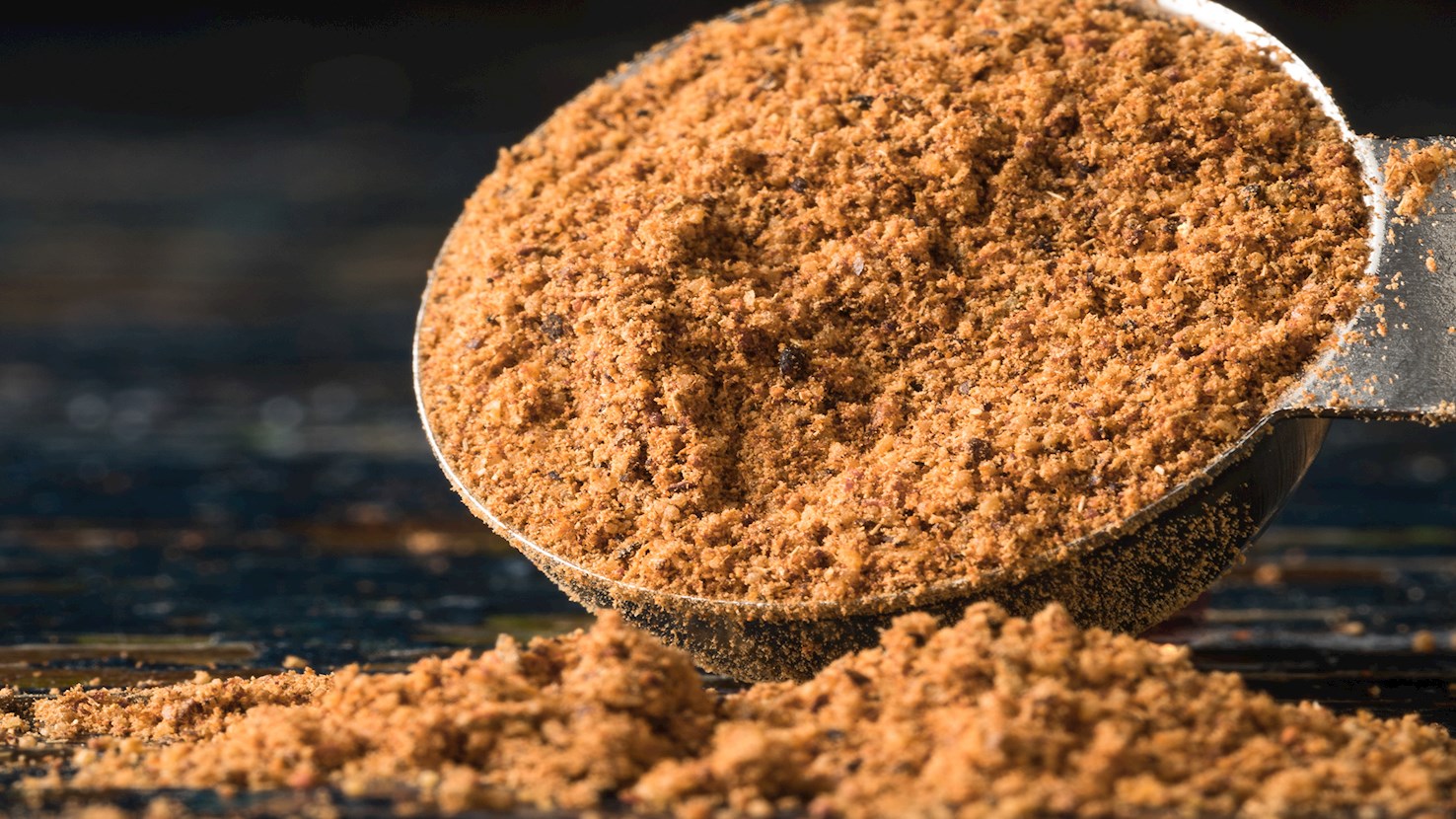
Jerk seasoning is a Jamaican spice blend and marinade used for meat, poultry, and seafood, defined by the presence of Scotch bonnet peppers, allspice, thyme, scallions, and aromatics such as garlic and ginger. It is produced in dry and wet forms and is used throughout Jamaica and in Jamaican communities abroad. The seasoning reflects cooking practices that developed in Jamaica as Maroon communities used local spices and preserved European, African, and Indigenous techniques to prepare meat over low, smoky fires. As these methods spread across the island and into commercial cooking, cooks formalized combinations of allspice, hot peppers, and herbs into recognizable seasoning blends that could be applied to various proteins. By the twentieth century, bottled jerk marinades and packaged spice mixes became common in local shops, supporting widespread household use and enabling restaurants to standardize their flavor profiles. Preparation of jerk seasoning can take two forms. A dry blend is made by grinding allspice berries and mixing them with dried thyme, garlic powder, onion powder, black pepper, cinnamon, and Scotch bonnet powder or other dried chiles. A wet marinade is made by blending fresh Scotch bonnet peppers with scallions, fresh thyme, garlic, ginger, allspice berries, vinegar or lime juice, and salt. The wet version clings well to meat and creates a surface layer that chars slightly during grilling, while the dry version is often rubbed onto meat before cooking or added to sauces. Although the core ingredients remain consistent, cooks adjust the seasoning depending on availability and desired heat level. A defining characteristic of jerk seasoning is the use of Scotch bonnet peppers, which contribute both heat and a distinct fruity aroma, paired with allspice, which supplies a warm, resinous flavor that anchors the blend. Jerk seasoning is eaten across Jamaica in dishes such as jerk chicken, jerk pork, jerk fish, and jerk shrimp. It is used in street food stalls, home kitchens, and restaurants, often applied before grilling over pimento wood when available. It also appears in sandwiches, wraps, and modern dishes such as jerk pasta and jerk-seasoned fried foods. Beverage pairings typically include cold lager, ginger beer, fruit punches, limeade, or lightly sweetened iced tea, which balance the heat and complement the spices. When served with wine, off-dry Riesling or rosé works well due to their acidity and mild sweetness, which soften the intensity of the Scotch bonnet pepper.
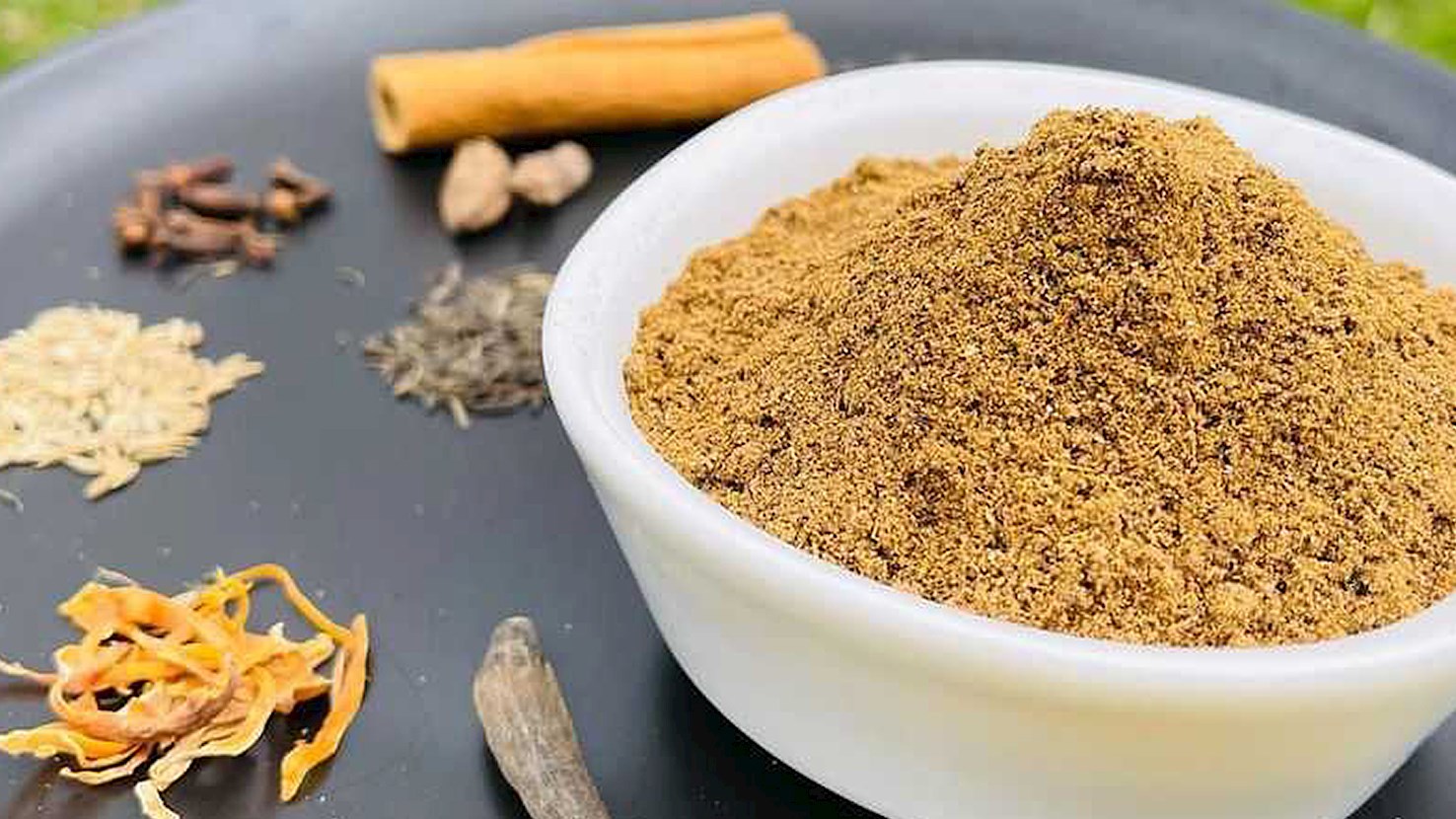
Garam masala is an intensely aromatic blend of ground spices such as cinnamon, cumin, cardamom, cloves, and peppercorns. Its name can be literally translated as hot ingredients, and is sometimes described as an aromatic blend that is meant to heat the body. This spice blend has origins in Northern India, where winters are typically colder than in the rest of the country. The spices used in garam masala vary from region to region, but no combination of spices is believed to be more authentic than another. It is recommended to use the spice blend at the end of the cooking process in order to achieve the best flavor, although it can also be used at the beginning of cooking, when it's usually added to ghee or cooking oil in order to provide a more pungent flavor. Garam masala is often used in the preparation of popular dishes such as rogan josh, a Kashmiri specialty, pulao, a Pakistani pilaf, or murgh kari.
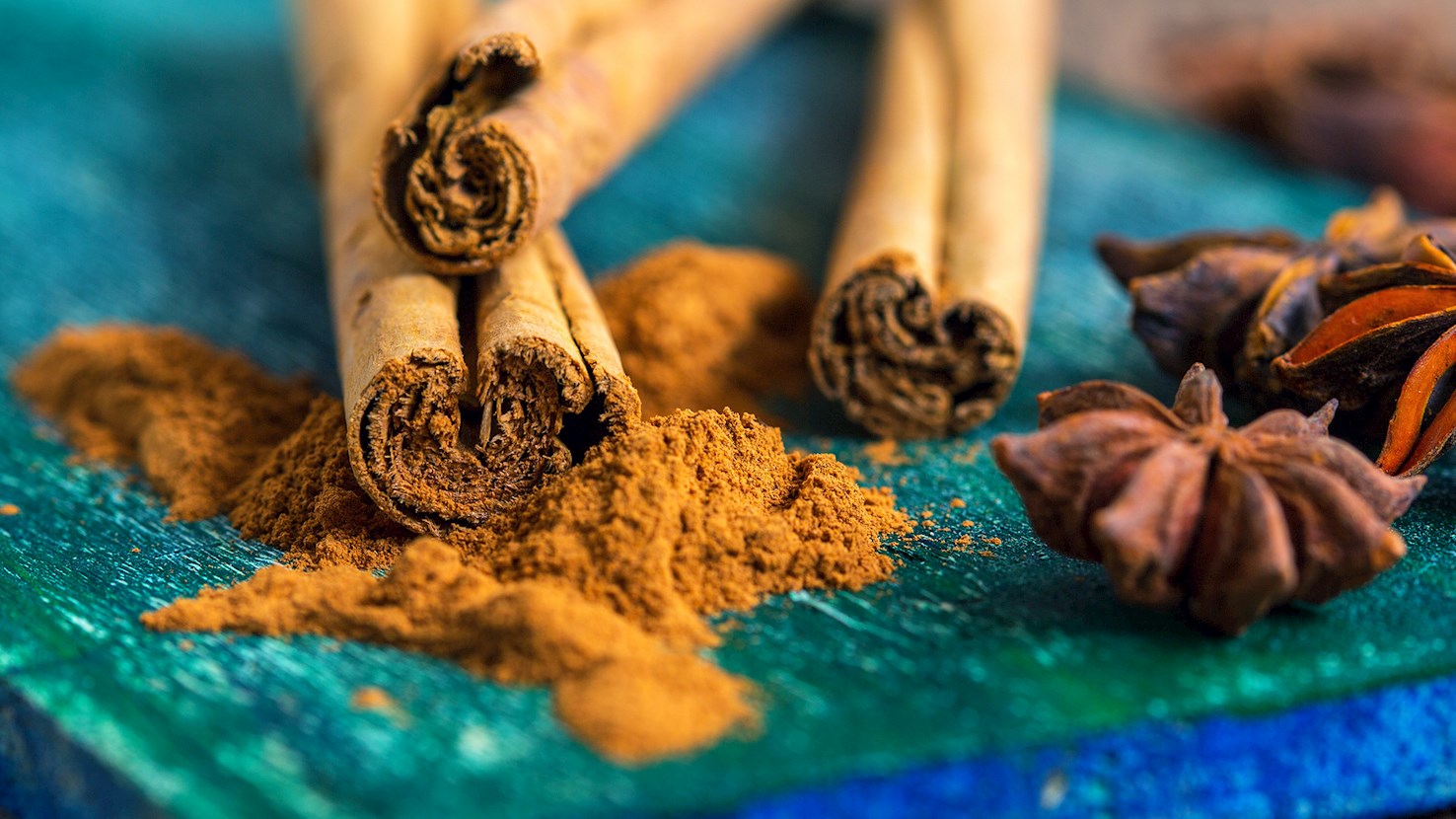
Ceylon cinnamon is traditionally harvested from a tree that is native to Sri Lanka, formerly known as Ceylon, hence the botanical name of this health-beneficial spice. This cinnamon type is sweeter and more delicate than cinnamon cassia, the other main type of cinnamon. It has a beneficial effect on glucose metabolism and body weight, and contains antioxidants called proanthocyanidins, which are also found in grapes and green tea. Unlike cinnamon cassia, Ceylon cinnamon does not contain coumarin – a natural plant chemical that is toxic to the kidneys and liver, and it might also be carcinogenic. If you can find it, always opt for Ceylon cinnamon, even though it is more expensive than the cassia variety. After all, it’s called true cinnamon for a reason.
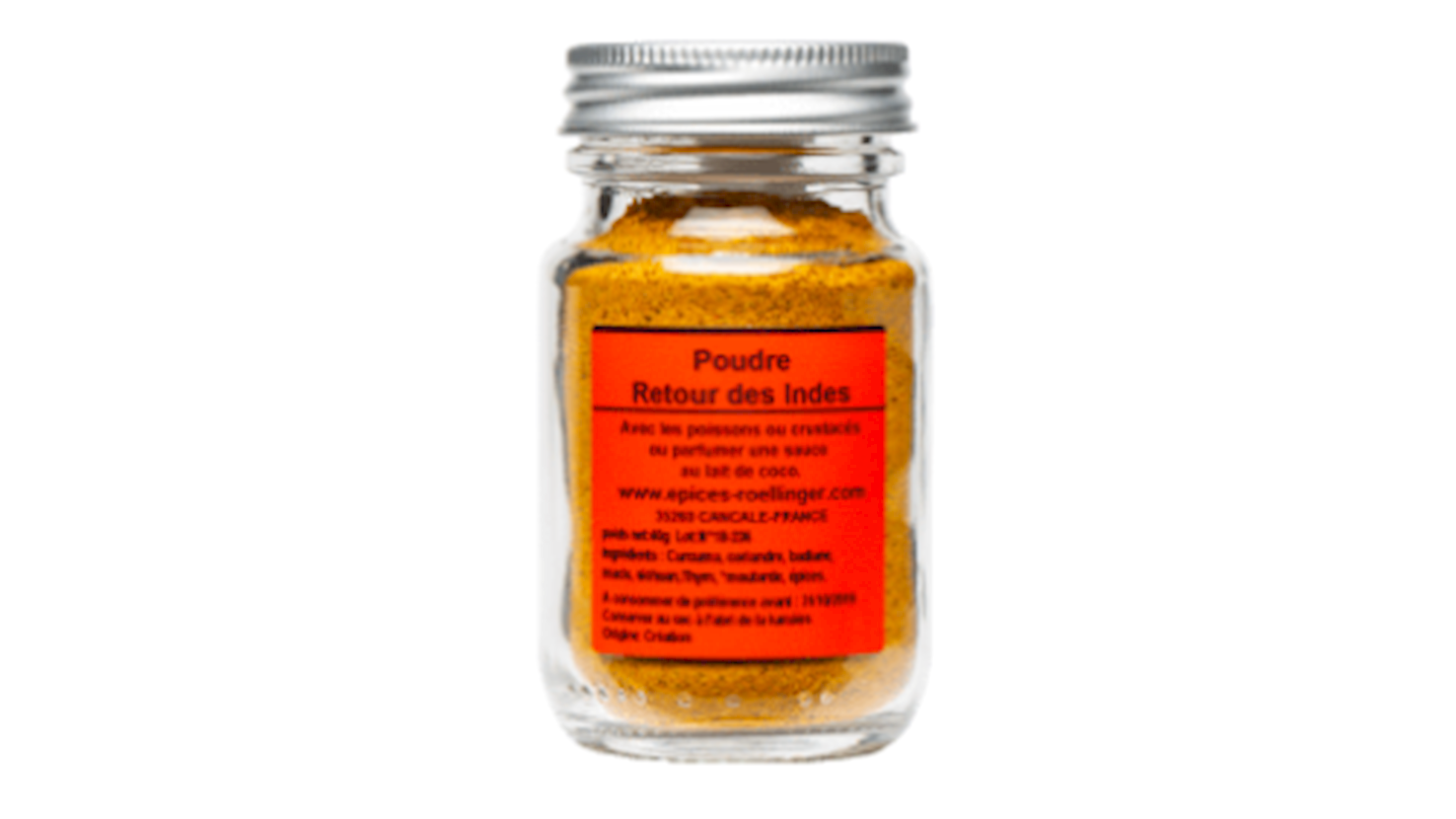
Épices Roellinger is a French gourmet spice house founded by chef Olivier Roellinger, closely linked to the maritime heritage of Saint-Malo and Cancale in Brittany. The brand grew out of Roellinger’s culinary work, where he began using spices as an aromatic language in 1984, inspired by the historic spice routes and the old trading culture of Saint-Malo. Today, Épices Roellinger offers rare spices, peppers, salts, oils, vinegars, vanilla, seaweeds and original spice blends created with a distinctly French culinary sensibility. Its philosophy is based on direct sourcing from selected producers, freshness of harvest, and a strong preference for organic, sustainable, wild or agroecological ingredients. The house is especially known for its original spice blends, designed not as generic seasonings but as precise culinary compositions connected to memories, journeys, places and dishes. Production and blending are associated with the Maison du Voyageur in Cancale, while the brand also operates boutiques in Cancale, Saint-Malo and Paris. Épices Roellinger is regarded as one of the reference names in the French gourmet spice world, valued for traceability, craftsmanship and its ability to translate the history of spices into contemporary cuisine.
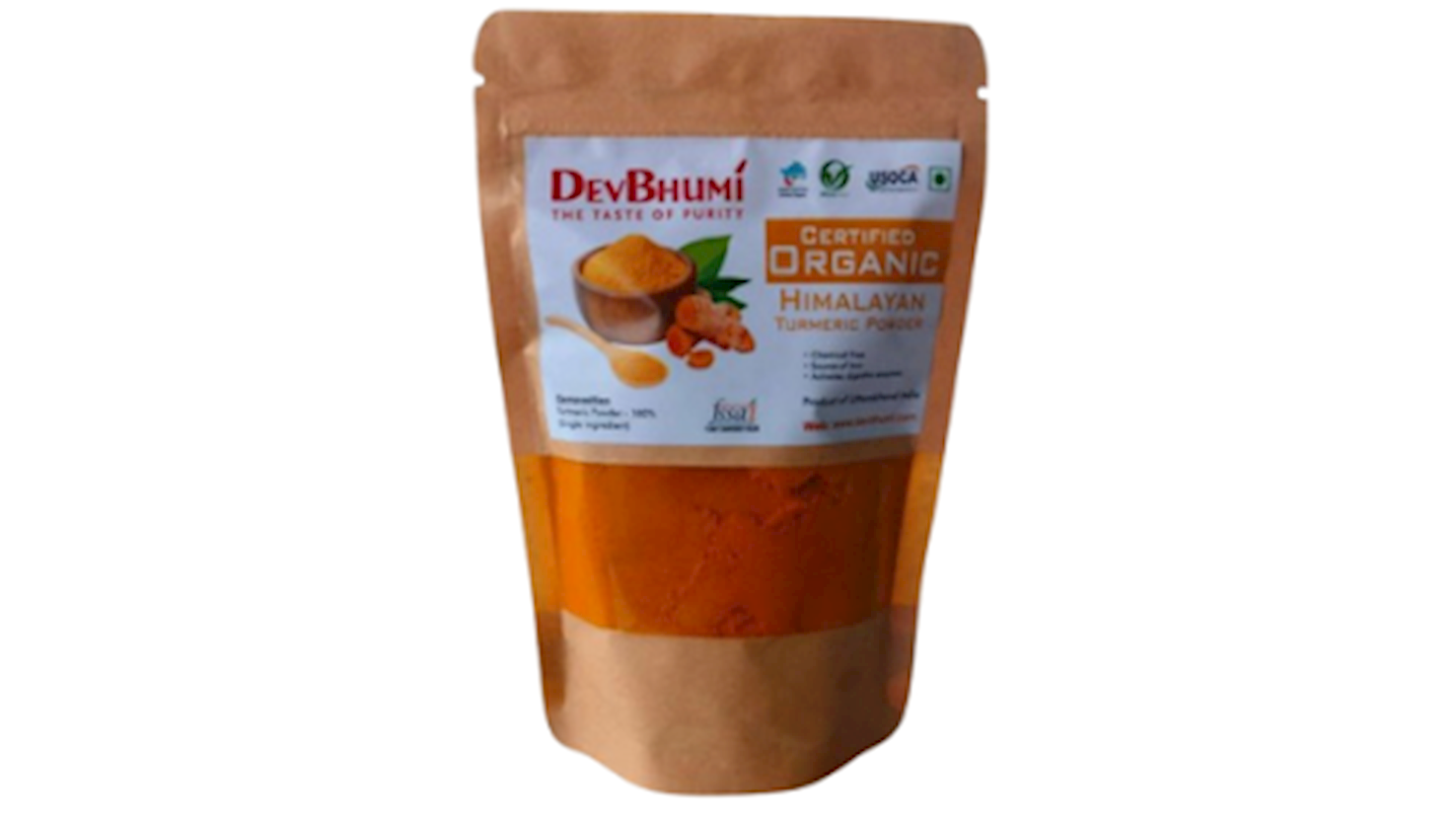
Devbhumi is a producer organization from the Indian state of Uttarakhand that brings together local beekeepers and small farmers to market natural, minimally processed products characteristic of the Himalayan region. Their range includes high-purity honey, traditional spices, ghee and herbal products, with a strong emphasis on preserving authentic origin and traditional production methods. Devbhumi operates as a farmer-producer collective, meaning the producers themselves are the owners, ensuring fair pricing, transparency and direct support for the local rural economy. Thanks to the mountain terroir and diverse Himalayan flora, their honeys and spices carry distinctive aromatic profiles and natural purity, free from additives or industrial processing. Devbhumi represents a sustainable model that combines traditional practices, social responsibility and high-quality products for consumers seeking authentic, natural and organically produced items.
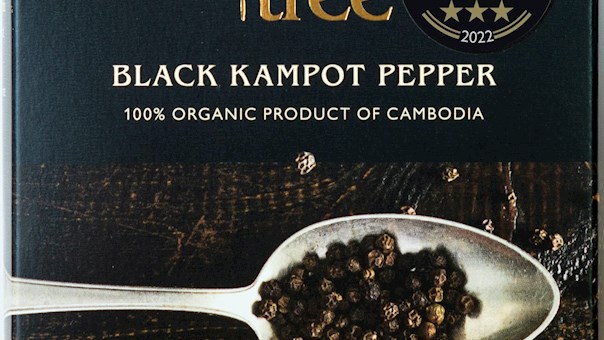
Pepper Field is a black pepper producer based in Prague. They specialize in high-quality black pepper products. The company focuses on sourcing their black pepper from carefully selected regions to ensure premium quality.
Awards
Great Taste Awards - 3 Stars
(2024, 2023, 2022, 2021)
Great Taste Awards - 2 Stars
(2024, 2023, 2022, 2021)
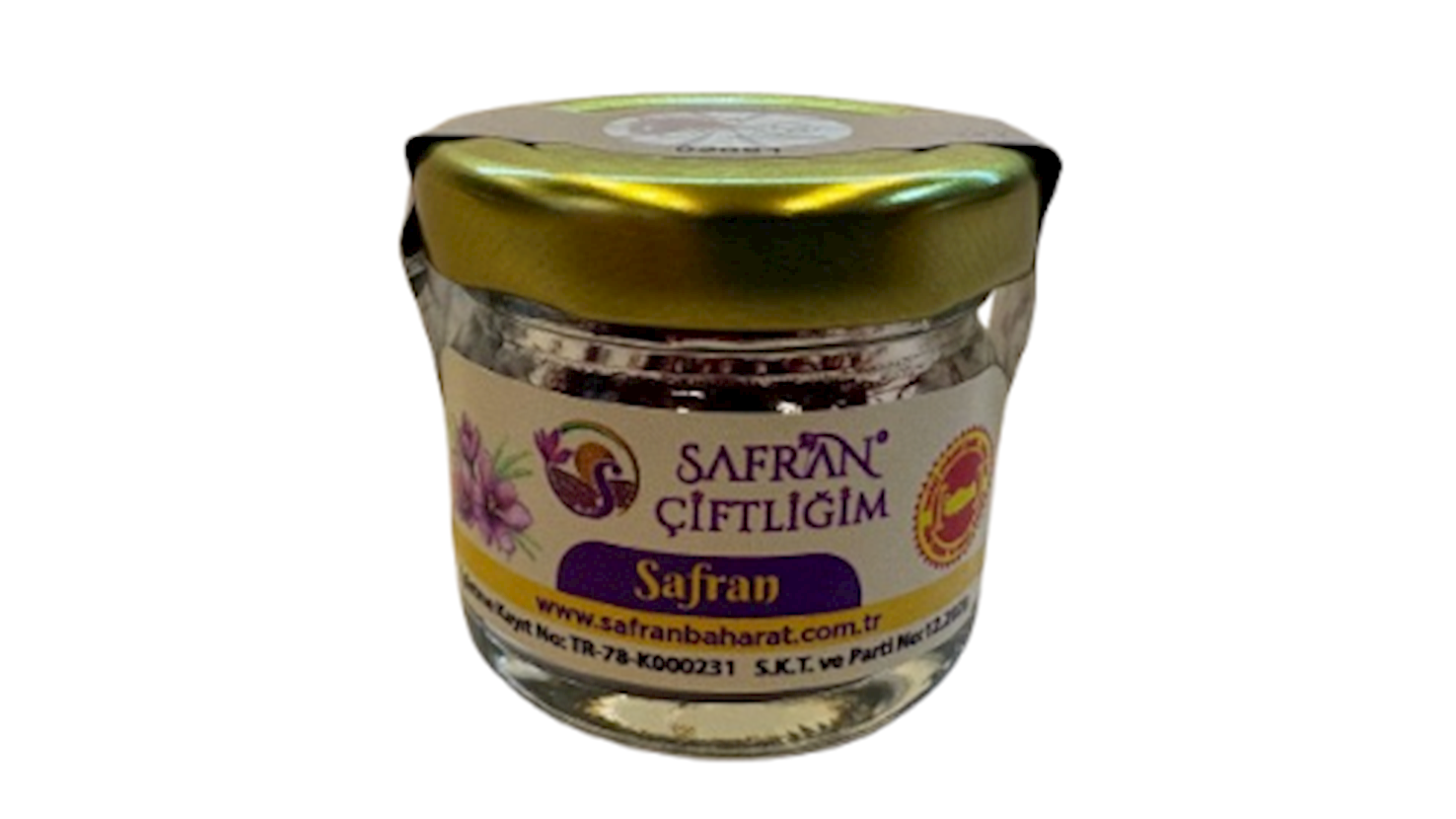
Safran Üretim Çiftliği is a family-run farm from Safranbolu specializing in the cultivation of authentic Turkish saffron, with a focus on small-scale, controlled production and hand-picking of the flowers. The saffron is grown on fields that turn purple in autumn, when crocus blossoms cover the terrain, and the stigmas are carefully separated and dried to preserve their intense aroma and high levels of safranal, picrocrocin, and crocin. The farm offers saffron in various package sizes, with clearly stated origin and traditional cultivation methods that position it within the premium spice segment. In addition to pure saffron, the farm produces a range of related items - teas, spice blends, dried fruits, jams, soaps, and other natural products based on local ingredients. Visitors can tour the plantation during the flowering season to observe the harvesting and processing steps, highlighting the transparent and handcrafted nature of the production. Through the combination of traditional know-how, limited quantities, and direct sales, Safran Üretim Çiftliği stands as a representative example of a regional agricultural producer whose identity is deeply rooted in the terroir of Safranbolu.
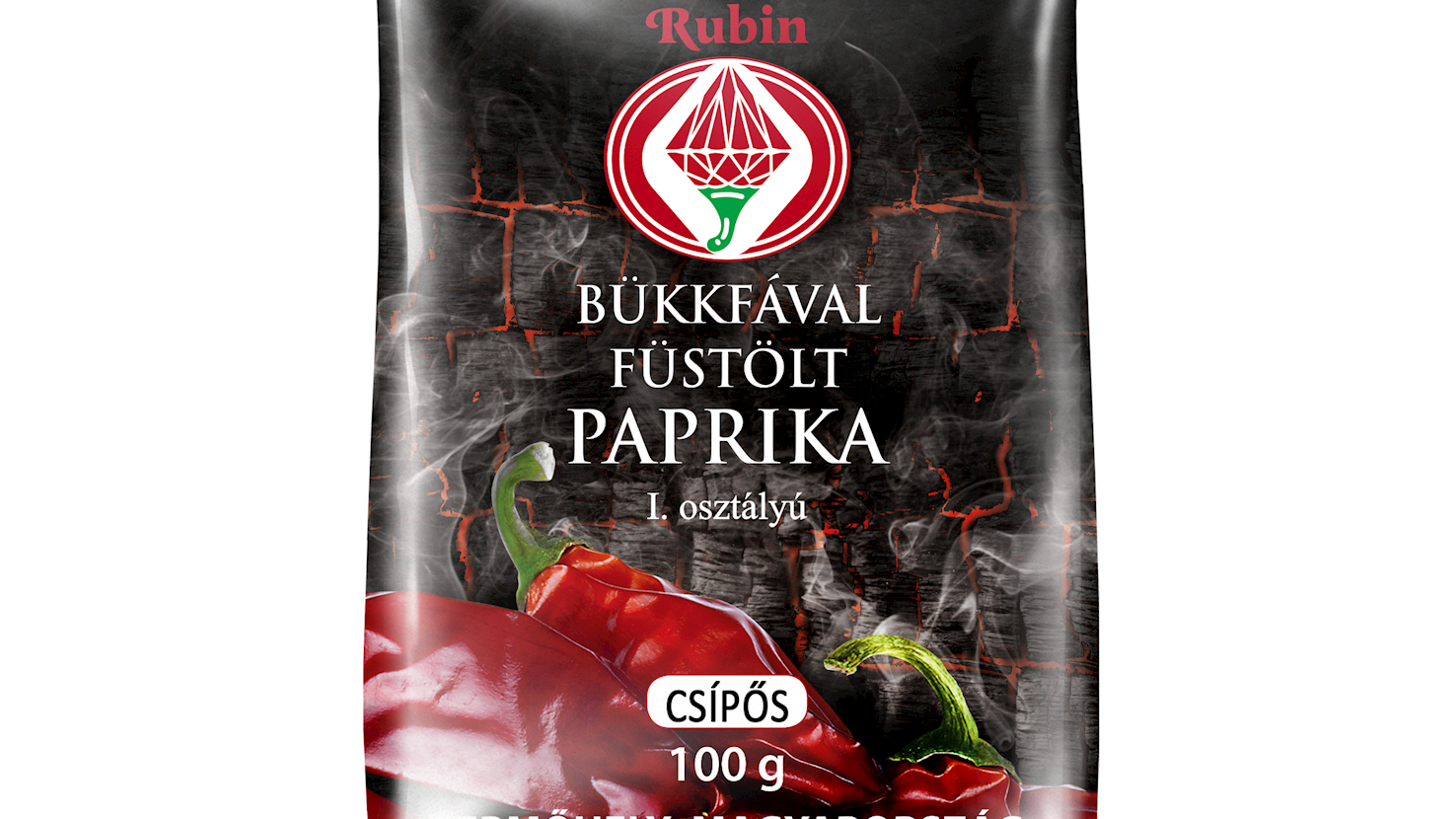
Rubin Paprika is a renowned producer of paprika-based seasonings based in Szeged, Hungary. Their product range includes high-quality offerings such as sweet and hot ground paprika, smoked paprika, paprika seed oil, chili flakes, and organic (BIO) paprika, available in both sweet and hot varieties. Rubin Paprika is dedicated to preserving traditional production methods while adhering to modern quality and food safety standards. Their products are highly regarded both domestically and internationally, contributing to the global recognition of Hungarian culinary traditions.
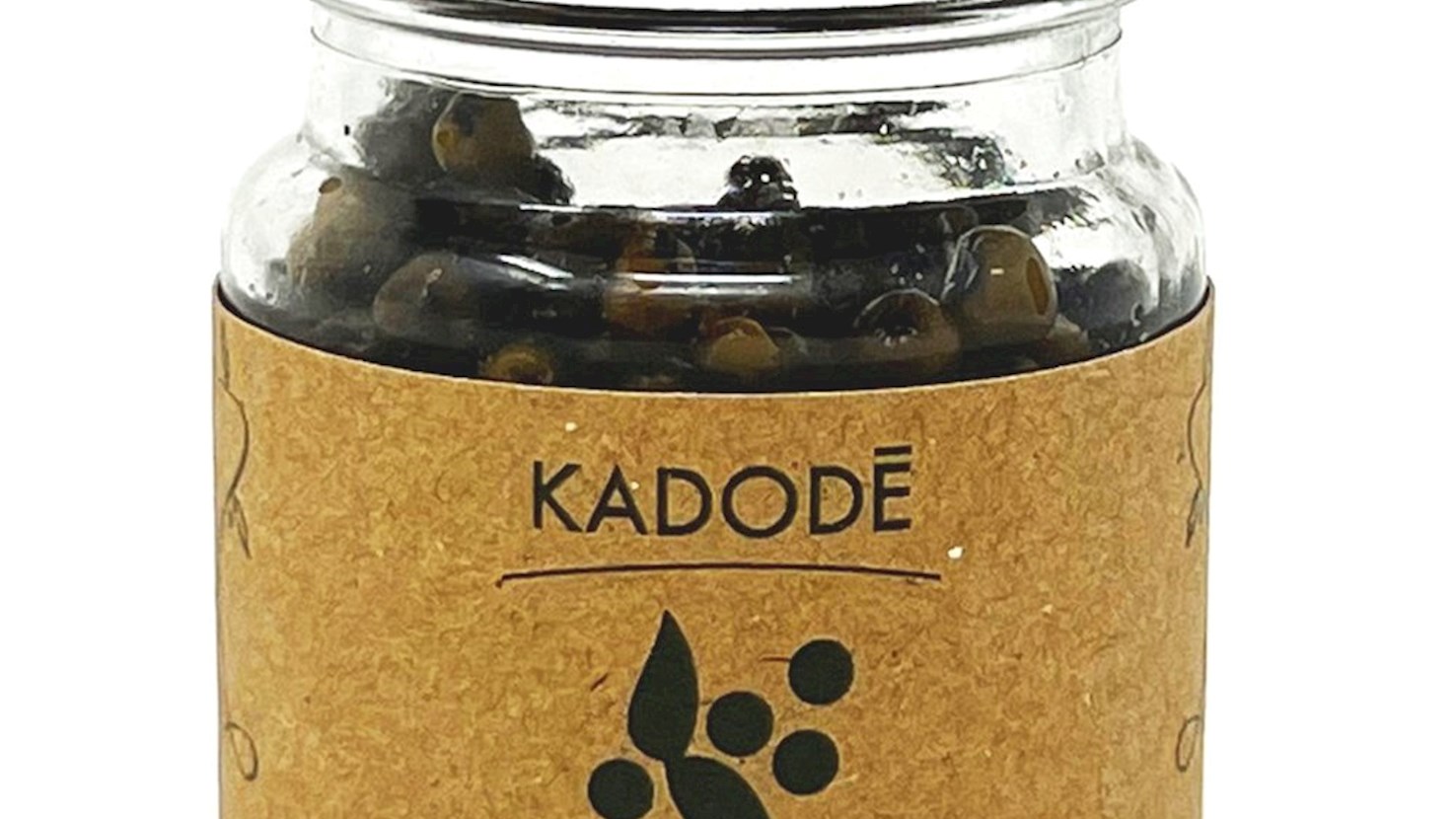
Kadode Kampot Pepper UK specializes in producing high-quality Kampot pepper. The company sources its pepper from Kampot province in Cambodia, known for its ideal growing conditions for pepper plants. Kadode Kampot pepper is certified with Geographic Indication (GI) status, ensuring its origin and quality are officially recognized. The company focuses on sustainable farming practices and fair trade, aiming to support local farmers and the community.
Awards
Great Taste Awards - 3 Stars
(2024, 2023, 2022, 2021)
Great Taste Awards - 2 Stars
(2024, 2023, 2022, 2021)
TasteAtlas food rankings are based on the ratings of the TasteAtlas audience, with a series of mechanisms that recognize real users and that ignore bot,
nationalist or local patriotic ratings, and give additional value to the ratings of users that the system recognizes as knowledgeable.
For the “Top 100 Herbs and Spices in the World” list until June 15, 2026, 4,950 ratings were recorded, of which 2,678 were recognized by the system as legitimate.
TasteAtlas Rankings should not be seen as the final global conclusion about food. Their purpose is to promote excellent local foods,
instill pride in traditional dishes, and arouse curiosity about dishes you haven’t tried.
The initial list of top producers was compiled based on available reviews, awards, local recommendations, media and blog coverage, and consumer reviews.
The list will be updated with ratings from TasteAtlas local ambassadors and TasteAtlas users.