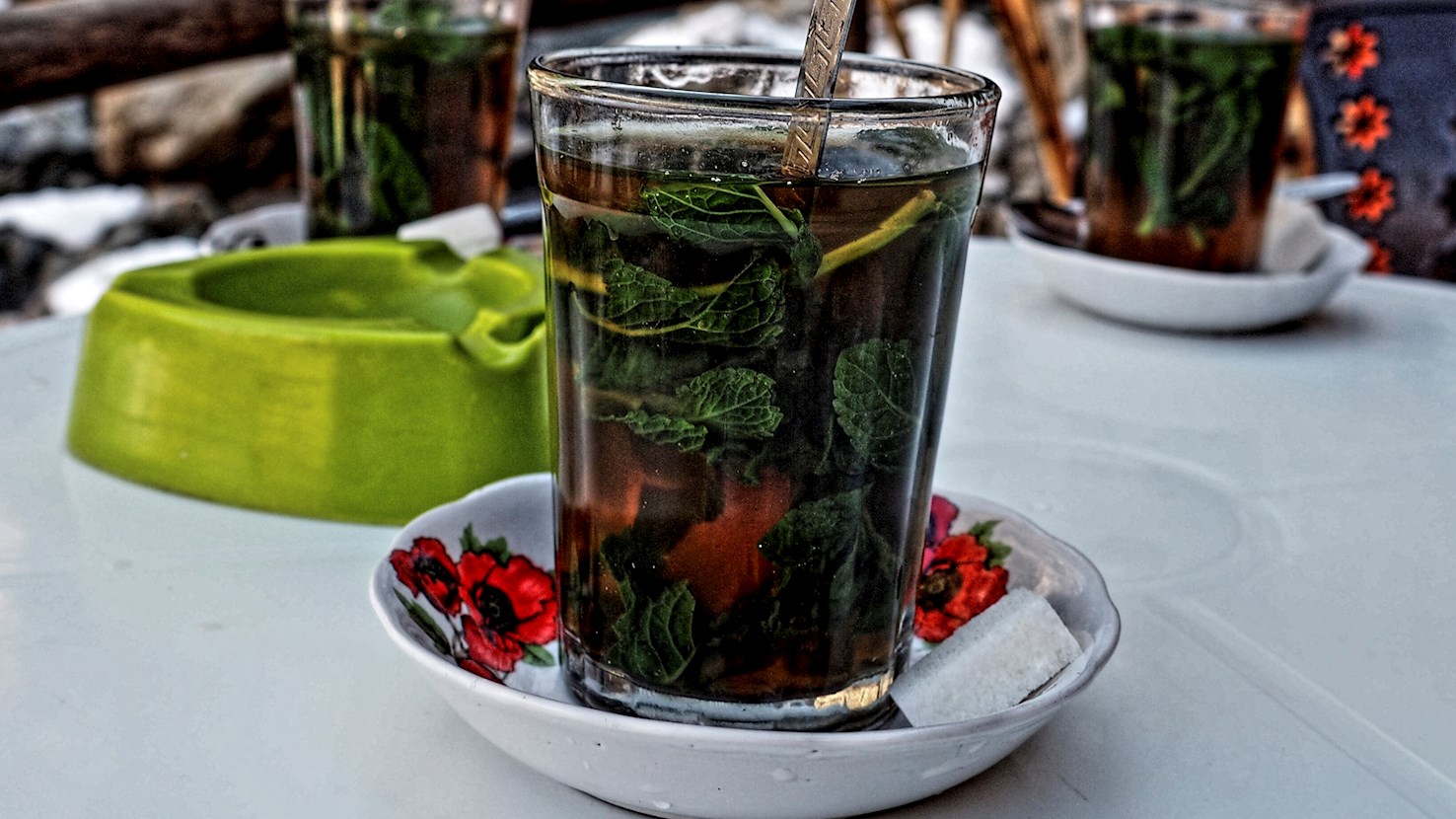
Maghrebi mint tea is the most common term used to denote the generously sweetened combination of green tea and fresh spearmint. The consummation of mint tea is common to the Maghrebi region of North Africa, but it is strongly associated with Morocco. It is traditionally prepared in berrad teapots, in which the tea is first steeped to produce the so-called spirit that is saved for later use. The leaves are washed and are then brewed with the addition of the tea spirit and water. Optionally, other types of herbs can be used instead of spearmint, and they can be put inside the teapot or directly into cups. In Morocco, Maghrebi tea is associated with social gatherings and is the ultimate sign of hospitality.
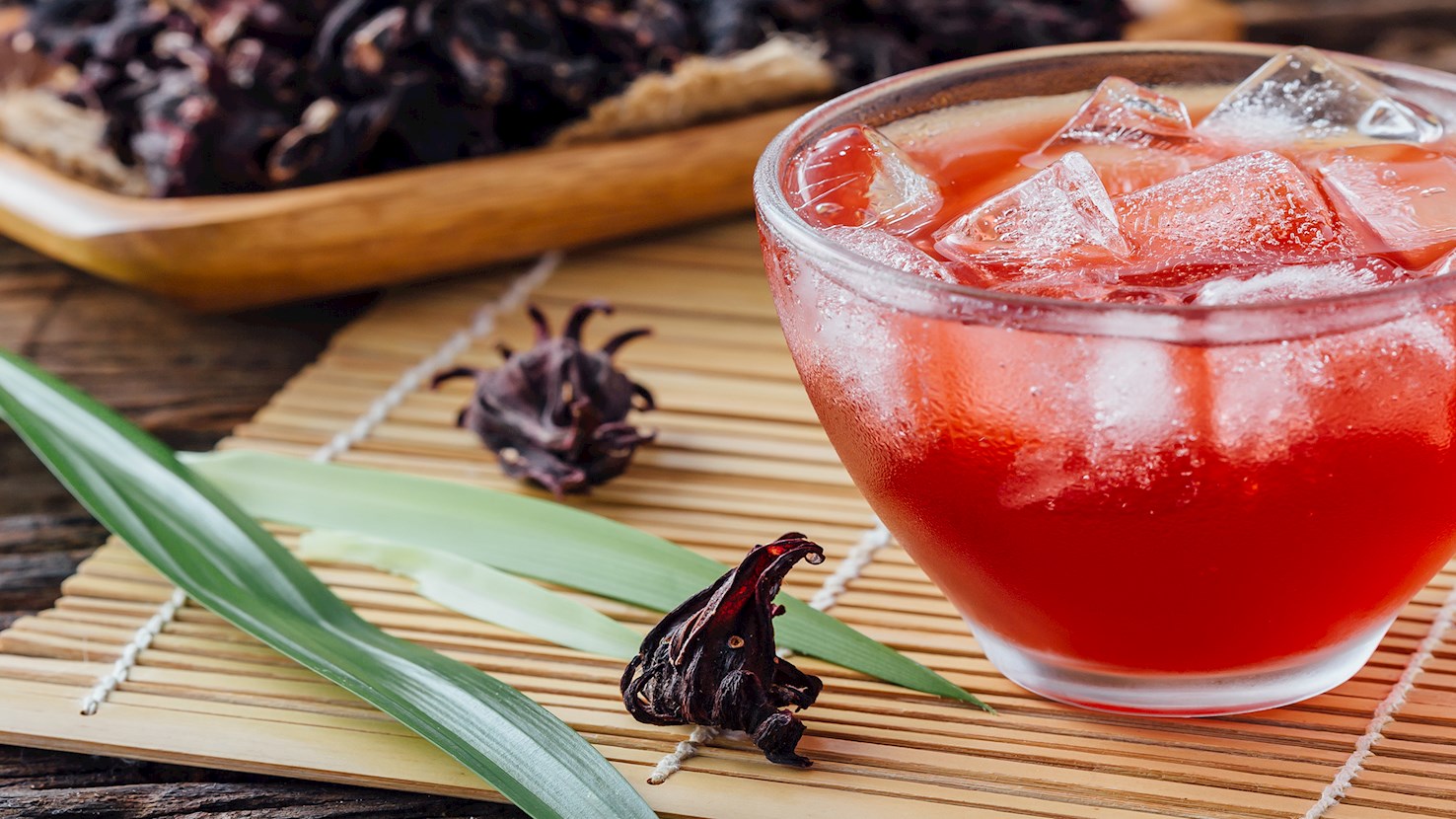
Jus de bissap is an aromatic, slightly sour beverage that is the national drink of Senegal. It is made from dried flowers of Hibiscus sabdariffa that are combined with hot water and flavorings (usually sugar). This refreshing beverage is typically served chilled, sometimes over ice. It is recommended to pair it with thieboudienne, the national dish of Senegal.
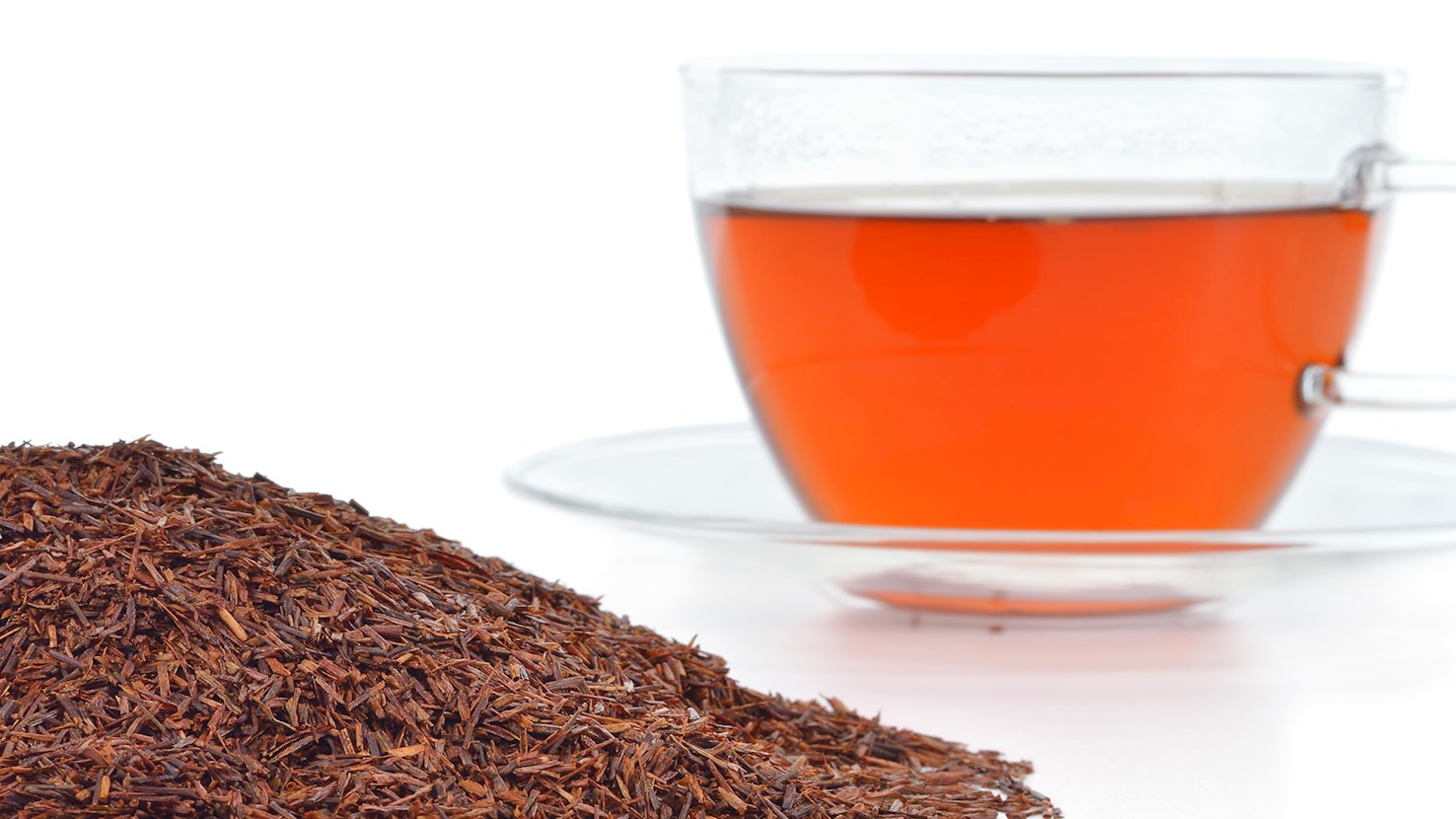
Rooibos is a South African plant whose leaves are commonly used for brewing tea. Originally, it was an inexpensive alternative to the European black tea. The name rooibos means red bush, referring to the plant's visual characteristics. Today, rooibos is mostly used for the preparation of tea, iced tea, and even red espresso, while its anti-aging and health benefits have been keeping the plant in the spotlight since the 18th century.
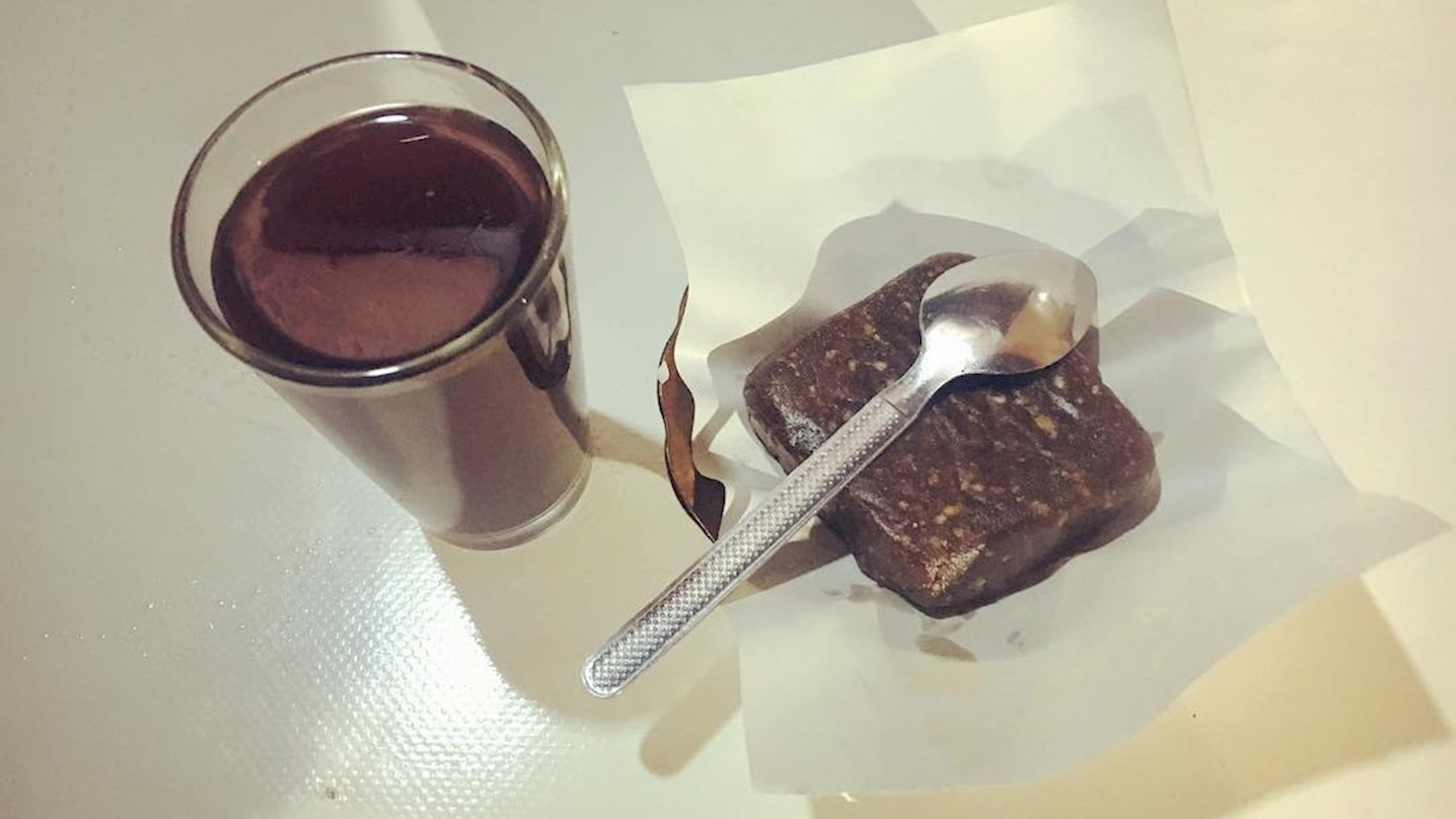
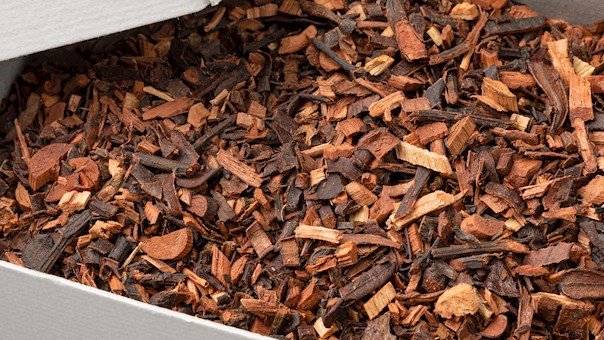
Khoudenjal is a spice infusion that is often dubbed as Morrocan spiced tea. The drink is made with a spice blend steeped in water. The most common spices in the mix include cinnamon, cardamom, cloves, galangal, pepper, madder root, and nutmeg, but the exact ingredients can vary and usually differ among the street vendors. The drink is aromatic and spicy, and it is generally enjoyed as a warming wintertime drink. It is mainly sold at street stalls, especially on the markets and other frequented locations.
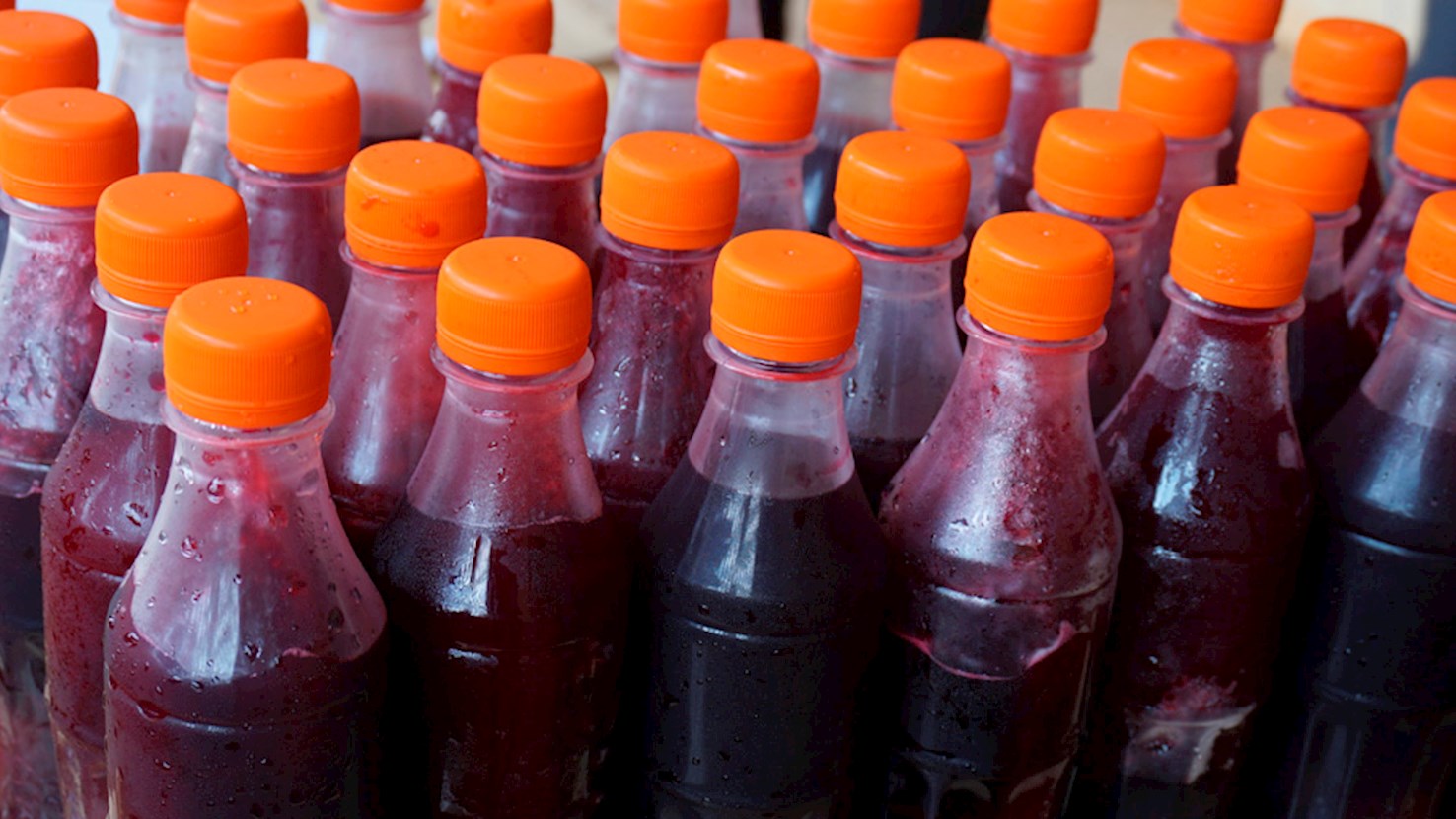
Sobolo (also known as hibiscus tea) is a refreshing drink native to Ghana. It can be made from either roselle leaves or flowers, a species of hibiscus that is native to West Africa. The leaves or flowers are steeped in hot water, and once the water has turned red, the water is strained, sweetened, and left to cool. Sobolo is typically dark purple-red in color, and the flavor can be described as something between grape and cranberry juice. It has numerous health benefits - it lowers blood pressure and cholesterol levels, but it also helps with weight loss.
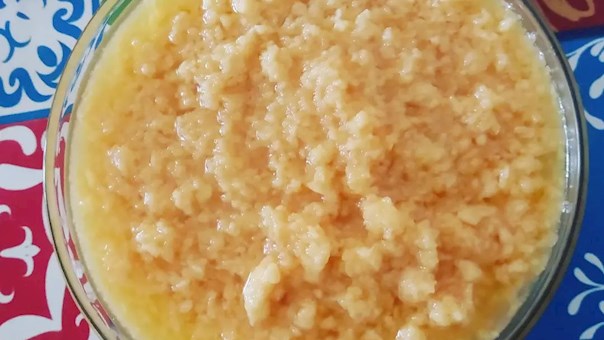
Hailing from Egypt, sobia is a refreshing rice-based drink that blends coconut milk, sugar, and ground rice. It is usually flavored with vanilla, and it can also be made with cooked rice. The ingredients are blended, and before serving, the drink is strained and should always be well chilled. Sobia is a sweet drink with a somewhat thick texture. The standard version has an off-white color, but some opt to add various food colorings to create brightly colored drinks. Sobia is enjoyed all year round, but it is traditionally prepared for Ramadan and served as a fast-breaking beverage. It is commonly made at home, sometimes with pre-mixed powders, but it is mostly sold by street vendors and comes packed in bottles or plastic bags. Saudi Arabian sobia does not have much in common with the Egyptian version—it is heavily spiced and based on cereals, but it is also commonly enjoyed for Ramadan.
Often dubbed as the original ice coffee, mazagran consists of strong coffee that is poured over ice. The drink is usually served in a tall, narrow glass or an eponymous glass made from porcelain or clay. The name supposedly derives from Mazagran—a port city in Algeria—which was granted to France by the Treaty of Tafna in 1837. It is not clear how and exactly when the drink first originated, but it is assumed that French troops located in Mazagran drank a similar combination of coffee and water to beat the heat and because sugar and water were not available. The drink later spread primarily to France, while similar and more common versions also exist in Portugal and Austria. In France, where it is usually served with a lemon slice, the drink is nowadays rarely found.
Amasi is a fermented cow’s milk product from southern Africa, especially associated with South Africa and with Zulu and Xhosa food cultures. It is made by allowing milk to undergo lactic fermentation until it thickens and separates into curds and whey, after which some of the whey is drained. The finished product is white to cream-colored, distinctly sour, and thicker than fresh milk, with a consistency ranging from pourable cultured milk to a soft curd. It is sometimes compared with yogurt or cultured buttermilk, although neither is an exact equivalent. Household amasi historically relied on spontaneous fermentation involving mixed populations of microorganisms rather than the standardized starter cultures used for yogurt. The name amasi is used in isiZulu and isiXhosa, while related fermented milks occur elsewhere in southern Africa under names such as mafi in Lesotho and madila in Botswana. In modern South Africa, maas is also widely used as a commercial name for cultured sour milk. Amasi developed within cattle-keeping communities of southern Africa long before industrial dairy production. There is no documented inventor or precise date for its creation, and fermentation was primarily a practical way of preserving milk in conditions where fresh milk spoiled quickly. Among Nguni-speaking communities, particularly Zulu and Xhosa households, cattle and dairy foods held considerable economic and social importance, and sour milk was often more significant in adult diets than fresh milk. Nineteenth-century descriptions already document a well-developed system of making amasi in specially maintained containers, showing that the practice was firmly established before written accounts began recording it. One account from 1864 describes Zulu households pouring fresh milk into an igula, a bottle-shaped calabash, where fermentation was initiated by residues from previous batches. Once the milk had soured and coagulated, the liquid whey was drained and the thick fermented portion retained. Leaving some fermented material inside effectively created a starter for the next batch, a method now known as back-slopping. Similar systems were used in Xhosa communities with calabashes, skin bags, clay vessels, or other containers. These vessels gradually developed resident microbial populations that helped ferment each new addition of milk. Preparation therefore depended partly on maintaining an established fermentation container. Fresh milk was poured into the vessel and left at ambient temperature, commonly for around two or three days, until acidity increased and the proteins coagulated. The whey was then removed to produce a thicker product. Fermentation time varied according to temperature, milk composition, and the microorganisms present. Because each household maintained its own vessels and cultures, naturally fermented amasi could differ considerably in acidity, aroma, and texture. Microbiological studies have found lactic acid bacteria such as Lactococcus, Leuconostoc, and Lactobacillus among the dominant organisms, together with yeasts in some samples. Lactococcus lactis is particularly important in the acidification process. One feature distinguishing amasi from milk that has simply spoiled is the deliberate control of fermentation. Households maintained their vessels, reused active fermented residues, monitored souring, and drained the whey when the desired consistency was reached. Some older methods also involved smoking the vessel before use, which affected both its microbial environment and the flavor of the milk. These historical practices should not be reproduced casually with raw milk today because uncontrolled fermentation can also allow harmful microorganisms to grow. Modern commercial amasi is therefore produced from pasteurized milk under controlled conditions. Industrial production begins by pasteurizing the milk and adding selected lactic acid bacteria. Producers can then regulate fermentation temperature, acidity, fat content, and consistency much more precisely. Commercial products are usually smoother and more uniform than household amasi, although both belong to the same fermented-milk category. Fermentation also extends the useful life of milk by lowering its pH and inhibiting many spoilage organisms. Some lactose is consumed during fermentation, while most of the milk’s proteins, fat, calcium, and other nutrients remain. Draining the whey concentrates the texture further, although the amount removed varies, which explains why amasi can range from thick liquid to soft curds. Its most established food pairing is crumbly maize porridge, generally called uphuthu or phuthu. The maize meal is cooked to a dry, granular consistency and amasi is poured over it, adding moisture, acidity, and dairy richness. This combination is especially associated with Zulu food culture in KwaZulu-Natal but is widely known elsewhere in South Africa. Related preparations may be called umvubo or umpoqhoko, depending on the region, language, and form of maize meal used. The pairing itself is younger than amasi because maize became a major southern African staple only after its introduction from the Americas. Before maize became dominant, fermented milk was eaten with other local cereals and staple foods. Amasi can also be consumed by itself, either drunk or eaten with a spoon, particularly at breakfast or as a simple meal. Modern cooks use it in baking, marinades, sauces, and desserts in much the same way as buttermilk or yogurt, since its acidity can tenderize meat and react with raising agents in baked goods. Historically, however, it was primarily consumed on its own or with a staple starch. In some Zulu and Xhosa communities, amasi also had social significance. Rules could govern who was permitted to drink milk from particular households, while milk sharing could be connected with kinship and household membership. Such customs differed between communities and periods, but they show that fermented milk had a role extending beyond basic nutrition. Today amasi is eaten throughout South Africa and remains particularly prominent in KwaZulu-Natal and the Eastern Cape. It is widely sold in supermarkets alongside yogurt and other cultured dairy products, while household fermentation continues in some areas. The most characteristic serving remains amasi poured over phuthu and eaten as breakfast, lunch, supper, or a simple filling meal. It can also accompany other neutral starches and strongly seasoned foods, while its sourness provides both moisture and contrast. Because amasi itself can function partly as a beverage, it does not require a separate drink pairing, although water, tea, or cereal-based drinks can accompany it.
Asaana is a caramelized corn drink, very common and popular in South Ghana. Crushed corn is soaked for three days until it's fermented, it is then cooked for 30 to 40 minutes until the foam on top has dried. The corn is strained, and the water in which the corn was cooking is poured into a pot with caramelized sugar, then stirred and allowed to cool down.
Zobo, also known as zoborodo, is a Nigerian beverage made from dried roselle leaves, a species of hibiscus.The name changes depending on the country, in the Caribbean it is called sorrel, while in Sudan it is called karkade. It is made with water, dried roselle leaves, garlic, ginger, and pineapple, and can be used to regulate blood pressure, reduce cholesterol, reduce stress.
Gesha Village Coffee Estate – Redefining Excellence in Coffee Cultivation Gesha Village Coffee Estate is a world-renowned coffee farm located in western Ethiopia, near the border with South Sudan, in a region known for its lush forests and rich biodiversity. Founded in 2011 by Rachel Samuel and Adam Overton, who transitioned from careers in photography and documentary filmmaking to coffee farming, Gesha Village is dedicated to preserving and elevating the legacy of Ethiopian coffee.
Spanning 471 hectares, with 341 hectares dedicated to coffee cultivation and 27% of the land preserved for natural conservation, the estate is home to over 730,000 coffee trees. Gesha Village is best known for cultivating Gesha 1931, a variety traced back to the nearby Gori Gesha forest, where the legendary Gesha variety was originally discovered.
The estate employs meticulously controlled processing methods, including both natural and washed techniques, resulting in coffees with exquisite flavor profiles characterized by jasmine, brown sugar, and raspberry notes. Beyond coffee production, Gesha Village is committed to sustainability and community development, as demonstrated by the establishment of the first high school in the area in 2021, providing essential educational opportunities for local families.
The estate has gained global recognition, achieving record-breaking auction prices, including a remarkable $105 per pound, the highest price ever paid for an African coffee. Their mission is to connect the world to Ethiopia through an exceptional coffee experience while preserving the environment and improving the livelihoods of the surrounding community.
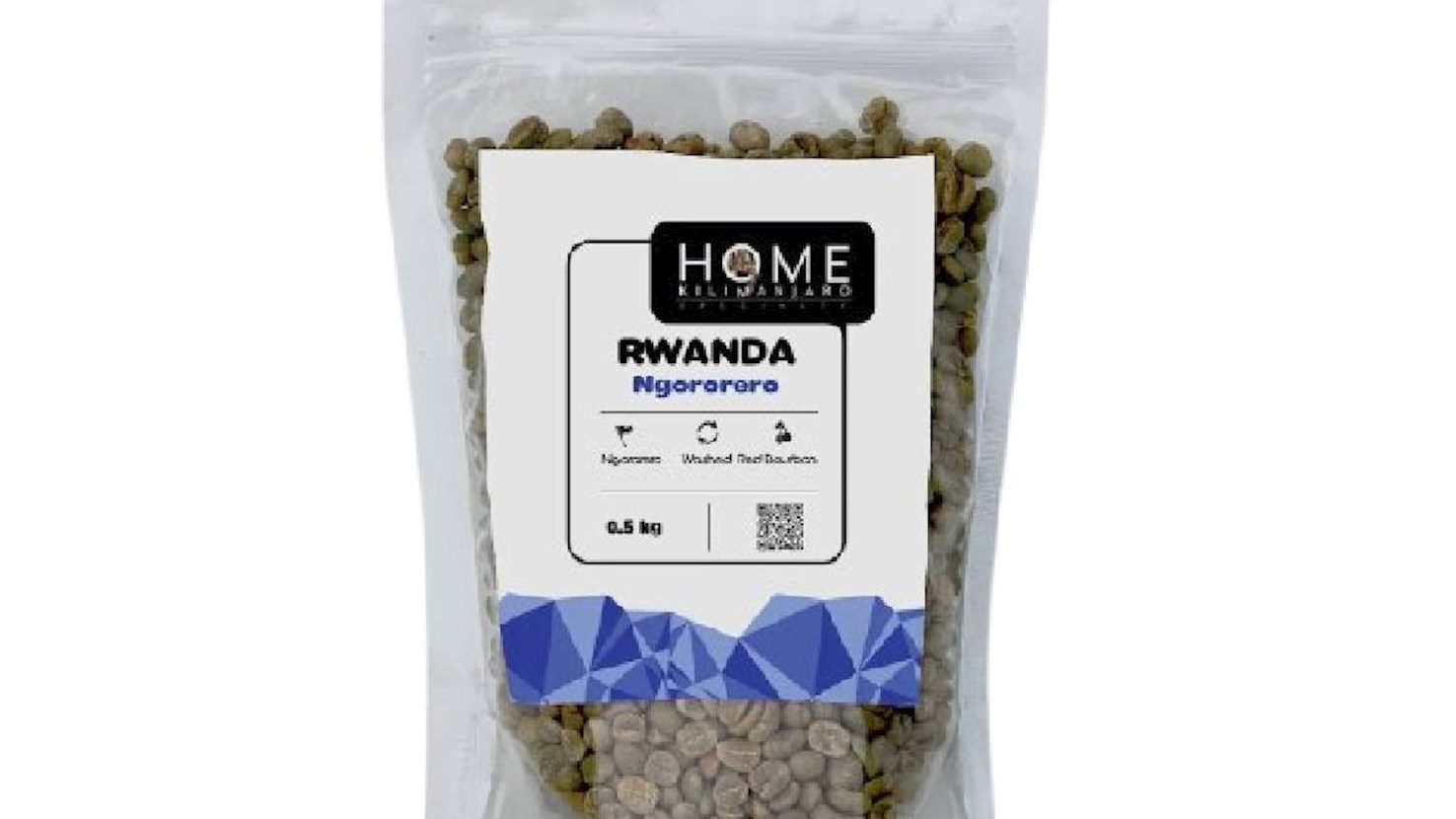
Ngororero Coffee Washing Station is owned and operated by Rwacof Exports Ltd, a subsidiary of the global trading company Sucafina. Rwacof is one of the largest coffee processors and exporters in Rwanda, with significant investments in the coffee sector, including operations at 22 out of the country’s 300 coffee washing stations.
Ngororero focuses primarily on fully washed coffee processing, while also experimenting with honey and natural processing in smaller quantities.
After purchasing ripe coffee cherries from farmers, a strict selection process is conducted, which includes flotation to remove lower-quality cherries and visual inspection by trained staff.
Following this, the cherries are pulped, fermented, and dried on raised beds, with regular sorting to ensure consistent quality.
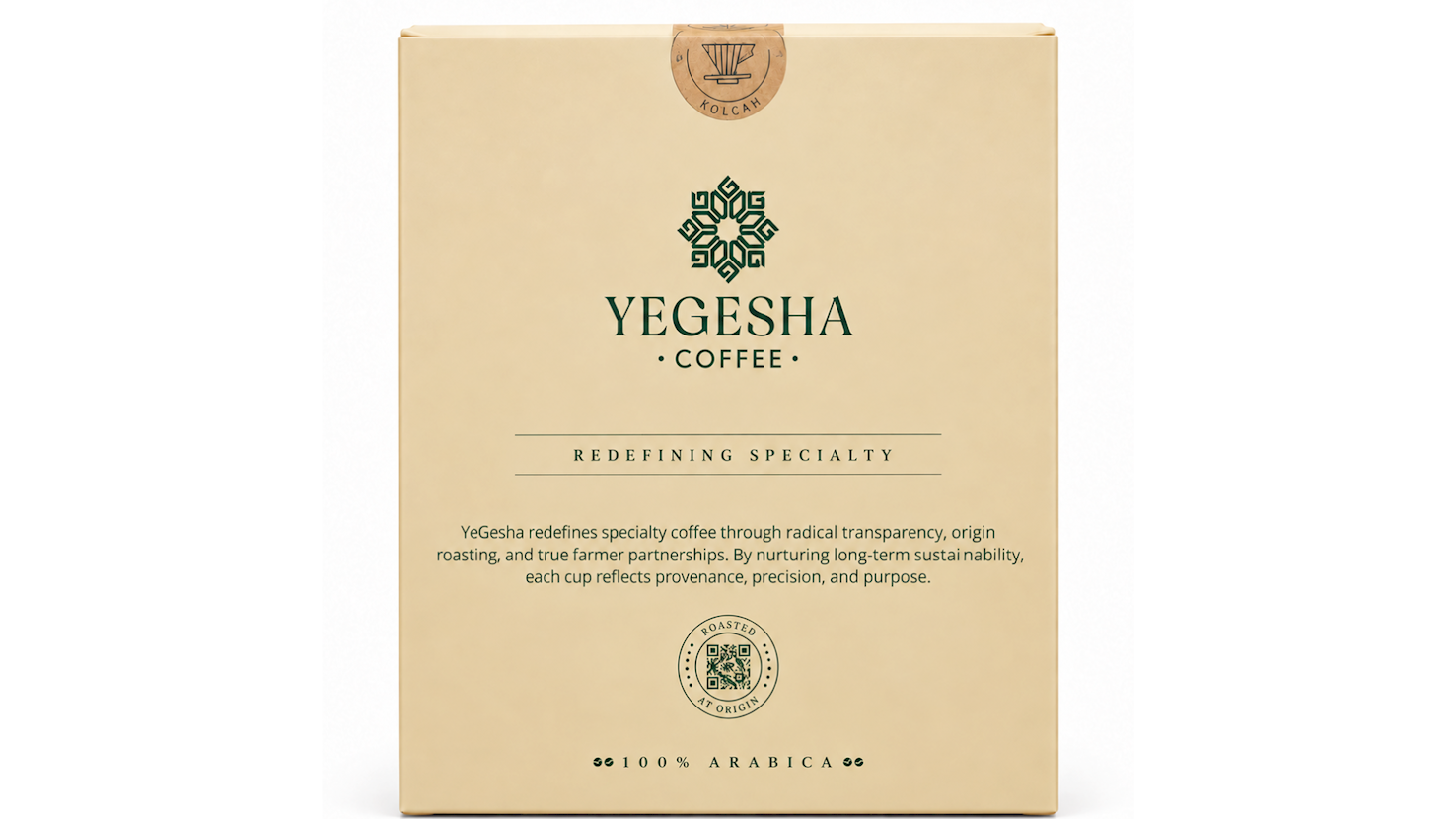
YeGesha Coffee is an Ethiopian specialty coffee brand, roastery, and café based in Addis Ababa. The brand is particularly dedicated to promoting Gesha coffee, a variety originating from the eponymous region in southwestern Ethiopia and prized for its complex aromatic profile, pronounced sweetness, and elegant floral notes.
YeGesha selects Ethiopian Arabica beans, roasts them in-house, and prepares them using various brewing methods to highlight their origin and natural characteristics. Gesha coffee is central to its offering, while the café also serves espresso, filter coffee, cold brew, and Ethiopian macchiato. Its approach combines contemporary specialty coffee culture with Ethiopia’s long tradition of cultivating, roasting, and preparing coffee. Gesha is especially recognizable for its aromas of jasmine and other flowers, nuances of tea and tropical fruit, and clean, lingering sweetness.
In addition to serving café customers, YeGesha presents itself as a link between Ethiopian coffee and roasters, cafés, and specialty coffee buyers. This reflects the brand’s ambition to introduce Ethiopia’s native Gesha heritage to a broader international audience.
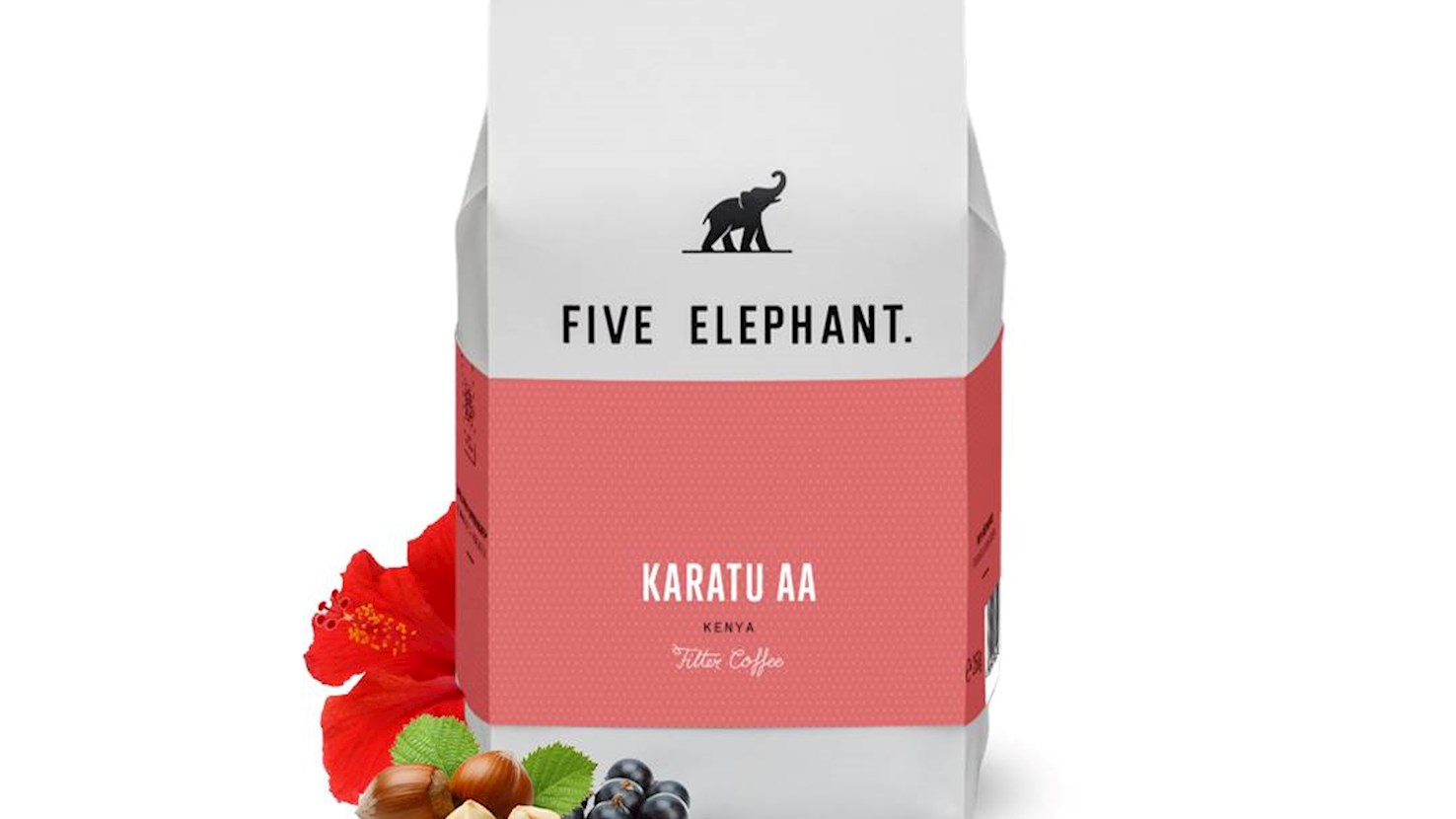
Founded in 1965, Karatu Coffee Factory is a renowned processing facility located in the heart of Kiambu County, Kenya, near the town of Gatundu. The factory operates under the Gitwe Farmers Co-operative Society Ltd and collaborates with approximately 800 small-scale farmers from the villages of Karatu, Gitwe, Kibiru, and Kigaa.
Each of these farmers cultivates an average of 150 coffee trees, following traditional methods that ensure premium quality.
Karatu Factory is well known for its wet processing methods, which enhance the coffee's unique flavor and aroma.
Karatu Coffee Factory is a symbol of quality, tradition, and sustainability – a true experience of exceptional Kenyan coffee.
Satemwa Tea Estate is a family-owned tea and coffee plantation located in the beautiful Malawi. Established in 1923, Satemwa is now in its third generation of tea and coffee cultivation, making it one of the oldest and most renowned producers in the region.
The estate is dedicated to preserving tradition while embracing innovations in production, with a clear focus on sustainability, quality, and social responsibility.
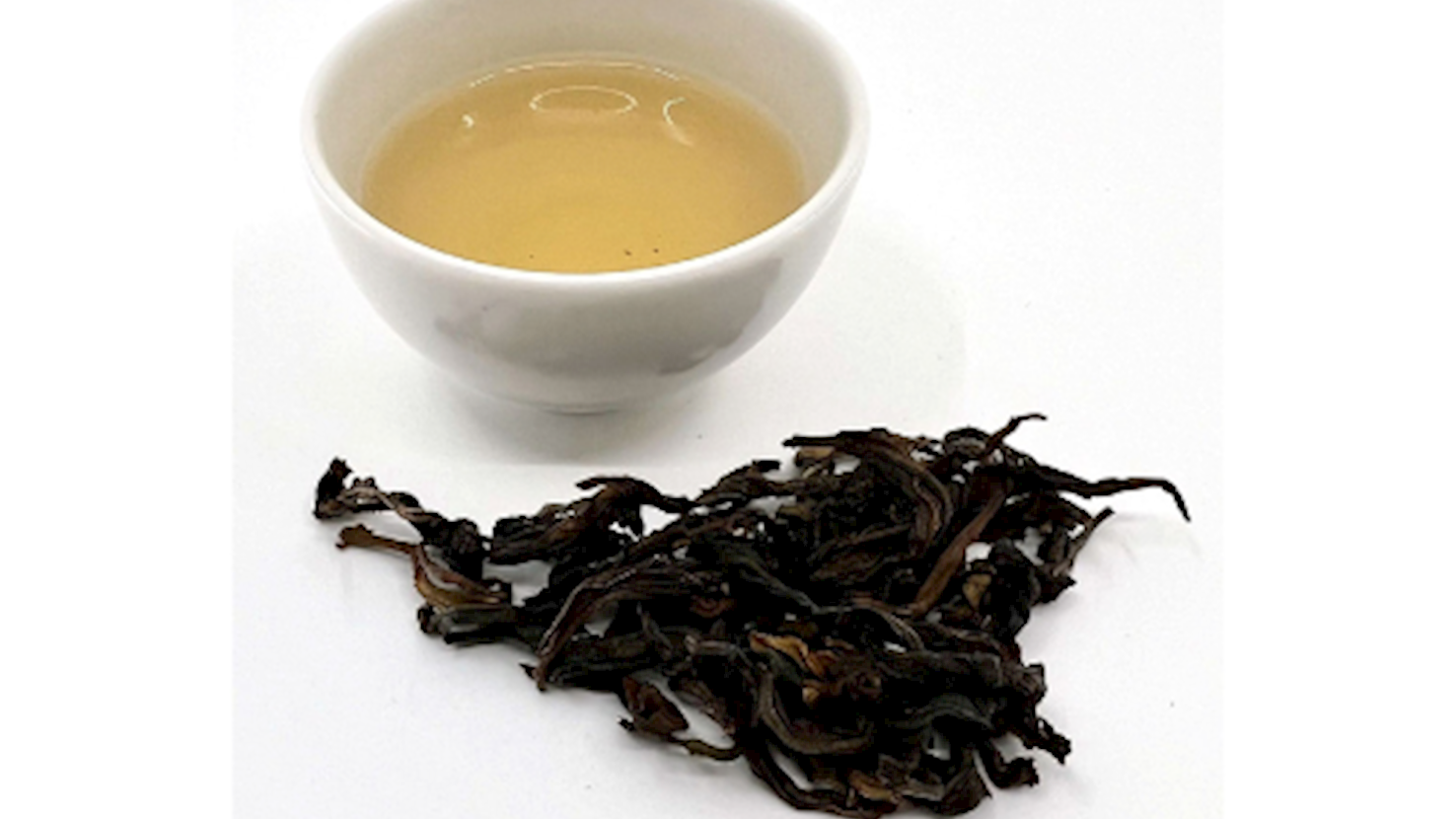
Satemwa is known for its passion for producing premium teas, including black, green, white, oolong, and dark teas. Their offerings also include specialized, hand-crafted blends that have been carefully curated through a meticulous production process.
Teas from Satemwa are characterized by rich flavors, complex aromas, and exceptional freshness, making them the perfect choice for true tea connoisseurs.
In addition to producing high-quality tea, Satemwa is committed to sustainable practices. Their approach includes ecological responsibility in every step of production, from organic tea cultivation to minimizing environmental impact.
Thanks to their dedication to quality and sustainability, Satemwa has gained a reputation not only in Malawi but also on the international stage. Their teas and coffee meet high standards and are often found in specialized stores and restaurants around the world.
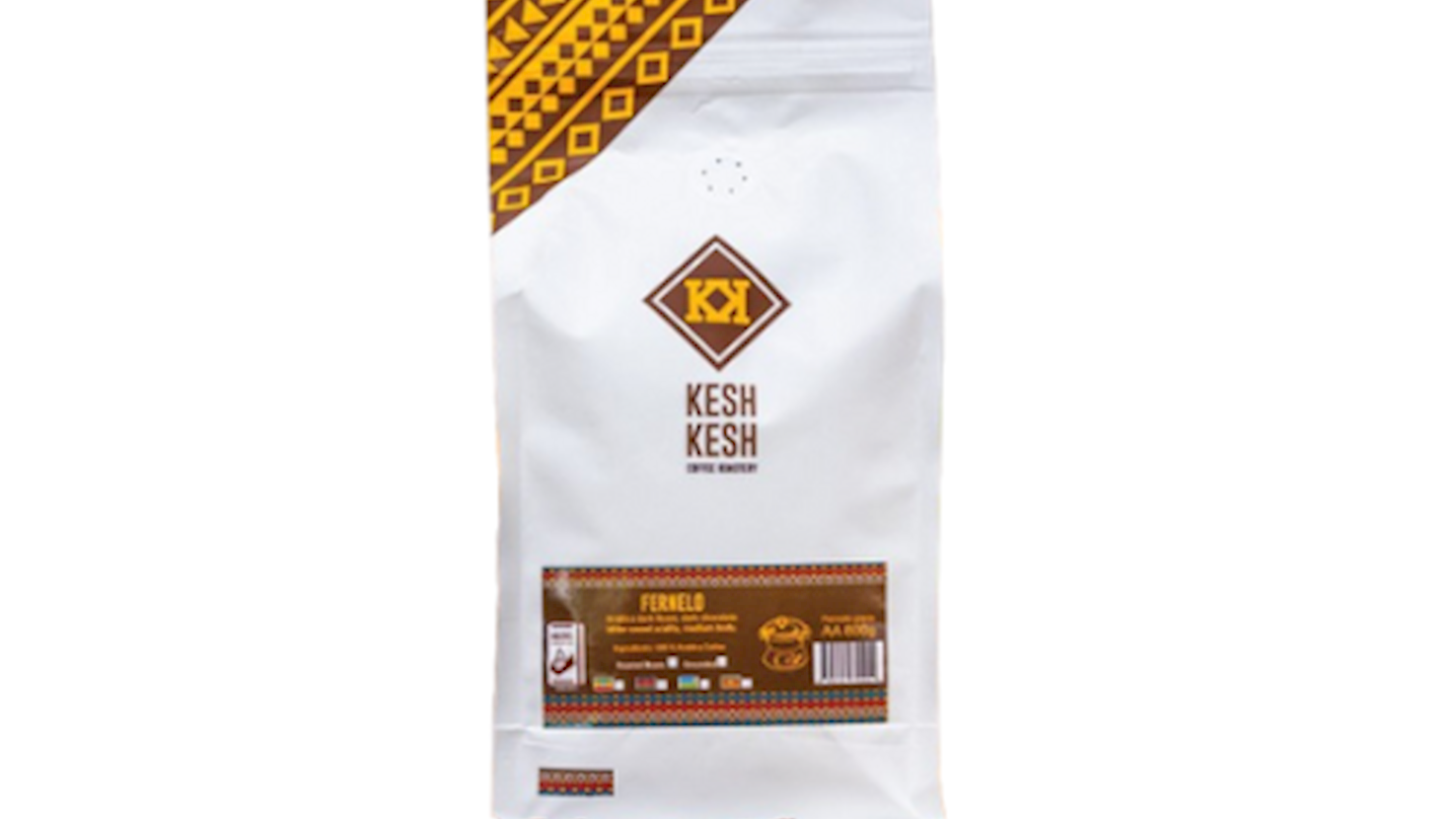
Kesh Kesh Coffee Roastery is a specialty roastery and café that blends East African coffee tradition with a modern quality-driven approach. Based in Nairobi and built on more than fourteen years of experience in sourcing, roasting, and preparing Arabica beans, the brand draws inspiration from the Eritrean coffee ceremony - its name refers to the traditional pan-roasting of green beans - while interpreting it through contemporary roasting techniques and defined profiles such as their medium and dark roasts.
Within their café, guests can experience both traditional and modern brewing methods in a relaxed, work-friendly setting that also offers food and home-barista equipment. Kesh Kesh positions itself as a meeting point of culture, craft, and specialty standards, with a strong emphasis on ethical sourcing, freshness, and the authentic expression of East African coffee.
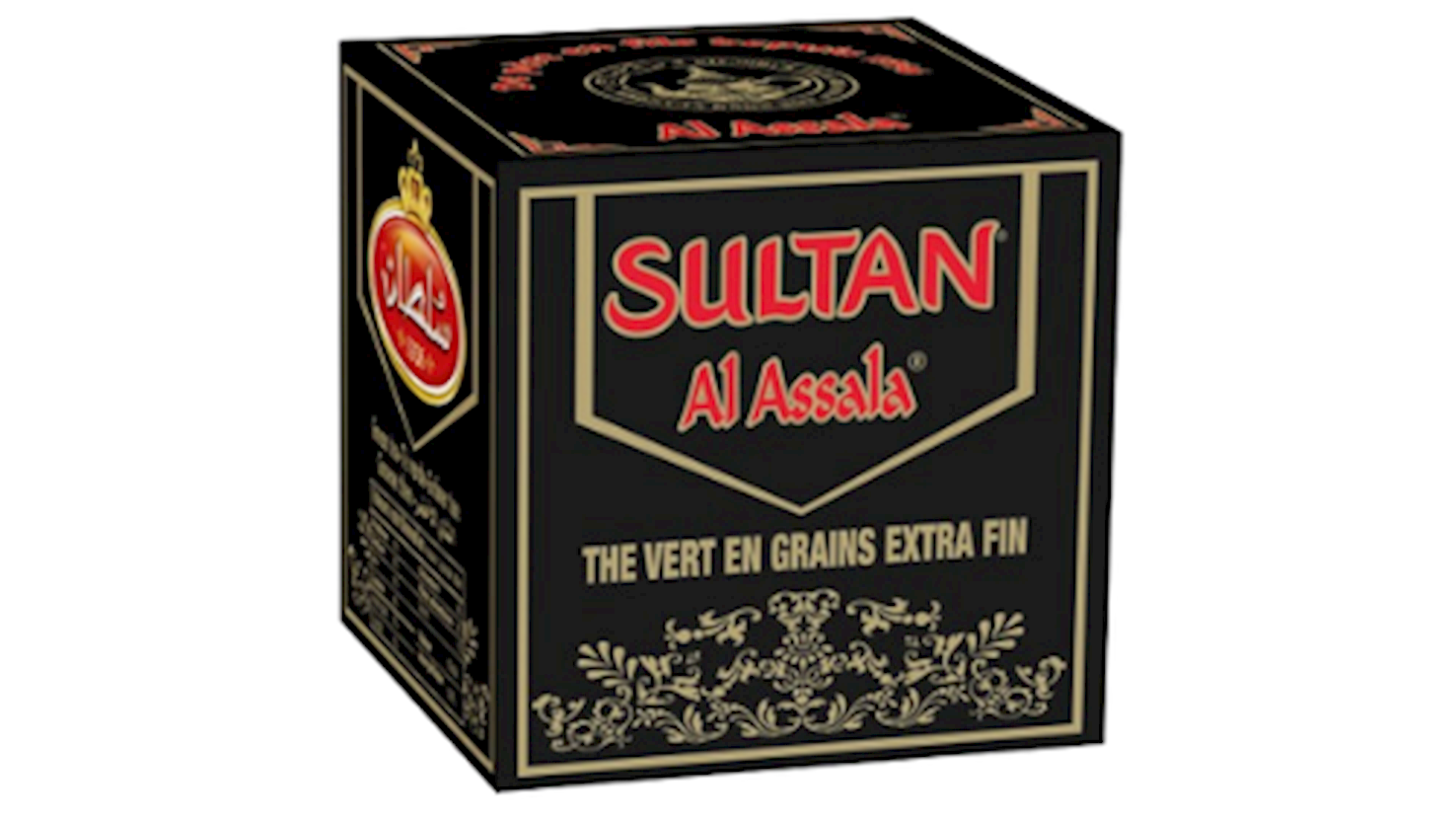
Sultan Tea is a Moroccan tea brand established in 1936, recognized as one of the longstanding names in Morocco’s tea market. The brand is closely associated with the country’s tea culture, particularly the tradition of preparing green tea with mint, a beverage that holds strong social and ceremonial significance in Moroccan daily life.
Sultan Tea produces a range of green teas, black teas, and herbal infusions, with a focus on flavor profiles suited to traditional Moroccan tea preparation. The company highlights its own production facilities in Morocco, allowing greater control over sourcing, blending, and packaging.
Its portfolio includes classic green teas, mint tea preparations, flavored blends, and wellness-oriented herbal infusions. Sultan Tea combines traditional tea expertise with modern manufacturing practices while maintaining a strong connection to Moroccan tea heritage.
Beyond being a commercial tea brand, it represents an important part of Morocco’s hospitality culture, where tea serves as a symbol of welcome and social connection. Today, the brand is also present in international markets, positioning itself as an ambassador of Moroccan tea tradition.
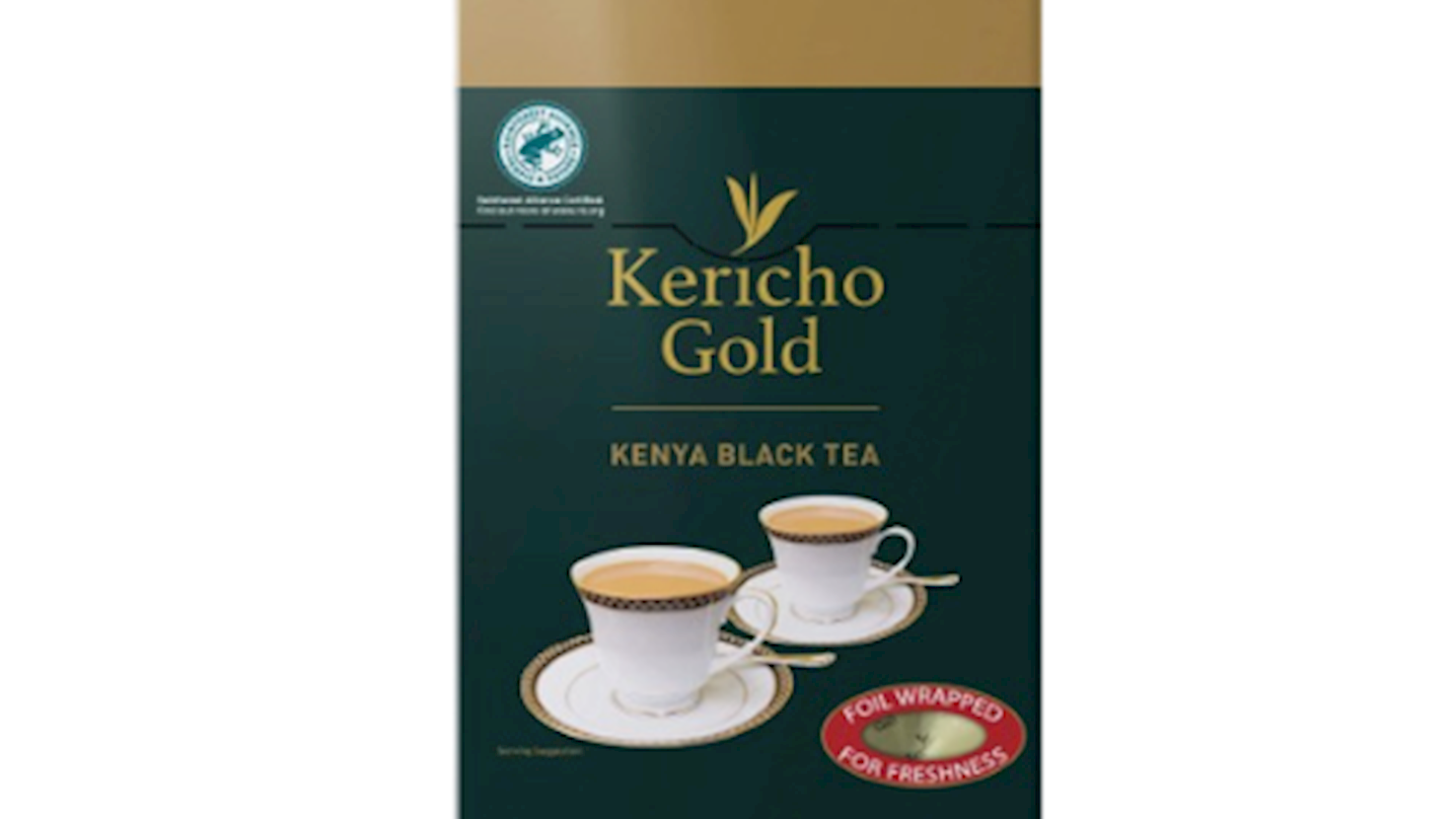
Kericho Gold is a premium Kenyan tea brand established in 2002, owned by Gold Crown Beverages, part of the Global Tea & Commodities group. The brand is closely associated with the Kericho region, one of Kenya’s most renowned tea-growing areas, known for its high-altitude plantations, fertile volcanic soils, and favorable equatorial climate for tea cultivation.
Kericho Gold sources its teas from selected Kenyan estates, with a focus on delivering strong flavor, rich aroma, and consistent cup quality. Its best-known profile is full-bodied black tea, characterized by a bright golden-copper infusion, lively freshness, and a clean, robust finish typical of high-grown Kenyan teas.
Beyond classic black tea, the portfolio includes green teas, fruit and herbal infusions, wellness blends, flavored teas, and premium pyramid tea bag selections. The brand emphasizes traditional harvesting practices, often highlighting the use of the “two leaves and a bud” standard associated with higher-quality tea production.
Kericho Gold was developed as a modern Kenyan tea brand with strong export ambitions, combining authentic origin with contemporary presentation and international accessibility. Its identity is rooted in showcasing pure Kenyan tea character rather than masking the natural profile of the leaf.
Compared with many traditional British or Ceylon tea brands, Kericho Gold more explicitly centers its African provenance as a defining part of its positioning. Today, it is regarded as one of the most recognizable premium tea brands to emerge from Kenya.
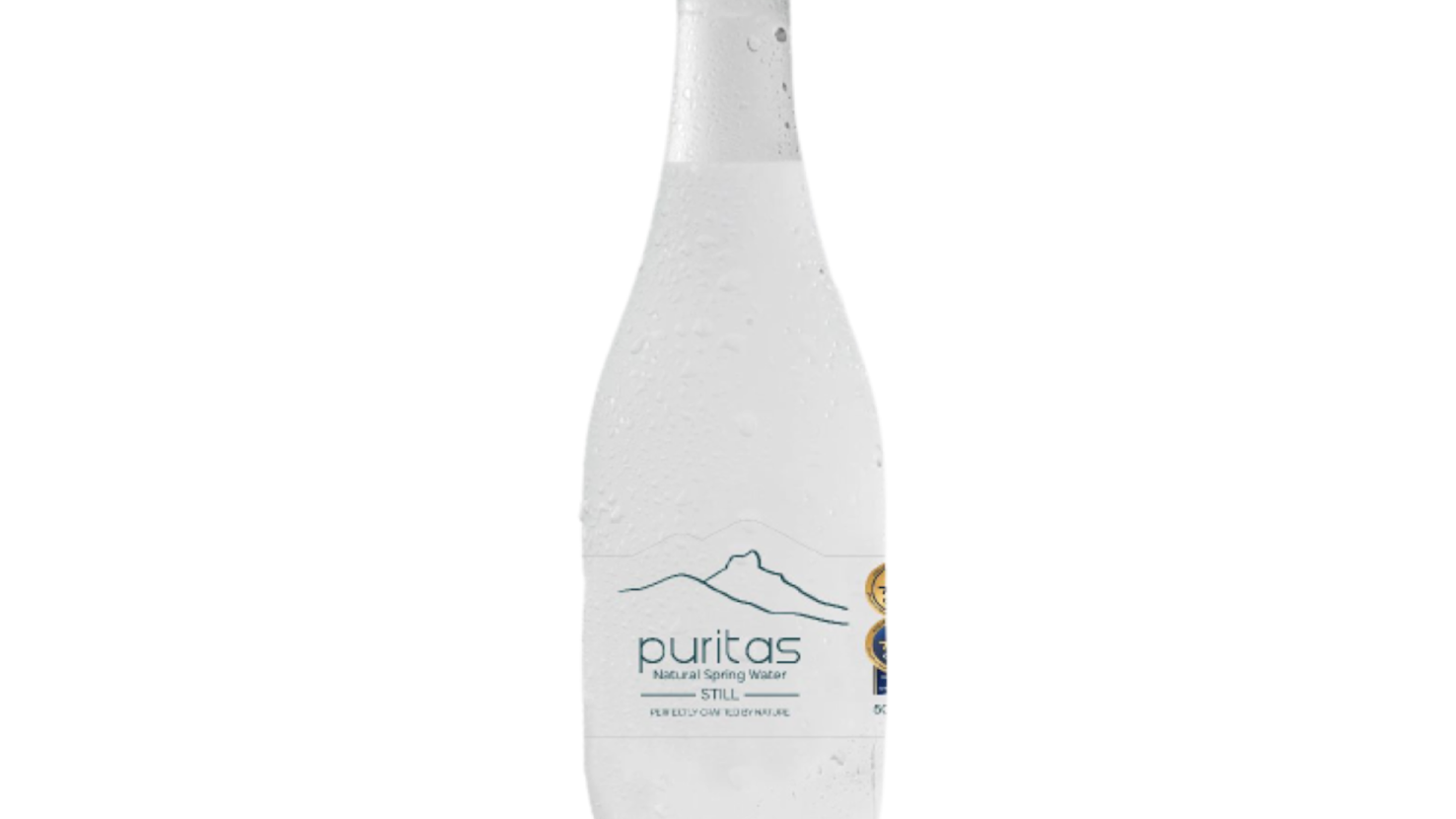
Puritas is a South African natural spring water brand established by Abby and Juan Brümmer in 2021. The business was originally launched under the name Jakkalsdrift Natural Spring Water before the brand was renamed Puritas. The water comes from the family-owned Jakkalsdrift farm in the Drakensberg mountain range of the Eastern Cape. The source is located near the town of Barkly East in an area characterized by mountain pastures and a relatively low population density. The property has belonged to the Brümmer family for more than 150 years and has been passed down through seven generations. Its natural springs form part of the agricultural land that the family has maintained and protected throughout this period. According to the producer, the spring maintains a stable flow even during periods of drought. Puritas bottles the water directly at its source to preserve its natural characteristics. The company operates as a small family-owned producer focused on limited production and quality control.
TasteAtlas food rankings are based on the ratings of the TasteAtlas audience, with a series of mechanisms that recognize real users and that ignore bot,
nationalist or local patriotic ratings, and give additional value to the ratings of users that the system recognizes as knowledgeable.
TasteAtlas Rankings should not be seen as the final global conclusion about food. Their purpose is to promote excellent local foods,
instill pride in traditional dishes, and arouse curiosity about dishes you haven’t tried.
The initial list of top producers was compiled based on available reviews, awards, local recommendations, media and blog coverage, and consumer reviews.
The list will be updated with ratings from TasteAtlas local ambassadors and TasteAtlas users.






















What People Say