shutterstock

Top 9 Spanish Non-alcoholic Beverages

Last updated on June 10, 2026

Best Spanish Non-alcoholic Beverages
01

Cafés El Magnífico

4.5 ·

Cafés El Magnífico is a renowned Spanish specialty coffee roaster based in Barcelona, with roots tracing back to a family coffee business established in 1919 and the Cafés El Magnífico brand founded in 1962. Over the decades, the company has built a strong reputation for its commitment to quality, traceability, and excellence in coffee sourcing and roasting. Led by Salvador Sans, a respected figure in the specialty coffee industry, Cafés El Magnífico has played an important role in introducing Spanish consumers to single-origin coffees and a deeper appreciation of coffee provenance. The company carefully selects green coffee beans from some of the world's most respected coffee-growing regions, including Ethiopia, Colombia, Panama, Guatemala, and Nicaragua. Each coffee is roasted with a tailored profile designed to highlight the unique characteristics of its origin, variety, and processing method. In addition to roasting and retailing coffee, the company actively promotes coffee education through tastings, workshops, and training initiatives. Today, Cafés El Magnífico is recognized as one of Spain’s leading specialty coffee roasters, combining more than a century of family experience with a modern focus on craftsmanship, sustainability, and transparency.

02

Simón Coll Xocolaters

4.4 ·
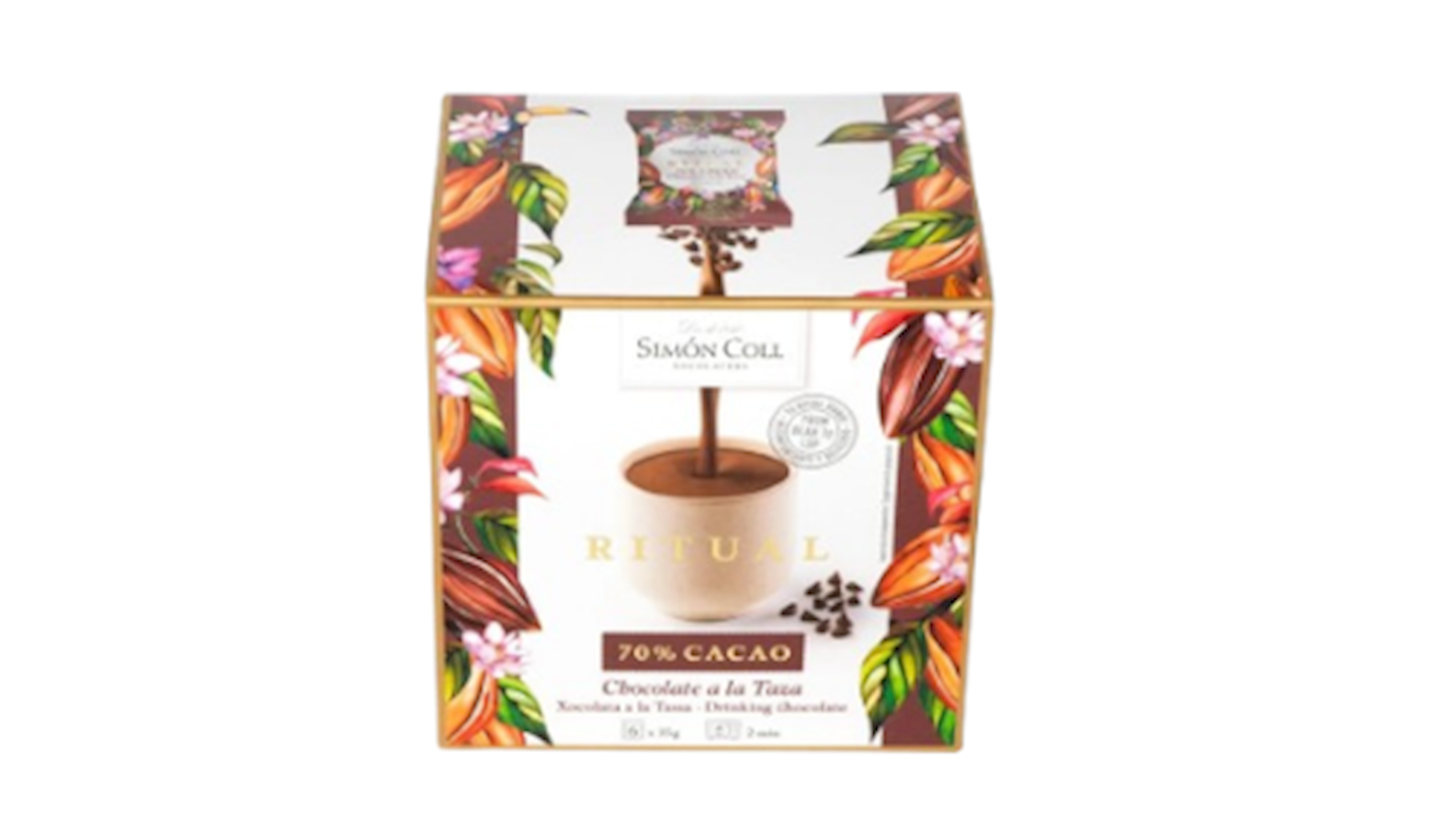
Simón Coll Xocolaters is a Spanish chocolate manufacturer founded in 1840 in Sant Sadurní d’Anoia, near Barcelona, and is recognized as one of the country’s oldest chocolate houses. The company operates under a bean-to-bar model, overseeing the entire production process from sourcing and roasting cocoa beans to refining, conching, and molding the final product. This approach allows for precise control over texture, aroma, and the expression of cocoa origin in each chocolate line. Its portfolio includes dark and milk chocolate bars with varying cocoa percentages, tablets with nuts and fruit inclusions, pralines, seasonal figures, and traditional thick drinking chocolate. Particular emphasis is placed on raw material selection and consistency of quality, supporting both domestic distribution and international export. Since 1972, the company has also managed the historic Chocolate Amatller brand, further strengthening its position within Spanish chocolate heritage. The production site includes Espai Xocolata, a visitor center dedicated to cocoa education and the history of chocolate making. Today, Simón Coll combines long-standing craftsmanship with modern manufacturing standards while maintaining a clear focus on product quality and authentic cocoa character.
03

Cafés Guilis

4.4 ·
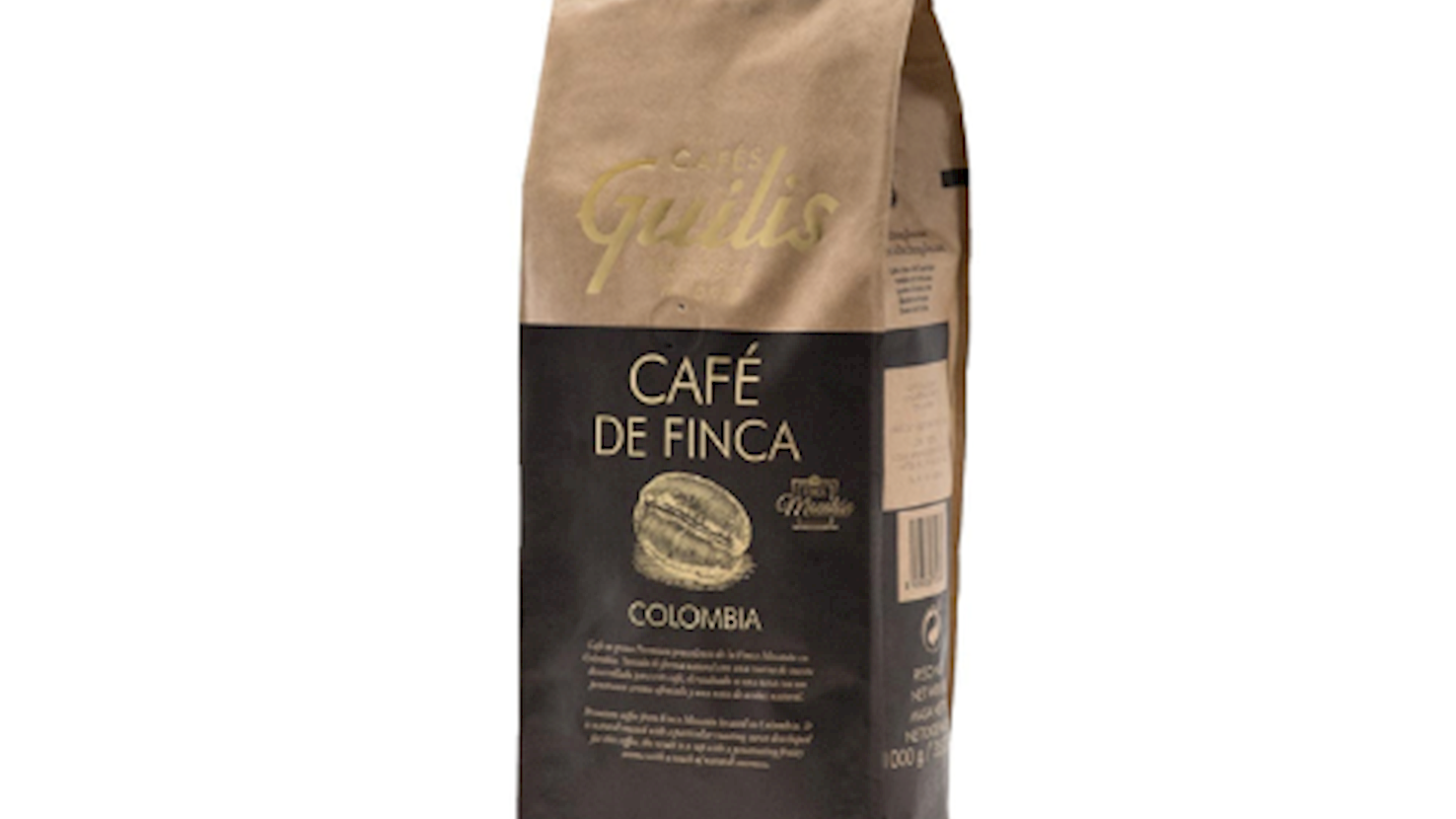
Cafés Guilis is a Spanish coffee roaster founded in 1928 in the Madrid region of Spain. With nearly a century of experience, the company specializes in sourcing and roasting coffee for both the hospitality sector and retail distribution. Green beans are carefully selected from origins such as Brazil, Colombia, Kenya, and India, then roasted in their own facilities to ensure consistency and freshness. The portfolio includes 100% Arabica blends, more intense espresso blends, single-origin coffees, and capsule formats adapted to modern brewing systems. Flavor profiles are typically balanced, featuring notes of dark chocolate and roasted nuts with moderate body and controlled acidity. Cafés Guilis operates under international food safety and quality certifications, reflecting a structured and standardized production approach. The brand combines long-standing roasting expertise with contemporary market demands, maintaining the identity of a traditional Madrid-based roaster focused on reliability and consistent cup quality.
04

Chocolate Amatller

4.3 ·
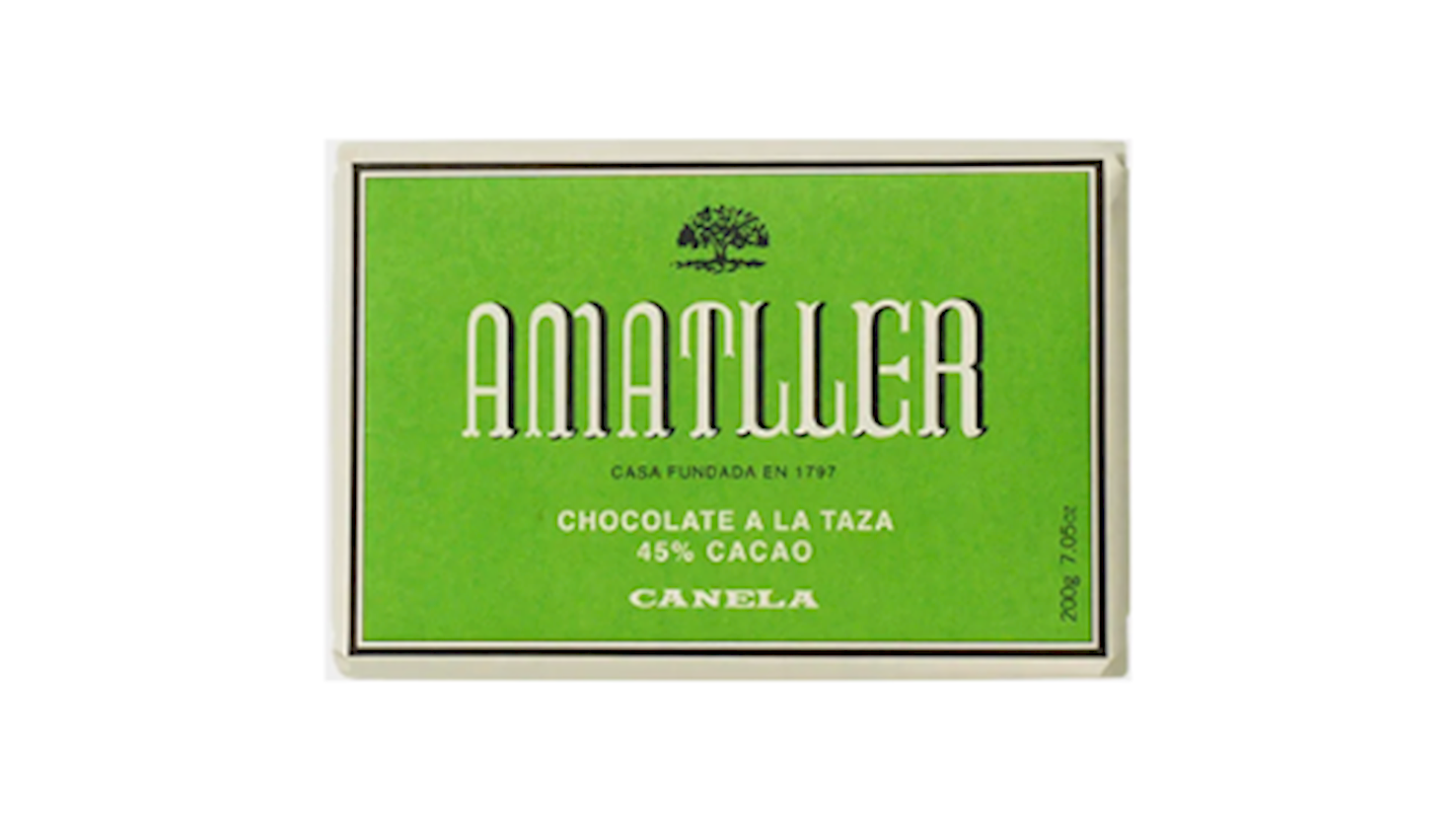
Chocolate Amatller is one of the oldest and most recognizable Spanish chocolate brands, with a tradition that dates back to 1797 in Barcelona, where it began as a family workshop founded by Gabriel Amatller. Over more than two centuries, the brand has grown into a symbol of Catalan chocolate culture, combining artisanal craftsmanship with a strong artistic identity and modernist aesthetics. In the 19th century, Chocolate Amatller became a pioneer of industrial chocolate production in Spain, while maintaining a firm commitment to quality ingredients and careful cocoa processing. Today, the brand is part of Chocolates Simón Coll, which continues to develop the Amatller line as a premium segment with a clear emphasis on heritage and refined taste. The range includes dark, milk, and white chocolates, pralines, the brand’s distinctive thin chocolate sheets, as well as single-origin editions that highlight the provenance of cocoa. They are especially known for their elegant, historically inspired packaging, which positions the chocolate as both a gastronomic and cultural product. Chocolate Amatller cultivates a style in which chocolate is more than a sweet treat - it is part of a broader experience, from visual identity to the ritual of consumption. Their products are designed for consumers who appreciate a classic, clean flavor profile without excessive sweetness. The brand is deeply connected to Barcelona, where Amatller chocolate is seen as part of the city’s cultural heritage. Through its specialty shops and museum-style concepts, visitors are also offered an educational perspective on the history of chocolate. Today, Chocolate Amatller represents a balance between long-standing tradition and a contemporary gourmet approach. Its market position is built on authenticity, continuity, and a distinctive style. In a world where chocolate is increasingly industrialized, Amatller remains an example of how a historic brand can stay relevant without losing its identity.
05

Cafés La Mexicana

4.3 ·
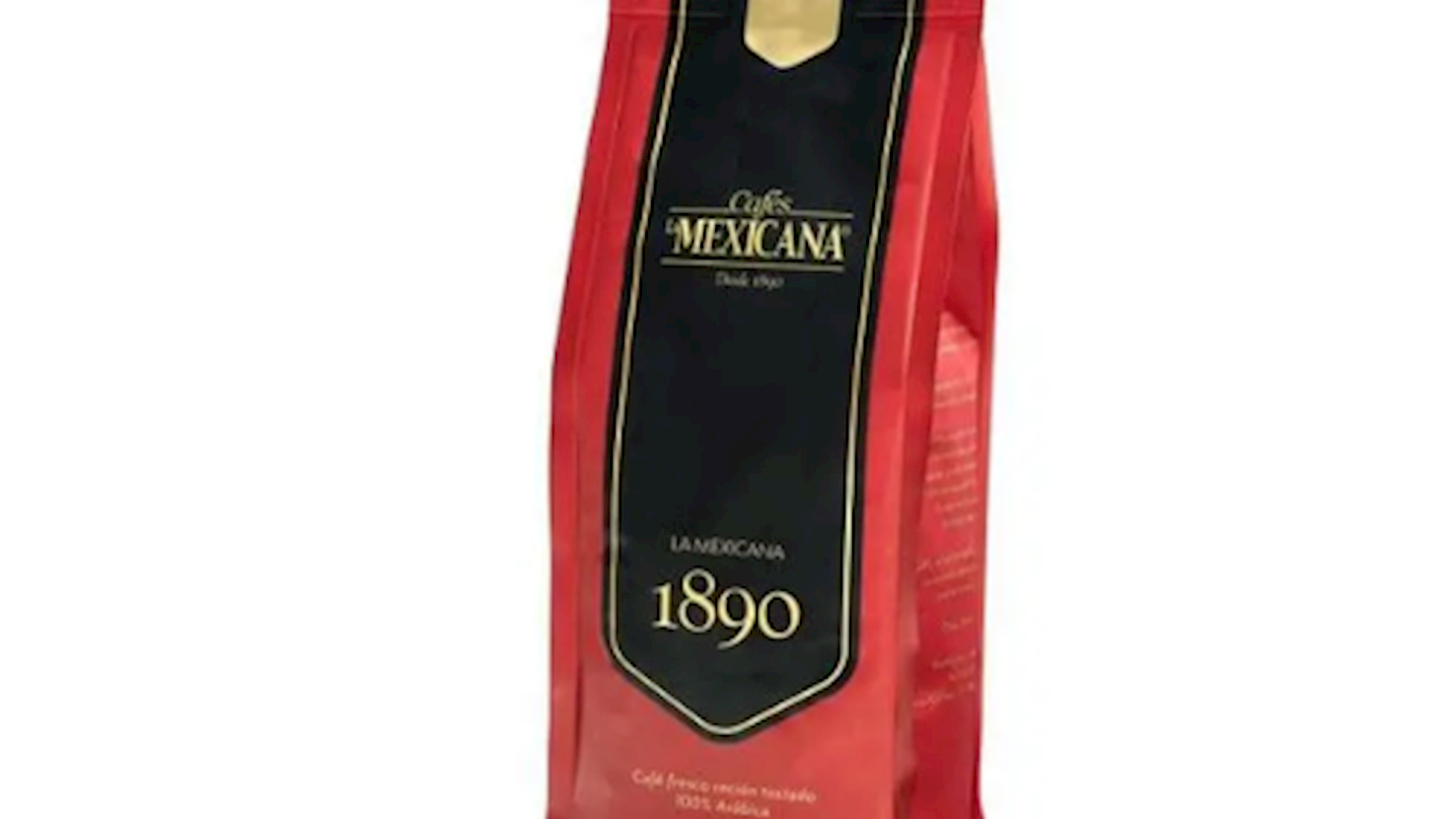
Cafés La Mexicana is a historic coffee roaster and specialty retail chain founded in 1890 in Madrid. From its beginnings, the company has focused on freshly roasted 100% Arabica coffee, emphasizing quality control and aromatic precision. It is particularly known for the distinctive aroma of freshly roasted beans associated with its traditional shops, especially the historic Preciados location. The portfolio includes classic blends, signature selections such as “1890” and single-origin coffees sourced from Latin America and Africa. Flavor profiles range from chocolatey and nutty characteristics typical of many Latin American origins to brighter, fruit-forward and floral notes found in African varieties. Roasting is carried out in Madrid, allowing the brand to maintain freshness and adapt profiles for different brewing methods, including espresso and filter preparation. Today, Cafés La Mexicana combines long-standing family tradition with modern distribution, preserving its identity as a local roaster with more than a century of continuity.
06

Café Saula

4.3 ·
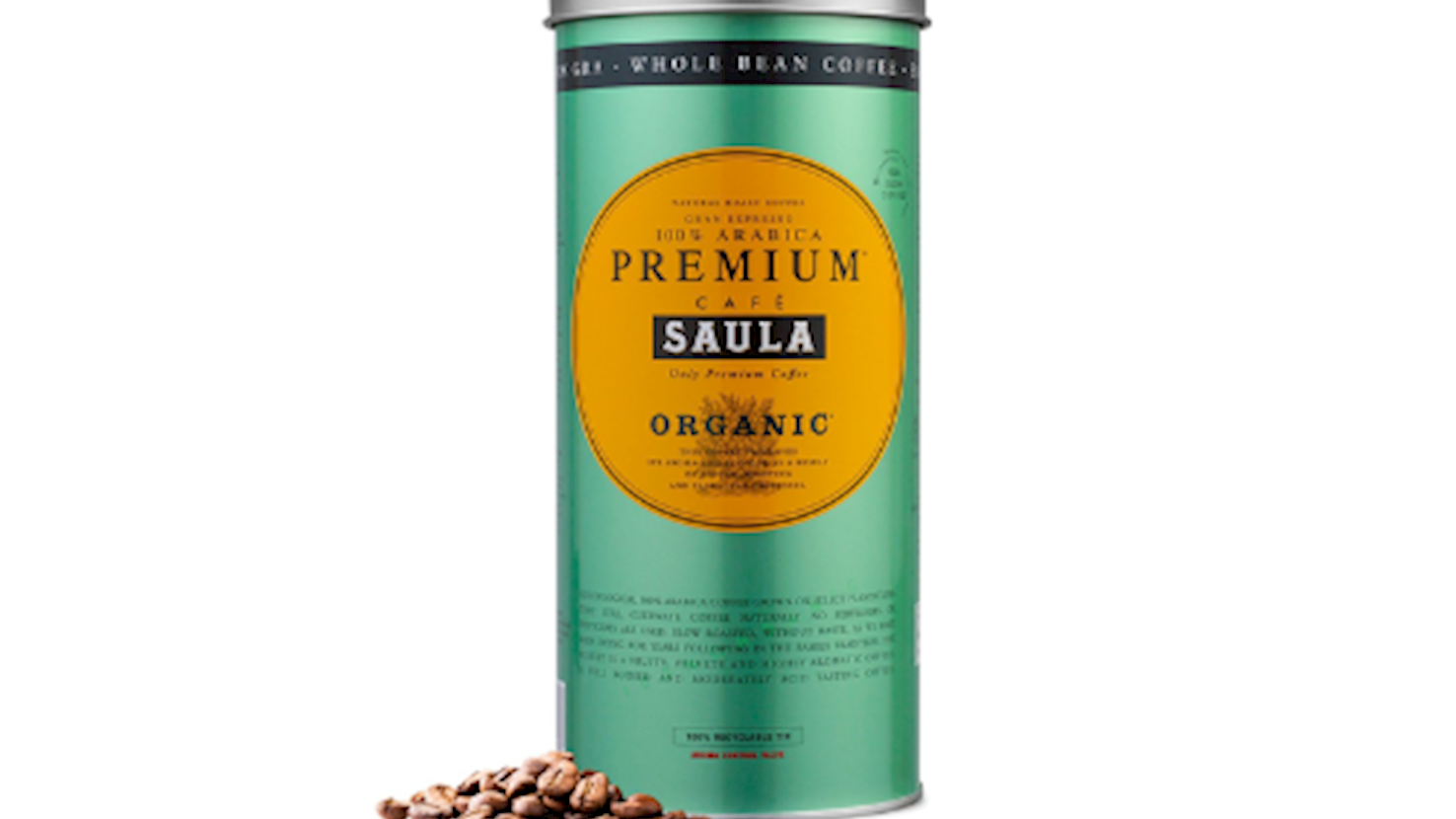
Café Saula is a family-owned coffee roaster based in Barcelona, founded in 1950, with a clear focus on selecting 100% Arabica beans and applying controlled, slow roasting in small batches. From its beginnings, the brand has prioritized quality and consistency in its espresso profile, primarily serving the hospitality sector while also expanding into retail. Beans are sourced from carefully selected plantations, and roasting parameters are adjusted to preserve balance between aroma, body, and acidity. In the cup, its blends typically show notes of cocoa, roasted nuts, and mild caramel sweetness, supported by medium body and stable crema in espresso preparation. The portfolio includes classic espresso blends, organic options, and selected origin coffees from specific regions. Café Saula represents continuity of family expertise in coffee roasting, combining traditional methods with modern quality standards.
07

Chocolates Valor

4 ·
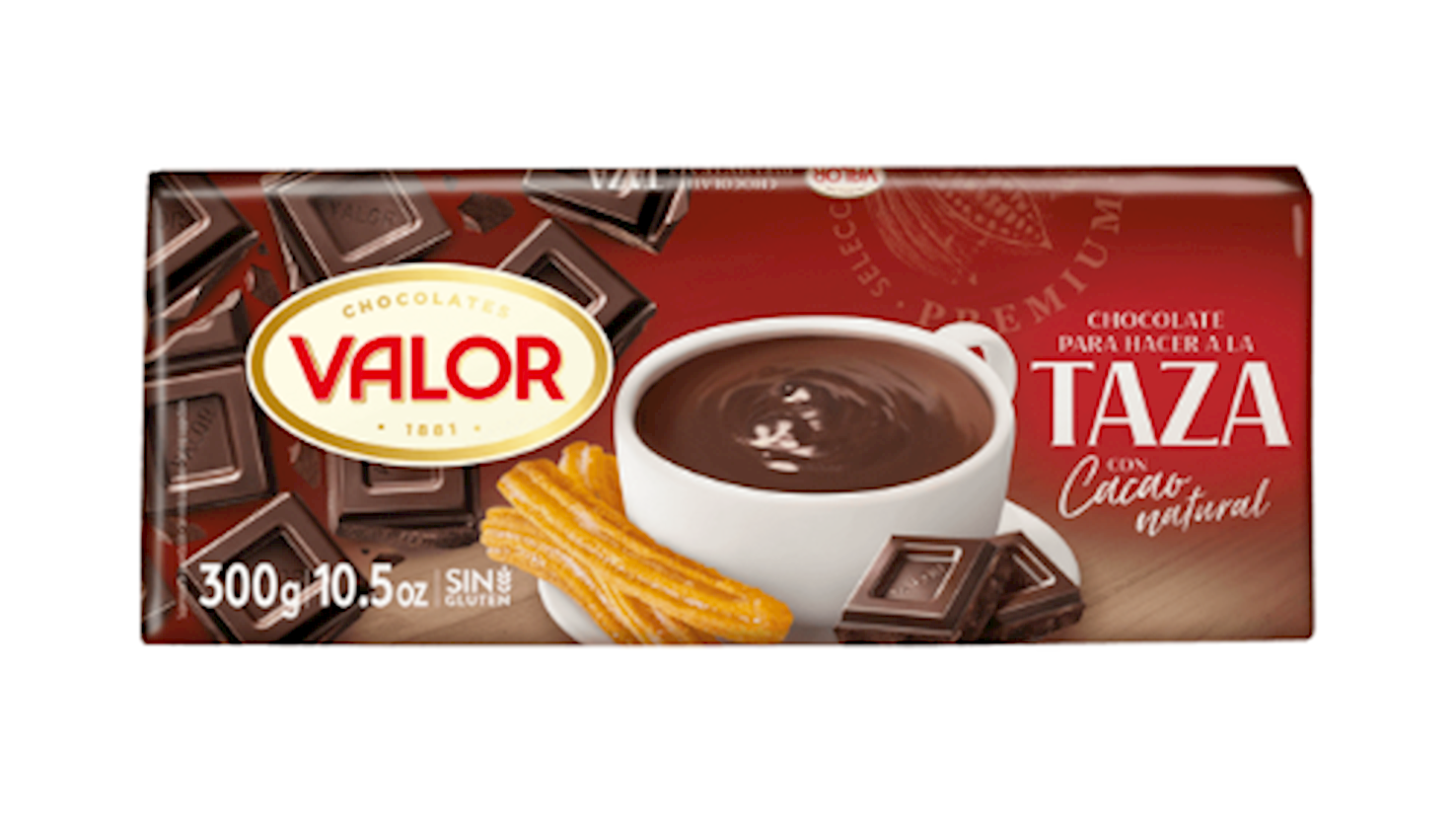
Chocolates Valor is a Spanish chocolate manufacturer founded in 1881 in the coastal town of Villajoyosa, Alicante. The company was established by Valeriano López Lloret, who began producing chocolate using traditional artisanal methods and distributing it locally. Over time, the small family workshop evolved into one of Spain’s most recognized chocolate brands, with the López family maintaining involvement in the business across several generations. Chocolates Valor produces a wide range of chocolate products, including chocolate bars, pralines, cocoa powders, and drinking chocolate. The brand is particularly known for its dark chocolates with a high cocoa content and for its sugar-free product range, both of which have become key segments of its portfolio. The company carefully sources cocoa beans from regions such as Ghana, Ecuador, and Brazil, emphasizing quality and consistency in its production. Today, Chocolates Valor operates modern manufacturing facilities in Villajoyosa and Ateca, supplying products to dozens of international markets. In addition to packaged chocolate products, the company has developed a network of Chocolaterías Valor - specialized cafés where visitors can enjoy traditional Spanish hot chocolate, desserts, and chocolate-based specialties. Through a combination of long-standing tradition and modern production technology, Chocolates Valor has established itself as a prominent figure in Spain’s chocolate industry.

Best Spanish Non-alcoholic Beverage Types
01

Chocolate caliente (Spain)

4.2 ·

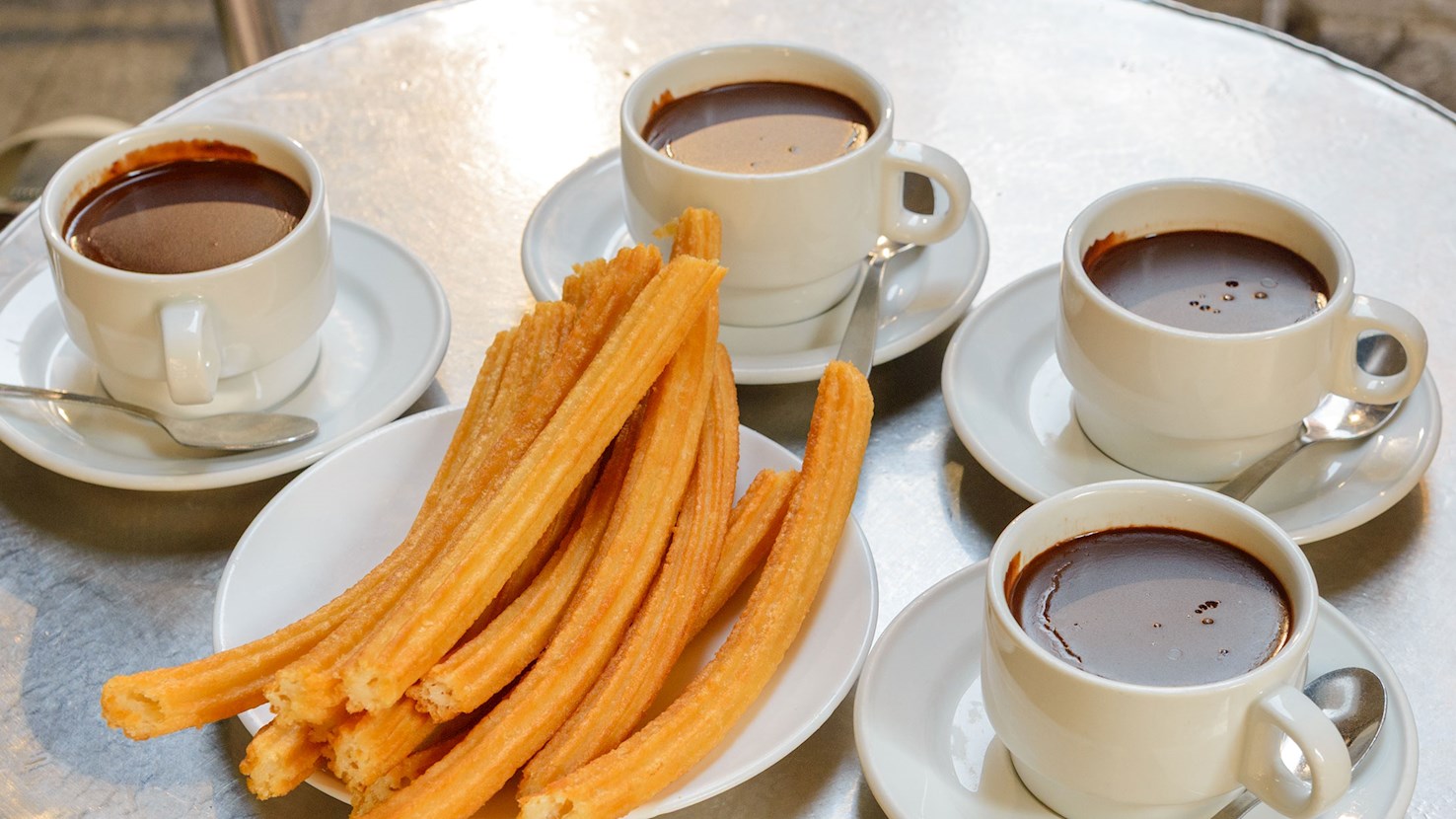
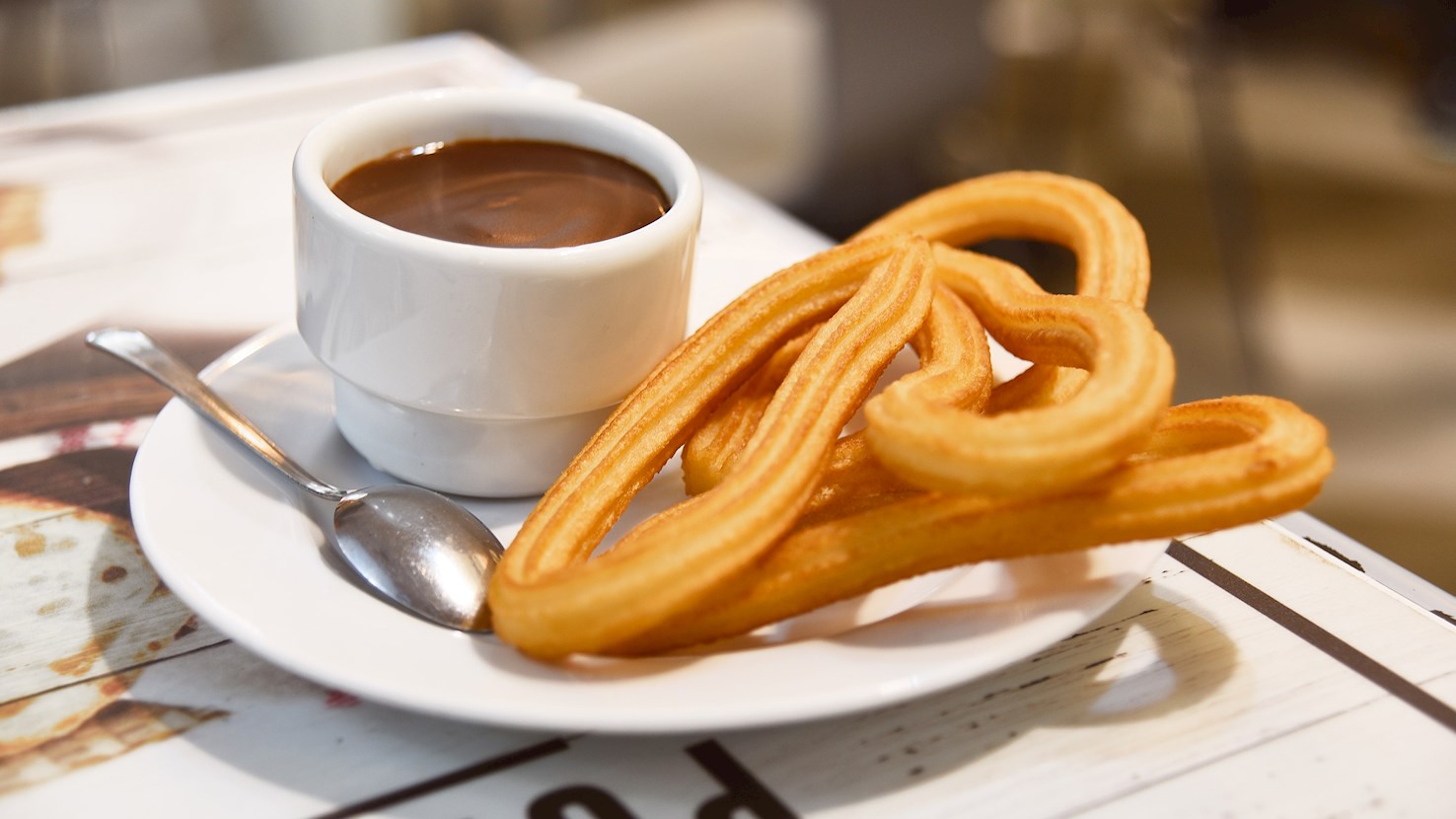
Although hot chocolate is an internationally-known beverage, this Spanish version stands out for its creamy and thick consistency. It is usually made with dark chocolate or cocoa powder, milk, sugar, and cornstarch—which is used to achieve the typical dense texture of the drink. Optionally, cinnamon and grated nutmeg can be used as flavorings. This type of hot chocolate is mainly served as an accompaniment to desserts, while the most traditional combination includes a cup of hot chocolate and freshly fried Spanish churros. Hot chocolate became a drink of choice of the Spanish aristocracy sometime in the 17th century, and when chocolate and cocoa became more available, it became a staple throughout the country. It should always be served hot, and the pastry is supposed to be dipped in the drink.

02

Cortado

4 ·

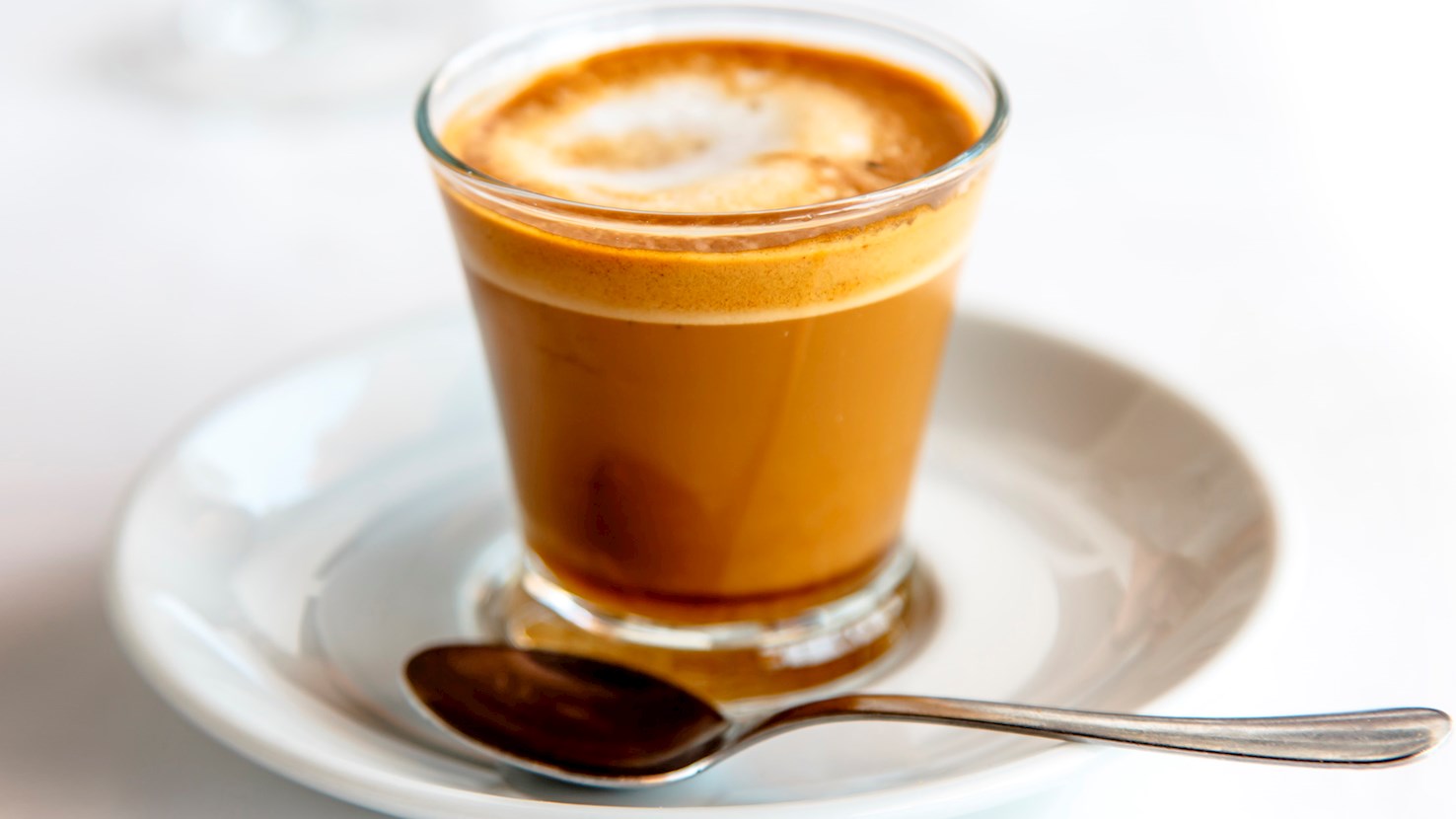
Cortado is a Spanish beverage made by pouring a small amount of espresso in a small glass cup, then cutting it with an equal amount of steamed milk in order to neutralize the bitterness. The name comes from the Spanish word cortar, meaning to cut, which refers to the preparation process. The ratio of espresso to milk gives a unique flavor where the robustness of the coffee comes through, while the finish is velvety due to steamed milk. Cortado is typically consumed in coffee bars as it is not intended to be taken on the go.

03

Café bombón

4 ·

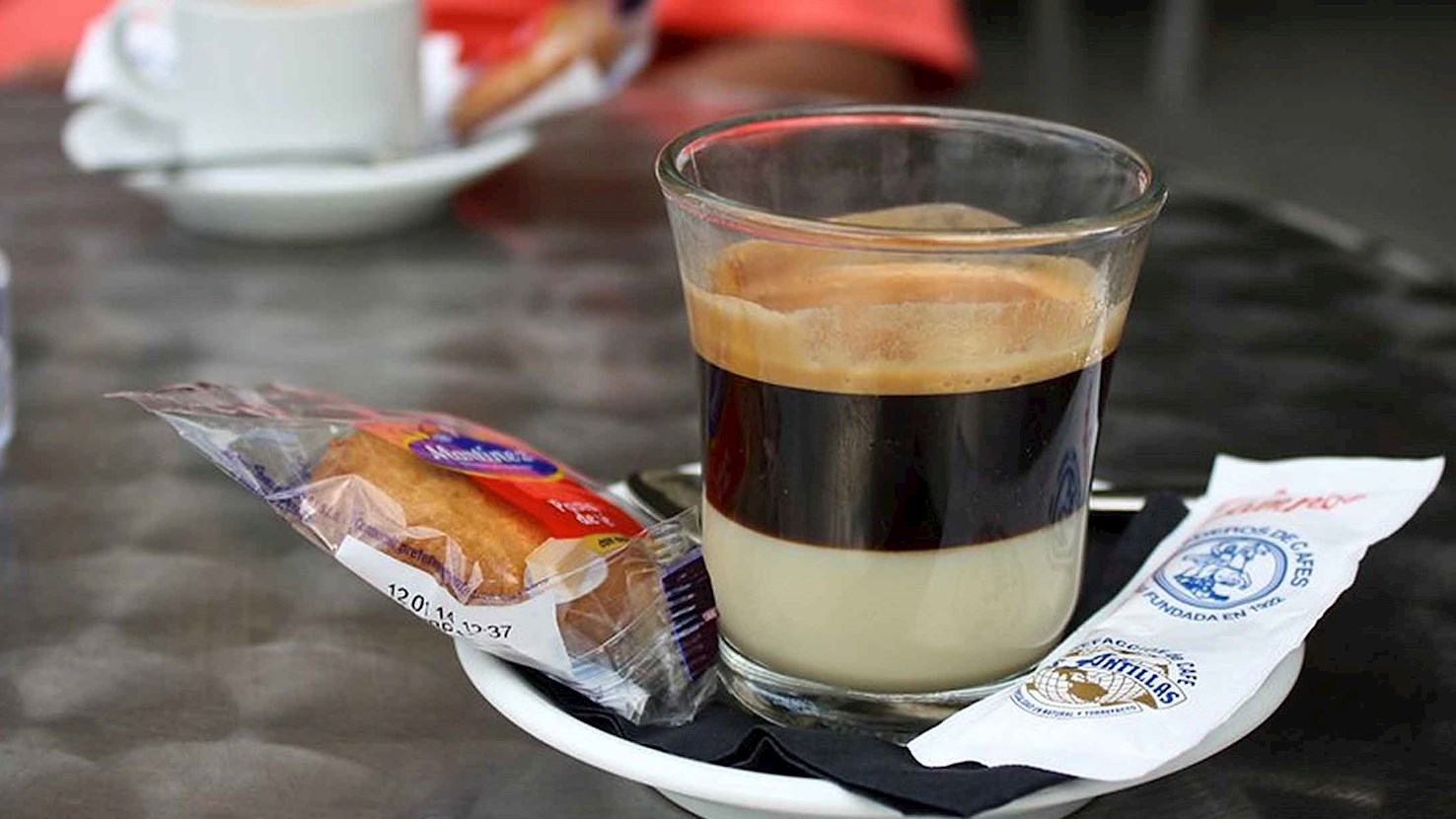
Bombón coffee is a Valencian specialty that combines coffee and condensed milk. The drink is usually made with espresso, and it is assembled by pouring condensed milk first and then topping it with espresso. Because there is a difference in density, the beverages do not mix, and bombón is usually served in a tumbler glass so the layers would be visible. Optionally, condensed milk can be swapped with creamy liqueurs such as Baileys. The drink is usually prepared with equal amounts of both beverages.

04

Leche merengada

3.7 ·

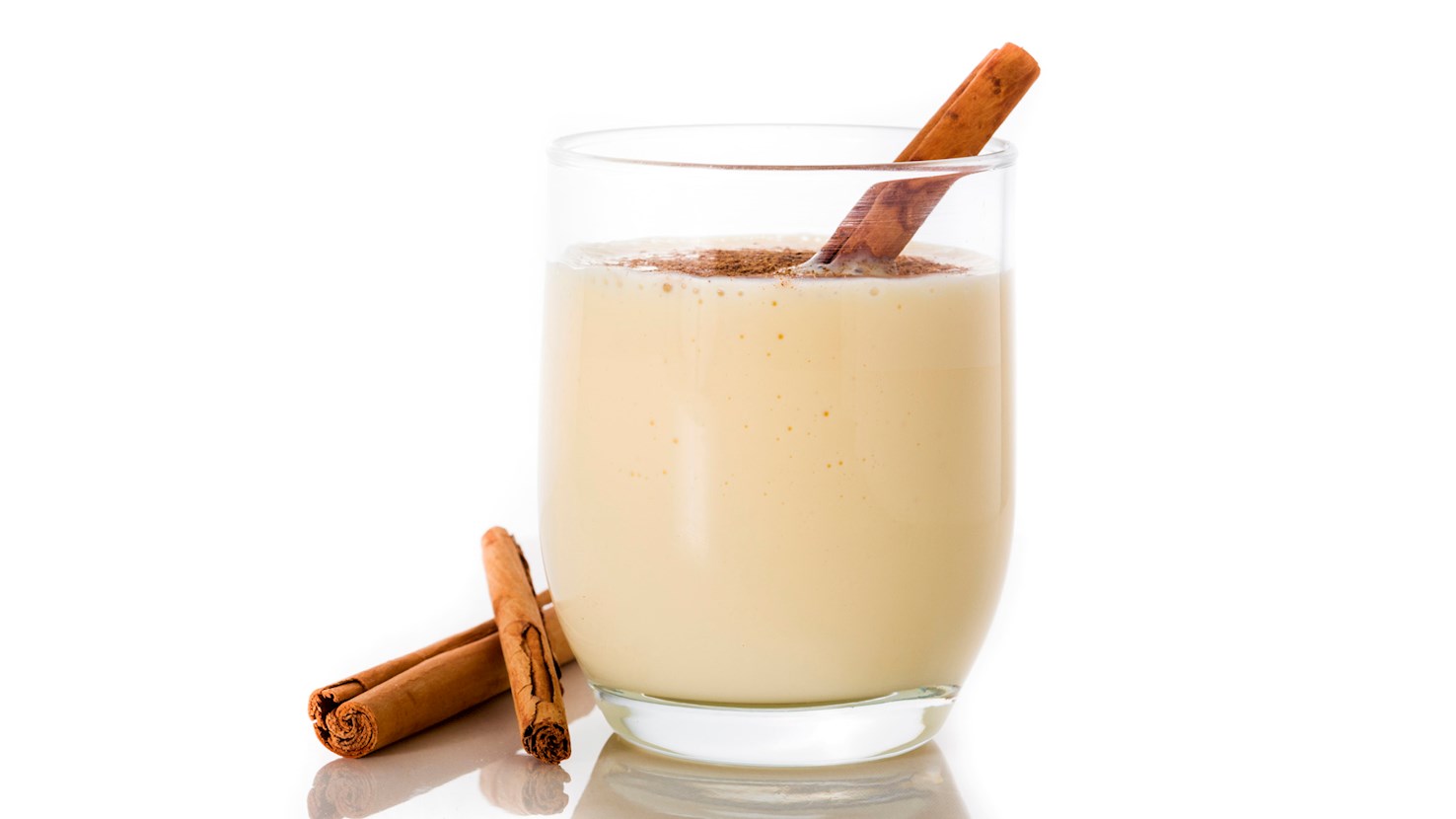
Leche merengada is a sweet, chilled Spanish drink that combines milk and whipped egg whites. The milk is heated and often flavored with lemon zest and cinnamon before it is chilled and combined with whipped egg whites. Merengada is then semi-frozen, and the final result is a refreshing combination that has a texture similar to a milkshake or a slushie, while some versions sometimes resemble ice creams. This vintage dessert is often prepared at home, but it is also commonly found in ice cream parlors. It is usually served in tall glasses, while the top is traditionally sprinkled with ground cinnamon.

05

Orxata

3.6 ·

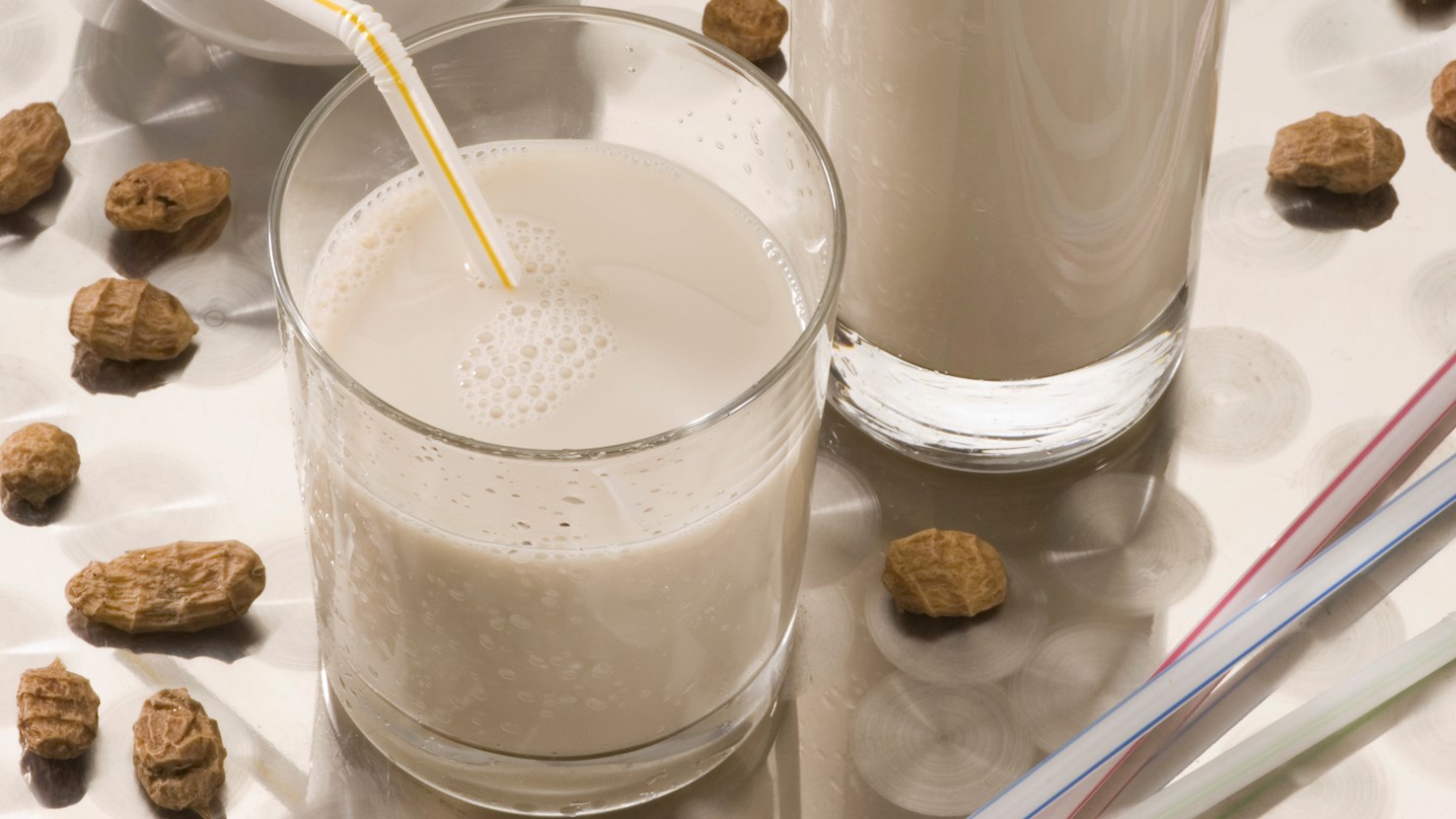
Orxata (horchata) is a refreshing Valencian drink prepared by blending soaked tiger nuts (chufas), water, and sugar. It often includes cinnamon and sometimes lemon zest. The drink is enjoyed in the entire Valencian Community, but it most likely originated in Alboraya. Valencian horchata is creamy and smooth, with a milky, off-white color, subtle sweetness, and nutty flavor. It is usually enjoyed chilled from mid-March until the end of the summer. Despite their name, tiger nuts are not classified as nuts—they are edible tubers with a hard, wrinkly shell. Although they are not native to the region (they were brought over from North Africa during the Muslim rule), tiger nuts are not recognized as a traditional Valencian product with a PDO status. Valencian orxata (horchata) should not be confused with Latin American horchata, a term used for various drinks usually made with rice. In Valencia, horchata is sold at orxaterias (horchaterías) or by street vendors.

06

Café con miel

3.5 ·

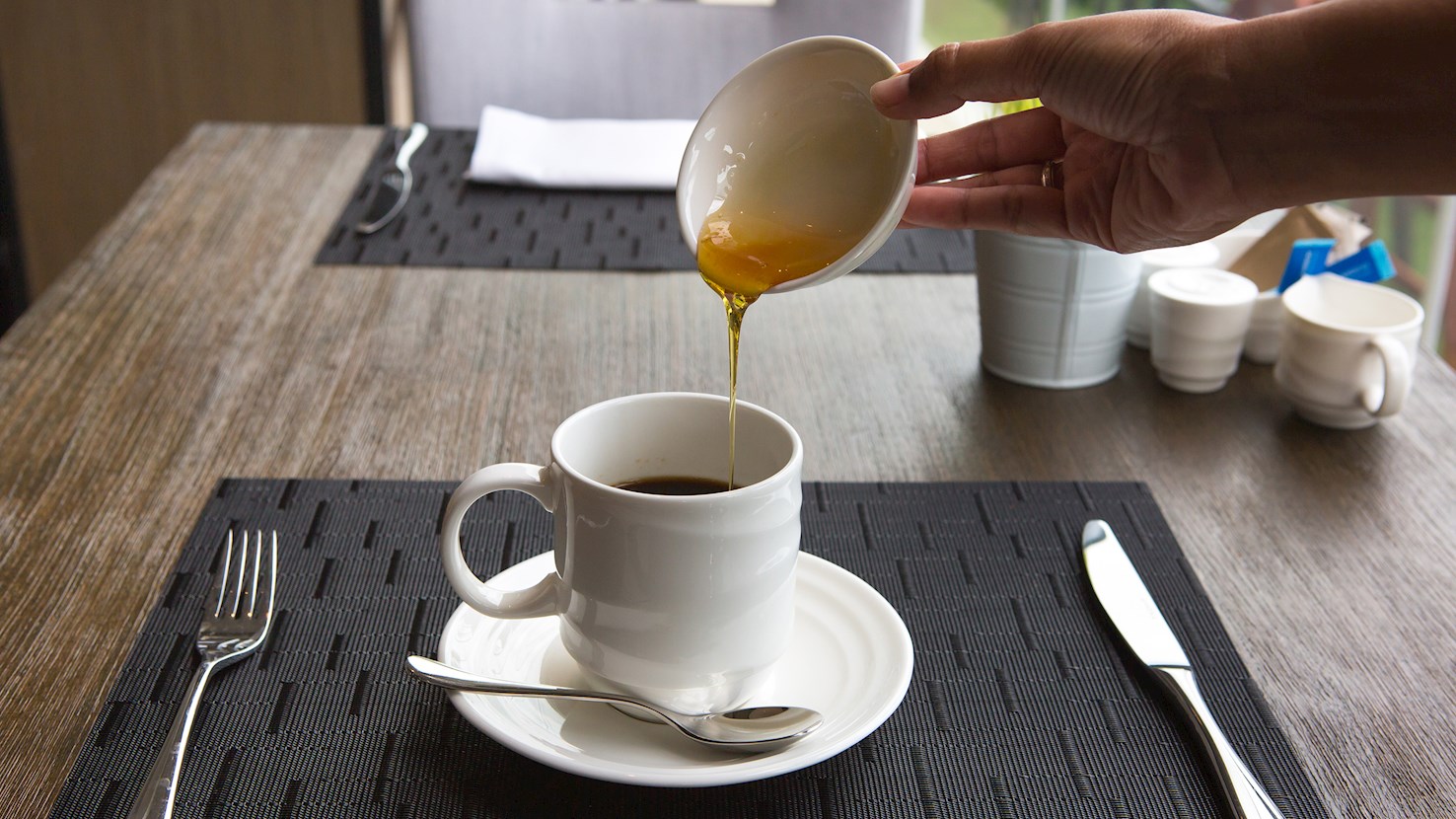
Café con miel is a coffee variety that originated in Spain. The drink consists of honey (miel), a shot of espresso, and steamed milk. The ingredients are layered, and the frothy milk foam is sometimes dusted with cinnamon. Honey is used a sweetener, so sugar is usually avoided. Sometimes, spices such as ginger, cinnamon, cardamom, or vanilla can also be added. The drink should be stirred until the honey is completely dissolved.

07

Café del tiempo

3.5 ·

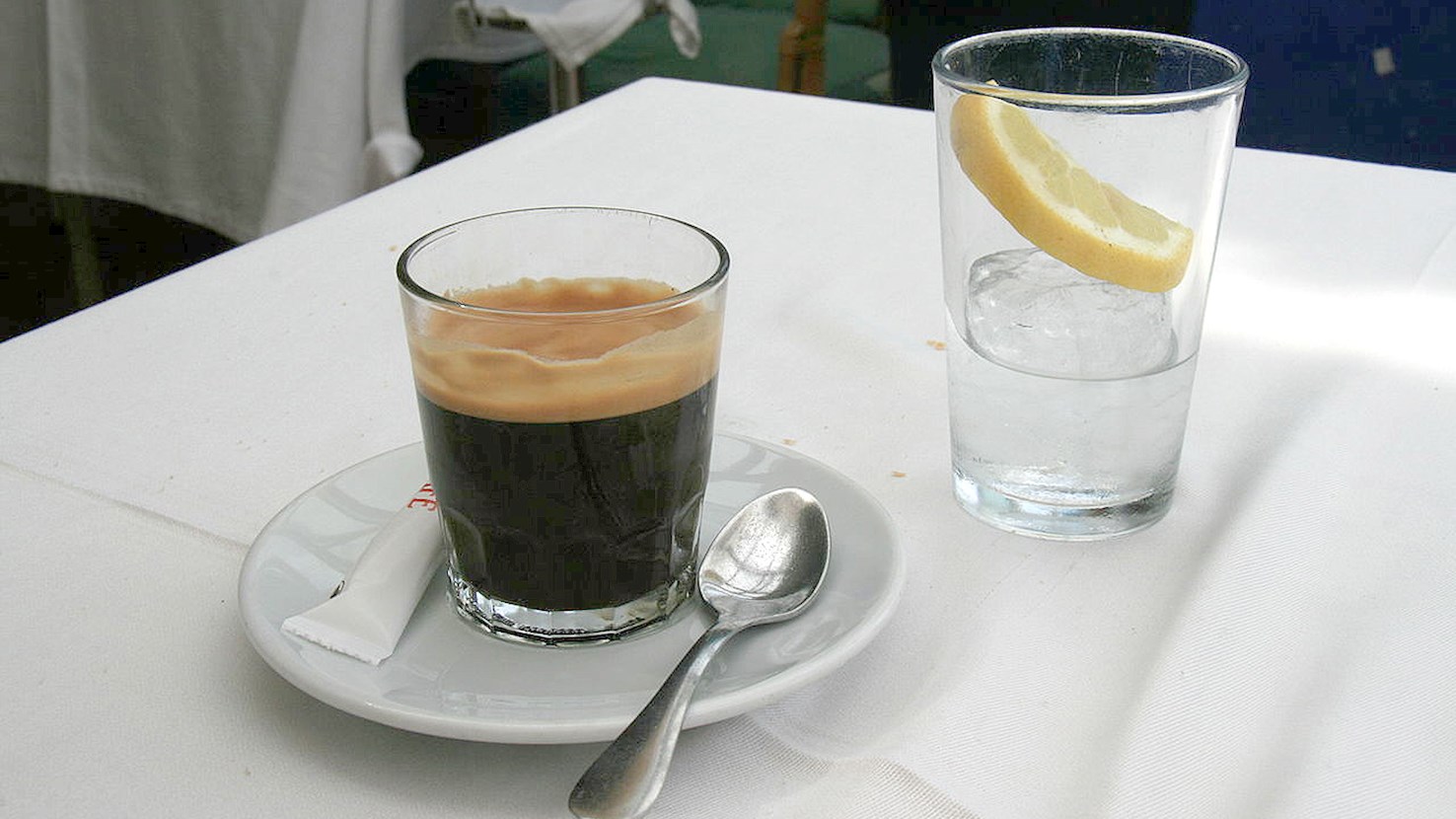
Roughly translated as weather coffee, café del tiempo is a variety of Spanish ice coffee. It consists of a cup of coffee that is served with a glass that is filled with ice cubes and occasionally a slice of lemon. The guest then sweetness the coffee according to taste before pouring it over ice. This coffee is mainly prepared with plain espresso or espresso that is topped with steamed milk—in Spain, this combination is usually referred to as cortado. However, varieties may include café con leche, carajillo (a combination of Licor 43 and coffee), or café bombón (made with equal proportions of condensed milk and coffee). Because it cools down the coffee to room temperature, café del tiempo is primarily enjoyed as a refreshing option during summer or spring. It is primarily associated with Valencia, but similar iced variations can be found in other parts of Spain, though it is sometimes known as café con hielo.

08

Blanco y negro

n/a ·

Blanco y negro (white and black) is a Spanish specialty drink made with coffee and ice cream. The basic variation consists of an espresso that is mixed with ice and poured in a glass. Optionally, coffee can be blended with ice, or frozen and then blended without additional ice. The drink is then topped with a dollop of ice cream or with a spoonful of cream or leche merengada (meringue milk). Although ice cream flavors can vary, it should be made with white-colored varieties, such as vanilla, so that the drink would stay true to its name. Blanco y negro is typically served as a sweet and refreshing summer dessert.

09

Chocolate a la taza

n/a ·

Chocolate a la taza is a specific variety of hot chocolate from Spain, distinguished by its high viscosity and pudding-like density. It is composed of cocoa mass, sugar, and a thickening agent, most frequently cornstarch or wheat flour, which reacts with heat to create a heavy, coating texture. Unlike the fluid hot chocolate found in most global regions, this version is designed to be thick enough to support the weight of a dipping pastry without collapsing. It is a fundamental component of the Spanish culinary morning, served in dedicated establishments and homes across the country. The beverage developed following the arrival of cacao in Europe via Spanish expeditions in the 16th century. In the subsequent centuries, the preparation shifted from a cold, spiced water-based infusion to a hot, sweetened milk-based drink favored by the Spanish aristocracy. During the 19th century, the addition of starches became a standard industrial practice to stabilize the cocoa solids and provide the characteristic thickness. This evolution transformed the beverage from a simple drink into a heavy, calorie-dense food item that became accessible to the general public through the rise of local chocolate manufacturing. Preparation involves the slow integration of chocolate powder or pieces into milk as it is heated. It is necessary to bring the mixture to a brief boil while stirring constantly; this heat triggers the gelatinization of the starches, which is the chemical process responsible for the sudden thickening of the liquid. The result is a smooth, homogeneous hot chocolate that does not separate as it cools. A unique technical feature is its thermal retention; the density of the liquid acts as an insulator, keeping the beverage at a high temperature for a longer period than standard cocoa. It is served in small, heavy-bottomed cups to maintain its heat. This hot chocolate is consumed throughout Spain as a breakfast staple or an afternoon snack. It is primarily used as a dipping medium for churros and porras, which are fluted, deep-fried dough strips. The thickness of the chocolate allows it to adhere to the ridges of the pastry. In certain regions, it is also served with ensaimadas, which are sweet, coiled breads, or with sponge fingers known as melindros. Because of its richness, it is often accompanied by a small glass of cold water to cleanse the palate.

Read more
View all
View map
About this ranking

TasteAtlas food rankings are based on the ratings of the TasteAtlas audience, with a series of mechanisms that recognize real users and that ignore bot, nationalist or local patriotic ratings, and give additional value to the ratings of users that the system recognizes as knowledgeable. For the “Top 9 Spanish Non-alcoholic Beverages” list until June 10, 2026, 597 ratings were recorded, of which 492 were recognized by the system as legitimate. TasteAtlas Rankings should not be seen as the final global conclusion about food. Their purpose is to promote excellent local foods, instill pride in traditional dishes, and arouse curiosity about dishes you haven’t tried.

The initial list of top producers was compiled based on available reviews, awards, local recommendations, media and blog coverage, and consumer reviews. The list will be updated with ratings from TasteAtlas local ambassadors and TasteAtlas users.

Similar lists