Top 11 Apulian Pasta

Last updated on June 15, 2026

Best Apulian Pasta
01

Pastificio Benedetto Cavalieri

5 ·
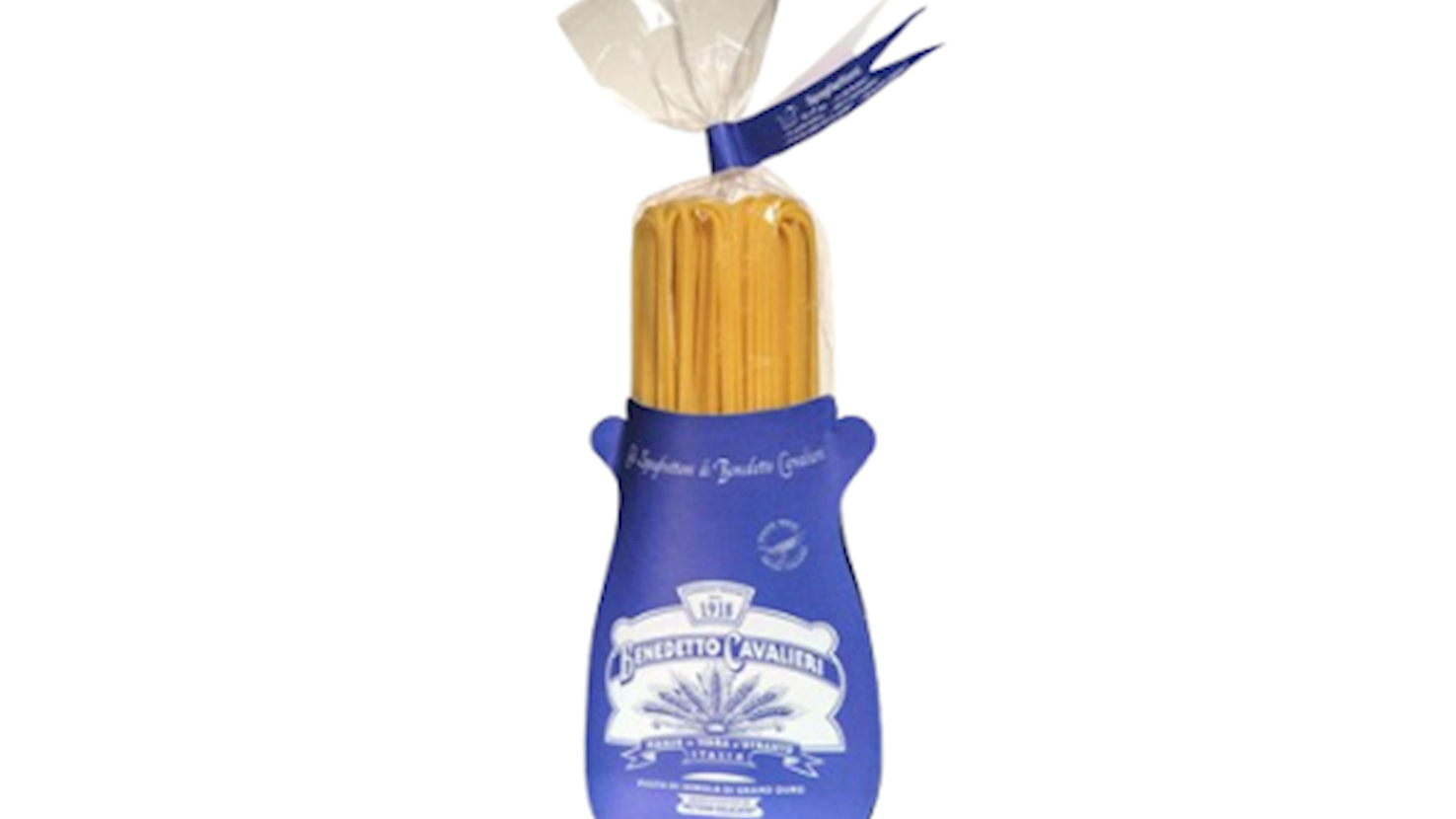
Pastificio Benedetto Cavalieri is an esteemed Italian pasta producer located in Maglie, Lecce, within the Apulia region. Established on July 7, 1918, by Benedetto Cavalieri, the company has maintained a commitment to crafting high-quality pasta using traditional methods. The company employs a "Delicate Method" in its production process, which preserves the nutritional value, flavor, and aroma of the durum wheat. This technique ensures a natural consistency that is highly appreciated by connoisseurs. Their product range includes 32 varieties of durum wheat semolina pasta, featuring notable shapes such as Spaghettoni and Ruote Pazze. Additionally, they offer eight types of organic whole wheat pasta, naturally rich in fiber and known for their excellent cooking performance. Pastificio Benedetto Cavalieri's dedication to quality and tradition has earned them recognition in both national and international culinary circles. Their pasta is celebrated for its exceptional taste and texture, making it a preferred choice among gourmet enthusiasts.
02

Pastificio Marella

4.6 ·
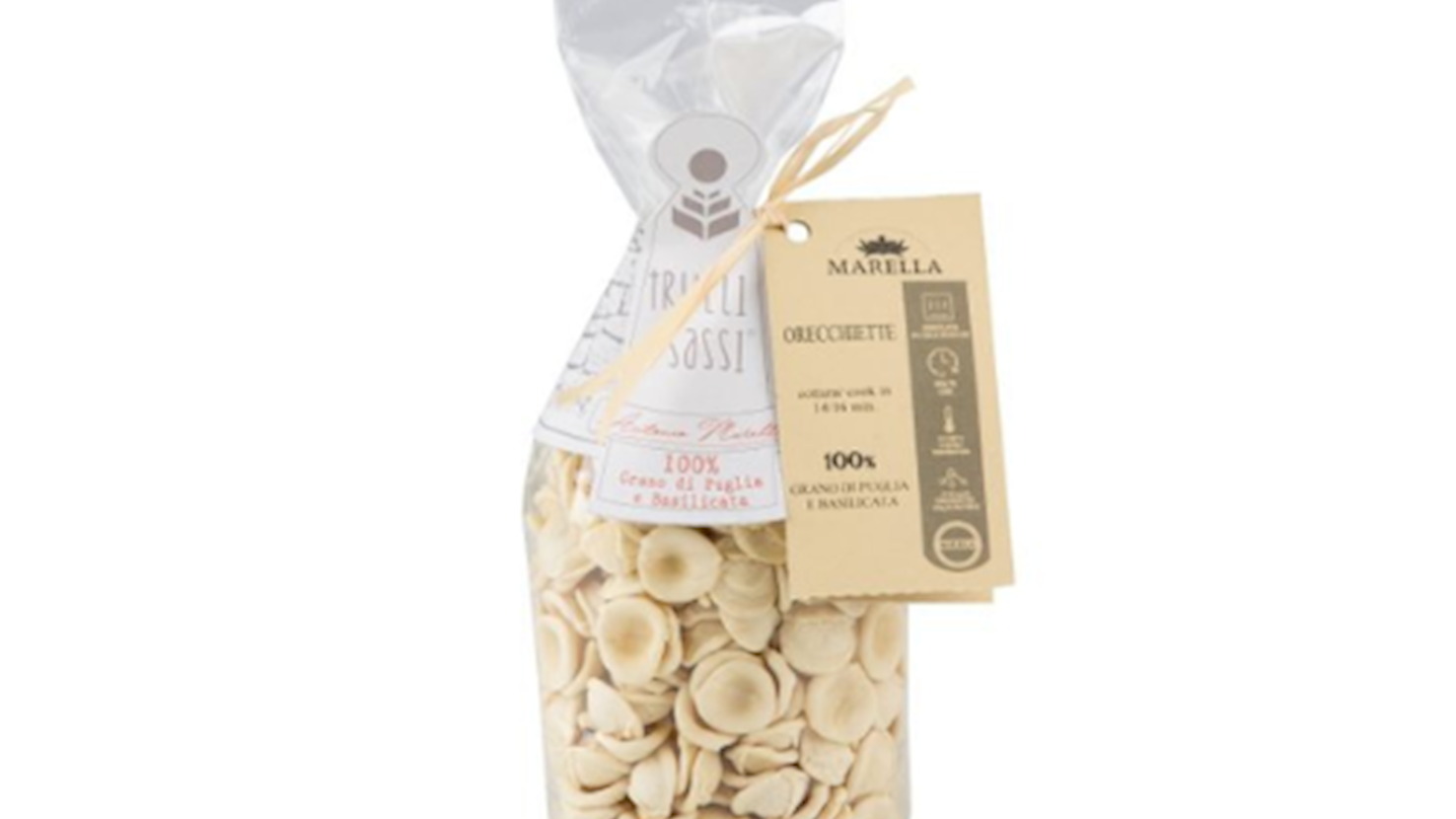
Pasta Marella is a pasta brand from Puglia, Italy, founded in 1987. It specializes in artisanal pasta, using traditional techniques and high-quality, 100% Italian wheat. The brand emphasizes authenticity, sustainability, and craftsmanship, ensuring that every pasta shape retains its rich flavor and texture. Their production process includes low-temperature drying to preserve nutritional and organoleptic properties, resulting in a healthier and more digestible pasta. Pasta Marella offers a variety of pasta formats, including bronze-drawn, handmade, and flavored varieties, all certified for food safety and quality.
03

Vallillo

4.3 ·
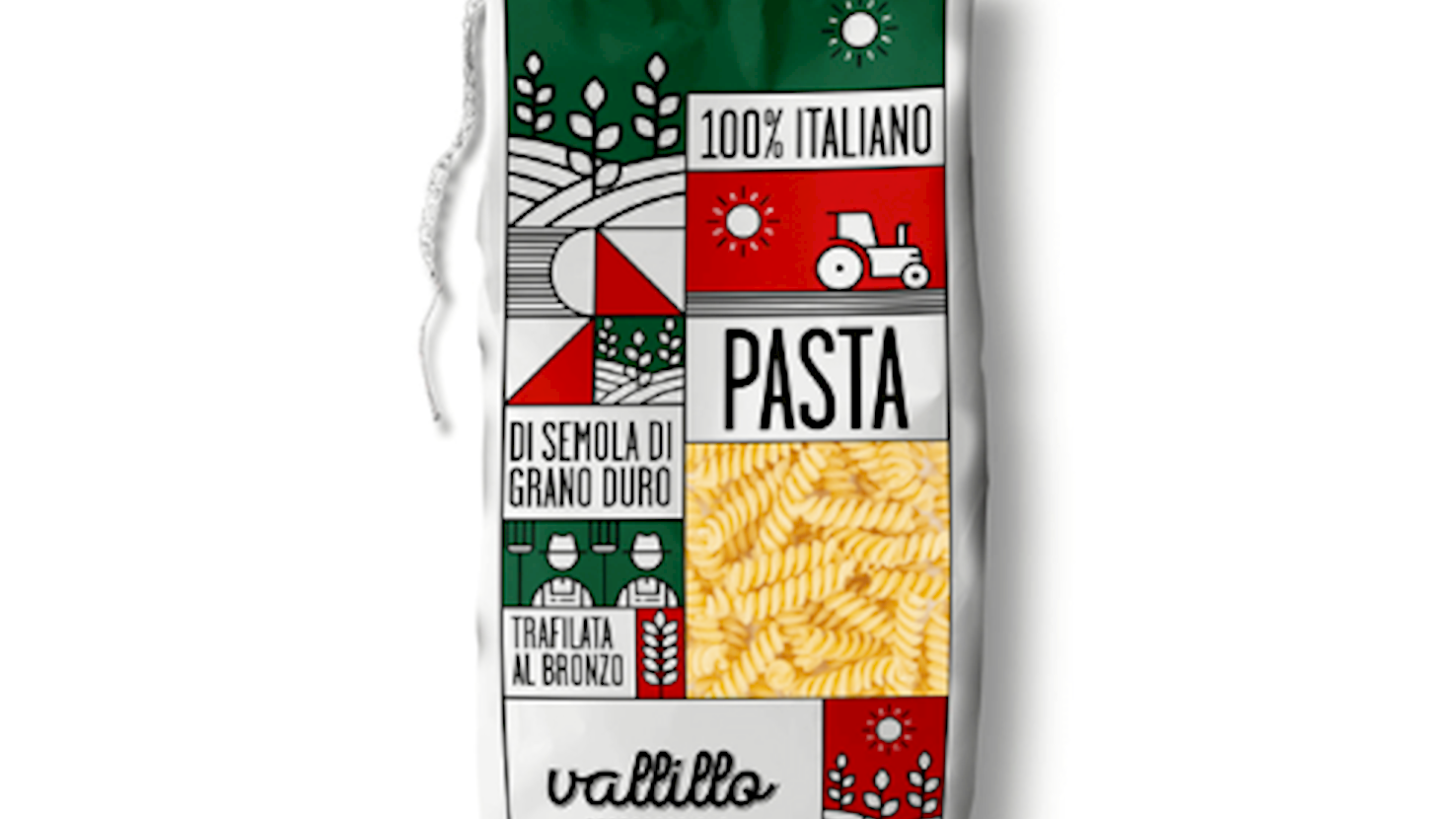
Vallillo is a family-run company based in Serracapriola, in the Apulia region of southern Italy, with over 50 years of tradition. Born out of a passion for the land and genuine food, the company has evolved steadily while preserving its artisanal values and a deep respect for sustainability. Today, Vallillo stands as a symbol of authentic, handcrafted pasta that blends local heritage, sustainable agriculture, and modern nutrition. Their pasta is made exclusively from 100 % durum wheat semolina, grown in the surrounding fields through close collaboration with local farmers. This ensures full control over the raw materials - free of pesticides, herbicides, or mycotoxins. The wheat is finely milled into high-protein semolina, then shaped using traditional bronze dies that create a rough, porous surface ideal for holding thick and flavorful sauces. Once shaped, the pasta is slowly dried at low temperatures to preserve its natural color, elasticity, nutritional properties, and rich wheat aroma. The result is a pasta that maintains a firm al dente texture when cooked and delivers a deep, satisfying flavor.
04

Granoro

3.8 ·
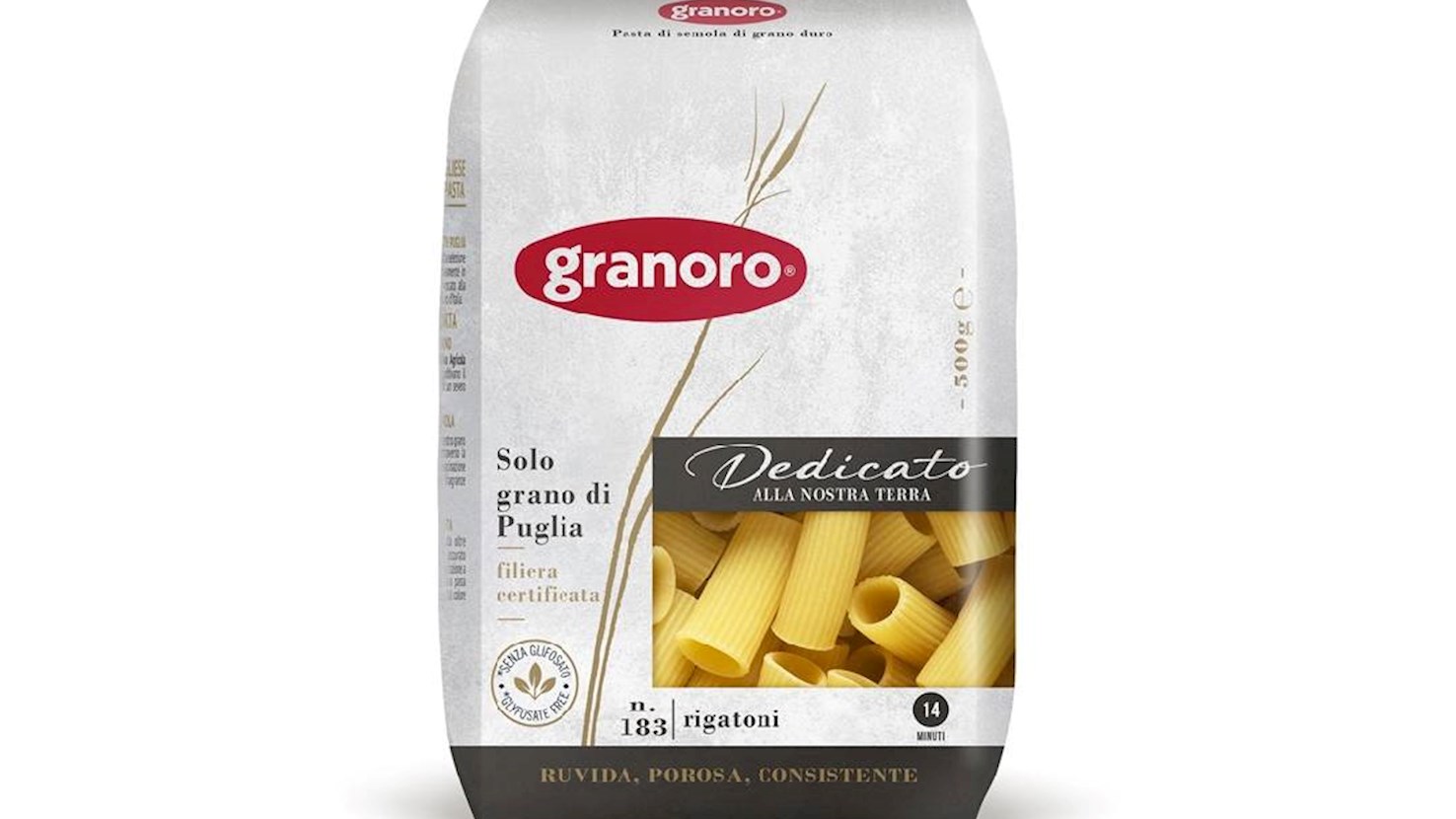
Granoro, officially known as Pastificio Attilio Mastromauro – Granoro Srl, is a distinguished Italian pasta manufacturer based in Corato, Puglia—a region celebrated for producing some of Italy's finest durum wheat. Established in 1967 by Attilio Mastromauro, a descendant of a family with deep roots in pasta-making since the early 20th century, Granoro has grown to become a significant player in the pasta industry. ​ The company's production facility spans approximately 35,000 square meters, boasting a daily output of around 350,000 kilograms of pasta across more than 130 different shapes and sizes. Granoro's product range includes traditional durum wheat semolina pasta, gluten-free options made with quinoa flour, various tomato-based sauces, and a selection of biscuits. ​ Granoro's commitment to quality is evident in its use of high-quality durum wheat semolina, sourced both locally from Italy and from renowned wheat-producing countries like Canada, Australia, and the USA. This dedication ensures that their pasta retains the authentic flavor, aroma, and texture characteristic of traditional Italian pasta. ​
05

Divella

3.7 ·
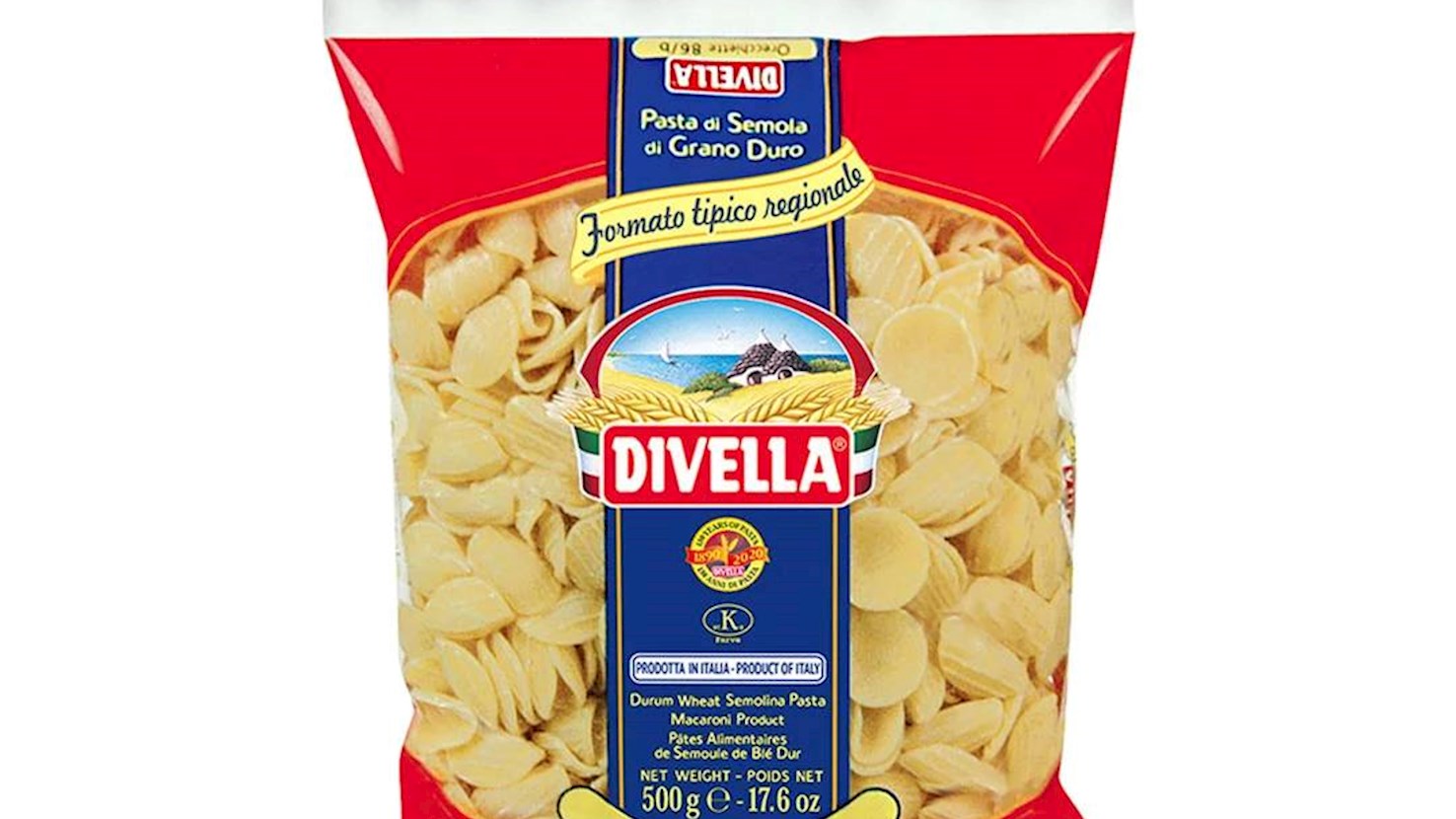
​Divella is a renowned Italian food company specializing in the production of durum wheat semolina pasta, with a rich history dating back to 1890. Founded by Francesco Divella in Rutigliano, a small agricultural town in the Apulia region, the company began as a flour mill and expanded into pasta production in the early 20th century. ​ The company's commitment to quality and tradition has earned it significant recognition. In 2020, Divella celebrated its 130th anniversary, and the Italian Ministry of Economic Development issued a commemorative postage stamp in its honor. Furthermore, in 2022, Divella was officially recognized as an Italian Historical Brand, underscoring its longstanding contribution to the nation's food industry.
06

Il Pastaio di Maffei

n/a ·
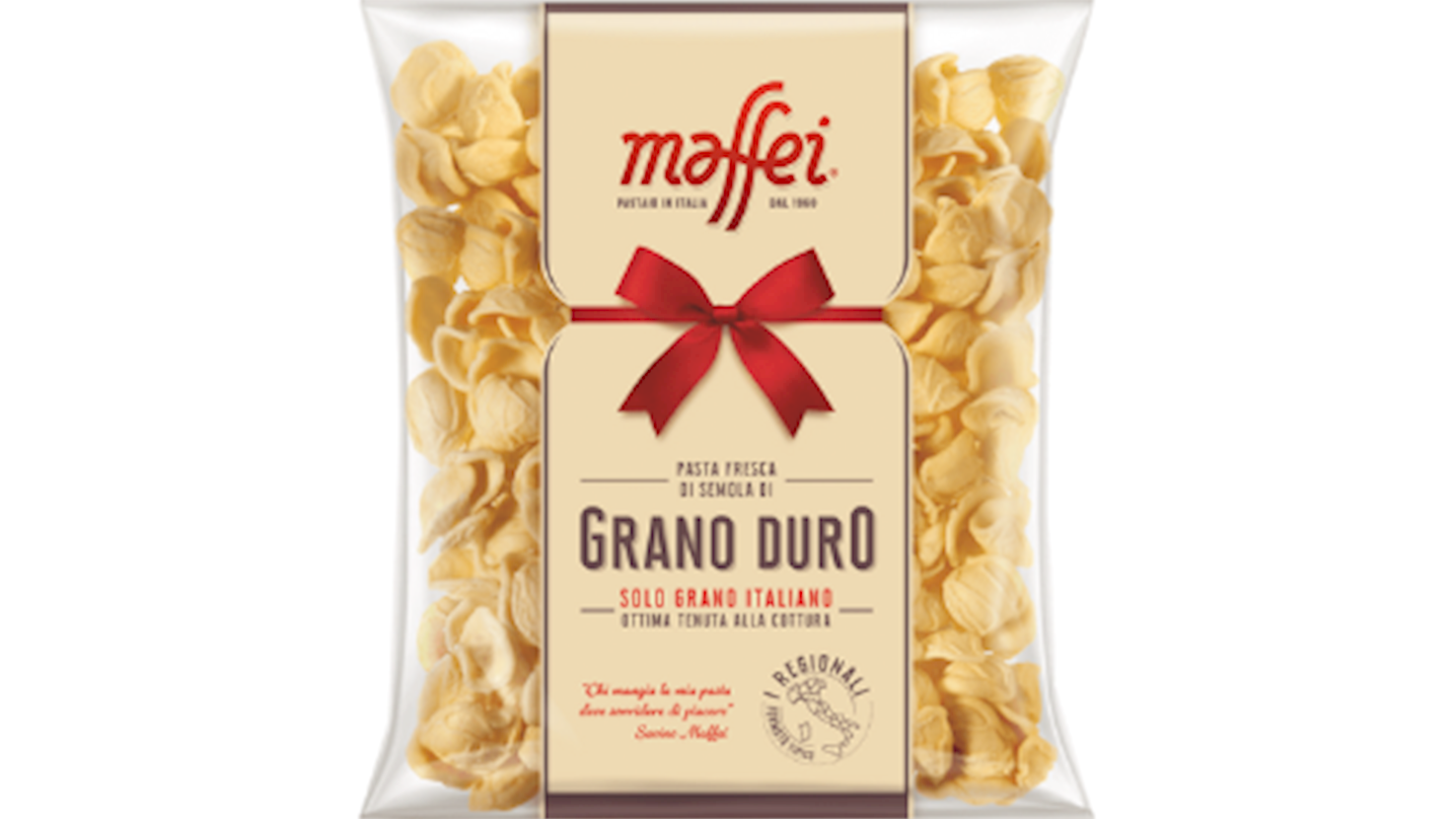
Il Pastaio di Maffei has been producing fresh Italian pasta since 1960 in Barletta, in the Apulia region, and has since built a reputation as one of Italy’s leading producers of industrially developed yet authentically crafted fresh pasta. The key to their success lies in the consistent use of high-quality raw materials - most notably, exclusively Italian durum wheat, from which coarse semolina rich in proteins and gluten is obtained. This ensures optimal structure, resilience, and elasticity of the dough. Such ingredient selection allows for a perfect "al dente" texture, even in an industrial context, without compromising on culinary quality. Their production capacity includes 12 modern lines, with an annual output exceeding 26 million kilograms of pasta, and their products are distributed beyond the Italian market. The assortment includes fresh semolina pasta, egg-based pasta, filled pasta, and gnocchi, with special lines featuring whole grain and ancient grains. Maffei successfully blends tradition and industrial innovation, respecting the terroir and culinary identity of Southern Italy.
07

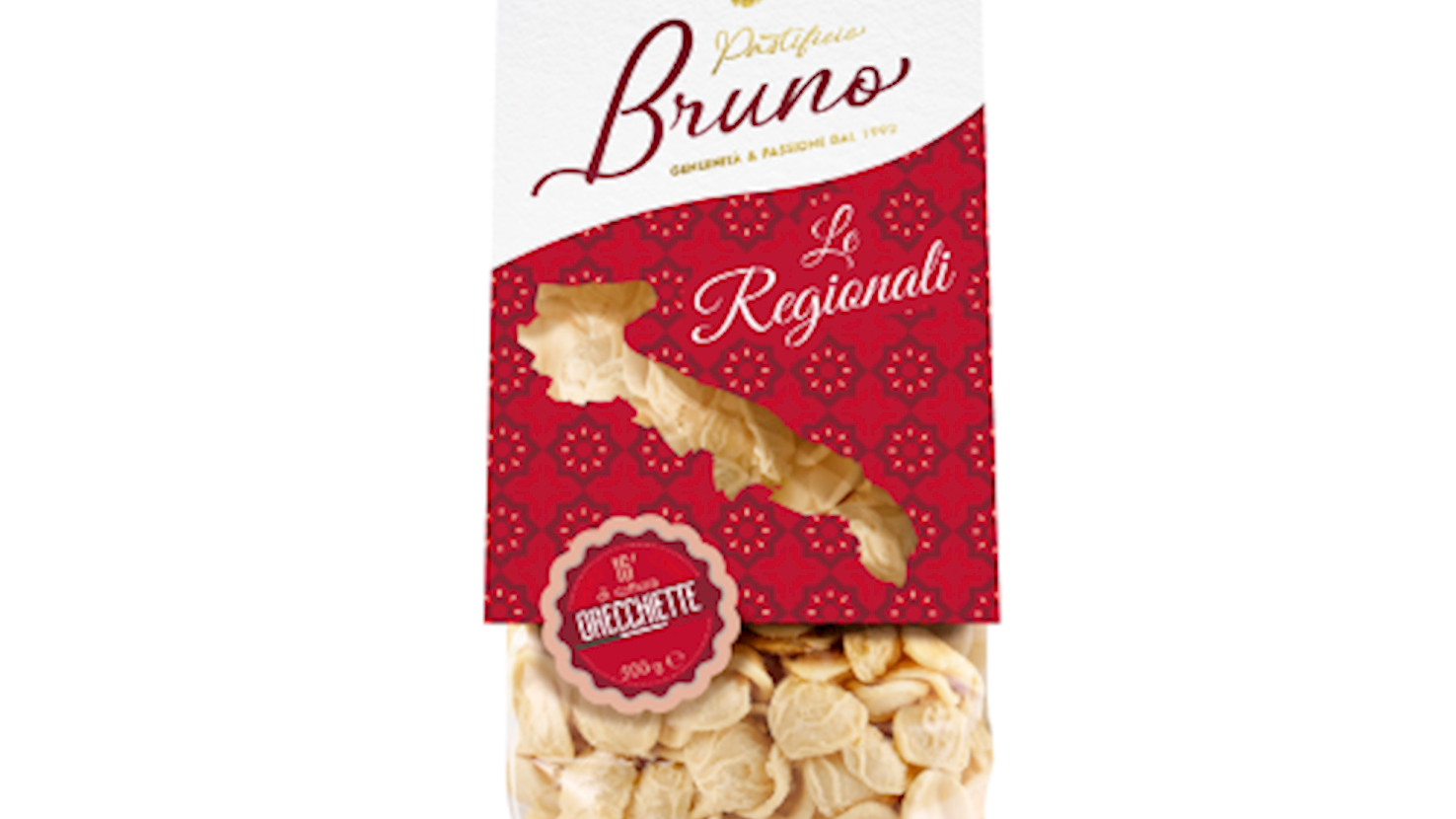
Pastificio Bruno

n/a ·
Pastificio Bruno, founded in 1992 in Acquaviva delle Fonti in the Puglia region, specializes in the production of dry pasta that reflects the authentic culinary tradition of Southern Italy. Their range includes typical regional shapes, all made exclusively from durum wheat semolina and water, without eggs or additives. The pasta gains added value through bronze-die extrusion, which creates a rough surface that holds sauces more effectively. The company uses natural ingredients, and part of their line features pasta infused with spinach, beetroot, spirulina, and turmeric. Their philosophy combines artisanal care with industrial reliability, resulting in products suitable for both everyday cooking and restaurant gastronomy that demands authentic local character.

Best Apulian Pasta
01

Orecchiette con cime di rapa

4.2 ·

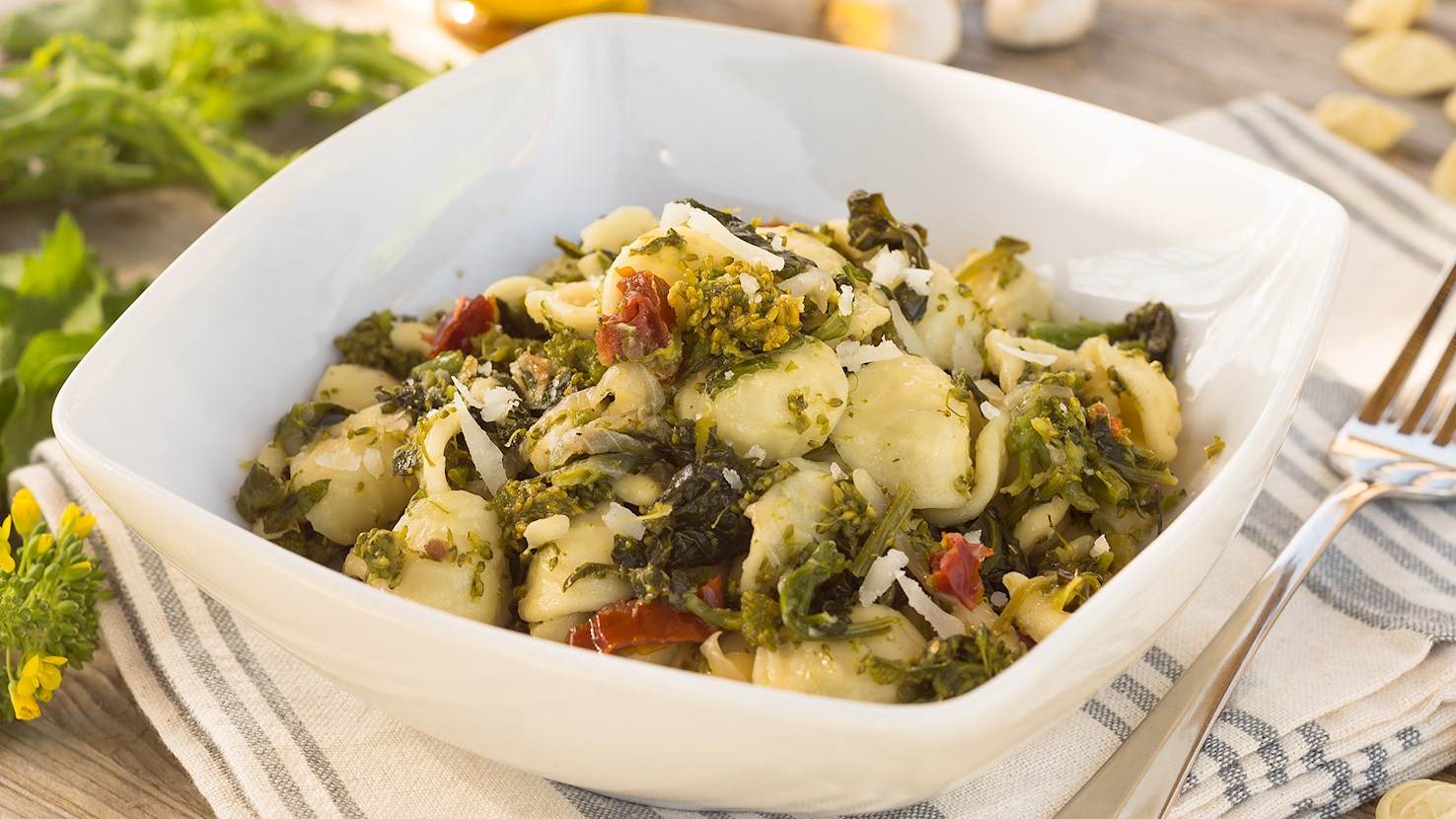
Orecchiette con cime di rapa (orecchiette with broccoli rabe) is one of the most popular pasta dishes from the Italian region of Apulia, especially beloved in the region's capital, Bari. Orecchiette have a perfect shape for scooping up the chunky pieces of boiled broccoli rabe, or rapini - a leafy, green vegetable closely related to turnip. This simple rustic dish is enriched with freshly grated, aged hard cheese (usually Pecorino Romano) and a sprinkle of crushed peperoncino flakes. Orecchiette con cime di rapa is best enjoyed immediately after the preparation, served with a generous drizzle of extra-virgin olive oil.

02

Orecchiette alla barese

4.2 ·

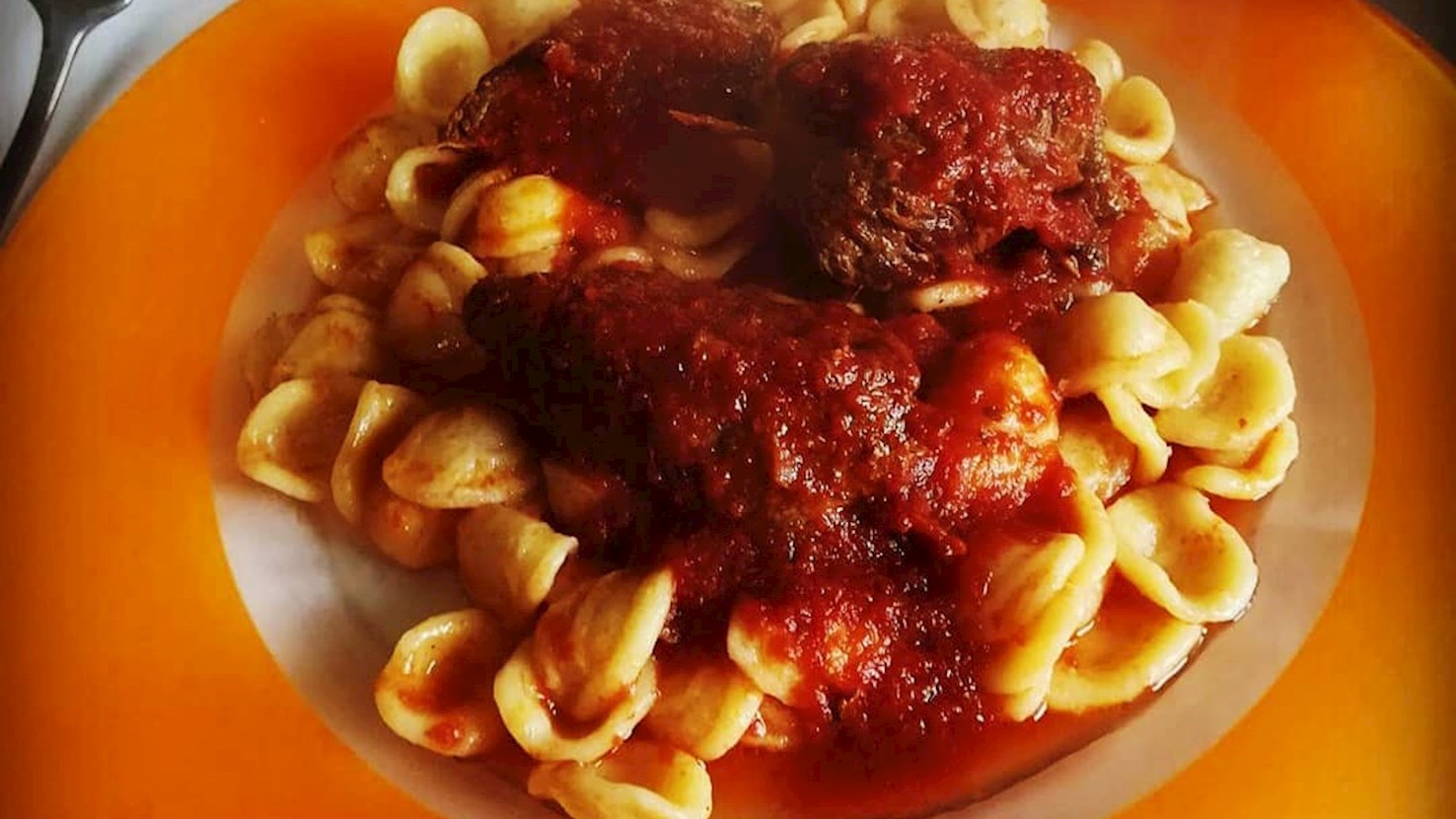
Orecchiette alla barese is a traditional pasta dish originating from Bari in Puglia. The dish is usually made with a combination of orecchiette pasta, rapini (broccoli rabe), garlic, olive oil, chili peppers, and a few anchovies. However, there are a few variations on the dish, so the list of ingredients may vary. The garlic is chopped, sautéed in oil, then mixed with the anchovies which are mashed into the oil with some chili pepper. The sauce is then mixed with the rapini and the pasta, and the dish is often seasoned with ground pepper before serving.

Best restaurants
03

Spaghetti all’assassina

4 ·

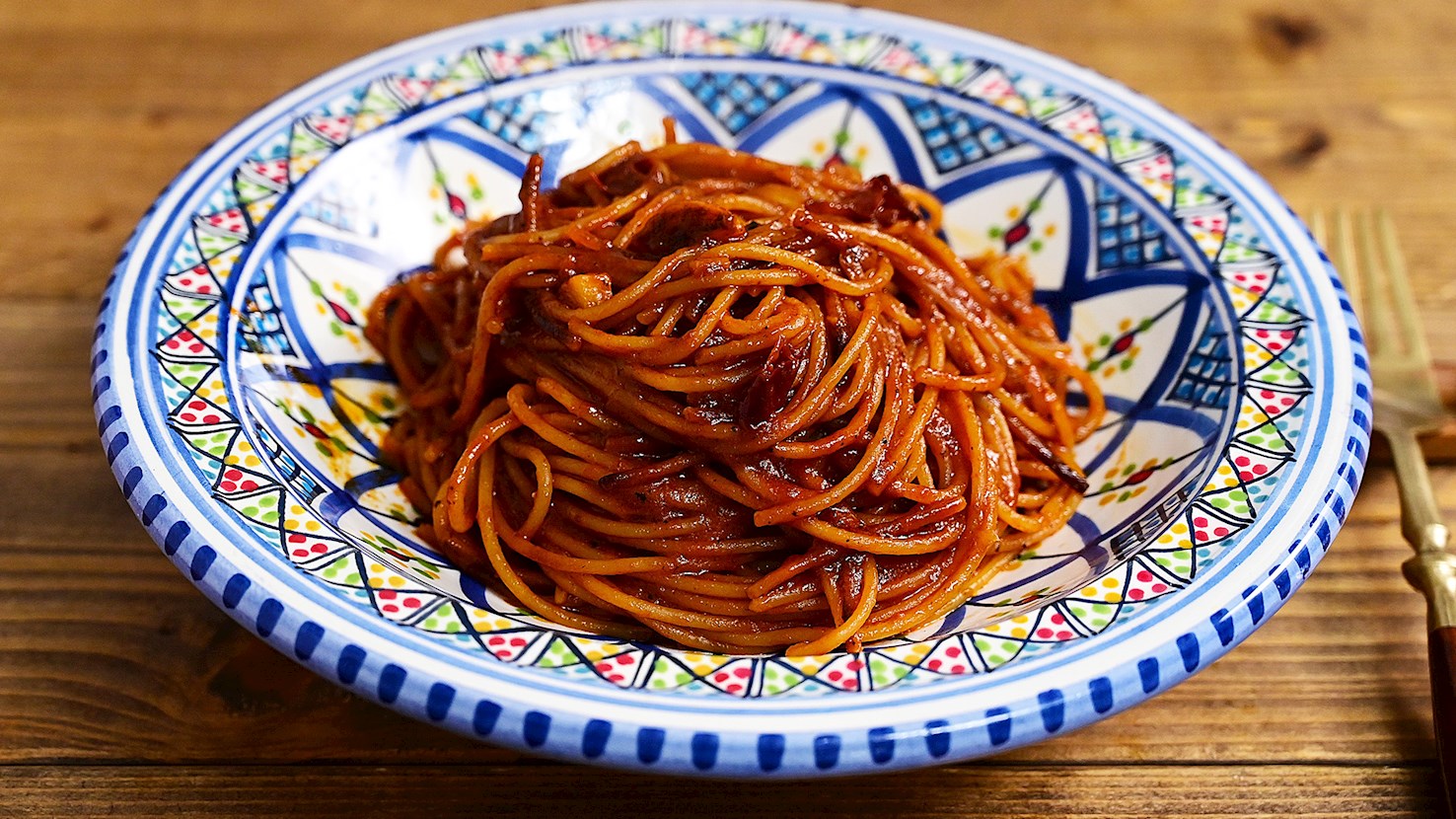
Spaghetti all’assassina is an unusual pasta dish from Bari, unique for its method of preparation - risottatura style (because it's similar to the one used in making risottos). According to the Accademia dell’assassina, that means cooking spaghetti directly in a spicy tomato broth until caramelized, burnt, crisp, and infused with spicy tomato broth, all in a cast-iron pan. The trick is adding the tomato broth gradually, so the spaghetti absorb it, then sizzle and burn a bit before each new pour. Although there is some dispute over the origin of this dish, it is mostly agreed upon that it was invented in 1967 by chef Enzo Francavilla in his Barese restaurant Al Sorso Preferito, which serves it to this day. This novel recipe spawned many variations, like the ones made with broccoli rabe and stracciatella cheese (Assassina di rape) or with squid and prawns (Assassina di mare), but the original is still one of the Barese best kept (and tastiest) secrets. Spaghetti all'assassina is served hot and can be garnished with fresh chili peppers.

04

Spaghetti ai ricci di mare

3.8 ·

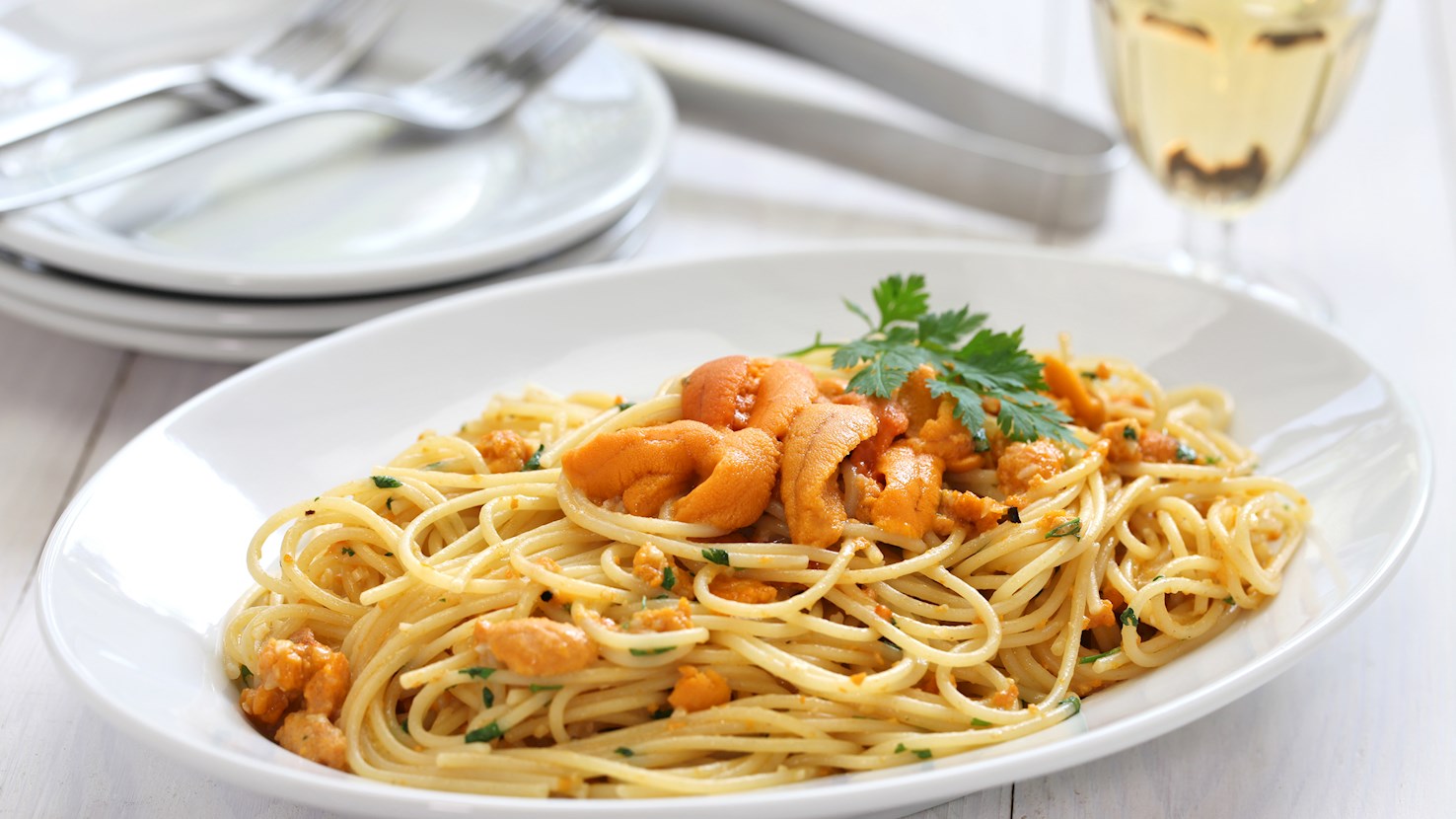
Spaghetti ai ricci di mare is a simple pasta dish consisting of spaghetti and sea urchins, technically sea urchin gonads that produce the roe. Since the urchin is delicate, it should be cooked shortly, in order to preserve its tender texture and flavors. Other elements in the sauce typically include olive oil, garlic, and salt, while parsley is occasionally used as garnish and lemon wedges can be served on the side. Although most varieties of the dish are prepared with spaghetti, sometimes linguine can be used instead. The dish is typically found in Sicily, Sardinia, and Puglia. It is recommended to enjoy this specialty during winter when the urchin is in season.

05

Ciceri e tria

3.7 ·

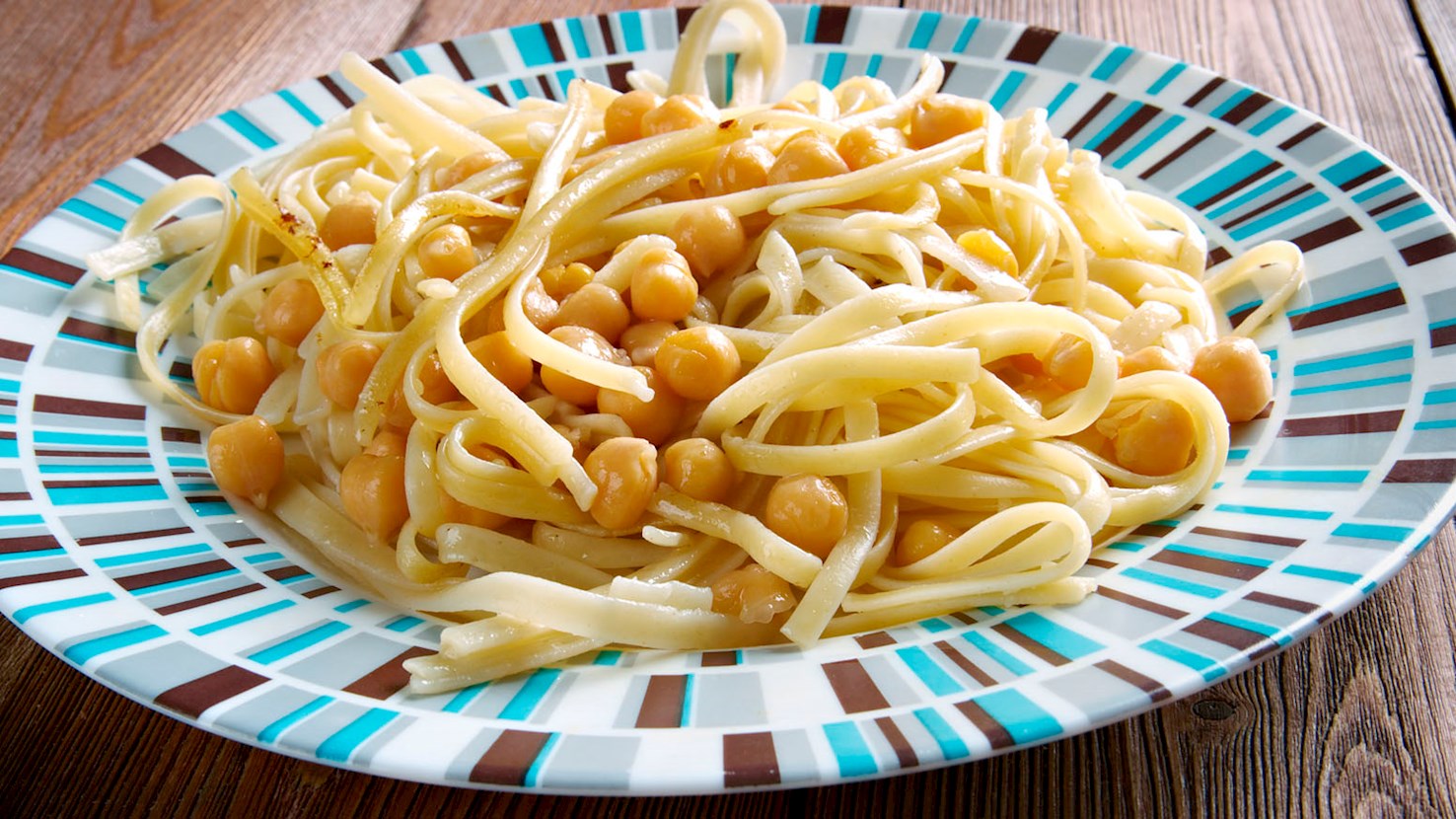
Ciceri e tria is a traditional Apulian dish with Arabian and Sicilian origins. Today, it has become an unofficial symbol of the Salento region in Apulia. The dish consists of pasta and chickpeas, and is usually served as a first course in Italian restaurants. Additionally, the dish can be enhanced with onions, carrots, garlic, or black pepper. One part of the pasta is fried in olive oil, a process that was originally done in order to create a feeling of meatiness in the mouth during the times when meat was scarce. This simple and inexpensive dish is a true symbol of the Mediterranean diet and the ingenuity of Apulian cuisine.

06

Linguine al cartoccio

n/a ·

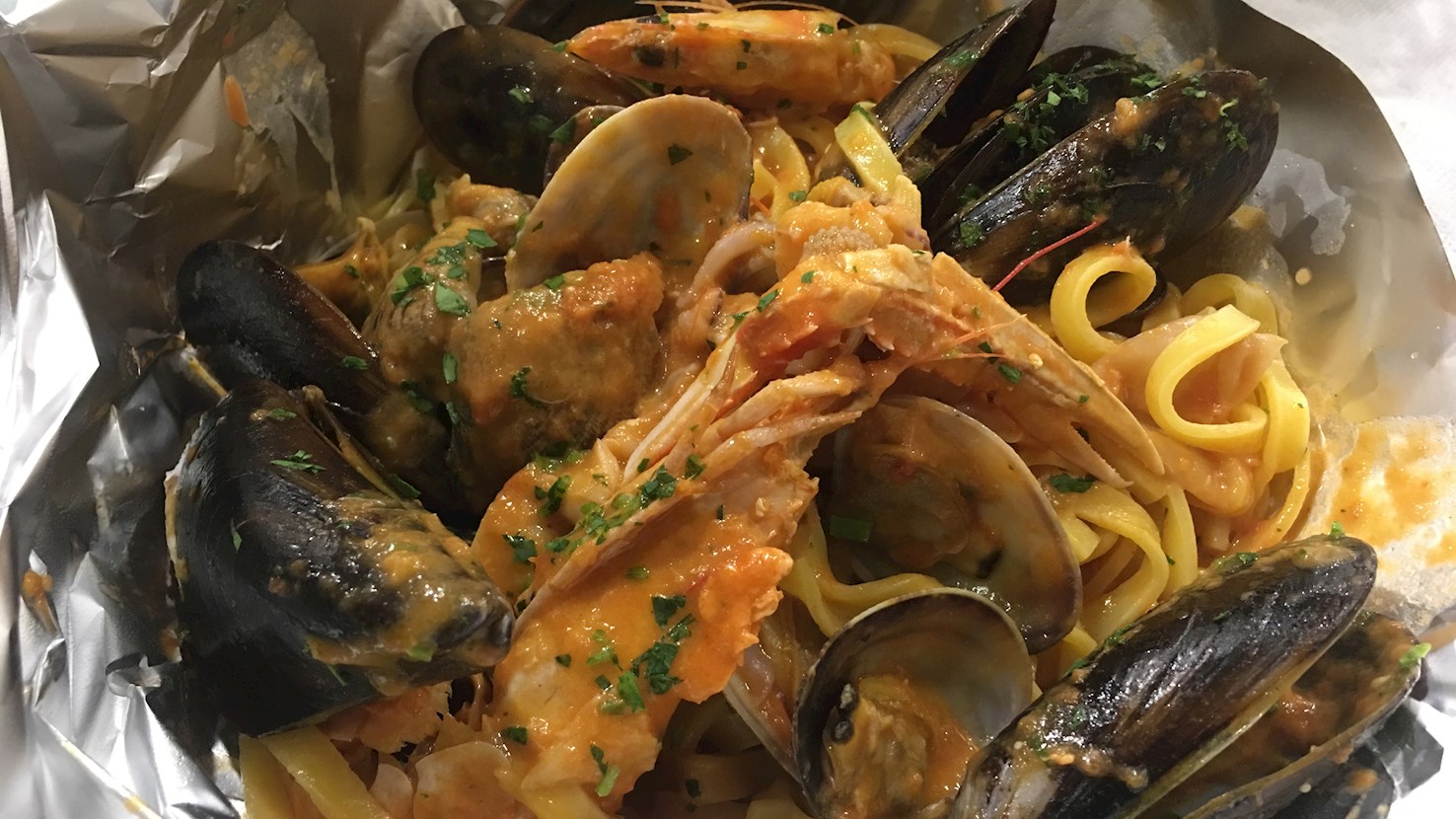
Linguine al cartoccio is a traditional dish originating from Puglia, but it’s popular throughout central and southern Italy. The dish is usually made with a combination of linguine pasta, squid, shrimp, mussels, tomato purée, olive oil, garlic, and parsley. The garlic is sautéed in olive oil until golden, and it’s then mixed with the seafood, parsley, and tomato purée. The pasta is boiled in salted water until al dente, and it’s then mixed with the seafood sauce. The mixture is placed into a baking pan, covered with foil, and baked in the oven for a few minutes. The dish is then served immediately, while hot.

07

Linguine ai datteri

n/a ·

DATE MUSSELS ARE ENDANGERED AND COLLECTING THEM IS PROHIBITED

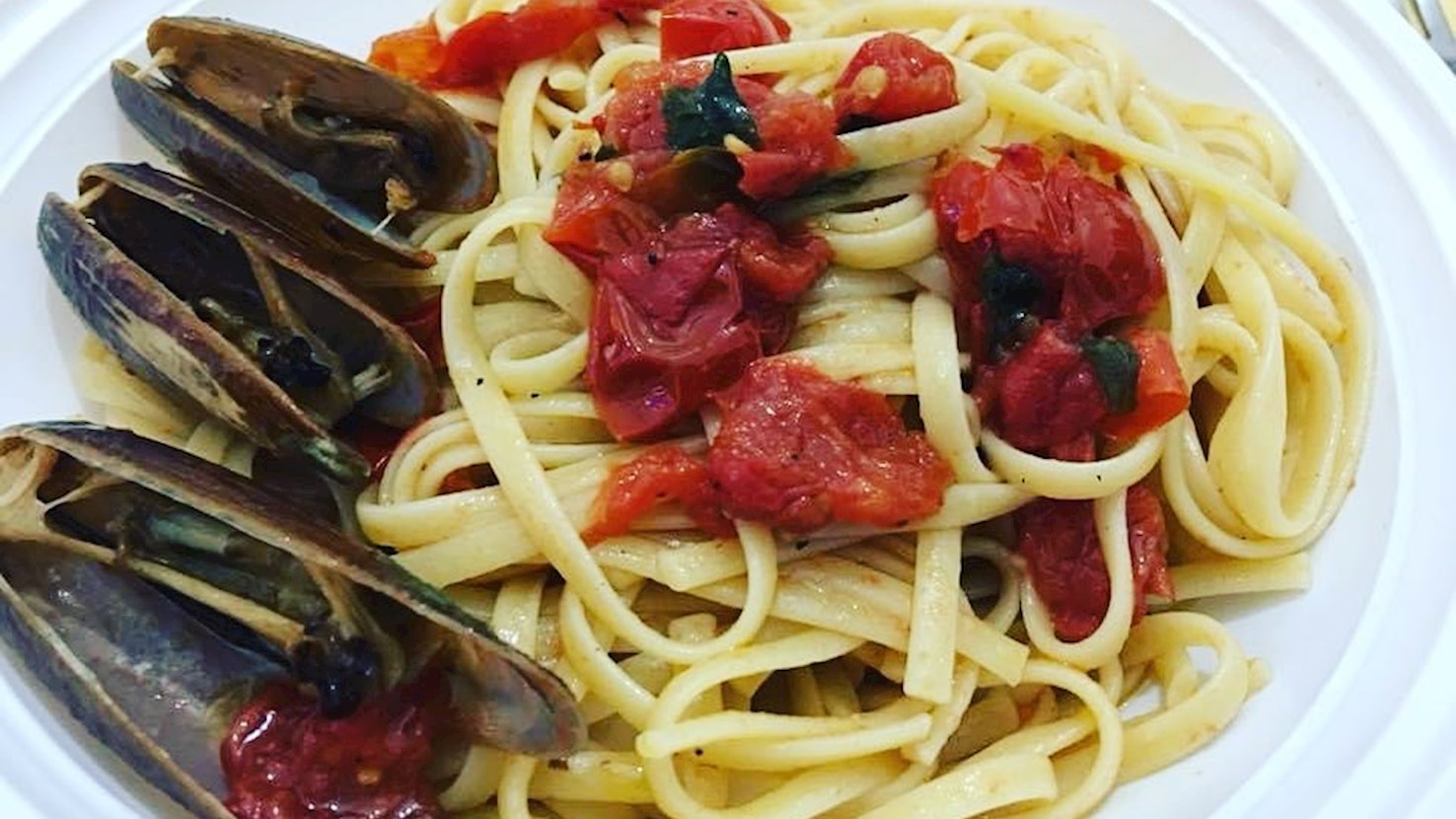
Linguine ai datteri is a traditional pasta dish originating from Puglia. The dish is usually made with a combination of linguine pasta, date mussels, dry white wine, garlic, olive oil, oregano, and parsley, while salt is only used for the pasta-cooking water. Garlic is sautéed in olive oil, and mussels are added to the pan and cooked for a few minutes over high heat, with the lid covered. Next, the wine, oregano, and parsley are added to the pan, and the mixture is simmered for a few minutes. It's then tossed with cooked linguine and garnished with chopped parsley. This pasta dish is always served hot.

08

Capunti con ragù d'agnello (Capunti with Lamb Sauce)

n/a ·

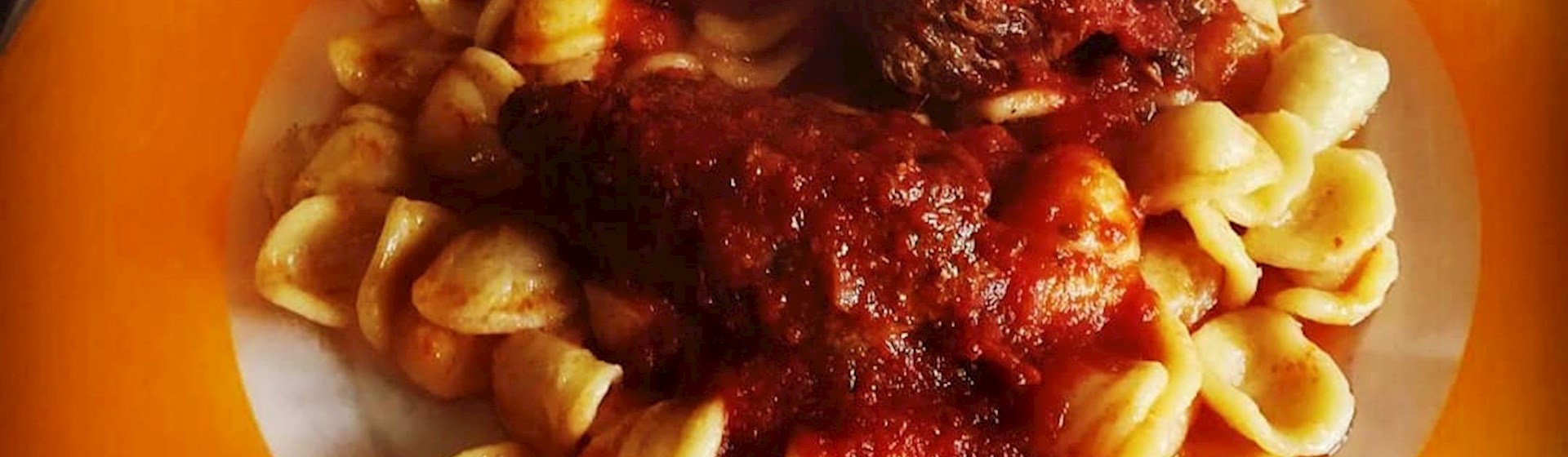
Capunti con ragù d'agnello is a traditional dish originating from Puglia. The dish is usually made with a combination of capunti pasta, olive oil, onions, lamb (leg or shoulder), tomatoes, white wine, pecorino cheese, and salt. The onions and chopped lamb are browned in olive oil. Wine is added to the pan, and once it evaporated, tomatoes are added to the mixture. It’s cooked over low heat for about an hour, and water is added if the mixture is too dry. The pasta is cooked until al dente and it’s then tossed with the sauce. Before serving, the dish is sprinkled with grated pecorino.

09

Pasta con pomodori gratinati

n/a ·

Pasta con pomodori gratinati is a traditional Pugliese pasta dish that's typical of Foggia. The dish is usually made with a combination of pasta such as bucatini, tomatoes, breadcrumbs, garlic, oregano, olive oil, and salt. The tomatoes are cut in half, arranged in a greased baking pan, sprinkled with breadcrumbs, salt, and garlic, and drizzled with olive oil before they're baked in the oven. The pasta is cooked in boiling salted water, and when al dente, it's mixed with the gratinéed tomatoes. Before serving, the dish is sprinkled with oregano and drizzled with olive oil.

10

Strascinati di grano saraceno

n/a ·

Strascinati di grano saraceno is a traditional pasta dish hailing from Puglia. It's made with zucchini and buckwheat pasta called strascinati as the main ingredients. They're combined with a sauce consisting of olive oil, tomatoes, and garlic. The pasta is tossed with the sauce and zucchinis, and the dish is typically seasoned with crumbled ricotta and basil leaves on top. Strascinati di grano saraceno should always be served hot.

Read more
View all
View map
About this ranking

TasteAtlas food rankings are based on the ratings of the TasteAtlas audience, with a series of mechanisms that recognize real users and that ignore bot, nationalist or local patriotic ratings, and give additional value to the ratings of users that the system recognizes as knowledgeable. For the “Top 11 Apulian Pasta” list until June 15, 2026, 217 ratings were recorded, of which 175 were recognized by the system as legitimate. TasteAtlas Rankings should not be seen as the final global conclusion about food. Their purpose is to promote excellent local foods, instill pride in traditional dishes, and arouse curiosity about dishes you haven’t tried.

The initial list of top producers was compiled based on available reviews, awards, local recommendations, media and blog coverage, and consumer reviews. The list will be updated with ratings from TasteAtlas local ambassadors and TasteAtlas users.

Similar lists