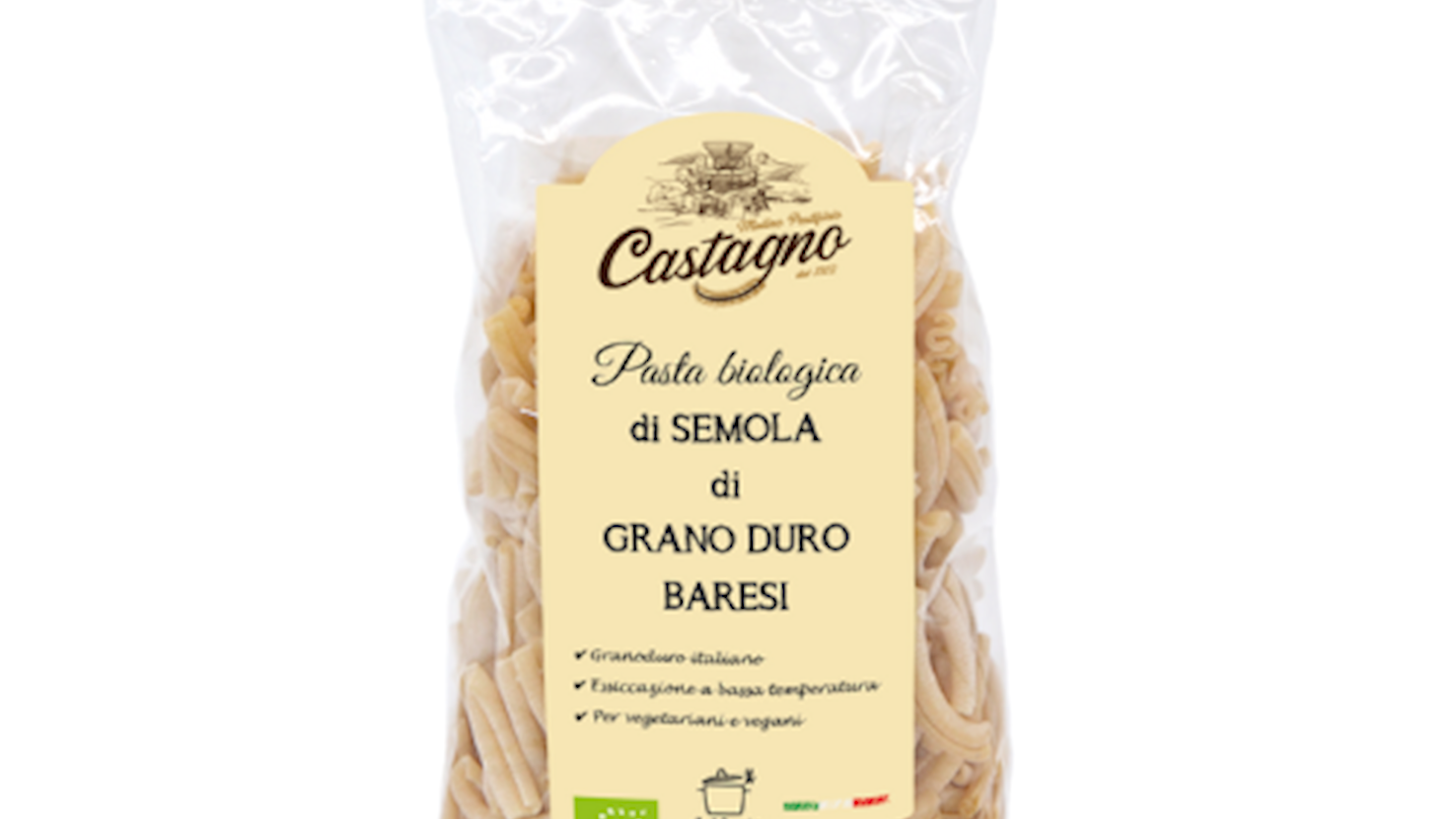
Castagno Bruno Molino e Pastificio is a family-owned Italian company with a rich tradition and a clear vision of sustainable, natural production. Located in the town of Giaveno, in the heart of the Piedmont region, the company began its story in the mid-20th century as a small family-run mill, founded by Pietro Castagno.
His son Bruno carried on the legacy, and in the 1980s, he redirected the company’s path toward what was then a pioneering endeavor – exclusively organic production.
Today, Castagno Bruno stands as a symbol of quality, health, and authentic food. In their integrated mill and pasta facility, they produce organic flours and pastas made from a wide variety of grains and legumes – from traditional recipes to gluten-free and high-protein pasta options.
The entire production process is carried out in-house, without any additives, with careful attention to preserving the nutritional value and natural taste of the ingredients.
In addition to a broad product range, which is distributed throughout Italy and internationally, Castagno Bruno also operates a retail shop located within the production facility itself. This space allows consumers to experience the brand’s philosophy firsthand – one built on the balance of tradition, innovation, and a deep respect for health and the environment.
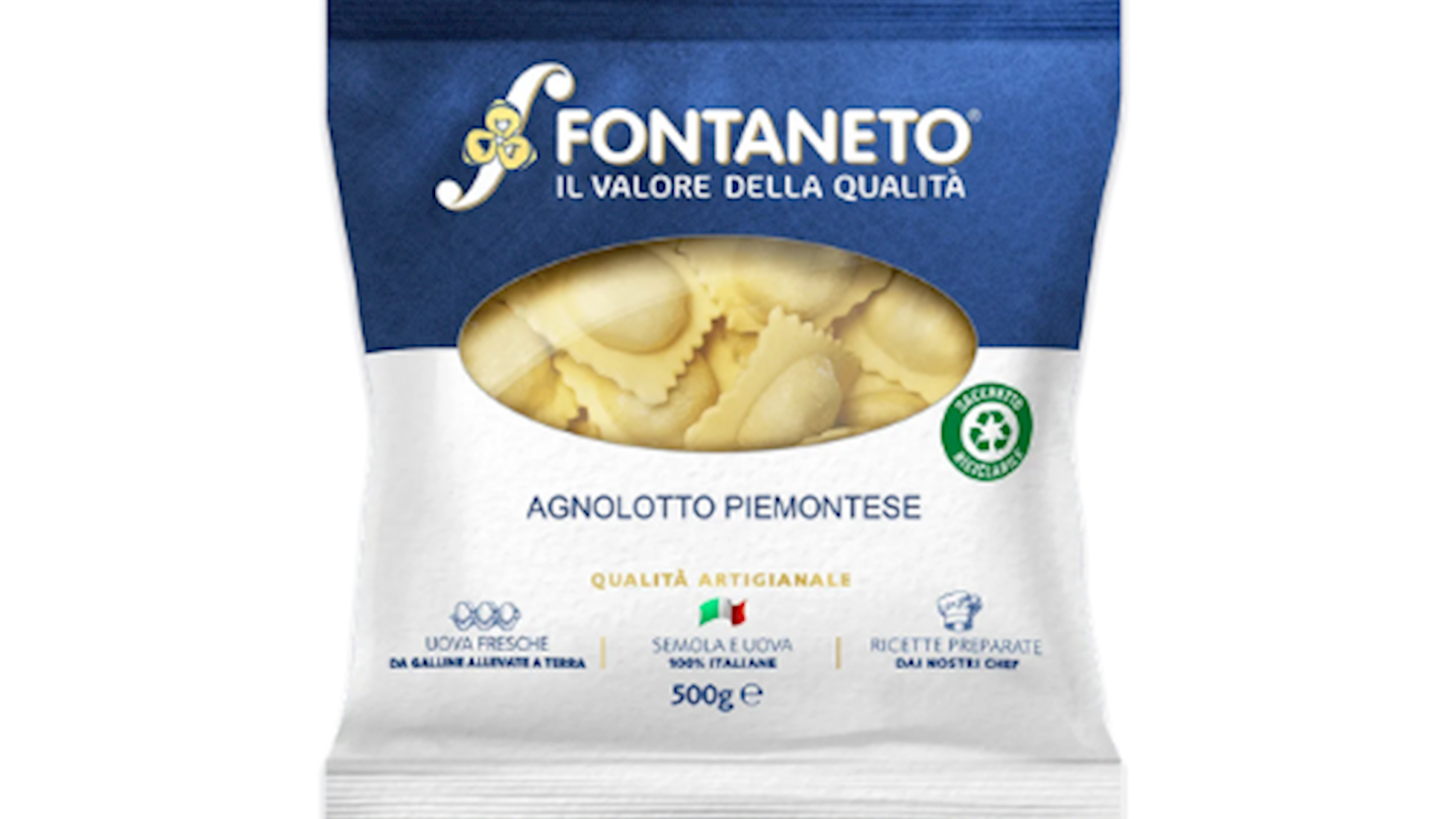
Fontaneto is a family-owned Italian company based in Fontaneto d’Agogna, in the province of Novara (Piedmont region), founded in the mid-1980s. It specializes in the production of high-quality fresh and filled pasta.
Their extensive assortment includes a variety of pasta formats, made from carefully selected ingredients and prepared according to traditional recipes. The production process combines artisanal precision with modern technology, allowing for flexibility and small-batch manufacturing without compromising quality.
With over 35 years of experience, Fontaneto successfully distributes its products on both domestic and international markets, remaining true to the values of Italian gastronomy. Each package reflects a blend of tradition, seasonal approach, and genuine passion for excellence.
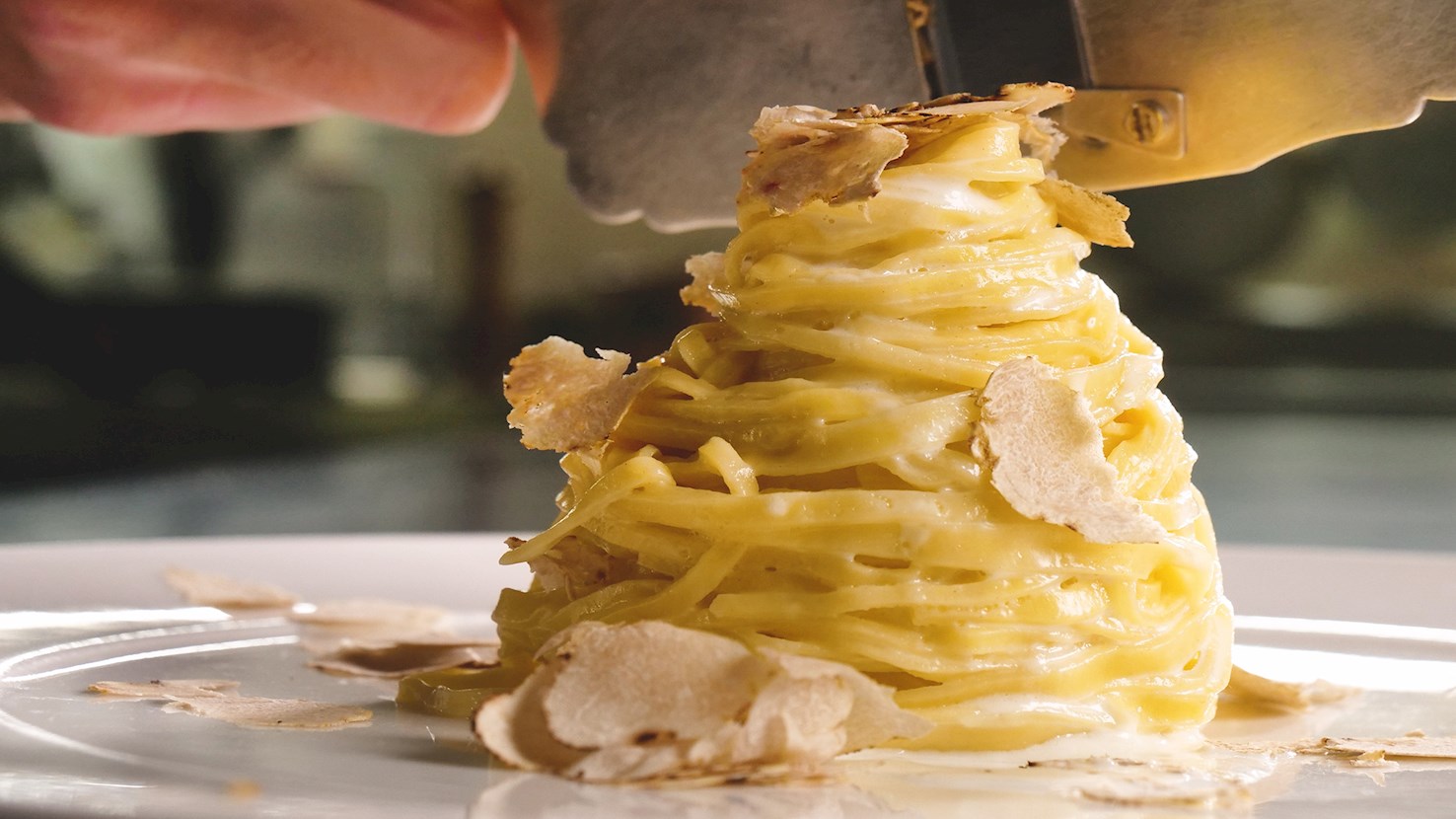
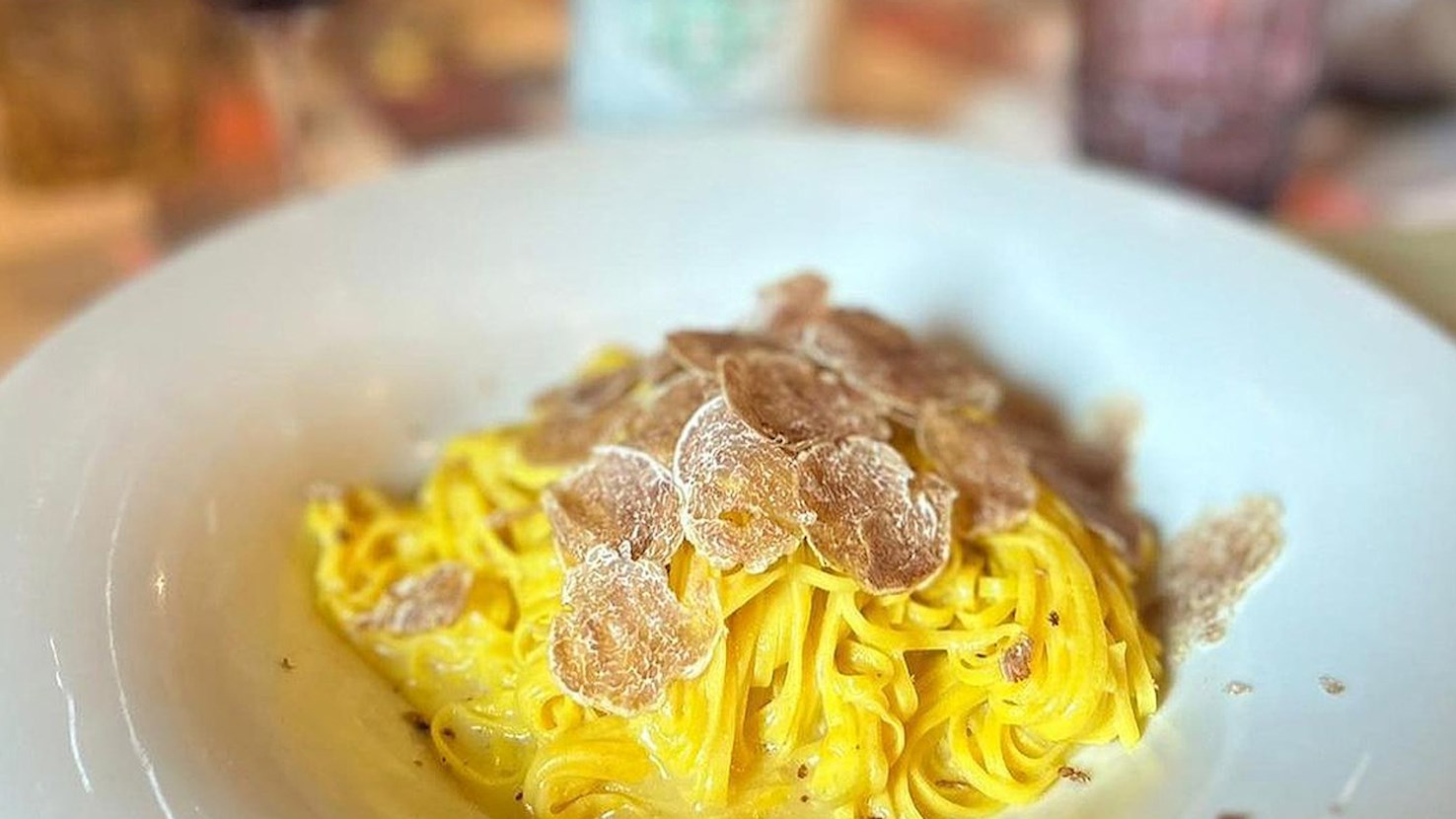
Tajarin al tartufo bianco is a pasta dish flavored with the regional star - tartufo bianco d'Alba. This simple dish consists of handmade tajarin (also spelled as taglierini and tagliolini) pasta flavored with butter, pepper, and freshly grated white truffles. Although truffles bring more than enough flavor, a sprinkle of Parmigiano is often used to finish this delicacy, which becomes even more decadent if paired with a glass of dry red wine.
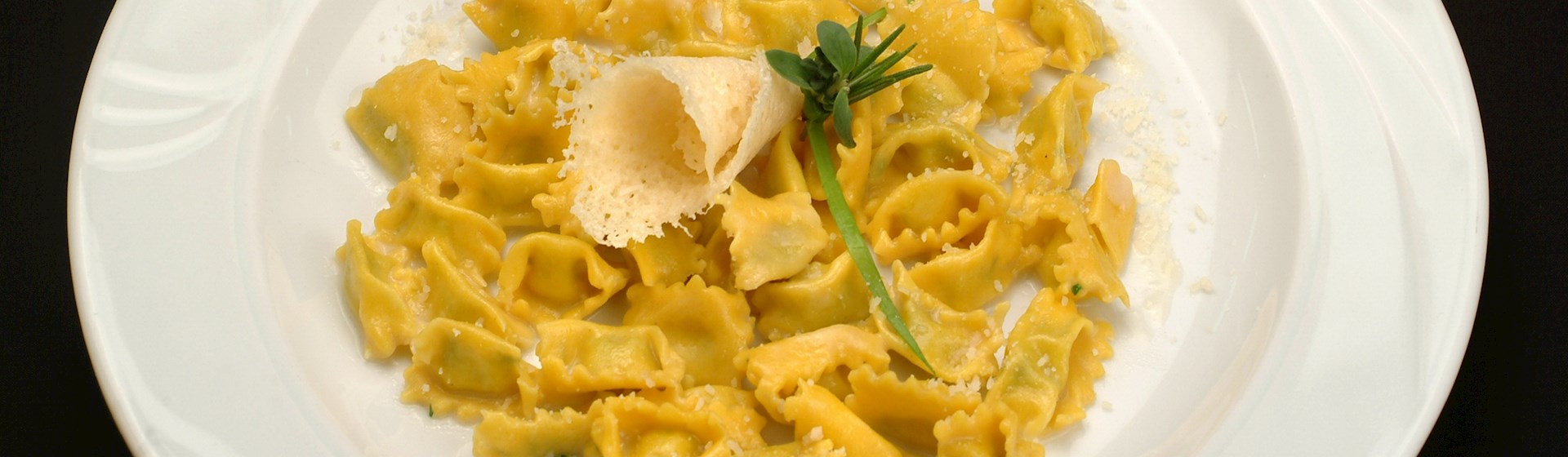
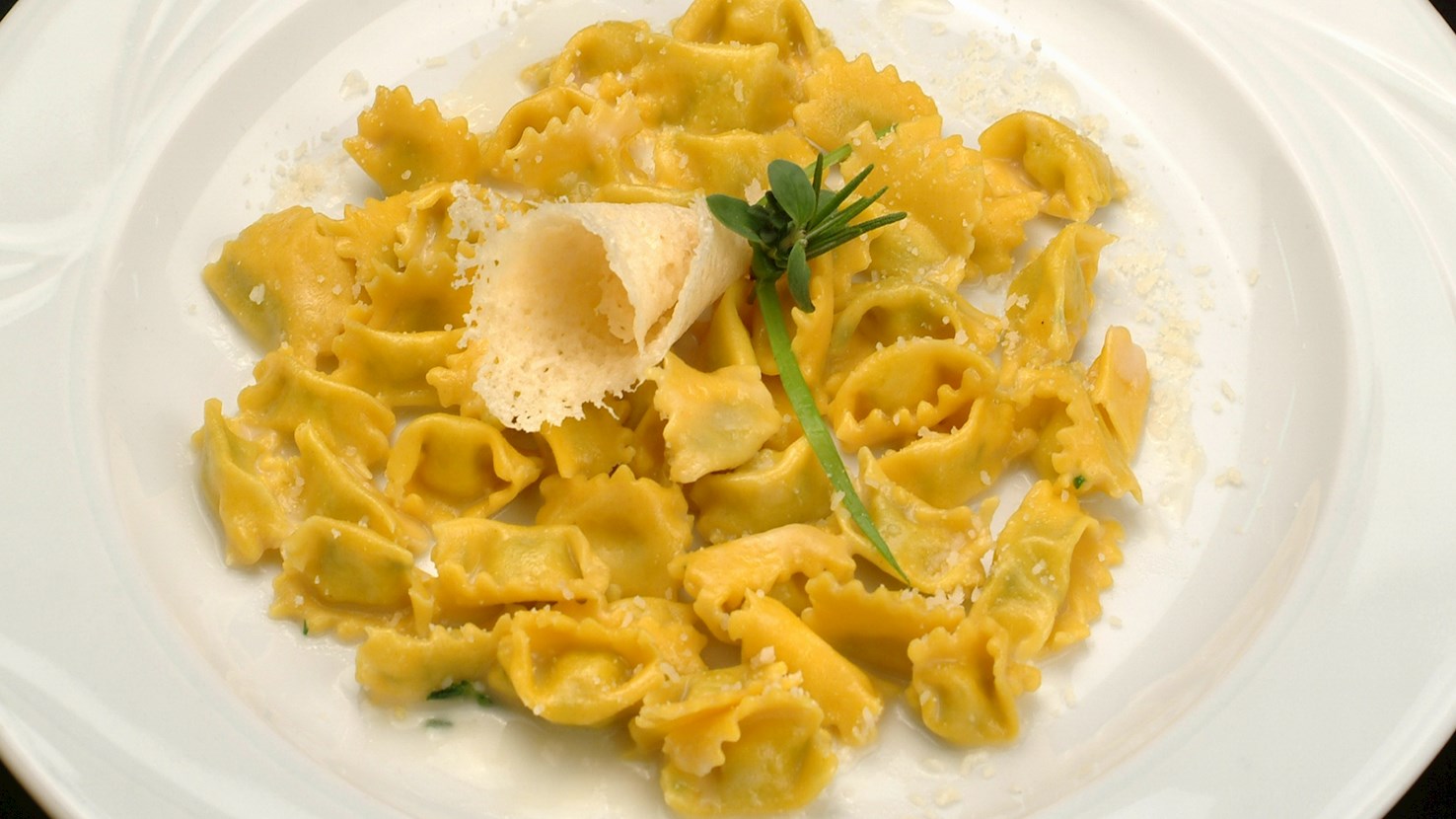
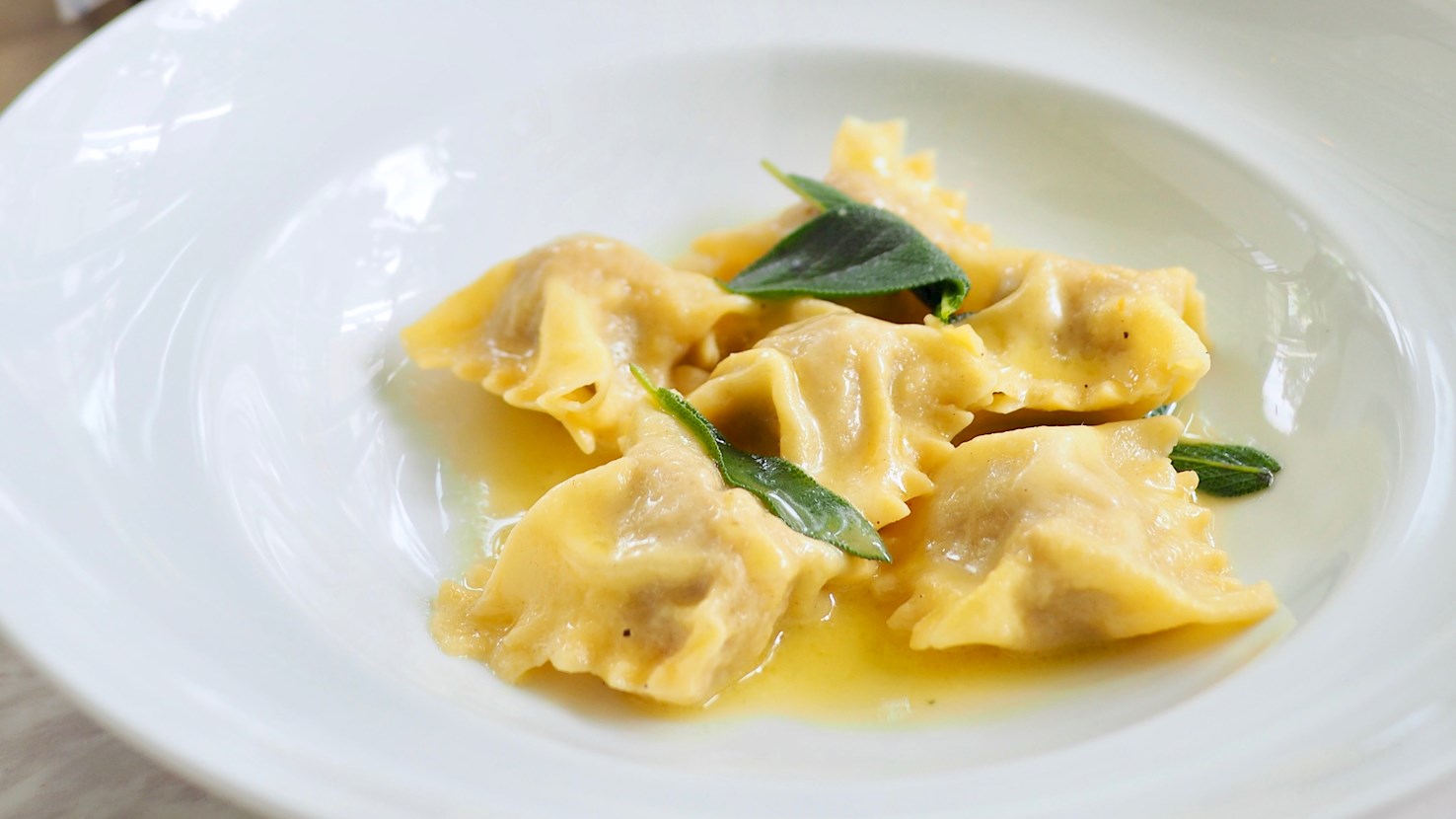
Agnolotti del plin is a traditional dish from Piedmont that is made with small, usually boat-shaped agnolotti pasta. The pasta is traditionally filled with veal, pork or rabbit meat, this was mainly done with leftover roasts, but vegetables such as cabbage or spinach are also occasionally used. The name of the dish stems from the local dialect in which plin translates as apinch, referring to the preparation method of sealing each agnolotto with a firm squeeze. Agnolotti del plin can be served doused in melted butter, a combination of butter and fresh sage (burro e salvia), tomato sauce, ragù, or meat drippings sauce (sugo d'arrosto).
A variety of Italian pasta ripiena (lit. filled pasta), agnolotti are tender, bite-sized pillows of dough, plump with a creamy cheese, meat, or vegetable filling. Agnolotti originated in the Piedmont region circa 12th century, and they are often regarded as the first of many stuffed pasta types in northern Italian cuisine. Unlike ravioli, which are made with two separate pasta sheets and stamped out, agnolotti are made with a single sheet of dough that is folded over the filling and typically cut into little rectangles. However, throughout the region, agnolotti come in various shapes. Around Langhe and Monferrato, they are sealed with a firm pinch, which gives them their distinctive appearance, and they are called agnolotti al plin, while the town of Asti is known for agnolotti gobbi (lit. hunchbacked) - pasta pockets that are filled so abundantly that they become slightly curved. Another interesting variety are the half-moon-shaped agnolotti a mezzaluna. They are traditionally filled with a mixture of different leftover meats which are often flavored with wine and herbs, and some of the classic fillings include stracotto - slowly braised beef, roasted rabbit, pork, or even chicken. Unique to the entire region are agnolotti filled with donkey meat, a specialty of the town of Calliano. Numerous other local variants exist, including the addition of vegetables such as spinach, chard, or even artichokes, and ricotta or fontina cheese. Agnolotti can either be enjoyed cooked simply in a beef broth or heaped over with juices from the roasted meats. Sometimes, they are served with ragù alla Piemontese or other, more elaborate meat sauces. Burro fuso e salvia (lit. melted butter and sage) is another commonly used sauce; it lends a rich, nutty taste of browned butter and a wonderful herbal aroma to agnolotti, which are traditionally finished with some grated Grana Padano or Parmigiano-Reggiano cheese.
Tajarin al burro is a traditional pasta dish hailing from Piedmont. The dish is made with a combination of local tajarin pasta and butter. The pasta is made from flour and egg yolks, and the burro e salvia sauce is combined with the cooked tajarin. Before serving, it's seasoned with salt and pepper, and it's recommended to garnish the dish with thinly shaved white Alba truffles.
TasteAtlas food rankings are based on the ratings of the TasteAtlas audience, with a series of mechanisms that recognize real users and that ignore bot,
nationalist or local patriotic ratings, and give additional value to the ratings of users that the system recognizes as knowledgeable.
TasteAtlas Rankings should not be seen as the final global conclusion about food. Their purpose is to promote excellent local foods,
instill pride in traditional dishes, and arouse curiosity about dishes you haven’t tried.
The initial list of top producers was compiled based on available reviews, awards, local recommendations, media and blog coverage, and consumer reviews.
The list will be updated with ratings from TasteAtlas local ambassadors and TasteAtlas users.



What People Say