M.B.

Top 100 French Pasteurized Milk Cheeses

Last updated on June 05, 2026

Best French Pasteurized Milk Cheese Types
01

Saint-Félicien

4.4 ·

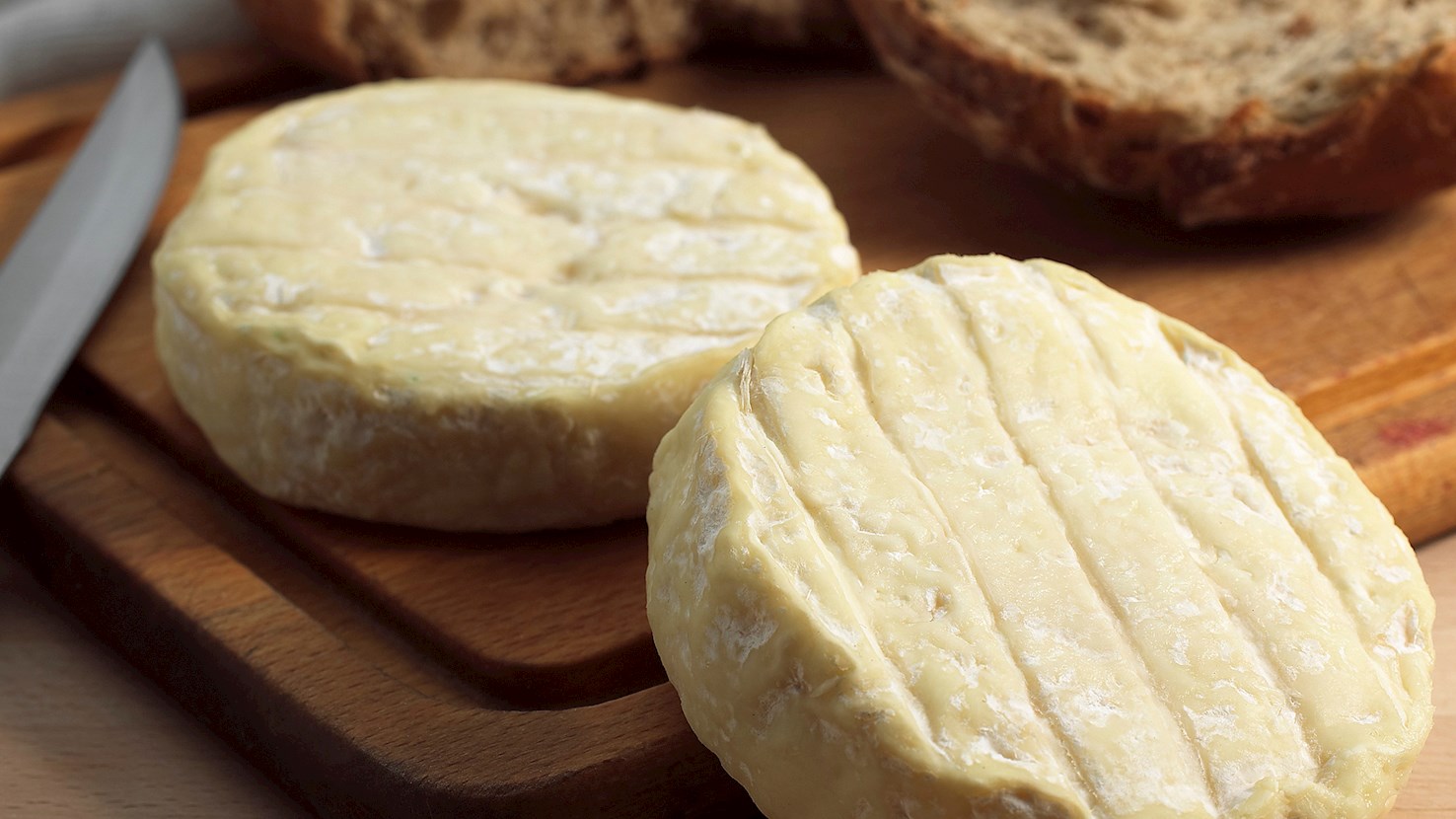
Saint-Félicien is a soft French cheese originating from the region of Rhône-Alpes. The cheese is made from cow’s milk and has a creamy texture, while its flavor can be described as fruity, sour, nutty, and buttery. During the aging process, it develops a bloomy rind with a strong mushroomy aroma which does not really match the flavors of the cheese. Due to its fragile nature, this cheese often comes packaged in small terracotta pots. It is recommended to pair it with crusty baguettes, olives, or a glass of red wine.

02

Saint-André

4.4 ·

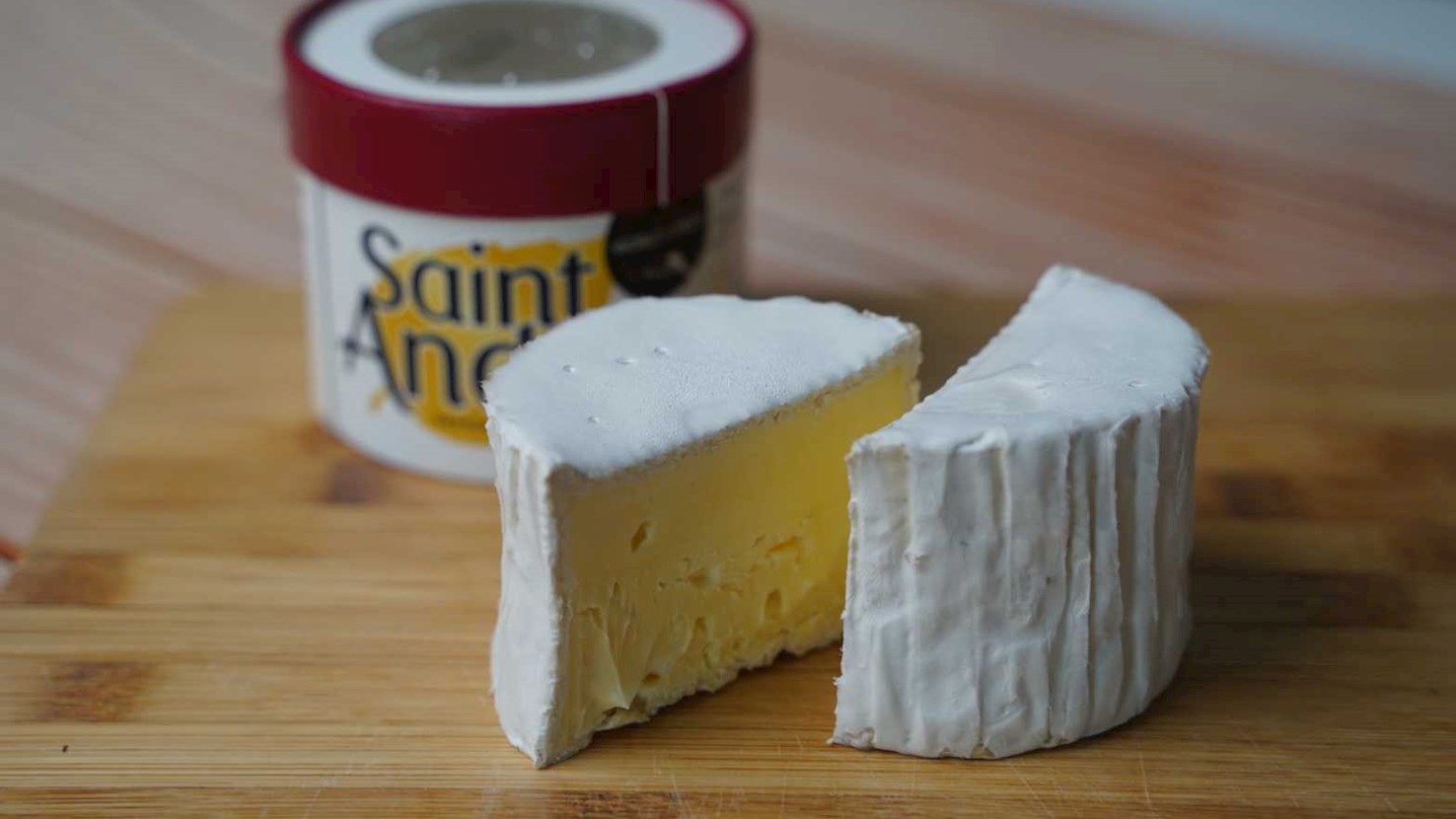
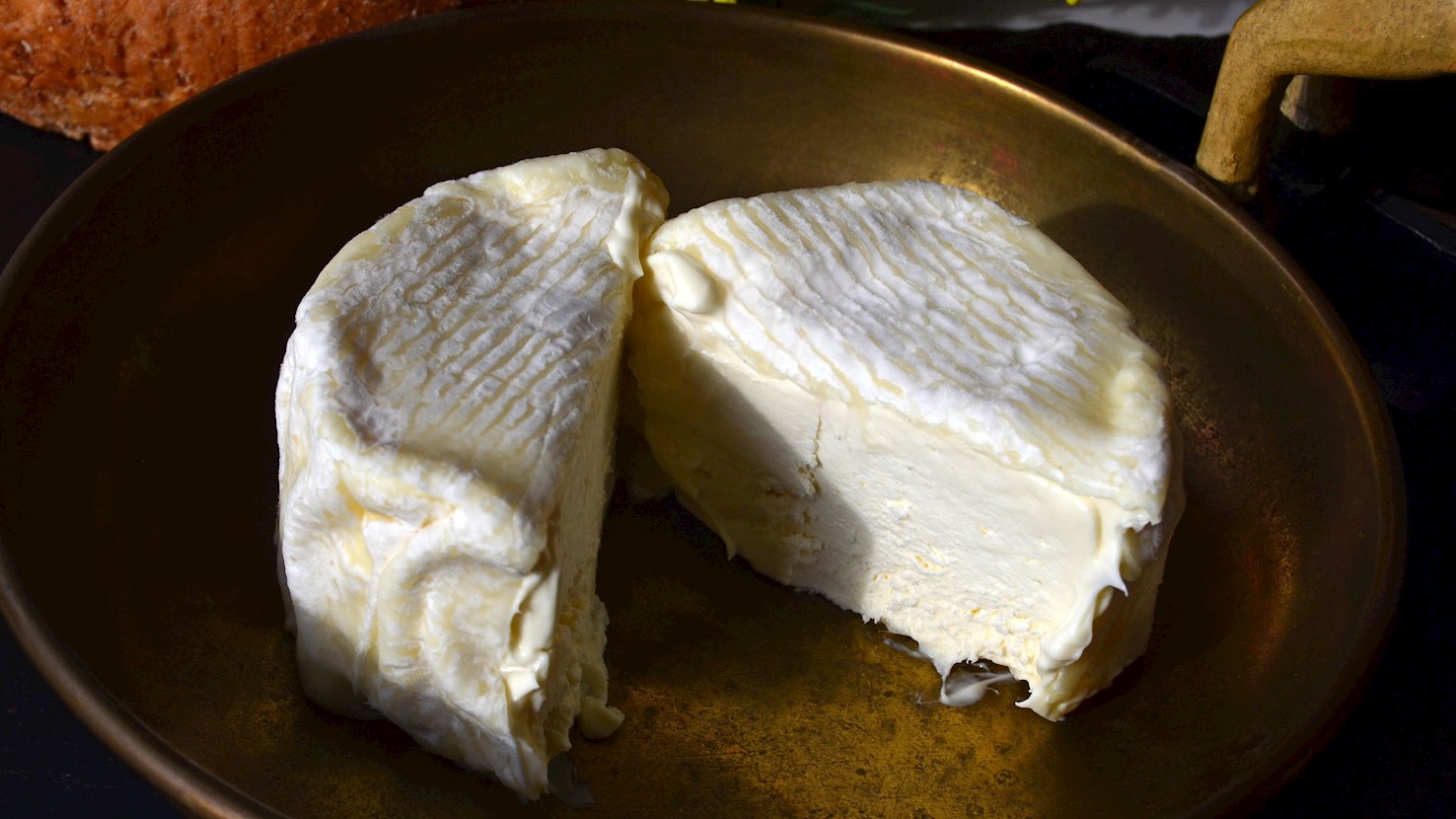
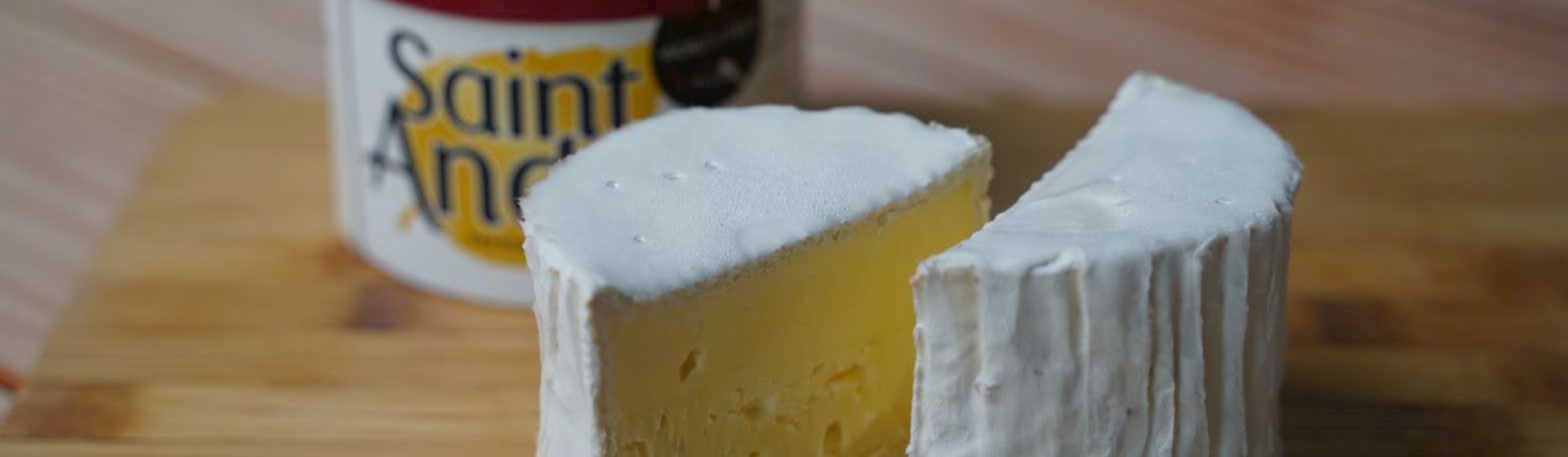
Often called the heavenly cheese, St. André is a French triple-crème cheese made from cow’s milk. It originated from Coutances in the region of Normandy. Underneath its bloomy edible rind, there is a dense, creamy-textured body with mild and rich aromas and flavors which can best be described as sour, tangy, buttery, and salty. Because it is enhanced with the addition of heavy cream, its fat content is quite high - typically 75%. It is recommended to pair it with crusty bread, pear slices, or a glass of light and fruity rosé.

03

Brillat-Savarin

4.4 ·

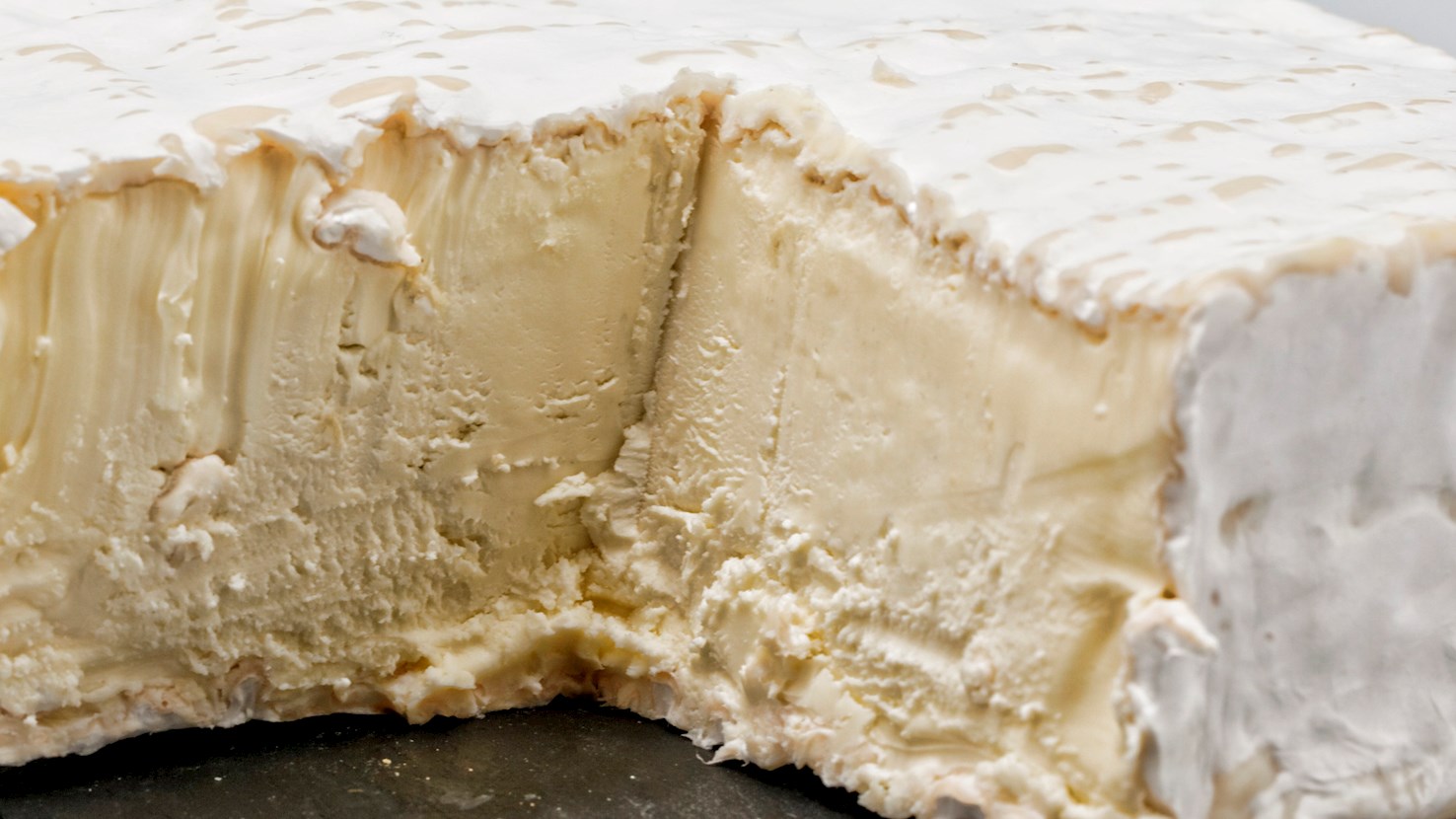
Originally known as Excelsior, Délice des Gourmets, or Le Magnum, this triple-cream cheese was first produced in the late 1800s near Forges-les-Eaux, Normandy. In the 1930s, to pay homage to an 18th-century gourmet Jean Anthelme Brillat-Savarin, the famous French cheesemaker Henri Androuët renamed the cheese to Brillat-Savarin. Available year round throughout Normandy and Burgundy, Brillat-Savarin is a soft, white-crusted cow's milk cheese with at least 75% butterfat, and an edible snowy rind. It is luscious, creamy, and neutral to faintly sour when fresh, but it can develop pronounced earthy flavors with longer aging. Like any other triple-crème cheese, Brillat-Savarin is best enjoyed with sparkling wines, and for a nice fruity twist, try pairing it with fresh berries.

04

Époisses

4.2 ·

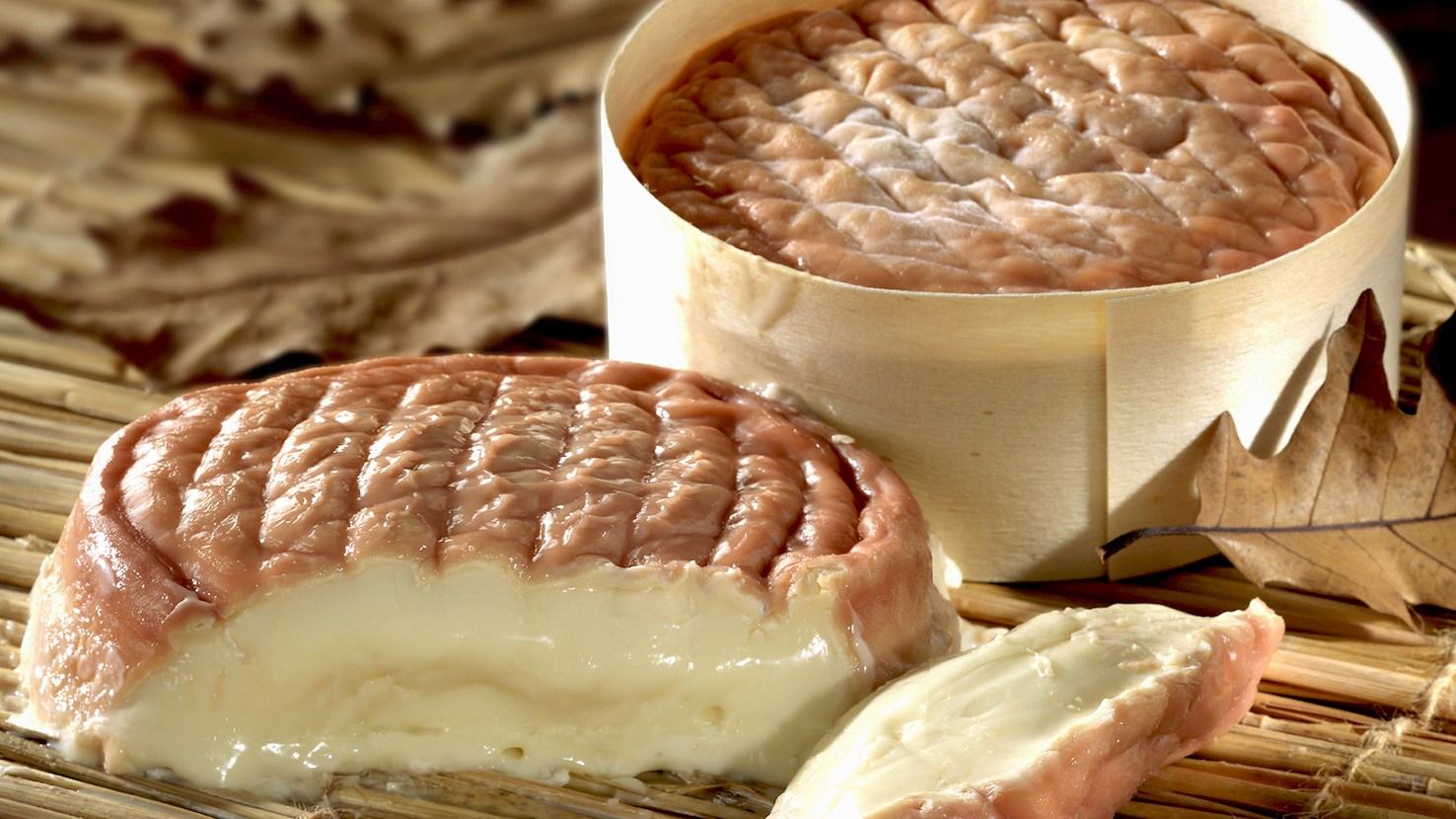
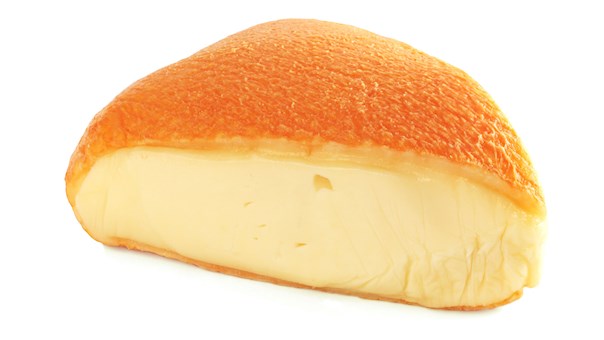
Époisses is a soft cheese made from cow's milk with a glossy rind, and a pale beige, creamy, slightly salty body. It must mature for at least 4 weeks before it is ready for consumption when its salty, spicy, and sweet flavors, and an intense, pungent aroma fully develop. The cheese is so smelly that it's been banned on public transport in France, according to the BBC. Its natural, brick red glossy rind develops during the maturation process as it gets washed with water containing Marc de Bourgogne (an aged brandy from Burgundy). Époisses is sold in a wooden box in order to ease the transport and prevent the cheese from spilling out. It's recommended to serve it with a slice of crusty bread and pair it with a glass of white wine or beer.

05

Tomme des Pyrénées

4.2 ·

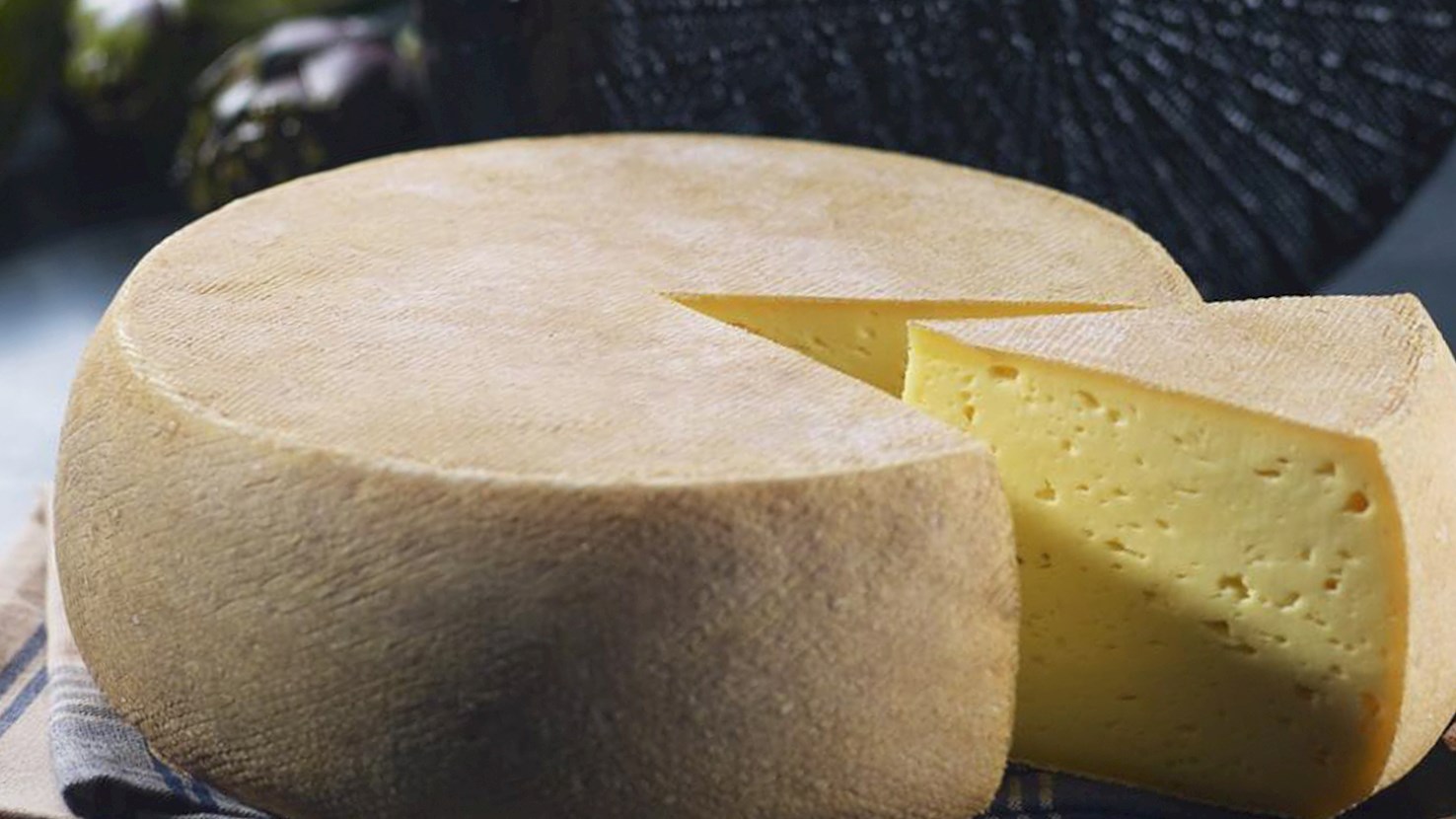
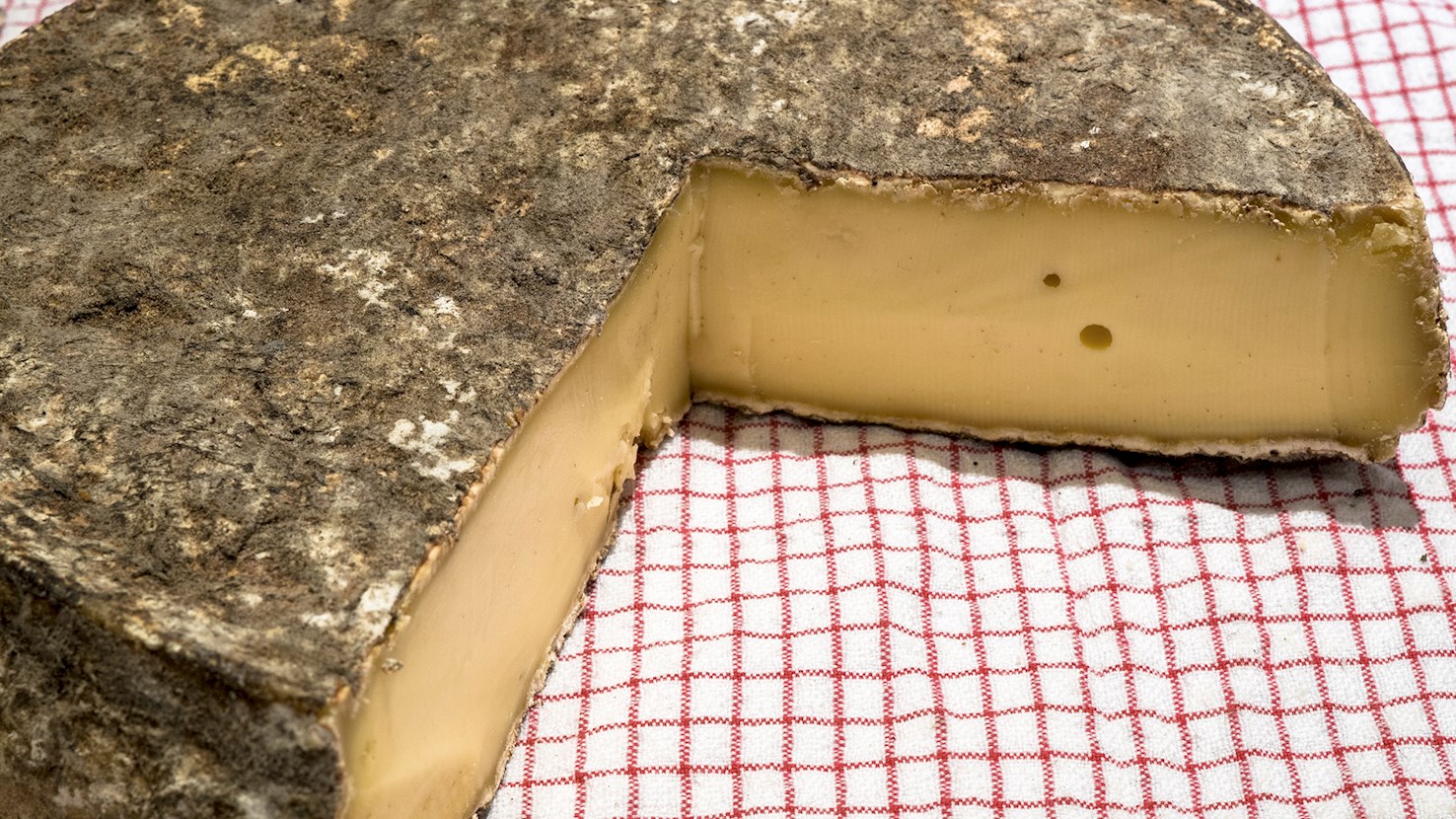
Tomme des Pyrénées is a semi-hard, cow's milk cheese from the Pyrénées region in France that must mature for at least 21 days before consumption. It is wrapped in a distinguishable black wax coating, which acts as a seal to prevent the air from coming in and thus stopping the maturation process. Appreciated for its big, bold flavors, Tomme has a rubbery texture and buttery, salty, earthy taste with slight hints of sourness and undertones of mushrooms, garlic, onions, peanuts and beef bouillon that come forth once the cheese has melted in the mouth. Pair it with wines from the Pyrénées region or strong ales to best complement its big taste.

Best producers
06

Saint-Marcellin

4.2 ·

Saint-Marcellin is a cheese made from full-fat cow's milk in the French regions of Drôme, Isére and Savoie, and it is named after the town of the same name belonging to the Isére region. The cheese comes in two varieties - either dry or soft. Dry cheese is made according to the local tradition and has a firm texture, while the soft one is matured for a longer time to develop more intense aromas and a creamier texture. If the soft variety is left at room temperature, its rind is almost nonexistent. The taste is reminiscent of fruit and honey, milk, mushrooms and is slightly salty. Saint-Marcellin is best paired with dry white wines, baguettes, crackers or sliced, fresh fruit such as apples or persimmons.

07

Saint Agur

4.2 ·

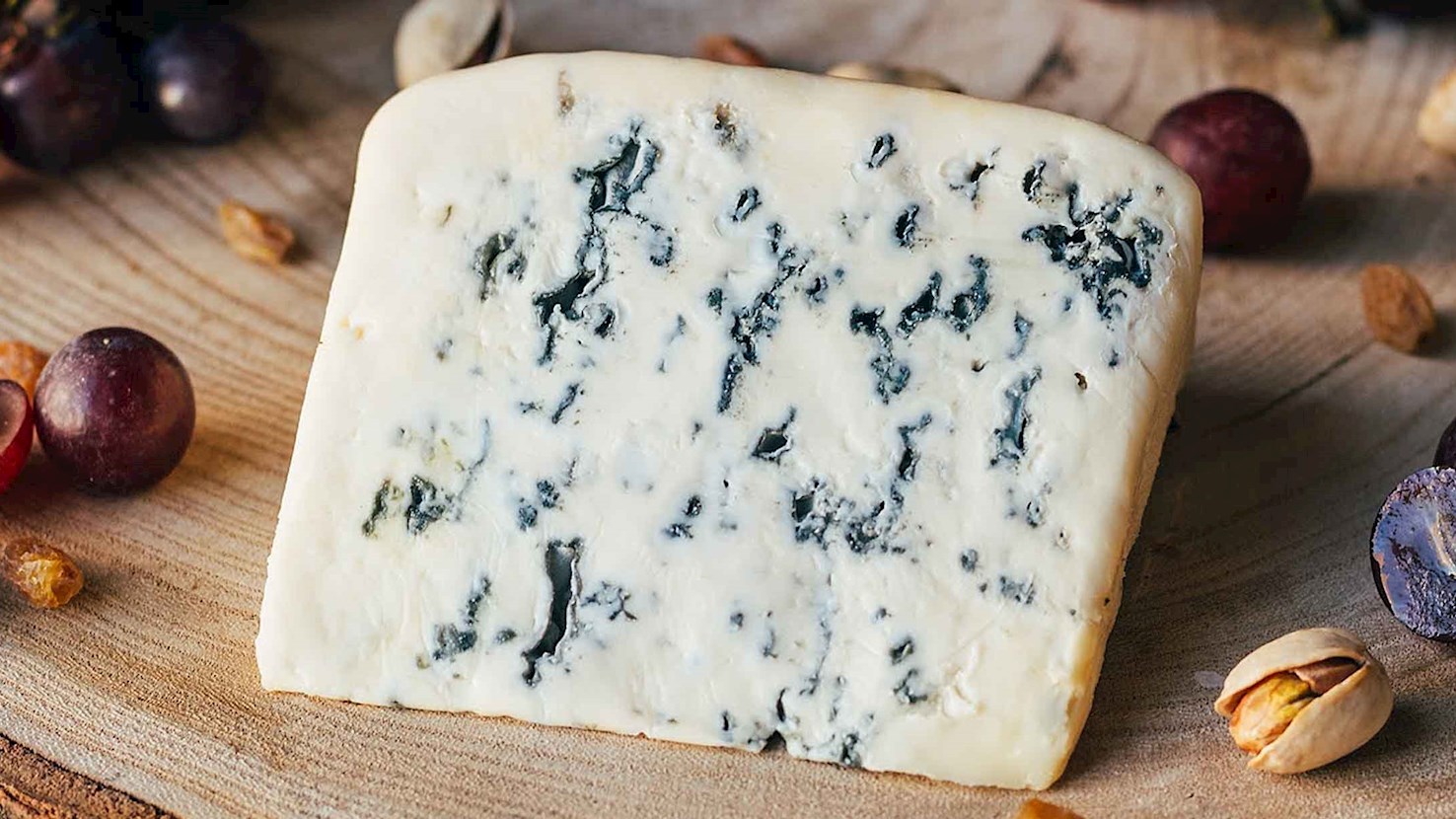
Saint Agur is a French cheese originating from Auvergne, particularly the village of Beauzac. This rindless blue cheese is made with cow's milk, and it is typically left to ripen in cellars for 60 days. The flavors are sharp, spicy, and fruity, while the aroma is intense and milky. The texture of Saint Agur is very creamy and smooth, which is the reason why the cheese melts and spreads extremely well. It comes in an octagonal shape, reminiscent of basalt stones in Auvergne, so its shape acts as a tribute to its origin. Serve Saint Agur with figs, pears, and walnuts, or use it in dips and sauces.

08

Délice de Bourgogne

4.2 ·

Délice de Bourgogne is a French triple crème cheese originating from the region of Burgundy, hence the name. The cheese is made from cow’s milk and butterfat, and it has a fat content of 75%. Its texture is smooth and creamy, while the flavors are tangy, tart, salty, buttery, and mushroomy. The rind is white, bloomy, and quite pungent. It is recommended to serve the cheese on its own or pair it with ciders and white wines.

09

Saint-Nectaire

4.2 ·

Saint-Nectaire is a semi-hard, double pressed farm cheese made in Auvergne from cow's milk and sold in the shape of a flat wheel. It must mature for at least six weeks on rye straw mats before being marketed. As the cows graze on pastures at high altitudes, the cheese has a unique sweet, hazelnut-like flavor and a smell reminiscent of mushrooms and hay. Its texture is silky and creamy, and it melts in the mouth. It can be recognized by the green label on its thick rind, which can be white, yellow or red, depending on the stage of maturation. It goes perfectly with crusty bread and a glass of red wine.

10

Buche de Chevre

4.1 ·

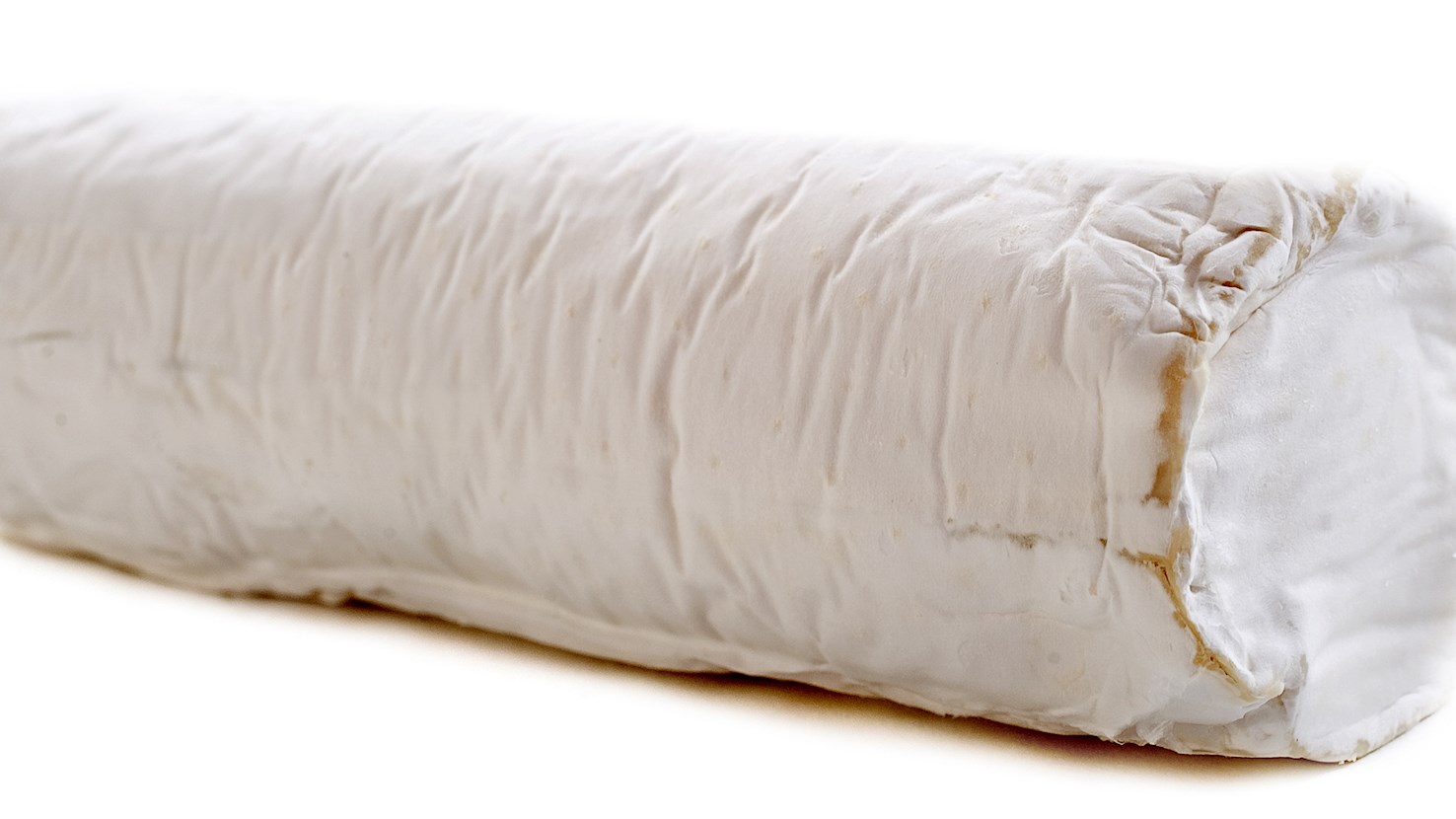
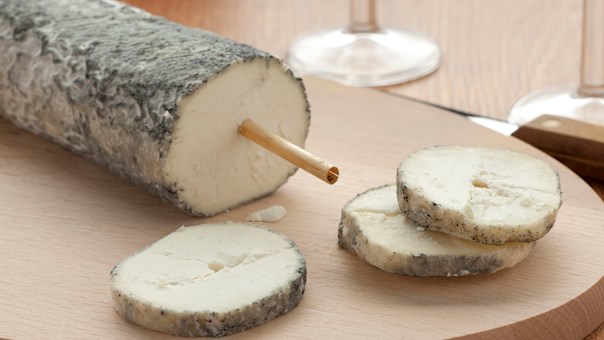
Buche de Chevre is a French cheese originating from the Poitou-Charentes region. Made from goat's milk, this soft cheese has a white color, bloomy rind, and a creamy, flaky texture. The flavors are tangy, earthy, and slightly sweet. The cheese is shaped into a log and it must mature for at least 7 days before consumption. It is recommended to serve Buche de Chevre with crusty baguettes, fruit, or honey. The cheese can also be used in salads and quiches. Pair it with a glass of robust red Bordeaux wine or a glass of crisp white wine from the Loire Valley.

Best French Pasteurized Milk Cheeses
01

E. Graindorge Fromagerie

4.5 ·
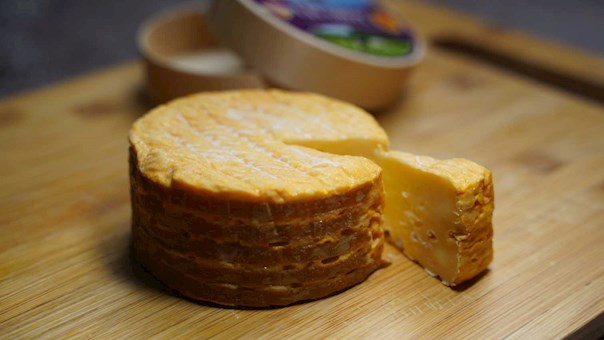
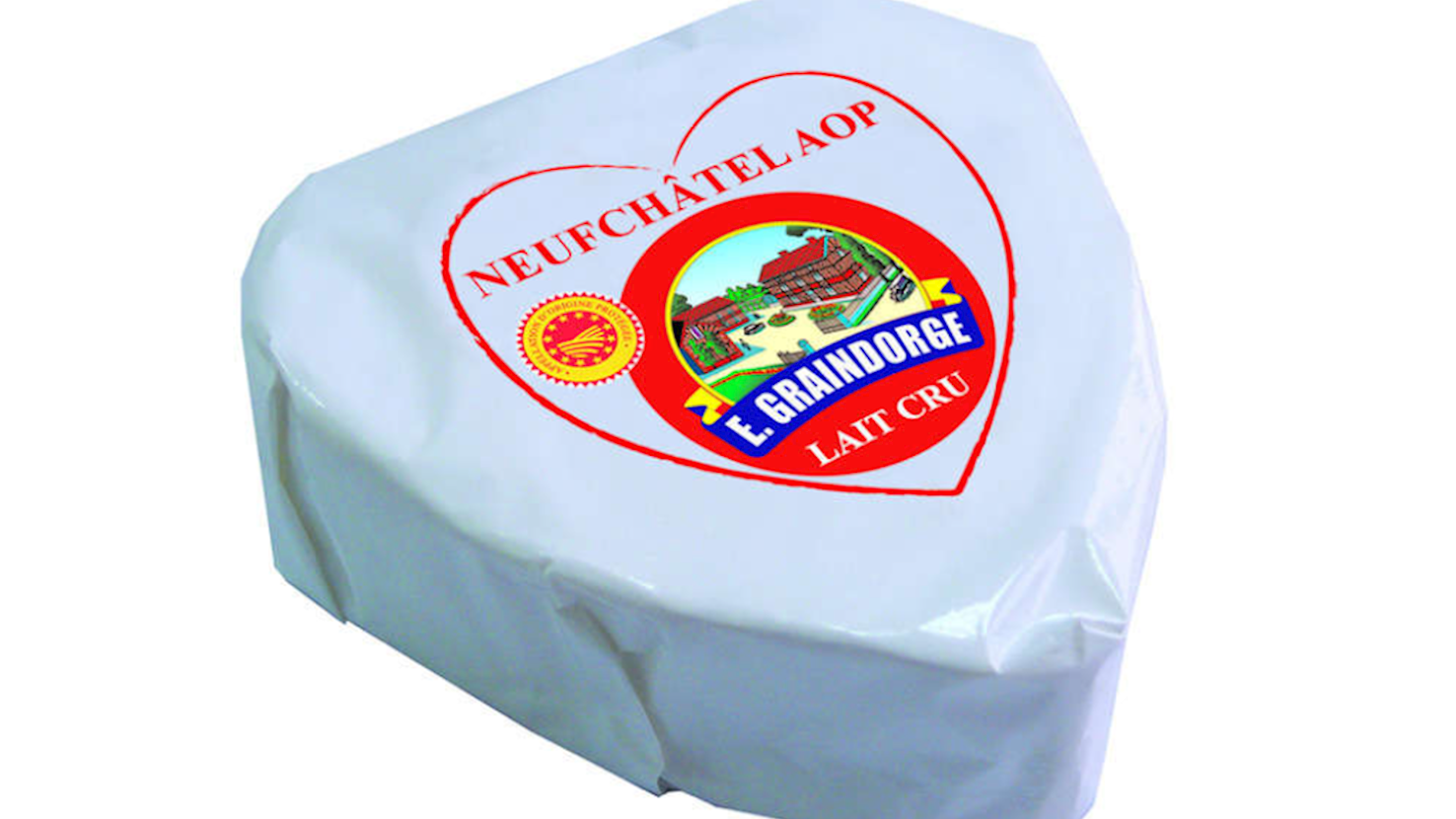
Fromagerie E. Graindorge is a renowned cheese dairy located in Livarot, in the heart of the Normandy region of France. Founded in 1910 by Eugène Graindorge, this family-run business has, over generations, become synonymous with the production of traditional Norman cheeses with Protected Designation of Origin (PDO) status. The dairy sources its milk exclusively from local producers, collecting it from around one hundred farms that raise Normande cows, known for their high-quality milk ideal for cheesemaking. Despite modernizing its operations, Graindorge remains committed to traditional production methods, preserving the authenticity and rich flavors of its cheeses. Visitors can explore the "Village Fromager," an educational center featuring glass galleries that showcase every stage of cheese production, from milk reception to packaging. The tours include informative panels, video presentations, and interactive activities, and conclude with a cheese tasting in the on-site shop.
Awards
Concours International de Lyon - Gold (2025)
Read more
View all
View map
About this ranking

TasteAtlas food rankings are based on the ratings of the TasteAtlas audience, with a series of mechanisms that recognize real users and that ignore bot, nationalist or local patriotic ratings, and give additional value to the ratings of users that the system recognizes as knowledgeable. For the “Top 100 French Pasteurized Milk Cheeses” list until June 05, 2026, 2,830 ratings were recorded, of which 2,267 were recognized by the system as legitimate. TasteAtlas Rankings should not be seen as the final global conclusion about food. Their purpose is to promote excellent local foods, instill pride in traditional dishes, and arouse curiosity about dishes you haven’t tried.

The initial list of top producers was compiled based on available reviews, awards, local recommendations, media and blog coverage, and consumer reviews. The list will be updated with ratings from TasteAtlas local ambassadors and TasteAtlas users.

Similar lists