


shutterstock

Top 69 Italian Rice Dishes

Last updated on June 15, 2026
01

Risotto alla Trevigiana

4.4 ·

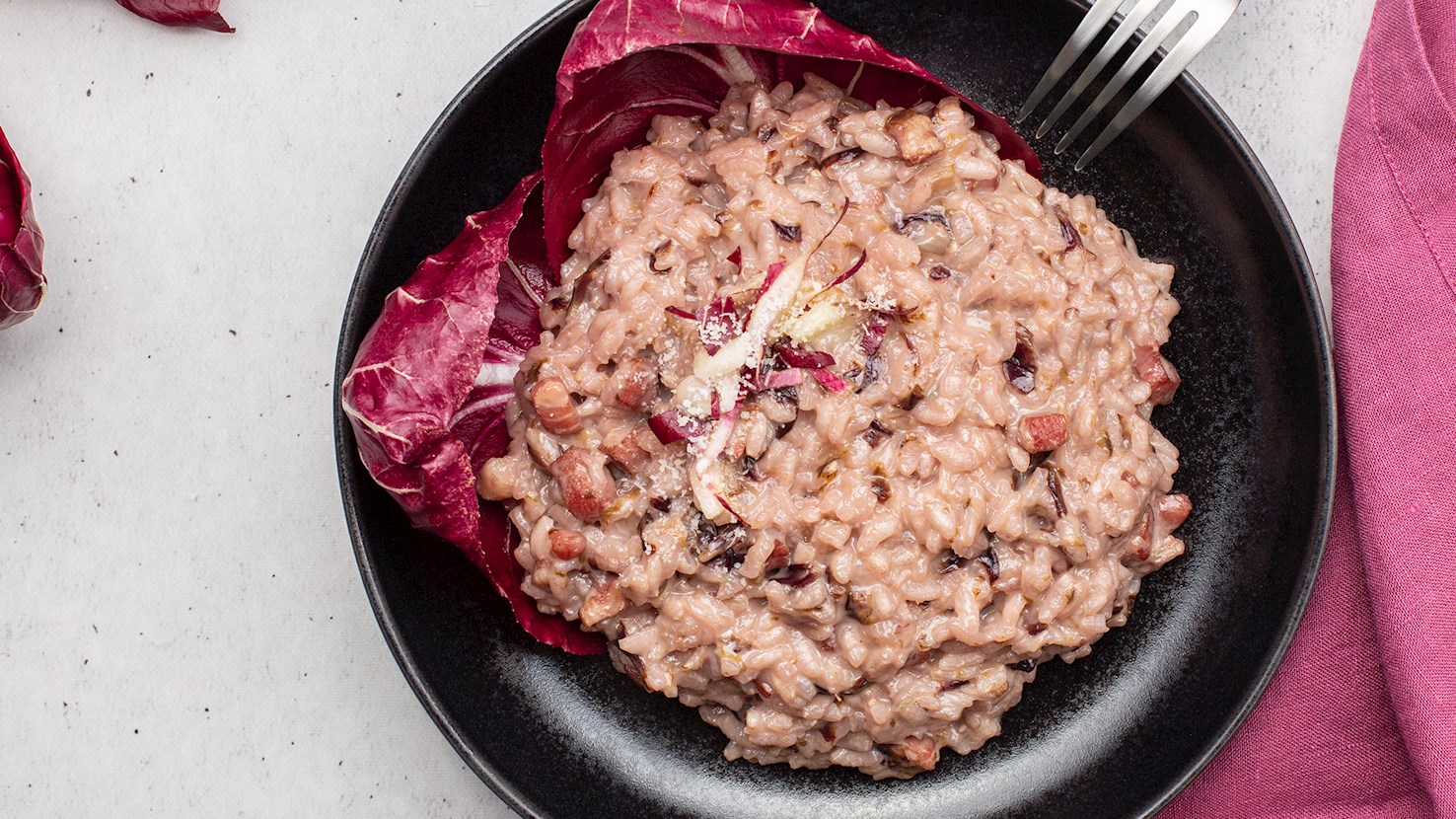
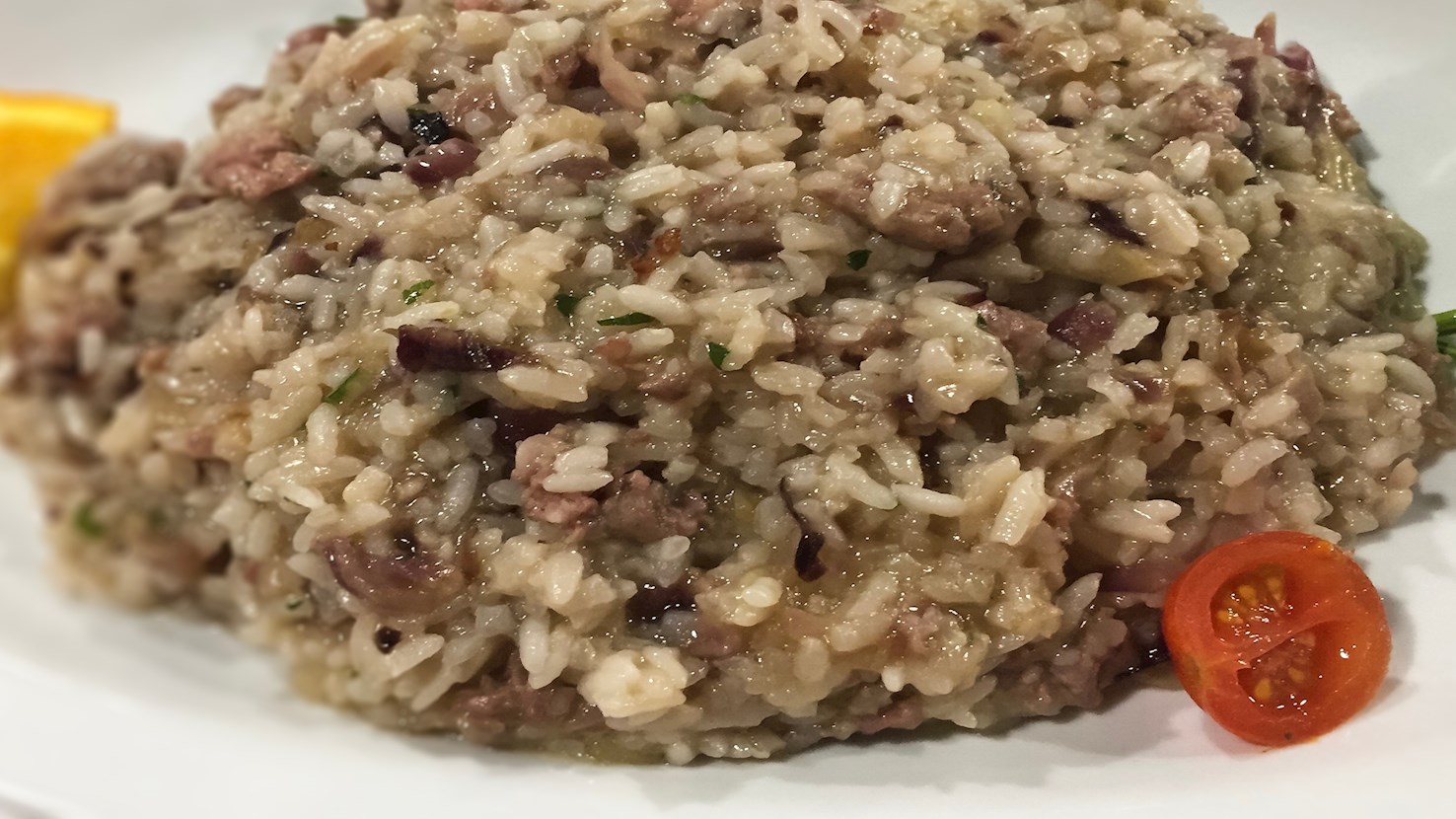
Risotto alla trevigiana is a traditional dish hailing from Treviso. It's prepared with thinly cut local radicchio, oil, rice, onions, sparkling wine, and stock. The radicchio is sautéed in olive oil with onions, then the rice is added with the wine and stock until the risotto is done. Before serving, it's usually enriched with a knob of butter and a sprinkle of grated Parmigiano-Reggiano. In the Veneto region, risotto is typically served all'onda, meaning with waves, referring to the fact that it should be slightly more on the thinner, liquid side. Serve the dish with a glass of prosecco.

02

Risotto ai funghi porcini

4.4 ·

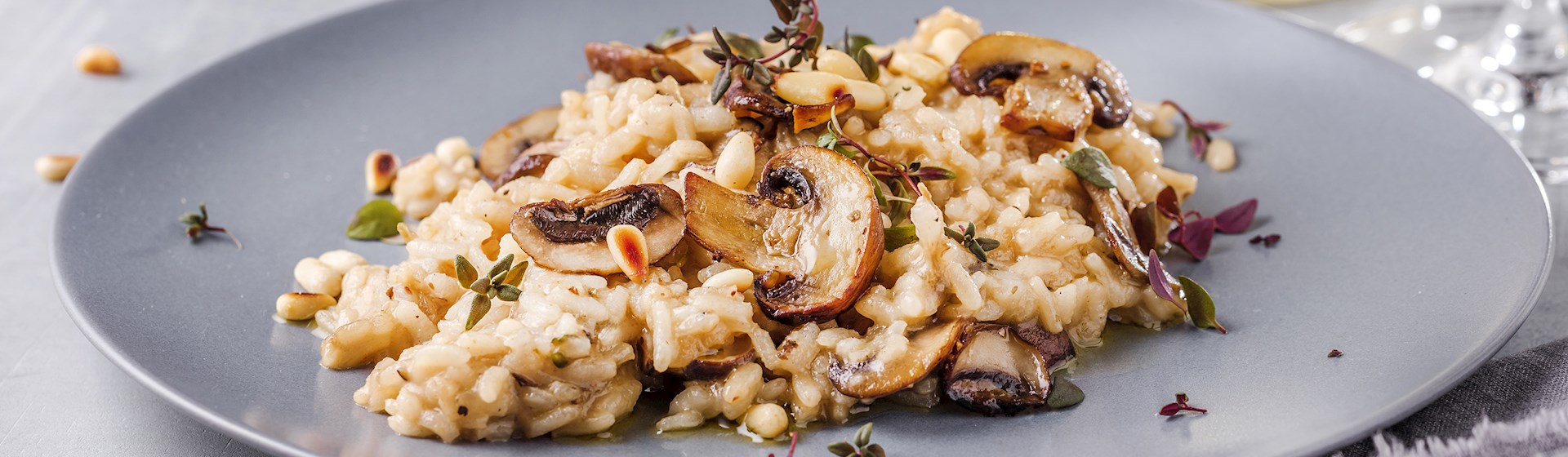
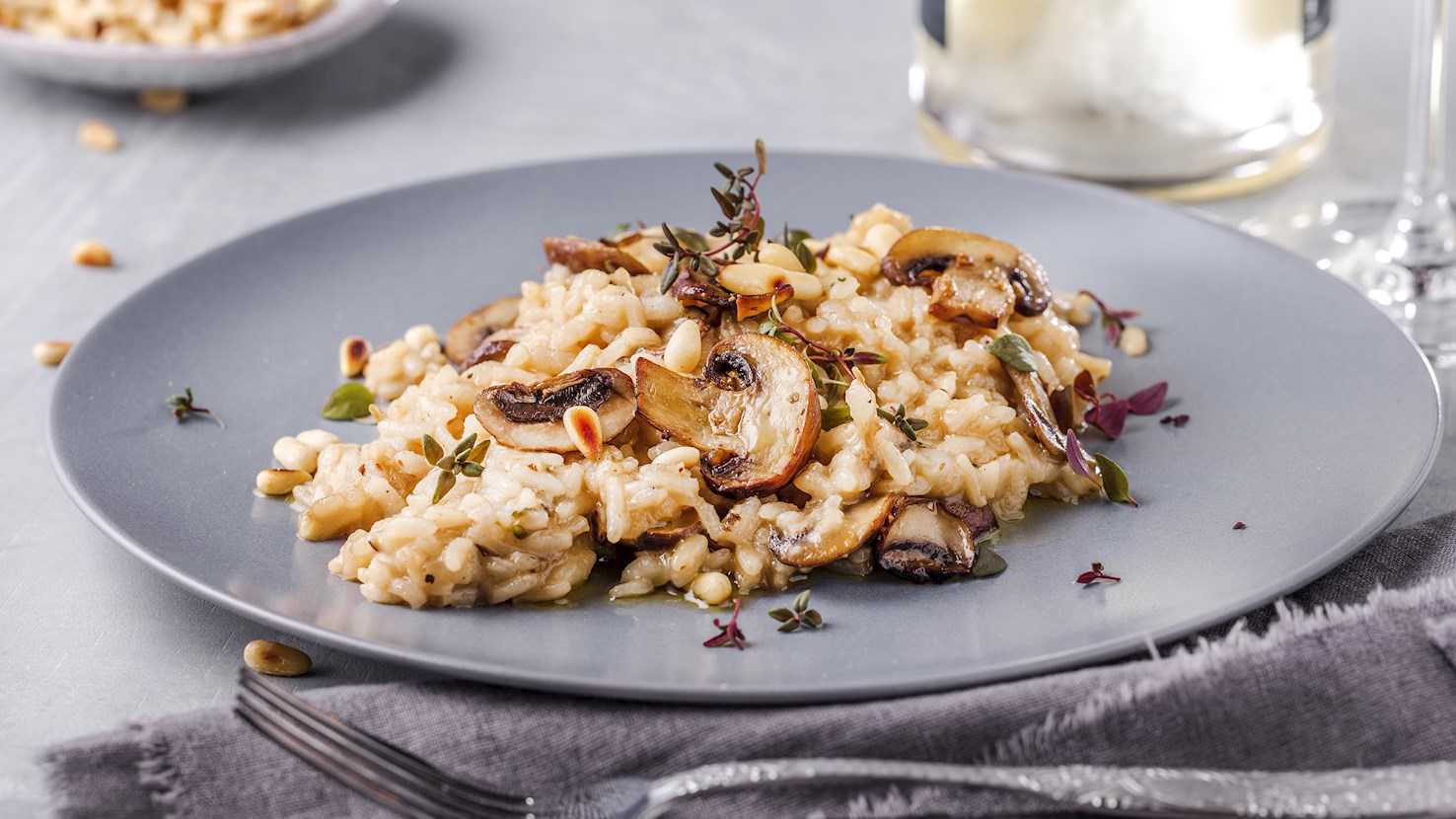
Risotto ai funghi porcini is a traditional type of risotto prepared with porcini mushrooms as the key ingredient. Apart from fresh or dried porcini, the dish also contains carnaroli or arborio rice, olive oil, butter, shallots, white wine, meat stock, grated Parmigiano-Reggiano, salt, and pepper. The onion is sautéed in butter and olive oil, followed by the mushrooms, rice, and white wine. The stock is added as the risotto is cooking. Near the end of cooking, a knob of butter is added to the pan, while grated cheese can be mixed into the risotto in the end or it can be served at the table so that each person can put the desired amount of cheese on their risotto.

03

Risotto ai funghi (Mushroom risotto)

4.3 ·

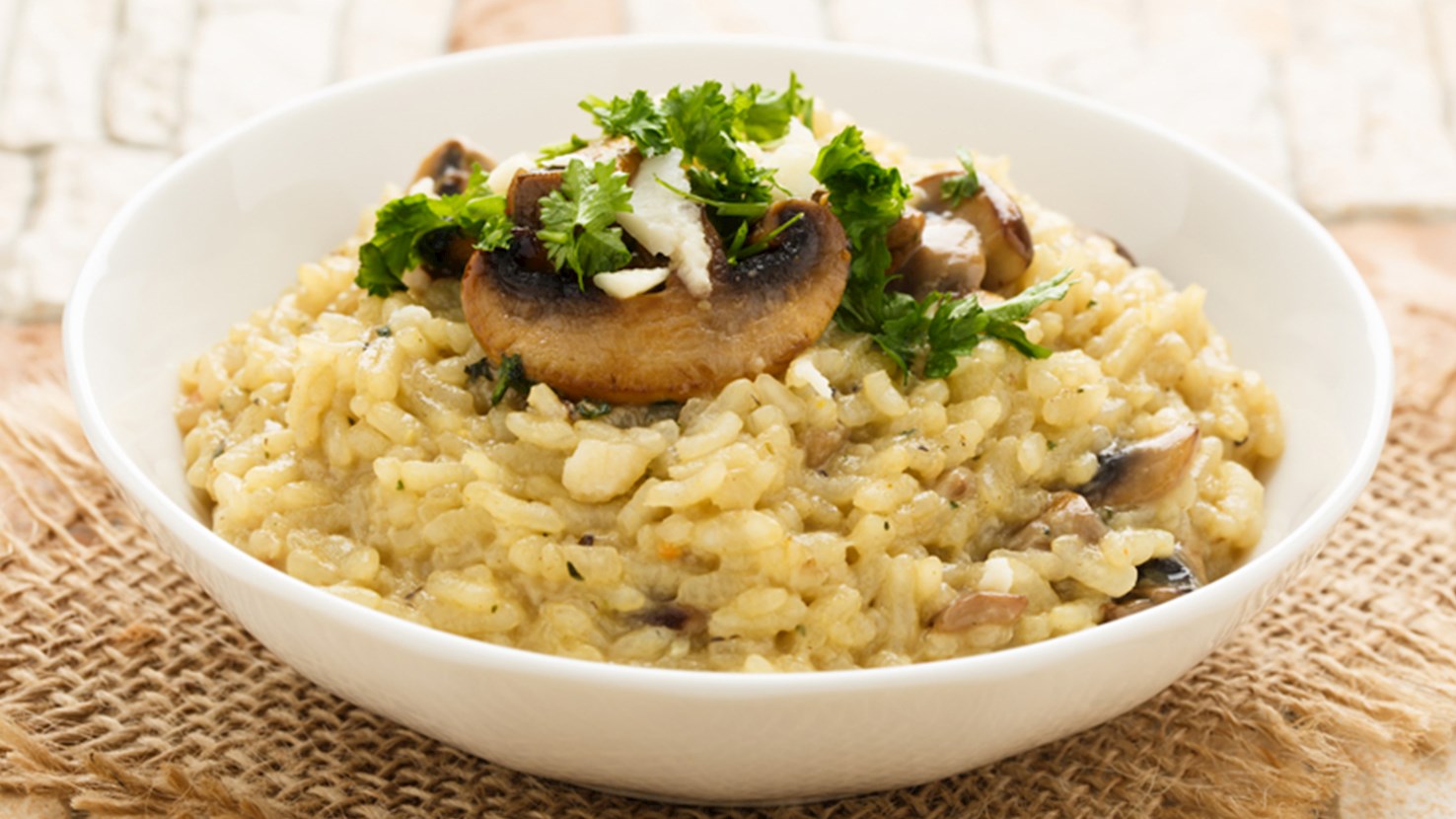
Risotto ai funghi, or mushroom risotto, is a classic Italian dish celebrated for its creamy texture and rich, earthy flavors. The dish begins with sautéing Arborio or Carnaroli rice in butter to lightly toast the grains. This is followed by adding finely chopped onions or shallots until they are translucent. Hot stock, typically chicken or vegetable, is then gradually added to the rice. This process is essential as it allows the rice to absorb the liquid slowly and release its starch, creating a creamy texture. Various types of mushrooms, such as porcini, shiitake, or button mushrooms, are used in the dish, enhancing its flavor. These mushrooms may be sautéed separately and added to the rice during cooking. Dried mushrooms can also be used after being rehydrated, with the soaking liquid strained and added to the risotto for additional mushroom flavor. The dish is typically finished with a generous amount of Parmesan cheese and butter stirred in off the heat, adding richness and a velvety texture. It may be garnished with fresh herbs like parsley to add color and freshness. Risotto ai funghi is often served as a primo in Italian dining.

04

Risotto alla zucca

4.2 ·

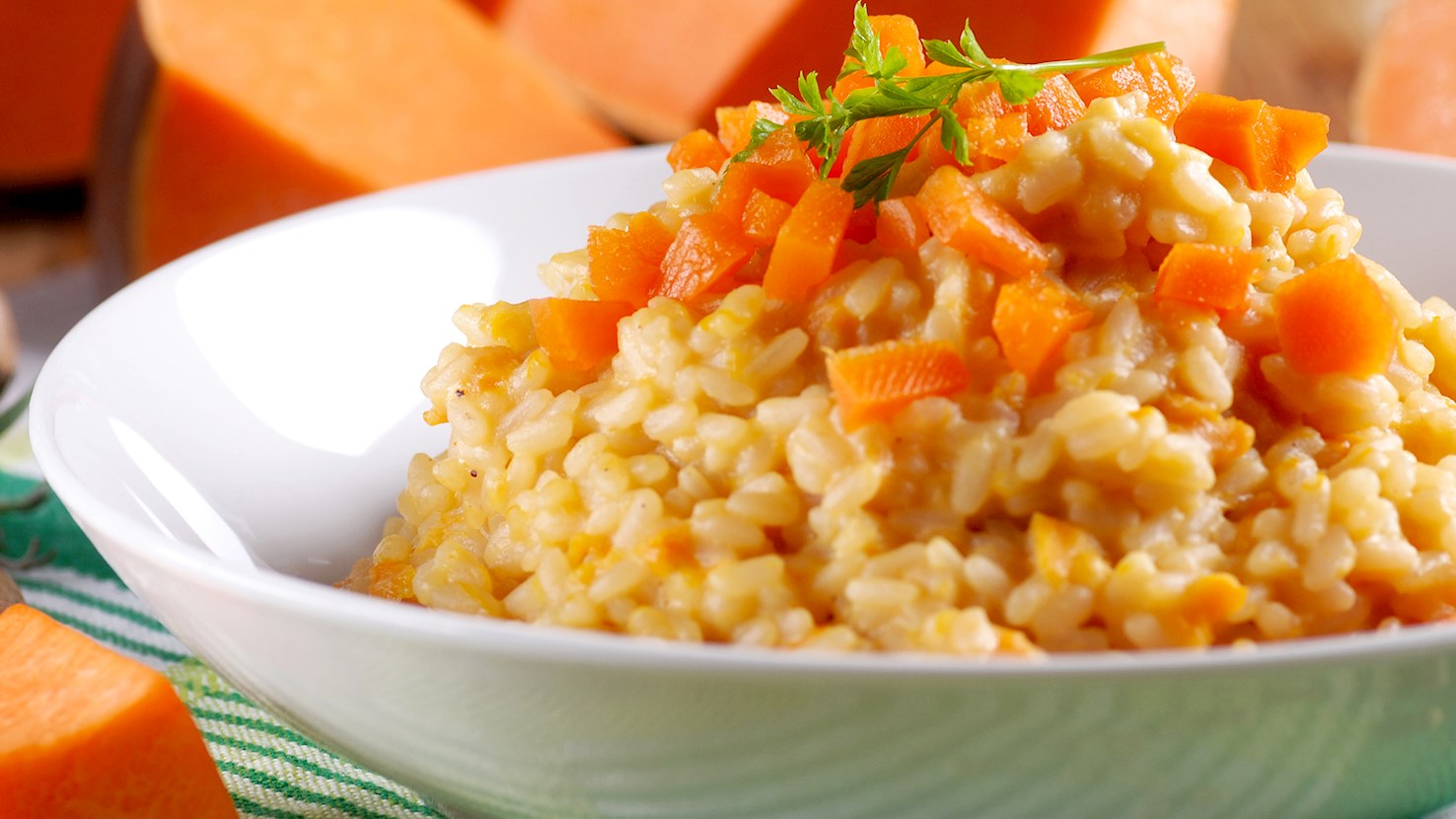
Pumpkin risotto is a traditional autumn dish that is mainly associated with northern Italy, particularly with the regions of Veneto and Lombardy. The pumpkin can be prepared and puréed separately, or it is slowly cooked alongside short-grain rice, onions, white wine, and vegetable stock. The whole dish is occasionally enriched with nuts, sausage, or bacon and is usually finished off with the addition of butter and cheese such as Parmigiano Reggiano, Grana Padano or Taleggio. Like other types of risotto, the dish is always served warm.

Best restaurants
05

Risotto

4.2 ·

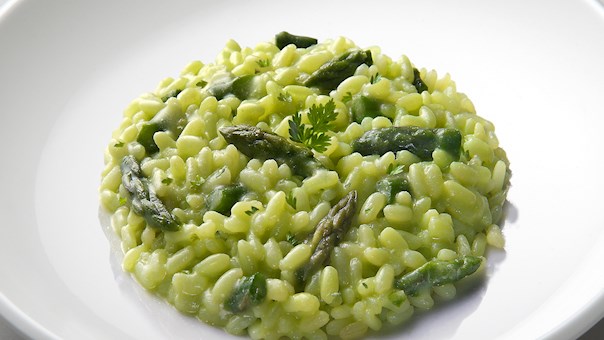
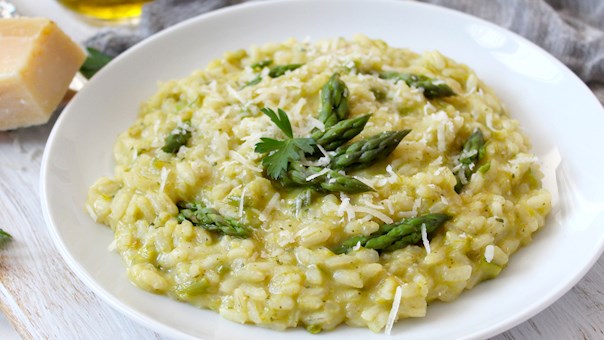
This widely popular and extremely versatile group of dishes consists of a base of rice and stock. Butter, saffron, and parmesan are some of the ingredients most often combined with the base to make a variety of flavorful risottos. The history of the dish is rife with conflicting theories about its origins, however, it is certain that rice was first introduced to Italy by the Arabs during the Middle Ages. Since the Mediterranean climate was perfect for growing short-grain rice, huge amounts of it started to be sold - primarily in Venice, Genoa, and the surrounding areas. As rice gained in popularity, it became a staple food of the Po valley, Lombardy, Piedmont, Veneto, and the city of Milan. It was only a matter of time before rice was combined with saffron, which the Milan region was famous for, and the legendary risotto alla Milanese was invented. Even today, risotto is still usually prepared using the same key components: rice, stock, butter, wine, parmesan, saffron, and onions. The dish is served throughout the world, so there are also a number of varieties with ingredients such as truffles, squid ink, asparagus, sausage, scallops, and veal, among many others.

06

Risotto alla Milanese

4.2 ·

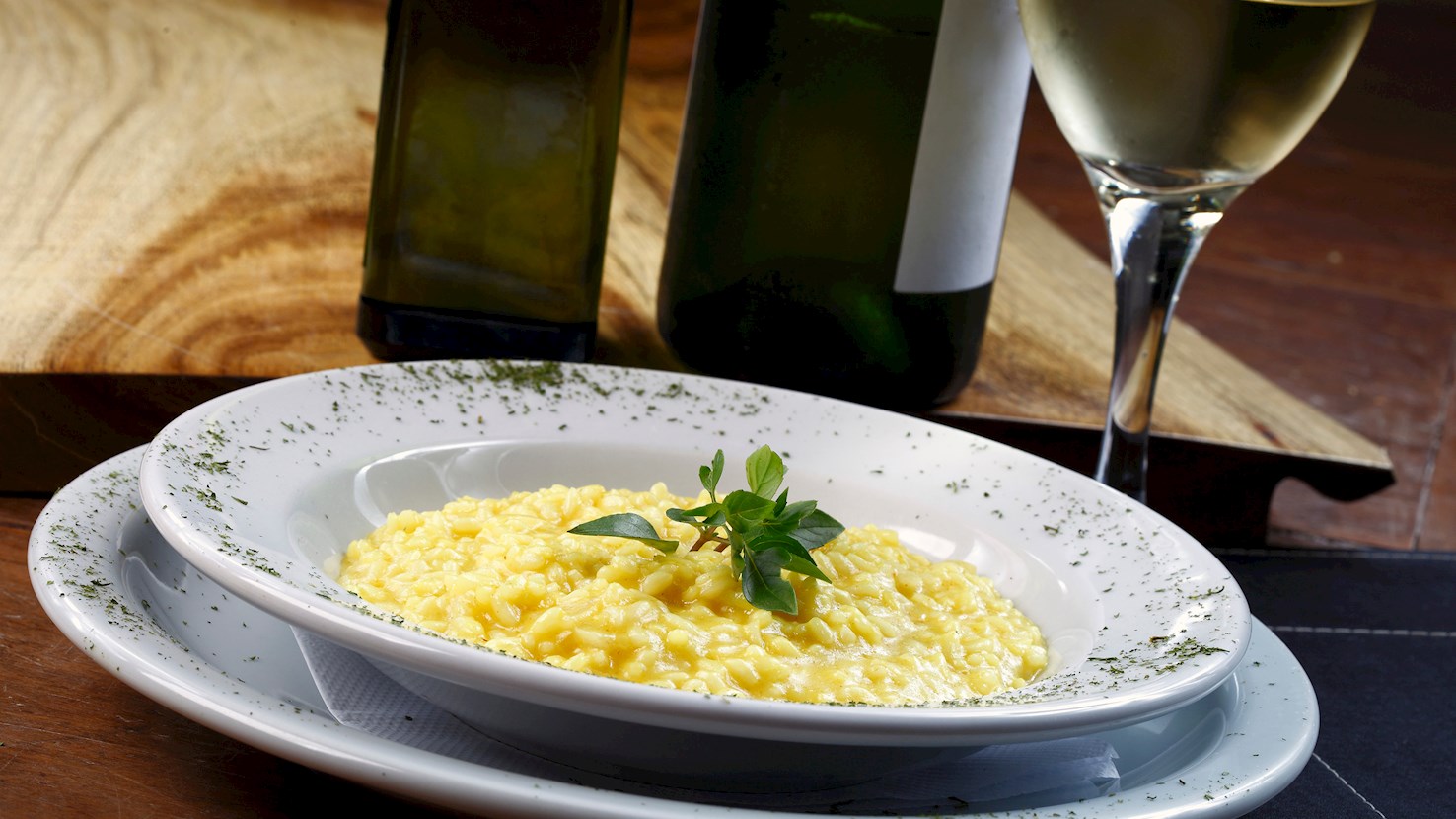
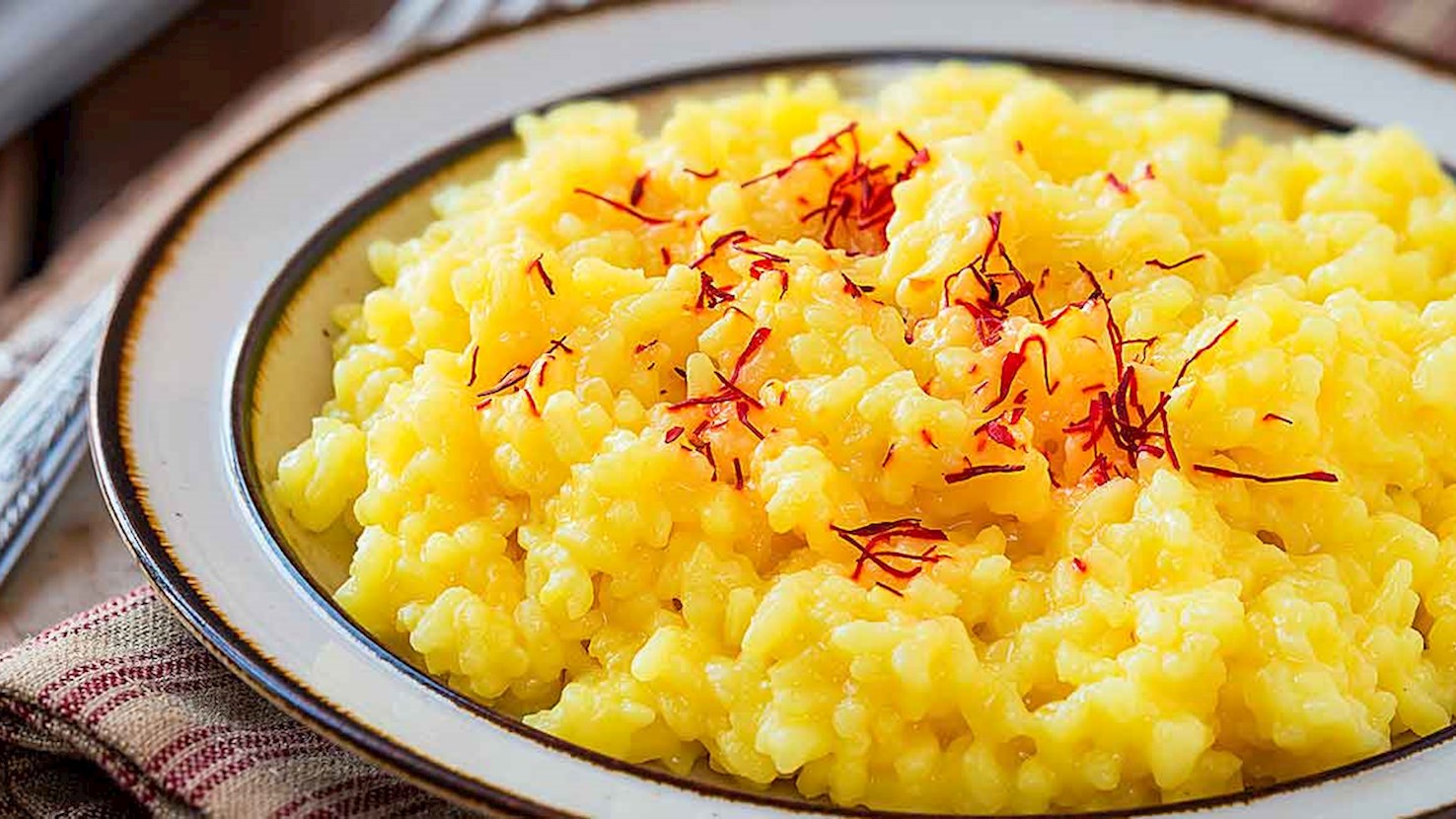
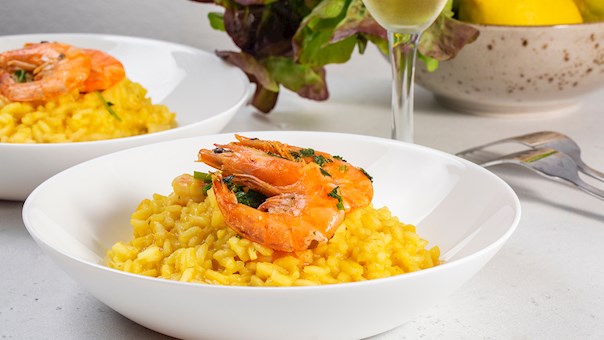
One of the simplest, yet most luxurious rice dishes, this creamy risotto gets its vivid color and flavor from saffron. According to legend, the dish was first created sometime in the 16th century, during the construction of Duomo. Apparently, it was invented by either the master glazier of Milan's cathedral, a Flemish painter named Valerio Diependale, or his apprentice, nicknamed Zafferano (lit. saffron), who regularly used this expensive spice to stain the glass windows yellow. However, the first recipe under the name risotto alla Milanese was found in Giovanni Felice Luraschi's 1829 cookbook Nuovo Cuoco Milanese Economico, and over time, this saffron-flavored classic became a traditional accompaniment to ossobuco, another signature dish of Milan.

07

Risotto ai frutti di mare

4.1 ·

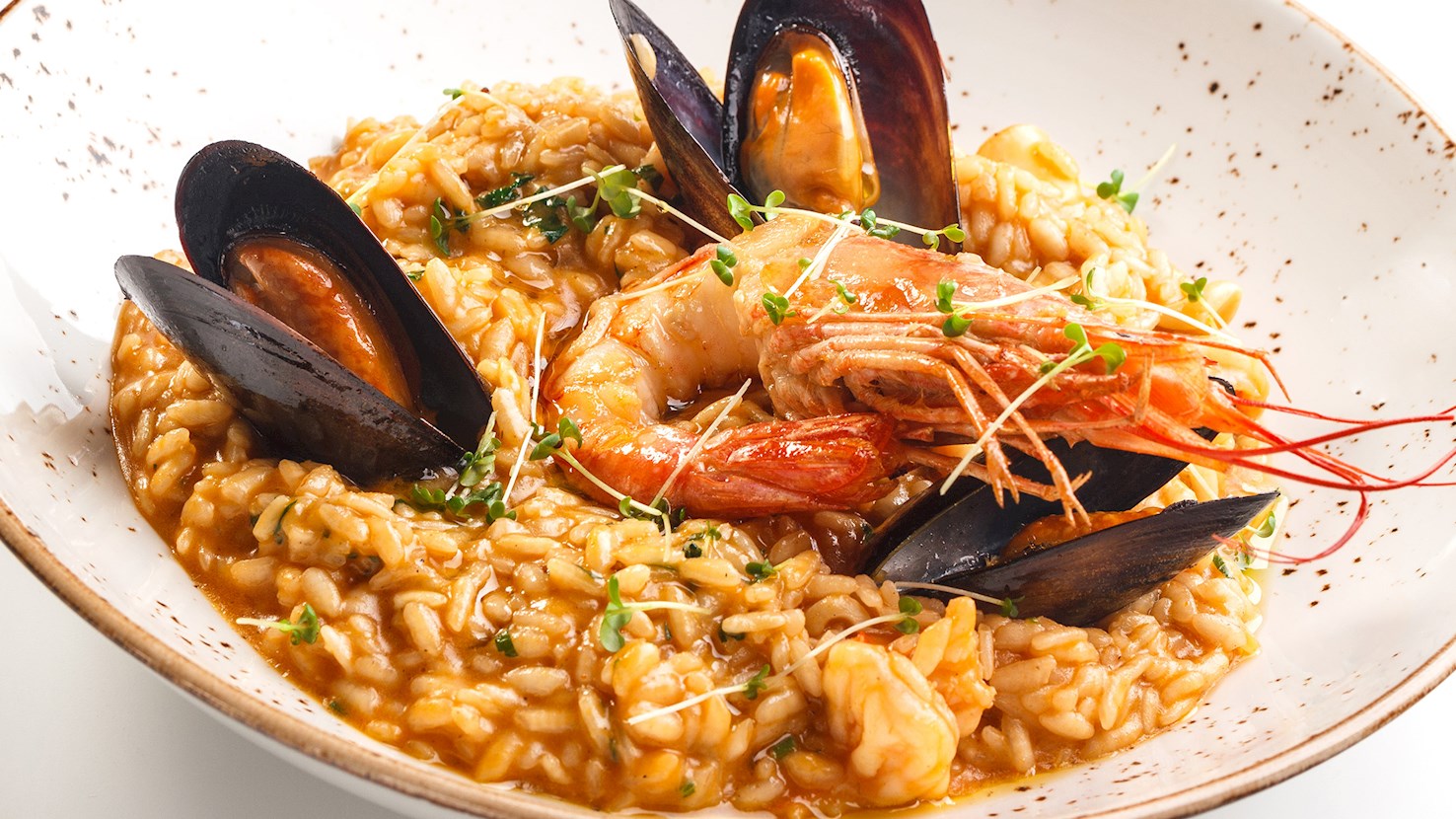
This Italian classic couples rice with various seafood ingredients. Clams, shrimps, lobster meat, squid, and mussels are commonly used, while other ingredients include short-grain rice, butter, garlic, onions, white wine, parsley, and fish or vegetable stock. Since it is a popular dish throughout the country, it appears in numerous varieties that are occasionally enriched with saffron or tomato-based sauces. Like other types of risotto, this seafood classic is also traditionally enjoyed as a starter and should always be freshly prepared and served warm.

08

Risotto con salsiccia

4.1 ·

Risotto con salsiccia is a hearty dish from northern Italy, perfect for cold winter days. Apart from salsiccia sausage, only a few ingredients are needed for the basic version of this comforting dish: onions, rice, meat stock, wine (versions with both red and white wine exist), salt, and pepper. Although delicious enough even in its basic form, risotto con salsiccia is often additionally enriched with aromatic herbs, mushrooms, radicchio, and even gorgonzola or stracchino. It is best enjoyed warm, garnished with grated Parmigiano cheese.

09

Risotto al limone

3.9 ·

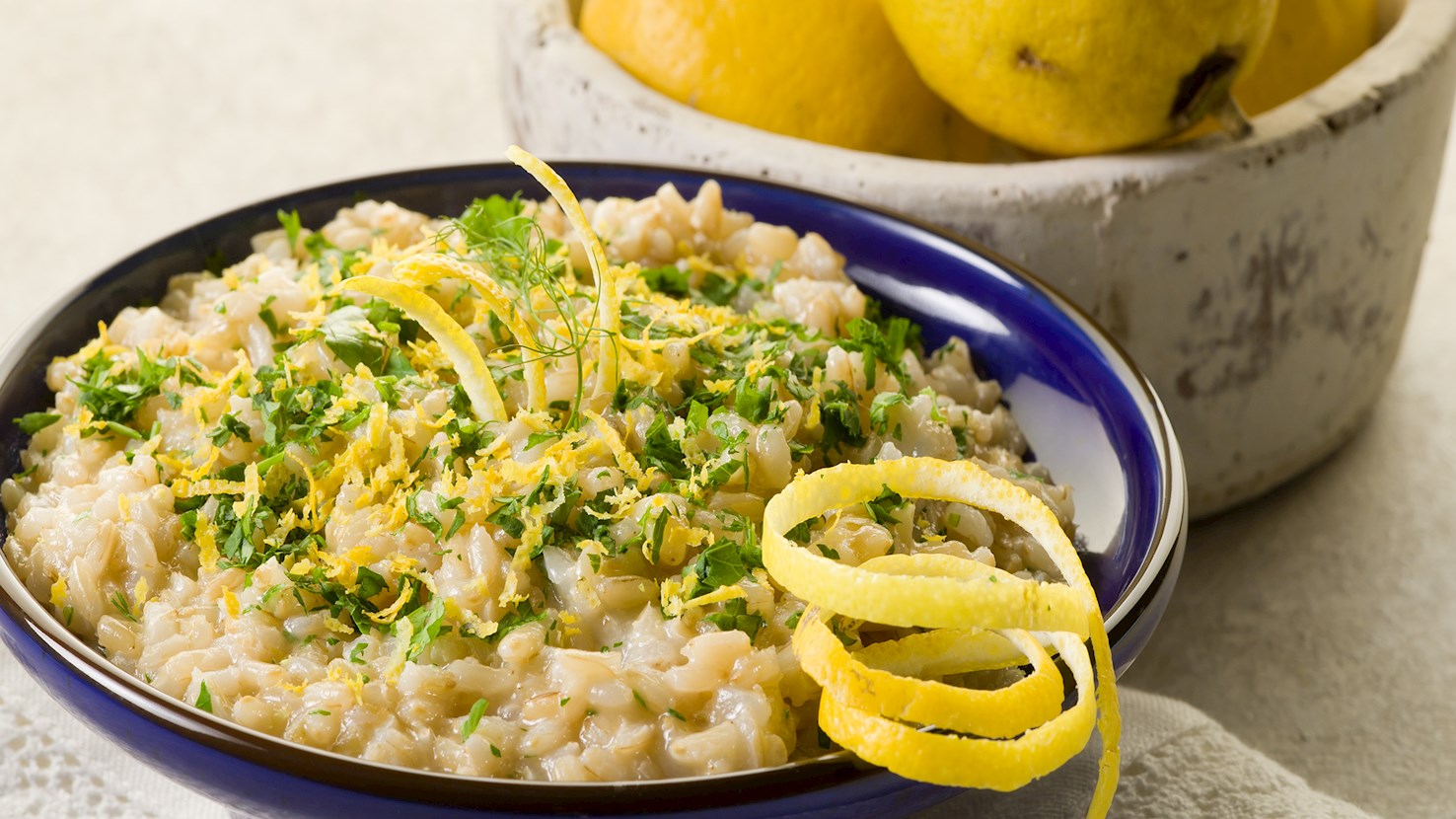
Simple, deliciously creamy, yet wonderfully light, risotto al limone or lemon risotto is a traditional risotto variety that is especially prized in the summertime. It is made with butter, shallots, rice (preferably of the Arborio or Carnaroli varieties), egg yolk, grated lemon zest, and lemon juice. After it has been slowly cooked in order to develop the creaminess, the whole dish is typically finished with grated Parmigiano-Reggiano and served hot.

10

Risotto nero di seppia (Risotto with cuttlefish ink)

3.9 ·

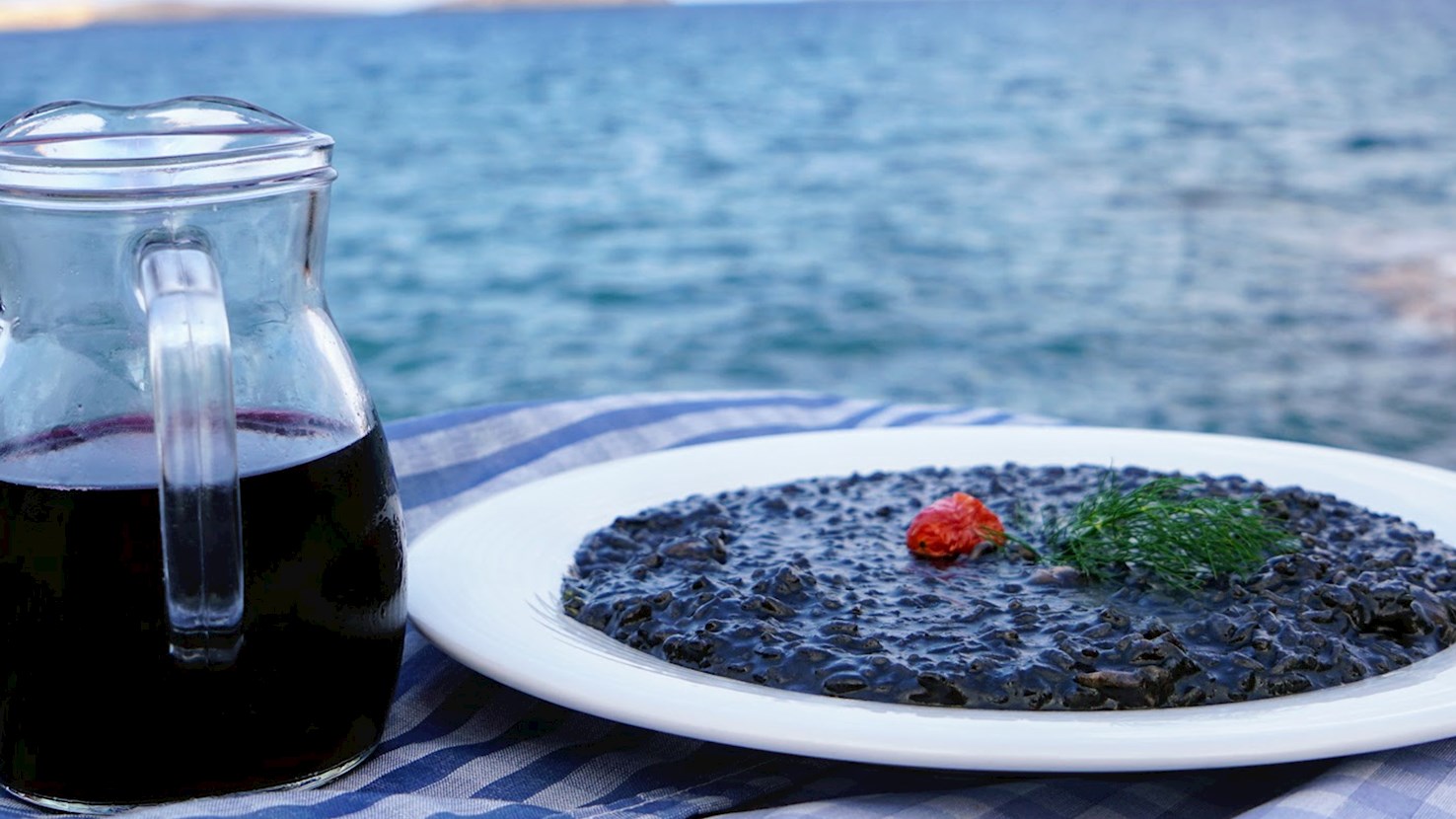
Typically served as a light lunch and a staple of many Dalmatian taverns (called konoba) and restaurants, crni rižot is a unique black risotto made with fresh squid or cuttlefish. Squid or cuttlefish ink gives the risotto its intimidating black color, while other seafood such as mussels, clams, and other shellfish are also commonly added to the dish. Just watch your smile as your teeth and lips will most probably turn black while eating it. Although the origins are still somewhat murky, it is believed that the dish was invented while Croatia was under Venetian rule, and that's the reason why it spread first in Veneto (where it's known as risotto nero di seppia) and then throughout the Mediterranean.

Read more
View all
View map
About this ranking

TasteAtlas food rankings are based on the ratings of the TasteAtlas audience, with a series of mechanisms that recognize real users and that ignore bot, nationalist or local patriotic ratings, and give additional value to the ratings of users that the system recognizes as knowledgeable. For the “Top 69 Italian Rice Dishes” list until June 15, 2026, 2,771 ratings were recorded, of which 2,278 were recognized by the system as legitimate. TasteAtlas Rankings should not be seen as the final global conclusion about food. Their purpose is to promote excellent local foods, instill pride in traditional dishes, and arouse curiosity about dishes you haven’t tried.

Similar lists