shutterstock

Top 54 Spices
in the World

Last updated on June 17, 2026

Best Spice Types in the World
01

Azafrán de la Mancha

4.6 ·

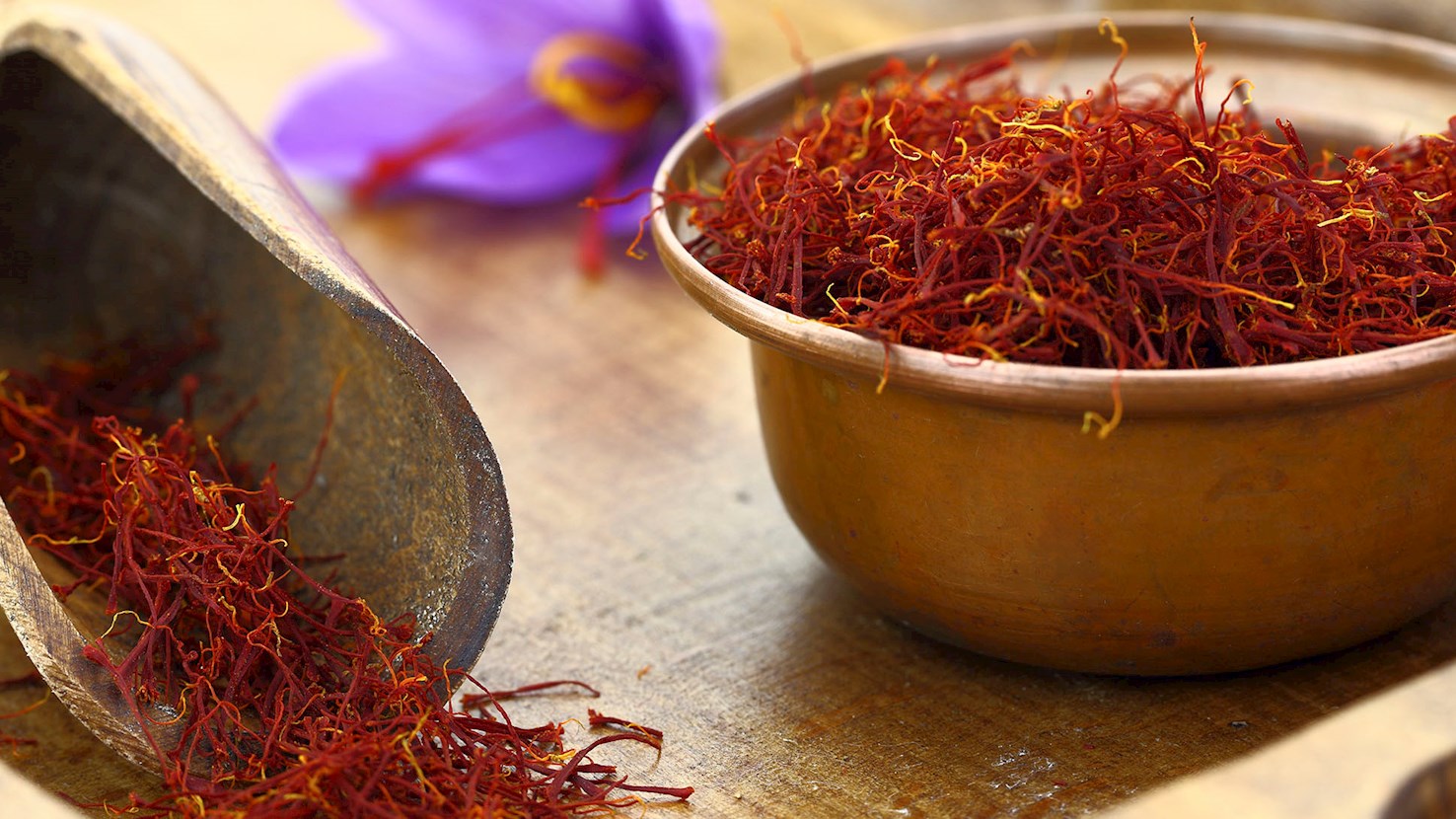
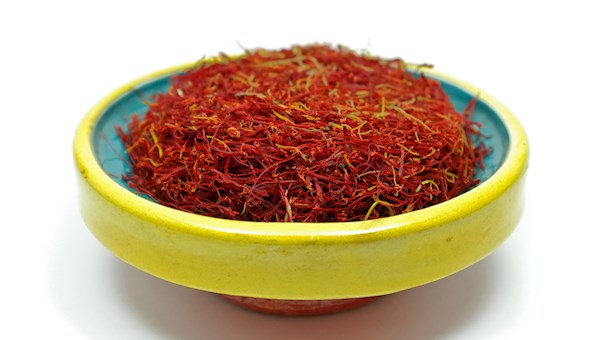
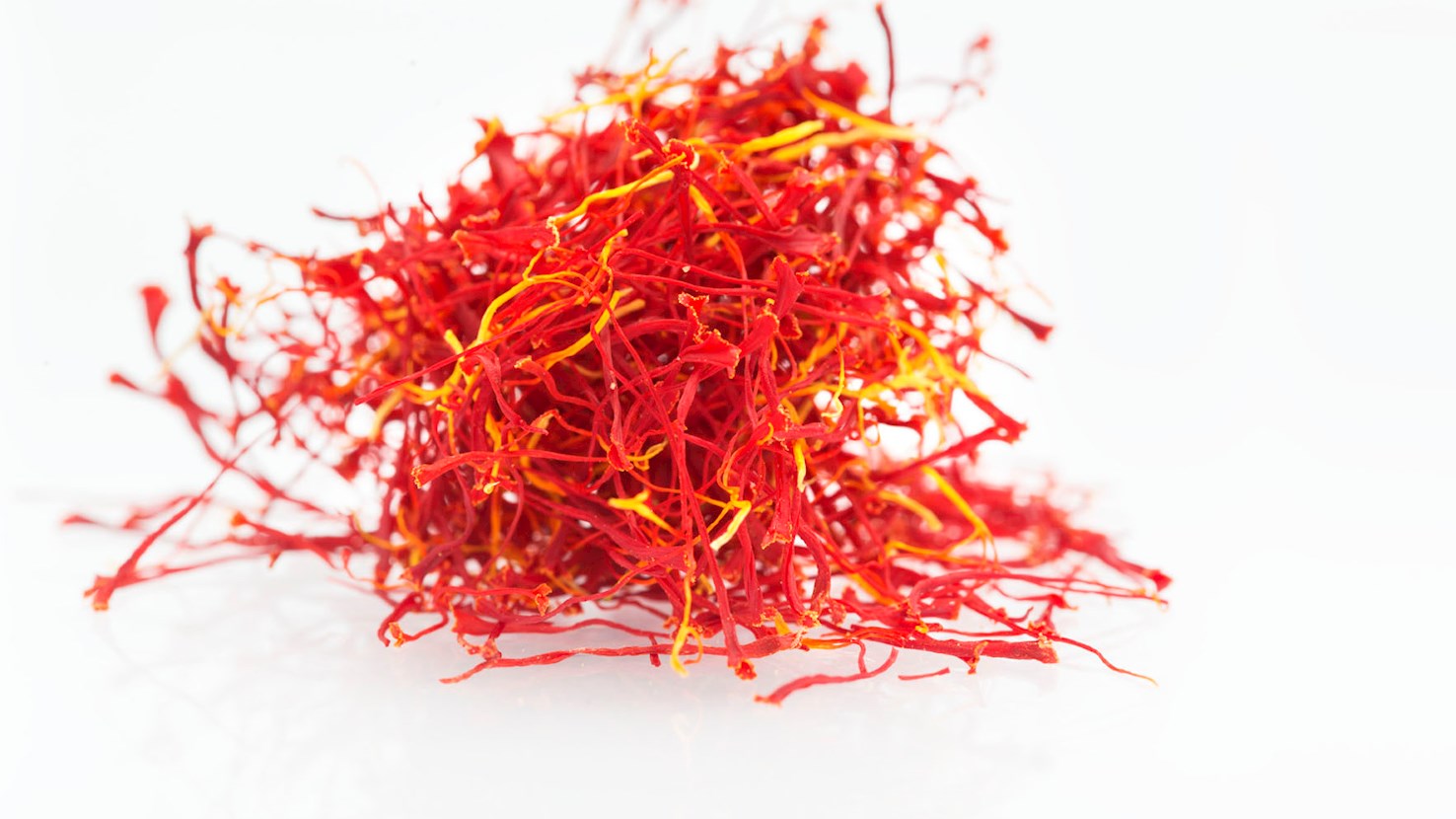
Azafrán de la Mancha is a saffron grown in the autonomous community of Castilla-La Mancha. It is a spice produced by drying the stigmas of the Crocus Sativus, L. plant. It has a floral and slightly bitter flavor and gives the dishes it is cooked in a bright gold yellow color. Saffron is one of the most expensive spices in the world, with the price higher than that of gold, due to the laborious process of its harvesting. To preserve its subtle flavor, saffron grown in La Mancha is never sold powdered, but exclusively in the form of whole threads.

02

Szegedi Fűszerpaprika-őrlemény

4.6 ·

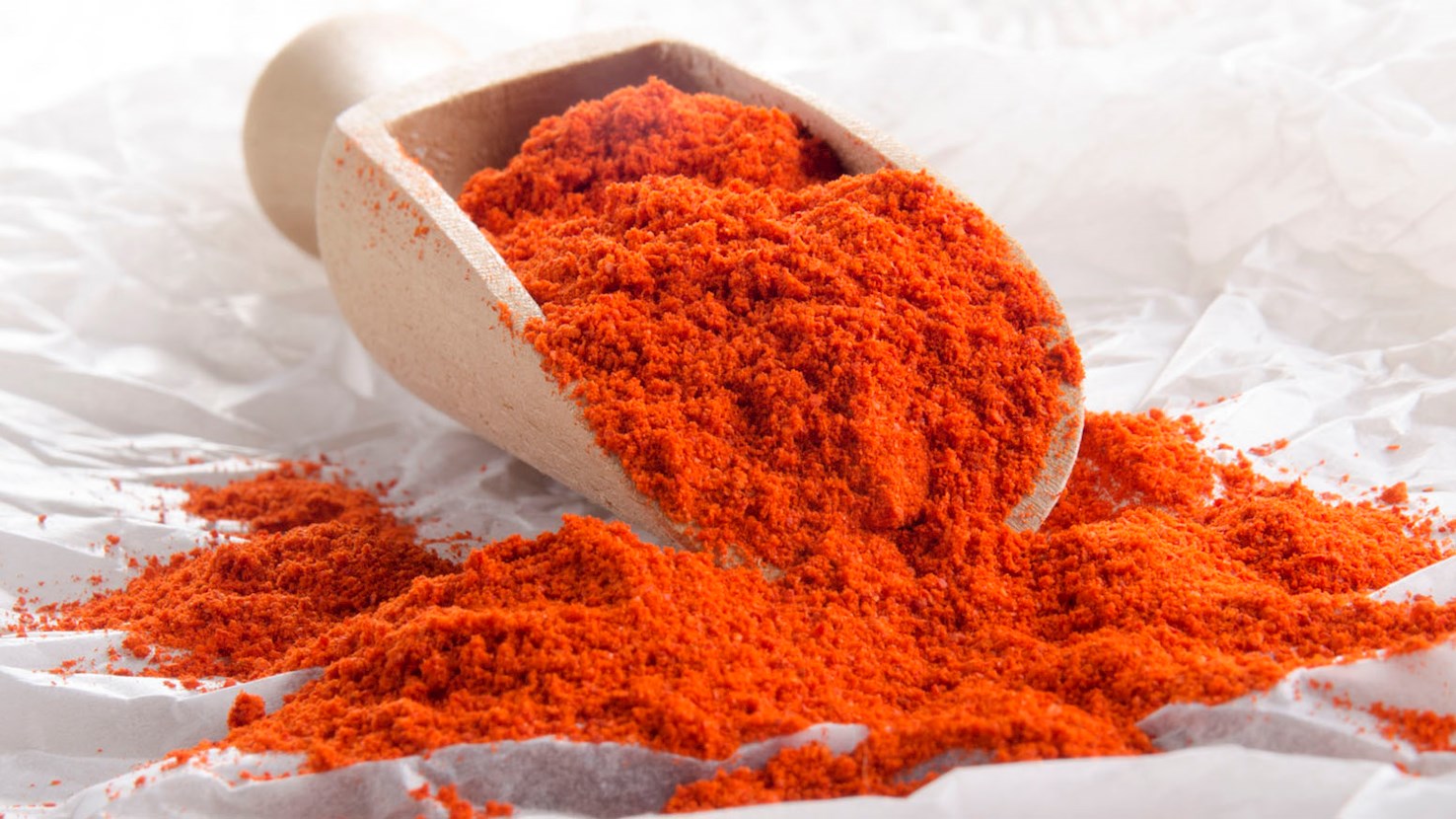
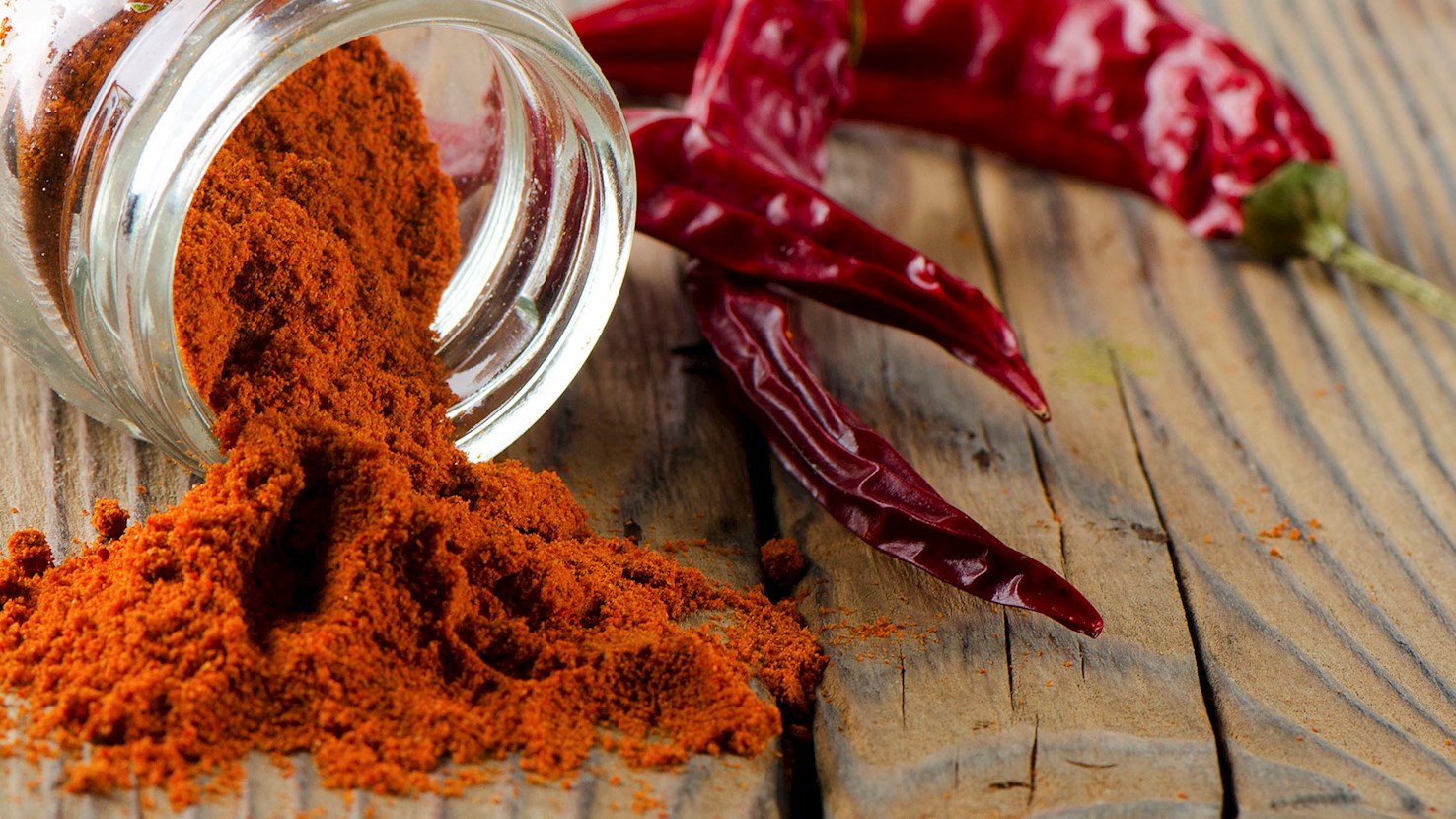
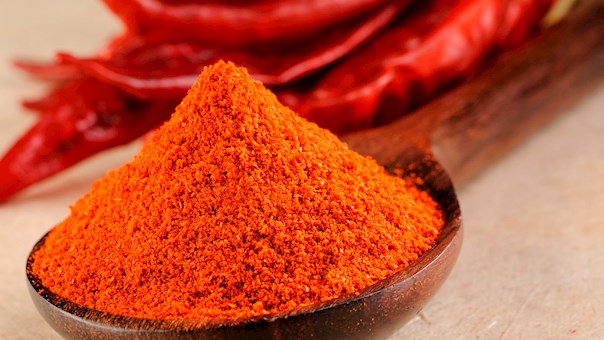
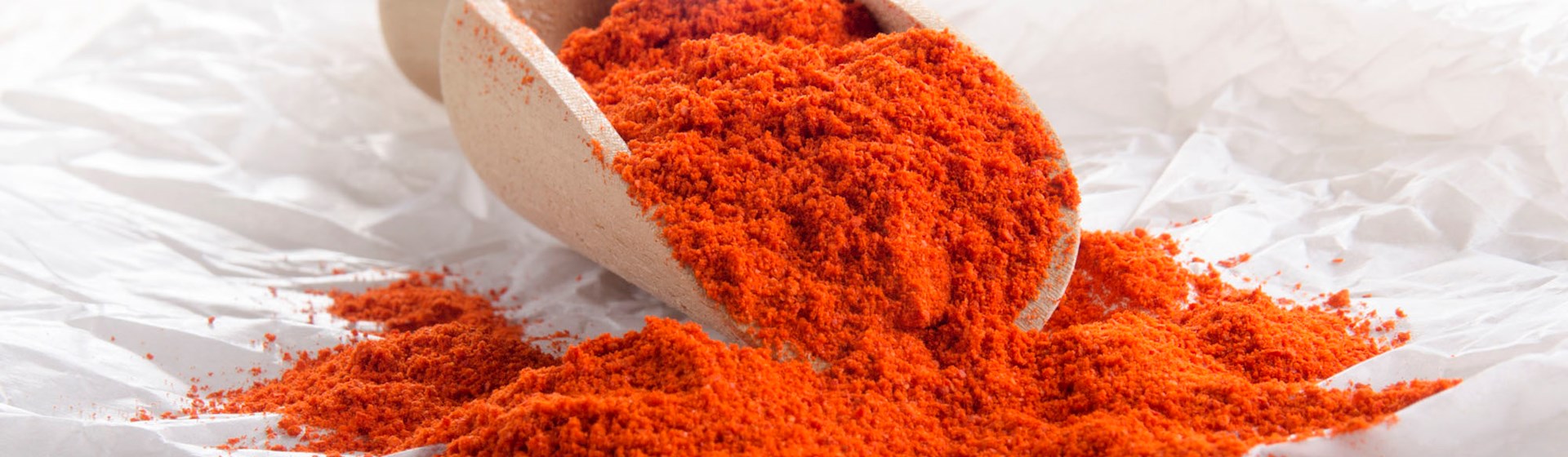
The powdered Szegedi paprika spice is made by grinding the pods of the pepper plants. Its colour is a vivid, fiery red and its aroma is strong and spicy, similar to those of baked vegetables. Once tasted, the flavour is sweet, mellow and spicy but pleasant and not too hot, due to the fact that the capsaicin amount is not above 100mg/kg. In some hotter varieties of Szegedi paprika, the capsaicin amount is higher, so the paprika is also a lot hotter in taste. It is so popular in Hungary that it even has its own museum, and is typically used as a seasoning in hearty stews, goulash or sprinkled on meat. However, it is not merely a spice for the Hungarian people - it is the very core of their cuisine, adding that tinge of red colour to almost every dish and making it just a little bit more interesting.

03

Kalocsai Fűszerpaprika-őrlemény

4.6 ·

This unique paprika product is made under strict quality measures by grinding the dried pods of deep, silky red pepper plants of different varieties. The peppers must be ground uniformly and the aroma is spicy and pleasant, comparable to that of roasted seeds. It has a sweet, fruity taste, and the higher the capsaicin content in the peppers, the hotter the final product will be. The ground paprika is then packed and sold, and used mainly as a spice in a variety of dishes including stews, on eggs, fish, pasta, potatoes, and in marinades for roasted meat.

04

Pimentón de la Vera

4.6 ·

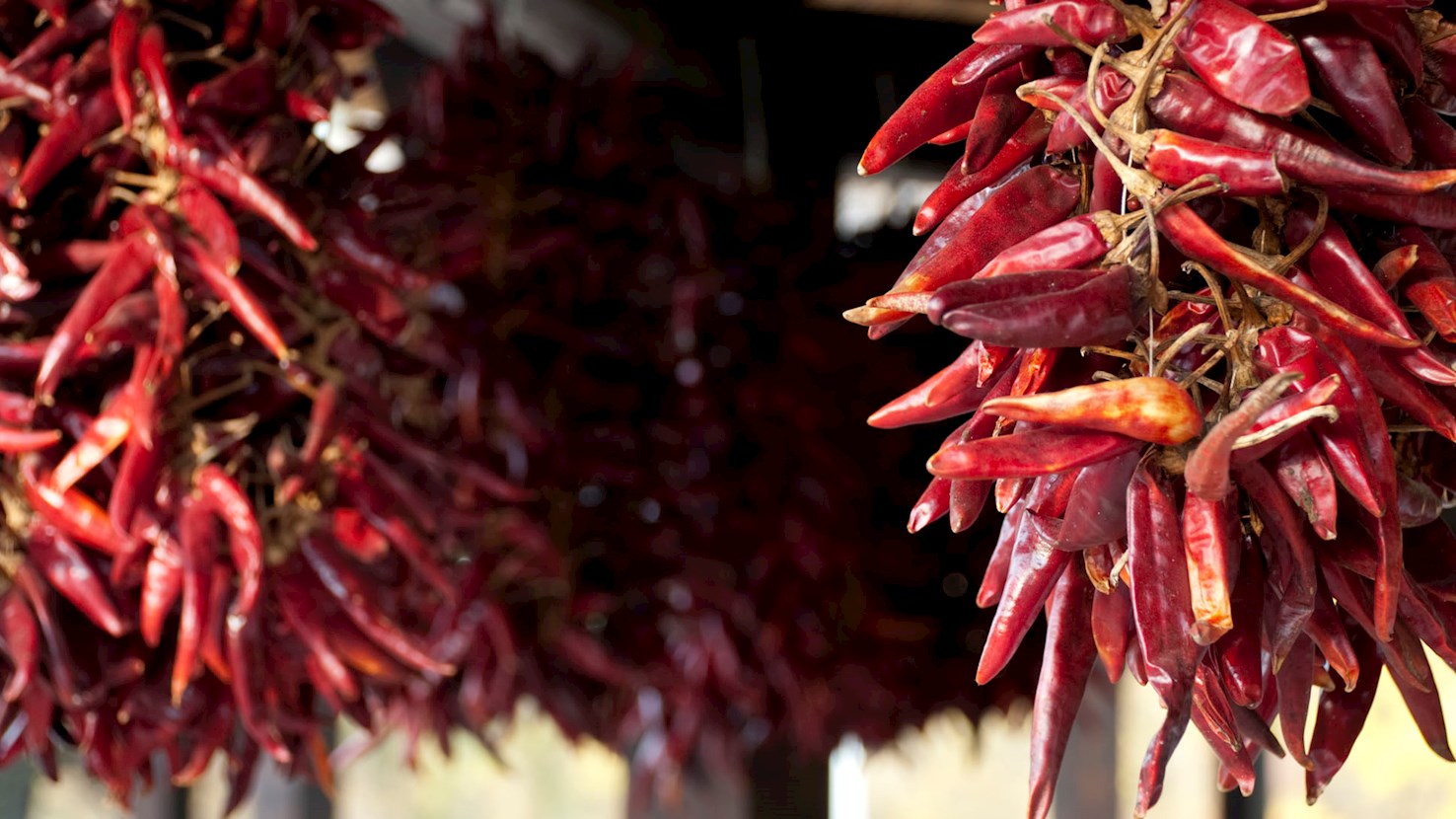
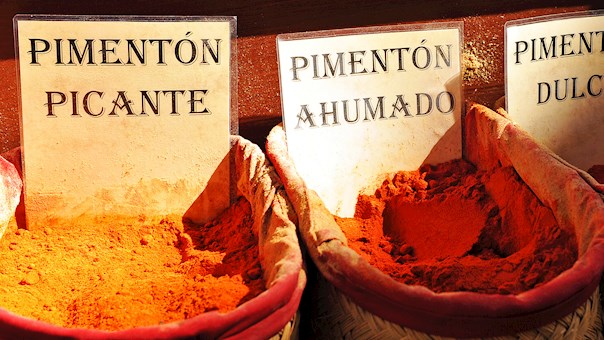
Pimentón de la Vera is the smoked paprika that has been produced exclusively in the La Vera valley, in the province of Cáceres since the 16th century. This vibrant red spice is made by grinding dried peppers into a fragrant, spicy, smoky powder. It became popular in the 16th century when the Spanish conquistadors brought the peppers back from Mexico as a gift for the king and queen of Spain. In autumn, after harvesting, the finest peppers are hanged on strings and are left to dry. They are then smoked using oak wood for two weeks, thus intensifying both their flavor and color. There are three types of Pimentón de la Vera; dulce, agridulce and picante, or sweet, medium and hot, respectively. The sweet variety is mostly used with light meats, such as octopus, rabbit or chicken. On the other hand, the hot variety is used in heartier winter soups and stews, or in the production of chorizo sausages.

05

Chinantla Vanilla

4.5 ·

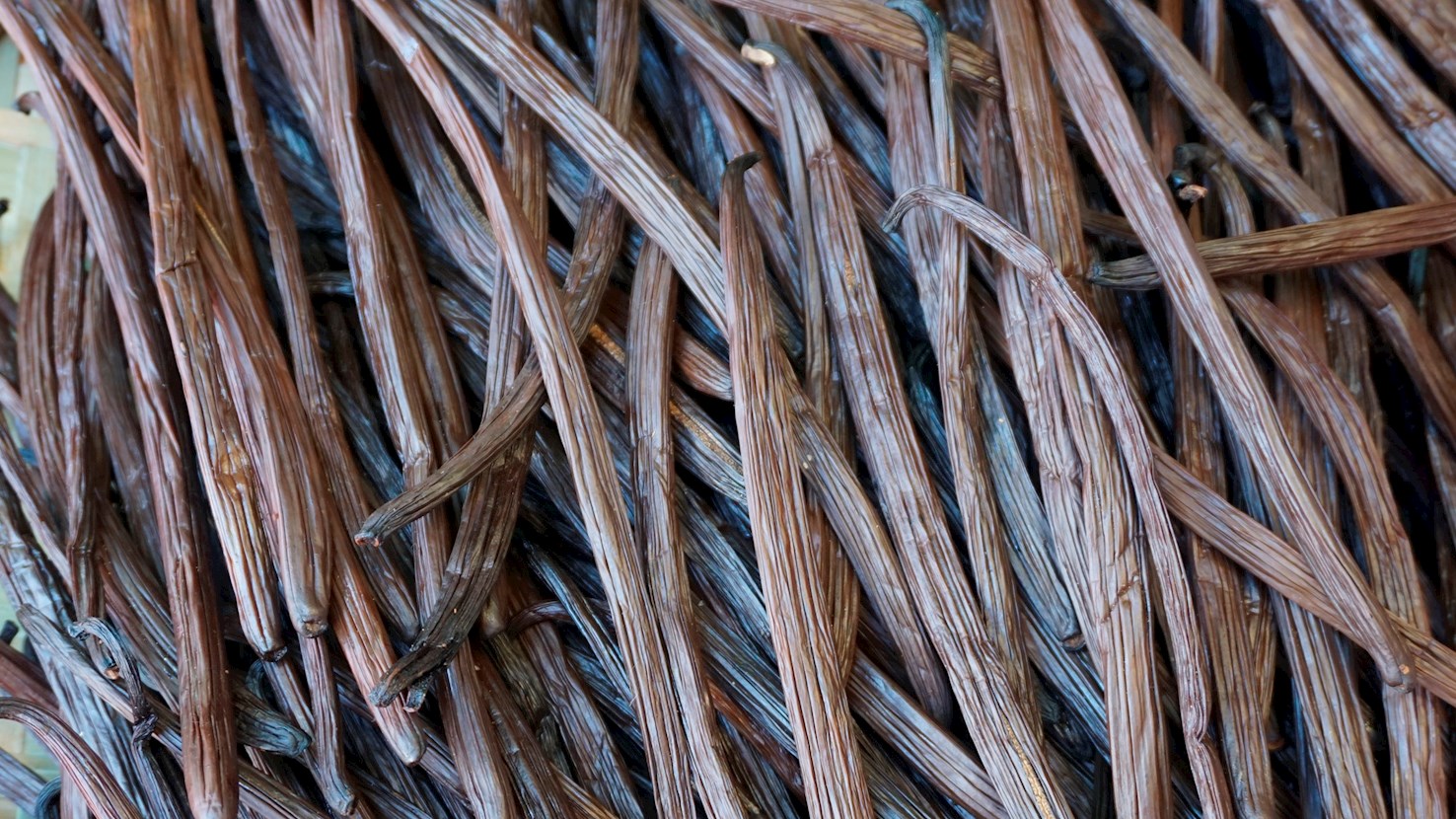
The Mexican region of Chinantla is the only place in the world where wild vanilla grows. Known locally as colibrí, these orchid vines grow in the heart of the forest, using moderate-size trees like citrus, cocoa, and calabash (jícara) trees for support. Once they have been collected, vanilla beans are traditionally sealed in bags, then left in the sun for 5 hours a day over 15 days. The process results in tender, fragrant berries with an appetizing coffee color. In the past, the fruit wasn’t used for cooking because it was offered to the Aztec emperor Montezuma as a tribute, while women combined it with mamey seed oil in order to make their hair shiny.

06

Ceylon Cinnamon

4.4 ·

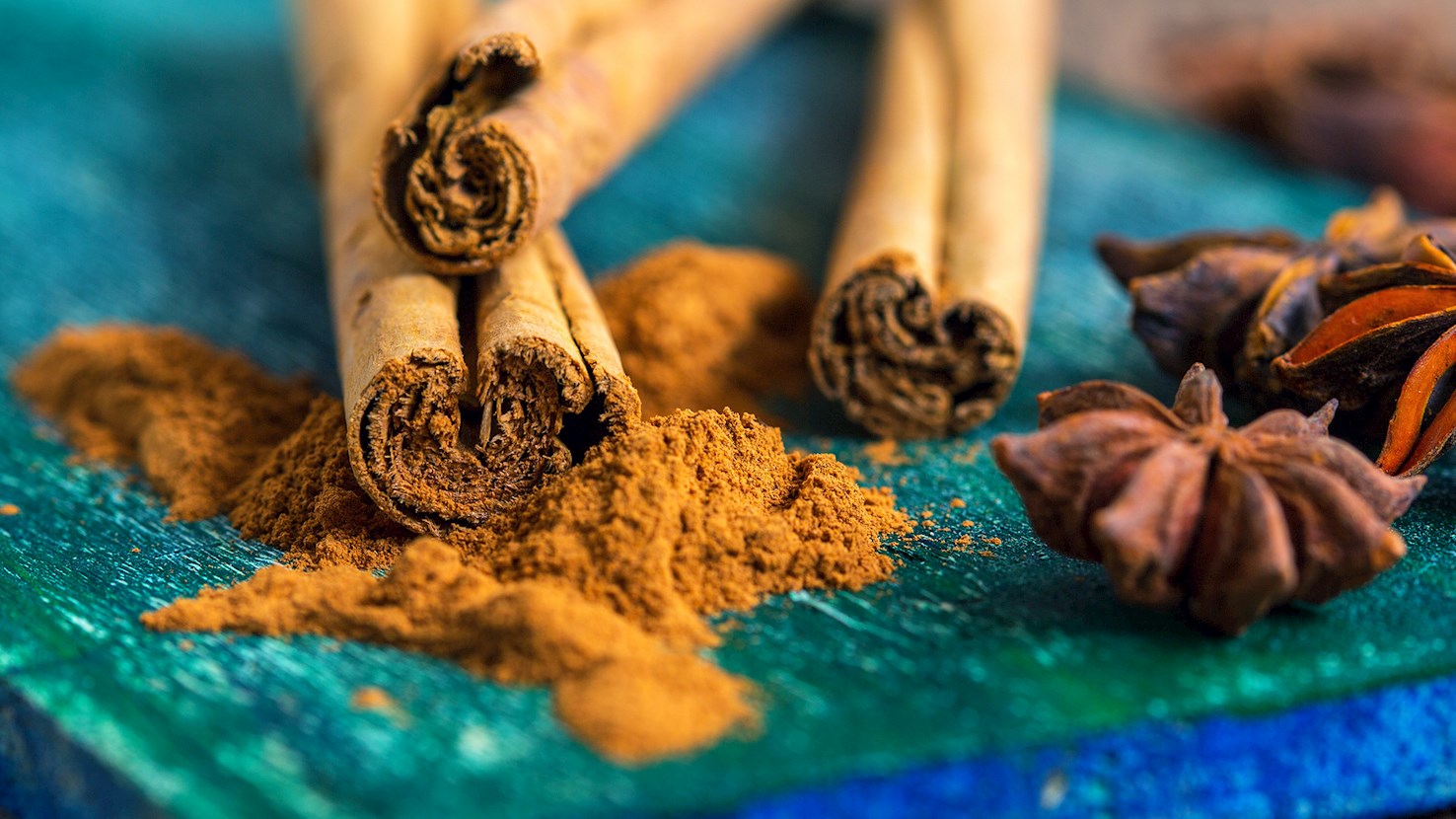
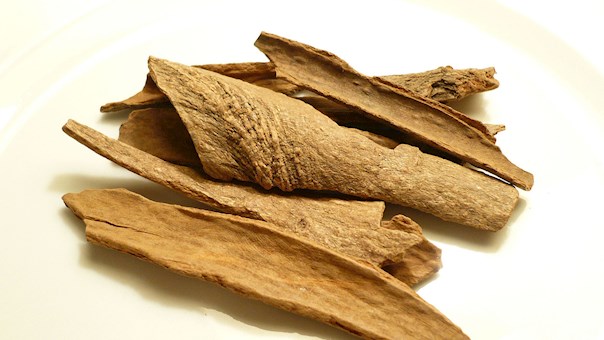
Ceylon cinnamon is traditionally harvested from a tree that is native to Sri Lanka, formerly known as Ceylon, hence the botanical name of this health-beneficial spice. This cinnamon type is sweeter and more delicate than cinnamon cassia, the other main type of cinnamon. It has a beneficial effect on glucose metabolism and body weight, and contains antioxidants called proanthocyanidins, which are also found in grapes and green tea. Unlike cinnamon cassia, Ceylon cinnamon does not contain coumarin – a natural plant chemical that is toxic to the kidneys and liver, and it might also be carcinogenic. If you can find it, always opt for Ceylon cinnamon, even though it is more expensive than the cassia variety. After all, it’s called true cinnamon for a reason.

07

Sansho Pepper

4.3 ·

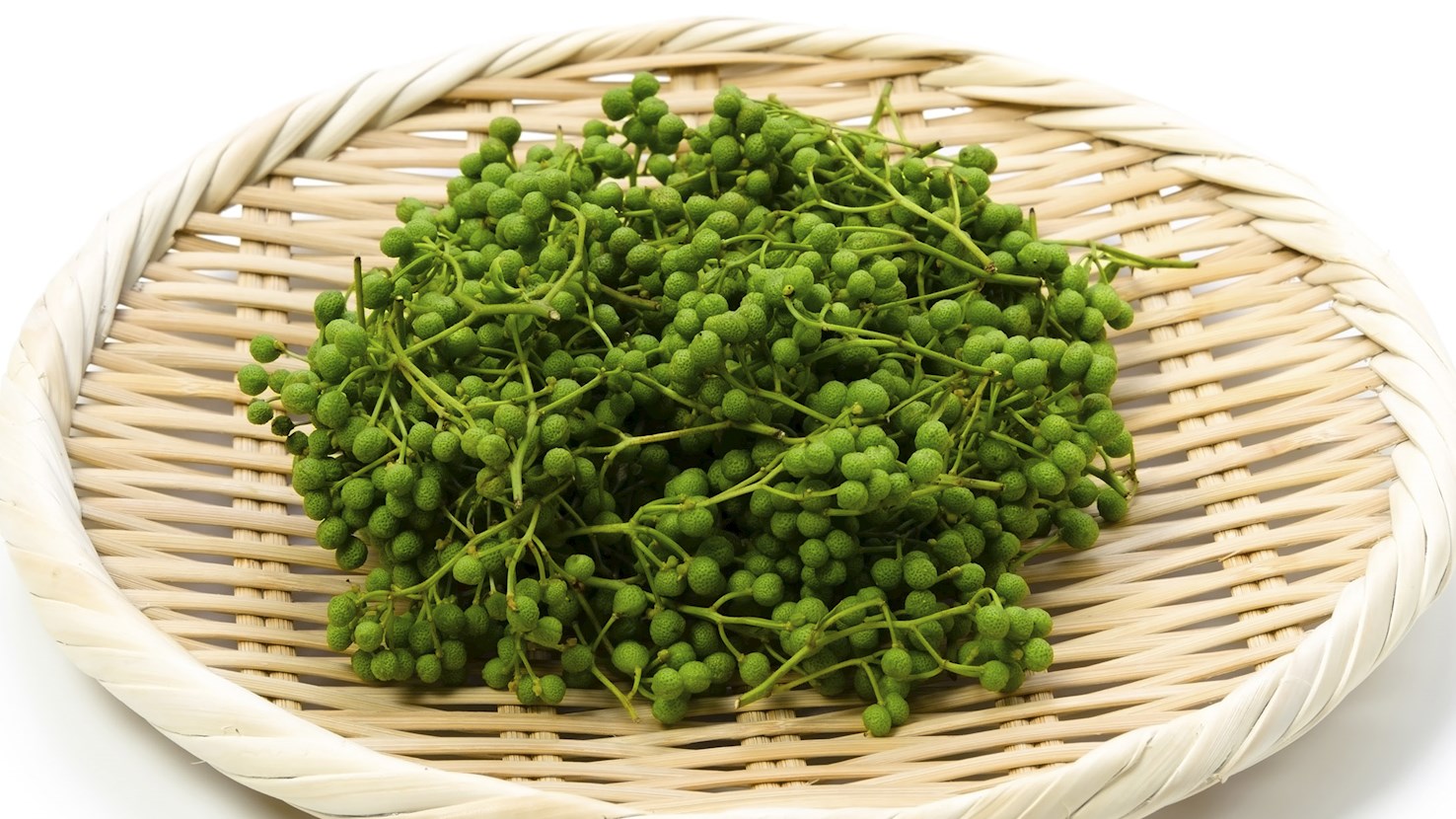
Sansho pepper is a Japanese spice characterized by its prized aromatic peppercorns, green color, and a floral, tangy, lemon-like flavor. It is a part of the famous seven Japanese spices and is closely related to Sichuan pepper. The shrub is grown in Japan, but also in China and North Korea. Traditionally, sansho is used as a seasoning for fish and barbecue dishes, or sprinkled over unagi grilled eel. It pairs extremely well with other spices such as sesame and ginger.

08

Krokos Kozanis

4.2 ·

Krokos kozanis is a spice taken from the bulb stigmas of the saffron plant, part of the Iridaceae family. It is produced within the various municipal areas of Kozani, in the region of West Macedonia in the northern part of Greece. The exclusive rights for the collection, distribution and packing of Greek Saffron is held by the Cooperative de Safran. Annual production depends upon weather conditions and ranges from 6 to 12 tons of pure red saffron per year. It takes 150,000 flowers to produce 1 kilogram of dried crocus stigmas and about 50,000 stigmas to obtain 100 grams of red saffron which makes saffron the most expensive spice in the world. The locals are planting saffron every summer and then manually gather them when they start maturing around the middle of October. The stigmas have a shiny red-orange color, a strong flavor and an intense scent. It seems that crocus was cultivated in Greece ever since the Minoan period, but the production in the Kozani area dates back to the 17th century. It should be kept in glass containers, keeping it away from light sources and humidity. With its unique taste, it can enrich a variety of meals, rice dishes, meat or fish courses. It is also perfect served with cheese. Saffron is used to flavor and give color to sweets and ice creams, as well. In Greece, it is also used to flavor coffee or tsipouro. Greek saffron is among the best saffron in the world, quality-wise and, therefore, a very sought after product in Europe and beyond.

Best producers
09

Galangal

4.1 ·

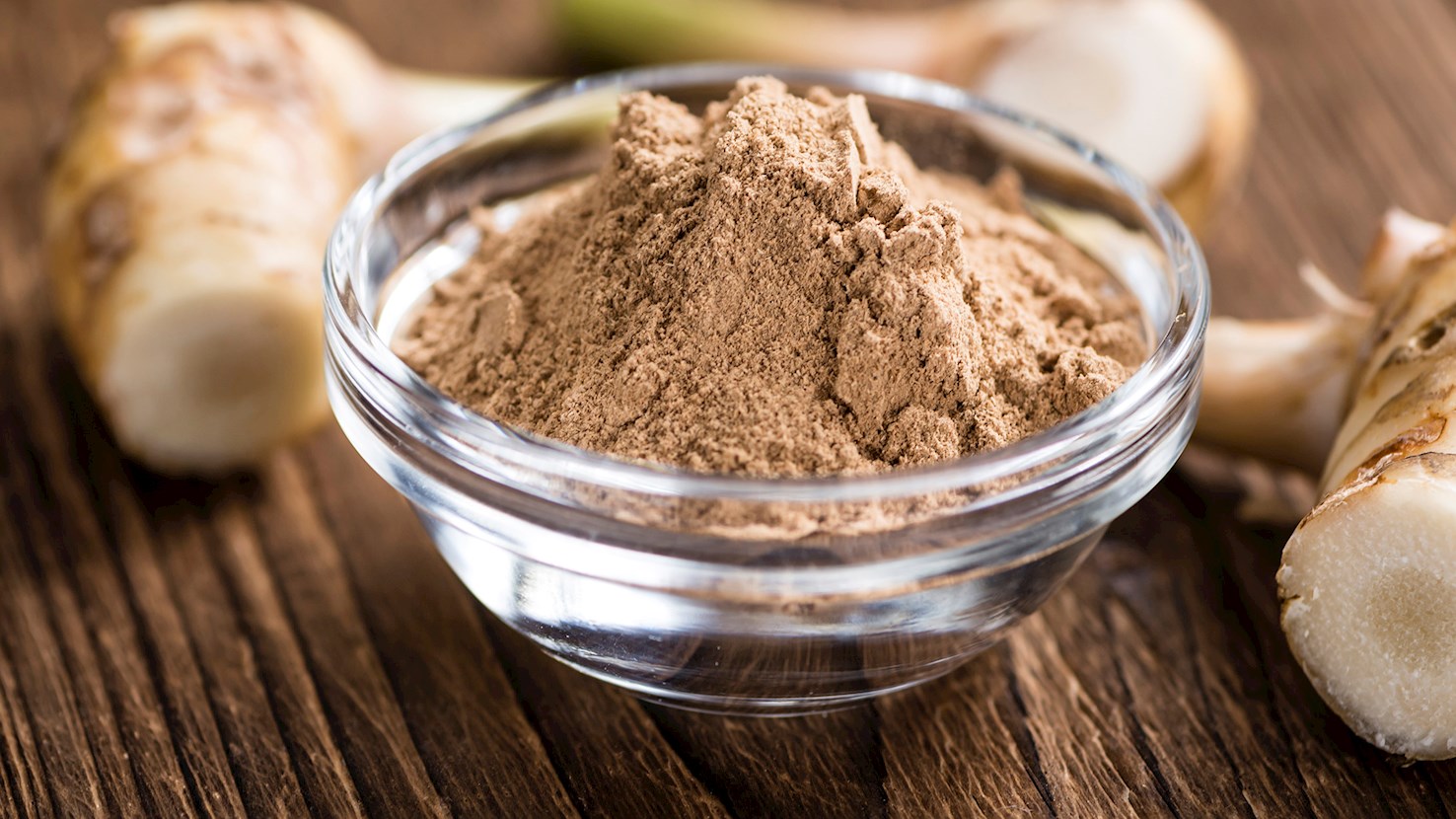
Galangal is a ginger-like root that is widely used in Thai and Indonesian cuisine as a flavoring or a spice, characterized by its pungent aroma. There are two varieties of galangal: greater galangal, which is lighter in color and with a more subtle aroma, used mostly in Thai cooking, and lesser galangal, which is native to China. Galangal is hard and woody on the exterior, with a strong citrus scent on the inside. It gives a citrus note to numerous dishes, and it is an important ingredient in Thai curry pastes. Galangal can come in many forms: as fresh root, dried root, or ground into a fine powder. It also has many medicinal properties - it settles the stomach, eases nausea, reduces cramps, and removes toxins from the body.

10

Huājiāo (Sichuan pepper)

4.1 ·

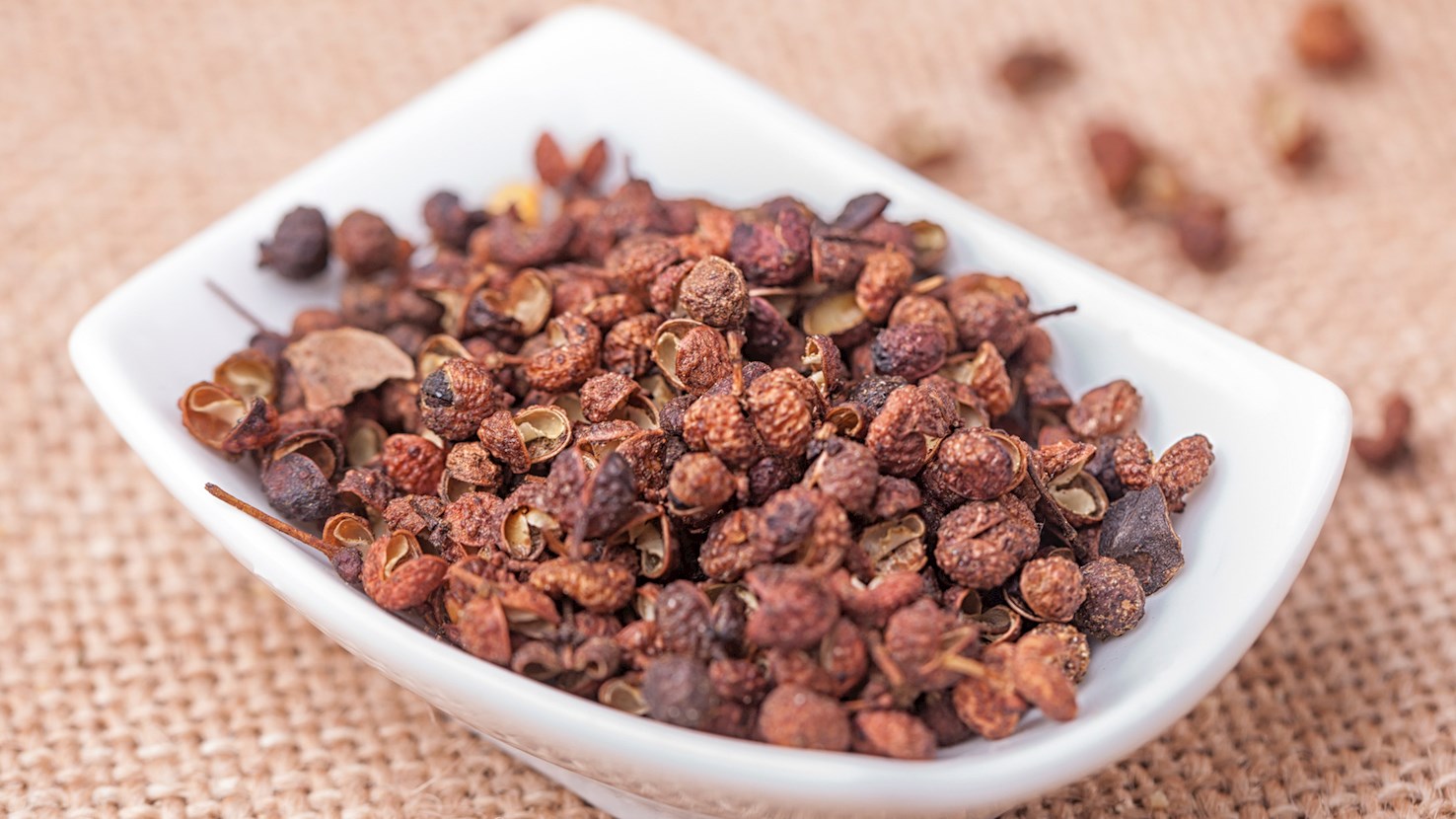
Huājiāo, known in English as Sichuan pepper, is a spice that comes from the prickly ash tree, most famously associated with Sichuan province. It is not a chili pepper or black pepper but the dried husk of the seedpod from the Zanthoxylum plant, valued for the numbing and tingling sensation it produces on the tongue. The spice is central to Sichuan cuisine and defines many of its flavor profiles, particularly the well-known málà combination of numbing and spicy. Its use dates back more than a thousand years, with records from early Chinese texts describing how the husks were collected and prized both as a seasoning and for medicinal purposes. In ancient times, huājiāo was used in court cuisine as well as in folk cooking, valued for its ability to stimulate the palate and enhance appetite. Over centuries, cooks in Sichuan developed methods of pairing it with chili peppers, which arrived later from the Americas, creating the defining spicy-numbing flavor that has become globally associated with the region’s food. In preparation, the husks are dried after harvesting and sometimes roasted lightly before use to bring out their fragrance. They are rarely eaten whole; instead, they are ground into powders, infused into oils, or added directly to dishes during cooking. Huājiāo oil, made by heating the husks in hot oil, is drizzled over noodles, dumplings, and salads for a numbing finish. In braised dishes and hot pots, whole husks are simmered in broth to release their flavor gradually. Ground huājiāo is also used as a finishing spice in stir-fries and cold dishes. The most common is red Sichuan pepper, known for its warm aroma and slightly woody undertones, which is often used in hot pot and braised dishes. Green Sichuan pepper has a fresher, more floral quality with sharper citrus notes, making it popular in lighter broths, chicken dishes, and dipping sauces. In some areas, both are combined to create layered complexity, with red providing depth and green delivering brightness.Today, huājiāo is eaten widely across China but remains most closely tied to Sichuan, where it is a cornerstone of everyday cooking as well as banquet dishes. It appears in hot pot bases, dry stir-fries, braised meats, dipping sauces, and snacks. Its influence has spread beyond China, as chefs around the world use it to add depth and novelty to modern dishes. In Sichuan itself, it continues to be harvested, sold in markets, and used in homes and restaurants.

Best Spices in the World

01

Devbhumi

4.9 ·
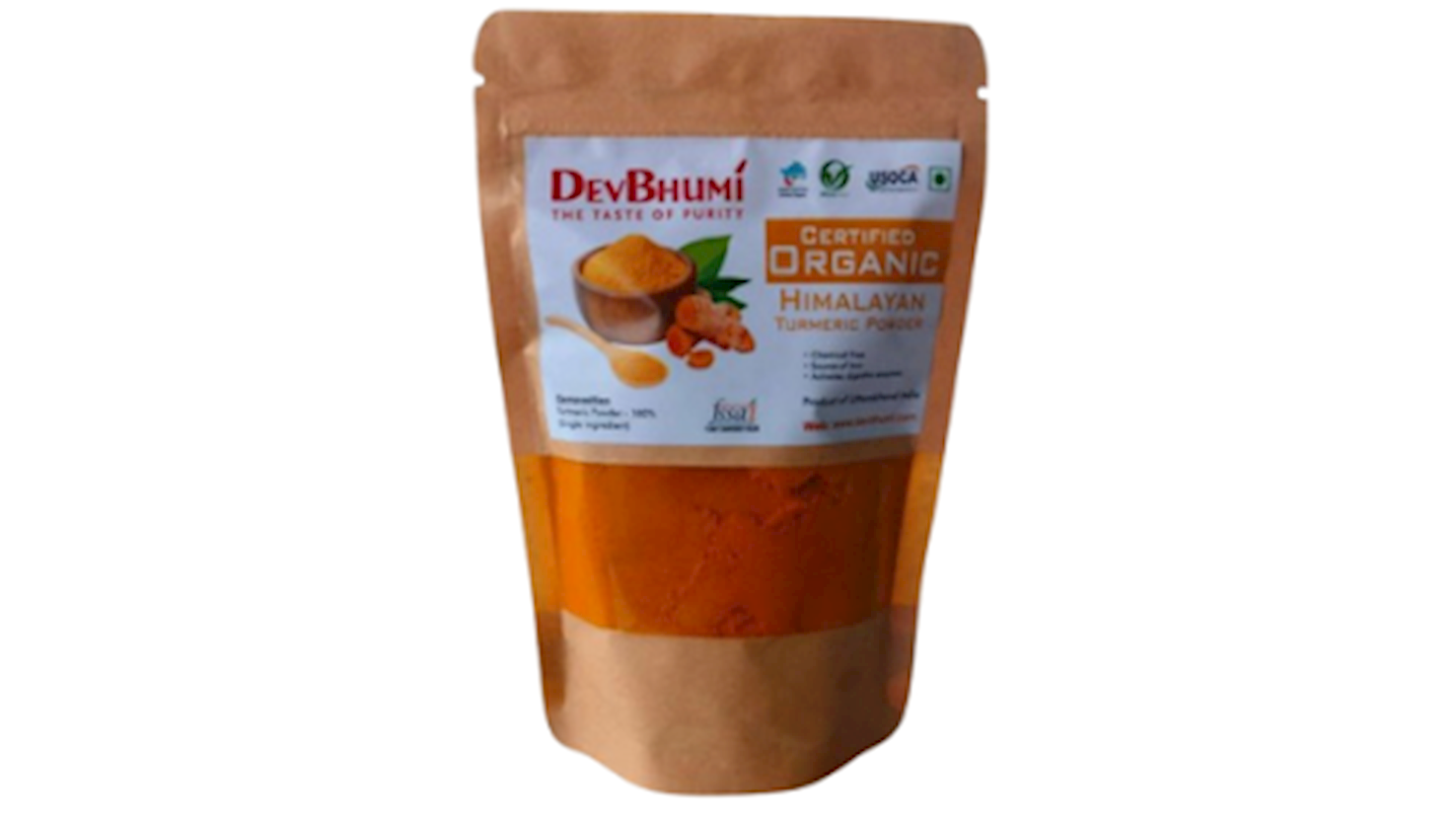
Devbhumi is a producer organization from the Indian state of Uttarakhand that brings together local beekeepers and small farmers to market natural, minimally processed products characteristic of the Himalayan region. Their range includes high-purity honey, traditional spices, ghee and herbal products, with a strong emphasis on preserving authentic origin and traditional production methods. Devbhumi operates as a farmer-producer collective, meaning the producers themselves are the owners, ensuring fair pricing, transparency and direct support for the local rural economy. Thanks to the mountain terroir and diverse Himalayan flora, their honeys and spices carry distinctive aromatic profiles and natural purity, free from additives or industrial processing. Devbhumi represents a sustainable model that combines traditional practices, social responsibility and high-quality products for consumers seeking authentic, natural and organically produced items.
02

Pepper Field

4.8 ·
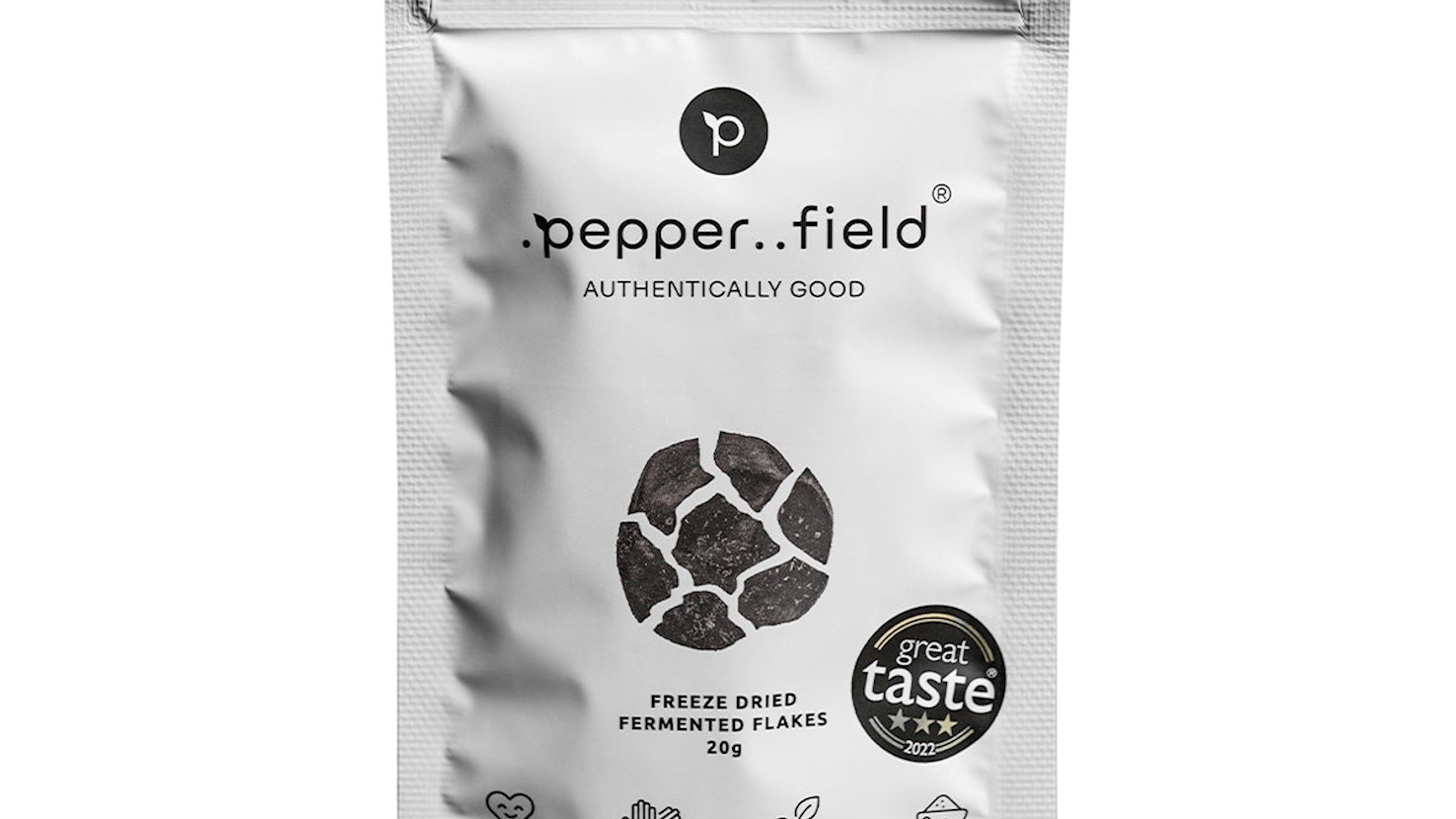
Pepper Field is a black pepper producer based in Prague. They specialize in high-quality black pepper products. The company focuses on sourcing their black pepper from carefully selected regions to ensure premium quality.
Awards
Great Taste Awards - 3 Stars (2024, 2023, 2022, 2021)
Great Taste Awards - 2 Stars (2024, 2023, 2022, 2021)
03

Safran Üretim Çiftliği

4.8 ·
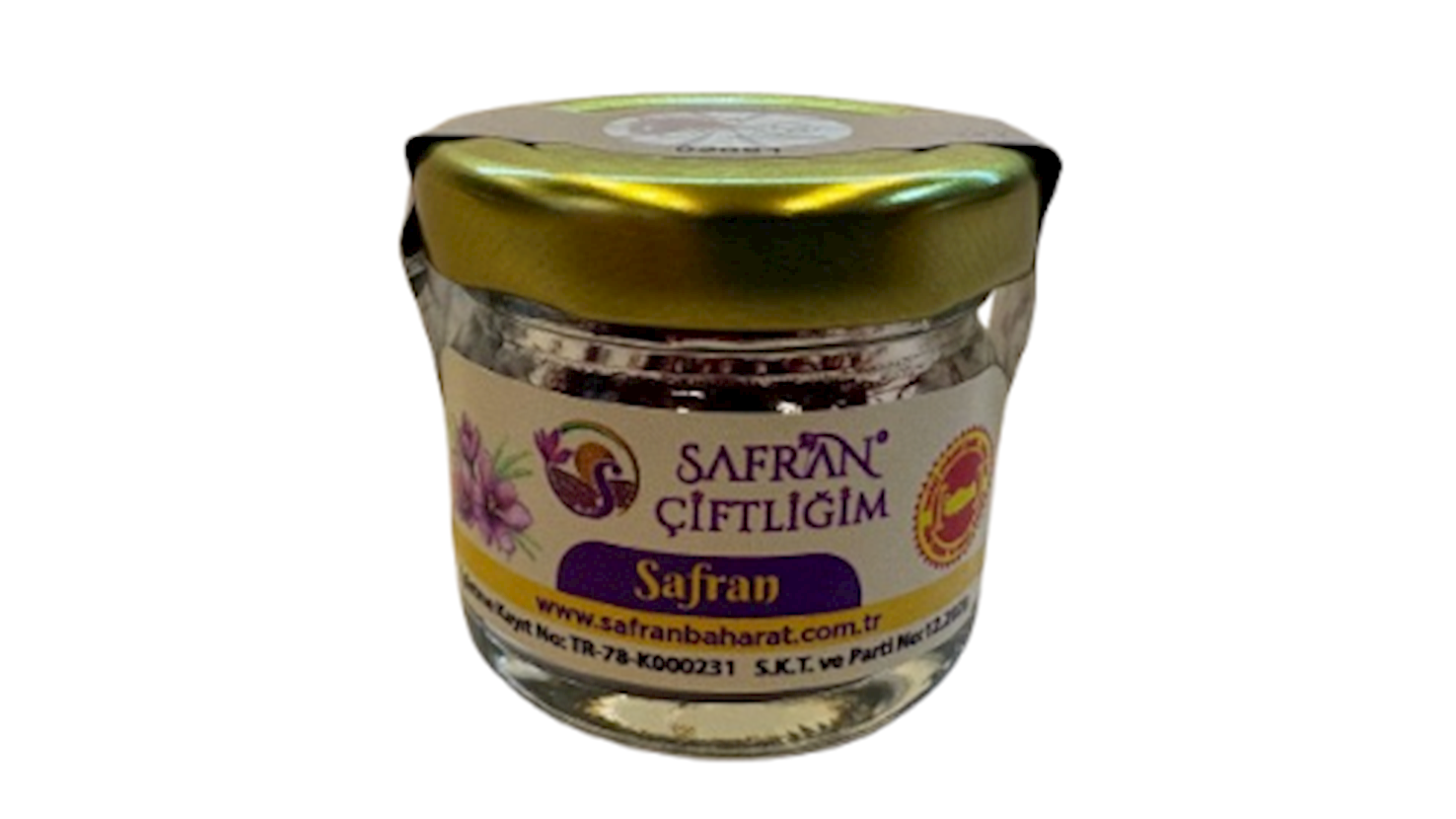
Safran Üretim Çiftliği is a family-run farm from Safranbolu specializing in the cultivation of authentic Turkish saffron, with a focus on small-scale, controlled production and hand-picking of the flowers. The saffron is grown on fields that turn purple in autumn, when crocus blossoms cover the terrain, and the stigmas are carefully separated and dried to preserve their intense aroma and high levels of safranal, picrocrocin, and crocin. The farm offers saffron in various package sizes, with clearly stated origin and traditional cultivation methods that position it within the premium spice segment. In addition to pure saffron, the farm produces a range of related items - teas, spice blends, dried fruits, jams, soaps, and other natural products based on local ingredients. Visitors can tour the plantation during the flowering season to observe the harvesting and processing steps, highlighting the transparent and handcrafted nature of the production. Through the combination of traditional know-how, limited quantities, and direct sales, Safran Üretim Çiftliği stands as a representative example of a regional agricultural producer whose identity is deeply rooted in the terroir of Safranbolu.
04

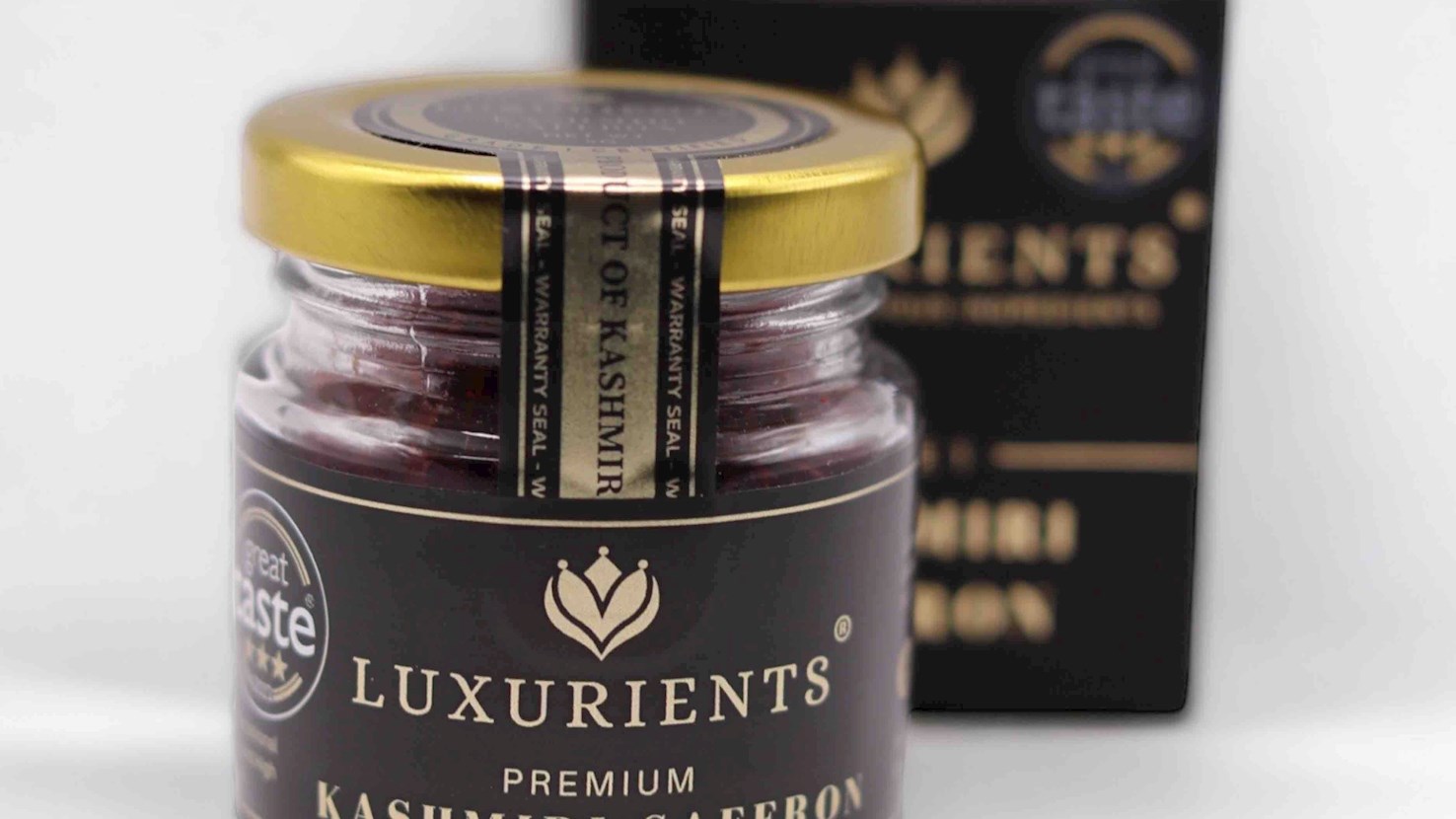
Luxurients

4.8 ·
Awards
Great Taste Awards - 3 Stars (2022)
Great Taste Awards - 2 Stars (2024)
05

Rubin Paprika

4.8 ·
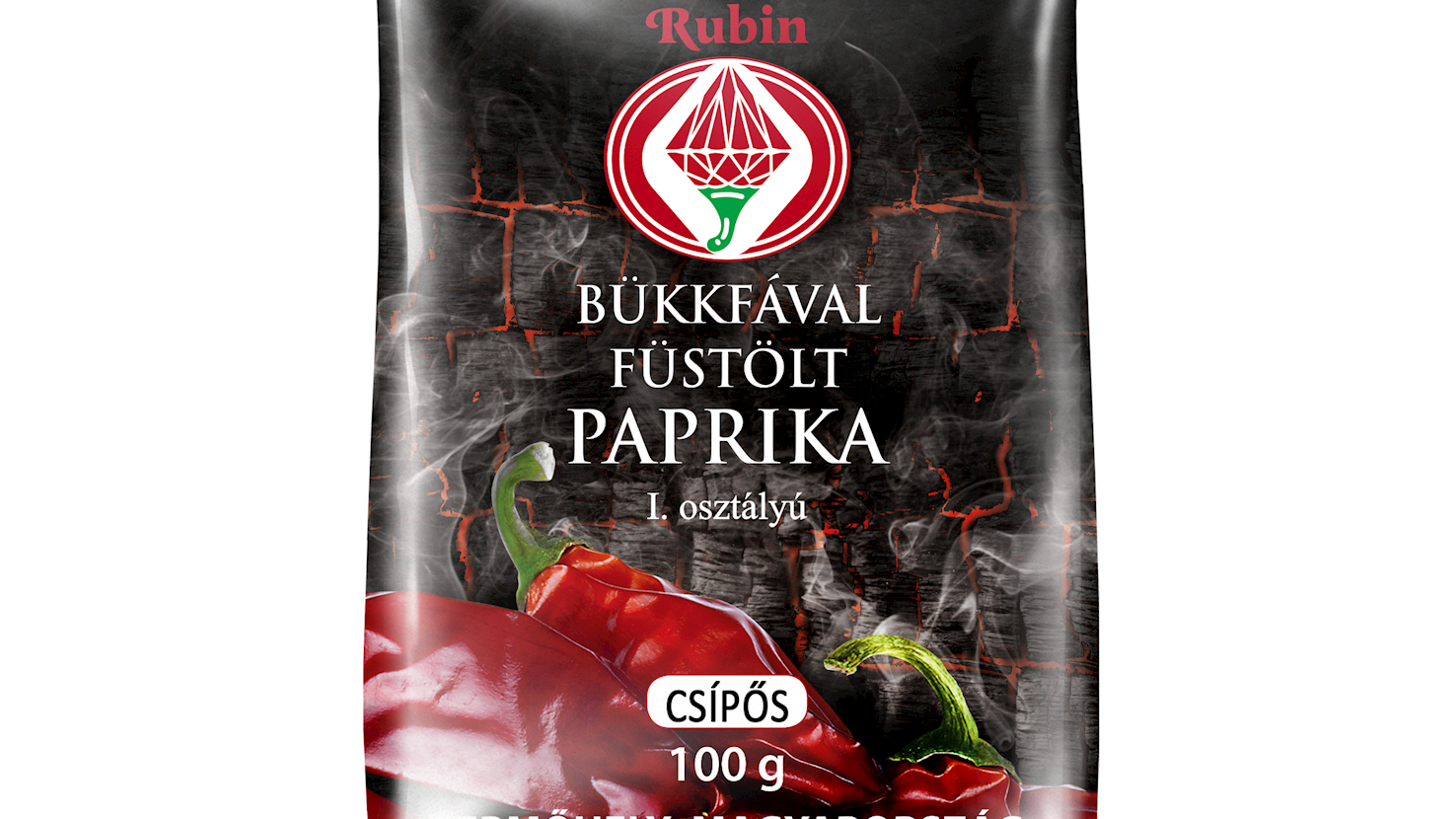
Rubin Paprika is a renowned producer of paprika-based seasonings based in Szeged, Hungary. Their product range includes high-quality offerings such as sweet and hot ground paprika, smoked paprika, paprika seed oil, chili flakes, and organic (BIO) paprika, available in both sweet and hot varieties. Rubin Paprika is dedicated to preserving traditional production methods while adhering to modern quality and food safety standards. Their products are highly regarded both domestically and internationally, contributing to the global recognition of Hungarian culinary traditions.
Awards
Great Taste Awards - 3 Stars (2023, 2021)
Great Taste Awards - 2 Stars (2023)
06

Kadode Kampot Pepper UK

4.8 ·
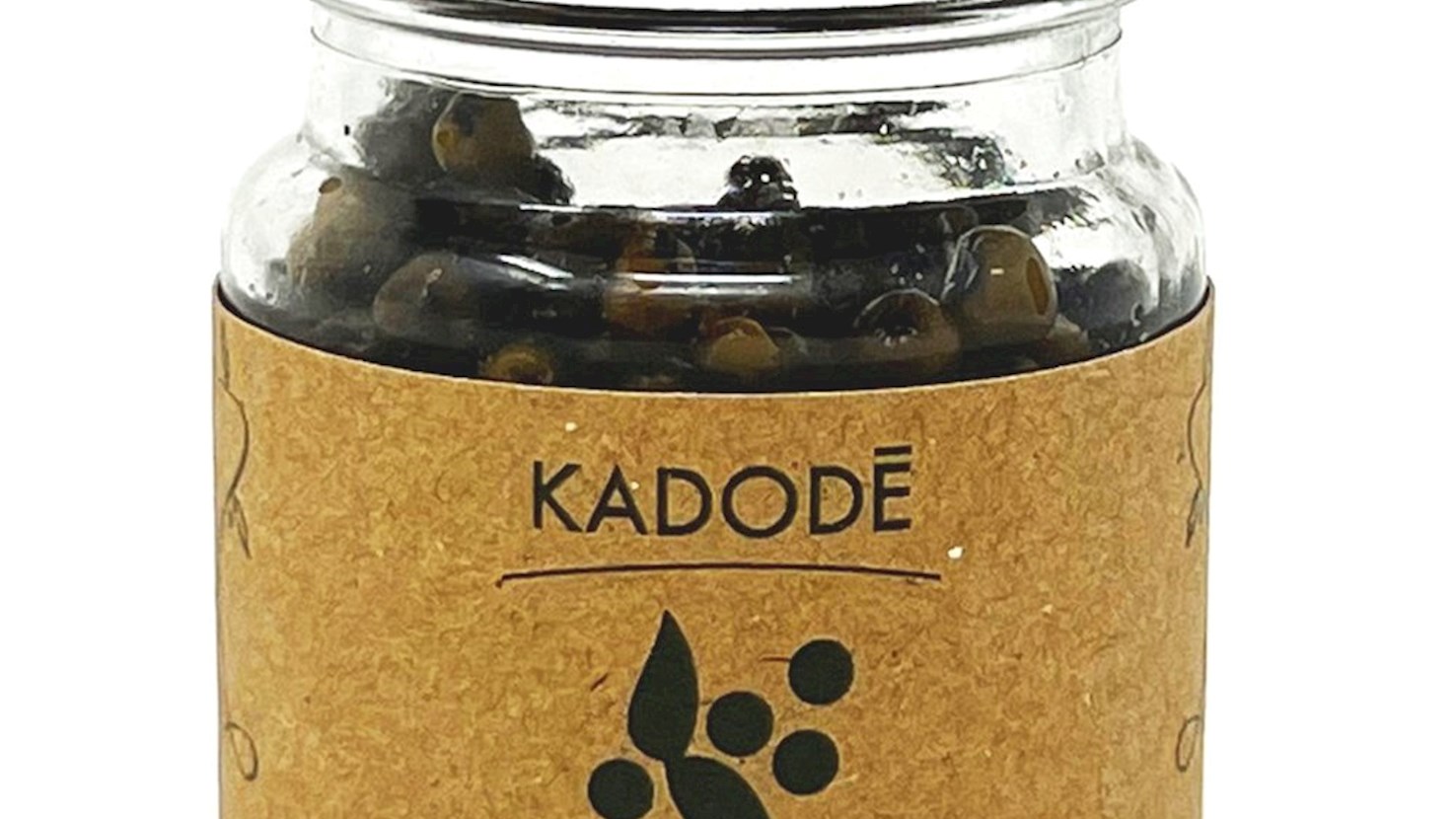
Kadode Kampot Pepper UK specializes in producing high-quality Kampot pepper. The company sources its pepper from Kampot province in Cambodia, known for its ideal growing conditions for pepper plants. Kadode Kampot pepper is certified with Geographic Indication (GI) status, ensuring its origin and quality are officially recognized. The company focuses on sustainable farming practices and fair trade, aiming to support local farmers and the community.
Awards
Great Taste Awards - 3 Stars (2024, 2023, 2022, 2021)
Great Taste Awards - 2 Stars (2024, 2023, 2022, 2021)
07

Bo Tree Farm

4.8 ·
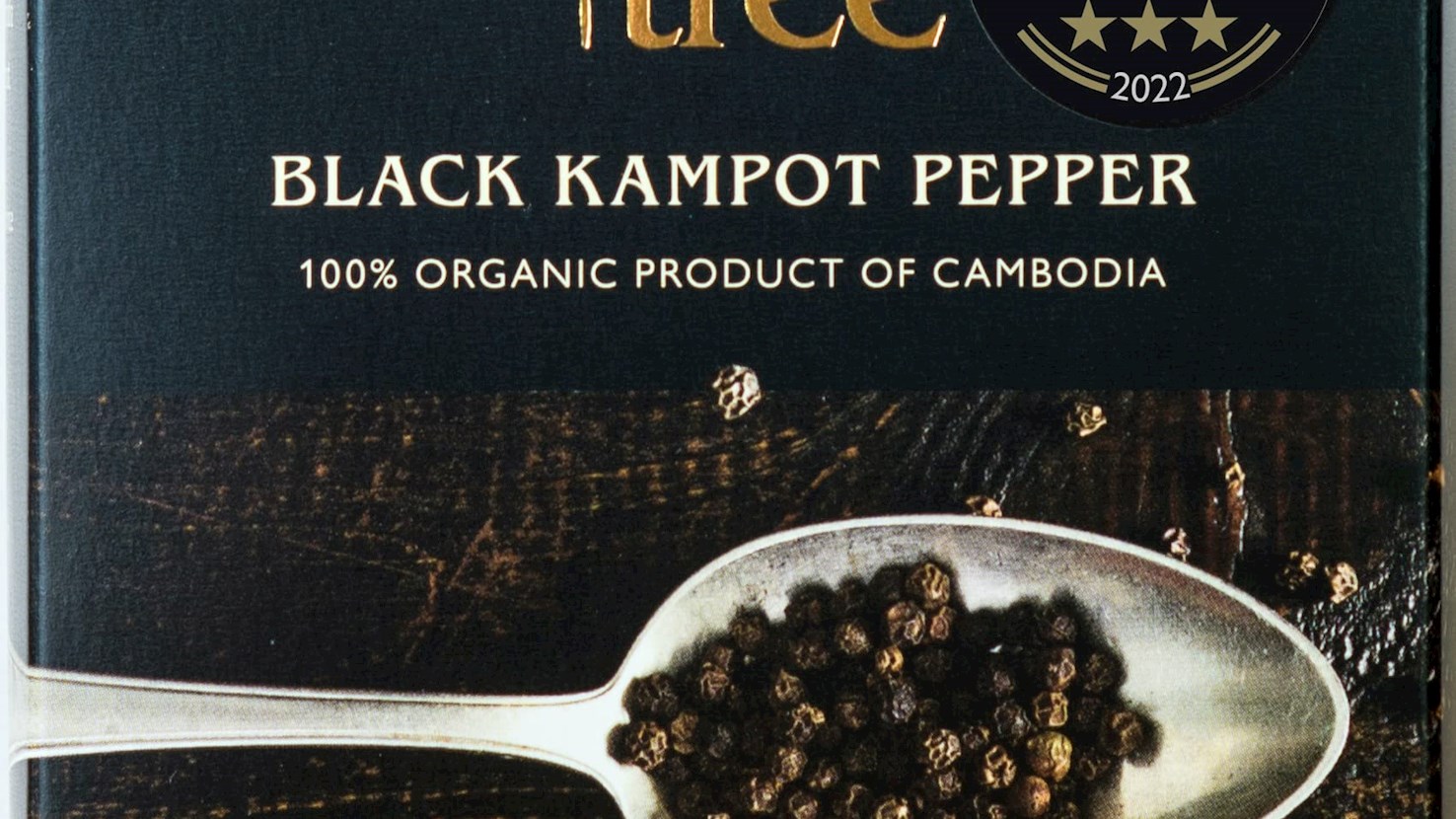
Bo Tree Farm is a spice blend and seasoning producer located in Cambodia. The company specializes in cultivating organic Kampot pepper, a variety highly prized within the culinary world. Bo Tree Farm emphasizes sustainable farming practices and works closely with local communities to ensure ethical production. They export their pepper globally, and it is known for its distinct flavor profile and high quality.
Awards
Great Taste Awards - 3 Stars (2022, 2021)
Great Taste Awards - 2 Stars (2023, 2022, 2021)
08

Thiercelin 1809

4.7 ·

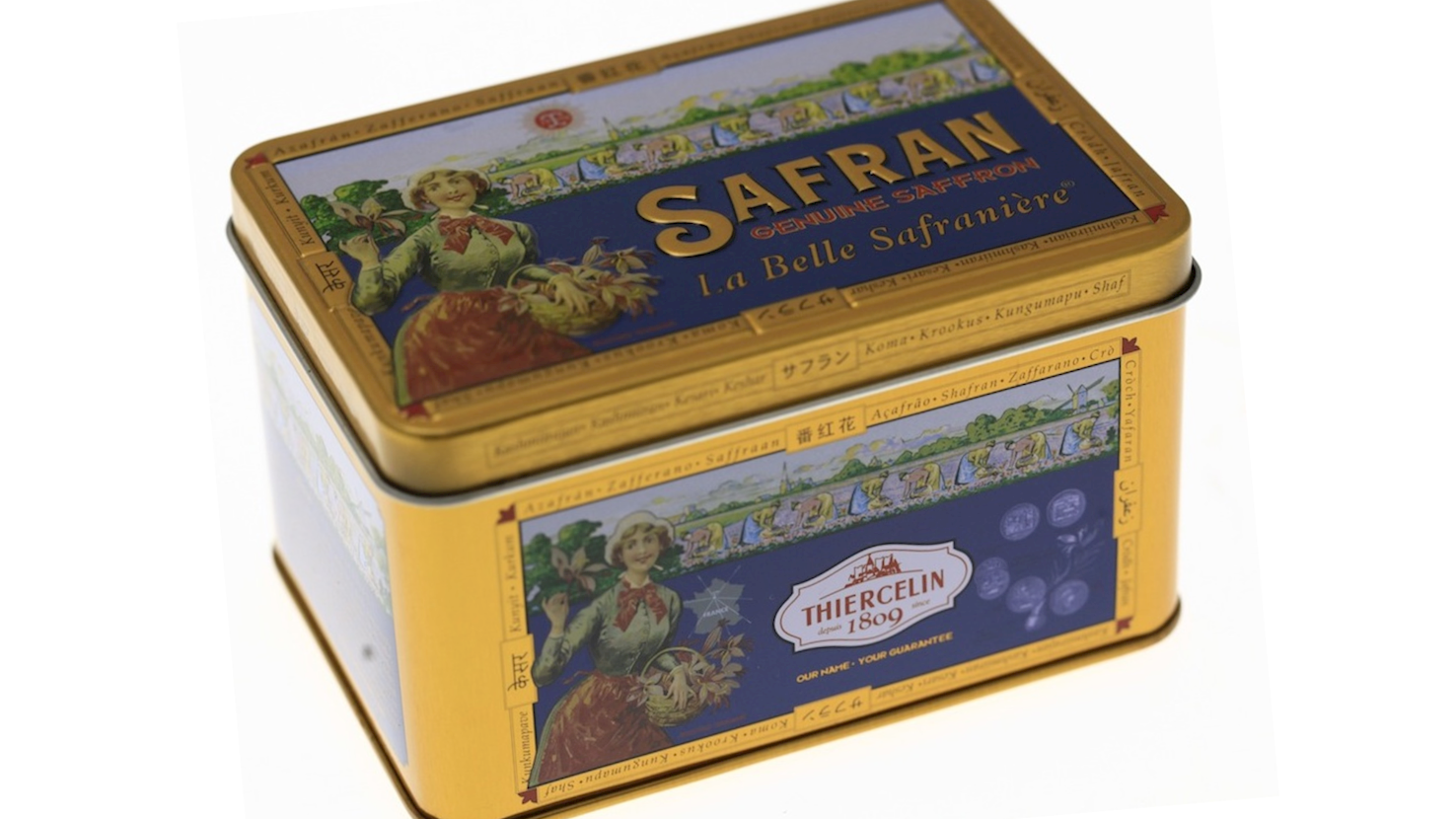
Thiercelin 1809 is a French family-owned producer of spices, aromatic herbs, and gourmet ingredients whose history dates back to 1809. Originating from the Gâtinais region of France, the company is recognized as one of the world's oldest saffron specialists. For more than two centuries, the Thiercelin family has developed extensive expertise in sourcing, processing, and distributing saffron, vanilla, peppers, spice blends, edible flowers, herbal extracts, and other premium ingredients for the culinary industry. Its products are used by renowned chefs, pastry makers, hotels, and food manufacturers, while also being available to discerning consumers through specialty retailers and the company's own stores. Thiercelin 1809 has been awarded the prestigious “Maître Artisan” distinction in recognition of its exceptional craftsmanship and long-standing expertise. The company is particularly renowned for its knowledge of saffron, a product the family has traded since the early nineteenth century, as well as for creating distinctive spice blends inspired by historical recipes and global culinary traditions. Today, the business is managed by the eighth generation of the Thiercelin family, continuing a legacy that combines tradition, innovation, and a commitment to quality that has earned the brand international recognition.

09

Ausha

4.5 ·
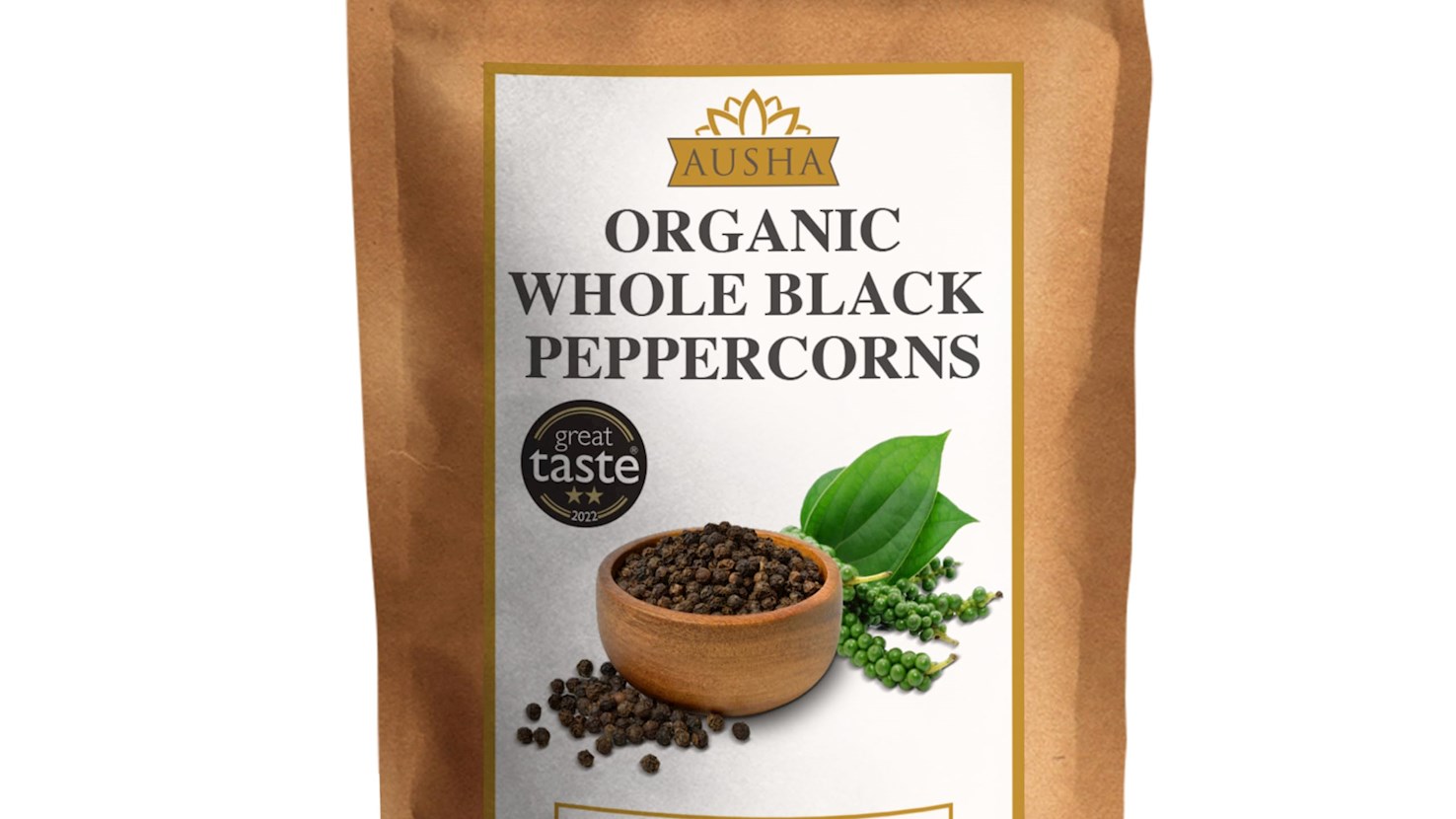
Ausha is an England-based company that produces and distributes a range of organic and natural products, including Black Pepper. The company sources its Black Pepper directly from farmers and cooperatives to ensure ethical and sustainable practices. Ausha emphasizes the purity and quality of their products. Their Black Pepper is often certified organic and free from additives and preservatives.
Awards
Great Taste Awards - 3 Stars (2022)
Great Taste Awards - 2 Stars (2024, 2023, 2022)
10

Hop & Roll

4.5 ·
Awards
Great Taste Awards - 3 Stars (2024)
About this ranking

TasteAtlas food rankings are based on the ratings of the TasteAtlas audience, with a series of mechanisms that recognize real users and that ignore bot, nationalist or local patriotic ratings, and give additional value to the ratings of users that the system recognizes as knowledgeable. For the “Top 54 Spices in the World” list until June 17, 2026, 1,679 ratings were recorded, of which 904 were recognized by the system as legitimate. TasteAtlas Rankings should not be seen as the final global conclusion about food. Their purpose is to promote excellent local foods, instill pride in traditional dishes, and arouse curiosity about dishes you haven’t tried.

The initial list of top producers was compiled based on available reviews, awards, local recommendations, media and blog coverage, and consumer reviews. The list will be updated with ratings from TasteAtlas local ambassadors and TasteAtlas users.

Similar lists